Abundant Health

Up to date health information tailored for you

  • Home
  • Blog
  • Recipes
  • Shop
  • Contact
You are here: Home / Archives for Esther Neumann

Esther Neumann

Oil Change in the Kitchen

February 20, 2022 by Esther Neumann - [rt_reading_time label="Reading Time:" postfix="minutes" postfix_singular="minute"]

Ölwechsel

The battle around fat has been going on for decades. Let’s remember the hot debate about whether to put butter or margarine on bread. The housewife wrings her hands and asks herself which oil to put on the salad. There are a number of low fat products that are in vogue right now. Then there’s the recommendation to eat fish twice a week for the omega-3 fatty acids that are heart and brain healthy. So at the end of the day, which fats shall we consume?
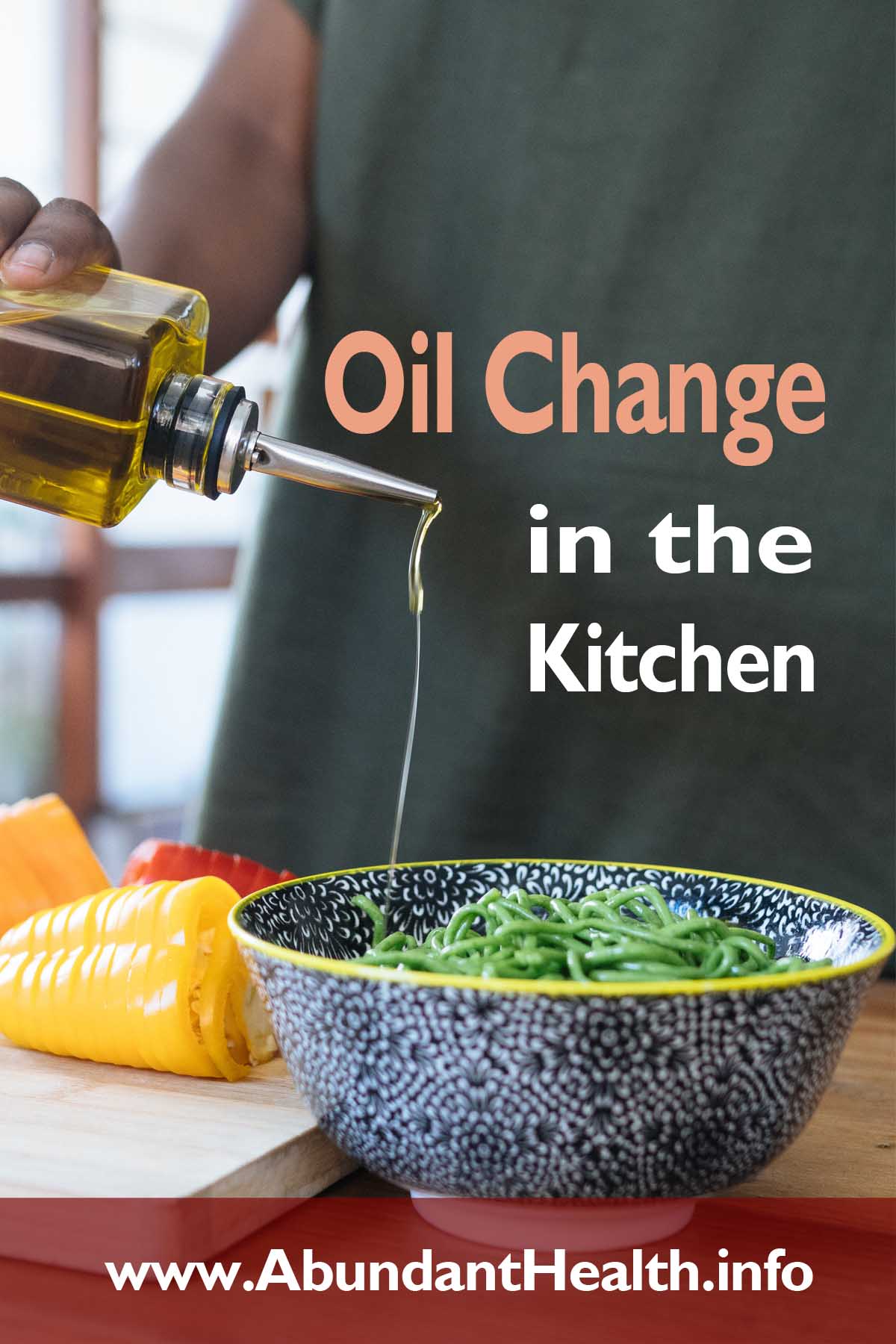
Oil Change in the Kitchen

What is behind the terms Omega-3 and Omega-6? Fats and oils are made up of fatty acids. These are long compounds of carbon chains. In addition, one speaks of saturated and unsaturated fatty acids, whereby the unsaturated ones are the more valuable for our body. Unsaturated fatty acids have so-called double bonds. Omega-3 or -6 tells you where in the carbon chain the first double bond is located. It ranks third among the omega-3 fatty acids and sixth among the omega-6. Hence the designations. Omega tells the chemist which end of the fatty acid chain to count from. Both fatty acids are found in vegetable oils, but in different amounts.

Omega-6 Fatty Acids

Omega-6 fatty acids have 2 or 3 such double bonds. The best known are linoleic acid, gamma-linolenic acid (GLA) and dihomo-gamma-linolenic acid (DGLA). A fatty acid with 4 such double bonds that also plays an important role is arachidonic acid. But it is not essential. The body can produce it from linoleic acid.

Omega-6 fatty acids play an important role in building the double membrane of all cells and their organelles. They are particularly important for the elastic character and fluidity. So-called series 1 prostaglandins (also called eicosanoids) are formed in the body from DGLA. Prostaglandins are tissue hormones that are divided into numerous groups and subgroups. Their effects are diverse and sometimes contradictory. The prostaglandins of series 1 inhibit the aggregation of the blood platelets and thus the tendency to thrombosis. They promote sodium and water excretion via the kidneys and have an anti-inflammatory effect.

A lack of linoleic acid and GLA leads to eczema-like skin changes and hair loss. The liver metabolism is restricted and the kidney tissue degenerates. Heart and circulatory problems occur and growth disorders in children.

GLA and DGLA are not very common in our food and are mainly found in the seeds of borage, evening primrose and black currant. Linoleic acid is classically seen as promoting inflammation, but how far this holds true turned out to be recently a hot topic of discussion.(( Fritsche K L, Too much linoleic acid promotes inflammation—doesn’t it?, Prostaglandins, Leukotrienes and Essential Fatty Acids, Volume 79, Issues 3–5, 2008, Pages 173-175, https://doi.org/10.1016/j.plefa.2008.09.019.))

Black Currants

Arachidonic acid, on the other hand, mainly produces series 2 prostaglandins in the body. These sometimes show opposite effects to the prostaglandins of the series 1. They are pro-inflammatory, promote salt and water storage and lead to high blood pressure.

A targeted supply of GLA-rich vegetable oils can promote the formation of prostaglandin 1 at the expense of prostaglandin 2 and thus prevent an increased tendency to inflammation and stress on the heart and circulatory system.

Animal products contain a lot of arachidonic acid, which we want to avoid. Pork lard contains extremely high values (1700 mg/100g), while dairy products contain around 50 mg/100g. On average, a meat eater consumes about 300 mg/day of arachidonic acid, which explains a multiplicity of inflammatory responses. Vegetarians take in practically no arachidonic acid, but a higher amount of linoleic acid, which consequently inhibits the synthesis of arachidonic acid.

Omega-3 Fatty Acids

Omega-3 fatty acids are the big stars protecting the heart and blood vessels. They reduce blood triglycerides, blood pressure and the risk of coronary heart disease. They probably also reduce the risk of developing Alzheimer’s disease and reduce certain rheumatic symptoms. They lower cholesterol levels and relieve neurodermatitis. They are essential for information processing in the brain. Omega-3 fatty acids inhibit the formation of endogenous pro-inflammatory pain mediators. The pain threshold is raised, the body only perceives pain at a higher “dose”. Hence the positive effect on rheumatic and other diseases such as psoriasis or neurodermatitis.

The omega-3 fatty acids include alpha-linolenic acid, eicosapentaenoic acid (EPA) and docosahexaenoic acid (DHA). They have similar functions as DGLA. From EPA the series 3 prostaglandins are formed. While these have a moderate promoting effect on platelet aggregation, they suppress the release of arachidonic acid from cell membranes, thus inhibiting the formation of prostaglandins 2. This is the basis of the anti-rheumatic, anti-inflammatory and heart-protecting effect of omega-3 fatty acids.

DHA is particularly important for the mental functioning and mental development of the embryo. The myelin, which is the white substance that covers the nerves, is especially rich in unsaturated fatty acids. A particularly large amount of DHA is also stored in the retina.

A lack of omega-3 fatty acids leads to growth disorders, disturbances in sensitivity, muscle tremors and blurred vision. It can also lead to increased triglyceride levels, which may be reduced by administration of fish oil preparations. The development of rheumatoid inflammation can also be suppressed by reducing the formation of prostaglandin 2.

Nevertheless, caution is advised against uncontrolled use of isolated omega-3 and omega-6 preparations such as evening primrose, borage and fish oils. Because the increased intake of unsaturated fatty acids also requires their protection. Especially people who are under high oxidative stress, like smokers, athletes, people with a lack of antioxidants such as vitamin C, E, A, carotenoids, can cause more harm than good through an excessive intake of unsaturated fatty acids.

The unsaturated fatty acids can oxidize and are thus converted into so-called free radicals before they can perform their biological function. They then migrate like bullets through the blood, tissues and organs and leave behind a radical chain reaction that destroy important structures such as membranes, vitamins or enzymes. An abundance of free radicals can even promote cancer.

If a fatty acid dietary supplement is planned, a sufficient supply of antioxidants should be ensured a few weeks beforehand. Incidentally, the same applies to carrying out a crash diet. The low calorie intake releases of course amongst others unsaturated fatty acids from the stored fat, which must also be protected by antioxidants.

A balanced diet with lots of fruits, vegetables, nuts, seeds and legumes naturally guarantees a balanced supply of essential fatty acids without putting any strain on the body.
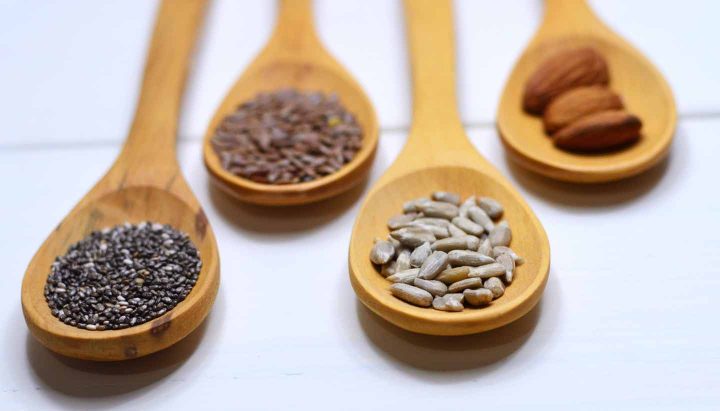
Nuts and seeds

A lack of essential fatty acids is rather rare, even though the consumption of Omega 3 fatty acids should be a bit more emphasized. The adipose tissue of a normal-weight, well-nourished adult can contain over 500 g of linoleic acid and 25 g of alpha-linolenic acid. A deficiency can occur with a fat-free artificial diet or with a chronic lack of fat intake.

Omega 3 Sources

Omega-3 fatty acids are found in vegetable oils and in the fish oil of cold-water fish, such as salmon, herring, mackerel, tuna, and sardines. Nutritionists recommend eating no more than five times as much omega-6 (linoleic acid) as omega-3 (linolenic acid). On average, however, the ratio is ten to one instead of five to one. How can we change that? We need to be more selective about our fat sources.

Linseed oil contains four times more linolenic acid (omega-3) than linoleic acid (omega-6). In addition, it contains plant substances that have an anti-cancer effect. Unfortunately, linseed oil has an unfavorable quality. Due to the large number of double bonds, it goes rancid very quickly. If we use linseed oil for our salad, we only buy small bottles and use the oil in three months at most. The bottle must be dark colored and stored in the refrigerator. These measures protect the valuable double bonds.

Freshly ground flaxseed can also be eaten instead of flaxseed oil. We can grind the flaxseed in a coffee grinder ourselves. As long as the seed is intact, the fat it contains with its many double bonds is also protected. After grinding, flaxseed should be used in a couple of days. We can sprinkle crushed flaxseed over salad, stir it into soups, add it to muesli and yoghurt, bake it in biscuits and bread.
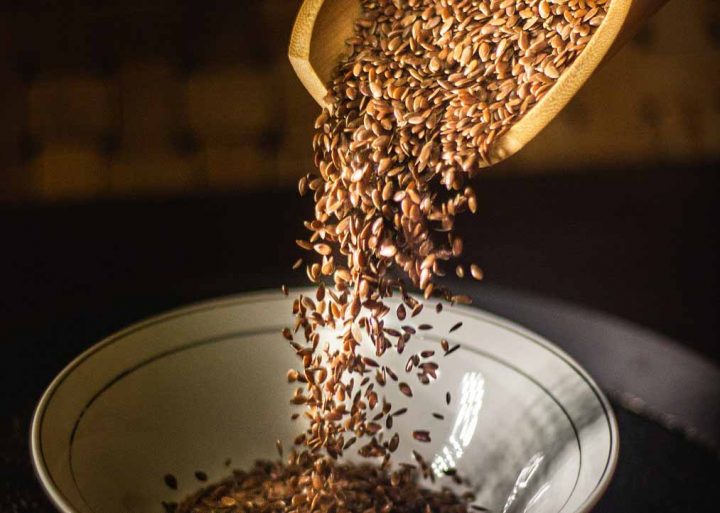
Flaxseed

Flaxseed is so valuable that it should actually be sold in pharmacies – alongside the cholesterol-lowering drugs. Every year billions of dollars are spent on medication to keep the cholesterol levels low. In most cases, a tablespoon of flaxseed oil would do the trick, and there wouldn’t be the usual side effects.

But at the same time we have to make sure that we get enough vitamins from the antioxidant group to protect the valuable double bonds in fat. Because even in the body they can still be destroyed. These are vitamin E, vitamin A, carotenoids and vitamin C. They are all found in fresh fruit and vegetables.

Another interesting source of omega-3 is hemp oil. It contains a lot of vitamin E and therefore has a longer shelf life than linseed oil. It also contains cholesterol-like substances that can lower cholesterol levels. You don’t need to be afraid to get a high, since the tetrahydrocannabinol (THC) has been bred out of hemp plants. Hemp oil also counteracts inflammatory processes and is used in skin diseases such as neurodermatitis and psoriasis. The omega-6 to omega-3 ratio is about 3:1.

Canola oil also has a favorable ratio, about 3:1. Today’s canola oil no longer contains erucic acid and is no longer chemically extracted for food purposes. But it is rarely offered unrefined.

Walnut oil has a 5:1 ratio. The nutty aroma goes well with almost all salads. Eating a handful of nuts every day is very healthy because nuts also contain many minerals, vitamins and lecithin. Fat from nuts does not make you fat because it does not get into the fat cells at all, but is converted into much more valuable substances in the body. If we eat a few nuts every day, we are doing something good for our health.

Frequently we hear the recommendation to eat fish twice a week – because of the protective effect on the heart. Unfortunately, there are already many pollutants in fish today, especially mercury, which cancels out the protective effect. It even promotes depression. Sales of fish oil capsules are also booming. When consumed at all, verify at least if the fish oil has been purified. But we also get along without fish, as we have shown above with the vegetable oils.
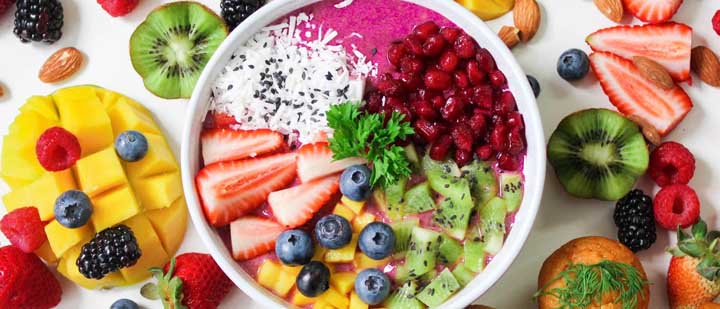
Healthy Fruits

Stay Always Up to Date

Sign up to our newsletter and stay always informed with news and tips around your health.

Sign Up Now!

Filed Under: Nutrition

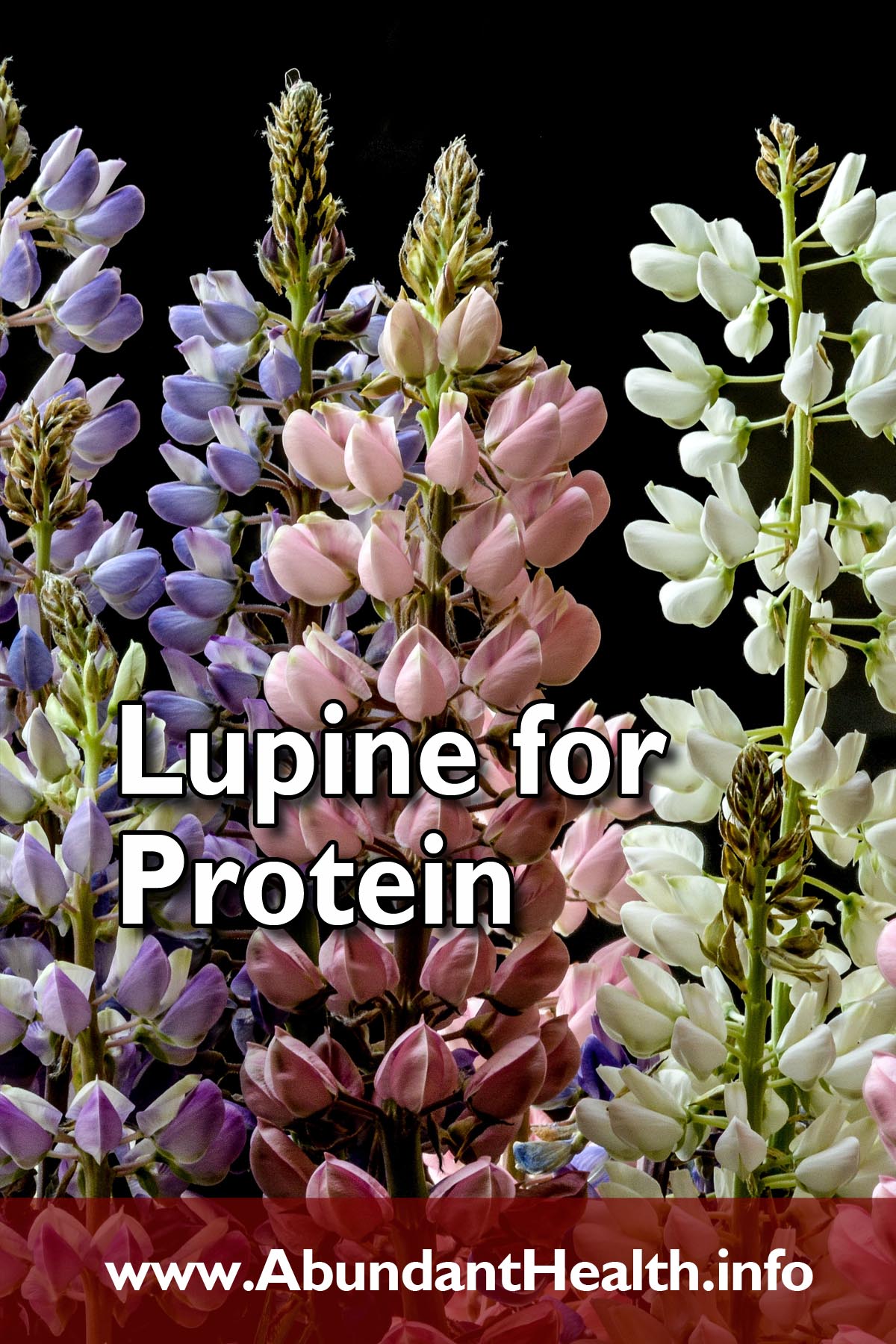
Lupine for Protein

February 6, 2022 by Esther Neumann - [rt_reading_time label="Reading Time:" postfix="minutes" postfix_singular="minute"]

Lupinen

Most people know lupines from the edges of highways or gardens, where their pretty candles glow in shades of red, yellow and blue. Lupines are also used for nitrogen enrichment in the fields and as protein feed for animals. But very few people know that they also have something to offer for human nutrition. The sweet lupine has played a significant role in nutrition in the Mediterranean and South American world for more than 2000 years. Above all, it provides us with protein and some trace elements and important vitamins.

Lupine for Protein

The lupine belongs to the legume family and to the faboideae subgroup. It is related to the gorse. The word lupine contains the Latin word “lupus” meaning wolf. This is where the name wolf bean comes from. We know between 100 and 200 species of lupines. However, mainly the sweet lupine plays a role in nutrition, since this variety contains hardly any bitter substances that are not digestible for humans and animals. The plant has roots that can reach up to 1.5 meters into the ground. That is why it thrives quite well even on very dry soil.

Like all legumes, it can bind the nitrogen from the air with the help of the nodule bacteria on the roots. This is the basic requirement for the formation of protein. If this protein had to be produced by humans in a chemical factory, it would be a very complicated process that would require enormous machinery. The plant does this in a very small space with ingenious means. The deep rooting of the soil and the breakdown of minerals that are difficult to dissolve together with the formation of nitrogen makes the lupine so valuable as a preceding crop. In the Andes, where the lupine probably comes from, it is grown on the uppermost terraces. There it collects nitrogen, which is washed down with the rain onto the lower terraces. In this way, these fields are naturally fertilized.

Lupines and Nutrition

In South America, the lupine has been a staple food for more than 2000 years and is cultivated with intercropping together with maize and quinoa. Wild lupines are bitter and poisonous. Such protein would have to be debittered. Bitter-free cultivars include the blue-flowering varieties of the narrow-leaved Lupinus angustifolius. Sweet lupines do not contain any phytates like beans and soybeans. They can therefore also be eaten raw without harm.

A lupine dish from Equador

Lupine protein is a very valuable protein, especially for vegetarians or vegans. It is low in purine, so it hardly forms any uric acid, which is a major disadvantage with soybeans. It is perfect as a protein source for people with rheumatic diseases or gout. It is also low in glycemic index, which is beneficial for the diabetic as the carbohydrates are released gradually. The blood sugar level rises slower. In addition, it is lactose and gluten free, an advantage for lactose intolerant people and celiacs.

The protein composition is such that there are significant amounts of the essential amino acids lysine, methionine and tryptophan, more than in beans and peas. Only the soybean has more to offer in this respect. Combined with grain or corn, the lupine protein is an excellent source of protein that is far superior to animal protein because it hardly forms any uric acid. In addition, the lupine seeds contain important fatty acids such as linoleic acid, oleic acid and lecithin. Unlike soybeans, lupine seeds do not have to be degreased before they are made into lupine flour or lupine tofu. Therefore, these important fatty acids are also contained in the end product and thus also vitamin E and carotenoids. Lupine is a good source of iron and calcium.

Lupines versus Soybeans

Lupines compare very well with soybeans. In addition, lupines are not genetically modified. The genetic diversity of the many species of lupine makes it possible to obtain desired properties simply by breeding. In the case of soybeans, up to 60% of the entire production worldwide is already grown from genetically engineered seeds. Sweet lupine is therefore a good alternative to soy, both for agriculture and for animal and human nutrition.

Allergy

Unfortunately, lupine also has a certain potential for allergy. People who are allergic to peanuts frequently show allergic reactions to lupines as well. For this reason, processed products containing lupine flour or other lupine ingredients must be properly labeled.

Lupine Products

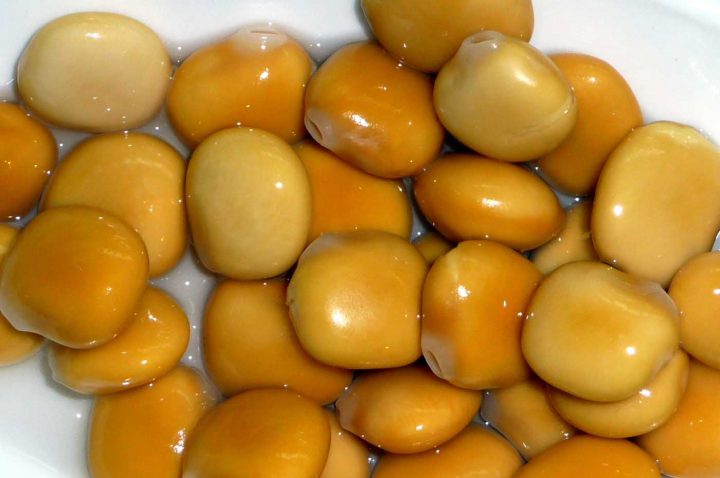
The uses of the lupine seeds are very diverse. In the Andes, a stew called tarwi is made from it. In Egypt and Algeria, street vendors offer a snack made from the seeds, and the Portuguese like to nibble lupines treated in brine.

Lupine seeds in brine, in Portugal commonly known as tremoco.

Fortunately, the range of products on the domestic market is also growing. Lupine flour and meal are increasingly being added to pasta and baked goods as a dietary fiber supplement. The carotenoids in the flour also result in a rich yellow color and the emulsifying effect of the lecithin increases the stability of the dough. Bread is enriched with lupine flour. There is lupine milk and ice cream. One advantage over soy products is that the lupine protein doesn’t taste like beans. The lupine tofu “Lopino” is popular and can be used sweet or savory. But you have to marinate it very well. There are also spreads, desserts, burgers and even a coffee substitute.

Recommendation

Diet reports recommend eating more plant-based protein. The advantage of protein obtained from the lupine is obvious. We just have to use it consciously. There are already plenty of recipes available on the Internet.

Recipes

Lupine Cheese

  • 1 cup lupine seeds (in brime)
  • 1 Tbs yeast flakes
  • 6 tsp agar agar
  • juice of half a lemon
  • 2 Tbs olive oil
  • ½ clove of garlic
  1. Cook the agar agar in 3 cups of water over low heat, stirring constantly.

  2. Blend with the rest of ingredients.

  3. Pour into a greased form.

  4. Cover and chill in the fridge for 2 hours.

Protein Spread

  • 200 g chickpeas
  • 100 g peeled lupine beans (in brime)
  • 100 g avocado
  • 25 g toasted almonds
  • 1 Tbs olive oil
  • lemon juice (to taste)
  • parsley or majoram (to taste)
  1. Grind the lupine seeds in a food processor, then add the avocado and olive oil until it forms a paste.

  2. Toast and grind the almonds.

  3. Mix with the rest and season with lemon juice and herbs.

Patés

Lupine Cream Cheese

  • 2 cups lupine seeds (in brime)
  • ½ cup water
  • 1 Tbs lemon juice
  • 2 Tbs olive oil
  1. Blend all ingredients.

  2. Season with more salt if necessary.

Patés
DiabeticDiet, GlutenFreeDiet, VeganDiet

Mediterranean Lopino Ragout

Marinade:

  • 1 cup Lopino (Lupine Tofu)
  • 3 cloves of garlic (crushed)
  • 1 branch rosemary (minced)
  • 2 Tbs lemon juice
  • 2 Tbs water
  • 3 Tbs olive oil
  • a pinch of salt

Vegetables:

  • 1 medium zucchini (in cubes)
  • 1 big eggplant (in cubes)
  • 4 large peeled tomatos (in cubes)
  • 1 big onion (minced)
  • a few black olive
  • 1/8 l vegetable broth
  • thyme, majoram, basil, salt
  • 2 Tbs olive oil
  1. Mix all the ingredients for the marinade well and marinate the Lopino cubes in it for one hour.

  2. Sauté onion in some water.

  3. Add all ingredients except tomatoes, olives and oil.

  4. Steam until soft for a few minutes, then add the tomatoes and olives, bring to the boil again briefly and season to taste.

  5. Carefully mix in the lopino cubes and the 2 tbsp olive oil, serve immediately.

Combines well with whole wheat pasta, rice, couscous or bulgur.

Side Dish
Mediterranean
Healthy Fruits

Stay Always Up to Date

Sign up to our newsletter and stay always informed with news and tips around your health.
Sign Up Now!

Filed Under: Nutrition

Addicted to What?

January 23, 2022 by Esther Neumann - [rt_reading_time label="Reading Time:" postfix="minutes" postfix_singular="minute"]

Süchtig worauf?

Hands speak volumes. The Russian author Tolstoy describes in a stirring language how a visitor observes the hands of the players in a casino. They express so many things. There are the completely relaxed ones, because they don’t care whether they win or not. Perhaps the one who owns the hands can still afford to lose. The other’s fingers clench, they twitch, they’re wet. It’s all or nothing. It’s whether they can lift up their head leaving the place, or get away beaten, destroyed, deprived of dignity, without a future, with a lot of gambling debts.

Addicted to What?

The non-material addictions, as they are called, are not limited to gambling addiction. Addiction to work can also distract us from our real purpose in life. The list below is not complete, but shows us that almost all activities can lead to addiction: addiction to shopping, internet addiction, computer game addiction, television addiction, cell phone addiction, sex addiction, craving for recognition, binge eating, obesity, anorexia, sleep addiction, exercise addiction…

Relaxation and Pleasure

The activities listed above are not inherently bad. We can all use them in a positive way. We work in order to be able to live our lives, in order to fulfill our desires, in order to be able to help others. Sex is a pleasant thing when it is connected to a relationship of genuine love. When we sleep we can rest and relax. Playing brings us socializing and relaxation. The children learn to follow rules and lose without anger. Eating gives us moments of pleasure, helps us to socialize and can be very satisfying.

Compulsion

When do normal activities become a problem? When they have to be done over and over again under compulsion. The desire to pursue the dominant activity is so great that it occupies me all the time. Work is often neglected, partners and family members are hardly noticed. Your own well-being and health are being neglected. A power stronger than myself has taken hold of me.

When someone can no longer cope with the demands of everyday life, an outlet is sought. One often slips into daydreams. You create your own world. In this world you are invulnerable. At first you feel comfortable, secure, no demands are made. It is only over time that such daydreams turns into problems again.

Also, one reason many become addicted is because of the ease of access to accessories. TVs, computers are in almost every home, even in the bedrooms. Slot machines for gambling can be found in many inns and are an additional source of income. Finding a casino is already taking some effort, but who is addicted to gambling will find its way.

Spielautomat

When Things Go Bad

Initially, satisfaction is really found in the act of addiction. One can escape the pressure from outside. An own world, in which one feels comfortable, is created. But if the compulsion to keep immersing in this self-created world becomes too great, problems begin. Eventually everything gets neglected, including oneself. The essence of addiction is that you can’t get out of it by your own willpower. You cannot rely on your own willpower. An addict cannot be freed from his addiction against his own will either. Any attempt to help him will fail until he makes up his own mind to get out of his illness, which is in fact an addiction. But what can be managed is for the addict to recognize that they need help. However, this requires a basis of trust for many joint discussions.

How Can You Help?

No accusations should be made. The addict usually makes them himself. In all situations one must remain firm but cordial. Withdrawing support often helps. If, for example, the gambling addict who gambles for money and loses it, or the alcoholic realizes that people are always helping him out with money, he is not feeling the psychological strain of his actions. When you solve the problems for an addict and try to keep his life under control, you support him to carry on as before. If you withdraw the help, he gets into a big crisis, but it can force him to reorganize his life.

Relatives must not allow themselves to be abused or extorted. You can’t do anything for the addict or without his presence, everything must be done with their participation. This usually requires professional help. Advice centers for all kinds of assistance have been set up in all larger cities. Visiting a self-help group is a great help for those affected. There, in a relaxed atmosphere, he hears about the problems of others and how they are re-mastering their lives. He can exchange thoughts, take encouragement and have fun together. Many self-help groups use the 12-step Alcoholics Anonymous program.

self help group - Photo by Tima Miroshnichenko from Pexels

Liberation is a Process and Spiritual Growth

Addicts need to realize that they cannot rely on their own willpower. It is not necessary to find out why one is addicted in order to have something to blame. Many addicts have been neglected in their childhood. They have never known real security. They find it difficult to confide in anyone. But they have to realize that only a greater power than they have in themself can help. And that power is sure to be found in God, our Creator and Sustainer. This is why the AA serenity prayer is so important and should be part of any therapy.

God grant me the serenity to accept the things I cannot change; the courage to change things that I can change; and the wisdom to distinguish one from the other.

Sticking to certain principles is a great help. The Twelve Step Alcoholics Anonymous program is a spiritual program that leads to healing and spiritual growth and is helpful with virtually any addiction. Instead of alcohol, simply substitute the addiction in question. Everyone can face their problem without fear and learn that there is liberation, also for them. However, getting rid of addiction is a process that you have to work on for the rest of your life. But it’s worth it. God wants us to break the chains of slavery, and He promises victory when we enlist His help.

Alcoholics Anonymous 12 Step Program:

1. Step

We admitted we were powerless over alcohol — that our lives had become unmanageable.

2. Step

Came to believe that a Power greater than ourselves could restore us to sanity.

3. Step

Made a decision to turn our will and our lives over to the care of God as we understood Him.

4. Step

Made a searching and fearless moral inventory of ourselves.

5. Step

Admitted to God, to ourselves, and to another human being the exact nature of our wrongs.

6. Step

Were entirely ready to have God remove all these defects of character.

7. Step

Humbly asked Him to remove our shortcomings.

8. Step

Made a list of all persons we had harmed, and became willing to make amends to them all.

9. Step

Made direct amends to such people wherever possible, except when to do so would injure them or others.

10. Step

Continued to take personal inventory and when we were wrong promptly admitted it.

11. Step

Sought through prayer and meditation to improve our conscious contact with God as we understood Him, praying only for knowledge of His will for us and the power to carry that out.

12. Step

Having had a spiritual awakening as the result of these Steps, we tried to carry this message to alcoholics, and to practice these principles in all our affairs.

Source: Alcoholics Anonymous

Healthy Fruits

Stay Always Up to Date

Sign up to our newsletter and stay always informed with news and tips around your health.

Sign Up Now!

Filed Under: Addictions, Healthy Lifestyle, Mental Health, Temperance

Exercise – A Principle of Life

January 16, 2022 by Esther Neumann - [rt_reading_time label="Reading Time:" postfix="minutes" postfix_singular="minute"]

Bewegung – ein Prinzip des Lebens

Exercise doesn’t just mean chasing the ball. Everything that lives moves. People, animals, even plants move. Movement is a characteristic of life. We can explore our environment through movement. Movement shapes us. But our way of moving also shapes our environment. Let’s just think of the car. Where do you come across a car? Let’s imagine a city without cars. Unimaginable? Or would that be heaven on earth for pedestrians?

Exercise - A Principle of Life

Anyone who tries to define “life” will quickly notice that it is not that easy. What does it take to be able to call something really “life”! Reproduction? Then a person would be dead alone, because it takes two to reproduce. But it is certainly part of the principle of life, just like the constant renewal of cells, the ability to adapt, improvisation and most certainly the energy and the resulting movement. When a climbing plant twists and turns around a climbing aid, that is movement. Granted, it’s extremely slow. Snails also literally move slowly, but they move forward. They are often far too fast for garden owners in eating their lettuce. A leopard can run as fast as a car.

Even a top athlete can lay down a remarkable pace. If you convert Asafa Powell’s 100m run to miles per hour, that’s 23 miles per hour (37 km/h). This is the result of years of training. Discipline and a strong will are also part of it.

Powell leading at the 2007 World Championships in Osaka, Japan - Photo by Eckhard Pecher (Arcimboldo) - Own work, CC BY 2.5 Wikimedia

The brain is the control center for muscle movement in the entire body. Nerve pathways pass on the commands from the brain to the muscles. Electrical impulses are alternately converted into chemical ones and vice versa. A true miracle of creation, if you consider the speed at which everything happens. Such reactions take place in thousands of muscle fibers in a thousandth of a second. Movement is and remains a miracle that we no longer think about in everyday life when we move. Should we unexpectedly find ourselves in a wheelchair, we would appreciate the miracle again.

Sedentary Lifestyle

But our modern way of life has made us sluggish. Ship, train, car and plane have made long walks for us. Machines help us with our physical work. So we have to provide more and more a balance so that we don’t become “couch potatos”. Movement is still a principle of life. And everything we don’t practice, what we don’t use, we lose.

Churchill is reported to have said: “No Sports” when he was asked how he has reached his old age drinking whiskey and smoking cigarettes. Yet when he was a young officer, he was actually an extremely athletic person. Fencing, horse riding, swimming and polo were his sports. He also undertook a very strenuous escape on foot from a Boer prison camp in 1899. This escape was rated as a great physical achievement. The first marathon runner in ancient Greece is said to have collapsed dead after his run. There are occasionally reports in the press that athletes collapsed dead after their performance or at least suffered a collapse. According to relevant studies, however, the risk of death after exercise is very low. It mostly affects people who have challenged themselves to top performance without being trained. Well, we don’t need to become football players or top athletes.

Health Benefits

Endurance sports reduce cardiovascular deaths from 70 to 30 per 10,000 people. The heart is trained through sport or simply through persistent exercise. Movement lowers the resting heart rate. If we can reduce the resting heart rate by 10 beats per minute, the heart is saving 5,256,000 beats per year. What a gain! Exercise lowers blood pressure and cholesterol levels. The heart can only benefit from this. The supply of oxygen throughout the body is improved. All of these are factors that prevent heart attacks and strokes. Exercise of course cannot prevent aging entirely, but it can do well in delaying it. When used correctly, it increases performance, cerebral blood flow, resistance and vitality.

Senior exercising - Photo by Barbara Olsen from Pexels

Exercise lowers the insulin requirements and helps stabilize blood sugar levels. It strengthens bones and muscles. Calcium and minerals can only be stored thanks to movement. Who does not remember the thin limbs when the cast can be removed after six weeks? This is due to a lack of exercise. For those for whom the word “sport” is sounding like torture, it can be replaced by walking, swimming, or strolling. These types of movement also improve our quality of life considerably if they are exercised regularly and for at least half an hour a day.

Exercise is not only responsible for our physical well-being. Our soul benefits from it as well. You can literally run away from depression. Anyone who has tried this before can confirm that. Endorphins, happiness hormones, are released when you move. They lift our mood. The increased blood supply to the brain allows us to think more clearly again. When I’m at the computer and make no progress, I go out into the garden. After a while of gardening or a brisk walk with the dog, everything goes much better again.

No Excuses!

The biggest obstacles to moving are the lazy excuses: No time, too old, too cold, not today, tomorrow I’ll start, alone, too boring. There is a solution to all excuses. Movement can be incorporated into everyday life. As soon as you wake up in bed you do some exercises under the warm blanket. It continues with putting on the clothes. With a little imagination, you can incorporate a whole exercise program. Something like this: Hop on one leg while putting on your socks. When you pull the t-shirt over your head, you complete a stretching program followed by hip circles. Who can think of anything else?

Stretching in the bed - Photo by Diana Dynaeba from Pexels

On the way to work or school, you walk a portion of the way. On the escalators we can save time and walk forward instead of staying still. Even in old age you can find an appropriate type of exercise. It can be a bit more relaxed. Even in nursing homes with a few minutes of fitness program a day, progress can be achieved. There are appropriate clothing to protect against the cold and you will warm up quickly anyways. Even today I can decide to do more exercise, on my own, when I’m more of a loner. It’s more fun with friends, however. You can always find like-minded people with a little effort. So: From today on, get a kick out of life through more exercise!

Healthy Fruits

Stay Always Up to Date

Sign up to our newsletter and stay always informed with news and tips around your health.
Sign Up Now!

Filed Under: Exercise, Healthy Lifestyle

When Milk Becomes a Problem

January 9, 2022 by Esther Neumann - [rt_reading_time label="Reading Time:" postfix="minutes" postfix_singular="minute"]

Wenn Milch zum Problem wird

As early as 400 years before the birth of Christ, Hippocrates described painful gastrointestinal reactions after consuming milk. Flatulence, colic, diarrhea, nausea, bloating, chronic fatigue and blemished skin – all of this is associated with milk when you can no longer tolerate it for a very specific reason. Globally, around 2.3 billion adults and 600 million children and adolescents are affected. When they drink milk they swell up like a yeast braid.

When Milk Becomes a Problem

Breast milk is the first nourishment for mammals as well as humans. Milk sugar or lactose, as it is called by the technical term, is a component of every mammalian milk. Chemically speaking, milk sugar is one of the carbohydrates. It is a double sugar or a disaccharide. In the small intestine, the lactose is broken down into galactose and glucose by the digestive enzyme lactase and absorbed into the blood through the intestinal wall. As a result, it is then converted into energy. If too little or no lactase is available in the small intestine, the lactose ingested with the food is only partially or not at all broken down and absorbed. We are dealing with lactose intolerance.

Lactose Intolerance

It is estimated that around 80 to 90 percent of the world’s population is affected. In Europe and North America, milk and dairy products are among the most important staple foods. In Asian and most African countries, it is rarely used. Worldwide, there is a north-south and a west-east divide in lactose intolerance. In the Scandinavian countries, the proportion of people affected is only around five percent, in Greece already 75 percent and in parts of Africa and Asia between 80 and 100 percent. In the US, about 25% of the white population is considered lactose intolerant, while among black, Native American, and Asian American populations, the prevalence of lactose intolerance is estimated at 75-90%. There is a high number of unreported cases. Mostly adults are affected. The cause of the complaints often remain unknown for years and the patients pass through a long path of suffering before the correct diagnosis is finally made.

Colon Problems

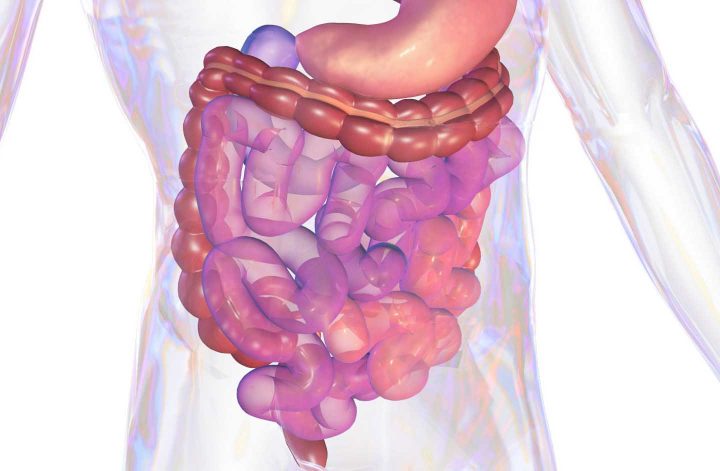
If the lactose in the small intestine is not completely or not at all broken down and absorbed, it reaches the large intestine undigested. There it is broken down by the intestinal bacteria. The gases hydrogen, carbon dioxide and methane are produced as waste products during this bacterial fermentation. Acids are also formed. This leads to gas and bloating. The milk sugar binds a lot of water, this leads to an increase in osmotic pressure, water retention and increased intestinal peristalsis. Bloating, diarrhea and gas are the consequences.

Intestines
Ilustration by Blausen.com via Wikimedia CC BY 3.0

Indefinite Clinical Picture

The symptoms can vary from day to day. It always depends on how many dairy products are consumed. Often there are hidden dairy products that you don’t even think about. They are found in sausages, baked goods, sauces, chocolate and industrially produced foods. Psychological factors such as stress, excitement and fear of the unknown also have a negative impact on well-being. Often, lactose intolerant patients also have fructose intolerance. They not only suffer from symptoms of irritable bowel syndrome, but often also from depression. Chronic lactose intolerance can lead to bacterial overgrowth in the small intestine.

The chronic digestive problems damages the entire enzyme-bearing intestinal mucous membrane. This in turn can cause further digestive problems. Unfortunately, the treating physicians rarely examine specifically lactose intolerance in the case of diffuse gastrointestinal complaints. The consequence of this is a long ordeal until the correct treatment is finally carried out. Self-observation is always good when one suffers from indefinite indigestion. If you leave out all dairy products for two weeks and the symptoms subside and come back when you consume milk again, you can make the doctor aware of the problem in a targeted manner.

Secure Diagnosis

The hydrogen breath test is a good tool for diagnosing lactose intolerance. Milk sugar is dissolved in water. The patient drinks this solution and the amount of hydrogen in the exhaled air is measured regularly for the next three hours. If the proportion of hydrogen in the exhaled air increases, there is a lactose intolerance.

The increase in blood sugar after drinking the lactose solution can also be measured. If there is a lactase deficiency, there is little or no increase in blood sugar level. This method is not entirely reliable, however. Mucous membrane samples by means of a colonoscopy can also provide information about the condition of the small intestinal wall.

Nowadays there is also a gene test available. But it is quite expensive. Another new test involves simply taking a saliva sample and examining it in the laboratory using a special test kit.

Severity and Forms

The lactose intolerance is divided into “light”, “medium” and “severe” depending on the severity. In the light form, 8 to 10 grams of lactose are easily tolerated, in the medium form around 1 gram and in the severe form no lactose at all.

The most common form is primary lactase deficiency. In this form, the lactase activity in the small intestine decreases continuously with increasing age. The newborn infant has the highest lactase activity. That is understandable, since he normally only feeds on breast milk. If the baby is weaned, the enzyme is significantly reduced in the first few years of life. In adulthood, only about a tenth of the original activity remains.

Older people normally don’t tolerate dairy products very well. This is a completely natural process that can be observed in almost everybody.

With secondary lactase deficiency, the deficiency is a side effect of another disease in the digestive tract such as celiac disease, Crohn’s disease, ulcerative colitis or acute gastroenteritis. Treatments with antibiotics or cytostatics (cell poisons) can also temporarily damage the intestinal mucosa and its enzymes. When these original diseases are healed, sufficient lactase can usually be produced again.

An extremely rare form is the congenital lactase deficiency. The infants already suffer from a lactase deficiency shortly after birth.

Therapy

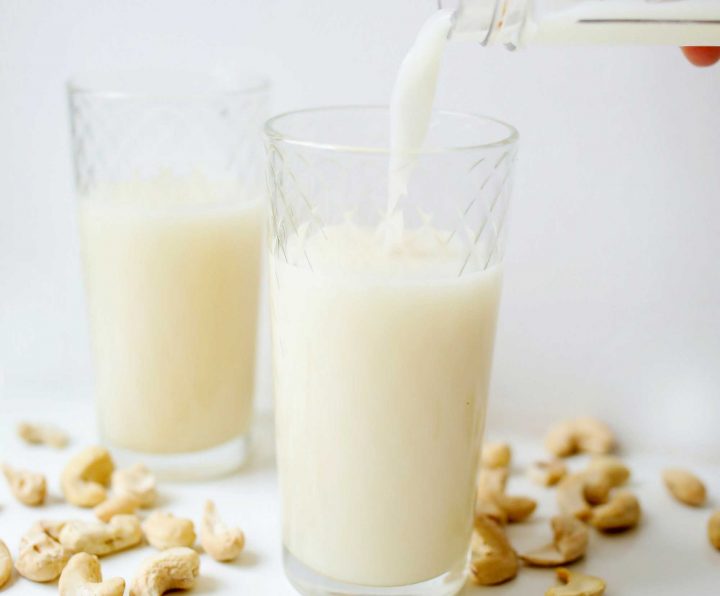
Therapy depends on the severity of the disease. Everyone concerned has to find out for themselves how much lactose they can tolerate. With a low-lactose diet, where around 8 to 10 g of lactose can be tolerated, cheese and sour milk products can be eaten in small quantities. Dishes containing milk can be prepared with soy milk or other alternative types of milk. Sour milk products are better tolerated because the lactose-breaking enzymes in the lactobacilli from which they are made continue to work in the digestive tract and can break down milk sugar.

Cashew milk - Photo by Polina Tankilevitch from Pexels

There are also lactose-free products on the food market. Lactase is added to the milk or milk product, which already breaks down the milk sugar. This milk is much sweeter because lactose is not as sweet as the broken down glucose and galactose.

As a result of better consumer protection, since 2005 all ingredients in a food that are classified as allergy triggers or intolerance reactions have had to be listed on food labels across Europe. Since 2006 in the US the Food Allergen Labeling And Consumer Protection Act is in effect with the same purpose. Allergy labeling also includes lactose. It is not uncommon to find lactose in products in which one would not expect it. In the event of intolerance or allergies, the lists of ingredients must always be carefully studied. Often there are also manuals available in which the products that are lactose-free are listed.

Calcium Supply

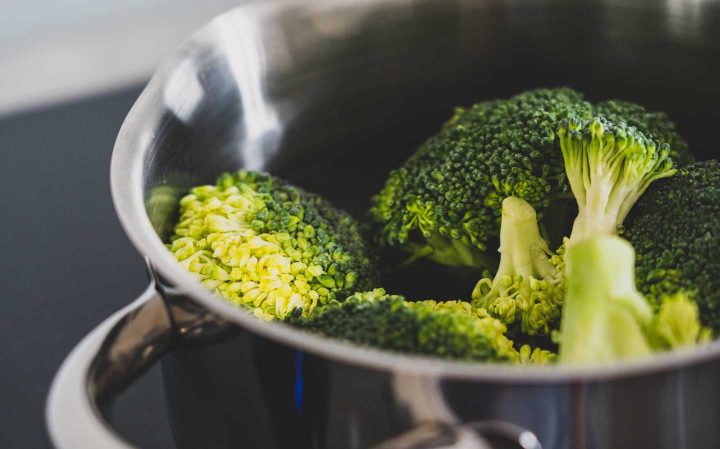
Calcium can be easily obtained from plant sources. These include broccoli, fennel, nuts, sunflower seeds, sesame seeds, nettles, calcium-rich mineral waters, calcium-fortified fruit juices, and soy milk. You can definitely live without dairy products if you are interested in nutrition and think about where else the calcium can be found in the food. Nowadays, when mass livestock farming leads to all sorts of problems and we have just shown how problematic dairy products are for many people, it is worthwhile to think about a diet that is free or at least poor in animal products.

Broccoli as calcium source - Photo by Castorly Stock from Pexels

Wrong Development Aid

Lactose intolerance is particularly widespread in countries receiving development aid. What kind of goods are being sent there? For a large part they are surplus products from the industrialized nations. This also includes powdered milk. It is distributed in large quantities to sections of the population who do not tolerate dairy products at all.

Take the Indians in their reservations as an example. They also belong to the group that is genetically determined to be almost 100% lactose intolerant. They receive powdered milk deliveries with great regularity. Fortunately, the Indians know that they would rise like a yeast braid if they were to drink this milk. But what do you do with the milk powder? Some use it to mark the playing fields on their sports grounds.

But if milk is distributed in parts of Africa where small children are already suffering from lactose intolerance, it is like throwing gasoline into the fire. The little ones, who are already suffering from edema from hunger and have bulging stomachs, get diarrhea and colic after consuming milk.

Conclusion

Today, lactose intolerance no longer requires giving up the consumption of dairy products because we have medicines and lactose-free dairy products at our disposal. But even better is a balanced dairy free diet and lots of exercise. There are entire population groups who cannot tolerate and do not consume milk and dairy products and are still well nourished with healthy bones. We can belong to this group if we eat a balanced diet, exercise a lot and adopt a sensible lifestyle. To this end, God, our Creator, gave us the power of reasoning. It is our privilege, even our responsibility, to be concerned about some sensible, healthy lifestyle changes.

Healthy Fruits

Stay Always Up to Date

Sign up to our newsletter and stay always informed with news and tips around your health.

Sign Up Now!

Filed Under: Digestive Diseases, Diseases, Nutrition

Plant-Energy for our Life

December 10, 2021 by Esther Neumann - [rt_reading_time label="Reading Time:" postfix="minutes" postfix_singular="minute"]

Pflanzen - Energie für unser Leben

One of the main reasons we eat food is to provide us with energy. Without food we would die soon. Plants can assimilate solar energy through their leaves and convert it into chemical energy. Animals and humans cannot do this, they are dependent on food for energy. We are eating energy in the form of carbohydrates, fats, and proteins.

Plant-Energy for our Life

But there are many other substances that the plants provide to us in sometimes tiny amounts. These include vitamins, minerals, trace elements, hormones, enzymes and the numerous phytochemicals. These substances are called secondary plant compounds because they are not essential to the actual, primary metabolism.

The plant forms these substances for its own protection, to ward off diseases and pests, but also to attract beneficial insects, to guarantee reproduction, to protect itself from dehydration and for countless other tasks. Science has found out that precisely these substances are also subservient spirits for us humans, especially in the defense against diseases. Who is surprised that our original, Creator-determined diet comes from the realm of plants?

Power Plants

In almost all of our cells there are tiny little power plants that produce energy for our bodies. It’s the mitochondria. Almost everything we eat sooner or later ends up in these tiny power plants and is turned into energy.

Our body is an ingenious, huge chemical laboratory. The chemical energy generated in the mitochondria is called ATP (adenosine triphosphate). The body needs this energy in order for the muscles to move.

However, energy is also used to produce vital molecules and to carry out transport processes within the cell and from one cell to another. In an adult human, the amount of ATP that is produced every day is roughly equivalent to his body weight.

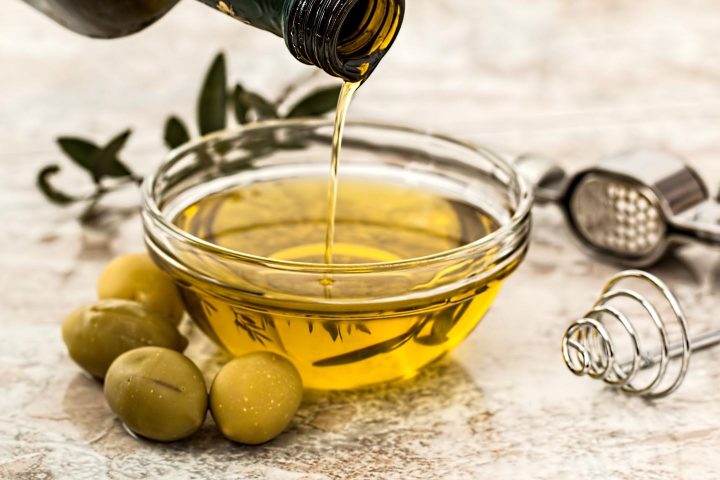
Coenzyme Q10 plays a key role in the production of energy. This coenzyme is so important that the body produces it itself. To do this, however, he needs a whole range of vitamins and protein. It is also found in every plant, but especially in oil seeds and grain germs. So let’s give preference to cold-pressed vegetable oils and whole grains.

Olives with Olive Oil

As a dietary supplement in capsules, we should only swallow coenzyme Q10 if it has been proven that the body cannot produce it itself. We do not exactly know the daily requirement of the human being. Numerous studies have been carried out to prove the positive effects of artificially supplied coenzyme Q10. However, no convincing connections have yet been found. It is therefore not advisable to take a dietary supplement without subscription, even if the advertising tempts us to do so.

Protection from Green Leaves

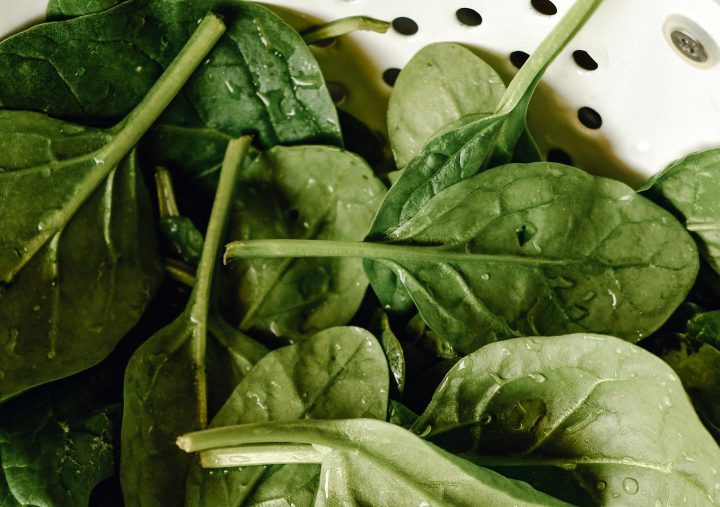
Another important substance that plants provide us with is chlorophyll, the green plant pigment. We can compare it to our red blood pigment. We need chlorophyll for the formation of blood, to strengthen our immune system and the liver metabolism. It also inhibits the development of various types of cancer. The leaves of spinach and nettles, broccoli, wheat and kamut grass contain a great deal of chlorophyll. It is also available in capsules and tablets. But we prefer the whole plant because with it we get many other substances that we need for the provision of various forms of energy. If we eat a lot of green plants, energy is supplied to us almost free of charge.

Spinach leaves - Photo by Eva Elijas from Pexels

Brain Food

In order to keep our mental energy in top shape, we need lecithin. Even this the body produces by itself. Lecithin has long been considered a food for the nerves, probably because the nerve cells and especially the brain have high levels of lecithin. But it also serves as a precursor for messenger substances that are needed for the proper functioning of our brain. We find lecithin in soybeans, thus also in soy products, in nuts and seeds, but also in kale.

We also find a lot of vitamin C in the brain. And that in turn is found in fruits and vegetables. Another plant that has positive effects on brain performance is ginkgo. Extracts from the leaves are used to improve blood circulation. Particularly in older people, this can improve the cerebral blood flow, which has a positive effect on memory.

Ginseng also has a stimulating effect on older people. However, there are a lot of inferior preparations on the market, as such products are sold with high profit margins. Controlled, high-quality products are only available from specialist retailers and from pharmacies. Cheap products from the supermarket are often stretched or blended with other substances.

Ginseng roots

Disease Protection

Our food should also protect us from disease. The many phytochemicals offer a wide range of benefits. Sulphides are the pungent ingredients in the onion family, such as chives, shallots, spring onions, garlic, leeks and Spanish onions. They affect our immune system, our blood clotting and inhibit the deposition of cholesterol in the arteries. Thus, they reduce the risk of cardiovascular diseases.

The bright colors of fruit and vegetables can protect us against cancer, inflammation and circulatory diseases. The color particles belong to the large group of flavonoids. Radishes, red cabbage, aubergine, peppers, red onions and beets, cherries, plums, apricots and peaches, apples and many colorful berries are medicine from nature, without any side effects. And let us not forget the cleansing energy of many plants. Many wild plants such as dandelion, nettle, milk thistle and chicory, to name just a few, help our liver with its versatile task. But even here, the body itself builds many protective walls against diseases. They are the body’s own enzyme systems. To do this, he needs many components from the plant kingdom: especially vitamins and trace elements. Selenium plays an important role in the defense against disease-causing processes. We find selenium in nuts, mostly in the Brazil nut. Soybeans and whole grains are also possible sources.

Nourishment for the Soul

Using food we can also nourish our soul. Eating is enjoyment and an expression of the joy of life. But to enjoy it you need time. Let us therefore eat slowly and enjoy the taste of our food. It is not the amount, but the taste that defines the enjoyment. A bar of chocolate, eaten like a piece of bread, only awakens the guilty conscience and does not bring any pleasure. But it doesn’t necessarily have to be chocolate. Put a piece of banana on your tongue and take in the taste for a while with your eyes closed! What a pleasure! Just like chocolate, bananas also contain the messenger substance serotonin, as well as the precursor tryptophan. From this amino acid, the messenger substance serotonin can be formed in the brain. This substance causes body and soul to relax.

Kids enjoying grapes - Photo by Anna Shvets from Pexels

Other foods high in tryptophan include: nuts, sesame seeds, pineapples, strawberries and raspberries, potatoes, onions and peas. Tryptophan reaches the brain easier if we eat it in combination with carbohydrates, i.e. bread, rice, pasta, oatmeal, muesli. The carbohydrates cause our blood sugar levels to rise. This also increases our insulin level. Insulin, in turn, preferentially binds other amino acids, but not tryptophan. In this way, more tryptophan reaches the brain and helps to increase serotonin, the “happiness messenger”. So it’s no wonder that low carb diets really upset our emotions.

Variety

A varied, natural, plant-based diet gives us energy in various ways. In addition, there is no food that stimulates our senses in such an enjoyable way as fruit and vegetables. Bright colors, fragrant scents, pleasant taste make us come back to these healthy energy donors again and again. Let’s make good use of the enormous diversity of fruits and vegetables for our health!

Healthy Fruits

Stay Always Up to Date

Sign up to our newsletter and stay always informed with news and tips around your health.

Sign Up Now!

Filed Under: Nutrition

« Previous Page
Next Page »

Primary Sidebar

Social Channels

Coronavirus Immunity Challenge

Boost your immune system to be bullet-proof for the pandemic.

I Want to Participate

Recent Posts

  • 5 Habits to Live Longer
  • Better Sleep Can Protect Against Dementia
  • Finding Peace In Your Crazy-Busy World
  • Flaxseed – An Ancient Plant Rediscovered
  • Platelets – Triggers for Life or Death
  • Boderline Personality Disorder
  • In Praise of Almonds and Nuts
  • Are You Stuck in the Clutter Trap?

Categories

  • Body Systems (16)
    • Cell Function (2)
    • Circulatory System (1)
    • Digestive Tract (10)
    • Immune System (4)
  • Diseases (27)
    • Cancer (2)
    • Cold (1)
    • COVID-19 (11)
    • Dementia (1)
    • Diabetes (1)
    • Digestive Diseases (2)
    • Heart Disease (2)
    • Kidneys (1)
    • Metabolic Syndrome (2)
    • Skin (1)
  • Healthy Lifestyle (42)
    • Exercise (11)
    • Gardening (2)
    • Sleep (7)
    • Sunlight (2)
    • Temperance (14)
    • Water (4)
  • Mental Health (87)
    • Addictions (6)
    • Anxiety (7)
    • Burnout (1)
    • Depression (7)
    • Psychosomatic Diseases (6)
    • Stress Management (45)
    • Trust (6)
  • Nutrition (56)
  • Obesity (9)
  • Phases of Life (14)
    • Adults (3)
    • Babies and Infants (1)
    • Children (3)
    • Seniors (5)
    • Teenagers (3)
  • Therapies (7)
    • Herbs (5)
    • Hydrotherapy (1)
  • Uncategorized (3)

Archives

  • January 2025 (1)
  • March 2024 (5)
  • February 2024 (4)
  • January 2024 (4)
  • December 2023 (5)
  • November 2023 (4)
  • October 2023 (5)
  • September 2023 (4)
  • August 2023 (3)
  • July 2023 (2)
  • June 2023 (4)
  • May 2023 (4)
  • April 2023 (5)
  • March 2023 (4)
  • February 2023 (4)
  • January 2023 (4)
  • December 2022 (4)
  • November 2022 (4)
  • October 2022 (5)
  • September 2022 (4)
  • August 2022 (4)
  • July 2022 (5)
  • June 2022 (4)
  • May 2022 (5)
  • April 2022 (4)
  • March 2022 (4)
  • February 2022 (4)
  • January 2022 (5)
  • December 2021 (3)
  • November 2021 (4)
  • October 2021 (6)
  • September 2021 (4)
  • August 2021 (4)
  • July 2021 (5)
  • June 2021 (4)
  • May 2021 (3)
  • April 2021 (5)
  • March 2021 (4)
  • February 2021 (4)
  • January 2021 (5)
  • December 2020 (3)
  • November 2020 (4)
  • October 2020 (5)
  • September 2020 (5)
  • August 2020 (3)
  • July 2020 (1)
  • June 2020 (1)
  • May 2020 (1)
  • April 2020 (1)
  • March 2020 (1)

Copyright © 2026 · Abundant Health - Privacy Policy - Medical Disclaimer