Abundant Health

Up to date health information tailored for you

  • Home
  • Blog
  • Recipes
  • Shop
  • Contact
You are here: Home / Archives for Esther Neumann

Esther Neumann

Mushrooms Can Do More than We Think

October 17, 2021 by Esther Neumann - [rt_reading_time label="Reading Time:" postfix="minutes" postfix_singular="minute"]

Pilze können mehr als wir ahnen

I can hardly believe my eyes. Is there such a thing as mushrooms that grow through snow and ice? I came across them while walking through my garden. On a tree stump that barely protrudes from the ground, they grow in a nicely formed cluster. The ocher yellow hats and velvet brown stems stand out clearly against the snow.
Mushrooms Can Do More than We Think

My mushroom book confirms it: The velvet-foot, Flammulina velutipes, grows from autumn to spring on dead deciduous trees. A search on the Internet and browsing through textbooks reveal even more amazing things about mushrooms.

Fungi form a kingdom of their own. They are neither plant nor animal. They include single-celled organisms such as baker’s yeast and multicellular organisms such as mold and edible mushrooms. In the past, they were counted among the plants. But their metabolism is closer to that of animals, which they aren’t either, because they can’t move. So they put them into their own group without further ado.

They could belong to the animals because they build up their carbohydrate stores like animals as glycogen and not like plants as starch. However, they distinguish themselves from animals because their cell walls and vacuoles are more like plants. But the plants, in turn, possess chlorophyll. This allows them to carry out photosynthesis, which mushrooms are lacking. So they are best accommodated in their own group.

In the Realm of Fungi

About 140,000 species make up the realm of fungi. The edible mushrooms known to us make up only a tiny fraction of fungi. In the past, the genera Penicillium, from which penicillin comes from, the Aspergillus species, being the causative agent of a lung disease, and the Saccharomyces, to which baker’s yeast belongs, have been very well studied. Edible mushrooms have only had a tradition as medicinal mushrooms in Asia. But the interest in edible mushrooms and their medically active ingredients is growing around the world.

The mushroom as a fruiting body, i.e. what we call an edible mushroom, only grows when a female and a male gamete cell fuse together. Otherwise, fungi multiply asexually via spores or by dividing hyphae. There must also be enough moisture and there must be enough food for the mycelium, the actual, usually invisible mushroom body that is forming underground. With those correct conditions the long, microscopically thin cell threads, which are called hyphae, can compact, grow out of the soil or wood and create the typical fruiting body. Appearance and characteristics are crucial for a safe determination of the species. One observes the shape and color of the hat, the type of slats, pores or tubes, the stem, the environment in which the mushroom grows, the smell and much more.
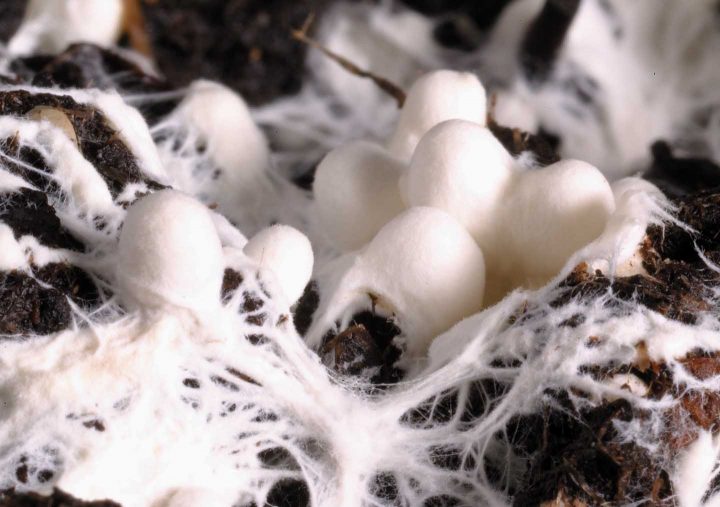
Myccelium and fruiting body of  Champignons - Source: Wikimedia
Mycelium by Pradejoniensis via Wikimedia CC 3.0 BY

Edible Mushrooms

Our edible mushrooms grow either as symbionts with the roots of certain trees (porcini mushroom, chanterelles, truffles) or as saprophytes on wood or foliage (mushrooms, oyster mushrooms, shiitake). Saprophytic mushrooms are very easy to cultivate and are therefore important edible mushrooms for the market.

Composition and Nutrients

Like our various vegetables, the fruiting body of the mushrooms consists to a large extent of water. Also, the nutritional value is about the same. The protein content can be compared to that of legumes. The fat content is negligible. The high fiber content stimulates the bowel movement and increases the volume of the stool. It is precisely this fiber that is of great medical interest. They consist of soluble and insoluble components. The soluble ones have the same effect as the pectin from fruits. They form a gel-like substance in which some insoluble components are stored. In addition to stimulating intestinal activity, they can also lower cholesterol and blood sugar levels. They have an antiviral and antibacterial effect, thus fighting pathogens such as viruses and bacteria.

Be Healthy with Mushrooms

Ergosterol, a typical fungal sterol with a similar structure to our cholesterol, offers protection against colon cancer and can lower the cholesterol level. Mushrooms contain vitamin D and vitamin B12, two vitamins that are otherwise only found in animal foods. Vitamin D is particularly found in porcini mushrooms and morels, and B12 in champignon and some other species, although quantities are too low to meet your daily requirements. Mushrooms are also considered good sources of potassium, iron, phosphorus, manganese, copper and tin. In some mushrooms (oyster mushrooms, shiitake mushrooms) phenols have also been found that can scavenge free radicals. Mushrooms are therefore highly recommended foods that can be combined well with vegetables, cereals, rice or potatoes.
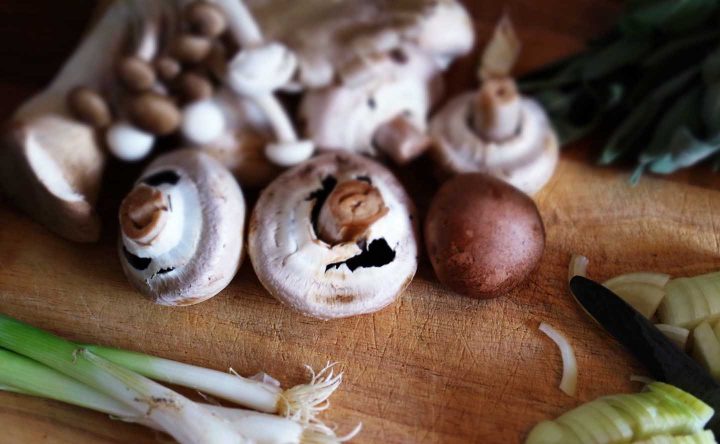
Preparing mushrooms - Photo by Paula from Pexels

Mushroom Intolerance

Mushrooms should not be eaten raw. They may contain hemolytic substances. These destroy red blood cells. However, they are eliminated by cooking. The digestibility of the mushrooms also increases by boiling them. However, some persons have congenital fungal intolerances. A rather rare type of sugar, trehalose, is found in many mushrooms. Some people do not have the appropriate enzyme to break down trehalose. They get diarrhea and stomach pain after eating mushroom dishes, even if they are not toxic.

Polysaccharides in Fungi

Fungi have cell walls made of polysaccharides, mostly made up of glucose chains. Pullulan is one representative, which is obtained on an industrial scale and used as a starch substitute. It is often added to energy-reduced foods, as it cannot be broken down by amylases, and therefore not being absorbed by the body. It can also be pressed into transparent foils, being used as a biodegradable packaging material. It is also used in oral care products, pharmaceuticals, photography, lithography and electronics.

Therapeutic Ingredients

Other polysaccharides such as Lentinan or Krestin are used in Japan and China in tumor therapy in combination with chemotherapy and radiation therapy. The mechanism of action is still being researched. We know that those substances have immune stimulating properties, which may contribute to their beneficial effect in cancer treatment.

In East Asia and the USA, mushroom extracts are advertised as “immunoceuticals”, orally available substances that benefit the immune system. However, most of the current research is done for cancer treatments, and knowledge for other immune stimulating applications is still rudimentary and safe doses of concentrated extracts are not clearly established. It is foreseeable that those products will reach popularity around the world, being sold in capsule form, often for exorbitant prices. Those who benefit the most will be probably the ones selling those lucrative products.
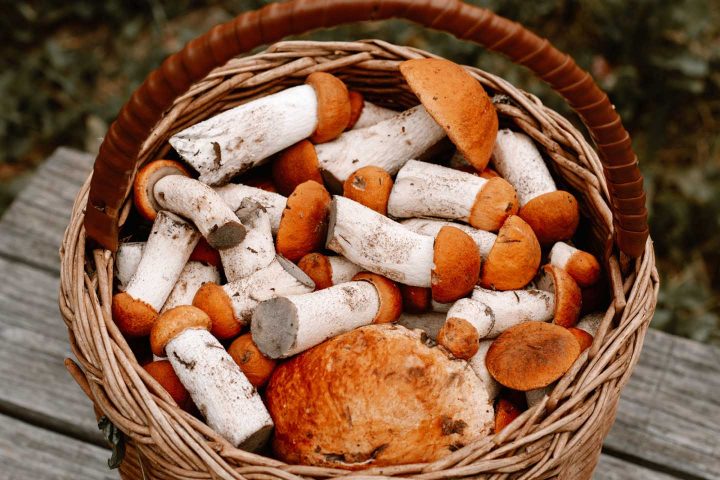
A basket of picked mushrooms - Photo by Irina Iriser from Pexels

Although specific species will have specific properties, I can still get a significant benefit by drying my porcini mushrooms collected in the woods, chopping them up in a kitchen grinder and using the powder to thicken soups and sauces. Often this mushroom powder can substitute a high-fat roux, which is popular in French Cuisine as a thickening agent. In addition, we should not underestimate the therapeutic value of our mushrooms. Take the time and make a search in your forest for some delicious mushrooms!
Healthy Fruits

Stay Always Up to Date

Sign up to our newsletter and stay always informed with news and tips around your health.
Sign Up Now!

Filed Under: Nutrition

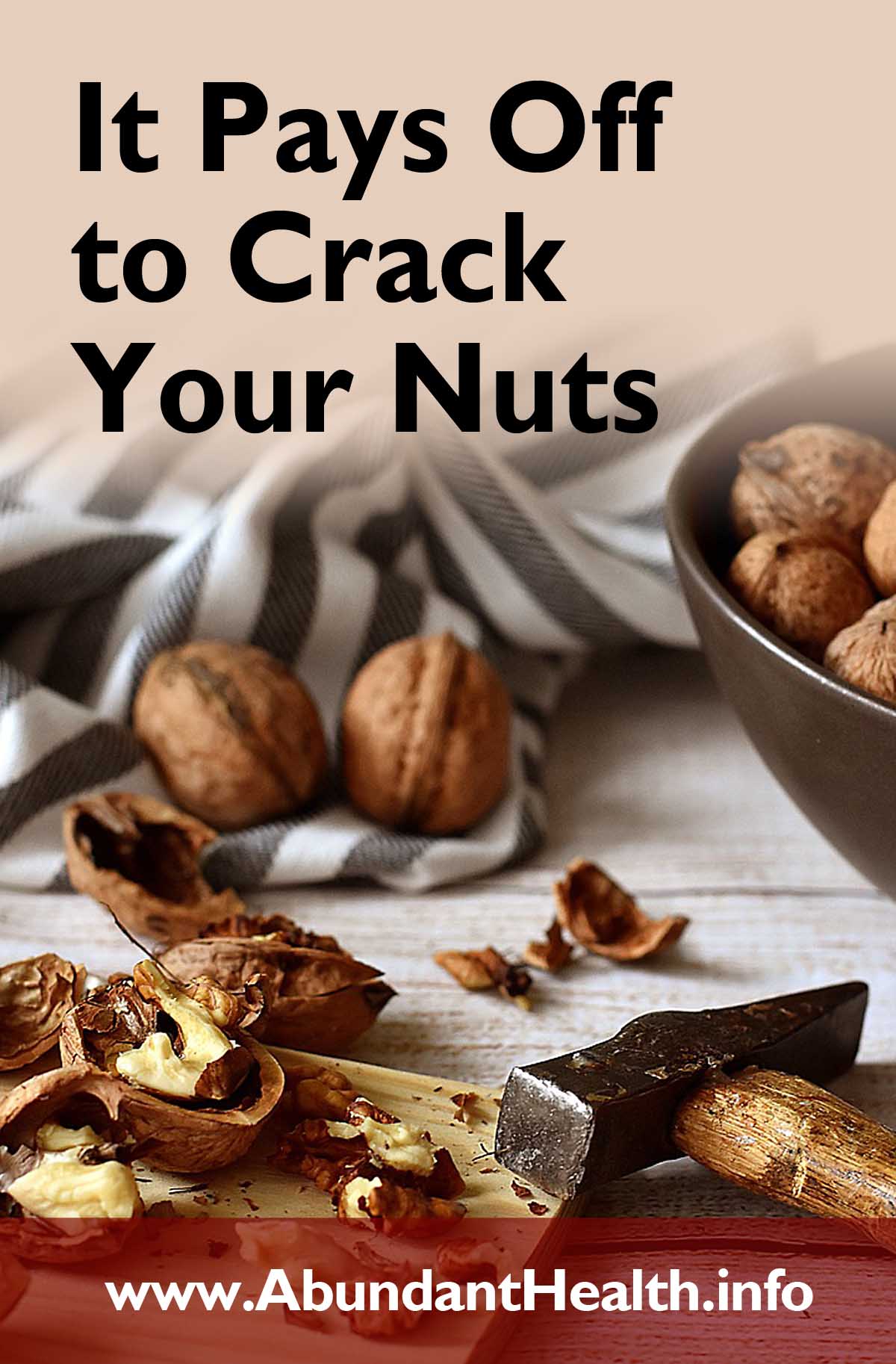
It Pays Off to Crack Your Nuts

October 3, 2021 by Esther Neumann - [rt_reading_time label="Reading Time:" postfix="minutes" postfix_singular="minute"]

Nüsse knacken lohnt sich immer

“Let your food be your medicine and medicine be your food!” This phrase from Hippocrates applies particularly to nuts in all their different forms.

It Pays Off to Crack Your Nuts

Nuts are concentrates of nutrients and active ingredients. High-quality fatty acids, proteins, essential vitamins as well as minerals and trace elements – all of this can be found in nuts. Although they are quite caloric, if you consume them in moderation they will not make you fat. You do not need to count the calories if you replace meat and meat products with nuts. In addition, individual types of nuts have special dietary and curative properties.

You don’t have to go without nuts because you might get too fat. It is true that nuts are very high in fat. But this fat consists mainly of monounsaturated or polyunsaturated fatty acids that are used for various body functions and are therefore not stored in the fat cells. They’re far too precious for that. They are used to isolate nerve cells and protect blood vessels. They give the brain the right support and energy. It is not for nothing that nuts are part of a trail mix widely known as student fodder in German. If we don’t snack on nuts, but use them to replace unhealthy foods at your meals, we don’t need to be afraid of their high fat content.

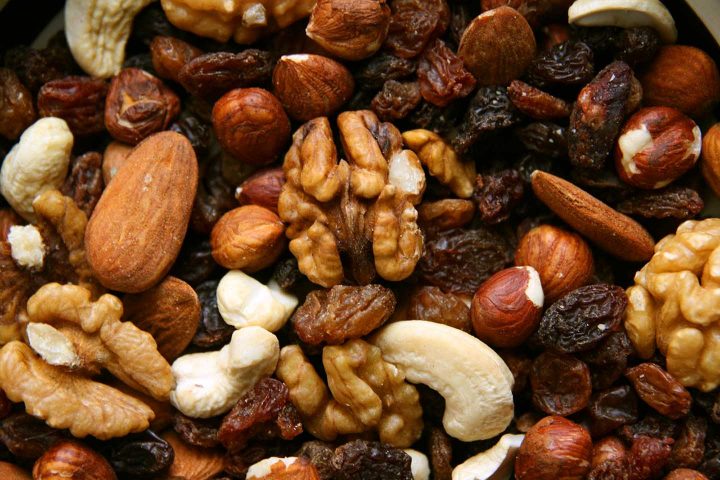
Student Fodder

The mineral content of nuts is very high, much higher than that of most fruits. They are especially a good source of Phosphorus, sulfur, potassium and magnesium. The expert can see right away that nuts are therefore good for the nerves, helping to substitute lecithin that is getting used in intellectual work. However, athletes, pregnant women and growing children also benefit greatly from the nuts because of the high amounts of calcium and iron. Student fodder is a mixture of nuts and dried fruits, especially raisins. The dried fruits provide the necessary carbohydrates. Protein and fat come from the nuts. A pack of trail mix can replace in a healthier way a visit to a sausage stand.

Student fodder with raisins and various kinds of nuts.

Nuts are Far Superior to Meat

Nuts contain an almost complete high-quality protein. They are only deficient of the two amino acids methionine and lysine. If we complement nuts with legumes, this deficiency is also fixed. Nuts are preferable to meat for many reasons:

  • Nuts are free from metabolic waste in animals. They contain neither urea, nor uric acid, or cholesterol.
  • Nuts are free from parasites such as trichinae or tapeworms.
  • Nuts are not contaminated with harmful hormones from livestock breeding or the pre-slaughter stress.
  • Nuts are free from harmful bacteria, which can frequently be found in meat during the warm season.
  • Nuts can be eaten raw, meat usually has to be cooked for a long time
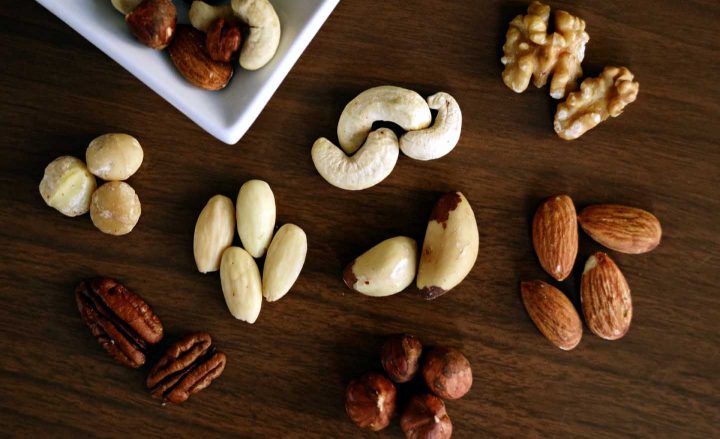
An assortment of nuts

Of course, nuts have to be handled properly too. They also have an expiration date. They can go rancid. They can contain aflatoxins, especially peanuts. These are poisonous excretions from mold. That is why you always have to pay attention to the quality of goods when buying. When buying trail mix, check that the nuts don’t look rancid or are even moldy.

Nuts for Your Heart

Many studies reveal: nuts are good for the heart. They reduce the risk of coronary artery disease and stroke. They lower the cholesterol level. They provide energy for the heart, because the heart prefers to use fatty acids as an energy source. We should consume around 40g of nuts per day, alternating between the different varieties. Each variety has something special to offer.

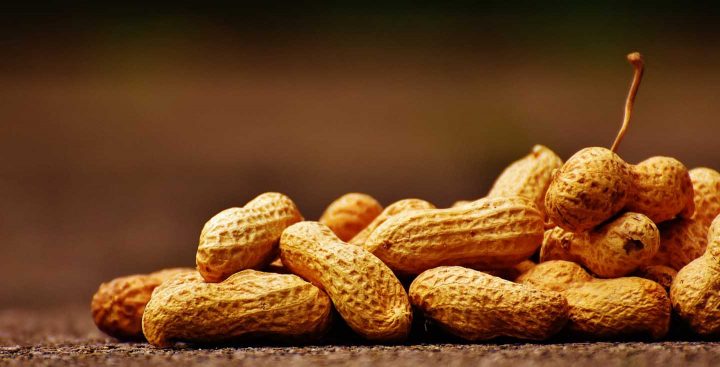
Peanuts

Actually, they are legumes. But because of their high fat content we’ll treat them together with the nuts. They are the healthiest ingredient in the Santa Claus bag. Nibbling peanuts can help prevent tooth decay. After eating peanuts, a neutral pH value is measured in the oral cavity. This means that the microorganisms that cause tooth decay cannot find a breeding ground. Some people show though some allergic reactions on consuming high quantities of peanuts.

Peanuts

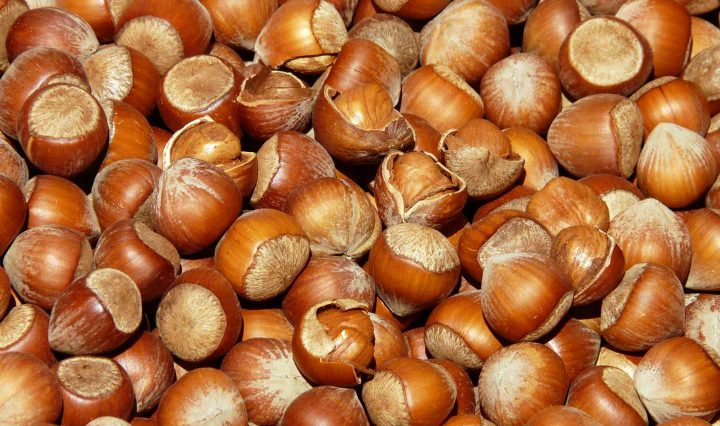
Hazelnuts

Hazelnuts overshadow milk and eggs in terms of nutrient density. Hazelnuts give the Christmas biscuits a special touch and strengthen the nerves. The nutrients in nuts can be best absorbed when they are processed into nut butters. Then they are optimally ground. Otherwise you would have to chew them for an extremely long time to achieve the same benefit.

Hazelnuts

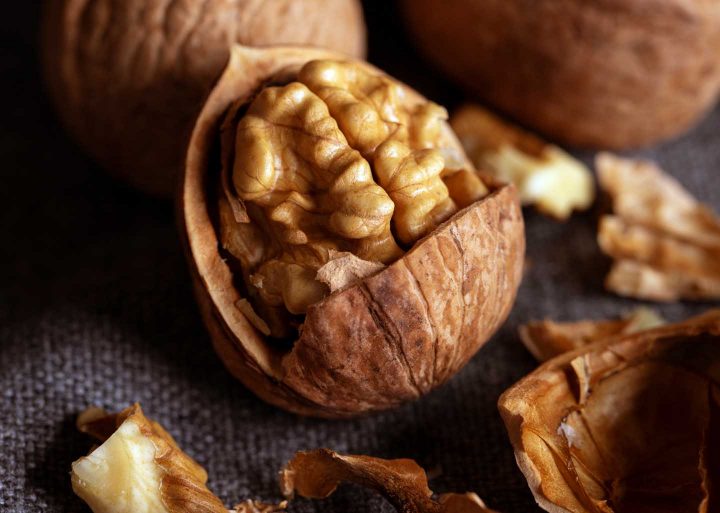
Walnuts

There is a huge walnut tree in many house gardens. Let us take advantage of this wonderful gift of nature. The walnuts you have collected yourself have to be dried very well so that no mold can form. If you nibble a few walnuts every day, you protect your blood vessels and heart, because walnuts have a high content of beta-sitosterol. This hormone-like phytocholesterol also protects the prostate against tissue growth and swelling. It also helps keep the bladder functioning properly. The shape of the nut gives us a hint that it could be good for the brain. And really, it helps to keep your brain sharp as you age.

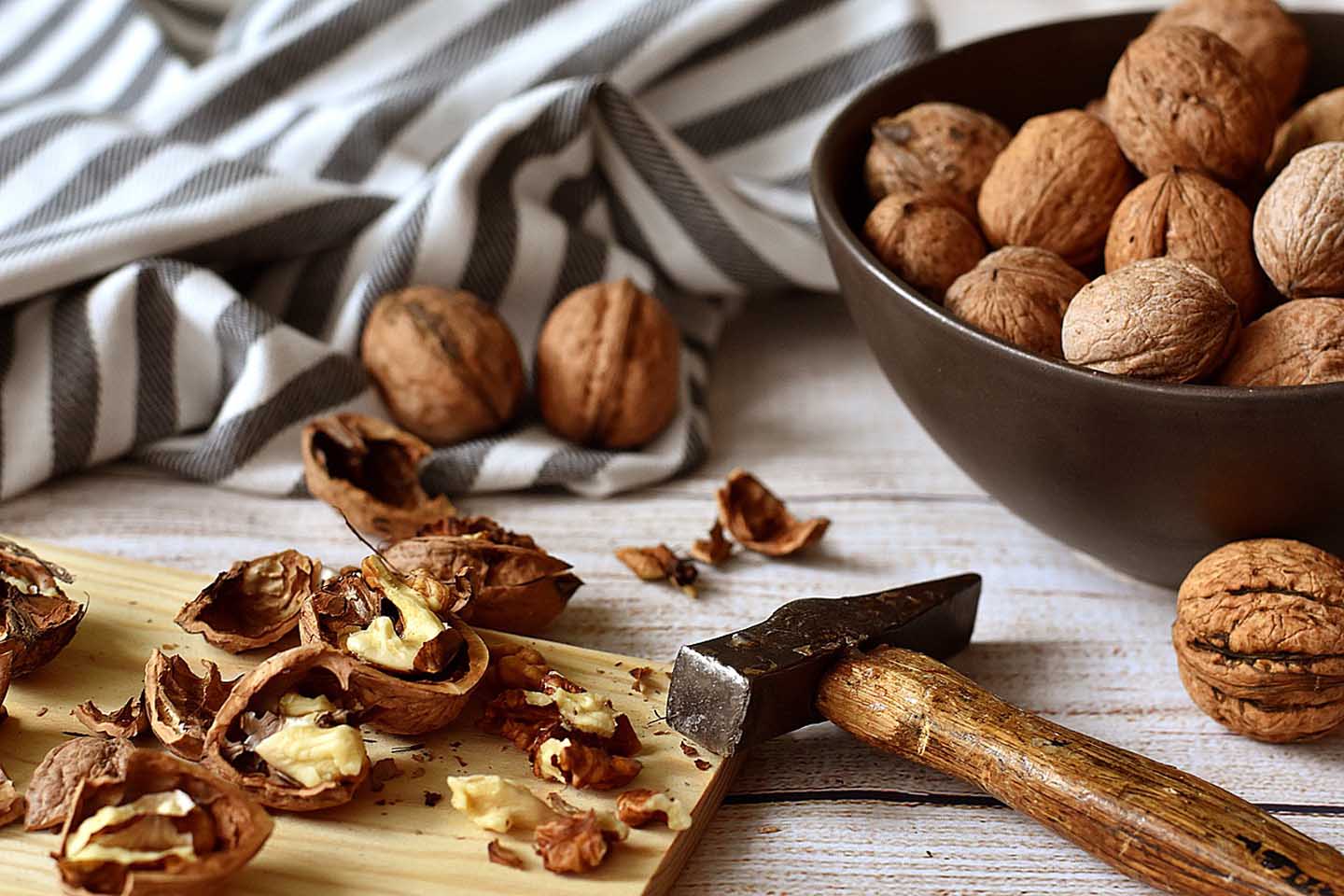
Walnut - Photo by saeed from Pexels

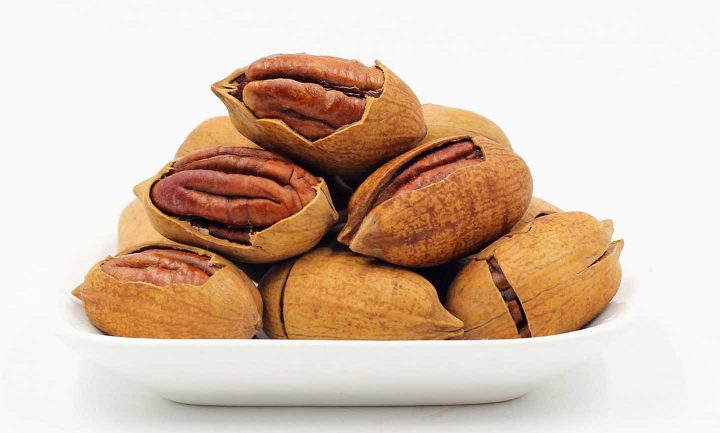
Pecans

Pecans are a good source of calcium, magnesium, and potassium, which can help control your blood pressure. Pecans contain also Omega 3 and other anti inflammatory properties, helping to control arthritis and many other diseases. They help improve the immune system, protect from cancer and prevent Alzheimer and Parkinson.

Pecans

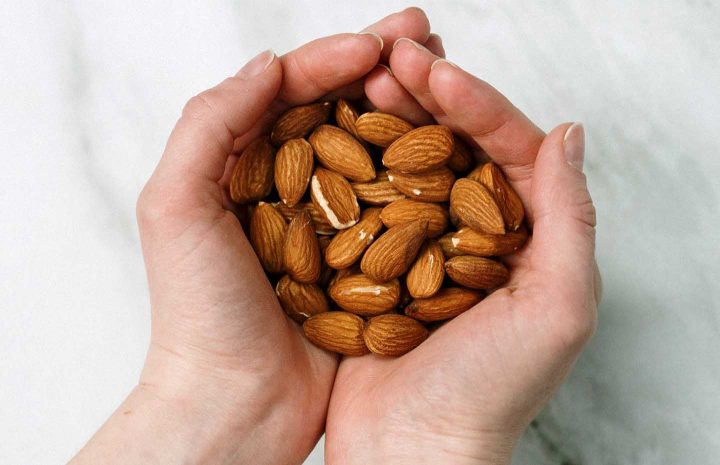
Almonds

Almonds are rich in calcium and phosphorus, also containing significant amounts of magnesium, iron and potassium. These minerals are present in the almond in a good ratio for maintaining nerve functions. Regular consumption of almonds prevents depression and strengthens nerves and muscles.

Almonds

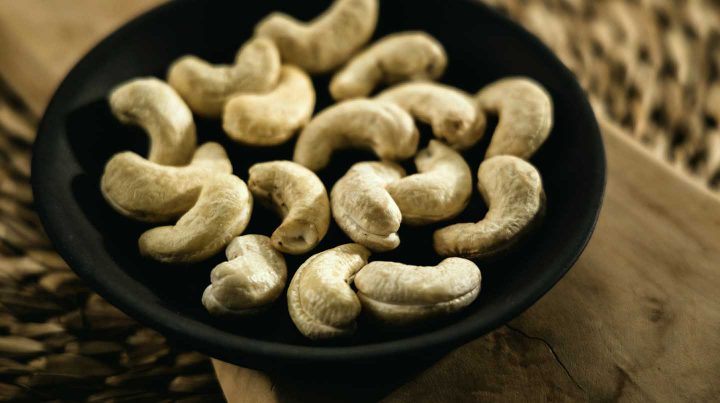
Cashew Nuts

Cashew nuts are beloved around the world for its rich flavor. In spite of having some saturated fats, like most nuts they contribute to lower cholesterol and protect the heart. Studies suggest that some cashew nuts in your diet can be helpful for your weight control, probably because they help in satiety control. They contain an antioxidant that helps protect the eye from harmful UV rays. Cashew oil is good for the skin and eating cashews or applying the oil on the scalp gives shiny hair.

Cashew nuts - Photo by Engin Akyurt from Pexels

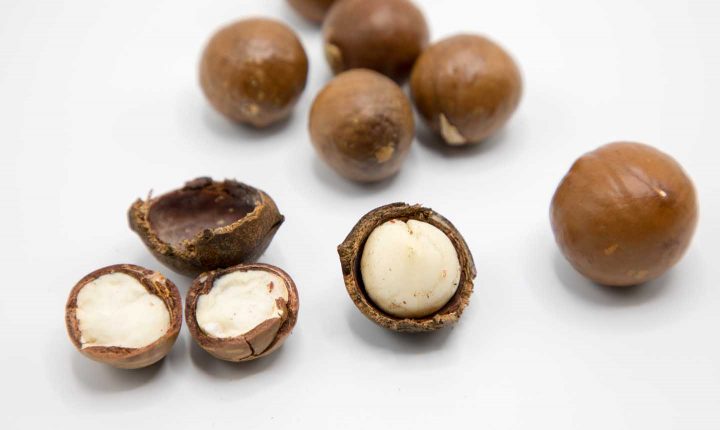
Macadamia Nuts

Those nuts are one of the highest in fat content. They contain though some monounsaturated fatty acids that are not readily available from other food sources. They are the type of fatty acids that can help improve diabetes and metabolic syndrome, some of them may even help to prevent excessive weight gain. Macadamias have one of the highest flavonoid levels amongst the nuts, helping to lower cholesterol. Furthermore, they have a form of Vitamin E that protects against cancer, Alzheimer and Parkinson.

Photo by Tony Wu Photography from Pexels

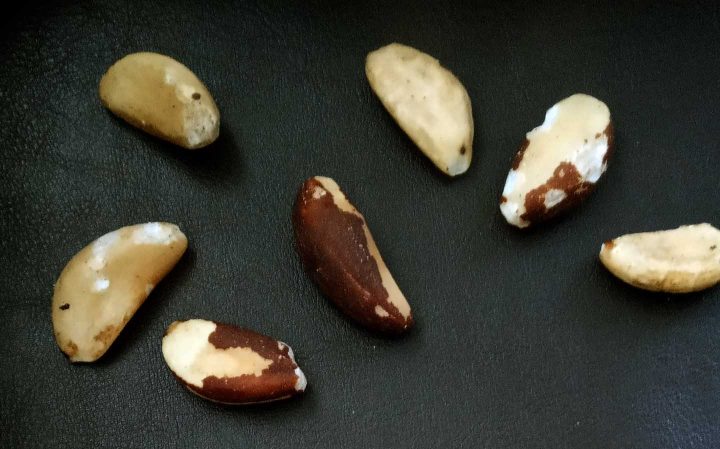
Brazil Nuts

This nut is the top candidate among all foods in terms of selenium levels. Eating just two Brazil nuts usually covers the daily selenium requirement. However, the selenium content can vary greatly depending on the place of origin. Especially in areas with selenium deficiency, it is advisable to regularly incorporate this nut into the diet. It can also help to protect against certain types of cancer.

Brazil Nuts

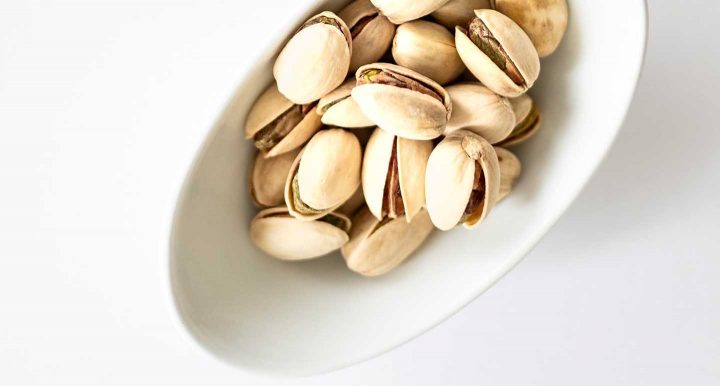
Pistachios

Besides Walnuts and Pecans, pistachios are among the nuts with the highest antioxidant content. Some of them are important for healthy eyes. Amongst the nuts, they are one of the lowest in calories, which makes it a good option for weight control. Besides that, if you buy them with shells, you will take more time to eat them. That helps you to have a better control over the quantity you eat.

Pistachios - Photo by paul wence from Pexels

Coconuts

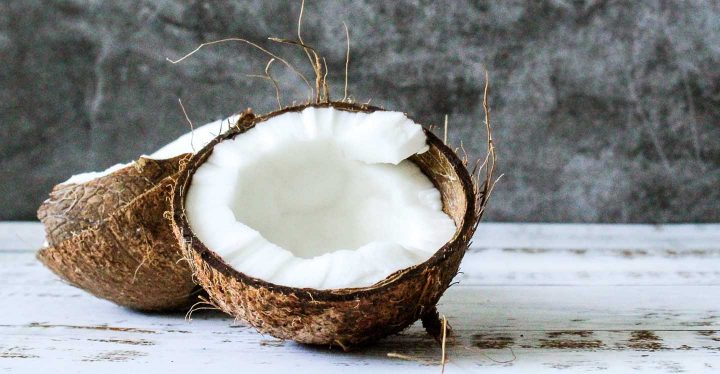
Coconuts are high in saturated fatty acids. In contrast to animal fats, however, these are medium-chain fatty acids that are much easier to digest. Studies have shown that these types of fatty acids can increase the endurance of athletes. They also have antibacterial properties which are beneficial in dental hygiene. They can also boost fat burning, which may help a little bit with weight control.

Coconut - Photo by Tijana Drndarski from Pexels

Each type of nut has its own specific advantages. That is why we would do well to vary our types of nuts from time to time. There are many more species than we were able to cover in this short article. Again: It pays off to crack your nuts!

Healthy Fruits

Stay Always Up to Date

Sign up to our newsletter and stay always informed with news and tips around your health.
Sign Up Now!

Filed Under: Nutrition

Everyone is Responsible for His Health!

September 19, 2021 by Esther Neumann - [rt_reading_time label="Reading Time:" postfix="minutes" postfix_singular="minute"]

Jeder ist für seine Gesundheit verantwortlich

Personal responsibility for health is one of the most important pillars of our healthcare system. Great advances in medical research give us access to expensive treatments that are covered by the healthcare system. People’s life expectancy is increasing.

Everyone is Responsible for His Health!

Just in spite of the progress, our society is not getting healthier. The prolonged lifespan is not coupled with a better quality of life. The healthcare system is becoming more and more difficult to maintain. We cannot just rely on politicians and health insurance companies to preserve or regain our health. Health policy always stands in the field of tension between society and the individual. Where is our personal responsibility?

A motorist races along the highway. Suddenly, an indicator lamp lights up on the dashboard. The car is quickly steered onto the hard shoulder. Where is the error? What needs to be done to make the car work properly again? It is the V-belt of the alternator. The next workshop is approached and the damage repaired.

If we paid the same attention to our body as we did to the status symbol car, our well-being would be better off. The car we take regularly to the inspection. What about prevention for our body? Going to the doctor, the check-up or more?

Provision for our Health

It is crucial what priority we give to a healthy lifestyle. This includes a sensible diet, sufficient exercise, an intact environment and the right mindset. It is largely up to us to prepare the way for health to come along naturally. This requires our maturity.

Buying groceries - Foto by RFStudio from Pexels

A study has shown that about 37% of our health depends on our lifestyle. 29% depend on the genetic make-up, whereby the lifestyle determines largely, whether the genetic make-up really comes into play or not. 24% of our health depend of the environment and only 10% is due to curative medicine.

Our health is both a gift and a task. Right principles must guide us, because illness is nature’s effort to free the body from conditions that have mostly arisen through transgression of the laws of health.

Lifelong Learning

There is a saying that we die twice. The first time when we stop learning. This saying is true especially when it comes to our health. Let’s not bury our heads in the sand. It is our task to learn how our body works. When studying physiology, we really learn to appreciate our body and understand why we should do some things and leave others behind.

Our body is a real marvel, conceived by a great Creator. The same Creator wants us to be healthy and happy. But he also shows us the way to do so in his Word, the Holy Scriptures.

The Instruction Manual

Whenever we purchase a household appliance or a machine, we study the instruction manual. We want to benefit from our investment as long as possible. And yet a machine becomes obsolete relatively quickly. It ends up in the garbage, because it is outdated or worn out. But how long do we want to get along with our body? 75, 80 years, if it is much maybe 100! And there you should not study and follow an instruction manual?

The biblical principles are a foundation we can rely on. They are not going to be knocked over by fads and trends. The most important principles are probably free will and love. Free will makes me responsible. It is up to my free will to decide whether I want to accept God’s counsel. And the Bible is full of them. Let us just read carefully once again the wise proverbs of Solomon.

A woman reads the Bible - Photo by Tima Miroshnichenko from Pexels

Personal responsibility means to find a proper response to life’s questions, setting your own impulses, take actions to consume sensibly. Social pressure triggers consumption. This manifests itself in smoking, alcohol, diet and fashion. Am I free to stand up for my own decisions and bear the consequences?

Above all, Love

But living healthy alone is not enough. Exercise alone won’t keep me healthy. We must let God’s love into every area of our lives. God’s love and loving our fellow beings keeps us healthy and heals us. Surely you have experienced that for yourself. If you like someone, you have somebody special in your life, your life is different. You get strength, you approach problems in a completely different way. If we contemplate the beauty and love around us, this stimulates our hormones. Endorphins – happiness hormones are released. This makes life healthier.

Affection of a mom for her kids - Photo by Ketut Subiyanto from Pexels

There is always one who loves me – God and Jesus Christ, His Son, who loved me so much that He gave His life for me. This knowledge helps me to love my neighbor as well. This makes life more joyful and enjoyable. This has a positive effect on health.

Realize the Value of Health through Illness

We can do our part to maintain our health, or often regain it through a lot of patience if we lost it. It was certainly not the intention of our Creator to harm our body, which He prepared so wonderfully (Psalm 139:14). The cause for illness and hardship is usually man’s disobedience to God’s laws. From Hippocrates comes the saying: “Diseases do not attack us out of the blue, but develop from daily tiny sins against nature. When they have accumulated, they seem to burst out all at once.”

A Cancer patient - Foto by Ivan Samkov from Pexels

Diseases are also triggered by mental misconduct. Selfishness, guilt, fear and excessive demands can make people physically and mentally sick. We know the term “psychosomatics” for this. Even here my personal responsibility is important. Do I want to torment myself with negative thoughts or do I seek help from God and from my fellow human beings? The decision is up to me. Another thought about responsibility: No one is sick on their own. His environment always suffers. That’s why the saying: “I can do whatever I want with my body” is actually wrong. If I’m not well, my loved ones suffer with me. I also have a responsibility for them. There is responsibility in love.

The Purpose of Disease

Is there any purpose in illness at all? If there is, we normally do not grasp it immediately and we do not want to explore this topic here. But there is one thing we can do after every recovery: Set the course anew, execute our good resolutions, manage well our resources which are limited, and above all be grateful for the regained health.

Healthy Fruits

Stay Always Up to Date

Sign up to our newsletter and stay always informed with news and tips around your health.
Sign Up Now!

Filed Under: Healthy Lifestyle

Celiac Disease – An Intestinal Problem

September 5, 2021 by Esther Neumann - [rt_reading_time label="Reading Time:" postfix="minutes" postfix_singular="minute"]

Zöliakie - eine Darmerkrankung

Celiac disease is a condition like a chameleon. The symptoms are very versatile and the number of unreported cases is high. About one in every hundred is affected. It can take years for the correct diagnosis to be made. If the disease is not detected in time, it leads to severe malnutrition with many secondary diseases such as osteoporosis, anemia, tooth enamel damage, muscle spasms, edemas and even cancer.

Celiac Disease - An Intestinal Problem

Definition

Celiac disease is a chronic disease. It breaks out after the consumption of the pathogenic substance gliadin, which is one of the components of gluten. Of course, gluten is only pathogenic if there is an intolerance. With the technical term, the disease is called “gluten-sensitive enteropathy”. Very specific types of protein from wheat, rye, triticale, barley, oats, spelt, einkorn, emmer and kamut lead to damage to the mucous membrane of the small intestine, called villous atrophy.

The surface of the small intestine is greatly increased by villi and crypts, so that it can come to an intimate contact with the chyme. This allows the nutrients to be optimally absorbed. In patients with celiac disease, incorrectly composed protein bodies are found in the innermost lining of the intestinal wall. Gliadin, a type of protein from the cereals, is bound to these. This either has a direct damaging effect or it leads to a defensive reaction against the gliadin-carrying body cells with subsequent damage to the intestinal mucosa. The villi regress strongly, making the absorption area for the nutrients much smaller.

The cereal proteins lose their pathogenic properties neither through cooking nor through enzymatic breakdown in the gastrointestinal tract. Genetic conditions favor the development of the disease. The white race is the main target of the disease, and prevalence differs widely from country to country. A study in the US found a prevalence of 1 case in 133 persons of the general population.((Fasano A. et.al. Prevalence of celiac disease in at-risk and not-at-risk groups in the United States: a large multicenter study. Arch Intern Med. 2003 Feb 10;163(3):286-92. DOI: 10.1001/archinte.163.3.286 )) A UK study found a prevalence of 1 in 166.(( El-Hadi S, et.al. Unrecognised coeliac disease is common in healthcare students. Arch Dis Child. 2004 Sep;89(9):842. DOI: 10.1136/adc.2003.041459 )) In Australia it seems to be 1 in 70. It is very rare in Japan and sub-Saharan Africa.

The Clinical Presentation

The disease can occur at any age. There are two distinct peaks. One occurs in infancy, the other between the ages of 30 and 40. Girls and women are more often affected. Diagnosis is quicker in toddlers than in adults, because the pathogenic types of protein are usually introduced into the diet between the ages of 4 and 6 months in the form of cereal porridge, biscuits, crackers and bread.

A toddler eating a cereal - Photo by Yan Krukov from Pexels

In case of intolerance, the symptoms become visible after a few weeks or months. The toddler no longer thrives and there is no weight gain. Often it unlearns what has already been acquired. The thin arms and legs and the missing buttocks stand in striking contrast to the bloated belly. The stools are mushy, bulky and smelly. The face remains round for a long time. The skin color is pale.

What happened? The intestinal villi have largely disappeared. The size of the surface of a healthy intestine could be compared to a tennis court, that of a patient with untreated celiac disease to a table tennis table. This leads to severe deficiency symptoms because the nutrients such as protein, fat, carbohydrates, vitamins and minerals cannot be absorbed in the required amount.

 Diagnosis in adults is more difficult. Often, he wanders from one examination to another, is treated for various diseases such as lactose intolerance, osteoporosis or anemia. The typical textbook picture of the disease usually only appears at a late stage. Silent celiac disease is also known, in which the course is symptom-free and there is still a change in the mucous membrane.

Diagnosis

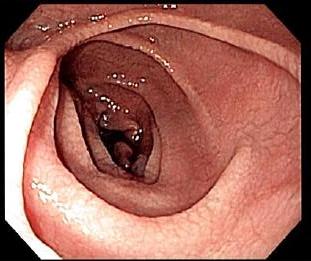
The most important diagnostic measure is the direct examination of the intestinal mucosa. In the past a small metal capsule attached to a thin tube was swallowed in order to extract a tissue sample. Today an endoscopy is used to examine the appearance of the duodenum and obtain 4 to 8 samples for biopsy. A microscopic examination can determine whether there is damage to the mucous membrane or not. Immunological tests support the diagnosis. In case of disease, antibodies to gluten are found in the blood serum. Other deficiencies in the blood can also be detected, such as iron, hemoglobin, vitamin and mineral deficiencies. The diagnosis of celiac disease is then the sum of all the available information.

Endoskopie von einem Zwölffingerdarm mit Zöliakieschäden - Foto by Samir from Wikipedia
Endoscopy of a duodenum with celiac damage. Samir at wikipedia, CC BY-SA 3.0

Treatment

Basically, the treatment consists in avoiding the substance recognized as harmful, and this for life. With a gluten-free diet, the mucous membrane of the small intestine gradually recovers and can then no longer be distinguished from a healthy one. However, in adults, recovery can take much longer than in children, who have a much higher rate of cell renewal.

It is difficult to avoid all foods containing gluten. For this reason, working groups have been formed in many countries that have meticulously asked the manufacturers for the exact formulations of many products. The results are summarized and continuously updated in thick manuals with many grocery lists, as the aim is to avoid even the tiniest traces of gluten.

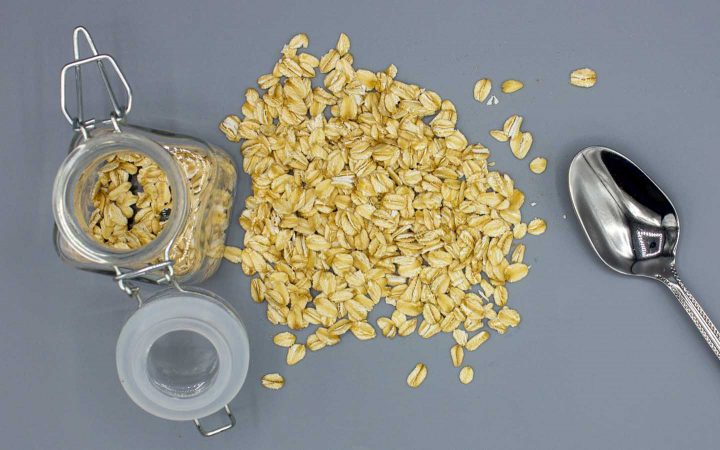
There are gluten free oats on the market that are free from gliadin contamination, but they still contain avenin which can trigger an inflammatory response in some susceptible people. If you do not want to do without oats, a new biopsy should be done after three months of use. In case of doubt it is safer to avoid oats altogether.((Oats and the gluten free diet. Coeliac Australia))

Oat flakes - Photo by Juliet King from Pexels

Traded gluten-free products are specially labeled with a crossed-out cereal ear. Just studying the ingredient list of a product does not help, because a compound ingredient does not have to be declared if less than 25% of it is contained in the final product. Gluten can also be added to products for technological reasons, such as a processing aid or as a carrier.

Celiac Societies

If celiac disease is diagnosed, contact with the local celiac society is established if desired. The affected person receives a manual with a precise description of the clinical picture and with many practical tips for cooking with gluten-free products. A list of restaurants, hotels and health resorts is enclosed that cook gluten-free if required. There are also many tips for dealing with authorities, because a gluten-free diet is expensive and time-consuming. That is why there are increased family allowances and tax allowances in many countries.

I have Celiac Disease – And What do You Have?

People with celiac disease are considered healthy when maintaining a gluten-free diet and completely normal in every respect. Of course, especially with children who would love to eat what other children eat, there are occasional grievances. Why he can’t bite into a tempting doughnut to his heart’s content? Why does he always have to take his special things to eat at a birthday party? The diagnosis of celiac disease for a child and his or her parents is certainly not a trivial matter. Parents, grandparents, acquaintances and friends shouldn’t feel sorry for the poor child all the time, but should encourage them, show them that celiac disease is sometimes an unpleasant thing, but nothing devastating.

Contacts

Celiac Disease Foundation (USA)
www.celiac.org

National Celiac Association
www.nationalceliac.org

Canadian Celiac Association
www.celiac.ca

Coeliac Australia
www.coeliac.org.au

Coeliac New Zealand
www.coeliac.org.nz

Coeliac UK
coeliac.org.uk

Recipes

Rice Cake

  • ⅔ cup brown rice
  • ⅔ cup orange juice ( (juicing 4 large oranges))
  • ⅓ cup honey
  • 1 tbs dry yeast
  1. Hydrate ⅔ cup brown rice for 12 hours. Makes about 1 cup of hydrated rice.

  2. Blend the ingredients for a few minutes.

  3. Grease a mold with oil, pour the dough and let it rise for 40 minutes to 1 hour depending on weather, until doubled in volume.

  4. Bake at medium heat for about 1 hour.

Dessert
American
Gluten Free

Chickpea Flour Pancake

  • 1 banana
  • 1 cup chickpea flour
  • 2 Tbsp tapioca flour (sweet)
  • 1 Tbsp honey
  • ½ tsp salt
  1. Blend everything with 1 cup of water.

  2. Pour the right amount into the skillet and spread with a spoon or spatula.

  3. Wait until golden and forming bubbles. Loose the pancake with the help of a spatula to flip it over.

  4. Let the other side brown.

  5. Use your preferred filling. Serve still hot.

Cassava Cake

  • 1 lbs cassava root ( (½ kg))
  • ½ cup honey
  • 1 small coconut
  • 1 pinch of salt
  1. Grate raw cassava or crush in the food processor.

  2. Blend the coconut with 1 cup of water.

  3. Mix all the ingredients, adding water if necessary to reach the consistency of cake batter. Taste the dough to check appropriate sweetness.

  4. Grease a mold and spread the dough to a thickness of 1-2 inch. (3-5 cm)

  5. Bake on medium heat until golden.

The cake tastes better the next day.

Dessert
Gluten Free

Corn Bread

  • 2 cups corn flour
  • 1 cup tapioca flour (sweet)
  • 4 Tbsp olive oil
  • 1 Tbsp honey (or brown sugar)
  • 1 Tbsp dry yeast
  • ½ tsp salt
  • sunflower seeds (for decoration)
  1. Mix all dry ingredients.

  2. Add 1 cup of lukewarm water little by little and stir until you get a liquid and homogeneous dough.

  3. Pour the dough into a greased pan.

  4. Let it rise for about 1 hour or until it doubles in volume.

  5. Preheat oven and bake over medium heat for about 1 hour.

  6. Allow it to cool down for a few minutes and remove from pan in order for the bread not to sweat.

  7. Wrap in a cloth to cool.

Wait at least 6h before eating for all yeast to die.

Diabetic, Gluten Free, Vegan

Recipes with Oats

Like we stated, not all with celiac disease can use even gluten free oats. If you have made a test that you can use them, here are some interesting recipes that can serve you.

Oat Bread

This bread is the product of a mistake. Because of an oversight I mixed the wrong ingredients, and it worked out really well!

  • 2 cups oat flour
  • 1 cup tapioca flour (sweet)
  • 4 Tbsp olive oil
  • 1 Tbsp honey (or brown sugar)
  • 1 Tbsp dry yeast
  • ½ tsp salt
  • sunflower seeds (for decoration)
  1. Mix all dry ingredients.

  2. Add 1 cup of lukewarm water little by little and stir until you get a liquid and homogeneous dough.

  3. Pour the dough into a greased pan.

  4. Let it rise for about 1 hour or until it doubles in volume.

  5. Preheat oven and bake over medium heat for about 1 hour.

  6. Allow it to cool down for a few minutes and remove from pan in order for the bread not to sweat.

  7. Wrap in a cloth to cool.

Wait at least 6h before eating for all yeast to die.

Peanut Oat Cookies

Delicious! Children will love these tasty cookies!

  • 3 cups oats
  • 1 pinch of salt
  • 1/3 cup honey
  • 1 cup roasted peanuts
  1. Beat the peanuts in a blender with a little water to form a cream.
  2. Pour into a bowl and put the remaining ingredients, mix well.
  3. Make cookies in the format you want.
  4. Bake in moderate heat until golden brown.
Dessert
Gluten Free, Vegetarian

Coconut Rice Bread

We really love to invent in the kitchen! Coconut bread with brown rice flour. Delicious bread with different flavor and super easy to make =)

  • 1 cup coconut flour
  • 1 cup brown rice flour
  • 1 Tbsp dry yeast
  • 1 cup rolled oats
  • 1/2 cup coconut flakes
  • 1 tsp salt
  1. Mix the flours well with the yeast.

  2. Add salt and mix again.

  3. Add the rolled oats and mix again.

  4. Add 1½ cups of water and mix more until it forms a very homogeneous mass.

  5. Put the dough in a form.

  6. Bake for 1 hour at 390°F (200ºC).

  7. Turn off the oven and let it cool down.

Wait at least 6h before eating for all yeast to die.

Oat Pizza

  • 3 cups fine rolled oats
  • 1 tsp salt
  • 1 chopped onion
  • 2 cloves of garlic
  • 2 chopped tomatoes
  • Oregano and parsley
  • 6 chopped olives
  • Sesame and sunflour for decoration
  1. Put all the ingredients in a container and mix everything, adding water until forming a dough.

  2. Place on a pizza sheet.

  3. Decorate with oregano, sesame and sunflower. If you like, top with vegan cheese.

  4. Bake over medium heat until golden.

Healthy Fruits

Stay Always Up to Date

Sign up to our newsletter and stay always informed with news and tips around your health.
Sign Up Now!

Filed Under: Digestive Diseases, Digestive Tract, Diseases, Nutrition

Extruder Products – How Healthy are Your Breakfast Cereals?

August 22, 2021 by Esther Neumann - [rt_reading_time label="Reading Time:" postfix="minutes" postfix_singular="minute"]

Wie gesund sind unsere Frühstücksflocken?

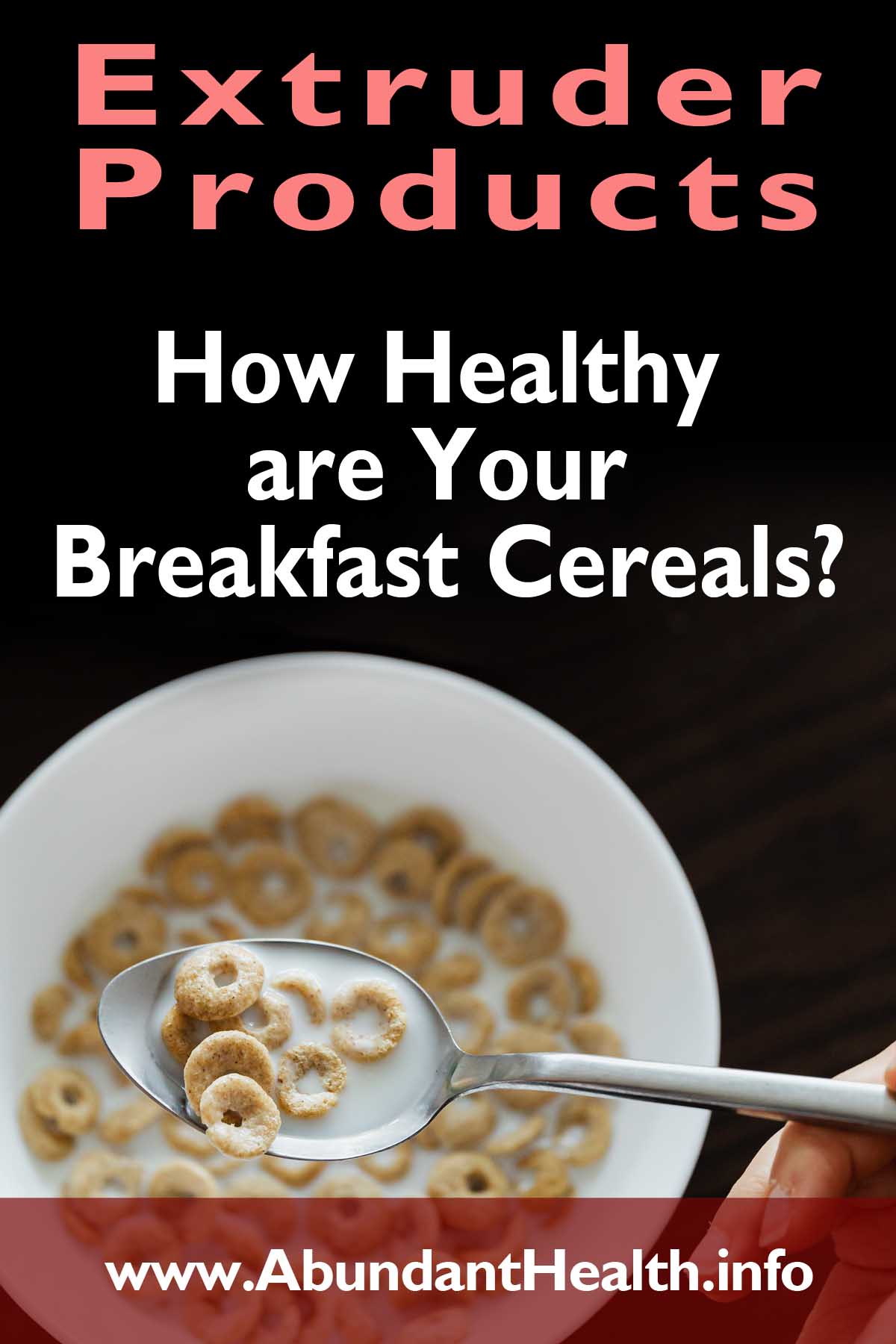
Licorice, peanut puffs, corn flakes, snack bars, breakfast cereals in all shapes and colors, pasta, crispbread, soy meat, cat and dog food, everything passes through the extruder. The extruder swallows almost everything and converts cheap raw materials into expensive products. But who knows this magic machine, responsible for a number of groceries that have found their way to the shelves of our supermarkets?

Extruder Products – How Healthy are Your Breakfast Cereals?

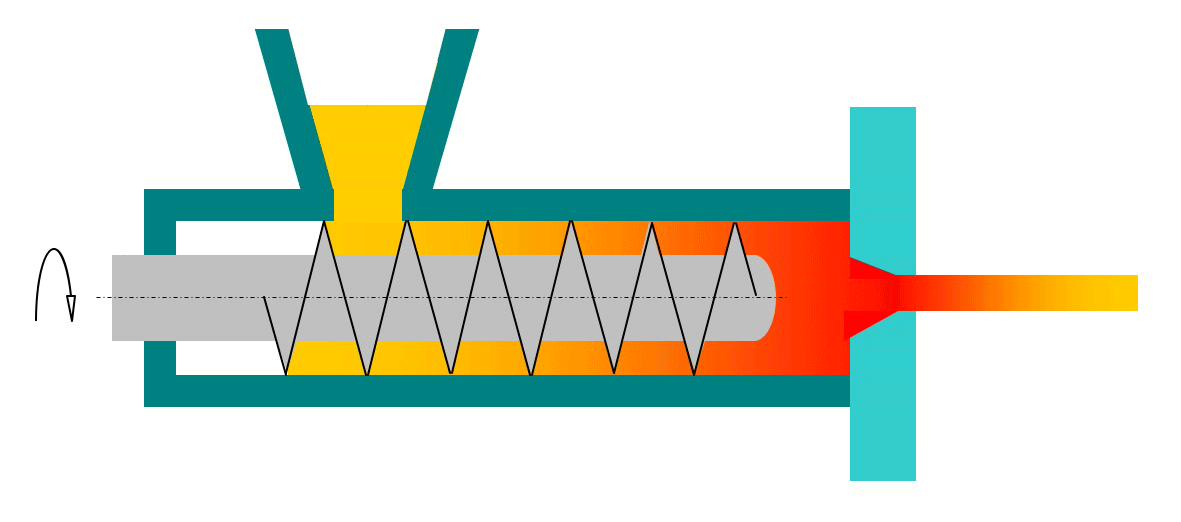
Slowly the semolina pulp sinks into the funnel of the extruder. Underneath, inside a metal sleeve, a steel spiral is turning, soaking up the nutritious mass and pushing it forward. It’s getting tighter. Huge shear and pressure forces mercilessly move the pulp forward. He’s getting hotter and hotter. At the end of the pipe, the mass is passing with high pressure through a nozzle. Suddenly the mass is released, water evaporates and the pulp puffs up. Rotating knives cut the airy mass into the desired shape. Vitamins that fell by the wayside during this procedure are injected from fine nozzles. Ready are your breakfast cereals!

History of the Extruder

According to the dictionary, extrusion means: “To express a product through a nozzle, a hole or a slot in order to obtain a certain shape.” The first products to come out of an extruder were seamless lead pipes. Today, a wide variety of plastic pipes and profiles are made, but also bricks, copper wires, coated wires, soaps and much more are pressed through the extruder.

Extruded aluminum profiles - Photo by Mike1024 from WikiMedia

It wasn’t long before the food industry discovered the extruder for its own purposes. In 1869, pieces of meat were squeezed through the machine and stuffed into sausage skins. The extruder is indeed reminiscent of the good old meat grinder. The extrusion principle has already for a long time been used in pasta processing. Hydraulically driven piston presses squeeze moistened semolina through perforated plates, forming spaghetti, macaroni, spirals, stars and letters. Roller extruders and piston presses also transform sugar masses in the confectionery industry into all conceivable shapes and forms.

With the introduction of the screw extruder in the pasta industry during the mid-1930s, began the modern age of the extrusion process in food technology.

Structure of the Cooking Extruder

In simple terms, each extruder can be divided into the following parts. First comes the feeding zone, comparable to a funnel. This is where the raw material, be it flour, semolina, a porridge, ground peanuts, starch or a sugar mass, is fed in. A screw, sometimes two co-rotating or counter-rotating screws, transport the mass forward.

Scheme of an extruder

This is followed by the conversion zone. This is where things are mixed, compressed, heated, melted, transformed. Mechanical and thermal reactions take place. That is why the extruder is sometimes referred to as a bioreactor.

Now the processed product comes to the discharge zone. A nozzle is the limit. The nozzle and subsequent rotating knives determine the shape of the product to a wide extent. When the heated mass is pressed through the nozzle, the water in the product evaporates abruptly due to the drop in pressure. It results in a blown-up product, giving it a porous, light an airy structure. In principle, extruding mimics the conventional production of popcorn. Popcorn puffs at around 9.5 bar and at a temperature of about 350⁰F (175⁰ Celsius).

The Result: Product Diversity

The extruder swallows almost everything, whether waste products or valuable raw materials. Depending on the process, dry raw materials, moistened or pulpy masses are processed. Often the heat generated by the shear forces and pressure alone is enough to transform the material into the desired shape. This is referred to as cold extrusion. The friction normally results in temperatures of 90 to 140⁰F (40 to 60⁰C). However, there are also processes where additional heat must be added. The warm extruder works with 160 to 270⁰F (70 – 130⁰C) and the hot extruder with 270 to 480⁰F (130 – 250⁰C). Most cooking extruders are based on combinations of frictional heat and externally supplied heat. The pressure is in the range up to 200 bar.

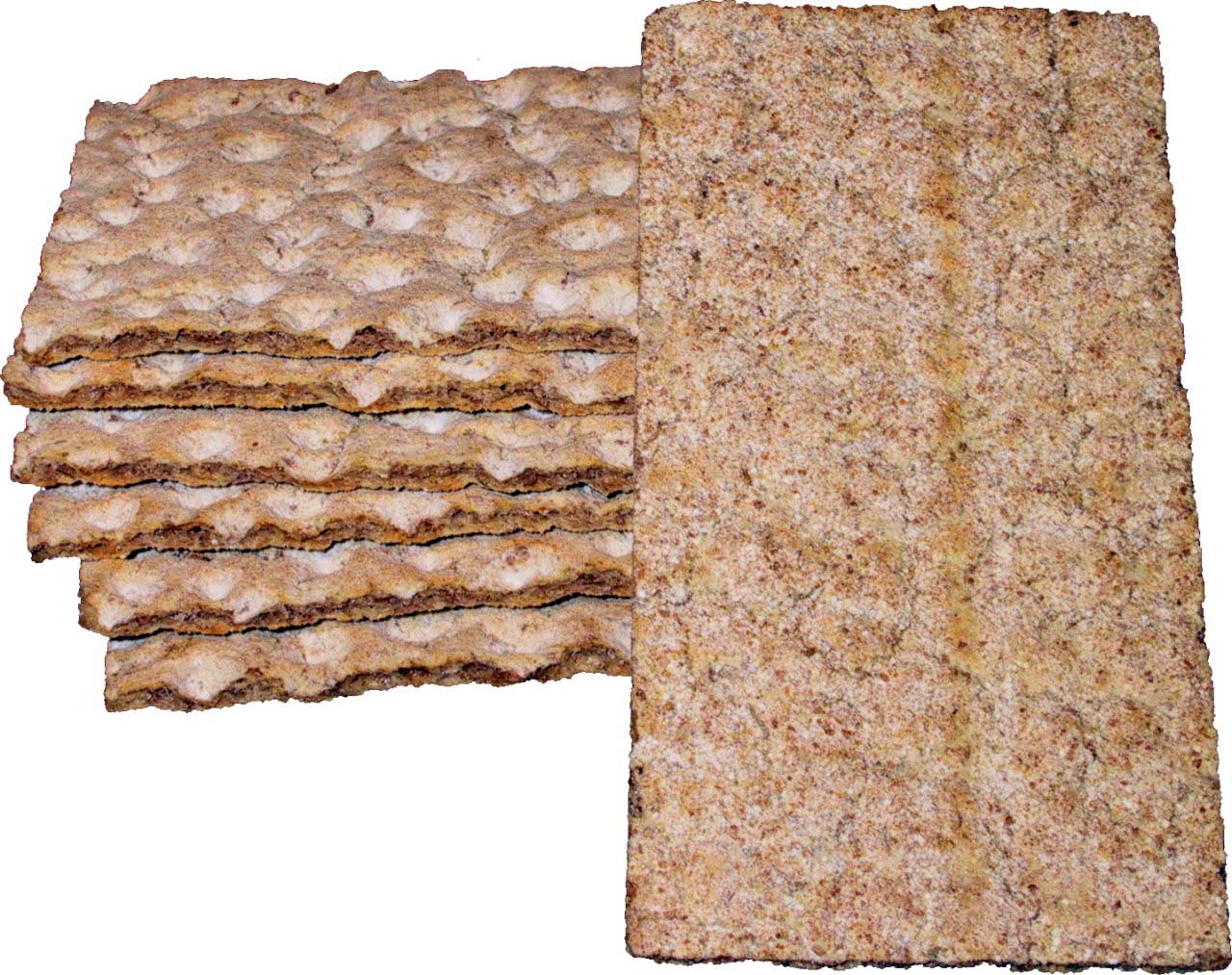
The variety of products from the extruder is overwhelming. Many conventional baking or cooking processes are replaced by the extruder. Today, almost all breakfast cereals come from the extruder. A new generation of crispbread has emerged. It has an airy, light, longitudinal fiber structure.

Crispbread - photo by Matthias Kabel from Wikimedia

Milling waste products such as bran and grinding meal are refined in the extruder, given new structures and afterwards are added to baked goods. Breadcrumbs and modified starch, as well as many instant foods, such as instant soups, are now produced in the extruder. Oil can be extracted. Chewing gum and even chocolates are made in the extruder. A lack of taste, due to the fast production or less valuable raw materials needs to be compensated by many tricks and trade secrets of the industry.

An interesting product is also the long egg. Boiled, sliced eggs are used a lot for garnishing. For practicality, egg yolk and egg white are separated and cleverly reassembled in the extruder. The end product is a meter-long rod, in which the yolk is always nicely placed in the middle of the egg white. There is no waste when slicing.

What Happens to the Nutrients?

The starch from raw products is almost completely broken down, so it becomes easily digestible. It comes to gelatinization and swelling, sometimes also to undesired roasting processes.

Little is known about the conversion of protein in the extruder. However, it is known that some important amino acids are destroyed. At the other hand, it has been shown that harmful enzymes in legumes, such as trypsin inhibitors in the soybean, are rendered harmless by the heat. The changes in extrusion are very versatile and can only be investigated in very complex and expensive processes. That is why there are not yet many independent results about adverse side effects of the extrusion process.

Cheese Puffs - Soure: Flickr

Losses are partially reduced because mass is only exposed to the high temperatures for a short time. Nevertheless, the high heat causes a substantial loss of vitamins. Cereal products provide us with the important vitamins of the B group and with folic acid. Depending on the process, there are losses of 50 – 80%. In comparison, with normal bread baking, the losses of B vitamins are between 5 and 30%. Nutrition experts recommend treating the raw materials as gently as possible. What happens in the extruder can certainly not be described as gentle. That’s why the breakfast cereals need to be subsequently enriched with vitamins.

Conclusion

Extruder products have become an integral part of our diet. Children especially demand them frequently. Be it in the form of snacks, sweets, snack bars, or breakfast cereals. But we would do well to limit it. In a nutshell, extruder products are mostly air that is sold with a lofty price tag. Expensive products are made from cheap raw materials. In case of doubt, the food industry will pay attention to the taste the consumer will crave for and less to the nutritional value that contributes to a healthy lifestyle.

A child with a bowl of extruded breakfast cereals - Photo by Tiago Pereira from Pexels

If we put extruder products on the table, we should definitely vary them with conventional cereal products, in addition to fresh, untreated fruits and vegetables, nuts, and seeds. They are the ones who provide our body with important nutrients for our health.

Healthy Fruits

Stay Always Up to Date

Sign up to our newsletter and stay always informed with news and tips around your health.
Sign Up Now!

Filed Under: Nutrition

Selenium – A Vital Trace Element

August 8, 2021 by Esther Neumann - [rt_reading_time label="Reading Time:" postfix="minutes" postfix_singular="minute"]

Selenium - A Vital Trace Element

Selenium occurs only in traces in the human body. An adult weighing 70 kg has just about 7 milligrams on average. In medicine, selenium is considered a vital, essential trace element. It plays an important role in detoxifying the body, protects the membrane of our body cells, prevents red blood cells from oxidizing and is part of some important enzymes.

Selenium - A Vital Trace Element

Occurrence

Selenium belongs to the semi-metals. It stands at the 59th place in the frequency of the elements in the Earth’s surface. It rarely occurs in nature in its pure form. We usually find it in compounds with sulfur. Selenium minerals are also rare. Clausthalite and naumannite are known examples. Selenides are found in copper gravel and zinc blend. Selenium is used in the semiconductor industry for the production of photodiodes, photocells, radar systems, solar cells and light meters. It is used in photocopiers because of its photoelectric property. Tiny additions to glass give it a bright red color. In the red traffic lights, we experience this color in daily life.

The vital necessity of selenium for plants, humans and animals was only discovered in 1957. With selenium deficiency, young animals do not gain weight properly. In humans occur very specific deficiency diseases.

Functions in the body

Selenium fulfills its most important function as a component of the enzyme glutathione peroxidase. This important enzyme is mainly found in red blood cells. It protects them from attack by harmful oxygen radicals that are produced in normal metabolic processes, but also by smoking, alcohol, ozone, smog and ionizing radiation.

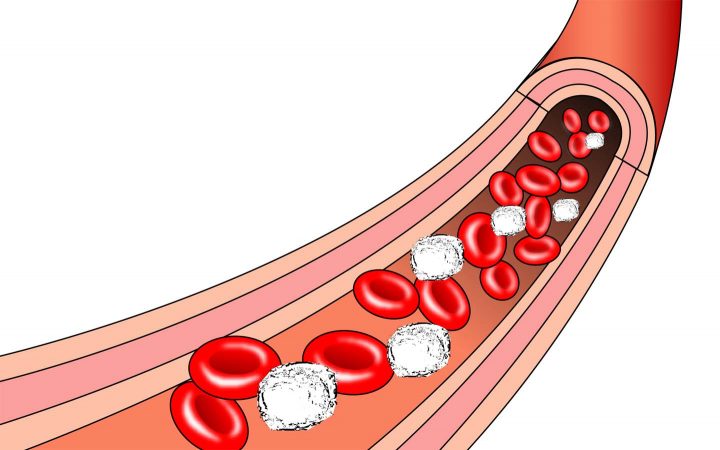
Red blood cells in the bloodstream

Together with vitamin E, the enzyme also protects all cell membranes. Various fats are built into the membrane, which are wafer-thin boundary layers, that must be particularly protected. If such biological membranes are destroyed, premature cell death or genetic damage to the DNA occurs.

However, the body uses this selenium-containing enzyme very sparingly. If it is consumed, it is regenerated by vitamins C and E. Vitamin B2, carotenoids and anthocyanins also play an important role in this metabolic process. So we see the importance of a diet rich in vitamin-packed unprocessed plants.

Selenium is also contained in another enzyme, iodinethyronine-5-deiodase. Here it controls the conversion of the thyroid hormone thyroxine into the biologically active form. It therefore has an influence on the basal metabolic rate, cell differentiation, cell growth and the rate of cell division.

Selenium also plays a role in the detoxification of heavy metals. It binds cadmium, lead and mercury, so that these toxic metals can no longer bind to vital proteins.

Selenium also stimulates the immune system. Research in recent years also suggests that selenium plays an important role in cancer prevention. In cancer patients, a much lower selenium levels are found in the blood.

Deficiencies

Some soils are very low in selenium. This affects Central and Northern Europe but also large parts of China. An increased incidence of the so-called Keshan’s disease has also been found there. In its chronic form, this disease manifests itself as cardiac insufficiency with simultaneous enlargement of the heart muscle. In the area where this disease has occurred more frequently, the salt has been enriched with selenium and has thus been able to be suppressed.

The first symptoms of selenium deficiency include myopathies, which are muscle weaknesses. Metabolic disorders of the liver and pancreas are often associated with a selenium deficiency. Low levels of selenium in tissues have also been found in various forms of arthritis and degenerative joint diseases.

It is interested to notice that in those areas of China where the soil is selenium deficient, mortality of COVID-19 was much higher than in other parts o the country. That stresses again the importance of Selenium for the immune system.

Chemotherapy of cancer as well as oxygen therapies lead to increased formation of free radicals, which can be intercepted by selenium and other antioxidants.

Selenium-rich Foods

Animal foods generally contain higher amounts of selenium than plant foods. But selenium from the plant is more bioavailable, so it is more easily absorbed by the body. High amounts of vitamin C, being still in the physiological range, improve the absorption from the gastrointestinal tract.

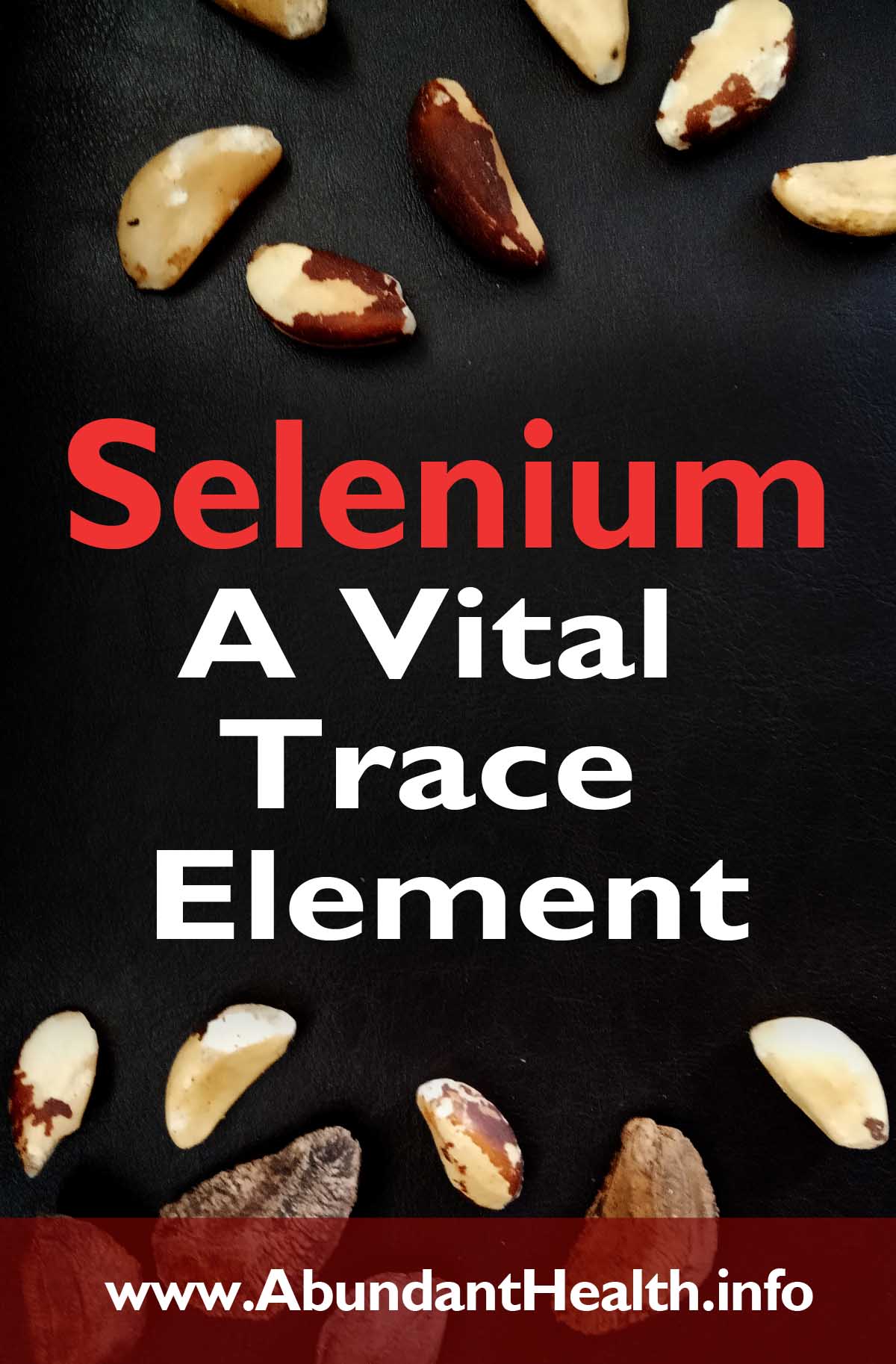
Nuts and seeds have high amounts of selenium. The Brazil nut has by far the highest selenium content, even multiple times more than animal products. Chia and sunflower seeds have moderate amounts of selenium, Soybeans and white beans are also good sources. Substantial amounts are also found in whole grain, millet and rice, but this depends on the selenium content of the soil. Finland is a very selenium-poor area. The soils there are enriched with selenium. Other countries in Central and Northern Europe are also discussing enrichment.

An assortment of nuts - Photo by Marta Branco from Pexels

Those who live in areas with selenium-poor soils should not eat exclusively products from their own garden or the farmers from the surrounding area. Supplementing your diet with some nuts and seeds grown in tropical areas can help to balance this deficiency. Brazil nuts tend to be especially high in selenium, but can vary greatly depending on soil conditions. Eating just two Brazil nuts normally gives you more than your daily need. Since Brazil Nuts are so high in selenium, you should be cautious to not overuse them, though eating up to 4 nuts daily on a regular basis you should be still in the safe zone.

Overdosage and Poisoning

Before it was discovered that selenium is vital for humans, the trace element was considered one of the most toxic elements. However, acute selenium poisoning has occurred very rarely. In the production of glass and paints and in electronics, where selenium is used, however, protection of employees is necessary.

An overdosage is highly unlikely via food alone. However, supplementation with selenium is increasingly popular. Corresponding preparations are already on the shelves of supermarkets and drugstores. Whether a general supplementation can be recommended is controversial because the knowledge about the trace element is still insufficient. Therefore, an independent intake of selenium-containing supplements should be discouraged. They belong in the hands of an experienced doctor. It is certain that the additional intake of selenium is recommended for cancer, special forms of arthritis and certain cardiovascular diseases. However, the amounts to be taken vary depending on the respective course of treatment. This again shows that only the attending physician should decide on selenium supplementation.

A doctor consulting a patient - Photo by cottonbro from Pexels

Varied Diet

To avoid a selenium deficiency, a balanced diet is key. Problems are only likely to arise in areas with selenium-poor soils and limited food choices at the same time. With the exception of the Brazil nut, plant products have lower selenium levels, but this is made up by better absorption and better recycling of selenium containing enzymes. Once again it has been shown that a varied diet with a high proportion of plant-based food is the right way to go.

Filed Under: Nutrition

« Previous Page
Next Page »

Primary Sidebar

Social Channels

Coronavirus Immunity Challenge

Boost your immune system to be bullet-proof for the pandemic.

I Want to Participate

Recent Posts

  • 5 Habits to Live Longer
  • Better Sleep Can Protect Against Dementia
  • Finding Peace In Your Crazy-Busy World
  • Flaxseed – An Ancient Plant Rediscovered
  • Platelets – Triggers for Life or Death
  • Boderline Personality Disorder
  • In Praise of Almonds and Nuts
  • Are You Stuck in the Clutter Trap?

Categories

  • Body Systems (16)
    • Cell Function (2)
    • Circulatory System (1)
    • Digestive Tract (10)
    • Immune System (4)
  • Diseases (27)
    • Cancer (2)
    • Cold (1)
    • COVID-19 (11)
    • Dementia (1)
    • Diabetes (1)
    • Digestive Diseases (2)
    • Heart Disease (2)
    • Kidneys (1)
    • Metabolic Syndrome (2)
    • Skin (1)
  • Healthy Lifestyle (42)
    • Exercise (11)
    • Gardening (2)
    • Sleep (7)
    • Sunlight (2)
    • Temperance (14)
    • Water (4)
  • Mental Health (87)
    • Addictions (6)
    • Anxiety (7)
    • Burnout (1)
    • Depression (7)
    • Psychosomatic Diseases (6)
    • Stress Management (45)
    • Trust (6)
  • Nutrition (56)
  • Obesity (9)
  • Phases of Life (14)
    • Adults (3)
    • Babies and Infants (1)
    • Children (3)
    • Seniors (5)
    • Teenagers (3)
  • Therapies (7)
    • Herbs (5)
    • Hydrotherapy (1)
  • Uncategorized (3)

Archives

  • January 2025 (1)
  • March 2024 (5)
  • February 2024 (4)
  • January 2024 (4)
  • December 2023 (5)
  • November 2023 (4)
  • October 2023 (5)
  • September 2023 (4)
  • August 2023 (3)
  • July 2023 (2)
  • June 2023 (4)
  • May 2023 (4)
  • April 2023 (5)
  • March 2023 (4)
  • February 2023 (4)
  • January 2023 (4)
  • December 2022 (4)
  • November 2022 (4)
  • October 2022 (5)
  • September 2022 (4)
  • August 2022 (4)
  • July 2022 (5)
  • June 2022 (4)
  • May 2022 (5)
  • April 2022 (4)
  • March 2022 (4)
  • February 2022 (4)
  • January 2022 (5)
  • December 2021 (3)
  • November 2021 (4)
  • October 2021 (6)
  • September 2021 (4)
  • August 2021 (4)
  • July 2021 (5)
  • June 2021 (4)
  • May 2021 (3)
  • April 2021 (5)
  • March 2021 (4)
  • February 2021 (4)
  • January 2021 (5)
  • December 2020 (3)
  • November 2020 (4)
  • October 2020 (5)
  • September 2020 (5)
  • August 2020 (3)
  • July 2020 (1)
  • June 2020 (1)
  • May 2020 (1)
  • April 2020 (1)
  • March 2020 (1)

Copyright © 2026 · Abundant Health - Privacy Policy - Medical Disclaimer