Abundant Health

Up to date health information tailored for you

  • Home
  • Blog
  • Recipes
  • Shop
  • Contact
You are here: Home / Archives for Esther Neumann

Esther Neumann

Small but Important – The Spleen

July 25, 2021 by Esther Neumann - [rt_reading_time label="Reading Time:" postfix="minutes" postfix_singular="minute"]

Klein aber wichtig-Die Milzil

If everything is going well in the bloodstream, it is not even palpable. The doctor can only palpate it when it is enlarged. It has very important tasks in the defense against diseases and in the red blood cell turnover. But if necessary, you can live without it.
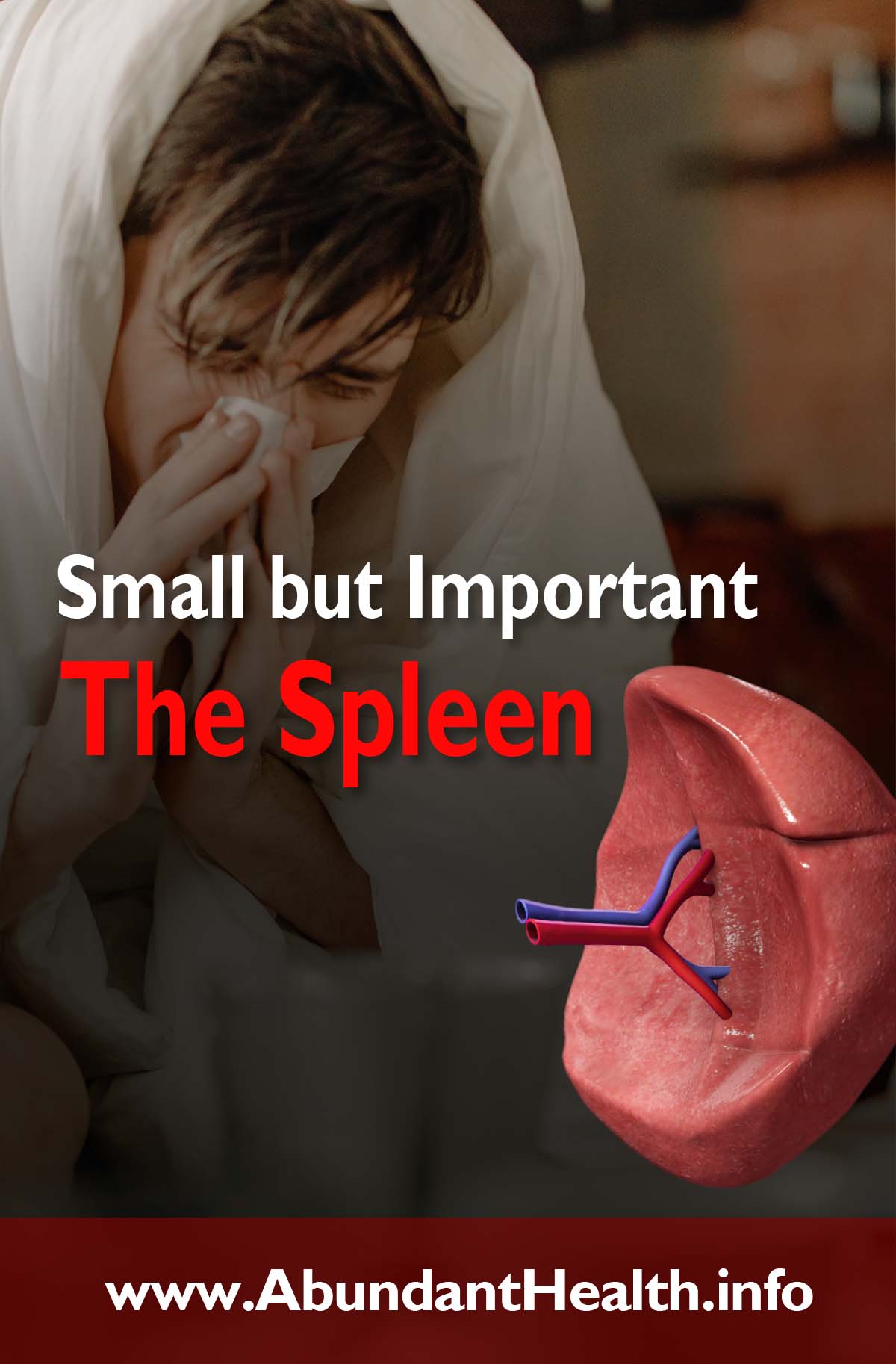
Small but Important - The Spleen
Spleen Illustration by scientificanimations.com CC BY 4.0

The spleen is a soft, small, spongy organ just 3 inch wide and 4 inch long (7×11 cm). It is located in the left upper abdomen at about the level of the tenth rib. It is limited by the stomach, the left bend of the colon and the left kidney. A healthy spleen weighs between 5 to 7 ounces (150 – 200 grams) and is only palpable when it swells. Then it can weigh up to 4 pounds (2 kg).

If you cut through the spleen, you can see a framework of connective tissue and whitish and reddish areas. The white pulp is made up of the lymphoid follicles and the periarterial lymphatic sheaths. The color of the red pulp is due to the presence of the many red blood cells in the spleen capillaries. About a quarter of the tissue consists of white pulp and three quarters of red pulp.

Two Important Tasks

The spleen is one of the lymphatic organs, so it plays an important role in defense against disease and thus has a similar task to the lymph nodes. The individual lymph nodes only filter the lymph from a certain region of the body. But the spleen is responsible for the entire bloodstream. With a local infection, individual lymph nodes become inflamed. However, if many pathogens are washed into the bloodstream, the spleen swells, a sign that it has to work harder. The white pulp takes on this task of defense against disease. There are around 20 times as many lymphocytes in the spleen as in all lymph nodes combined. Lymphocytes are small, white blood cells that play a major role in the specific immunity.
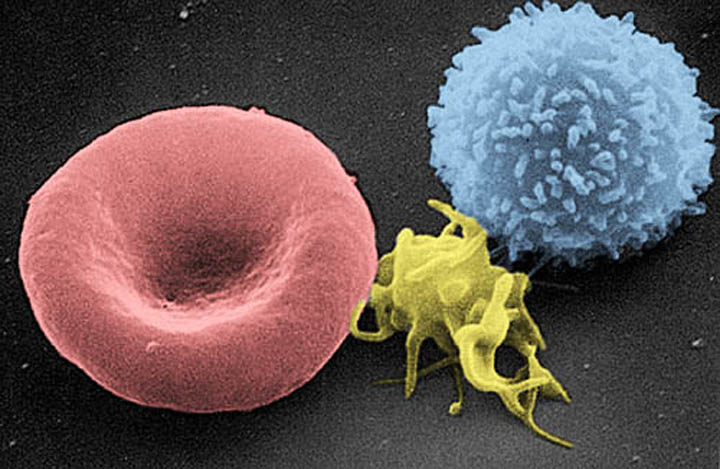
Red blood cell and lymphocyte - Electron Microscopy Facility at The National Cancer Institute at Frederick (NCI-Frederick), Public domain, via Wikimedia Commons
Red blood cell and lymphocyte

The red pulp has completely different tasks. It appears so red because there are so many red blood cells swimming around in it. The aged corpuscles are broken down in the spleen. The red blood cells have to squeeze through a tight network. Young blood cells can deform themselves very well and easily squeeze through the narrow blood vessels. Old blood cells can no longer be deformed as easily. They get stuck in the tight network and are broken down by the phagocytes. During this cell turnover of the blood, the red blood pigment hemoglobin is released.

The body uses its breakdown products very sparingly and recycles a lot, including hemoglobin. It is converted into bile pigments and released into the bile by the liver. This is why jaundice can occur with an increased breakdown of blood cells. Neonatal jaundice is particularly well known.

The spleen also has other functions. In babies, it makes red blood cells. In adults, this task is performed by the bone marrow. It also stores platelets, which are released to help blood clot when bleeding. But it also recognizes small thrombi and breaks them down. It also produces some of the macrophages, the phagocytes that flow around and digest foreign bodies in the blood and play an important role in the immune system.

Anthrax

Anthrax is a zoonosis, a disease that affects animals and can be transmitted to humans, but not from person to person. It occurs mainly in people who deal with animals a lot, such as farmers or butchers. In our latitudes it is rare today, but it is more common in warm regions such as South Africa. It is a reportable infectious disease. It is transmitted by the Bacillus anthracis, hence the name anthrax. The bacilli form spores. In this inactive form, they are very stable against heat, dehydration, radiation and disinfectants. They can remain in a pasture for a long time before they are ingested by animals.

A butcher cuts meat - Photo by Kindel Media from Pexels

The disease can appear as skin, lung, or intestinal anthrax. The spleen is enlarged, darkly colored and looks like it has been burned. The symptoms of the disease are like those of an infection. If it is recognized quickly, it is easy to treat. If treatment is delayed, it is difficult. There may be a high fever, lung failure and shock.

Anthrax was picked up by the media as a biological weapon. A few years ago, a lot of unrest was created when some real and some ineffective white powder was sent by post. There is no need to be afraid of this biological weapon. Though it is possible to use it in a very targeted way, it involves some complicated procedures. You have to pack the spores correctly and spray them in the right size so that they can be picked up.

Spleen Removal

The spleen is not essential for life. You can live without it. In adults, the lymphatic function can be taken over by the lymph nodes. The liver steps in to break down blood. Even so, the spleen should not be removed lightly. For example the risk of blood poisoning is much greater without a spleen. Immediately after removal of the spleen, patients are also much more at risk of developing pneumococcal pneumonia. It takes time for other organs to take over the task of the spleen and protect the body from disease.

An important reason for removal is, for example, a capsule tear. The spleen is surrounded by a capsule that is very well supplied with blood. In the event of bruises, it easily bursts. There is profuse bleeding. In the past, the spleen was simply removed in such cases. Today a surgeon may try to glue the crack because the spleen is such an important organ in defense against disease. During operations, the surgeon has to work very carefully around the spleen. If he injures the capsule, the bleeding is hard to be stopped.
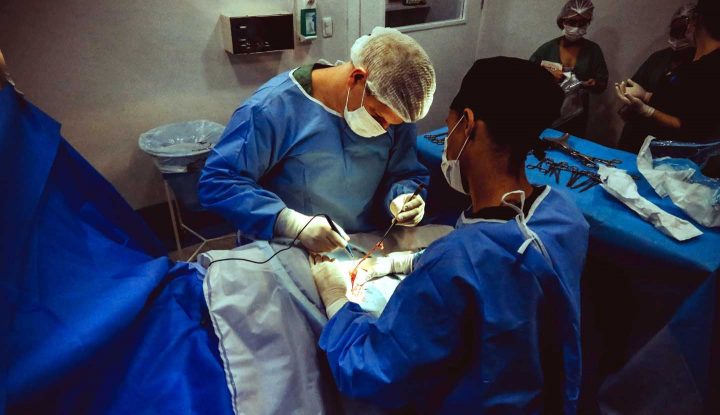
An operation -  Photo by Vidal Balielo Jr. from Pexels

In the case of increased blood breakdown, special forms of anemia or leukemia and malignant tumors, it often has to be removed.

After the spleen has been removed, the patient is monitored very closely in the hospital. The blood count is continuously monitored. In this phase no inflammation or any other disease is permitted, because an important part of the immune system was removed. Even after the hospital stay, the immune system must be strengthened through a vitamin-rich diet and plenty of exercise in the fresh air.

The spleen, however small the organ, has an important function. It can be replaced in an emergency, as we have seen. But as long as we have it, we want to protect and preserve it through a sensible, immune-boosting lifestyle. This not only benefits our physical health, but also our spirit and soul. We can think better and communicate better with others and with our Creator.

We have a special opportunity just for you. If you want to receive practical and up to date advice on how to implement an immunity-boosting lifestyle, simply join the Coronavirus Immunity Challenge and prepare yourself to face the pandemic with a bullet-proof immune system.
Sign Up Now

Coronavirus Immunity Challenge
Filed Under: Body Systems, Immune System

Mitochondria – Power Plants of Our Cells

June 25, 2021 by Esther Neumann - [rt_reading_time label="Reading Time:" postfix="minutes" postfix_singular="minute"]

Mitochondria

They are found in almost every cell in our body. Without it, we couldn’t produce energy. We couldn’t breathe, nor would our hearts beat. We couldn’t move a muscle, nothing would work. This refers to a tiny organelle in our cells with the peculiar name mitochondrion.

Mitochondria - Power Plants of Our Cells

Scientists have suspected their existence for a long time. But they could only be seen after the invention of the electron microscope around the middle of the last century. Mitochondria are as tiny as bacteria. But what an inner life they have! They are rightly called the powerhouses of our cells because by breaking down food they produce most of the energy that our body uses for all of its functions.

Occurrence and Structure

Mitochondria are found in all cells in our body except red blood cells. Around 1000 mitochondria per cell are typical. This large number already shows us how tiny they must be, when so many of them fit into one cell. They occupy up to 25% of the cell volume. Cells that use a lot of energy have the most mitochondria. These include the muscle, nerve and sensory cells.

Mitochondria are enclosed by two membranes. The outer membrane is smooth and contains many tunnel-like channels through which small molecules can be channeled that our body is constantly metabolizing from our food. The inner membrane, on the other hand, is impermeable to almost all molecules. Only the smallest such as water, carbon dioxide and oxygen can pass. But it has many transport systems in order to selectively channel various metabolic products from our diet into the interior. In order to be able to do all this filtering it is strongly folded to create a large surface.

Inner membraneOuter membraneRibosomeMitochondrial DNA

Inside of the mitochondria, the so-called matrix, many metabolic activities take place. We will come back to that later. The mitochondrion itself has its own DNA like the cell nucleus. So it can divide itself. Its lifespan is not very long, only around 10 to 20 days. It is constantly reproduced by transverse division.

Task of the Mitochondria

The main task is to absorb important metabolic products from our food and convert them into energy. Other residual substances must be converted into a form that can be easily excreted from the body. This includes, for example, the urea cycle, which partially is happening here as well.

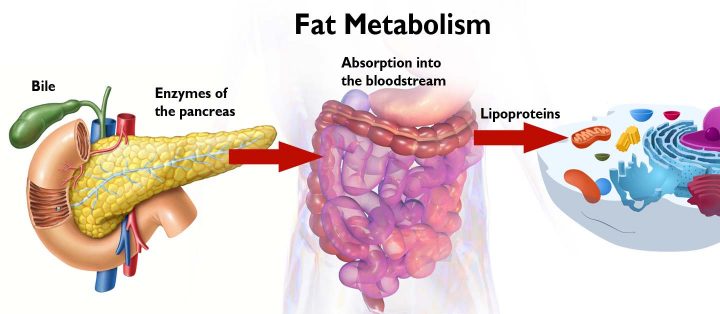
Let’s look at the breakdown of fat from our food. We eat fat because, among other things, we want to use it to produce energy. Our body is a real miracle and a huge, elaborate chemistry lab. It takes many complicated steps to go from one tablespoon of oil to energy. We want to summarize the whole process in a somewhat simplified way. Our pancreas provides enzymes for fat digestion. The bile breaks up a large drop of fat into many small droplets so that the enzymes can operate more easily. They split the fat molecules into fatty acids and glycerine, that can be absorbed through the intestinal wall. After they have passed this barrier, they are reassembled back into real fat molecules. Since fat is insoluble in water and cannot simply swim in the lymph or blood, it becomes bound to lipoproteins. With this taxi, the fat finally gets into the cell, where it is to be converted into energy.

Diagram of the Fat Metabolism
Ilustration of intestines by Blausen.com via Wikimedia CC BY 3.0

This transformation happens in our mitochondria. To do this, the fat molecule must first be broken down into glycerine and fatty acid. However, the fatty acid is too large to get through the membrane into the interior of the mitochondrion. That is why a transport system is needed. Carnitine serves as a taxi, which every athlete knows very well, believing that he needs a lot of it so that he can burn more fat in order to get more energy. If the fatty acids are in the mitochondria, they are together with oxygen converted into energy, water and carbon dioxide via a complicated process called beta oxidation.

The ATP (adenosine triphosphate), as this chemical energy is called, is created inside the inner mitochondrial membrane. The body needs this energy to move its muscles, to produce vital organic molecules and to handle transport processes in the cell and from one cell to another. In an adult human, the amount of ATP that is built up and broken down in his body every day is roughly equivalent to his body weight. What an achievement!

The glycerine from the fat is introduced into the citric acid cycle. This is another extremely complicated cycle that also takes place inside the mitochondria. They are an important hub in the metabolic process. They break down components from our food and at the same time rebuild new substances such as amino acids, the smallest components of protein. The breakdown products of carbohydrates and protein metabolism also enter the citric acid cycle. Components can also be diverted from this process in order to generate energy. We see already the important role of mitochondria in our body´s metabolism.

Fats provide by far the largest amount of energy per weight, followed by carbohydrates. Energy production from protein is not very efficient and is only used when there are not enough fats and carbohydrates available.

Conversion of Nutrients

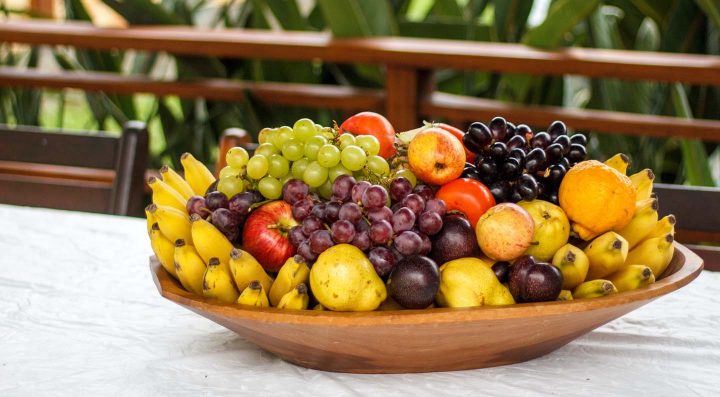
Carbohydrates are important sources of energy. Some cells like the red blood cells, the nerve and brain cells absolutely depend on glucose. Glucose is therefore stored in the liver in the form of glycogen. This substance can be split up again into glucose between the meals, when no new glucose is available. If more carbohydrates than necessary are consumed and all glycogen stores are filled, carbohydrates are converted into fat. This is stored in the fat cells. Caution: this can lead to obesity!

fruits as a source of carbohydrates - Photo by Anderson Guerra from Pexels

When fasting, after a while the brain and nerve cells even get used to obtaining energy from fatty acids. But the red blood cells are always dependent on glucose for energy. If almost no carbohydrates are ingested with food, as is the case with some restrictive diets, the body has to produce glucose from amino acids. This path is energetically very demanding.

A Varied Diet

We have seen that some nutrients can be converted into one another. With regard to their function as building blocks for bones, organs, teeth and much more, they cannot be exchanged. It is therefore important that we eat a balanced and varied combination of foods and avoid unilateral diets. The best diet consists of lots of fruits and vegetables, grains, nuts, and seeds. From all this variety of foods our body is optimally supplied, and we can produce enough energy for all its vital functions.

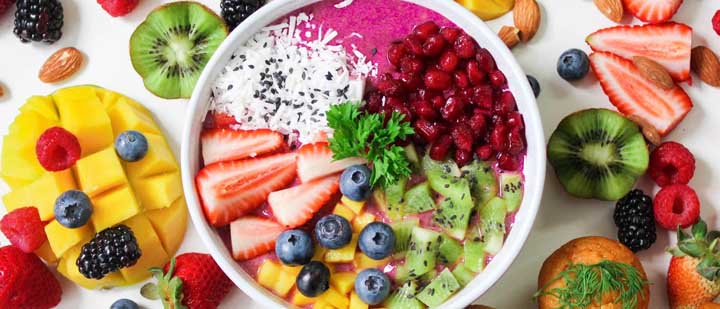
Healthy Fruits

Stay Always Up to Date

Sign up to our newsletter and stay always informed with news and tips around your health.

Sign Up Now!

Filed Under: Body Systems, Cell Function, Nutrition

Pancreas, Diabetes and Meal Frequency

May 30, 2021 by Esther Neumann - [rt_reading_time label="Reading Time:" postfix="minutes" postfix_singular="minute"]

Pancreas

There’s something else behind the stomach – and that’s the pancreas. That’s how we learned it at school. In its first role, the pancreas is a vital digestive gland. In the unborn fetus, it is already developing on the 28th day and the Langerhans islet cells can be seen in the 8th and 9th week. Multipotent stem cells remain in the pancreas throughout their life, because they have to constantly produce replenishment, as a pancreatic cell only lives on average for about 40-50 days.

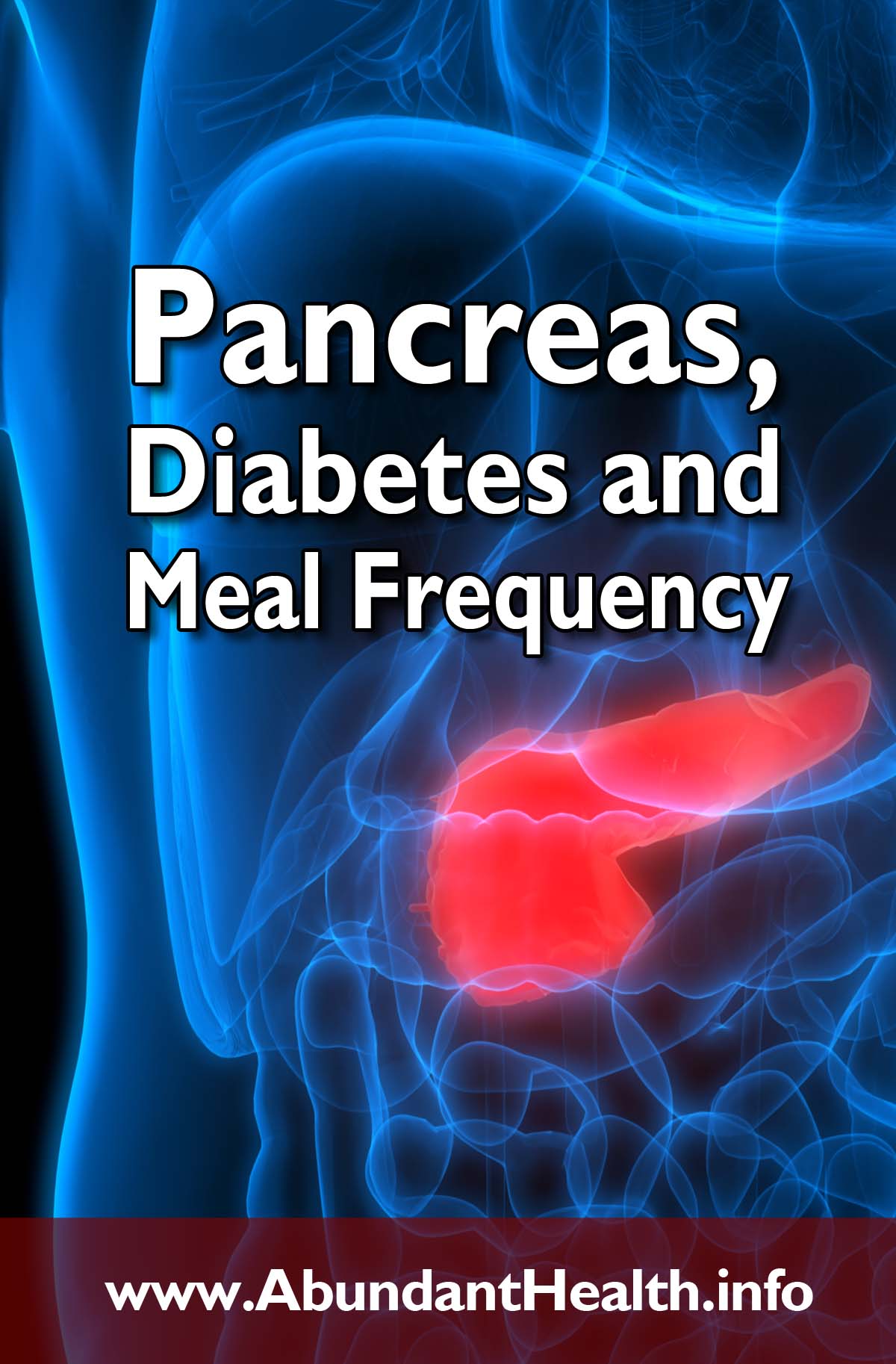
Pancreas, Diabetes and Meal Frequency

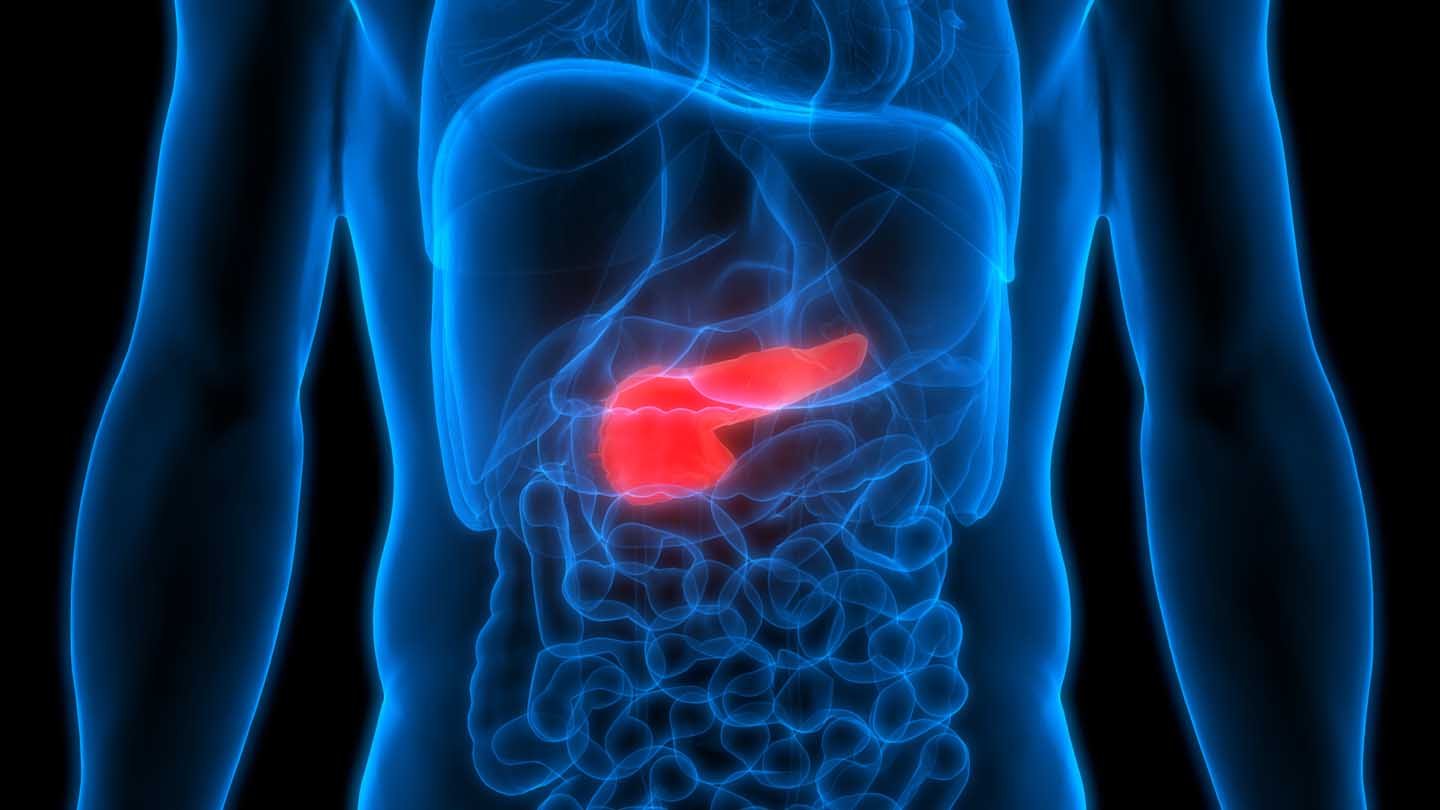
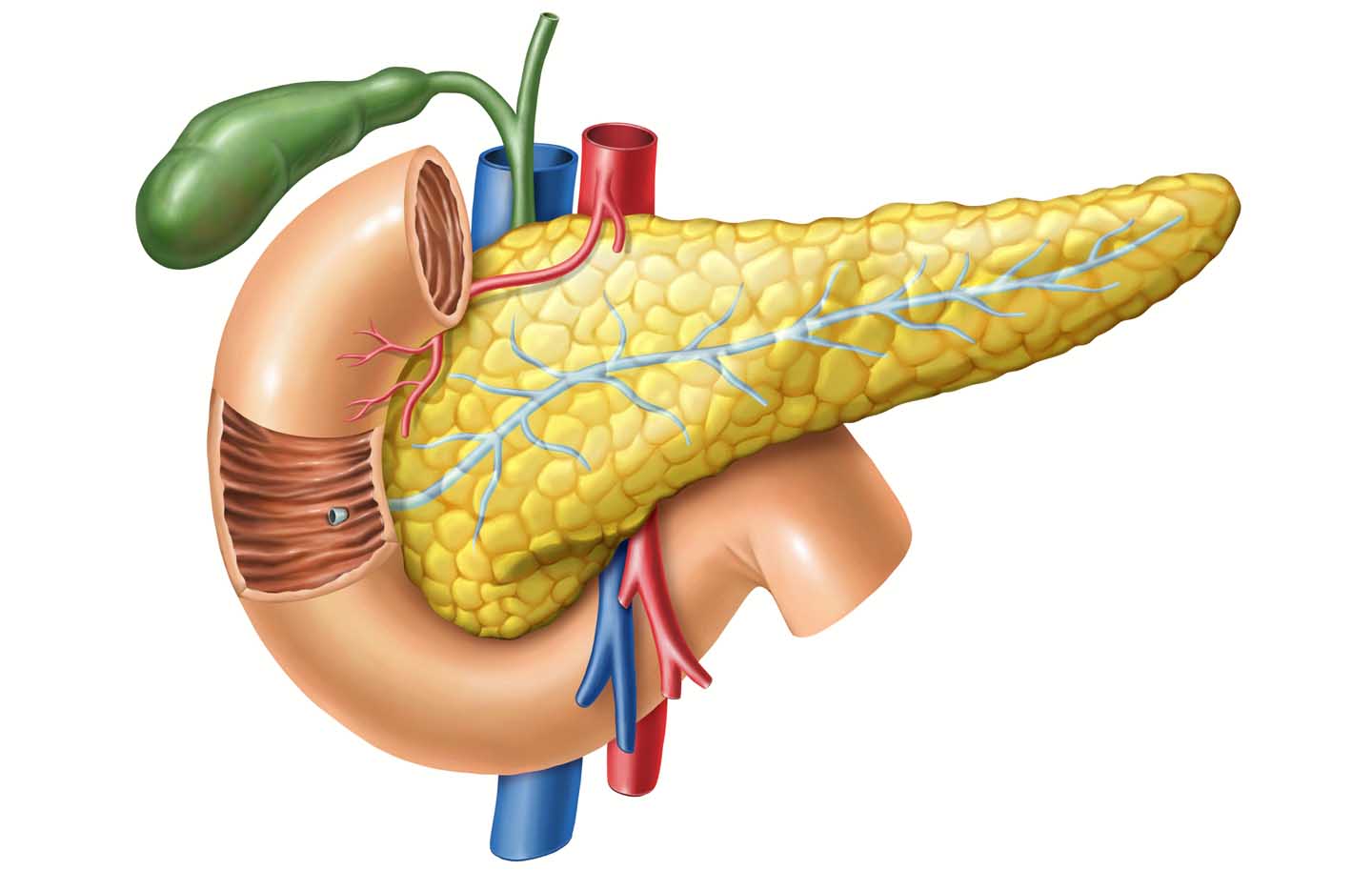
The pancreas is a relatively large gland that lies across the body behind the stomach between the spleen and liver. It is about 5-8 inch (14-20 cm) long and weighs 70-100 g. It is divided into head, body and tail. It is connected to the duodenum via an outlet duct. The duct runs the entire length of the gland. In most people, the main bile duct, the outlet from the gallbladder, unites with the outlet duct from the pancreas. They then flow together into the duodenum.

This junction can be different in some cases. In about a third of all people, both passages lead separately into the duodenum. This is an advantage, for in case that a gallstone sticks at the common duct after the union, it can lead to a backflow of digestive juice and bile in the pancreas and thus to a life-threatening inflammation of the pancreas (acute pancreatitis).

Anatomic drawing of the pancreas together with the bile duct

Exocrine Pancreas

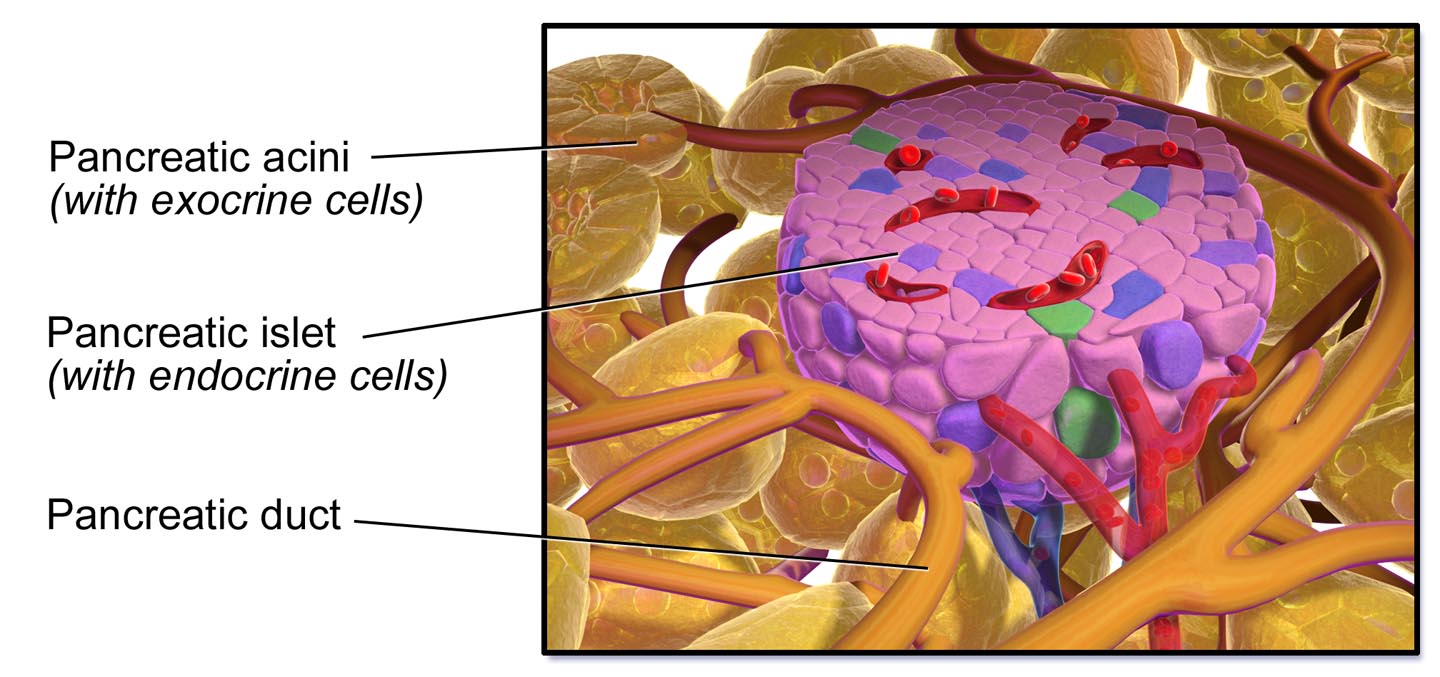
The pancreas contains two parts with very different tasks: the exocrine and the endocrine part. Endocrine is called everything that secretes into the bloodstream and exocrine to the outside, in this case to the duodenum at the beginning of the colon. Note that anatomically speaking, the gastrointestinal tract is considered a tube that is a link of the body with the outside world. The pancreas is made up of several thousand lobules that are barely visible to the naked eye. These in turn are composed of several hundred glandular end pieces, the acini. The secretion of the acini is conducted into the duodenum via a duct system.

About 1.5 – 2 quarts (1.5 – 2 liters) of secretion are produced daily. The most important components are various digestive enzymes: lipases for digesting fat, amylases for digesting carbohydrates and various proteases for digesting protein. Most digestive enzymes, however, are formed in a preliminary stage, which are only converted into the active form inside the duodenum. This prevents the pancreas from digesting itself.

About 95% of the digestive juice consists of water. It is quite important that this juice is rather liquid and that the pH is around 8. In about one in 2000 newborns, the pancreatic secretion is very viscous due to a genetic defect and the pH is almost neutral. As a result, the environment in the duodenum is too acidic and fat digestion cannot function properly. It comes to fatty stools. In the pancreas itself, the ducts are blocked by the viscous secretion. The genetic defect affects various organs of the body. Even in the lungs occurs some blocking and scarring. The clinical picture is called cystic fibrosis.

Pancreatic carcinoma is the third most common tumor of the digestive tract after colon and stomach carcinoma. Smoking, frequent coffee consumption, type I diabetes and chronic pancreatitis can all increase the risk. The prognosis for pancreatic cancer is usually very poor, since rarely an early diagnosis is made, and at this point large parts of the pancreas or all of it have to be removed, often including part of the duodenum. 70 – 80% of cancer cases originate in the exocrine pancreas.

Endocrine Pancreas

The pancreas contains clusters of cells that form small islands within the tissue. They are named after their discoverer, the German physician Paul Langerhans – islets of Langerhans. These are collections of cells with a diameter of 0.1 to 0.4 mm. An adult has about a million of them. This corresponds to 2% of the pancreatic weight. They belong to the endocrine system and release their substances directly into the bloodstream.

Islet of Langerhans - Source: Wikipedia/Medical gallery of Blausen Medical 2014
Illustration from Blausen.com at Wikimedia CC BY 3.0

The main function of these islands is to regulate blood sugar levels. Approximately 70% of islet cells produce insulin. These cells are called Beta cells. 20% are Alpha cells and form glucagon, the counter hormone to insulin. The Delta cells make up 5% and form somatostatin, which even in small amounts prevents the release of glucagon. Another 5% make up the PP cells. PP, the pancreatic polypeptide, consisting of proteins, increases the mobility of the small intestine. This is very important for digestion so that the chyme is well mixed and comes into close contact with the colon wall. This way the nutrients can be better absorbed.

Conductive Pathways

The pancreas is permeated by nerve tracts, lymphatic vessels, lymph nodes, arteries and veins. Blood is supplied through several arteries. It is supplied by a double vascular ring. The smallest veins, the capillaries, have tiny “windows” through which the endocrine cells are in direct contact with the blood. This way the cells “feel” the blood sugar level, so to speak, and the hormones can be released directly into the bloodstream.

Glucose Regulation

Regulating blood sugar levels is very important. The carbohydrates are released into the bloodstream in the form of glucose. The concentration in healthy adults is around 80-100 mg per 100 ml of blood. The two main hormones involved in regulation come from the pancreas: insulin and glucagon. They are opponents. Insulin lowers sugar levels and glucagon increases them. After a meal, the glucose is absorbed into the blood. The blood sugar level rises. In healthy people, this causes insulin to be released into the blood, which has the function of lowering sugar levels back to normal. The insulin opens the way for glucose to enter the body’s cells. There glucose is converted into energy, where it is supposed to be used for movement, heat production and other purposes. However, insulin also causes the excess glucose to be channeled into the liver or muscles. There glucose is converted into glycogen to be stored for the use of intervals between meals.

If the sugar level falls below normal (work, fasting), glucagon stimulates the liver to release glycogen, converting it into glucose which is released back into the bloodstream. The sugar level rises again. Renewed food intake will start the whole process all over again. Continuous food intake, such as constant snacking, overstrains this control loop, which sooner or later fails, leading to type II diabetes mellitus. Obesity also promotes the development of diabetes. This type used to be referred to as adult-onset diabetes. However, because patients with diabetes are getting younger and younger due to an unreasonable lifestyle, this term has been abandoned.

Snacking taxes the panreas - Photo by Tim Samuel from Pexels

Sometimes oral anti-diabetic drugs are used to increase the release of insulin from the Beta cells and can be used to treat type II diabetes. If the lifestyle is not corrected, their effectiveness is normally weaning with time.

Type I diabetes is an autoimmune disease with targeted destruction of the Beta cells that produce insulin. This diabetes can only be treated with insulin injections. Beta cells can also be damaged by viral infections. Research suggests that certain components of cow’s milk, if administered to infants whose intestines are still permeable, can trigger an autoimmune response that damages the Beta cells. So it really makes sense to breastfeed the newborn for as long as possible.

Even if the Delta cells are damaged, for example by a tumor, the blood sugar rises. Tumors affecting PP cells cause severe diarrhea.

We see that our pancreas is a very important organ for our digestion and the whole metabolism. We do well to take good care of our pancreas. We shouldn’t overwork our pancreas by constantly snacking or eating too many meals a day. A healthy adult will do well on three meals a day. He doesn’t need any snacks. Between meals he should consume only liquids, ideally water. In his wise creative power God has implanted a very interesting organ in our body. We can only be amazed how nicely and wonderfully our entire metabolism depends on small things that are interdependent like the many wheels of a clockwork.

Healthy Fruits

Stay Always Up to Date

Sign up to our newsletter and stay always informed with news and tips around your health.

Sign Up Now!

Filed Under: Body Systems, Diabetes, Digestive Tract

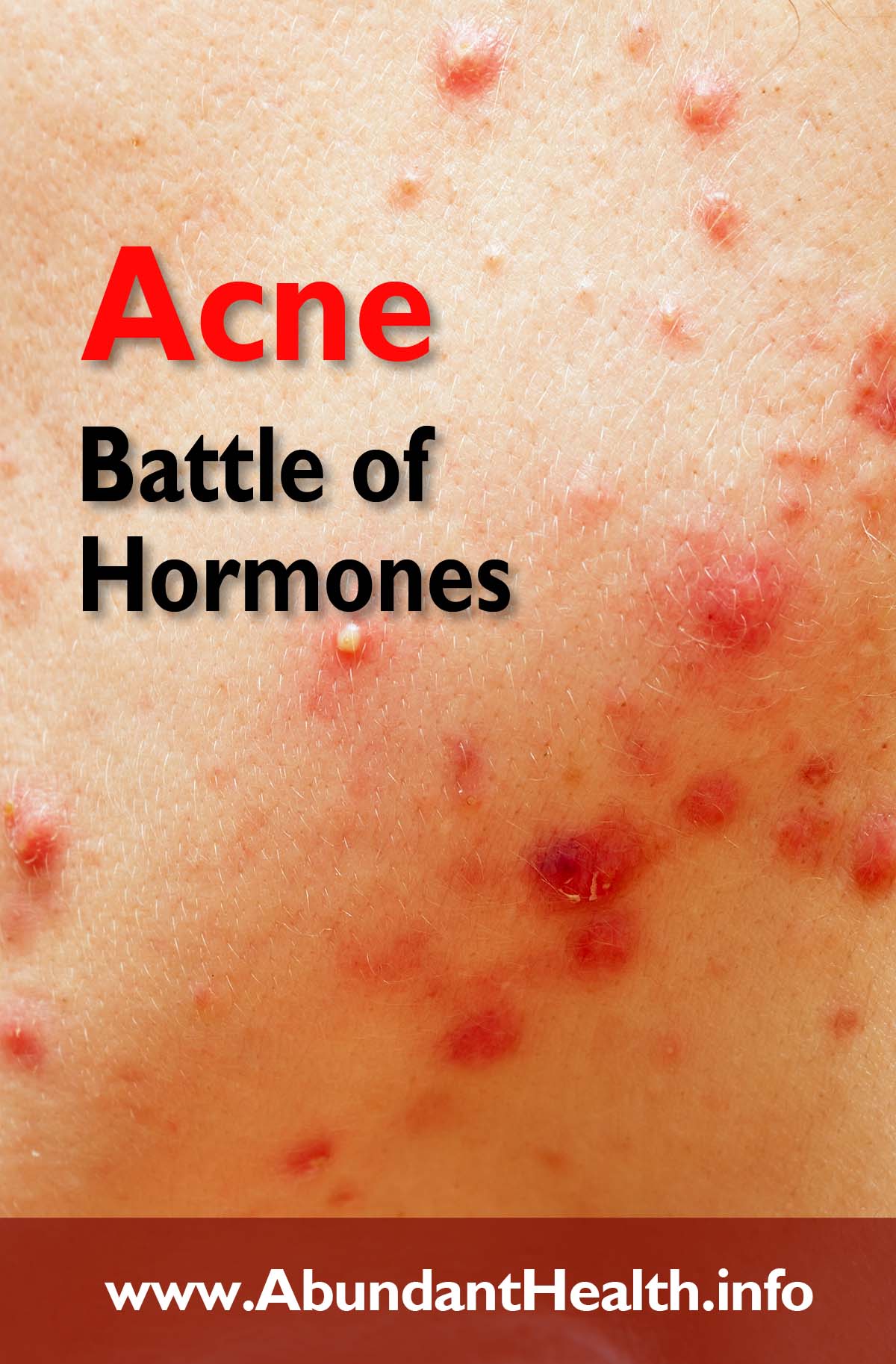
Acne – Battle of Hormones

May 15, 2021 by Esther Neumann - [rt_reading_time label="Reading Time:" postfix="minutes" postfix_singular="minute"]

Akne

Acne takes worldwide the top position of all dermatological diagnoses. 80 – 85% of all teenagers suffer from acne to a greater or lesser extent. Inadequate treatment in more severe cases can lead to physical and psychological consequences. It is generally believed that acne is a disease of puberty. But adults and already toddlers can suffer from it.

Acne - Battle of Hormones

Most of those affected in the second decade of life have a mild form of acne. The clinical presentation mostly regresses between the ages of 20 and 25. 30% have courses that require specialized medical treatment.

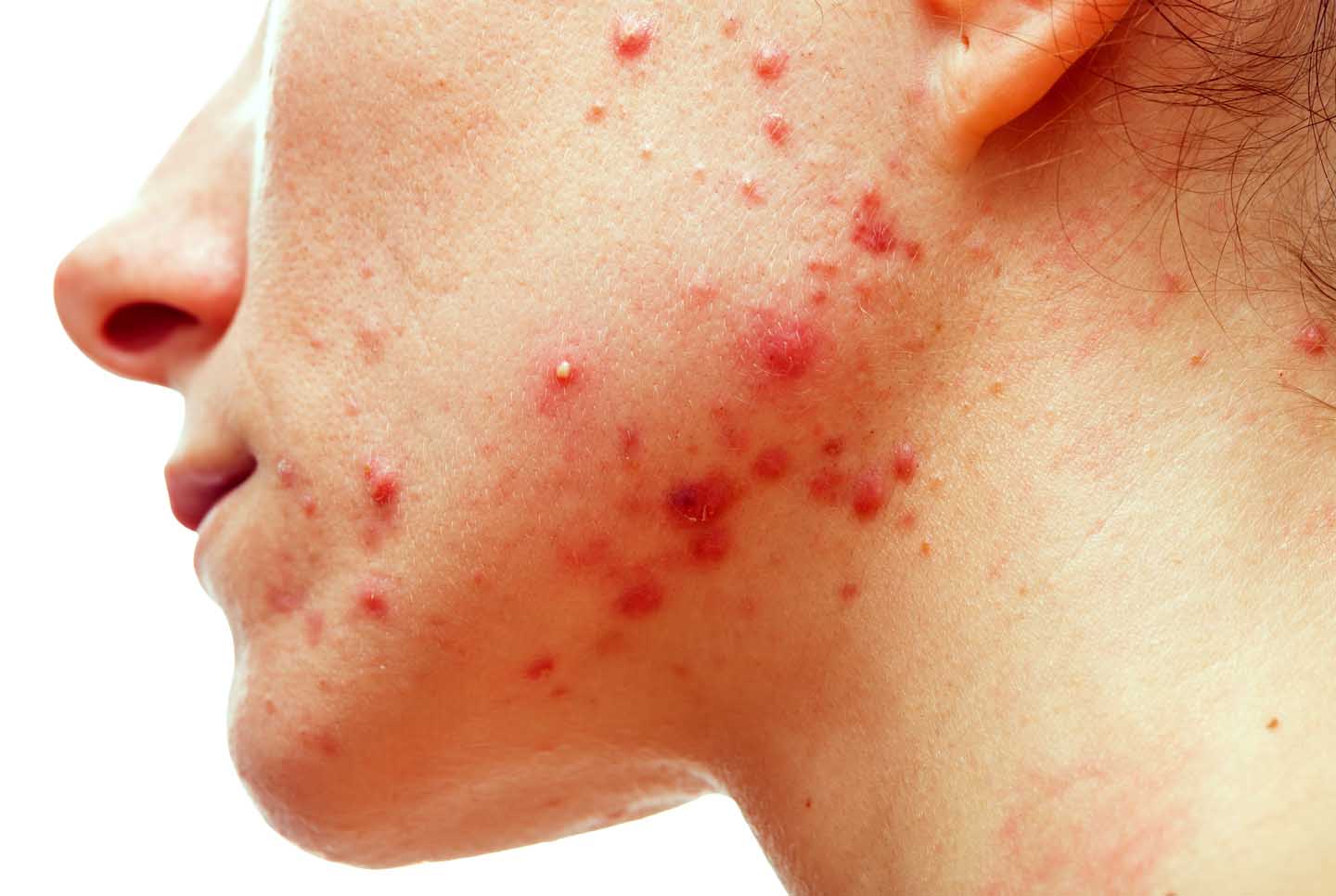
Acne is caused by a combination of several pathophysiological factors: overproduction of skin fats by the sebaceous glands of the skin, cornification disorders and microbial colonization of the sebaceous gland sheath as well as inflammatory changes. During puberty, the production of male sex hormones, so-called androgens, increases in boys and girls. The sebaceous glands are thus stimulated to increase the production of sebum. The oily skin has a stronger cornification on the surface than dry or normal skin, which results in a narrowing of the excretory ducts. The skin fat is therefore very difficult to excrete and accumulates.

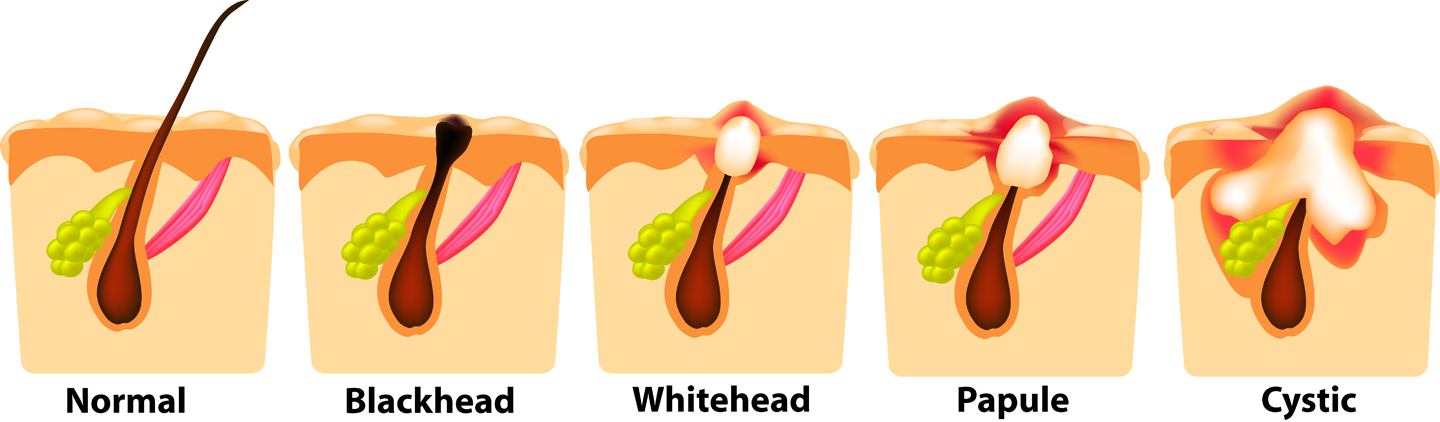
For the further course of the inflammatory process, it plays a role whether excessive colonization of bacteria can occur. As a metabolic product, free fatty acids are produced, which irritate the surrounding tissue. Initially, red nodules (papules) form, which can become ulcerated and then turn into pustules.

Types of Acne

Forms of acne can be classified by cause, age or severity of occurrence.

Acne neonatorum and acne infantum are forms that affect newborns and children. The formation is usually minor and healing occurs spontaneously, unless there are serious hormonal disorders. Acne vulgaris occurs during puberty and often extends into adulthood (acne tarda). It develops in the areas rich in sebaceous glands on the face, neck, chest and back.

The non-inflammatory comedonic acne only forms blackheads (comedones) or at most lightly inflamed papules (skin thickening). Papulopustular acne is the transition to inflammatory pustules and papules. The severe form is acne conglobata with large inflammatory nodules, abscesses, fistulas and scars.

Progression of Acne

Acne caused by environmental causes can in principle occur at any age. Acne aestivalis is also called Mallorca acne. It occurs after intense exposure to UV rays. Acne cosmetica occurs after long-term application of high-fat cosmetics. Acne medicamentosa is caused by drugs containing barbiturates, lithium or corticosteroids, misuse of anabolic steroids or overdoses of vitamins B6 and B12. People who take higher doses of vitamin D also suffer from acne more often.

Acne venenata is contact acne that can be triggered by chlorine, tar or lubricating oils. This list is not complete, but it should suffice to illustrate the wide range of causes and manifestations.

Consequences and Complications

Inflammation caused by acne can be accompanied by redness, swelling, and pressure pain. In the case of major inflammation, swelling of the lymph nodes can also occur. Squeezing out blackheads and pustules can lead to smear infections and boil formation. Severe forms of acne are associated with scarring. Psychological and social problems can arise. Those affected feel stigmatized or bullied. Self-esteem suffers. The pressure of suffering is often very high.

Teenager mit Akne

Acne and Diet

The influence of diet is still widely discussed, for the reason that there are not enough studies on the subject. The few studies show that there is a link between the consumption of dairy products and the formation of acne.((Adebamowo C et.al. High school dietary dairy intake and teenage acne. DOI: 10.1016/j.jaad.2004.08.007
LaRosa C et.al. Consumption of dairy in teenagers with and without acne. DOI: 10.1016/j.jaad.2016.04.030
Landro A et.al. Family history, body mass index, selected dietary factors, menstrual history, and risk of moderate to severe acne in adolescents and young adults. DOI: 10.1016/j.jaad.2012.02.018)) It is more pronounced in girls than in boys. It is not the fat content of the milk that matters, but the hormones in the milk. These are not associated with fat but with whey proteins. Even whey protein supplements manifested the same effects.((Pontes T et.al. Incidence of acne vulgaris in young adult users of protein-calorie supplements in the city of João Pessoa–PB. DOI: 10.1590/abd1806-4841.20132024)) Milk also contains other bioactive molecules such as steroids and growth factors that could also play a role in the development of acne.

What role milk really plays can vary from person to person. Certainly it is worth trying to avoid dairy products for a few weeks. My daughter had suffered badly from acne. Whenever she has completely canceled dairy products, her skin became very beautiful. But if she was careless, she spontaneously deteriorated. She also ate a lot of boiled carrots during this difficult time, and the beta carotene in them is the precursor of vitamin A. Vitamin A is very important for the skin structure. If there is a vitamin A deficiency, infections occur. Apricots, mangoes, oranges, peppers, spinach and Swiss chard also contain many carotenoids.

Salt should not be used too much, as high salt consumption promotes fluid retention in the skin, which can worsen inflammation of the sebaceous glands.

A fiber-rich diet with lots of fruits and vegetables, legumes and grains is appropriate because the fiber binds hormones such as androgens and excretes them. One study shows that blood serum and urine levels of androgens are lower in people who eat a high fiber diet.

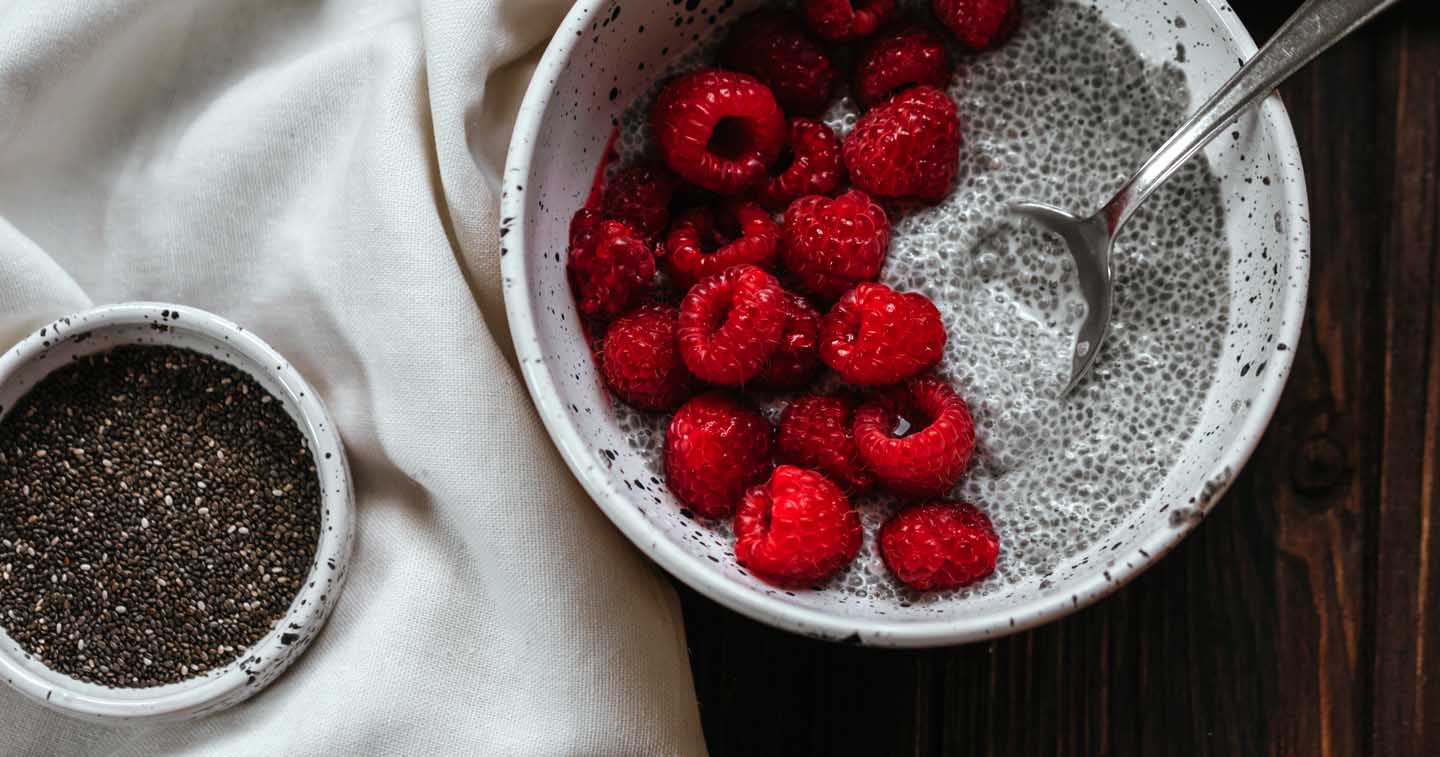
Omega 3 fatty acids also play a role. They have anti-inflammatory and inhibitory effects on the formation of leukotriene B4, which together with the androgens stimulate the production of sebum. Omega 6 fatty acids on the other hand have an inflammatory effect and will increase acne formation.((Cordain L. Implications for the role of diet in acne. DOI: 10.1016/j.sder.2005.04.002)) Omega 3 fatty acids are found in nuts, flaxseed, chia, wheat germ as well as flax, chia, hemp, canola, walnut and wheat germ oil. Teenagers who eat a lot of saltwater fish high in omega 3 fatty acids have significantly less acne. But fish is no longer recommended today because of the high levels of heavy metals.

Chia as Omega 3 source - Photo by Polina Kovaleva from Pexels

Lukotrienes are tissue hormones derived from arachidonic acid. Arachidonic acids occur in very high quantities in lard and hard cheeses such as Emmental. They should be avoided in acne and all other inflammatory processes.

There was found a link between eating chocolate and the development of acne. This was true also for the consumption of dark chocolate and pure cocoa powder.((Vongraviopap S. et.al. Dark chocolate exacerbates acne. DOI: 10.1111/ijd.13188
Caperton C et.al. Double-blind, Placebo-controlled Study Assessing the Effect of Chocolate Consumption in Subjects with a History of Acne Vulgaris. J Clin Aesthet Dermatol. 2014 May;7(5):19-23. PMCID: PMC4025515)) The consumption of fat, sugar and other refined products was associated as well with a higher risk of acne.((Aksu A et.al. Acne: prevalence and relationship with dietary habits in Eskisehir, Turkey. DOI: 10.1111/j.1468-3083.2011.04329.x)) This might be due to the increased release of insulin, which in turn makes the androgen hormones more active.((Julson E. Top 7 Foods That Can Cause Acne. Healthline, January 24, 2018))

Soybeans and derived products can have a beneficial effect. They contain phytoestrogens, which help to achieve a hormonal balance. Tumeric has anti-inflammatory properties, and probiotics can help as well to control inflammation. Vitamin A, D, E and zinc can help to strengthen the immune system and fight the bacteria involved in acne formation.((Julson E. Top 7 Foods That Can Cause Acne. Healthline, January 24, 2018))

Lifestyle Factors

Unfortunately, many teenagers suffering from acne smoke. High levels of arachidonic acid and polycyclic aromatic hydrocarbons have been found in cigarette smoke. These substances promote the development of inflammatory tissue hormones. The motto: “You are fine without smoke” should be spread much more widely among young people for many reasons.

Many acne patients have noticed for themselves that stress plays a large role. Around exam dates and in girls around the time of their menses, pustules can really flourish. If a new pimple is found on the nose in front of the mirror, it can be very stressful. It shows who has a good self-esteem or whether this nonsense on the nose can throw you off track.

The acne years coincide with the problem years due to the detachment from the parental home. This can involve a large amount of stress. An open ear within family circles and a more relaxed approach to the social pressures can help a lot. In a difficult case, you should seek professional help.

Pharmacological Treatment

Any treatment for acne requires patience. In difficult cases, you should work with a dermatologist. There are many active ingredients that suppress sebum production and normalize the cornification process. Alpha-hydroxy acids, benzoyl peroxide, linoleic acid creams, retinoids (vitamin E), isotretionin, salicylic acid, zinc and zinc compounds, hormones in women and antibiotics in severe cases are some of the agents used. The treatment depends on the clinical manifestations and is arranged together with the doctor. False concepts and expectations are widespread. Realistic goals must be explained and the patient’s personal responsibility must be emphasized. But before you shoot cannons on flies, it is advisable to first take a close look at your diet and lifestyle. Because many of the drugs also have side effects.

Recipe for an Acne Treatment Mask

Acne treatment mask - Foto by Ketut Subiyanto from Pexels
  • Use Luvos healing earth or powdered clay, amount as required
  • Mix with herbal tea until you have a spreadable mass.
  • Apply the compound to the affected areas using a brush, spatula or spoon.
  • Leave it until the mask is largely dry and then rub it off with your fingers to peel the skin at the same time. Then wash off the residue or wipe it off with a damp cosmetic tissue.

Herbs that are good for making the herbal tea for the pack: thyme, rosemary, peppermint, witch hazel
If the skin is rather sensitive: use sage or chamomile tea.
If you want, you can also take a facial steam bath before the pack with the mentioned teas.

Recipes

The beta carotene of carrots is absorbed better if they are cooked. It is though important to not cook them excessively, but preferably just cook them tender in steam, in order to not leak out the nutrients.

Carrot Spread

  • 2 large carrots
  • 2 garlic cloves
  • 1 small onion
  • 1 large tomato
  • 1 pinch of salt
  • 2 tbs. olive oil
  • 1 pinch of oregano optional
  • 1 tsp. nutritional yeast
  1. Cook the carrot with little water
  2. Saute the onion and garlic without oil, then add tomatoes, salt and oregano

  3. Blend the carrot with a little cooking water

  4. Add the remaining ingredients and blend well

  5. Add the olive oil
DiabeticDiet, GlutenFreeDiet, VeganDiet

Carrot Sushi

  • 1 large carrot
  • rice (tofu or guacamole for filling)
  1. Cut the carrot into thin slices. At best use a slicer to slice the carrot lengthwise.

  2. Steam for 10 minutes.

  3. Roll in the form of sushi.

  4. Stuff with cooked rice, tofu or guacamole.

Carrot Sweet Balls

  • 1 large grated carrot
  • 4 tablespoons shredded coconut
  • 3 tablespoon brown sugar or honey
  1. Grate the carrot with a fine grater.
  2. In a frying pan cook the carrot and sugar and stir to avoid sticking.

  3. Cover for a few minutes over low heat.
  4. When the carrot is cooked and starting to dry, add the grated coconut and stir for a few minutes until it starts to bind.
  5. Allow to cool slightly and mold into balls.
Dessert
GlutenFreeDiet, LowFatDiet, VeganDiet

Carrot Bread

  • 2 large carrots
  • 1 cup of oatmeal
  • 1/2 teaspoon salt
  1. Cut the carrots into slices.
  2. Cook until well cooked. You do not need to remove the skin.
  3. Smash the carrots while still hot with a fork.
  4. Add salt to taste and oatmeal until you achieve the right consistency. The dough is a little sticky. Wait about 5 minutes, as the oats absorb moisture and the dough will be easier to shape.
  5. Mold in the shape of small balls.
  6. Bake for 20 to 30 minutes until golden brown.

Eat preferably warm.

Appetizer
DiabeticDiet, GlutenFreeDiet, LowFatDiet, VeganDiet

Now we want a few recipes who provide us with good sources of Omega 3.

Chia Yogurt

  • 1 cup of coconut milk
  • 4 tablespoon chia
  • 1 small mango
  • 1 chopped apple
  • ¼ cup of raisins
  1. Put the coconut milk into a container and stir in the chia until it is well mixed.

  2. Take to the refrigerator for 6 hours or until the next day.

  3. Afterward mix with sliced mango, apple and raisins.

  4. If you prefer, place in a bowl layers of chia yogurt interspersed with the fruit. Serve pure or with granola.

Breakfast
DiabeticDiet, GlutenFreeDiet, LowCalorieDiet

Flaxseed Salt

The flaxseed salt can be used like sesame salt as a seasoning for salads and other dishes

  • ½ cup flaxseed
  • 1 tbsp salt
  1. Put the flaxseed into a skillet and roast for a few minutes on low heat, stirring every few seconds.

  2. When seeds start to pop in larger quantity, put on a lid and take the skillet off the heat.

  3. Let the seeds cool to room temperature.

  4. Transfer seeds to a spice grinder and mix with the salt.

  5. Pulse for a few seconds. If needed repeat until seeds are finely ground.

To get the maximum benefits of the Omega 3 fatty acids, keep inside an airtight container in the fridge and use within 3-4 days. Never buy flaxseed already ground, because Omega 3 fats oxidize and get rancid very quickly.

Healthy Fruits

Stay Always Up to Date

Sign up to our newsletter and stay always informed with news and tips around your health.

Sign Up Now!

Filed Under: Diseases, Skin, Teenagers

Life Without Addictions

April 18, 2021 by Esther Neumann - [rt_reading_time label="Reading Time:" postfix="minutes" postfix_singular="minute"]

Life Without Addiction

Almost as old as mankind is the desire to alter our perceptions of life by taking psychotropic substances. Shamans try to put themselves in an altered state of mind by taking intoxicating herbs or mushrooms. People who can no longer stand their environment or their living situation try to forget their situation by consuming legal or illegal drugs. As old as the problem is the attempt of society to regulate or prohibit consumption. What is addiction? Who is at risk? Where is the way out?

Life Without Addictions

There is no clear answer to why one becomes dependent or addicted and the other does not. A convincing theory of addiction is still lacking. But neurobiological research has found morphines, a group of psychoactive substances produced by the body, which can trigger addictive processes. There are also many chemical compounds that can easily be made in the lab that have the same effects. They change the metabolism and influence our feelings. They belong to the so-called psychotropic drugs and are actually used in medications or legal and illegal drugs.

People want to enjoy, and have the right to do so. It is God’s will that we can be happy, that we have enjoyment in life. There is a very specific area of the brain where feelings of pleasure arise. Such feelings can be evoked by parental love, sex, favorite activities but also simply by eating and drinking. Addictive substances activate this part of the brain as well.

What is Addiction and Dependency?

Anyone who no longer wants to or cannot do without the lustful effects of an activity or a drug is dependent or addicted. The enjoyment is then worth more to him than his health, his relationships and even his life. The desire for drunkenness, for extasy, for forgetting, for taking off, for getting lost and for getting out of everyday life is overwhelming. Those who are dependent are no longer free. He no longer has a choice and is dominated by the urge to induce or avoid certain feelings and moods.

Dependence and addiction have almost the same meaning. The dependence describes the medical side, the addiction the emotional, social side. The WHO speaks only of dependency.

Who Becomes Addicted?

A strong trigger to try is certainly curiosity and willingness to take risks. Then it depends on what experience you had when you first took it. Do you feel ashamed after being drunk, or do you finally feel like you belong to the gang? Did you feel sick after the first puff while smoking, or did you feel relaxed? Are you told to try again, are you being teased?

Addiction researchers speak of social inheritance. Children and adolescents are therefore significantly influenced in their behavior. This can be a sickening family dynamics, unsatisfied relationships, performance pressure, disorientation, unsatisfied longings, exclusion, inhumane living conditions and unsatisfactory leisure activities. Advertising and trends can be triggers, as can irresponsible prescriptions for drugs that are potentially addictive.

Addicted to smoking

There are also many sensitive people among addicts, imaginative, creative, vulnerable. We know a lot of dependent artists. People with unresolved problems tend to take psychotropic drugs to improve performance and well-being. The most important effect is the euphoria, which makes pressure (apparently) easier to bear.

Another important factor in addiction is accessibility. No addiction without drugs. The dose, the form of consumption, the creation of habitual patterns and the development of tolerance play important roles.

Phases and Course of Addiction

The dependency does not fall from the sky. Nobody suddenly becomes addicted. It’s a gradual process. It usually begins with a positive experience or effect of the drug. The affected person thinks he has everything under control. He believes to be able to stop at any time. Unfortunately, this is the case for the minority. It is much more likely that a loss of control occurs quickly. You get used to the addictive behavior. There is an evasive attitude towards the environment. Then comes the chronic phase where you can no longer get out and also do not want to. In the end you want to get out, but you have no willpower to do it anymore, at least not alone.

Types of Addiction

There are substance-related forms of addiction. This include legal substances such as alcohol, nicotine, caffeine, medication, chemical drugs, natural drugs, and sniff substances; or illegal drugs like cannabis, cocaine, ecstasy, LSD, heroin and many others. The number of addicts on legal drugs is much greater than that of illegal ones. But both make physically and psychologically dependent.

The non-substance-related dependencies are caused by any excessive behavior that is carried out without measure: gambling, internet, television, work, shopping, bulimia, running and much more.

Food Addiction - Photo by Artem Podrez from Pexels

Help with Dependencies

Those who are dependent are caught in a vicious circle and need help. But you cannot free an addict against his will. Any attempt to help him will fail until he is ready to become free. You can, however, give him impulses. Liberation is then just as much a process as the emergence of addiction, and not a sudden event. Often it has to be worked on for the entire life. Alcoholics Anonymous are known for this. Their program is also a spiritual program that includes the whole family. It is also about spiritual growth.

Self-help groups are very good establishments. You support each other, encourage each other, seek solutions to problems together and you know that you are not fighting alone.

Prevention – the Best Protection Against Addictions

Dependencies begin in everyday life – prevention too. I was very shocked by the book: “We Children from Bahnhof Zoo”. There a girl describes the miserable living conditions in which she had to grow up, how one possibility of meaningful leisure time after the other was taken away from her. She found no support in the family. The friends were just as bad off. There was no sense of achievement, no satisfaction, no real love, no purpose in life and hardly any joy.

This is exactly where we have to start. Do we take time for our children, our partners? Do we design our home and our surroundings to be comfortable and pleasant? Am I satisfied with the choice of my school, my education, my profession? Do I have an active, satisfying leisure activity? Do I practice meaningful sport and exercise? Am I involved in social institutions? Do I participate in clubs? I love? Am i loved?

Showing affection - Photo by mali maeder from Pexels

Do I know where I come from, what I live for and where I am going? Answering these W questions is vital. They represent a great protection against dependencies. There is actually a dependency that is vital and very important: the dependence on a loving God. If the image of God as a loving Father has been buried, then you should work on finding it again. In a fear-free atmosphere of being accepted by God and fellow human beings, there is no room for dependency, and a dependent can find trust again, trust in himself and in his environment.

Filed Under: Healthy Lifestyle, Temperance

Stones at the Wrong Place

April 4, 2021 by Esther Neumann - [rt_reading_time label="Reading Time:" postfix="minutes" postfix_singular="minute"]

Steine am falschen Ort

Stones can really be in the wrong place. But today we are not concerned with stumbling blocks, but with stones deep in our body. Often they do not cause us any complaints and are only discovered by chance. But they can also cause painful colics. We are talking about kidney stones. Two to five percent of the total population collects such stones.

Stones at the Wrong Place

Formation

Kidney stones develop when substances accumulate in the urine that are capable of stone formation. The most common are calcium oxalate stones, followed by uric acid stones. The struvite stones are composed of magnesium ammonium phosphate. The rare cystine stones are formed at elevated excretion of the amino acid cystine in the urine.

Increased concentrations of such urine components can result from a lack of fluids, especially in hot areas and in case of long-lasting diarrhea. Diet also plays a role. Eating plenty of dairy products causes an excess of calcium in the urine. If large quantities of meat and sausage is eaten, a lot of purines are produced which are broken down into uric acid. This is precipitated if the fluid intake is too low and, in addition to gout, it can lead to uric acid stones. Drinking plenty of green and black tea increases the absorption of oxalic acid, and calcium oxalate stones will be formed in the presence of calcium.

Lack of exercise in the case of prolonged bed rest or old age can lead to an increased breakdown of calcium from the bones, which in turn promotes stone formation.

Certain metabolic diseases promote stone formation. If the parathyroid gland is overactive (hyperparathyroidism), too much calcium is excreted.

In the case of primary hyperoxaluria, a congenital enzyme disorder, more oxalic acid is found in the urine. This can lead to stone formation.

Diagnosis

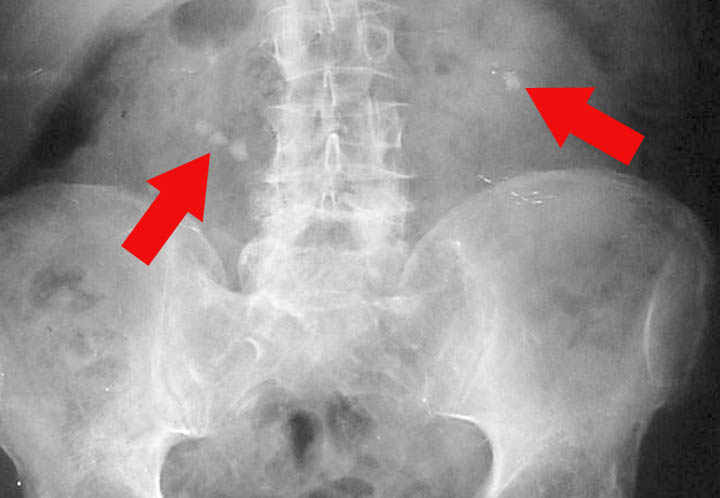
A clinical distinction is made between kidney, ureter and bladder stones. If the stones remain in place in the kidney, the patients are usually symptom-free and the stones are discovered only by chance during an X-ray or ultrasound examination. But if they migrate into the ureter, a renal colic occurs. The pain comes like a bolt of lightning out of the blue, with strong labor-like pains, radiating in the lower abdomen, the groin and the genitals. It is accompanied by nausea and vomiting. The patients are very restless and throw themselves around or wander up and down. Large renal pelvis limb stones that cannot be excreted do not cause colics, but only unspecific pain that is interpreted as lumbago. Irritation of the mucous membrane can lead to small amounts of blood in the urine.

Ultrasound and X-ray examinations are used for diagnosis. Stones show up as white reflections with a shadow. At the same time, an elimination urogram is carried out. A radiopaque contrast agent makes the entire urinary system visible, shows the extent of a urinary obstruction and provides information about the type of stones.

Kidney stones in an X-Ray - Source: Flickr.com - Arrow was added.

Laboratory exams are also used to differentiate the diagnosis. Uric acid, electrolytes (especially calcium) and creatinine are measured in the blood and a hemogram is performed. The pH value of urine is measured. In acidic urine (pH 5) uric acid or urate crystals precipitate, in alkaline (pH 7) phosphate crystals. If the stones injure the mucous membrane, blood is found in the urine.

Complications

When the urinary tract is blocked, bacteria can migrate into the urinary tract. The urine is an ideal breeding ground for bacteria. If the kidneys are infected, urination problems, fever and chills occur. If the bacteria enter the bloodstream, this can lead to blood poisoning. Urinary stasis can cause the renal pelvis to expand.

Therapy

In the case of stones less than 5 mm in size with a smooth surface and no signs of infection, spontaneous elimination can be awaited under the control of ultrasound, urine sediment and hemogram. You should drink plenty of water and exercise a lot, especially climbing stairs and hopping.

Renal pelvic stones are now treated with ESWL (extracorporeal shock wave lithotripsy). The urinary stone is located with X-rays or ultrasound in order to bring it into the focal point of the shock waves. The waves are generated outside the body and the radiation bundled onto the stone. It is smashed by pressure and tension waves. The intensity and number of strokes of the wave are precisely matched to the size and hardness of the stones. This creates stones or sand that can be eliminated spontaneously. The disposal must be controlled. Urine is collected and examined. It is not always possible to smash the stones in one sitting. Sometimes ESWL needs to be repeated or resorted to other treatments.

MIL (minimally invasive percutaneous nephrolitholapaxy) is often the therapy of choice. A small incision is made in the skin under anesthesia, a puncture canal is widened and an endoscope is inserted into the kidney. Kidney stones and smaller fragments can be removed with grasping forceps.

Open surgical interventions for kidney or bladder stones are rarely performed today. For example, if the procedures listed above are unsuccessful or if other complications occur, such as bleeding or injuries to neighboring organs.

Drug dissolution of the stones is used for cystine and uric acid stones. With allopurinol the uric acid level can be lowered.

Follow-up Care for Kidney Stone Patients

Around every fifth patient treated for kidney or bladder stones will have a relapse. That is why the urine must be sieved during treatment and the excreted particles analyzed, so that the patient can be advised precisely according to the type of his stones. Adequate hydration is very important for all kidney stone patients. In addition, special measures apply to the different types of stones.

  • With calcium oxalate stones, the consumption of dairy products, cheese, chocolate, spinach, as well as black and green tea should be restricted. Orange juice helps to reduce stone formation.
  • In the case of calcium phosphate stones, the consumption of milk, cheese and citrus fruits must be restricted. Currant juice is the preferred drink.
  • In the case of uric acid stones, it is important to ensure that the urine is alkalized. This can be achieved by taking K citrate. The patient adjusts the pH of the urine himself with test strips to 6.2 to 6.8. The diet should be low in purine, i.e. contain little meat, sausage and legumes.
  • For cystine stones, the urine needs to be adjusted to around 7.5 to 7.8 pH. With a good supply of vitamin C, the cystine can be converted into the more easily soluble cysteine, thus preventing stone formation.

Prevention

Drinking water avoids kidney stones - Photo by Daria Shevtsova from Pexels

The best prevention is drinking plenty of liquids, and pure water is best suited for this. For a change, you can drink either orange or currant juice, depending on the type of stone. One should rather avoid mineral water. They could be high in calcium or even acidic. The fluid intake must be regularly distributed throughout the day so that the urine is diluted. This way we avoid oversaturation with stone-forming substances.

Healthy Fruits

Stay Always Up to Date

Sign up to our newsletter and stay always informed with news and tips around your health.

Sign Up Now!

Filed Under: Diseases, Kidneys

« Previous Page
Next Page »

Primary Sidebar

Social Channels

Coronavirus Immunity Challenge

Boost your immune system to be bullet-proof for the pandemic.

I Want to Participate

Recent Posts

  • 5 Habits to Live Longer
  • Better Sleep Can Protect Against Dementia
  • Finding Peace In Your Crazy-Busy World
  • Flaxseed – An Ancient Plant Rediscovered
  • Platelets – Triggers for Life or Death
  • Boderline Personality Disorder
  • In Praise of Almonds and Nuts
  • Are You Stuck in the Clutter Trap?

Categories

  • Body Systems (16)
    • Cell Function (2)
    • Circulatory System (1)
    • Digestive Tract (10)
    • Immune System (4)
  • Diseases (27)
    • Cancer (2)
    • Cold (1)
    • COVID-19 (11)
    • Dementia (1)
    • Diabetes (1)
    • Digestive Diseases (2)
    • Heart Disease (2)
    • Kidneys (1)
    • Metabolic Syndrome (2)
    • Skin (1)
  • Healthy Lifestyle (42)
    • Exercise (11)
    • Gardening (2)
    • Sleep (7)
    • Sunlight (2)
    • Temperance (14)
    • Water (4)
  • Mental Health (87)
    • Addictions (6)
    • Anxiety (7)
    • Burnout (1)
    • Depression (7)
    • Psychosomatic Diseases (6)
    • Stress Management (45)
    • Trust (6)
  • Nutrition (56)
  • Obesity (9)
  • Phases of Life (14)
    • Adults (3)
    • Babies and Infants (1)
    • Children (3)
    • Seniors (5)
    • Teenagers (3)
  • Therapies (7)
    • Herbs (5)
    • Hydrotherapy (1)
  • Uncategorized (3)

Archives

  • January 2025 (1)
  • March 2024 (5)
  • February 2024 (4)
  • January 2024 (4)
  • December 2023 (5)
  • November 2023 (4)
  • October 2023 (5)
  • September 2023 (4)
  • August 2023 (3)
  • July 2023 (2)
  • June 2023 (4)
  • May 2023 (4)
  • April 2023 (5)
  • March 2023 (4)
  • February 2023 (4)
  • January 2023 (4)
  • December 2022 (4)
  • November 2022 (4)
  • October 2022 (5)
  • September 2022 (4)
  • August 2022 (4)
  • July 2022 (5)
  • June 2022 (4)
  • May 2022 (5)
  • April 2022 (4)
  • March 2022 (4)
  • February 2022 (4)
  • January 2022 (5)
  • December 2021 (3)
  • November 2021 (4)
  • October 2021 (6)
  • September 2021 (4)
  • August 2021 (4)
  • July 2021 (5)
  • June 2021 (4)
  • May 2021 (3)
  • April 2021 (5)
  • March 2021 (4)
  • February 2021 (4)
  • January 2021 (5)
  • December 2020 (3)
  • November 2020 (4)
  • October 2020 (5)
  • September 2020 (5)
  • August 2020 (3)
  • July 2020 (1)
  • June 2020 (1)
  • May 2020 (1)
  • April 2020 (1)
  • March 2020 (1)

Copyright © 2026 · Abundant Health - Privacy Policy - Medical Disclaimer