Abundant Health

Up to date health information tailored for you

  • Home
  • Blog
  • Recipes
  • Shop
  • Contact
You are here: Home / Archives for Esther Neumann

Esther Neumann

Breastfeeding – The Best Start into Life

March 21, 2021 by Esther Neumann - [rt_reading_time label="Reading Time:" postfix="minutes" postfix_singular="minute"]

Breastfeeding - The Best Start into Life

Breast milk makes smart! On average, breastfed children have an intelligence quotient that is three points higher. Breast-fed children are less likely to suffer from allergies. The close contact with the mother gives the baby a feeling of security. The nutritional composition of breast milk is optimally tailored to the newborn. Breast milk is always sterile and at the right temperature. These are all advantages that far make up for the little effort involved in starting breastfeeding.

Breastfeeding - The Best Start into Life

91% of all expectant mothers want to breastfeed. But only about 45% breastfeed for four months, and only 13% for the entire recommended six-month period. Breast milk is the best food in the first year of life. Its composition is precisely adapted to the infant’s need for water, energy and nutrients. In addition, it is always sterile and always at the right temperature.

The intensive skin and body contact stimulates the senses. The baby sees, feels, smells, hears and tastes the mother. Sucking strengthens the jaw muscles, which is beneficial for the later chewing capabilities and language development.

Breast Milk and Cow’s Milk Compared

Compared to cow’s milk, mature breast milk has much less calcium and less casein. That makes sense. A small calf doubles its birth weight much faster than a human being. That is why the calf needs more calcium for bone formation. But breast milk has more available carbohydrates in the form of lactose, which is the infant’s most important energy source. Various carbohydrate fractions also act as growth factors to promote the proliferation of bifidobacteria, which protect the intestines of the newborn from pathogenic germs and parasites.

The proportion of the unsaturated fatty acids in breast milk is higher than in cow’s milk. They are important for the development of the nervous system and the brain. They can also be found accumulated in the retina of the eye. The amino acid taurine, which babies cannot produce themselves in sufficient quantities, can be found in breast milk. Taurine has a particularly positive effect on the infant’s organ development and is important for fat digestion.

The mineral content is significantly lower in breast milk than in cow’s milk. The infant has not yet the capacity to excrete the excess minerals through the kidneys. That is why cow’s milk may only be used diluted in infant nutrition. Breast milk contains more vitamins A and E than cow’s milk. Trace elements such as iron, zinc, copper, manganese, but also calcium are bound to specific fractions in breast milk and can be absorbed much more easily than from cow’s milk.

Changes in Breast Milk

Some of the energy and nutrients were already stored during pregnancy and are now accessible for breastfeeding. The hormone prolactin made the breast grow and prepared it for milk production. The newborn should be breastfed immediately after birth, because the sucking stimulus is the trigger for a particularly strong release of prolactin. Thus the milk production really gets going. The colostrum is produced in the first one to three days after the birth. It has a strong yellow color and is very important for the child, as it has a high content of antibodies and thus offers comprehensive protection against infection. We can call it the first vaccination for the newborn.

Breastfeeding right after birth - Photo by Jonathan Borba from Pexels

From around the third day, the transitional milk is formed. It becomes more fluid and whiter. Until mature breast milk is formed, the proportions of fat and carbohydrates increase and the protein content decreases. At the same time, the amount of milk increases. Even during the breastfeeding, the composition is changing. The foremilk, at the beginning of a feeding, is more watery and translucent. The baby should first take in enough fluids. The hindmilk then becomes richer in fat and satisfies hunger. It is therefore important that the mother takes enough time to breastfeed so that the child gets enough of the high-fat milk.

It should always be fed from both breasts. This is how milk production really gets going as a result of the sucking stimulus. In the past, only one breast was applied per meal, with the result that mothers soon stopped breastfeeding for fear that the child was getting too little milk. If the child stubbornly refuses a breast for any reason, one breast can be used exclusively without any problems. The author of this article has successfully experienced this for 15 months with her own child. If the mother is eating wholesome food, the baby does not need anything except breast milk for the first six months of life. Only then you should start slowly introducing complementary foods.

Allergy Protection

Breast milk is the best protection against allergic diseases. In the first few months of life, the intestinal mucous membrane of the infant is much more permeable to protein from the diet than in the adult. When the baby is breastfed, only species-specific protein is absorbed, so no immune reaction is triggered. In bottle-fed infants, alien protein can enter the blood without being broken down, and can lead to an immune reaction in the case of allergic predisposition. Cow’s milk allergies are the most common allergies in infancy. If someone in the family is known to have a cow’s milk allergy, the child should be fully breastfed for at least 6 months.

Baby-Bottle

Industrial Infant Formula

If, for whatever reason, breastfeeding is not possible, industrially produced baby formulas must be used. It is usually offered in powder form. Most formulas are based on proteins from cow’s milk, which have a higer allergic potential. There are soy-based formulas available, who can be allergenic as well. In protein hydrolysate formulas, the proteins are broken down into smaller components, which can reduce their allergy potential. There are some follow-on formulas, which are less adapted to breast milk. They are richer in protein and have a higher mineral content. That is why they should only be fed from the age of 6 – 12 months, depending on their composition.

Problematic Substances in Breast Milk

The possible high concentration of toxic chlorinated hydrocarbons in breast milk can be a disadvantage. Such substances are found in pesticides, but also in plastic products. The mother could have also absorbed them with grilled and cured foods. However, it can be said that the content of such substances in breast milk has been falling steadily since the 1980s, as the danger of such compounds was recognized and some of them were banned. Toxins are stored in the mother’s depot fat. That is why a nursing mother should never flirt with radical weight loss. In any case, the weight usually decreases slowly during breastfeeding.

Other food ingredients can also pass into breast milk. That is why alcohol, black and green tea, soft drinks, energy drinks and coffee should be avoided. Nicotine also passes into milk. You have to experiment with bloating vegetables or fruits that can cause red butts in the nursing babies. It differs from mother to mother and from child to child. Despite such possible contaminations of breast milk, the advantages of breastfeeding predominate, at least in the first six months of life.

Breastfeeding with responsibility - Photo by Jonathan Borba from Pexels

Persevere

Perseverance is the most important advice. Breastfeeding only becomes nice and relaxing after a few days. Breastfeeding stimulates the shrinking of the uterus. This can be very painful in the first few days. The newborn also reports very often at the beginning until a comfortable rhythm is found. Feeding at night is also a nuisance at first. But you soon find a way to make it more comfortable, and some children also manage to sleep through the night, the dream of all mothers. It is very important to get information about breastfeeding before giving birth. The choice of hospital for birth can also determine whether or not breastfeeding is successful. Does the mother get support there and the necessary help with the initial difficulties? Every mother should be encouraged to breastfeed for at least 6 months, because breastfeeding is simply the best start in life.

Filed Under: Babies and Infants, Phases of Life

Why Local Foods are Better for You

March 14, 2021 by Esther Neumann - [rt_reading_time label="Reading Time:" postfix="minutes" postfix_singular="minute"]

Vorteile von Einheimischen Lebensmitteln

Kiwis from New Zealand, tomatoes from Mexico, bananas from Ecuador, grapes from South Africa … Shopping in the supermarket is like immersing yourself in the big wide world. Also, contemplating the variety of fruits and vegetables available, it is hardly possible to tell which season is outside the supermarket. A huge logistic is behind the extensive product range.

Why Local Foods are Better for You

Long Transport Chains

The food supply sometimes requires very long transports and the associated consumption of a lot of energy, not only for transport, but also to cool the goods. In addition, there is the energy and raw material for the production of the packaging material and the many plastic foils used for cultivating vegetables. The transport of food over long distances has increased because of global trade unions.

To reduce these energy expenses, local produce should be given preference. This has many advantages, also for the consumer. Fruits and vegetables can be harvested when they are ripe, since there are only short transport routes. Mature products not only taste better, the nutritional value is also higher.

Tracing Phytochemicals

In recent years, scientists have been following very closely the traces of the so-called phytochemicals in natural produce such as fruits, vegetables, cereals, legumes, herbs and teas. These are substances that the plants produce for their own pest protection and to avoid being eaten. But it also includes coloring and flavoring substances, plant toxins and hormones. In nutritional science, these substances were predominantly referred to as unhealthy and anti-nutrients. Today the tide has turned. Cancer research, in particular, indicates that there is more to be found in fruits and vegetables than minerals and vitamins. More of these valuable ingredients can be found in mature products that are in season and that could grow on organic farming.

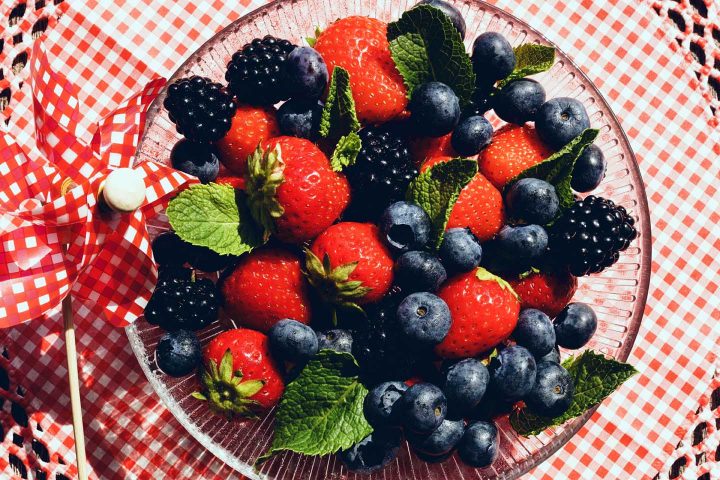
Local berries - Photo by Susanne Jutzeler from Pexels

Exotics from Overseas

Overseas fruit is usually harvested unripe. Chemical agents are often used to suppress the natural ripening process, trying to bring the products to the market when they are ready for consumption. Unfortunately, that doesn’t always work. Often the hard, tasteless fruits are just a far reminiscent of the exotic ones that you got to know on your previous vacation. Certainly nothing is wrong with adding some tropical fruits every now and then to the menu. But local products should preferably be served.

Seasonal Fruits and Vegetables

Vegetables from the greenhouse and cultivated in tunnels have higher nitrate contents than vegetables grown in the open because of the lack of sunlight. More pesticides must also be used. Such residues can be reduced with a seasonal diet. In winter and spring, winter hardy vegetables should therefore be preferred: lamb’s lettuce, kale, leek, storable vegetables such as cabbage, carrots, red beets, celery, endive, radicchio, apples and pears. Pumpkins also last well into winter. Let’s also get the first green from the wild, such as dandelions, wild garlic, ground elder, violets and daisies.

Direct Marketing

Marketing directly from the producer to the consumer contributes a lot to securing the livelihood of local small and medium-sized farms. Associated with this is the preservation of the rural landscape and of cultural assets. By shopping from the farm or at the farmers’ market, we can also do a lot to avoid waste. Around half of the volume of household waste is packaging, of which around 90% are food packaging.

Fresh products at the farmers market - Photo by Eva Elijas from Pexels

Products from Organic Farming

Organic farming techniques not only take into account the lower environmental impact, but also results in healthier and better-tasting products. Organic farming offers reasonable alternatives for many problems. Pollution of soil, air, water and food is reduced, besides the superior taste and nutritional value. In addition, the biodiversity is being preserved by cultivating varieties that are not used in large scale commercial production.

Cultivation in the Garden

Growing in your own garden more than pays off – despite the cheap goods at the supermarket. The short way from the garden to the kitchen guarantees freshness and quality. There are also other health benefits: exercise in the fresh air while gardening and the joy of working with the Creator. Growth and prosperity come from him. The gardener sows, cherishes, cares and is looking forward to the harvest.

Fresh veggies from the garden - Photo by Ava Motive from Pexels

Rethink

In this sense, spring offers a good new beginning. Let’s learn to rethink. The comfortable reach on the supermarket shelf is not always the best way. Let’s start with our own garden, let’s plant a few vegetable patches again. Maybe we go out of our way to buy directly at the farm and give preference to local products. Many small steps pave the way to better health and a more intact environment.

Healthy Fruits

Stay Always Up to Date

Sign up to our newsletter and stay always informed with news and tips around your health.

Sign Up Now!

Filed Under: Nutrition

Echinacea – An Old Medicinal Plant

February 21, 2021 by Esther Neumann - [rt_reading_time label="Reading Time:" postfix="minutes" postfix_singular="minute"]

They are here again, the cold, wet days when we long for the hot summer days. And with them come colds, coughs and sore throats, the uninvited companions of the cold season. But we are not at their mercy for better or worse, we can strengthen our immune system. And if we do catch a cold, there are herbal ingredients that help us cope with it more easily. I would like to introduce you to a very pretty plant. It blooms in many of our gardens all summer long. But most of them only know it as an ornamental plant and don’t even know what kind of healing powers it contains.

Echinacea - An Old Medicinal Plant

Botany

Echinacea is a genus of herbaceous flowering plants in the daisy family. It has ten species, which are commonly called coneflowers. Some species can get 4 feet high (140 cm). At the top there is a single, large daisy with a conical flower base and 12 to 15 pale pink to purple-colored ray-flowers. Coneflowers are native in North America, found in moist and dry prairies and open wooded areas. They are often cultivated in gardens for their showy flowers. There are different variations of coneflowers. The Echinacea purpurea, the red coneflower, is mainly used for healing purposes.

Historical

Echinacea is an ancient medicinal plant of the Indians. They used the fresh vegetable pulp or a root pulp for burns, snake and insect bites, poorly healing wounds and fever. The first settlers soon adopted the application as a home remedy for colds. About hundred years ago the plant migrated to Europe. Today preparations of this pretty flower are among the best-selling herbal immunostimulants. And rightly so, as many studies show.

Clinical Studies

The positive effect of Echinacea purpurea extract on the duration and the course of colds is found in numerous studies. In a controlled, double-blind study, in which neither the scientist nor the participants knew who was receiving the remedy and who the placebo, it could be shown that the application could shorten the duration of a cold; the cold symptoms were less severe. Some of the patients with symptoms of a cold were given 5 ml of Echinacea purpurea pressed juice twice a day, the other part an ineffective placebo, i.e. a product that looks the same as the drug but contains no active ingredients. Echinacea reduced the time for symptoms to subside to 6 days. In the placebo group, the duration of the cold was 9 days. The severity of symptoms such as nasal congestion, runny nose and sore throat could also be reduced significantly.

Another study with 755 participants showed that 46% of the ecinacea group got a cold within a 4 month period, compared to 54% in the placebo group. The participants treated with echinacea were 2.06 days sick on average, compared to 2.44 days in the placebo group.((M. Javad et.al. Safety and Efficacy Profile of Echinacea purpurea to Prevent Common Cold Episodes: A Randomized, Double-Blind, Placebo-Controlled Trial. https://doi.org/10.1155/2012/841315))

In vitro, that means in cell cultures in the lab, an echinacea extract was able to inactivate various types of coronaviruses, those responsible for the common cold as well as for SARS-CoV-1 and SARS-CoV-2.((J Signer et.al. In vitro virucidal activity of Echinaforce®, an Echinacea purpurea preparation, against coronaviruses, including common cold coronavirus 229E and SARS-CoV-2. Virol J. 2020 Sep 9;17(1):136. DOI: 10.1186/s12985-020-01401-2)) There seem to be no clinical trials available so far to prove the efficacy of echinacea for COVID-19, but we could conclude that it most likely will give us some protective effect against the virus.

Another advantage is that the alcohol-free preparations can be used by two-year-old children. Doctors and parents confirm that the preparations are well tolerated and significantly mitigate and shorten the ordeal of a cold in children.

A child sneezing - Photo by Andrea Piacquadio from Pexels

In the literature contradicting results of the effectiveness of Echinacea are found.((M Karsch-Völk et.al. Echinacea for preventing and treating the common cold. DOI: 10.1002/14651858.CD000530.pub3)) This can be attributed to the fact that these studies were made with ill-defined products. If different species, plant parts and extraction methods are used, this leads to falsification. It also depends much on where the plant grew and how the active ingredients were extracted.

Science is still researching the exact active ingredients. Modern analytical methods have already identified a large number of ingredients, such as various essential oils, terpenes, alkamides, glycoproteins, polysaccharides and many others. But it is still not known exactly which chemical compounds are actually responsible for the known effects. It is probably just the whole plant in its diverse composition.

Mechanisms of Action

Echinacea purpurea has a phagocytosis-stimulating effect on granulocytes. Granulocytes are white blood cells. They serve to ward off microorganisms. In our case of a cold, they render the invading pathogens harmless by englobing and thus incapacitating them. The extract also increases the number of white blood cells.

The entire immune system is being fortified, increasing the body’s defenses. The formation and activity of the antibodies is stimulated. Interleukins are increasingly formed, which are communication proteins that serve to regulate the immune system. Acute-phase proteins, which also serve to ward off infection, are increasingly formed in the liver.

The number of natural killer cells is also increased. They bind to virus-infected cells and destroy them.

Echinacea products are offered as drops, ointments, gels and injection solutions. To strengthen the immune system, the drops can be swallowed on a spoonful of honey as a preventive measure during the period when the flu is suspected. If the cold has already broken out, Echinacea helps to accelerate the natural healing process in a gentle way.

An Echinacea flower - Photo by Mabel Amber from Pexels

A Healthy Immune System

Always remember that prevention is better than cure and let us strengthen our immune system. This is best done through regular sport and persistent exercise in the fresh air. Sauna sessions, alternating showers, a vitamin-rich diet and clothing that is appropriate for the season also make a significant contribution to health. Let us also try to influence our thoughts positively through contemplating beautiful things. Because a balanced mood also serves to strengthen the immune system.

If we catch a cold anyway, we have to drink a lot and ensure sufficient humidity in the air, which is often neglected during the heating season. In addition, Echinacea purpurea helps us to cope with the cold faster.

We have a special opportunity just for you. If you want to receive practical and up to date advice on how to implement an immunity-boosting lifestyle, simply join the Coronavirus Immunity Challenge and prepare yourself to face the pandemic with a bullet-proof immune system.

Sign Up Now

Coronavirus Immunity Challenge

Filed Under: Cold, Herbs, Therapies

Chlorophyll and Your Health

February 6, 2021 by Esther Neumann - [rt_reading_time label="Reading Time:" postfix="minutes" postfix_singular="minute"]

Chlorophyll

They have almost the same chemical formula: chlorophyll – the green plant pigment, hemoglobin – the red blood pigment in humans, and cobalamin (vitamin B12), which is essential for the development of red blood cells. Isn’t that fascinating?

Chlorophyll and Your Health

When I first noted the similarity of these three compounds during my study as a nutritionist, I was very excited. I thought of the networked thinking of Leonardo da Vinci. He said that nothing stands in this world alone. Everything that happens, that was discovered or invented, is related to something else, maybe even to a whole. Where was the connection with my discovery?

At first, of course, I thought of the daily diet. What was the original diet for humans? I found the answer in the book of books, the Bible. There on the first pages, God said to the first humans, Adam and Eve: “I have given you all the plants that bring forth seeds in all the earth, and all the trees with fruits that bring seeds.” Genesis 1:29 Plants were the foundation of the first diet. In Genesis 3:18 vegetables were added to the diet, which are normally rich in chlorophyll.

In order for plants to grow, they have to photosynthesize. For photosynthesis to work at all, the plant needs chlorophyll and carotenoids. They collect the light from the sun and pass it on. In addition, there are mechanisms in the leaves that prevent too much light from entering when there is very strong sunlight. Otherwise the leaves would be destroyed. But on the other hand we know ingenious facilities, so that plants growing on the forest ground in the shade of large trees can still benefit from sunlight.

Cancer Prevention

Now we know that chlorophyll is not only important for plants, but also for us humans. It inhibits in vitro, ie. in the test tube during scientific experiments, the mutagenic effect of pyrolysis products that are formed when animal products are exposed to great heat. Mutagens are substances that cause changes in the genetic make-up. If, in our case, meat is exposed to very high heat, which happens when roasting or grilling, this can result in mutagenic products. Chlorophyll can counteract this by binding these mutagens and thereby inactivating them. If you eat some grilled meat at all, you should at the same time eat a big bowl of lettuce and a good amount of bell pepper. There is a lot of chlorophyll in both.

Chlorophyll sources - Photo by Daria Shevtsova from Pexels

There are chlorophyllin supplements on the market, which consist of a modified chlorophyll, where the central atom has been replaced with copper, and some endings may be modified as well. Chlorophyllin is more stable, and unlike chlorophyll it is water soluble. This supplement has a similar effect than chlorophyll, but they are not equally effective for all applications.

In vivo, that is in living humans or animals, a cancer-inhibiting effect of chlorophyll and chlorophyllin could be demonstrated in liver cancer.((Sudakin DL. Dietary aflatoxin exposure and chemoprevention of cancer: a clinical review. J Toxicol Clin Toxicol. 2003;41(2):195-204. DOI: 10.1081/clt-120019137
Egner PA, Munoz A, Kensler TW. Chemoprevention with chlorophyllin in individuals exposed to dietary aflatoxin. Mutat Res. 2003;523-524:209-216. DOI: 10.1016/s0027-5107(02)00337-8)) The effect of the chlorophyllin was strongest when administered simultaneously with the carcinogen (cancer-causing substance). The main carcinogen causing liver cancer is aflatoxin, a substance produced by a fungus that is present in moldy corn, peanuts or soybeans. Chlorophyll blocks the binding of carcinogens to the DNA, that contains our genetic code.((Kensler TW, Groopman JD, Roebuck BD. Use of aflatoxin adducts as intermediate endpoints to assess the efficacy of chemopreventive interventions in animals and man. Mutat Res. 1998;402(1-2):165-172. DOI: 10.1016/s0027-5107(97)00294-7
Simonich MT, Egner PA, Roebuck BD, et al. Natural chlorophyll inhibits aflatoxin B1-induced multi-organ carcinogenesis in the rat. Carcinogenesis. 2007;28(6):1294-1302. DOI: 10.1093/carcin/bgm027
Breinholt V, Hendricks J, Pereira C, Arbogast D, Bailey G. Dietary chlorophyllin is a potent inhibitor of aflatoxin B1 hepatocarcinogenesis in rainbow trout. Cancer Res. 1995;55(1):57-62. Full text)) Heterocyclic amines found in cooked meat are another carcinogen that showed significant reduction when ingesting chlorophyll.((Dashwood R, Yamane S, Larsen R. Study of the forces of stabilizing complexes between chlorophylls and heterocyclic amine mutagens. Environ Mol Mutagen. 1996;27(3):211-218. DOI: 3.0.co;2-h”>10.1002/(SICI)1098-2280(1996)27:3<211::AID-EM6>3.0.CO;2-H)) Studies have found that people who eat a lot of green vegetables have lower cancer rates. This could actually be due to the anti-cancer properties of chlorophyll.

Deodorant

Chlorophyllin also has an antibacterial and deodorant effect. It is therefore found in cosmetics and personal care products. The observation that chlorophyllin had deodorizing effects on foul-smelling wounds, led clinicians to administer the substance orally to control fecal odor in patients with colostomy.((Chernomorsky SA, Segelman AB. Biological activities of chlorophyll derivatives. N J Med. 1988;85(8):669-673.)) In a study of 62 nursing home patients, the administration of chlorophyllin tablets was found to be helpful in controlling body and fecal odors. It aided also in easing chronic constipation and assisted in reducing excessive gases.((Young RW, Beregi JS, Jr. Use of chlorophyllin in the care of geriatric patients. J Am Geriatr Soc. 1980;28(1):46-47. DOI: 10.1111/j.1532-5415.1980.tb00124.x))

Wound Healing

Research in the 1940s indicated that chlorophyllin was able to slow the growth of certain bacteria and accelerate wound healing. It was since then added to ointments for the treatment of persistent open wounds.((Kephart JC. Chlorophyll derivatives – their chemistry, commercial preparation and uses. Econ Bot. 1955;9:3-38.)) Several subsequent studies using a Papain-urea-chlorophyllin ointment confirmed those findings.((Smith RG. Enzymatic debriding agents: an evaluation of the medical literature. Ostomy Wound Manage. 2008;54(8):16-34.)) In a pilot study, a chlorophyllin solution was beneficial in the treatment of acne.((T J Stephens et.al. Pilot Study of Topical Copper Chlorophyllin Complex in Subjects With Facial Acne and Large Pores. J Drugs Dermatol. 2015 Jun;14(6):589-92.))

Blood Formation

Chlorophyll has a blood-forming effect as well. Now we are into networked thinking with hemoglobin. As already mentioned, chlorophyll is a very large molecule that looks almost similar to the very large molecule of hemoglobin. In chlorophyll, the central atom around which all other atoms are built is magnesium. All green plants are therefore an excellent magnesium source. In hemoglobin, the pigment in red blood cells that is responsible for transporting oxygen, iron is the central atom.

Chlorophyll is the essential substance for the plant. Hemoglobin is essential for humans. And both are built almost identically, so they can easily be converted into one another. In fact, with chlorophyll obtained from wheat grass, anemia and leukemia can be very positively influenced. In a pilot study of patients with the blood disorder thalassemia, the requirements for blood transfusions could be significantly reduced with the application of wheat grass juice.((R.K. Marwaha et. al. Wheat Grass Juice reduces Transfusion Requirement in Patients with Thalassemia Major: A Pilot Study. Indian Pediatrics 2004;41:716-720))

hemoglobin defines the color of the blood

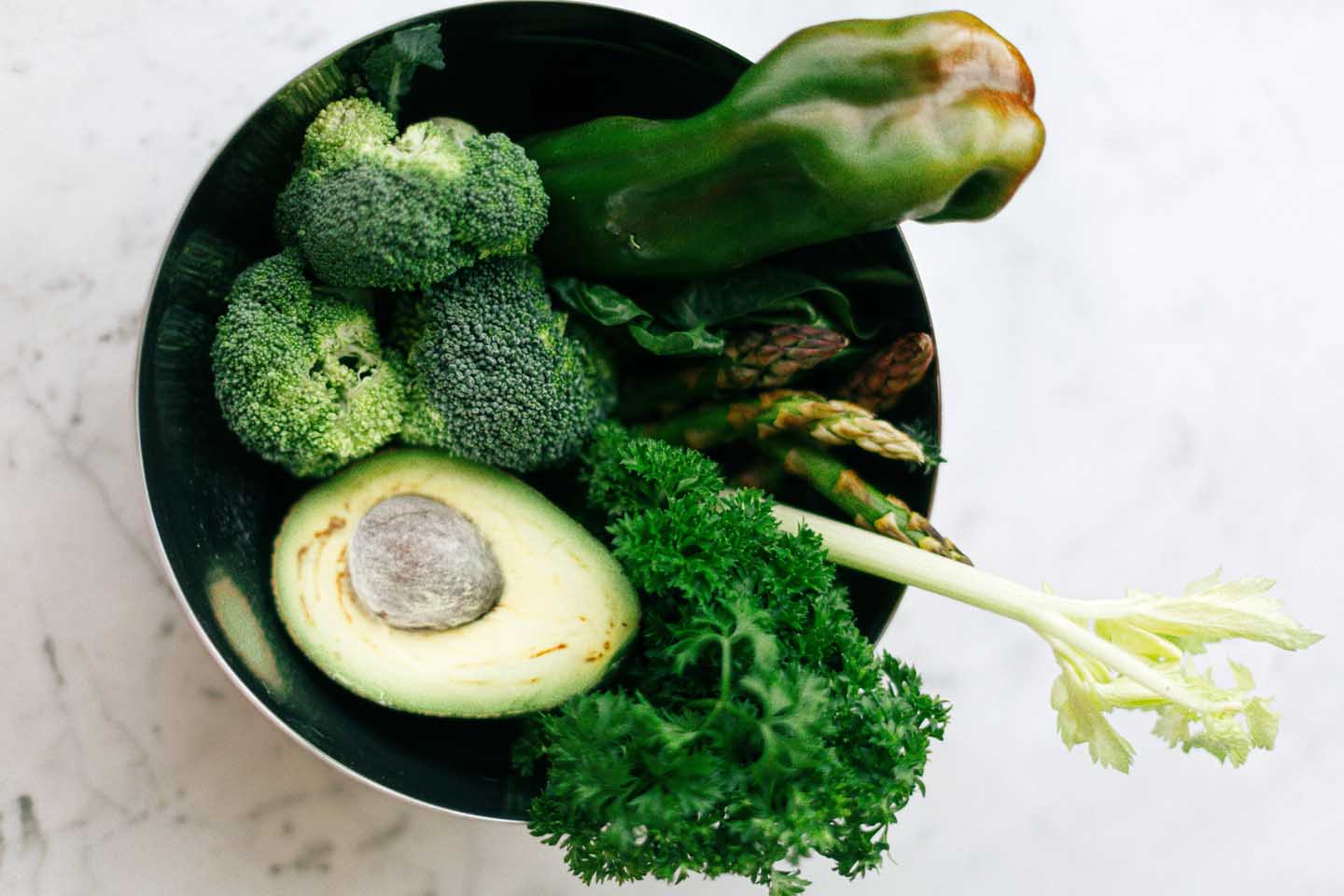
Sources of your blood building chlorophyll will be any form of green leaves. Especially rich sources are spinach, parsley and garden cress.((Chlorophyll and Chlorophyllin, Oregon State University)) Some other green plants have reasonable amounts, like green beans, peas, and green pepper. Eating those products on a regular basis will make the use of supplements needless.

Vitamin B12 is just as vital as hemoglobin. Without it, the red blood cells would not be able to develop properly. Cobalamin is also necessary for the functioning of the nerves, the immune system and the formation of DNA. A deficiency in vitamin B12 affects every cell in our body. By the way, the central atom in cobalamin is cobalt, hence the name.

Chemical formula of chlorophyll
Chemical formula of hemoglobin

Creative Patterns

Is it a coincidence that our Creator God built these three important molecules almost the same way? Or is He pursuing a plan? If He has given us the plants for food and they have a protective role for our body, reasonable people will eat mainly or entirely from these plants.

The whole physiology of humans, animals and plants shows to a large extent the same systems, the same enzymes, the similar structure of the cells and the same metabolic pathways. He is the creator of all three, yes of the whole universe. He networked everything. Everything He has created is in some way serving other created beings.

The more I am allowed to penetrate into the wonders of creation, and we have truly wonderful insights into both the micro and the macrocosm, the more I admire God’s imagination, his greatness and creativity. And I am grateful that I can be part of it. Although I am only a tiny part, but wonderfully precious and valuable, networked into a larger whole, where everyone is dependent on the other. And I want to fulfill my part that is meant for me. Which part is mine, that is worth thinking about.

Healthy Fruits

Stay Always Up to Date

Sign up to our newsletter and stay always informed with news and tips around your health.

Sign Up Now!

Filed Under: Nutrition

Food for Good Mood

January 22, 2021 by Esther Neumann - [rt_reading_time label="Reading Time:" postfix="minutes" postfix_singular="minute"]

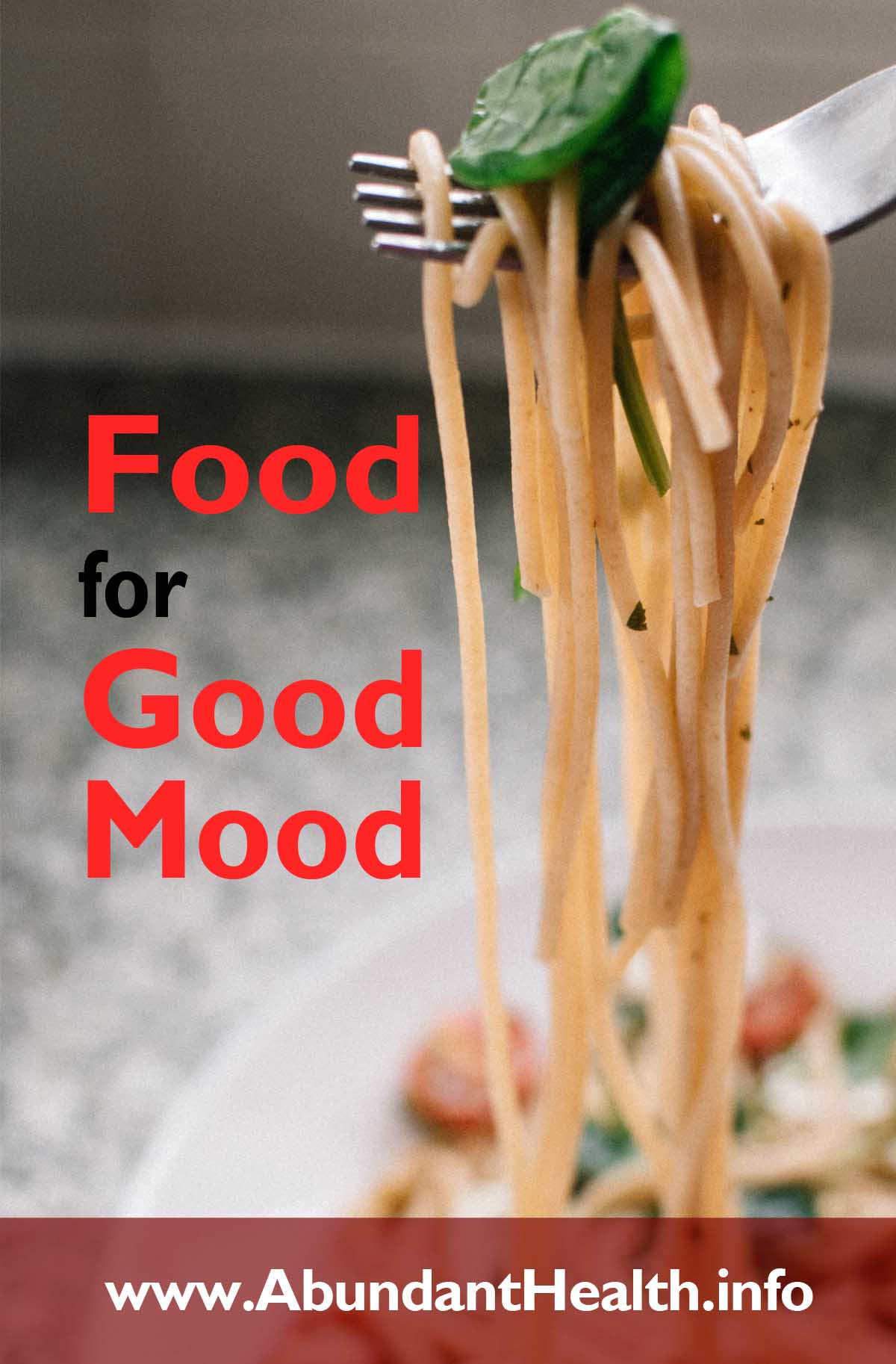
Food For Good Mood

Why do we feel like chocolate when the weather is cold and cloudy, when we are lovesick or worried, but on a hot, bright summer day our mouths water when we have a crispy plate of salad in front of us? Our eating behavior is largely dependent on moods, humor and the environment. If there is such a close connection between our mind and eating behavior, is the reverse conclusion allowed that we can influence our mind and mood through our food?

Food for Good Mood

A peaceful picture: a baby is suckling on the mother’s breast. First, it is wide awake and smiles blissfully at its mother. Then it becomes calmer and calmer, the eyes close. Finally it falls like a ripe apple from the tree, slipping off from the mother’s breast. It fell asleep peacefully. The baby has been pacified in the truest sense of the word. It became very quiet and fell into a comfortable sleep. Why? Of course it is full, satisfied, its needs have been met in every way. The composition of the milk also contributed to that. Scientists have found opiate-like substances in breast milk that allow babies to sleep sound and deep. It is not only in this first infant nutrition that there are substances that affect our psyche. We find them in practically all foods, be it in a positive or negative sense.

Why Do We Eat?

If we did a survey about why we eat, we would quickly see that most of the answers have nothing to do with nourishing our bodies. This reason is usually mentioned first, just rarely we eat because we are hungry, but rather to satisfy very specific needs. We eat to cultivate community, because it is fun, because of tradition, out of boredom, because it involves our senses, out of frustration, sorrow and consolation. Eating not only nourishes our body but also our soul.

Frustration Diets

There are diets that fight excess weight with fat. It is not fat that makes fat, but lots of carbohydrates, say the supporters of those low-carb diets. You want to lose weight with a lot of fat and protein, but without bread, pasta and potatoes. For the first moment, people adhere to the diet quite well, until there is such a craving for carbohydrates that you first secretly nibble on sweets and then finally openly admit that you just couldn’t make it anymore. Some who have persevered on such a diet for a long time have even become depressed and irritable. What happened?

An example of a low carb diet that is unsustainable in the long run.

Carbohydrates – Balm for the Soul

A large part of our diet usually consists of carbohydrates. Experts advise us to eat around 50-60% of the energy we consume in the form of carbohydrates. So these are potatoes, bread, rice, pasta, cereals. Carbohydrates are also found in fruits, sweets and cakes. The starch that the plants provide is an energy reserve for them. And those, in turn, are made up of glucose molecules. Why does our body need glucose to get in a good mood?

Our brain functions are controlled by neurons, that is, brain cells. In order for them to work, the brain itself produces neurotransmitters, which are messenger substances. Moods and feelings are influenced by those neurotransmitters. If the brain has a lot of the messenger substance serotonin available, the body and soul can relax. In order for the brain to be able to produce serotonin, however, it needs the right supply of building blocks from the food. The most important building block is tryptophan. This amino acid is a protein component that occurs in our daily diet.

Tryptophan gets easier into the brain the more carbohydrate-rich our food is. Insulin is the transport mechanism for tryptophan. The carbohydrates cause the blood sugar level and thus the insulin level in the blood to rise. But insulin also transports other amino acids. It preferentially binds the amino acids other than tryptophan first in order to transport them into the cells. This frees the transport mechanisms for tryptophan to enter the brain.

The more tryptophan gets into the brain, the more mood-enhancing serotonin it can make, and the better we can relax. Now we know why low-carb diets can lead to depression and cannot be sustained for a long time.

Why Chocolate is Addictive

Almost everyone knows the consolation in a box called chocolate candy. Chocolate helps with lovesickness, loneliness, deprivation of love, frustration and bad mood. And why does chocolate help? It contains all the components needed to increase our serotonin level: carbohydrates in the form of sugar, tryptophan comes from milk and fat comes from milk and cocoa beans. Just the serotonin levels from sugar are not very stable. Sugar produces dopamine as well, a neurotransmitter that is produced at the consumption of drugs, and makes sweets very addictive.

Fatty foods increase the effect of carbohydrates in transporting tryptophan to the brain. Then there are around 800 other substances in chocolate, some of which have a clear effect on our mood. When the cocoa beans ferment, amines such as phenylethylamine are formed. Our bodies produce the same substance when we are in love. On top of that, there are also opiates and morphine-like substances. One is called theobromine. It stimulates us, increases our mood, and we reach for the next piece. Neuroactive alkaloids such as were previously only known in wine and beer have also been found. So it’s no wonder that people can become addicted to chocolate and that it is so difficult for us to do without the comforter.

The Secret of the Italians

Handmade Italian Pasta - Photo by Jorge Zapata from Pexels

A diet dominated by carbohydrates, such as those found in daily pastas of the Italian cuisine, is probably a real happiness diet. Perhaps this is one of the reasons that Italians have the lowest suicide rate in Europe. Even the lighting conditions around us affect serotonin levels. Serotonin production is significantly lower in the darker months of the year, but chocolate consumption is significantly higher.

Chocolate and related things only increase our happiness for a short time. Then comes the grief, the bad conscience. Excess energy in the form of sugar and fat increases weight. Sweets, consumed in excess, crowd out other important nutrients that are just as necessary to keep us happy. If we have too much sweet treats, we are first overexcited, then fidgety, nervous, later tired, then depressed and anxious. Only the right carbohydrates bring a good mood in the long run. It’s the carbohydrates we get from rice, pasta, potatoes, and whole grains.

The good news is that there are plenty of other foods out there that can make our serotonin levels rise without us becoming addicted to them. We need to watch out for some good tryptophan sources.

Foods High in Tryptophan

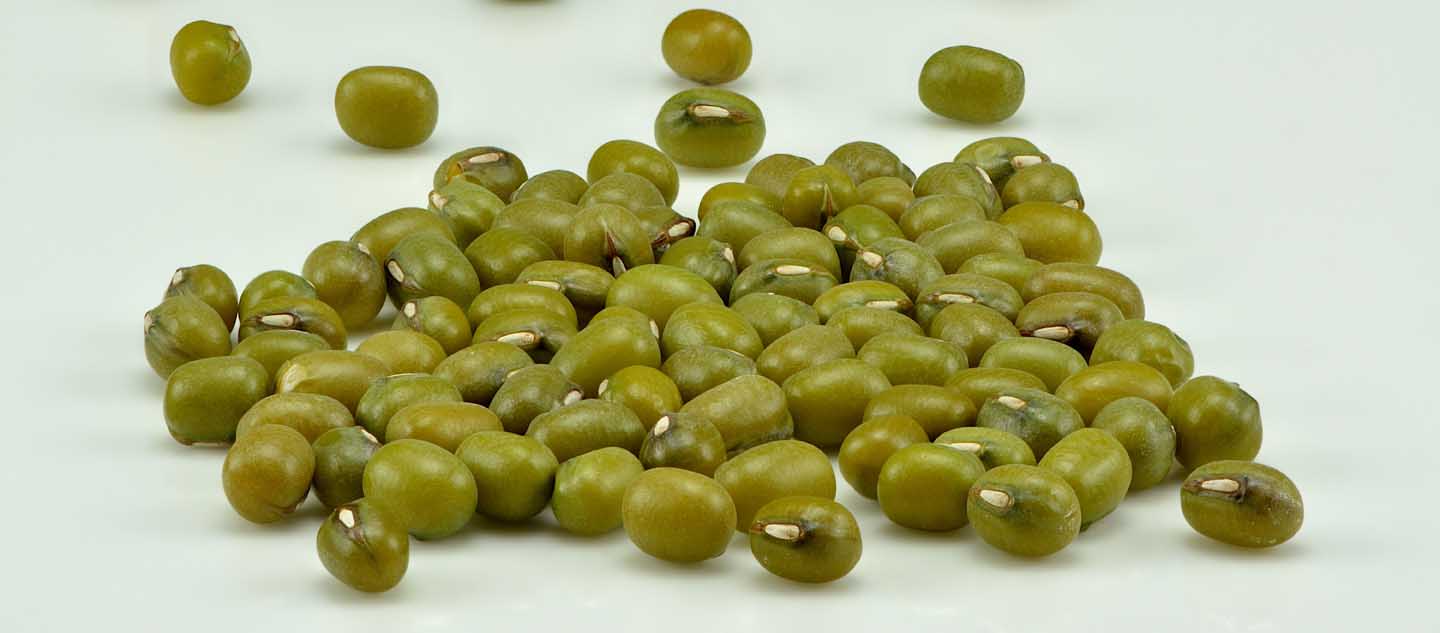
The highest tryptophan sources we find in the green mung bean, in soybeans and in black-eyed pea. Consequently tofu is high in tryptophan. All nuts are good sources, especially the cashew nut. Sesame, sunflower and pumpkin seeds provide us tryptophan as well. How about a tofu spread with ground pumpkin seeds, well seasoned with onions, garlic and herbs?

Mung Beans
Mung Beans- Foto by Ivar Leidus CC Wikimedia

We also find tryptophan in cereals, millet, oatmeal, quinoa and bananas. A breakfast cereal with grains, nuts, bananas and soy milk therefore provides us with plenty of tryptophan.

Vitamins and Minerals Help our Mood

In order for the tryptophan to be properly metabolized, vitamins from the B group are needed, especially B6. This occurs mainly in all types of grain. We also need folic acid to maintain our vigor and vitality. This is found in all leafy vegetables, also in fruits such as cherries, mangoes and oranges. Folic acid works together with vitamin B12 which is almost exclusively found in dairy products and meat. That is why people who do not consume animal products must pay particular attention to their vitamin B12 status. B12 deficiency can lead to depression.

But our soul also needs iron, zinc, selenium and iodine to be happy. Calcium and magnesium strengthen our nerves. Once again we see how important a varied, healthy whole food diet is. Supplements can never deliver what we find in a healthy, natural diet.

Healthy Fruits

Stay Always Up to Date

Sign up to our newsletter and stay always informed with news and tips around your health.

Sign Up Now!

Filed Under: Nutrition

The Metabolic Syndrome

January 15, 2021 by Esther Neumann - [rt_reading_time label="Reading Time:" postfix="minutes" postfix_singular="minute"]

Metabolic Syndrome

Obesity, high blood pressure, elevated blood sugar and increased triglycerides with simultaneously decreased HDL are the precursors of a heart attack. In the US, one third of the adult population suffer from metabolic syndrome, and in women at the age of 70 and over, the prevalence rises to about 60%((J.S.Moore et. al. Metabolic Syndrome Prevalence by Race/Ethnicity and Sex in the United States, National Health and Nutrition Examination Survey, 1988–2012. Prev Chronic Dis 2017;14:160287. DOI: http://dx.doi.org/10.5888/pcd14.160287)). Even in the so-called developing countries, obesity continues to play a greater role. For this reason, the World Health Organization is particularly concerned with the problem of metabolic syndrome.

The Metabolic Syndrome

Definition of Terms

The metabolic syndrome is a complex metabolic disorder, the main symptom of which is insulin resistance. This is an insufficient response of the muscle, fat and liver cells to the action of insulin. That means the pancreas produces enough insulin, but the cells don’t respond well enough. In 1999 the WHO suggested the following parameters to be diagnosed for metabolic syndrome: Being diabetic or having glucose intolerance/insulin resistance, together with 2 of the following factors:((R M Parikh, V Mohan. Changing definitions of metabolic syndrome. Indian J Endocrinol Metab. 2012 Jan-Feb; 16(1): 7–12. doi: 10.4103/2230-8210.91175))

  • Abdominal obesity with a waist/hip ration of above 0,9 in men and over 0,85 in women or Body Mass Index over 30 kg/m2
  • Elevated triglyceride levels above 150 mg/dl; decreased HDL, men below 35 mg/dl and women below 39 mg/dl
  • Elevated blood pressure above 140/90 mmHg
  • urinary albumin excretion rate above 20 μg/minute

Causes of Metabolic Syndrome

In recent years there has been increased research into genetic factors. The body composition, the type of muscle fibers and their blood flow, and the hormone and enzyme levels play an important role in the development of the metabolic syndrome. But the problem is only triggered by a faulty lifestyle on the part of the person himself. Alcohol, smoking and stress are important triggers, but also improper nutrition and, above all, a lack of exercise. For these reasons, we also speak of the prosperity syndrome.

As the name suggests, the syndrome involves mainly metabolic diseases such as obesity (severe overweight), diabetes, high blood pressure, blood clotting disorders and disorders of lipid metabolism. This results in organ damage such as arterial occlusive diseases, coronary heart diseases, strokes, or colloquially called hardened arteries.

Obesity

According to the WHO, obesity is already a pandemic. It is the leading cause of high blood pressure and diabetes. The absolute weight plays less of a role, but more the fat distribution. The belly fat causes much more problems than the fat on the thighs and hips. Excess fat does not just stay quiet until a fat reserve is needed. Instead, fat tissue is considered a hormonal organ. Many different substances, similar to hormones, are released from the fat cells. These in turn influence blood clotting, insulin resistance, high blood pressure and control energy expenditure, to name but a few.

Ice cream and an obese man

Sedentary Lifestyle

Physical inactivity is a risk factor by itself. Modern technology relieves us of a lot of activities that used to be mandatory. This ranges from remote controls to electronic typewriters to cars and escalators. Many professions today are sedentary and many leisure activities are carried out while sitting. Exercise falls by the wayside, just we would urgently need it to reduce our belly fat. Fortunately, the times of famine, for which a certain fat reserve would be beneficial, are not coming at the moment. Every now and then, a fasting day or skipping dinner days should be inserted – a programmed time of famine – in order to reduce excess body fat.

Increased Lipid Levels

Elevated triglycerides are often hereditary. But diet also plays an important role. If we eat high-fat, there will be lots of triglycerides circulating in the blood. Excess carbohydrates are also converted into fat in order to be stored, and insulin is needed for this process. A high-calorie diet paves the way for Diabetes.

Fortunately, there are some foods that can lower triglycerides. These include: soybeans, legumes, avocado, onion, wheat germ, and whole grains. We should incorporate several of these foods into our daily diet. Most of them help lower blood pressure at the same time. In addition, they do not contain cholesterol and even help to lower it, since we should keep cholesterol levels low.

Cholesterol is essential for life. That is why the body produces it itself. Without cholesterol, life would be bland, because it is the starting substance for sex hormones, as well as bile acid, aldosterone and cortisol. But the amount needed is very little, and any cholesterol in the diet will lead to excess. Here, too, there are foods that help to lower the cholesterol level: They are mainly nuts, avocados, flaxseed and chia, but also all fruits and vegetables.

LDL transports cholesterol to the body cells. We are used to call LDL the bad cholesterol. It’s just the taxi for the cholesterol. It only becomes dangerous when it oxidizes, i.e. reacts with oxygen and deposits as plaques in the vessel walls. This can be avoided by reducing oxidized cholesterol in the diet, not smoking, building up as little stress as possible and eating a lot of fruits and vegetables high in antioxidants, which are protecting the LDL from oxidation.

Decreased HDL

Most Metabolic Syndrome patients have low HDL levels. However, high values protect the blood vessels. HDL is the taxi for cholesterol back to the liver when it is not needed in the cells. We can increase the HDL levels by plenty of exercise. People who do regular exercise have higher levels.

High Blood Pressure

About 40% of overweight people also have high blood pressure. No wonder, because for every additional pound of fat, an extra mile of new blood vessels have to be created (3,5 km for every kg of fat). The heart therefore has to work harder. Smoking and drinking coffee, black and green tea also narrow the vessels and should be avoided. Apples, pears, grapefruits, pumpkin and celery all help lower blood pressure. They have hardly any sodium, but a lot of potassium. These two minerals are primarily that regulate blood pressure. Sausage, cheese, ham and cured meat are high in sodium, which increases blood pressure. Therefore we should avoid these foods.

Elevated Blood Sugar

This cause of Metabolic Syndrome can also be hereditary. But the trigger is again lifestyle. Lack of exercise, obesity and a high fat diet promote the development of diabetes. The resulting damage of diabetes can be very serious: blindness, kidney failure, amputation of legs and cardiovascular disease.

Diabetes test - Photo by Polina Tankilevitch from Pexels

What can you do? Here weight reduction is again called for, through exercise and a sensible diet. Olive or canola oil are positive fat sources, as well as nuts and seeds. Fruits, vegetables and whole grains provide a lot of fiber, fill you up and help that the sugar from food flows more slowly into the bloodstream.

Drug Treatment of the Metabolic Syndrome

Unfortunately, the Metabolic Syndrome delivers a whole package of metabolic disorders. The drug treatment is accordingly, and one or more drugs for each of the problems are applied. And quickly you have gathered half a pharmacy. The doctor will prescribe all essential drugs for treating the disorders. Unfortunately, a doctor rarely has time for lifestyle advice or has little experience with proper nutrition.

The far more sensible way would be a change in lifestyle and diet, as has been listed under the individual points above.

Hope on the Horizon

A group of doctors who study the Metabolic Syndrome in great detail give hope: “The Metabolic Syndrome can be treated quite effectively. If obese people having Metabolic Syndrome lose significant weight, the metabolic disorder has disappeared in most of them. Almost everyone can reduce their medication or stop it altogether.”

I would also like to encourage in this direction. Metabolic Syndrome patients need to find a way to get more exercise. Support Groups can help. If there isn’t one around, why not start one yourself? Diet and lifestyle courses bring help. Lifestyle changes are therefore undertakings in the right direction – and success is certain!

Filed Under: Diseases, Metabolic Syndrome, Obesity

« Previous Page
Next Page »

Primary Sidebar

Social Channels

Coronavirus Immunity Challenge

Boost your immune system to be bullet-proof for the pandemic.

I Want to Participate

Recent Posts

  • 5 Habits to Live Longer
  • Better Sleep Can Protect Against Dementia
  • Finding Peace In Your Crazy-Busy World
  • Flaxseed – An Ancient Plant Rediscovered
  • Platelets – Triggers for Life or Death
  • Boderline Personality Disorder
  • In Praise of Almonds and Nuts
  • Are You Stuck in the Clutter Trap?

Categories

  • Body Systems (16)
    • Cell Function (2)
    • Circulatory System (1)
    • Digestive Tract (10)
    • Immune System (4)
  • Diseases (27)
    • Cancer (2)
    • Cold (1)
    • COVID-19 (11)
    • Dementia (1)
    • Diabetes (1)
    • Digestive Diseases (2)
    • Heart Disease (2)
    • Kidneys (1)
    • Metabolic Syndrome (2)
    • Skin (1)
  • Healthy Lifestyle (42)
    • Exercise (11)
    • Gardening (2)
    • Sleep (7)
    • Sunlight (2)
    • Temperance (14)
    • Water (4)
  • Mental Health (87)
    • Addictions (6)
    • Anxiety (7)
    • Burnout (1)
    • Depression (7)
    • Psychosomatic Diseases (6)
    • Stress Management (45)
    • Trust (6)
  • Nutrition (56)
  • Obesity (9)
  • Phases of Life (14)
    • Adults (3)
    • Babies and Infants (1)
    • Children (3)
    • Seniors (5)
    • Teenagers (3)
  • Therapies (7)
    • Herbs (5)
    • Hydrotherapy (1)
  • Uncategorized (3)

Archives

  • January 2025 (1)
  • March 2024 (5)
  • February 2024 (4)
  • January 2024 (4)
  • December 2023 (5)
  • November 2023 (4)
  • October 2023 (5)
  • September 2023 (4)
  • August 2023 (3)
  • July 2023 (2)
  • June 2023 (4)
  • May 2023 (4)
  • April 2023 (5)
  • March 2023 (4)
  • February 2023 (4)
  • January 2023 (4)
  • December 2022 (4)
  • November 2022 (4)
  • October 2022 (5)
  • September 2022 (4)
  • August 2022 (4)
  • July 2022 (5)
  • June 2022 (4)
  • May 2022 (5)
  • April 2022 (4)
  • March 2022 (4)
  • February 2022 (4)
  • January 2022 (5)
  • December 2021 (3)
  • November 2021 (4)
  • October 2021 (6)
  • September 2021 (4)
  • August 2021 (4)
  • July 2021 (5)
  • June 2021 (4)
  • May 2021 (3)
  • April 2021 (5)
  • March 2021 (4)
  • February 2021 (4)
  • January 2021 (5)
  • December 2020 (3)
  • November 2020 (4)
  • October 2020 (5)
  • September 2020 (5)
  • August 2020 (3)
  • July 2020 (1)
  • June 2020 (1)
  • May 2020 (1)
  • April 2020 (1)
  • March 2020 (1)

Copyright © 2026 · Abundant Health - Privacy Policy - Medical Disclaimer