Bill((name changed by the redaction)) is 58 years old, obese, but feels perfectly healthy. During a routine check-up, Bill got the news that he has fat in the liver. However, Bill has no symptoms beyond his already known obesity, and does not feel pain or discomfort. Bill is worried because the doctor says it is a fatty liver, which if not taken care of, could turn into cirrhosis. However, Bill says that he never consumed a lot of alcohol, and for 5 years he was not even drinking socially. Bill is concerned and comes to us in search of nutritional advice to improve his health and contribute to the treatment of the disease.
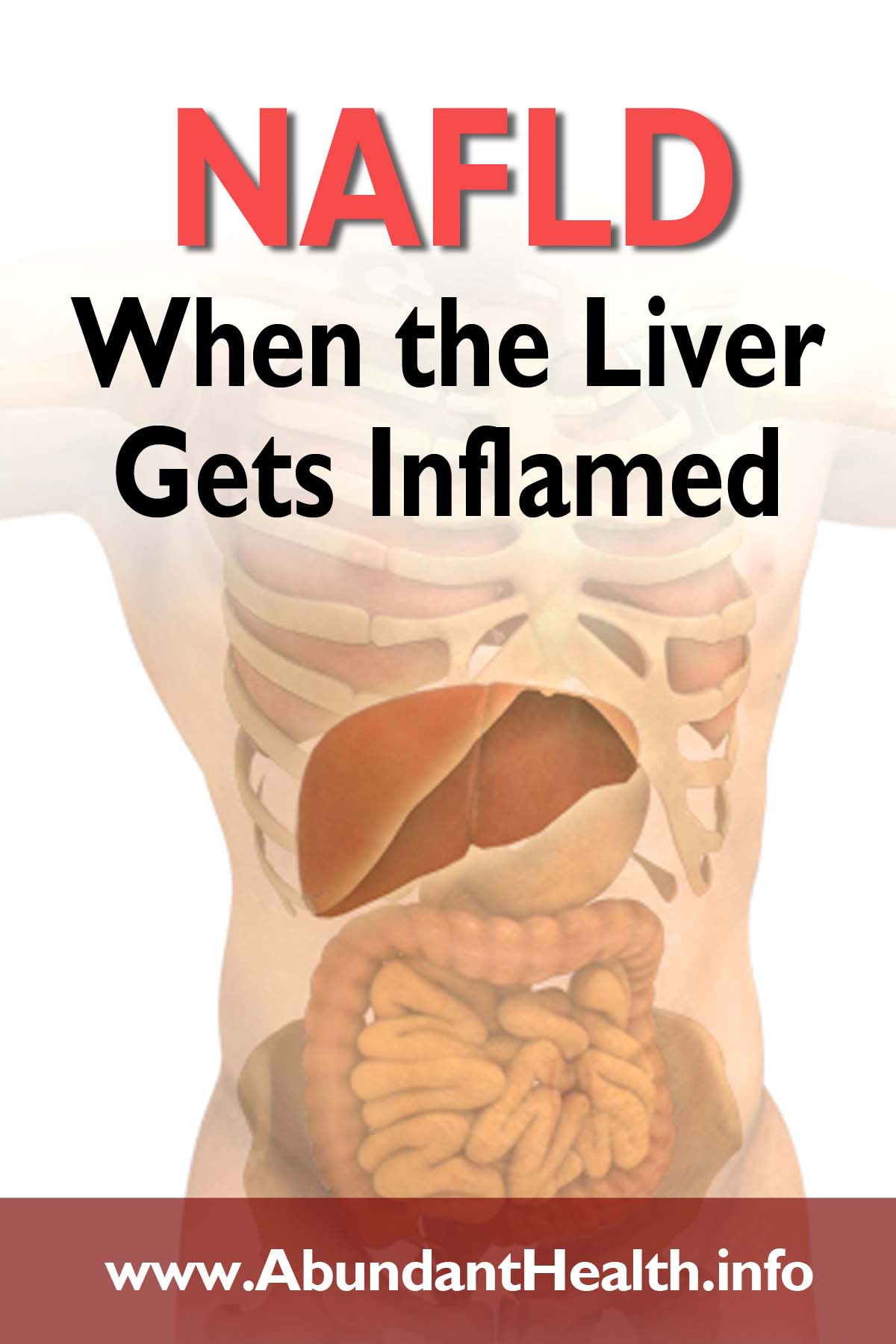
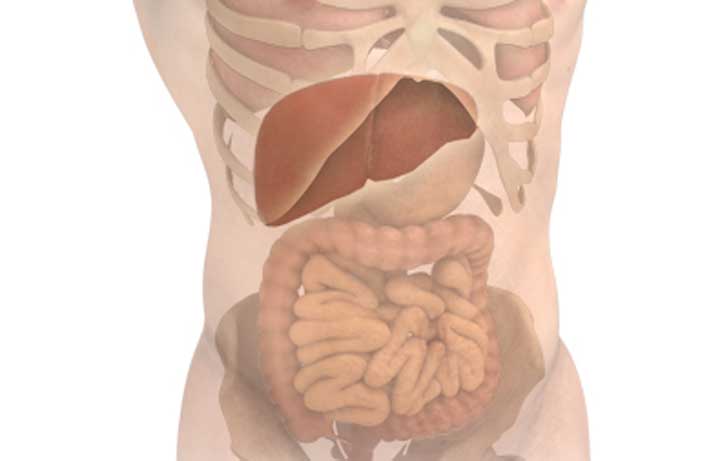
NAFLD (Non-Alcoholic Fatty Liver Disease) is caused by an inflammation in the liver due to the accumulation of triglycerides in the liver tissue. NAFLD is a very prevalent multi-factorial disease associated with metabolic factors. It is usually caused by poor eating habits together with physical inactivity or obesity. It can also arise as a consequence of diabetes, high cholesterol, high blood pressure, or the metabolic syndrome that is a compound of these symptoms.((Hepatologia SBd, Coelho HSM, Leite NC. Prevalência e importância da doença hepática gordurosa não alcoólica [internet]. Universidade Federal do Rio de Janeiro.; [Accessed on: 07 oct. 2021]. https://sbhepatologia.org.br/pdf/revista_monotematico_hepato.pdf))
NAFLD can be considered the first level of Hepatic Steatosis, a disorder characterized by the accumulation of fat inside liver cells. It silently affects a growing number of the population around the world. A more recent study conducted in the United States with 328 asymptomatic patients reported that 46% of individuals had steatosis, and of those 70% were obese and 26% diabetic. Studies show that a BMI > 30 and diabetes mellitus are considered risk factors for the evolution of steatohepatitis to cirrhosis.((Aray Nabuco e Wilson Vieira, COMO CONTROLAR A GORDURA NO FÍGADO – Coleção Saúde Essencial))
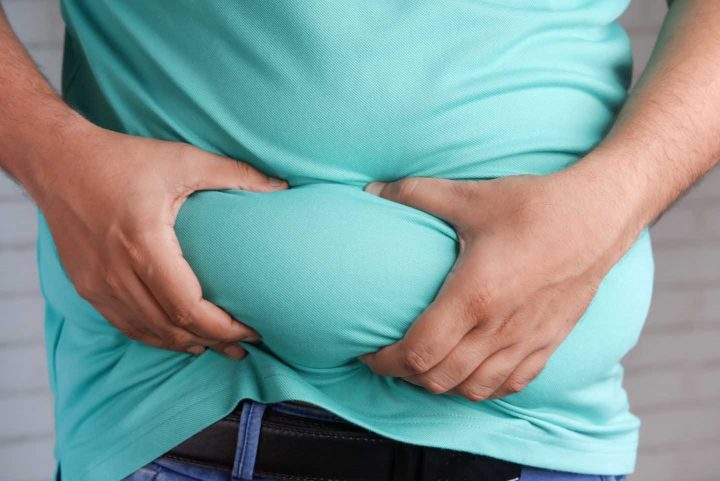
Obesity has become more frequent around the world and in all age groups. Currently, there are one billion overweight adults in the world, 300 million of whom are obese with a BMI ≥ 30. In the US, around 30% of the population has non-alcoholic fatty liver disease (NAFLD). This is even clearer in morbidly obese patients, in which the prevalence of hepatic steatosis is around 76 to 91%, with 25 to 37% of the individuals progressing to hepatitis.
NAFLD prevalence increases with age, but children and adolescents are not spared. Obesity is the accumulation of triglycerides (blood fat) in adipose tissue. When the fat cells reach their limit of expansion, the accumulation of fats in other tissues, including the liver, begins to occur.((Aray Nabuco e Wilson Vieira, COMO CONTROLAR A GORDURA NO FÍGADO – Coleção Saúde Essencial))
The prevalence of type 2 diabetes has been increasing exponentially. According to the World Health Organization (WHO), in 2030 there will be more than 300 million individuals with diabetes worldwide. Macro and microvascular complications can arise over the years, reducing the life expectancy and quality of diabetic patients. After obesity, diabetes mellitus was the risk factor that most correlated with the presence of non-alcoholic fatty liver disease (NAFLD).((Hepatologia SBd, Coelho HSM, Leite NC. Prevalência e importância da doença hepática gordurosa não alcoólica [internet]. Universidade Federal do Rio de Janeiro.; [Accessed on: 07 oct. 2021]. https://sbhepatologia.org.br/pdf/revista_monotematico_hepato.pdf))
In another study of 195 patients with cirrhosis due to Non-Alcoholic Liver Steatosis, who were followed for five years, 12.8% developed liver cancer. The risk was higher in elderly men with diabetes mellitus.((Ascha MS, et.al. The incidence and risk factors of hepatocellular carcinoma in patients with nonalcoholic steatohepatitis. Hepatology. 2010 Jun;51(6):1972-8. DOI: 10.1002/hep.23527)) Mortality from chronic liver disease is the third leading cause of death among patients with Non-Alcoholic Liver Steatosis.
Main Symptoms
Normally, there are no symptoms of any kind during the early stages of the disease, so NAFLD is often accidentally discovered through tests to diagnose other diseases. NAFLD, if treated at the beginning, can be reversible, but 30% of diagnosed patients suffer the progression of the disease.
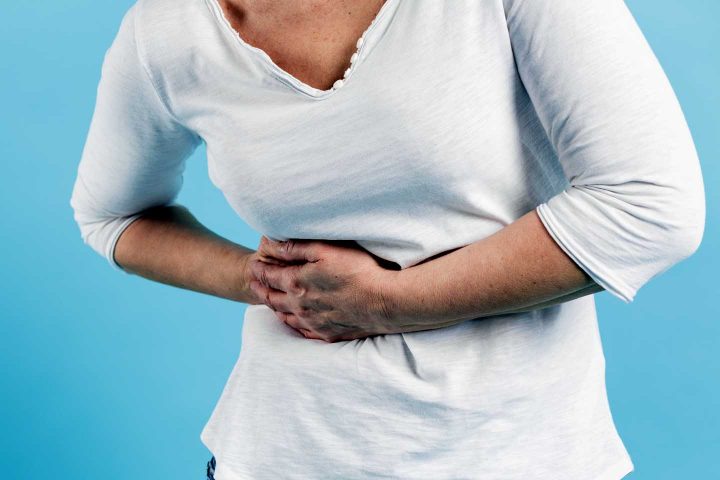
Although in most cases it is an asymptomatic disease, in more advanced stages it is possible that some people feel pain in the right side of the abdomen, swollen belly, nausea, vomiting and general malaise. In the presence of these symptoms, a hepatologist should be consulted for tests that assess liver function and disease severity.((Aray Nabuco e Wilson Vieira, COMO CONTROLAR A GORDURA NO FÍGADO – Coleção Saúde Essencial))
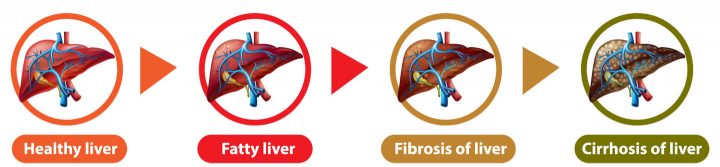
Liver steatosis has three stages, two of which are reversible (fatty and inflamed), and the third stage is Liver Cirrhosis, when the damaged parts of the organ form scar tissues and the disease becomes irreversible.
NAFLD Diagnosis
To assess the health of the liver, the doctor may order blood tests, imaging tests such as ultrasound, tomography and MRI, and even a biopsy, as these tests provide important information about alterations in this organ. The most used are imaging exams, due to their fast and high diagnostic accuracy. In the specific case of NAFLD, it is common to request the following blood tests:
The liver function test contains typically the markers ALT (Alanine Aminotransferase), AST (Aspartate Aminotransferase) and GGT (Gamma Glutamyl Transferase), which assess the concentration of liver enzymes. They are complemented with Albumin, Bilirubin, Lactate dehydrogenase and prothrombin time. These tests are usually ordered together and provide important information about the liver’s condition.
Blood work to measure Glucose, Cholesterol and Hemoglobin are also part of the analysis.
Treatment
The treatment needs to be multidisciplinary. Lifestyle changes and control of risk factors should be encouraged.
It is important for the patient to seek a healthy, natural and wholesome diet, increasing the consumption of fruits, freshly prepared vegetables and whole grains rich in fiber.

The intake of processed and ultra-processed foods, as well as refined carbohydrates, should also be reduced. These foods are harmful to the liver and have a high content of fat and sugars which contribute to excess weight, the main risk factor for hypertension, diabetes and NAFLD. It is good to avoid sweets, soft drinks, sugary drinks, margarine, cheese and fried foods in general.((https://www.sbhepatologia.org.br/pdf/FASC_HEPATO_31_FINAL.pdf))
Some herbs and teas can be useful for treatment. But beware of weight loss tea mixtures! In the search for weight loss to regain quality of life, patients diagnosed with fatty liver run the risk of complicating their condition. Although weight loss is considered the main pillar of treatment, it is important that weight loss is gradual. Rapid weight loss can aggravate steatosis because, before being “burned”, the fat stored in the body also passes through the liver, overloading it. The recommendation is to avoid rapid weight loss with these products, as even a natural product is not always harmless.
Some teas also have high detoxifying efficiency, but they must be inserted correctly in terms of dosage and timing of treatment, under the supervision of a doctor. Otherwise, the patient may progress to drug hepatitis, which occurs when the liver becomes inflamed by the action of the proper herbs.((Aray Nabuco e Wilson Vieira, COMO CONTROLAR A GORDURA NO FÍGADO – Coleção Saúde Essencial)) Always seek professional advice from a skilled doctor or nutritionist.
Drug hepatitis can occur from either herbal or regular prescription drugs. In this case, it is necessary to evaluate the cost-benefit and study the possibility of substitution. The use of anabolic steroids should be discontinued, and if steatosis is associated with other diseases, such as hypothyroidism or polycystic ovary, these conditions should be treated accordingly.((Hepatologia SBd. Doença Hepática Gordurosa Não Alcoólica: Consenso da Sociedade Brasileira de Hepatologia [internet]. Sao Paulo; 2017. [Accessed on: 07 out. 2021]. https://www.sbhepatologia.org.br/pdf/Consenso_DHGNA_da_SBH-2015.pdf))
There is no specific medication for steatosis, but some medications to control cholesterol, diabetes and obesity are indicated for some patients.
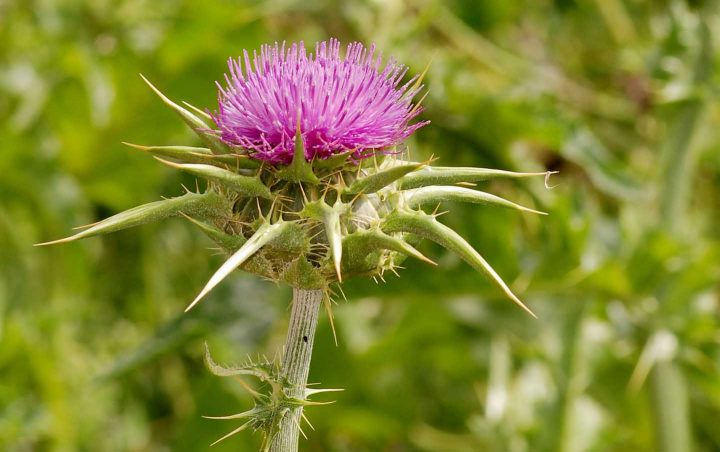
A very interesting herbal treatment is silymarin. It is an extract of the seeds of the herb Silybum Marianum, also popularly known as cardus marianus, milk thistle or Saint Mary’s thistle, and has been given for years to treat liver diseases.
Pre-clinical scientific studies indicate that silymarin can reduce oxidative stress and consequent cytotoxicity, thus protecting intact liver cells, or cells not yet damaged. Silymarin acts as a free radical scavenger and modulates enzymes associated with the development of cell damage, fibrosis and cirrhosis.((Gillessen A, Schmidt HH. Silymarin as Supportive Treatment in Liver Diseases: A Narrative Review. Advances in Therapy 37, 2020. DOI: 10.1007/s12325-020-01251-y))
In an analysis of treatment with patients that had diabetes and non-alcoholic cirrhosis combined, silymarin was also able to improve glycemic parameters. To obtain maximum benefit, treatment with silymarin should be started as early as possible, when the liver’s ability to regenerate is still high in patients with fatty liver disease.
Silymarin can be consumed as a tea or in the form of capsules and tablets, in order to complement the treatment indicated by the doctor, and must be accompanied by physical exercise and change of eating habits.
Getting rid of NAFLD mainly requires the patient’s commitment to change their unhealthy lifestyle. It is recommended to achieve a healthy weight, in a plan that combines physical exercise,((Hepatologia SBd. Doença Hepática Gordurosa Não Alcoólica: Consenso da Sociedade Brasileira de Hepatologia [internet]. Sao Paulo; 2017. [Accessed on: 07 out. 2021]. https://www.sbhepatologia.org.br/pdf/Consenso_DHGNA_da_SBH-2015.pdf)) using low and medium intensity activities, with changes in eating habits. Some scientific studies show benefits in using supplementation with Vitamin E, Omega 3, Vitamin D((Hepatologia SBd. Doença Hepática Gordurosa Não Alcoólica: Consenso da Sociedade Brasileira de Hepatologia [internet]. Sao Paulo; 2017. [Accessed on: 07 out. 2021]. https://www.sbhepatologia.org.br/pdf/Consenso_DHGNA_da_SBH-2015.pdf)) and herbal preparations such as silymarin. Treat your liver well, as it is essential for your health!

Stay Always Up to Date
Sign up to our newsletter and stay always informed with news and tips around your health.