Abundant Health

Up to date health information tailored for you

  • Home
  • Blog
  • Recipes
  • Shop
  • Contact

Blog

Make Driving a Less Stressful Experience

January 14, 2024 by Martin Neumann - [rt_reading_time label="Reading Time:" postfix="minutes" postfix_singular="minute"]

Make Driving a Less Stressful Experience

A recent Time Magazine story reported that Americans spend an average of 204 hours a year commuting, and for most workers, that means driving their car.

Make Driving a Less Stressful Experience

The same article cited numerous studies about the effects of so much time on the road, including increased levels of blood sugar and cholesterol, higher rates of depression and anxiety, and lower rates of cardiovascular fitness, life satisfaction, and happiness.

It’s no wonder that driving can put significant stress on your body and mind. You need to force yourself to stay alert. You wonder about what you’re missing while you’re stuck in traffic. You may even be fuming about another driver who cut you off or almost rear-ended you.

If you’re starting to think that the situation is out of your control, think again. There is much that can be done to make your driving experience less stressful and bring you to your destination with a calm mind.

Take some of the stress out of your daily drive with the following proven strategies.

Managing the Situation

  1. Budget more time. Traffic jams are less frustrating when you’re not running late. Give yourself an extra 10 or 15 minutes for any trip.
  2. Plan your route. Check online for construction work and accidents to avoid. Just ensure that your alternate routes will really save you time and not take you too far out of your way. Consider using apps like Waze to help you find the fastest route with real-time updates.
  3. Switch your hours. If your boss is cooperative, you may be able to avoid rush hour completely. Ask about telecommuting or coming in an hour earlier or later. Maybe you could do it part of the week or on a trial basis.
  4. Bring entertainment. Stock up on audiobooks and podcasts. Listen to your favorite music. The time will pass more quickly and you may learn valuable lessons.
  5. Limit distraction. Avoid phone use, eating, and other activities that will divert your attention from the road. Turn off the notifications on your phone or switch it off completely until you reach your destination.
  6. Make yourself comfortable. Adjust the seats and mirrors so that you are comfortably seated and have a perfect view without needing to stretch out too far. Adjust the temperature so that it just feels right.
  7. Sit up straight. Your posture could be creating aches and stiffness that make any irritation worse. Draw back your shoulders, open your chest, and lift your head if you have a tendency to hunch over the steering wheel.
  8. Eat something. Is your stomach rumbling? Enjoy a small, balanced meal before you leave home. Being energized with a good breakfast gets you into better conditions to face the rush hour traffic.
  9. Stay Hydrated. Be sure to have a water bottle at hand, because being well hydrated will help you concentrate better. On hot summer days you will need some extra fluid intake to stay with a clear mind.
  10. Sleep well. Driving when you’re exhausted is dangerous. Call a cab or pull over to avoid harming yourself or someone else.
  11. Take breaks. On long road trips, stop and get out of your car at least every 2 hours. Walk around and stretch your arms and legs. Give a stretch to your spine, rotate your head and go back to the road refreshed and with a clear mind.
  12. Practice Regular Maintenance. Keeping your car well maintained will prevent breakdowns and unexpected issues which can be a quite stressful experience.

A woman driving in a car

Managing Your Reaction

  1. Breathe deep. Whether you’re dealing with backseat drivers or merging on a busy highway, use your breath to soothe yourself. Inhale and exhale fully and slowly.
  2. Develop compassion. Instead of becoming angry with another driver who seems rude or aggressive, imagine the stress they might be under. Try to empathize.
  3. Evaluate your role. Switch your attention from making judgments about other drivers to examining your own actions. Assess your emotions and question your assumptions. Be willing to forgive your fellow commuters when they make a mistake.
  4. Practice patience. Accept that traffic jams, road construction, and unexpected events are part of the driving experience. Cultivate patience to handle those situations without getting frustrated.
  5. Avoid road rage. If you encounter aggressive drivers, try not to engage with them. Stay calm, avoid making eye contact, and focus on your own driving. Responding aggressively can easily escalate the situation.
  6. Practice Gratitude. Instead of focusing on the negatives of other drivers and the road congestion, focus on the positive aspects of your journey. Be grateful for your comfortable car, your ability to make the trip, and any positive experience along the way.
  7. Leave your work stress behind. If possible, try to leave work-related stressors behind when getting into the car. Create a boundary so that your stress is not overflowing to other areas of your life and focus on a positive experience during your way home.
  8. Lay off the horn. Remember that your horn is not a comment button. Use it gently and only when necessary to get another driver’s attention.
  9. Play it safe. When you see driving that is clearly aggressive or erratic, keep your distance. Your safety should come first.

Make driving more pleasant by thinking creatively about your transportation options and changing your attitude. You may be able to shorten your commute or at least make it more enjoyable.

Do you need a guide to help you understand how to cope with Stress in an all inclusive approach? Learn how to combat stress, mentally, physically, emotionally and strategically in your life.


Get Me the Guide

Filed Under: Mental Health, Stress Management

Combatting Loneliness With Courage

January 7, 2024 by Cheryl Silvera - [rt_reading_time label="Reading Time:" postfix="minutes" postfix_singular="minute"]

Combatting Loneliness With Courage

Are you among the millions worldwide feeling lonely right now? Know that you are not alone in this emotion. The unprecedented times that we are living in have left so many feeling lonely. I know this may seem like a small comfort right now, but I want to share some good news. Let’s explore the loneliness experience and ways to ease it, together.

Combatting Loneliness With Courage

First of all, what is loneliness? According to Wikipedia, “Loneliness is a complex and usually unpleasant emotional response to isolation. Loneliness typically includes anxious feelings about a lack of connection or communication with others …As such, loneliness can be felt even when surrounded by other people.”((“Epidemic.” 03 September 2020. Wikipedia, The Free Encyclopedia. Ed. 29 August 2020 08:22 UTC, https://en.wikipedia.org/w/index.php?title=Epidemic&oldid=975576774))

Loneliness is one of the greatest risk factors in maintaining good health. Would you believe that it is more dangerous than obesity or smoking 15 cigarettes per day? It increases our risk of mortality 45%.((Julianne Holt-Lunstad, PhD, The Potential Public Health Relevance of Social Isolation and Loneliness: Prevalence, Epidemiology, and Risk Factors, Public Policy & Aging Report, Volume 27, Issue 4, 2017, Pages 127–130, https://doi.org/10.1093/ppar/prx030))

Loneliness has become a real problem for millions with little bearing on marital status, socioeconomic factors, or age. Previously, most people lived an agrarian lifestyle less likely to be associated with loneliness because is was commonly characterized by joint efforts to build, plant and harvest. Currently, our industrialized society has nearly entirely shifted to a city-based, urban consumer experience that has a “every-man-for-himself” vibe that easily can incubate loneliness.

To seek an answer to loneliness let’s consider the model of Christ outlined in the transcript of His love, the decalogue (Exodus 20:3-17), which bears the mark of social and God-connect. From the moment God placed humans on earth He gave them a guide to be in connection with each other, and with Him safely. The first four commandments refer to God and the following six gives us the blueprint of getting along with each other. God intended for humans to be in communities to combat loneliness, by communicating with each other and with Him. That is the intended construct of societies, and a great one at that!

So now I ask the question; how and why do we use courage to combat loneliness? Courage is described as bravery, confidence, grit, determination. It confronts hardship, fear, pain, danger, uncertainty, intimidation, and perhaps loneliness?

A courageous man jumping over a gap between two rocks

The Bible puts it this way, “Be of good courage, and he shall strengthen your heart, all ye that hope in the LORD” (Psalms 31:24). The word courage used in this text means to strengthen; to be strong; to cure; help; and repair.

Pointers on Courage to Combat Loneliness

1) Belonging to Christ

Have the courage to call upon Christ for help. Create a loving relationship with Him then talk to him as to a friend who is present beside you. “But when they in their trouble did turn unto the LORD God of Israel, and sought him, he was found of them” (2 Chronicles 15:4).

The goal is to remain undaunted and encouraged in the Lord so you can endure this present difficulty. Remember that you are His and nothing can shake that! “But he that shall endure unto the end, the same shall be saved” (Matthew 24:13). Tip: Consider joining a Bible study group. This can help you connect with God and likely believers at the same time!

2) Support

Have the courage to seek out a friend in love and ask for support. Paul did it in his plaintive pleading to Timothy; “Only Luke is with me. Take Mark, and bring him with thee” (2 Timothy 4:11). Tip: Video chat with friends or family when you can so as to maintain a sense of connectedness, even when you cannot physically be together.

3) Purpose

Have the courage to step out of your comfort zone and help someone else. It may save your life. “They helped every one his neighbor; and every one said to his brother, Be of good courage” (Isaiah 41:6).

But first, we must ourselves be encouraged and feel the love of God. John the beloved of Christ wrote to a cherished friend; “Beloved, I wish above all things that thou mayest prosper and be in health, even as thy soul prospereth” (3 John 1:2). Living to share that love with others is undoubtedly the foundation of battling any difficulty, including loneliness. Tip: Find at least one person in your neighborhood to assist, briefly focusing on their needs instead of your own.

Following Christ calls for us to have courage to stand in the fullness of who we are without the dreaded emotion of loneliness. As ones cared for by God we can and should support each other through our shared experience of living through these difficult days. Stand in faith and courage as you combat loneliness today and know that we all children of God are praying and are with you. Soon, we are going home together, where we will never need to battle loneliness ever again!

Healthy Fruits

Stay Always Up to Date

Sign up to our newsletter and stay always informed with news and tips around your health.

Sign Up Now!

This article was originally published on the Time to Get Ready website.

Filed Under: Mental Health, Trust

Give up Illusions and Dreams

December 31, 2023 by Dr. Cesar Vasconcellos de Souza - [rt_reading_time label="Reading Time:" postfix="minutes" postfix_singular="minute"]

Give up Illusions and Dreams

Today we are going to examine the consequences of our illusions. Often, we find it difficult to accept reality because of our aspirations. Even if we have healthy and ethical desires, we don’t always achieve many of them in this life. In addition, we often have to give up pursuing these desires, even if they are good ones, for various reasons. It is not without reason that Jesus Christ said that those who want to follow him and serve him must die to self, take up their cross, lose their lives, and this, one day at a time.

Give up Illusions and Dreams

Jesus explained:

Whoever loses his life for my sake will find it.

Matthew 16:25

Losing your life can mean giving up the pursuit of some dream, so that God’s will be done in your life, and this is not easy for anyone. However, in surrendering our desire, when you understand what God really wants from you, it becomes possible to liberate our self to pursue a life of service that gives meaning to our existence.

Much of the anxiety, sadness, anger, and frustration at unfulfilled desires can be alleviated when we die to self, to our desires, leaving the consequences in the hands of the Creator of the universe. It is a paradox that you die in order to live. Nature teaches us that the seed needs to be buried in the earth in order to grow into a mature plant that produces fruit.

Pflanzen - Energie für unser Leben

Many of our mental sufferings can be rooted in illusions, desires, and attachments. God never requires anything from us without giving us something better in return, even if it involves a loss of material goods, fame, or social power. Living on illusions and desires can hold us back. Giving up our own desires for God’s sake brings relief. This doesn’t mean that we’ll be left empty-handed and have a sad or mediocre life. On the contrary, we become enthusiastic when we surrender to God. Did you know that the meaning of the word enthusiasm is to be full of God? Enthusiasm means being filled with God.

Jesus’ recommendation in the Gospels, in this context of our dreams and personal desires, is to die to self, to live with joy and unselfish attitudes produced by the influence of the Holy Spirit. People who are very controlling live in the illusion of control. This produces a lot of stress because so many things are beyond our control. But thinking we do, we continue in the illusion, wearing ourselves out needlessly.

For example, we can’t control people’s attitudes, what they think, what they feel, what they do. People will do what they want, not what we want, because we have no control over them. The more you try to control someone, the more tension and stress will arise within yourself and in that relationship that you actuate, craving control.

A man trying to control another person

The most corrupt people live under the illusion that acquiring material goods in an illicit way will make them happy. It is an illusion to seek happiness in deceit and fraud. It is impossible to obtain inner peace in this way. You can even acquire considerable social and economic power, but I’ve treated numerous famous, wealthy people who have become depressed, addicted to drugs, suffering from difficult to treat insomnia, exaggerated fears, excessive anxiety, and some have even committed suicide, because they lived in the illusion of happiness based on material wealth, fame and social power.

When we see that control is an illusion, we can finally let go and surrender to God and let Him control our lives. This is the path to relief, serenity and mental health. And it’s not a passive attitude of doing nothing and crossing our arms. There will be plenty to be done, just now under the influence of God’s Spirit and no longer under the control of a complicated self.

Some of us, sincerely and unconsciously, try to fill a sense of loneliness and emptiness that we feel even with many people around us, through the illusion of solving it with something outside of ourselves, be it material wealth or a romantic passion, for example. It’s not uncommon for people to become compulsive shoppers, addicted to drugs, alcohol, sex, passion, the acquisition of social, economic and political power, addicted to food, to gambling, in an unconscious attempt, most of the time, to fill this mental void.

However, there is only one effective way for our lives to have meaning, producing serenity and noble purpose: it is the search for spiritual strength, the daily victory over our character defects, and the search for an attitude of service without conflicts of interest. Think about it and avoid looking in places, in people, in philosophies, ideologies, and objects to find peace and meaning in life, which is only found in goodness, justice, and truth.

Helping a man getting out of the car with a walker

The way out of our deep emotional pain, emptiness, and spiritual need does not lie in economic power, in the illusion of control over others and reality, or in drugs. It doesn’t lie in acquiring fame or any kind of power, except spiritual power, which is obtained as Jesus Christ said, by surrendering everything to Him, dying to self, losing your life in gratitude and love for what He has done, and does for those who believe in Him and surrender to Jesus unconditionally.

Give up the illusion of control; place that burden on God, the Creator of the universe. Let Him fulfill your dreams in the way, manner, and time that He sees fit. You can’t have mental maturity without spiritual health. Pray to God, the Creator of the universe, open your heart to Him, and search the Holy Scriptures for the truth, for the way God indicates how you can have goodness, justice and truth within you, which is a healing process, a miraculous divine therapy that comes to us from above. We can’t produce this in ourselves. May God help us to surrender to Him one day at a time, in the faith that by doing so, He will take over our lives, and then we will have enthusiasm, being filled with God.

Healthy Fruits

Stay Always Up to Date

Sign up to our newsletter and stay always informed with news and tips around your health.

Sign Up Now!

Filed Under: Mental Health, Trust, Uncategorized Tagged With: surrender

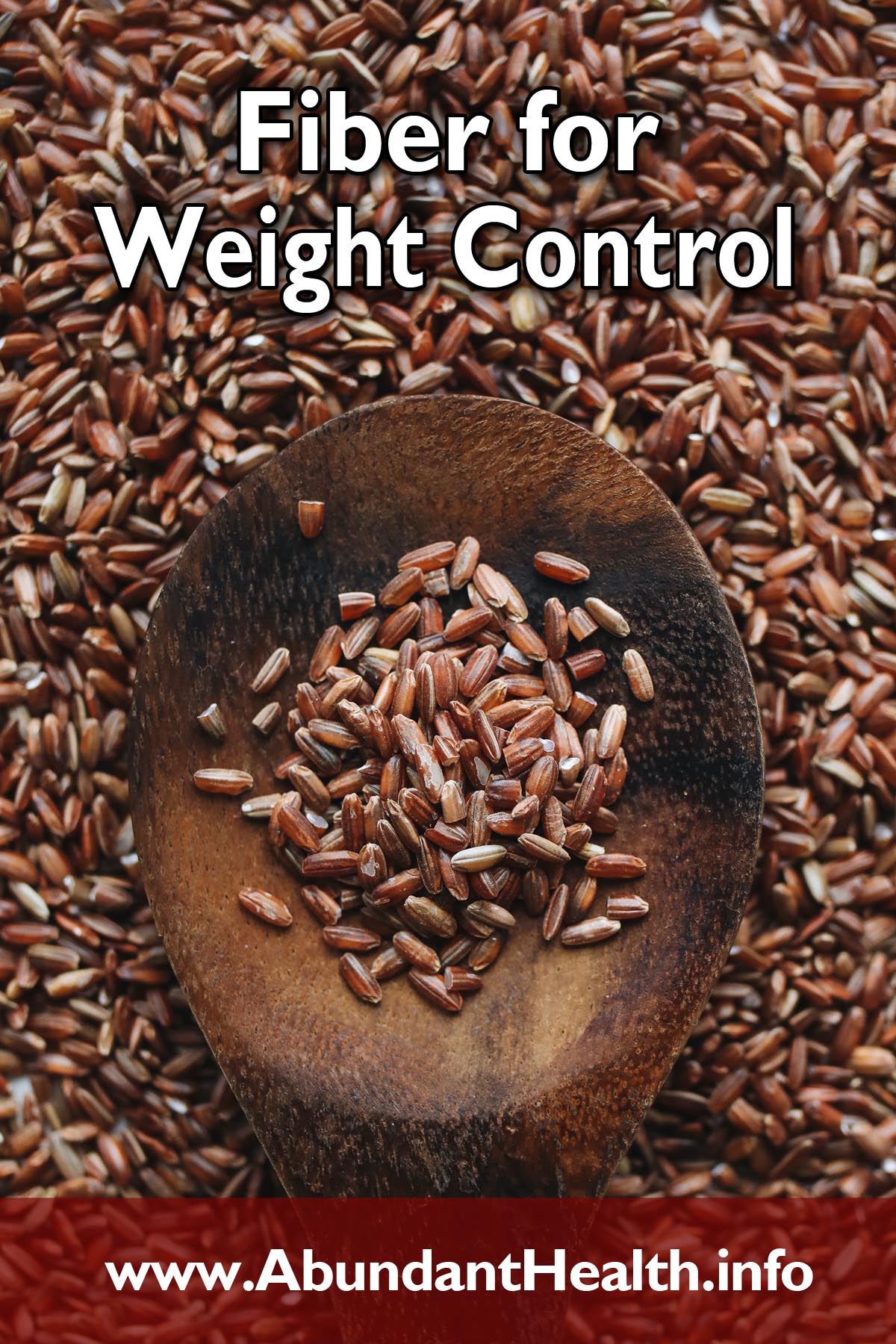
Fiber for Weight Control

December 24, 2023 by Christopher Damman - [rt_reading_time label="Reading Time:" postfix="minutes" postfix_singular="minute"]

Fiber for Weight Control

Fiber might just be the key to healthy weight management – and nature packages the carbs in perfectly balanced ratios when you eat them as whole foods. Think unprocessed fruits, vegetables, whole grains, beans, nuts and seeds. Research suggests that carbohydrates are meant to come packaged in nature-balanced ratios of total carbohydrates to fiber.((Fontanelli, M.M., Micha, R., Sales, C.H. et al. Application of the ≤ 10:1 carbohydrate to fiber ratio to identify healthy grain foods and its association with cardiometabolic risk factors. Eur J Nutr 59, 3269–3279 (2020). https://doi.org/10.1007/s00394-019-02165-4)) In fact, certain types of fiber affect how completely your body absorbs carbohydrates((Corbin, K.D., Carnero, E.A., Dirks, B. et al. Host-diet-gut microbiome interactions influence human energy balance: a randomized clinical trial. Nat Commun 14, 3161 (2023). https://doi.org/10.1038/s41467-023-38778-x)) and tells your cells how to process them once they are absorbed.((H. Douglas Goff, Nikolay Repin, Hrvoje Fabek, Dalia El Khoury, Michael J. Gidley, Dietary fibre for glycaemia control: Towards a mechanistic understanding, Bioactive Carbohydrates and Dietary Fibre, Volume 14, 2018, Pages 39-53, https://doi.org/10.1016/j.bcdf.2017.07.005.))

Fiber for Weight Control

Fiber slows the absorption of sugar in your gut. It also orchestrates the fundamental biology that recent blockbuster weight loss drugs like Wegovy and Ozempic tap into, but in a natural way. Your microbiome transforms fiber into signals that stimulate the gut hormones that are the natural forms of these drugs.((Silva YP, Bernardi A and Frozza RL (2020) The Role of Short-Chain Fatty Acids From Gut Microbiota in Gut-Brain Communication. Front. Endocrinol. 11:25. doi: 10.3389/fendo.2020.00025)) These in turn regulate how rapidly your stomach empties, how tightly your blood sugar levels are controlled and even how hungry you feel.((Deborah Hinnen; Glucagon-Like Peptide 1 Receptor Agonists for Type 2 Diabetes. Diabetes Spectr 1 August 2017; 30 (3): 202–210. https://doi.org/10.2337/ds16-0026))

It’s as if unprocessed carbohydrates naturally come wrapped and packaged with their own instruction manual for your body on how to digest them.

I am a physician scientist and gastroenterologist who has spent over 20 years studying how food affects the gut microbiome and metabolism. The research is clear – fiber is important not just for happy bowel movements, but also for your blood sugar, weight and overall health.

Carbohydrates without their wrappers

Unfortunately, most Americans get the majority of their carbohydrates stripped of their natural fibers. Modern processed grains like white rice and white flour as well as many ultraprocessed foods like some sugary breakfast cereals, packaged snacks and juices have removed these fibers. They essentially come unwrapped and without instructions for the body on how much it should absorb and how it should process them. In fact, only 5% of Americans eat the recommended amount of carbohydrates with enough of their natural packaging intact.((Quagliani D, Felt-Gunderson P. Closing America’s Fiber Intake Gap: Communication Strategies From a Food and Fiber Summit. American Journal of Lifestyle Medicine. 2017;11(1):80-85. doi:10.1177/1559827615588079)) Guidelines recommend at least 25 to 30 grams of fiber a day from food.((McKeown N M, Fahey G C, Slavin J, van der Kamp J. Fibre intake for optimal health: how can healthcare professionals support people to reach dietary recommendations?BMJ 2022; 378 :e054370 doi:10.1136/bmj-2020-054370))

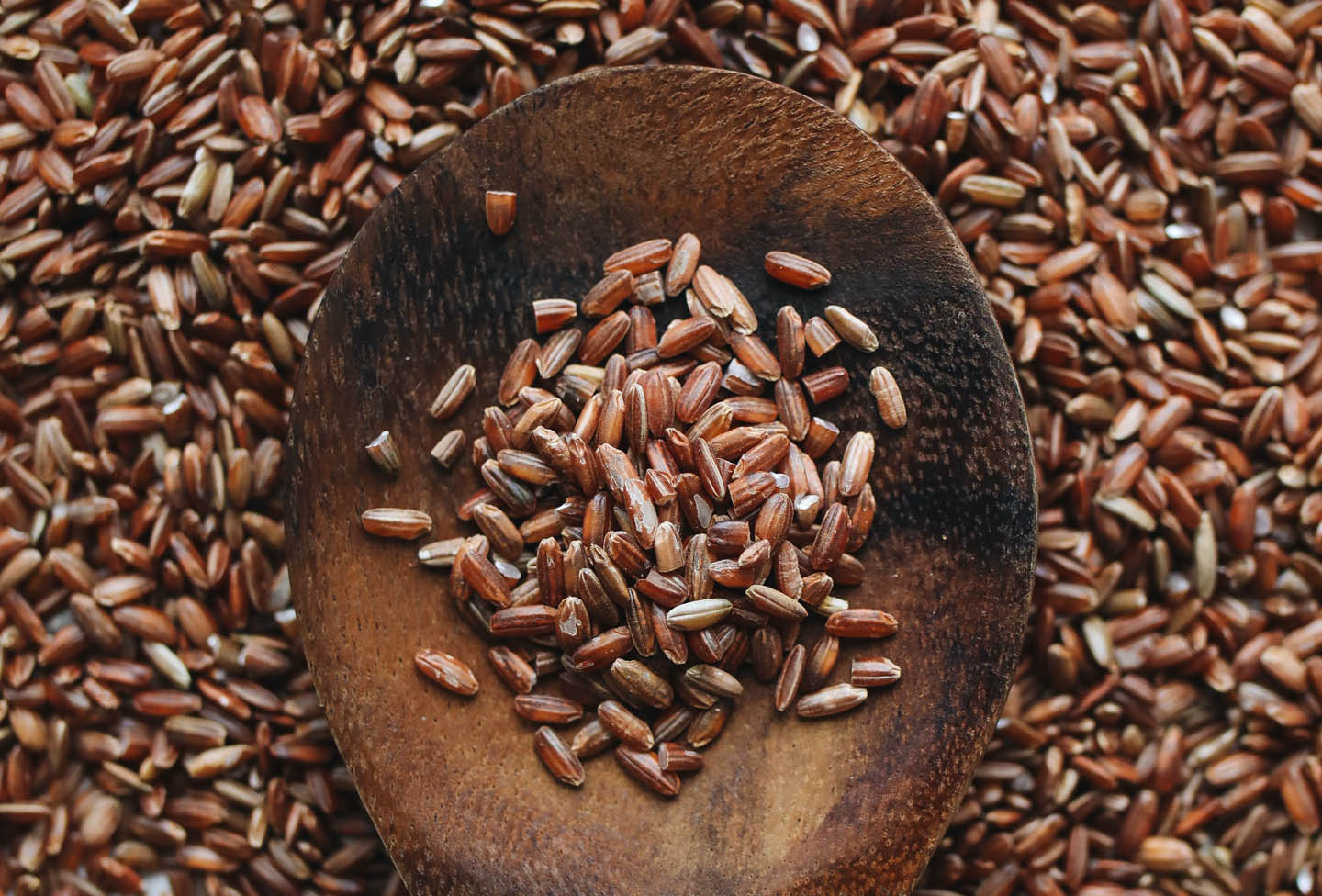
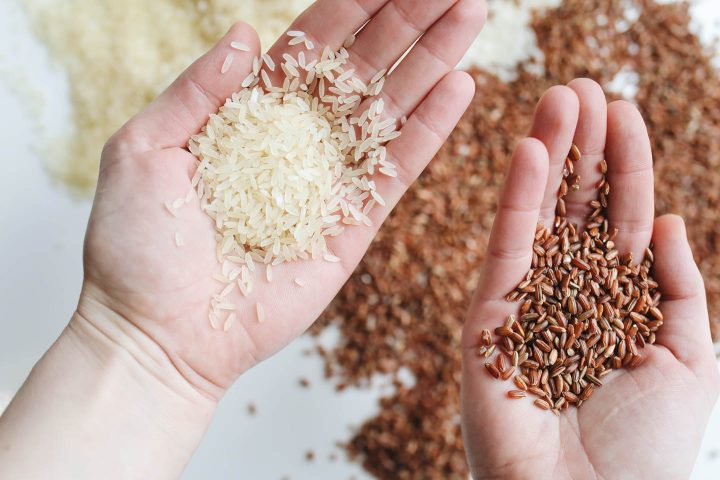
White and brown rice

It may not be surprising that lack of fiber contributes to diabetes and obesity.((Reynolds A et.al. Dietary fibre and whole grains in diabetes management: Systematic review and meta-analyses. https://doi.org/10.1371/journal.pmed.1003053)) What is surprising is that the fiber gap also likely contributes to heart disease,((O’Keefe S. The association between dietary fibre deficiency and high-income lifestyle-associated diseases: Burkitt’s hypothesis revisited. https://doi.org/10.1016/S2468-1253(19)30257-2)) certain types of cancer((Autumn G Hullings, Rashmi Sinha, Linda M Liao, Neal D Freedman, Barry I Graubard, Erikka Loftfield, Whole grain and dietary fiber intake and risk of colorectal cancer in the NIH-AARP Diet and Health Study cohort, The American Journal of Clinical Nutrition, Volume 112, Issue 3, 2020, Pages 603-612,
ISSN 0002-9165, https://doi.org/10.1093/ajcn/nqaa161.)) and maybe even Alzheimer’s disease.((Ticinesi, Andrea et al. ‘Interaction Between Diet and Microbiota in the Pathophysiology of Alzheimer’s Disease: Focus on Polyphenols and Dietary Fibers’. 1 Jan. 2022 : 961 – 982. DOI: 10.3233/JAD-215493))

One popular approach to mitigating some of the ill health effects of low fiber and high refined carbohydrates has been to limit carbohydrate intake.((Review of current evidence and clinical recommendations on the effects of low-carbohydrate and very-low-carbohydrate (including ketogenic) diets for the management of body weight and other cardiometabolic risk factors: A scientific statement from the National Lipid Association Nutrition and Lifestyle Task Force. https://doi.org/10.1016/j.jacl.2019.08.003)) Such approaches include the low-carb, keto, paleo and Atkins diets. Each diet is a variation on a similar theme of limiting carbohydrates to varying amounts in different ways.

There is scientific backing to the benefits of some of these diets. Research shows that limiting carbohydrates induces ketosis,((Crosby L, Davis B, Joshi S, Jardine M, Paul J, Neola M and Barnard ND (2021) Ketogenic Diets and Chronic Disease: Weighing the Benefits Against the Risks. Front. Nutr. 8:702802. doi: 10.3389/fnut.2021.702802)) a biological process that frees energy from fat reserves during starvation and prolonged exercise. Low-carbohydrate diets can also help people lose weight and lead to improvements in blood pressure and inflammation.((Zhu, H., Bi, D., Zhang, Y. et al. Ketogenic diet for human diseases: the underlying mechanisms and potential for clinical implementations. Sig Transduct Target Ther 7, 11 (2022). https://doi.org/10.1038/s41392-021-00831-w))

That said, some keto diets may have negative effects on gut health.((Paoli A, Mancin L, Bianco A, Thomas E, Mota JF, Piccini F. Ketogenic Diet and Microbiota: Friends or Enemies? Genes. 2019; 10(7):534. https://doi.org/10.3390/genes10070534)) It is also unknown how they may affect heart health, some forms of cancer and other conditions in the long term.((Mohammadifard N, Haghighatdoost F, Rahimlou M, Rodrigues APS, Gaskarei MK, Okhovat P, de Oliveira C, Silveira EA, Sarrafzadegan N. The Effect of Ketogenic Diet on Shared Risk Factors of Cardiovascular Disease and Cancer. Nutrients. 2022; 14(17):3499. https://doi.org/10.3390/nu14173499))

Keto diet food items

Even more confusing, research shows that people with diets high in plant-sourced carbohydrates, like the Mediterranean diet, tend to lead the longest and healthiest lives.((Capurso C. Whole-Grain Intake in the Mediterranean Diet and a Low Protein to Carbohydrates Ratio Can Help to Reduce Mortality from Cardiovascular Disease, Slow Down the Progression of Aging, and to Improve Lifespan: A Review. Nutrients. 2021; 13(8):2540. https://doi.org/10.3390/nu13082540)) How can this be reconciled with studies that suggest that low-carbohydrate diets can benefit metabolic health?

Is a carb a carb?

The answer may have to do with the types of carbohydrates that studies are evaluating.((Vanessa Campos et.al. Importance of Carbohydrate Quality: What Does It Mean and How to Measure It?, The Journal of Nutrition, Volume 152, Issue 5, 2022, Pages 1200-1206, https://doi.org/10.1093/jn/nxac039.)) Limiting simple sugars and refined carbohydrates may improve certain aspects of metabolic health, as these are some of the most easily digested and absorbed calories. But a more sustainable and comprehensive way of improving health may be increasing the percentage of unprocessed, more complex and slowly absorbed carbohydrates that come with their natural packages and instructions intact – those that have fiber.((P. NPV, Joye IJ. Dietary Fibre from Whole Grains and Their Benefits on Metabolic Health. Nutrients. 2020; 12(10):3045. https://doi.org/10.3390/nu12103045))

These natural carbohydrates can be found in whole grains, beans, nuts, seeds, fruits and vegetables. They come in ratios of total carbohydrate to fiber that rarely exceed 10-to-1 and are often 5-to-1 or lower.((Liu J, Rehm CD, Shi P, McKeown NM, Mozaffarian D, Micha R (2020) A comparison of different practical indices for assessing carbohydrate quality among carbohydrate-rich processed products in the US. PLoS ONE 15(5): e0231572. https://doi.org/10.1371/journal.pone.0231572)) Eating mostly whole foods is a simple way to ensure you’re consuming quality carbohydrates with the right ratios.

A rice plate with vegetables

But who doesn’t like to have a big bowl of pasta or cake with ice cream on occasion? Focusing on packaged processed foods that maintain carb-to-fiber ratios of at least as low as 10-to-1 or ideally 5-to-1 can help you make the best choices when picking more processed foods at the store. Take a look at the nutrition facts label and simply divide total carbohydrates by dietary fiber.

On occasions when you’re eating out or celebrating someone’s birthday, consider taking a fiber supplement with your meal. One pilot study found that a supplement containing a blend of fibers decreased the blood sugar spike((CHRISTOPHER J. DAMMAN, JUAN PABLO FRIAS, MARTIN L. LEE, LARS RIKSE, WING SHUN LAM, REN-HAU LAI, MARC WASHINGTON; 836-P: A Prebiotic Fiber Blend Improved Postprandial Glucose (PPG) and Time in Range (TIR) as Evaluated by Continuous Glucose Monitoring (CGM) in Healthy Subjects with Normal Glucose Tolerance. Diabetes 1 June 2022; 71 (Supplement_1): 836–P. https://doi.org/10.2337/db22-836-P)) (an increase in glucose levels in the blood that if too high can damage the body over time) after a meal in healthy individuals by roughly 30%.

Listen to your body

While almost all fiber is generally good for health in most people, not all fiber affects the body in the same way. Consuming a range of different types of fiber((O’Grady J, O’Connor EM, Shanahan F. Review article: dietary fibre in the era of microbiome science. Aliment Pharmacol Ther. 2019; 49: 506–515. https://doi.org/10.1111/apt.15129)) generally helps ensure a diverse microbiome, which is linked to gut and overall health.

But certain medical conditions might preclude consuming certain types of fiber. For example, some people can be particularly sensitive to one class of fiber called FODMAPS – fermentable oligosaccharides, disaccharides, monosaccharides and polyols – that are more readily fermented in the upper part of the gut and can contribute to symptoms of irritable bowel syndrome like bloating and diarrhea.((Gibson PR, Halmos EP. The FODMAP diet: more than just a symptomatic therapy? https://doi.org/10.1136/gutjnl-2021-326284)) High-FODMAP foods include many processed foods that contain inulin, garlic powder and onion powder, as well as whole foods including those in the onion family, dairy products, some fruits and vegetables.((Try a FODMAPs diet to manage irritable bowel syndrome. Harvard Health Publishing, March 15, 2022))

Listen to how your body responds to different high-fiber foods. Start low and go slow as you reintroduce foods like beans, seeds, nuts, fruits and vegetables to your diet. If you have trouble increasing your fiber intake, talk with your health care provider.

Tools like this online calculator I’ve created can also help you find the highest-quality foods with healthy fiber and other nutrient ratios. It can also show you what proportions of fiber to add back to sugary foods to help achieve healthy ratios.

I wouldn’t endorse eating sweets all the time, but as my three daughters like to remind me, it’s important to enjoy yourself every once in a while. And when you do, consider putting the carbs back in their fiber wrappers. It’s hard to improve upon nature’s design.

Healthy Fruits

Stay Always Up to Date

Sign up to our newsletter and stay always informed with news and tips around your health.

Sign Up Now!

This article is republished from The Conversation under a Creative Commons license. Read the original article.

The Conversation

Filed Under: Body Systems, Digestive Tract, Nutrition, Obesity Tagged With: Fiber, microbiome, weight control

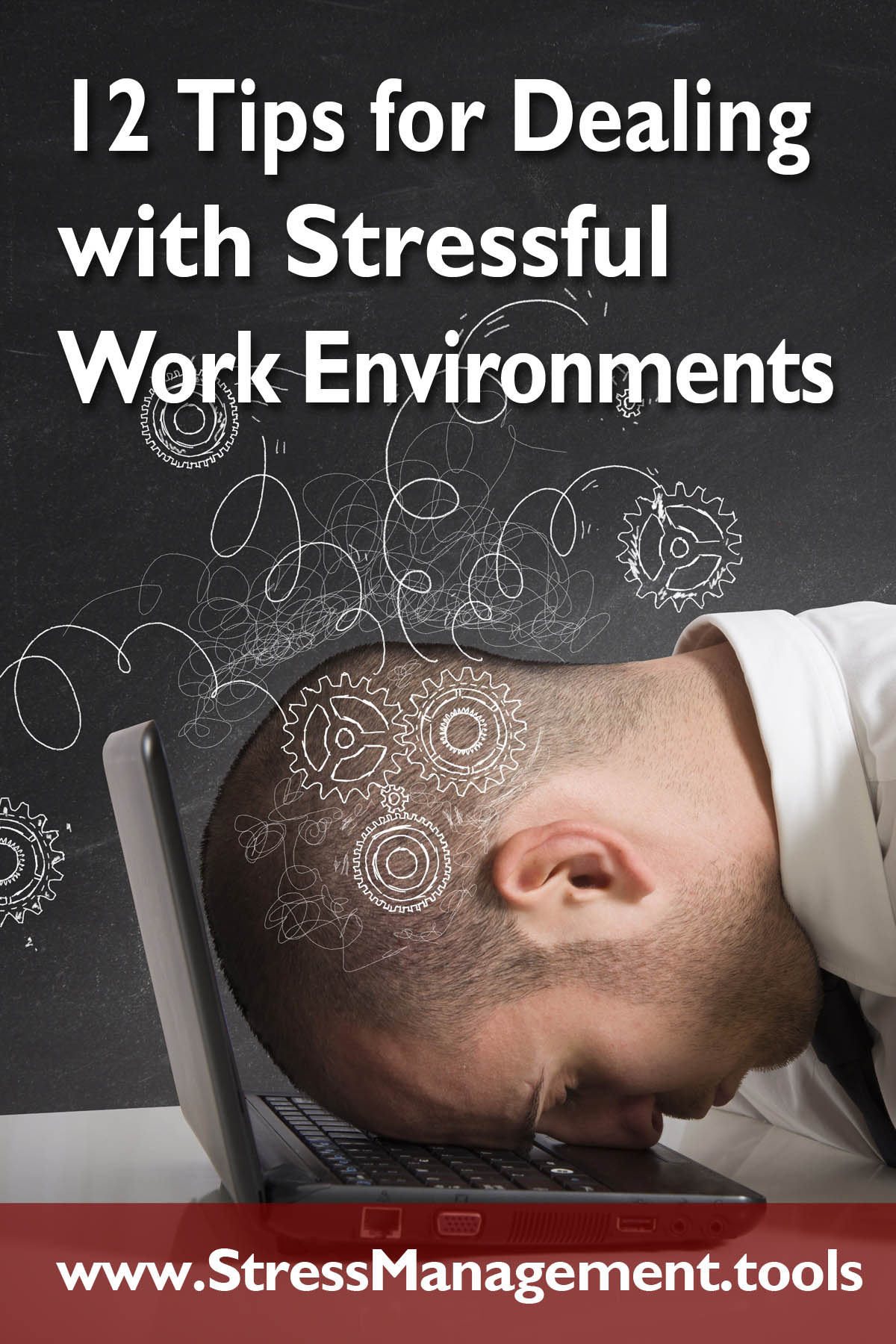
12 Tips for Dealing with Stressful Work Environments

December 17, 2023 by Martin Neumann - [rt_reading_time label="Reading Time:" postfix="minutes" postfix_singular="minute"]

12 Tips for Dealing with Stressful Work Environments

Do you dread getting out of bed every day to go to work because your work environment is too stressful? You are not alone. 75% of employees believe that workers have more on-the-job stress than a generation ago. 62% of US workers reported having high levels of stress, involving extreme fatigue or feeling out of control. And working women tend to report higher stress levels than men.((All statistics from: Workplace Stress. American Institute of Stress))

12 Tips for Dealing with Stressful Work Environments

For many it is not only the excessive workload that causes them stress, but also people issues and the work environment.  You may find that the people you work with are intolerable or that the setup of your workplace is simply not conducive to getting things done efficiently. Dealing with stressful work environments is something many of us have to face every day, but you don’t have to let it get you down.  Instead, by learning how to deal with your stress at work you’ll be able to boost your energy and reduce frustration.

How to Deal with Stressful Work Environments

Establish a stress-reducing morning routine. When you drown a coffee in the morning, rush your kids to school, and face the traffic madness on the way to work, probably you are already stressed before starting your work. Be sure you get up early enough to eat a substantial and healthy breakfast, do your household duties without stress, and ideally get some form of exercise, even if it is a few minutes walking around the block before you slip through the office door.

Create a daily to-do list. Many times, when we are stressed out, it’s because we are not clear on what needs to be done, and important tasks may even fall through the cracks so they need to be done under time pressure. This causes our stress levels to rise quickly and uncontrollably. When you create a to-do list, it won’t matter how hectic the office gets, you’ll have a list in front of you that’ll remind you what needs to get done for that day. You’ll feel more in control when you organize your day and you’ll be able to find some peace in the chaos surrounding you.

Be clear about your priorities. Having a to-do list is a good start, but having too many items on the list is often a source of stress. Figure out every morning what are the priorities that need to get done and focus on the most important task of this list. Don´t worry about the other items on the list, you are not supposed to finish it all in one day. If your supervisor defines your schedule, check in to figure out the priorities that are most important for the day. Being clear on the priorities makes you fret less about the secondary tasks.

To do list

Practice good time management. Efficiently manage your time by setting realistic deadlines and avoiding procrastination. If you are a perfectionist, you may fall for the temptation to spend too much time on a task to get it perfect and neglect some other things in the process that get undone for lack of time. Estimate how much time you want to spend on every task, and once the time is over, look at how you can wrap it up. Sometimes we underestimate the work involved and will need some extra time, but if you are tempted to spend your time in an endless routine of polishing your work, step back for a minute and remind yourself about the other tasks that need your attention, so you do not lose out on the big picture. Be sure to schedule your jobs well ahead of their deadlines, so you do not need to accomplish them under stressful time pressure.

Take short breaks. When we are under pressure, we often think that breaks are a luxury we cannot afford. We are trying to push through the day, but pretty soon stress is piling up until we are losing our minds. Actually, we will be much more productive when scheduling some regular 5-minute breaks in a 40 to 60 minute interval. Take just a moment to get up, walk around the block, watch the birds outside the window, or get a glass of water. Then you get back to work with new energy and a concentrated mind. Soon you will realize how you can handle your workload with ease.

Detach and recover after work. Work stress tends to pile up throughout the day, and long after we have left through the office door, the work challenges are still ruminating in our minds. We can break the cycle and engage in a recovery activity right after work. Listen attentively to music on your way home. Classical music will be especially effective since it involves you mentally. Get out into nature and actively observe your environment. Watch a squirrel finding a nut or a duck caring for her chicks. Engage in a hobby when coming home, and as paradox as it seems, the more engaging and demanding the free time activity you choose, the better you can recuperate from work stress. And resist the temptation to take work home or to answer work emails in the after-hours.

Avoid distractions and multitasking. Sometimes we think the more projects we handle at the same time, the more we will get done. Actually, exactly the opposite is true. Trying to divide the attention between two tasks is a surefire recipe for becoming inefficient. Our minds are simply not made to process two things at the same time. For maximum performance, we need to concentrate on the task at hand. Get your to-do list and determine the most important task to tackle first. Then you do not touch anything else until the task is done. Be sure to switch off your cell phone and the “You´ve got mail” alerts. Let your co-workers know that you need some distraction-free time. As soon as you have got your focus on the job, go for it with all your attention.

Establish healthy boundaries. If you are known for taking on the challenges of everybody else in the company, it is a surefire way to get burnout. People get lazy if they know there is somebody else to resolve what they did not manage to do. Avoid overcommitting to other people’s projects, when you have already too much on your plate for yourself. Be very clear in communicating your boundaries and limitations. If you have planned a weekend outing with your family, make it clear that you are not available to work overtime. Everybody needs to carry a fair share of their workload and responsibilities for themselves.

Create a space conducive to concentration. If your office is open-concept, you may find the hustle and bustle around you to be distracting. If this is the case, try setting up your workspace so that everything you need is right in front of you, so you don’t have to continually get up to grab stuff.  Also, try putting up a privacy screen (if possible), or rearranging your furniture or computer screen to create a barrier of sorts between you and the rest of the office.

An office space with drawer placed to produce privacy

Be proactive in your communication. It is very tempting to assume that everybody else knows what is in your head and is on the same page with you. But in reality, misunderstandings happen frequently because of poor communication. Be sure to frequently align your priorities with your colleagues and supervisors. Assure that everybody is pulling in the same direction. When problems arise, be sure to express your thoughts calmly and assertively. Avoid bottling up emotions until you explode. And always be open for constructive feedback without going into defense mode.

Learn to delegate. It is tempting to think that you are always the best person to get the job done and there is nobody else to replace you. Continue to think like that for a while until you are burned out and have to delegate your work to somebody else. More often than we think somebody else can do your work just as well and you can give your colleagues a chance to develop new skills. Once you have delegated something, do not go back to fuss around with the work you have passed on to somebody else. Accept that your colleague may do things slightly differently. Focus on the tasks that you do best and that really will turn the ship around, but let others handle some of your nitty gritty stuff that is easy to resolve.

Move around within the company or find a better fit elsewhere.  Many people simply cannot overcome the stressful environment in which they work.  Besides, no one should work in a situation where they always feel on edge!  If you have a job that is too demanding or rarely allows you to tend to your personal life, then it may be time to find a better fit. The same is true if you feel yourself at the wrong place. Nothing is more stressful than doing something all day long that you do not like. Getting a new job can be stressful in itself, but when you find something that is right for you, you’ll notice the old way of stressful living will dissipate and you’ll be left with a happier, healthier, and more peaceful life.

Workplace stress is at an all-time high, but in many cases, you’ll be able to overcome this stress using the workplace stress tips mentioned above. If the work environment becomes too stressful and toxic to deal with, you’ll want to take action.  After all, you must put yourself first if prolonged and unmanaged stress becomes destructive to your body and mind.

Do you need a guide to help you understand how to cope with Stress in an all inclusive approach? Learn how to combat stress, mentally, physically, emotionally and strategically in your life.

Get Me the Guide

Filed Under: Mental Health, Stress Management Tagged With: work stress

Mind/Body Health Connections

December 10, 2023 by Vicki Griffin - [rt_reading_time label="Reading Time:" postfix="minutes" postfix_singular="minute"]

Mind/Body Health Connections

It was 1944 and winter in Auschwitz, the concentration camp for Jewish prisoners in World War II. Dr. Viktor Frankl was a prisoner there. He noted the effects of discouragement and loss of hope on prisoners: He recorded that in December “the prisoners had lived in the naïve hope that they would be home again by Christmas. As the time drew near and there was no encouraging news, the prisoners lost courage and disappointment overcame them. This had a dangerous influence on their powers of resistance and a great number of them died.”((Frankl V. Man’s Search for Meaning.Simon and Schuster, New York, NY. 1984. p. 84.))

Mind/Body Health Connections

Can Attitude Really Make a Difference?

Science confirms the link between mindset and physical and mental health: “A person’s psychological state is a prominent factor in health.”((Beaton R. Effects of Stress and Psychological Disorders on the Immune System (article).)) “Attitude, social networks, and a healthy diet are woven together in their importance for physical and mental health.”((Ibid, quotation by Kathryn O. Tacy.)) These factors affect the immune system and how a person takes care of themselves.

Attitudes such as forgiveness, faith, optimism, happiness, perseverance under stress, and trust in God are linked with reduced risk for heart disease, high blood pressure, infection, ill health, and countless stress-related conditions. These attitudes also lessen the severity of illness and speed recovery when it occurs.((Ibid.))

A steady state of grief, worry, hostility, unforgiveness, hopelessness, and depression increase the risk of infection, inflammatory conditions and disease, and slower recovery from sickness.((Ader R. Psychoneuroimmunology. Elsevier Press, USA, 2007. p. 766.))

Many factors contribute to disease. Positive, perky people get sick, and critical, crabby people escape illness. However, a positive mind set is as important to good health as better-known factors such as exercise, and diet. The mind and body are intimately connected.

Remove that “Worry Wart”

Do you have a “worry wart” that needs removal? Are you plagued by a negaholic, naysayer attitude that sends you on mountain-climbing trips over molehills? Practicing the following seven suggestions may help tip your mental scales toward the positive side of life:

1. Smile. Smiling is free—but its benefits are priceless. It lowers stress hormones in the brain, improves memory and learning, and powers up the body’s immune system. It also improves your looks!

2. Express Gratitude. People who express gratitude tend to live longer, healthier lives, have stronger bones, fewer heart attacks, and lower blood pressure. Mentally rehearsing or writing a list of daily blessings is a powerful buffer against mental depression and physical illness.

3. Focus on Positives.  Continually ruminating over sad events or worrisome thoughts over stimulates a part of the brain known as “area 25” which is linked to many kinds of depression. A researcher noted: “Attitude is one thing humans have great control over, but for the most part people choose to let their attitude run them, or they think their situation has to change before their attitude can change, which is usually not the case.”((Ref. 2 and 3.)) Concentrating on positive solutions and opportunities will help “tone down” area 25 and turn off negative ruminating.

A positive looking woman expressing hope

4. Forgive. Harboring anger and grudges hurts the heart, increases stress hormones, blood pressure, and increases a host of physical diseases and mental maladies. An act may not be excusable, but it is forgivable. Charlotte Witvliet, PhD, notes that when people think about their offenders in more forgiving ways their emotional health, sense of control, and physical health improve. Forgiving others and also forgiving oneself allows you to let the injury go. The healing spirit of forgiveness is a gift that God will bestow to all who ask.

5. Get up, don’t give up. Successful people are not mistake free—they just refuse to give up. Can you think of a mistake you made that taught you some valuable lessons and caused you to move forward with a new and better plan? Maybe it was not funny at the time, but now it may even put a smile on your face as you think about it now.

6. Nurture your brain and body. Nutrition and lifestyle powerfully effect brain function, mood, memory, and learning. According to Andrew McCulloh, Director of the Mental Health Foundation, UK, we are just beginning to understand the profound link between nutrition and mental health.

Eating whole grains, fresh fruits and vegetables, nuts, and beans has a long-term mood and brain boosting effect that no snack cake can rival! Drinking water instead of caffeinated and sugary beverages improves alertness naturally. Adequate rest is essential for resisting fatigue and irritability. And daily exercise—especially in the sunshine and fresh air, has a calming, stress-lowering effect often more powerful than antidepressants.

7. Get busy about others. Offer to help someone in some way—even a little courtesy like opening a door for someone else—can boost your own health and may even help relieve depression. Studies show that those who spend regular time helping others not only cut their overall risk of death by 35%, but also improve heart health and quality of life.

Call to Action: The Living Word

Chronic anxiety and fear are the opposite of trust. Trusting in God is the most potent weapon against mental and physical illness.

“Trust in Him at all times, you people; pour out your heart before Him; God is a refuge for us.”

Psalm 62:8

God has promised to fill you with hope and peace as you trust in Him. When trouble comes, when you are perplexed, when you need a friend, God is there to calm your heart and deliver you. He has a plan for your future, guidance for each day, strength to impart during times of trial and grace to give you courage when you make mistakes. He has a plan for successful, abundant living. He is ready today to help you make choices that benefit your brain-body connection—and experience the difference it makes! He invites you to come to Him for spiritual rest and power for abundant living. Will you receive His plan?

Healthy Fruits

Stay Always Up to Date

Sign up to our newsletter and stay always informed with news and tips around your health.

Sign Up Now!

This article was originally published on the Time to Get Ready website.

Visit LifestyleMatters.com for more resources.

Filed Under: Mental Health, Psychosomatic Diseases Tagged With: mind body connection

« Previous Page
Next Page »

Primary Sidebar

Social Channels

Coronavirus Immunity Challenge

Boost your immune system to be bullet-proof for the pandemic.

I Want to Participate

Recent Posts

  • 5 Habits to Live Longer
  • Better Sleep Can Protect Against Dementia
  • Finding Peace In Your Crazy-Busy World
  • Flaxseed – An Ancient Plant Rediscovered
  • Platelets – Triggers for Life or Death
  • Boderline Personality Disorder
  • In Praise of Almonds and Nuts
  • Are You Stuck in the Clutter Trap?

Categories

  • Body Systems (16)
    • Cell Function (2)
    • Circulatory System (1)
    • Digestive Tract (10)
    • Immune System (4)
  • Diseases (27)
    • Cancer (2)
    • Cold (1)
    • COVID-19 (11)
    • Dementia (1)
    • Diabetes (1)
    • Digestive Diseases (2)
    • Heart Disease (2)
    • Kidneys (1)
    • Metabolic Syndrome (2)
    • Skin (1)
  • Healthy Lifestyle (42)
    • Exercise (11)
    • Gardening (2)
    • Sleep (7)
    • Sunlight (2)
    • Temperance (14)
    • Water (4)
  • Mental Health (87)
    • Addictions (6)
    • Anxiety (7)
    • Burnout (1)
    • Depression (7)
    • Psychosomatic Diseases (6)
    • Stress Management (45)
    • Trust (6)
  • Nutrition (56)
  • Obesity (9)
  • Phases of Life (14)
    • Adults (3)
    • Babies and Infants (1)
    • Children (3)
    • Seniors (5)
    • Teenagers (3)
  • Therapies (7)
    • Herbs (5)
    • Hydrotherapy (1)
  • Uncategorized (3)

Archives

  • January 2025 (1)
  • March 2024 (5)
  • February 2024 (4)
  • January 2024 (4)
  • December 2023 (5)
  • November 2023 (4)
  • October 2023 (5)
  • September 2023 (4)
  • August 2023 (3)
  • July 2023 (2)
  • June 2023 (4)
  • May 2023 (4)
  • April 2023 (5)
  • March 2023 (4)
  • February 2023 (4)
  • January 2023 (4)
  • December 2022 (4)
  • November 2022 (4)
  • October 2022 (5)
  • September 2022 (4)
  • August 2022 (4)
  • July 2022 (5)
  • June 2022 (4)
  • May 2022 (5)
  • April 2022 (4)
  • March 2022 (4)
  • February 2022 (4)
  • January 2022 (5)
  • December 2021 (3)
  • November 2021 (4)
  • October 2021 (6)
  • September 2021 (4)
  • August 2021 (4)
  • July 2021 (5)
  • June 2021 (4)
  • May 2021 (3)
  • April 2021 (5)
  • March 2021 (4)
  • February 2021 (4)
  • January 2021 (5)
  • December 2020 (3)
  • November 2020 (4)
  • October 2020 (5)
  • September 2020 (5)
  • August 2020 (3)
  • July 2020 (1)
  • June 2020 (1)
  • May 2020 (1)
  • April 2020 (1)
  • March 2020 (1)

Copyright © 2026 · Abundant Health - Privacy Policy - Medical Disclaimer