Abundant Health

Up to date health information tailored for you

  • Home
  • Blog
  • Recipes
  • Shop
  • Contact
You are here: Home / Archives for Diseases

Diseases

Super Foods That Fight Cancer

February 5, 2023 by Vicki Griffin - [rt_reading_time label="Reading Time:" postfix="minutes" postfix_singular="minute"]

Foods fighting cancer

Cancer. The very word strikes fear, and with good reason. Each year nearly 14 million people worldwide are diagnosed with cancer, and 7.6 million die from the disease.((http://www.cancer.gov/about-cancer/what-is-cancer/statistics)) However, evidence shows that 30-40 percent of these deaths are preventable, and one-third can be cured through early diagnosis and treatment.
Super Foods That Fight Cancer

We look for a magic bullet, a single cause and cure, but in vain. Cancer is not just one disease — it is a group of more than 100 diseases. There are many factors — genetic, environmental, lifestyle, some mysterious. The search for a cure is a multi-billion dollar industry, ranging from conventional to exotic.

An important weapon is found in the produce department of your grocery store. It is nature’s “Department of Defense.” Foods high in saturated fat and low in plant fiber increase the risk of numerous types of cancer and obesity.((Food, Nutrition, Physical Activity, and the Prevention of Cancer. AICR Report.
Acta Biomed 2006; 77(2):118-123.)) Fight back! Eat plenty of fresh fruits, vegetables, whole grains, and beans to reduce your risk of developing cancer and help you fight a better battle if cancer does occur.

Research published by the American Institute for Cancer Research (AICR) and others show several categories of nutrients and foods that have been shown to provide powerful benefits in preventing and fighting certain cancers.((Food, Nutrition, Physical Activity, and the Prevention of Cancer. AICR Report.)) According to the AICR, at least two thirds of your plate should contain colorful, cancer-fighting vegetables, fruit, whole grains, and/or beans.((AICR report: Foods That Fight Cancer. 2007)) AICR has an online nutrition guide.((A Cancer Nutrition Guide—American Institute for Cancer Research.)) Here are just a few cancer-fighting superheroes featured in a recent AICR report, Foods That Fight Cancer:((http://www.aicr.org/foods-that-fight-cancer/))

Beans. This includes all bean varieties (pinto, black, chickpeas/garbanzo, lima, soybeans, etc.), peas (green peas, split peas), and lentils. These high-fiber winners contain saponins, protease inhibitors, and phytic acid. Also known as phytochemicals, they protect cells from genetic damage that can lead to cancer. Protease inhibitors slow the division of cancer cells, and phytic acid slows tumor progression. The soluble fiber in beans helps regulate insulin and blood sugar.
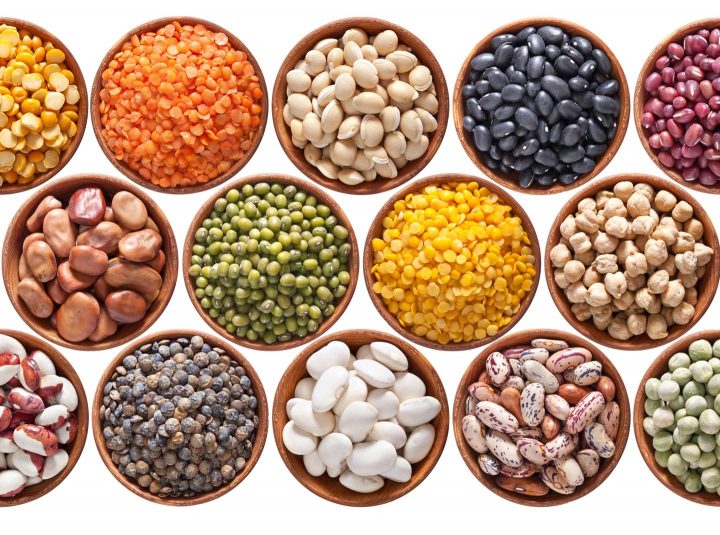
Bowls with different beans and legumes

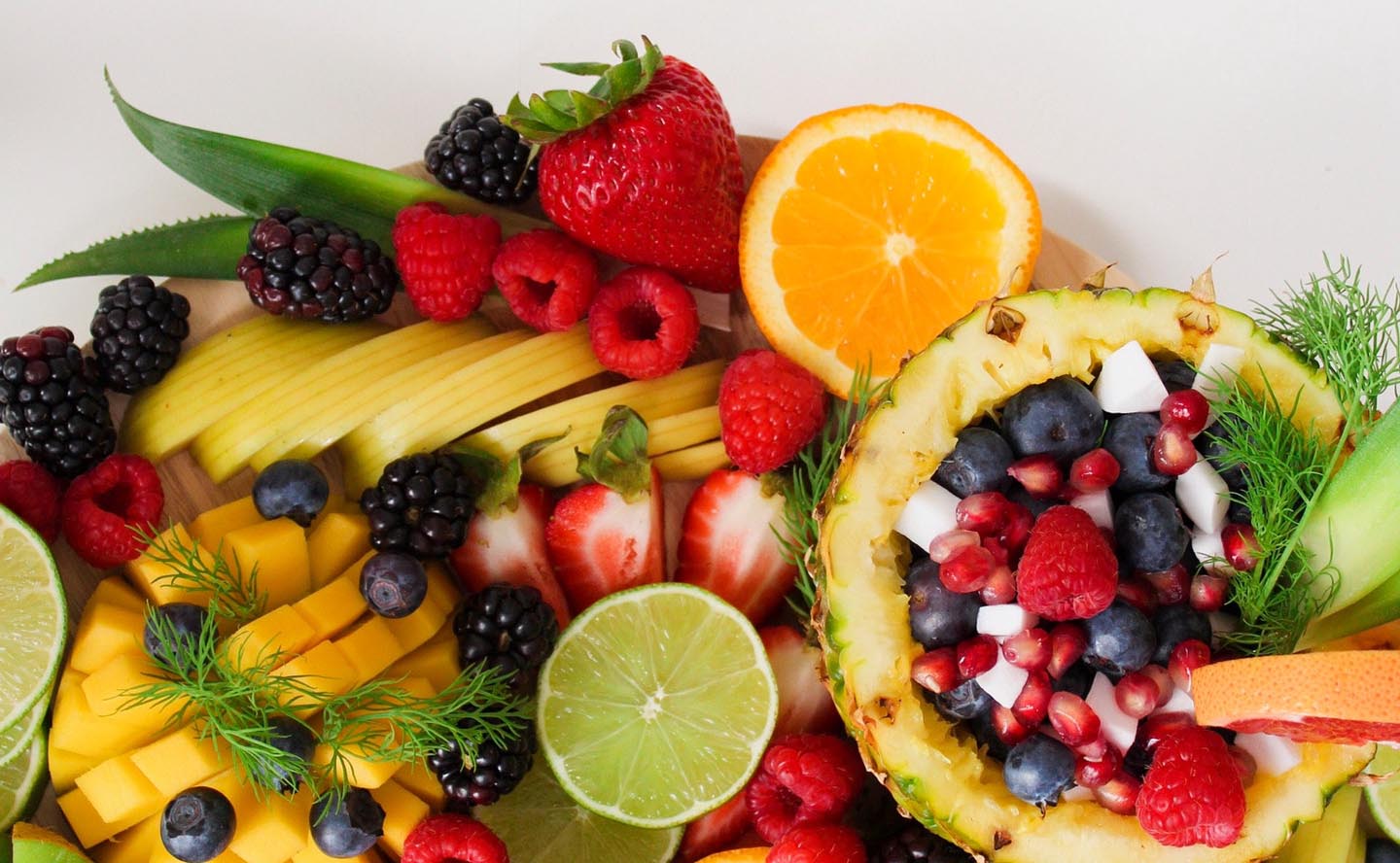
Berries and Grapes. Berries are rich in fiber and vitamin C. They also contain phytochemical ellagic acid (especially strawberries and raspberries). Ellagic acid has shown protective benefits against cancers of the skin, bladder, lung, and esophagus in laboratory studies. Its antioxidant properties can deactivate certain cancer-causing agents and slow cancer cell growth.

Blueberries contain compounds that reduce DNA damage. Red grapes, and to a lesser extent grape juice, contain resveratrol, a compound that has been shown to slow cancer cell growth and inhibit tumor formation in lymph, liver, stomach, skin, and breast cells.

Cruciferous Vegetables. These include broccoli, cauliflower, cabbage, Brussels sprouts, bok choy, and kale. They contain numerous compounds called phenols that activate enzyme systems that detoxify cells, diffuse cell damage, and inhibit tumor growth. Human studies link high intake of these vegetables with lower risk for lung, stomach, colorectal, prostate, and bladder cancer.

Dark Leafy Greens. Spinach, kale, romaine and leaf lettuce, mustard and collard greens, and Swiss chard pack a punch when it comes to fiber, folate, minerals, and carotenoids such as lutein and zeaxanthin. Carotenoids not only help prevent cancer via antioxidant protection, they also may inhibit the growth of certain types of breast and skin cancer cells. They are also associated with lower lung and stomach cancer incidence. Folate is linked to lower colorectal and ovarian cancer risk. Try lightly steamed greens with a drizzle of olive oil, lemon, and salt for a tasty treat.

Tomatoes. Tomatoes form part of a tasty team of red foods that contain lycopene, a powerful carotenoid that fight cancer. Other members of this flashy family include red or pink fruits such as watermelon, papaya, pink guava, and pink grapefruit. Lycopene in tomatoes shows inhibitory effects on breast, lung, and endometrial cancer cells.
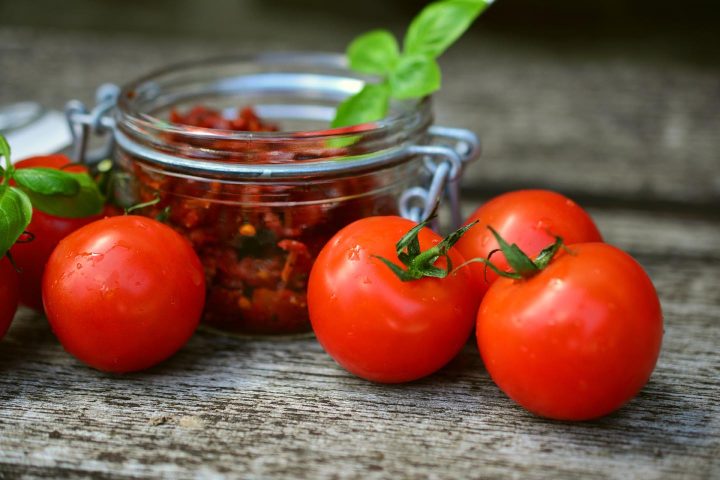
Fresh and dried tomatoes

Whole Grains. Whole wheat products, brown rice, whole grain oats, corn, and kasha are high in fiber and nutrition, but low in calories. They contain varying amounts of antioxidants, phenols, lignans, phytoestrogens, and saponins, which decrease cancer risk in general. Data from 40 different studies showed a 34 percent lower risk of cancer overall in those who have a generous intake of whole grains compared to those who eat very little whole grains.

Positive lifestyle steps can help prevent cancer. Fill your cart with a wide variety of fruits and vegetables — nature’s cancer fighters. They’re colorful, tasty, and inexpensive.

Other strategies. Foods high in saturated fats and low in fiber, obesity, and sedentary habits are all linked to increased cancer risk and lower survival rates when cancer does occur.((Am J Clin Nutr 2006; 84(6):1456-62.)) Fight back! Healthy lifestyle habits to fight cancer include not only healthful foods but also daily exercise, sunshine (for vitamin D), maintaining a healthy weight, stress management, social support, adequate rest, and leaving alcohol and tobacco alone.

The Living Word

We live in a world of trouble and sin where bad things happen that we do not understand. But God has given us principles that promote health and invites us to Him with our trials and fears. He promises:

Strength and comfort when sickness occurs. “The LORD will strengthen him on his bed of illness; You will sustain him on his sickbed.” Psalm 41:3

Wisdom and guidance for each day. “I will instruct you and teach you in the way you should go; I will guide you with My eye.” Psalm 32:8

Hope and healing for the future. For the believer, the promise of the resurrection and earth made new guarantee healing beyond the uncertainties we face here. “And no inhabitant will say, ‘I am sick’; the people who dwell there will be forgiven their iniquity.” Isaiah 33:24 “And God will wipe away every tear from their eyes; there shall be no more death, nor sorrow, nor crying. There shall be no more pain, for the former things have passed away.“ Revelation 21:4

Call to Action

God invites you to put your trust in Him for physical, mental, and spiritual health knowing that eternal life with no more pain and suffering is sure to come!
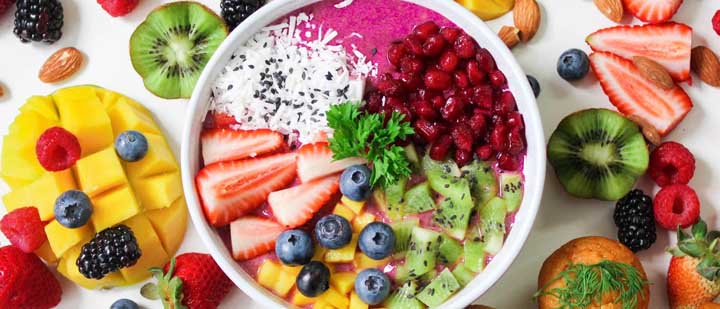
Healthy Fruits

Stay Always Up to Date

Sign up to our newsletter and stay always informed with news and tips around your health.

Sign Up Now!

This article was originally published on the Time to Get Ready website.

Visit LifestyleMatters.com for more resources.

Filed Under: Cancer, Diseases, Nutrition Tagged With: super foods

Natural Treatments for Long COVID

December 18, 2022 by Martin Neumann - [rt_reading_time label="Reading Time:" postfix="minutes" postfix_singular="minute"]

Long COVID

Long COVID involves a wide range of symptoms and conditions that can last for weeks, months or even longer. In many cases it can have some quite debilitating effects. In this article we will look into some possible mechanisms where long COVID could come from, and what we can do to treat naturally the multiplicity of symptoms it can cause in our body.

Natural Treatments for Long COVID

A symptom is considered to be Long COVID if it lasts for more than 4 weeks after the illness has passed. Long COVID is more common among those who had a severe COVID-19 infection, but it can occur even among those who had an asymptomatic infection. The risk seems to increase also with age, and is less common in children and adolescents than in adults. Symptoms seem to be more common in women as well. There are more than 200 different symptoms listed in various studies. The more common ones include:

  • extreme fatigue or tiredness that interferes with daily life
  • shortness of breath, heart palpitations, chest pain or tightness
  • cough
  • hoarse voice
  • difficulties with memory and concentration (brain fog)
  • changes to taste and smell
  • joint and muscle pain
  • problems sleeping
  • numbness or pins and needles
  • changes in mood (anxiety, depression or stress)
  • heart pounding or racing or heart palpitations
  • joint pain
  • muscle pain
  • headache
  • rash
  • low-grade fever
  • nausea and vomiting
  • hair loss and skin changes
  • reduced appetite and weight loss
  • dizziness when standing up (lightheadedness)((Understanding post-COVID-19 symptoms and long COVID https://www.healthdirect.gov.au/covid-19/post-covid-symptoms-long-covid
    Long COVID or Post-COVID Conditions https://www.cdc.gov/coronavirus/2019-ncov/long-term-effects/index.html ))

Fatigue is the most common post COVID symptom. Some studies show the close parallel between long COVID and chronic fatigue symptom, which is getting triggered by some kind of viral infections. This symptom is being studied for a while, but not much advance was made in viable treatment options. Because of the similarities, research in this condition called myalgic encephalomyelitis/chronic fatigue syndrome, or shortened as ME/CFS is giving some clues about possible mechanisms and treatment options of long COVID.

There is still much uncertainty what is causing long COVID. Some aspects can be explained by the damage of the proper virus. We know that even the isolated spike protein of the virus can cause organ damage. Others think that the infection is putting the immune system in overdrive, meaning that it attacks not only the virus, but the proper organs of the body. One study found unusually low cortisol levels and unusual activities of the immune system, that could point to a resurging dormant infection, for example Epstein Barr virus.((Klein J. et.al. Distinguishing features of Long COVID identified through immune profiling https://doi.org/10.1101/2022.08.09.22278592 ))

Brain fog

There is also no clearcut data of the prevalence of long Covid. One study showed 50.2% of positive COVID-19 cases to develop long COVID symptoms.((Miranda D. et.al. Long COVID-19 syndrome: a 14-months longitudinal study during the two first epidemic peaks in Southeast Brazil. Transactions of The Royal Society of Tropical Medicine and Hygiene, Volume 116, Issue 11, November 2022, Pages 1007–1014, https://doi.org/10.1093/trstmh/trac030)) That applied though to the first wave of the original virus and among patients that were sick enough to look for care at the emergency room of the hospital. In the US about 16 million people in the working age have some form of long COVID, and 2 to 4 million of those are estimated to be unable to work because of long COVID symptoms.((Bach K. New data shows long Covid is keeping as many as 4 million people out of work. https://www.brookings.edu/research/new-data-shows-long-covid-is-keeping-as-many-as-4-million-people-out-of-work/ )) In the UK it is estimated that 2.1 million people, which is 3.2% of the population, has developed some form of long COVID symptoms.(( Prevalence of ongoing symptoms following coronavirus (COVID-19) infection in the UK: 3 November 2022 https://www.ons.gov.uk/peoplepopulationandcommunity/healthandsocialcare/conditionsanddiseases/bulletins/prevalenceofongoingsymptomsfollowingcoronaviruscovid19infectionintheuk/3november2022 ))

It is possible to develop the same kind of symptoms from the vaccine.((So hoch ist Ihr Long-Covid-Risiko, wenn Sie sich jetzt infizieren Focus 31.10.2022)) Considering that the vaccine produces a large number of spike proteins, and the immune system may overreact in some way, post vaccine effects are totally explainable. Symptoms are as diverse as for long COVID and can appear hours after vaccination, or take some days or weeks to develop. There are no statistics about the prevalence of those effects, (and probably won’t be for a while for political reasons) but most likely there are less prevalent then post COVID symptoms.

Possible Long COVID Mechanisms

The exact mechanisms of the long COVID are still not fully understood. There are several theories, but clear proofs are still missing.

One theory considers the possibility of the virus lingering in various tissues of the body. We know that the virus infects various organs in the entire body and can continue its activity long after respiratory symptoms have cleared. A study showed that 12% of COVID-19 patients were still showing up viral DNA in fecal PCR tests even 4 months after infection, and some 4% even after 7 months.((Natarajan A, et.al. Gastrointestinal symptoms and fecal shedding of SARS-CoV-2 RNA suggest prolonged gastrointestinal infection. Med (N Y). 2022 Jun 10;3(6):371-387.e9. doi: 10.1016/j.medj.2022.04.001. ))

In order to prove the existence of live virus, tissue samples of the organs need to be drawn, which is a complicated invasive procedure and makes this theory hard to prove. For that reason, we still have no clear evidence whether the symptoms are caused by an inflammatory response after the disease, by organ damage that the virus has caused or by a still active virus in certain organ tissues. It may be even a combination of several factors, we just have no definite answers to that.

One argument in favor of the active virus theory are some isolated cases of patients that improved after being prescribed a series of antiviral medications, but there would be a need of randomized controlled trials to be able to generalize the efficacy of such therapy.

Inflammation seems to be another major component of the equation. COVID-19 uses the ACE-2 enzyme to enter the cell, an enzyme that is important to regulate inflammation. Lack of ACE-2 will increase inflammation, compromise the mitochondria, which is responsible for energy production and cause a number of other problems. The great number of ACE-2 receptors in the intestine are able to trigger gut dysbiosis.((Mo Perry. How to Treat Long-Haul COVID. Experience Life))

An overreactive immune system will also increase cytokine levels, which are the particles that the immune system uses to create inflammation and fight the virus. The SARS-Cov2 virus is able to damage the blood brain barrier, and cytokines will enter the brain, where they will affect major regulatory centers. They can affect the hypothalamus, responsible for hormone production (including for appetite and sleep control) and the autonomous nervous system, responsible for regulating heart rate, blood pressure and other important parameters. Obviously, this will affect fatigue in a significant way.

Inflammation caused by an immune system reaction to the remainders of the virus is also causing blood clotting to occur. This can limit blood flow to the muscles and be a possible cause for fatigue, pain and brain fog, among other symptoms. Inflammatory blood markers like D-Dimers among others can give a clue about inflammation going on after a viral infection.((Shaffer L. Lots of long COVID treatment leads, but few are proven. https://doi.org/10.1073/pnas.2213524119 ))

According to Etheresia Pretorius, a professor at Stellenbosch University in South Africa, the blood clotting is due to the spike protein of the virus. In a small trial she used a combination of 3 medications to control inflammation and normalize platelet activities, which resolved symptoms of fatigue and brain fog.((E Pretorius , Combined triple treatment of fibrin amyloid microclots and platelet pathology in individuals with Long COVID/Post-Acute Sequelae of COVID-19 (PASC) can resolve their persistent symptoms. https://doi.org/10.21203/rs.3.rs-1205453/v1))

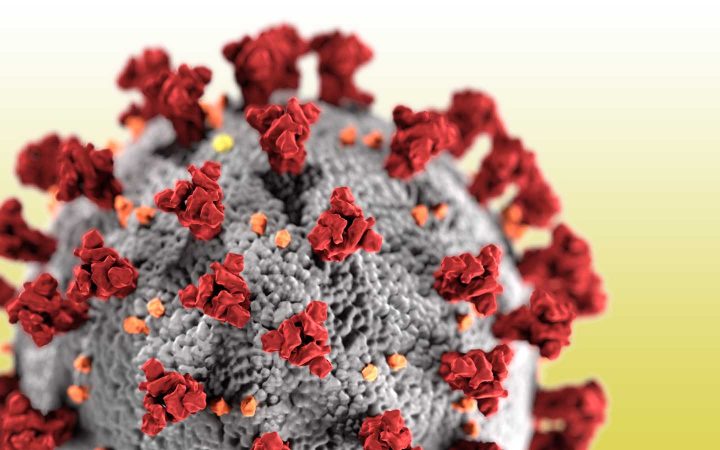
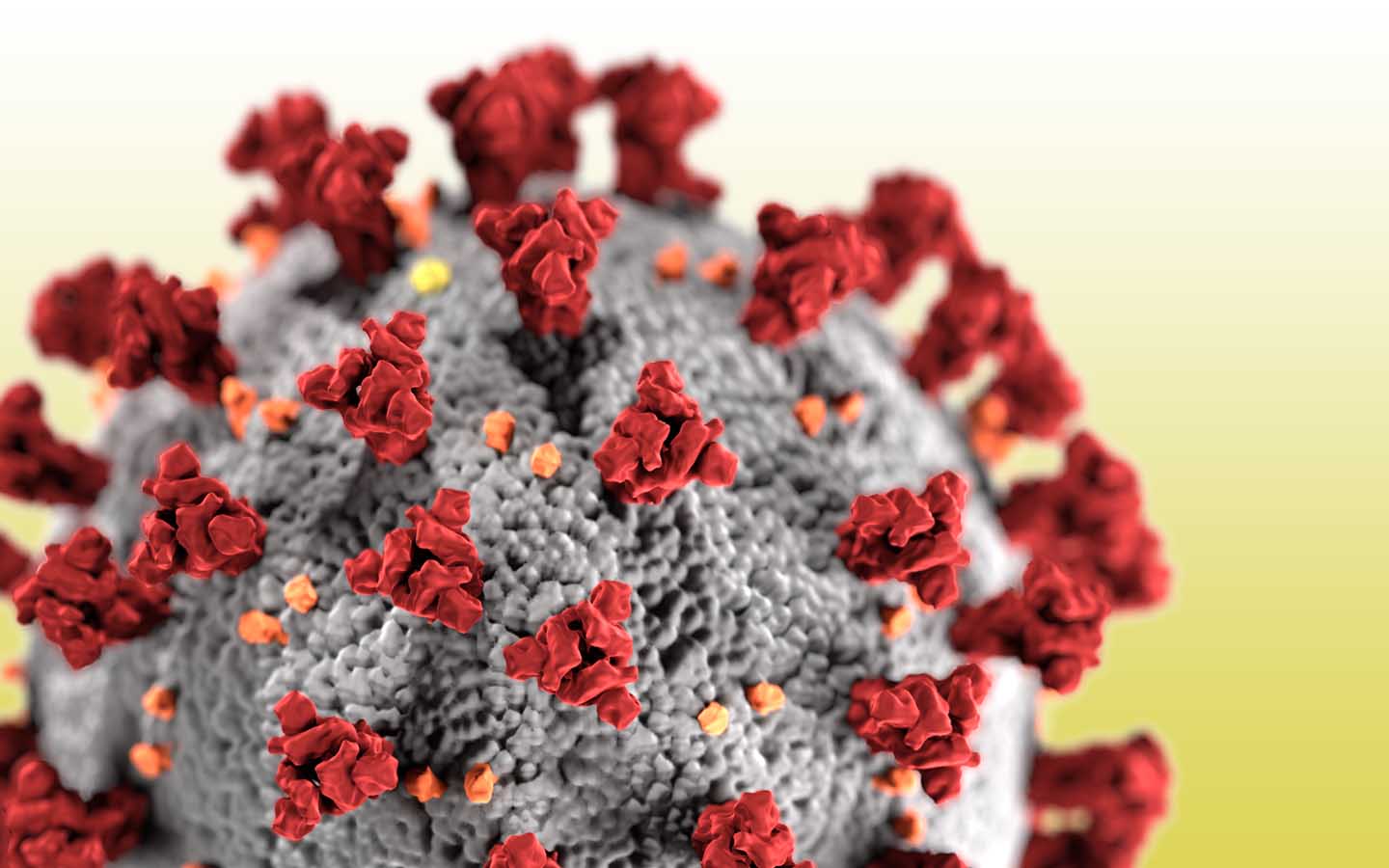
Sars-Cov2 Virus

Mast cells are regulating cells of the immune system that have a variety of different functions. They are commonly found beneath the skin, in the lungs and the digestive tract, and are constantly watching for invaders. In contact with certain allergens, they can overreact and cause inflammation, which is a major component of many allergic reactions. This mechanism possibly kicks in at Long COVID as well.

There is a disease called mast cell activation syndrome, when the allergic reaction is activated by a number of different triggers and difficult to control. A study showed that Long COVID had very similar symptoms to the mast cell activation syndrome, which could be another possible cause of Long COVID symptoms.((Weinstock LB, et.al. Mast cell activation symptoms are prevalent in Long-COVID. Int J Infect Dis. 2021 Nov;112:217-226 doi: 10.1016/j.ijid.2021.09.043)) High levels of tryptase, histamine, or prostaglandins in the blood may be an indicator of overreacting mast cells. Besides mast cell activation, other autoimmune mechanisms are considered as a possible cause.

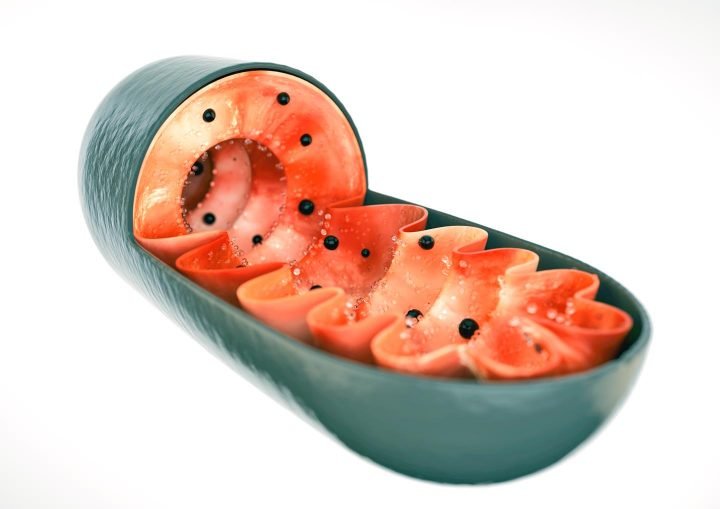
In addition to circulatory problems, oxygen reaching a cell may not be able to produce sufficient energy due to compromised function of the mitochondria. It was observed that the SARS-CoV-2 virus can hijack the cell mitochondria, which are responsible for energy production. In the closely related chronic fatigue syndrome, compromised mitochondria are observed as well. We will discuss several supplements that can be useful in treating this condition.((Astin R. et.al. Long COVID: mechanisms, risk factors and recovery. https://doi.org/10.1113/EP090802 ))

3D Rendering of a Mitochondria

 Several researchers are looking how Long COVID is affecting the vagus nerve and causing a dysregulation of the sympathetic and parasympathetic nervous system. This can lead to fatigue, dizziness, heart palpitations and digestive problems. Noninvasive vagus nerve stimulation helped to decrease fatigue.

There are therefore a number of mechanisms that may be involved in producing Long COVID symptoms. Many of them are still hypothetical, but probably several of them are involved in producing the variety of symptoms classified as Long COVID. There may be even different mechanisms involved in every patient, which makes treatment still a lot of a trial-and-error endeavor. What works for one, may not work equally in another case.

Long COVID Treatment Options

Although all the mechanisms are not fully understood, a Long COVID treatment protocol should include:

  1. Reducing the inflammatory response and the resulting blood clotting.
  2. Strengthening the immune system and using substances with antiviral properties to eliminate possible remaining viral pockets.
  3. Assist the body in the process of mitochondria and cell repair.
  4. Give support to the nervous system.

Anti-inflammatory Diet

A healthy diet can go a long way to reduce inflammation, strengthen the immune system, nourish the cells and support the mind. A whole food plant-based diet will create the ideal conditions for that. Even if you are not willing to make a radical step to go vegan, you should consider to drastically reduce the quantity of animal products you consume, which tend to be high in cholesterol, saturated fats, arachidonic acid which promotes inflammation, unfavorable amino acid patterns, and a number of contaminants, causing a number of problems in the body, especially in the case of long COVID.

Omega 3 is a fatty acid with powerful anti-inflammatory properties. Doctors and Nutritionists often recommend fish as an Omega 3 source. Just, the beneficial effect of omega 3 is anilliated by saturated fats, cholesterol, mercury and other contaminants. Fish will fare well compared to red meat, but if you want to do something really good for your health, you should opt for plant sources of omega 3.

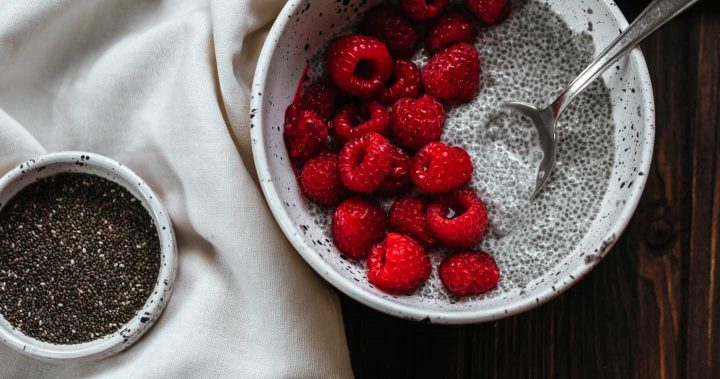
Good omega 3 sources are flaxseed, chia, hemp seed, walnuts, pumpkin seeds, Brussel sprouts as well as other cruciferous vegetables. All plant sources of omega 3 contain ALA, which needs to be transformed into the active forms DHA and EPA. EPA is known for its anti-inflammatory properties and benefiting the circulation, and DHA has some added benefits for the brain and the immune system. Under normal conditions, the body is able to transform sufficient ALA into its active forms, but in some conditions like long COVID, additional supplementation of the active forms may be warranted.

Chia seeds

The most common source of DHA and EPA is fish oil. Again, we have the problem with contaminants. If you opt for fish oil, you should choose a brand that has IFOS certification, which includes testing for acceptable contaminant levels. The safer option would be to use vegan omega 3 supplements based on algae, which have much less contamination problems. After all, fish is getting their omega 3 from eating algae. A good dose for Long COVID treatment would be 4,000 mg daily of DHA & EPA combined.

While Omega 3 is quite essential, and the often abundant Omega 6 cause inflammation and needs to be reduced, care should be taken about the overall fat content. Excessive fat can influence negatively the microbiome of the intestine, which is having a negative impact on the immune system. Excessive fat can also contribute to obesity, which can increase inflammation and has a negative impact on immunity.

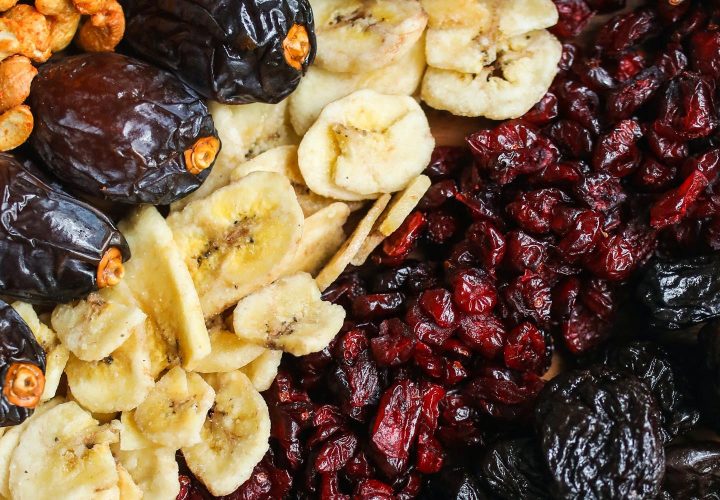
The same care should be taken to avoid any form of concentrated sugar in your diet. Sugar is very detrimental to the immune system, and on top of that is causing inflammation and increasing the perception of pain. Make a try if you can benefit from a complete elimination of all forms of concentrated sugar, including brown sugar, molasses, agave and maple syrup. Avoid artificial sweetener as well. Permitted are 1-2 tablespoons of honey a day and a moderate amount of dried fruits.

An assortment of dried fruits

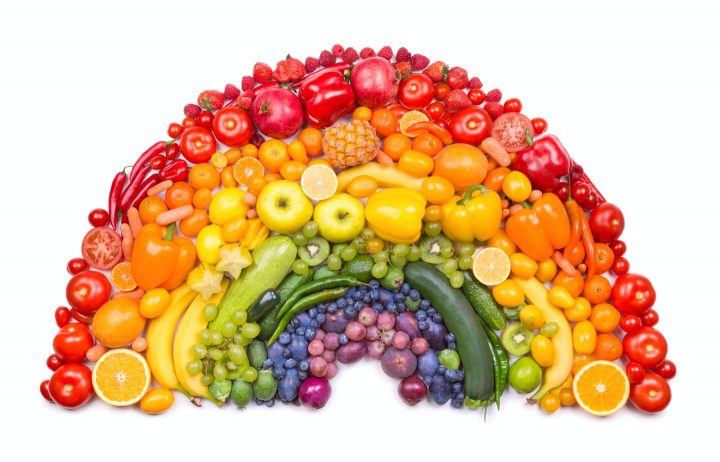
Another important component of an anti-inflammatory diet are antioxidants. They are constantly working to hold free radicals in check, and by avoiding the cell damage that free radicals would cause, they are reducing inflammation inside the body. The most popular ones are vitamin C, vitamin E, beta carotene together with minerals like selenium and manganese. The list goes on with innumerous other substances like glutathione, coenzyme Q10, flavonoids, polyphenols, phytoestrogens and many more. To get a good variety, it is recommended to eat a rainbow of fruits and vegetables every week. Antioxidants will help you quite a bit in treating brain fog, as well as increasing your energy levels.

Eating a rainbow of fruits and vegetables

Tumeric is a commonly used spice containing curcumin as an important anti-inflammatory active ingredient. It can inhibit the pro-inflammatory cytokines and has shown to have antiviral properties. You should make frequent use of this spice to benefit from its antioxidant properties.

There are a number of food items that will increase inflammation and should be avoided as much as possible. Those include:

  • Sugar in all of its forms (including brown sugar)
  • Extracted Oils high in omega 6
  • Fried foods
  • Saturated fat
  • Cured meats
  • Alcohol
  • Caffeine

Supplements

It may be beneficial to supplement certain specific substances to help with recuperating long COVID. When supplementing, we need though proceed with caution. Not always are higher doses of a good thing providing a better result. Observing the right dosage is essential. And even so, often we have limited proof of its efficacy. Large scale randomized controlled trials would be needed to prove the efficacy of any kind of supplementation, and especially for long COVID we do not have such kind of studies available.

There are many cases that a natural fruit that is high in antioxidants is far superior to an isolated supplement. Inside of natural food sources, we have an intricate interplay between different phytochemicals, that we still not fully understand in all its complexity. An isolated substance rarely gives the same kind of benefits. If you opt for supplementing, you should wherever possible combine the supplement with natural food sources in order to maximize its benefits. Certain supplements are even produced out of dried fruits and vegetables and can often show superior results compared to synthetically produced supplements.

Even though we have very little data specifically to long COVID, there is one small scale study that prescribed a daily supplement of Vitamin C, acetyl L-carnitine, olive poliphenols, thiamine, vitamin B6, folic acid, vitamin D and vitamin B12. They reported a doubling of energy during the 2-week study period. This preliminary findings are very positive.((Naureen Z et.al. Proposal of a food supplement for the management of post-COVID syndrome. European Review for Medical and Pharmacological Sciences, 2021; 25 (1 Suppl): 67-73))

N-Acetyl-L-Cysteine (NAC) is an amino acid that can help in the production of glutathione, which in turn is a powerful antioxidant, especially protecting the mitochondria. It is also helping to strengthen the immune system. Avocado, okra, spinach, squash, melons, peaches and cruciferous vegetables (broccoli, cauliflower, cabbage and kale) can all help to increase glutathione levels. In case of Long COVID, NAC can give a very helpful boost for glutathione activity. Try to supplement with 600-1500 mg/day.

Resveratrol is an antioxidant found in red grapes, the skin of peanuts and some berries. It has specific protective function in case of COVID-19 infection and the resulting inflammation. Long COVID patients can benefit by supplementing with 200mg to 500mg of Resveratrol twice daily.((Moriya J, Chen R, Yamakawa J, Sasaki K, Ishigaki Y, Takahashi T. Resveratrol improves hippocampal atrophy in chronic fatigue mice by enhancing neurogenesis and inhibiting apoptosis of granular cells. Biol Pharm Bull. 2011;34(3):354-9. DOI: 10.1248/bpb.34.354
Mo Perry. How to Treat Long-Haul COVID. Experience Life)) Resveratrol has often limited bioavailability.((Walle T. Bioavailability of resveratrol. Ann N Y Acad Sci. 2011 Jan;1215:9-15. DOI: 10.1111/j.1749-6632.2010.05842.x )) You should therefore consider supplements of trans Resveratrol extracted from Japanese Knotwood.

Quercetin is a flavonoid that can be found in broccoli, buckwheat, onions, apples, plums, cherries and berries. Quercetin seems to be able to bind to the spike protein, reduces inflammation, inhibits clotting and has antiviral properties. It also helps to inhibit monoamine oxidase, and thus increasing neurotransmitters like serotonin, noradrenaline and dopamine, which helps a lot for your mood. It should be mentioned that high doses of quercetin are able to deplete glutathione levels, which could result in a pro inflammatory effect, so be cautious about proper dosage.((Chirumbolo S. The role of quercetin, flavonols and flavones in modulating inflammatory cell function. Inflamm Allergy Drug Targets. 2010 Sep;9(4):263-85. DOI: 10.2174/187152810793358741
Hermel M, Sweeney M, Ni YM, Bonakdar R, Triffon D, Suhar C, Mehta S, Dalhoumi S, Gray J. Natural Supplements for COVID19-Background, Rationale, and Clinical Trials. J Evid Based Integr Med. 2021 Jan-Dec;26:2515690X211036875. doi: 10.1177/2515690X211036875)) For Long COVID patients it is recommended to supplement 250mg of quercetin daily, together with ingesting the natural sources to maximize the benefits.

Luteolin is acting in about the same lines and is supposed to penetrate better in the brain than quercetin. It was studied already in Alzheimers disease and reduces neuroinflammation and cognitive disfunction. Both quercetin and luteolin are difficult to absorb, but are better available when combined with olive pomace oil.((Theoharides TC, Cholevas C, Polyzoidis K, Politis A. Long-COVID syndrome-associated brain fog and chemofog: Luteolin to the rescue. Biofactors. 2021 Mar;47(2):232-241. doi: 10.1002/biof.1726)) Dietary sources of luteolin include celery, broccoli, green pepper, carrots, olive oil, parsley, thyme, peppermint and oregano.

Vitamin C has many benefits for the immune system. It can regulate the overproduction of histamine by the mast cells. You can supplement with 1,000 mg of vitamin C 2 to 3 times daily. Prolonged high doses can though provoke the development of kidney stones, and should be limited to a few weeks.

Coenzyme Q10 will help to improve mitochondrial function. In patients having chronic fatigue syndrome it was shown that Coenzyme Q10 as well as NADH was low. In a study it was shown that supplementing with 200mg of Coenzyme Q10 and 20mg NADH daily, a substantial improvement in fatigue and the corresponding biomarkers of the energy cycle could be achieved.((Castro-Marrero J, et.al. Does oral coenzyme Q10 plus NADH supplementation improve fatigue and biochemical parameters in chronic fatigue syndrome? Antioxid Redox Signal. 2015 Mar 10;22(8):679-85 doi: 10.1089/ars.2014.6181))

L-Carnitine is an enzyme that helps the body to transform fat into energy. It is important for heart and brain function, muscle movement and many other body processes. Supplementing with 300mg of L-Carnitine daily may help with overcoming fatigue.

A mitochondrial energy optimizer formula, including pyrroloquinoline quinone (PQQ) can be used to strengthen the mitochondria and increase energy levels.

COVID-19 can wreak havoc on your microbiome, which is essential for proper immune function. A study showed that a number of important gut bacteria remained low after a SARS-Cov2 infection for the entire 30 day period of the study.((Yeoh YK, Zuo T, Lui GC, et al. Gut microbiota composition reflects disease severity and dysfunctional immune responses in patients with COVID-19. Gut 2021;70:698-706. http://doi.org/10.1136/gutjnl-2020-323020)) Eating yoghurt (can be plant based), sauerkraut, kefir and other fermented products can help to improve the microbiome, and a high fiber diet helps to nourish your microbiome, but in many cases a prebiotic and probiotic regimen would be indicated to restore proper gut health.

Melatonin is a hormone produced by our body to regulate the sleep/wake cycle. It has also anti-inflammatory and antioxidant properties and supports the gut lining, thus strengthening the immune system. To help regulate the sleep/wake cycle, a supplementation of 1mg at bedtime would be sufficient. If you want to maximize the other benefits, you can gradually increase dosage as tolerated without interfering with sleep, until you reach the maximum dosage of 8mg per day, and preferably a slow-release supplementation should be used.

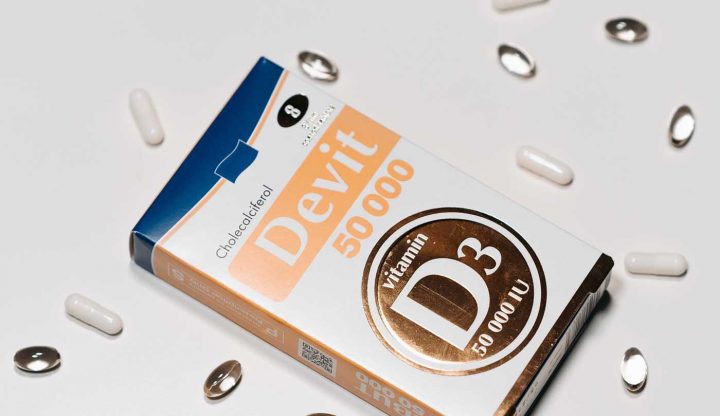
Vitamin D is essential for proper immune function. Besides strengthening immunity, it also regulates many immune functions in case of allergic overreactions. We did already an article about the importance of Vitamin D to protect and treat COVID-19. Be sure to make regular blood tests and try to maintain a level of 60 to 80 ng/mL in your blood. The FLCCC Alliance has a table which dosage should be used if levels are low. For a maintenance you should supplement with about 5.000 IU per day for normal weight persons, and 10,000 to 25,000 IU depending on obesity levels.

Hydrotherapy

Application of hot and cold water in the form of hydrotherapy treatment is a powerful way to improve circulation. Especially effective will be treatments where hot and cold water are used alternately. They have also a strong immune boosting effect, that can be beneficial in long COVID treatment. There are two options that can be very helpful for improving microcirculation in relation to long COVID.

Contrast Foot Bath

In this treatment, the feet are immersed alternately in a bucket of hot and cold water. The feet have a much higher circulation than other body parts, and are capable in modulating the circulation in the rest of the body.

Start out with the hot water bucket for 3 minutes, then change to the cold water bucket with ice cubes for 1 minute. During this time, have a helper add some hot water to the other bucket in order to increase the temperature gradually, as much as tolerated. Return to the hot water, doing some 5 to 6 cycles, always finishing with cold.

Diabetics and people with impaired sensibility or impaired circulation need to be avoid extremes in temperature in order to avoid burning. Dry off the feet, use some slippers in order to avoid touching the cold floor, and rest for about 30 minutes to potentialize the effect of the treatment.

Contrast Shower

With this treatment you will try to expose the maximum possible area of your skin to the hot to cold change. Start out with 3 minutes of a hot shower, as hot as you can easily tolerate. Then make a brisk switch to cold for 30 seconds to 1 minute. Make 3 cycles, finishing off again with the cold. Dry off and rest for about 40 minutes to potentialize the effect of the treatment.

Contrast shower

Herbs

There are plenty of herbs that can give some support in a long COVID treatment protocol. They will have different functions and should be used on an individual basis as needed, but we will mention a few possible options. If you take medications, be sure to check with your doctor about possible interactions.

Astragalus and Chinese skullcap (Scutellaria baicalensis) can aid ACE-2 in some of its functions. We have already said that ACE-2 is inhibited by the SARS-Cov2 virus.

Siberian Ginseng can help to stimulate immunity and reduce inflammation. By enhancing mitochondrial activity, it will be a powerful ally to combat fatigue. It also helps to increase focus and enhance deep sleep.

Ginger and Boswellia have inflammatory balancing actions.

Baical Scullcap (Scutellaria baicalensis) may help also to support ACE-2 in its function. It is an excellent herb for stabilizing mast cells, thus balancing the immune system. The anti-inflammatory effect may lower the risk for clots.

Ginkgo Biloba and Bilberry (Vaccinium myrtillus) have a tonic effect and are beneficial in treating fatigue. Ginkgo has also anti-inflammatory properties and can improve microvascular circulation. It reduces the inflammatory cytokine Interleukin 6, which seems to play an important factor in developing long COVID.((Kappelmann N, Dantzer R, Khandaker GM. Interleukin-6 as potential mediator of long-term neuropsychiatric symptoms of COVID-19. Psychoneuroendocrinology. 2021 Sep;131:105295. DOI: 10.1016/j.psyneuen.2021.105295 ))

Hawthorn (Crataegus monogyna) can help to repair damage to the inner layer of the blood vessels called endothelium. It can help also to improve cognitive function and regulate the autonomic nervous system for example in case of palpitations (of course after seeing your heart specialist to rule out another cause). Hawthorn may help also with mitochondrial energy production.

There are of course many options of herbs that can find use in long COVID treatment, but this is a selection of some interesting options to choose from.((Hentschel N. Natural treatments for long covid. Your Remedy Naturopathy, June 30, 2022))

Important Lifestyle Measures

Intermittent fasting can help to stimulate phagocytosis, which eliminates damaged cells and makes room for new cells. It helps also to stimulate mitophagy, which is the selective degradation of damaged mitochondria. This is probably one of the best ways to deal with mitochondrial damage caused by COVID-19 in order to recuperate from fatigue. My preferred way to implement intermittent fasting is to skip supper. Read more about the subject in our article about autophagy.

Intermittent Fasting Concept

Spermidine and resveratrol are two substances that can still augment the efficacy of autophagy in intermittent fasting. Natural sources of spermidine are wheatgerm, mushrooms, grapefruit, apples and mango. Especially wheatgerm supplements can provide a good spermidine dose. We already spoke about resveratrol supplementation, which should be definitely considered in combination with intermittent fasting.

Proper hydration is essential for many reasons. Considering that about 70% of the body is made out of water, it is easy to understand that dehydration can quickly lead to fatigue and headaches. It is essential for good circulation and even helps your immune system. Quite obviously, good hydration is primordial in the recovery from long COVID. And as a saying goes, you need 5 glasses a day to survive, 8 glasses to do well and 10 glasses to thrive!

Quality sleep is essential for body repair and proper mental functioning. It can contribute much to a better recovery. Unfortunately, many who are suffering from long COVID also struggle to get quality sleep. It is important to go to bed at regular times, ideally somewhere around 9PM and allow at least for 8 hours of sleep. A tranquil environment and a warm bath may help to prepare the mind for a good night´s sleep. Avoid alcohol and caffeine in any form, including green tea. If needed, some herbs like valerian or passion flower can help to fall asleep easier. Melatonin can also be helpful and has the above mentioned additional benefits. Getting at least 30 minutes of sunshine during the day is essential for optimal melatonin levels as well.

A woman sleeping

If you are suffering from severe fatigue, you may need some extra resting periods during the day. You will probably do better on frequent short rest periods than on fewer longer ones. Break up your tasks into smaller chunks, so that you can motivate you to do another chunk and get a short rest afterwards. Consider the best time for certain activities based on your energy levels.

In case of chronic fatigue, proper pacing is essential. You need to consider that any physical or mental activity will need a certain amount of energy, which you need to manage very carefully. You need to get a feeling every morning how are your energy levels this day, and plan your activity accordingly. Short activities combined with proper rest will help you for better recovery. Try to vary between physical and mental activities, and get your family on board to give you support whenever needed.((Shepherd C. LONG COVID AND ME/CFS. ME Association, April 2021))

Exercise can be an important tool to build up your strength, but you need to be very cautious to not over-exert yourself. Exhaustion can worsen your symptoms and set you back in your recovery. Some people have an alternating pattern of good days and worse days. Doing too much activity on a good day may lead to exacerbation of fatigue and other symptoms on the following day.

Having said that, you should include appropriate exercise in your recovery routine. Start with a short walk and increase the exercise time slowly, as long as you avoid over exertion. If you are improving well, you can start including swimming in a warm pool, slow jogging or gentle cycling. Be sure to monitor your heart rate during those activities and stay below 110 beats per minute, until you show clear signs of improvement.

It is clear that stress can be quite detrimental when you are suffering from severe fatigue, brain fog or any similar symptoms. It is something that upsets our system, robs us energy and can still add to the many symptoms we may already feel. Be sure to do proper planning to avoid stress whenever you can. Cut down some of your responsibilities and give yourself time to recover, before you go back to taking on your full plate of commitments again. If you need some tips on how to control your stress, check out the 10 Minute Guide for Stress Management in order to understand how to deal with stress with an all-inclusive approach.

And last but not least, be sure to be grateful. The habit of gratefulness can do so much to improve your outlook on life and speed up recovery from whatever condition you are facing. After having done what you can, be grateful for the little improvements you are feeling day by day, week by week. Be grateful for everything you have, and be grateful for every day of life that your Creator is giving to you.

We have a special opportunity just for you. If you want to receive practical and up to date advice on how to implement an immunity-boosting lifestyle, simply join the Coronavirus Immunity Challenge and prepare yourself to face the pandemic with a bullet-proof immune system.

Sign Up Now

Coronavirus Immunity Challenge

Shop for Supplements

If you purchase through one of these links, companies will pay us a commission, which helps us to continue providing quality content for free.

N-Acetyl-Cysteine (NAC)

Resveratrol

Coenzyme Q10

Magnesium

L-Carnitine

Melatonin

Recommended Probiotic

Other Probiotics

Vitamin C

Vitamin D

Healthy Fruits

Stay Always Up to Date

Sign up to our newsletter and stay always informed with news and tips around your health.

Sign Up Now!

Filed Under: COVID-19, Diseases Tagged With: Long COVID

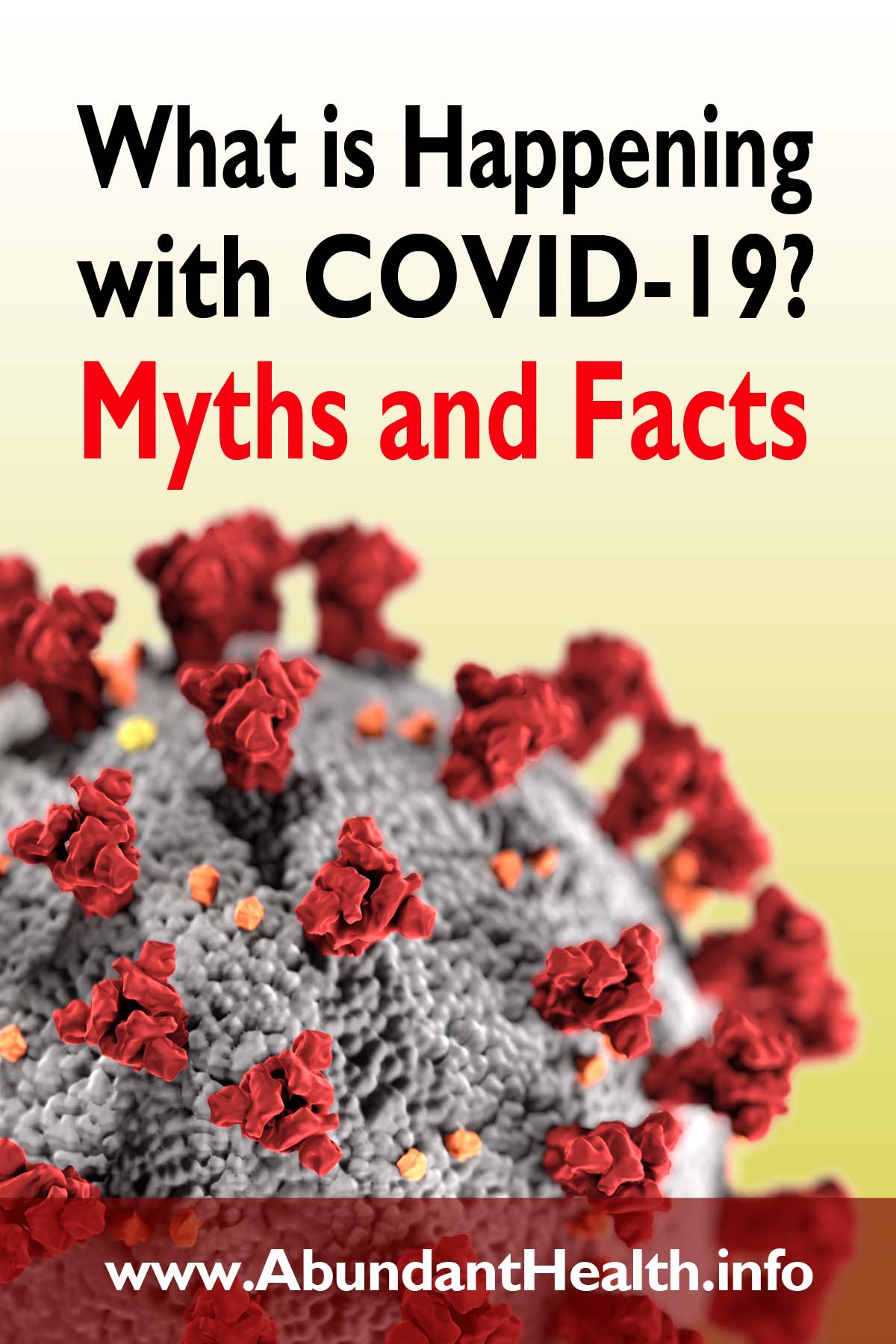
What is Happening with COVID-19? Myths and Facts

July 17, 2022 by Martin Neumann - [rt_reading_time label="Reading Time:" postfix="minutes" postfix_singular="minute"]

COVID-19 Myths and Facts

The pandemic has affected the life of all of us in very dramatic ways. While dealing with that crisis, we have seen much of conflicting advice, changes in polices, questionable statements, and a counterreaction in the population leading to a widespread distrust and all kinds of conspiracy theories. What are the facts? What are the myths? How can we know?

What is Happening with COVID-19? Myths and Facts

Although it will be difficult to get a final answer to all the questions raised, we want to give a critical look at the evidences and try to discern a little bit on what might be going on behind the scenes.

Is the pandemic already over?

Since mask mandates were lifted for the most part, the impression may arise that the pandemic is coming to an end. Although some countries have seen a significant reduction of infections and deaths, the pandemic is far from being over. On a worldwide scale we are still seeing about 850,000 new infections and 1,500 deaths registered daily. Furthermore, reduced testing is kind of skewing our statistics of real cases. And even in the US, there are still about 100,000 registered cases every day, which is close to the average we have seen during the entire year of 2021. Daily deaths have though declined quite a bit.((Statistics: Worldometers
USA: https://www.worldometers.info/coronavirus/country/us/
Worldwide: https://www.worldometers.info/coronavirus/))

How is the Pandemic going to end?

This is a question that has been on everyone’s mind since the COVID-19 pandemic started. The good news is that it seems to be slowly ending. The bad news is that we don’t really know how it will end. There are several possible scenarios for how the pandemic will end.

At the moment, new variants tended to be more infectious, but less dangerous. If a large number of the population gets infected, it is probable that a large enough number reaches some kind of immunity, the number of new infections decreases and we reach endemic levels. In this scenario, the number of new infections decreases until it reaches a point where there are just enough new cases to sustain the disease. It’s possible that this could happen, but it’s also possible that a new wave will appear after an unexpected new mutation of the virus.

What is complicating the situation is, that constant mutations and dwindling antibodies make it quite unlikely that herd immunity will stop the spread of the virus. We probably have to coexist with this virus for a while, but most likely it is going to be less of a problem as time goes on.

What are the treatments for COVID-19?

A WHO study done pretty early in the pandemic was testing a few promising treatment options in hospital settings, including hydroxychloroquine. Patient in intensive care did not get any improvement from any drug applied, including Remdesvir, an antiviral drug widely applied during the pandemic. This created a widespread belief that hydroxychloroquine is not efficient for COVID-19 treatment. Interestingly Remdesvir was continued to be applied, even showing its inefficiency in intensive care setting.((WHO Solidarity Trial))

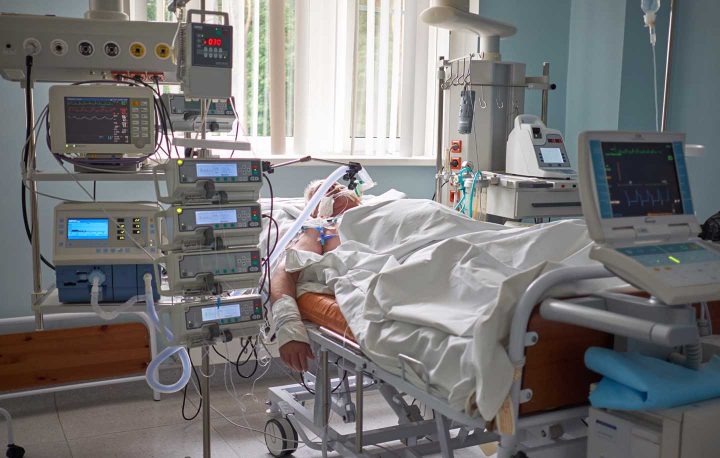
An intubated patient at the Intensive Care Unit

In early treatment, the situation is completely different. For Ivermectin, several independent meta-analyses showed benefits for prevention and treatment alike.((Hill A et.al. Meta-analysis of randomized trials of ivermectin to treat SARS-CoV-2 infection. DOI:10.21203/rs.3.rs-148845/v1
Ivermectin is effective for COVID-19: real-time meta analysis of 49 studies. https://ivmmeta.com/
Lawrie T. Ivermectin reduces the risk of death from COVID-19 – A rapid review and meta-analysis in support of the recommendation of the Front Line COVID-19 Critical Care Alliance. https://www.e-bmc.co.uk/)) But still, Ivermectin continues to be the most praised and most criticized drug of the pandemic and there is still lots of controversy how efficient it really is. Hydroxychloroquine had a similar fate. Even though I am not aware of any solid meta-analysis, some studies showed some slight benefits of its use. It is known that it helps the transport of zinc into the cell, which is essential for immune function, but no study was attempted to test hydroxychoroquine in combination with zinc. It seems that political motives are having a strong influence on science. One motive to downplay those treatment option was probably, that an emergency authorization of vaccines and drugs would not have been possible, if effective treatment options were available.

Going away from drugs, we have studies showing efficiency of Propolis even in hospital settings.((Duarte Silveira M A et. al. Efficacy of propolis as an adjunct treatment for hospitalized COVID-19 patients: a randomized, controlled clinical trial. Doi https://doi.org/10.1101/2021.01.08.20248932)) We know that Vitamin D is highly effective in preventing and treating a COVID-19 infection, and many other supplements and herbs could be just as effective, even no studies are available to prove this. We have an article on COVID-19 treatment going more into details on many of those points.

Are vaccines really protecting against COVID-19?

Well, that is a tricky question, involving many different parameters. First trials of the Pfizer vaccine showed an efficacy of 90% to protect from infections. However, a study from Israel suggests that protection for infection is reduced to 75% after 3 months and it dwindled to 16% after 6 months.((Jeffay N. Israeli, UK data offer mixed signals on vaccine’s potency against Delta strain. The Times of Israel, June 22, 2022)).

How do we explain this difference? We know that antibodies against COVID-19 are dwindling with time. That means, a vaccine will prevent you fairly well from infection in the first 3 months, but after 6 months, the protection against catching the virus is minimal. However, as antibodies are dwindling, memory B Cells are still keeping a memory of the virus, and can quickly produce antibodies during a subsequent infection. For this reason, protection against hospitalization is still around 80% to 90% and will probably stay so for years to come, until the virus mutates too much, turning current vaccines inefficient.(( Jeffay N. Israeli, UK data offer mixed signals on vaccine’s potency against Delta strain. The Times of Israel, June 22, 2022
Craig E. Pfizer’s Covid vaccine efficacy against infection plunges to just 20% after six months – but protection against severe illness barely dips, study concludes. Daily Mail, October 6, 2020))

Do I need a booster shot to be protected?

We basically answered the question by looking on how immunity works. Even if you get a booster shot every 6 months, for half of the time you are still pretty much unprotected against catching the virus. However, the intensity of the infection will be less because of memory B cells kicking in. That will be true with or without a booster shot.

Some studies suggest that booster shots are increasing the protection against variants like Omicron. Looking closer at the data you will see that a booster shot with the Pfizer vaccine gives only 2% improvement in immunity compared to somebody who got the 2 dose vaccine recently. Boosting a Pfizer vaccine with a Moderna shot gave an improvement of 8%. For a completed 2 dose Moderna vaccine, protection for Omicrom was at 74.1% the first 2 weeks after completing the 2 dose regime. After the booster shot it was only 66.3% 2 weeks after the booster. In practical terms, the booster shot can just refresh your antibodies, which are again dwindling over time. Besides that, it does not really provide better protection for the Omicron variant.((Andrews N et. Al. Covid-19 Vaccine Effectiveness against the Omicron (B.1.1.529) Variant. N Engl J Med 2022; 386:1532-1546 DOI: 10.1056/NEJMoa2119451)) Protection against severe disease should be valid again without any booster shot. In Germany, the vaccination commission does not recommend a second booster shot, because it is not going to improve your long term protection.((„Impfung bietet keinen längerfristigen Schutz vor Infektion“, betont Stiko-Chef welt.de, 24.10.2022))

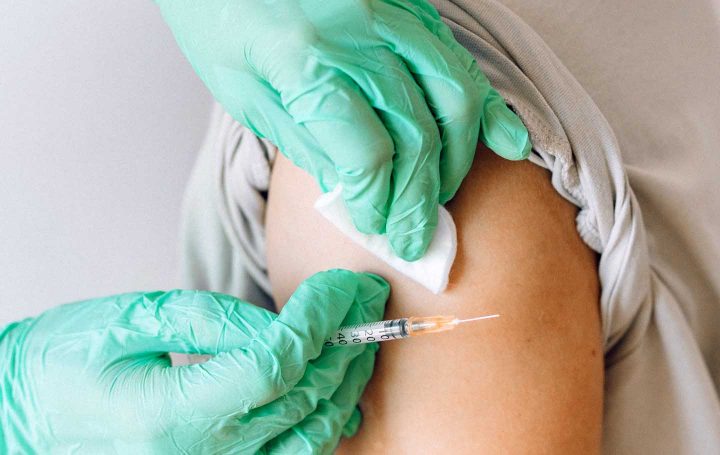
A man getting vaccinated.

If I was infected from COVID-19, do I still need to be vaccinated?

In some countries, being infected is considered to have equal rights as getting the vaccine, for the first 3 to 12 months after the infection. Similar to the vaccine, antibodies will diminish over this time, but memory B cells will give a long-lasting immunity, protecting against severe disease outcome. The immunity aquired by an infection is therefore very much comparable to a vaccine.((Turner, J.S., Kim, W., Kalaidina, E. et al. SARS-CoV-2 infection induces long-lived bone marrow plasma cells in humans. Nature 595, 421–425 (2021). https://doi.org/10.1038/s41586-021-03647-4
Rodda LB, et.al. Functional SARS-CoV-2-specific immune memory persists after mild COVID-19. Res Sq [Preprint]. 2020 Aug 13:rs.3.rs-57112. doi: 10.21203/rs.3.rs-57112/v1.))

Some studies suggest that an infected person can increase the immunity still more by getting the vaccine, concluding that a combination of acquired immunity from the disease and vaccination will give the best form of protection. Nevertheless, the infection by itself is already giving the same immunity then the vaccine by itself, some studies showing even stronger protection than the vaccine. Having been infected will make a vaccination unnecessary. A recommendation to get vaccinated after being infected is based more on politics then on scientific evidence.((Dra. Sheena Meredith. Covid-19: Por que estamos ignorando a imunidade adquirida com a infecção? Medscape, July 14, 2022))

What are the risks of COVID-19 vaccines?

Some vaccines like CoronaVac or Covaxin are using the inactivated virus to create an immune response. The technology involved is not much different than any other vaccine we used during the last few decades. This kind of vaccines should be fairly safe in relation to side effects. CoronaVac was though criticized quite a bit because of limited efficacy to prevent against disease and hospitalization.

At the other hand, mRNA vaccines like Pfizer and Moderna and viral vector vaccines like the AstraZeneca and Johnson&Johnson vaccine are new technologies that include gene-manipulated substances that are instructing body cells to replicate the spike protein. These are technologies that never have been deployed in large scale to the public, since technological problems were still manifold. During the need of the pandemic, approval of this new technologies has been fast-tracked in order to help to resolve the crisis. There is much that is still unknown about long-term side effects of those technologies, and anybody who is concerned about putting GMO foods into their stomach, will be probably concerned about injecting a gene-manipulated substance into the bloodstream as well.

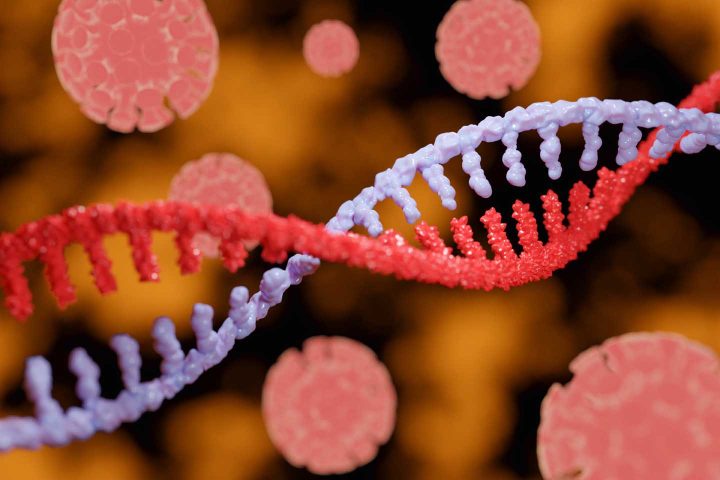
RNA replication

There was much discussion whether those technologies will manipulate the DNA of the human body. For the mRNA vaccines this is quite unlikely, since they are replicating the spike protein through channeling a RNA structure into some of your body cells, and instructing them to replicate the virus. In this technology the substance is not entering the DNA at all. The viral vector vaccines are different, since they are really entering the DNA and instructing that way the cell to produce the spike protein, very similar than many viruses will do. This would be potentially the riskiest among those vaccine technologies involved.

While those questions of the unknown may be a concern for many, let’s focus on something we know to be a problem, and that are the spike proteins. Studies have shown that this spike protein is able to damage cells independently of the virus itself.((Lei Y et.al. SARS-CoV-2 Spike Protein Impairs Endothelial Function via Downregulation of ACE 2. Circulation Research. 2021;128:1323–1326 https://doi.org/10.1161/CIRCRESAHA.121.318902))

Another study showed that spike proteins are able to influence cell signaling and could lead to PAH, a serious lung disease, blood clotting, coronary artery disease, hypertension and stroke.((Suzuki Y et. al. SARS-CoV-2 Spike Protein Elicits Cell Signaling in Human Host Cells: Implications for Possible Consequences of COVID-19 Vaccines. Vaccines (Basel). 2021 Jan; 9(1): 36. doi: 10.3390/vaccines9010036)) The spike protein can also damage the blood brain barrier and cause unpredictable brain damage, that shows up in several symptoms, for the disease and the vaccine alike.((Buzhdygan TP et.al. The SARS-CoV-2 spike protein alters barrier function in 2D static and 3D microfluidic in-vitro models of the human blood-brain barrier. Neurobiol Dis. 2020 Dec;146:105131. DOI: 10.1016/j.nbd.2020.105131))

With an inactivated virus, like used in CoronaVac, the exposure to the spike protein will be quite limited. The newer vaccine technologies instruct though the body cells to produce spike proteins, and literally inundate the entire body with this damage causing substance.

It is important to note that the spike protein of vaccines was modified in order to cleave to cells and not enter into them, so not all findings of the studies may apply equally for the spike protein of the vaccines. It would be interesting to make some studies with both spike proteins to have a clear comparation between the two, but as far as I know this was not done so far.

Now what do we have on real world statistical data? There is a reporting system, that collects potential side effects of any vaccine applied or produced in the US, called VAERS (Vaccine Adverse Effect Reporting System). In normal years there are reported around 150 deaths for all 70 registered vaccines combined. Now for the COVID-19 vaccines we have already close to 16,000 deaths reported in the US alone, during the 1 ½ years that the vaccines were applied.((Original VAERS dataset: https://wonder.cdc.gov/controller/saved/D8/D173F192)) Data from other countries who have a reporting system in place is not much different.

Of course, we know that a reported incident in the system does not prove that it was really caused by the vaccine. There may be some deaths reported, that were randomly happening after the vaccination, but were not directly caused by the event. At the other hand, the reporting system is completely voluntary, and only a small percentage of all incidents are getting really reported. Some estimates will go that the real number would be about 5 times higher. Even though it is very hard to come up with any exact numbers, we can deduce that the COVID-19 vaccines are not quite as safe as your common flu shot.

In order to be fair, we need to put this numbers into perspective. Even if we estimate somewhere around 100,000 deaths by the vaccine, we need to contrast that to about one million deaths by the virus in the US territory. Going with the assumption that the vaccine helped to control the spread of the virus, the vaccine still helped to save lives.

At the other hand, the statistics of side effects and deaths are high enough to be of a serious concern, and should cause a constructive discussion in scientific circles. This discussion though is not happening. In the media, any mention of serious vaccine side effects is actively suppressed. On Facebook, groups reporting vaccine side effects are getting deleted. The government did a simplified reporting system called V-Safe, where anybody could report side effects of the COVID-19 vaccines from their cell phone, but the data is not made publicly available. Censorship prevails at every corner. And it seems that even scientific studies are tweaked in order to support the politically correct narrative. If there is any discussion at all about vaccine safety, it is most likely to be emotionally loaded, with everybody defending their position and no constructive dialogue involved.

Robert Malone is a scientist that was involved in the invention of the mRNA technology. He made on a LinkedIn post the following statement about the current COVID-19 vaccines:

Once again I feel it necessary to make a clear and unambiguous statement. The data strongly indicate that the experimental genetic vaccines, including the mRNA and recombinant adenoviral vaccines, have saved lives. Many lives.

But it is also increasingly clear that there are some risks associated with these vaccines. Various governments have attempted to deny that this is the case. But they are wrong. Vaccination-associated coagulation is a risk. Cardiotoxicity is a risk. Those are proven, and discussed in official USG communications, as well as communications from a variety of other governments.

Based on what I have seen, I believe that other toxicity risks will become more apparent. These include menstrual irregularities, development of thrombocytopenia, cerebrovascular effects, and reactivation of latent viruses such as clinical shingles.

But we do not know how prevalent these are, and the spectrum of severity is unknown and possibly unknowable because the V-Safe database is not being shared outside of CDC, the VAERS systems is deeply flawed, and we just do not have the comprehensive safety data necessary to accurately evaluate risk/benefit for the various cohorts – elderly, healthy normal adults, immunocompromised, pregnancy, adolescents, children, and infants. Particularly the long term safety data necessary to evaluate risks such as autoimmune complications that may manifest months or years post-vaccination. That is just a sciencefact.

Robert Malone

This is just one example of many thinkers in scientific circles who call for an unbiased scientific discussion of vaccine safety, especially in some more vulnerable subgroups.

Are COVID-19 vaccines safe for pregnant women?

There are several studies who tried to evaluate exactly this question. While there is some adequate data for vaccine safety in the second and third trimester, it gets more complicated in the first trimester of pregnancy, which is exactly the most critical phase.

A silhouette of a pregnant woman at a sunset

One study assessing the safety of the vaccine during pregnancy concluded that the abortion rate of women vaccinated in the first trimester would be 12.6% and the published rate for the normal population 10-26%. Looking at this data, they concluded the vaccine was totally safe, even in the first trimester of pregnancy.((The results are in table 4 of this study:
Shimabukuro TT, Kim SY, Myers TR, et al. Preliminary Findings of mRNA Covid-19 Vaccine Safety in Pregnant Persons. N Engl J Med. 2021;384(24):2273-2282. doi:10.1056/NEJMoa2104983
Find the data of the uncorrected chart in this note:
https://www.nejm.org/doi/full/10.1056/NEJMx210016))

A reader of the journal found some faults with that and commented the following:

In table 4, the authors report a rate of spontaneous abortions <20 weeks of 12.5% (104 abortions/827 completed pregnancies). However, this rate should be based on the number of women who were at risk of a spontaneous abortion due to vaccine receipt and should exclude the 700 women who were vaccinated in their third-trimester (104/127 = 82%). We acknowledge this rate will likely decrease as the pregnancies of women who were vaccinated <20 weeks complete, but believe the rate will be higher than 12.5%. However, given the importance of these findings we feel it important to report these rates accurately. Additionally, the authors indicate that the rate of spontaneous abortions in the published literature is between 10% and 26%. However, the upper cited rate includes clinically-unrecognized pregnancies, which does not reflect the clinically-recognized pregnancies of this cohort and should be removed.

Let us analyze this comment a bit closer. The study came up with a 12.5% risk of abortion by dividing the 104 abortions in the first trimester with 827 completed pregnancies. Just the completed pregnancies included women that were vaccinated in the second and third trimester. This is obviously not statistically correct. Like the reader pointed out, only 127 women that were vaccinated in the first trimester completed the pregnancy, since the rest was still pregnant and their outcome was still unknown. The reader concluded that the real rate would be somewhat higher than 12.5%, but definitely below the 82% she was mentioning in this note.

Now the manipulation of the reference values is critical. The study mentioned a first trimester abortion rate of 10% to 26% in the normal population. Just the 26% rate is including clinically unrecognized pregnancies, who aborted without the pregnant women ever realizing that they were pregnant. Obviously, the vaccinated women in the study knew that they were pregnant in order to be included into the study. The correct rate to be applied would be therefore 10%, thus showing an increased risk of abortion even with the statistically wrong calculation of 12.5% risk. That smells very much like deliberate manipulation! This note was sent to the journal but was not getting published.

The story continues. The anti-vaccination defender Steve Kirsch got news about this letter and published in his article that the study has proven an 82% abortion rate within the first trimester.((Steve Kirsch. Should you get vaccinated? Trialsitenews, December 15, 2021)) This is obviously not what the reader said and equally wrong. It is sad to see that distortion of the facts are applied by both parties alike. I wonder when we can come to the point of defending the truth instead of bending it for political reasons, in order to make our viewpoint look better.

The critique had though some effect. Finally, the paper published a correction of the study and removed any definite statistics about first trimester pregnancies. It took them though from June till September to publish this correction, and probably only to avoid the criticism received by the opposition. Interestingly, until today I am not aware of any study that really settles vaccine safety during the first trimester of pregnancy.

Shall I get vaccinated after all?

This is a very individual question that nobody can answer for somebody else. We have seen that there are risks at both sides. You may be inclined to recommend a vaccine to a person in the at-risk group, like the elderly, diabetics, obese, immunocompromised etc. At the other hand, this is exactly the same group that will be more vulnerable for vaccine side effects. I would be very hesitant to recommend a vaccine to a 98-year-old grandma, being diabetic and so weak that she spends most of time in her bed. She may not be able to resist the side effects of the vaccination, and it may be safer to simply protect her from exposure to the virus.

Lets look at another criteria to help in this decision, which is probability of exposure. If you a salesperson that sees so many persons every day, and you do not take good care of your lifestyle in order to strengthen your immunity, then vaccination could be of interest for you. If you are living on a farm, way out in the country, you visit town only once a week and you take good care of your immunity, then you may get by very well without vaccination.

A farmer out in the country

We already said that if you were infected from COVID-19 you already created sufficient immunity and you can safely go without vaccine. As a fact, getting vaccinated within 1-2 month after being infected, can even increase your risk for vaccine side effects. If you want to get vaccinated, you should definitely wait if you got infected recently.

Vaccination of mostly healthy children is something that probably will bring more harm than benefits as well. Some do argue, that children should be vaccinated in order to protect adults, but we have shown already, that protection from infection is not very effective, even with booster shots every 6 months. Nobody protects somebody else by getting vaccinated. Hospitalization and deaths from the virus are quite rare amongst healthy children, and there is no need to expose them to the vaccine.

Booster shots are another thing that is probably causing more harm than benefit. Even without a booster shot, you have adequate protection against hospitalization and death, and every booster is going to expose you anew to a load of spike protein, causing potential damage to your body.

At the end of the day, you should be well informed about the pros and cons and make an informed decision for yourself. Those who are vaccinated do not need to be afraid of the unvaccinated, because the vaccine is protecting yourself, and not the other person. We have clearly stated that a vaccine does not adequately limit the spread of the virus. And whoever is refusing vaccination, should be sure about his decision and not criticizing those who think differently. I hope the day of throwing stones can come to an end and we can simply live out the convictions we have about the subject. And hopefully, one day we can start a constructive discussion of risks and benefits of the vaccine.

What else can I do to be protected?

As a preventive measure, all efforts should be made to strengthen your immune system. A study conducted in Madrid, found that people who did at least 2 times per week a 30-minute exercise session had an 8 times higher COVID-19 survival rate compared to the inactive group.((Salgado-Aranda R et.al. Influence of Baseline Physical Activity as a Modifying Factor on COVID-19 Mortality: A Single-Center, Retrospective Study. Infect Dis Ther (2021). https://doi.org/10.1007/s40121-021-00418-6))

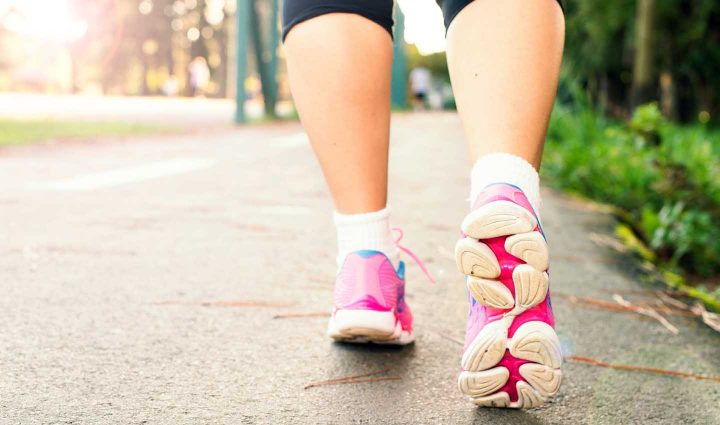
Walking in a park

Nutrition has an equal importance. A study of healthcare workers in 6 countries found, that those who were on a plant-based diet had a 3.7 times better protection against moderate to severe COVID-19 infections. Interestingly, those who were on a low carb diet had a 1.5 times higher risk.(( Kim H, et. al. Plant-based diets, pescatarian diets and COVID-19 severity: a population-based case-control study in six countries. BMJ Nutr Prev Health. 2021 Jun 7;4(1):257-266. doi: 10.1136/bmjnph-2021-000272.))

Even though there are no studies around in relation to COVID-19, there are benefits of good sleep, proper hydration and other healthy habits as well. We know quite a bit of the importance of proper Vitamin D levels for immunity. A study showed that vitamin D deficient individuals had twice as much a risk of hospitalization for COVID-19 compared to normal levels.(( E Merzon et.al. Low plasma 25(OH) vitamin D level is associated with increased risk of COVID-19 infection: an Israeli population-based study. FEBS J. 2020 Sep;287(17):3693-3702. DOI: 10.1111/febs.15495))

If you just practice those 3 lifestyle factors, your immunity is already better than any vaccine can offer for you. And we did not talk yet about reduction of sugar, proper vitamin status and several other things we are able to do as a preventive measure.

I think it is time to think seriously about our lifestyle. If we do the right thing, we are not only so much better protected against COVID-19, but as well against heart disease, cancer, diabetes and other lifestyle diseases that cost many more lives than COVID-19 at this point in time. If you want to learn how to strengthen your immunity with a sensible lifestyle, follow the Coronavirus Immunity Challenge on our website. So stop arguing, and decide to do the right thing!

We have a special opportunity just for you. If you want to receive practical and up to date advice on how to implement an immunity-boosting lifestyle, simply join the Coronavirus Immunity Challenge and prepare yourself to face the pandemic with a bullet-proof immune system.

Sign Up Now

Coronavirus Immunity Challenge

Filed Under: COVID-19, Diseases

When Milk Becomes a Problem

January 9, 2022 by Esther Neumann - [rt_reading_time label="Reading Time:" postfix="minutes" postfix_singular="minute"]

Wenn Milch zum Problem wird

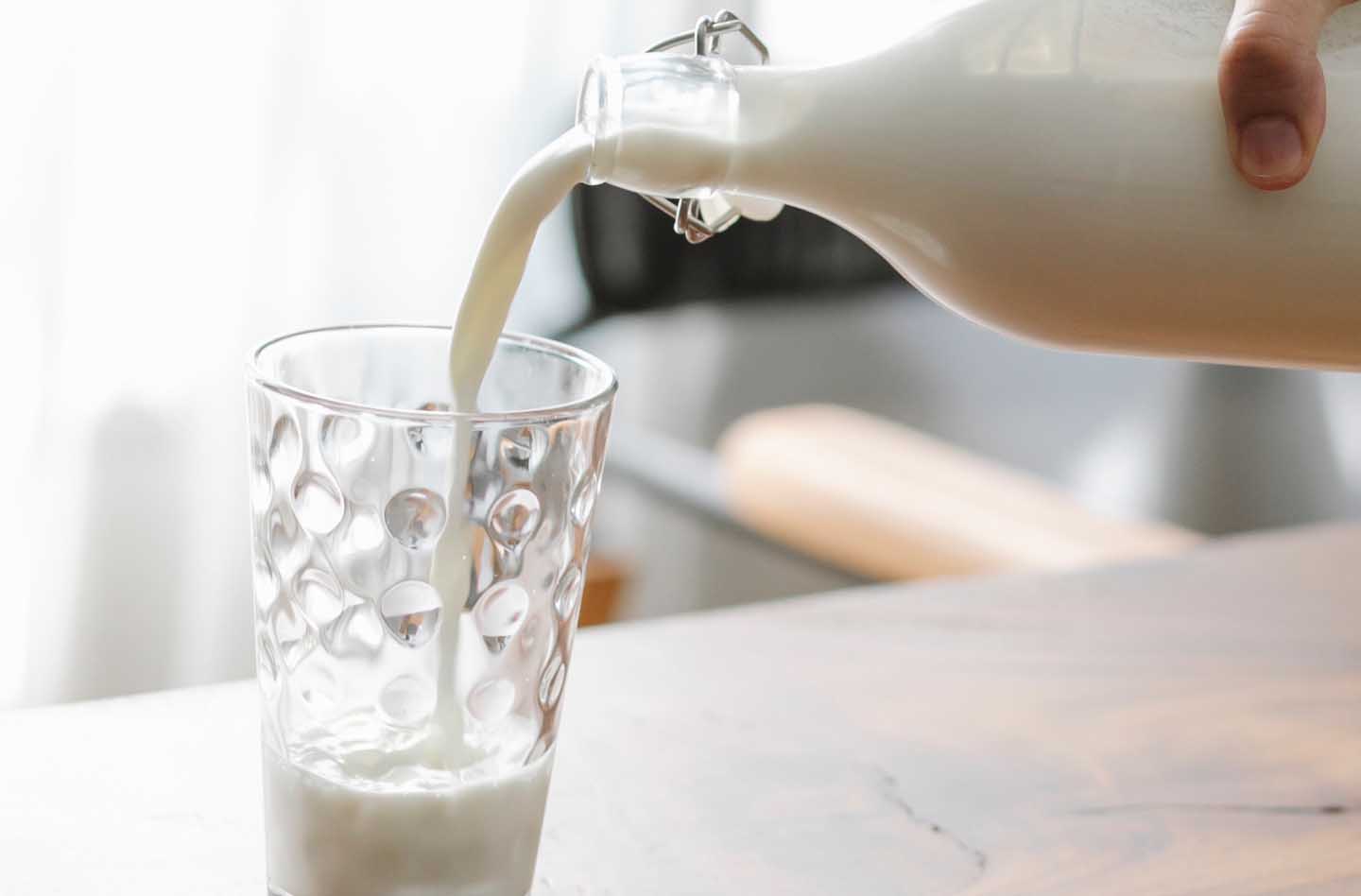
As early as 400 years before the birth of Christ, Hippocrates described painful gastrointestinal reactions after consuming milk. Flatulence, colic, diarrhea, nausea, bloating, chronic fatigue and blemished skin – all of this is associated with milk when you can no longer tolerate it for a very specific reason. Globally, around 2.3 billion adults and 600 million children and adolescents are affected. When they drink milk they swell up like a yeast braid.

When Milk Becomes a Problem

Breast milk is the first nourishment for mammals as well as humans. Milk sugar or lactose, as it is called by the technical term, is a component of every mammalian milk. Chemically speaking, milk sugar is one of the carbohydrates. It is a double sugar or a disaccharide. In the small intestine, the lactose is broken down into galactose and glucose by the digestive enzyme lactase and absorbed into the blood through the intestinal wall. As a result, it is then converted into energy. If too little or no lactase is available in the small intestine, the lactose ingested with the food is only partially or not at all broken down and absorbed. We are dealing with lactose intolerance.

Lactose Intolerance

It is estimated that around 80 to 90 percent of the world’s population is affected. In Europe and North America, milk and dairy products are among the most important staple foods. In Asian and most African countries, it is rarely used. Worldwide, there is a north-south and a west-east divide in lactose intolerance. In the Scandinavian countries, the proportion of people affected is only around five percent, in Greece already 75 percent and in parts of Africa and Asia between 80 and 100 percent. In the US, about 25% of the white population is considered lactose intolerant, while among black, Native American, and Asian American populations, the prevalence of lactose intolerance is estimated at 75-90%. There is a high number of unreported cases. Mostly adults are affected. The cause of the complaints often remain unknown for years and the patients pass through a long path of suffering before the correct diagnosis is finally made.

Colon Problems

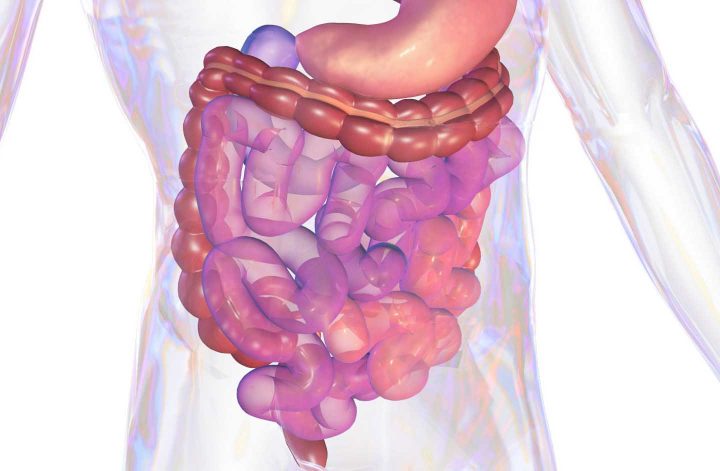
If the lactose in the small intestine is not completely or not at all broken down and absorbed, it reaches the large intestine undigested. There it is broken down by the intestinal bacteria. The gases hydrogen, carbon dioxide and methane are produced as waste products during this bacterial fermentation. Acids are also formed. This leads to gas and bloating. The milk sugar binds a lot of water, this leads to an increase in osmotic pressure, water retention and increased intestinal peristalsis. Bloating, diarrhea and gas are the consequences.

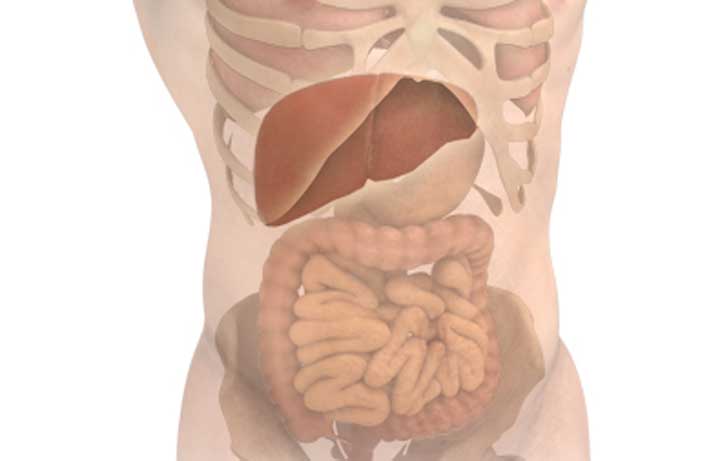
Intestines
Ilustration by Blausen.com via Wikimedia CC BY 3.0

Indefinite Clinical Picture

The symptoms can vary from day to day. It always depends on how many dairy products are consumed. Often there are hidden dairy products that you don’t even think about. They are found in sausages, baked goods, sauces, chocolate and industrially produced foods. Psychological factors such as stress, excitement and fear of the unknown also have a negative impact on well-being. Often, lactose intolerant patients also have fructose intolerance. They not only suffer from symptoms of irritable bowel syndrome, but often also from depression. Chronic lactose intolerance can lead to bacterial overgrowth in the small intestine.

The chronic digestive problems damages the entire enzyme-bearing intestinal mucous membrane. This in turn can cause further digestive problems. Unfortunately, the treating physicians rarely examine specifically lactose intolerance in the case of diffuse gastrointestinal complaints. The consequence of this is a long ordeal until the correct treatment is finally carried out. Self-observation is always good when one suffers from indefinite indigestion. If you leave out all dairy products for two weeks and the symptoms subside and come back when you consume milk again, you can make the doctor aware of the problem in a targeted manner.

Secure Diagnosis

The hydrogen breath test is a good tool for diagnosing lactose intolerance. Milk sugar is dissolved in water. The patient drinks this solution and the amount of hydrogen in the exhaled air is measured regularly for the next three hours. If the proportion of hydrogen in the exhaled air increases, there is a lactose intolerance.

The increase in blood sugar after drinking the lactose solution can also be measured. If there is a lactase deficiency, there is little or no increase in blood sugar level. This method is not entirely reliable, however. Mucous membrane samples by means of a colonoscopy can also provide information about the condition of the small intestinal wall.

Nowadays there is also a gene test available. But it is quite expensive. Another new test involves simply taking a saliva sample and examining it in the laboratory using a special test kit.

Severity and Forms

The lactose intolerance is divided into “light”, “medium” and “severe” depending on the severity. In the light form, 8 to 10 grams of lactose are easily tolerated, in the medium form around 1 gram and in the severe form no lactose at all.

The most common form is primary lactase deficiency. In this form, the lactase activity in the small intestine decreases continuously with increasing age. The newborn infant has the highest lactase activity. That is understandable, since he normally only feeds on breast milk. If the baby is weaned, the enzyme is significantly reduced in the first few years of life. In adulthood, only about a tenth of the original activity remains.

Older people normally don’t tolerate dairy products very well. This is a completely natural process that can be observed in almost everybody.

With secondary lactase deficiency, the deficiency is a side effect of another disease in the digestive tract such as celiac disease, Crohn’s disease, ulcerative colitis or acute gastroenteritis. Treatments with antibiotics or cytostatics (cell poisons) can also temporarily damage the intestinal mucosa and its enzymes. When these original diseases are healed, sufficient lactase can usually be produced again.

An extremely rare form is the congenital lactase deficiency. The infants already suffer from a lactase deficiency shortly after birth.

Therapy

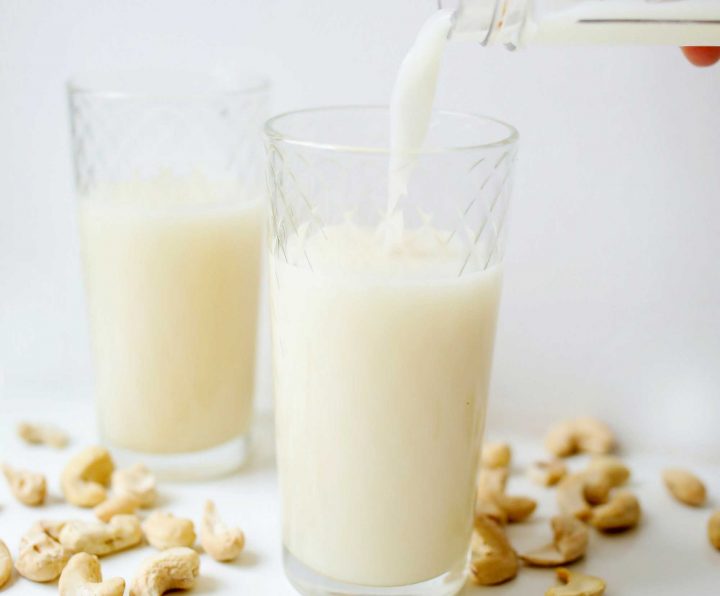
Therapy depends on the severity of the disease. Everyone concerned has to find out for themselves how much lactose they can tolerate. With a low-lactose diet, where around 8 to 10 g of lactose can be tolerated, cheese and sour milk products can be eaten in small quantities. Dishes containing milk can be prepared with soy milk or other alternative types of milk. Sour milk products are better tolerated because the lactose-breaking enzymes in the lactobacilli from which they are made continue to work in the digestive tract and can break down milk sugar.

Cashew milk - Photo by Polina Tankilevitch from Pexels

There are also lactose-free products on the food market. Lactase is added to the milk or milk product, which already breaks down the milk sugar. This milk is much sweeter because lactose is not as sweet as the broken down glucose and galactose.

As a result of better consumer protection, since 2005 all ingredients in a food that are classified as allergy triggers or intolerance reactions have had to be listed on food labels across Europe. Since 2006 in the US the Food Allergen Labeling And Consumer Protection Act is in effect with the same purpose. Allergy labeling also includes lactose. It is not uncommon to find lactose in products in which one would not expect it. In the event of intolerance or allergies, the lists of ingredients must always be carefully studied. Often there are also manuals available in which the products that are lactose-free are listed.

Calcium Supply

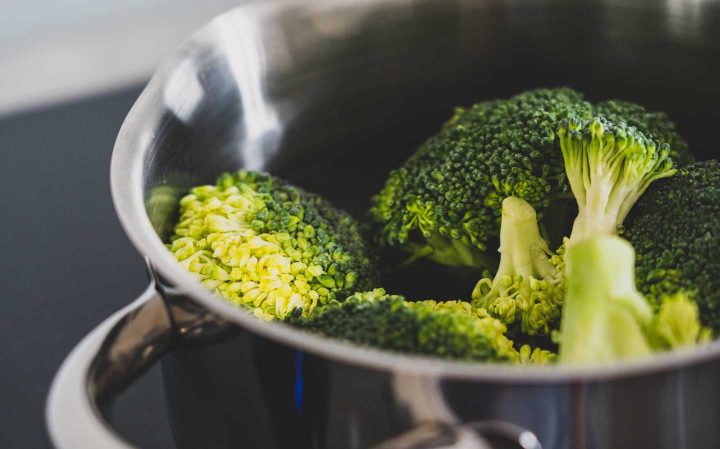
Calcium can be easily obtained from plant sources. These include broccoli, fennel, nuts, sunflower seeds, sesame seeds, nettles, calcium-rich mineral waters, calcium-fortified fruit juices, and soy milk. You can definitely live without dairy products if you are interested in nutrition and think about where else the calcium can be found in the food. Nowadays, when mass livestock farming leads to all sorts of problems and we have just shown how problematic dairy products are for many people, it is worthwhile to think about a diet that is free or at least poor in animal products.
Broccoli as calcium source - Photo by Castorly Stock from Pexels

Wrong Development Aid

Lactose intolerance is particularly widespread in countries receiving development aid. What kind of goods are being sent there? For a large part they are surplus products from the industrialized nations. This also includes powdered milk. It is distributed in large quantities to sections of the population who do not tolerate dairy products at all.

Take the Indians in their reservations as an example. They also belong to the group that is genetically determined to be almost 100% lactose intolerant. They receive powdered milk deliveries with great regularity. Fortunately, the Indians know that they would rise like a yeast braid if they were to drink this milk. But what do you do with the milk powder? Some use it to mark the playing fields on their sports grounds.

But if milk is distributed in parts of Africa where small children are already suffering from lactose intolerance, it is like throwing gasoline into the fire. The little ones, who are already suffering from edema from hunger and have bulging stomachs, get diarrhea and colic after consuming milk.

Conclusion

Today, lactose intolerance no longer requires giving up the consumption of dairy products because we have medicines and lactose-free dairy products at our disposal. But even better is a balanced dairy free diet and lots of exercise. There are entire population groups who cannot tolerate and do not consume milk and dairy products and are still well nourished with healthy bones. We can belong to this group if we eat a balanced diet, exercise a lot and adopt a sensible lifestyle. To this end, God, our Creator, gave us the power of reasoning. It is our privilege, even our responsibility, to be concerned about some sensible, healthy lifestyle changes.
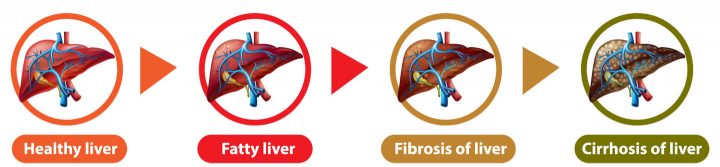
Healthy Fruits

Stay Always Up to Date

Sign up to our newsletter and stay always informed with news and tips around your health.
Sign Up Now!

Filed Under: Digestive Diseases, Diseases, Nutrition

NAFLD – When the Liver Gets Inflamed

October 29, 2021 by Elen Duarte - [rt_reading_time label="Reading Time:" postfix="minutes" postfix_singular="minute"]

Liver

Bill((name changed by the redaction)) is 58 years old, obese, but feels perfectly healthy. During a routine check-up, Bill got the news that he has fat in the liver. However, Bill has no symptoms beyond his already known obesity, and does not feel pain or discomfort. Bill is worried because the doctor says it is a fatty liver, which if not taken care of, could turn into cirrhosis. However, Bill says that he never consumed a lot of alcohol, and for 5 years he was not even drinking socially. Bill is concerned and comes to us in search of nutritional advice to improve his health and contribute to the treatment of the disease.

NAFLD - When the Liver Gets Inflamed

NAFLD (Non-Alcoholic Fatty Liver Disease) is caused by an inflammation in the liver due to the accumulation of triglycerides in the liver tissue. NAFLD is a very prevalent multi-factorial disease associated with metabolic factors. It is usually caused by poor eating habits together with physical inactivity or obesity. It can also arise as a consequence of diabetes, high cholesterol, high blood pressure, or the metabolic syndrome that is a compound of these symptoms.((Hepatologia SBd, Coelho HSM, Leite NC. Prevalência e importância da doença hepática gordurosa não alcoólica [internet]. Universidade Federal do Rio de Janeiro.; [Accessed on: 07 oct. 2021]. https://sbhepatologia.org.br/pdf/revista_monotematico_hepato.pdf))

NAFLD can be considered the first level of Hepatic Steatosis, a disorder characterized by the accumulation of fat inside liver cells. It silently affects a growing number of the population around the world. A more recent study conducted in the United States with 328 asymptomatic patients reported that 46% of individuals had steatosis, and of those 70% were obese and 26% diabetic. Studies show that a BMI > 30 and diabetes mellitus are considered risk factors for the evolution of steatohepatitis to cirrhosis.((Aray Nabuco e Wilson Vieira, COMO CONTROLAR A GORDURA NO FÍGADO – Coleção Saúde Essencial))

Progression of liver disease

Obesity has become more frequent around the world and in all age groups. Currently, there are one billion overweight adults in the world, 300 million of whom are obese with a BMI ≥ 30. In the US, around 30% of the population has non-alcoholic fatty liver disease (NAFLD). This is even clearer in morbidly obese patients, in which the prevalence of hepatic steatosis is around 76 to 91%, with 25 to 37% of the individuals progressing to hepatitis.

NAFLD prevalence increases with age, but children and adolescents are not spared. Obesity is the accumulation of triglycerides (blood fat) in adipose tissue. When the fat cells reach their limit of expansion, the accumulation of fats in other tissues, including the liver, begins to occur.((Aray Nabuco e Wilson Vieira, COMO CONTROLAR A GORDURA NO FÍGADO – Coleção Saúde Essencial))

An obese man holding his belly. Photo by Towfiqu barbhuiya from Pexels

The prevalence of type 2 diabetes has been increasing exponentially. According to the World Health Organization (WHO), in 2030 there will be more than 300 million individuals with diabetes worldwide. Macro and microvascular complications can arise over the years, reducing the life expectancy and quality of diabetic patients. After obesity, diabetes mellitus was the risk factor that most correlated with the presence of non-alcoholic fatty liver disease (NAFLD).((Hepatologia SBd, Coelho HSM, Leite NC. Prevalência e importância da doença hepática gordurosa não alcoólica [internet]. Universidade Federal do Rio de Janeiro.; [Accessed on: 07 oct. 2021]. https://sbhepatologia.org.br/pdf/revista_monotematico_hepato.pdf))

In another study of 195 patients with cirrhosis due to Non-Alcoholic Liver Steatosis, who were followed for five years, 12.8% developed liver cancer. The risk was higher in elderly men with diabetes mellitus.((Ascha MS, et.al. The incidence and risk factors of hepatocellular carcinoma in patients with nonalcoholic steatohepatitis. Hepatology. 2010 Jun;51(6):1972-8. DOI: 10.1002/hep.23527)) Mortality from chronic liver disease is the third leading cause of death among patients with Non-Alcoholic Liver Steatosis.

Main Symptoms

Normally, there are no symptoms of any kind during the early stages of the disease, so NAFLD is often accidentally discovered through tests to diagnose other diseases. NAFLD, if treated at the beginning, can be reversible, but 30% of diagnosed patients suffer the progression of the disease.

Although in most cases it is an asymptomatic disease, in more advanced stages it is possible that some people feel pain in the right side of the abdomen, swollen belly, nausea, vomiting and general malaise. In the presence of these symptoms, a hepatologist should be consulted for tests that assess liver function and disease severity.((Aray Nabuco e Wilson Vieira, COMO CONTROLAR A GORDURA NO FÍGADO – Coleção Saúde Essencial))

A woman with pain in the liver region - photo created by freepik - www.freepik.com

Liver steatosis has three stages, two of which are reversible (fatty and inflamed), and the third stage is Liver Cirrhosis, when the damaged parts of the organ form scar tissues and the disease becomes irreversible.

NAFLD Diagnosis

To assess the health of the liver, the doctor may order blood tests, imaging tests such as ultrasound, tomography and MRI, and even a biopsy, as these tests provide important information about alterations in this organ. The most used are imaging exams, due to their fast and high diagnostic accuracy. In the specific case of NAFLD, it is common to request the following blood tests:

The liver function test contains typically the markers ALT (Alanine Aminotransferase), AST (Aspartate  Aminotransferase) and GGT (Gamma Glutamyl Transferase), which assess the concentration of liver enzymes. They are complemented with Albumin, Bilirubin, Lactate dehydrogenase and prothrombin time. These tests are usually ordered together and provide important information about the liver’s condition.

Blood work to measure Glucose, Cholesterol and Hemoglobin are also part of the analysis.

Treatment

The treatment needs to be multidisciplinary. Lifestyle changes and control of risk factors should be encouraged.

It is important for the patient to seek a healthy, natural and wholesome diet, increasing the consumption of fruits, freshly prepared vegetables and whole grains rich in fiber.

A healthy breakfast

The intake of processed and ultra-processed foods, as well as refined carbohydrates, should also be reduced. These foods are harmful to the liver and have a high content of fat and sugars which contribute to excess weight, the main risk factor for hypertension, diabetes and NAFLD. It is good to avoid sweets, soft drinks, sugary drinks, margarine, cheese and fried foods in general.((https://www.sbhepatologia.org.br/pdf/FASC_HEPATO_31_FINAL.pdf))

Some herbs and teas can be useful for treatment. But beware of weight loss tea mixtures! In the search for weight loss to regain quality of life, patients diagnosed with fatty liver run the risk of complicating their condition. Although weight loss is considered the main pillar of treatment, it is important that weight loss is gradual. Rapid weight loss can aggravate steatosis because, before being “burned”, the fat stored in the body also passes through the liver, overloading it. The recommendation is to avoid rapid weight loss with these products, as even a natural product is not always harmless.

Some teas also have high detoxifying efficiency, but they must be inserted correctly in terms of dosage and timing of treatment, under the supervision of a doctor. Otherwise, the patient may progress to drug hepatitis, which occurs when the liver becomes inflamed by the action of the proper herbs.((Aray Nabuco e Wilson Vieira, COMO CONTROLAR A GORDURA NO FÍGADO – Coleção Saúde Essencial)) Always seek professional advice from a skilled doctor or nutritionist.

Drug hepatitis can occur from either herbal or regular prescription drugs. In this case, it is necessary to evaluate the cost-benefit and study the possibility of substitution. The use of anabolic steroids should be discontinued, and if steatosis is associated with other diseases, such as hypothyroidism or polycystic ovary, these conditions should be treated accordingly.((Hepatologia SBd. Doença Hepática Gordurosa Não Alcoólica: Consenso da Sociedade Brasileira de Hepatologia [internet]. Sao Paulo; 2017. [Accessed on: 07 out. 2021]. https://www.sbhepatologia.org.br/pdf/Consenso_DHGNA_da_SBH-2015.pdf))

There is no specific medication for steatosis, but some medications to control cholesterol, diabetes and obesity are indicated for some patients.

A very interesting herbal treatment is silymarin. It is an extract of the seeds of the herb Silybum Marianum, also popularly known as cardus marianus, milk thistle or Saint Mary’s thistle, and has been given for years to treat liver diseases.

Milk thistle flower - By Alvesgaspar CC BY-SA 3.0, https://commons.wikimedia.org/w/index.php?curid=10109722

Pre-clinical scientific studies indicate that silymarin can reduce oxidative stress and consequent cytotoxicity, thus protecting intact liver cells, or cells not yet damaged. Silymarin acts as a free radical scavenger and modulates enzymes associated with the development of cell damage, fibrosis and cirrhosis.((Gillessen A, Schmidt HH. Silymarin as Supportive Treatment in Liver Diseases: A Narrative Review. Advances in Therapy 37, 2020. DOI: 10.1007/s12325-020-01251-y))

In an analysis of treatment with patients that had diabetes and non-alcoholic cirrhosis combined, silymarin was also able to improve glycemic parameters. To obtain maximum benefit, treatment with silymarin should be started as early as possible, when the liver’s ability to regenerate is still high in patients with fatty liver disease.

Silymarin can be consumed as a tea or in the form of capsules and tablets, in order to complement the treatment indicated by the doctor, and must be accompanied by physical exercise and change of eating habits.

Getting rid of NAFLD mainly requires the patient’s commitment to change their unhealthy lifestyle. It is recommended to achieve a healthy weight, in a plan that combines physical exercise,((Hepatologia SBd. Doença Hepática Gordurosa Não Alcoólica: Consenso da Sociedade Brasileira de Hepatologia [internet]. Sao Paulo; 2017. [Accessed on: 07 out. 2021]. https://www.sbhepatologia.org.br/pdf/Consenso_DHGNA_da_SBH-2015.pdf)) using low and medium intensity activities, with changes in eating habits. Some scientific studies show benefits in using supplementation with Vitamin E, Omega 3, Vitamin D((Hepatologia SBd. Doença Hepática Gordurosa Não Alcoólica: Consenso da Sociedade Brasileira de Hepatologia [internet]. Sao Paulo; 2017. [Accessed on: 07 out. 2021]. https://www.sbhepatologia.org.br/pdf/Consenso_DHGNA_da_SBH-2015.pdf)) and herbal preparations such as silymarin. Treat your liver well, as it is essential for your health!

Healthy Fruits

Stay Always Up to Date

Sign up to our newsletter and stay always informed with news and tips around your health.

Sign Up Now!

Filed Under: Diseases, Metabolic Syndrome

What You Ought to Know about the COVID-19 Vaccines

October 20, 2021 by Martin Neumann - [rt_reading_time label="Reading Time:" postfix="minutes" postfix_singular="minute"]

Vaccine

On December 2 the Medicines and Healthcare Products Regulatory Agency of the United Kingdom gave temporary authorization for the application of the Pfizer and BioNTech’s COVID-19 vaccine. Between 8 and 15 of December the first dose of the vaccine was applied to 137,897 people in the country.((Covid vaccine: More than 130,000 vaccinated in UK in first week. BBC News, December 16, 2020)) The United States followed soon after, approving the Pfizer vaccine on December 11 and the Moderna vaccine on December 18. In the meantime, 14 different vaccines were approved in a number of different countries.

What You Ought to Know about the COVID-19 Vaccines

The rapid pace of the development of those vaccines has made a number of critiques to raise their voices and speak up. Some are vehemently against any vaccination, others are very concerned about the speed of the approval process, and some have even assumed that the vaccines would be able to permanently modify the DNA of the human body. The discussion is very emotional on both sides.

There are some concerns that are for real. But how can we separate the fads from facts? And not all vaccines are made alike. In order to understand what is happening, we need to understand a bit deeper, how vaccines were made traditionally and which new technologies were applied for the COVID-19 vaccines.

Different Vaccine Approaches

Inactivated Vaccines

This approach is multiplying the virus on a cell culture and killing it afterwards with heat, radiation or chemicals. The entire dead virus or fractions of it are then injected into the human body in order to be presented to the immune system, which is able to create antibodies against the virus. Since the dead virus does not replicate and exposure is therefore limited, more than one dose is needed to create the desired effect. The efficiency of the vaccine often decreases over time, and a repeated vaccination may be necessary every few years. This category of vaccines is though the safest option available in relation to side effects, and is used for many years for Hepatitis, polio, influenza and rabies vaccines among others.

Inactivated vaccines for coronavirus are developed in India under the brand name Covaxin. In Brazil, Turkey and Indonesia CoronaVac was tested and approved. An alum adjuvant is supposed to increase the immune response in this candidate. The efficacy of 50,38% is not the best, but even those who get infected are normally not needing hospitalization. In China was developed the BBIBP-CorV vaccine, and with an efficacy of 80% it is the most effective candidate in this category that far. Another vaccine candidate in this category is being developed in Wuhan, China, which was named WIBP-CorV. In Russia the vaccine CoviVac was developed.((COVID-19 vaccine tracker on raps.org)) Since this technology is used for many years in the development of vaccines, it can be potentially just as safe as any other vaccine in use today. We will see later why they are still not as save as your flu shot.

mRNA Vaccines

The Pfizer and Moderna vaccines were the first two vaccine candidates being approved in the US, and both are in the category of mRNA vaccines. What does that mean?

A virus normally uses spike proteins on their surface to dock onto a human cell and release a messenger RNA sequence into the cell. This mRNA sequence hijacks the human cell and gives instructions to replicate the virus and multiply itself. This process is repeating itself until the immune system starts to recognize the virus and can do an efficient combat. If that process takes too long, the virus can make you pretty sick until the immune system is finally strong enough to win the battle.

In case of the mRNA vaccine, it is mimicking the replication mechanism of a virus in order to produce a part of the virus that the immune system is supposed to recognize. An RNA sequence is synthesized in the laboratory that instructs the human cell to produce just the spike proteins of the virus, which are released into the bloodstream. The immune system is that way exposed to the spike proteins and can therefore create antibodies against the virus.

In order to prevent the immune system from attacking the mRNA before entering the cell, it is encapsulated into a fat membrane, similar to a cell membrane. This allows also for a merging with the cell membrane that will release the mRNA substance directly into the cell. The difference to a real virus is that the resulting proteins are not capable to replicate themselves.

According to preliminary test results, the Pfizer vaccination showed a 90% effectivity to prevent from infection compared to placebo, while the Moderna vaccine showed 94.5% effectivity.((Moderna vs. Pfizer COVID 19 Vaccine. Medcram Episode 117)) Compared to the flu vaccines that were never reaching more than a 50% effective rate, this is pretty promising. But there is not enough statistical data available to determine how efficient the vaccine works in elderly people or other vulnerable groups.

Moderna Headquarters - Photo Wikipedia
Moderna Headquarters in Cambridge, Massachusetts, by Fletcher via Wikimedia CC BY 4.0

The phase III studies of those two vaccines did do a COVID-19 test only on the candidates that developed symptoms. It remains unclear, whether those who are vaccinated are only symptom-free and contribute to an asymptomatic infection of the virus. “In the worst-case scenario, you have people walking around feeling fine, but shedding virus everywhere,” says virologist Stephen Griffin at the University of Leeds, UK.((The UK has approved a COVID vaccine — here’s what scientists now want to know. Nature, December 3, 2020))

The advantage of this technology is that the vaccine can be produced on a large scale within the laboratory, while conventional vaccines depend on the reproduction of the virus in cell culture, which can be a little bit more time-consuming. The problem is just that this technology is for the first time being applied in human vaccines, and similar to genetically modified foods, the potential long-term side effects of this new technology are still not known. According to the Phase III trials those vaccines are supposed to be safe, but follow-up data is available only for a few weeks of the study period. So we know very little about potential long-term complications related to that technology. We know though that the genetic code of the mRNA for producing the spike protein needs to undergo several alterations in order to work efficiently, and the side effects of all those alterations are not fully known yet.((Seneff S, Nigh G. Worse Than the Disease? Reviewing Some Possible Unintended Consequences of the mRNA Vaccines Against COVID-19. International Journal of Vaccine Theory, Practice, and Research Vol.2 No.1(2021)))

Under normal circumstances, a RNA structure does not influence in any way the human DNA, and will not cause any genetic modifications of your body. However, in the presence of retroviruses like the HIV virus, it could happen that a RNA structure of the vaccine gets transcribed into the DNA of a cell. But even if this happens, the infected cell would be modified to produce spike proteins, but would not replicate to alter the DNA of other cells. A contamination of the human DNA from mRNA vaccines is though highly unlikely.

One problem arises with the fact that the mRNA structure needs to be packed into liponanoparticles. They are associated with a number of allergic reactions. A study in mice found also strong inflammatory responses from those nanoparticles.((Ndeupen S. et.al. The mRNA-LNP platform’s lipid nanoparticle component used in preclinical vaccine studies is highly inflammatory. https://doi.org/10.1101/2021.03.04.430128))

This problem came up after the Pfizer vaccine was released to the public. Within the first 2 weeks of vaccination, there were already 8 cases of anaphylactic shock reported. Suspicion arises, that the chemical compound polyethylene glycol may be the culprit. This substance is part of the Pfizer as well as the Moderna vaccine, and has never been applied in a vaccine before.((Jop de Vrieze. Suspicions grow that nanoparticles in Pfizer’s COVID-19 vaccine trigger rare allergic reactions. Science Magazine, December 21, 2020
COVID-19 Vaccines for People with Allergies. CDC, Updated Mar. 25, 2021)) A study found the rate of anaphylactic reactions to be at 2.47 cases per 10,000 vaccinations applied, and equally distributed between the Pfizer and Moderna vaccines. They also found that 2.1% of the subjects reported acute allergic reactions.((Blumenthal KG, Robinson LB, Camargo CA, et al. Acute Allergic Reactions to mRNA COVID-19 Vaccines. JAMA. 2021;325(15):1562–1565. doi:10.1001/jama.2021.3976))

Another challenge is the distribution of the vaccine. The Pfizer vaccine needs to be stored at -70°C, which is -94°F. After being thawed, it needs to be used in a short time, because it is not very stable at room temperature. The Moderna vaccine is a bit easier at this point, allowing storage at 25°F (-4°C) for a month.((Moderna vs. Pfizer COVID 19 Vaccine. Medcram Episode 117))

Recombinant Viral Vector Vaccines

In this technology, a virus, normally being an adenosine virus causing the common cold, is being genetically modified in order to lose the ability to replicate inside of humans. Instead of the replication genes, a modified DNA structure is inserted. The modified virus is still capable to attack a human cell and deliver its own DNA structure inside the nucleus of the cell. Similar to the mRNA vaccines, the modified DNA is submitting Messenger RNA structures to the cytoplasm of the cell with instructions to produce the spike proteins of the coronavirus. This again triggers the desired immune system response, so that antibodies are formed and are able to protect from future infections.

The AZD1222 vaccine developed by the University of Oxford and AstraZeneca is the best-known candidate of this vaccine. It is based on a modified chimpanzee adenosine virus, that is shuttling the DNA into the host cell. Here a video explaining the mechanism of the vaccine in detail:

According to the developers, the DNA is modified only on the few infected cells, that are used to replicate the virus, and it will not alter the human genome. But it obviously makes use of genetically modified viruses, and a technology that was never tested on a wide scale on humans. And some scientist do not exclude the potential risk of introducing exogenous DNA in the human genome by this technology.((C Zhang. et.al. Advances in mRNA Vaccines for Infectious Diseases. Front. Immunol., 27 March 2019 | https://doi.org/10.3389/fimmu.2019.00594))

Another problem could arise from the response of the immune system to the vector virus itself. If the immune system starts to attack the vector virus, it will be impaired to deliver its message to the host cells. Using the same vector in both vaccine doses could limit immune response to a certain degree, and in case that the immune system was exposed to the adenosine virus strain before, it could neutralize the efficiency of the vaccine. Using a vector virus that had limited exposure to humans avoids this problem, but brings also unforeseeable risks. And exposure to viruses vary greatly between countries, which means that efficiency could vary greatly between countries.

The vaccine was in the news since the clinical trials were put on hold two times after two participants were facing neurological adverse effects during the trial, something that showed up later on in real world application as well.((AstraZeneca’s quick Covid-19 vaccine trial restart splits experts. Clinical Trials. October 12, 2020)) The vaccine is know for its side effects. Some adverse side effects like pain, tenderness, fatigue, fever and headaches were reported by participants for about 60% for each of those symptoms on the day after the vaccine, although most of the symptoms subsided after a 7 day period.((Pedro M. Folegati et. al. Safety and immunogenicity of the ChAdOx1 nCoV-19 vaccine against SARS-CoV-2: a preliminary report of a phase 1/2, single-blind, randomised controlled trial. The Lancet, Volume 396, ISSUE 10249, P467-478, August 15, 2020)) Critiques mention that the placebo group received a meningitis vaccine, which is known for its adverse side effects, and even so the adverse reactions of the AZD1222 vaccine were quite higher.((Heated Vaccine Debate – Kennedy Jr. vs Dershowitz. Youtube, July 23, 2020)) In some study sites, antiinflammatory medications were applied together with the vaccine, which did not happen in real world applications of the vaccine.

More concerns were arising recently after it was discovered that the vaccine can cause in some cases blood clots and low platelet count within a 2 week period after vaccination. Denmark decided as a result to stop the administration of the vaccine, since they observer about 1 incidence in 40.000 persons vaccinated. Soon after Germany, Italy, France, Spain, Norway, Sweden, Latvia and The Netherlands followed with at least temporary suspension, among others.((Which countries have stopped using AstraZeneca’s COVID vaccine? Aljazeera, 15 Mar 2021
AstraZeneca vaccine: Denmark stops rollout completely. BBC News, April 14, 2021)) A German Scientist was able to pinpoint the mechanism how those blood clots are formed. He discovered that the adenovirus vector can cause a reaction of the platelets, which in turn can trigger a chain reaction that brings the entire immune system out of control, very similar to an autoimmune disease. He concluded that this reaction most likely applies to other viral vector vaccines as well.((Scientists Find How AstraZeneca Vaccine Causes Clots. WebMD, April 22, 2021))

Based on the negotiations with the Oxford University, the vaccine producer AstraZeneca promised to forgo initial profits in order to provide the vaccine at a near cost price. And since the vaccine does not require expensive refrigeration, it is likely to get popular in third world countries.

Another candidate in this category is the Sputnik V vaccine developed by Russia. It supposedly delivers a 91% efficiency rate due to the fact that a different adenosine virus is applied at each of the two doses as the vector virus. The vaccine has its own scandals. President Vladimir Putin has issued emergency authorization in August, when it had been tested only on a dozen of people. Vaccination was made available to the public for free, before the phase III trials were completed. But the public reacted with skepticism, and some vaccination sites had to throw away doses after defrosting, since not sufficient volunteers showed up for vaccination. And technical problems are making the production schedule lagging behind.((Coronavirus: Sputnik V vaccine rushed out to wary Russians. BBC News, December 8, 2020))

Meanwhile, the official site of Sputnik V is trying hard to sell the safety of their technology.((Adenoviral vaccines. Sputnik V website)) They claim that adenovirus-based drugs are widely used for more than 50 years, just this does not apply to the use of the adenovirus as a viral vector with all the genetic manipulation involved. The first experiments with DNA vaccines were not made until 1989.((The True Story of How mRNA Vaccination was Invented. R. W. Mallone)) They list a number of 254 clinical trials authorized in the US that were performed with adenovirus viral vectors. The first one was done in 1993, trying to treat cystic fibrosis, a rare respiratory disease caused by defective genes. No outcome is reported in the database, leading to the assumption that it was not completed successfully. The first larger study was done in 2004, where 1500 participants received a HIV vaccine to be tested. They cite also a cancer drug using this technology, which was used in China since 2004 in more than 30,000 patients. This was the very first time for this technology being applied on a larger scale, even though it was not in a vaccine setting.

The Sputnik V vaccine was rejected by the Brazilian authorities, since there exists a possibility that the messenger adenovirus starts to replicate inside the body and the vaccine causing an infection inside the body.((URGENTE: Anvisa reprova importação e aplicação da Sputnik V. Terra Brasil Notícias, 26 de Abril 2021)) Furthermore they identified flaws in the production process, in the conducted studies and even the final product. The European Union found also several documentary problems in their study and production process and rejected so far the approval of the vaccine.((Rose M. et.al. EXCLUSIVE European efforts to assess Russia’s Sputnik V vaccine stymied by data gaps. Reuters. July 14, 2021.))

Another vaccine candidate called EpiVacCorona was also authorized by Putin, without having yet entered Phase III trials. This shows how national pride is often a motive to override concerns for safety, and that not only in Russia. There is little data about this vaccine available so far, but it seems to be based on synthetically produced protein structures. But even being authorized, it will still take a while until being publicly available. Technically speaking, the production of synthetical proteins can be tricky, so the Russians may end up with two candidates falling behind in the production schedule.

A third candidate of a viral vector vaccine is developed by Johnson & Johnson which concluded in the meantime Phase III trials. The company had developed already an Ebola vaccine using the same technology. A safety trial in 2015 was temporarily suspended after two serious neurological adverse events were reported, one of which was considered as possibly related to vaccination.((Andrew J Pollard. et.al. Safety and immunogenicity of a two-dose heterologous Ad26.ZEBOV and MVA-BN-Filo Ebola vaccine regimen in adults in Europe (EBOVAC2): a randomized, observer-blind, participant-blind, placebo-controlled, phase 2 trial. The Lancet, November 17 2020)) The Astrazeneca trials were obviously not the first time that those complications arouse with viral vector vaccines. In 2019 they finally launched the Phase III trial, where they planned to enroll 500,000 candidates, but were able to vaccinate only about 60,000 candidates that far. In July 2020 they finally got an emergency authorization from the EU to market the ebola vaccine.((Johnson & Johnson Announces European Commission Approval for Janssen’s Preventive Ebola Vaccine, 1 July 2020))

On April 13 the US paused the application of their COVID-19 vaccine, after 6 cases of blood clots in the brain were reported just few days after applying the vaccine. All six cases occurred among women aged 18–48 years. In this age group it seems to appear at a rate of about 7 cases per 1 million vaccines applied.((Cases of Cerebral Venous Sinus Thrombosis with Thrombocytopenia after Receipt of the Johnson & Johnson COVID-19 Vaccine. CDC, April 13, 2021
CDC Recommends Use of Johnson & Johnson’s Janssen COVID-19 Vaccine Resume. CDC, April 25, 2021)) The EU and South Africa followed the US in pausing the program, while Denmark decided to stop its use altogether. They said that its risks do not outweigh its benefits, declaring therefore that there are safer vaccine candidates available.((Johnson & Johnson vaccine paused over rare blood clots. BBC News, April 13,2021
Denmark ditches J&J COVID-19 shots from vaccination programme. Reuters, May 3, 2021))

There seems to be a common thread among viral vector vaccines, with all of them sharing similar side effects. Cases of anaphylactic shock were also reported in a similar rate like in the mRNA vaccines. There is also the potential for the viral vector to mutate inside the human body and become infectious. This is something that happened with other viral vector vaccines in the past.((Stöhr K. Impfstoffe gegen COVID-19 – Stand März 2021)) Another concern is the use of genetically modified human cells to replicate the virus of the vaccine, which obviously cannot replicate on its own. This creates the potential of human DNA contamination as well as other possible contaminants.((Seneff S, Nigh G. Worse Than the Disease? Reviewing Some Possible Unintended Consequences of the mRNA Vaccines Against COVID-19. International Journal of Vaccine Theory, Practice, and Research Vol.2 No.1(2021)))Considering all the facts, viral vectors seems to be the most complicated and questionable technologies applied amongst the COVID-19 vaccines.

Vaccine Critiques

Initial data suggested, that the Pfizer and Moderna vaccines can give at least 90% protection against the virus. But we do not have enough statistical data to tell whether the protection is that good for elderly people, black and hispanic ethnicities who are disproportionally affected by the pandemic, as well as people with diabetes and other lifestyle diseases. That means, for the groups that are most vulnerable, we have not sufficient statistical data for vaccine efficacy available. Also we do not know how long this immunity will last, since we just started to apply them. A study from Israel suggests that protection for infection is reduced to 75% after 3 months and it dwindled to 16% after 6 months. However, it still showed a 91% efficacy to protect serious illness.((Jeffay N. Israeli, UK data offer mixed signals on vaccine’s potency against Delta strain. The Times of Israel, June 22, 2022)) Similar data comes from Quatar where efficacy was at 80% after one month of vaccination and dropped to 20% after six months. Protection against severe illness was again around 90%((Craig E. Pfizer’s Covid vaccine efficacy against infection plunges to just 20% after six months – but protection against severe illness barely dips, study concludes. Daily Mail, October 6, 2020)) Seems that antibody protection is waning over time, while beta cells are giving a more long lasting immune protection. That means that serious illness is still prevented by beta cells, but infection is possible due to waning antibodies. In clear language, a vaccine can prevent you from becoming seriously ill, but after some time does not prevent you from getting a light infection or spreading the disease. Pfizer has declared that efficacy of the vaccine is already reduced after 6 months and a booster shot will be needed.((Pfizer says it’s time for a Covid booster; FDA and CDC say not so fast. CNN, July 9, 2021))

Another concern is that most vaccines are exposing the immune system to only the spike proteins of the virus. If the virus mutates, it could change the shape of the spike protein and render most of the vaccines ineffective.

At the beginning, scientists were confident that mutations would not be significant enough to cause any problem. In the meantime, two-third of epidemiologist believe that our current vaccines will be rendered ineffective within a year or less.((Two-thirds of epidemiologists warn mutations could render current COVID vaccines ineffective in a year or less. Oxfam International. March 30, 2021)) It was shown already that the Astrazeneca vaccine has limited efficacy against the South African mutation of the virus, and the country has stopped applying this vaccine.((Jonathan Smith. Can Covid-19 Vaccines Keep up with an Evolving Virus? Labiotech.eu 11/02/2021)) A study in Israel suggests that the Pfizer vaccine is less effective against the South African Strand as well.((Kustin T et.al. Evidence for increased breakthrough rates of SARS-CoV-2 variants of concern in BNT162b2 mRNA vaccinated individuals. https://doi.org/10.1101/2021.04.06.21254882)) And other vaccines also showed a reduced efficacy.((Will SARS Cov-2 Become Resistant to Current Vaccines – Implications | Penny Moore, PhD, YouTube, March 9, 2021))

In the meantime the Delta variant is spreading, and being the dominant strain in Israel, it reduced the efficacy of the Pfizer vaccine to 39%, while serious illness was still prevented by 91%.((Jeffay N. Israeli, UK data offer mixed signals on vaccine’s potency against Delta strain. The Times of Israel, June 22, 2022)) We do not know though how much of this is due to limited efficacy of the vaccine, and how much due to the waning efficacy over time. Things seems to be worse in the UK where the AstraZeneca vaccine is more prevalent. An analysis of the data in the UK suggests that the effectiveness to protect against death during the spread of the Delta variant was reduced to 68.1%, which is quite lower than other statistics claim.((Jones W. Why is the ONS Claiming Just 1% of Covid Deaths Are in the Vaccinated When PHE Data Shows the True Figure For August was 70%? The Daily Sceptic, 14 September 2021)) Considering that the Delta variant is spreading around the world, we can already predict that the vaccine alone will not be sufficient to suppress the next wave of the coronavirus.

And we have not seen such a virus yet under selective pressure. When vaccinations are applied on a larger scale, if any significant mutations occur, the ones that are resistant to vaccines and going to spread.((The UK has approved a COVID vaccine — here’s what scientists now want to know. Nature, December 3, 2020)) The French firm Osivax as well as a few other companies are exploring vaccine candidates that will target more than just the spike proteins.((Jonathan Smith. Can Covid-19 Vaccines Keep up with an Evolving Virus? Labiotech.eu 11/02/2021)) All vaccines based on an inactivated virus as a whole will be quite a bit more reliable in this aspect as well.

When a virus is mutating, chances increase that antibody-dependent disease enhancement is taking place, where antibodies are wrongly attached to the virus, and are even enhancing the infection. This far this phenomenon was not observed with SARS-Cov2, but it was observed in several studies with the SARS-Cov virus.((Wikipedia: COVID-19 vaccine
Iwasaki A, Yang Y (21 April 2020). “The potential danger of suboptimal antibody responses in COVID-19”. Nature Reviews Immunology. 20 (6): 339–41. doi:10.1038/s41577-020-0321-6
W S Lee et. al. Antibody-dependent enhancement and SARS-CoV-2 vaccines and therapies. Nature Microbiology volume 5, pages1185–1191(2020) DOI: 10.1038/s41564-020-00789-5
Eroshenko, N., Gill, T., Keaveney, M.K. et al. Implications of antibody-dependent enhancement of infection for SARS-CoV-2 countermeasures. Nat Biotechnol 38, 789–791 (2020). https://doi.org/10.1038/s41587-020-0577-1)) This reaction may be more common in elderly people and other classes with an impaired immune system response. Future mutations of the virus could make all vaccinated persons more vulnerable for this phenomenon, especially if booster shots are involved.

The Danish Scientist Geert Vanden Bossche even theorized that our vaccines are not the right tool to use in the midst of a pandemic. He thinks that the suboptimal immune response after the first dose of the vaccine gives the virus the perfect breeding ground to form mutations while feeling the pressure of the vaccine, but still having enough possibility to replicate. He concludes that similar to bacteria that are antibiotic-resistant, the virus will form mutations that are vaccine resistant as well. He wrote an open letter to the WHO to have a scientific debate about the implications of mass vaccination during the pandemic.((https://www.geertvandenbossche.org/)) Critiques admit that in theory such a reaction is possible, but in practice our vaccines supposedly show a strong enough immune response already after the first dose.((Jarry J. The Doomsday Prophecy of Dr. Geert Vanden Bossche, McGill University, 24 Mar 2021)) They also argue that by reducing the number of infected people, which most governments try to achieve with vaccines, you will reduce the number of mutations. While the truth probably lies in the middle, it shows the need of an open scientific discussion about the global impact of vaccination programs.

Liability Questions

One big question will be the long-term safety of those vaccines. Phase III trials normally take several years, but were short-tracked to a few months. The technologies used for most of the vaccines are fairly new and we do not have much safety data except those short trials. Time will tell how safe they are in relation to long term adverse events as a result to the vaccines. And none of the vaccine manufacturer is willing to take the liability for that.

In the US the liability question was already clearly settled in favor of the producers. A swine flu in 1976 caused some fear that a pandemic similar to the 1918 flu would repeat itself and caused the CDC to issue the development of a nationwide emergency vaccination. Producers agreed to make the vaccine with the condition to be freed from liability. The vaccine was produced and administered within record time to 45 million Americans, but for some unexplainable reasons, the virus did not reappear the following winter. However, about 1 in 100,000 of the vaccinated population developed Guillain-Barré syndrome, and the State had to take care of liability compensation for those cases.((Liability for the Production and Sale of Vaccines. in Vaccine Supply and Innovation)) Due to increased pressure from the industry, since October 1988 all vaccine manufacturers are exempt from liability for any vaccine applied in the US. And during this recent crisis, in order to give an incentive, the Secretary of Health and Human Services has given a blanket immunity to all activities related to combatting the COVID-19 virus.((Legal Immunity: A Reward for Innovators Combatting COVID-19. JDSUPRA March 18, 2020
COVID-19 and PREP Act Immunity. The National Law Review. Volume X, Number 358.))

During the cold war, the vaccine department of the FDA included military officials in order to facilitate emergency preparation for biological weapons, and until today officials report in uniform. In this context, procedures for emergency authorization of vaccines were approved. Critiques mention also that the regulating authorities in the US are widely undermined by the vaccine production lobby, and that independent studies from universities showing the real side effects of vaccinations are deliberately suppressed. In this context of widespread distrust, it is no wonder that the anti-vaccine movement gained force especially within the United States.((Heated Vaccine Debate – Kennedy Jr. vs Dershowitz, Youtube, Jul 23, 2020))

Other countries have more stringent liability laws in relation to vaccines, but in the case of COVID-19 vaccines, no producer is willing to assume liabilities, and no-liability clauses are included in the contracts that are signed with governments. There are now debates going on, how recompensation should be managed for those who develop adverse events as result to the vaccine, especially in poorer countries that are unable to offer such recompensation.((Sam Halabi et.al. No-Fault Compensation for Vaccine Injury — The Other Side of Equitable Access to Covid-19 Vaccines. N Engl J Med 2020; 383:e125))

Safety Concerns

Those new technologies are a real concern. We have Genetically Modified Foods in use since 1994, and until today there are still studies being done on what kind of side effects this technology is causing on our health. If mankind is trying to improve the plants that God has created perfectly, something is always getting out of balance. Now humanity is going a step further and produces genetically modified viruses to be injected into our bloodstream. If that is going to be a blessing or a curse is still going to be seen. Certainly, we can expect a number of allergic reactions to occur, similar to the ones we see with genetically modified foods. What else they will bring, nobody is able to tell so far. For me, the inactivated vaccine candidates seem to be quite a bit more prudent.

Another problem consists that all studies are done on healthy people and carefully exclude people who show allergic reactions or other adverse health conditions. We have therefore no safety data on how vulnerable people groups react to the vaccine. The anaphylactic shocks happening after the application of the Pfizer vaccines appeared just after wider application, since vulnerable groups were excluded in the trials. An Israeli study found an incidence of 1.2% of cases of shingles appearing in a rheumatic study group after the application of the Pfizer vaccine.((Furer V et.al. Herpes zoster following BNT162b2 mRNA Covid-19 vaccination in patients with autoimmune inflammatory rheumatic diseases: a case series. Rheumatology, keab345, https://doi.org/10.1093/rheumatology/keab345)) And we have seen more frequently frail and elderly people dying as a response to the vaccine, so those risks should be carefully considered. Side effects that healthy people handle with ease, like fever, nausea and diarrhea can be contributing to a fatal outcome in frail patients.((Norway investigates 23 deaths in frail elderly patients after vaccination. BMJ 2021; 372 doi: https://doi.org/10.1136/bmj.n149))

It is interesting to note that in the Vaccine Adverse Effect Reporting System there are normally reported around 150 deaths per year for all 70 registered vaccines combined. Now for the COVID-19 vaccines we have already close to 6,000 deaths reported in the system, while about half of the American population was getting vaccinated.((Original VAERS dataset: https://wonder.cdc.gov/controller/saved/D8/D173F192)) According to data of May 2021 this translates to 3.4 deaths for every 100,000 vaccinations applied,((Rose J. A Report on the U.S. Vaccine Adverse Events Reporting System (VAERS) of the COVID-19 Messenger Ribonucleic Acid (mRNA) Biologicals. Science, Public Health Policy, and The Law Volume 2:59–80 May, 2021)) and the number was probably rising slightly in the meantime. There is no proof that all those cases were necessarily caused by the vaccine, but with about 80% of all adverse effects reported happening within the first 24 hours, the likelihood that they are caused by the vaccine is pretty high. And it is also a known fact that not all adverse effects are getting reported, and some people estimate that the real numbers could be five times higher. Exact numbers we probably will never know, but we can affirm that the COVID-19 vaccines are not as save as your common flu shot.

Because of the known limitations of the Adverse Effect Reporting System, the government has developed an app that allows an easy channel for vaccinated candidates to self report adverse events in a convenient fashion. The resulting data is stored in the V-Safe database. Just this data is not publicly available. Only a select group of the CDC and a few authorized researchers have access to this data. If you have an adverse event after taking the vaccine, you should definitely report it to the VAERS system as well under this link:
https://vaers.hhs.gov/reportevent.html

Robert Malone is a scientist that was involved in the development of the mRNA technology. He made on a LinkedIn post the following statement about the current COVID-19 vaccines:

Once again I feel it necessary to make a clear and unambiguous statement. The data strongly indicate that the experimental genetic vaccines, including the mRNA and recombinant adenoviral vaccines, have saved lives. Many lives.

But it is also increasingly clear that there are some risks associated with these vaccines. Various governments have attempted to deny that this is the case. But they are wrong. Vaccination-associated coagulation is a risk. Cardiotoxicity is a risk. Those are proven, and discussed in official USG communications, as well as communications from a variety of other governments.

Based on what I have seen, I believe that other toxicity risks will become more apparent. These include menstrual irregularities, development of thrombocytopenia, cerebrovascular effects, and reactivation of latent viruses such as clinical shingles.

But we do not know how prevalent these are, and the spectrum of severity is unknown and possibly unknowable because the V-Safe database is not being shared outside of CDC, the VAERS systems is deeply flawed, and we just do not have the comprehensive safety data necessary to accurately evaluate risk/benefit for the various cohorts – elderly, healthy normal adults, immunocompromised, pregnancy, adolescents, children, and infants. Particularly the long term safety data necessary to evaluate risks such as autoimmune complications that may manifest months or years post-vaccination. That is just a sciencefact.((LinkedIn Post, https://www.linkedin.com/feed/update/urn:li:activity:6812703149678243841/))

Robert Malone

According to Robert Malone, the main problem consists in the large quantity of spike proteins circulating in the body after the vaccine. A study has shown that the spike protein of the virus causes cell damage, independently of the action of the virus itself to attack cells to replicate.((Lei Y et.al. SARS-CoV-2 Spike Protein Impairs Endothelial Function via Downregulation of ACE 2. Circulation Research. 2021;128:1323–1326 https://doi.org/10.1161/CIRCRESAHA.121.318902)) Another study showed that spike proteins are able to influence cell signalling and could lead to PAH, a serious lung disease, blood clotting, coronary artery disease, hypertension and stroke.((Suzuki Y et. al. SARS-CoV-2 Spike Protein Elicits Cell Signaling in Human Host Cells: Implications for Possible Consequences of COVID-19 Vaccines. Vaccines (Basel). 2021 Jan; 9(1): 36. doi: 10.3390/vaccines9010036)) The spike protein can also damage the blood brain barrier and cause unpredictable brain damage, that shows up in several symptoms for the disease and the vaccine alike.((Buzhdygan TP et.al. The SARS-CoV-2 spike protein alters barrier function in 2D static and 3D microfluidic in-vitro models of the human blood-brain barrier. Neurobiol Dis. 2020 Dec;146:105131. DOI: 10.1016/j.nbd.2020.105131)) The mRNA and viral vector vaccines are inundating the body with a considerate amount of spike proteins, that seem to be causing in some susceptible people symptoms that are varied in nature and in some ways similar to the disease itself. It is interesting to note that 1/4 of the regular dose of the Moderna vaccine showed a sufficient immune response, indicating the the applied doses may be higher than necessary.((Mateus J et.al. Low dose mRNA-1273 COVID-19 vaccine generates durable T cell memory and antibodies enhanced by pre-existing crossreactive T cell memory. doi: https://doi.org/10.1101/2021.06.30.21259787))

A study analyzed the adverse effects recorded within the European Union. They found out that in Poland there were only 16 adverse events recorded for every 100,000 vaccines applied, while in Netherlands this number reached 706 events. They concluded that this extreme difference is due to different reporting standards. They also calculated that according to the the Dutch reporting data there were registered 4,15 deaths and 16,7 severe side effects for 100,000 vaccines applied. Comparing this data with some Israeli vaccination studies, they concluded that we are probably causing 2 deaths from the vaccine to avoid 3 deaths from COVID-19 infections.((Walach H. et. al. The Safety of COVID-19 Vaccinations—We Should Rethink the Policy. Vaccines, 2020, 9(7) 693. DOI:10.3390/vaccines9070693))

The study caused quite a bit of turmoil, being attacked from many sides. The journal finally decided to retract the paper.((Retraction: Walach et al. The Safety of COVID-19 Vaccinations—We Should Rethink the Policy. Vaccines 2021, 9, 693. Vaccines2021, 9(7), 729; https://doi.org/10.3390/vaccines9070729)) The main reason mentioned was, that it is not proven that all events recorded in the system were really caused by the vaccine. This is true and we have mentioned this already for the VAERS database. On the other hand, we cannot safely say, how much of under-reporting was happening, which means we are pretty much in the blind to confirm whether things are better or worse than depicted in this study.

We should fairly say that the number of saved lives from vaccinations is also proportional to the degree that a certain country is being hit by the pandemic. If we calculate the number of saved lives for Peru for example, the vaccine will show more benefit than in Israel, that had ten times less deaths during the entire pandemic. Even so there are many variables defining the benefit/risk ratio, we need to discuss more openly the question on how to protect vulnerable groups from possible vaccine side effects.

Analyzing the available data of the VAERS database, it can be seen that adverse effects of the immune system are the most common ones observed.((Rose J. A Report on the U.S. Vaccine Adverse Events Reporting System (VAERS) of the COVID-19 Messenger Ribonucleic Acid (mRNA) Biologicals. Science, Public Health Policy, and The Law Volume 2:59–80
May, 2021
)) That raises concerns about the safety of the vaccines for people with compromised immunity, and we can expect to see autoimmune diseases to be on the rise. This can be possibly caused by the spike protein, from the disease or the vaccine alike.((Seneff S, Nigh G. Worse Than the Disease? Reviewing Some Possible Unintended Consequences of the mRNA Vaccines Against COVID-19. International Journal of Vaccine Theory, Practice, and Research Vol.2 No.1(2021))) Even the CDC admits that we have not sufficient safety data of COVID-19 vaccines for people with autoimmune conditions.((Vaccine Considerations for People with Underlying Medical Conditions. CDC, Updated Apr. 23, 2021)) And an article from 2018 makes the following statement about mRNA vaccines:

A possible concern could be that some mRNA-based vaccine platforms induce potent type I interferon responses, which have been associated not only with inflammation but also potentially with autoimmunity. Thus, identification of individuals at an increased risk of autoimmune reactions before mRNA vaccination may allow reasonable precautions to be taken.((Pardi N. et.al. mRNA vaccines — a new era in vaccinology. Nat Rev Drug Discov 17, 261–279 (2018). https://doi.org/10.1038/nrd.2017.243))

In Israel was established that the Pfizer vaccine caused a risk of myocarditis in young men that was up to 25 times higher than normal.((Israel reports link between rare cases of heart inflammation and COVID-19 vaccination in young men. Science, Jun. 1, 2021)) Recently a study from the University of Ottawa Heart Institute found out that in an average 1 in 1000 vaccinated persons in all age groups developed myocarditis.((Kafil T. mRNA COVID-19 Vaccination and Development of CMR-confirmed Myopericarditis. doi: https://doi.org/10.1101/2021.09.13.21262182)) There are also questions about safety of the vaccine during pregnancy, especially during the first trimester.((A study concluded that the abortion rate in the first trimester would be 12.6% and the normal published rate 10-26%. The results are in table 4 of this study:
Shimabukuro TT, Kim SY, Myers TR, et al. Preliminary Findings of mRNA Covid-19 Vaccine Safety in Pregnant Persons. N Engl J Med. 2021;384(24):2273-2282. doi:10.1056/NEJMoa2104983
A reader of the journal found an error and commented the following:
In table 4, the authors report a rate of spontaneous abortions <20 weeks (SA) of 12.5% (104 abortions/827 completed pregnancies). However, this rate should be based on the number of women who were at risk of an SA due to vaccine receipt and should exclude the 700 women who were vaccinated in their third-trimester (104/127 = 82%). We acknowledge this rate will likely decrease as the pregnancies of women who were vaccinated <20 weeks complete but believe the rate will be higher than 12.5%. However, given the importance of these findings we feel it important to report these rates accurately. Additionally, the authors indicate that the rate of SAs in the published literature is between 10% and 26%. However, the upper cited rate includes clinically-unrecognized pregnancies, which does not reflect the clinically-recognized pregnancies of this cohort and should be removed.)) And some people have raised concerns that the vaccines could cause infertility,((Mowrey B. What Happened in Singapore? Unglossed, June 23, 20221)) which is a question that can be statistically proven only in a few years from now.

Conclusion

At the end the decision to vaccinate or not needs to be a personal choice. You need to decide whether you want to take the risk of taking the vaccine or whether you want to take the risk of getting the disease. Which of the risks is more prevalent surely depends on many factors that are individual for each person. People who are in at-risk groups for COVID-19 may tend to be inclined to get vaccinated, but at the other hand, they will be exactly the kind of people who are more vulnerable for adverse effects of the vaccines. For children, we can conclude that the risks outweigh the benefits, since they are rarely getting a severe form of COVID-19. In accordance to that, the vaccination commitee in Germany is speaking that far against a general vaccination of the 12 to 17 years age group.((COVID-19 und Impfen: Antworten auf häufig gestellte Fragen (FAQ) Robert Koch Institut, 5.08.2021
Sollten Eltern ihre Kinder nun impfen lassen? Deuschlandfunk 3.08.2021))

It is interesting to mention that a study has found that people who already were previously infected by the virus, showed a similar protection to somebody who got the vaccine, and this group did not receive any significant benefit from being vaccinated.((Shrestha N. et al. Necessity of COVID-19 vaccination in previously infected individuals. https://doi.org/10.1101/2021.06.01.21258176)) Sufficient antibody count was normally found even 9 months after the first positive test.((Dorigatti I. et. al. SARS-CoV-2 antibody dynamics and transmission from community-wide serological testing in the Italian municipality of Vo’. Nat Commun 12, 4383 (2021). https://doi.org/10.1038/s41467-021-24622-7)) And even though that the antibodies are diminishing in quantity within a few months after infection, it was shown that memory B cells can provide a long lasting immune response that should be effective for years to come.((Turner J et. al. SARS-CoV-2 infection induces long-lived bone marrow plasma cells in humans. https://doi.org/10.1038/s41586-021-03647-4)) In Israel they found immunity from a former infection even more effective than vaccination to protect against the delta variant.((Rosenberg D. Natural infection vs vaccination: Which gives more protection? Israel National News, Jul 13 , 2021)) If you already got infected by COVID-19, you can pass your dose to somebody else.

If you decide to get vaccinated, you should prepare yourself to the vaccination with a strong immune system. Be sure you have no flu, cough or other infection for a week before the vaccine. Studies have shown that sleeping well the night before vaccination improve the immune response to the vaccine and decrease possible adverse events. Besides your sleep, follow all other recommendations in the Coronavirus Immunity Challenge. You can minimize much of the inflammatory response by using a tablespoon of flaxseed oil starting 3 days before the vaccine and continuing for 3 weeks after the vaccine. If you feel necessary, you can use an anti-inflammatory drug. N acetyl cysteine can help you a lot to control spike protein damage as well.

I would recommend doing an antibody blood test before vaccination. If the result is positive, you don’t need to be vaccinated. And if you get a vaccine within 3 months of a COVID-19 infection, it may even aggravate your risk for vaccine side effects.((Noorchasm H. Death Of An Orthopod From COVID-19: Was It The Virus, Was It The Vaccine, Or Was It Both? medium.com Feb. 14 2021)) A study has shown a 3 times increase in adverse events in those who had a prior COVID-19 infection.((Knapton S. Covid vaccine side effects up to three times more common in those who have had virus. Telegraph, March 5 2021))

Looking at this picture of uncertainties, one may wonder why there is not more discussion about vaccine safety in government circles. What it looks like is that the vaccine is widely viewed as the only way to end the pandemic. Coming from this perspective, many safety concerns, that normally are causing a halt of a vaccination program, are received with much hesitancy, and any discussion that is seriously critiquing the safety of the vaccination programs is considered to be a threat to public safety. For these reasons, an open discussion of these questions is rarely taking place, even in scientific circles.

The driving force for this policy is the belief that getting at least 70% of the population vaccinated, will create herd immunity and will bring the pandemic to an end. In fact, there seems to be evidence that in countries like Israel, where a large enough percentage of the population is vaccinated, the pandemic is declining. But we have already shown that this is not the case for mutations, and until we have controlled the pandemic worldwide, mutations will continue to arise. I believe it is on the time to discuss alternative measures to complement vaccination programs, and to have an open scientific discussion about risk and benefit for certain people groups.

With that many questions still needing an answer, one may question why other protective measures are not being taken more seriously. We know for a long time that people with obesity, type II diabetes, heart disease or cancer are more susceptible to the disease.((People with Certain Medical Conditions. CDC)) Why are there no interventions to help those people groups to better control their lifestyle-related diseases? We know that most of those conditions can be prevented or even reversed with a healthier lifestyle. And why are early treatment protocols not being advocated?

Vitamin D Supplements - Photo by Pavel Danilyuk from Pexels

There is growing evidence that Vitamin D is playing an important role in improving the immune response against a COVID-19 infection. Studies show that near equator latitudes were affected much less from COVID-19 infections.((Gareth Davis et.al. Evidence Supports a Causal Role for Vitamin D Status in COVID-19 Outcomes. https://doi.org/10.1101/2020.05.01.20087965)) Many other studies are available on the correlation between Vitamin D levels and COVID-19 infection rates as well as disease outcome.((Vitamin D and COVID 19: The Evidence for Prevention and Treatment of Coronavirus (SARS CoV 2). Youtube. December 10, 2020)) Experts suggest, that a widespread supplementation with 4,000 UI of Vitamin D would be one of the cheapest and most effective interventions to limit the spread of the disease. But governments are still skeptical to accept this evidence, and most regulating agencies are still publishing RDA requirements that are way too low to combat the widespread deficiency.((Experts send Vitamin D and Covid-19 open letter to world’s governments. Nutraingredients.com December 21, 2020))

The eight dose Vaccine Program, available for free for every person on planet earth!

Vaccines can reduce your risk for being infected by the virus, but no vaccine can guarantee you a hundred percent protection. There are plenty of cases that persons who were vaccinated got infected and even died of COVID-19. So whether you decide to get vaccinated or not, one of the most important measures you can take to protect yourself is to invest in your immune system. And even for treatment, there is no drug around that can cure the disease. The only thing which will fight off the virus at the end is your immune system.

There are many measures available to strengthen our immune system, and we have it in our own hands to implement them into our lives. For this reason, we have launched the Coronavirus Immunity Challenge on our site. If you have not participated yet, I strongly encourage you to sign up and learn all the insights, so that you can do your part in protecting yourself against this disease.

We have a special opportunity just for you. If you want to receive practical and up to date advice on how to implement an immunity-boosting lifestyle, simply join the Coronavirus Immunity Challenge and prepare yourself to face the pandemic with a bullet-proof immune system.

Sign Up Now

Coronavirus Immunity Challenge

Filed Under: COVID-19, Diseases

« Previous Page
Next Page »

Primary Sidebar

Social Channels

Coronavirus Immunity Challenge

Boost your immune system to be bullet-proof for the pandemic.

I Want to Participate

Recent Posts

  • 5 Habits to Live Longer
  • Better Sleep Can Protect Against Dementia
  • Finding Peace In Your Crazy-Busy World
  • Flaxseed – An Ancient Plant Rediscovered
  • Platelets – Triggers for Life or Death
  • Boderline Personality Disorder
  • In Praise of Almonds and Nuts
  • Are You Stuck in the Clutter Trap?

Categories

  • Body Systems (16)
    • Cell Function (2)
    • Circulatory System (1)
    • Digestive Tract (10)
    • Immune System (4)
  • Diseases (27)
    • Cancer (2)
    • Cold (1)
    • COVID-19 (11)
    • Dementia (1)
    • Diabetes (1)
    • Digestive Diseases (2)
    • Heart Disease (2)
    • Kidneys (1)
    • Metabolic Syndrome (2)
    • Skin (1)
  • Healthy Lifestyle (42)
    • Exercise (11)
    • Gardening (2)
    • Sleep (7)
    • Sunlight (2)
    • Temperance (14)
    • Water (4)
  • Mental Health (87)
    • Addictions (6)
    • Anxiety (7)
    • Burnout (1)
    • Depression (7)
    • Psychosomatic Diseases (6)
    • Stress Management (45)
    • Trust (6)
  • Nutrition (56)
  • Obesity (9)
  • Phases of Life (14)
    • Adults (3)
    • Babies and Infants (1)
    • Children (3)
    • Seniors (5)
    • Teenagers (3)
  • Therapies (7)
    • Herbs (5)
    • Hydrotherapy (1)
  • Uncategorized (3)

Archives

  • January 2025 (1)
  • March 2024 (5)
  • February 2024 (4)
  • January 2024 (4)
  • December 2023 (5)
  • November 2023 (4)
  • October 2023 (5)
  • September 2023 (4)
  • August 2023 (3)
  • July 2023 (2)
  • June 2023 (4)
  • May 2023 (4)
  • April 2023 (5)
  • March 2023 (4)
  • February 2023 (4)
  • January 2023 (4)
  • December 2022 (4)
  • November 2022 (4)
  • October 2022 (5)
  • September 2022 (4)
  • August 2022 (4)
  • July 2022 (5)
  • June 2022 (4)
  • May 2022 (5)
  • April 2022 (4)
  • March 2022 (4)
  • February 2022 (4)
  • January 2022 (5)
  • December 2021 (3)
  • November 2021 (4)
  • October 2021 (6)
  • September 2021 (4)
  • August 2021 (4)
  • July 2021 (5)
  • June 2021 (4)
  • May 2021 (3)
  • April 2021 (5)
  • March 2021 (4)
  • February 2021 (4)
  • January 2021 (5)
  • December 2020 (3)
  • November 2020 (4)
  • October 2020 (5)
  • September 2020 (5)
  • August 2020 (3)
  • July 2020 (1)
  • June 2020 (1)
  • May 2020 (1)
  • April 2020 (1)
  • March 2020 (1)

Copyright © 2026 · Abundant Health - Privacy Policy - Medical Disclaimer