Abundant Health

Up to date health information tailored for you

  • Home
  • Blog
  • Recipes
  • Shop
  • Contact
You are here: Home / Archives for Diseases

Diseases

Celiac Disease – An Intestinal Problem

September 5, 2021 by Esther Neumann - [rt_reading_time label="Reading Time:" postfix="minutes" postfix_singular="minute"]

Zöliakie - eine Darmerkrankung

Celiac disease is a condition like a chameleon. The symptoms are very versatile and the number of unreported cases is high. About one in every hundred is affected. It can take years for the correct diagnosis to be made. If the disease is not detected in time, it leads to severe malnutrition with many secondary diseases such as osteoporosis, anemia, tooth enamel damage, muscle spasms, edemas and even cancer.
Celiac Disease - An Intestinal Problem

Definition

Celiac disease is a chronic disease. It breaks out after the consumption of the pathogenic substance gliadin, which is one of the components of gluten. Of course, gluten is only pathogenic if there is an intolerance. With the technical term, the disease is called “gluten-sensitive enteropathy”. Very specific types of protein from wheat, rye, triticale, barley, oats, spelt, einkorn, emmer and kamut lead to damage to the mucous membrane of the small intestine, called villous atrophy.

The surface of the small intestine is greatly increased by villi and crypts, so that it can come to an intimate contact with the chyme. This allows the nutrients to be optimally absorbed. In patients with celiac disease, incorrectly composed protein bodies are found in the innermost lining of the intestinal wall. Gliadin, a type of protein from the cereals, is bound to these. This either has a direct damaging effect or it leads to a defensive reaction against the gliadin-carrying body cells with subsequent damage to the intestinal mucosa. The villi regress strongly, making the absorption area for the nutrients much smaller.

The cereal proteins lose their pathogenic properties neither through cooking nor through enzymatic breakdown in the gastrointestinal tract. Genetic conditions favor the development of the disease. The white race is the main target of the disease, and prevalence differs widely from country to country. A study in the US found a prevalence of 1 case in 133 persons of the general population.((Fasano A. et.al. Prevalence of celiac disease in at-risk and not-at-risk groups in the United States: a large multicenter study. Arch Intern Med. 2003 Feb 10;163(3):286-92. DOI: 10.1001/archinte.163.3.286 )) A UK study found a prevalence of 1 in 166.(( El-Hadi S, et.al. Unrecognised coeliac disease is common in healthcare students. Arch Dis Child. 2004 Sep;89(9):842. DOI: 10.1136/adc.2003.041459 )) In Australia it seems to be 1 in 70. It is very rare in Japan and sub-Saharan Africa.

The Clinical Presentation

The disease can occur at any age. There are two distinct peaks. One occurs in infancy, the other between the ages of 30 and 40. Girls and women are more often affected. Diagnosis is quicker in toddlers than in adults, because the pathogenic types of protein are usually introduced into the diet between the ages of 4 and 6 months in the form of cereal porridge, biscuits, crackers and bread.

A toddler eating a cereal - Photo by Yan Krukov from Pexels

In case of intolerance, the symptoms become visible after a few weeks or months. The toddler no longer thrives and there is no weight gain. Often it unlearns what has already been acquired. The thin arms and legs and the missing buttocks stand in striking contrast to the bloated belly. The stools are mushy, bulky and smelly. The face remains round for a long time. The skin color is pale.

What happened? The intestinal villi have largely disappeared. The size of the surface of a healthy intestine could be compared to a tennis court, that of a patient with untreated celiac disease to a table tennis table. This leads to severe deficiency symptoms because the nutrients such as protein, fat, carbohydrates, vitamins and minerals cannot be absorbed in the required amount.

 Diagnosis in adults is more difficult. Often, he wanders from one examination to another, is treated for various diseases such as lactose intolerance, osteoporosis or anemia. The typical textbook picture of the disease usually only appears at a late stage. Silent celiac disease is also known, in which the course is symptom-free and there is still a change in the mucous membrane.

Diagnosis

The most important diagnostic measure is the direct examination of the intestinal mucosa. In the past a small metal capsule attached to a thin tube was swallowed in order to extract a tissue sample. Today an endoscopy is used to examine the appearance of the duodenum and obtain 4 to 8 samples for biopsy. A microscopic examination can determine whether there is damage to the mucous membrane or not. Immunological tests support the diagnosis. In case of disease, antibodies to gluten are found in the blood serum. Other deficiencies in the blood can also be detected, such as iron, hemoglobin, vitamin and mineral deficiencies. The diagnosis of celiac disease is then the sum of all the available information.
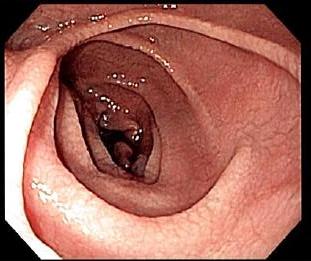
Endoskopie von einem Zwölffingerdarm mit Zöliakieschäden - Foto by Samir from Wikipedia
Endoscopy of a duodenum with celiac damage. Samir at wikipedia, CC BY-SA 3.0

Treatment

Basically, the treatment consists in avoiding the substance recognized as harmful, and this for life. With a gluten-free diet, the mucous membrane of the small intestine gradually recovers and can then no longer be distinguished from a healthy one. However, in adults, recovery can take much longer than in children, who have a much higher rate of cell renewal.

It is difficult to avoid all foods containing gluten. For this reason, working groups have been formed in many countries that have meticulously asked the manufacturers for the exact formulations of many products. The results are summarized and continuously updated in thick manuals with many grocery lists, as the aim is to avoid even the tiniest traces of gluten.

There are gluten free oats on the market that are free from gliadin contamination, but they still contain avenin which can trigger an inflammatory response in some susceptible people. If you do not want to do without oats, a new biopsy should be done after three months of use. In case of doubt it is safer to avoid oats altogether.((Oats and the gluten free diet. Coeliac Australia))
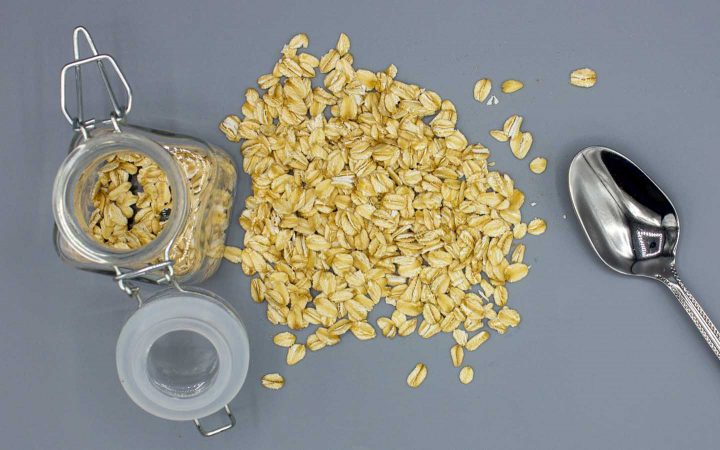
Oat flakes - Photo by Juliet King from Pexels

Traded gluten-free products are specially labeled with a crossed-out cereal ear. Just studying the ingredient list of a product does not help, because a compound ingredient does not have to be declared if less than 25% of it is contained in the final product. Gluten can also be added to products for technological reasons, such as a processing aid or as a carrier.

Celiac Societies

If celiac disease is diagnosed, contact with the local celiac society is established if desired. The affected person receives a manual with a precise description of the clinical picture and with many practical tips for cooking with gluten-free products. A list of restaurants, hotels and health resorts is enclosed that cook gluten-free if required. There are also many tips for dealing with authorities, because a gluten-free diet is expensive and time-consuming. That is why there are increased family allowances and tax allowances in many countries.

I have Celiac Disease – And What do You Have?

People with celiac disease are considered healthy when maintaining a gluten-free diet and completely normal in every respect. Of course, especially with children who would love to eat what other children eat, there are occasional grievances. Why he can’t bite into a tempting doughnut to his heart’s content? Why does he always have to take his special things to eat at a birthday party? The diagnosis of celiac disease for a child and his or her parents is certainly not a trivial matter. Parents, grandparents, acquaintances and friends shouldn’t feel sorry for the poor child all the time, but should encourage them, show them that celiac disease is sometimes an unpleasant thing, but nothing devastating.

Contacts

Celiac Disease Foundation (USA)
www.celiac.org

National Celiac Association
www.nationalceliac.org

Canadian Celiac Association
www.celiac.ca

Coeliac Australia
www.coeliac.org.au

Coeliac New Zealand
www.coeliac.org.nz

Coeliac UK
coeliac.org.uk

Recipes

Rice Cake

  • ⅔ cup brown rice
  • ⅔ cup orange juice ( (juicing 4 large oranges))
  • ⅓ cup honey
  • 1 tbs dry yeast
  1. Hydrate ⅔ cup brown rice for 12 hours. Makes about 1 cup of hydrated rice.

  2. Blend the ingredients for a few minutes.

  3. Grease a mold with oil, pour the dough and let it rise for 40 minutes to 1 hour depending on weather, until doubled in volume.

  4. Bake at medium heat for about 1 hour.

Dessert
American
Gluten Free

Chickpea Flour Pancake

  • 1 banana
  • 1 cup chickpea flour
  • 2 Tbsp tapioca flour (sweet)
  • 1 Tbsp honey
  • ½ tsp salt
  1. Blend everything with 1 cup of water.

  2. Pour the right amount into the skillet and spread with a spoon or spatula.

  3. Wait until golden and forming bubbles. Loose the pancake with the help of a spatula to flip it over.

  4. Let the other side brown.

  5. Use your preferred filling. Serve still hot.

Cassava Cake

  • 1 lbs cassava root ( (½ kg))
  • ½ cup honey
  • 1 small coconut
  • 1 pinch of salt
  1. Grate raw cassava or crush in the food processor.

  2. Blend the coconut with 1 cup of water.

  3. Mix all the ingredients, adding water if necessary to reach the consistency of cake batter. Taste the dough to check appropriate sweetness.

  4. Grease a mold and spread the dough to a thickness of 1-2 inch. (3-5 cm)

  5. Bake on medium heat until golden.

The cake tastes better the next day.

Dessert
Gluten Free

Corn Bread

  • 2 cups corn flour
  • 1 cup tapioca flour (sweet)
  • 4 Tbsp olive oil
  • 1 Tbsp honey (or brown sugar)
  • 1 Tbsp dry yeast
  • ½ tsp salt
  • sunflower seeds (for decoration)
  1. Mix all dry ingredients.

  2. Add 1 cup of lukewarm water little by little and stir until you get a liquid and homogeneous dough.

  3. Pour the dough into a greased pan.

  4. Let it rise for about 1 hour or until it doubles in volume.

  5. Preheat oven and bake over medium heat for about 1 hour.

  6. Allow it to cool down for a few minutes and remove from pan in order for the bread not to sweat.

  7. Wrap in a cloth to cool.

Wait at least 6h before eating for all yeast to die.

Diabetic, Gluten Free, Vegan

Recipes with Oats

Like we stated, not all with celiac disease can use even gluten free oats. If you have made a test that you can use them, here are some interesting recipes that can serve you.

Oat Bread

This bread is the product of a mistake. Because of an oversight I mixed the wrong ingredients, and it worked out really well!

  • 2 cups oat flour
  • 1 cup tapioca flour (sweet)
  • 4 Tbsp olive oil
  • 1 Tbsp honey (or brown sugar)
  • 1 Tbsp dry yeast
  • ½ tsp salt
  • sunflower seeds (for decoration)
  1. Mix all dry ingredients.

  2. Add 1 cup of lukewarm water little by little and stir until you get a liquid and homogeneous dough.

  3. Pour the dough into a greased pan.

  4. Let it rise for about 1 hour or until it doubles in volume.

  5. Preheat oven and bake over medium heat for about 1 hour.

  6. Allow it to cool down for a few minutes and remove from pan in order for the bread not to sweat.

  7. Wrap in a cloth to cool.

Wait at least 6h before eating for all yeast to die.

Peanut Oat Cookies

Delicious! Children will love these tasty cookies!

  • 3 cups oats
  • 1 pinch of salt
  • 1/3 cup honey
  • 1 cup roasted peanuts
  1. Beat the peanuts in a blender with a little water to form a cream.
  2. Pour into a bowl and put the remaining ingredients, mix well.
  3. Make cookies in the format you want.
  4. Bake in moderate heat until golden brown.
Dessert
Gluten Free, Vegetarian

Coconut Rice Bread

We really love to invent in the kitchen! Coconut bread with brown rice flour. Delicious bread with different flavor and super easy to make =)

  • 1 cup coconut flour
  • 1 cup brown rice flour
  • 1 Tbsp dry yeast
  • 1 cup rolled oats
  • 1/2 cup coconut flakes
  • 1 tsp salt
  1. Mix the flours well with the yeast.

  2. Add salt and mix again.

  3. Add the rolled oats and mix again.

  4. Add 1½ cups of water and mix more until it forms a very homogeneous mass.

  5. Put the dough in a form.

  6. Bake for 1 hour at 390°F (200ºC).

  7. Turn off the oven and let it cool down.

Wait at least 6h before eating for all yeast to die.

Oat Pizza

  • 3 cups fine rolled oats
  • 1 tsp salt
  • 1 chopped onion
  • 2 cloves of garlic
  • 2 chopped tomatoes
  • Oregano and parsley
  • 6 chopped olives
  • Sesame and sunflour for decoration
  1. Put all the ingredients in a container and mix everything, adding water until forming a dough.

  2. Place on a pizza sheet.

  3. Decorate with oregano, sesame and sunflower. If you like, top with vegan cheese.

  4. Bake over medium heat until golden.

Healthy Fruits

Stay Always Up to Date

Sign up to our newsletter and stay always informed with news and tips around your health.
Sign Up Now!

Filed Under: Digestive Diseases, Digestive Tract, Diseases, Nutrition

How Do Emotions Influence Cancer Treatment?

July 2, 2021 by Dr. Cesar Vasconcellos de Souza - [rt_reading_time label="Reading Time:" postfix="minutes" postfix_singular="minute"]

Emoções Influenciam o Tratamento do Câncer

Have you ever noticed that some people with cancer die unexpectedly, but others with less favorable diagnosis survive? Perhaps this can often be explained by the relationship between cancer and the mind, emotions and cancer. Is there any scientific basis for us to believe that positive emotions have specific physiological effects?

How Do Emotions Influence Cancer Treatment?

About negative emotions, we already know that anger is related to the production of norepinephrine, and fear or anxiety has to do with adrenaline. Positive emotions relate to acetylcholine outside the brain, which produces muscle relaxation, and has to do with endorphins and serotonin inside the brain.

Cancer is not just a disease. There are several interrelated diseases, several changes that end up generating cancer. There may be a genetic predisposition, a lot of stress in childhood, a diet of poor nutritional quality, a contaminated environment, polluted air, free radicals, smoking, alcohol abuse and other factors. Cancer is an indication that there is something else dysfunctional in the person’s lifestyle.

Lawrence LeShan was a psychologist who worked for more than 20 years just with dying patients, and in one of his studies of 152 people with cancer, he found that some mental attitudes had a negative influence on those cancer patients.

The study came to some interesting conclusions about the emotional or mental posture found in the people surveyed, who developed some form of cancer. Let’s look at some of these results from this study. Of these 152 people, 109, or 72%, had lost their purpose to live, and were unable to establish new relationships. There may have been attempts to develop new relationships, but they failed and the person remained isolated, even surrounded by family and friends, so that is to say 72% of people suffered from loneliness.

It was found that 71 of these people, or 47%, almost half of these people, were unable to demonstrate hostility in their self-defense. In other words, she had a feeling that her desires didn’t deserve to be defended, they didn’t know how to protect themselves. They are those people that when you step on their toes, they are the ones who apologize, people who do not know how to defend themselves, even from hostile people.

The study also found that 58 people, or 38% of them, had tension, a major stress due to the death of a parent. For some individuals, the type of emotional bond with the father or mother is so ingrained that when one of them dies, the suffering of the son or daughter is much greater than in people without this type of affective bond, who also experienced a period of grief and normal sadness, but without so much suffering, and without despair. So 38% of people who developed cancer had a lot of suffering a while before the cancer appeared, with the death of the father or mother, because of this extremely strong bond they had with that parent.

A woman experiencing grief in front of the tomb

It was also found that many of the studied group showed self-depreciation, a lack of self-confidence, a lack of respect for their own achievements. It’s the people that when you praise, for example for being in a nice outfit, they say: “Oh, I bought it there at the benefit bazaar”, or when these people have passed an exam and you congratulate them, they say: “Oh, it wasn’t so hard to pass”, that is, they always devalue themselves. So this psychologist working with these people with cancer found that many of them had this self-deprecating mindset.

Other people who had cancer in the study group had a sense of despair they had lived with all their lives, a despair in the sense of looking at life with pessimism, without good prospects for the future. And also the good number of patients evaluated revealed that they had more emotions than energy to express them, and they had very few or no channels of emotional expression, there is no one to whom they could open up, that is, they swallowed, repressed more emotions than they should have done, and some cases seem to explode into cancer.

Dr. Samuel Silverman of the School of Medicine at Harvard University, he says:

If there is a latent tendency to develop cancer, the inability to express one’s feelings will strike the body at some vulnerable point.

You can fight for your life : emotional factors in the causation of cancer
Counseling with a cancer patient

Some mental attitudes that help in the prevention or treatment of Cancer from a psychological and emotional point of view are the following:

  1. Have a meaning for life beyond the desire for physical healing.
  2. Reflect on how best to be useful with what you are, the talents you already have or can be learned.
  3. Learn, that you can express emotions, opinions and still be loved and accepted.
  4. Acquire self-knowledge to live with emotional honesty, that is, not fooling yourself.
  5. Appreciating the positive traits in me, what I can do, the blessings I have received, looking positively at those things that God has placed in me, which are talents, they’re blessings.
  6. Realize that you can try to understand and love yourself, forgive yourself, accept your limitations, without fighting with you, without criticizing yourself, without belittling yourself.
  7. Also strive to make changes in your life, in search of what you want, rather then remaining in a bad situation, even if it produces some benefits, such as an economic gain.

Dr Lawrence mentions in his book a doctor who had a specialty that earned a lot of money. Then she had breast cancer and she found out that she actually would like to work in another specialty, which would earn less money, but she decided to change, resulting in better coping with the cancer.

He cites the case of another woman, a lawyer that was professionally and economically very successful, but who also had breast cancer, and during psychotherapy she discovered that she had always liked music. So this woman decided to quit her job as a lawyer and went into music.

After doing a study on these people who made important changes in their lives after cancer, it was found that they had a much better survival rate, a much better quality of life, a much better recovery from this cancer than those people who got stuck and didn’t do these changes. So it’s important to think that it is healthy for the mind that influences the immune system, to make less money, but to be happy in what you do. Think about it when you decide to make important changes in your life.

Healthy Fruits

Stay Always Up to Date

Sign up to our newsletter and stay always informed with news and tips around your health.

Sign Up Now!

Filed Under: Cancer, Diseases, Mental Health, Psychosomatic Diseases

Pancreas, Diabetes and Meal Frequency

May 30, 2021 by Esther Neumann - [rt_reading_time label="Reading Time:" postfix="minutes" postfix_singular="minute"]

Pancreas

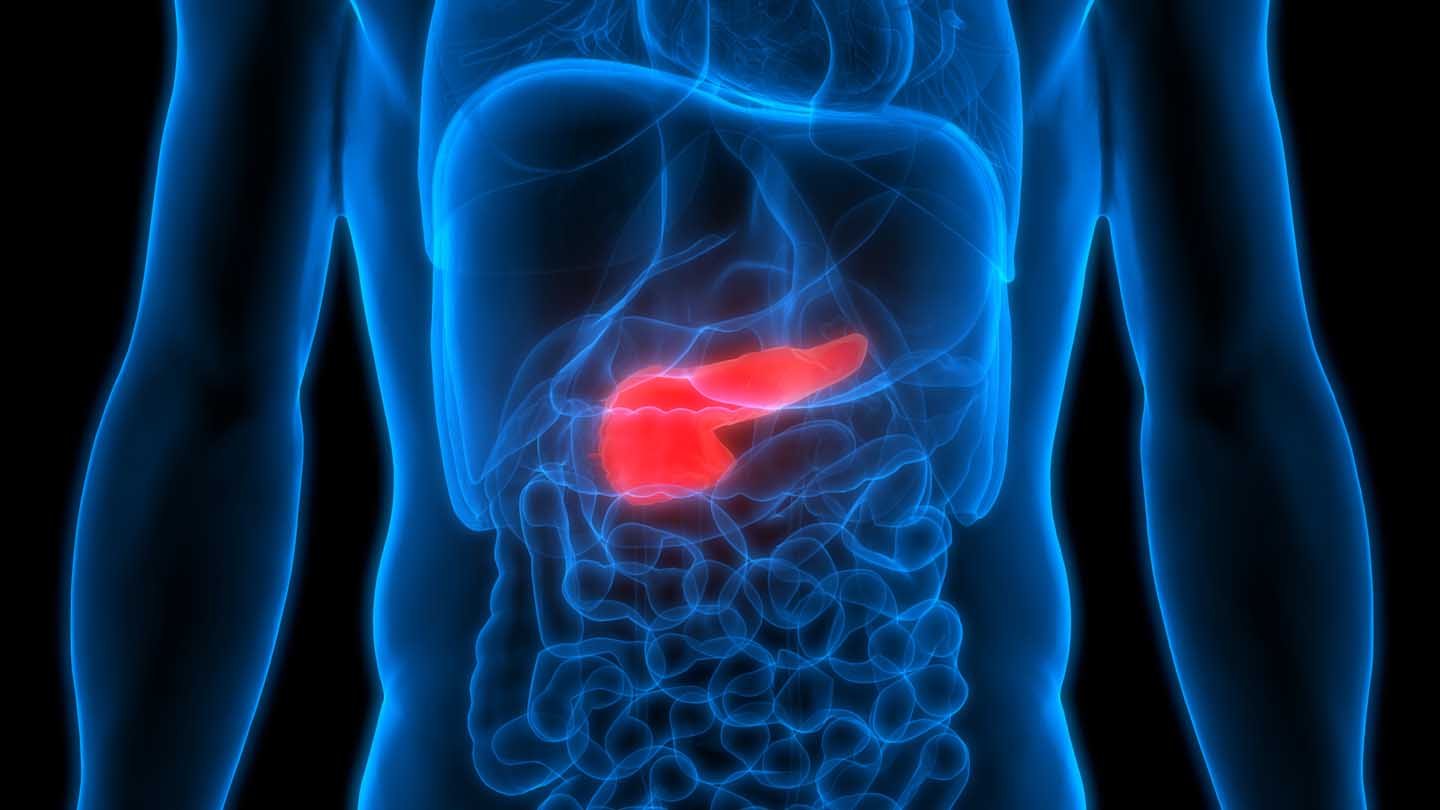
There’s something else behind the stomach – and that’s the pancreas. That’s how we learned it at school. In its first role, the pancreas is a vital digestive gland. In the unborn fetus, it is already developing on the 28th day and the Langerhans islet cells can be seen in the 8th and 9th week. Multipotent stem cells remain in the pancreas throughout their life, because they have to constantly produce replenishment, as a pancreatic cell only lives on average for about 40-50 days.

Pancreas, Diabetes and Meal Frequency

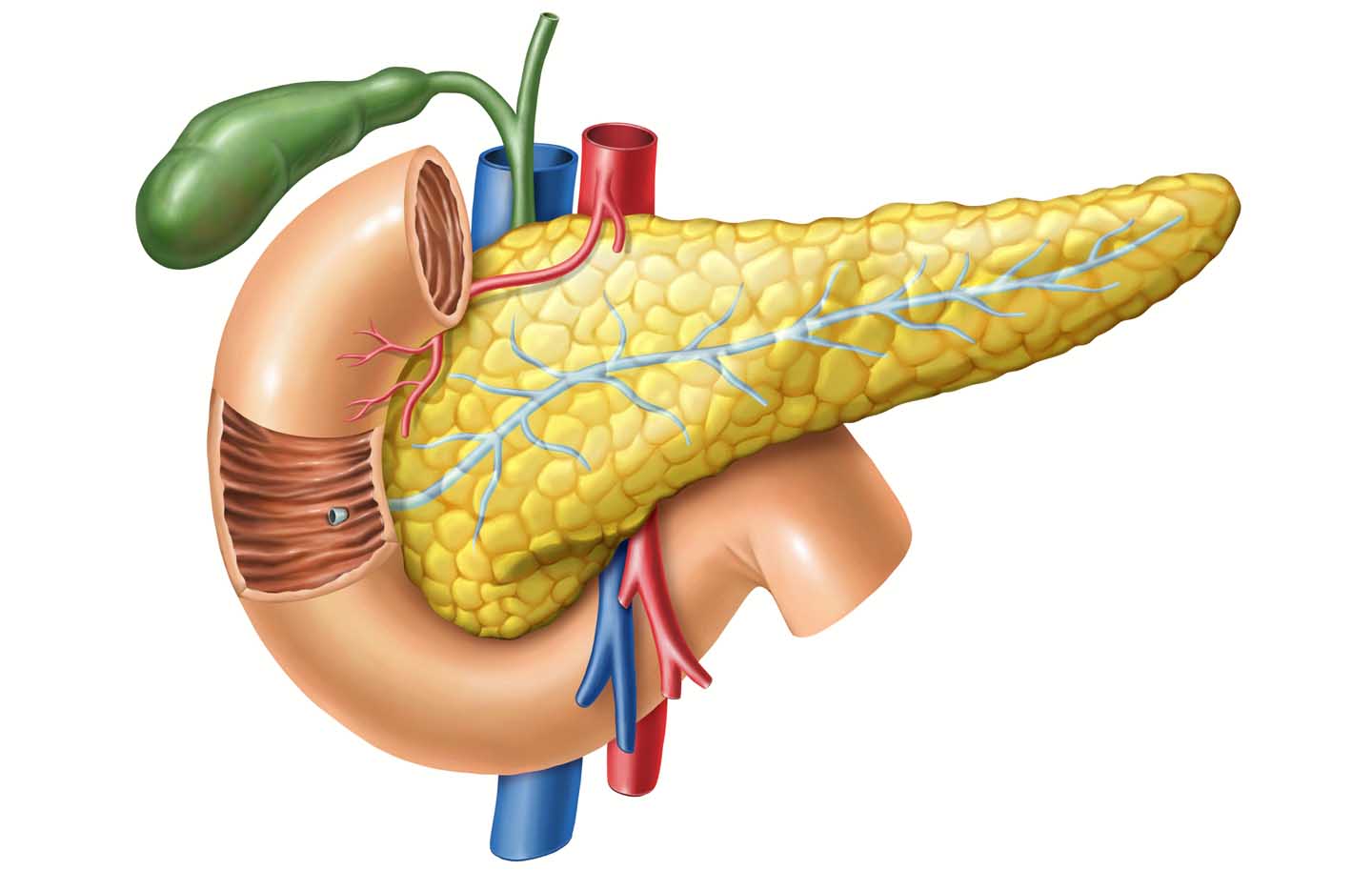
The pancreas is a relatively large gland that lies across the body behind the stomach between the spleen and liver. It is about 5-8 inch (14-20 cm) long and weighs 70-100 g. It is divided into head, body and tail. It is connected to the duodenum via an outlet duct. The duct runs the entire length of the gland. In most people, the main bile duct, the outlet from the gallbladder, unites with the outlet duct from the pancreas. They then flow together into the duodenum.

This junction can be different in some cases. In about a third of all people, both passages lead separately into the duodenum. This is an advantage, for in case that a gallstone sticks at the common duct after the union, it can lead to a backflow of digestive juice and bile in the pancreas and thus to a life-threatening inflammation of the pancreas (acute pancreatitis).

Anatomic drawing of the pancreas together with the bile duct

Exocrine Pancreas

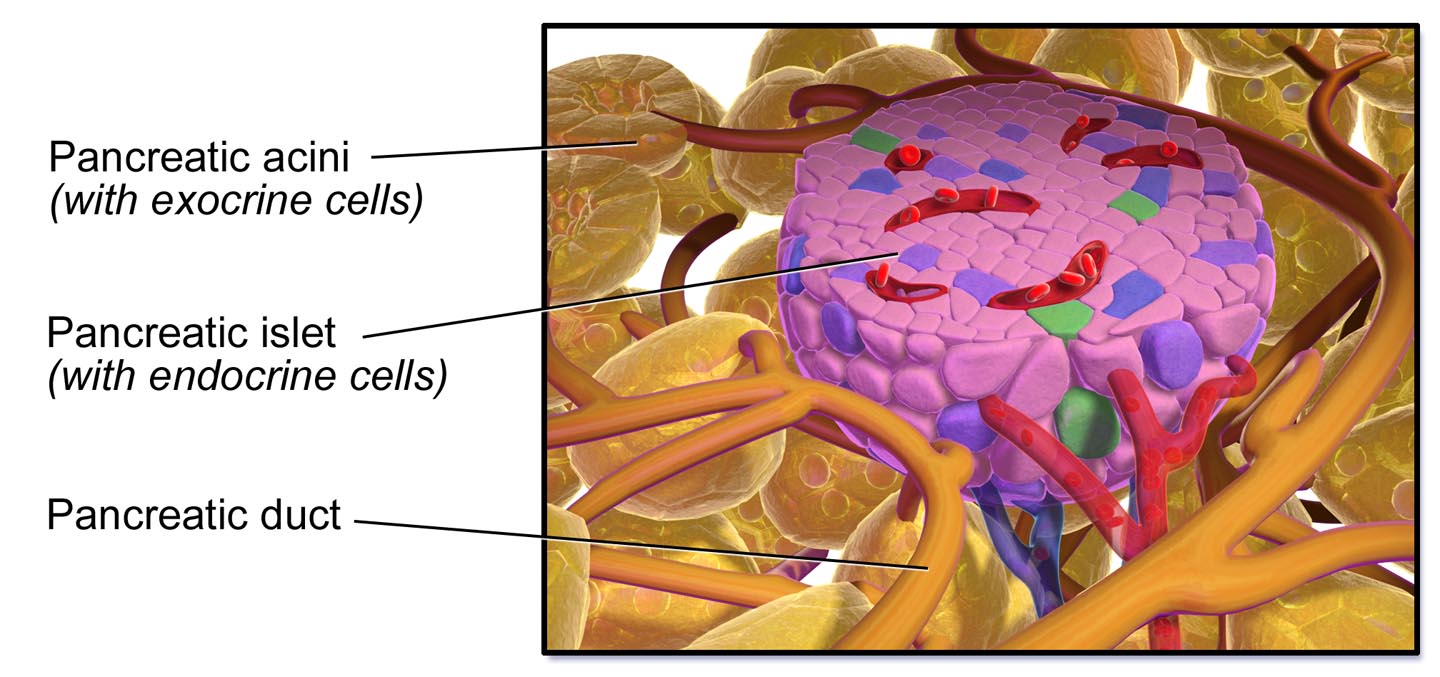
The pancreas contains two parts with very different tasks: the exocrine and the endocrine part. Endocrine is called everything that secretes into the bloodstream and exocrine to the outside, in this case to the duodenum at the beginning of the colon. Note that anatomically speaking, the gastrointestinal tract is considered a tube that is a link of the body with the outside world. The pancreas is made up of several thousand lobules that are barely visible to the naked eye. These in turn are composed of several hundred glandular end pieces, the acini. The secretion of the acini is conducted into the duodenum via a duct system.

About 1.5 – 2 quarts (1.5 – 2 liters) of secretion are produced daily. The most important components are various digestive enzymes: lipases for digesting fat, amylases for digesting carbohydrates and various proteases for digesting protein. Most digestive enzymes, however, are formed in a preliminary stage, which are only converted into the active form inside the duodenum. This prevents the pancreas from digesting itself.

About 95% of the digestive juice consists of water. It is quite important that this juice is rather liquid and that the pH is around 8. In about one in 2000 newborns, the pancreatic secretion is very viscous due to a genetic defect and the pH is almost neutral. As a result, the environment in the duodenum is too acidic and fat digestion cannot function properly. It comes to fatty stools. In the pancreas itself, the ducts are blocked by the viscous secretion. The genetic defect affects various organs of the body. Even in the lungs occurs some blocking and scarring. The clinical picture is called cystic fibrosis.

Pancreatic carcinoma is the third most common tumor of the digestive tract after colon and stomach carcinoma. Smoking, frequent coffee consumption, type I diabetes and chronic pancreatitis can all increase the risk. The prognosis for pancreatic cancer is usually very poor, since rarely an early diagnosis is made, and at this point large parts of the pancreas or all of it have to be removed, often including part of the duodenum. 70 – 80% of cancer cases originate in the exocrine pancreas.

Endocrine Pancreas

The pancreas contains clusters of cells that form small islands within the tissue. They are named after their discoverer, the German physician Paul Langerhans – islets of Langerhans. These are collections of cells with a diameter of 0.1 to 0.4 mm. An adult has about a million of them. This corresponds to 2% of the pancreatic weight. They belong to the endocrine system and release their substances directly into the bloodstream.

Islet of Langerhans - Source: Wikipedia/Medical gallery of Blausen Medical 2014
Illustration from Blausen.com at Wikimedia CC BY 3.0

The main function of these islands is to regulate blood sugar levels. Approximately 70% of islet cells produce insulin. These cells are called Beta cells. 20% are Alpha cells and form glucagon, the counter hormone to insulin. The Delta cells make up 5% and form somatostatin, which even in small amounts prevents the release of glucagon. Another 5% make up the PP cells. PP, the pancreatic polypeptide, consisting of proteins, increases the mobility of the small intestine. This is very important for digestion so that the chyme is well mixed and comes into close contact with the colon wall. This way the nutrients can be better absorbed.

Conductive Pathways

The pancreas is permeated by nerve tracts, lymphatic vessels, lymph nodes, arteries and veins. Blood is supplied through several arteries. It is supplied by a double vascular ring. The smallest veins, the capillaries, have tiny “windows” through which the endocrine cells are in direct contact with the blood. This way the cells “feel” the blood sugar level, so to speak, and the hormones can be released directly into the bloodstream.

Glucose Regulation

Regulating blood sugar levels is very important. The carbohydrates are released into the bloodstream in the form of glucose. The concentration in healthy adults is around 80-100 mg per 100 ml of blood. The two main hormones involved in regulation come from the pancreas: insulin and glucagon. They are opponents. Insulin lowers sugar levels and glucagon increases them. After a meal, the glucose is absorbed into the blood. The blood sugar level rises. In healthy people, this causes insulin to be released into the blood, which has the function of lowering sugar levels back to normal. The insulin opens the way for glucose to enter the body’s cells. There glucose is converted into energy, where it is supposed to be used for movement, heat production and other purposes. However, insulin also causes the excess glucose to be channeled into the liver or muscles. There glucose is converted into glycogen to be stored for the use of intervals between meals.

If the sugar level falls below normal (work, fasting), glucagon stimulates the liver to release glycogen, converting it into glucose which is released back into the bloodstream. The sugar level rises again. Renewed food intake will start the whole process all over again. Continuous food intake, such as constant snacking, overstrains this control loop, which sooner or later fails, leading to type II diabetes mellitus. Obesity also promotes the development of diabetes. This type used to be referred to as adult-onset diabetes. However, because patients with diabetes are getting younger and younger due to an unreasonable lifestyle, this term has been abandoned.

Snacking taxes the panreas - Photo by Tim Samuel from Pexels

Sometimes oral anti-diabetic drugs are used to increase the release of insulin from the Beta cells and can be used to treat type II diabetes. If the lifestyle is not corrected, their effectiveness is normally weaning with time.

Type I diabetes is an autoimmune disease with targeted destruction of the Beta cells that produce insulin. This diabetes can only be treated with insulin injections. Beta cells can also be damaged by viral infections. Research suggests that certain components of cow’s milk, if administered to infants whose intestines are still permeable, can trigger an autoimmune response that damages the Beta cells. So it really makes sense to breastfeed the newborn for as long as possible.

Even if the Delta cells are damaged, for example by a tumor, the blood sugar rises. Tumors affecting PP cells cause severe diarrhea.

We see that our pancreas is a very important organ for our digestion and the whole metabolism. We do well to take good care of our pancreas. We shouldn’t overwork our pancreas by constantly snacking or eating too many meals a day. A healthy adult will do well on three meals a day. He doesn’t need any snacks. Between meals he should consume only liquids, ideally water. In his wise creative power God has implanted a very interesting organ in our body. We can only be amazed how nicely and wonderfully our entire metabolism depends on small things that are interdependent like the many wheels of a clockwork.

Healthy Fruits

Stay Always Up to Date

Sign up to our newsletter and stay always informed with news and tips around your health.

Sign Up Now!

Filed Under: Body Systems, Diabetes, Digestive Tract

Acne – Battle of Hormones

May 15, 2021 by Esther Neumann - [rt_reading_time label="Reading Time:" postfix="minutes" postfix_singular="minute"]

Akne

Acne takes worldwide the top position of all dermatological diagnoses. 80 – 85% of all teenagers suffer from acne to a greater or lesser extent. Inadequate treatment in more severe cases can lead to physical and psychological consequences. It is generally believed that acne is a disease of puberty. But adults and already toddlers can suffer from it.

Acne - Battle of Hormones

Most of those affected in the second decade of life have a mild form of acne. The clinical presentation mostly regresses between the ages of 20 and 25. 30% have courses that require specialized medical treatment.

Acne is caused by a combination of several pathophysiological factors: overproduction of skin fats by the sebaceous glands of the skin, cornification disorders and microbial colonization of the sebaceous gland sheath as well as inflammatory changes. During puberty, the production of male sex hormones, so-called androgens, increases in boys and girls. The sebaceous glands are thus stimulated to increase the production of sebum. The oily skin has a stronger cornification on the surface than dry or normal skin, which results in a narrowing of the excretory ducts. The skin fat is therefore very difficult to excrete and accumulates.

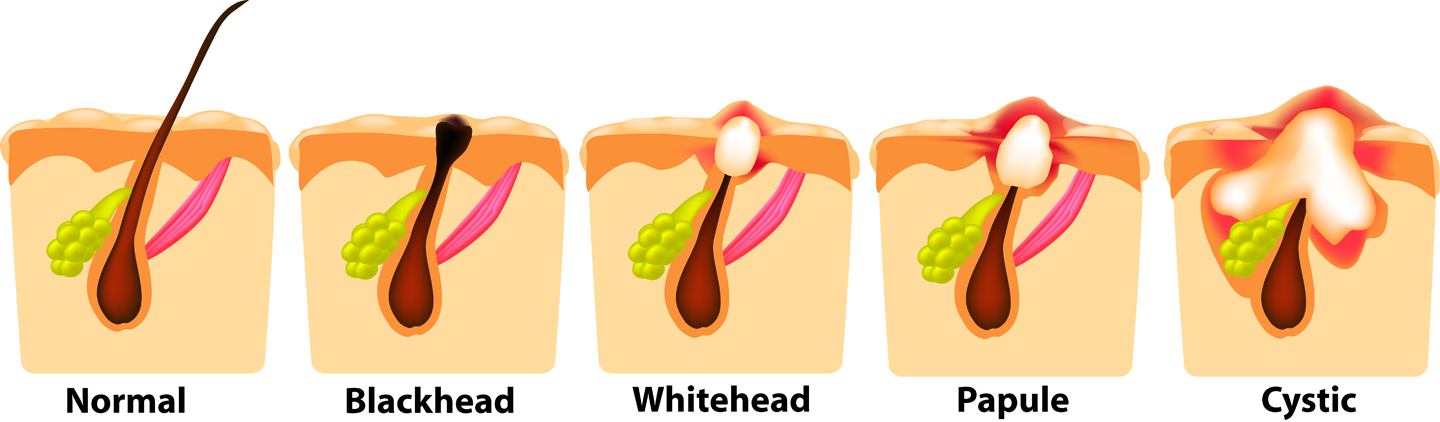
For the further course of the inflammatory process, it plays a role whether excessive colonization of bacteria can occur. As a metabolic product, free fatty acids are produced, which irritate the surrounding tissue. Initially, red nodules (papules) form, which can become ulcerated and then turn into pustules.

Types of Acne

Forms of acne can be classified by cause, age or severity of occurrence.

Acne neonatorum and acne infantum are forms that affect newborns and children. The formation is usually minor and healing occurs spontaneously, unless there are serious hormonal disorders. Acne vulgaris occurs during puberty and often extends into adulthood (acne tarda). It develops in the areas rich in sebaceous glands on the face, neck, chest and back.

The non-inflammatory comedonic acne only forms blackheads (comedones) or at most lightly inflamed papules (skin thickening). Papulopustular acne is the transition to inflammatory pustules and papules. The severe form is acne conglobata with large inflammatory nodules, abscesses, fistulas and scars.

Progression of Acne

Acne caused by environmental causes can in principle occur at any age. Acne aestivalis is also called Mallorca acne. It occurs after intense exposure to UV rays. Acne cosmetica occurs after long-term application of high-fat cosmetics. Acne medicamentosa is caused by drugs containing barbiturates, lithium or corticosteroids, misuse of anabolic steroids or overdoses of vitamins B6 and B12. People who take higher doses of vitamin D also suffer from acne more often.

Acne venenata is contact acne that can be triggered by chlorine, tar or lubricating oils. This list is not complete, but it should suffice to illustrate the wide range of causes and manifestations.

Consequences and Complications

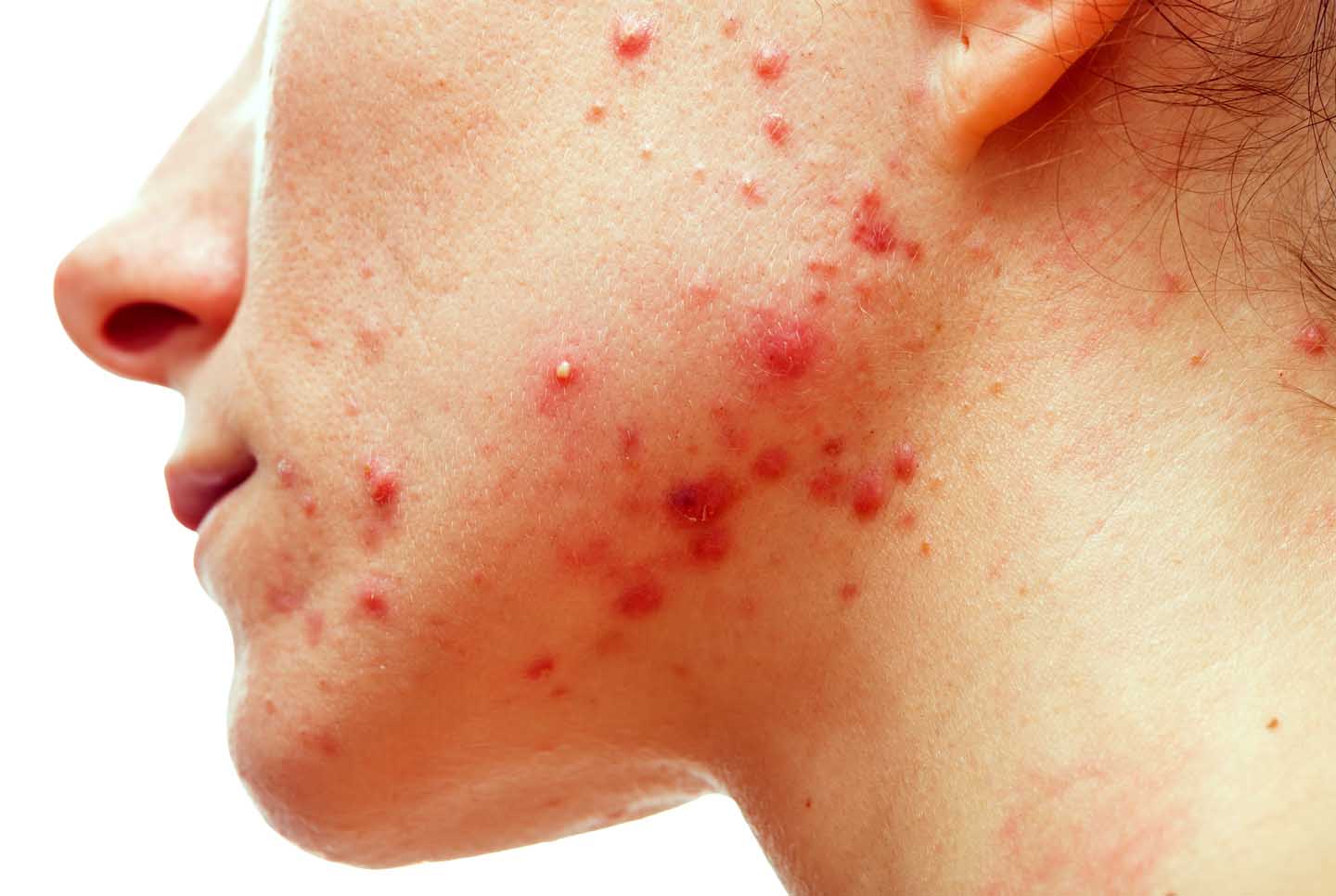
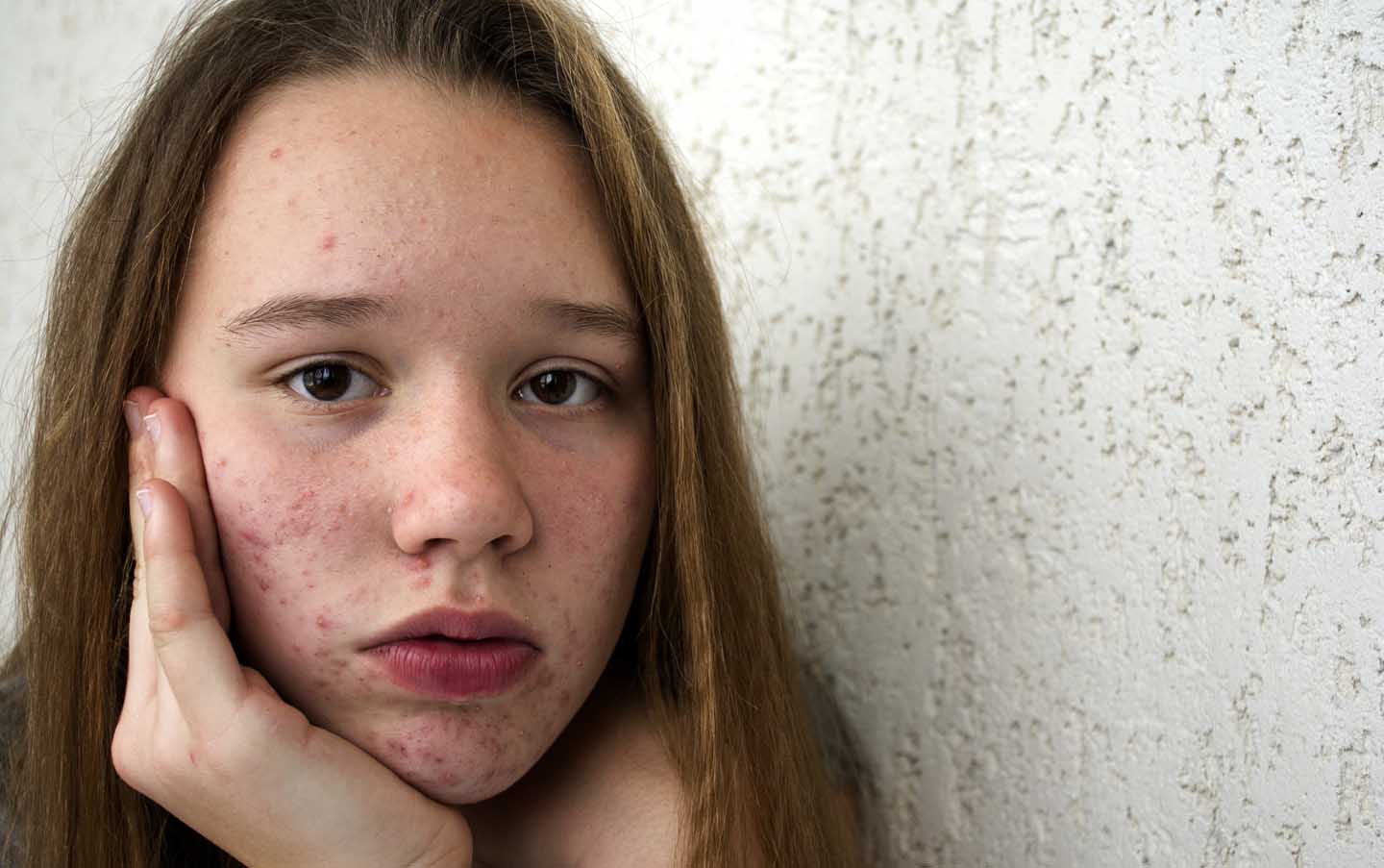
Inflammation caused by acne can be accompanied by redness, swelling, and pressure pain. In the case of major inflammation, swelling of the lymph nodes can also occur. Squeezing out blackheads and pustules can lead to smear infections and boil formation. Severe forms of acne are associated with scarring. Psychological and social problems can arise. Those affected feel stigmatized or bullied. Self-esteem suffers. The pressure of suffering is often very high.

Teenager mit Akne

Acne and Diet

The influence of diet is still widely discussed, for the reason that there are not enough studies on the subject. The few studies show that there is a link between the consumption of dairy products and the formation of acne.((Adebamowo C et.al. High school dietary dairy intake and teenage acne. DOI: 10.1016/j.jaad.2004.08.007
LaRosa C et.al. Consumption of dairy in teenagers with and without acne. DOI: 10.1016/j.jaad.2016.04.030
Landro A et.al. Family history, body mass index, selected dietary factors, menstrual history, and risk of moderate to severe acne in adolescents and young adults. DOI: 10.1016/j.jaad.2012.02.018)) It is more pronounced in girls than in boys. It is not the fat content of the milk that matters, but the hormones in the milk. These are not associated with fat but with whey proteins. Even whey protein supplements manifested the same effects.((Pontes T et.al. Incidence of acne vulgaris in young adult users of protein-calorie supplements in the city of João Pessoa–PB. DOI: 10.1590/abd1806-4841.20132024)) Milk also contains other bioactive molecules such as steroids and growth factors that could also play a role in the development of acne.

What role milk really plays can vary from person to person. Certainly it is worth trying to avoid dairy products for a few weeks. My daughter had suffered badly from acne. Whenever she has completely canceled dairy products, her skin became very beautiful. But if she was careless, she spontaneously deteriorated. She also ate a lot of boiled carrots during this difficult time, and the beta carotene in them is the precursor of vitamin A. Vitamin A is very important for the skin structure. If there is a vitamin A deficiency, infections occur. Apricots, mangoes, oranges, peppers, spinach and Swiss chard also contain many carotenoids.

Salt should not be used too much, as high salt consumption promotes fluid retention in the skin, which can worsen inflammation of the sebaceous glands.

A fiber-rich diet with lots of fruits and vegetables, legumes and grains is appropriate because the fiber binds hormones such as androgens and excretes them. One study shows that blood serum and urine levels of androgens are lower in people who eat a high fiber diet.

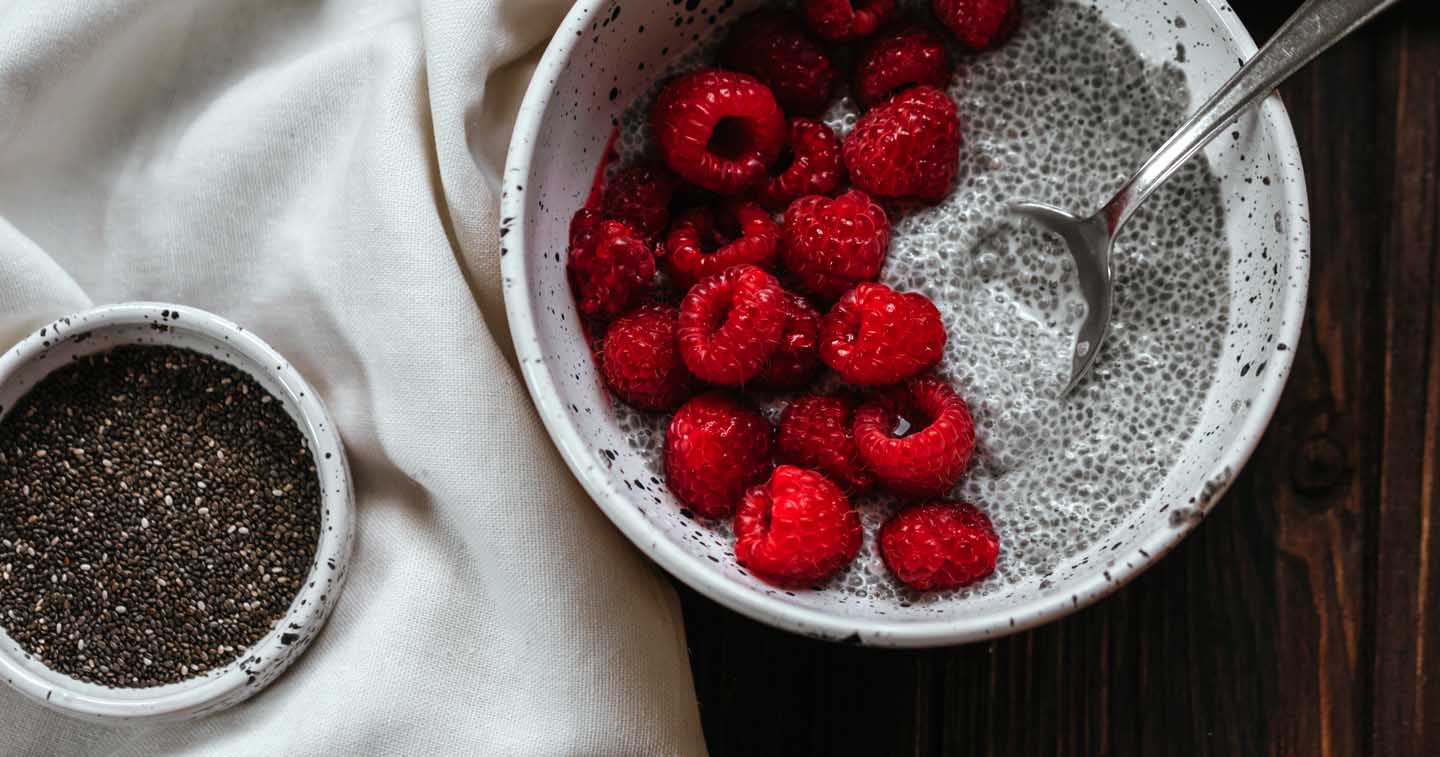
Omega 3 fatty acids also play a role. They have anti-inflammatory and inhibitory effects on the formation of leukotriene B4, which together with the androgens stimulate the production of sebum. Omega 6 fatty acids on the other hand have an inflammatory effect and will increase acne formation.((Cordain L. Implications for the role of diet in acne. DOI: 10.1016/j.sder.2005.04.002)) Omega 3 fatty acids are found in nuts, flaxseed, chia, wheat germ as well as flax, chia, hemp, canola, walnut and wheat germ oil. Teenagers who eat a lot of saltwater fish high in omega 3 fatty acids have significantly less acne. But fish is no longer recommended today because of the high levels of heavy metals.

Chia as Omega 3 source - Photo by Polina Kovaleva from Pexels

Lukotrienes are tissue hormones derived from arachidonic acid. Arachidonic acids occur in very high quantities in lard and hard cheeses such as Emmental. They should be avoided in acne and all other inflammatory processes.

There was found a link between eating chocolate and the development of acne. This was true also for the consumption of dark chocolate and pure cocoa powder.((Vongraviopap S. et.al. Dark chocolate exacerbates acne. DOI: 10.1111/ijd.13188
Caperton C et.al. Double-blind, Placebo-controlled Study Assessing the Effect of Chocolate Consumption in Subjects with a History of Acne Vulgaris. J Clin Aesthet Dermatol. 2014 May;7(5):19-23. PMCID: PMC4025515)) The consumption of fat, sugar and other refined products was associated as well with a higher risk of acne.((Aksu A et.al. Acne: prevalence and relationship with dietary habits in Eskisehir, Turkey. DOI: 10.1111/j.1468-3083.2011.04329.x)) This might be due to the increased release of insulin, which in turn makes the androgen hormones more active.((Julson E. Top 7 Foods That Can Cause Acne. Healthline, January 24, 2018))

Soybeans and derived products can have a beneficial effect. They contain phytoestrogens, which help to achieve a hormonal balance. Tumeric has anti-inflammatory properties, and probiotics can help as well to control inflammation. Vitamin A, D, E and zinc can help to strengthen the immune system and fight the bacteria involved in acne formation.((Julson E. Top 7 Foods That Can Cause Acne. Healthline, January 24, 2018))

Lifestyle Factors

Unfortunately, many teenagers suffering from acne smoke. High levels of arachidonic acid and polycyclic aromatic hydrocarbons have been found in cigarette smoke. These substances promote the development of inflammatory tissue hormones. The motto: “You are fine without smoke” should be spread much more widely among young people for many reasons.

Many acne patients have noticed for themselves that stress plays a large role. Around exam dates and in girls around the time of their menses, pustules can really flourish. If a new pimple is found on the nose in front of the mirror, it can be very stressful. It shows who has a good self-esteem or whether this nonsense on the nose can throw you off track.

The acne years coincide with the problem years due to the detachment from the parental home. This can involve a large amount of stress. An open ear within family circles and a more relaxed approach to the social pressures can help a lot. In a difficult case, you should seek professional help.

Pharmacological Treatment

Any treatment for acne requires patience. In difficult cases, you should work with a dermatologist. There are many active ingredients that suppress sebum production and normalize the cornification process. Alpha-hydroxy acids, benzoyl peroxide, linoleic acid creams, retinoids (vitamin E), isotretionin, salicylic acid, zinc and zinc compounds, hormones in women and antibiotics in severe cases are some of the agents used. The treatment depends on the clinical manifestations and is arranged together with the doctor. False concepts and expectations are widespread. Realistic goals must be explained and the patient’s personal responsibility must be emphasized. But before you shoot cannons on flies, it is advisable to first take a close look at your diet and lifestyle. Because many of the drugs also have side effects.

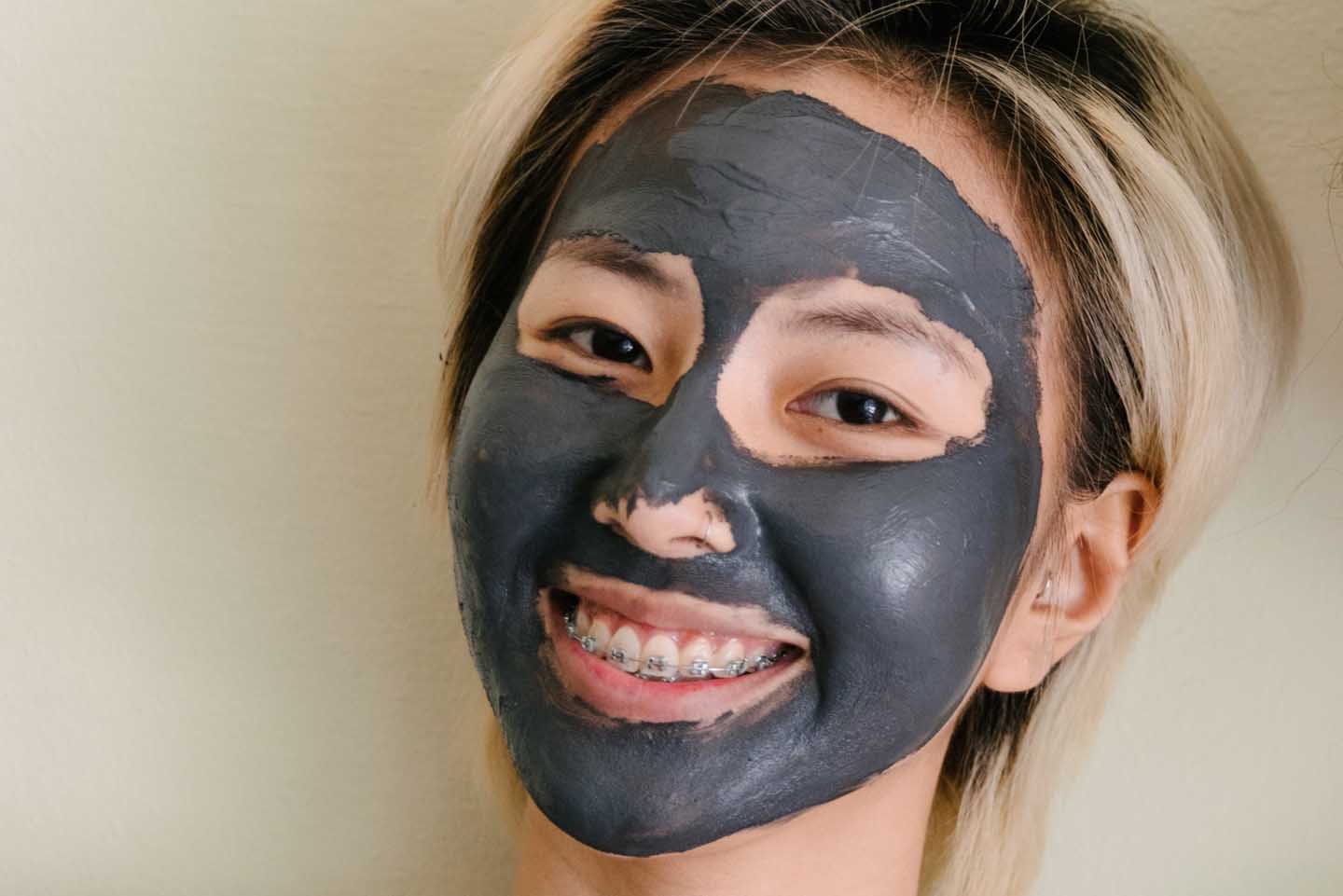
Recipe for an Acne Treatment Mask

Acne treatment mask - Foto by Ketut Subiyanto from Pexels
  • Use Luvos healing earth or powdered clay, amount as required
  • Mix with herbal tea until you have a spreadable mass.
  • Apply the compound to the affected areas using a brush, spatula or spoon.
  • Leave it until the mask is largely dry and then rub it off with your fingers to peel the skin at the same time. Then wash off the residue or wipe it off with a damp cosmetic tissue.

Herbs that are good for making the herbal tea for the pack: thyme, rosemary, peppermint, witch hazel
If the skin is rather sensitive: use sage or chamomile tea.
If you want, you can also take a facial steam bath before the pack with the mentioned teas.

Recipes

The beta carotene of carrots is absorbed better if they are cooked. It is though important to not cook them excessively, but preferably just cook them tender in steam, in order to not leak out the nutrients.

Carrot Spread

  • 2 large carrots
  • 2 garlic cloves
  • 1 small onion
  • 1 large tomato
  • 1 pinch of salt
  • 2 tbs. olive oil
  • 1 pinch of oregano optional
  • 1 tsp. nutritional yeast
  1. Cook the carrot with little water
  2. Saute the onion and garlic without oil, then add tomatoes, salt and oregano

  3. Blend the carrot with a little cooking water

  4. Add the remaining ingredients and blend well

  5. Add the olive oil
DiabeticDiet, GlutenFreeDiet, VeganDiet

Carrot Sushi

  • 1 large carrot
  • rice (tofu or guacamole for filling)
  1. Cut the carrot into thin slices. At best use a slicer to slice the carrot lengthwise.

  2. Steam for 10 minutes.

  3. Roll in the form of sushi.

  4. Stuff with cooked rice, tofu or guacamole.

Carrot Sweet Balls

  • 1 large grated carrot
  • 4 tablespoons shredded coconut
  • 3 tablespoon brown sugar or honey
  1. Grate the carrot with a fine grater.
  2. In a frying pan cook the carrot and sugar and stir to avoid sticking.

  3. Cover for a few minutes over low heat.
  4. When the carrot is cooked and starting to dry, add the grated coconut and stir for a few minutes until it starts to bind.
  5. Allow to cool slightly and mold into balls.
Dessert
GlutenFreeDiet, LowFatDiet, VeganDiet

Carrot Bread

  • 2 large carrots
  • 1 cup of oatmeal
  • 1/2 teaspoon salt
  1. Cut the carrots into slices.
  2. Cook until well cooked. You do not need to remove the skin.
  3. Smash the carrots while still hot with a fork.
  4. Add salt to taste and oatmeal until you achieve the right consistency. The dough is a little sticky. Wait about 5 minutes, as the oats absorb moisture and the dough will be easier to shape.
  5. Mold in the shape of small balls.
  6. Bake for 20 to 30 minutes until golden brown.

Eat preferably warm.

Appetizer
DiabeticDiet, GlutenFreeDiet, LowFatDiet, VeganDiet

Now we want a few recipes who provide us with good sources of Omega 3.

Chia Yogurt

  • 1 cup of coconut milk
  • 4 tablespoon chia
  • 1 small mango
  • 1 chopped apple
  • ¼ cup of raisins
  1. Put the coconut milk into a container and stir in the chia until it is well mixed.

  2. Take to the refrigerator for 6 hours or until the next day.

  3. Afterward mix with sliced mango, apple and raisins.

  4. If you prefer, place in a bowl layers of chia yogurt interspersed with the fruit. Serve pure or with granola.

Breakfast
DiabeticDiet, GlutenFreeDiet, LowCalorieDiet

Flaxseed Salt

The flaxseed salt can be used like sesame salt as a seasoning for salads and other dishes

  • ½ cup flaxseed
  • 1 tbsp salt
  1. Put the flaxseed into a skillet and roast for a few minutes on low heat, stirring every few seconds.

  2. When seeds start to pop in larger quantity, put on a lid and take the skillet off the heat.

  3. Let the seeds cool to room temperature.

  4. Transfer seeds to a spice grinder and mix with the salt.

  5. Pulse for a few seconds. If needed repeat until seeds are finely ground.

To get the maximum benefits of the Omega 3 fatty acids, keep inside an airtight container in the fridge and use within 3-4 days. Never buy flaxseed already ground, because Omega 3 fats oxidize and get rancid very quickly.

Healthy Fruits

Stay Always Up to Date

Sign up to our newsletter and stay always informed with news and tips around your health.

Sign Up Now!

Filed Under: Diseases, Skin, Teenagers

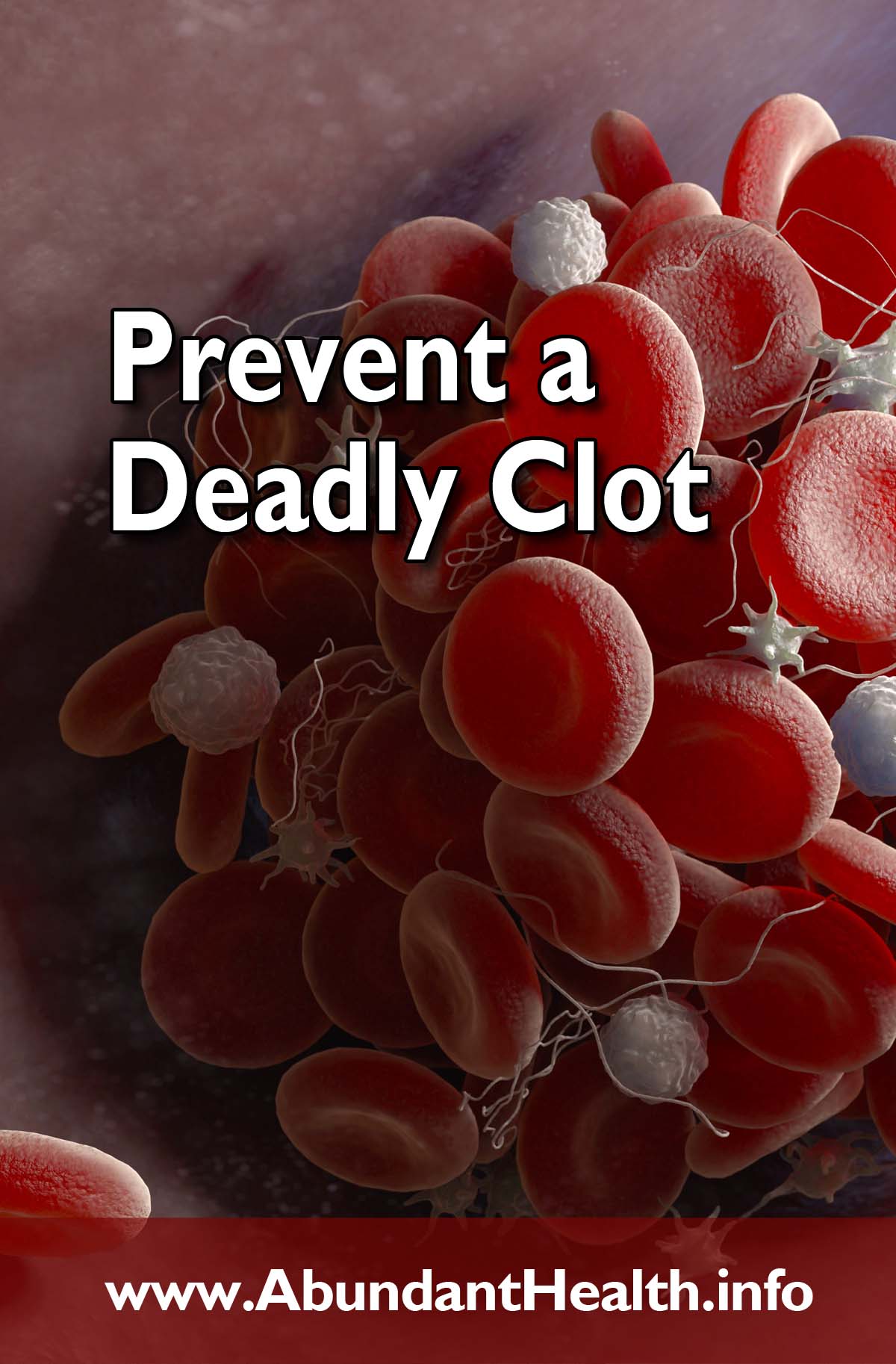
Prevent a Deadly Clot

April 30, 2021 by Elizabeth Hall - [rt_reading_time label="Reading Time:" postfix="minutes" postfix_singular="minute"]

Prevent a Deadly Clot

Someone in the United States dies from a blood clot every five minutes! One in four people worldwide dies from conditions caused by thrombosis (blood clot).  Clots are common in persons who have severe COVID-19. Most clots are preventable.

Prevent a Deadly Clot

Unfortunately, sudden death is the first symptom in about 25% of the individuals who have a pulmonary embolism. One-third (about 33%) of people with DVT/PE (deep vein thrombosis/pulmonary embolism)will have a recurrence within 10 years.((Data and Statistics on Venous Thromboembolism. www.cdc.gov/ncbddd/dvt/data.html))

Deep Vein Thrombosis

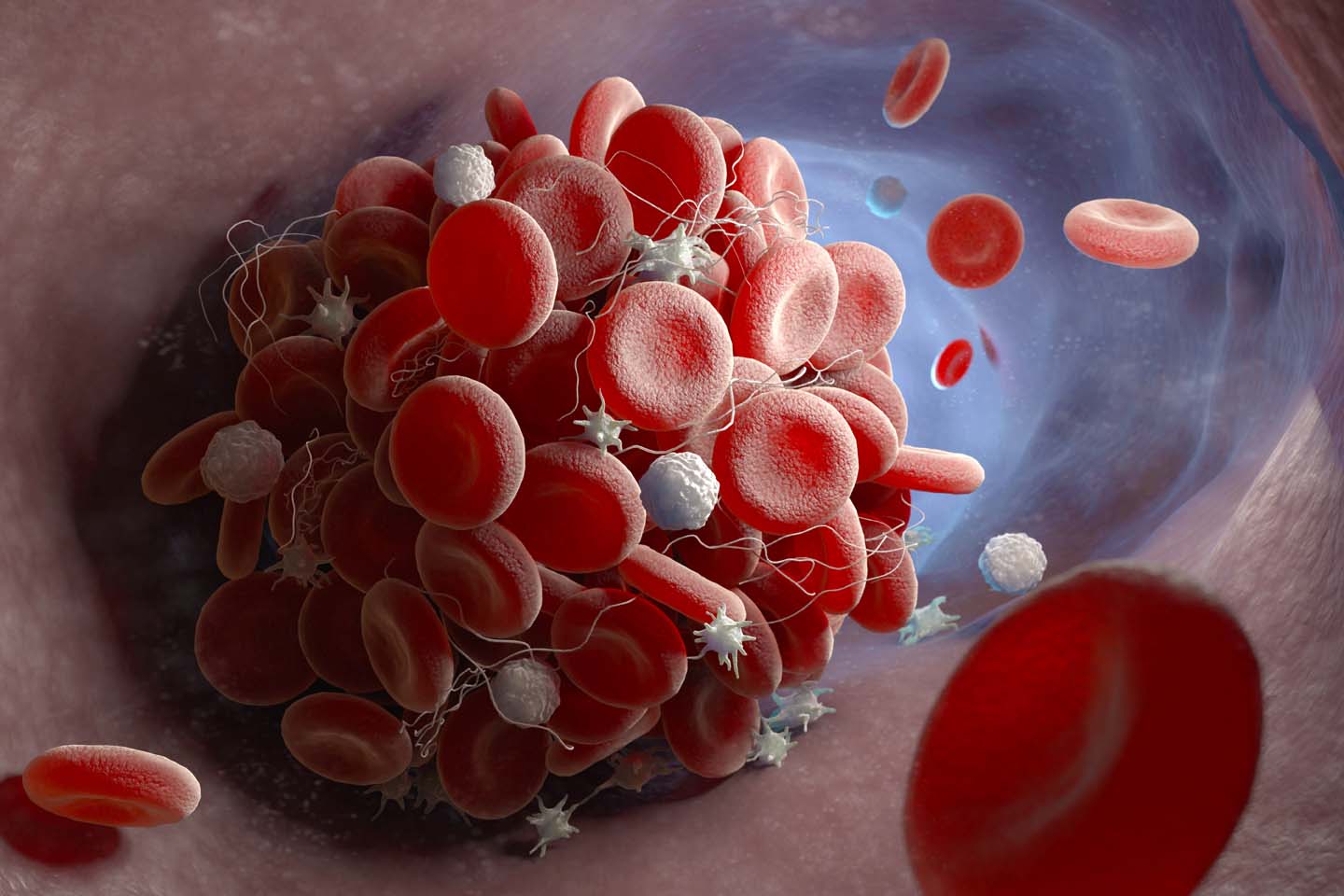
In fact, each year more people die from deep vein thrombosis than the total number who die from AIDS, breast cancer, and motor vehicle accidents combined.  What is DVT? It is the formation of a blood clot in a deep vein, usually in the lower leg or in the thigh. A clot is composed of a meshwork of fibrin threads that entrap plasma, red blood cells, and platelets.

Dangers from DVT

A thrombus is a blood clot that forms within a vessel and remains stationary. It obstructs and slows down blood flow. A clot can dislodge from a deep vein in a leg and travel to the lungs! If not treated promptly, it causes death! Of course, we want our blood to clot when we cut a blood vessel. What we do not want is undesirable clotting which occurs when a clot forms at a site where there is no bleeding, resulting in obstructed blood flow. A clot just the size of a sharpened pencil tip can significantly reduce blood flow. Even worse, clots can dislodge and travel to the lungs or rarely, to the circulation of the heart.

Signs and Symptoms of DVT

Pain, tenderness, swelling, and discoloration in a leg can be signs and symptoms of DVT. More than 70% of individuals who develop DVT will not experience any symptoms until it is too late and the clot has dislodged! Sometimes these symptoms remain and do not disappear with treatment.

Who is at Risk for Clots?

DVT has come to the public’s attention over the past few years after airline passengers on cramped, long-haul flights developed clots in what some have called “economy-class syndrome.” In fact, French studies show that riding in a car or truck for four to five hours without stopping for an exercise break increases the risk of DVT four times.

An extensive database revealed that DVT was twice as high after an acute lung infection. Pulmonary embolisms also doubled after an acute urinary tract infection.((Smeeth, L. The Lancet, 367:1075-079, April 1, 2006.)) Men are 50% more likely than women to develop another blood clot after having the first episode of DVT. The overall frequency of recurrent blood clots in men is 25% within a period of five years.((http://news.bio-medicine.org/medicine-news-3/Men-more-at-risk-of-recurrent-blood-clots-than-women-3748-1/)) Another authority states that 1/3 of individuals with DVT will have a re-occurrence within ten years.

More Risk Factors!

Within the human body there is a balance of anti-clotting and pro-clotting factors. Major surgery, trauma, systemic infection, atherosclerosis, atrial fibrillation, heart attack, certain cancers, inflammatory bowel conditions, HIV, prolonged bed rest, physical inactivity and immobility, fractures of the pelvis, hip, or leg, varicose veins, pregnancy, and estrogen-containing pills or patches increase the risk of developing DVT. Unfortunately, the typical Western diet and lifestyle, obesity,((Web, M.D., Obesity ups the risk of Pulmonary Embolism, DVT, Sept 9, 2005.
Rissanen, P., et al, Weight change and blood coagulability and fibrinolysis in healthy obese women. Int J Obes Relat Metab Disord, 25(2):212-218, 2001.)) and diabetes((https://www.lifeclinic.com/focus/Diabetes/Stroke)) also encourage undesirable clotting by increasing pro-clotting chemicals, making the platelets abnormally sticky and promoting other pro-clotting conditions within the body. Also, these conditions decrease the natural inhibitors of undesirable clot formation.

Clots inside Arteries

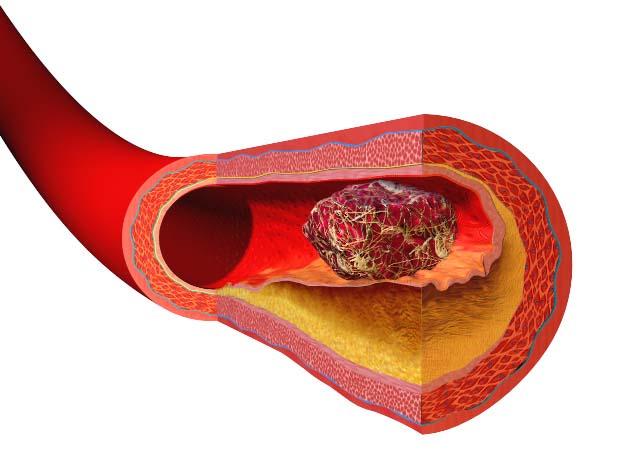
Clots often form when the fibrous cap of an atherosclerotic plaque cracks in the arteries. This condition reduces blood flow through that specific artery even more. Undesirable clotting in one of the coronary arteries blocks the blood flow in an arterial branch that supplies the heart muscle and contributes to more than 80% of heart attacks. Clots are also involved in the majority of strokes.

Formation of a blood clot on an arterial plaque - Blausen.com staff (2014). WikiJournal of Medicine 1 (2). DOI:10.15347/wjm/2014.010 - Free use under Creative Commons
Illustration from Blausen.com on Wikimedia CC BY 3.0

COVID-19 and Clots!

As previously mentioned, both infection and inflammation increase the risk of unwanted blood clots. Individuals who have severe COVID-19 infection are at higher risk of developing blood clots in the veins and arteries. Studies from France and the Netherlands found that 30-70% of severe COVID-19 experienced blood clots in the deep leg veins or the lungs.((Klok F et.al. Incidence of thrombotic complications in critically ill ICU patients with COVID-19. https://doi.org/10.1016/j.thromres.2020.04.013
Llitjos J et.al. High Incidence of venous thromboembolic events in anticoagulated severe COVID-19 patient. DOI: 10.1111/jth.14869)) One-fourth of all COVID-19 patients that are admitted to ICU wards will develop a life-threatening pulmonary embolism. In severe COVID-19 infection, abnormal, small clotting also occurs within the small vessels of the lungs, the kidneys, and the gut. A low dosage of blood thinners is prescribed for individuals who have serious COVID-19 infections. For those who have several risk factors for clots, any infection, including influenza, puts them at greater risk for clots. Many of the same lifestyle practices and natural remedies that reduce one’s risk for blood clotting also help optimize the immune system and reduce inflammation!

How Can We Reduce the Risk of Undesirable Clotting?

Win While You Lose!

To prevent a blood clot, reach and maintain your ideal weight. Obesity increases certain pro-clotting factors in the blood.  Researchers at St. Joseph Mercy Oakland Hospital in Pontiac, Michigan, and Wayne State University found that obese patients were 2.5 times more likely to have DVT and 2.2 times more likely to have a pulmonary embolism.((Ibid, Web, M.D.)) Fortunately, appropriate weight loss reduces elevated pro-clotting and pro-inflammatory agents in obese individuals.

Don’t Smoke.

Tobacco smoking damages the lining of the blood vessels and increases the clumping of platelets, which in turn, increases the risk for undesirable clot formation.((Davis, J.W., et al, Effects of tobacco and non-tobacco cigarette smoking on endothelium and platelets. Clin Pharmacol Ther, 37(5):529-533, 1985.
Zhang G. Smoking and risk of venous thromboembolism: a systematic review. Southeast Asian J Trop Med Public Health. 2014 May; 45(3):736-45. www.ncbi.nlm.nih.gov/pubmed/24974658))

We should mention here that any factor like smoking which increases the risk for atherosclerosis also increases the likelihood of undesirable clot formation. Even a brief encounter with second-hand smoke can make the platelets sticky and more likely to clot especially in susceptible people.((Second hand smoke. www.nhsinform.scot/healthy-living/stopping-smoking/reasons-to-stop/second-hand-smoke))

Adopt a Healthful, Plant-Based Diet!

Meat and saturated fats increase the risk of clotting by decreasing prostacyclin (a prostaglandin that inhibits platelet clumping and increases clot-encouraging compounds).((Zhang C. The effects of saturated fatty acids on endothelial cells. www.thrombosisresearch.com/article/0049-3848(92)90226-Z/fulltext)) As platelets become stickier, the risk of developing undesirable clotting significantly increases. Regular meat consumption fuels inflammation.((Hruby Dietary Protein and Changes in Biomarkers of Inflammation and Oxidative Stress in the Framingham Heart Study Offspring Cohort.  Current Developments in Nutrition, Volume 3, Issue 5, May 2019. academic.oup.com/cdn/article/3/5/nzz019/5421623
Ley SH. Associations between red meat intake and biomarkers of inflammation and glucose metabolism in women. Am J Clin Nutr. 2014 Feb;99(2):352-60. https://www.ncbi.nlm.nih.gov/pubmed/24284436
Seah JY. Consumption of Red Meat, but Not Cooking Oils High in Polyunsaturated Fat, Is Associated with Higher Arachidonic Acid Status in Singapore Chinese Adults. Nutrients. 2017 Jan 31;9(2). pii: E101. www.ncbi.nlm.nih.gov/pubmed/28146136
Chaturvedi P. High Methionine Diet Poses Cardiac Threat: A Molecular Insight. J Cell Physiol. 2016 Jul; 231(7):1554-61. www.ncbi.nlm.nih.gov/pubmed/26565991)) Inflammation plays an integral role in most clot formation.((Brian R. Branchford. The Role of Inflammation in Venous Thromboembolism. Front Pediatr. 2018; 6: 142. www.ncbi.nlm.nih.gov/pmc/articles/PMC5974100/))

Foods that Reduce Your Risk!

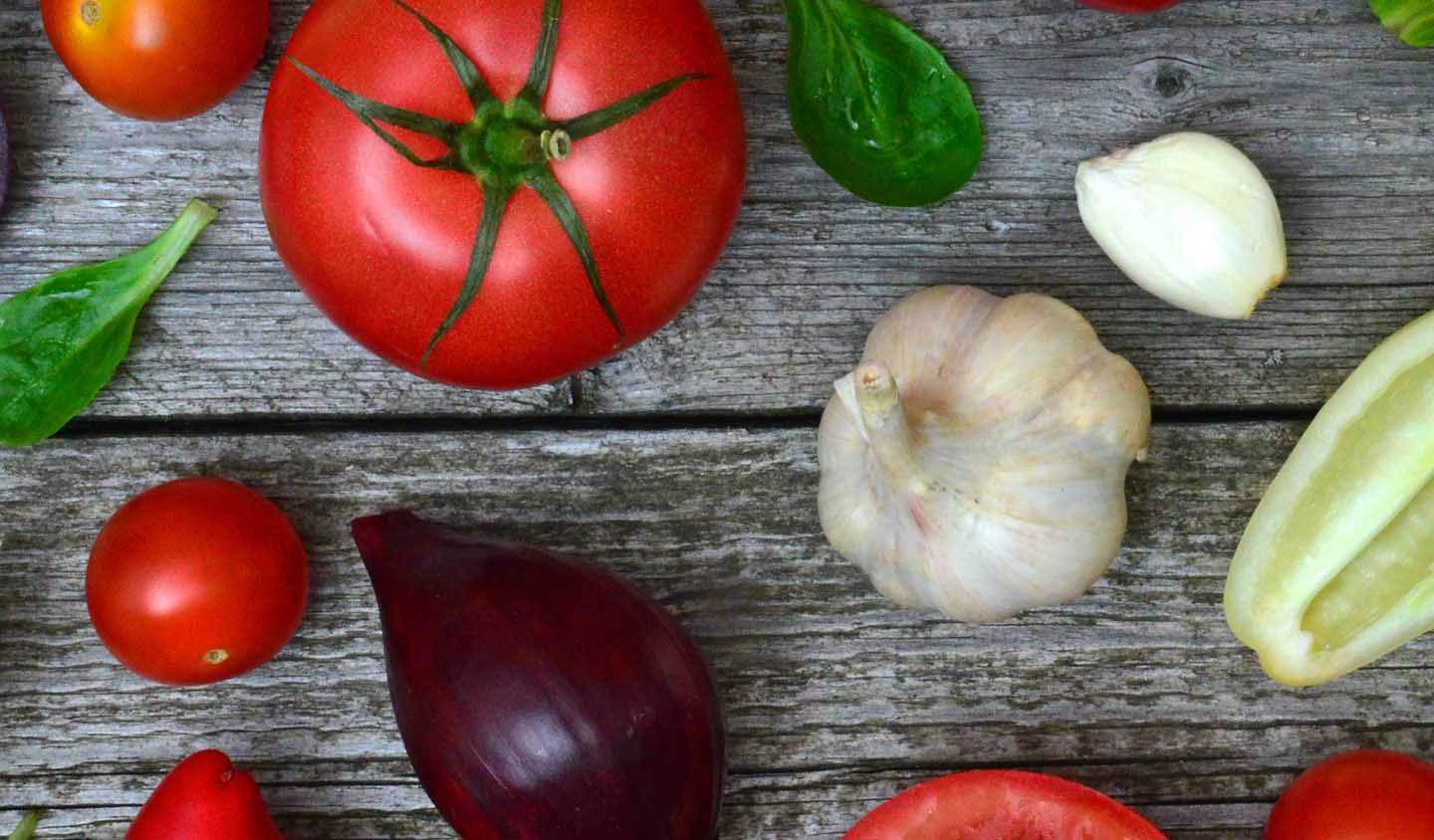
In contrast, frequent consumption of foods that contain phytochemicals that inhibit platelet clumping like garlic, ginger, onions, tomatoes, red grapes, berries((McEwen B. The Influence of Diet and Nutrients on Platelet Function. Seminars in Thrombosis and Hemostasis. 40 (2). February 2014. www.researchgate.net/publication/260108030_The_Influence_ofDiet_and_Nutrients_on_Platelet_Function)) citrus,((Attaway, J.A., et al, Antithrombogenic and antiatherogenic effects of citrus flavonoids. Contributions of Ralph C. Robbins. Adv Exp Med Biol. 439:165-73, 1998.)) kiwi,((Duttaroy, A.K. Effects of kiwi fruit consumption on platelet aggregation and plasma lipids in healthy human volunteers. Platelets, 15(5):287-92, 2004.)) pomegranates,((Aviram, M., et al, Pomegranate juice consumption reduces oxidative stress, atherogenic modifications to LDL, and platelet aggregation: studies in humans and in atherosclerotic apolipoprotein E-deficient mice. Am J Clin Nutr, 71(5):1062-1076, 2000.)) olives((Massaro, M., et al, Vasculoprotective potential of olive oil components. Mol Nutr Food Res, 51(10):1225-34, 2007.)) and flaxseed((Ristić-Medić. Alpha-linolenic acid and cardiovascular diseases. Med Pregl, 56(Suppl 1):19-25, 2003.)) help to reduce the risk of undesirable clotting.

Foods that protect against deep vein thrombosis - Photo by Adonyi Gábor from Pexels

Be Sure Your B-12 Is in Normal Range!

While it is true that several studies show that a vegetarian diet lowers the risk for cardiovascular disease and may even reverse coronary artery disease, a vegetarian diet without adequate amounts of vitamin B-12 increases the risk for developing an undesirable clot.((Remacha AF. Vitamin B12 deficiency, hyperhomocysteinemia and thrombosis: a case and control study. Int J Hematol. 2011 Apr; 93(4):458-464. www.ncbi.nlm.nih.gov/pubmed/21475950)) Vegans, vegetarians, and the elderly are at risk for vitamin B-12 deficiency.

Check Your Homocysteine Level!

Homocysteine is an amino acid produced by the body. It is usually a byproduct of meat consumption. Elevated homocysteine injures the cells that line the arteries and stimulates the unhealthy growth of arterial smooth muscle cells. Both processes contribute to atherosclerosis. It also increases the risk for undesirable clotting. When elevated, homocysteine enhances the risk of unwanted clotting and blood vessel constriction. Low intake of both vitamin B12 and folic acid increases the risk for elevated homocysteine levels. Vegetarians should have their B12 levels checked every six months if they do not take a vitamin B12 supplement. Kidney disease and low thyroid levels increases one’s risk for elevated homocysteine. There is very early evidence that suggests that having a good vitamin D level may help to keep homocysteine in the normal range.

Engage in Moderate Exercise!

Regular moderate exercise is one of the most important methods for preventing a blood clot.  Indeed! Engaging in moderate daily exercise is great preventive and restorative medicine! Sluggish circulation is a major risk factor in developing clots. Moderate exercise increases fibrinolysin which dissolves tiny clots, improves blood flow, and decreases fibrinogen, a plasma protein involved in clot formation. Perform foot exercises while riding in a plane or car. Take exercise breaks during long trips.

Caveats: Extremely competitive and long endurance exercises actually increase the risk of clot formation because they increase the hormone epinephrine. Epinephrine makes platelets sticky and consequently increases the risk of clotting.

Although you might have your daily period for longer exercise, it is essential to get up and walk for at least five minutes every two hours if you are primarily sedentary. Why? Prolonged sitting substantially reduces the blood flow to the legs and increases your risk for the undesirable clot formation.((https://wildwoodhealth.com/blog/how-5-or-10-minutes-can-improve-your-health/))

A couple walking on the beach - Photo by Arthur Ogleznev from Pexels

Stay Hydrated!

Drink water. Adequate hydration and deep breathing also improve blood flow. These two preventive measures are especially important for those with limited mobility. Dehydration thickens the blood. Skip the energy drinks high in caffeine as they can increase the risk for clots.((McEwen B. The Influence of Diet and Nutrients on Platelet Function. Seminars in Thrombosis and Hemostasis. 40 (2). February 2014. https://www.researchgate.net/publication/260108030_The_Influence_ofDiet_and_Nutrients_on_Platelet_Function))

Enjoy Healthful Herbs!

Turmeric, ginger, and ginkgo biloba inhibit platelet clumping as well. Thyme and rosemary have significant antithrombotic factors.((Yamamoto, J., Testing various herbs for antithrombotic effect. Nutrition, 21(5):5, 2005. www.ncbi.nlm.nih.gov/pubmed/15850964
Zbinden, S. Phytotherapy in cardiovascular medicine. Ther Umsch, 59(6):301-306, 2002.
McEwen B. The Influence of Diet and Nutrients on Platelet Function. Seminars in Thrombosis and Hemostasis. 40 (2). February 2014. www.researchgate.net/publication/260108030_The_Influence_ofDiet_and_Nutrients_on_Platelet_Function)) However, people who use blood thinners, have low platelet counts, or have bleeding problems should consult their physician before using medicinal amounts of these herbs.  Pregnant women should not consume any herb medicinally without prior approval from a knowledgeable, qualified healthcare professional. Blood-thinning herbs, if used medicinally, should usually be discontinued two weeks before any surgery or dental work.

Maintain a Cheerful Outlook.

Acute stress and mental depression can increase the risk of forming an undesirable clot. Major depression, for example, increases platelet aggregation and the risk for cardiovascular events.((Ziegelstein, R.C., et al, Platelet function in patients with major depression. Intern Med J, 39(1):38-43, 2009. www.ncbi.nlm.nih.gov/pubmed/19220540))

A cheerful lady - Photo by Monstera from Pexels

Keep Your Blood Sugar within Normal Range.

Nearly 80% of individuals who have diabetes will eventually die of clot-related causes. Emphasize low-glycemic foods that may reduce the risk for undesirable clot formation.

Know Your Heart Health.

Certain irregular heart rhythms (i.e.. atrial fibrillation, first-degree heart block, etc.) or heart attack increases one’s risk for undesirable clotting. Heart failure occurs when the heart does not pump enough blood to keep up with the demands of the body. Consequently, the blood flows more slowly. When this happens, the risk for clot formation increases. Atherosclerosis elevates the risk for blood clotting. Hypertension also increases the risk for deep vein thrombosis.

Emergency!

Clots can be deadly. If you suspect a DVT, see your doctor immediately. Shortness of breath accompanied by sharp chest pain, cough, or anxiety indicate a life or death situation. Possible other signs of pulmonary embolism include light-headedness, blood-stained sputum, or a bluish tint in the skin. Medical treatment consists of anticoagulant medication and thrombolytic therapy designed to break up or dissolve the clot. Time is of the essence here. A clot in the lungs can kill a person within minutes.

Clots in the coronary arteries or inside the brain can prove deadly. So follow your doctor’s instructions!

Conclusions

Some medical epidemiologists state that between one and two million Americans develop DVT annually. One expert predicts that one to three individuals out of a thousand in the United Kingdom will get DVT. What are your chances of developing DVT? It greatly depends on your lifestyle. The good news is that most clots are preventable. If they are caught early, often they are treatable. Better yet, see your health care provider if you are at risk for DVT!

Healthy Fruits

Stay Always Up to Date

Sign up to our newsletter and stay always informed with news and tips around your health.
Sign Up Now!

This article was originally posted on the Wildwood Institute website and is used by permission.

Filed Under: Diseases, Heart Disease

Effective Treatment of COVID-19

April 10, 2021 by Martin Neumann - [rt_reading_time label="Reading Time:" postfix="minutes" postfix_singular="minute"]

Effective Treatment of COVID-19

In the beginning of March the Brazilian doctor Luiz Cristiano Maciel Cardoso published a video on Facebook and declared the end of the COVID-19 pandemic. Supposedly he had found out that the cancer drug flutamide would be an effective treatment and declared that he has conquered the pandemic with this miraculous treatment option. On March 22 he himself took the video down, but copies of the video are still circulating. The entire thing seems to be not more than a hoax, but mirrors the desire of everyone to find a cure for the pandemic that is affecting the lives of all of us.((Faustino M. É falso que médico tenha curado pacientes com Covid-19 com flutamida. Aos Fatos, March 22, 2021)) Unfortunately there is no silver bullet or magic cure, but a combination of sensible measures will greatly enhance the chance of a positive outcome.

Effective COVID-19 Treatment

Pathology

Before talking about treatment options, we need to understand more clearly how the disease is developing inside the body.((Parasher A COVID-19: Current understanding of its pathophysiology, clinical presentation and treatment Postgraduate Medical Journal Published Online First: 25 September 2020. doi: 10.1136/postgradmedj-2020-138577
Azer S. A. COVID-19: pathophysiology, diagnosis, complications and investigational therapeutics)) Transmission is happening normally via respiratory droplets from person to person. For this reason, social distancing, wearing masks and general hygiene measures can help a lot in prevention.

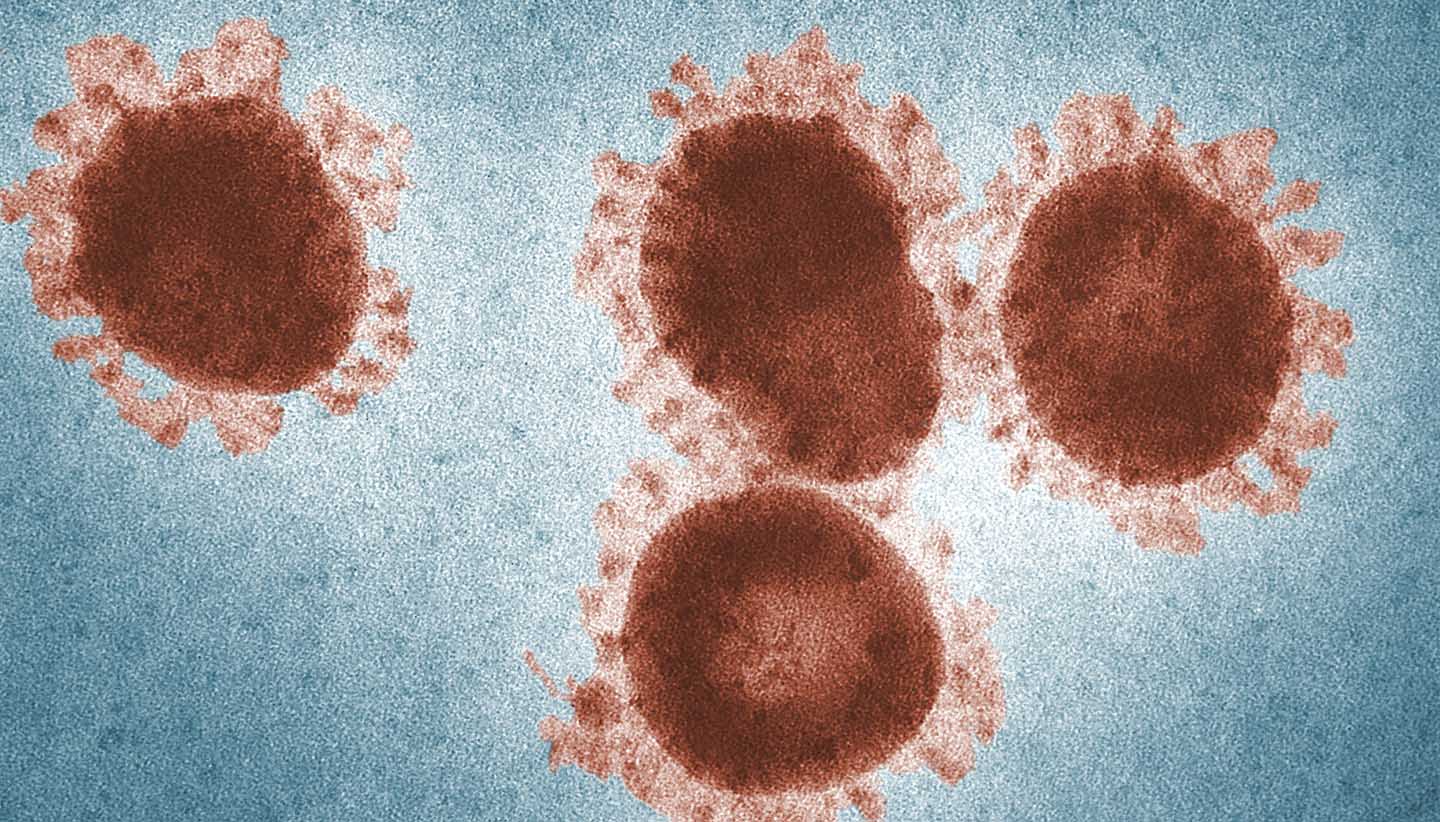
The first site of invasion is normally the respiratory tract. The spike protein on the surface of the virus binds to the cell membrane and is therefore able to inject an RNA sequence inside the cell. This sequence instructs the cell to replicate the virus. The more the virus replicates, the more cells are going to be affected. Normally the nonspecific immune system would detect the invader and start to fight it off. In contrast to the specific immunity that remembers past infections and facilitates their recognition, nonspecific immunity is able to fight the virus even on the first encounter. The problem is that the virus is able to suppress the interferon response, an important part of the nonspecific immunity. For this reason, a person can stay up to 14 days without developing any symptoms, while the virus is freely multiplying itself.

When the disease migrates from the nasal cavity to the upper respiratory tract, it will manifest itself with symptoms like fever, malaise and dry cough. About 80% of all infected persons have an immune system strong enough to fight the virus before it reaches the lung. A strong immune system is essential at this point.

When the disease migrates to the lung, it is getting more dangerous. If the disease continues long enough, a significant amount of cells in the lung will die. Those that are especially affected are the pneumonocytes which are responsible for the air exchange in the alveoli of the lung.

At the same time, the pneumonocytes will release the so-called cytokynes, which are produced to attract immune cells like neutrophils and T cells. Those will get involved in a fierce battle to combat the virus, but will cause in this process inflammation and cell damage. As a result, the air exchange is being limited, oxygen saturation in the blood will be reduced, and oxygen needs to be applied. If the disease gets severe, the use of a ventilator may be needed.

Oxygen shortness can lead to a change of the body’s pH, accumulation of lactic acid, electrolyte changes and further cell damage. In more sever cases the inflammation spreads through the circulatory system, and may cause the formation of thrombosis, inflammation of the heart muscle, arrhythmia and heart failure. Those complications can be potentially deadly. In the digestive system, the disease can cause diarrhea, nausea, vomiting and abdominal pain. Headaches, dizziness, seizures and other neurological conditions are reported as well. In some cases, the disease can cause liver or kidney damage or even multiple organ failure.

Prevention

As a preventive measure, all efforts should be made to strengthen your immune system. A study conducted in Madrid, found that people who did at least 2 times per week a 30-minute exercise session had an 8 times higher survival rate compared to the inactive group.((Salgado-Aranda R et.al. Influence of Baseline Physical Activity as a Modifying Factor on COVID-19 Mortality: A Single-Center, Retrospective Study. Infect Dis Ther (2021). https://doi.org/10.1007/s40121-021-00418-6)) To improve your immunity, other lifestyle factors like for example adequate sleep and healthy nutrition are equally important. Our Coronavirus Immunity Challenge will give you plenty of details on how to keep your Immunity in top performance.

Walking - an excellent immune stimulating exercise - Photo by Daniel Reche from Pexels

In addition to that, you should consider the following supplementation:

  • Vitamin C: 500 mg / day
  • Zinc: 20 mg / day
  • Magnesium 400 mg / day
  • Vitamin D: 4,000 IU / day
  • Probiotics: at least 1 billion CFU´s daily. Do not take indefinitely.
  • N-Acetyl Cysteine (NAC): 500 mg / day. An aminoacid with antioxidant potential.

You should also look at prebiotic foods like banana, onion and garlic. Besides helping your intestinal flora, they will help to fortify your immunity. Look at fruits that are high in vitamin C like orange, grapefruit, papaya and red bell pepper.

Obesity is a risk factor that can increase mortality up to 4 times according to a recent study.((Tartof S. et.al. Obesity and Mortality Among Patients Diagnosed With COVID-19: Results From an Integrated Health Care Organization. Annals of Internal Medicine, November 17, 2020 https://doi.org/10.7326/M20-3742)) In case of obesity extra care should be taken to practice an immune boosting lifestyle. Other diseases like Diabetes, Cancer, Asthma or Heart Disease will need to follow the same measures.

A contrast shower was shown to be beneficial in strengthening your immunity as well. You should start with a hot shower of at least 3 minutes, as hot as you can tolerate. Switch then to cold for 30 to 60 seconds. If you like you can repeat the cycle three times, otherwise get out of the shower and quickly dry yourself with vigorous motion. If you have heart disease, or you are fragile because of age, be milder in the temperature change.

A sauna, be it a Swedish sauna or a steam sauna, can be very effective as well. If you are interested, we have some units of the Portable Steam Sauna available.

Treatment

We have seen already that the progressive development of the disease can lead to a variety of different symptoms. Accordingly, the applied treatment protocol will change according to the phase of the disease. We will be looking at the most adequate options in every disease stage.

At the First Signs of Infection

No matter, whether you are infected by the coronavirus or any kind of flu bug, taking prompt action at the first signs of symptoms will be key to an effective treatment. You should do one of these treatments as soon as possible:

  • Contrast Shower: Do 4 to 7 cycles of 3 minutes hot and 30 to 60 seconds of cold. Be vigorous and try to increase your temperature change with every cycle.
  • Hot Foot Bath: Wrap yourself into a blanket and put your feet into a bucket of hot water, as hot as you can tolerate it. Add some hot water every 5 minutes and continue the treatment for 20 to 30 minutes. When starting to sweat, put a cold cloth on the forehead, and drink plenty of water.

The next two treatment options are a bit more vigorous. If you have a circulatory disease that impedes you to do jogging, you should avoid those treatments, because they put a strain on your body and make your heart pump faster.

  • Steam Sauna: Put yourself inside a sauna tent and expose your body to a steam source. You can do that with a pot of boiling water on a mobile cooking plate, but there are portable steam saunas available as well. Put a cold cloth with ice water on your head and change frequently as you are coming to a sweat. Stay for 20 to 25 minutes and go straight into bed afterward in order to continue sweating for another 30 minutes. Consider using a different mattress, or putting a plastic underneath your sheet, since you will be sweating a lot. Finish then with a shower.
  • Hot Bath: Get inside a hot bath, as hot as you can tolerate, and add hot water every 5 minutes. Keep a cold cloth on your forehead and work up a sweat for about 20 minutes. A study found out that raising the body temperature to 39°C (102°F) was leading to a tenfold increase in the interferon response, which is exactly the component that is impaired by the coronavirus in the early course of the disease.((Downing J et.al. Hyperthermia in humans enhances interferon-gamma synthesis and alters the peripheral lymphocyte population. J Interferon Res. 1988 Apr;8(2):143-50 DOI: 10.1089/jir.1988.8.143))

Finish each of those treatments with at least one hour of bed rest afterward. This will multiply the immune boosting effect. Drink plenty of water or teas to stay hydrated.

Hot Foot Bath

A good recipe for strengthening the immune system is the so-called Russian Penicillin. The basic recipe is very simple. You take one entire lemon and peel it. Then you take 2-3 cloves of garlic and a pinch of salt. Blend it up in one quart of water (1 liter) and drink it during the day. If you want you can add orange, grapefruit or onions to the recipe, all of those have beneficial properties.

On the immune boosting supplementations, it might be helpful to increase the dose in case of treating the disease:

  • Vitamin C: 1,000-2,000 mg / day
  • Zinc: 40 – 75 mg / day for up to 1 week((Hemilä H, Petrus EJ, Fitzgerald JT, Prasad A. Zinc acetate lozenges for treating the common cold: an individual patient data meta-analysis. Br J Clin Pharmacol. 2016 Jul 5. DOI: 10.1111/bcp.13057))
  • Vitamin D: up to 60,000 IU / day. If you need to do more than 2-3 weeks of treatment, it shoud be accompanied with adequate blood tests.((A Rastogi et.al. Short term, high-dose vitamin D supplementation for COVID-19 disease: a randomised, placebo-controlled, study (SHADE study). Postgraduate Medical Journal Published Online First: 12 November 2020. doi: 10.1136/postgradmedj-2020-139065))

We did already an article with the title: Can Vitamin D Prevent COVID-19? We stated that Vitamin D is fundamental in prevention and treatment of COVID-19 and cited several studies that could confirm this findings. Besides the vitamin D supplementation, try to implement a daily sunbath, that will help in many ways in the recuperation process.

Quercetin is a flavonoid with antiviral properties. In vitro studies have shown that it is able to interfere in the replication cycle of the coronavirus. There are no populational studies published in relation to COVID-19, but it shows interesting antiviral properties, especially in combination with vitamin supplementation.((Agrawal P. Quercetin: Antiviral Significance and Possible COVID-19 Integrative Considerations. https://doi.org/10.1177/1934578X20976293))

Diet-wise, you should avoid heavy meals and double up on fruits, especially citrus fruits and other Vitamin C sources. Cut out all sources o sugar, even natural cane sugar, molasses, maple syrup and similar. Honey can be used in moderation.

At the dental office, a 1% hydrogen peroxide solution is used as a mouth rinse, for patients and dentists alike, in order to avoid the spread of the virus. Some have advocated a wider use of this mouth rinse for the general population. In the early stage of the infection, a gargle or mouth rinse can definitely help to reduce the viral load in this region. They advise to rinse no more than 4 times a day, and prolonged use can disrupt the presence of healthy bacteria in the mouth.((Caruso A et.al. Might hydrogen peroxide reduce the hospitalization rate and complications of SARS-CoV-2 infection? Infect Control Hosp Epidemiol. 2020 Apr 22 : 1–2. doi: 10.1017/ice.2020.170
COVID19 and Hydrogen Peroxide – Urgent Health Tips. My Dental Co. Website, accessed May 13, 2021)) If you do not want to apply hydrogen peroxide, you can use salt water, sage or any other substance with antiviral properties.

Herbs

There are several herbs that could be used in a COVID-19 treatment situation. A team was screening the available literature for natural products that proved to have antiviral activities against different types of human coronavirus. They found that extracts of the red spider lily (Lycoris radiata), Japanese gentian (Gentiana scabra Bunge), Chinese yam (Dioscorea batatas Decne), Sickle senna (Cassia tora L.), Mulberry Mistletoe (Taxillus chinensis), golden chicken fern (Cibotium barometz L.) and Echinacea purpurea L. showed a promising effect, and clinical trials should be done to prove their efficiency for COVID-19.((Khalifa S. et.al. Screening for natural and derived bio-active compounds in preclinical and clinical studies: One of the frontlines of fighting the coronaviruses pandemic. Phytomedicine. 2020 Aug 29;153311. doi: 10.1016/j.phymed.2020.153311.))

Another review study analyzed plants that could be possibly used in treating COVID-19 symptoms. They found 5 plants to be especially promising. Licorice (Glycyrrhiza glabra) has a soothing effect on the respiratory tract and is indicated in case of a cough or sore throat. Elderberry (Sambucus nigra) showed positive effects in clinical trials treating colds or flu. It has expectorant properties and is indicated in various respiratory conditions, fever and headaches. The common ivy (Hedera helix) has been show effective in the treatment of bronchitis and the common cold. It has expectorant properties and should be used in case of a persistent cough. Marsh mallow (Althaea officinalis) is indicated to treat a persistent dry cough. Myrrh (Commiphora molmol or Commiphora myrrha) has an anti-inflammatory effect and is indicated in a variety of respiratory conditions. They found also potentially promising results for a list of 12 more plants including garlic, Echinacea, Eucalyptus and others.((Silveira D et.al. COVID-19: Is There Evidence for the Use of Herbal Medicines as Adjuvant Symptomatic Therapy? Front Pharmacol. 2020 Sep 23;11:581840. DOI: 10.3389/fphar.2020.581840))

The herb Dysphania ambrosioides, commonly known as Mexican Tea, was studied by Brazilian scientists, and they found that it contains substances that are able to inhibit the Sars-CoV-2 virus.((Silva F. et.al. Flavonoid glycosides and their putative human metabolites as potential inhibitors of the SARS-CoV-2 main protease (Mpro) and RNA-dependent RNA polymerase (RdRp). Mem Inst Oswaldo Cruz. Vol. 115, September 2020. DOI: 10.1590/0074-02760200207)) Populational studies are needed to certify the effectiveness in COVID-19 treatments. The plant has several different medicinal applications, among others it is known for its anti-inflammatory and immune stimulating properties. You can use it in form of a tea, putting one tablespoon of the dried leafs in one cup of boiling water and let it steep for 10 minutes. Use 2-3 cups per day. The plant should not be applied for prolonged usage, since it could manifest a toxic effect in long term use.

In Pakistan a randomized controlled trial was done on hospital patients applying the combination of honey with black seed (Nigella sativa). Patients treated with this combination cleared the virus 4 days earlier than the control group. Recuperation and hospital discharge was happening much earlier, and in severe cases mortality rate was fourfold lower.((Ashraf S et.al. Honey and Nigella sativa against COVID-19 in Pakistan (HNS-COVID-PK): A multi-center placebo-controlled randomized clinical trial. doi: https://doi.org/10.1101/2020.10.30.20217364))

Propolis is another promising remedy for prevention and treatment of COVID-19. In a Brazilian study, patients hospitalized for COVID-19 were put either on standard care alone, or received 400mg/day of a propolis extract in the second group, or 800mg/day in the third group. Patients with standard care alone needed an average stay of 12 days in the hospital. That was reduced to 7 days with the supplementation of 400mg/day of propolis, and to 6 days with 800mg/day. Cases for acute kidney injury were reduced as well.((Duarte Silveira M A et. al. Efficacy of propolis as an adjunct treatment for hospitalized COVID-19 patients: a randomized, controlled clinical trial. doi https://doi.org/10.1101/2021.01.08.20248932)) Considering that most drugs proved to be inefficient in hospitalized patients, those findings are pretty impressive.

Those are the herbs that were specifically studied in relation to COVID-19. There are numerous other herbs, that may be just as effective, but no study is available to prove its efficacy. The lifestyle center Uchee Pines Institute is recommending the following list of herbs:((Adeogun O, Sandoval, M. COVID-19 (Coronavirus Disease 2019). Uchee Pines Website))

  • American Ginseng – avoid in pregnancy, 200-400mg twice daily
  • Siberian Ginseng – insufficient evidence to recommend for children or pregnancy, don’t take for longer than 2 months, 400mg 3 times daily
  • Panax Ginseng – (Asian Ginseng), don’t use more than 6 months, avoid in children and pregnancy, 200mg daily
  • Andrographis – (Indian Echinacea), avoid in pregnancy, 200mg daily
  • Thuja – (cedar leaf oil), avoid in pregnancy and lactation, 18-36mg 3 time daily, for 2 weeks
  • Echinacea – 800mg 3 times daily for prevention, up to 5 times daily with symptoms
  • Elderberry – only use the ripe fruit, dosage not specified.
  • Umckaloabo – (African geranium), insufficient info for pregnancy/lactation, dose not specified

Early Treatment

It is a good idea to take a COVID-19 PCR test if available for you. If confirmed positive, or you have strong reasons to believe to be infected, you should take immediate measures for stronger treatment. Besides fever, cough, fatigue and headache, a loss of smell and taste is a very typical symptom for COVID-19 infection. Studies have shown that early treatment greatly increases the chance for recuperation.

One of the drugs that seems to be effective in early stage is nitazoxanide, also known under the brand name alinia. It is mainly used to treat certain parasites like giardia, but has reportedly a broad-spectrum antiviral activity. Furthermore, nitazoxanide displays the potential to boost the innate immune system and reduce the cytokine storm.((Lokhande A, Devajaran P. A review on possible mechanistic insights of Nitazoxanide for repurposing in COVID-19. DOI: 10.1016/j.ejphar.2020.173748)) A study showed that viral load was reduced in 48% of patients treated after a 7 day period, compared to 15% in the placebo group.((Silva M et.al. Efficacy of Nitazoxanide in reducing the viral load in COVID-19 patients. Randomized, placebo-controlled, single-blinded, parallel group, pilot study. doi https://doi.org/10.1101/2021.03.03.21252509)) Further studies are in development to confirm these findings.

Hydroxychloroquine has been hotly debated for a long time, but we want to look at the available evidence. Studies on hospitalized patients did not show any efficiency, like many other drugs as well. But a review found 29 studies of early treatment of COVID-19, and all of them showing favorable results, although only 13 were statistically significant.((HCQ is effective for COVID-19 when used early: real-time meta analysis of 229 studies. https://hcqmeta.com/)) Another meta-analysis was not able to determine any benefit, probably because early treatment and late treatment studies were mixed together, a large number of studies was excluded, and no pooling of data was attempted in order to gain a better statistical significance.((Singh B et.al. Chloroquine or hydroxychloroquine for prevention and treatment of COVID-19 (Review). DOI: 10.1002/14651858.CD013587.pub2.)) It is interesting to state that chloroquine is allowing zinc to enter the cell and inhibit viral replication.((Xue J et.al. Chloroquine Is a Zinc Ionophore. PLoS ONE 9(10): e109180. doi:10.1371/journal.pone.0109180)) We can conclude that chloroquine will develop its full capacity only if administered in combination with Zinc, just there are very few studies available using this combination.

Another interesting option seems to be ivermectin, a drug widely available for the treatment of parasites. Being used at a large scale in many developing countries around the world, it has an excellent safety profile. The drug can help in impeding the binding of the virus to the cells. A meta analysis of 6 early treatment studies showed a 75% average reduction in mortality.((Hill A et.al. Meta-analysis of randomized trials of ivermectin to treat SARS-CoV-2 infection. DOI:10.21203/rs.3.rs-148845/v1
Ivermectin is effective for COVID-19: real-time meta analysis of 49 studies. https://ivmmeta.com/
Lawrie T. Ivermectin reduces the risk of death from COVID-19 – A rapid review and meta-analysis in support of the recommendation of the Front Line COVID-19 Critical Care Alliance. https://www.e-bmc.co.uk/)) Some studies seem to show limited benefits, that do not justify its use.((López-Medina E et. al. Effect of Ivermectin on Time to Resolution of Symptoms Among Adults With Mild COVID-19. JAMA. doi:10.1001/jama.2021.3071)) Besides that, critiques are saying that sample sizes of the available studies are small, and the study design sometimes flawed, having though not sufficient scientific evidence to promote their use. Several others prefer to use the limited evidence available in a responsible way to save lives.

Despite of limited scientific evidence at that time, ivermectin was approved as a COVID-19 treatment since May 2020 in Peru and Bolivia, and a few other countries have followed in the meantime. In Brazil, a factory with 12,000 workers adopted a weekly preventive dose of ivermectin. The responsible doctor states in an interview, that they had very few cases of infection, and no cases of hospitalization or death.((Medico de GTFoods em Maringa. Facebook, March 12, 2020))

The dose of the drug depends on the weight of the person. It is important to note that ivermectin preparations for animals are improper for human use, since the dosage for horses and cows is completely different than for humans.

Another case study comes from the town of São Lorenço in the Brazilian State of Minas Gerais. They adopted an early treatment protocol using ivermectin, azithromycin, dexamethasone, zinc and vitamin D. For almost a month they had not a single case in the intensive care units, and almost no hospitalizations for COVID-19. With the recent surge all over Brazil, there were recorded 4 cases in intensive care by the end of March. It is difficult to tell, which component of the protocol was responsible for the result, but it shows that early treatment can significantly increase the chance for success.((Piva A. Cidade mineira não tem um único doente internado por covid-19. Revista Oeste, March 15, 2021
Dourado C. Prefeito defende tratamento precoce, mas São Lourenço entra na onda roxa. Estado de Minas, March 16, 2021
Statistics on the Facebook page of the town hospital))

Monoclonal antibodies are another treatment option that proved to be effective as an early treatment option, and there are two options that have received FDA approval. Bamlanivimab and the combination of casirivimab/imdevimab are available and you may consult your hospital whether they are eligible to recieve this treatment. They work in blocking the spike proteins of the virus and reducing its infectivity.((An EUA for Bamlanivimab—A Monoclonal Antibody for COVID-19. JAMA. 2021;325(9):880-881. doi:10.1001/jama.2020.24415
Chen P et.al. SARS-CoV-2 Neutralizing Antibody LY-CoV555 in Outpatients with Covid-19. N Engl J Med 2021; 384:229-237 DOI: 10.1056/NEJMoa2029849))

If Symptoms Persist

One of the common symptoms is fever. Many people will try to lower the fever with ibuprofen, paracetamol or another antipyretic drug. This is actually the worst thing you can do. Fever actually stimulates the immune system to fight the infection. If you cut the fever, you may feel better at the moment, but you reduce the activity of the immune system to fight the infection.

Fever thermometer - Photo by Polina Tankilevitch from Pexels

It is important to state again that the most effective treatment of COVID-19 is a well-functioning immune system. Even for the common flu, there are only a handful of antiviral drugs available with very limited efficiency. The deciding factor that will eventually fight off the virus is the immune system, and strengthening the immune response will be the most important treatment to follow.

In case of fever, strict bed rest is the best course to follow. We have seen already the importance to feed the fever with bed rest. On top of that, sleep is essential for the functioning of the immune system. During the Spanish flu, the early initiation of total bed rest was part of a successful treatment protocol. The bed rest needs to be continued for 2 to 3 days after the fever subsides, in order to avoid the development of pneumonia or other types of secondary complications.((Elliott LE. The Value of Sanitarium Treatment in Respiratory Diseases. Life & Health. 1919 May 1; 34(5):103-4.)) In case of COVID-19, we have seen many cases with marked improvements, followed by a sudden return of the disease, or one of its complications. If symptoms improve, continue your treatment protocol for several days, until you obtain a negative PCR test or you are completely sure of your total recovery. Even though you may feel better, you need to continue treatment for as many days as you had a fever.

Give plenty of water or teas throughout the treatment period. The patient will most likely be sweating a lot, and needs to be hydrated. On top of that, extra water can flush out a number of substances through the urine and clean out the body. Hot teas can help to induce sweating and fever.

In case of cough, an onion poultice can help. Blend ½ of a medium-sized onion in a blender with just enough water to make a paste. Spread it on a paper towel like the onion is the sandwich filler and the paper towel is the bread, so you have paper towel on the outside with the onion on the inside. Place it on the chest and then wrap it with plastic food wrap and secure it in place. Cover with a tight t-shirt and then a flannel or thick sweater and leave on overnight. Remove and wash off in the morning.((Adeogun O, Sandoval, M. COVID-19 (Coronavirus Disease 2019). Uchee Pines Website))

Hot and cold fomentations on the chest are an excellent treatment for coughing. Considering the lung damage in advanced COVID-19, it is certainly a treatment that is highly indicated. During the Spanish Flu pandemic, this treatment was part of a successful treatment regimen.((Elliott LE. The Value of Sanitarium Treatment in Respiratory Diseases. Life & Health. 1919 May 1; 34(5):103-4.)) Place a hot fomentation for 3 minutes, followed by a towel that was immersed in ice water for a minute. Repeat 5-7 times. To increase the effect, put a hot fomenation or heating pad on the back, and the feet in a basin of hot water during the treatment, taking care to add hot water every 5 minutes. Finish the treatment by rubbing the body with a cold cloth and drying immediately. Repeat 2-3 times daily if needed.

Steam Inhalation is another interesting treatment to improve mucus elimination and clear up the lungs. There are commercial steam inhalators available, or you can just put a sheet over a pot with boiling water. Add a few drops of peppermint or eucalyptus oil if you want. To treat the cough, you can also mix a few drops of eucalyptus oil in honey. Use about one drop for every tablespoon. You may find even raw eucalyptus honey, that contains all the beneficial properties of the pollen from the eucalyptus trees.

If the patient is still strong enough, you can continue to apply a hot foot bath 2-3 times a day. Just if fever persists for a long time, the patient may become so weak that he is not able to adequately react to the hot stimulus. In this case, fomentations will be the more adequate treatment.

What you should avoid during early treatment are antipyretic and anti-inflammatory drugs (like ibuprofen, parecetamol, diclofenac, loratadine), antibiotics, and corticosteroids, since they weaken the immune system.

If the Disease Aggravates

If you develop shortness of breath, or blue lips it is a sure sign that the disease is affecting the lungs. In this case you need to look out for medical help. In order to facilitate breathing, you may be put on oxygen. That helps to guarantee that oxygen levels do not drop in the blood and cause other complications. If you want a tool to evaluate your situation for yourself, you acquire an oximeter. If your Oxygen saturation in the blood is above 95%, then you are fine, and no lung impairment is taking place. If the saturation drops below 90%, you may be in need of supplemental oxygen. Higher altitudes may lead to slightly lower oxygen saturation.

Oxymeter - Photo by Stanley Ng from Pexels

It is important to state that effective drug treatments are getting extremely scarce when it comes to advanced COVID-19 patients. The WHO organized a rather large study including four of the most promising treatment options, and concluded that none of them, not even the expensive antiviral drug Remdesvir showed statistically significant benefit in hospitalized patients.((WHO Solidarity Trial)) Some preliminary studies show though promising results for proxalutamide((Cadegiani et al., Press Conference (Preprint) The Proxa-Rescue AndroCoV Trial)) and a few other drugs for the late stage treatment of COVID-19.

That far, treatment is entirely focusing on dealing with symptoms. Besides giving oxygen, corticosteroids are normally prescribed in order to reduce the cytokine storm. This is important to limit the damage of the lungs in the acute stage. Please note that corticosteroids are recommended only after the patient has sufficient lung damage to require oxygen, and a significant cytokine storm was setting in.((Therapeutic Management of Adults With COVID-19. NIH, acessed April 7)) Before this point it would only prejudice the immune response without necessity. Even though that corticoids are suppressing the activity of the immune system, efforts should continue to strengthen the immunity, since this is the only mechanism that will fight the virus and promote the real cure of the disease. Especially Vitamin D was proven to show an immunomodulating effect, improving overall immunity while helping to reduce the cytokine storm.

In relation to thrombosis protection, N-Acetyl Cysteine (NAC) might be an interesting option. Several studies show that NAC is able to reduce the formation of thrombosis in various situations. Although there are no specific studies that prove its efficiency in case of COVID-19, it is probably safe to conclude, that the mechanisms involved would apply to this disease as well.((Coronavirus Pandemic Update 69: “NAC” Supplementation and COVID-19 (N-Acetylcysteine). Medcram. Youtube, May 11, 2020))

The AdventHealth hospital in Ocala, FL has developed a treatment protocol that they have baptized ICAM. It is an acronym of the 4 different treatment components. I stands for Immunosupport, which was given in form of Vitamin C and Zinc supplementation. C stands for corticosteroids that were used to control inflammation. A stands for anticoagulants to prevent blood clotting, and M for macrolides to help fight infection. In their own hospital, they have proven a 96.4% survival rate with this treatment protocol. Like other protocols, it does little to attack the actual virus, but treats successfully COVID-19 symptoms, giving the immune system extra time to respond. Further studies supposedly showed no benefits compared to standard treatment protocols, but I still would consider it as an interesting protocol for hospitalized patients.((Facebook Post))

Recuperation

Especially if lung damage has occurred, fatigue is a common symptom in the recovery phase. In a study of COVID-19 patients that were hospitalized, more than half reported fatigue even 2 month after recovery.((Carfi A et.al. Persistent Symptoms in Patients After Acute COVID-19. JAMA. 2020;324(6):603-605. doi:10.1001/jama.2020.12603)) Another study found 55% of patients had an abnormal echocardiogram, so you definitely want to check on your heart if you experience fatigue.((Dweck M et.al. Global evaluation of echocardiography in patients with COVID-19. https://doi.org/10.1093/ehjci/jeaa178))

If you get tired, you need to limit the amount of work you do during this recovery phase. If you go beyond your strength in this phase, you can cause a relapse, some kind of a secondary infection or some other type of complication. In some cases physiotherapy can help in recuperation. In any case, start with some light exercise and build up gradually. Be sure to get to bed early and take good care of your health. You should spend a lot of time outdoors in the fresh air and sunshine. Just be sure to use appropriate clothing for the climate to avoid chilling.
Try to focus on an anti-inflammatory diet. Use plenty of fruits and vegetables. Avoid saturated fats and increase the amount of Omega 3 fatty acids in your diet. Flaxseed and Chia are among the best sources. If you made use of some medication, it is definitely recommended to use some probiotics to improve your intestinal flora.

Supplementation with NAC seems to be helpful in recovering from fatigue. A daily contrast shower can be helpful to strengthen your immunity and increase circulation, which in turn speeds up the healing process. Keeping a cheerful state of mind can do wonders as well. The impact of thoughts and attitudes on our health is greater than we think.

Conclusion

Treatment of COVID-19 definitely varies greatly, depending on the stage of the disease. For the most part it is focusing on treating symptoms and side effects of the disease, and giving the immune system proper time to do its work. In elderly patients, the immune response takes longer to kick in, which will aggravate the disease and prolong the recovery time.

We see as a common thread the importance of a strong immune system in all phases of the disease. At the end, only the immune system is able to fight off the virus and really cure the disease. In order to help you to have a strong immunity and be prepared for the virus, we have prepared the10 day Coronavirus Immunity Challenge for you. Participate now to find out what you can do to have maximum protection against the coronavirus that is circulating around the entire globe.

We have a special opportunity just for you. If you want to receive practical and up to date advice on how to implement an immunity-boosting lifestyle, simply join the Coronavirus Immunity Challenge and prepare yourself to face the pandemic with a bullet-proof immune system.

Sign Up Now

Coronavirus Immunity Challenge

Filed Under: COVID-19, Diseases

« Previous Page
Next Page »

Primary Sidebar

Social Channels

Coronavirus Immunity Challenge

Boost your immune system to be bullet-proof for the pandemic.

I Want to Participate

Recent Posts

  • 5 Habits to Live Longer
  • Better Sleep Can Protect Against Dementia
  • Finding Peace In Your Crazy-Busy World
  • Flaxseed – An Ancient Plant Rediscovered
  • Platelets – Triggers for Life or Death
  • Boderline Personality Disorder
  • In Praise of Almonds and Nuts
  • Are You Stuck in the Clutter Trap?

Categories

  • Body Systems (16)
    • Cell Function (2)
    • Circulatory System (1)
    • Digestive Tract (10)
    • Immune System (4)
  • Diseases (27)
    • Cancer (2)
    • Cold (1)
    • COVID-19 (11)
    • Dementia (1)
    • Diabetes (1)
    • Digestive Diseases (2)
    • Heart Disease (2)
    • Kidneys (1)
    • Metabolic Syndrome (2)
    • Skin (1)
  • Healthy Lifestyle (42)
    • Exercise (11)
    • Gardening (2)
    • Sleep (7)
    • Sunlight (2)
    • Temperance (14)
    • Water (4)
  • Mental Health (87)
    • Addictions (6)
    • Anxiety (7)
    • Burnout (1)
    • Depression (7)
    • Psychosomatic Diseases (6)
    • Stress Management (45)
    • Trust (6)
  • Nutrition (56)
  • Obesity (9)
  • Phases of Life (14)
    • Adults (3)
    • Babies and Infants (1)
    • Children (3)
    • Seniors (5)
    • Teenagers (3)
  • Therapies (7)
    • Herbs (5)
    • Hydrotherapy (1)
  • Uncategorized (3)

Archives

  • January 2025 (1)
  • March 2024 (5)
  • February 2024 (4)
  • January 2024 (4)
  • December 2023 (5)
  • November 2023 (4)
  • October 2023 (5)
  • September 2023 (4)
  • August 2023 (3)
  • July 2023 (2)
  • June 2023 (4)
  • May 2023 (4)
  • April 2023 (5)
  • March 2023 (4)
  • February 2023 (4)
  • January 2023 (4)
  • December 2022 (4)
  • November 2022 (4)
  • October 2022 (5)
  • September 2022 (4)
  • August 2022 (4)
  • July 2022 (5)
  • June 2022 (4)
  • May 2022 (5)
  • April 2022 (4)
  • March 2022 (4)
  • February 2022 (4)
  • January 2022 (5)
  • December 2021 (3)
  • November 2021 (4)
  • October 2021 (6)
  • September 2021 (4)
  • August 2021 (4)
  • July 2021 (5)
  • June 2021 (4)
  • May 2021 (3)
  • April 2021 (5)
  • March 2021 (4)
  • February 2021 (4)
  • January 2021 (5)
  • December 2020 (3)
  • November 2020 (4)
  • October 2020 (5)
  • September 2020 (5)
  • August 2020 (3)
  • July 2020 (1)
  • June 2020 (1)
  • May 2020 (1)
  • April 2020 (1)
  • March 2020 (1)

Copyright © 2026 · Abundant Health - Privacy Policy - Medical Disclaimer