Abundant Health

Up to date health information tailored for you

  • Home
  • Blog
  • Recipes
  • Shop
  • Contact
You are here: Home / Archives for Esther Neumann

Esther Neumann

Are Fruits and Vegetables not as Nutritious as they Were 50 Years Ago?

October 18, 2020 by Esther Neumann - [rt_reading_time label="Reading Time:" postfix="minutes" postfix_singular="minute"]

Autumn has filled our pantries again. The potatoes are stored. The apples are lined up in the hurdles. Cabbage heads wandered into the sauerkraut barrel. Celery, carrots and beets are waiting to be eaten. Everything provides us with vitamins and minerals in winter. Or are they maybe deficient today? In the back of our minds there are advertising claims of supplement producers: Our food no longer provides us with enough vital nutrients. The soils are depleted, the environmental pollution is great, the living conditions are unfavorable. Can we really maintain our health only by taking pills?
Are Fruits and Vegetables not as Nutritious as they Were 50 Years Ago?

Anyone who wants a feast for his eyes and the smell of fresh produce in his nose, goes to a fruit and vegetable market. It is particularly colorful and rich in the fall. How many delicacies are piled up on the stands!

Two women are talking about the rich variety. Who knows if it still makes sense to spend all this money on these fruits and vegetables. Maybe it looks just beautiful and doesn’t live up to its promise. There is so much advertising that tries to make us believe that we all suffer from vitamin and mineral deficiencies because the plants are no longer the way they used to be. Once I even saw a comparison chart – ingredients, today and 50 years ago. Supposedly today there is much less than in the past.

Such advertisements are unsettling consumers. It is made clear to them that only the daily use of mineral and vitamin pills can provide them optimally. The arguments: the soil is depleted, the cultivation in greenhouses is not optimal, and the acid rain is contributing to the problem. But there are hardly any data and facts that can stand up to scientific methods.

Changes in Analysis

The evidence used are charts that compare our foods from today with the past. You can see that there is much less carotene in carrots today than before. Why this? That must be because of the depleted soil! Just today we know around 600 different carotenoids. Some of them are important for us humans as vitamins or precursors of vitamins. The plant actually produces the carotenoids for itself, for its own protection. 50 years ago, it was not even possible to detect many of those ingredients. And it is not so easy to separate and analyze the individual ingredients exactly. Today the methods are getting better and more precise. We are able now to separate the different carotenoids. In the past, they were all counted together. Today you can tell them apart. There is lycopene in tomatoes and lutein in corn. Beta-carotene is the most important carotenoid for us humans, and it is the one that is showing up in nutritional tables of today. And of course, there is less of the beta-carotene than the total amount of carotenes. Today as well as 50 years ago!

Some vitamins have a very complex chemical structure. If just one small appendix is missing, it no longer has the effect of an active vitamin. Due to the much more detailed analysis, today some will no longer be recognized as a vitamin, what used to be counted in the analytic methods of the past.

Soils are Better than its Reputation

Ecologists confirm that the soils are better supplied today than they were at the time when fertilizers were spread in large quantities on the fields just to increase the amount of harvest. There are exceptions, of course. But wherever crop rotation, green manuring and the targeted use of fertilizers are used, the soils are well supplied and with them the plants. If soils were missing certain minerals, they would not even grow and mature.
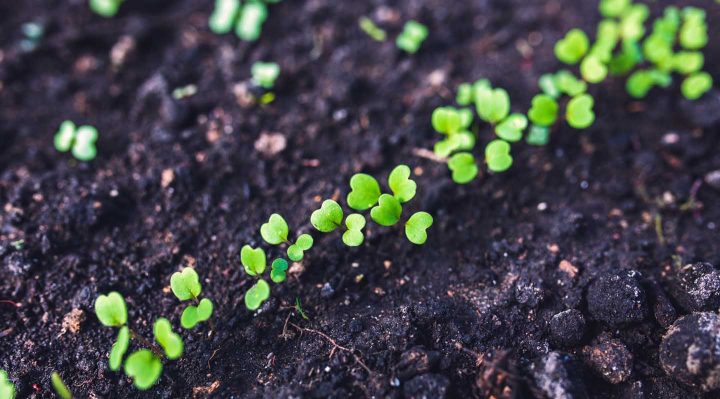
Soil management today is overall better than a few years ago.

Nutrient Content in the Plants

The nutrient content in the plants is not only dependent on the properties of the soil. Conditions such as watering, sunlight, temperature and harvest time also play an important role. The choice of variety is very important. Newer apple varieties often have much more vitamin C than old varieties. They were bred with that intention. If you take all these reasons into account, it is not surprising that, for example, two analysis of different types of pepper can result in a difference of 50 – 80% in the vitamin C content.

New Storage Technology

Large-scale storage technology makes it possible for vitamins to be retained in apples for a long time. Controlled atmosphere storage is the name of the achievement that in recent years has given us crisp, vitamin-rich apples even in spring. In the so-called CA storage, maturity and metabolic processes are greatly slowed down. Compared to cold storage, the vitamin C content in apples from CA storage is 70% higher in spring.

A Controlled Atmosphere room for apples.

Just with the delivery to retailers, this quality control ends. The responsibility now rests with retailers and consumers. How will the goods be treated further? How long has it been lying around on the shelves? Is it exposed to direct sunlight or other light sources? Fruits and vegetables should be fresh in color and crisp when opened. Regional and seasonal products should be preferred. But that doesn’t mean that you can’t eat a tomato or pineapple in the winter. Food preparation also plays a major role. Long cooking times, discarding the cooking water and keeping things warm for a long time significantly reduce the nutrient content.

Lifestyle

When vitamin C is advertised with the words: “Never again a heart attack” this is misleading. This benefits only the bank accounts of supplement manufacturers. And it is easier to take a pill than to make lifestyle changes. Just we know that not only vitamin C protects against heart attack, it requires the whole lifestyle. A high-fat diet, sedentary lifestyle and smoking are just as much a killer as a vitamin deficiency.

The Whole Apple – Not Just a Part

The protective effect of plant-based foods is not limited to vitamins and minerals. Scientific research shows more and more clearly that the supplementary effects of phytochemicals help our health. We need the whole apple, not just the vitamins and minerals. And most are undersupplied because of their abstinence from fruits and vegetables, and not because of the depleted soil. 650 g of fruit and vegetables daily, combined with whole-grain products and nuts, that is what nutrition experts recommend. Governments around the world advocate the consumption of at least 5 portions of fruits and vegetables daily. But only 1 in 11 Americans are reaching this recommended minimum. So how much fruits and vegetables did you eat today?
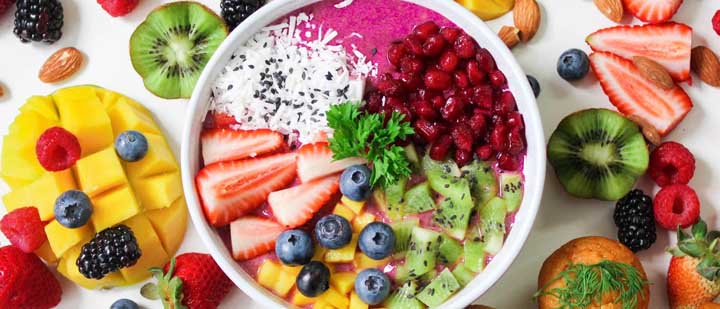
Healthy Fruits

Stay Always Up to Date

Sign up to our newsletter and stay always informed with news and tips around your health.
Sign Up Now!

Filed Under: Nutrition

Health and Beauty from Nutritional Yeast

October 1, 2020 by Esther Neumann - [rt_reading_time label="Reading Time:" postfix="minutes" postfix_singular="minute"]

Yeast flakes

Corn in the morning, corn at noon, corn in the evening. Corn as bread, groats, porridge and soup. The corn eaters in Louisiana state are getting sick. Around 1920, the Washington Department of Health sends Dr. Joseph Goldberger, a bacteriologist, to the Mississippi. But it is not bacteria or viruses that have contaminated corn and make people sick. Goldberger gives people brewer’s yeast as a supplement to corn and they get healthy. The meager, one-sided diet was to blame. At that time it was not known that vitamins and trace elements were bringing the cure.

Yeasts are one of the microorganisms. Louis Pasteur was the first to see the spherical unicellular organisms under the microscope. On the one hand, these microorganisms are autonomous and maintain an independent cell metabolism. On the other hand, they are very dependent on a highly nutritious solution in order to multiply. In the case of brewer’s yeast (Saccharomyces cervisiae) it is the germinated grain or molasses. Diverse enzymes make the dormant grain during germination a highly vital food that benefits the yeast cells.

Brewer’s Yeast – An Ancient Nutrient of Humanity

The nutritional value of brewer’s yeast was already known in the high culture of the Sumerians. Beer was considered a nutritious drink. It has not been so thoroughly filtered as nowadays, and the containing yeast sediment was drunk together. The Egyptians even considered the beer sludge as a medicine. And in the Middle Ages, the friars used barley juice as medicine. Today we can examine the ingredients of brewer’s yeast in the laboratory. We are also no longer tied to the brewery to make brewer’s yeast. It is grown on other nutritious solutions. Nutritional Yeast, grown this way has a milder taste compared to the slightly bitter taste of Brewer’s Yeast. The yeast is grown on molasses, wood sugar, beer or whey basis. The yeast milk is then dried on rollers and more or less crushed or ground. In contrast to baker’s yeast, nutritional yeast dried in this way is no longer a raising agent.

Ingredients of Nutritional Yeast

Let’s start with the vitamins that have helped our corn eaters on the Mississippi so well to fight the dreaded pellagra disease. It is mainly the vitamins of the B group: B1, B2, B6, B12, niacin, but also pantothenic acid and folic acid that make yeast so valuable. B vitamins are essential for the entire metabolism, for the brain and nerves, skin and hair, as well as bone and tooth formation. Yeast provides numerous trace elements. They are needed for coenzymes along with vitamins. Zinc is needed for the immune system, chromium for glucose tolerance factor in sugar utilization; Selenium for the capture of free radicals; Iron and cobalt are needed for blood formation. In addition, there is a lot of phosphorus, sodium, potassium, calcium and even iodine in nutritional yeast.

Alpha-lipoic acid is one of the most versatile free radical scavengers because it can hunt down dangerous free radicals in both fat-soluble and water-soluble media, protecting cell components, enzymes and genetic information from damage. Free radicals are involved in the development of most diseases. Glutathione, a sulfur-containing compound, is also part of the antioxidative protection system. Beta-glucans from the yeast cell walls have an immune-stimulating effect, especially in the digestive tract.

A Smart and Clear Mind Up to Old Age

Another substance in nutritional yeast is choline. The body can produce this substance in the liver itself. However, this self-synthesis must be supplemented by dietary choline. Choline is essential for the elastic structure of the cell walls, but also for signal transmission from cell to cell and for the formation of messenger substances. Declining brain performance and poor memory in old age are associated with reduced choline synthesis. The targeted supply of choline leads to an improvement in nerve and memory performance. The various substances in nutritional yeast, which we have already got to know as radical scavengers, also act as a protective factor. Glutathione in particular is considered a miracle weapon against premature aging and chronic ailments. The number of Alzheimer’s patients is constantly increasing. A lot can be prevented here with a targeted diet rich in active ingredients. Nutritional yeast is a real powerhouse of active ingredients!

Elderly woman with a clear mind - Photo by Edu Carvalho from Pexels

A Variety of Yeast Products

In what form can we consume nutritional yeast? One form is yeast extract, a brown, spicy paste. It is made from yeast cultures, with or without added salt or added spices. The taste and composition vary depending on the production method. Yeast extract is superior to meat extract in taste. You can use yeast extract as a spread, to flavor soups and sauces. It can be used as a supplement when there are deficiencies in B vitamins. However, the nucleic acid content is very considerable. In the case of gout, you should use it sparingly because of its relatively high purine content. Drinking a lot of water can help so that the uric acid can be excreted properly.

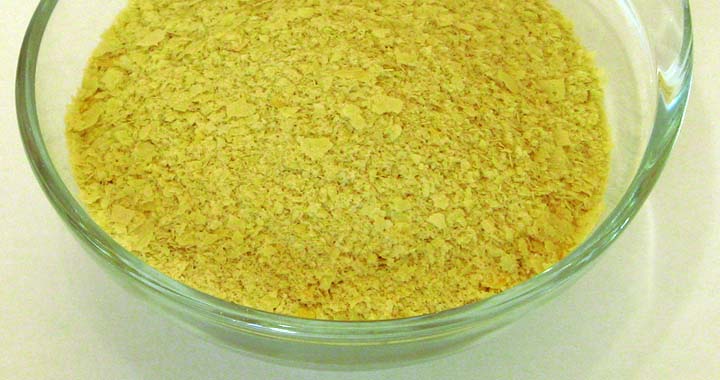
Yeast flakes are becoming increasingly popular. I use them regularly as an addition to salads. My guests will always ask what is the special twist of my salads. It is “only” the yeast flakes that taste very special – slightly nutty. Yeast flakes can also be stirred into soups, sauces, soy milk or into muesli and yoghurt. You shouldn’t cook them. Yeast flakes are mixed into homemade spreads, be they sweet or savory. Nutritional yeast is also available in liquid form.

Yeast flakes

In the form of yeast tablets, nutritional yeast has also established itself as a dietary supplement. Some of them are enriched with vitamins and minerals. Even in animal husbandry are they being used. Yeast tablets are used as a cure for skin blemishes, for beautiful hair and for a lack of B vitamins. Diabetics and those with liver disease also benefit from a yeast cure.

Baker’s yeasts are live yeasts that are offered fresh or dried. Such living yeasts are fermentable used to raise the dough of bread and pastries. Baker’s yeast is a pure yeast culture and does not contain any brewer’s yeast. For humans, they have no nutritional value because their cell walls are indigestible and the nutrients present in the interior of the cells can not be utilized.

Nutritional Yeast for Beauty

Nutritional yeast helps with skin blemishes. A simple peeling can be made with one tablespoon of yeast flakes and 2 tablespoons of cream. Mix well the two ingredients. The face needs to be cleaned with lukewarm water. Now the mixture is applied by hand, massaged in and then washed off again with lukewarm water.

A honey yeast flake mask is made from two tablespoons of vegetable oil, which is gently warmed in a water bath. Then dissolve in it one tablespoon of honey and add two tablespoons of brewer’s yeast. Mixing everything very well you apply the mask with the hand on the face and decollete. They are allowed some time to dry and then rinse off with lukewarm water.

It’s amazing how versatile nutritional yeast is. They should be used much more often in the kitchen, in animal husbandry and in skin care. Initially, it was hailed as a high-quality protein. Of these, we have more than enough anyway. Today it is used as what it really is: a high-quality food supplement.

Nutritional Yeast Salad Dressing

2 tbs Olive Oil
3 tbs lemon juice
1 tbs nutritional yeast
1/2 tbs oregano
1 tbs minced parsley
1 tsp salt

Mix well and toss into your favorite salad.

Filed Under: Nutrition

Finding the Perfect Dose of Iron

September 4, 2020 by Esther Neumann - [rt_reading_time label="Reading Time:" postfix="minutes" postfix_singular="minute"]

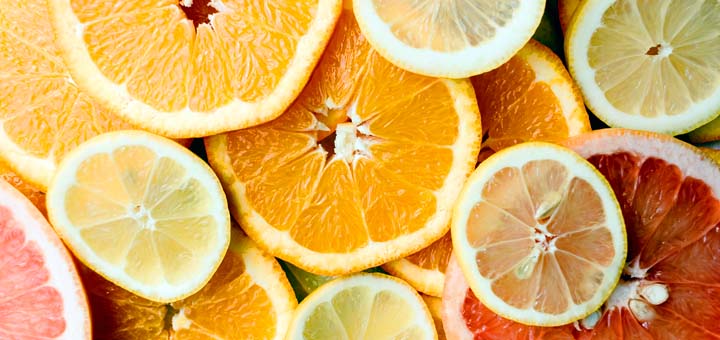
Citrus fruits are a good source of Vitamin C, being essential for iron absorption.

Globally, between one and two billion people in both developed and developing countries suffer from iron deficiency. It is the most frequently observed nutritional deficiency.

Even so should iron consumption be considered critical, because an iron overload has its own problems. The healthy body protects itself for a long time from being overloaded with iron by means of various mechanisms. But unfortunately, this mechanism doesn’t work for some people. They suffer from haemochromatosis, the iron storage disease.

Finding the Perfect Dose of Iron

Iron Inside the Organism

The primary role of iron is the binding of oxygen to hemoglobin in red blood cells. It transports the oxygen from the alveoli via the blood vessels to the body cells. On the way back, the hemoglobin takes the carbon dioxide formed in the cells with it into the lungs, where it is excreted with the breath.

But iron has yet many other tasks. It helps the immune system fight pathogens. Experiments have shown that both an iron deficiency and an excess hinder the body’s phagocytes in their task of rendering bacterial pathogens harmless.

Proper iron levels are essential for the immune system -  Photo by Andrea Piacquadio from Pexels

Iron is also a component of many enzymes, which in turn perform a wide variety of tasks in the body. They help to ward off oxygen from producing free radicals, they transfer electrons during energy production, and they help to produce bile acids and hormones.

The total iron stock of a 170lbs (75 kg) man is about 4 g, a 120lbs (55 kg) woman about 2.1 g. A little more than two thirds of it is bound to hemoglobin, around a quarter is bound to ferritin, the iron store, and a small remainder is still found in myoglobin, the red muscle pigment.

Iron is stored in the liver, the spleen, the bone marrow and the intestinal mucosa. The amount of iron in the blood plasma is around 3 – 4 mg and is subject to daily fluctuations.

Iron Requirements

The organism’s iron requirement is very low. The body is very economical with its iron reserves. Iron can only be excreted with difficulty through the intestines, urine, bile and sweat. Larger amounts are lost only when bleeding. That is why women need more iron than men up to menopause. Pregnant and breastfeeding women also need more iron, but will have savings by the absence of the period during pregnancy. Growing children have higher requirements. Children need about 8 mg per day, adolescent men 12 mg, female adolescents and women up to menopause 15 mg, after that about 10 mg as do men.

Which Foods are Rich in Iron?

Meat, cereals and leafy vegetables are the main contributors to the iron supply. Iron from meat is more easily absorbed by the body than iron from a plant-based diet. In the plant, iron is mostly present in poorly soluble compounds. But the simultaneous presence of vitamin C remedies this deficiency. Experiments have shown that vitamin C can increase the uptake of iron from the plant up to seven times. This is why vegetarians can still get enough iron. They usually have a higher consumption of vitamin C than meat-eaters. An increased intake of vitamin C has a better effect on iron absorption than additional iron intake, whether through diet or iron supplements.

Citrus fruits are a good source of Vitamin C, being essential for iron absorption.

Good plant sources of iron include lentils, chickpeas, beans, tofu, cashew nuts, chia seeds, ground flaxseed, dark green leafy vegetables, dried apricots and figs, raisins, and quinoa.

Iron Deficiency

A deficiency arises when the intake via the diet is too low, the absorption is disturbed, there is an increased need or there is a loss of iron through bleeding. Iron deficiency is the most common nutritional deficiency worldwide. It is caused by an unbalanced diet in poverty, or avoidance of nutritious foods in affluent countries. However, some food ingredients can also hinder iron absorption. Particularly widespread is the iron deficiency in areas where a lot of black tea is consumed, because it contains a high amount of tannin, which hinders the absorption of iron. Parasites in the digestive tract also lead to deficiency symptoms as they cause a higher blood loss.

A deficiency can also be caused by certain diseases such as rheumatism, cancer, hormonal disorders, infections or by drugs such as antibiotics or painkillers.

Symptoms of iron deficiency include fatigue, decline in performance, weather sensitivity, grooves in the nails, cracks in the corners of the mouth, dry skin, shortness of breath, and palpitations on exertion.

The clinical picture is hypochromic, microcytic anemia. Caused by a lack of iron and thus also a lack of hemoglobin, there is a deficiency in red blood cells. In turn, less oxygen can be transported. The whole oxygen-dependent metabolism is impaired.

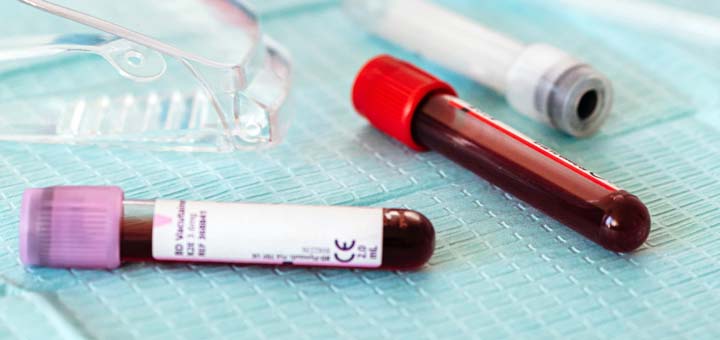
Blood tests can be used to find out hemoglobin levels - Photo by Karolina Grabowska from Pexels

People who suffer from iron deficiency should first find out the reason. Is it due to insufficient intake or absorption? Chronic blood loss must also be eliminated. This is done by testing for hidden blood in the stool. Self-prescribed use of iron-containing drugs or preparations is not recommended. They should only be taken under medical supervision. If the iron stores are filled, further iron absorption can be dangerous. Iron overload can lead to many negative effects such as joint pain, diabetes, heart problems, hormonal imbalances, impotence, cirrhosis of the liver, and liver cancer. The resulting pathology is called hemochromatosis, or iron storage disease.

Iron Overload

Hemochromatosis is one of the most common genetic disorders in the United States, affecting about 1 million people. It most often affects people of European descent. It is caused by increased iron absorption by the intestines. This leads to deposits in various organs and to considerable damage. The total iron content in the body is increased by up to 80 g. In lab tests this can be proven by a very high transferrin saturation. Without therapy, the disease leads to a significant reduction in quality of life and longevity. In this hereditary disease, the damaged gene is not on a sex chromosome. If the damage is to only one chromosome, the carrier will not become ill. For the offspring to fall ill, both parents must be carriers of the trait. Men get sick much more often than women. The disease does not manifest itself before the age of 20, usually between 40 and 60. In women only after the menopause, as the menstrual period causes iron loss. This brings us to the only sensible treatment: it is bloodletting, with the technical term phlebotomy. Initially, about 500 ml of blood is drawn from the patient once or twice a week. The intervals are reduced later. About 200 mg of iron can be removed with each bloodletting. Unfortunately, the patients are not qualifying as blood donors because their blood does not correspond to the normal values. A low iron diet will not cure the disease. However, it is advisable to avoid foods that are very iron-rich, such as offal, oysters and clams. With timely diagnosis and therapy, quality of life and lifespan are not restricted. If treatment does not take place, about 70% develop diabetes and many develop cirrhosis of the liver.

Summary

To avoid iron deficiency, you should pay attention to the increased consumption of fruits and vegetables containing vitamin C. This allows iron to be better absorbed. Additional iron supplements should only be taken under medical supervision, as the limit to the toxic dose can be exceeded very easily.

Filed Under: Nutrition

Plants that Protect You

August 23, 2020 by Esther Neumann - [rt_reading_time label="Reading Time:" postfix="minutes" postfix_singular="minute"]

Children enjoying veggies. Photo by Gustavo Fring from Pexels.

Enjoy and do something for your health at the same time. Isn’t that wonderful? So begins a brochure published by the Austrian Cancer Society, in which the health benefits of fruit and vegetables are praised. Scientists are discovering the secrets of plants more and more.

Many countries adopted the campaign to recommend the consumption of at least 5 portions of fruits and vegetables daily. Statistics show it: around 40% of cancer cases are caused by poor diet. People who consume daily lots of fruits and vegetables are better protected against cardiovascular diseases and cancer. Much of the protective benefit comes from fibers and phytochemicals.

Plants that Protect You

Fiber is no Luxury

For many years, fiber was considered superfluous. Therefore, they were removed from the food. The rice was peeled from the grain the germ and fiber were removed and included in the animal feed. It wasn’t until the 1960s that the English doctor Dr. Burkit got the idea that fiber could have something to do with our so-called lifestyle diseases. He realized that the native Africans he treated were less likely to have colon cancer, bowel disease, constipation and diabetes than those of his home country England. Since then we found out that Fiber is very essential to health. Fiber binds carcinogenic substances and pollutants and excretes them out quickly. The stool becomes softer and the bowel movement is faster.

Whole Wheat Bread is a good source of fiber. Photo by Kaboompics.com from Pexels

Phytochemicals

What are phytochemicals? Nutritionists have known them for a long time, but they used to be considered anti-nutrients. Actually, the plants produce them for their own protection. Color and flavoring substances, protective substances against pests and diseases, sun protection factors are just as much a part of this group as vegetable toxins, acids and hormones.

These plant substances can be very helpful for us humans. They protect us from bacteria and viruses. They lower cholesterol, estrogen and blood sugar levels, get the gut going and act as antioxidants.

Health from Garlic and Onions

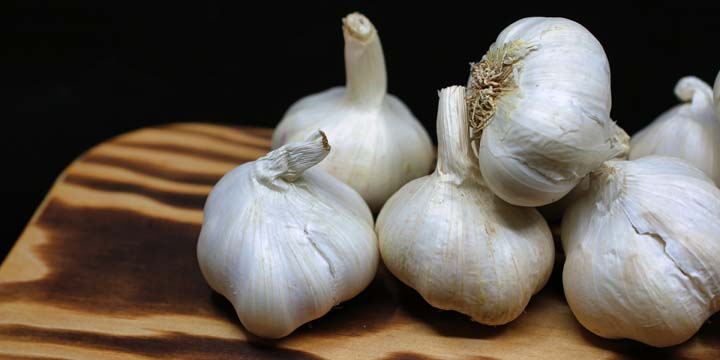
Garlic has lots of protective phytochemicals. Photo by Nick Collins from Pexels.

The typical smell of all onion plants comes from sulfur compounds. They are called sulfides. They stimulate digestion, stimulate the flow of saliva and bowel movement, protect against free radicals and influence blood clotting. They strengthen the immune system and inhibit the deposits of cholesterol in the arteries. No wonder that onions and garlic can protect us against cardiovascular diseases, even though they often bring tears to our eyes.

Protective Colorings

Flavonoids bring yellow colors, anthocyanins blue, red and purple. Fruit and vegetables shine in the brightest colors and these dyes protect us twice. First they prevent the clumping of blood platelets (thrombosis) and secondly they protect us from free radicals, which play a role in both cardiovascular diseases and cancer.

Spicy Substances in Radish and Cabbage

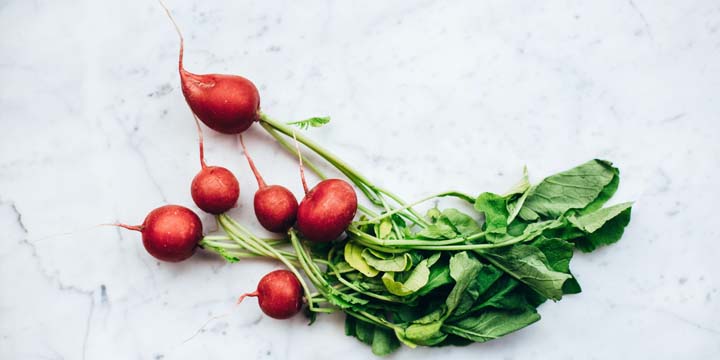
Radish is full of Glucosinolates. Photo by Daria Shevtsova from Pexels.

Glucosinolates are the spicy aromas in various types of cabbage, cress and radish. They inhibit the growth of bacteria, help ward off infectious diseases and protect us against cancer. The strong aromatic compounds are only created when the vegetables are chopped up. The mustard oils in cress and horseradish act as broad-spectrum antibiotics. They probably intervene in the metabolism of the microorganisms and thus render them harmless.

Plant Hormones

Phytosterols are found in nuts, high-fat seeds, sesame seeds, and soybeans. They are similar in structure to animal cholesterol, but have exactly the opposite effect, therefore lowering the cholesterol level. In addition to that they prevent colon cancer. Plant-based estrogens from soybeans and cereals protect against hormonal cancers. Therefore, Japanese women who are known to eat a lot of soy products suffer less from breast and uterine cancer.

Carotinoids

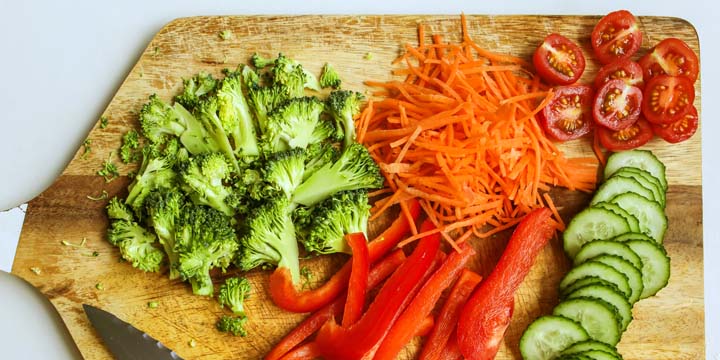
Yellow and red peppers, carrots, apricots, tomatoes, but also green vegetables, in which the bright colors are covered by chlorophyll, protect us from dangerous UV rays and thus from skin cancer. Carotenoids, we know about 600 different types, stimulate the immune system. Beta-carotene increases the number of natural killer cells that can attack malignant or infected cells and then kill them. Carotenoids also cause the formation of more antibodies, which then target foreign substances and prevent malignant cells from spreading as quickly.

Red and yellow pepper, carrots and tomatoes are carotinoid rich foods. Photo by Polina Tankilevitch from Pexels.

More than 10.000 Substances

Research of phytochemicals is just in the beginning. It is believed that there are between 10,000 and 20,000 different compounds, but only for a few of them we know the exact protective effect for humans. The plants produce most of these substances during their ripening. Therefore, freshly harvested, mature fruits and vegetables contain the highest concentrations. Wild plants and organic vegetables, plants that did not grow overprotected and overfertilized, usually produce more phytochemicals because they have to protect themselves better.

Pills Versus Fruits and Vegetables

The health-promoting effects of phytochemicals sounds very promising. The pharmaceutical companies are already queuing up for the researchers. They would like to mix together a cocktail of some active ingredients and advertise it in pill form or as a dietary supplement. But does that make sense? The diversity of active ingredients make up the protective effect. The targeted selection of some isolated substances would be a weak substitute. The best guarantee of getting all the active ingredients in the right amount is still to eat the appropriate food, as nature offers to us. Best raw, fresh and crunchy. You can eat almost anything raw. Salads and fruits add variety to the menu. If it does have to be cooked, it should be done gently, briefly and with little or no fat. Season with a little salt but with a good amount of herbs. Eat it as soon as you can, because valuable compounds will be lost when keeping cooked food warm.

Now with all those valuable and essential compounds we find in fruits and vegetables we wish you good health and a long life as you make use of an abundance of protective foods that your Creator has provided for you. Enjoy!

Children enjoying veggies. Photo by Gustavo Fring from Pexels.

Filed Under: Nutrition

« Previous Page

Primary Sidebar

Social Channels

Coronavirus Immunity Challenge

Boost your immune system to be bullet-proof for the pandemic.

I Want to Participate

Recent Posts

  • 5 Habits to Live Longer
  • Better Sleep Can Protect Against Dementia
  • Finding Peace In Your Crazy-Busy World
  • Flaxseed – An Ancient Plant Rediscovered
  • Platelets – Triggers for Life or Death
  • Boderline Personality Disorder
  • In Praise of Almonds and Nuts
  • Are You Stuck in the Clutter Trap?

Categories

  • Body Systems (16)
    • Cell Function (2)
    • Circulatory System (1)
    • Digestive Tract (10)
    • Immune System (4)
  • Diseases (27)
    • Cancer (2)
    • Cold (1)
    • COVID-19 (11)
    • Dementia (1)
    • Diabetes (1)
    • Digestive Diseases (2)
    • Heart Disease (2)
    • Kidneys (1)
    • Metabolic Syndrome (2)
    • Skin (1)
  • Healthy Lifestyle (42)
    • Exercise (11)
    • Gardening (2)
    • Sleep (7)
    • Sunlight (2)
    • Temperance (14)
    • Water (4)
  • Mental Health (87)
    • Addictions (6)
    • Anxiety (7)
    • Burnout (1)
    • Depression (7)
    • Psychosomatic Diseases (6)
    • Stress Management (45)
    • Trust (6)
  • Nutrition (56)
  • Obesity (9)
  • Phases of Life (14)
    • Adults (3)
    • Babies and Infants (1)
    • Children (3)
    • Seniors (5)
    • Teenagers (3)
  • Therapies (7)
    • Herbs (5)
    • Hydrotherapy (1)
  • Uncategorized (3)

Archives

  • January 2025 (1)
  • March 2024 (5)
  • February 2024 (4)
  • January 2024 (4)
  • December 2023 (5)
  • November 2023 (4)
  • October 2023 (5)
  • September 2023 (4)
  • August 2023 (3)
  • July 2023 (2)
  • June 2023 (4)
  • May 2023 (4)
  • April 2023 (5)
  • March 2023 (4)
  • February 2023 (4)
  • January 2023 (4)
  • December 2022 (4)
  • November 2022 (4)
  • October 2022 (5)
  • September 2022 (4)
  • August 2022 (4)
  • July 2022 (5)
  • June 2022 (4)
  • May 2022 (5)
  • April 2022 (4)
  • March 2022 (4)
  • February 2022 (4)
  • January 2022 (5)
  • December 2021 (3)
  • November 2021 (4)
  • October 2021 (6)
  • September 2021 (4)
  • August 2021 (4)
  • July 2021 (5)
  • June 2021 (4)
  • May 2021 (3)
  • April 2021 (5)
  • March 2021 (4)
  • February 2021 (4)
  • January 2021 (5)
  • December 2020 (3)
  • November 2020 (4)
  • October 2020 (5)
  • September 2020 (5)
  • August 2020 (3)
  • July 2020 (1)
  • June 2020 (1)
  • May 2020 (1)
  • April 2020 (1)
  • March 2020 (1)

Copyright © 2026 · Abundant Health - Privacy Policy - Medical Disclaimer