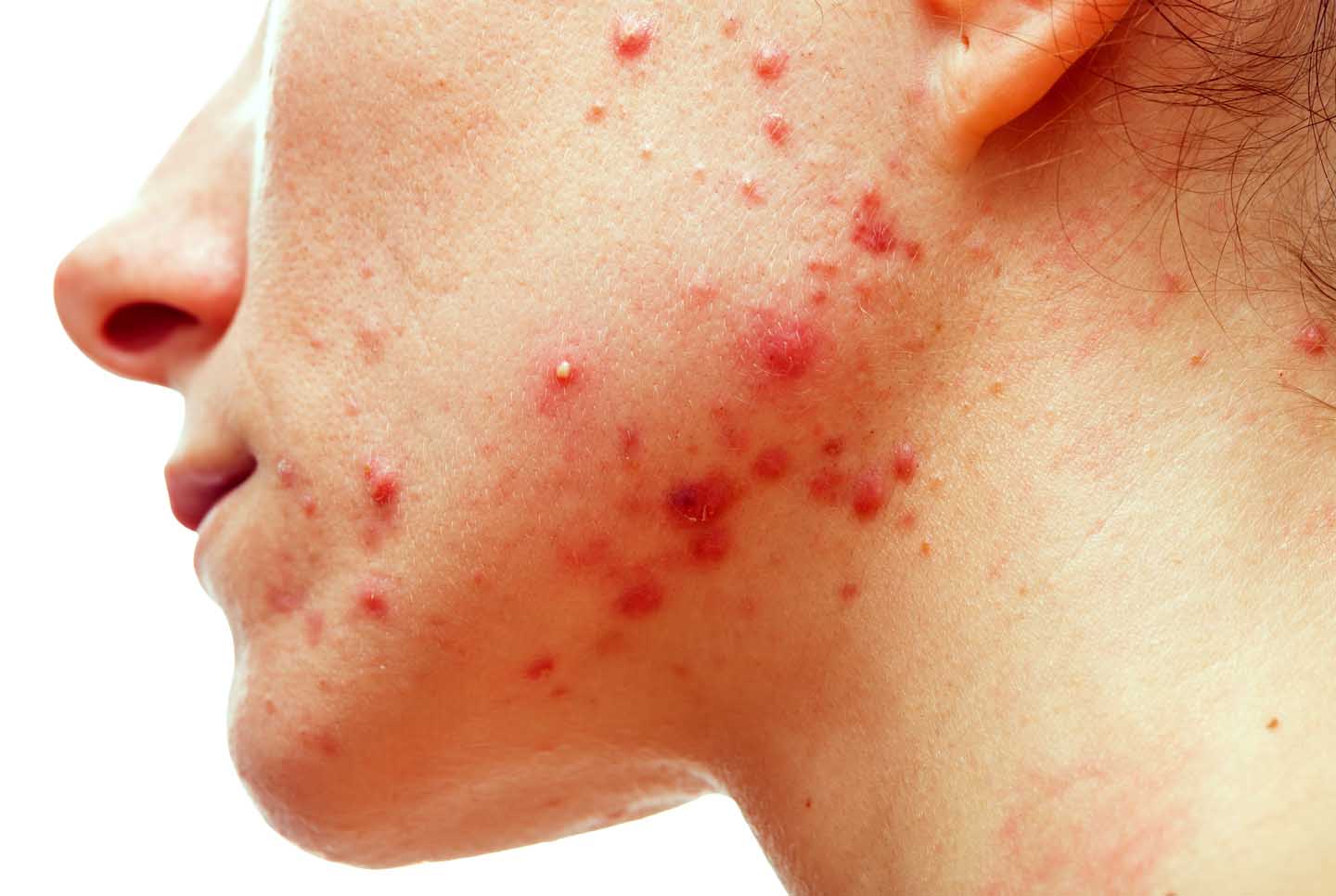
Acne takes worldwide the top position of all dermatological diagnoses. 80 – 85% of all teenagers suffer from acne to a greater or lesser extent. Inadequate treatment in more severe cases can lead to physical and psychological consequences. It is generally believed that acne is a disease of puberty. But adults and already toddlers can suffer from it.
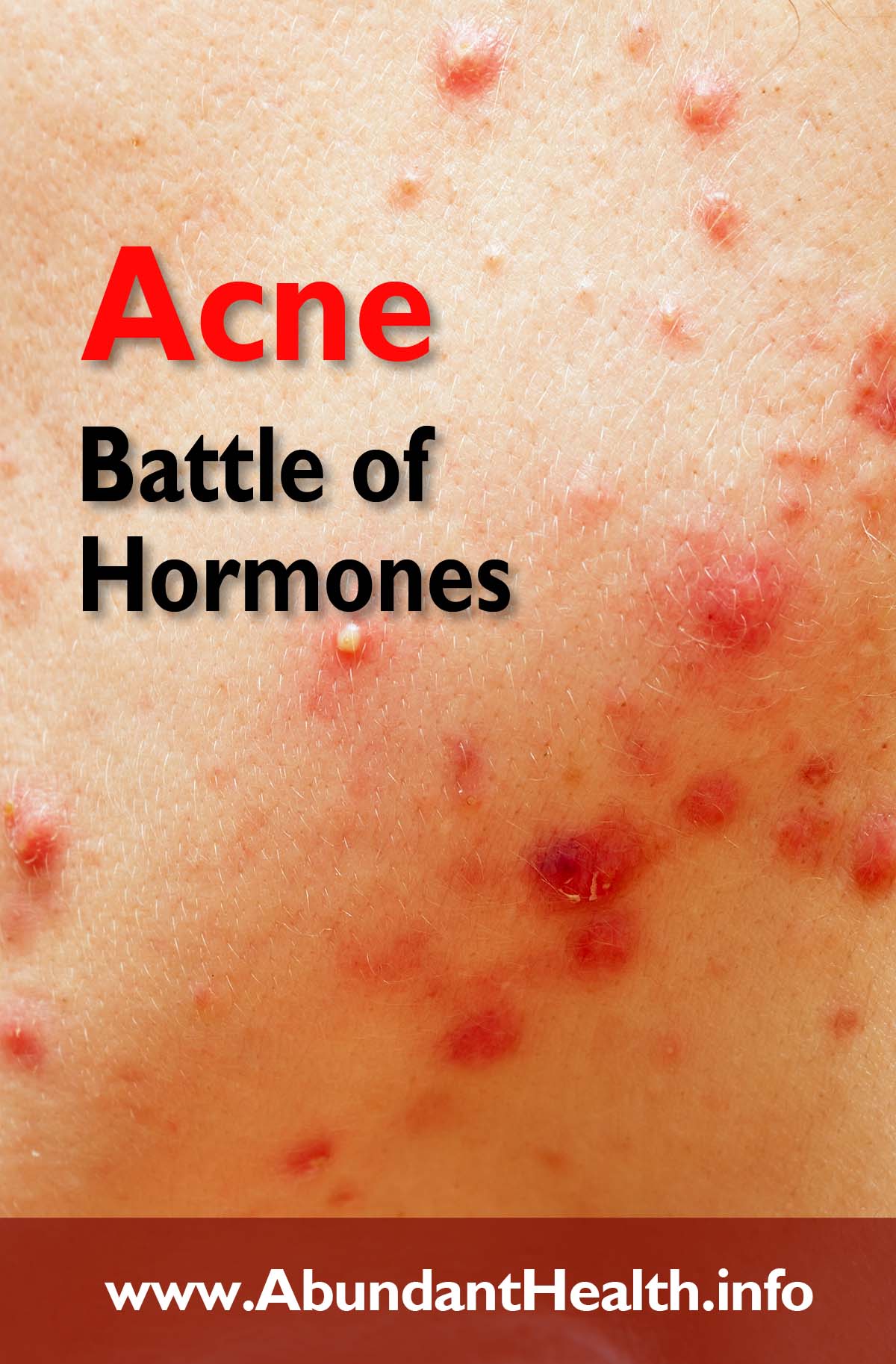
Most of those affected in the second decade of life have a mild form of acne. The clinical presentation mostly regresses between the ages of 20 and 25. 30% have courses that require specialized medical treatment.
Acne is caused by a combination of several pathophysiological factors: overproduction of skin fats by the sebaceous glands of the skin, cornification disorders and microbial colonization of the sebaceous gland sheath as well as inflammatory changes. During puberty, the production of male sex hormones, so-called androgens, increases in boys and girls. The sebaceous glands are thus stimulated to increase the production of sebum. The oily skin has a stronger cornification on the surface than dry or normal skin, which results in a narrowing of the excretory ducts. The skin fat is therefore very difficult to excrete and accumulates.
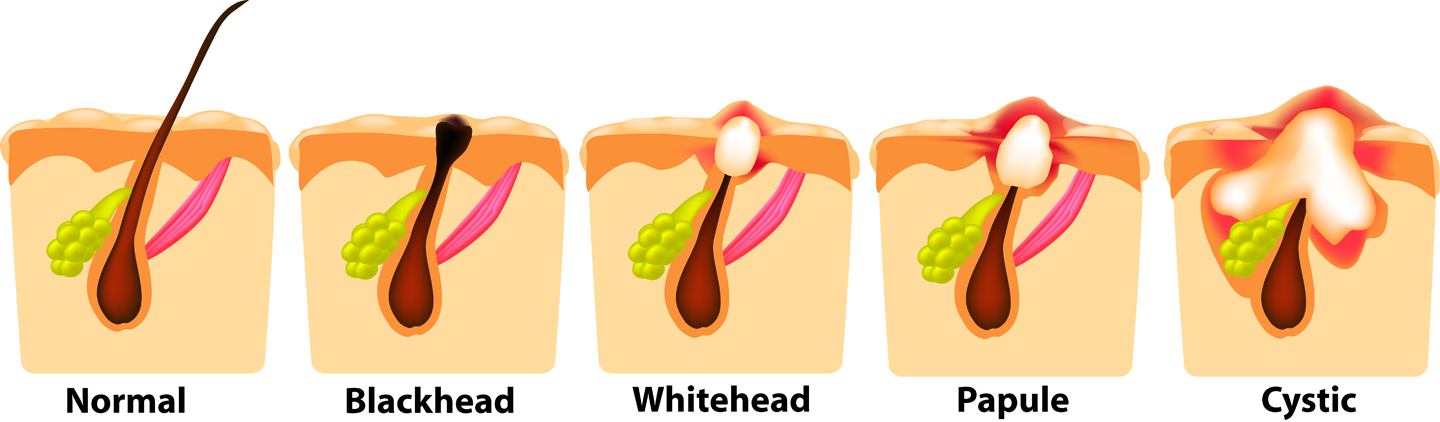
For the further course of the inflammatory process, it plays a role whether excessive colonization of bacteria can occur. As a metabolic product, free fatty acids are produced, which irritate the surrounding tissue. Initially, red nodules (papules) form, which can become ulcerated and then turn into pustules.
Types of Acne
Forms of acne can be classified by cause, age or severity of occurrence.
Acne neonatorum and acne infantum are forms that affect newborns and children. The formation is usually minor and healing occurs spontaneously, unless there are serious hormonal disorders. Acne vulgaris occurs during puberty and often extends into adulthood (acne tarda). It develops in the areas rich in sebaceous glands on the face, neck, chest and back.
The non-inflammatory comedonic acne only forms blackheads (comedones) or at most lightly inflamed papules (skin thickening). Papulopustular acne is the transition to inflammatory pustules and papules. The severe form is acne conglobata with large inflammatory nodules, abscesses, fistulas and scars.
Acne caused by environmental causes can in principle occur at any age. Acne aestivalis is also called Mallorca acne. It occurs after intense exposure to UV rays. Acne cosmetica occurs after long-term application of high-fat cosmetics. Acne medicamentosa is caused by drugs containing barbiturates, lithium or corticosteroids, misuse of anabolic steroids or overdoses of vitamins B6 and B12. People who take higher doses of vitamin D also suffer from acne more often.
Acne venenata is contact acne that can be triggered by chlorine, tar or lubricating oils. This list is not complete, but it should suffice to illustrate the wide range of causes and manifestations.
Consequences and Complications
Inflammation caused by acne can be accompanied by redness, swelling, and pressure pain. In the case of major inflammation, swelling of the lymph nodes can also occur. Squeezing out blackheads and pustules can lead to smear infections and boil formation. Severe forms of acne are associated with scarring. Psychological and social problems can arise. Those affected feel stigmatized or bullied. Self-esteem suffers. The pressure of suffering is often very high.

Acne and Diet
The influence of diet is still widely discussed, for the reason that there are not enough studies on the subject. The few studies show that there is a link between the consumption of dairy products and the formation of acne.((Adebamowo C et.al. High school dietary dairy intake and teenage acne. DOI: 10.1016/j.jaad.2004.08.007
LaRosa C et.al. Consumption of dairy in teenagers with and without acne. DOI: 10.1016/j.jaad.2016.04.030
Landro A et.al. Family history, body mass index, selected dietary factors, menstrual history, and risk of moderate to severe acne in adolescents and young adults. DOI: 10.1016/j.jaad.2012.02.018)) It is more pronounced in girls than in boys. It is not the fat content of the milk that matters, but the hormones in the milk. These are not associated with fat but with whey proteins. Even whey protein supplements manifested the same effects.((Pontes T et.al. Incidence of acne vulgaris in young adult users of protein-calorie supplements in the city of João Pessoa–PB. DOI: 10.1590/abd1806-4841.20132024)) Milk also contains other bioactive molecules such as steroids and growth factors that could also play a role in the development of acne.
What role milk really plays can vary from person to person. Certainly it is worth trying to avoid dairy products for a few weeks. My daughter had suffered badly from acne. Whenever she has completely canceled dairy products, her skin became very beautiful. But if she was careless, she spontaneously deteriorated. She also ate a lot of boiled carrots during this difficult time, and the beta carotene in them is the precursor of vitamin A. Vitamin A is very important for the skin structure. If there is a vitamin A deficiency, infections occur. Apricots, mangoes, oranges, peppers, spinach and Swiss chard also contain many carotenoids.
Salt should not be used too much, as high salt consumption promotes fluid retention in the skin, which can worsen inflammation of the sebaceous glands.
A fiber-rich diet with lots of fruits and vegetables, legumes and grains is appropriate because the fiber binds hormones such as androgens and excretes them. One study shows that blood serum and urine levels of androgens are lower in people who eat a high fiber diet.
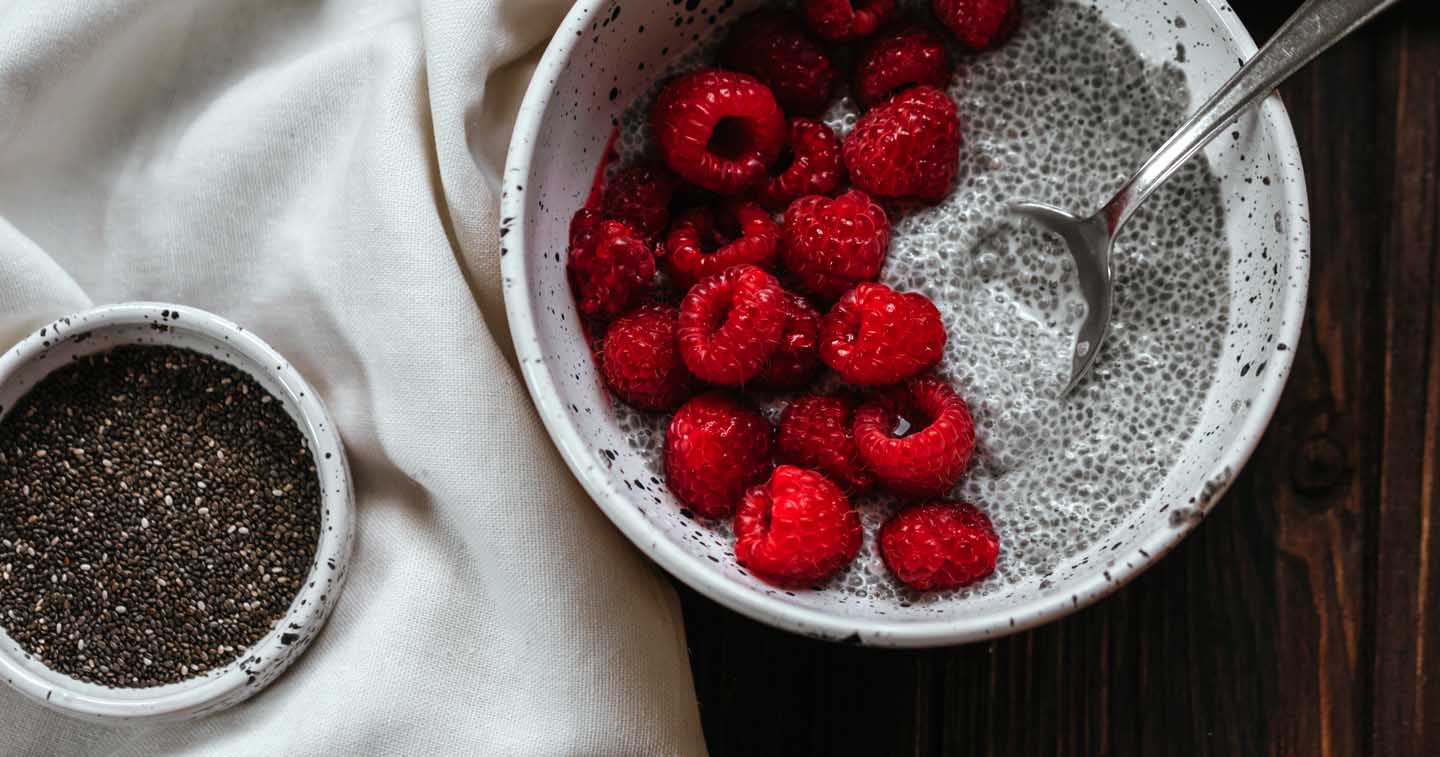
Omega 3 fatty acids also play a role. They have anti-inflammatory and inhibitory effects on the formation of leukotriene B4, which together with the androgens stimulate the production of sebum. Omega 6 fatty acids on the other hand have an inflammatory effect and will increase acne formation.((Cordain L. Implications for the role of diet in acne. DOI: 10.1016/j.sder.2005.04.002)) Omega 3 fatty acids are found in nuts, flaxseed, chia, wheat germ as well as flax, chia, hemp, canola, walnut and wheat germ oil. Teenagers who eat a lot of saltwater fish high in omega 3 fatty acids have significantly less acne. But fish is no longer recommended today because of the high levels of heavy metals.
Lukotrienes are tissue hormones derived from arachidonic acid. Arachidonic acids occur in very high quantities in lard and hard cheeses such as Emmental. They should be avoided in acne and all other inflammatory processes.
There was found a link between eating chocolate and the development of acne. This was true also for the consumption of dark chocolate and pure cocoa powder.((Vongraviopap S. et.al. Dark chocolate exacerbates acne. DOI: 10.1111/ijd.13188
Caperton C et.al. Double-blind, Placebo-controlled Study Assessing the Effect of Chocolate Consumption in Subjects with a History of Acne Vulgaris. J Clin Aesthet Dermatol. 2014 May;7(5):19-23. PMCID: PMC4025515)) The consumption of fat, sugar and other refined products was associated as well with a higher risk of acne.((Aksu A et.al. Acne: prevalence and relationship with dietary habits in Eskisehir, Turkey. DOI: 10.1111/j.1468-3083.2011.04329.x)) This might be due to the increased release of insulin, which in turn makes the androgen hormones more active.((Julson E. Top 7 Foods That Can Cause Acne. Healthline, January 24, 2018))
Soybeans and derived products can have a beneficial effect. They contain phytoestrogens, which help to achieve a hormonal balance. Tumeric has anti-inflammatory properties, and probiotics can help as well to control inflammation. Vitamin A, D, E and zinc can help to strengthen the immune system and fight the bacteria involved in acne formation.((Julson E. Top 7 Foods That Can Cause Acne. Healthline, January 24, 2018))
Lifestyle Factors
Unfortunately, many teenagers suffering from acne smoke. High levels of arachidonic acid and polycyclic aromatic hydrocarbons have been found in cigarette smoke. These substances promote the development of inflammatory tissue hormones. The motto: “You are fine without smoke” should be spread much more widely among young people for many reasons.
Many acne patients have noticed for themselves that stress plays a large role. Around exam dates and in girls around the time of their menses, pustules can really flourish. If a new pimple is found on the nose in front of the mirror, it can be very stressful. It shows who has a good self-esteem or whether this nonsense on the nose can throw you off track.
The acne years coincide with the problem years due to the detachment from the parental home. This can involve a large amount of stress. An open ear within family circles and a more relaxed approach to the social pressures can help a lot. In a difficult case, you should seek professional help.
Pharmacological Treatment
Any treatment for acne requires patience. In difficult cases, you should work with a dermatologist. There are many active ingredients that suppress sebum production and normalize the cornification process. Alpha-hydroxy acids, benzoyl peroxide, linoleic acid creams, retinoids (vitamin E), isotretionin, salicylic acid, zinc and zinc compounds, hormones in women and antibiotics in severe cases are some of the agents used. The treatment depends on the clinical manifestations and is arranged together with the doctor. False concepts and expectations are widespread. Realistic goals must be explained and the patient’s personal responsibility must be emphasized. But before you shoot cannons on flies, it is advisable to first take a close look at your diet and lifestyle. Because many of the drugs also have side effects.
Recipe for an Acne Treatment Mask
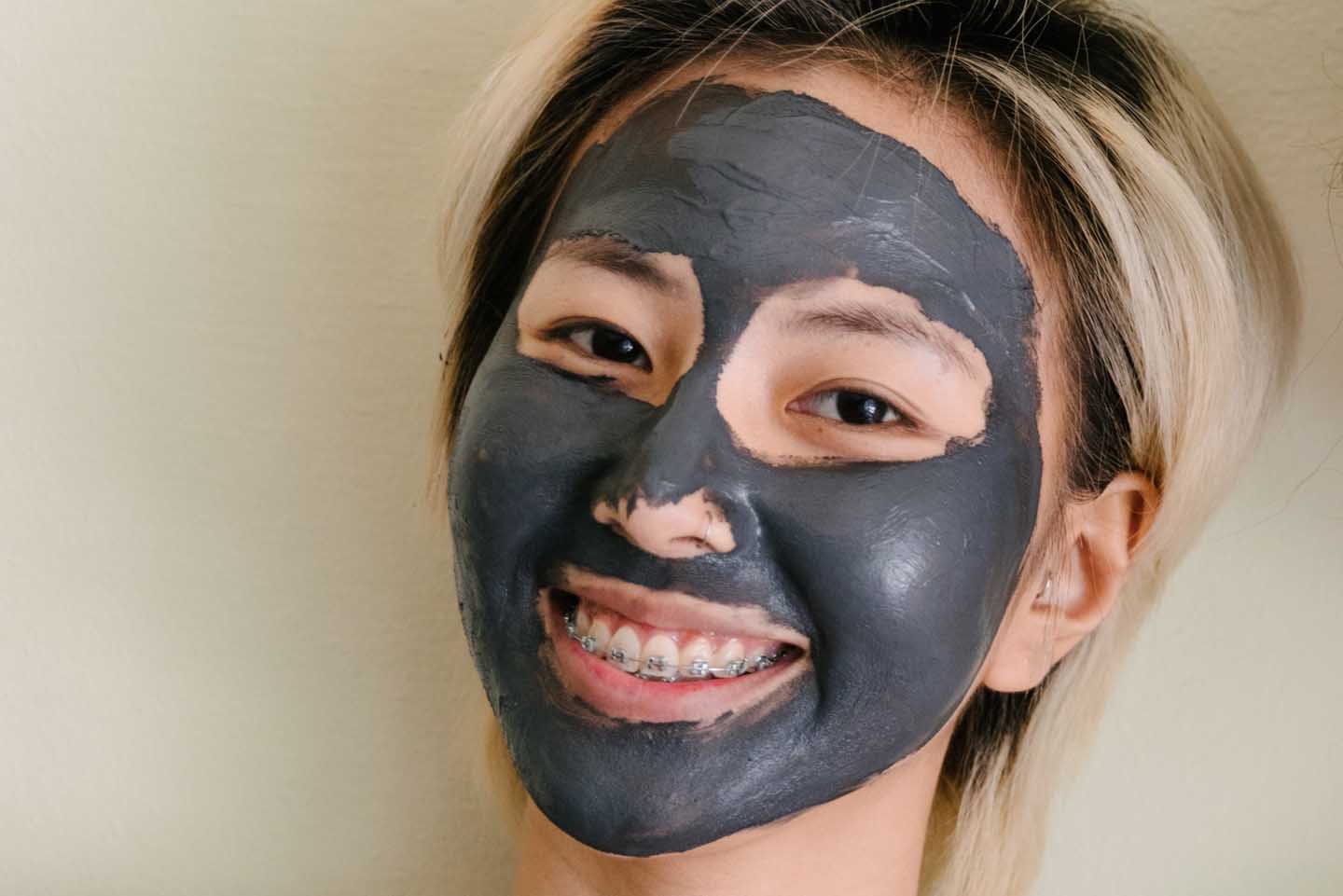
- Use Luvos healing earth or powdered clay, amount as required
- Mix with herbal tea until you have a spreadable mass.
- Apply the compound to the affected areas using a brush, spatula or spoon.
- Leave it until the mask is largely dry and then rub it off with your fingers to peel the skin at the same time. Then wash off the residue or wipe it off with a damp cosmetic tissue.
Herbs that are good for making the herbal tea for the pack: thyme, rosemary, peppermint, witch hazel
If the skin is rather sensitive: use sage or chamomile tea.
If you want, you can also take a facial steam bath before the pack with the mentioned teas.
Recipes
The beta carotene of carrots is absorbed better if they are cooked. It is though important to not cook them excessively, but preferably just cook them tender in steam, in order to not leak out the nutrients.
Carrot Spread
- 2 large carrots
- 2 garlic cloves
- 1 small onion
- 1 large tomato
- 1 pinch of salt
- 2 tbs. olive oil
- 1 pinch of oregano optional
- 1 tsp. nutritional yeast
- Cook the carrot with little water
Saute the onion and garlic without oil, then add tomatoes, salt and oregano
Blend the carrot with a little cooking water
Add the remaining ingredients and blend well
- Add the olive oil
Carrot Sushi

- 1 large carrot
- rice (tofu or guacamole for filling)
Cut the carrot into thin slices. At best use a slicer to slice the carrot lengthwise.
Steam for 10 minutes.
Roll in the form of sushi.
Stuff with cooked rice, tofu or guacamole.
Carrot Sweet Balls
- 1 large grated carrot
- 4 tablespoons shredded coconut
- 3 tablespoon brown sugar or honey
- Grate the carrot with a fine grater.
In a frying pan cook the carrot and sugar and stir to avoid sticking.
- Cover for a few minutes over low heat.
- When the carrot is cooked and starting to dry, add the grated coconut and stir for a few minutes until it starts to bind.
- Allow to cool slightly and mold into balls.
Carrot Bread

- 2 large carrots
- 1 cup of oatmeal
- 1/2 teaspoon salt
- Cut the carrots into slices.
- Cook until well cooked. You do not need to remove the skin.
- Smash the carrots while still hot with a fork.
- Add salt to taste and oatmeal until you achieve the right consistency. The dough is a little sticky. Wait about 5 minutes, as the oats absorb moisture and the dough will be easier to shape.
- Mold in the shape of small balls.
- Bake for 20 to 30 minutes until golden brown.
Eat preferably warm.
Now we want a few recipes who provide us with good sources of Omega 3.
Chia Yogurt

- 1 cup of coconut milk
- 4 tablespoon chia
- 1 small mango
- 1 chopped apple
- ¼ cup of raisins
Put the coconut milk into a container and stir in the chia until it is well mixed.
Take to the refrigerator for 6 hours or until the next day.
Afterward mix with sliced mango, apple and raisins.
If you prefer, place in a bowl layers of chia yogurt interspersed with the fruit. Serve pure or with granola.
Flaxseed Salt
The flaxseed salt can be used like sesame salt as a seasoning for salads and other dishes
- ½ cup flaxseed
- 1 tbsp salt
Put the flaxseed into a skillet and roast for a few minutes on low heat, stirring every few seconds.
When seeds start to pop in larger quantity, put on a lid and take the skillet off the heat.
Let the seeds cool to room temperature.
Transfer seeds to a spice grinder and mix with the salt.
Pulse for a few seconds. If needed repeat until seeds are finely ground.
To get the maximum benefits of the Omega 3 fatty acids, keep inside an airtight container in the fridge and use within 3-4 days. Never buy flaxseed already ground, because Omega 3 fats oxidize and get rancid very quickly.
Stay Always Up to Date
Sign up to our newsletter and stay always informed with news and tips around your health.