Abundant Health

Up to date health information tailored for you

  • Home
  • Blog
  • Recipes
  • Shop
  • Contact
You are here: Home / Archives for 2024

Archives for 2024

Are You Stuck in the Clutter Trap?

February 18, 2024 by Barbara Hemphill - [rt_reading_time label="Reading Time:" postfix="minutes" postfix_singular="minute"]

Are You Stuck in the Clutter Trap?

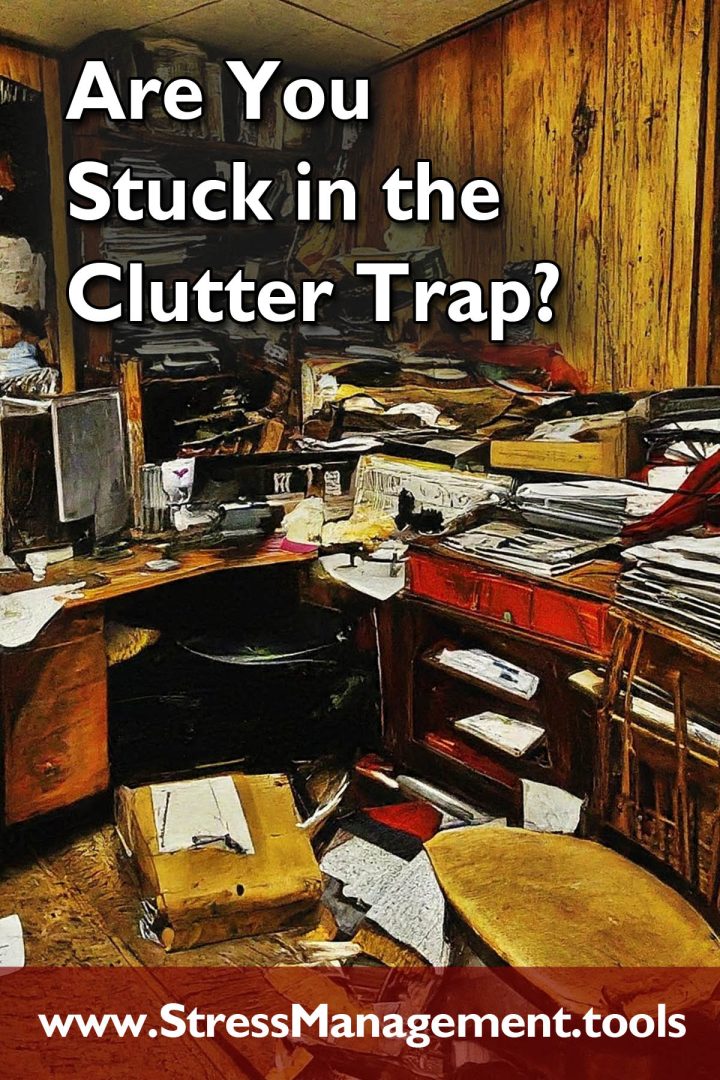
You arrived on earth without clutter. Your parents and doting relatives started you on a pathway to accumulation. By the time you were a year old, you had mounds of functional clothing, twenty outfits suitable for dress-up, too many stuffed animals to fit in your bed, custom-sized furniture, a silver spoon, and a plastic Winnie-the-Pooh bowl. Perhaps there was also your christening gown: an heirloom already packed safely away waiting for the next generation. You had not even become a toddler yet, and you had already embarked on the road to the clutter trap.
Are You Stuck in the Clutter Trap?

Perhaps your most treasured possession during this time was a favorite “blankie.” This was one item that just made you feel good when you dragged it everywhere you went. You also had a rattle that served two valuable functions. It made noise, and it was handy to chew on when your gums hurt. And the most attractive item in your crib area was that mobile of the shiny fish that swam above your head. Even at this early age, you were surrounded by some things you loved, some things you found useful, and some things you found beautiful.

And there was other “stuff” too. There were broken toys, clothes you were rapidly outgrowing, a quilt someone made that felt scratchy. These were the beginnings of clutter in your life. But were you caught in the clutter trap?

No! You weren’t trapped because you didn’t care. You didn’t interrupt your life’s work (eating, playing, sleeping, and saying “no”) to worry about any of this. Your caretakers worried about them on your behalf.

By the time you became an adult, the story was different. While you were still surrounded by clothing, toys, furniture, and heirlooms, by now you had added two hair dryers, four televisions, three telephones, a computer, a washing machine, a lawnmower, a partridge-in-a-pear tree-decoration and other machinery for life. Friends, family, and colleagues had given you gifts, paintings, china, and things you never used, and didn’t particularly like. But you could never quite decide to get rid of them.

Here Comes the Clutter Trap

Although 50 to 95 percent of your life is operating very well, and you feel successful in most areas, you sometimes:

  • Feel overwhelmed when you look at your closet or the garage or attic
  • Put off important things because they seem too massive to tackle in your current state of mind
  • Avoid having people visit your home or office because it looks too messy
  • Tremble at the thought of an audit, because you probably couldn’t find supporting records
  • Spend hours looking for your car insurance documents
  • Get headaches, neck and back tension, or grind your teeth because you can’t seem to find a place to relax anywhere
  • Wonder what is wrong with you that you can’t seem to stay organized
  • Consider taking yet another time management course to get it all under control
  • Yearn to escape to a desert island.

Here’s the simple truth. Everything — everything — you have in your life either nourishes you or drains you. It either supports your dreams and desires or sabotages them. If too much stuff in your immediate environment drains you, you are caught in the Clutter Trap.

A distressed woman cleaning up boxes of household clutter

The Clutter Trap is a state of cumulative disorder that diminishes your physical, mental, emotional, spiritual, or financial health. It is a dangerous threat to your productivity, your prosperity, and your peace of mind. Underestimate that threat at your own peril.

The Clutter Trap is more than an occasional temporary mess you make while finishing a project or getting dinner ready. It is a multiplicity of messes. It is chronic, cumulative, chaotic, cramping, creeping disorder.

Your Family and Your World Needs Your Best

Suppose you wake up tomorrow with a kindly presence whispering gently in your ear. “You are such a great person, we have decided to give you your heart’s desire of the most ideal setting in which to live and work.” You float half-awake with welcome visions of a sun-drenched easy chair, a penthouse office, a water view, an inviting golf course just outside, cloud-soft carpets, luxurious furniture, relaxing aromas, fragrant flowers, harmonious sounds, peace, calm, and order everywhere around you, and just the right amount of stimulation to keep your juices flowing.

A Businessman in his penthouse office looking at a golf course and water view below

Then you open your eyes–and reality strikes! First, you see the exercise machine draped in yesterday’s gym clothes, then the closet door you hate to open for fear of being smothered by the crushing mass of things stuffed inside, then the stack of newspapers left from last weekend, then the smudge on the wall from some mysterious source, then the carpet that could use vacuuming, and finally the torn-out travel article you read last night, as you imagined a dream vacation away from all this.

“Oh well,” you say to yourself, “I’ll clean up tomorrow. Meanwhile, I’d better brush my teeth and get going. This is a very busy day. The clutter can’t be that important.”

And maybe you are seriously wrong. Maybe the clutter is enormously important. Think back to those waking moments when you imagined the ideal setting for your life and work. Think of how you would feel, act, and respond in such a setting. Would that setting help you feel focused, vigorous, strong, talented, generous, energetic, calm, relaxed, powerful, productive, or peaceful? Then remember how you felt when reality hit. You may have felt overwhelmed, drained, depleted, depressed, or at least discouraged.

Now picture going into your day without the clutter. Which setting inclines you toward your most satisfying results and your most nourishing relationships? How much difference could the right setting make to your ability to focus, to respond fully to all the opportunities of your day, to develop fresh solutions for the challenges you face, to return home and be a more loving partner and parent, to link with your neighbors to create a stronger sense of community?

Very few people are truly impervious to their setting. Most of us just pretend we are. We make promises to ourselves to take care of the clutter later. In the meantime, we walk around as incomplete, diminished versions of the fully resourceful, fully generous people we could be.

And our family and our world need our best. Setting matters. Freedom from clutter is not just a selfish pursuit of our own comfort or convenience. It is not just a luxury that makes our setting “nicer” or “cleaner” or “safer.” That freedom also unlocks us from distraction and distress, so we can connect and contribute more abundantly to our family, our community, our world. As one client said, “Save the planet, starting in my attic!”

Where will you start?

And if you are interested to learn from Barbara how to organize your physical and digital clutter, you can sign up for a free webinar.

Do you need a guide to help you understand how to cope with Stress in an all inclusive approach? Learn how to combat stress, mentally, physically, emotionally and strategically in your life.

Get Me the Guide

Filed Under: Mental Health, Stress Management

5 Pulses that are Packed with Goodness

February 11, 2024 by nadiaradzman - [rt_reading_time label="Reading Time:" postfix="minutes" postfix_singular="minute"]

5 Pulses that are Packed with Goodness

Each year on February 10, the United Nations commemorates what probably sounds to many like a strange occasion: World Pulses Day.((World Pulses Day, United Nations))

5 Pulses that are Packed with Goodness

But, as a researcher focused on forgotten and underutilized legumes,((Dr Nadia Radzman, University of Cambridge)) I think the initiative is an important step towards food security. Getting people to eat more pulses can ultimately help achieve UN Sustainable Development Goal 2: Zero Hunger.((Goal 2: Zero Hunger. United Nations))

First, for clarification, “legumes” and “pulses” have different meanings. “Legumes” are all plants belong to the family Leguminosae or Fabaceae, while “pulses” are the dried seeds of legume plants. Pulses include beans, lentils and chickpeas.

One reason that legume plants offer such promise in ending hunger is that they don’t need good soil or nitrogen fertilizers. Plants need nitrogen to build important molecules such as protein and DNA. Most legumes can thrive in poor soil by fixing nitrogen gas from the air for their own use. This happens through symbiotic interaction with friendly bacteria known as rhizobia. The rhizobia are housed inside structures called nodules on the plant’s roots.

Thanks to their nitrogen-fixing ability, pulses are nutritional powerhouses: high in protein and fiber, and low in fat.

But that’s not the only interesting thing about legumes and pulses. In honor of World Pulses Day, I would like to highlight five pulses that have unique properties and stories.

1. The African yam bean: high protein beans and underground tubers

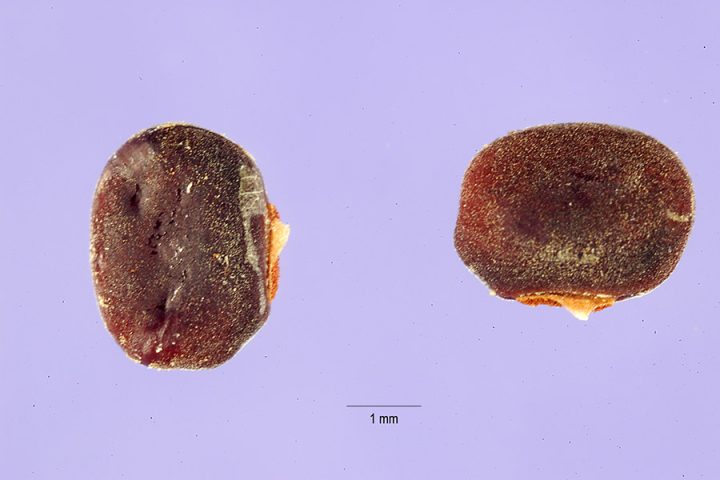
The African yam bean (Sphenostylis stenocarpa) offers two servings of food: beans and underground tubers. The tubers have higher protein content than any non-legume tuber crops like potato and cassava, and the beans are also high in protein. Their nutritional value was proved during the Nigerian Civil War (1967-1970) when the beans were cooked with amaranthus, telfaria or cassava leaves to feed the malnourished in war-affected areas.((Nwokolo, E. (1996). African yam bean (Sphenostylis stenocarpa (Hoechst ex. A. Rich.) Harms.). In: Nwokolo, E., Smartt, J. (eds) Food and Feed from Legumes and Oilseeds. Springer, Boston, MA. https://doi.org/10.1007/978-1-4613-0433-3_18))

Seed of the African yam bean

This crop is native to Africa and was once grown across the African continent.((Potter, D. Economic Botany ofSphenostylis (Leguminosae). Econ Bot 46, 262–275 (1992). https://doi.org/10.1007/BF02866625)) Researchers have proposed that it may have been domesticated multiple times in west and central Africa.((Potter, D., Doyle, J.J. Origins of the African Yam bean (Sphenostylis stenocarpa, leguminosae): evidence from morphology, isozymes, chloroplast DNA, and linguistics. Econ Bot 46, 276–292 (1992). https://doi.org/10.1007/BF02866626)) Today, it is mostly grown as security or subsistence crop, rather than commercially. But its high protein content and drought tolerance are attracting increasing interest.((Toyosi T. George, Anthony O. Obilana, Samson A. Oyeyinka, The prospects of African yam bean: past and future importance, Heliyon, Volume 6, Issue 11, 2020, https://doi.org/10.1016/j.heliyon.2020.e05458))

2. Common bean: diversity and environmental versatility

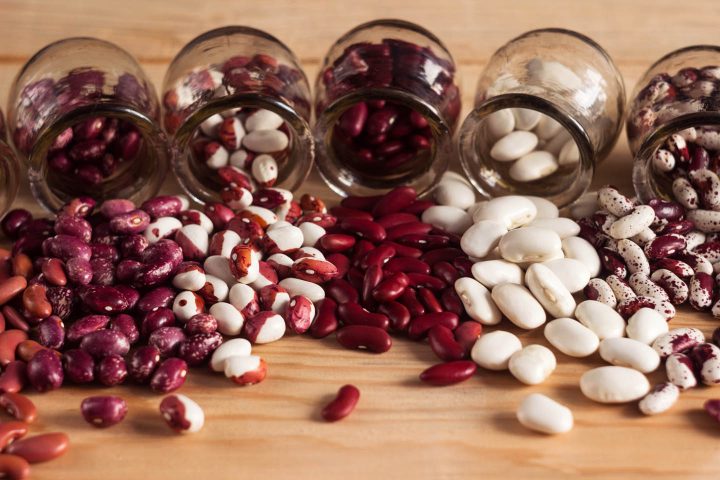
The common bean (Phaseolus vulgaris) comes in many varieties around the world. Examples are black beans, red kidney beans and pinto beans – they look different but they are the same species. What’s special about them is that they can pair with a larger number of rhizobial species((Martínez-Romero, E. Diversity of Rhizobium-Phaseolus vulgaris symbiosis: overview and perspectives. Plant and Soil 252, 11–23 (2003). https://doi.org/10.1023/A:1024199013926)) than other legumes can.((Lira MA Jr., Nascimento LRS and Fracetto GGM (2015) Legume-rhizobia signal exchange: promiscuity and environmental effects. Front. Microbiol. 6:945. doi: 10.3389/fmicb.2015.00945)) This may have helped the common bean to thrive outside its native land and diversify in various habitats around the world. It’s able to fix nitrogen in different environments, making it a resilient legume species.

Beans of various colors and varieties
Multi-colored beans are poured out of jars on the table. White, red and colored beans. Background

3. Pea: a role in early understanding of genetics

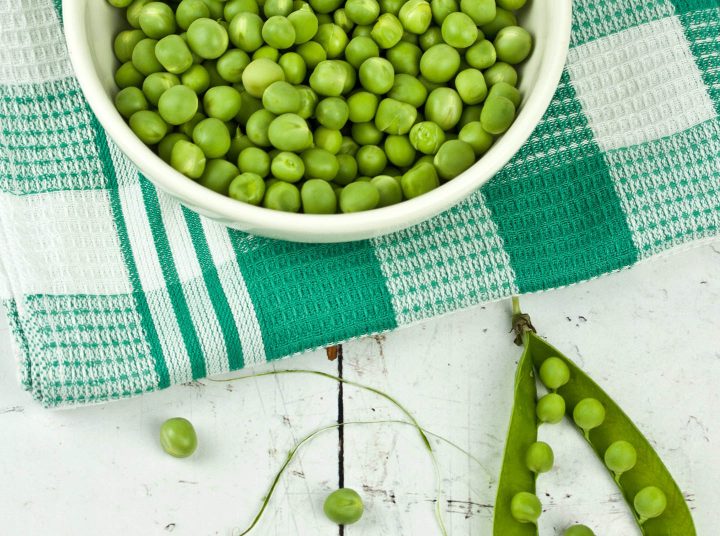
The pea (Pisum sativum) is among the oldest domesticated crops in the world. It contributed to the understanding of genetics, thanks to Gregor Mendel’s famous experiment with pea plants.((Miko, I. (2008) Gregor Mendel and the principles of inheritance. Nature Education 1(1):134)) Mendel observed the way that different physical properties of the pea plants were inherited: pod shape, seed shape, seed colour, unripe pod colour, flower colour, stem length, and flower placement. He crossed two pea plants that had different properties and observed the seven traits in the subsequent generations for two years. From this experiment, he established Mendel’s Rules of Inheritance – still applicable in modern day genetic study.

The rich genetic diversity of the pea is also a valuable resource for important crop traits that can withstand various weather conditions due to climate change.((Smýkal P, Aubert G, Burstin J, Coyne CJ, Ellis NTH, Flavell AJ, Ford R, Hýbl M, Macas J, Neumann P, et al. Pea (Pisum sativum L.) in the Genomic Era. Agronomy. 2012; 2(2):74-115. https://doi.org/10.3390/agronomy2020074))

Peas

4. Chickpea: built for drought

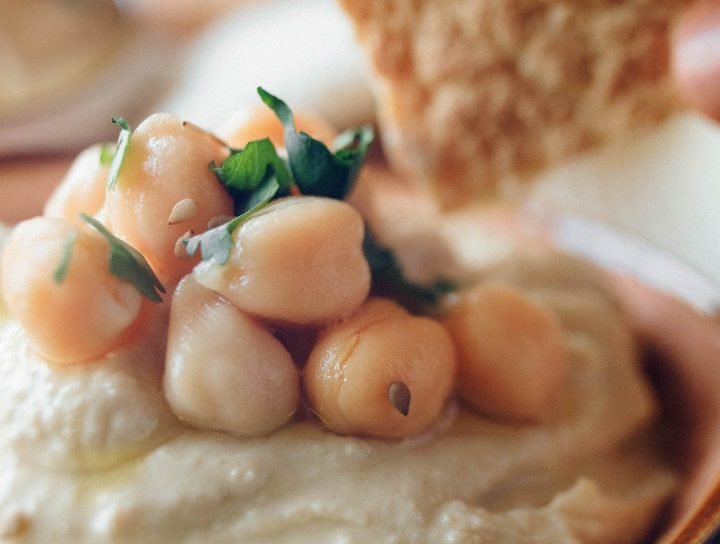
Many pulses are drought tolerant and use less water for production than animal-sourced proteins, especially beef. Chickpea (Cicer arietinum) is known to be highly drought tolerant.((Rani A. et.al. Developing Climate-Resilient Chickpea Involving Physiological and Molecular Approaches With a Focus on Temperature and Drought Stresses. https://doi.org/10.3389/fpls.2019.01759)) Most of this crop is grown under rainfed conditions in arid and semi-arid areas. This special ability to grow where water is scarce is more prominent in wild species of chickpea. Wild chickpeas can also tolerate temperatures up to 40°C – another valuable genetic resource for better drought tolerance in modern chickpeas.((Toker, C., Canci, H. & Yildirim, T. Evaluation of perennial wild Cicer species for drought resistance. Genet Resour Crop Evol 54, 1781–1786 (2007). https://doi.org/10.1007/s10722-006-9197-y))

Still, chickpea yield is highly compromised when there is lack of water. Therefore, scientists are looking for beneficial traits that can reduce the yield loss in chickpeas during drought. This may contribute to a more secure food source in the midst of climate change.((Varshney, R.K., Thudi, M., Roorkiwal, M. et al. Resequencing of 429 chickpea accessions from 45 countries provides insights into genome diversity, domestication and agronomic traits. Nat Genet 51, 857–864 (2019). https://doi.org/10.1038/s41588-019-0401-3))

Hummus with a few cooked chickpeas

5. Lupins: special cluster roots to seek nutrients

White lupins (Lupinus albus), yellow lupins (Lupinus luteus) and pearl lupins (Lupinus mutabilis) can form special roots to get more nutrients without the need for additional fertilisers.((Hocking, P., Jeffery, S. Cluster-root production and organic anion exudation in a group of old-world lupins and a new-world lupin. Plant and Soil 258, 135–150 (2004). https://doi.org/10.1023/B:PLSO.0000016544.18563.86)) Plants need not only nitrogen but phosphorus. Usually it’s given to plants in fertiliser to increase crop yield. Phosphate fertiliser is made from phosphate rock –- a non-renewable resource which is rapidly depleting through agricultural use.((Understanding phosphorus fertilizers. University of Minnesota Extension)) The white, yellow, and pearl lupins have unique root modifications called cluster roots that can liberate phosphorus from soil particles when the nutrient is low. These roots look like bottlebrush and are formed only when the level of phosphorus in the soil is low.((Shane, M.W., Lambers, H. Cluster Roots: A Curiosity in Context. Plant Soil 274, 101–125 (2005). https://doi.org/10.1007/s11104-004-2725-7)) These cluster roots exude negatively charged compound called carboxylate that can liberate phosphorus from the soil and make it available for the plant to use.((Hans Lambers, John G. Bishop, Stephen D. Hopper, Etienne Laliberté, Alejandra Zúñiga-Feest, Phosphorus-mobilization ecosystem engineering: the roles of cluster roots and carboxylate exudation in young P-limited ecosystems, Annals of Botany, Volume 110, Issue 2, 1 July 2012, Pages 329–348, https://doi.org/10.1093/aob/mcs130)) So lupins do not have to rely on phosphate fertilisers and can even help neighbouring plants by increasing the phosphorus level in the soil.

Food security

Pulses deserve our attention not just on February 10 but every day. The five pulses I’ve presented here can serve as sustainable protein sources and make food systems more diverse. They can greatly contribute to better food security in the future.

Healthy Fruits

Stay Always Up to Date

Sign up to our newsletter and stay always informed with news and tips around your health.

Sign Up Now!

This article is republished from The Conversation under a Creative Commons license. Read the original article.

The Conversation

Filed Under: Nutrition Tagged With: Legumes, protein

St. John’s Wort – Nature’s Prozac?

February 4, 2024 by Winston J Craig - [rt_reading_time label="Reading Time:" postfix="minutes" postfix_singular="minute"]

St. John's Wort

Every year, according to the National Institutes of Mental Health, about 11 million Americans suffer mild cases of depression and another 10 million suffer mild to severe depression. St. John’s Wort (Hypericum perforatum) has received increasing attention as a safe product that provides some natural relief from depression.

St. John’s Wort – Nature’s Prozac?

St. John’s Wort is a perennial herb that grows up to three feet tall in neglected fields and alongside country roads throughout North America and Europe. The erect, many-stemmed herb is topped with a cluster of bright yellow, star-shaped flowers (with five slightly asymmetrical petals) that bloom from June to August. There are numerous explanations as to how St. John’s Wort received its name. The preferred explanation refers to the fact that the flowers bloom around June 24 (St. John’s Day), while another refers to an ancient tradition of throwing the flowers into a bonfire on the eve of St. John’s Day. The word “wort” is an old English word for plant.

Anciently St. John’s Wort was used to treat neuralgic conditions such as sciatica and hip pain. In nineteenth-century America, St. John’s Wort was used for healing wounds and as a diuretic. Hypericum was also highly valued for its sedative properties. Herbalists today recommend it to treat wounds and to speed the healing of bruises and minor burns. Historically it has been one of the most dependable botanicals for the treatment of wounds. Today it is also highly prized as an antidepressant, without the side effects of conventional antidepressant drugs.

The dried herb usually consists of the flowering tops, unopened buds, and uppermost leaves of the plant. It has a slightly sweet and aromatic odor and a mildly bitter, somewhat astringent taste. When ground into a powder, it is usually greenish to yellowish-brown in color. When more flowers and buds are used, the mixture is more yellow.

Clinical Trials

The analysis of two dozen clinical trials involving over 1,700 outpatients revealed that St. John’s Wort given for 48 weeks’ duration can be considered a safe and effective herb for the treatment of mild depression and anxiety. It has an activity comparable to that of conventional antidepressants, such as Prozac, but with fewer side effects. The common side effects experienced with the conventional antidepressants include nausea and dizziness, sleeplessness, reduced sexual drive, headaches, dry mouth, and loss of appetite.

The people who took St. John’s Wort in the various clinical trials experienced significant improvement in depressive mood indicators such as feelings of sadness, hopelessness, helplessness, and fearfulness. Sleep difficulties and disruptive sleep patterns were also greatly improved after taking St. John’s Wort.

A woman peacefully sleeping in bed

Among other useful herbs are licorice root, which has some useful antidepressant compounds, and rosemary, a real favorite. This contains cineole, which stimulates the central nervous system. Valerian and hops are herbs that provide useful sedative properties and can be used for their sleep-promoting action.

Hypericum contains several active compounds, including a variety of phenolics, terpenoids, and sterols. It is rich in flavonoids as well as naphthodianthrones, hypericin, and pseudohypericin. Hypericin in particular seems to be a monoamine oxidase (MAO) inhibitor,((“In combination with certain foods and drugs, MAO inhibitors may cause dangerously increased blood pressure. Symptoms include headache, stiff neck, nausea, vomiting, and clammy skin. In recommended amounts, St. John’s Wort is not as powerful as pharmaceutical MAO inhibitors. Nonetheless, those using the herb should follow certain precautions.” Castleman, M. The Healing Herbs, p. 324, Rodale Press, Emmaus, PA, 1991.)) which places it among a class of chemicals known to be antidepressant. However, the antidepressant activity of St. John’s Wort may be due to more than just hypericin and may be partly due to other minor constituents in the plant. Clearly, the best procedure is to consume the total herbal product and not just a hypericin-rich extract. The antimicrobial activity of Hypericum is attributed to the essential oil, phloroglucinols, and flavonoids.

Herbal Preparations

Recommendations for the use of the herb usually include drinking 1-2 cups per day of herbal tea made from 1-2 teaspoons of dried St. John’s Wort flowers steeped in a cup of boiling water for 10 minutes. Alternatively, a 300 mg capsule standardized to contain 0.3 percent hypericin may be used up to three times a day. Normally, it takes about 36 weeks of regularly using St. John’s Wort before its therapeutic effects are observed. High doses or prolonged use may sensitize the skin to sunlight exposure since hypericin has photodynamic properties.

Other Activities

St. John’s Wort has been shown to increase the storage levels in one’s body of the two neurochemicals, serotonin, and norepinephrine. Serotonin is known to be a mood-altering substance, normally producing a calming effect. Research has revealed that other components of St. John’s Wort alter the levels of interleukin-6, which may also alter mood. Heinze and Gobel reported in 1996 that Hypericum may be useful in the treatment of chronic tension-type headaches.

In another study, researchers observed that extracts of St. John’s Wort given over a three-week period caused a significant increase in the production of nocturnal melatonin, a substance produced by the pineal gland that regulates circadian rhythms.

Recently, interest has focused on the antiviral activity of St. John’s Wort. Substantial activity against several retroviruses has been reported. St. John’s Wort has been even researched for its potential usefulness in treating HIV-infected patients.

Conclusion

St. John’s Wort is clearly one of the leading plant medicinals for the treatment of mild to moderate depression. Studies are needed to determine its effectiveness and safety in long-term usage. It has been suggested for the treatment of more severe forms of depression, but controlled clinical trials are lacking at this time. In addition to its antidepressant effects, Hypericum has been used for a wide variety of neurological conditions such as anxiety, insomnia, irritability, migraine headaches, and chronic neuralgia stemming from trauma and injuries. Furthermore, Hypericum is useful as a wound-healing agent, an anti-inflammatory and antiviral agent, and for the treatment of ulcers, inflammatory bowel syndrome, hemorrhoids, and herpes lesions.

Healthy Fruits

Stay Always Up to Date

Sign up to our newsletter and stay always informed with news and tips around your health.

Sign Up Now!

This article was published originally in the Journal of Health and Healing, a publication of Wildwood Institute.

Filed Under: Depression, Herbs, Mental Health, Therapies

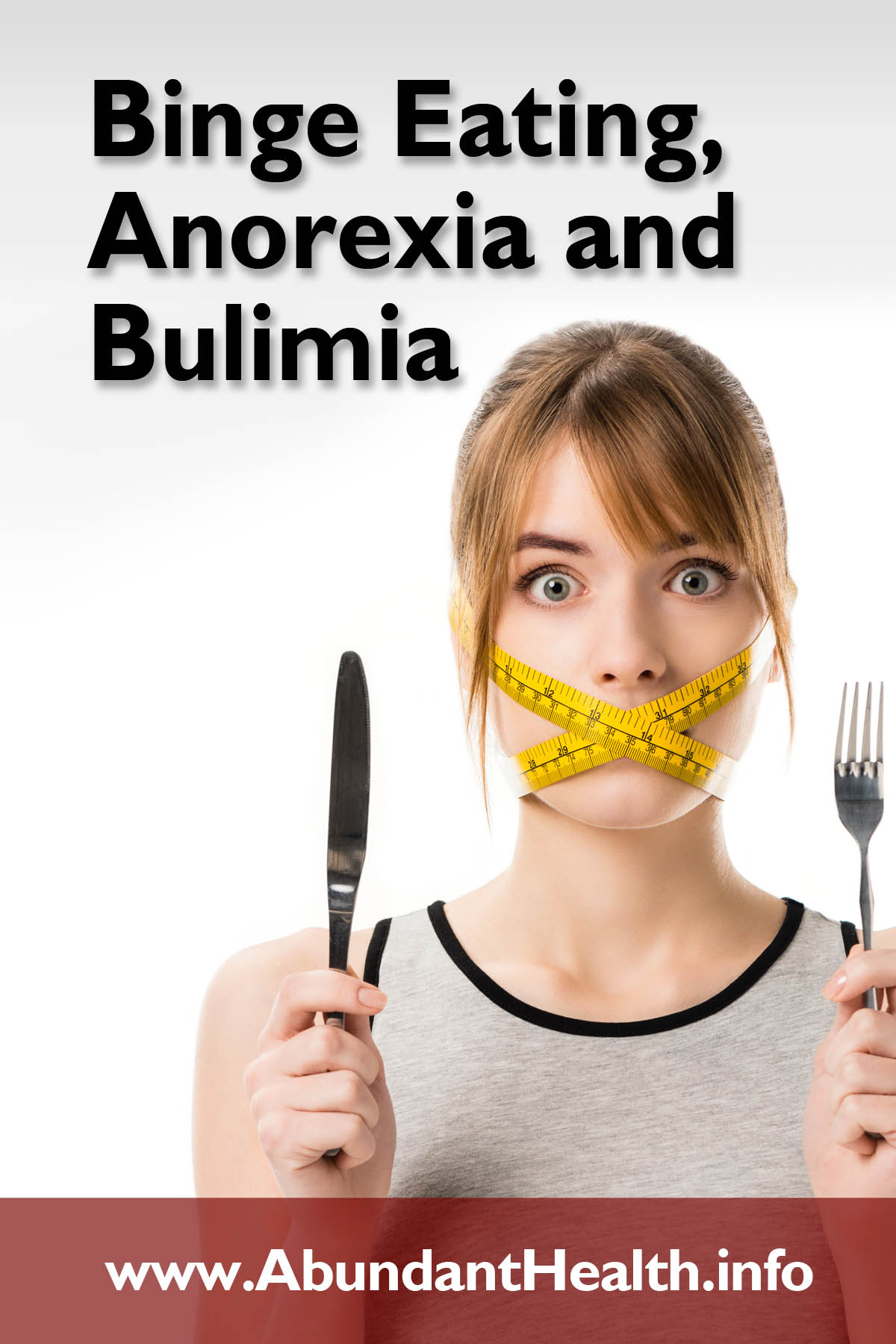
Binge Eating, Anorexia and Bulimia

January 28, 2024 by Dr. Cesar Vasconcellos de Souza - [rt_reading_time label="Reading Time:" postfix="minutes" postfix_singular="minute"]

Anorexia

Today we are going to talk about eating disorders and you might think, “‘But I have nothing to do with it, I don’t suffer from that”. If you do not have this problem, take the opportunity to learn about it and help someone who does. Not much is being said about eating disorders.

Binge Eating, Anorexia and Bulimia

There are three main types: anorexia nervosa, bulimia nervosa and compulsive eating, also known as binge eating. It is estimated that 70 million people in the world suffer from eating disorders. These disorders occur 20 times more often in women than in men, and are rare in men. Anorexia nervosa usually begins in adolescence or young adulthood, while bulimia seems to start a little later. The higher socioeconomic classes, as well as professions such as mannequins and dancers, represent the individuals most at risk of these afflictions.

Scientists estimate that over the course of their lives, between 0.5% and 4% of women will suffer from anorexia nervosa, 1% to 4.2% from bulimia nervosa and 2.5% from binge eating disorder. In anorexia nervosa, 50% of patients make a complete recovery, 30% have a reasonable evolution with periods of improvement and relapse. The mortality rate can vary from 6% to 15%. Of those who die from anorexia, 54% die from physical complications of the illness, 27% from suicide and 19% from unknown causes.

But what is anorexia nervosa anyway? It’s a mental illness characterized by a person’s refusal to maintain a minimum body weight. They have a relentless pursuit of thinness, an intense fear of losing or gaining weight, altered perception of body image, denial about being thin and having problems. They don’t accept help from anyone and insist on feeling fat, even though they are underweight. Girls with anorexia nervosa also experience an interruption of menstruation for at least three months.

The person with anorexia nervosa anxiously tries to please others, but believes that no one will like them because of the character defects they feel they have. They tell lies about the amount of food they eat. The anorexic moves towards severe and dangerous self-induced weight loss. To do this, she fasts for long periods, exercises excessively and gets angry if anyone tells her she’s overdoing it. They use laxatives, diuretics, appetite suppressants and induce vomiting to force their body to lose weight.

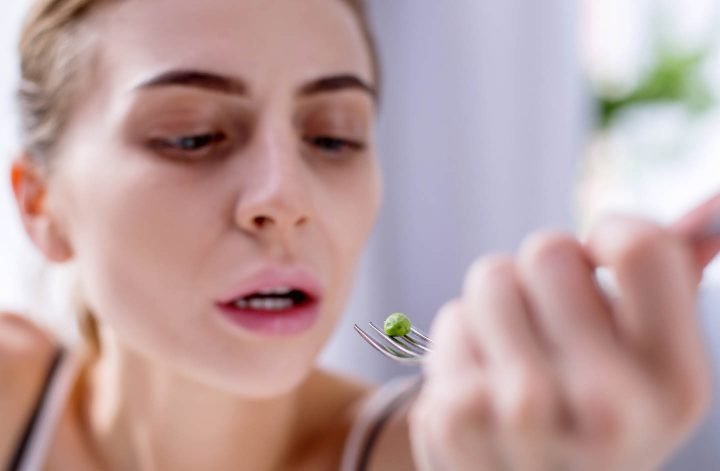
A girl with anorexia, being in anguish about eating a single pea

And what is bulimia nervosa? Bulimia is characterized by a feeling of loss of self control in eating. The person has repeated episodes of binge eating a large amount of food, of any kind, for a short period of time, causing guilt, shame and fear of gaining weight. This leads to inappropriate compensatory behaviors, such as inducing vomiting several times a day, uncontrolled use of laxatives, diuretics, appetite suppressants and other medications. They also fast or exercise excessively. Some bulimics eat, vomit, use laxatives, diuretics, enemas and others fast and exercise excessively.

The third type of eating disorder is compulsive eating, also called binge eating disorder. It is an eating disorder characterized by recurrent episodes of compulsive eating, in which the person eats quickly until they are overly full, consuming large quantities of food, even though they are not hungry. They usually eat alone because they are ashamed of the amount of food they eat. The person feels guilty, depressed and ashamed after eating a large amount of food. They usually feel uncomfortable with their compulsive eating and struggle with it.

The first sign that distinguishes anorexia nervosa from bulimia nervosa is body weight. Around 70% of people with bulimia tend to be of normal weight, and 15% are moderately overweight, so they don’t suffer from the absence of food. The central point in eating disorders is not food itself, but deep emotional pain. What determines these disorders is the state of mind.

Young people with anorexia, when they look in the mirror, don’t see themselves as thin and perceive themselves as fat, even though they are dangerously underweight, i.e. they have an altered body image. At the root of this is a significant lack of self-esteem, self-disgust and panic about getting fat. This can start with a simple diet that the person decides to go on, turning into an obsession that takes over their life; when losing weight becomes an obsession and a compulsion. Just to remind you, obsession is the thought that won’t leave your head, compulsion is the act of doing, the uncontrolled attitude. Thinking too much is obsession, and doing something without control is compulsion. Compulsion is a quest to avoid emotional pain, which can be sadness, anguish, a feeling of lovelessness, fear of rejection and other sensations.

People with eating disorders generally suffer from perfectionism and an obsessive-compulsive personality structure. They worry too much about how others see them. Although they may be intelligent people with a successful career, they see themselves as inadequate and worthless. The obsession around food may be a way for the individual to try to exert some control, as they generally feel they have no control over their personal life.

Some people with anorexia nervosa feel powerful when they step on the scale and see that they’ve lost another pound, even though they’re already very thin. It’s as if they’re saying: “You see, I have something in my life that I can control, I know how to control my life.” In her family, people are usually rigid, controlling, demanding, super methodical, where the person with the eating disorder is judged by what they can do and not by what they are. This family model seems to have everything planned, everything controlled, to the detriment of personal freedom. As a result, the only thing the individual feels they can control is their mouth. It is through this that the anorexic or bulimic person believes they can gain some control and make decisions for themselves.

The psychiatrist will assess whether the problem the person has is really an eating disorder and whether it occurs at the same time, which we call comorbidity. Comorbidity, in medicine, means one illness together with another. In the case of eating disorders, 30% of people also have obsessive-compulsive disorder. Between 12% and 18% of those with anorexia nervosa and between 30% and 70% of those with bulimia have substance abuse, such as alcohol, marijuana and other drugs. Depression occurs in 80% of cases, and personality disorders affect between 20% and 97% of people with eating disorders.

A woman eating secretly behind some blinds and being also addicted to alcohol

Culture and the media unfortunately contribute to these disorders. Studies carried out in Fiji in 1995 revealed that the ideal female body was chubby and round. After 38 months of an American sitcom, as well as other TV shows, there was a change in the ideal female body model in that Fijian society, with many cases of teenage girls with serious eating disorders. A study by Health magazine showed that 32% of American women who appear on TV are underweight, compared to only 5% of the female population in the United States. In addition, only 3% of women who appear on TV are obese, compared to 25% of regular US women.

When we try to understand what happens in the emotional world of people who develop eating disorders, by trying to understand the psychological meaning of these sufferings, we usually find that, for some of these people, the eating disorder has become a way of unconsciously trying to succeed in life. When difficulties or seemingly unsolvable problems arise, by focusing their thoughts on food and eating or not eating, they block out painful feelings. This is because they believe and feel that they are incapable of dealing with painful feelings in an adapted, functional, normal, balanced way.

In some people, the eating disorder represents an escape process, in other words, a way of avoiding the consequences and everything that goes into growing from an adolescent into a mature adult. For the person, at first, anorexia, bulimia or binge eating seems to be the solution to all their problems; in other words, a way of controlling events. But what ends up happening is that the eating disorder acquires control over all aspects of the person’s life. This is because the eating disorder is a dysfunctional, unhealthy way for the person to deal with their conflicts, but it is what they have achieved so far.

We can understand why she is ambivalent about treatment. Being ambivalent means wanting and not wanting, liking and disliking, accepting and rejecting. These people generally become ambivalent about eating disorder treatment because, on the one hand, the illness is their way of dealing with the pains of life, it’s a defense, and on the other hand, they want to get better, but they fear the consequences of abandoning the disorder.

A teenager in a mirror room looking at her multiple images

At the Psychiatry Institute of the Hospital das Clínicas of the USP Medical School, at the University of São Paulo, they provide a treatment service for people suffering from eating disorders. According to the team, there is no single cause responsible for these health problems. It is believed that there are multiple factors, involving biological, genetic, psychological, socio-cultural and family components. Some factors trigger eating disorders, such as important life changes like adolescence, moving away from home, graduation, starting university, starting a new job, death, divorce, marriage, family problems, among others.

However, these disorders don’t necessarily start with something dramatic. Some people are predisposed and more vulnerable to becoming ill, and a simple comment from someone about their body image can lead them to take it seriously and start obsessing about it. Triggering factors catch up with the fragile person who feels unable to cope well with the situation.

Treatment for anorexia nervosa, bulimia nervosa or binge eating needs to be done with the person’s agreement. The obstacles we encounter have to do with denial of the illness, excessive fear of becoming fat and losing control, fear of abandoning the disorder that they feel is part of their identity. Professional counseling is needed, where the psychologist will help the sufferer deal with their emotions and gain control of their body and their life again.

In therapy, the person will learn to focus their thoughts away from food and their body weight and onto their feelings, so that they can deal with them in a healthy way. Because these feelings, buried, repressed, poorly elaborated, unexpressed, not experienced or partially experienced and then thrown into the unconscious, are the psychological basis of this type of mental suffering.

Very important in the treatment of eating disorders is family counseling, because this allows each member of the family to understand the problem and establish a better relationship between each other and, of course, with the person suffering from the disorder. Hospitalization is indicated if body weight is 40% or more below normal or weight loss of around 33 pounds (15 kg) or more within 3 months. If you know somebody with this disorder, try to help. Tell them that they have a serious problem. They will deny it, because these are diseases of denial and secrecy, but gently, firmly and persistently insist that they recognize the illness and accept treatment. They won’t admit it easily.

Avoid talking about their bad eating habits and instead, talk about how they might be feeling unhappy and the possible causes of this. Focus the conversation on how things can be changed. Explain that the obsession with food, exercise and body weight doesn’t need to continue, and that it’s a real problem. A person with anorexia or bulimia is unlikely to overcome the illness on their own, without help. They need outside help. Recovery involves admitting the illness, asking for help, being willing to be vulnerable and opening up to people who can help.

Healthy Fruits

Stay Always Up to Date

Sign up to our newsletter and stay always informed with news and tips around your health.

Sign Up Now!

Filed Under: Addictions, Mental Health, Temperance Tagged With: eating disorders

The Problem of Celebrity Nutrition

January 21, 2024 by Rebecca Reynolds - [rt_reading_time label="Reading Time:" postfix="minutes" postfix_singular="minute"]

The Problem of Celebrity Nutrition

Celebrities of nutrition evoke feelings of awe, envy and adulation in many of us. While the Gwyneth Paltrows of the group first achieve celebrity status in other fields, others first make a name for themselves in food and nutrition, despite not having formal nutrition qualifications. Think Pete Evans, Sarah Wilson and Belle Gibson, whose nutrition empire has crumbled within a few days.

The Problem of Celebrity Nutrition

Nutrition celebrities often promote “fad diets”, which are strict diets that often eliminate entire food groups and don’t have a solid scientific basis. In fact, they often demonstrate a misunderstanding of biochemistry and other basic nutrition science.

The Paleo Way by Pete Evans forbids grains, legumes, dairy and coffee, among other things. Evans’ website claims “Paleo is all about balance”, but in reality, is anything but balanced.((https://www.thepaleoway.com/))

Before Belle Gibson’s cancer diagnosis was questioned, she touted “clean eating”, discouraging the consumption of gluten, dairy and genetically modified foods, among other things. She promoted “detoxing”, which involved “alkalising your system” by drinking lemon water, and recalibrating “your digestive and immune system” by cutting out fruits such as bananas and apples.

Sarah Wilson “quit sugar” and recommends cutting out fruit for the first few weeks of her eight-week I Quit Sugar program because it “allows you to break your sugar addiction and for your body to recalibrate”.((https://iquitsugar.com/pages/8-week-i-quit-sugar-program))

It’s no surprise that the British Dietetic Association listed the paleo diet and the sugar-free diet as two of their top five worst celebrity diets.

When it comes to healthy eating, we know what works. The Australian Dietary Guidelines may not sound as sexy as these fad diets, but they’re the result of painstaking work to summarise the best scientific evidence on what constitutes a healthy diet and how diet can promote health.

So why do nutrition celebrities have so much pull? And what impact might it have?

The Good

Nutrition celebrities have done some good in the world. They have undoubtedly changed the nutrition habits of some of their followers for the better. This might include increasing their intake of fruits and vegetables, abandoning added sugar- and salt-laden foods such as some breakfast cereals, and helping followers who are overweight or obese to lose weight.

These changes are of particular importance when you consider the high rate of excess weight and obesity((Overweight & obesity, Australian Institute of Health and Welfare)) and the low intake of good foods like vegetables in the Australian population.((Australian Health Survey: Nutrition First Results – Foods and Nutrients. Australian Buerao of Statistics))

The Bad

The negative effects of celebrity nutrition range from public confusion about what is good to eat and drink, to death.

A trusting, vulnerable and adoring member of the public might just decide that Belle Gibson is right – who needs modern medicine for cancer? Gibson claimed she cured her multiple cancers through alternative means.((Smith, M. The ‘hole’ in the pantry story: should Penguin have validated Belle Gibson’s cancer claims? The Conversation, March 16, 2015)) Jessica Ainscough, founder of the Wellness Warrior, died prematurely last month after choosing alternative cancer therapy that included endless juices and coffee enemas.

A Youtuber speaking to her audience

Belle Gibson’s book, The Whole Pantry, has been pulled from circulation in Australia and the US launch of the book next month has been cancelled.((Donelly B. Publisher Penguin pulls Belle Gibson cook book The Whole Pantry. The Sydney Morning Herald, March 16, 2015)) Her “health, wellness and lifestyle” app has also been pulled from Australian and US app stores.((Donelly B. The Whole Pantry: Belle Gibson’s app quietly pulled from sale in Australia, US. The Sydney Morning Herald, March 18, 2015))

Also this week, Pete Evans’ Bubba Yum Yum DIY baby milk, which is composed of blended liver and bone, has attracted criticism that it could risk the health of babies. This broth provides toxic levels of micronutrients such as vitamin A. This can cause permanent damage and even death.((Pete Evans’ Paleo cookbook Bubba Yum Yum will be published despite health warnings. Now to Love, March 16, 2015))

While Evans’ publisher Pan McMillan has announced it will not be releasing the book, Evans plans to release it as an e-book.((Malpass L. Chef Pete Evans to self-publish baby paleo book. The Sydney Morning Herald, March 17, 2015))

Followers of celebrity nutrition advice may become unnecessarily strict with their eating and drinking (think awkward dinner parties), develop an eating disorder, or become malnourished.((Fairburn CG, Doll HA, Welch SL, Hay PJ, Davies BA, O’Connor ME. Risk Factors for Binge Eating Disorder: A Community-Based, Case-Control Study. Arch Gen Psychiatry. 1998;55(5):425–432. doi:10.1001/archpsyc.55.5.425))

A paleo diet can compromise bone health by reducing calcium intake. A gluten-free diet can be associated with reduced fibre and vitamin intakes.((Considering a gluten-free diet. Harvard Health, March 3, 2022))

A sugar-free diet that suggests reducing fruit intake is just plain unhealthy. And sugar-free eating isn’t actually sugar-free. Many recipes contain rice malt syrup, which is chemically defined as a sugar and increases blood sugar levels much more so than an apple would.

The Marketing

So, why do nutrition celebrities have so many followers when what they are selling isn’t usually evidence-based, reliable or healthy for most?

So many of us are stressed and tired, and looking for quick fixes. We associate celebrity with happiness and wealth. We’re sold a whole lifestyle and the idea that food can be a magical elixir that can cure all ails.

We are drawn in by fancy blogs, colourful cook books, Instagram feeds of stylised food photography shoots, the Twitter hashtags #paleo #cleaneating #rawfood #sugarfree #glutenfree #detox #juice, and Facebook stories of struggling lives turned around in an instant.

It’s easy to see why this is more appealing that listening to government guidelines and advice from doctors, nutritionists and dietitians that scientific evidence doesn’t support the elimination of entire food groups or elements such as dairy, gluten, legumes, grains and fruit from the diets of most people.

Perhaps we need to strategically market evidence-based nutrition information to have broader appeal.

To counter the fads, we need to consider innovative ways of communicating to the population about what constitutes a eat a healthy, balanced diet that is based on evidence. Nutrition celebrities’ marketing strategies might teach us a thing or two about how to sell this message.

Healthy Fruits

Stay Always Up to Date

Sign up to our newsletter and stay always informed with news and tips around your health.

Sign Up Now!

This article is republished from The Conversation under a Creative Commons license. Read the original article.

The Conversation

Filed Under: Nutrition

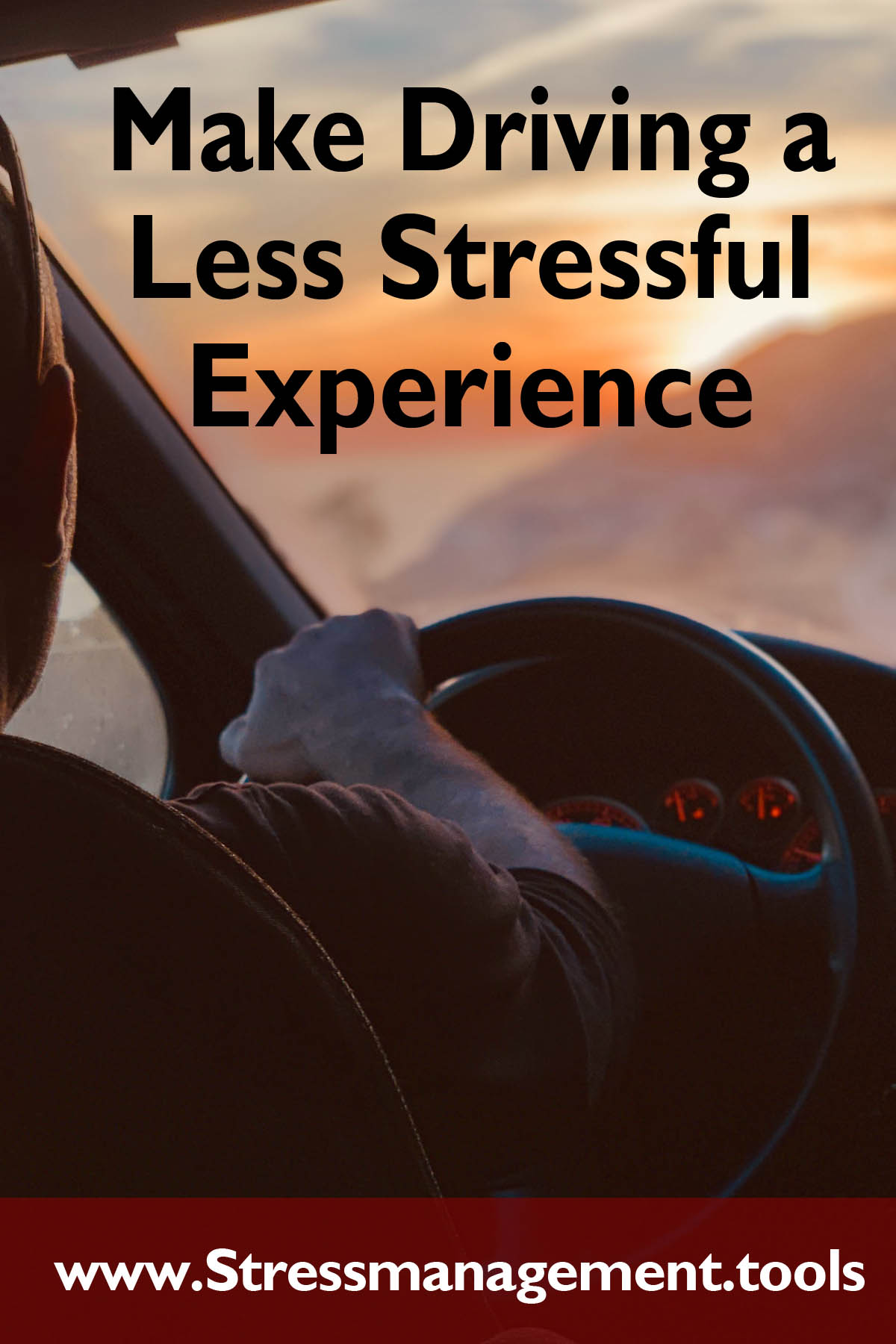
Make Driving a Less Stressful Experience

January 14, 2024 by Martin Neumann - [rt_reading_time label="Reading Time:" postfix="minutes" postfix_singular="minute"]

Make Driving a Less Stressful Experience

A recent Time Magazine story reported that Americans spend an average of 204 hours a year commuting, and for most workers, that means driving their car.

Make Driving a Less Stressful Experience

The same article cited numerous studies about the effects of so much time on the road, including increased levels of blood sugar and cholesterol, higher rates of depression and anxiety, and lower rates of cardiovascular fitness, life satisfaction, and happiness.

It’s no wonder that driving can put significant stress on your body and mind. You need to force yourself to stay alert. You wonder about what you’re missing while you’re stuck in traffic. You may even be fuming about another driver who cut you off or almost rear-ended you.

If you’re starting to think that the situation is out of your control, think again. There is much that can be done to make your driving experience less stressful and bring you to your destination with a calm mind.

Take some of the stress out of your daily drive with the following proven strategies.

Managing the Situation

  1. Budget more time. Traffic jams are less frustrating when you’re not running late. Give yourself an extra 10 or 15 minutes for any trip.
  2. Plan your route. Check online for construction work and accidents to avoid. Just ensure that your alternate routes will really save you time and not take you too far out of your way. Consider using apps like Waze to help you find the fastest route with real-time updates.
  3. Switch your hours. If your boss is cooperative, you may be able to avoid rush hour completely. Ask about telecommuting or coming in an hour earlier or later. Maybe you could do it part of the week or on a trial basis.
  4. Bring entertainment. Stock up on audiobooks and podcasts. Listen to your favorite music. The time will pass more quickly and you may learn valuable lessons.
  5. Limit distraction. Avoid phone use, eating, and other activities that will divert your attention from the road. Turn off the notifications on your phone or switch it off completely until you reach your destination.
  6. Make yourself comfortable. Adjust the seats and mirrors so that you are comfortably seated and have a perfect view without needing to stretch out too far. Adjust the temperature so that it just feels right.
  7. Sit up straight. Your posture could be creating aches and stiffness that make any irritation worse. Draw back your shoulders, open your chest, and lift your head if you have a tendency to hunch over the steering wheel.
  8. Eat something. Is your stomach rumbling? Enjoy a small, balanced meal before you leave home. Being energized with a good breakfast gets you into better conditions to face the rush hour traffic.
  9. Stay Hydrated. Be sure to have a water bottle at hand, because being well hydrated will help you concentrate better. On hot summer days you will need some extra fluid intake to stay with a clear mind.
  10. Sleep well. Driving when you’re exhausted is dangerous. Call a cab or pull over to avoid harming yourself or someone else.
  11. Take breaks. On long road trips, stop and get out of your car at least every 2 hours. Walk around and stretch your arms and legs. Give a stretch to your spine, rotate your head and go back to the road refreshed and with a clear mind.
  12. Practice Regular Maintenance. Keeping your car well maintained will prevent breakdowns and unexpected issues which can be a quite stressful experience.
A woman driving in a car

Managing Your Reaction

  1. Breathe deep. Whether you’re dealing with backseat drivers or merging on a busy highway, use your breath to soothe yourself. Inhale and exhale fully and slowly.
  2. Develop compassion. Instead of becoming angry with another driver who seems rude or aggressive, imagine the stress they might be under. Try to empathize.
  3. Evaluate your role. Switch your attention from making judgments about other drivers to examining your own actions. Assess your emotions and question your assumptions. Be willing to forgive your fellow commuters when they make a mistake.
  4. Practice patience. Accept that traffic jams, road construction, and unexpected events are part of the driving experience. Cultivate patience to handle those situations without getting frustrated.
  5. Avoid road rage. If you encounter aggressive drivers, try not to engage with them. Stay calm, avoid making eye contact, and focus on your own driving. Responding aggressively can easily escalate the situation.
  6. Practice Gratitude. Instead of focusing on the negatives of other drivers and the road congestion, focus on the positive aspects of your journey. Be grateful for your comfortable car, your ability to make the trip, and any positive experience along the way.
  7. Leave your work stress behind. If possible, try to leave work-related stressors behind when getting into the car. Create a boundary so that your stress is not overflowing to other areas of your life and focus on a positive experience during your way home.
  8. Lay off the horn. Remember that your horn is not a comment button. Use it gently and only when necessary to get another driver’s attention.
  9. Play it safe. When you see driving that is clearly aggressive or erratic, keep your distance. Your safety should come first.

Make driving more pleasant by thinking creatively about your transportation options and changing your attitude. You may be able to shorten your commute or at least make it more enjoyable.

Do you need a guide to help you understand how to cope with Stress in an all inclusive approach? Learn how to combat stress, mentally, physically, emotionally and strategically in your life.
Get Me the Guide

Filed Under: Mental Health, Stress Management

« Previous Page
Next Page »

Primary Sidebar

Social Channels

Coronavirus Immunity Challenge

Boost your immune system to be bullet-proof for the pandemic.

I Want to Participate

Recent Posts

  • 5 Habits to Live Longer
  • Better Sleep Can Protect Against Dementia
  • Finding Peace In Your Crazy-Busy World
  • Flaxseed – An Ancient Plant Rediscovered
  • Platelets – Triggers for Life or Death
  • Boderline Personality Disorder
  • In Praise of Almonds and Nuts
  • Are You Stuck in the Clutter Trap?

Categories

  • Body Systems (16)
    • Cell Function (2)
    • Circulatory System (1)
    • Digestive Tract (10)
    • Immune System (4)
  • Diseases (27)
    • Cancer (2)
    • Cold (1)
    • COVID-19 (11)
    • Dementia (1)
    • Diabetes (1)
    • Digestive Diseases (2)
    • Heart Disease (2)
    • Kidneys (1)
    • Metabolic Syndrome (2)
    • Skin (1)
  • Healthy Lifestyle (42)
    • Exercise (11)
    • Gardening (2)
    • Sleep (7)
    • Sunlight (2)
    • Temperance (14)
    • Water (4)
  • Mental Health (87)
    • Addictions (6)
    • Anxiety (7)
    • Burnout (1)
    • Depression (7)
    • Psychosomatic Diseases (6)
    • Stress Management (45)
    • Trust (6)
  • Nutrition (56)
  • Obesity (9)
  • Phases of Life (14)
    • Adults (3)
    • Babies and Infants (1)
    • Children (3)
    • Seniors (5)
    • Teenagers (3)
  • Therapies (7)
    • Herbs (5)
    • Hydrotherapy (1)
  • Uncategorized (3)

Archives

  • January 2025 (1)
  • March 2024 (5)
  • February 2024 (4)
  • January 2024 (4)
  • December 2023 (5)
  • November 2023 (4)
  • October 2023 (5)
  • September 2023 (4)
  • August 2023 (3)
  • July 2023 (2)
  • June 2023 (4)
  • May 2023 (4)
  • April 2023 (5)
  • March 2023 (4)
  • February 2023 (4)
  • January 2023 (4)
  • December 2022 (4)
  • November 2022 (4)
  • October 2022 (5)
  • September 2022 (4)
  • August 2022 (4)
  • July 2022 (5)
  • June 2022 (4)
  • May 2022 (5)
  • April 2022 (4)
  • March 2022 (4)
  • February 2022 (4)
  • January 2022 (5)
  • December 2021 (3)
  • November 2021 (4)
  • October 2021 (6)
  • September 2021 (4)
  • August 2021 (4)
  • July 2021 (5)
  • June 2021 (4)
  • May 2021 (3)
  • April 2021 (5)
  • March 2021 (4)
  • February 2021 (4)
  • January 2021 (5)
  • December 2020 (3)
  • November 2020 (4)
  • October 2020 (5)
  • September 2020 (5)
  • August 2020 (3)
  • July 2020 (1)
  • June 2020 (1)
  • May 2020 (1)
  • April 2020 (1)
  • March 2020 (1)

Copyright © 2026 · Abundant Health - Privacy Policy - Medical Disclaimer