Abundant Health

Up to date health information tailored for you

  • Home
  • Blog
  • Recipes
  • Shop
  • Contact
You are here: Home / Archives for Dr. Cesar Vasconcellos de Souza

Dr. Cesar Vasconcellos de Souza

Is Wine Good for the Heart?

December 26, 2021 by Dr. Cesar Vasconcellos de Souza - [rt_reading_time label="Reading Time:" postfix="minutes" postfix_singular="minute"]

Is Wine Good for the Heart?

Could it be, that the solution to avoid health problems due to alcohol consumption, is to drink in moderation, as many ads are recommending? Is wine really good for the heart, as some studies are claiming? We will get into details about this subject in this article.

Is Wine Good for the Heart?

The World Health Organization has identified alcohol consumption as one of the top ten risk factors for the global burden of disease. See this statement from the National Institute on Alcohol Abuse and Alcoholism, which reads:

Results of autopsy studies show that patients with a history of chronic alcohol consumption have smaller, lighter, more shrunken brains than nonalcoholic adults of the same age and gender. This finding has been repeatedly confirmed in living alcoholics using structural imaging techniques, such as computed tomography (CT) and magnetic resonance imaging (MRI)… Imaging reveals shrinkage to be more extensive in the folded outer layer (i.e., cortex) of the frontal lobe, which is believed to be the seat of higher intellectual functions… Shrinkage also occurs in deeper brain regions, including brain structures associated with memory, as well as in the cerebellum, which helps regulate coordination and balance.((National  Institute  on  Alcohol  Abuse  and  Alcoholism,  No. 47, April 2000.))

An article in the journal of the American Medical Association, JAMA stated the following:

Alcohol should be considered an immunosuppressive drug of long-range effects.((MacGregor, RR. Alcohol and immuno defense. JAMA Set, 19,1986, v 256, no. 11.))

This means, alcohol decreases the ability of your body’s defense system to function. Regarding the possible benefits of alcohol for the heart, the World Health Organization concluded the following:

Although regular low to moderate consumption of alcohol is protective against coronary heart disease, other cardiovascular and health risks associated with alcohol do not favor a general recommendation for its use.((Diet,  Nutrition  and  the  Prevention  of  Chronic  Diseases,WHO, 2003, p. 90))

A woman taking an alcoholic drink - 
Photo by Olya Prutskova from Pexels

What Helps Then the Heart?

But after all, is wine good for the heart or not? A study done in the Second Department of Cardiology, General Hospital, University of Attikon, Greece, published in December 2005 with the following title: Polyphenolic compounds from red grapes acutely improve endothelial function in patients with coronary heart disease.((Lekakis J et.al. Polyphenolic compounds from red grapes acutely improve endothelial function in patients with coronary heart disease. ·  DOI: 10.1097/00149831-200512000-00013 ))

 This study showed that drinking red wine improves blood vessel dilation by acting on the endothelium, the tissue in the blood vessel wall. So in the study a group of men who had coronary heart disease were given a polyphenol extract from red grapes (600mg) dissolved in 20ml of water and some were given the 20ml of water with a placebo, so all the men thought they were taking the grape extract, and they were chosen at random by the researchers. They used high-resolution ultrasound to assess the dilation of the brachial artery, the main artery in the arm, after hyperemia, which is a redness caused by obstruction with a cuff in the arm. They measured vessel dilation in fasting, and 30, 60 and 120 minutes after taking the true extract or placebo.

Do you know the result? Those taking the grape extract actually had a dilation of the affected artery after 60 minutes, which was significantly higher than the baseline values. There was no change in the dilation of the arteries in the men who took the placebo.

The researchers concluded that components called polyphenols from red grapes improve the function of the blood vessel wall in patients with coronary heart disease. A substance that God put in the grape called Resveratrol is what benefits the vessels. These results, they say, could probably explain, at least in part, the favorable effects of red wine on the cardiovascular system. But serious science knows that ethanol alcohol is toxic to the human body in any amount, however some components of the grape are healthy, which are acquired in the same form with the consumption of grape or grape juice.

Tasty Grapes - Photo by Kai-Chieh Chan from Pexels

Other Problems with Alcohol

The liver is the main organ responsible for the elimination of alcohol. On average it takes an hour to process a drink. After a few weeks of drinking four to five drinks a day, liver cells begin to accumulate fat, and if the person insists on drinking, alcoholic hepatitis can develop with inflammation and destruction of liver cells, which leads to cirrhosis. Cirrhosis is an irreversible progressive disease, which leads to death. Fifteen percent of people who insist on drinking after alcoholic hepatitis develop cirrhosis of the liver.

A meta-analysis indicated that women who drink three or more drinks a day have a 69% higher risk of breast cancer than women who don’t drink. Another meta-analysis showed that women who had two to four drinks a day increased their risk of breast cancer by 41%. Studies do not distinguish between wine, beer or mixed drinks. Neither is safer than the other, the studies say. In 1993 the NIAAA published the results of studies that showed the link between heavy drinkers and cancer of the esophagus and mouth, larynx and colon.((Research links alcohol abuse and breast cancer. Hazelden Foundation, Hazelden Foundation, www.hazelden.org consulted on March 21, 2006))

Alcohol impairs diabetes control. Normally the liver helps to raise blood sugar between meals by releasing glucose. This does not happen when drinking alcohol, because the liver’s priority in this case will be eliminating alcohol. Thus, alcohol destabilizes blood glucose levels, which complicates the treatment of diabetics.

A spilled glass of wine - Photo by Polina Tankilevitch from Pexels

Alcohol abuse can interfere with male sexual function, causing infertility by atrophy of testosterone-producing cells, can impair sexual desire and create impotence by damaging nerves linked to erections. In women, alcohol can alter the production of female hormones, reducing menstruation and causing infertility.

In summary, we can see what protects the heart, what is good for the blood vessels is not red wine or other wine, but substances from the grape, especially a substance called Resveratrol. And we saw that due to the toxic effects of alcoholic beverages, it is best not to drink in moderation, but rather not to drink anything that contains alcohol. Think about it and better stay sober!

Healthy Fruits

Stay Always Up to Date

Sign up to our newsletter and stay always informed with news and tips around your health.

Sign Up Now!

Filed Under: Healthy Lifestyle, Temperance

The Fountain of Youth for the Brain

November 21, 2021 by Dr. Cesar Vasconcellos de Souza - [rt_reading_time label="Reading Time:" postfix="minutes" postfix_singular="minute"]

A Fonte da Juventude

On October 15, 2009 my first granddaughter was born. I went to visit them to meet the baby and see the whole family. I watched over and over again how the baby in the crib was always moving its little hands, arms and legs. The baby did not need to learn that physical exercise is important for health, but responds he spontaneously with physical movement to its God-given life.

The Fountain of Youth for the Brain

A child who barely moves is probably emotionally or physically sick. Normally, babies and children are always in movement. Of course, some are exaggerated and impulsive, but the normal thing is to move your body. All human physiology is made up of movements, in cells in genes, in circulation. Movement is life. It is not possible to talk about health without regular systematic physical exercise, not only on weekends, sometimes with those competitive sports that generate adrenaline and cortisol. This is the first and main reason why I go for a walk; it’s not because of physical health, but because of mental and spiritual health, because I understand that exercising my brain will work better, and that’s what I want, to discern spiritual things and the purpose of life more clearly.

A 19th century author wrote the following statement:

Right physical habits promote mental superiority. ((Ellen White. Mind, Character and Personality Volume 2, p. 443))

And she also wrote this:

There is an intimate relation between the mind and the body, and in order to reach a high standard of moral and intellectual attainment the laws that control our physical being must be heeded. To secure a strong, well-balanced character, both the mental and the physical powers must be exercised and developed.((Ellen White. Our Father Cares, p.326))

People often say that if you intend to start an exercise program, you should first see a doctor, usually a cardiologist, to see if you are cleared for this activity. This is prudent. However, a medical colleague once commented to me about what he had read in a scientific journal, which went something like this: “If a person decides not to exercise, then he will have to see a doctor.”

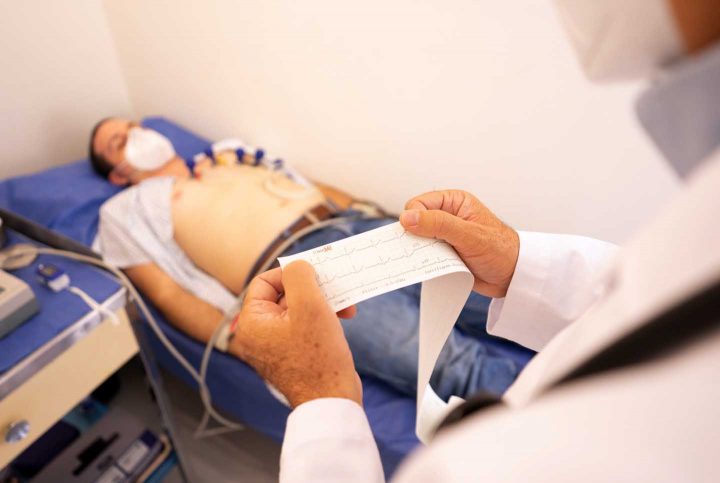
A doctor reading an ECG - Photo by Los Muertos Crew from Pexels

In the Journal of Applied Physiology of November 18, 2008, the article entitled: “Exercise, the Brain’s Fountain of Youth”, suggests that daily physical exercise keeps the brain young, and the recommendation is not to take too long to start to practice them. The earlier you start in your life, the better for your whole body and your brain. The researchers found that if a person takes a long time to start an exercise program, they run the risk of not having as many benefits, because as they age, the process of the brain creating new cells, which we call neuroplasticity, slows down, and as a consequence, memory and learning impairment occurs sooner.

But can age-related mental decline be reversed with exercise? Scientists trained mice to run on exercise wheels at 70% of their aerobic capacity every day over a five-week period. The mice started running at the age of 8 months, which is the beginning of the ripe age for a rat of that breed, or at the age of 12 months, which is the middle of the old age of the rats. Those who exercised every day had two and a half times more production of new brain cells called neurons than those who didn’t exercise. And these new neurons, the new nerve cells, integrated with the existing brain network. The researchers also concluded that treadmill exercise not only increases the quantity but also strengthens the quality of the new neurons. Rats that started exercising in mature age had better results compared to those that started at old age.

In another study, conducted by Feraz Rahman and colleagues, from the University of North Carolina, carried out with 12 healthy people aged between 60 and 80 years, they observed that regular exercise is associated with an increase in the total number of blood vessels in the brain, with an increase in blood flow in the main cerebral arteries. This would benefit areas that control functions such as consciousness, memory, emotional response and language. Assessing MRI images, experts found that those who for ten years or more had exercised about three hours a week in aerobic activity had the highest number of small vessels – 150 versus 100 for sedentary ones, and that they had the greatest blood flow in the brain.

Walking

A study presented at the 10th National Conference on Child Psychological Health in Gainesville, FL, in April 2006 and published in a journal of Pediatrics, evaluated 208 overweight and sedentary children aged 7-11 years. Those who started to exercise after class, had lower scores on a scale about anger, in addition to improved physical conditioning. The authors emphasize that physical exercise can improve mood and cognitive function, allowing children to have more self-control. So, you can see once again how important exercise is for your brain. So get going!

In general, people say: “Oh okay. Now that I’ve learned it is important, I’ll start on Monday.” No! get started today; start little by little. You are very sedentary and when you start you will feel pain: “Oh, I went for a walk yesterday and now I am in pain; it’s better to stop.” No, pain is a sign that your body is in need of training your muscles, it is in need of physical activity. Don’t get heavy in the beginning, until you can develop that aerobic, muscular exercise capacity, remembering: Physical exercise is very important for our brain, for cerebral circulation, for reasoning. It helps to learn to deal with emotions, because it’s activating brain areas that have to do with mood, with cognition. This is going to be important for your mental health.

Healthy Fruits

Stay Always Up to Date

Sign up to our newsletter and stay always informed with news and tips around your health.
Sign Up Now!

Filed Under: Exercise, Healthy Lifestyle, Mental Health, Phases of Life, Psychosomatic Diseases, Seniors

Internet, Video Games, Social Networks and Your Brain

September 26, 2021 by Dr. Cesar Vasconcellos de Souza - [rt_reading_time label="Reading Time:" postfix="minutes" postfix_singular="minute"]

Internet, Videogames, Redes Sociais e o Cerebro

How much time do you spend each day on social media? Have you ever thought about going two days without accessing the computer? Have you managed recently to stay three days without video games? We are going to deal with electronic addictions today.

Internet, Video Games, Social Networks and Your Brain

We will have a look at some of the more recent scientific findings that have shown how addiction, and specifically electronic addictions, can affect your brain in an unhealthy way. Do you know that today there are specific treatments for people who are addicted to the internet, social networks and video games?

But let’s understand what an addiction is. An addict is a person who is dependent on something, so addiction is what becomes a god to you. If you look at what you are addicted to, you are worshiping this object and it becomes a god. Addiction is what dominates your thoughts, dominates your feelings and influences your attitudes. If we want a scientific definition of addiction, it can be: It is an unhealthy model of substance use or some other object, which leads to negative changes in your health.

Addiction separates you from your emotions. You may notice, when you stop or try to stop something that is the object of your addiction, there is certainly anxiety, restlessness, nervousness, insomnia, irritability and impatience. So addiction dulls reasoning and emotions.

If you are addicted, it can be sex, a substance that is legalized as alcohol, you certainly have a numbness, an anesthesia, a blockage of some reasoning, some thoughts, some feelings that you would need to be experiencing to have a healthier behavior. So you use a substance, you use a product, you use a practice, in this case video game addiction, social network addiction, internet addiction, you use that to numb your emotion, then comes a remorse: I spent a lot of time on it! Oh boy, I neglected my kids! I arrived late for work! I spent a lot of money, because I wanted to buy a more powerful equipment! Or whatever else! Then comes the guilt, then comes the feeling of lack of self-worth, because I think I’m no good as a human being, I don’t think there’s an escape, and then you feel more anguish, more sadness and then you can think: Let me get on a social network again to see if I can relieve myself a little. And you get this sick emotional ping pong, it’s really a destructive cycle!

Types of Addictions

Every addiction creates a destructive cycle for your health, for your peace, for your happiness and also for the well-being of the people around you. There are several types of addictive agents, that is, there are several instruments, several situations, several practices that can produce an addiction in your life, not just alcohol, cocaine, marijuana and what we are talking now about the internet. There are people addicted to work, to success, to spending too much, to gambling, to accumulating goods, people addicted to controlling others, to humiliating people, it is an addiction, a disorder, an alteration. You have to deal with it. There are people addicted to food, people addicted to sex, pedophilia, pornography, indeed, there is an epidemic of pornography addiction. People you never imagined are connected with this.

This is a symptom; the world is compulsive. Compulsive not in a positive sense unfortunately, of having a compulsion to do something good for society. The world is medicated, the world is anesthetized, the world is altered, in their emotions, in their reasoning due to various types of drugs.

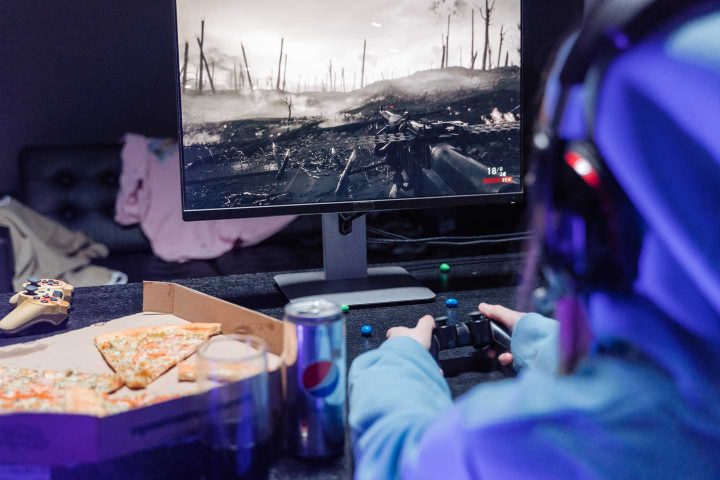
A person addicted to video games - Photo by Tima Miroshnichenko from Pexels

Some people are addicted to approval, a need to please, always neglecting their needs to see if they please someone. People in a savior role, people who are dependent on toxic relationships. What is a toxic relationship? It’s a relationship that’s bad for you, that will harm you. There are people who marry a complicated person, suffer a lot, separate, marry another complicated person, suffer a lot again. There are people with a mania for their physical outlook, their cosmetics and clothing, obsessed with aesthetics and plastic surgery, it’s just that these people want to try to look good on the outside, while on the inside they’re not very well centered. Some people are addicted to academic titles, there are various types of addictions there.

There exists a vicious cycle of addiction. The person has emotional pain, he has emotional discomfort, there is something that is not well resolved within him, some trauma. I don’t like this word because it gives the impression that emotional suffering has to do with a trauma, while in reality it is a set of situations in life that are, in general, painful and difficult, which develops the person’s emotional suffering. So he has pain, he looks for an agent to get rid of this pain, it can be cocaine, marijuana, sex, pornography, food, as I said, he has a temporary anesthesia of this pain, then it can have negative consequences, it will depend on the type of addictive object that he’s using, and then he’s finally going to have shame, guilt and that results in more pain and lessening of his self-worth and he gets stuck in this cycle.

Effects of Electronic Addiction

Some studies show that too much time on the internet infantilizes the brain. It’s showing that it can produce a generation of young people incapable to think for themselves. For anything, they get on the internet: Let’s see what that person says. They will access site a b c or d.

Dr Susan Greenfield, a neuroscientist at Oxford University, says the following: The immediacy of imagery in the internet impairs mental development in children and adolescents. These images are very fast, the child’s brain is not prepared to be able to manage all of this. So it’s different from stories told by parents in the past, They used to sit on the porch, telling stories of this and that to the children, but a story that has a beginning, a middle, an end, and a lesson. On the internet, those images with a lot of virtual stimulation confuses children’s minds. So these stories that parents can offer their children help the brain to think in sequence, reason from cause to effect, in addition to the emotional bond that father and mother have talking to their child and interacting with the family.((Greenfield S, “Excesso de internet pode criar geração de jovens incapazes de pensar por si próprios” Revista Ser Médico, Jan/Fev/Mar de 2012))

In the Chinese Academy of Sciences, a very interesting scientific study was done by a scientist named Fuchun Lin in 2012, he came to the conclusion that young people who surf excessively in the internet have brain changes similar to those seen in gambling compulsives.((Lin F, Abnormal White Matter Integrity in Adolescents with Internet Addiction Disorder: A Tract-Based Spatial Statistics Study. Plos One,  January  11, 2012. https://doi.org/10.1371/journal.pone.0030253)). So you see the matter is serious.

Teenagers with cell phone addiction - Photo by cottonbro from Pexels

At the University of Rochester, in a 2010 study by scientist Daphne Bavelier, she came to the following conclusion that there is a strong correlation between exaggerated computer use and brain abnormalities.((Bavelier  D et.al.  Children, Wired: For Better and for Worse.  Neuron, Vol. 67,  Issue  5, 9  September  2010. https://doi.org/10.1016/j.neuron.2010.08.035))

What To Do About Electronic Addictions?

What can you do if you’re addicted to electronics, social networking, you can’t go two hours without accessing and posting things? And if you stop you will feel symptoms of the withdrawal crisis, anxiety, irritation, impatience and nervousness, some lose their appetite, in others it increases appetite or causing insomnia? Let’s talk a little bit if you have children and don’t know how to dose the use of electronics in their hands, what can be done?

First, it’s important to understand that any compulsion can serve to keep you from realizing some inner needs, experiencing certain emotions, living certain thoughts, improving relationships in some areas of your life. If the family you live in is experiencing this problem of excessive use of electronics, then it is important that the family as a whole looks for solutions to this. It’s no use for you as a father, as a mother who is addicted to electronics, wanting to teach your child a moral lesson and say: “Stop it! Or: Turn it off! Give it to me! I’ll take it away!” But you are addicted too? You can’t put down your electronics, how are you going to exact this from your child? To fix the excess, the abuse of electronics that can already be characterized as an addiction, it is important that you lead by example.

A family addicted in electronics - Photo by Ketut Subiyanto from Pexels

So in this family where there is a member who is really addicted, maybe a young man is leaving his studies, because he spends hours and nights on his computer, in his bedroom, he sees who knows what, even if you have parental control connected on the computer, you need to set an example. So this young person or child will need a limit in their computer time. You have to determine this as a father, as a mother, you have to have a firm hand, love has to be firm. If you’ve a small child, don’t put electronics in that child’s hand too early. Take it to the park or play an educational toy with them.

So parents need to lead by example. Because you as a dad or mom might not be addicted to electronics, but you can be addicted to something else. There are people who come home, tired from work and say: My day was so exhausting, let me have a drink of whiskey to relax! Oops! Or they may say: Where’s my tranquilizer, have you seen my medicine box over there? I’m nervous, I want to take an extra dose of tranquilizer! You know your son, your daughter is seeing this, is noticing that you are dependent on something to make you feel better.

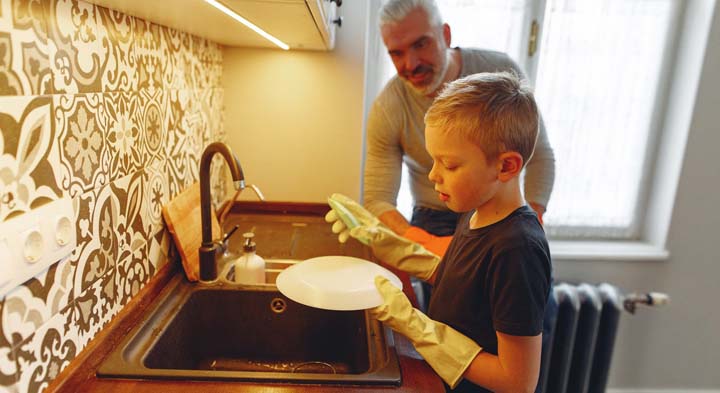
Then you can allow internet access for your children after they do some chores or homework. It seems that parents today feel guilty about giving chores to their children. They want to give everything on a silver plate to their children. This is a diseducation. In a house, even if it is a middle-class or rich house, even if it has employees for house cleaning for example, it is important that father and mother finds some simple tasks for their children: “you clean your closet, you put the garbage out, you put the clothes into the dryer, you help me here to peel these fruits so we can have breakfast, because the maid hasn’t arrived yet. This participation, this setting of limits, giving tasks to your children, for everyone to participate, is necessary. This does not mean that you will be sitting in the armchair demanding: “Go there and bring me my coffee, go do this and that!” If you participate then this will help in setting limits for your children, including internet usage. This is an important factor, because the ones who set rules in the house have to be the father and the mother.

A child helping washing dishes to contribute to family chores.

Another important thing you can do with your children is to change the electronics use pattern, like: “Look, you’re only going to use the computer after doing a homework and school assignment. You only use your tablet after you shower.” That’s it, it’s set. You have to dialogue and explain, and keep that decision firm. Don’t go back. So don’t say something you won’t do, or you’ll lose morale. They will see that you say something and don’t do it, or give in easily. Being firm is different from exercising authoritarianism; an emotional dictatorship should not exist in the relationship between parents and children.

Children need an authority, that’s why God even placed a commandment: honor father and mother. Some scientific studies, analyzing young people who were raised in very dictatorial homes, compared to young people raised in homes that were very liberal, have shown that these young people in their adulthood had somewhat similar sufferings. In other words, children raised in very dictatorial homes, which can never do anything, had emotional distress in adulthood, and also young people who could do anything when they wanted to, also had emotional distress in adulthood. Why? Because young teenagers who had this freedom, said consciously: “Oh my dad, my mom, is cool, they let me do what I want!”, but deep down they felt like: “Do they care about myself? Are they interested in me? Do they want to know how my inner world is?” That’s interesting!

If there is any kind of addiction, you have already noticed that your child is too much hooked to the computer in his room, you will have to make a decision and explain: “Look son, I’m going to put the computer in the living room.”, especially if you’ve noticed that he’s hiding what he does, or if you’ve already seen that he’s been accessing some bad websites. It’s not even a dictatorial attitude, because you could even take the computer away from him. But you’re giving him a chance: “I’ll put the computer in the room for you to use in an educated way, for things that are good for you.” Because people go back and forth in the room, which restricts inappropriate use. Of course, there are also programs that block certain websites. You can also use a timer: “Look, I’ll put an hour here for you before you take a shower, or after you shower”. You can use this strategy.

It is also important to think about whether there is some kind of emotional disorder that is leading this person to this addiction. This may need a professional assessment. There are people who may be addicted to pornography, and then they will need to have specialized treatment to deal with it and get out of that kind of suffering.

Children playing outside with leaves - Photo by Charles Parker from Pexels

We might think: “Wow, that sounds somewhat backwards and outdated, how can I pass this on to my children?” Because kids today want electronics! How to go about it? Will you block everything? For infants yes, but for a little bit older children you can dose them. “You will play a little in the backyard, a little in the park, climb the trees, play on the beach and then you have a moment alone with your electronics”. It’s not one or the other, but you definitely don´t want your kids on electronics all day long without having any outdoor activity. The virtual world is not a healthy replacement for the real world. So, protect your kids from overexposure to electronics. And small child doesn’t need a cell phone. I would like to finish with the text that is in the book of Luke:

People were also bringing babies to Jesus for him to place his hands on them. When the disciples saw this, they rebuked them. But Jesus called the children to him and said, “Let the little children come to me, and do not hinder them, for the kingdom of God belongs to such as these.”((The Bible, Luke 18:15,16 (New International Version). ))

Luke 18:15.16

Take care of your children so that they don’t get their brains harmed by excessive exposure to electronics!

Healthy Fruits

Stay Always Up to Date

Sign up to our newsletter and stay always informed with news and tips around your health.
Sign Up Now!

Filed Under: Addictions, Mental Health, Temperance

Understanding the Causes of Depression

August 27, 2021 by Dr. Cesar Vasconcellos de Souza - [rt_reading_time label="Reading Time:" postfix="minutes" postfix_singular="minute"]

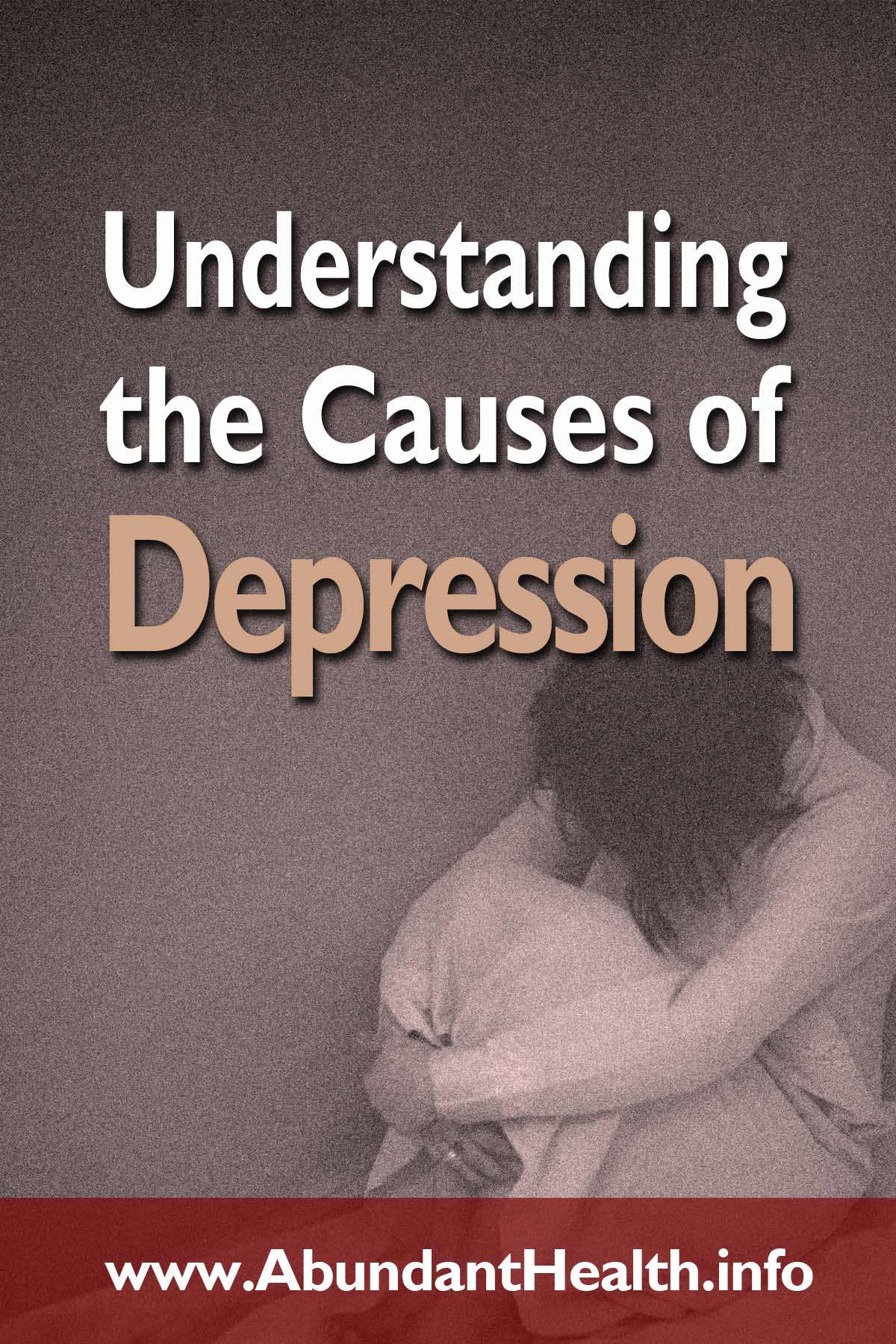
Understanding the Causes of Depression

Depression is the leading mental illness, causing death and disability worldwide. We need to understand the possible psychological causes of depression, and what a person can do to gradually come out of this illness.

Understanding the Causes of Depression

John’s mother, whose name is fictitious, had postpartum depression and a new depressive episode 15 years later. His father was a melancholic, always complaining about life. John grew up in a family without major conflicts, but in an atmosphere of sadness and complaints that prevailed in his home. In adult life, after he got married, he had a depressive episode when he was anxiously awaiting a promotion and it didn’t happen. He even missed a few days of work due to symptoms of discouragement, apathy, insomnia, loss of determination to do things, decreased appetite and constant pessimistic ideas. John underwent treatment with a psychiatrist, used some medication for a few months and also underwent psychotherapeutic treatment. That helped him to come out of a depressive state.

Causes of Depression

What do we see in this brief clinical report about the influences on John’s life that favored the onset of the depressive episode? First it has to do with the genetic factor. John’s mother had important depressive episodes. Genetics is not everything, but it biologically influences the behavior of the descendants. The scientist Charles Nemeroff, a psychiatrist and professor at the University of Miami Miller School of Medicine who specializes in treating depression says:

The cause of unipolar depression is about 40% genetic factors and 60% environmental factors.((C. B. Nemeroff, 2003))

A second factor favoring the emergence of depression in John has to do with the family environment, with a strong tendency towards melancholy, complaints and a negative view of life on the part of his father.

Other scientists such as Kenneth Kendler, professor of human genetics and director of the Institute of Psychiatric and Behavioral Genetics at the Virginia Commonwealth University, have verified that, despite the importance of the genetic factor for many mental illnesses, this is not predominant or determinant. And Dr. Kendler is an expert in studies of genetic factors in psychiatry. His studies have focused heavily on the genetic factors in schizophrenia.

For him, the most important predictor for the appearance of mental illnesses is not genetics, but the existence of stressful events in the individual’s life, along with interpersonal problems and a personality with tendencies to neuroticism. The word neuroticism describes people who live cultivating negative pessimistic thoughts, always in a bad mood, too worried and complaining about everything.

So, we can see that in John’s clinical history, all of these factors, including genetics, are present, but one important thing that Dr. Kendler and colleagues found out about the cause of depression was that sensitivity to the effects of stressful life events leading to the depressive state, seems to be under genetic control, that is, genetics does not induce depression, but there is a control made by the individual’s genetics as to how he reacts to the stressful life events.

Research by Dr. Kendler and his team found that in people who had a higher genetic risk for depression, living at that time without major stressors, the chance of having depression was only 1.1%, but in the presence of significant stress at that moment, the risk increased to 14.6%. Do you know what were the most frequent stressful factors as triggers for the onset of depression in this scientist’s study? They were as follows:

  1. Death of a close relative
  2. Aggression
  3. Serious marital conflicts
  4. Separation and divorce
Mourning on the grave of a loved one - Photo by RODNAE Productions from Pexels

These scientists I mentioned admit that emotional distress very early in childhood, the neglect of caregivers to the child or separation, can generate a type of neurobiological sensitivity, which predisposed people to react to stressors of adulthood through depression. The American writer Ellen White already wrote about this at the turn of the 19th to the 20th century:

More than any natural endowment, the habits established in early years decide whether a man will be victorious or vanquished in the battle of life.((Ellen G. White. Child Guidance, p. 202))

So we see how important people’s childhood history is. Some types of abuse suffered in childhood increase the chance of developing depression in adult life. For example, physical abuse, such as beating a child; sexual abuse such as rape, incest, child molestation, the neglect of basic care for them, not encouraging them with hugs, kisses, kind words. All of this creates an emotional climate in the person’s mind, which in the future when some traumatic event in adulthood occurs can trigger depression.

Women who were victims of abuse or other poor emotional care during childhood are twice as likely to have an attitude of personal disrespect, low self esteem and repetition of complicated relationships in adult life, compared to women without these sufferings in the past. Those who have had a history of these problems in childhood are ten times more likely to experience depression in adulthood.((Brown e Eales, 1993; Bifulco et al. 1998))

In the example quoted at the beginning, John had a depressive episode triggered by great frustration at work. However, when we analyze his emotional history, that is, when we understand the history of the family of origin where he came from, we saw that he was born in a home with a predominance of melancholy, sadness and complaints of his father about life, and the mother who went through postpartum depression, and a relapse into depression, years later. In addition, John has a sensitive temperament, which favors melancholy in the face of discouraging situations. His depression wasn’t caused by not being promoted at work. Frustration at the company where he worked was the trigger for his depressive state.

Pathway to Healing

You might ask: what’s the point of understanding all these things? Actually it helps a lot. Remember the words spoken by Christ, “And you shall know the truth, and the truth shall make you free”.((The Bible, John 8:32))

When John understood that: First, that he had an emotional sensitivity that pushed him towards sadness. Second, that he had lived in a family environment as a boy where sadness and the mother’s depressed state predominated, he understood that he would need to fight this melancholic tendency, forgive his father for the pessimistic model he passed on to him, and accept that his mother could not give him the best care in childhood because of the depressive episodes she suffered.

John understood that some things needed to be done about the tendency to become easily sad: First, he would need to observe what kind of thoughts came to his mind most often, and detect the pessimistic negative thoughts of defeat, and thus avoid these thoughts dominating his mind.

Psychologic consultation

He also learned in psychological treatment that he needed to resist feelings of sadness, not focusing on them, but looking at his current life, and seeing the good things in it, the blessings, cultivating an expression of gratitude for those things. If John wouldn’t do that, didn’t work in his mind against the melancholic tendency, not letting himself focus on defeatist and pessimistic thoughts, the antidepressant drugs would probably work for a while, improving his sad mood, but with time it would no longer have an effect. Because he would continue letting sad feelings and negative thoughts predominate in his mind.

So an important question for a person who is dealing with depression is: What are you doing with your mind, with your life, with your thoughts, with your emotions, and with your relationships, without having to take medicine for depression?

Dimensions of Depression

Depression is a mental reaction to loss and frustration, trauma, violence, abuse, and it also has a physical and spiritual dimension. That is, depressed people who eat poorly, do not practice physical activities, are sedentary, live in an environment with a lot of air pollution, may have more difficulty in recovering compared to depressed people who strive to exercise, who decide to use healthy vegetarian food and living as close to nature as possible. Also depressed people who have a religious faith and practice this religion have better internal mental resources to deal with the difficult depressive moment they are living.

An outing in nature

Returning to the psychological aspects that contribute to the depressive state, an important thing for us to understand the causes of depression is the way each individual reacts to a stressful event. The same problem – like the separation of parents – hits one child in one way and the other child in a different way. Family members, friends and professionals who deal with the depressed person need to understand that what may seem an easy trauma to resolve can have a very strong meaning for the depressed person, being neither easy nor quick for the individual with depression to come out of it.

How to Treat a Depressive Person

Glen Gabbard is a clinical professor of psychiatry at the Baylor College of Medicine in Houston, Texas. He is also a training and supervisory analyst at the Center for Psychoanalytic Studies in Houston, in addition to directing the Gabbard Center. He comments on how to deal with the depressed patient:

Perhaps the most common mistake by both family members and novice mental health professionals is trying to cheer up the depressed patient by positively focusing on comments such as: “You have no reason to be depressed”, “you have such good qualities” or “Why to commit suicide?” “There’s a lot to live!” probably has the opposite effect than intended. These “encouraging” comments are experienced by depressed patients as profound failures of empathy, which lead them to feel even less understood and more isolated, and therefore more suicidal.((Gabbard G. Psychodynamic Psychiatry in Clinical Practice. Artmed, 2016))

That is, if you didn’t listen to the venting of the depressed person, if as soon as she starts talking about her suffering, you use these phrases right away, even in an attempt to help, it comes to him as lack of compassion, lack of understanding of his pain, creating in him more hopelessness, more feeling of loneliness, which can make everything worse.

If you want to help a depressed person, then let them talk first, let them vent. Just listen carefully, looking at him and not getting distracted by something else, but concentrating on what he says so that you focus on being really there with him. Even Solomon speaks of this in the Bible:

To everything there is a season,… A time to weep, and a time to laugh;… A time to keep silence, and a time to speak.((The Bible, Ecclesiastes 3:1,4,7 (NKJV) ))

Ecclesiastes 3:1,4, 7.

These phrases can be used when a depressed person needs to vent and you want to help him: “Wow, there must be something in your life that makes you suffer like this, right?” You can say, “Tell me how you feel, I’m here to listen.” “It must be so bad to feel this sadness right? Do you want to tell me something about it?”

Then, after using comments that convey to the depressed your intention to help, you can and need to invite them to participate in the healing process, asking, for example: “I want to help you, so let’s think about what can be causing the emotional pain in you. Tell me a little bit, I’ll listen to you”. This way you invite the person to speak, as only then will it be possible to understand what is happening inside them. A professional caring for a depressed person will try to carefully assess what stressor, or factors, contribute to triggering the depression. Dr. Gabbard comments as follows:

Did the stressor involve humiliation and loss? Did it bring back the losses or traumas of early childhood? What was the particular meaning of the stressor for the patient?((Gabbard G. Psychodynamic Psychiatry in Clinical Practice. Artmed, 2016))

The professional who cares for the depressed person will want to know what the patient associates with the factors that he says seem to have triggered the depressive state. Dr Gabbard, gives an example of a question to be asked to the patient, and that you family member can think and also ask your depressed relative, which would be like this:

Does the event that the person says caused depression recall other feelings, thoughts or fantasies that were present in the patient’s mind?((Gabbard G. Psychodynamic Psychiatry in Clinical Practice. Artmed, 2016))

Then we encourage the person to talk about it. Talking to an attentive person who wants to help can not only alleviate the depressed person, but also bring to light the true circumstances of the suffering, as it serves to reveal that the causes are not the ones that you might have thought they were.

Finding the Meaning

Dr. Constance Hammen, professor of psychology at the famous UCLA or University of California Los Angeles, found that the most important thing to drive a person into a depressed state is not necessarily the event that took place, for example, the death of a loved one, the dismissal of a job, the divorce, but the interpretation that the person gives of the meaning of the fact that occurred.

According to her research, the traumatic events that occurred in a person’s life, if they were linked to what the person felt was his self, were more likely to lead to a depressive state. In other words, Dr. Constance verified that a person whose sense of his self, of being a person, a human being from the psychological point of view, with the sense of being an identity; when this sense of self is partially defined by their social connections, the disruption of an emotional relationship important to that person can trigger depression. And when this same sense of self in the sense of self worth is connected with academic achievements or another work, there is a greater possibility of a depressive reaction to an apparent professional failure.

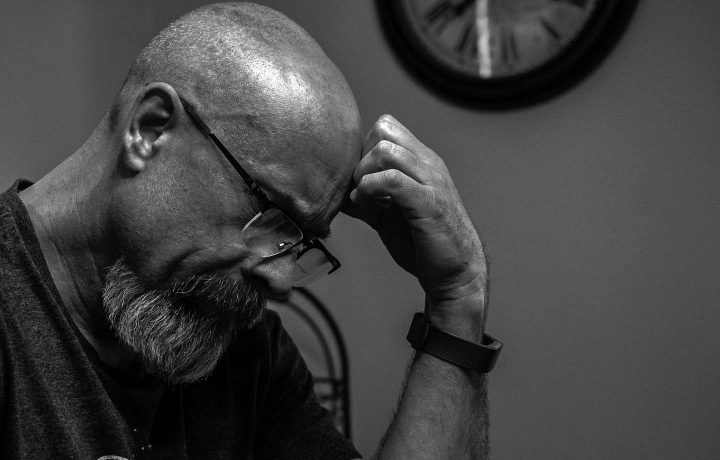
A man desperate at his computer - Photo by Tim Gouw from Pexels

That’s why it’s important for you to cultivate a sense of personal worth, not based on economic, academic and professional success, but on being a human being, a creature of God. You are the only person in this world with these specific characteristics. There is no one like you, not even if you have a twin brother or sister. Your worth has to do with the fact that the Creator God thought about your existence and allowed you to come to light, and maintains your life every millisecond. Think about that.

So, when a person, from an affective point of view, is overly attached to another, when he becomes too attached to another individual to feel important, he automatically puts himself in the hands of the other to have a sense of personal value. This is dangerous. What if that person leaves? What if the individual you’ve become too attached to dies before you do? So a question that a depressed person needs to ask himself at some point in order to get better is not who he lost that made him depressed, but what he lost in that loss. What is the meaning of the loss he is experiencing?

Conclusion

Dr. John Raymond Peteet, a psychiatrist at Harvard University, USA, commented on depression:

Depression is a major public health problem worldwide, including as a contributing factor to suicide. Compared to simple grief after a loss, it often involves a dynamic interplay between biological and psychological vulnerabilities, environmental factors, and spiritual aspects of the person.

One of the biggest challenges in responding to depression is recognizing how it distorts a person’s view of themselves and the world. For example, a depressed person may feel hopeless and justified in their pessimism and fear, or maladjusted when options seem limited and he feels out of control. If he is insecure, he feels worthless as a person. Severely depressed individuals often feel guilty and are unable to find forgiveness. All of this can make them give up on things we used to find meaningful, feel uncomfortable around other people, and withdraw.

Recognizing that someone is not seeing life clearly because of depression is an important step. Identifying what makes a person vulnerable to depression at any given time can help them re-evaluate priorities. Therapies such as CBT, cognitive-behavioral therapy, can help depressed individuals distinguish what is reasonable thinking and what is not, and take steps to protect against further relapse. Spiritual resources that offer hope, community, and forgiveness can be part of this recovery process.

Rather than thinking of depression as a temporary mood or moral weakness, it’s more helpful to think of it as a recurring but potentially manageable presence in someone’s life. I recommend a short online video from the World Health Organization called: “I had a black dog, his name was Depression,” which offers a number of suggestions for developing a relationship with your own black dogs.

Healthy Fruits

Stay Always Up to Date

Sign up to our newsletter and stay always informed with news and tips around your health.

Sign Up Now!

Filed Under: Depression, Mental Health

Dealing with OCD – Obsessive-Compulsive Disorder

July 28, 2021 by Dr. Cesar Vasconcellos de Souza - [rt_reading_time label="Reading Time:" postfix="minutes" postfix_singular="minute"]

TOC

Obsessive-compulsive disorder, or OCD is a very unpleasant mental suffering, that can have a drastic impact on somebody’s life. What is OCD, and what can somebody do to deal with it?

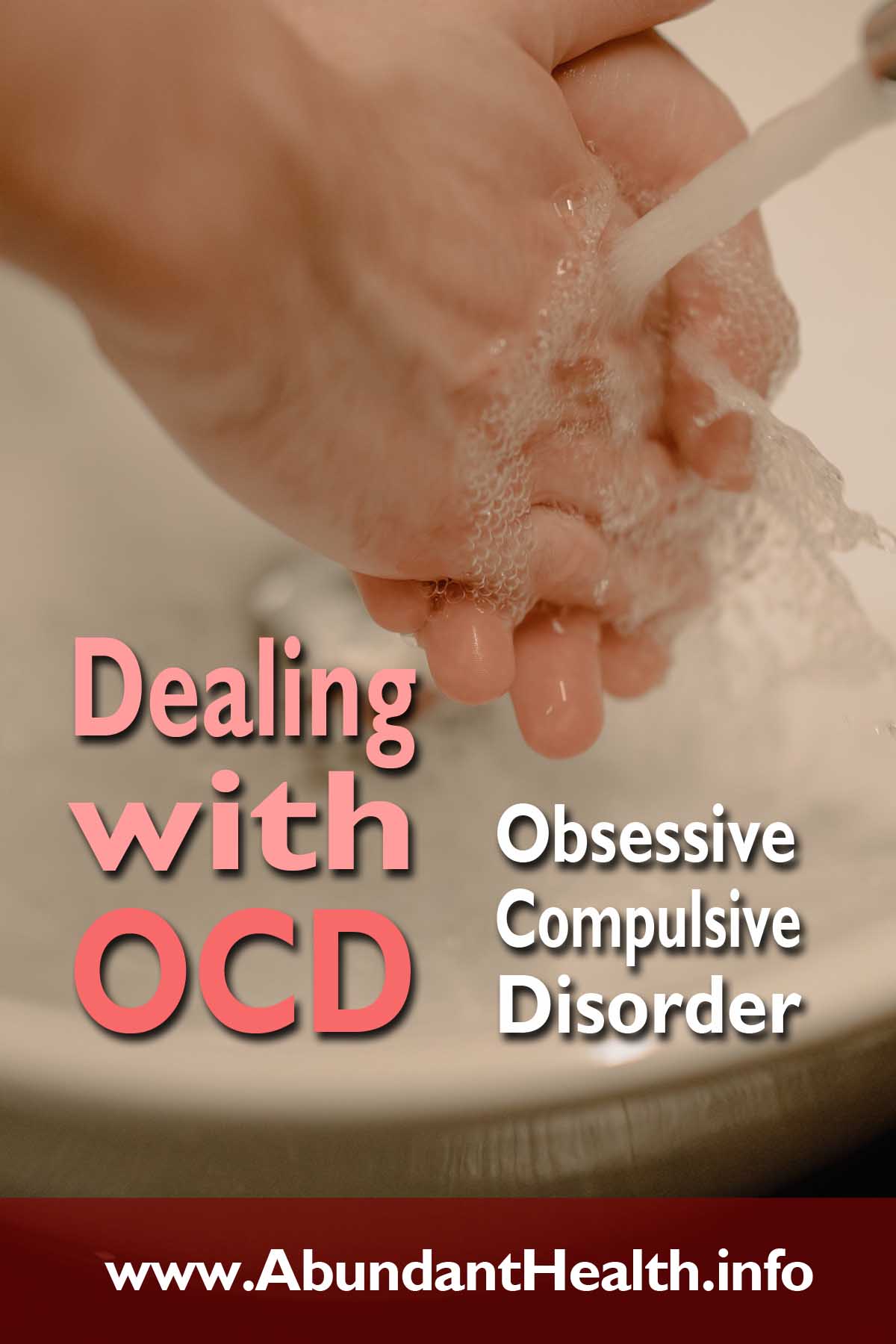
Dealing with OCD - Obsessive-Compulsive Disorder

OCD affects 0.7 to 2.5% of the population. So, for example, in a city with 100,000 inhabitants, there should be between 700 to 2500 people with this mental disorder. It is a suffering which bothers a lot, and can become so serious in certain situations, that it disturbs the studies, professional, social and family life of the person.

Famous and rich people also have OCD. For example, a Brazilian singer of popular romantic music, Roberto Carlos has obsessive-compulsive disorder. If you go to his official website, he published information about this suffering. Another example is actress Luciana Vendramini, who also suffers from OCD. Daniel Radcliffe, the actor who played the role of Harry Potter, discovered that he had OCD at the age of five. He said: “I had to repeat every sentence I said quietly again. And I would like to encourage everyone with this problem to go through therapy. That doesn’t mean you’re crazy or weak.”

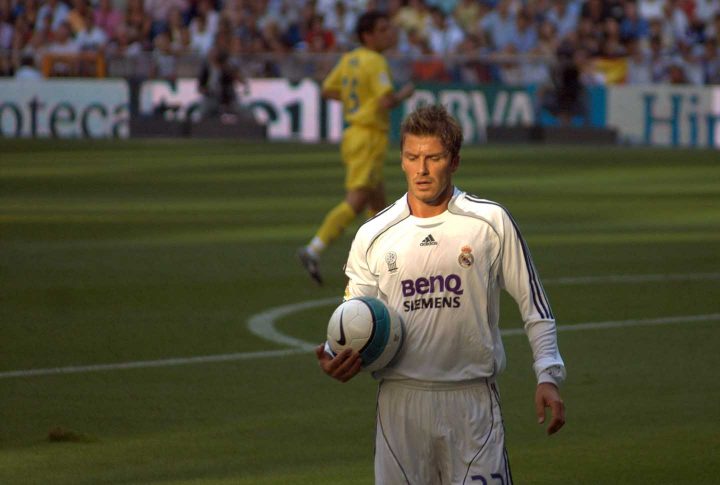
Also David Beckham, famous English football player has always admitted that he suffers from OCD, and that in his life this mental illness manifests itself in the constant need for cleanliness and perfection of everything around him. Anything out of order produces tension in him, everything for him has to be in pairs. If there are three glasses in the sink, you have to add one more to make two pairs, or you have to remove one to make only one pair. There can’t be three pairs of soccer boots in his closet. He has to have either two pairs or four pairs, always an even number, that’s an example of obsessive-compulsive disorder.

David Beckham playing for Real Madrid - By David Cornejo, CC 2.0 Wikipedia

Another famous person with OCD was the singer Michael Jackson. In addition, it seems that he also suffered from a disorder called BDD body dysmorphic disorder, which is a mental illness that is characterized by disturbing the person’s perception of their own body image, leading to irrational concerns about defects in some part of their body, and this would then explain the countless plastic surgeries he had in his short life. His ex-wife Lisa Presley said he never took off makeup. Many who suffer from this suffering from body dysmorphic disorder are at greater risk of becoming addicted to plastic surgery.

What is OCD?

The name of this disease called OCD, obsessive compulsive disorder already says: obsession and compulsion. A person with this mental suffering has intrusive thoughts, which he doesn’t want to have and are disturbing his conscience. Examples of these thoughts could be like: Did I lock the door at home? Or: Did I germs from touching that object? Those are thoughts that don’t stop, don’t give peace, and the person feels a compulsion to do what the thoughts say.

In the first case I mentioned, in which obsessive thoughts are questioning if he really closed the door, this person has the compulsion to check several times if he really did lock the door. In the second case where thoughts obsessively say that he may have been contaminated, he will compulsively wash his hands over and over again, ten, fifteen or twenty times.

Door lock - Photo by Henry & Co. from Pexels

Compulsive thoughts keep telling the person with OCD to practice the compulsive acts, because if they don’t do it, anxiety arises that disturbs a lot, and if the person doesn’t practice what obsession says, he will be very restless. So, obsession in the case of obsessive-compulsive disease, obsession has to do with repetitive thoughts in the individual’s consciousness, and compulsion has to do with the repetition of attitudes, of acts that have the purpose of alleviating those disturbing thoughts. So obsession is thinking, compulsion is doing.

Former model and actress Luciana Vendramini, in an interview she gave to the newspaper Folha de São Paulo, she spoke about the problem, saying that she had what I call synchronized intrusive thoughts, that is, she needed to imagine something good along with an action. For example, while washing hands she needed to think about nice things. When she had a bad thought, she had to wash her hand again, so she commented that she spent 24 hours repeating quirks. She used to spend 8 hours taking a bath. What suffering, right?

There are various types of obsessive thoughts, such as the thought that the person has committed an unforgivable sin, or that they have to tidy their closet perfectly, or that they have to fix a picture on the wall that is a little crooked, or that they have to do three-taps on the wall whenever they think of a word, or have to skip the lines on a sidewalk and other things of this nature. In fact, in the film: “As Good as It Gets”, actor Jack Nicholson plays the role of a person with obsessive-compulsive disorder.

Pictures on the wall - Photo by Medhat Ayad from Pexels

Normal people can have thoughts that repeat themselves in the mind, but it’s temporary and it’s not chronic, it passes, it ends, but in individuals with OCD thoughts become recurrent or obsessive, they persist and it becomes the pattern of thinking. This causes a lot of anxiety, and a lot of anxiety makes things to appear worse.

In OCD, the attempt to alleviate the anxiety produced by obsessive thoughts is to practice compulsive acts. For example, if in the mind of a person with OCD, obsessive thinking is about contamination, he may try to alleviate this through the ritual of washing his hands exaggeratedly dozens of times a day. If the obsessive thinking is about whether he really turned off the light in a room at home or at work, he can check if he did it dozens of times, one after another.

How to treat OCD?

Some scientists believe that OCD has to do with brain changes and that it’s necessary to use medication to treat it, but it’s not just that. There are other emotional complications that create a lot of anxiety, and the mind uses obsessive thoughts and compulsive acts as a defense against deep emotional pain. So in the cause of OCD there are physical factors, emotional factors, and even spiritual factors.

It helps to fight OCD by telling yourself that obsessive thoughts have no moral value but are the result of neurochemical changes, perhaps due to excess anxiety. That’s why the person with OCD needs to devalue obsessive thoughts as much as they can and tell themselves that they don’t have to do what they say.

Thinking -  Photo by Brett Sayles from Pexels

It’s also important to struggle to think of something else to replace obsessive thinking. This is difficult at first, it’s true, but with time a person may be able to avoid concentrating on obsessive thoughts, choosing to think about other things. This will be difficult at first because there is a strong anxiety that drives the person to these thoughts, and they in turn lead to repetitive compulsive acts. This means that when a person struggles to prevent obsessive thoughts from continuing in their mind to disturb them, they may feel more anxiety, they may be restless, distressed, but with time this anxiety may begin to diminish, without the person needing to practice compulsion to get relief from those obsessive thoughts.

So an exercise that can help, is when obsessive thoughts come, instead of just practicing the compulsive act, say to yourself: I will wait about 20 minutes without getting carried away by the need to act compulsively. After a few days or weeks, this waiting time can increase a little more. If somebody has the compulsion to wash hands for several minutes, the person can reduce the time spent washing their hands. He might decide to wash it using less time, instead of spending 15 minutes washing his hands, he might decide maybe it’ll be just ten minutes. Then further shorten this time and get busy with another task.

Don’t be ashamed to talk about this suffering to anyone. If you are unable to gradually stop compulsive acts, even trying hard to do so, then seek professional help with a psychiatrist or psychologist. It is because when obsessive-compulsive disorder becomes severe enough to disrupt the person’s social and work life, temporary medication prescribed by the psychiatrist may be necessary, in addition to psychotherapy with a clinical psychologist.

Healthy Fruits

Stay Always Up to Date

Sign up to our newsletter and stay always informed with news and tips around your health.

Sign Up Now!

Filed Under: Anxiety, Mental Health

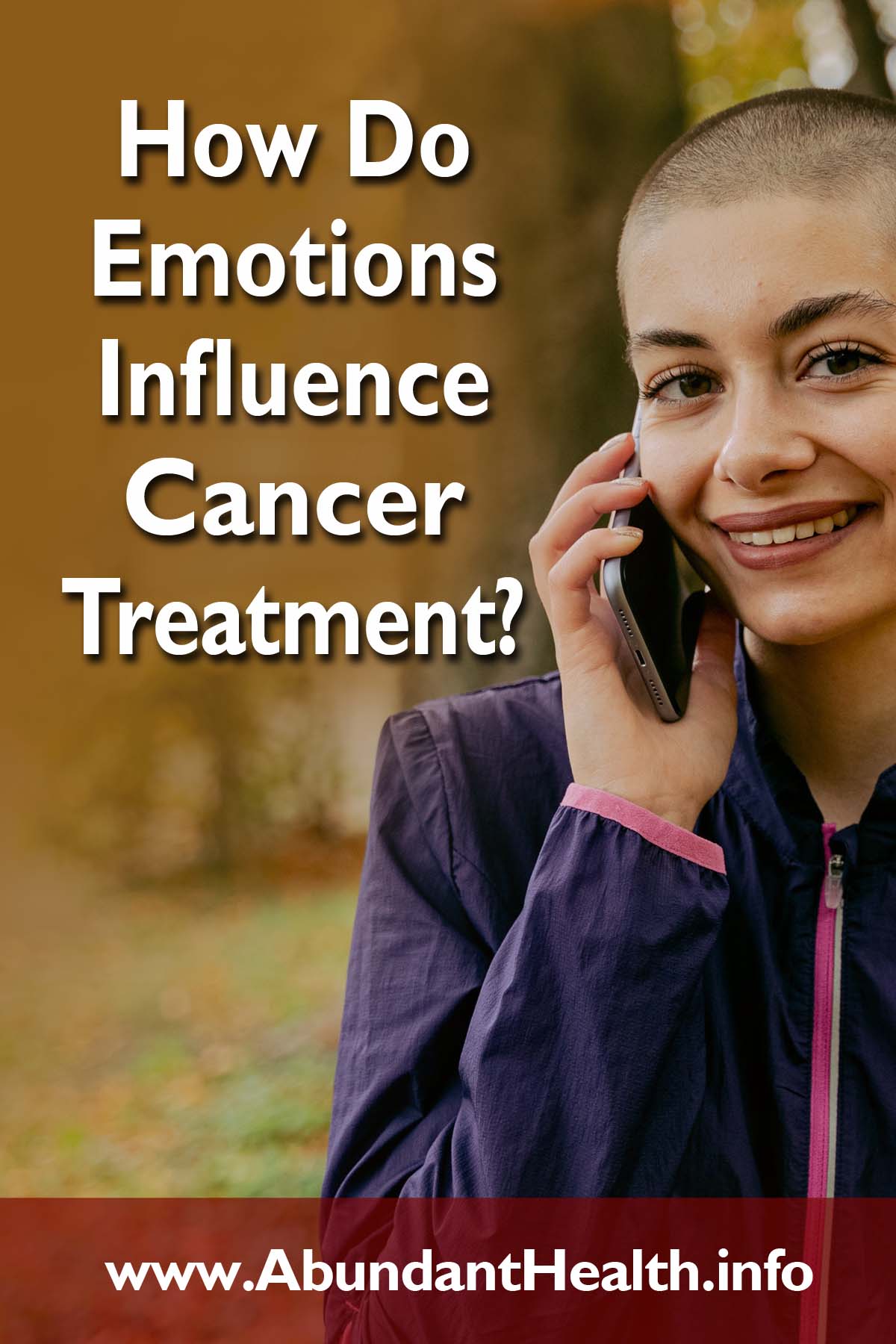
How Do Emotions Influence Cancer Treatment?

July 2, 2021 by Dr. Cesar Vasconcellos de Souza - [rt_reading_time label="Reading Time:" postfix="minutes" postfix_singular="minute"]

Emoções Influenciam o Tratamento do Câncer

Have you ever noticed that some people with cancer die unexpectedly, but others with less favorable diagnosis survive? Perhaps this can often be explained by the relationship between cancer and the mind, emotions and cancer. Is there any scientific basis for us to believe that positive emotions have specific physiological effects?

How Do Emotions Influence Cancer Treatment?

About negative emotions, we already know that anger is related to the production of norepinephrine, and fear or anxiety has to do with adrenaline. Positive emotions relate to acetylcholine outside the brain, which produces muscle relaxation, and has to do with endorphins and serotonin inside the brain.

Cancer is not just a disease. There are several interrelated diseases, several changes that end up generating cancer. There may be a genetic predisposition, a lot of stress in childhood, a diet of poor nutritional quality, a contaminated environment, polluted air, free radicals, smoking, alcohol abuse and other factors. Cancer is an indication that there is something else dysfunctional in the person’s lifestyle.

Lawrence LeShan was a psychologist who worked for more than 20 years just with dying patients, and in one of his studies of 152 people with cancer, he found that some mental attitudes had a negative influence on those cancer patients.

The study came to some interesting conclusions about the emotional or mental posture found in the people surveyed, who developed some form of cancer. Let’s look at some of these results from this study. Of these 152 people, 109, or 72%, had lost their purpose to live, and were unable to establish new relationships. There may have been attempts to develop new relationships, but they failed and the person remained isolated, even surrounded by family and friends, so that is to say 72% of people suffered from loneliness.

It was found that 71 of these people, or 47%, almost half of these people, were unable to demonstrate hostility in their self-defense. In other words, she had a feeling that her desires didn’t deserve to be defended, they didn’t know how to protect themselves. They are those people that when you step on their toes, they are the ones who apologize, people who do not know how to defend themselves, even from hostile people.

The study also found that 58 people, or 38% of them, had tension, a major stress due to the death of a parent. For some individuals, the type of emotional bond with the father or mother is so ingrained that when one of them dies, the suffering of the son or daughter is much greater than in people without this type of affective bond, who also experienced a period of grief and normal sadness, but without so much suffering, and without despair. So 38% of people who developed cancer had a lot of suffering a while before the cancer appeared, with the death of the father or mother, because of this extremely strong bond they had with that parent.

A woman experiencing grief in front of the tomb

It was also found that many of the studied group showed self-depreciation, a lack of self-confidence, a lack of respect for their own achievements. It’s the people that when you praise, for example for being in a nice outfit, they say: “Oh, I bought it there at the benefit bazaar”, or when these people have passed an exam and you congratulate them, they say: “Oh, it wasn’t so hard to pass”, that is, they always devalue themselves. So this psychologist working with these people with cancer found that many of them had this self-deprecating mindset.

Other people who had cancer in the study group had a sense of despair they had lived with all their lives, a despair in the sense of looking at life with pessimism, without good prospects for the future. And also the good number of patients evaluated revealed that they had more emotions than energy to express them, and they had very few or no channels of emotional expression, there is no one to whom they could open up, that is, they swallowed, repressed more emotions than they should have done, and some cases seem to explode into cancer.

Dr. Samuel Silverman of the School of Medicine at Harvard University, he says:

If there is a latent tendency to develop cancer, the inability to express one’s feelings will strike the body at some vulnerable point.

You can fight for your life : emotional factors in the causation of cancer
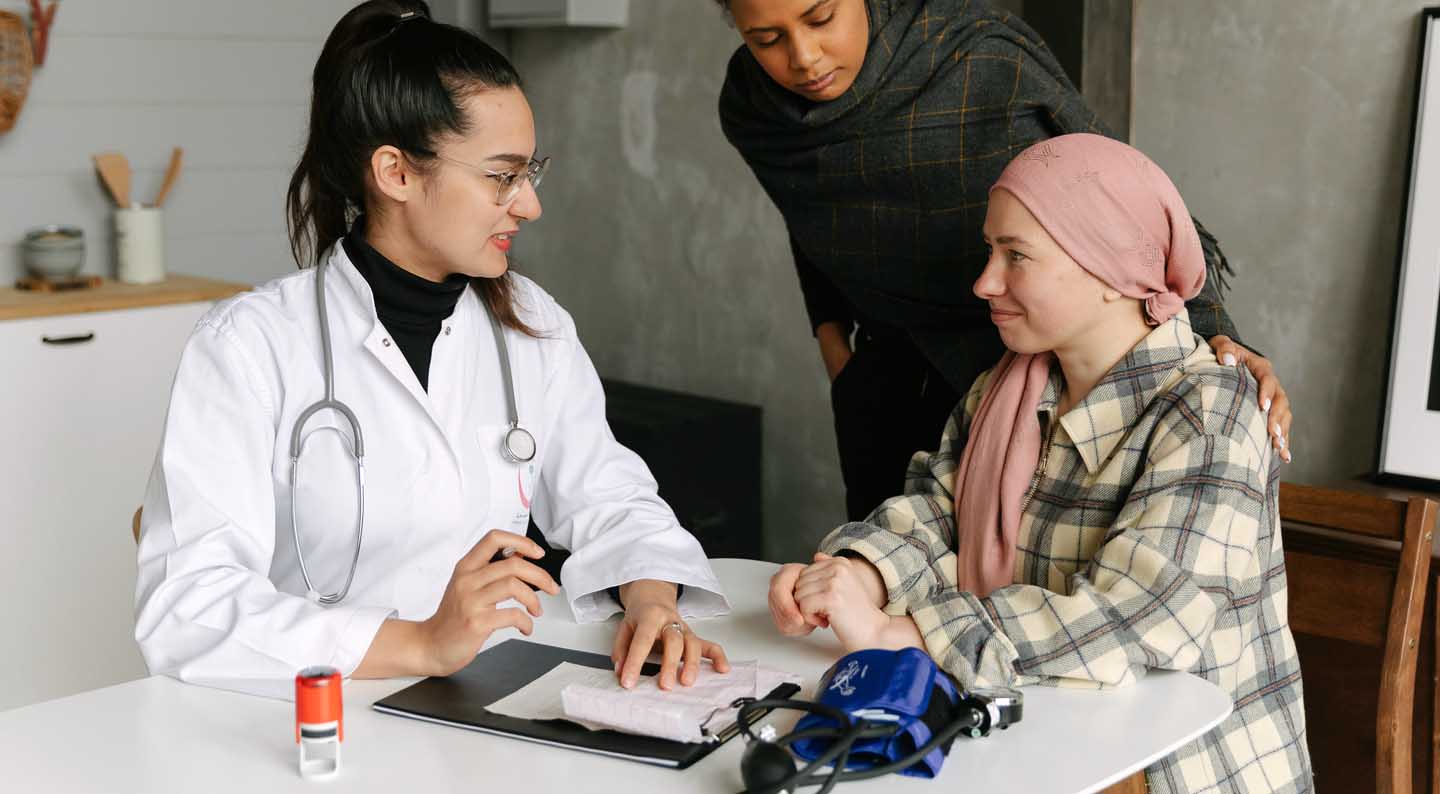
Counseling with a cancer patient

Some mental attitudes that help in the prevention or treatment of Cancer from a psychological and emotional point of view are the following:

  1. Have a meaning for life beyond the desire for physical healing.
  2. Reflect on how best to be useful with what you are, the talents you already have or can be learned.
  3. Learn, that you can express emotions, opinions and still be loved and accepted.
  4. Acquire self-knowledge to live with emotional honesty, that is, not fooling yourself.
  5. Appreciating the positive traits in me, what I can do, the blessings I have received, looking positively at those things that God has placed in me, which are talents, they’re blessings.
  6. Realize that you can try to understand and love yourself, forgive yourself, accept your limitations, without fighting with you, without criticizing yourself, without belittling yourself.
  7. Also strive to make changes in your life, in search of what you want, rather then remaining in a bad situation, even if it produces some benefits, such as an economic gain.

Dr Lawrence mentions in his book a doctor who had a specialty that earned a lot of money. Then she had breast cancer and she found out that she actually would like to work in another specialty, which would earn less money, but she decided to change, resulting in better coping with the cancer.

He cites the case of another woman, a lawyer that was professionally and economically very successful, but who also had breast cancer, and during psychotherapy she discovered that she had always liked music. So this woman decided to quit her job as a lawyer and went into music.

After doing a study on these people who made important changes in their lives after cancer, it was found that they had a much better survival rate, a much better quality of life, a much better recovery from this cancer than those people who got stuck and didn’t do these changes. So it’s important to think that it is healthy for the mind that influences the immune system, to make less money, but to be happy in what you do. Think about it when you decide to make important changes in your life.

Healthy Fruits

Stay Always Up to Date

Sign up to our newsletter and stay always informed with news and tips around your health.
Sign Up Now!

Filed Under: Cancer, Diseases, Mental Health, Psychosomatic Diseases

« Previous Page
Next Page »

Primary Sidebar

Social Channels

Coronavirus Immunity Challenge

Boost your immune system to be bullet-proof for the pandemic.

I Want to Participate

Recent Posts

  • 5 Habits to Live Longer
  • Better Sleep Can Protect Against Dementia
  • Finding Peace In Your Crazy-Busy World
  • Flaxseed – An Ancient Plant Rediscovered
  • Platelets – Triggers for Life or Death
  • Boderline Personality Disorder
  • In Praise of Almonds and Nuts
  • Are You Stuck in the Clutter Trap?

Categories

  • Body Systems (16)
    • Cell Function (2)
    • Circulatory System (1)
    • Digestive Tract (10)
    • Immune System (4)
  • Diseases (27)
    • Cancer (2)
    • Cold (1)
    • COVID-19 (11)
    • Dementia (1)
    • Diabetes (1)
    • Digestive Diseases (2)
    • Heart Disease (2)
    • Kidneys (1)
    • Metabolic Syndrome (2)
    • Skin (1)
  • Healthy Lifestyle (42)
    • Exercise (11)
    • Gardening (2)
    • Sleep (7)
    • Sunlight (2)
    • Temperance (14)
    • Water (4)
  • Mental Health (87)
    • Addictions (6)
    • Anxiety (7)
    • Burnout (1)
    • Depression (7)
    • Psychosomatic Diseases (6)
    • Stress Management (45)
    • Trust (6)
  • Nutrition (56)
  • Obesity (9)
  • Phases of Life (14)
    • Adults (3)
    • Babies and Infants (1)
    • Children (3)
    • Seniors (5)
    • Teenagers (3)
  • Therapies (7)
    • Herbs (5)
    • Hydrotherapy (1)
  • Uncategorized (3)

Archives

  • January 2025 (1)
  • March 2024 (5)
  • February 2024 (4)
  • January 2024 (4)
  • December 2023 (5)
  • November 2023 (4)
  • October 2023 (5)
  • September 2023 (4)
  • August 2023 (3)
  • July 2023 (2)
  • June 2023 (4)
  • May 2023 (4)
  • April 2023 (5)
  • March 2023 (4)
  • February 2023 (4)
  • January 2023 (4)
  • December 2022 (4)
  • November 2022 (4)
  • October 2022 (5)
  • September 2022 (4)
  • August 2022 (4)
  • July 2022 (5)
  • June 2022 (4)
  • May 2022 (5)
  • April 2022 (4)
  • March 2022 (4)
  • February 2022 (4)
  • January 2022 (5)
  • December 2021 (3)
  • November 2021 (4)
  • October 2021 (6)
  • September 2021 (4)
  • August 2021 (4)
  • July 2021 (5)
  • June 2021 (4)
  • May 2021 (3)
  • April 2021 (5)
  • March 2021 (4)
  • February 2021 (4)
  • January 2021 (5)
  • December 2020 (3)
  • November 2020 (4)
  • October 2020 (5)
  • September 2020 (5)
  • August 2020 (3)
  • July 2020 (1)
  • June 2020 (1)
  • May 2020 (1)
  • April 2020 (1)
  • March 2020 (1)

Copyright © 2026 · Abundant Health - Privacy Policy - Medical Disclaimer