Abundant Health

Up to date health information tailored for you

  • Home
  • Blog
  • Recipes
  • Shop
  • Contact
You are here: Home / Archives for Dr. Cesar Vasconcellos de Souza

Dr. Cesar Vasconcellos de Souza

How Sunlight Can Change Your Mood

July 3, 2022 by Dr. Cesar Vasconcellos de Souza - [rt_reading_time label="Reading Time:" postfix="minutes" postfix_singular="minute"]

Como a Luz Solar Pode Mudar o Seu Humor

Do I need to sunbathe? Vitamin D prevents which diseases? Does sunlight have a good effect on our mood? What are the signs that you may be deficient in Vitamin D?

How Sunlight Can Change Your Mood

We know that sunlight is critical to our health linked to vitamin D. But what about our mood? There is vitamin D2 which is called ergocalciferol, and D3 called cholecalciferol. Vitamin D2 is found in a limited number of foods, while D3 is absorbed by the body when the skin is exposed to sunlight. Both are converted into the active form which is used by the body and stored in the liver and kidneys.

When calcium levels in the body are reduced, the parathyroid glands, located in the neck, release a hormone that stimulates the kidneys to convert vitamin D into its most active form, aiding in the absorption of calcium and phosphorus. Our vitamin D requirement is 5 micrograms per day, this in adults weighing less than 200 lbs (90 kg).

A lack of vitamin D causes osteoporosis, which is a progressive decrease in bone density, with an increased chance of fractures, as bones become more porous and less resistant. Osteoporosis is more common in the elderly. A tip: if you are diagnosed with osteoporosis and have been prescribed to take calcium orally, know that this alone is not enough to resolve it. It is necessary to practice some exercise as well. Taking a lot of calcium and not doing any kind of physical activity is a message that bones interpret as we don’t need to be strong.

And the opposite is true. As you engage in regular physical activity, this will signal your bone cells to absorb calcium, because your message to them through exercise will be this: we need strong bones. So take calcium, but engage in some form of physical activity, at least three times a week.

Walking in the sun

Lack of vitamin D, in addition to osteoporosis, also produces rickets, which is characterized by insufficient mineralization of the bones, affecting children and adolescents. Symptoms are stunted growth, bowed legs, weakness and pain in the spine, pelvis and legs. Studies show that the absence of vitamin D, can facilitate the emergence of certain types of cancer, cardiovascular disease, hypertension or high blood pressure, multiple sclerosis, rheumatoid arthritis, type 1 diabetes among others.

About 90% of the vitamin D in our body is obtained from exposure to sunlight, which is converted from cholesterol in the skin. Normal doses of vitamin D can be obtained with direct exposure to the sun for 10 or 15 minutes daily, through the action of ultraviolet rays, which are also bactericidal. So, if you have a wound on your skin, expose that wound to sunlight as this will help it fight off infections and heal.

Have you ever heard people say, or maybe it happens to you that the cloudy weather with overcast makes you so sad, down and discouraged? There is a type of depression, which is a seasonal depression, whose scientific name is seasonal affective disorder. There are people who have depressive symptoms in autumn or early winter, and there are some who also have summer depression, starting in late spring or early summer. Summer depression is very rare, while winter depression is far more common.

Seasonal depression happens every year, always around the same time. The one that starts in winter is more frequent in countries with less sunlight throughout the year, with darker days and more rigorous winter. It seems that the farther a person lives from the equator, the greater number of people experience this type of suffering. That’s why it’s more common for people in Canada, Norway or Russia to have this type of depression than in tropical countries.

A seasonal depressive person on a rainy window

One theory says this is because sunlight activates brain hormones, which help maintain a happy mood. In a place called Fairbanks, Alaska, on winter days, the time span between sunrise and sunset is a little less than 4 hours. Imagine living a day with only 4 hours of natural light! With this great lack of sunlight, it would be logical to think that a good part of the population would have to have the winter depression. But it turns out that it is actually not that much. One study found that about 9% of Fairbanks residents had seasonal affective disorder, while this type of depression occurs in 1% in tropical countries.

The most common symptoms of seasonal winter depression are: more sleep, that is, the person sleeps more hours a day without feeling rested; increased appetite, desire to eat more carbohydrates, chocolate and fatty foods, difficulty getting out of bed in the morning, loss of energy, feeling of fatigue, impaired concentration, social isolation, irritability, constant sadness, among other symptoms. It affects more women with a share of 60 to 90%, especially between 20 and 40 years of age. In some ways, the behavioral symptoms of summer depression tend to be the opposite of those of winter depression. Summer depressed people can sleep less and lose weight.

A researcher at the National Institute of Mental Health, Tom Wehr, has suggested that seasonal depression may be related to melatonin, which is a hormone produced during the night. When the day gets dark, melatonin increases in the body, and if you can sleep in a dark environment, the peak of melatonin production happens between two and three in the morning. Scientist Tom Wehr commented that during winter animals produce melatonin for more hours, but in less quantity compared to other times of the year. He found that the people who increase production of this substance in the winter are the ones who suffer from these types of depression.

For the treatment of seasonal depression or seasonal affective disorder, medication and psychotherapy are used. Exposure to sunlight, called phototherapy, also helps. However, this does not work equally for everyone. If the problem was only linked to melatonin, perhaps light treatment will solve it in many cases. But there are still other factors that science is studying to understand why some people exhibit this sensitivity to light in a different way than others, to the point of suffering this winter depression.

So take care of your health and get some sun every day!

Healthy Fruits

Stay Always Up to Date

Sign up to our newsletter and stay always informed with news and tips around your health.
Sign Up Now!

Filed Under: Depression, Healthy Lifestyle, Mental Health, Sunlight

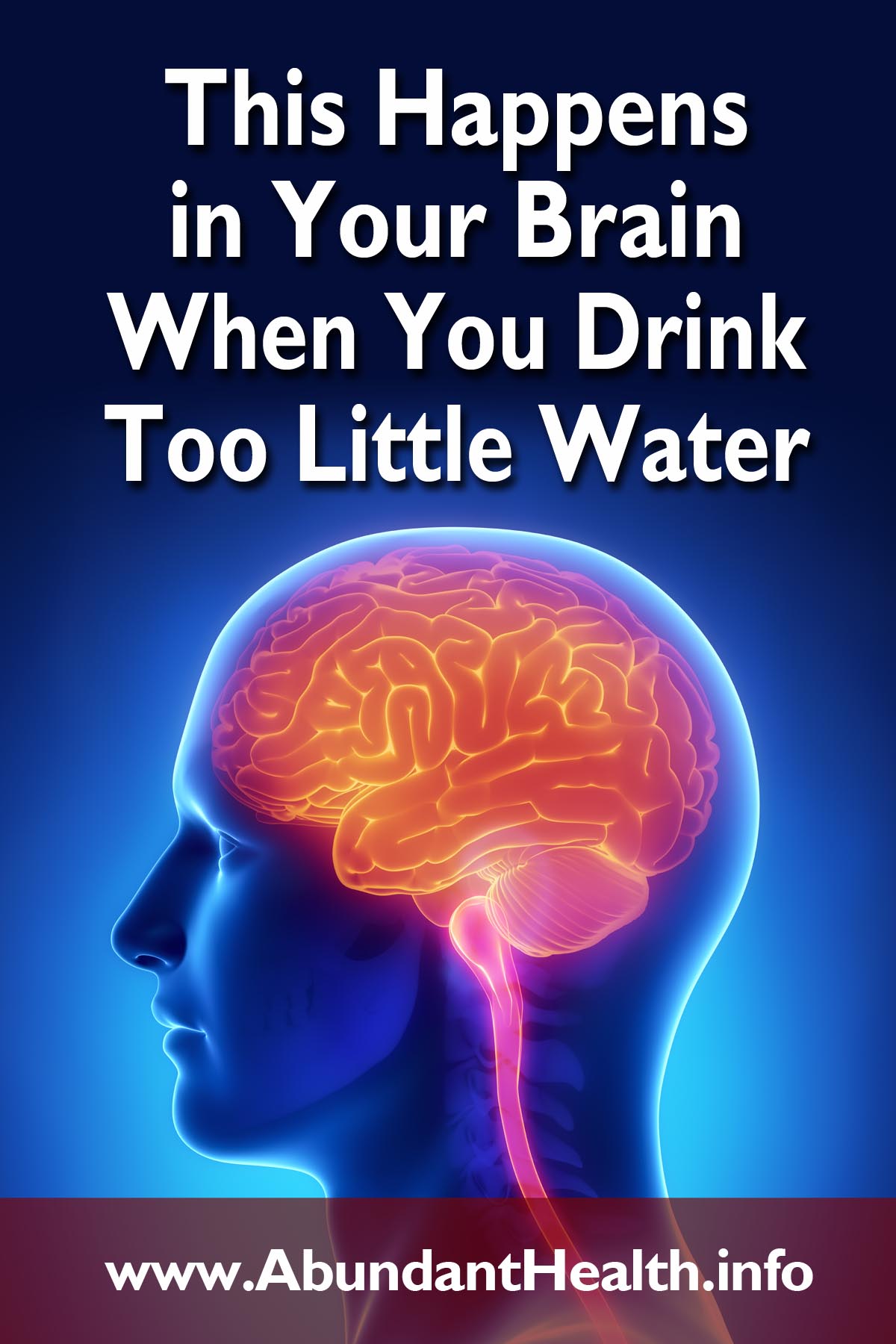
This Happens in Your Brain When You Drink Too Little Water

June 5, 2022 by Dr. Cesar Vasconcellos de Souza - [rt_reading_time label="Reading Time:" postfix="minutes" postfix_singular="minute"]

Isso Acontece em Seu Cérebro Quando Você Bebe Pouca Água

Do you think you only need to drink water when you’re thirsty? Did you know that thirst is already an alarm? Drinking water only when you’re thirsty is like putting fuel in your car only when that little alarm light comes on, saying you’re running out of gas. Is water important for the brain?

This Happens in Your Brain When You Drink Too Little Water

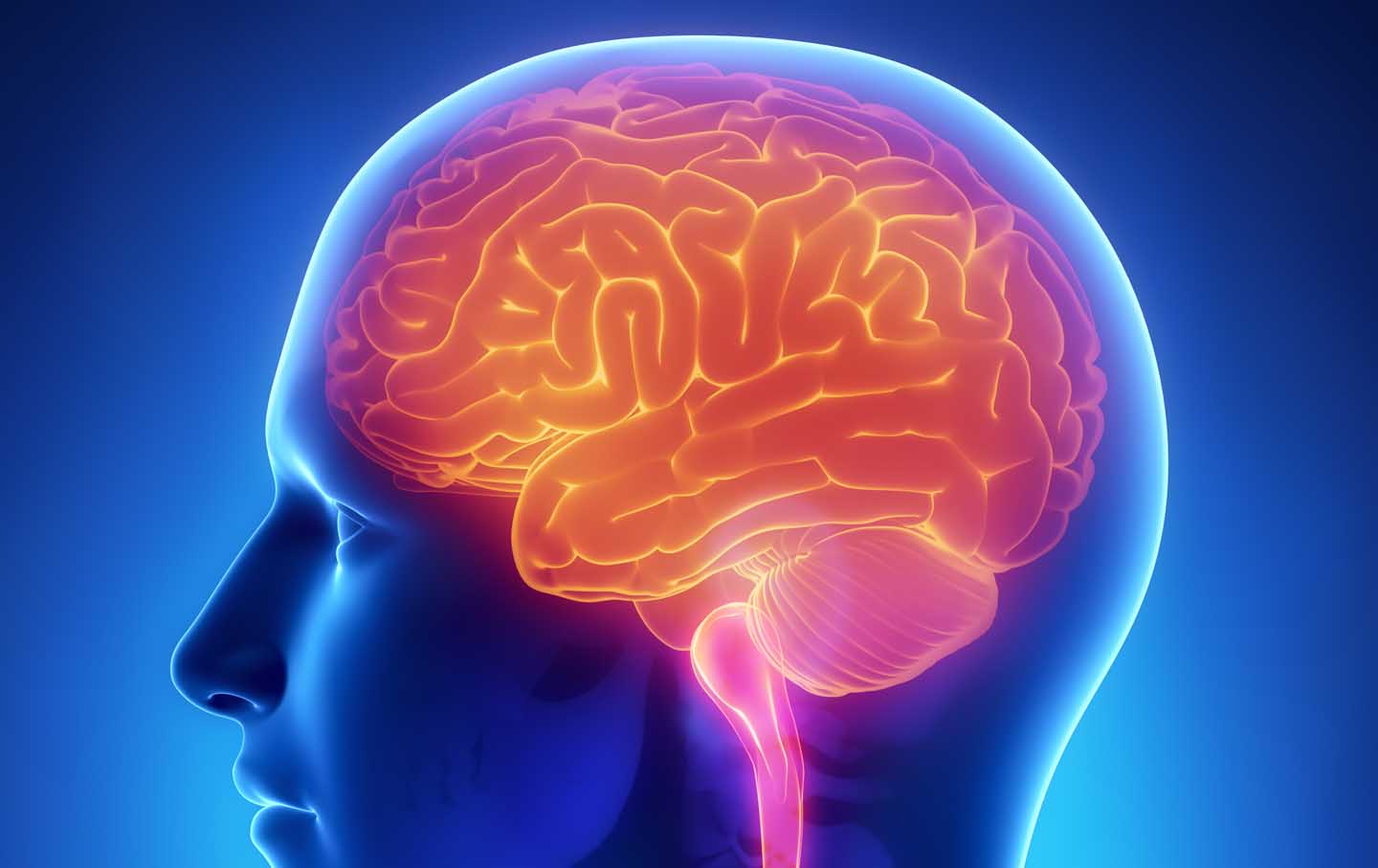
Our brain depends on good hydration to function well. Brain cells and neurons require a delicate balance between water and different chemicals to function. When you lose a lot of water, sweating a lot for example, and you do not replace it, this balance is disrupted. Your brain cells lose their efficiency. Scientific studies have shown that when we’re dehydrated, it’s more difficult to keep our attention focused. Dehydration of the brain can produce both short-term and long-term memory impairment. Poor hydration can impair the ability to do mathematical calculations, such as calculating whether you will arrive at work on time, if you put off your alarm clock for another ten minutes.

Normally, the longest period of each day we go without ingesting liquids is the hours of sleep, which last about 6 to 9 hours each day, depending on the person. Despite the fact that sleeping usually doesn’t make us sweat, except in the summer if we have no air condition, it doesn’t mean that we don’t lose water while sleeping. With each breath we expel moisture, and the tendency during this hours of sleep is to dehydrate. That’s why it’s important to drink pure water throughout the day, and especially when you get up in the morning, at least one glass of water on an empty stomach. If you want your body and brain to function well, make a conscious effort to drink water from the moment you wake up, starting with getting out of bed in the morning. Think what a blessing to know that, and to have plenty of water available.

On our planet, millions of people have a shortage of drinking water. About 38,000 children under the age of five die each week because they don’t have clean water to drink; did you know that? Women in some African countries walk hours a week, carrying 5 gallons of water in containers, drawing even from places with unsafe water. What a blessing you have, for having pure water in your house, isn’t it? The brain is 75 percent water. So imagine how important is water for the brain to work well.

An African girl carrying water

It is important to drink at least eight glasses of water a day to be healthy; and in the summer even more. There is a difference in the amount to be ingested, according to the activity performed throughout the day, the person’s weight and the season of the year. Having a glass of water every hour of the day (between meals) is a good habit, some people even recommend it. We usually don’t realize that we are dehydrated. We only remember to drink water when we feel dizzy, or when the skin becomes dry.

You may not notice it, but your brain does! It becomes slow to respond to stimuli if it is not properly hydrated. Water is a great remedy, both outside and inside the body. Water helps the blood flow to the brain and calms it, as well as helping to eliminate toxic substances. Brain cells require twice as much energy as other cells in the body, and water contributes more to brain energy than other substances. Drinking water helps children and adults to prevent attention deficit disorder. The lack of correct hydration affects the brain, producing tiredness in the afternoon, difficulty in focusing thoughts, exhaustion, some types of headache, sleep disturbances and loss of mental clarity.

It is important to ingest pure water throughout the day for proper brain function, as it has no way of storing it. Studies have shown that if you are only 1% dehydrated, you will have a 5% decrease in cognitive function, in reasoning. Prolonged dehydration can cause a decrease in the size and mass of brain cells. This is more common in older people who tend to be chronically dehydrated for years. By hydrating your body well, your brain will benefit from the removal of toxins, improving the exchange of nutrients and leading to better concentration and alertness.

A woman drinking water

Brain inflammation is often associated with various types of injuries. When the brain is not properly hydrated, inflammation gets worse. A study of young women showed that the loss of 1.36% of body fluids after exercise impaired mood and concentration, increasing the frequency of headaches. A similar study of young men showed that losing 1.59% of body fluids resulted in memory impairment increased anxiety and fatigue. It is important to know that 1 to 3% of fluid is equivalent to the loss of 1 to 4,5 lbs (½ kg to 2 kg) of body weight for a person weighing 150 lbs (68 kg). So, after doing physical activities, drink a good amount of pure water.

It’s worth remembering: drinking water throughout the day helps your brain and improves concentration, helping you think more clearly. It also helps balance mood, maintains good memory, increases blood flow and oxygen to the brain, and helps prevent some types of headaches.

Researchers at the University of East London believe that when you quench your thirst, your brain can better focus on the task at hand. They did an experiment with 34 men and women. They were given a first test for them to take after breakfast, which included cereal and protein bar. For a second test, they ate cereal, a protein bar and drank a bottle of water. Those who said they were thirsty improved the test time after drinking the water. Drinking water made their brains work 14% faster than before drinking it.

If you want your brain to do well, drink plain water throughout the day, but not together with your meals. This is important for a number of health benefits, and essential for optimized brain performance. Remember, 75% of our brain is water. We can see how important drinking water is to stay mentally well. Drink water! Peace and Light!

Healthy Fruits

Stay Always Up to Date

Sign up to our newsletter and stay always informed with news and tips around your health.
Sign Up Now!

Filed Under: Healthy Lifestyle, Mental Health, Water

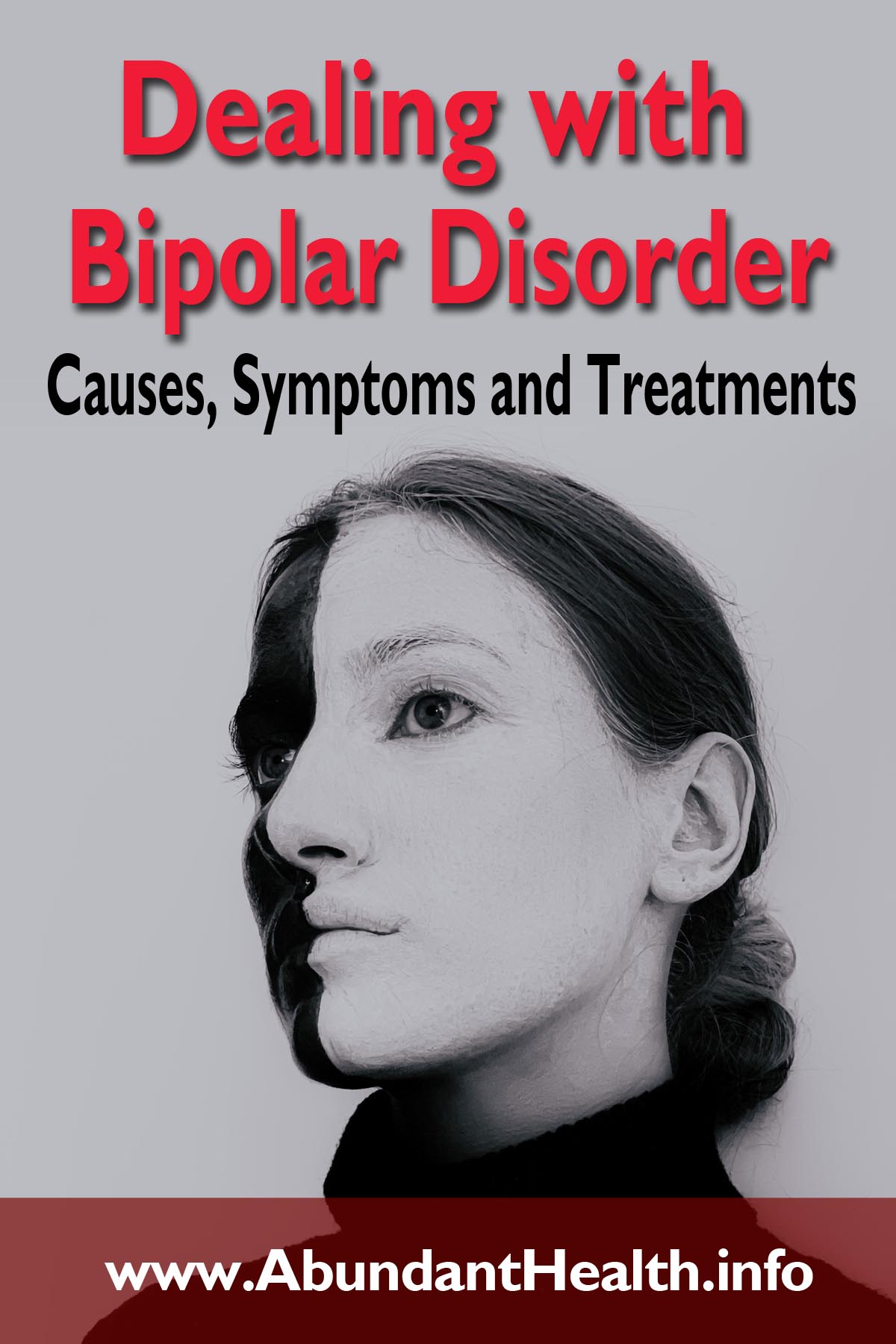
Dealing with Bipolar Disorder: Causes, Symptoms and Treatments

May 8, 2022 by Dr. Cesar Vasconcellos de Souza - [rt_reading_time label="Reading Time:" postfix="minutes" postfix_singular="minute"]

Transtorno Bipolar

Do you suffer from bipolar disorder? Do you have anyone in your family who is bipolar? We need to know how to deal with it. Let’s review a few concepts about bipolar affective disorder.

Dealing with Bipolar Disorder: Causes, Symptoms and Treatments

About 1% of the general population suffers from bipolar disorder. It occurs more frequently among first-degree relatives, when one of them has had or is experiencing this suffering. Bipolar disorder generally begins between the ages of 18 and 20, affecting men and women equally. Bipolar disease is as the name says: bi-polar, that is, it has two poles. At one moment the person has euphoria, and at another moment, depression. Euphoria is at one pole and depression is at the opposite pole. A bipolar individual can be euphoric for a few months, agitated if left untreated, and then go into a depressive situation, with or without the normal interval between one phase and another.

There is bipolar type 1 and type 2. The main difference between one type and the other has to do with the severity of the episodes or crises. Bipolar type 1 has a severe euphoric phase, while type 2 has a milder euphoria. When a person is in the euphoria pole of bipolar disorder type 1, they often experience complications at work, school, and relationships. In some cases internment may be necessary. Bipolar type 1 people have periods of deep and long-lasting depression, which alternate with periods of very high, irritable mood, which we call mania or euphoria. The main symptoms of bipolar in the euphoric phase are: irritability, mood exaltation, euphoria, decreased need for sleep, talking too much or running over, great distraction, flight of ideas, that is, the person keeps talking about many exaggerated plans and changing ideas constantly. There is also a demand for compulsive pleasure activities, such as spending more money than you have. The bipolar in the euphoric phase also has a grandiosity, that is, he has an exalted posture, as if he were a king or a god who can do everything.

An euphoric woman in a shopping spree

In order to be diagnosed as bipolar in the manic or euphoric phase, this high mood must not be the result of substance use, or any medical illness.

In the depressive phase, the person with bipolar disorder presents five or more of the symptoms, one of which has to do with depressed mood or loss of pleasure, or interest in that person they liked, in which they were involved. So the symptoms are in the depressive phase: sleeping too much, or having insomnia, loss of energy, weight loss or gain due to appetite change, feeling of worthlessness, excessive guilt, decreased ability to concentrate, marked indecision and preoccupation with death, with suicide. In severe depressive episodes, the patient may contemplate suicide, or has already attempted suicide.

The euphoric or bipolar phase oversteps the boundaries of social life and disrupts relationships, and the agitation can turn into physical aggression. That’s why it’s important to consult a psychiatrist to prescribe medication that controls this. Often family members and medical staff are the targets of this aggression. The treatment of bipolar disorder should be done with a psychiatrist or psychologist, with the family being oriented on what to do to help. In euphoric crises, it’s no use talking, nor taking to the psychologist or psychotherapist. Medication is the priority treatment to try to get the person out of the symptoms of agitation, which prevents a productive dialogue. However in the depressive phase, in addition to medication, psychotherapy helps to improve.

A woman wearing two shirts of different color, symbolizing the bipolar disorder

There is no single theory about the causes of bipolar disorder. Some claim that the conscious area and the unconscious area can conflict, causing behavior changes. Failure to resolve these conflicts would actually be the cause of various mental illnesses. In the case of depression, there are theories that say that the person develops depressive symptoms as a manifestation of anger against himself.

One of these theories explains that parents with unhealthy behavior, who are inconsistent, that is, sometimes happy, sometimes angry and nervous with their children, without a good expression of affection towards them, who are driven by their selfish needs, create an unpredictable and hostile environment throughout childhood. As a result, the child feels alone, confused and helpless, and ultimately angry. But the child knows that his parents are his only means of survival. So out of fear, love and guilt, the child represses the anger towards the parents, who act badly towards him, thus turning the anger against himself and the thought of being despised arises in his mind, and he then starts to believe that he is an unlovable and bad person.

And at the same time, the child strives to present perfect behavior, acceptable to parents, as a way of compensating for the weaknesses that he perceives, and which becomes unacceptable to demanding and neurotic parents. So the child feels caught between the child he finds unacceptable and the one who needs to act perfectly to get his parents’ love. As a result of this conflict, the child becomes “neurotic,” or prone to experiencing exaggerated feelings of anxiety and depression. A constant feeling develops in the child’s mind that he is not good enough, no matter how hard he tries to get it right. This neurotic need to please, accompanied by a failure to do so, can spread throughout the child’s life, so that he or she may begin to feel an unhealthy need to be loved by everyone, peers, family, co-workers, and others.

A man with a rose pointed at his head like a gun, symbolizing the conflict of acceptance.

So, the goal of psychological treatment, which is psychotherapy in the psychodynamic approach, can help the child, now an adult, and suffering from depression or symptom, to obtain information about the mistaken foundations of his belief in his own badness and inadequacy, so that the need to punish himself and to be perfect diminishes. It is interesting that, for example, the husband who had a childhood in which his parents were too critical of him, who belittled him, did not show praise and affection, this boy grows up, becomes an adult, and marries a woman who repeats the role of his parents, belittling him, not valuing anything about him. A wife with a selfish, attention-sucking posture favors the emergence of depression in her husband.

In adult life, the person who had an emotionally painful childhood, having suffered due to the bad behavior of the parents, will have difficulties in their relationships with other people, besides their own spouse. For example, he may have a colleague or boss at work who repeats the derogatory role of parents, causing sadness in the sensitive individual. So imagine for a moment how painful it is for the individual who had a childhood lived with parents who did not know how to value him, and who in adult life interacts with a group that devalues him, criticizes more than praises, and on top of that still lives in a work environment with a similar situation, of being devalued. Difficult, isn’t it? So we can say that in depression, whether it’s bipolar disorder or not, there is an ongoing struggle that depressed people face in trying to maintain emotional contact with the important people in their life.

Some depressed people suffer because they feel dependent on relationships with others, and they grieve over the threatened or actual loss of that relationship. As a healthy affective bond between their parents and them was not formed in childhood, feelings of helplessness and weakness arose. These people experience intense fears of abandonment, and they struggle hard to maintain direct physical contact with the gratifying object of need.

So if you have a bipolar family member who is in the euphoric phase, you need medication to control this difficult attitude. If you are in the depressive phase, psychotherapy is very important along with medication, depending on the degree of depression.

Healthy Fruits

Stay Always Up to Date

Sign up to our newsletter and stay always informed with news and tips around your health.

Sign Up Now!

Filed Under: Depression, Mental Health Tagged With: Bipolar disorder

How to Free Yourself from Your Past and Cure Emotional Wounds

April 10, 2022 by Dr. Cesar Vasconcellos de Souza - [rt_reading_time label="Reading Time:" postfix="minutes" postfix_singular="minute"]

Cura Emocional

Today we are going to deal with some very simple tips, but if you practice them, you can improve some emotional struggles that you may have. Our mind has an area called the unconscious. To this virtual dimension of our mind, memories, feelings, ideas, positive and negative, pleasant and unpleasant desires throughout our life are deposited.

How to Free Yourself from Your Past and Emotional Wounds

Everything that happens in your life, in your relationship with people, what you think, what you think you are, everything goes into this space, this virtual file in our mind called the unconscious. So, all the thoughts and feelings that you lived throughout your childhood, adolescence, adulthood, and everything you lived in your family of origin back in the past, are all stored in this mental file called the unconscious.

We do not have access to this file of the unconscious when we want to, but when we can. That is, when you are ready to be aware of some kind of remembrance, memory, emotion or thought that was there in this space, unconscious for so many years.

Many people, when they come to a psychology or psychiatrist office, to talk about their suffering, their symptoms, they say: “I don’t know why I’m feeling this, I don’t know where this sadness comes from, I don’t know where does this anguish, this affliction come from? Well, where does it come from? It comes from some things that are there in the unconscious, some dynamics, some emotion, some situation of stress, of conflict that the person has experienced, but that the mind itself has put some barriers, some defenses for you not to think about it, because thinking about what hurts, really hurts.

A psychology consultation

So the mind does this defense mechanism, it puts it under the rug, it puts what was painful for you into the unconscious, so you can continue your life, survive without getting stuck, without stopping because of those unresolved conflicts. But unresolved conflicts need to come to the surface of consciousness, at least some memories, so that you can learn to deal with it in a better way, with more courage, with more determination, with more humility as well.

Many people have physical symptoms, originating from these emotional conflicts. We call this somatization. Somatization is when a person presents in the body some physical manifestations without having a specific diagnosable disease. The body always works together with our mind, trying to help each other. So, if you have important emotional traumas from your past or present that really hurt, it is possible in adult life that you will present physical symptoms of emotional origin, or psychological symptoms as well, such as the urge to cry, excessive anxiety, irrational fears, continuous sadness among others.

Many children are victims of abuse from their family of origin. Sometimes it is a physically aggressive father, other times it is an authoritarian mother, being kind of rude with her children, leading the child to have some emotional disorder in his adult life, some behavioral complications, such as excessive shyness, or the opposite of that, being a very irritable, socially aggressive person. These dysfunctional behaviors really have to do with the traumas and conflicts in the past.

A child in dispair

In adult life, the person with psychological sufferings that impair their performance at work, in studies, and in relationships in general, can find relief when they try to make a personal analysis, thinking about what they suffered in the past and what they have been doing with this suffering throughout their lifetime.

Did you keep your resentments, still not able to forgive the people who hurt you back there? Do you repeat attitudes you hated and swore you would never do, what your father did or what your mother did that you didn’t like? Do you find it difficult to cry? On the other hand, do you cry very easily, not knowing why? We call this emotional lability. Have you got any phobia, which is exaggerated fear? Do you feel depressed most of the time? Do you have a lot of anxiety, do you keep fighting with others? Well, then talk about your emotional pain, because talking can relieve it.

Try to think about what bothers you the most on your mind? Is it fear, is it anxiety, is it sadness, is it irritation? Talk about it to someone who is trustworthy, someone who is ethical, who will not take advantage of you, who will maintain confidentiality, and who will not promote emotional or sexual involvement either. Someone ethical who has experience, not necessarily a professional, but perhaps an uncle, a grandfather, a religious leader who can give you some counsel.

Put your difficulties in sincere prayer before the creator of the universe, using your own words in this prayer, believing that he hears your venting, and persevere in it: in prayer, in venting, in talking to God, believing that He is listening to you, but having patience, because the answers don’t always come quickly. Not because God is not ready to give quick healing or quick restoration, but because there are some things he needs to teach us and we need to learn.

A man praying on the bedside

Many people get relief and insight in their emotional problem through prayer. Scientists are studying this: what prayer does to people’s minds, brains and behavior. It’s always a positive thing when you say a sincere and honest prayer. By venting to God and to someone who is able to help, and who doesn’t necessarily have to be a professional in psychology, you can improve. Venting helps to improve.

If your symptoms are very limiting, for example preventing you from studying, or working, or getting along well with the majority of people, then you may consider that you need an evaluation with a professional. But start with something simple, like venting, and think like this: do I need to ask someone for forgiveness? Then ask! Do I need to put an end to resentments? Then you will forgive someone who hurt you to end that resentment. Do you need to treat yourself better and stop having self-deprecating thoughts? So work on that. Every time you catch yourself thinking bad about yourself, criticizing yourself, putting yourself down, say to yourself: I won’t do this to me. I’m going to treat myself better, I’m going to respect myself. So this simple attitude that you can start doing there right now, will promote the healing process. Healing is a process you need. Start with simple things. It works!

Healthy Fruits

Stay Always Up to Date

Sign up to our newsletter and stay always informed with news and tips around your health.

Sign Up Now!

Filed Under: Mental Health

What Caffeine is doing to You and Your Child?

March 13, 2022 by Dr. Cesar Vasconcellos de Souza - [rt_reading_time label="Reading Time:" postfix="minutes" postfix_singular="minute"]

A cup of coffee

Caffeine is a drug that is heavily used in various forms all over the world. An article by Jennifer Temple from the Department of Exercise and Nutrition Sciences at the University at Buffalo, shows the results of studies on the effects of caffeine in children.((Temple JL.  Caffeine use in children: what we know, what we have left to learn, and why we should worry.  Neurosci Biobehav Rev. 2009;33(6):793-806.  doi:10.1016/j.neubiorev.2009.01.001))

What Caffeine is doing to You and Your Child?

Let’s see what Dr. Jennifer and other scientists say about caffeine consumption. Caffeine is a substance that acts on our brain, legally permitted, easy to obtain, and socially acceptable to consume. Previously, it was relatively restricted to adults, but caffeinated beverages nowadays are being regularly consumed by children. In addition, some drinks that contain caffeine are marketed specifically for children starting with the tender age of 4 years.

Caffeine is classified as a stimulant drug typically used for its ability to activate the central nervous system. Although generally recognized as safe by the US Food and Drug Administration, the FDA, excessive caffeine use can result in serious health risks, and in rare cases can lead to death.

The use of caffeine in children has not been sufficiently studied so far. Children and teenagers are the fastest growing population of caffeine users, with an increase of 70% in the last 30 years. Along with this goes the development of new caffeine-containing drinks, called energy drinks, which contain levels of caffeine ranging from 50mg, equivalent to a can of soda to 500mg, the equivalent of five cups of coffee, and often very high levels of sugar.

Energy drink sales have grown by over 50% since 2005, and they are unfortunately the fastest growing segment of the beverage industry. Energy drinks are marketed specifically to young adults and children, with ads showing high-risk activities, extreme sports like rock climbing or paragliding, using catchy slogans, which is a commercial wickedness to do so.

An adolescent consuming an energy drink

Caffeine is found in coffee, black tea, chocolate, mate tea, green tea and guarana. It is naturally produced in the grains and leaves of the plants used to make these products. Caffeine is also used as an additive in other products such as soft drinks, energy drinks and pain relievers. Caffeine levels can vary greatly in these products, depending on the concentration and preparation, as in the case of tea and coffee, or the amount added as in the case of soft drinks and energy drinks.

Even though caffeine consumption is banalized by many, there are according to Dr. Jennifer two things that should be considered about caffeine consumption by children and teens. First, there is a wide range of caffeine use among teenagers, with some consuming considerably more than average, which makes them also vulnerable of developing other types of high-risk behavior.

Second, due to the paucity of research on caffeine use in adolescents, we do not know the “safe” level of caffeine use in this population. Consumption of caffeinated beverages in general and consumption of soft drinks in particular is of concern because of their potentially negative health effects, as well as their established relationship with sleep disturbance, obesity and tooth decay. In addition to traditional caffeine-containing products like coffee, tea and soda, people can now get their caffeine fix from a variety of nontraditional sources. It appears that caffeinated consumables are being marketed to younger populations.

In addition to its well-known effects on sleep disturbances and restlessness, caffeine exerts some more behavioral effects. Its use produces tolerance and dependence, that is, tolerance means the need to use larger doses to obtain the same stimulating effect, and dependence is addiction.

A teenager suffering from insomnia

Acute caffeine use has dose-dependent effects on mood, attention span and physiology. For example, moderate doses of caffeine ranging from 200 to 300mg often produce the perception of heightened feelings of well-being, improved concentration and increased arousal and energy, but high doses above 400 mg lead to feelings of anxiety, nausea, agitation, headache, fatigue and nervousness. Worse though, acute administration of a moderate dose of caffeine of 200 to 300 mg, already decreases heart rate and increases blood pressure. In children and adolescents, caffeine consumption may be driven by peer pressure or a desire for increased sports performance.

Irregularly high levels of caffeine consumption, like above 400 to 450 mg per day increase the risk of cardiovascular disease. High levels of caffeine use are also associated with calcium excretion and bone loss, which may contribute to osteoporosis.

Dr. Jennifer continues to point out, that although data differ between studies, most agree that high levels of caffeine consumption in women trying to become pregnant may be associated with lower rates of conception, and higher rates of miscarriage. As with other peer-reviewed articles, the consensus is that some high levels of caffeine consumption can have adverse effects on fertility, and the recommendation is that women trying to get pregnant should limit caffeine to less than 300 milligrams per day, and it’s even better not to use it at all.

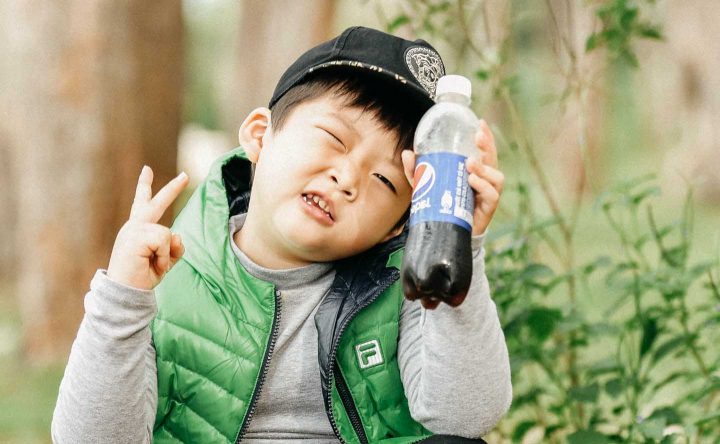
In children, the main vehicle for caffeine is soft drinks, which also contain a lot of sugar. This facilitates the development of caffeine dependence, and perhaps also contributes to an increased preference for foods and beverages containing added sugar. Sugar activates reward pathways similar to drugs like cocaine, amphetamine and nicotine.

A child consuming a soft drink

Childhood and adolescence are periods of rapid growth and the final stage of brain development. In order to maximize growth and development, adequate sleep and nutrition are essential. Caffeine use disrupts sleep patterns, and excessive soda consumption is associated with a poor diet, excess weight, and tooth decay. If caffeine increases preferences for sweet foods and beverages, it can contribute to excess energy intake, and increase the risk of overweight and obesity in adulthood. Children and teens can be particularly vulnerable to caffeine, as their brains are still undergoing significant development, in specific areas of the brain involved in executive function, impulsivity control and planning.

Consumption of energy drinks can lead to several negative consequences, especially in children and adolescents, because of their high caffeine content, explains Dr. Jennifer. First, she says, children and adolescents may be more susceptible to caffeine intoxication, which results in a number of physiological and psychological effects, and can in some cases lead to death.

Second, in addition to the harmful effects of energy drinks, they are often combined with alcohol as a way to increase the symptoms of euphoria. This can lead to increased alcohol intake and consequently an increase in harmful alcohol-related symptoms.

Third, excessive consumption of energy drinks has been associated with involvement in various high-risk behaviors, including smoking, drinking, illicit drug use, risky sexual behavior and fighting.

I want to end by leaving a text by a last century writer, who already gave us this advice over 100 years ago:

Tea and coffee do not nourish the system. The relief obtained from them is sudden, before the stomach has time to digest them. This shows that what the users of these stimulants call strength is only received by exciting the nerves of the stomach, which convey the irritation to the brain, and this in turn is aroused to impart increased action to the heart and short-lived energy to the entire system. All this is false strength that we are the worse for having. They do not give a particle of natural strength.((Ellen White. Temperance, p. 75. Pacific Press))

So the best attitude to caffeine is to avoid its use in whatever forms it is present in beverages and foods. It preserves your health, and your brain as well. Cutting caffeine out of your life is worth it!

Healthy Fruits

Stay Always Up to Date

Sign up to our newsletter and stay always informed with news and tips around your health.

Sign Up Now!

Filed Under: Children, Healthy Lifestyle, Teenagers, Temperance

How to Deal with Insomnia

February 13, 2022 by Dr. Cesar Vasconcellos de Souza - [rt_reading_time label="Reading Time:" postfix="minutes" postfix_singular="minute"]

Insonia

Insomnia is something that is profoundly affecting our lives. It is draining our energy, affecting our health, our mood, our relationships and much more. In this article we will have some tips how to take care of insomnia.

How to Deal with Insomnia

There are at least three types of insomnia:

  • Initial Insomnia: The person takes more time to fall asleep.
  • Intermittent Insomnia: the person sleeps, wakes up, sleeps, wakes up with many awakening episodes during the night.
  • Terminal Insomnia: the person wakes up very early, at dawn and cannot go back to sleep. In fact, this insomnia is the most common in cases of depression.

We can also distinguish between:

  • Transient Insomnia: Occurs only for a period of a person’s life. Usually because of some temporary short time stress.
  • Chronic Insomnia: it is the one that disturbs the person for many years.
  • Organic Insomnia: it is caused by some brain injury related to psychiatric diseases. In some way, all insomnia is organic because it affects the body.

Some studies show that insomnia is more common in people who are divorced, separated or widowed. It can also affect people with a low level of education, with low family income and unemployed, and may be more common in women than in men. Insomnia can arise when the person is overloaded with possible deep personal and interpersonal conflicts, in deep marital problems, in the face of unemployment, after an accident with hospitalization and in the absence of social support. Many have insomnia because they suffer from excessive anxiety, or because they stop breathing during sleep, overuse prescription drugs, or abuse caffeinated beverages. Night shift workers can also develop insomnia by desynchronizing the normal sleep-wake rhythm.

Among the drugs that promote insomnia are amphetamines used in formulas – these formulas to suppress appetite, also some antidepressants, binge drinking or chronic alcoholism. There are people who develop insomnia due to bad habits, such as having a television in the bedroom and watching TV until late, having a heavy meal at night, close to bedtime, for living in a noisy environment and sleeping during the day. And in the case of mental illnesses, insomnia appears in depression, and even more so in cases of excessive anxiety, in schizophrenia and in the individual with bipolar disorder, in the sense of getting very little sleep due to mental agitation and euphoria in the euphoric phase.

Watching TV in bed - Photo by cottonbro from Pexels

Psychologists and Psychoanalysts admit that insomnia can be the result of excessive anguish related to inner conflicts, in which the individual is unable to mentally elaborate what ails him. These conflicts overrun the protective function of the dream, generating a collapse of the dream’s symbolization function. They also believe that some people have insomnia because they have repetitive nightmares that cause them to wake up several times. This type of insomnia is normally related to a past traumatic event, or activated by a difficult existential situation, which produces an important burden of anguish for the person, generating a mental elaboration process during the night.

Tips to Deal with Insomnia

First, take care of your environment: Use a comfortable bed and pillows, a quiet, dark room with a pleasant temperature. Avoid noise, the presence of someone who snores in the environment and light, so as not to disturb your sleep. Use curtains or blinds to cut out the light coming in from the street. If you can’t use a curtain or blind, use a mask or small towel over your eyes. If you only feel comfortable and relaxed to sleep with some light, use a small, dim lamp next to your bedroom. But try to solve your anxiety so you can turn off the light. If there are other noises from the street or a factory nearby, for example, use earplugs.

Second thing is to change your lifestyle by exercising physically each day. Brisk walking in nature is the best thing to do. Do not sleep during the day. Go to bed only when you are tired and sleepy, always at the same time, even on weekends. If you can’t sleep, get up and go back to bed only when you’re drowsy. Maintain a routine of 7 to 8 hours of sleep a night. Always get up at the same time in the morning. Used to sleep late, after 22 hours? Get up earlier the next morning and your body will be ready to go to sleep earlier the next night.

Avoid obsessive thoughts like: Oh I’m not going to sleep! Oh my God, my mind won’t relax! Instead, think about this: I’m going to lie down, I’m going to relax and let sleep come. He will come when he can, just be patient with your organism. Don’t be mad at yourself because you don’t sleep. Don’t eat, don’t drink and don’t watch TV in the bed you sleep on. Avoid alcoholic beverages to try to sleep; do not ingest anything. If you get up in the middle of the night, don’t eat anything. Avoid too much liquid in the late afternoon, until bedtime.

The third aspect to help with insomnia is relaxing an hour before bed, for example, with a warm bath, avoiding TV. Swap stimulating reading for relaxing reading. Cultivate gratitude and joy. Avoid getting angry easily. Accept what you cannot change. Eliminate as much stress as possible. Avoid work overload. Take your meals calmly. Avoid assuming what is not your responsibility. Learn to say no so you don’t get overwhelmed. Look how much you can do, right?

A relaxing bath

Live today! One day at a time. Have a moment of relaxation in the middle of the day, it can be taking a walk after lunch, meditating at the Creator while looking at a beautiful landscape, saying prayers of gratitude throughout the day.

The fourth aspect is self-confidence. Research shows that people with a low level of self-worth are more prone to insomnia. So stop criticizing yourself, don’t reject yourself. And remember that even if you have a character flaw, as we all do, there is something positive that you have as well. We all have the ability to choose better behaviors. Practice setting boundaries for abusive people. You can speak firmly without attacking people.

The fifth aspect that helps with insomnia has to do with food and drinks. Eliminate stimulants such as coffee, black and green tea, chocolate, cola-type soda, guarana, and alcoholic beverages. Alcohol dehydrates, produces thirst at night and releases adrenaline that excites the brain. Eliminate food full of additives, fried foods, weight loss drugs, such as those that have amphetamines that cut sleep. Dinner should be a light snack, preferably two hours before bedtime.

A cup of coffee - Photo by Chevanon Photography on Pexels

The Sixth Aspect, Sleep Inducing Medications. Sleep medications should only be used for a short period of time, a maximum of four weeks, with extreme caution. A good alternative is hops, whose scientific name is Humulus Lupulus. Hop capsules with 250mg, using 2 to 4 capsules one hour before bedtime. Valerian, which is Valeriana Officinalis, can also be used in capsules with 250 mg, 2 to 4 capsules an hour before bedtime. Lemongrass tea, melissa or chamomile, help with sleep quality. Melatonin can be used under medical supervision for a short time.

The seventh aspect is psychotherapy. Cognitive-behavioral therapy was shown to be superior to zolpidem, which is a synthetic sleep inducer, in the study with 54 patients. In this type of psychological therapy, one learns to eliminate worrying thoughts, chronic pessimistic ideas, negative beliefs that disturb relaxation and thus disturb sleep.

Put these tips into practice and your quality of sleep will improve. Good sleep!

Healthy Fruits

Stay Always Up to Date

Sign up to our newsletter and stay always informed with news and tips around your health.
Sign Up Now!

Filed Under: Healthy Lifestyle, Sleep

« Previous Page
Next Page »

Primary Sidebar

Social Channels

Coronavirus Immunity Challenge

Boost your immune system to be bullet-proof for the pandemic.

I Want to Participate

Recent Posts

  • 5 Habits to Live Longer
  • Better Sleep Can Protect Against Dementia
  • Finding Peace In Your Crazy-Busy World
  • Flaxseed – An Ancient Plant Rediscovered
  • Platelets – Triggers for Life or Death
  • Boderline Personality Disorder
  • In Praise of Almonds and Nuts
  • Are You Stuck in the Clutter Trap?

Categories

  • Body Systems (16)
    • Cell Function (2)
    • Circulatory System (1)
    • Digestive Tract (10)
    • Immune System (4)
  • Diseases (27)
    • Cancer (2)
    • Cold (1)
    • COVID-19 (11)
    • Dementia (1)
    • Diabetes (1)
    • Digestive Diseases (2)
    • Heart Disease (2)
    • Kidneys (1)
    • Metabolic Syndrome (2)
    • Skin (1)
  • Healthy Lifestyle (42)
    • Exercise (11)
    • Gardening (2)
    • Sleep (7)
    • Sunlight (2)
    • Temperance (14)
    • Water (4)
  • Mental Health (87)
    • Addictions (6)
    • Anxiety (7)
    • Burnout (1)
    • Depression (7)
    • Psychosomatic Diseases (6)
    • Stress Management (45)
    • Trust (6)
  • Nutrition (56)
  • Obesity (9)
  • Phases of Life (14)
    • Adults (3)
    • Babies and Infants (1)
    • Children (3)
    • Seniors (5)
    • Teenagers (3)
  • Therapies (7)
    • Herbs (5)
    • Hydrotherapy (1)
  • Uncategorized (3)

Archives

  • January 2025 (1)
  • March 2024 (5)
  • February 2024 (4)
  • January 2024 (4)
  • December 2023 (5)
  • November 2023 (4)
  • October 2023 (5)
  • September 2023 (4)
  • August 2023 (3)
  • July 2023 (2)
  • June 2023 (4)
  • May 2023 (4)
  • April 2023 (5)
  • March 2023 (4)
  • February 2023 (4)
  • January 2023 (4)
  • December 2022 (4)
  • November 2022 (4)
  • October 2022 (5)
  • September 2022 (4)
  • August 2022 (4)
  • July 2022 (5)
  • June 2022 (4)
  • May 2022 (5)
  • April 2022 (4)
  • March 2022 (4)
  • February 2022 (4)
  • January 2022 (5)
  • December 2021 (3)
  • November 2021 (4)
  • October 2021 (6)
  • September 2021 (4)
  • August 2021 (4)
  • July 2021 (5)
  • June 2021 (4)
  • May 2021 (3)
  • April 2021 (5)
  • March 2021 (4)
  • February 2021 (4)
  • January 2021 (5)
  • December 2020 (3)
  • November 2020 (4)
  • October 2020 (5)
  • September 2020 (5)
  • August 2020 (3)
  • July 2020 (1)
  • June 2020 (1)
  • May 2020 (1)
  • April 2020 (1)
  • March 2020 (1)

Copyright © 2026 · Abundant Health - Privacy Policy - Medical Disclaimer