Abundant Health

Up to date health information tailored for you

  • Home
  • Blog
  • Recipes
  • Shop
  • Contact
You are here: Home / Archives for Martin Neumann

Martin Neumann

Dietary Supplements: Helpful or Hype?

September 25, 2022 by Martin Neumann - [rt_reading_time label="Reading Time:" postfix="minutes" postfix_singular="minute"]

Dietary Supplements

The supplement industry is estimated to generate a revenue of 37 billion dollars per year just in the US alone and continues to grow every year. Being such a lucrative market, companies are trying to churn the marketing machine to convince you at every price that you depend on their products to be in good health. What is the truth? Are those products really the key for perfect health, or are they only a marketing hype?
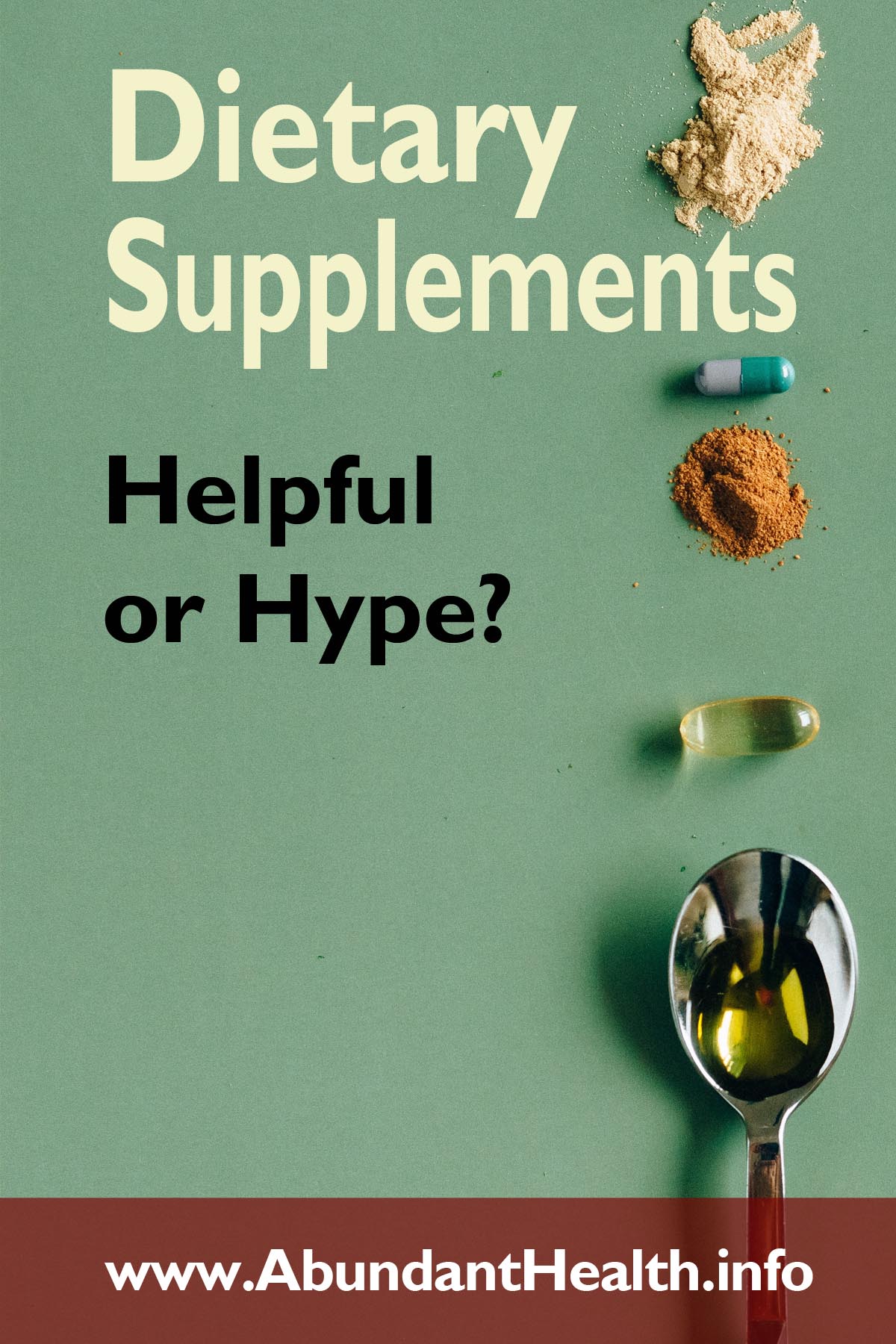
Dietary Supplements: Helpful or Hype?

Dietary Supplement Efficacy

A recent meta-analysis reviewed 84 studies in order to find an answer to this question. The results were astonishing. Although the study found a slight decrease in cancer risk for using a multivitamin supplement, there was no statistically significant benefit for cardiovascular health nor for all-cause mortality. Beta carotene supplements showed even a slightly increased risk of lung cancer and cardiovascular mortality. The study also concluded that vitamin E supplements could possibly increase your risk of hemorrhagic stroke and calcium supplements could increase your risk of kidney stones.((O’Connor EA, Evans CV, Ivlev I, et al. Vitamin and Mineral Supplements for the Primary Prevention of Cardiovascular Disease and Cancer: Updated Evidence Report and Systematic Review for the US Preventive Services Task Force. JAMA. 2022;327(23):2334–2347. doi:10.1001/jama.2021.15650))

Another study done in 2011 observed the supplementation status of 38,772 elderly women in Iowa and found actually an increase in mortality for those who used multivitamins and a number of other supplements. Only calcium supplementation was associated with a slight increase in longevity.((Mursu J, Robien K, Harnack LJ, Park K, Jacobs DR. Dietary Supplements and Mortality Rate in Older Women: The Iowa Women’s Health Study. Arch Intern Med. 2011;171(18):1625–1633. doi:10.1001/archinternmed.2011.445))

The conclusion: For a healthy person, your supplements are probably not worth their money. As a matter of fact, you are probably better off spending your money on healthy food. There are numerous studies that will show the benefits of a healthy balanced diet on your health and well-being.

An assortment of vitamin rich fruits

Harmful Supplementation

Like with most anything, the difference between benefit and harm lies in the dosage. Some vitamins and minerals can be harmful when the dosage is too high. When it comes to vitamins, there is a significant difference between water-soluble and fat-soluble vitamins.

Water soluble vitamins like vitamin C and the B complex are easily eliminated with the urine when levels are higher than needed. Excessive vitamin C can cause you some digestive issues, but beyond that you will not have much problems with overdosing water-soluble vitamins.

All other vitamins are fat-soluble and the body has no good mechanism to get rid of any excess. Vitamin D toxicity is rather rare and will occur only with extremely high doses. Vitamin A toxicity at the other hand is pretty common.

Vitamin A, C and E are antioxidants that are found in fruits and berries and are known to protect against several diseases, including cancer. Randomized trials with smokers showed though an increased risk for lung cancer for those who took beta carotene supplements, much to the contrary that the researchers expected.((The alpha-tocopherol, beta-carotene lung cancer prevention study: design, methods, participant characteristics, and compliance. The ATBC Cancer Prevention Study Group. Ann Epidemiol. 1994 Jan;4(1):1-10. doi: 10.1016/1047-2797(94)90036-1.
Albanes D et.al. Alpha-Tocopherol and beta-carotene supplements and lung cancer incidence in the alpha-tocopherol, beta-carotene cancer prevention study: effects of base-line characteristics and study compliance. J Natl Cancer Inst. 1996 Nov 6;88(21):1560-70. doi: 10.1093/jnci/88.21.1560.))

A meta-analysis tried to determine the effect of antioxidant supplementation on mortality. They found that beta carotene, vitamin A and vitamin E supplements all increased mortality risk, while vitamin C and selenium supplements showed no significant change in mortality. The quintessence of all those studies are, that antioxidant supplementation generally tend to be harmful.((Bjelakovic G et.al. Mortality in randomized trials of antioxidant supplements for primary and secondary prevention: systematic review and meta-analysis. JAMA. 2007 Feb 28;297(8):842-57. doi: 10.1001/jama.297.8.842.))

The problem actually seems to appear when antioxidant doses are higher than naturally found in our food. For example, wheat germs have the highest concentration of vitamin E in our foods, yet the dosage used in the trials were 10 times higher. Seems that high doses of antioxidants are causing the opposite of the desired effect. Pregnant women should be especially cautious about Vitamin A supplements, since excessive dosage can lead to congenital birth defects.((Rothman KJ, Moore LL, Singer MR, Nguyen US, Mannino S, Milunsky A. Teratogenicity of high vitamin A intake. N Engl J Med. 1995 Nov 23;333(21):1369-73. doi: 10.1056/NEJM199511233332101.))

Fresh carrots

In the mineral realm there is a potential for overdoses as well. For example selenium is very sensitive for overdosage. And we have seen already that excessive calcium supplementation can increase the risk for kidney stones. What is aggravating the problem even more are the interactions between different vitamins and minerals. For example, high doses of iron can impede the absorption of zinc. Additionally, some supplements can possibly interact with medications you are taking. It is a good idea to check with a doctor or nutritionist to get an adequate prescription of your supplements, that will really benefit your health instead of harming you.

Who Needs to Use Supplements?

There are cases where supplements can be very helpful to improve your health. It is a good idea to do regular blood work and know where you are standing. Vegetarians should carefully monitor their B12 status, and even for meat eaters, B12 deficiency is a growing problem, especially among the elderly. Supplementing with about 3,000 mcg weekly can prevent the serious health risks of B12 deficiency.

Vitamin D is another component that often needs to be supplemented since it is rarely found in food. During summer, the body is able to produce adequate amounts of Vitamin D, provided that you are getting plenty of sun exposure around lunch time. During the winter months it is difficult to get adequate amounts outside the tropical and subtropical zone. Supplementation of about 4,000 IU daily can resolve such a deficiency.

Shop for Reliable Supplements

Vitamin D

Vitamin B12

Pregnant women should take 400 mcg of folic acid daily, since it helps to prevent serious birth defects in the baby´s brain or spinal cord. Actually women who plan to get pregnant would be doing well in starting supplementation in order to prevent this problem, since the first weeks of pregnancy are the most critical moments to prevent this condition. During pregnancy, supplementation iron, calcium, Vitamin D and the DHA form of Omega 3 may be indicated as well.

A pregnant woman

The NIH recommends further to consider a supplementation of calcium and Vitamin B6 for the elderly above 50 years of age.((Dietary Supplements for Older Adults https://www.nia.nih.gov/health/dietary-supplements-older-adults)) Elderly people definitely have a limited absorption and are more vulnerable to nutrient deficiencies.

Certain digestive conditions like celiac disease, ulcerative colitis or gastric bypass surgery may limit your vitamin absorption and can make a multivitamin supplement an interesting option. Other situations like alcohol and tobacco use, excessive stress, prolonged medication, the use of contraceptive pills, and recovery from disease can all increase the necessity for some specific vitamins. And of course there are specific diagnosed deficiencies that need to be treated with proper supplementation. Your doctor or nutritionist can prescribe a supplementation in certain specific situations.

Of course, your vitamin intake will greatly depend on the food you eat. At least 5 portions of mostly raw fruits and vegetables are a must for an adequate supply. And we know that organic products have much higher vitamin concentrations than conventionally grown products. If you have a balanced diet and none of the conditions above, you should be probably doing fine without using a multivitamin or other supplementation beyond vitamin B12 and vitamin D.

What are the Best Supplements?

In the US, supplements are regulated as food, not as drugs. Supplement companies do not need to get an approval by the FDA nor do they need to prove that their products are safe or efficient. That means that you need to do your diligent research to confirm the quality of the product you are purchasing.

Look for a USP (United States Pharmacopeia) symbol on the label. This symbol indicates that the manufacturer followed good manufacturing practices, and that the supplements contain what the label claims. A GMP (Good Manufacturing Practices) certification is sometimes mentioned, but it has a different meaning, related to the quality of the production, while USP is mainly about the content of the pills. Also look for the expiration date of the supplements. There are many products out there that do not contain the labeled quantities, and others that are past their expiration date.
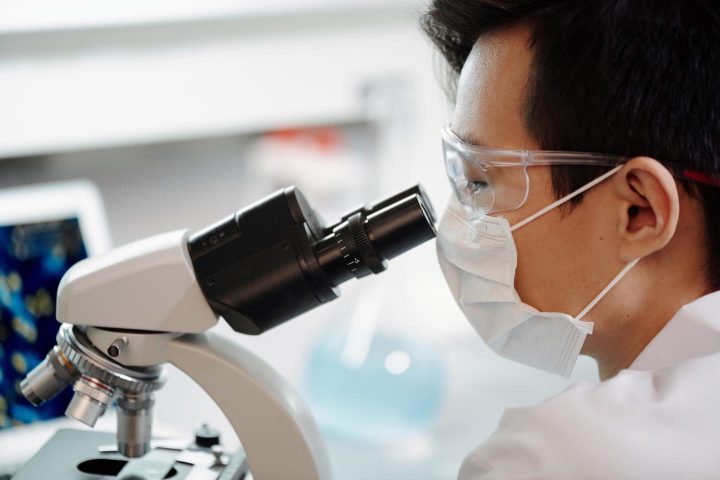
Quality control with a microscope

An additional bonus would be if the company performs peer-reviewed clinical studies about the efficacy of their products. Especially if they are double-blind randomized trials, this is a good sign that you are applying your money on a product that is going to give you a real health benefit, at least when applied at the condition that would indicate the need of the supplement.

There is also a significant difference between vitamins from food sources and synthetically produced components. In the natural state, vitamins have an intricate interaction with other micronutrients and phytochemicals, that will produce a benefit that goes far beyond an isolated substance.

In an observational study, more than 30,000 adults were questioned about their nutritional and supplement status, and being followed for more than 6 years. They concluded that adequate intake of vitamin A, vitamin K, magnesium, zinc and copper was reducing mortality from cardiovascular diseases, but only when the nutrients came from food. If they were supplemented, they failed to show these benefits. Isolated supplements rarely give you the same benefits that you get from real food sources.((Fan Chen et.al. Association Among Dietary Supplement Use, Nutrient Intake, and Mortality Among U.S. Adults. https://doi.org/10.7326/M18-2478))

Another study has found that 100g of apple with skin has shown the antioxidant activity that is equivalent of 1500 mg of vitamin C, even though that it contains only 5,7 mg of this vitamin. In other words, vitamin C contributed for less than 0.4% of its antioxidant activity, all the rest was supplied by a variety of phytochemicals contained in the apple. A synthetic supplement can never give you this benefit.((Eberhardt MV, Lee CY, Liu RH. Antioxidant activity of fresh apples. Nature. 2000 Jun 22;405(6789):903-4. doi: 10.1038/35016151.))

A nutritious apple

It is increasingly clear that a healthy person should obtain their vitamins and minerals mainly from fresh fruits and vegetables. If supplements are needed for any reason, they should be used in combination with the natural food sources of the micronutrient, in order to potentialize the benefit.

Another interesting option are supplements that are extracted from real foods. There are several companies like for example MegaFood, who provide supplements that are extracted from organically grown fruits and vegetables. This way, the synergistical benefit of the whole plant is to a large extent maintained within the supplement.

As a conclusion, not everybody will need to make use of supplementation. But if you need something beyond the basics, be sure to get a proper prescription from a doctor or nutritionist in order to get it right. Wherever possible, make use of food extract supplements instead of their synthetic counterpart, or combine the supplement with real food sources of the vitamin or mineral needed, in order to get the synergistic benefit that only real food can provide.
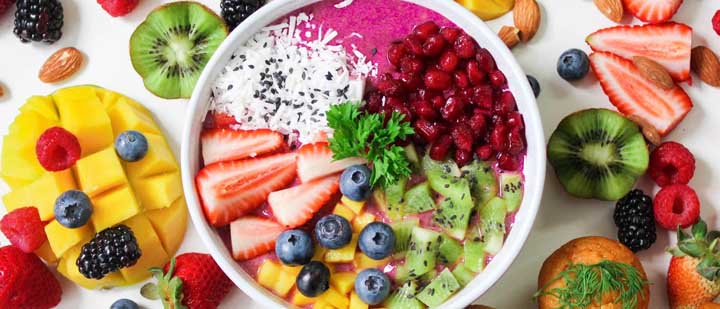
Healthy Fruits

Stay Always Up to Date

Sign up to our newsletter and stay always informed with news and tips around your health.

Sign Up Now!

Filed Under: Nutrition Tagged With: dietary supplements, supplement efficacy, supplement risks

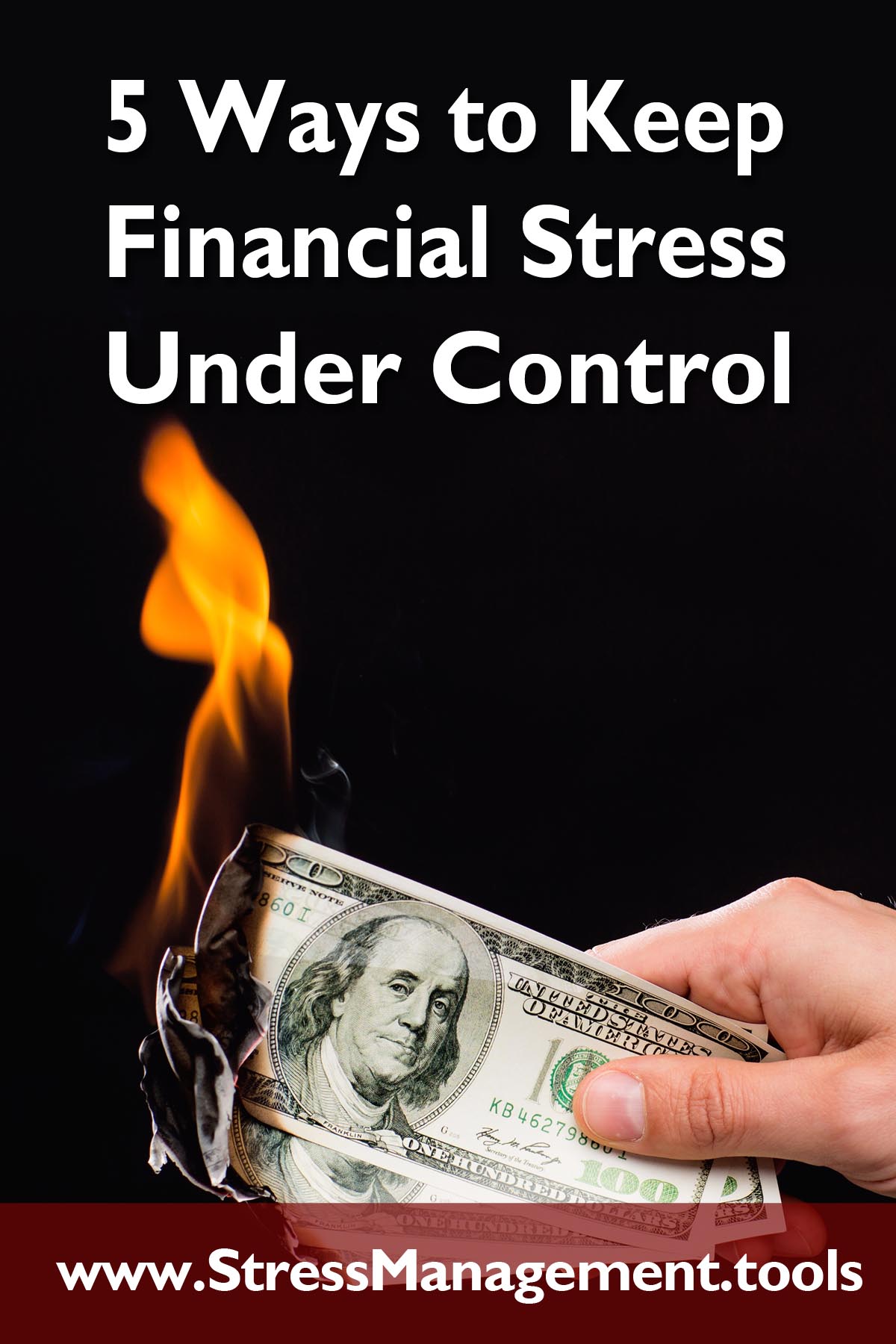
5 Ways to Keep Financial Stress Under Control

September 18, 2022 by Martin Neumann - [rt_reading_time label="Reading Time:" postfix="minutes" postfix_singular="minute"]

How to Keep Your Financial Stress Under Control

Right now, financial stress is causing a lot of turmoil for individuals and families around the globe. Actually, 87% of Americans are stressed about ever rising prices.((Stress in America 2022 https://www.stress.org/daily-life)) While many in the media might downplay it and tell consumers things might not be as bad as they seem, the truth is many are fearful about the economic outlook. Do you know how to navigate your finances in the midst of a financial crisis? This can be an important tool to control your stress in this difficult times.

5 Ways to Keep Financial Stress Under Control

It started with an influx of rising prices for groceries, which were blamed on supply chain shortages. Then gas prices skyrocketed, and blame was put on a distant war. Rent and mortgages are tripling and displacing many people from their homes.

It’s hard to remain calm when you’re finding that your dollar doesn’t stretch as far as it once did. Inflation and recessions are something we’ve been through before, but that doesn’t mean you have to sit idly by watching as your money struggles increase.

Instead, you can be an action-taker who doesn’t succumb to the stress of economic hardships and implement a plan that not only sustains your way of life, but allows you to thrive under poor financial conditions nationwide.

Don’t Be Afraid to Know the Truth About Where You Stand

You can’t stay stress-free if you don’t know the truth about what state your finances are in. Some people actively avoid looking into this because they feel it’s a dire situation and it’s easier to turn a blind eye than to face the reality of it.

There’s a level of guilt and shame knowing you’ve let your finances spiral out of control, but in this situation, you have to set that aside and handle your money so that things don’t get worse and put you in danger of a financial catastrophe.

Start with the roof over your head and the utilities that you need, such as water, electricity, phone and Internet. If you’re spending money on things like cable or streaming plans, jot those down, too.

Next, figure out how much you currently spend on food and gas as well as medical needs, clothing, and other bills. Once you’ve compiled those numbers, go through other debt you make regular payments on – such as retail and credit cards, loans, etc.

Doing accounting to determine a budget

Don’t get overwhelmed. This is a starting point for you to begin gaining control over the health of your bank account. You can’t do anything if you’re ignorant to the ruth of the matter.

Make sure you know the total amount due, the date it’s due, the minimum amount you need to pay each month, and the interest rate (if applicable). You’re going to want to meet your monthly needs first then plan for the repayment and pay off of the loans and debt that is weighing you down.

By the end of this exercise, you might feel like this burden is a lot to handle, but now you get to attack the money situation in a way that lets you breathe easy once again, so look to the immediate future from this day forward and don’t harp on what you’ve done in the past.

Know Your Necessities Versus Wants

For many, it’s hard to differentiate between needs and wants. Sometimes, you get so used to having something in your life that you feel as if it’s a necessity, when it’s really not.

You can chalk some things up as necessities easily, like food, electricity, gas, mortgage (or rent), and so on. You might easily be able to mark off a Starbucks or fast food as a want that you don’t really need.

The key will be for you to get tough on yourself and truly identify what’s necessary and what you can do without (at least for the time being). This doesn’t mean you have to always go without something, but you’re tightening up for a temporary pause while you get your financial worries cleaned up.

With the needs versus wants, you’re going to have to make some important decisions. Some things will be defined as a necessity, but the way in which you handle it financially is detrimental to you.

For example, you need clothes. But you don’t need designer clothes from an expensive store. You could get away with cheaper shops, hand-me-downs or even thrifting if necessary, depending on your current financial state.

Selecting clothes at the thrift store

The same goes with food. You need food – but you don’t need to order Door Dash three times a week from your favorite restaurants. You can plan and cook meals at home on a budget.

You might find working out to be a necessity for good health, but it doesn’t mean you have to keep your expensive gym membership. Instead, you can work out at home or outdoors.

These are decisions that might be difficult for you to explain to the rest of your family. But if you’re in charge of the financial health of your household, it may be a discussion you have to have.

Your kids may feel like they need Netflix, but the truth is, it’s a luxury that not everyone can afford. They may say they need their phone, but they don’t need unlimited text and minutes if you can’t afford a plan like that.

Go through your list to identify what’s necessary and what’s simply a desire to have, and if something is in the necessity column, look for ways you can alter spending to save you money.

Start Operating on a Budget That Works

Budgets are the self-control you need to get yourself on the right track financially. Most people don’t live on a budget, instead spending whatever comes in and hoping they can make it until the next payday.

You have to have willpower and control over what you allow to be spent out of your income. In normal times you should have a three-pronged system where you have money going toward necessities, some toward an emergency fund and a tiny bit toward things you don’t need, but want. If you have debts, you of course pay them back before creating an emergency fund.

Your budget has to fit within your income. So that may mean that instead of spending $250 a week at the grocery store, you only allow yourself $200 or even $175. To achieve these budgetary goals, you’ll need to spend some times planning.

You may need to create an affordable meal plan with rice and beans or pasta dishes that stretch far, fruits that are in season selling for a cheaper price, and store brands instead of brand name products.

If, to date, you’ve allowed everyone to pretty much place an order from the store for whatever meals they want, you might need to start preparing one meal for the entire family that everyone has to eat.

A family working together on meal preparation

Instead of using fresh broccoli crowns, you might use a bag of frozen ones and save money that way. Do the same with every expense you have when you’re preparing a budget.

Allot a specific amount for gas. If that means you can’t drive somewhere, then that’s what it means. You may need to carpool or take public transportation. You can also plan your errands strategically so that you’re traveling in a logical order and not zigzagging all over town back and forth.

If you come to an item in your necessities list and it looks as if your budget has run out already, look over it again and see what can be cut or transformed in terms of spending that will open up new funds for the necessity in question.

Living on a budget can be uncomfortable in the beginning. But the reality is, once you get used to it, you can feel peace of mind knowing you’ve properly planned for your spending in a way where you know your needs will be met.

Get Everyone in the House to Pitch In

When it comes to tackling a financial crisis, this is not a task you do silently on your own while everyone else lives life as usual. It’s important for your spouse and children to be aware of what you’re working on.

It’s important that you approach it the right way. You don’t want to start crying and talking in a panic about how broke you are or how you worry about losing the roof over your head or not being able to eat.

Kids don’t need to know the intricate details. What they can know is that right now, the nation (and world) is experiencing some high prices and limited income, so everyone has to be onboard to tighten up spending and get through this.

When kids know there’s something happening, they will want to help out. They’ll know not to ask for luxuries like a new gaming system or a big birthday party with their entire class being invited to an expensive place.

You can reward their ability to pitch in with ideas such as inexpensive meals the family may all like or family outings that don’t cost a penny. You might take turns letting them choose from this sort of thing so that they feel like they’re assisting mom and dad in their efforts to get through a financial tough spot.

A family going for an outing

Your spouse will definitely need to be onboard to help. Sometimes, only one parent or spouse handles all of the finances. No matter what the situation is, in terms of debt you’ve accumulated, now is the time to be honest with them so they can be mindful of their spending, too.

They need to know that lunch will be meal prep and not fast food, that the morning Starbucks is off the budget for now, and that now is not the time to upgrading things that can wait.

Because you might be working longer hours or even just stressed from handling the finances, it’s important that you get everyone to help in other ways, too. They can help with chores to allow you to either work on a side hustle in the evenings or do the other things you need to do to work within your budget, like cooking dinner or fixing lunches for the following day.

You might have teens who are old enough to work. If so, let them get a job so that they can begin earning their own money for extra activities or even new clothes if they want something trendy that you can’t afford in that moment.

Make Your Income Grow Steadily

Taking care of your income and spending based on what you have coming in and going out now is a priority. But when the dust settles and you have a budget and plan working for you, it’ll be time to bump up your earnings to take the pressure off a bit.

You may want to look into getting some extra income. Start with your current career. Have you been there long enough or have any qualifications that will make you eligible for a raise? Is there a different position within the company you could apply for in order to earn more?

What about adding on a second job? Some people work more than one job just during tough financial times so that they can afford their needs and wants better. You could have one fulltime job and a parttime job a few hours per week.

If you want to, you can also add a side hustle. This is similar to a second job, but you’re usually working more for yourself or as a freelancer than being a permanent employee who is assigned work hours.

If you have a car, you might want to sign up for companies like Uber, Uber Eats, Lyft, Door Dash and other delivery services or rideshare programs. Even if the payout is not much, you’ll set your own hours and earn money that includes tips.

You can also start your own online business if you want. There are many options for people who may need to be home with their kids in the evenings, but still want to add to their income streams.

You can teach some classes online for kids, and parents will be willing to pay for getting their kids up to par on subjects that they were falling behind. Sometimes they are even willing to invest in teaching their kids some extracurricular skills.

Teaching online as a side income

Freelance workers online can do administrative work for companies or entrepreneurs. You can do administrative tasks, ghostwrite content for brands who need things like blog posts, emails and eBooks, or create graphics if you’re good with programs like Photoshop.

You might want to create your own info products like video or text courses. Or, start a blog where you make recommendations for a niche audience where you earn a commission for every sale that goes through. It will take some time to learn the trade of online marketing, but if you get it right, it can give you a steady income.

There are many different platforms you can use to promote something and earn money – including Amazon, Etsy, ClickBank, Share-a-Sale, Commission Junction, Warrior Plus and JVZoo. Don’t sit idly by trying to survive on your current income when there are endless opportunities at your fingertips that can alleviate the financial stress you currently feel.

Now you need to decide how much time you want to spend on extra jobs. If you are threatened by a mortgage foreclosure, you may want to get some extra money at any price. But if you alleviated your debts, you need to decide between some extra income to sustain your lifestyle, or simplifying your lifestyle and having extra spare time to spend with your family.

As a conclusion, financial planning is essential if your finances are tight, and will help you to overcome even a tough economic crisis like we are passing through right now. That will help you quite a bit to get an important stress factor under control.

Do you need a guide to help you understand how to cope with Stress in an all inclusive approach? Learn how to combat stress, mentally, physically, emotionally and strategically in your life.

Get Me the Guide

Filed Under: Mental Health, Stress Management Tagged With: budget, financial stress, Stress Control

What is Causing Stress for Seniors?

July 24, 2022 by Martin Neumann - [rt_reading_time label="Reading Time:" postfix="minutes" postfix_singular="minute"]

Stress for Seniors

By the time you’ve reached the twilight of your life, you still face a very unique, yet very real set of stresses. The stress that elderly people face is much different from that of any other age group, and as such, many people younger than them don’t know how to help, because they simply can’t relate as they’ve never experienced these things themselves.

What is Causing Stress for Seniors?

Some people are kind of lost when they retire, because work has been their focal point for all their life, and gave them a certain kind of satisfaction. Once they retire, they kind of lose their purpose and do not know what to do all day long. This is such a kind of change that can cause you an existential stress, even though your responsibilities have diminished all of the sudden.

Others want to catch up on all of the things they had no time to do while they were working. So they pack their agenda with all kinds of activities and are eventually busier than somebody who is on his 9 to 5 job.

One of the most prevalent factors of stress at this age is simply death. Most people don’t live past their eighties, with exceptions, of course. Once you start approaching that age, you realize just how little time you have left.

There’s this constant pressure to make your life feel complete by the time you pass away, so there’s this major stress you have to face in trying to do all of these things you always wanted to do.

Of course, this isn’t always entirely feasible, because chances are, you wouldn’t be as mobile at this point. Once you really start to climb in age, your mobility just gets worse and worse, and in some cases, you might even be wheelchair bound.

Some elderly people remain mobile their entire lives, while others might end up stuck in a wheelchair or bedridden early on. Along with a variety of other health problems, physical health is something very worrying for people this age.

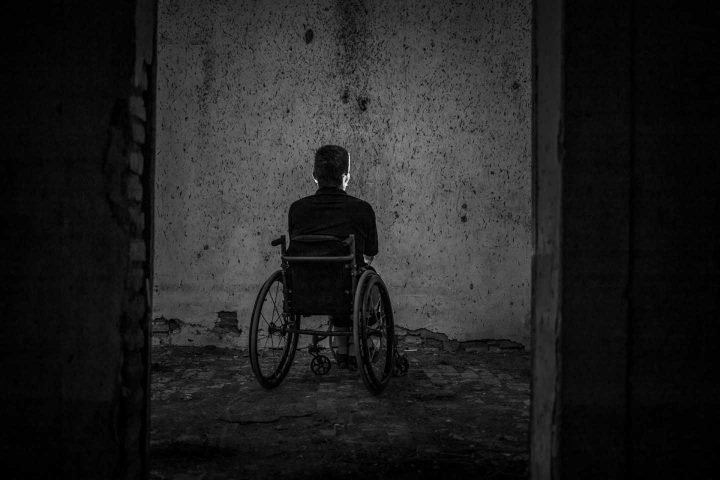
A senior in his wheelchair

Another cause of stress for people sixty and over is that they often see their circle of family and friends shrinking each year from them passing away. Parents and older siblings may have passed away, or even their spouse.

This can cause an immense feeling of loneliness, with many of the people you once knew no longer being in your life. This also accompanies the first major factor, with people wondering whether or not they’ll be the next one in their circle to pass away.

With that in mind, one of the final causes of stress in older people is that they are often secluded and don’t see much attention. Without the mobility or energy to go out, with so many friends passing away, many older people don’t have a reason to do much – besides sit at home and watch TV or read.

Some are a bit more active, but regardless, it’s very difficult for them to do anything. Some have no form of transportation, even if they did feel like going somewhere. It’s not easy at all to recognize stress in older people, as they typically contain it very well.

They’re often overlooked when it comes to thinking about people who get stressed out, because they don’t necessarily do much. They’re likely retired, and spend most of their time at home watching television.

For many people, that sounds like a great time, but for them, it’s just the only thing they can do for entertainment, since it’s so hard for them to go out and about. One way you can tell that they’re a bit stressed is that they’ll start to eat a lot less.

By ceasing to take good care of themselves, they’ve essentially just given up. This can be dangerous, because if they’re not taken care of, they might end up having some serious health issues, since their bodies aren’t anymore in top physical condition.

Another big sign of stress in older people is that they just kind of stop caring. At some point, when most of the people you once knew were gone, and you will be soon, it’s difficult to find genuine joy in just about anything.

The few things you might have been able to enjoy are often too physically demanding, leaving you with so few options that you’re simply uninterested in anything else. There are some solutions that can make older people’s lives much better.

For example, it’s very important that they continue to be social, even if their old friends aren’t with them any longer. There’s no harm in being social with your kids or grandkids, and it gives you a much needed opportunity to get out of your shell once in awhile.

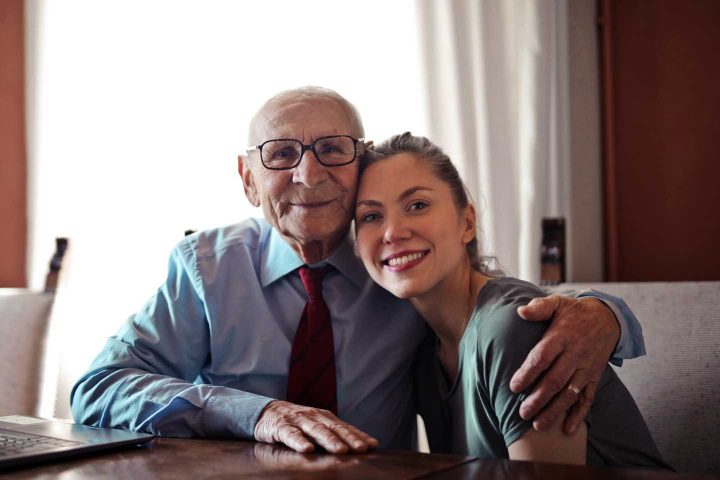
A senior being social with family

It’s not healthy to go from being social your whole life to suddenly being reclusive. You’re just not meant to endure that kind of change. It’s very, very important that you come to terms with the life you’ve lived by this point.

Living the later years of your life full of regret is not good, so just learn to be happy or accepting of the life you’ve had. There’s no sense in worrying about the past since you can’t change it, so you might as well do something more enjoyable than just worrying all day.

It can be good to reminisce about old times, but you shouldn’t spend an excessive amount of time on it. Looking back through an old photo album once in awhile with some family or friends and talking about the past can be a great way to fondly remember exactly what your life was like, but if you dwell on it or obsess over it, you’ll just start to become sad that you’re not there now.

It helps to just change things up a little here and there to break up the monotony. Get food from some place new, perhaps take a tour of a place you’ve never been to. Little things like this can make all the difference, because you’ll be able to essentially scratch something off of your bucket list, leaving you with one less thing to be able to regret.

Elderly woman having fun outside

Stress can be at your side through your entire life. As a toddler, you may have endured a volatile family situation, then gone through bullying in school. You followed that up with bad decisions in college, and financial and career stress as a young adult.

As you aged, you experienced relationship stress, health stress and the looming stress of getting older. Because it’s something that everyone deals with in one form or another, it’s important that you learn to recognize when you, yourself are stressed as well as your loved ones.

Knowing stress is getting out of control can alert you that it’s time to seek out a solution or remedy. Because everyone is different, the treatment that works for one person may not work for another.

You might need professional help, or be able to handle it on your own, naturally. You also may need to experiment with a variety of stress relief solutions and find one or a combination of things that work best to alleviate your concerns and help you enjoy life and remain calm on a consistent basis.

Do you need a guide to help you understand how to cope with Stress in an all inclusive approach? Learn how to combat stress, mentally, physically, emotionally and strategically in your life.

Get Me the Guide

Filed Under: Mental Health, Phases of Life, Seniors, Stress Management

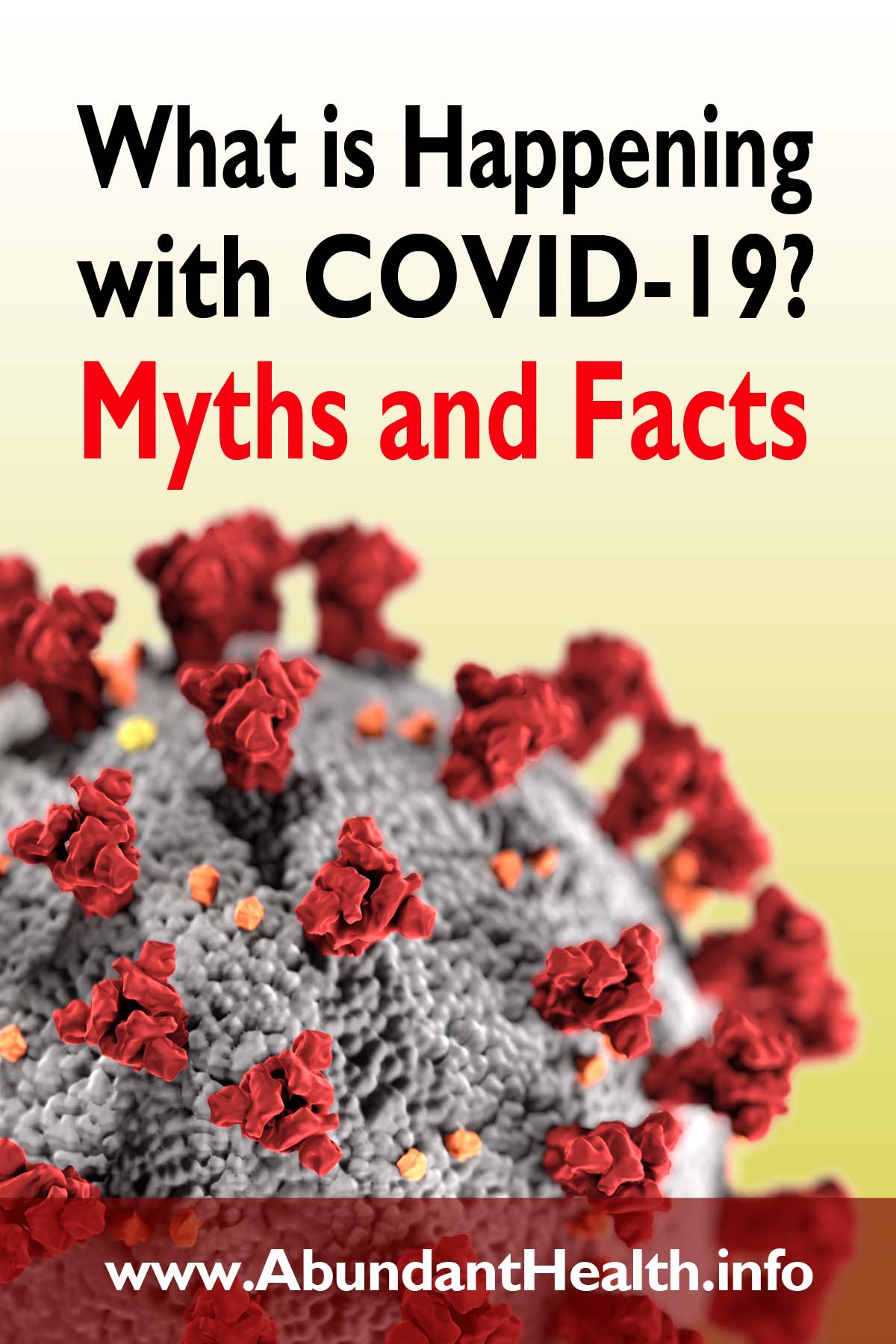
What is Happening with COVID-19? Myths and Facts

July 17, 2022 by Martin Neumann - [rt_reading_time label="Reading Time:" postfix="minutes" postfix_singular="minute"]

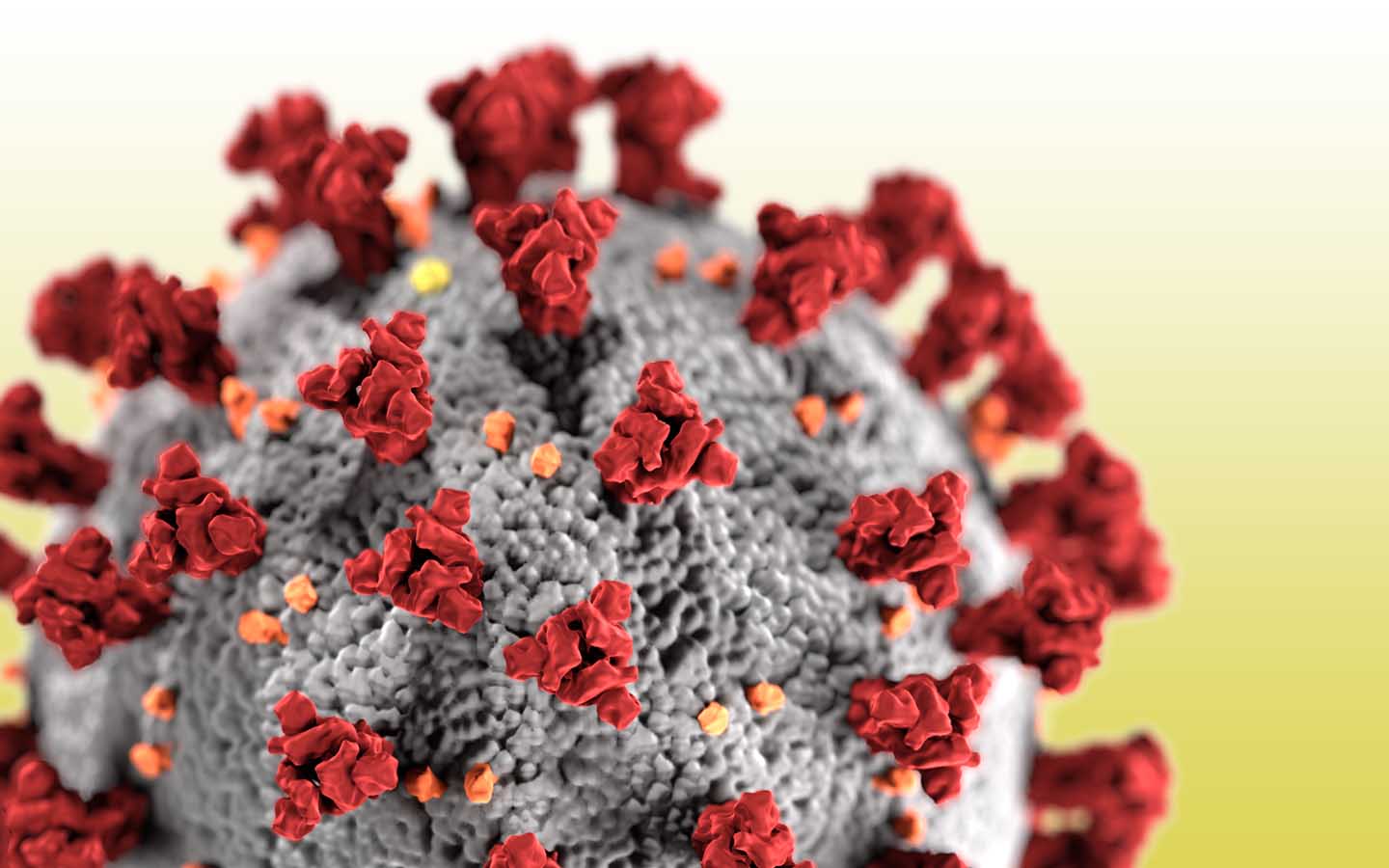
COVID-19 Myths and Facts

The pandemic has affected the life of all of us in very dramatic ways. While dealing with that crisis, we have seen much of conflicting advice, changes in polices, questionable statements, and a counterreaction in the population leading to a widespread distrust and all kinds of conspiracy theories. What are the facts? What are the myths? How can we know?

What is Happening with COVID-19? Myths and Facts

Although it will be difficult to get a final answer to all the questions raised, we want to give a critical look at the evidences and try to discern a little bit on what might be going on behind the scenes.

Is the pandemic already over?

Since mask mandates were lifted for the most part, the impression may arise that the pandemic is coming to an end. Although some countries have seen a significant reduction of infections and deaths, the pandemic is far from being over. On a worldwide scale we are still seeing about 850,000 new infections and 1,500 deaths registered daily. Furthermore, reduced testing is kind of skewing our statistics of real cases. And even in the US, there are still about 100,000 registered cases every day, which is close to the average we have seen during the entire year of 2021. Daily deaths have though declined quite a bit.((Statistics: Worldometers
USA: https://www.worldometers.info/coronavirus/country/us/
Worldwide: https://www.worldometers.info/coronavirus/))

How is the Pandemic going to end?

This is a question that has been on everyone’s mind since the COVID-19 pandemic started. The good news is that it seems to be slowly ending. The bad news is that we don’t really know how it will end. There are several possible scenarios for how the pandemic will end.

At the moment, new variants tended to be more infectious, but less dangerous. If a large number of the population gets infected, it is probable that a large enough number reaches some kind of immunity, the number of new infections decreases and we reach endemic levels. In this scenario, the number of new infections decreases until it reaches a point where there are just enough new cases to sustain the disease. It’s possible that this could happen, but it’s also possible that a new wave will appear after an unexpected new mutation of the virus.

What is complicating the situation is, that constant mutations and dwindling antibodies make it quite unlikely that herd immunity will stop the spread of the virus. We probably have to coexist with this virus for a while, but most likely it is going to be less of a problem as time goes on.

What are the treatments for COVID-19?

A WHO study done pretty early in the pandemic was testing a few promising treatment options in hospital settings, including hydroxychloroquine. Patient in intensive care did not get any improvement from any drug applied, including Remdesvir, an antiviral drug widely applied during the pandemic. This created a widespread belief that hydroxychloroquine is not efficient for COVID-19 treatment. Interestingly Remdesvir was continued to be applied, even showing its inefficiency in intensive care setting.((WHO Solidarity Trial))

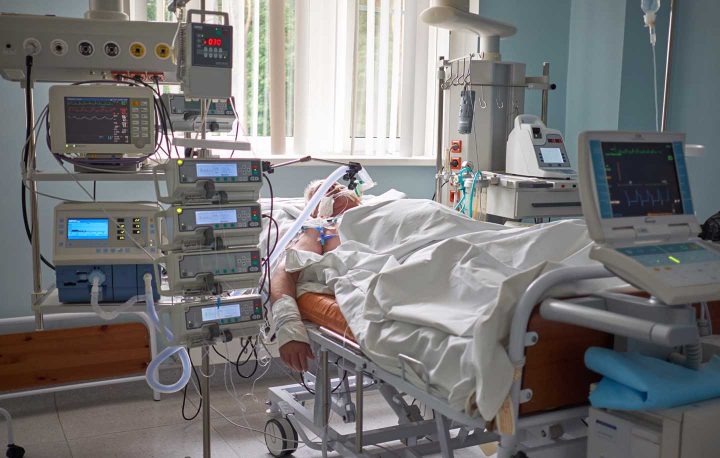
An intubated patient at the Intensive Care Unit

In early treatment, the situation is completely different. For Ivermectin, several independent meta-analyses showed benefits for prevention and treatment alike.((Hill A et.al. Meta-analysis of randomized trials of ivermectin to treat SARS-CoV-2 infection. DOI:10.21203/rs.3.rs-148845/v1
Ivermectin is effective for COVID-19: real-time meta analysis of 49 studies. https://ivmmeta.com/
Lawrie T. Ivermectin reduces the risk of death from COVID-19 – A rapid review and meta-analysis in support of the recommendation of the Front Line COVID-19 Critical Care Alliance. https://www.e-bmc.co.uk/)) But still, Ivermectin continues to be the most praised and most criticized drug of the pandemic and there is still lots of controversy how efficient it really is. Hydroxychloroquine had a similar fate. Even though I am not aware of any solid meta-analysis, some studies showed some slight benefits of its use. It is known that it helps the transport of zinc into the cell, which is essential for immune function, but no study was attempted to test hydroxychoroquine in combination with zinc. It seems that political motives are having a strong influence on science. One motive to downplay those treatment option was probably, that an emergency authorization of vaccines and drugs would not have been possible, if effective treatment options were available.

Going away from drugs, we have studies showing efficiency of Propolis even in hospital settings.((Duarte Silveira M A et. al. Efficacy of propolis as an adjunct treatment for hospitalized COVID-19 patients: a randomized, controlled clinical trial. Doi https://doi.org/10.1101/2021.01.08.20248932)) We know that Vitamin D is highly effective in preventing and treating a COVID-19 infection, and many other supplements and herbs could be just as effective, even no studies are available to prove this. We have an article on COVID-19 treatment going more into details on many of those points.

Are vaccines really protecting against COVID-19?

Well, that is a tricky question, involving many different parameters. First trials of the Pfizer vaccine showed an efficacy of 90% to protect from infections. However, a study from Israel suggests that protection for infection is reduced to 75% after 3 months and it dwindled to 16% after 6 months.((Jeffay N. Israeli, UK data offer mixed signals on vaccine’s potency against Delta strain. The Times of Israel, June 22, 2022)).

How do we explain this difference? We know that antibodies against COVID-19 are dwindling with time. That means, a vaccine will prevent you fairly well from infection in the first 3 months, but after 6 months, the protection against catching the virus is minimal. However, as antibodies are dwindling, memory B Cells are still keeping a memory of the virus, and can quickly produce antibodies during a subsequent infection. For this reason, protection against hospitalization is still around 80% to 90% and will probably stay so for years to come, until the virus mutates too much, turning current vaccines inefficient.(( Jeffay N. Israeli, UK data offer mixed signals on vaccine’s potency against Delta strain. The Times of Israel, June 22, 2022
Craig E. Pfizer’s Covid vaccine efficacy against infection plunges to just 20% after six months – but protection against severe illness barely dips, study concludes. Daily Mail, October 6, 2020))

Do I need a booster shot to be protected?

We basically answered the question by looking on how immunity works. Even if you get a booster shot every 6 months, for half of the time you are still pretty much unprotected against catching the virus. However, the intensity of the infection will be less because of memory B cells kicking in. That will be true with or without a booster shot.

Some studies suggest that booster shots are increasing the protection against variants like Omicron. Looking closer at the data you will see that a booster shot with the Pfizer vaccine gives only 2% improvement in immunity compared to somebody who got the 2 dose vaccine recently. Boosting a Pfizer vaccine with a Moderna shot gave an improvement of 8%. For a completed 2 dose Moderna vaccine, protection for Omicrom was at 74.1% the first 2 weeks after completing the 2 dose regime. After the booster shot it was only 66.3% 2 weeks after the booster. In practical terms, the booster shot can just refresh your antibodies, which are again dwindling over time. Besides that, it does not really provide better protection for the Omicron variant.((Andrews N et. Al. Covid-19 Vaccine Effectiveness against the Omicron (B.1.1.529) Variant. N Engl J Med 2022; 386:1532-1546 DOI: 10.1056/NEJMoa2119451)) Protection against severe disease should be valid again without any booster shot. In Germany, the vaccination commission does not recommend a second booster shot, because it is not going to improve your long term protection.((„Impfung bietet keinen längerfristigen Schutz vor Infektion“, betont Stiko-Chef welt.de, 24.10.2022))

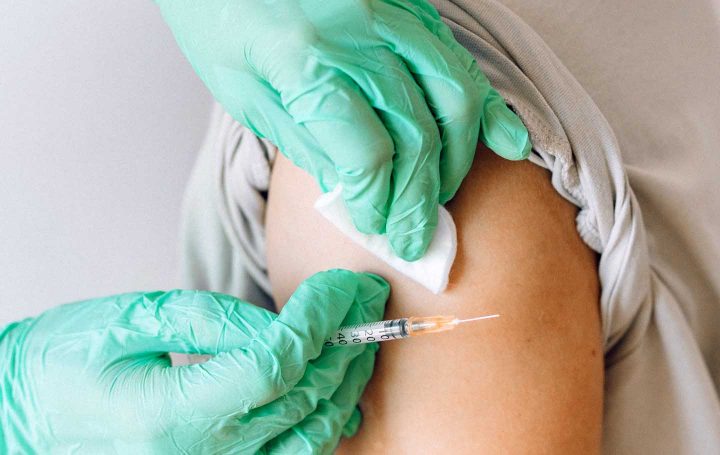
A man getting vaccinated.

If I was infected from COVID-19, do I still need to be vaccinated?

In some countries, being infected is considered to have equal rights as getting the vaccine, for the first 3 to 12 months after the infection. Similar to the vaccine, antibodies will diminish over this time, but memory B cells will give a long-lasting immunity, protecting against severe disease outcome. The immunity aquired by an infection is therefore very much comparable to a vaccine.((Turner, J.S., Kim, W., Kalaidina, E. et al. SARS-CoV-2 infection induces long-lived bone marrow plasma cells in humans. Nature 595, 421–425 (2021). https://doi.org/10.1038/s41586-021-03647-4
Rodda LB, et.al. Functional SARS-CoV-2-specific immune memory persists after mild COVID-19. Res Sq [Preprint]. 2020 Aug 13:rs.3.rs-57112. doi: 10.21203/rs.3.rs-57112/v1.))

Some studies suggest that an infected person can increase the immunity still more by getting the vaccine, concluding that a combination of acquired immunity from the disease and vaccination will give the best form of protection. Nevertheless, the infection by itself is already giving the same immunity then the vaccine by itself, some studies showing even stronger protection than the vaccine. Having been infected will make a vaccination unnecessary. A recommendation to get vaccinated after being infected is based more on politics then on scientific evidence.((Dra. Sheena Meredith. Covid-19: Por que estamos ignorando a imunidade adquirida com a infecção? Medscape, July 14, 2022))

What are the risks of COVID-19 vaccines?

Some vaccines like CoronaVac or Covaxin are using the inactivated virus to create an immune response. The technology involved is not much different than any other vaccine we used during the last few decades. This kind of vaccines should be fairly safe in relation to side effects. CoronaVac was though criticized quite a bit because of limited efficacy to prevent against disease and hospitalization.

At the other hand, mRNA vaccines like Pfizer and Moderna and viral vector vaccines like the AstraZeneca and Johnson&Johnson vaccine are new technologies that include gene-manipulated substances that are instructing body cells to replicate the spike protein. These are technologies that never have been deployed in large scale to the public, since technological problems were still manifold. During the need of the pandemic, approval of this new technologies has been fast-tracked in order to help to resolve the crisis. There is much that is still unknown about long-term side effects of those technologies, and anybody who is concerned about putting GMO foods into their stomach, will be probably concerned about injecting a gene-manipulated substance into the bloodstream as well.

RNA replication

There was much discussion whether those technologies will manipulate the DNA of the human body. For the mRNA vaccines this is quite unlikely, since they are replicating the spike protein through channeling a RNA structure into some of your body cells, and instructing them to replicate the virus. In this technology the substance is not entering the DNA at all. The viral vector vaccines are different, since they are really entering the DNA and instructing that way the cell to produce the spike protein, very similar than many viruses will do. This would be potentially the riskiest among those vaccine technologies involved.

While those questions of the unknown may be a concern for many, let’s focus on something we know to be a problem, and that are the spike proteins. Studies have shown that this spike protein is able to damage cells independently of the virus itself.((Lei Y et.al. SARS-CoV-2 Spike Protein Impairs Endothelial Function via Downregulation of ACE 2. Circulation Research. 2021;128:1323–1326 https://doi.org/10.1161/CIRCRESAHA.121.318902))

Another study showed that spike proteins are able to influence cell signaling and could lead to PAH, a serious lung disease, blood clotting, coronary artery disease, hypertension and stroke.((Suzuki Y et. al. SARS-CoV-2 Spike Protein Elicits Cell Signaling in Human Host Cells: Implications for Possible Consequences of COVID-19 Vaccines. Vaccines (Basel). 2021 Jan; 9(1): 36. doi: 10.3390/vaccines9010036)) The spike protein can also damage the blood brain barrier and cause unpredictable brain damage, that shows up in several symptoms, for the disease and the vaccine alike.((Buzhdygan TP et.al. The SARS-CoV-2 spike protein alters barrier function in 2D static and 3D microfluidic in-vitro models of the human blood-brain barrier. Neurobiol Dis. 2020 Dec;146:105131. DOI: 10.1016/j.nbd.2020.105131))

With an inactivated virus, like used in CoronaVac, the exposure to the spike protein will be quite limited. The newer vaccine technologies instruct though the body cells to produce spike proteins, and literally inundate the entire body with this damage causing substance.

It is important to note that the spike protein of vaccines was modified in order to cleave to cells and not enter into them, so not all findings of the studies may apply equally for the spike protein of the vaccines. It would be interesting to make some studies with both spike proteins to have a clear comparation between the two, but as far as I know this was not done so far.

Now what do we have on real world statistical data? There is a reporting system, that collects potential side effects of any vaccine applied or produced in the US, called VAERS (Vaccine Adverse Effect Reporting System). In normal years there are reported around 150 deaths for all 70 registered vaccines combined. Now for the COVID-19 vaccines we have already close to 16,000 deaths reported in the US alone, during the 1 ½ years that the vaccines were applied.((Original VAERS dataset: https://wonder.cdc.gov/controller/saved/D8/D173F192)) Data from other countries who have a reporting system in place is not much different.

Of course, we know that a reported incident in the system does not prove that it was really caused by the vaccine. There may be some deaths reported, that were randomly happening after the vaccination, but were not directly caused by the event. At the other hand, the reporting system is completely voluntary, and only a small percentage of all incidents are getting really reported. Some estimates will go that the real number would be about 5 times higher. Even though it is very hard to come up with any exact numbers, we can deduce that the COVID-19 vaccines are not quite as safe as your common flu shot.

In order to be fair, we need to put this numbers into perspective. Even if we estimate somewhere around 100,000 deaths by the vaccine, we need to contrast that to about one million deaths by the virus in the US territory. Going with the assumption that the vaccine helped to control the spread of the virus, the vaccine still helped to save lives.

At the other hand, the statistics of side effects and deaths are high enough to be of a serious concern, and should cause a constructive discussion in scientific circles. This discussion though is not happening. In the media, any mention of serious vaccine side effects is actively suppressed. On Facebook, groups reporting vaccine side effects are getting deleted. The government did a simplified reporting system called V-Safe, where anybody could report side effects of the COVID-19 vaccines from their cell phone, but the data is not made publicly available. Censorship prevails at every corner. And it seems that even scientific studies are tweaked in order to support the politically correct narrative. If there is any discussion at all about vaccine safety, it is most likely to be emotionally loaded, with everybody defending their position and no constructive dialogue involved.

Robert Malone is a scientist that was involved in the invention of the mRNA technology. He made on a LinkedIn post the following statement about the current COVID-19 vaccines:

Once again I feel it necessary to make a clear and unambiguous statement. The data strongly indicate that the experimental genetic vaccines, including the mRNA and recombinant adenoviral vaccines, have saved lives. Many lives.

But it is also increasingly clear that there are some risks associated with these vaccines. Various governments have attempted to deny that this is the case. But they are wrong. Vaccination-associated coagulation is a risk. Cardiotoxicity is a risk. Those are proven, and discussed in official USG communications, as well as communications from a variety of other governments.

Based on what I have seen, I believe that other toxicity risks will become more apparent. These include menstrual irregularities, development of thrombocytopenia, cerebrovascular effects, and reactivation of latent viruses such as clinical shingles.

But we do not know how prevalent these are, and the spectrum of severity is unknown and possibly unknowable because the V-Safe database is not being shared outside of CDC, the VAERS systems is deeply flawed, and we just do not have the comprehensive safety data necessary to accurately evaluate risk/benefit for the various cohorts – elderly, healthy normal adults, immunocompromised, pregnancy, adolescents, children, and infants. Particularly the long term safety data necessary to evaluate risks such as autoimmune complications that may manifest months or years post-vaccination. That is just a sciencefact.

Robert Malone

This is just one example of many thinkers in scientific circles who call for an unbiased scientific discussion of vaccine safety, especially in some more vulnerable subgroups.

Are COVID-19 vaccines safe for pregnant women?

There are several studies who tried to evaluate exactly this question. While there is some adequate data for vaccine safety in the second and third trimester, it gets more complicated in the first trimester of pregnancy, which is exactly the most critical phase.

A silhouette of a pregnant woman at a sunset

One study assessing the safety of the vaccine during pregnancy concluded that the abortion rate of women vaccinated in the first trimester would be 12.6% and the published rate for the normal population 10-26%. Looking at this data, they concluded the vaccine was totally safe, even in the first trimester of pregnancy.((The results are in table 4 of this study:
Shimabukuro TT, Kim SY, Myers TR, et al. Preliminary Findings of mRNA Covid-19 Vaccine Safety in Pregnant Persons. N Engl J Med. 2021;384(24):2273-2282. doi:10.1056/NEJMoa2104983
Find the data of the uncorrected chart in this note:
https://www.nejm.org/doi/full/10.1056/NEJMx210016))

A reader of the journal found some faults with that and commented the following:

In table 4, the authors report a rate of spontaneous abortions <20 weeks of 12.5% (104 abortions/827 completed pregnancies). However, this rate should be based on the number of women who were at risk of a spontaneous abortion due to vaccine receipt and should exclude the 700 women who were vaccinated in their third-trimester (104/127 = 82%). We acknowledge this rate will likely decrease as the pregnancies of women who were vaccinated <20 weeks complete, but believe the rate will be higher than 12.5%. However, given the importance of these findings we feel it important to report these rates accurately. Additionally, the authors indicate that the rate of spontaneous abortions in the published literature is between 10% and 26%. However, the upper cited rate includes clinically-unrecognized pregnancies, which does not reflect the clinically-recognized pregnancies of this cohort and should be removed.

Let us analyze this comment a bit closer. The study came up with a 12.5% risk of abortion by dividing the 104 abortions in the first trimester with 827 completed pregnancies. Just the completed pregnancies included women that were vaccinated in the second and third trimester. This is obviously not statistically correct. Like the reader pointed out, only 127 women that were vaccinated in the first trimester completed the pregnancy, since the rest was still pregnant and their outcome was still unknown. The reader concluded that the real rate would be somewhat higher than 12.5%, but definitely below the 82% she was mentioning in this note.

Now the manipulation of the reference values is critical. The study mentioned a first trimester abortion rate of 10% to 26% in the normal population. Just the 26% rate is including clinically unrecognized pregnancies, who aborted without the pregnant women ever realizing that they were pregnant. Obviously, the vaccinated women in the study knew that they were pregnant in order to be included into the study. The correct rate to be applied would be therefore 10%, thus showing an increased risk of abortion even with the statistically wrong calculation of 12.5% risk. That smells very much like deliberate manipulation! This note was sent to the journal but was not getting published.

The story continues. The anti-vaccination defender Steve Kirsch got news about this letter and published in his article that the study has proven an 82% abortion rate within the first trimester.((Steve Kirsch. Should you get vaccinated? Trialsitenews, December 15, 2021)) This is obviously not what the reader said and equally wrong. It is sad to see that distortion of the facts are applied by both parties alike. I wonder when we can come to the point of defending the truth instead of bending it for political reasons, in order to make our viewpoint look better.

The critique had though some effect. Finally, the paper published a correction of the study and removed any definite statistics about first trimester pregnancies. It took them though from June till September to publish this correction, and probably only to avoid the criticism received by the opposition. Interestingly, until today I am not aware of any study that really settles vaccine safety during the first trimester of pregnancy.

Shall I get vaccinated after all?

This is a very individual question that nobody can answer for somebody else. We have seen that there are risks at both sides. You may be inclined to recommend a vaccine to a person in the at-risk group, like the elderly, diabetics, obese, immunocompromised etc. At the other hand, this is exactly the same group that will be more vulnerable for vaccine side effects. I would be very hesitant to recommend a vaccine to a 98-year-old grandma, being diabetic and so weak that she spends most of time in her bed. She may not be able to resist the side effects of the vaccination, and it may be safer to simply protect her from exposure to the virus.

Lets look at another criteria to help in this decision, which is probability of exposure. If you a salesperson that sees so many persons every day, and you do not take good care of your lifestyle in order to strengthen your immunity, then vaccination could be of interest for you. If you are living on a farm, way out in the country, you visit town only once a week and you take good care of your immunity, then you may get by very well without vaccination.

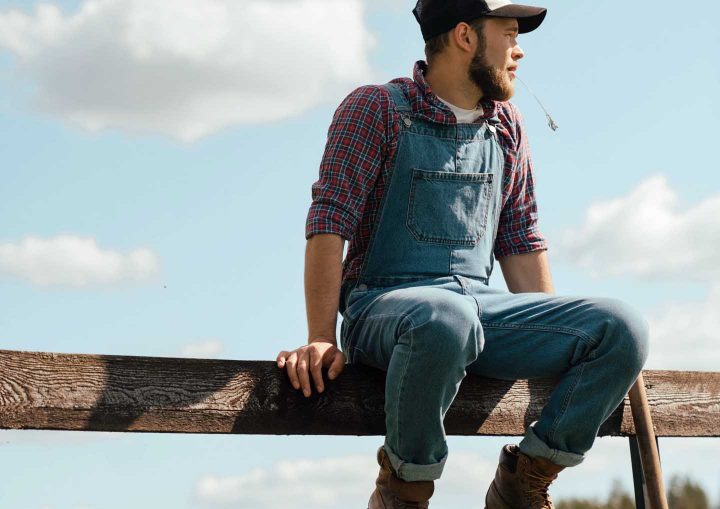
A farmer out in the country

We already said that if you were infected from COVID-19 you already created sufficient immunity and you can safely go without vaccine. As a fact, getting vaccinated within 1-2 month after being infected, can even increase your risk for vaccine side effects. If you want to get vaccinated, you should definitely wait if you got infected recently.

Vaccination of mostly healthy children is something that probably will bring more harm than benefits as well. Some do argue, that children should be vaccinated in order to protect adults, but we have shown already, that protection from infection is not very effective, even with booster shots every 6 months. Nobody protects somebody else by getting vaccinated. Hospitalization and deaths from the virus are quite rare amongst healthy children, and there is no need to expose them to the vaccine.

Booster shots are another thing that is probably causing more harm than benefit. Even without a booster shot, you have adequate protection against hospitalization and death, and every booster is going to expose you anew to a load of spike protein, causing potential damage to your body.

At the end of the day, you should be well informed about the pros and cons and make an informed decision for yourself. Those who are vaccinated do not need to be afraid of the unvaccinated, because the vaccine is protecting yourself, and not the other person. We have clearly stated that a vaccine does not adequately limit the spread of the virus. And whoever is refusing vaccination, should be sure about his decision and not criticizing those who think differently. I hope the day of throwing stones can come to an end and we can simply live out the convictions we have about the subject. And hopefully, one day we can start a constructive discussion of risks and benefits of the vaccine.

What else can I do to be protected?

As a preventive measure, all efforts should be made to strengthen your immune system. A study conducted in Madrid, found that people who did at least 2 times per week a 30-minute exercise session had an 8 times higher COVID-19 survival rate compared to the inactive group.((Salgado-Aranda R et.al. Influence of Baseline Physical Activity as a Modifying Factor on COVID-19 Mortality: A Single-Center, Retrospective Study. Infect Dis Ther (2021). https://doi.org/10.1007/s40121-021-00418-6))

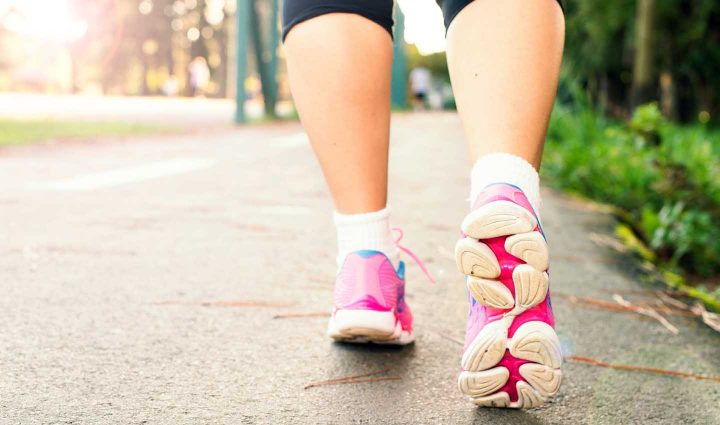
Walking in a park

Nutrition has an equal importance. A study of healthcare workers in 6 countries found, that those who were on a plant-based diet had a 3.7 times better protection against moderate to severe COVID-19 infections. Interestingly, those who were on a low carb diet had a 1.5 times higher risk.(( Kim H, et. al. Plant-based diets, pescatarian diets and COVID-19 severity: a population-based case-control study in six countries. BMJ Nutr Prev Health. 2021 Jun 7;4(1):257-266. doi: 10.1136/bmjnph-2021-000272.))

Even though there are no studies around in relation to COVID-19, there are benefits of good sleep, proper hydration and other healthy habits as well. We know quite a bit of the importance of proper Vitamin D levels for immunity. A study showed that vitamin D deficient individuals had twice as much a risk of hospitalization for COVID-19 compared to normal levels.(( E Merzon et.al. Low plasma 25(OH) vitamin D level is associated with increased risk of COVID-19 infection: an Israeli population-based study. FEBS J. 2020 Sep;287(17):3693-3702. DOI: 10.1111/febs.15495))

If you just practice those 3 lifestyle factors, your immunity is already better than any vaccine can offer for you. And we did not talk yet about reduction of sugar, proper vitamin status and several other things we are able to do as a preventive measure.

I think it is time to think seriously about our lifestyle. If we do the right thing, we are not only so much better protected against COVID-19, but as well against heart disease, cancer, diabetes and other lifestyle diseases that cost many more lives than COVID-19 at this point in time. If you want to learn how to strengthen your immunity with a sensible lifestyle, follow the Coronavirus Immunity Challenge on our website. So stop arguing, and decide to do the right thing!

We have a special opportunity just for you. If you want to receive practical and up to date advice on how to implement an immunity-boosting lifestyle, simply join the Coronavirus Immunity Challenge and prepare yourself to face the pandemic with a bullet-proof immune system.

Sign Up Now

Coronavirus Immunity Challenge

Filed Under: COVID-19, Diseases

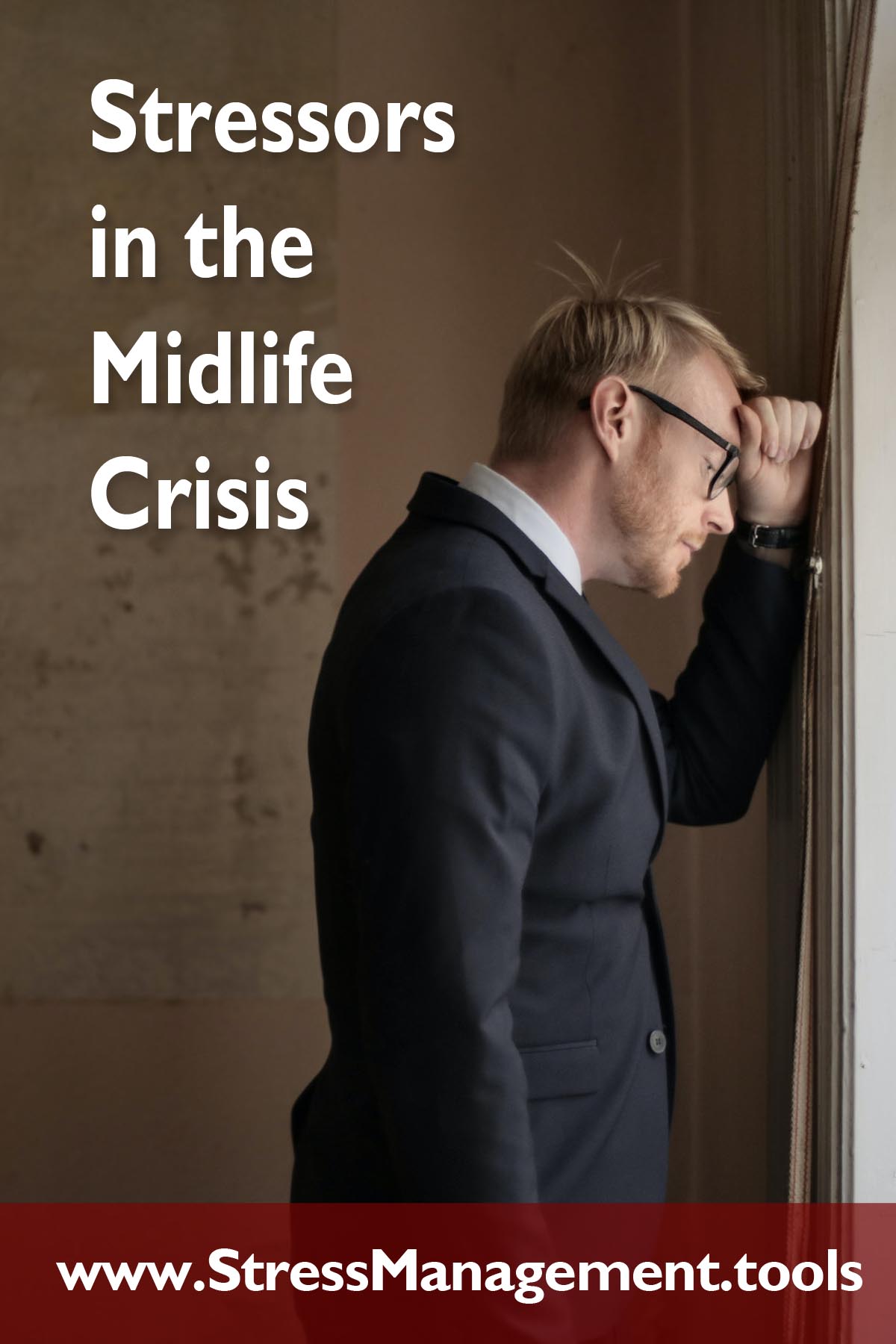
Stressors in the Midlife Crisis

June 19, 2022 by Martin Neumann - [rt_reading_time label="Reading Time:" postfix="minutes" postfix_singular="minute"]

Adults are expected to have it all together. They look back on years of experience that hopefully taught them some important lessons for life. They are dealing with growing responsibilities. This period in one’s life can come with a ton of challenges, both tangible and abstract. These are the years that are typically branded as the midlife crisis years, and for good reason.

Stressors in the Midlife Crisis

At this point, many people realize that the first half of their life is over, and to some extent, they really can’t get back any of their childhood or young adult experiences. Unless they are pretty content with the lives they’ve lived thus far, it is pretty easy for somebody to slitter into that existential crisis of the midlife years.

One of the most dreadful causes of stress that people experience at this age is more philosophical than it is tangible. They start to see things in the bigger picture rather than just small portions of their life.

At this point, many people will start to wonder a lot about what they’ve done for the world. Thoughts such as, “What did I accomplish in my younger years?” and, “What was I put here to do?” are common, because it’s hard to imagine that you’ve already lived roughly half of your life without feeling like you did much. They really just want to have left some kind of reliable legacy, because there’s something scary about the prospect of one day being forgotten.

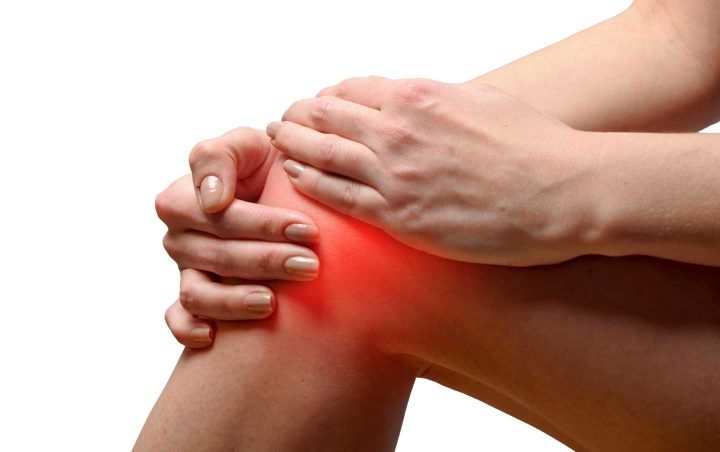
In a much more physical sense, this is when health problems can become really apparent. Joints at this age don’t work quite as well as they used to, leading to things like early stages of arthritis, general joint pain, and more. It might become harder for people this age to do things that they once enjoyed – especially when it comes to things like sports or hiking. By making basic enjoyable tasks painful, these health problems can take away much of their happiness and add on a lot of stress.

A painful knee

One major problem around this age that can cause stress is the sheer amount of responsibilities they have when it comes to family. Around this age, your parents are starting to get much older, and bluntly put, might pass away soon. They’ll have a ton of health problems of their own, so you’ll likely have to make sure they’re taken care of or become a caretaker yourself.

At the same time, your own kids will be a bit older, so you’ll also have to give them a certain amount of care and concern as you ready them to go out in the world as young adults soon.

Trying to balance that alone is bad enough, but you also still have to work and earn money, start thinking about retirement, and you might be experiencing issues with your relationship by this point.

All kinds of problems can arise around this time, making it one of the most stressful times of one’s life. The classic sign of stress around this time is the midlife crisis. A midlife crisis occurs when someone has been going through the same motions for decades now, and is so sick and tired of the monotony, that they do something very out of character in order for them to feel refreshed and reinvigorated.

A midlife crisis can manifest itself in a number of things, varying from person to person. With men, it could be something like buying a new sports car or a motorcycle – something exciting and interesting that they can enjoy.

A sports car

In some more extreme cases, a midlife crisis might culminate in leaving your significant other, especially if you’re not fully happy with the relationship. It doesn’t have to be something specific, either.

Many people experience this crisis just by realizing they’re now older than they want to be. They start taking note of little things like how much the world has changed, how much they’ve changed, and how everything they used to do is now old-fashioned.

This can be really hard on some people, and they’ll show it. One prevalent sign of stress around this age is changes to the body. Many men experience a receding hairline as a result of both age and stress, and by worrying about it, they only make it worse.

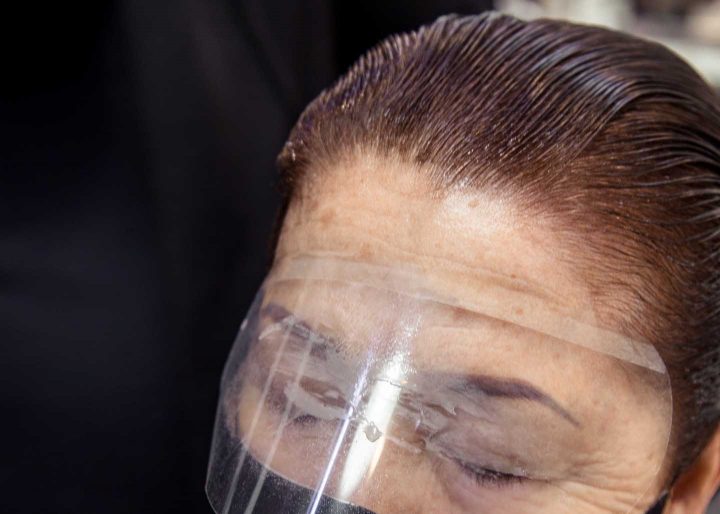
Men can also experience a severe drop in testosterone around this time. No matter who you are, you’ll also start to get some gray hairs coming in, which can be stressful if you’re worried about your looks. Both men and women alike will dye their hair in an attempt to keep looking youthful.

A woman dying her hair

There are many, many solutions for stress around this time. The first solution you might try is coming to terms with and accepting your age. Growing older isn’t a bad thing, but it feels bad at the time. In reality, you’re experiencing more and more each day than many other people got to, so you should enjoy the time you have rather than sit there stressing and having regrets.

It’s also important that you deal with your stress in a proper way. Going out to drop tons of money on an expensive car is not healthy, nor is leaving your family or taking up unhealthy habits. Instead, find joy in things that are either productive or make you feel whole. Sure, life is stressful, but if you can escape it for an hour to engage in some kind of hobby, you’ll feel so much better by the end of the day.

One practice that has helped many people become more positive in their lives is to embrace positive thoughts as much as you do negative thoughts, if not more. Each time you think about something negatively, think of a positive aspect to it as well.

For example, if you’re unhappy with your job, it’s fine to think about that, but just also think about the fact that you’re lucky to be employed and to have a stable source of income. Taking time to appreciate all of the little things can really make such a difference in your life. Gratitude can change your outlook to life quite drastically. Be sure you find the best in your years you are living right now, and let the stressful thoughts pass you by.

Do you need a guide to help you understand how to cope with Stress in an all inclusive approach? Learn how to combat stress, mentally, physically, emotionally and strategically in your life.

Get Me the Guide

Filed Under: Adults, Mental Health, Phases of Life, Stress Management

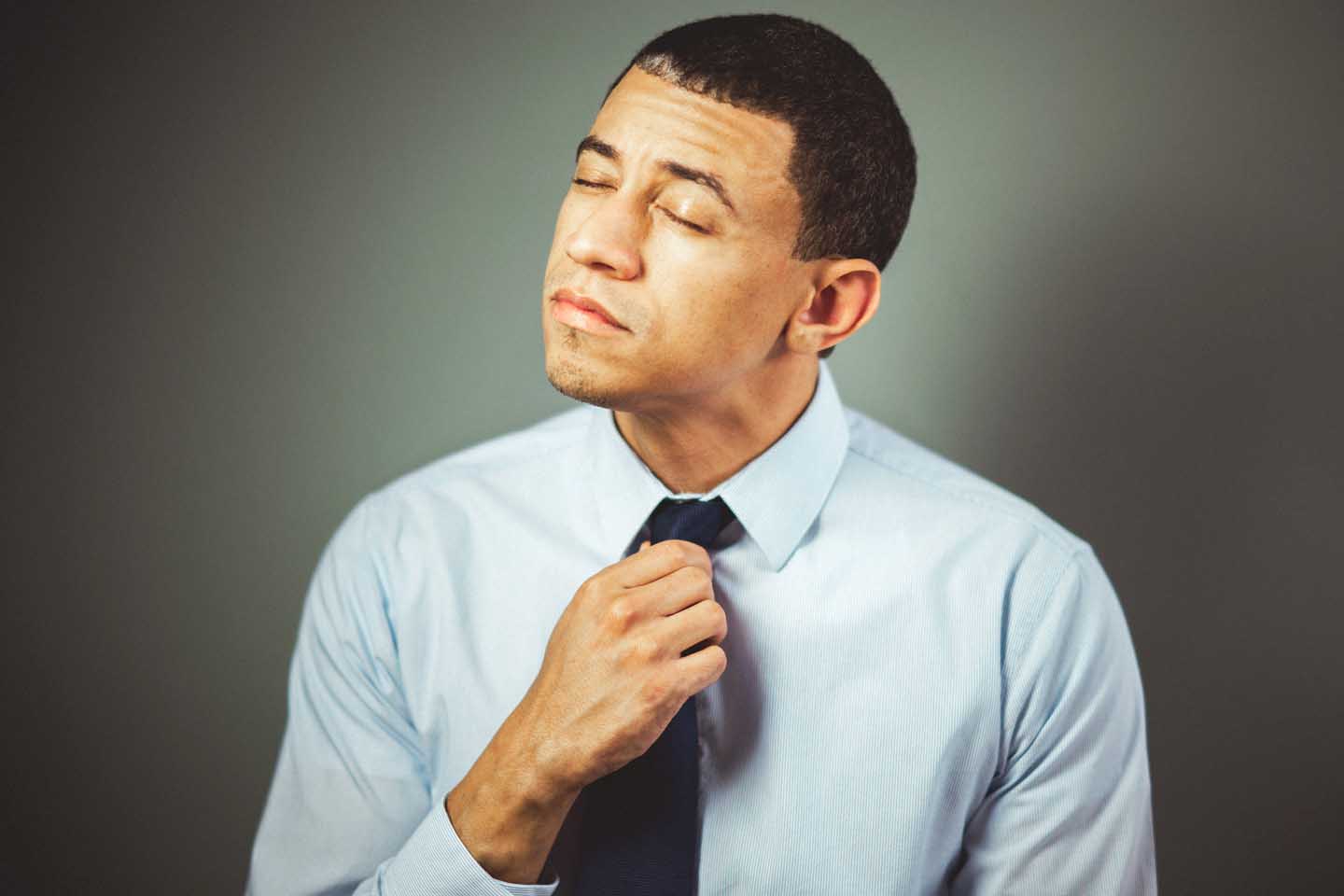
Dealing with Stress as a Young Adult

May 22, 2022 by Martin Neumann - [rt_reading_time label="Reading Time:" postfix="minutes" postfix_singular="minute"]

Dealing with Stress as a Young Adult

After you’ve settled into a career, you face a whole new type of stress in your late twenties and thirties. You’re well past the point now where you have to worry about stresses from school such as bullying or grades, but now you’re in a whole new situation: your job, your family, and to a greater extent, you’re now really on your own.

Dealing with Stress as a Young Adult

This stage in your life is full of figuring things out and having to put up with a lot of stuff that can be stressful. Most stresses around this age come from your job and finances. This can vary greatly depending on what job or career you’re in by this point, but let’s take the average office job for instance.

Chances are the work is a bit tedious and repetitive, meaning that after a few years, you’ll want a change so badly that you’ll start to worry that you’ve gone into the wrong field for your career.

These regretful kinds of stresses are the worst ones by far, because you feel as though you’re trapped and powerless to undo the path you’re on. You might feel stuck where you are.

For many people around this age, they start feeling as if they’re actually getting old for once. They’re no longer in school, no more being just silly in college, but just living a full adult life.

This can come as a sudden and bizarre revelation, but the concept of feeling old can stress some people out. Some might feel as though the best of their days have blown by, and now they have to be serious for the rest of their life.

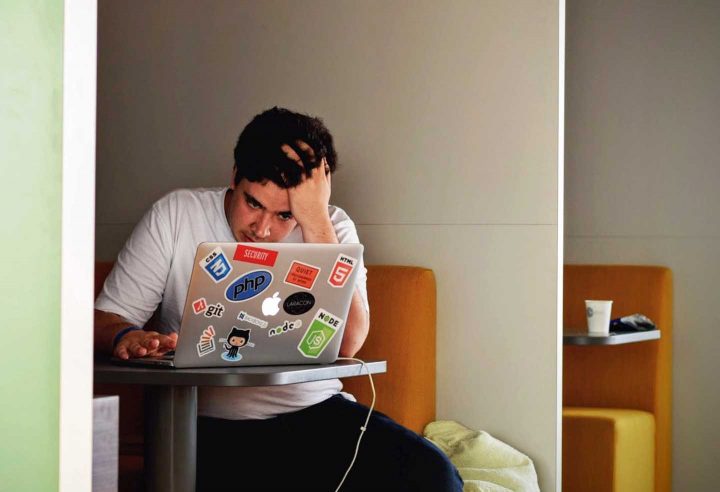
A young adult being stressed working on a computer

Another factor that comes with getting a little older is that some people will start to feel as though their bodies aren’t as active as they used to be. As most people go into adulthood, they miss the unending activity and abundant energy they had in school.

But this process doesn’t happen all at once. It can start as early as your late twenties with simple things such as soreness and perhaps some back pain from moving around a certain way. This can take a serious toll on someone’s confidence and can be a major cause of stress.

One of the most serious stress factors around this age can come from having a family. By this time, most people are making decisions about a partner. Perhaps they’re married, and they might even have one or more kids. Parenting alone can cause immense amounts of stress for someone who’s just learning how to go about it, and this goes for all ages of kids.

A young couple struggling to control their kids

People around this age might be a lot more open about what they’re stressed out about than other age groups are, and in fact might be the most clear about it. They’ll often complain about their problems to close friends and family, whether they’re unhappy with their job or worried about feeling older and the responsibilities that go along with it.

Usually you can find out what’s wrong with them by listening to what they choose to complain about. Something many people might start to do around this age is make rash decisions for the sole purpose of breaking up the monotony.

Essentially, by doing something very different from what they’re used to, they feel “alive” again, and are just happy to be doing something different for once. This can vary between getting a new car, going on a vacation, or taking up some kind of strange obsession or hobby.Just something that they can enjoy and ignore work or the stresses of life for a little bit.

One unfortunate sign of stress from people in this age group is that they cease to do things that they used to do for fun. Getting rid of certain hobbies just because they either don’t have the time or money for it anymore is a sign that they’re not having a good time going through this stage in life. For example, if someone used to enjoy doing things with friends every weekend, but now never comes out, chances are they’re going through a lot and want to seclude themselves as a result.

This can lead to additional feelings of loneliness on the part of the person secluding themselves, which can in turn cause even worse stress. One of the best solutions for a lot of stressful problems at this age is to simply have some downtime.

It doesn’t have to be a lot, and it doesn’t have to be expensive, but just having an hour or so to do what you like each day to help decompress can turn someone’s life around really quickly.

If you can take some time to just do nothing for a bit, or something that really gives you joy, then you’ll be a whole lot happier as the day goes on. This can also come in the form of short breaks throughout work, just to revitalize.

Many people get stressed out at this stage over mindset issues, and having a change of attitude can mean the world to them. Switching their outlook from a negative one to a positive one can make things like work, parenting, and aging a whole lot more likable than just sitting there moping and looking on the bad side of everything. Everyone knows there are many drawbacks to those things, but there are also positive aspects that you have to embrace.

When it comes to helping with stress related to body issues, getting into a consistent workout schedule can help immensely. People start to experience things like aches and pains because they aren’t using their bodies as much as they should be – especially if they’re sitting in office chairs all day. By getting into a good workout routine, you’ll be in better shape and you’ll be a lot more mobile.

Stress will happen in every phase of your life, just the nature of the stressors will change over time. Make it a habit early in life to develop healthy coping skills for your stress, and you will be better off for the rest of your life.

Do you need a guide to help you understand how to cope with Stress in an all inclusive approach? Learn how to combat stress, mentally, physically, emotionally and strategically in your life.

Get Me the Guide

Filed Under: Adults, Mental Health, Phases of Life, Stress Management

« Previous Page
Next Page »

Primary Sidebar

Social Channels

Coronavirus Immunity Challenge

Boost your immune system to be bullet-proof for the pandemic.

I Want to Participate

Recent Posts

  • 5 Habits to Live Longer
  • Better Sleep Can Protect Against Dementia
  • Finding Peace In Your Crazy-Busy World
  • Flaxseed – An Ancient Plant Rediscovered
  • Platelets – Triggers for Life or Death
  • Boderline Personality Disorder
  • In Praise of Almonds and Nuts
  • Are You Stuck in the Clutter Trap?

Categories

  • Body Systems (16)
    • Cell Function (2)
    • Circulatory System (1)
    • Digestive Tract (10)
    • Immune System (4)
  • Diseases (27)
    • Cancer (2)
    • Cold (1)
    • COVID-19 (11)
    • Dementia (1)
    • Diabetes (1)
    • Digestive Diseases (2)
    • Heart Disease (2)
    • Kidneys (1)
    • Metabolic Syndrome (2)
    • Skin (1)
  • Healthy Lifestyle (42)
    • Exercise (11)
    • Gardening (2)
    • Sleep (7)
    • Sunlight (2)
    • Temperance (14)
    • Water (4)
  • Mental Health (87)
    • Addictions (6)
    • Anxiety (7)
    • Burnout (1)
    • Depression (7)
    • Psychosomatic Diseases (6)
    • Stress Management (45)
    • Trust (6)
  • Nutrition (56)
  • Obesity (9)
  • Phases of Life (14)
    • Adults (3)
    • Babies and Infants (1)
    • Children (3)
    • Seniors (5)
    • Teenagers (3)
  • Therapies (7)
    • Herbs (5)
    • Hydrotherapy (1)
  • Uncategorized (3)

Archives

  • January 2025 (1)
  • March 2024 (5)
  • February 2024 (4)
  • January 2024 (4)
  • December 2023 (5)
  • November 2023 (4)
  • October 2023 (5)
  • September 2023 (4)
  • August 2023 (3)
  • July 2023 (2)
  • June 2023 (4)
  • May 2023 (4)
  • April 2023 (5)
  • March 2023 (4)
  • February 2023 (4)
  • January 2023 (4)
  • December 2022 (4)
  • November 2022 (4)
  • October 2022 (5)
  • September 2022 (4)
  • August 2022 (4)
  • July 2022 (5)
  • June 2022 (4)
  • May 2022 (5)
  • April 2022 (4)
  • March 2022 (4)
  • February 2022 (4)
  • January 2022 (5)
  • December 2021 (3)
  • November 2021 (4)
  • October 2021 (6)
  • September 2021 (4)
  • August 2021 (4)
  • July 2021 (5)
  • June 2021 (4)
  • May 2021 (3)
  • April 2021 (5)
  • March 2021 (4)
  • February 2021 (4)
  • January 2021 (5)
  • December 2020 (3)
  • November 2020 (4)
  • October 2020 (5)
  • September 2020 (5)
  • August 2020 (3)
  • July 2020 (1)
  • June 2020 (1)
  • May 2020 (1)
  • April 2020 (1)
  • March 2020 (1)

Copyright © 2026 · Abundant Health - Privacy Policy - Medical Disclaimer