Abundant Health

Up to date health information tailored for you

  • Home
  • Blog
  • Recipes
  • Shop
  • Contact
You are here: Home / Archives for Martin Neumann

Martin Neumann

Stress and Your Health

May 20, 2021 by Martin Neumann - [rt_reading_time label="Reading Time:" postfix="minutes" postfix_singular="minute"]

Stress and Your Health

You ever felt jittery after a bout of stress? Do you have stomach cramps, a sudden outburst of pimples on your skin, or your blood pressure suddenly goes through the roof? You should be familiar with the symptoms of stress in your body and recognize when stress is taking its toll on your health.
Stress and Your Health

The body is wonderfully adapted to deal with many challenges, including stress. When we are in a dangerous spot, the body releases a number of hormones that help us to be alert, more energetic, run fast, make some quick decisions and do whatever is needed to face the crisis. When stress is chronic, like the deadlines at work or the debt that is not going away, then stress hormones like cortisol are chronically elevated as well.

Too much cortisol can suppress the immune system, increase blood pressure and sugar, decrease libido, produce acne, cause learning difficulties, lapse of memory, loss of muscle mass, aggravate obesity and much more. If cortisol is chronically elevated, the body is entering into a fatigue state, where the hormone stops to produce the desired effect. This is called glucocorticoid resistance, and will result in chronically elevated cortisol levels, and a body out of control.

The results of chronic stress on your health can be various. Have a close look at the following symptoms, and evaluate how stress is affecting your health.

Heart

As we’ve seen, cortisol constricts blood vessels and increases blood pressure. In addition to that, the stress response increases the clotting factor, preparing the body for faster wound healing in case of injury, but also facilitating the formation of arteriosclerotic plaques.

These plaques adhere to the inside of blood vessel walls, especially at locations where micro vascular damage has occurred, and attempt to “patch” it, resulting in large deposits of this mass along various areas of the blood vessel, which is reducing the blood flow and may eventually block the artery completely. When this happens in the coronary arteries of the heart itself, portions of muscle can die from oxygen starvation, which we call a heart attack. When this blockage happens in the brain, it results in a stroke. A study found that stress increases risks for development of cardiovascular diseases, which include deep venous thrombosis.((Dong, et al. Chronic Stress Facilitates the Development of Deep Venous Thrombosis, DOI:10.1155/2015/384535))
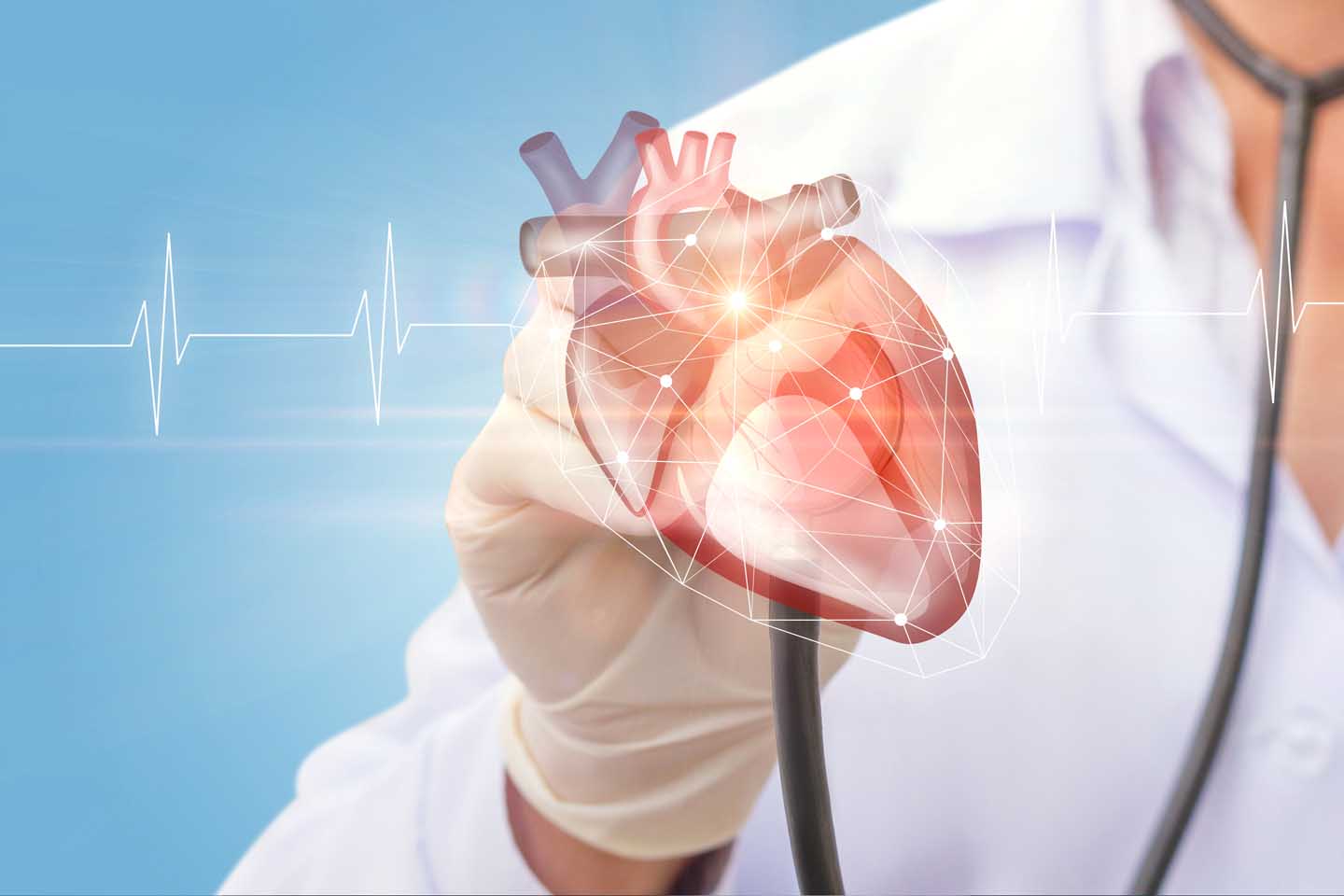
Examining the heart

Research shows that employees who are frequently exposed to high levels of work-related stress are at a higher risk of being diagnosed with cardiovascular disease.((Jaskanwal S et.al. Association Between Work‐Related Stress and Coronary Heart Disease: A Review of Prospective Studies Through the Job Strain, Effort‐Reward Balance, and Organizational Justice Models. DOI:https://doi.org/10.1161/JAHA.117.008073)) Stress causes massive depletion of the mineral magnesium, which is essential for muscle relaxation.((Tarasov E A et.al. Magnesium deficiency and stress: Issues of their relationship, diagnostic tests, and approaches to therapy. DOI: 10.17116/terarkh2015879114-122)) Tests have shown that a very large percentage of the adult population are magnesium-deficient, which very likely has a strong correlation to those affected by chronic stress.

As the heart is a muscle it is dependent on adequate magnesium for proper and healthy function. Current research is exploring the possible link between low magnesium levels and heart attacks.

Acute stress, such as may occur to people who are experiencing the sudden death of a loved one, a natural disaster or extreme accident may also lead to stress-induced cardiomyopathy. Thankfully, increased awareness means that professional emotional support is offered far more often than before, with better outcomes for those affected.

Digestive Disorders

Do you feel sometimes like your stomach has been invaded by butterflies? This is a normal reaction to many stressful or fearful circumstances. A regular stomach ache is one of the many symptoms that can be experienced by an individual who is suffering from stress. The digestive system is controlled by the parasympathetic nervous system, which is suppressed during the stress response.

As a result, digestion is compromised, indigestion develops, and the mucosal lining becomes irritated and inflamed. The diminished absorption of nutrients can cause various deficiencies, even while eating well. A study has shown that stress can dramatically change the gut microbiome, increasing the amount of inflammation-promoting bacteria.((Gao X et.al. Chronic stress promotes colitis by disturbing the gut microbiota and triggering immune system response. DOI: 10.1073/pnas.1720696115))
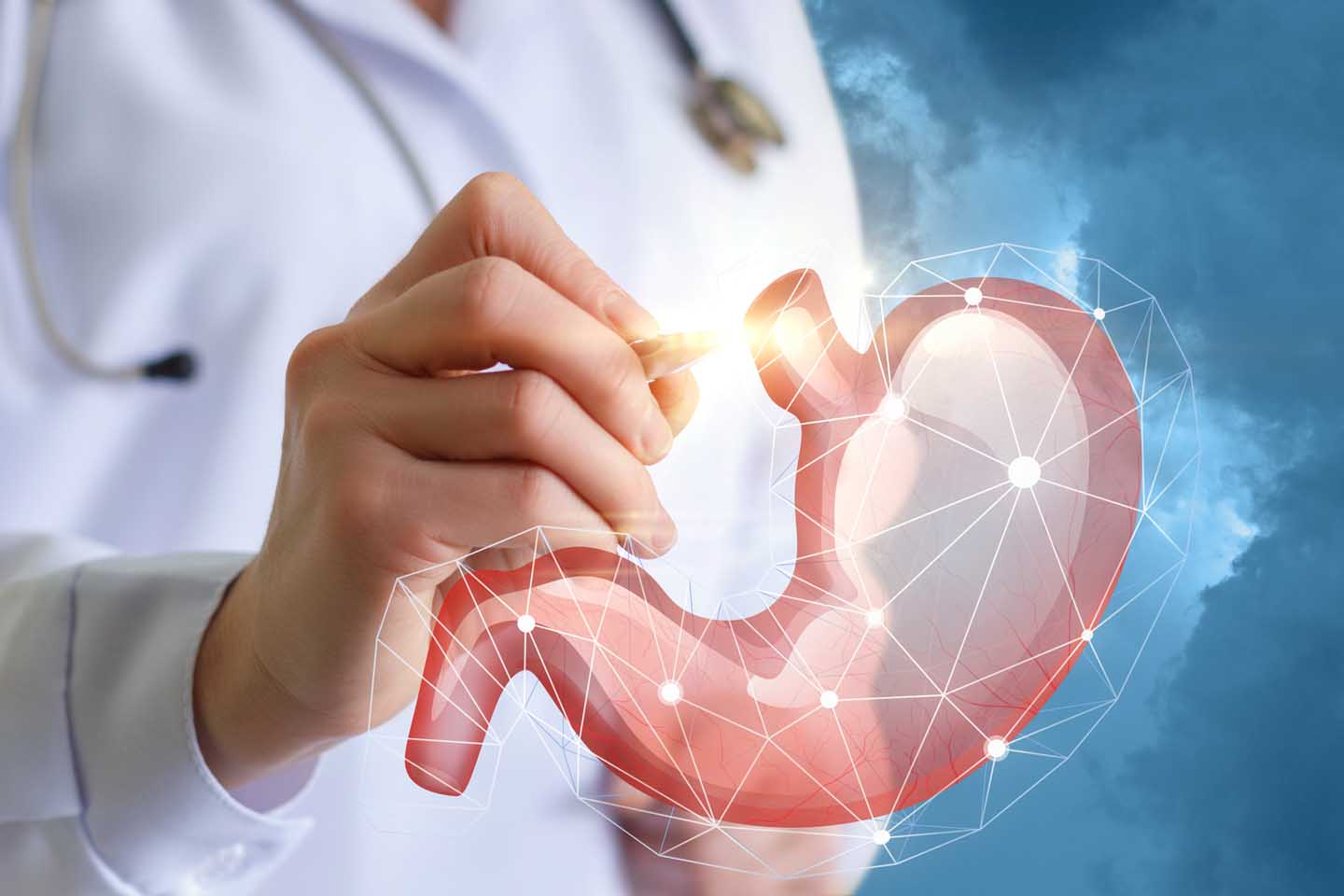
Treating the stomach

Cortisol stimulates also gastric acid formation. Gastritis and Ulcers are more common during stressful times, and continually feeling pressured can cause poor bowel elimination. If the cause is left unchecked, this could escalate into other gastric problems.

Many cases of gastrointestinal disorders such as diarrhea, constipation, colitis and irritable bowel syndrome have been linked to stress. This shows how our brain and our gut are so interconnected to each other. When you are able to resolve your problems and find that peace of mind, your whole body is going to thank you.

Immune System

It is known that chronic stress with elevated cortisol will reduce various functions of the immune system.((Dragos D et.al. The effect of stress on the defense systems. PMCID: PMC3019042)) As a result you are more susceptible to flus and colds or any other kind of infection. You will also increase your risk for cancer, since your immune system is not at peak performance to control and eliminate abnormal cancer cells.

Stress will have a cumulative effect on the immune system the longer we experience it. Think of the immune system as a firewall; the longer it is down, the greater the chances that some sort of infection can take hold of us and complicate our recovery.

Skin

Psoriasis, eczema, and other skin inflammations are often linked to prolonged exposure to stress. In most cases of skin diseases that have been brought on by stress, reducing stress levels have also been found to rapidly improve a person’s skin condition.

Chronic exposure to stress can lead to the overproduction of the sex hormone androgen, resulting in acne and other skin problems.
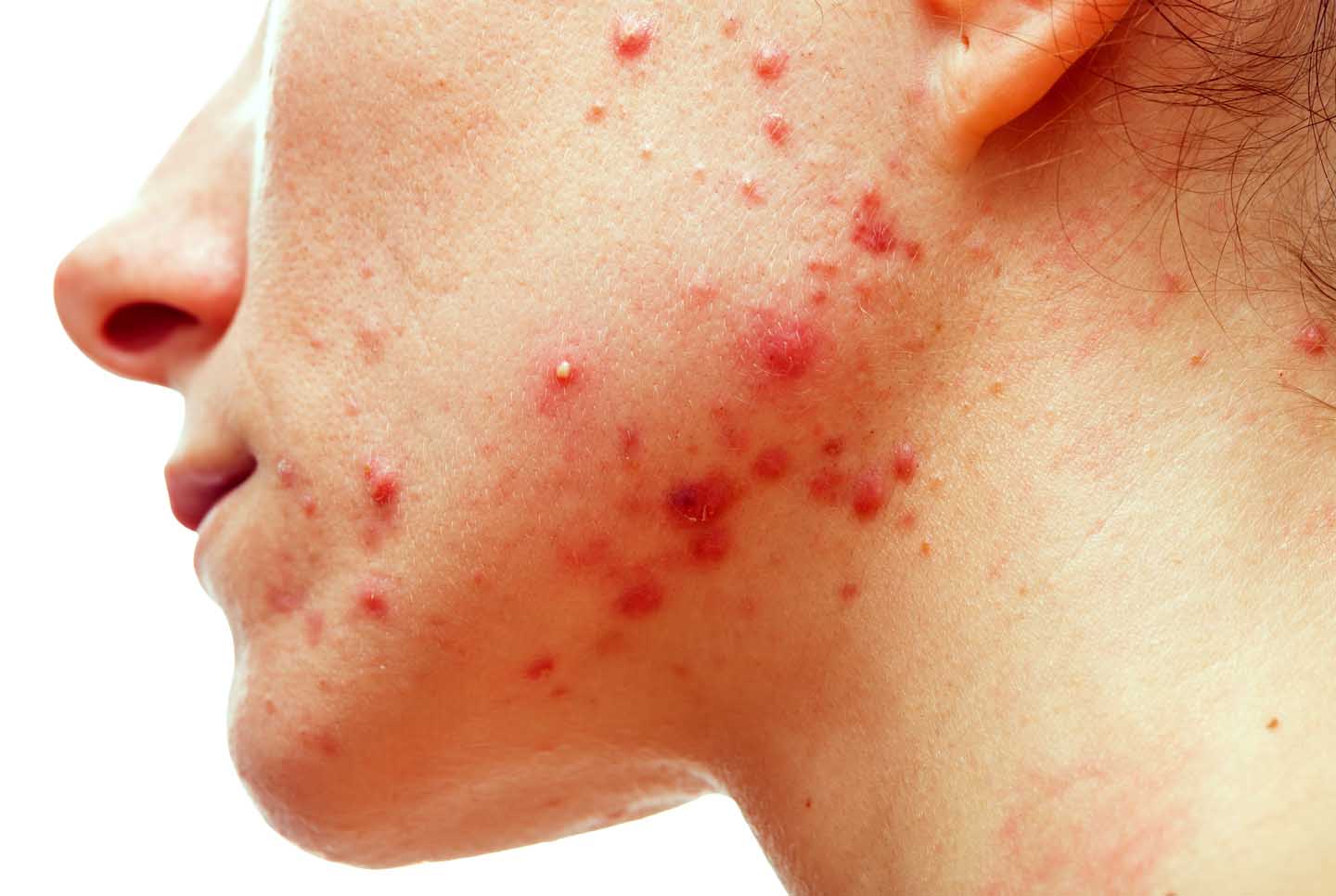
Akne

Stress causes excessive hormone production combined with a reduced healing ability, meaning you may experience the same types of skin problems you did as a teenager.

Hair

While hair loss can be a sign of other conditions, it can also be one of the most common symptoms of stress. Hair loss will be most likely to happen three to six months after a traumatic experience such as losing a loved one or losing a job. 

When a person is exposed to highly-stressful events their androgen hormone production will be imbalanced, possibly resulting in temporary hair loss. Sticking to a balanced diet is important at times of high stress, to give the body every possible assistance for healing and repair.

You may often hear people say that stress is turning their hair gray.  Stress can speed up this process especially if you are already genetically predisposed to having gray hair. During periods of prolonged stress, an individual’s white blood cells may attack their hair follicles thereby putting a halt to hair growth which is also called a “resting phase”. This gets visible when much hair is lost when being washed or combed.

Menstrual Cycle Problems

Missed and delayed periods can be a sign of stress in women. In severe cases, some women may suffer a complete stop of the menstrual cycle.

Other women still experience regular menstrual periods but many complain of dysmenorrhea that is twice as painful when they’re feeling excessive stress, and Pre Menstrual Symptoms may get worse or become more difficult to deal with.

Women with overly hectic and busy lives, filled with demands that promote chronic stress may feel a loss of sexual drive. And those who pass through menopause may feel an increase in intensity and frequency of hot flashes.

Decreased Libido

Elevated cortisol relating to prolonged stress, can lend itself to impotence and erectile dysfunction. Furthermore, the androgenic sex hormones are produced in the same glands as cortisol and epinephrine, so excess cortisol production may hamper the optimal production of these sex hormones.

It is common for people who are under a great deal of stress or feeling exhausted to have no desire in the bedroom. This can be frustrating for your partner as well. If you are suffering from a general lack of libido possibly caused by stress, it is essential to talk openly with your partner so that they can lend you a sympathetic ear and not take it personally.

Muscle Tightness

Tensed muscles are common indications of stress. This can further lead to muscle spasms which can cause great pain. Stress causes magnesium depletion in the body and without magnesium the muscles cannot relax, putting them in a state of near-constant contraction. Tense muscles can lead to migraines and tension headaches that are linked to muscle tension of the neck, head and shoulders.

Increased Cortisol levels will tend to activate an inflammatory response, causing sore muscles, aches and pains in the body. Prolonged muscle tension and possible subsequent muscle atrophy from a lack of physical activity, promote chronic, stress-related musculoskeletal conditions. Relief comes through exercise, massage, muscle relaxation exercises and adequate vitamin and mineral intake.

Pancreas, Diabetes and Obesity

People who are chronically stressed have a high tendency to indulge in sugary, feel-good foods. Also, increased cortisol levels will raise the blood glucose levels, causing difficulties especially for diabetics.

Cortisol will activate the transformation of fat into glucose. This is why stress makes it hard for diabetics to control blood glucose levels. Once the excessive glucose is not used for exercise, it will be transformed back into fat and stored in the visceral fat cells. This resuts in the dreaded belly fat that is not only unsightly but is another major health risk that can shorten your life span. On top of that, excessive cortisol levels can cause cravings for sweet, high-fat, and salty foods. Obesity in turn will increase the risk of developing diabetes.
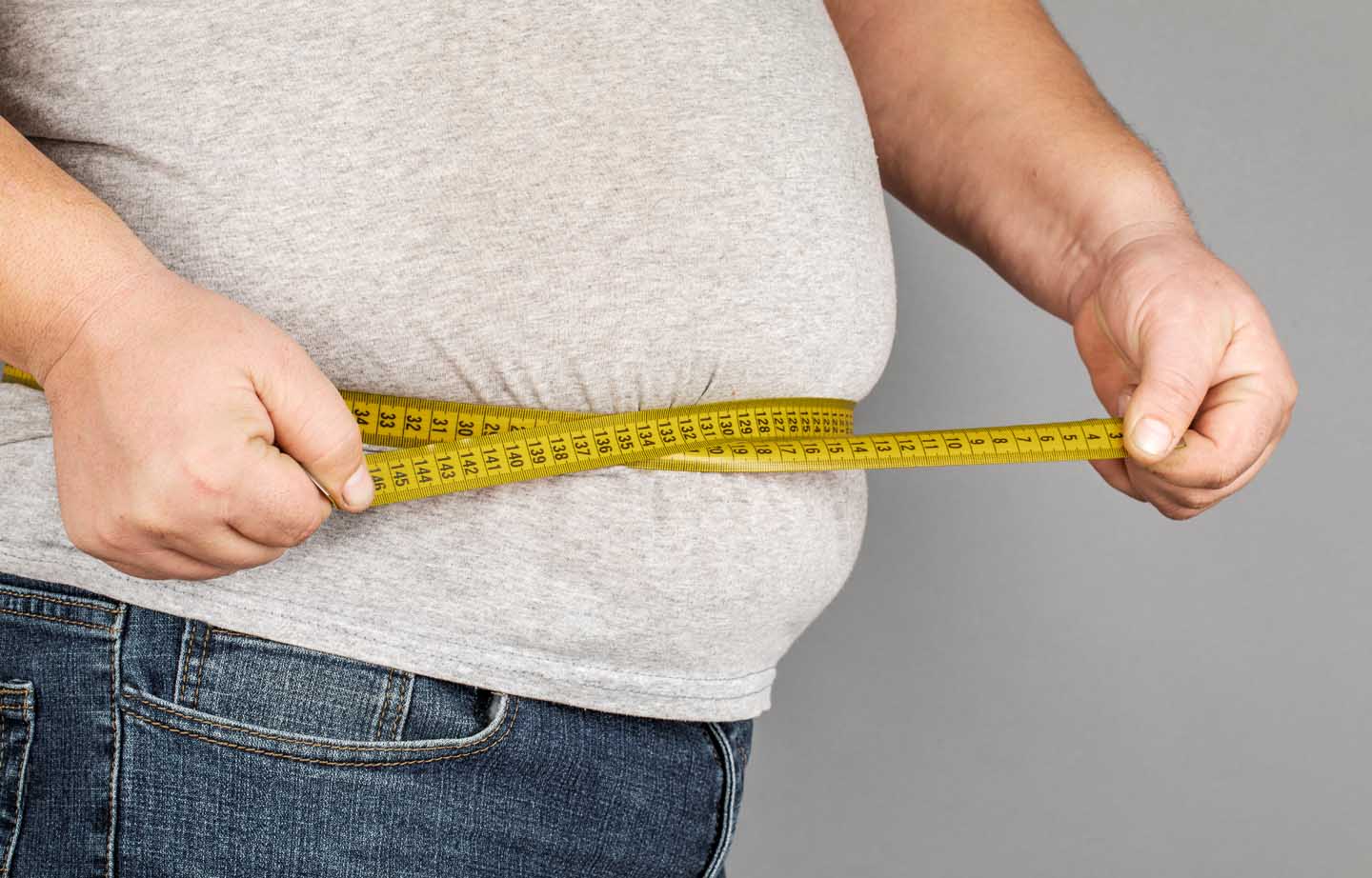
An obese man

Metabolic Syndrome

Chronic stress can increase blood pressure, glucose levels, cholesterol, triglycerides and weight gain, all of the factors involved in the metabolic syndrome.

One study found that “there is a dose-response relationship between exposure to work stressors over 14 years and risk of the metabolic syndrome, independent of other relevant risk factors.” The final results found that “employees with chronic work stress were more than twice as likely to have metabolic syndrome as compared with those subjects with without work stress.”((Chandola, et al. Chronic stress at work and the metabolic syndrome: prospective study, BMJ 2006; 332 doi: https://doi.org/10.1136/bmj.38693.435301.80))

Conclusion

We have seen that stress can compromise our health in various ways. If you experience one or several of those warning signs, you should take action to get your stress under control. In chronic stress we need to take action to decrease our cortisol levels, which can be achieved in two ways:

  • Firstly – by reducing the stress that is the root cause of the problem, either by eliminating the stressors, or by improving the ability to cope with them. A reduced emotional response to any stressor will mean less cortisol release.
  • Secondly – there are known lifestyle and dietary ‘hacks’ that assist the mind and body to reduce the release of cortisol into the system. Some bad habits can though increase cortisol production.

If you need some tips on how to achieve both of this approaches, download our Ten Minute Guide to Stress Management and start beating your stress with efficient strategies that put you into control of your life. Download your copy now!

Do you need a guide to help you understand how to cope with Stress in an all inclusive approach? Learn how to combat stress, mentally, physically, emotionally and strategically in your life.

Get Me the Guide

Filed Under: Mental Health, Stress Management

Effective Treatment of COVID-19

April 10, 2021 by Martin Neumann - [rt_reading_time label="Reading Time:" postfix="minutes" postfix_singular="minute"]

Effective Treatment of COVID-19

In the beginning of March the Brazilian doctor Luiz Cristiano Maciel Cardoso published a video on Facebook and declared the end of the COVID-19 pandemic. Supposedly he had found out that the cancer drug flutamide would be an effective treatment and declared that he has conquered the pandemic with this miraculous treatment option. On March 22 he himself took the video down, but copies of the video are still circulating. The entire thing seems to be not more than a hoax, but mirrors the desire of everyone to find a cure for the pandemic that is affecting the lives of all of us.((Faustino M. É falso que médico tenha curado pacientes com Covid-19 com flutamida. Aos Fatos, March 22, 2021)) Unfortunately there is no silver bullet or magic cure, but a combination of sensible measures will greatly enhance the chance of a positive outcome.

Effective COVID-19 Treatment

Pathology

Before talking about treatment options, we need to understand more clearly how the disease is developing inside the body.((Parasher A COVID-19: Current understanding of its pathophysiology, clinical presentation and treatment Postgraduate Medical Journal Published Online First: 25 September 2020. doi: 10.1136/postgradmedj-2020-138577
Azer S. A. COVID-19: pathophysiology, diagnosis, complications and investigational therapeutics)) Transmission is happening normally via respiratory droplets from person to person. For this reason, social distancing, wearing masks and general hygiene measures can help a lot in prevention.

The first site of invasion is normally the respiratory tract. The spike protein on the surface of the virus binds to the cell membrane and is therefore able to inject an RNA sequence inside the cell. This sequence instructs the cell to replicate the virus. The more the virus replicates, the more cells are going to be affected. Normally the nonspecific immune system would detect the invader and start to fight it off. In contrast to the specific immunity that remembers past infections and facilitates their recognition, nonspecific immunity is able to fight the virus even on the first encounter. The problem is that the virus is able to suppress the interferon response, an important part of the nonspecific immunity. For this reason, a person can stay up to 14 days without developing any symptoms, while the virus is freely multiplying itself.

When the disease migrates from the nasal cavity to the upper respiratory tract, it will manifest itself with symptoms like fever, malaise and dry cough. About 80% of all infected persons have an immune system strong enough to fight the virus before it reaches the lung. A strong immune system is essential at this point.

When the disease migrates to the lung, it is getting more dangerous. If the disease continues long enough, a significant amount of cells in the lung will die. Those that are especially affected are the pneumonocytes which are responsible for the air exchange in the alveoli of the lung.

At the same time, the pneumonocytes will release the so-called cytokynes, which are produced to attract immune cells like neutrophils and T cells. Those will get involved in a fierce battle to combat the virus, but will cause in this process inflammation and cell damage. As a result, the air exchange is being limited, oxygen saturation in the blood will be reduced, and oxygen needs to be applied. If the disease gets severe, the use of a ventilator may be needed.

Oxygen shortness can lead to a change of the body’s pH, accumulation of lactic acid, electrolyte changes and further cell damage. In more sever cases the inflammation spreads through the circulatory system, and may cause the formation of thrombosis, inflammation of the heart muscle, arrhythmia and heart failure. Those complications can be potentially deadly. In the digestive system, the disease can cause diarrhea, nausea, vomiting and abdominal pain. Headaches, dizziness, seizures and other neurological conditions are reported as well. In some cases, the disease can cause liver or kidney damage or even multiple organ failure.

Prevention

As a preventive measure, all efforts should be made to strengthen your immune system. A study conducted in Madrid, found that people who did at least 2 times per week a 30-minute exercise session had an 8 times higher survival rate compared to the inactive group.((Salgado-Aranda R et.al. Influence of Baseline Physical Activity as a Modifying Factor on COVID-19 Mortality: A Single-Center, Retrospective Study. Infect Dis Ther (2021). https://doi.org/10.1007/s40121-021-00418-6)) To improve your immunity, other lifestyle factors like for example adequate sleep and healthy nutrition are equally important. Our Coronavirus Immunity Challenge will give you plenty of details on how to keep your Immunity in top performance.

Walking - an excellent immune stimulating exercise - Photo by Daniel Reche from Pexels

In addition to that, you should consider the following supplementation:

  • Vitamin C: 500 mg / day
  • Zinc: 20 mg / day
  • Magnesium 400 mg / day
  • Vitamin D: 4,000 IU / day
  • Probiotics: at least 1 billion CFU´s daily. Do not take indefinitely.
  • N-Acetyl Cysteine (NAC): 500 mg / day. An aminoacid with antioxidant potential.

You should also look at prebiotic foods like banana, onion and garlic. Besides helping your intestinal flora, they will help to fortify your immunity. Look at fruits that are high in vitamin C like orange, grapefruit, papaya and red bell pepper.

Obesity is a risk factor that can increase mortality up to 4 times according to a recent study.((Tartof S. et.al. Obesity and Mortality Among Patients Diagnosed With COVID-19: Results From an Integrated Health Care Organization. Annals of Internal Medicine, November 17, 2020 https://doi.org/10.7326/M20-3742)) In case of obesity extra care should be taken to practice an immune boosting lifestyle. Other diseases like Diabetes, Cancer, Asthma or Heart Disease will need to follow the same measures.

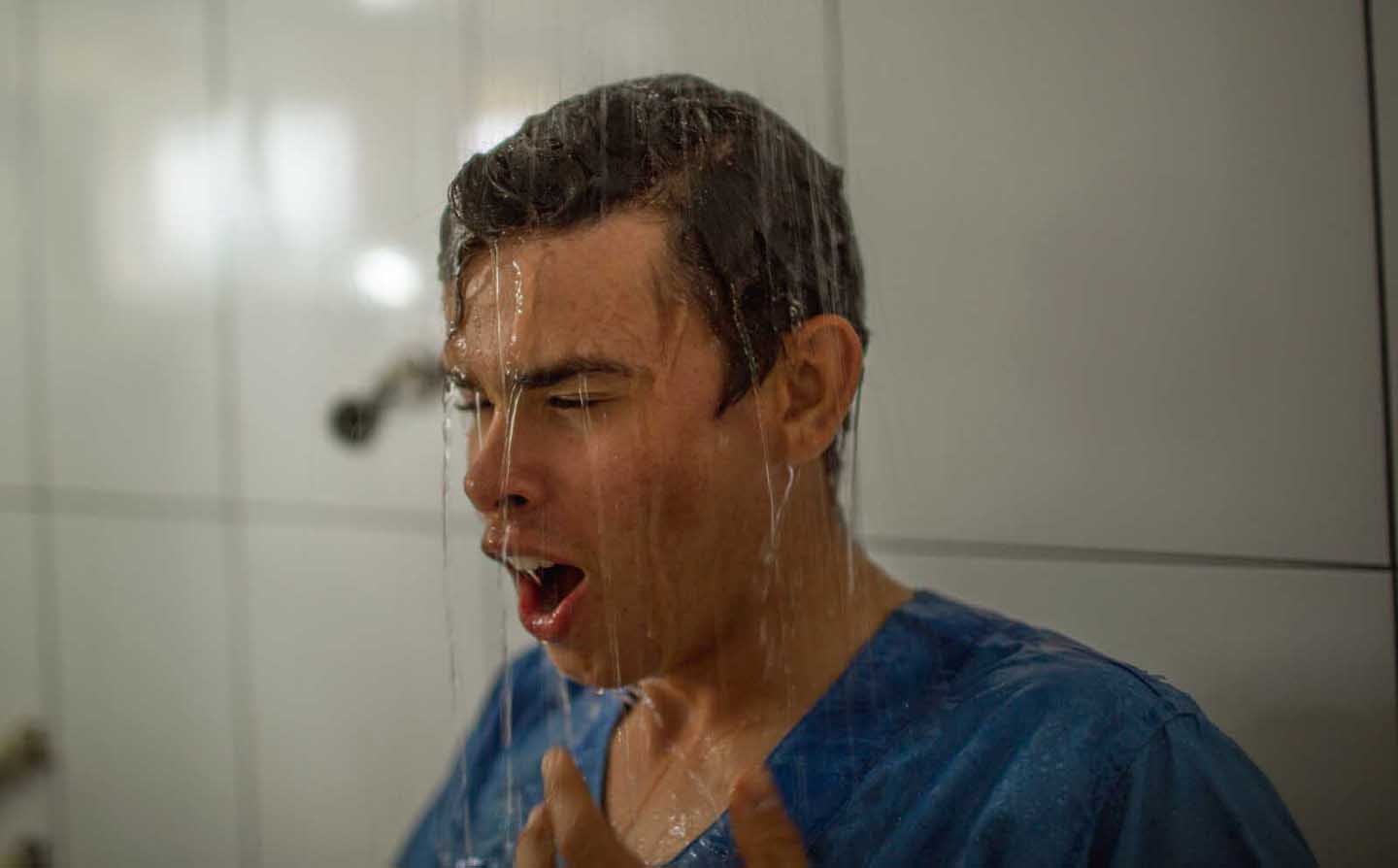
A contrast shower was shown to be beneficial in strengthening your immunity as well. You should start with a hot shower of at least 3 minutes, as hot as you can tolerate. Switch then to cold for 30 to 60 seconds. If you like you can repeat the cycle three times, otherwise get out of the shower and quickly dry yourself with vigorous motion. If you have heart disease, or you are fragile because of age, be milder in the temperature change.

A sauna, be it a Swedish sauna or a steam sauna, can be very effective as well. If you are interested, we have some units of the Portable Steam Sauna available.

Treatment

We have seen already that the progressive development of the disease can lead to a variety of different symptoms. Accordingly, the applied treatment protocol will change according to the phase of the disease. We will be looking at the most adequate options in every disease stage.

At the First Signs of Infection

No matter, whether you are infected by the coronavirus or any kind of flu bug, taking prompt action at the first signs of symptoms will be key to an effective treatment. You should do one of these treatments as soon as possible:

  • Contrast Shower: Do 4 to 7 cycles of 3 minutes hot and 30 to 60 seconds of cold. Be vigorous and try to increase your temperature change with every cycle.
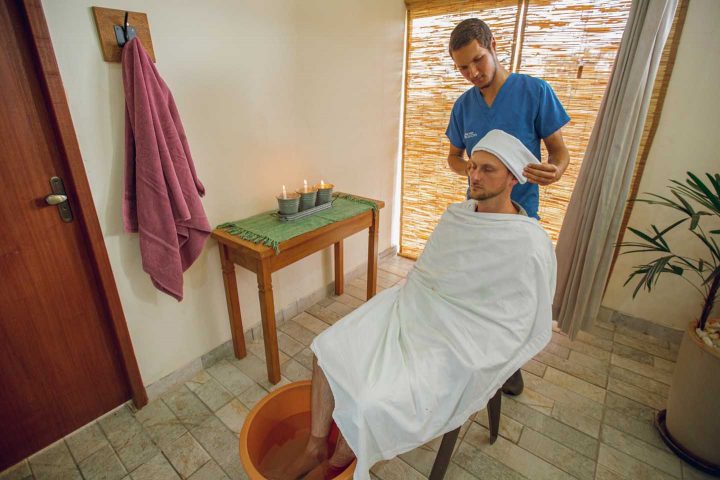
  • Hot Foot Bath: Wrap yourself into a blanket and put your feet into a bucket of hot water, as hot as you can tolerate it. Add some hot water every 5 minutes and continue the treatment for 20 to 30 minutes. When starting to sweat, put a cold cloth on the forehead, and drink plenty of water.

The next two treatment options are a bit more vigorous. If you have a circulatory disease that impedes you to do jogging, you should avoid those treatments, because they put a strain on your body and make your heart pump faster.

  • Steam Sauna: Put yourself inside a sauna tent and expose your body to a steam source. You can do that with a pot of boiling water on a mobile cooking plate, but there are portable steam saunas available as well. Put a cold cloth with ice water on your head and change frequently as you are coming to a sweat. Stay for 20 to 25 minutes and go straight into bed afterward in order to continue sweating for another 30 minutes. Consider using a different mattress, or putting a plastic underneath your sheet, since you will be sweating a lot. Finish then with a shower.
  • Hot Bath: Get inside a hot bath, as hot as you can tolerate, and add hot water every 5 minutes. Keep a cold cloth on your forehead and work up a sweat for about 20 minutes. A study found out that raising the body temperature to 39°C (102°F) was leading to a tenfold increase in the interferon response, which is exactly the component that is impaired by the coronavirus in the early course of the disease.((Downing J et.al. Hyperthermia in humans enhances interferon-gamma synthesis and alters the peripheral lymphocyte population. J Interferon Res. 1988 Apr;8(2):143-50 DOI: 10.1089/jir.1988.8.143))

Finish each of those treatments with at least one hour of bed rest afterward. This will multiply the immune boosting effect. Drink plenty of water or teas to stay hydrated.

Hot Foot Bath

A good recipe for strengthening the immune system is the so-called Russian Penicillin. The basic recipe is very simple. You take one entire lemon and peel it. Then you take 2-3 cloves of garlic and a pinch of salt. Blend it up in one quart of water (1 liter) and drink it during the day. If you want you can add orange, grapefruit or onions to the recipe, all of those have beneficial properties.

On the immune boosting supplementations, it might be helpful to increase the dose in case of treating the disease:

  • Vitamin C: 1,000-2,000 mg / day
  • Zinc: 40 – 75 mg / day for up to 1 week((Hemilä H, Petrus EJ, Fitzgerald JT, Prasad A. Zinc acetate lozenges for treating the common cold: an individual patient data meta-analysis. Br J Clin Pharmacol. 2016 Jul 5. DOI: 10.1111/bcp.13057))
  • Vitamin D: up to 60,000 IU / day. If you need to do more than 2-3 weeks of treatment, it shoud be accompanied with adequate blood tests.((A Rastogi et.al. Short term, high-dose vitamin D supplementation for COVID-19 disease: a randomised, placebo-controlled, study (SHADE study). Postgraduate Medical Journal Published Online First: 12 November 2020. doi: 10.1136/postgradmedj-2020-139065))

We did already an article with the title: Can Vitamin D Prevent COVID-19? We stated that Vitamin D is fundamental in prevention and treatment of COVID-19 and cited several studies that could confirm this findings. Besides the vitamin D supplementation, try to implement a daily sunbath, that will help in many ways in the recuperation process.

Quercetin is a flavonoid with antiviral properties. In vitro studies have shown that it is able to interfere in the replication cycle of the coronavirus. There are no populational studies published in relation to COVID-19, but it shows interesting antiviral properties, especially in combination with vitamin supplementation.((Agrawal P. Quercetin: Antiviral Significance and Possible COVID-19 Integrative Considerations. https://doi.org/10.1177/1934578X20976293))

Diet-wise, you should avoid heavy meals and double up on fruits, especially citrus fruits and other Vitamin C sources. Cut out all sources o sugar, even natural cane sugar, molasses, maple syrup and similar. Honey can be used in moderation.

At the dental office, a 1% hydrogen peroxide solution is used as a mouth rinse, for patients and dentists alike, in order to avoid the spread of the virus. Some have advocated a wider use of this mouth rinse for the general population. In the early stage of the infection, a gargle or mouth rinse can definitely help to reduce the viral load in this region. They advise to rinse no more than 4 times a day, and prolonged use can disrupt the presence of healthy bacteria in the mouth.((Caruso A et.al. Might hydrogen peroxide reduce the hospitalization rate and complications of SARS-CoV-2 infection? Infect Control Hosp Epidemiol. 2020 Apr 22 : 1–2. doi: 10.1017/ice.2020.170
COVID19 and Hydrogen Peroxide – Urgent Health Tips. My Dental Co. Website, accessed May 13, 2021)) If you do not want to apply hydrogen peroxide, you can use salt water, sage or any other substance with antiviral properties.

Herbs

There are several herbs that could be used in a COVID-19 treatment situation. A team was screening the available literature for natural products that proved to have antiviral activities against different types of human coronavirus. They found that extracts of the red spider lily (Lycoris radiata), Japanese gentian (Gentiana scabra Bunge), Chinese yam (Dioscorea batatas Decne), Sickle senna (Cassia tora L.), Mulberry Mistletoe (Taxillus chinensis), golden chicken fern (Cibotium barometz L.) and Echinacea purpurea L. showed a promising effect, and clinical trials should be done to prove their efficiency for COVID-19.((Khalifa S. et.al. Screening for natural and derived bio-active compounds in preclinical and clinical studies: One of the frontlines of fighting the coronaviruses pandemic. Phytomedicine. 2020 Aug 29;153311. doi: 10.1016/j.phymed.2020.153311.))

Another review study analyzed plants that could be possibly used in treating COVID-19 symptoms. They found 5 plants to be especially promising. Licorice (Glycyrrhiza glabra) has a soothing effect on the respiratory tract and is indicated in case of a cough or sore throat. Elderberry (Sambucus nigra) showed positive effects in clinical trials treating colds or flu. It has expectorant properties and is indicated in various respiratory conditions, fever and headaches. The common ivy (Hedera helix) has been show effective in the treatment of bronchitis and the common cold. It has expectorant properties and should be used in case of a persistent cough. Marsh mallow (Althaea officinalis) is indicated to treat a persistent dry cough. Myrrh (Commiphora molmol or Commiphora myrrha) has an anti-inflammatory effect and is indicated in a variety of respiratory conditions. They found also potentially promising results for a list of 12 more plants including garlic, Echinacea, Eucalyptus and others.((Silveira D et.al. COVID-19: Is There Evidence for the Use of Herbal Medicines as Adjuvant Symptomatic Therapy? Front Pharmacol. 2020 Sep 23;11:581840. DOI: 10.3389/fphar.2020.581840))

The herb Dysphania ambrosioides, commonly known as Mexican Tea, was studied by Brazilian scientists, and they found that it contains substances that are able to inhibit the Sars-CoV-2 virus.((Silva F. et.al. Flavonoid glycosides and their putative human metabolites as potential inhibitors of the SARS-CoV-2 main protease (Mpro) and RNA-dependent RNA polymerase (RdRp). Mem Inst Oswaldo Cruz. Vol. 115, September 2020. DOI: 10.1590/0074-02760200207)) Populational studies are needed to certify the effectiveness in COVID-19 treatments. The plant has several different medicinal applications, among others it is known for its anti-inflammatory and immune stimulating properties. You can use it in form of a tea, putting one tablespoon of the dried leafs in one cup of boiling water and let it steep for 10 minutes. Use 2-3 cups per day. The plant should not be applied for prolonged usage, since it could manifest a toxic effect in long term use.

In Pakistan a randomized controlled trial was done on hospital patients applying the combination of honey with black seed (Nigella sativa). Patients treated with this combination cleared the virus 4 days earlier than the control group. Recuperation and hospital discharge was happening much earlier, and in severe cases mortality rate was fourfold lower.((Ashraf S et.al. Honey and Nigella sativa against COVID-19 in Pakistan (HNS-COVID-PK): A multi-center placebo-controlled randomized clinical trial. doi: https://doi.org/10.1101/2020.10.30.20217364))

Propolis is another promising remedy for prevention and treatment of COVID-19. In a Brazilian study, patients hospitalized for COVID-19 were put either on standard care alone, or received 400mg/day of a propolis extract in the second group, or 800mg/day in the third group. Patients with standard care alone needed an average stay of 12 days in the hospital. That was reduced to 7 days with the supplementation of 400mg/day of propolis, and to 6 days with 800mg/day. Cases for acute kidney injury were reduced as well.((Duarte Silveira M A et. al. Efficacy of propolis as an adjunct treatment for hospitalized COVID-19 patients: a randomized, controlled clinical trial. doi https://doi.org/10.1101/2021.01.08.20248932)) Considering that most drugs proved to be inefficient in hospitalized patients, those findings are pretty impressive.

Those are the herbs that were specifically studied in relation to COVID-19. There are numerous other herbs, that may be just as effective, but no study is available to prove its efficacy. The lifestyle center Uchee Pines Institute is recommending the following list of herbs:((Adeogun O, Sandoval, M. COVID-19 (Coronavirus Disease 2019). Uchee Pines Website))

  • American Ginseng – avoid in pregnancy, 200-400mg twice daily
  • Siberian Ginseng – insufficient evidence to recommend for children or pregnancy, don’t take for longer than 2 months, 400mg 3 times daily
  • Panax Ginseng – (Asian Ginseng), don’t use more than 6 months, avoid in children and pregnancy, 200mg daily
  • Andrographis – (Indian Echinacea), avoid in pregnancy, 200mg daily
  • Thuja – (cedar leaf oil), avoid in pregnancy and lactation, 18-36mg 3 time daily, for 2 weeks
  • Echinacea – 800mg 3 times daily for prevention, up to 5 times daily with symptoms
  • Elderberry – only use the ripe fruit, dosage not specified.
  • Umckaloabo – (African geranium), insufficient info for pregnancy/lactation, dose not specified

Early Treatment

It is a good idea to take a COVID-19 PCR test if available for you. If confirmed positive, or you have strong reasons to believe to be infected, you should take immediate measures for stronger treatment. Besides fever, cough, fatigue and headache, a loss of smell and taste is a very typical symptom for COVID-19 infection. Studies have shown that early treatment greatly increases the chance for recuperation.

One of the drugs that seems to be effective in early stage is nitazoxanide, also known under the brand name alinia. It is mainly used to treat certain parasites like giardia, but has reportedly a broad-spectrum antiviral activity. Furthermore, nitazoxanide displays the potential to boost the innate immune system and reduce the cytokine storm.((Lokhande A, Devajaran P. A review on possible mechanistic insights of Nitazoxanide for repurposing in COVID-19. DOI: 10.1016/j.ejphar.2020.173748)) A study showed that viral load was reduced in 48% of patients treated after a 7 day period, compared to 15% in the placebo group.((Silva M et.al. Efficacy of Nitazoxanide in reducing the viral load in COVID-19 patients. Randomized, placebo-controlled, single-blinded, parallel group, pilot study. doi https://doi.org/10.1101/2021.03.03.21252509)) Further studies are in development to confirm these findings.

Hydroxychloroquine has been hotly debated for a long time, but we want to look at the available evidence. Studies on hospitalized patients did not show any efficiency, like many other drugs as well. But a review found 29 studies of early treatment of COVID-19, and all of them showing favorable results, although only 13 were statistically significant.((HCQ is effective for COVID-19 when used early: real-time meta analysis of 229 studies. https://hcqmeta.com/)) Another meta-analysis was not able to determine any benefit, probably because early treatment and late treatment studies were mixed together, a large number of studies was excluded, and no pooling of data was attempted in order to gain a better statistical significance.((Singh B et.al. Chloroquine or hydroxychloroquine for prevention and treatment of COVID-19 (Review). DOI: 10.1002/14651858.CD013587.pub2.)) It is interesting to state that chloroquine is allowing zinc to enter the cell and inhibit viral replication.((Xue J et.al. Chloroquine Is a Zinc Ionophore. PLoS ONE 9(10): e109180. doi:10.1371/journal.pone.0109180)) We can conclude that chloroquine will develop its full capacity only if administered in combination with Zinc, just there are very few studies available using this combination.

Another interesting option seems to be ivermectin, a drug widely available for the treatment of parasites. Being used at a large scale in many developing countries around the world, it has an excellent safety profile. The drug can help in impeding the binding of the virus to the cells. A meta analysis of 6 early treatment studies showed a 75% average reduction in mortality.((Hill A et.al. Meta-analysis of randomized trials of ivermectin to treat SARS-CoV-2 infection. DOI:10.21203/rs.3.rs-148845/v1
Ivermectin is effective for COVID-19: real-time meta analysis of 49 studies. https://ivmmeta.com/
Lawrie T. Ivermectin reduces the risk of death from COVID-19 – A rapid review and meta-analysis in support of the recommendation of the Front Line COVID-19 Critical Care Alliance. https://www.e-bmc.co.uk/)) Some studies seem to show limited benefits, that do not justify its use.((López-Medina E et. al. Effect of Ivermectin on Time to Resolution of Symptoms Among Adults With Mild COVID-19. JAMA. doi:10.1001/jama.2021.3071)) Besides that, critiques are saying that sample sizes of the available studies are small, and the study design sometimes flawed, having though not sufficient scientific evidence to promote their use. Several others prefer to use the limited evidence available in a responsible way to save lives.

Despite of limited scientific evidence at that time, ivermectin was approved as a COVID-19 treatment since May 2020 in Peru and Bolivia, and a few other countries have followed in the meantime. In Brazil, a factory with 12,000 workers adopted a weekly preventive dose of ivermectin. The responsible doctor states in an interview, that they had very few cases of infection, and no cases of hospitalization or death.((Medico de GTFoods em Maringa. Facebook, March 12, 2020))

The dose of the drug depends on the weight of the person. It is important to note that ivermectin preparations for animals are improper for human use, since the dosage for horses and cows is completely different than for humans.

Another case study comes from the town of São Lorenço in the Brazilian State of Minas Gerais. They adopted an early treatment protocol using ivermectin, azithromycin, dexamethasone, zinc and vitamin D. For almost a month they had not a single case in the intensive care units, and almost no hospitalizations for COVID-19. With the recent surge all over Brazil, there were recorded 4 cases in intensive care by the end of March. It is difficult to tell, which component of the protocol was responsible for the result, but it shows that early treatment can significantly increase the chance for success.((Piva A. Cidade mineira não tem um único doente internado por covid-19. Revista Oeste, March 15, 2021
Dourado C. Prefeito defende tratamento precoce, mas São Lourenço entra na onda roxa. Estado de Minas, March 16, 2021
Statistics on the Facebook page of the town hospital))

Monoclonal antibodies are another treatment option that proved to be effective as an early treatment option, and there are two options that have received FDA approval. Bamlanivimab and the combination of casirivimab/imdevimab are available and you may consult your hospital whether they are eligible to recieve this treatment. They work in blocking the spike proteins of the virus and reducing its infectivity.((An EUA for Bamlanivimab—A Monoclonal Antibody for COVID-19. JAMA. 2021;325(9):880-881. doi:10.1001/jama.2020.24415
Chen P et.al. SARS-CoV-2 Neutralizing Antibody LY-CoV555 in Outpatients with Covid-19. N Engl J Med 2021; 384:229-237 DOI: 10.1056/NEJMoa2029849))

If Symptoms Persist

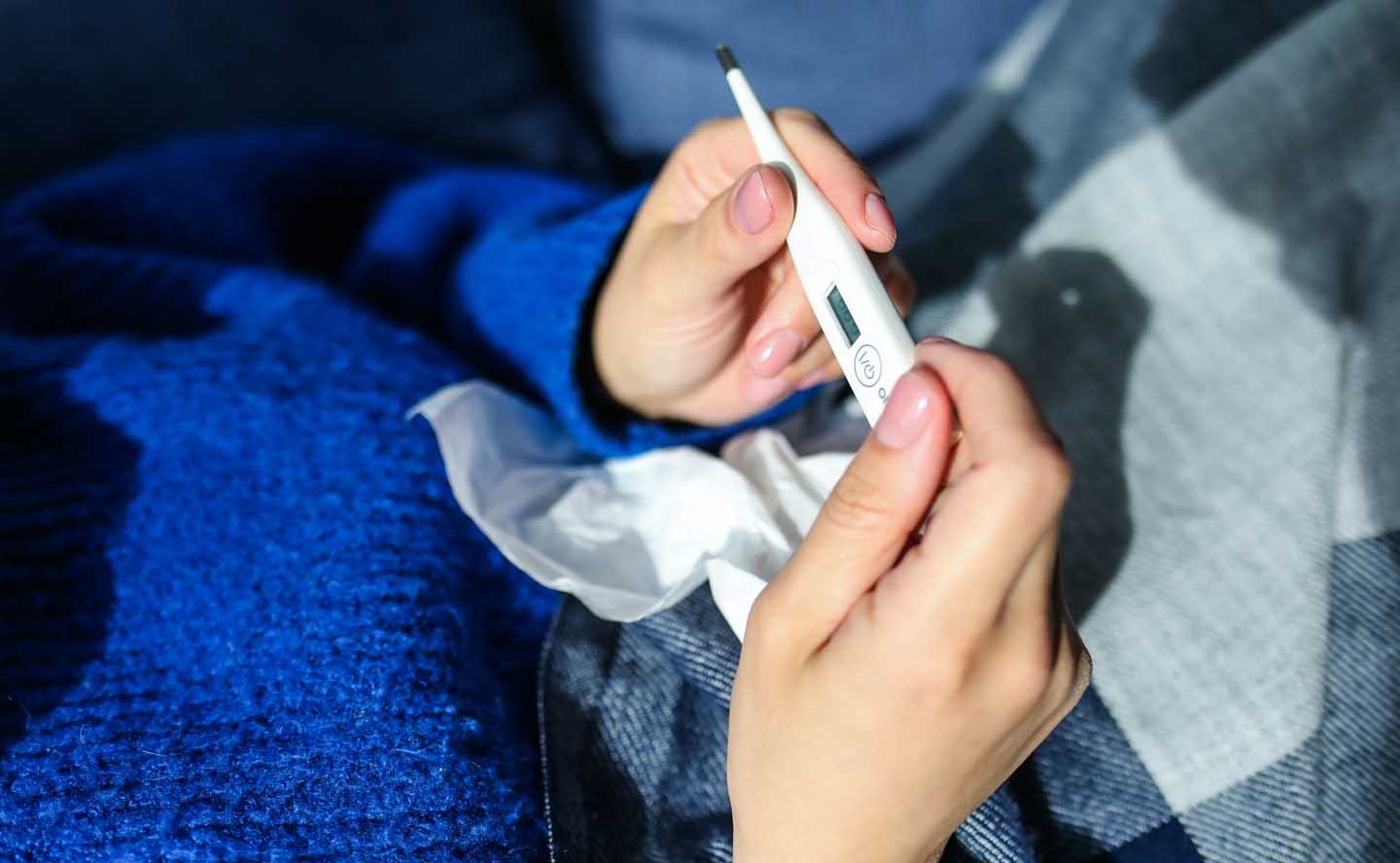
One of the common symptoms is fever. Many people will try to lower the fever with ibuprofen, paracetamol or another antipyretic drug. This is actually the worst thing you can do. Fever actually stimulates the immune system to fight the infection. If you cut the fever, you may feel better at the moment, but you reduce the activity of the immune system to fight the infection.

Fever thermometer - Photo by Polina Tankilevitch from Pexels

It is important to state again that the most effective treatment of COVID-19 is a well-functioning immune system. Even for the common flu, there are only a handful of antiviral drugs available with very limited efficiency. The deciding factor that will eventually fight off the virus is the immune system, and strengthening the immune response will be the most important treatment to follow.

In case of fever, strict bed rest is the best course to follow. We have seen already the importance to feed the fever with bed rest. On top of that, sleep is essential for the functioning of the immune system. During the Spanish flu, the early initiation of total bed rest was part of a successful treatment protocol. The bed rest needs to be continued for 2 to 3 days after the fever subsides, in order to avoid the development of pneumonia or other types of secondary complications.((Elliott LE. The Value of Sanitarium Treatment in Respiratory Diseases. Life & Health. 1919 May 1; 34(5):103-4.)) In case of COVID-19, we have seen many cases with marked improvements, followed by a sudden return of the disease, or one of its complications. If symptoms improve, continue your treatment protocol for several days, until you obtain a negative PCR test or you are completely sure of your total recovery. Even though you may feel better, you need to continue treatment for as many days as you had a fever.

Give plenty of water or teas throughout the treatment period. The patient will most likely be sweating a lot, and needs to be hydrated. On top of that, extra water can flush out a number of substances through the urine and clean out the body. Hot teas can help to induce sweating and fever.

In case of cough, an onion poultice can help. Blend ½ of a medium-sized onion in a blender with just enough water to make a paste. Spread it on a paper towel like the onion is the sandwich filler and the paper towel is the bread, so you have paper towel on the outside with the onion on the inside. Place it on the chest and then wrap it with plastic food wrap and secure it in place. Cover with a tight t-shirt and then a flannel or thick sweater and leave on overnight. Remove and wash off in the morning.((Adeogun O, Sandoval, M. COVID-19 (Coronavirus Disease 2019). Uchee Pines Website))

Hot and cold fomentations on the chest are an excellent treatment for coughing. Considering the lung damage in advanced COVID-19, it is certainly a treatment that is highly indicated. During the Spanish Flu pandemic, this treatment was part of a successful treatment regimen.((Elliott LE. The Value of Sanitarium Treatment in Respiratory Diseases. Life & Health. 1919 May 1; 34(5):103-4.)) Place a hot fomentation for 3 minutes, followed by a towel that was immersed in ice water for a minute. Repeat 5-7 times. To increase the effect, put a hot fomenation or heating pad on the back, and the feet in a basin of hot water during the treatment, taking care to add hot water every 5 minutes. Finish the treatment by rubbing the body with a cold cloth and drying immediately. Repeat 2-3 times daily if needed.

Steam Inhalation is another interesting treatment to improve mucus elimination and clear up the lungs. There are commercial steam inhalators available, or you can just put a sheet over a pot with boiling water. Add a few drops of peppermint or eucalyptus oil if you want. To treat the cough, you can also mix a few drops of eucalyptus oil in honey. Use about one drop for every tablespoon. You may find even raw eucalyptus honey, that contains all the beneficial properties of the pollen from the eucalyptus trees.

If the patient is still strong enough, you can continue to apply a hot foot bath 2-3 times a day. Just if fever persists for a long time, the patient may become so weak that he is not able to adequately react to the hot stimulus. In this case, fomentations will be the more adequate treatment.

What you should avoid during early treatment are antipyretic and anti-inflammatory drugs (like ibuprofen, parecetamol, diclofenac, loratadine), antibiotics, and corticosteroids, since they weaken the immune system.

If the Disease Aggravates

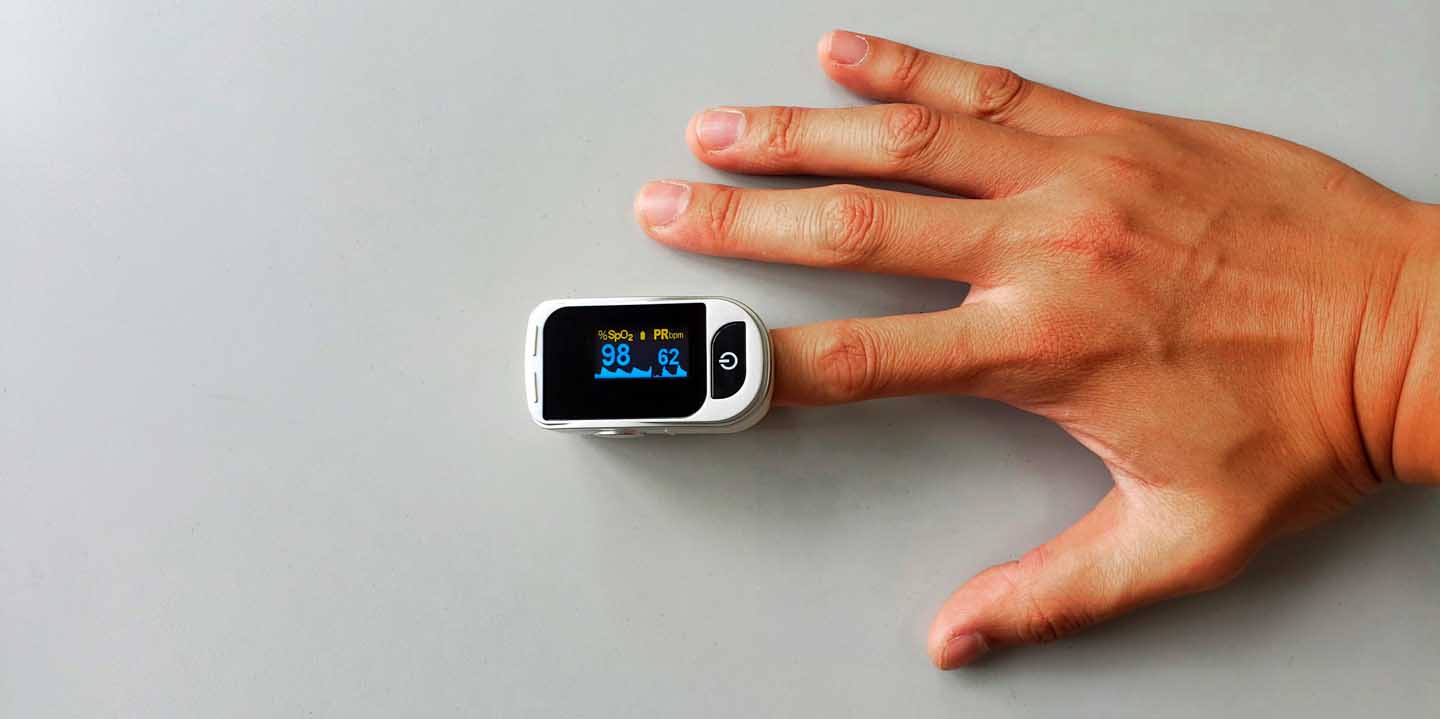
If you develop shortness of breath, or blue lips it is a sure sign that the disease is affecting the lungs. In this case you need to look out for medical help. In order to facilitate breathing, you may be put on oxygen. That helps to guarantee that oxygen levels do not drop in the blood and cause other complications. If you want a tool to evaluate your situation for yourself, you acquire an oximeter. If your Oxygen saturation in the blood is above 95%, then you are fine, and no lung impairment is taking place. If the saturation drops below 90%, you may be in need of supplemental oxygen. Higher altitudes may lead to slightly lower oxygen saturation.

Oxymeter - Photo by Stanley Ng from Pexels

It is important to state that effective drug treatments are getting extremely scarce when it comes to advanced COVID-19 patients. The WHO organized a rather large study including four of the most promising treatment options, and concluded that none of them, not even the expensive antiviral drug Remdesvir showed statistically significant benefit in hospitalized patients.((WHO Solidarity Trial)) Some preliminary studies show though promising results for proxalutamide((Cadegiani et al., Press Conference (Preprint) The Proxa-Rescue AndroCoV Trial)) and a few other drugs for the late stage treatment of COVID-19.

That far, treatment is entirely focusing on dealing with symptoms. Besides giving oxygen, corticosteroids are normally prescribed in order to reduce the cytokine storm. This is important to limit the damage of the lungs in the acute stage. Please note that corticosteroids are recommended only after the patient has sufficient lung damage to require oxygen, and a significant cytokine storm was setting in.((Therapeutic Management of Adults With COVID-19. NIH, acessed April 7)) Before this point it would only prejudice the immune response without necessity. Even though that corticoids are suppressing the activity of the immune system, efforts should continue to strengthen the immunity, since this is the only mechanism that will fight the virus and promote the real cure of the disease. Especially Vitamin D was proven to show an immunomodulating effect, improving overall immunity while helping to reduce the cytokine storm.

In relation to thrombosis protection, N-Acetyl Cysteine (NAC) might be an interesting option. Several studies show that NAC is able to reduce the formation of thrombosis in various situations. Although there are no specific studies that prove its efficiency in case of COVID-19, it is probably safe to conclude, that the mechanisms involved would apply to this disease as well.((Coronavirus Pandemic Update 69: “NAC” Supplementation and COVID-19 (N-Acetylcysteine). Medcram. Youtube, May 11, 2020))

The AdventHealth hospital in Ocala, FL has developed a treatment protocol that they have baptized ICAM. It is an acronym of the 4 different treatment components. I stands for Immunosupport, which was given in form of Vitamin C and Zinc supplementation. C stands for corticosteroids that were used to control inflammation. A stands for anticoagulants to prevent blood clotting, and M for macrolides to help fight infection. In their own hospital, they have proven a 96.4% survival rate with this treatment protocol. Like other protocols, it does little to attack the actual virus, but treats successfully COVID-19 symptoms, giving the immune system extra time to respond. Further studies supposedly showed no benefits compared to standard treatment protocols, but I still would consider it as an interesting protocol for hospitalized patients.((Facebook Post))

Recuperation

Especially if lung damage has occurred, fatigue is a common symptom in the recovery phase. In a study of COVID-19 patients that were hospitalized, more than half reported fatigue even 2 month after recovery.((Carfi A et.al. Persistent Symptoms in Patients After Acute COVID-19. JAMA. 2020;324(6):603-605. doi:10.1001/jama.2020.12603)) Another study found 55% of patients had an abnormal echocardiogram, so you definitely want to check on your heart if you experience fatigue.((Dweck M et.al. Global evaluation of echocardiography in patients with COVID-19. https://doi.org/10.1093/ehjci/jeaa178))

If you get tired, you need to limit the amount of work you do during this recovery phase. If you go beyond your strength in this phase, you can cause a relapse, some kind of a secondary infection or some other type of complication. In some cases physiotherapy can help in recuperation. In any case, start with some light exercise and build up gradually. Be sure to get to bed early and take good care of your health. You should spend a lot of time outdoors in the fresh air and sunshine. Just be sure to use appropriate clothing for the climate to avoid chilling.

Try to focus on an anti-inflammatory diet. Use plenty of fruits and vegetables. Avoid saturated fats and increase the amount of Omega 3 fatty acids in your diet. Flaxseed and Chia are among the best sources. If you made use of some medication, it is definitely recommended to use some probiotics to improve your intestinal flora.

Supplementation with NAC seems to be helpful in recovering from fatigue. A daily contrast shower can be helpful to strengthen your immunity and increase circulation, which in turn speeds up the healing process. Keeping a cheerful state of mind can do wonders as well. The impact of thoughts and attitudes on our health is greater than we think.

Conclusion

Treatment of COVID-19 definitely varies greatly, depending on the stage of the disease. For the most part it is focusing on treating symptoms and side effects of the disease, and giving the immune system proper time to do its work. In elderly patients, the immune response takes longer to kick in, which will aggravate the disease and prolong the recovery time.

We see as a common thread the importance of a strong immune system in all phases of the disease. At the end, only the immune system is able to fight off the virus and really cure the disease. In order to help you to have a strong immunity and be prepared for the virus, we have prepared the10 day Coronavirus Immunity Challenge for you. Participate now to find out what you can do to have maximum protection against the coronavirus that is circulating around the entire globe.

We have a special opportunity just for you. If you want to receive practical and up to date advice on how to implement an immunity-boosting lifestyle, simply join the Coronavirus Immunity Challenge and prepare yourself to face the pandemic with a bullet-proof immune system.

Sign Up Now

Coronavirus Immunity Challenge

Filed Under: COVID-19, Diseases

Can Vitamin D Prevent COVID-19?

February 13, 2021 by Martin Neumann - [rt_reading_time label="Reading Time:" postfix="minutes" postfix_singular="minute"]

Does Vitamin D prevent COVID-19?

In the beginning of last year, I was reading the news that a Chinese hospital in Shanghai was successful in treating COVID-19 patients with high doses of vitamin C. Not much attention was given to the subject, but evidence is increasing recently that vitamin D supplementation could be crucial in the prevention and treatment of COVID-19.

Can Vitamin D Prevent COVID-19?

Vitamins are substances that you need to ingest with your food in order to live. They are vital to your health. Vitamin D is different. There are small amounts present in your food, but the bulk part is actually produced by your body. Your skin is able to metabolize it under sun exposure. If you do not get enough sun, then you need to supplement it, since the dietary intake is not sufficient to cover your needs.

Vitamin D is also different from other vitamins in the way it works in your body. In a certain sense, it almost works like a hormone, being able to regulate several essential body functions. It is able to bind to a receptor on the cell membrane and enter even into the nucleus, this way affecting how the genes express themselves in relation to cell function.((Vitamin D and COVID 19: The Evidence for Prevention and Treatment of Coronavirus (SARS CoV 2) Youtube)) Numerous cells have receptors for Vitamin D. This includes immune cells, an important fact for our subject of COVID-19 prevention. It was shown that vitamin D is essential for the proper functioning of the immune system.((F Sassi et.al. Vitamin D: Nutrient, Hormone, and Immunomodulator. Nutrients2018, 10(11), 1656; https://doi.org/10.3390/nu10111656
Xu, Y., Baylink, D.J., Chen, CS. et al. The importance of vitamin d metabolism as a potential prophylactic, immunoregulatory and neuroprotective treatment for COVID-19. J Transl Med 18, 322 (2020). https://doi.org/10.1186/s12967-020-02488-5))

Vitamin D and Immunity

The flu season is peaking exactly at the end of the winter, when sun exposure is limited and the Vitamin D storage is depleted. Studies have shown that children with rickets caused by Vitamin D deficiency, are also more susceptible to tuberculosis. Also, the relationship between respiratory diseases and vitamin D deficiency is well established.((H Brenner et.al. Vitamin D Insufficiency and Deficiency and Mortality from Respiratory Diseases in a Cohort of Older Adults: Potential for Limiting the Death Toll during and beyond the COVID-19 Pandemic? Nutrients 2020, 12(8), 2488; https://doi.org/10.3390/nu12082488
Vitamin D supplementation to prevent acute respiratory tract infections: systematic review and meta-analysis of individual participant data. BMJ 2017; 356 doi: https://doi.org/10.1136/bmj.i6583
M Urashima et.al. Randomized trial of vitamin D supplementation to prevent seasonal influenza A in schoolchildren. Am J Clin Nutr. 2010 May;91(5):1255-60. DOI: 10.3945/ajcn.2009.29094))

On average we spend only 7.6% of the day being outdoors,((N. Klepeis et.al. The National Human Activity Pattern Survey (NHAPS): a resource for assessing exposure to environmental pollutants. Journal of Exposure Analysis and Environmental Epidemiology (2001) 11, 231-252)) which means our sun exposure is very limited. Living above the 35th degree of latitude you do not have sufficient Vitamin D production in the winter. That includes any location of Tennessee and above. Europe is included entirely.

Indoor Light in a Metro - 
Photo by cottonbro from Pexels

Studies have shown that people in the age of 77 to 82 years had less than half the capacity to produce Vitamin D in the skin compared to teenagers.((J MacLaughlin, M F Holick. Aging decreases the capacity of human skin to produce vitamin D3. J Clin Invest. 1985 Oct;76(4):1536-8. DOI: 10.1172/JCI112134)) Darker skin colors have significantly less absorption of vitamin D as well.((O. M. Gutiérrez et.al. Racial differences in the relationship between vitamin D, bone mineral density, and parathyroid hormone in the National Health and Nutrition Examination Survey. Osteoporos Int. 2011 Jun; 22(6): 1745–1753. doi: 10.1007/s00198-010-1383-2))

Vitamin D is a fat-soluble vitamin. It is therefore stored in the fat tissues, and the more fat reserves you have, the more Vitamin D you will need. For that reason, individuals with a BMI higher than 35 are more likely to be Vitamin D deficient, and larger doses will be needed for supplementation.((J Wortsman et.al. Decreased bioavailability of vitamin D in obesity. The American Journal of Clinical Nutrition, Volume 72, Issue 3, September 2000, Pages 690–693, https://doi.org/10.1093/ajcn/72.3.690))

It is interesting to notice that people with higher age, dark skin color and increased BMI are having an increased risk of dying from COVID-19. Those are exactly the same risk factors for Vitamin D deficiency. Is that coincidental, or is there a causative relationship?

Vitamin D and COVID-19 Infections

Before we start, one note about unit conversion. Some countries are measuring blood levels of vitamin D in nmol/l. In the US the commonly used unit is ng/ml, and we are using this unit throughout the article. If you want to convert to nmol/l, you need to multiply those values by 2.5.

Some scientists analyzed the COVID-19 cases compared to the latitude of each country. They found out that all the countries with higher mortality rates were located above the 35th-degree latitude, thus having insufficient sun exposure in the winter.((J M Rhodes et.al. Editorial: low population mortality from COVID-19 in countries south of latitude 35 degrees North supports vitamin D as a factor determining severity. Aliment Pharmacol Ther. 2020 Jun;51(12):1434-1437. DOI: 10.1111/apt.15777)) Another research looked at the mean vitamin D level of each country and found that those with higher vitamin D levels had significantly lower numbers for COVID-19 cases and deaths.((P C Ilie et.al. The role of vitamin D in the prevention of coronavirus disease 2019 infection and mortality. Aging Clin Exp Res. 2020 May 6 : 1–4. doi: 10.1007/s40520-020-01570-8))

In a research among elderly hospital patients was found that the mean vitamin D level of COVID-19 positive patient was 11 ng/ml compared to 21 ng/ml in the group who tested negative.((V Baktash et.al. Vitamin D status and outcomes for hospitalised older patients with COVID-19. Postgraduate Medical Journal Published Online First: 27 August 2020. doi: 10.1136/postgradmedj-2020-138712)) A study in Switzerland compared the vitamin D level of hospitalized patients and found that those who were hospitalized for COVID-19 infection had significantly lower vitamin D levels than those who were tested negative for COVID-19.((A D’Avolio. 25-Hydroxyvitamin D Concentrations Are Lower in Patients with Positive PCR for SARS-CoV-2. Nutrients 2020, 12(5), 1359; https://doi.org/10.3390/nu12051359))

That study was able to show a correlation between those two factors, but a correlation is not always causative. Some scientists found out that during an infection the serum vitamin D levels tend to drop, and stipulated the possibility that COVID-19 infection caused the vitamin D levels to drop, and not that the vitamin D deficiency has caused COVID-19.((J Smolders et.al. Letter to the Editor: Vitamin D deficiency in COVID-19: Mixing up cause and consequence. Metabolism. 2021 Feb; 115: 154434. doi: 10.1016/j.metabol.2020.154434)) Although the drop in vitamin D levels could be proven, it is though very moderate, and does not fully explain the drastic difference in vitamin D levels between those two groups.

To help us establish the causative effect, there were two studies done in Israel, that checked out people who had a prior Vitamin D test on record, and they found that those who had adequate Vitamin D levels before being exposed to COVID-19 were less likely to get infected.((A Israel et.al. The link between vitamin D deficiency and Covid-19 in a large population. https://doi.org/10.1101/2020.09.04.20188268)) The second study found that those who had Vitamin D levels below 30 ng/ml, were almost twice as much needing hospitalization compared to those with normal levels.((E Merzon et.al. Low plasma 25(OH) vitamin D level is associated with increased risk of COVID-19 infection: an Israeli population-based study. FEBS J. 2020 Sep;287(17):3693-3702. DOI: 10.1111/febs.15495)) A study in the US found that persons with vitamin D level below 25 ng/ml had twice as many COVID-19 infections compared to those above 55 ng/ml.((H W Kaufman et.al. SARS-CoV-2 positivity rates associated with circulating 25-hydroxyvitamin D levels. https://doi.org/10.1371/journal.pone.0239252))

Vitamin D for COVID-19 Treatment

Another research done in Spain went some further to find out whether vitamin D is an effective treatment option. They gave vitamin D injections to patients that were hospitalized for COVID-19 treatment. For those in the placebo group, 50% were submitted to the intensive care unit, while in the group treated with vitamin D, only 2% needed intensive care.((M E Castillo et.al. “Effect of calcifediol treatment and best available therapy versus best available therapy on intensive care unit admission and mortality among patients hospitalized for COVID-19: A pilot randomized clinical study” J Steroid Biochem Mol Biol. 2020 Oct; 203: 105751. doi: 10.1016/j.jsbmb.2020.105751)) This is quite a significant improvement! As a result of the study, the hospital started wheeling out COVID-19 patients in recovery to the seaside.((Coronavirus: Barcelona beach trip for recovering patients. BBC News, 3 June 2020))

In a clinical trial done in India, they gave a dose of 60.000 UI of vitamin D3 for 7 days to patients being hospitalized for COVID-19. After 3 weeks 62.5% of those who received Vitamin D were cured compared to 20.8% in the control group.((A Rastogi et.al. Short term, high-dose vitamin D supplementation for COVID-19 disease: a randomised, placebo-controlled, study (SHADE study). Postgraduate Medical Journal Published Online First: 12 November 2020. doi: 10.1136/postgradmedj-2020-139065)) A meta analysis concluded that vitamin D supplementation can cut COVID-19 mortality in half.((L Nikniaz et.al. The impact of vitamin D supplementation on mortality rate and clinical outcomes of COVID-19 patients: A systematic review and meta-analysis. https://doi.org/10.1101/2021.01.04.21249219))

COVID-19 Emergency Hospital - Photo by CDC from Pexels

Scientists start to explain the many different mechanisms in which Vitamin D shows so much benefit in COVID-19 treatment. One major problem in severe patient is an overreaction of the immune system, leading to a cytokine storm. This exaggerated inflammatory response can cause multiple organ damage. Vitamin D seems to be capable of regulating the immune system to minimize cytokine storm in severe patients.((Xu, Y., Baylink, D.J., Chen, CS. et al. The importance of vitamin d metabolism as a potential prophylactic, immunoregulatory and neuroprotective treatment for COVID-19. J Transl Med 18, 322 (2020). https://doi.org/10.1186/s12967-020-02488-5))

Vitamin D Supplementation

There is no consensus on which levels of vitamin D are ideal for supplementation. In 2010 the Institue of Medicine raised the recommended daily allowance from 200UI to 600UI per day. The Endocrine Society recommends supplementation of 1500 to 2000UI per day in order to raise blood levels consistently above 30 ng/ml. They deem it safe to supplement up to 4,000 UI per day without medical supervision.((M F Holick et.al. Evaluation, Treatment, and Prevention of Vitamin D Deficiency: an Endocrine Society Clinical Practice Guideline. The Journal of Clinical Endocrinology & Metabolism, Volume 96, Issue 7, 1 July 2011, Pages 1911–1930, https://doi.org/10.1210/jc.2011-0385))

Vitamin D toxicity is though very rare. The first negative side effect of high doses is increased calcium uptake, which can cause calcium deposits in the arteries and other organs. This effect is starting to be observed only in persons with Vitamin D blood levels above 150 ng/ml. Vitamin D is considered the least toxic among the fat-soluble vitamins, so there is no concern about toxicity doing a short term application of high doses of vitamin D. Some specialists like Michael Holick suggest that supplementation of up to 10.000 UI per day is perfectly safe.((„Vitamin D – State of the art“ – Dr. Michael F. Holick in Vienna (English) https://www.youtube.com/watch?v=NuWC2d0mTbo))

It is possible to produce up to 10,000 UI of vitamin D just with a few minutes of sun exposure. This will work though only between 10 am and 3 pm, using no sunscreen and having large parts of the skin exposed to the sun. Latitude, season, age and skin color are factors that can significantly influence the amount of vitamin D production. In order to find out the ideal sun exposure for you, download the app Dminder that is found in Google Play and the App Store alike.

Now what levels of vitamin D in the blood are adequate? Here again, most recommendations are way lower than they are supposed to be. If you are below 30 ng/ml (75 nmol/l) consider yourself deficient. An ideal level for a well-functioning immune system would be between 50 and 100 ng/ml (125-250 nmol/l).

There are many who advocate a wider use of Vitamin D supplementation to help control the COVID-19 pandemic. In an initiative, 200 scientists and doctors have called on governments around the world to recommend a widespread supplementation of at least 4,000UI per day.((Over 200 Scientists & Doctors Call For Increased Vitamin D Use To Combat COVID-19. VitaminDforAll)) For those who did not do any supplementation so far, they recommend taking 10,000UI daily for 2-3 weeks in order to raise the levels, and then maintain with 4,000UI per day. Most governments that far have ignored this call, but individuals are able to do their part to protect themselves. And the message is reaching the consumers. Vitamin D supplement sales increased by more than 30% during the last year.((J Grebow. Vitamin D made headlines over COVID-19 studies last year. Sales of vitamin D were also up in 2020. What will 2021 look like? 2021 Ingredient trends to watch for food, drinks, and dietary supplements. Nutritional Outlook, February 10, 2021)) And even Dr. Fauci has stated that supplementing vitamin D may be beneficial, and takes supplements for himself.((Dr. Fauci says to take vitamin D if you’re deficient — here’s how to know. CNBC. September 26, 2020))

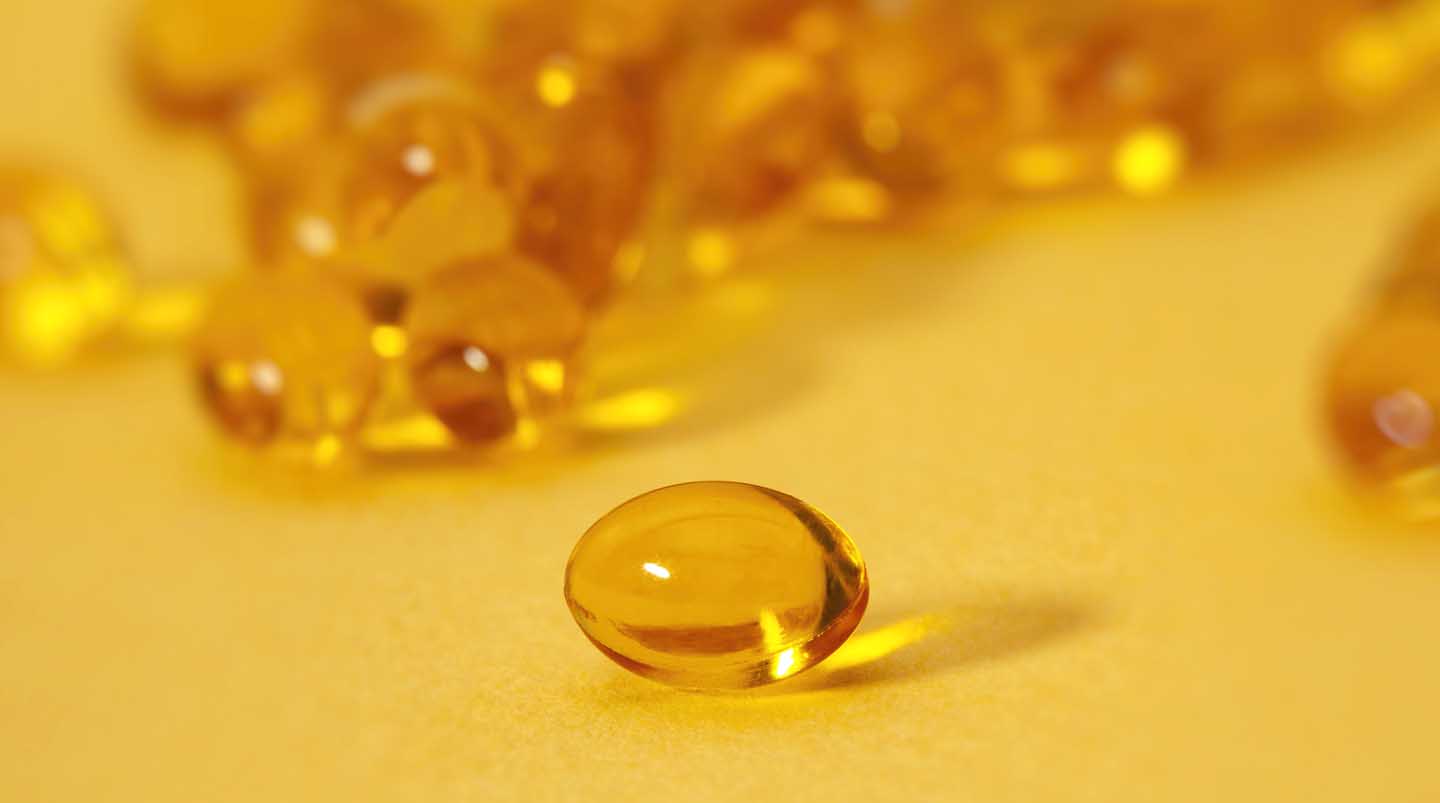
Vitamin D Supplement

We have stated already that obese people need higher intakes of vitamin D, since it gets absorbed by the fat tissue. Overweight person with a BMI between 26 and 30 should take 1.5x the dose of normal weight individuals, and obese persons with a BMI above 30 should triple the dose of vitamin D supplementation. Age, should be taken into consideration as well when establishing the correct dose of supplementation. Individuals above 70 years of age should consider doubling the dose of supplementation.

It is interesting to note that High Fructose Corn Syrup which is present in soft drinks and many other industrialized foods can inactivate Vitamin D.((V Douard et.al. Excessive fructose intake causes 1,25-(OH)(2)D(3)-dependent inhibition of intestinal and renal calcium transport in growing rats. Am J Physiol Endocrinol Metab. 2013 Jun 15;304(12):E1303-13. DOI: 10.1152/ajpendo.00582.2012)) The same mechanism may not apply to table sugar, but an excess of any kind of sugar will reduce the effectiveness of the immune system.

Conclusion

In summary we have seen that vitamin D has a profound impact on our immune system and is essential in the prevention of COVID-19. Based on this fact, we highly recommend to test for adequate vitamin D levels, and correct with proper sun exposure or supplementation if levels are low. In questions of doubt, consult a nutritionist to define the ideal dose for you.

Although vitamin D is essential, it is by far not the only thing you can do to strengthen your immune system. We have prepared a 10 day immunity challenge that will cover several habits that are essential to keep your immunity in top shape. Participate now to find out what you can do to have maximum protection against the coronavirus that is circulating around the entire globe.

We have a special opportunity just for you. If you want to receive practical and up to date advice on how to implement an immunity-boosting lifestyle, simply join the Coronavirus Immunity Challenge and prepare yourself to face the pandemic with a bullet-proof immune system.

Sign Up Now

Coronavirus Immunity Challenge

Filed Under: COVID-19, Diseases, Healthy Lifestyle, Sunlight

What are Your Goals for This Year?

January 3, 2021 by Martin Neumann - [rt_reading_time label="Reading Time:" postfix="minutes" postfix_singular="minute"]

Reaching Goals

Whenever we enter into a new year, we are reflecting on what we did the last year, and we make some resolutions on what we want to accomplish the coming year. But more often those New Year resolutions are fading away just in a few days as the year is going by. The failure in reaching our goals is just adding to the stress we already have, and it seems like we are going nowhere. How can we avoid that from happening? We need to have a clear plan.

What Are Your Goals For This Year?

Make the exercise for yourself. Take out a sheet of paper and write down what you want to accomplish this coming year. Think about all areas of your life. What do you want to accomplish in your professional life, what in your private life, what in your lifestyle to improve your health, in what way do you want to contribute positively to the society around you, and how do you want to grow in your spiritual life? Write down where you want to be in a year from now.

Now after you have put your thoughts and desires on paper, start to prioritize them. Define one or two top priorities in each area of your life, because you will go nowhere if you focus only on your professional life and leave everything else behind. Also, do not try to do everything on your list at the same time, because you will divide yourself too much and will not accomplish anything in the end.

The Action Plan

Next you need to have a clear plan on how you will accomplish the goals you have in your mind. At this point you need to split up your goals in manageable tasks. What are the steps you need to take to reach your goals?

For example, you may decide that this year you want to write a book. That sounds very much like a daunting task. But if you want to reach it, you need to split it up into different steps. You may come up with a list like this:

  1. Choose the topic
  2. Make some research
  3. Define the chapter structure
  4. Research the material for each chapter
  5. Write each chapter
  6. Revise the content
  7. Proofread
  8. Make the layout
  9. Publish
Writing a manuscript

Having defined the steps, you have already a much clearer plan in your mind on how you can realistically accomplish your goal. Next you need to divide each step into actionable tasks. You can write this out on paper, or you can use a tool like Asana to do that on your computer. Estimate for each task how long it is going to take you. This way you have an objective parameter to track your progress.

Now you put the tasks of the first week onto your calendar. Define how many hours you have every day to dedicate to the task and start out working on it, if possible by tomorrow. You are not going to finish the task in a single day, but every day you are going to make another step that is going to bring you closer to your goal.

Remember that you were putting down a timeframe for each task. There may be moments where you are not finishing the task within the stipulated time. Sometimes you may need some extra time on the following day, because you did not make a good estimate on how long you will take. But wherever you can, try to wrap up your task and get it done. You can always improve your work later on. But often you may find out that you need to resist your temptation to go for perfectionism and just do the best you can within the timeframe you have.

At the end of the week it is time for evaluation. Have a look what you have accomplished this week. Are you within your schedule, or did you take longer than expected? Do you need to adjust your timeframes? Or do you need to improve on your efficiency? Maybe you need to resist your perfectionistic vein and go forward? Make an honest evaluation and adjust what is necessary. Take then some time to plan out the next week.

You also will need to work on your motivation to go forward. This will help you to get new energy when you feel like dragging. Think about the impact the book or any other project you do will have. Think about how it can change the life of so many people around you. This will give you a reason to go forward, because you know it is worthwhile to invest all the effort to get it done.

Making Lifestyle Changes

Not every goal needs to have such a detailed project. But you still need to have a plan for how you will get it done. For example, you may decide that your priority is to manage your stress. You need to know what tools you can use to achieve your goals, and the Ten Minute Guide to Stress Management can give you some hints for that. You need to decide now on which tools you need to focus and make a plan on how you will implement them into your life. And you still need a regular evaluation, maybe weekly, maybe monthly to check on the progress and fine-tune your strategy.

The same principles apply for any other lifestyle change, may it be losing weight, changing your diet or starting an exercise routine. All of those imply significant lifestyle changes and you need to have a clear plan on how to get it done.

When changing your habits, you need to be aware that much of those habits were ingrained in your brain for many years, and it will need a conscious and decided effort to change them. It takes about 30 days to start forming a new habit. During this timeframe, you need to make a conscious decision on every day, until you are forming a new neural pathway in your brain that will turn into a new habit.

Often you will find that you need to build up your motivation to work on your lifestyle changes. Think about the outcome your new habits will bring you. How your health will improve after adopting the new lifestyle? Think about all the things you will be able to do when your health is improving. Without proper motivation, you will often find that your old habits are stronger than your new-year resolutions.

We often underestimate the efforts needed to break loose of an old habit, and you may discover that supernatural power is needed in order to be victorious. But you can ask your Heavenly Father to give you the needed strength. God is telling us:

Behold, I am the Lord, the God of all flesh: is there anything too hard for me?

Jeremiah 32:27

So the next time you are struggling to change your habits, go to your Creator who knows how to resolve the problems on your behalf. The first step you need to take is to recognize that you need help and simply ask for it:

If you then, being evil, know how to give good gifts to your children, how much more will your Father who is in heaven give good things to those who ask Him!

Matthew 7:11

He is just waiting to give us all the help we need to be victorious if we simply go to ask. Imagine a child asking his father for a piece of bread because it is hungry. Which dad is not going to respond to that? And how much more will our Heavenly Father give us help if we ask for it?

A child praying - Photo by Binti Malu from Pexels

After asking our Heavenly Father for strength, we need to act in faith that He is on our side to help us:

Therefore I say to you, whatever things you ask when you pray, believe that you receive them, and you will have them.

Mark 11:24

One time Jesus was meeting a crippled man who was 40 years lame. Jesus simply asked him: Do you want to be healed? But the poor man could think only on all the difficulties in his way. Jesus simply stretches out His hand and says: Stand up!

The man could have thought: You must be joking, I am crippled for 40 years, how do you ask me to stand up? But instead the man acted in faith and made an effort to stand up. In the same moment he was healed and could walk.

You may feel the same way that you are bound into your old habits. But Jesus has promised you to give you the needed strength. After asking for help, simply believe that God is giving you the power to be victorious, and you will see changes in your life that you thought impossible to achieve.

But even then, it is important to to make no provisions to fail. The apostle Paul is telling us:

Put on the Lord Jesus Christ, and make no provision for the flesh, to gratify its desires.

Romans 13:14

If we know that we have a soft spot for sweets, you do not need to pass in front of a candy store, just to see what they have to offer. And if you want to stop smoking, it will be quite tough to resist if you keep cigarettes at home. Whatever your soft spot is, you do not need to make provisions to gratify its desires. You are safer if you avoid temptations wherever you can.

Other Goals

You may discover that real satisfaction comes from a harmonious development of the personal, professional, social and spiritual areas of our life. You need the social network around you, and you need to give some thoughts on what you can do to contribute to the society surrounding you. Helping others without expecting anything in return can be a very satisfying experience for ourselves. And many times the same blessings will be coming back to us when we are in need. Furthermore we are to a large extent social beings. A healthy social network can do a lot to reduce our stress levels.

Social networks can be important in our lives - Photo by Andrea Piacquadio from Pexels

Give some serious thoughts about what you can do to contribute to your marriage relationship, how you relate to your parents, your friends and everybody else around you. Investments are not limited to your professional area only. And you will reap according to which seeds you put into the ground and how you take care of them.

Give also some thought on what is really important in your life. What are the relationships that are important to you? Do you really value them what they are worth? What else is giving purpose to your life? How do you contribute to society as a whole? You will find real satisfaction when you start to look beyond your own needs and see how you can benefit others around you. The satisfaction that comes from knowing that you have impacted the life of another person cannot be compensated by any money in the world.

Think also about your spiritual realm. Do you believe that there is somebody higher than you in this Universe? Do you trust your Heavenly Father? You have a personal relationship with your Heavenly Father? Many times are we limiting our religious life to a certain creed. But even though our belief system can be important, real spirituality is much more than that. It is a relationship that consists of giving and receiving. Are you willing to invest in your spiritual life? What are you willing to give? What are the values that make your life meaningful?

It was Viktor Frankl who discovered inside the Nazi concentration camps, that those who were surviving were normally those who had a clear reason to live for. After getting out of the cconcentration camps he became the founder of the logotherapy which consists largely in finding meaning in events happening around us.

Knowing our meaning and purpose of life is an important step in forming a healthy worldview. And it can be an important foundation that gives us emotional stability, helping a lot to get stress under control. A well-rounded development of all the areas of our lives can be very beneficial.

So what are your plans? Are you setting any goals for this year? Where do you want to be in a year from now? Are you willing to invest in your goals? What are you waiting for?

Do you need a guide to help you understand how to cope with Stress in an all inclusive approach? Learn how to combat stress, mentally, physically, emotionally and strategically in your life.
Get Me the Guide

Filed Under: Mental Health, Stress Management

How Confidence Can Control Your Stress

December 6, 2020 by Martin Neumann - [rt_reading_time label="Reading Time:" postfix="minutes" postfix_singular="minute"]

Confidence

Have you noticed that some people are just thriving under stress while others passing through the same circumstances are at the brink of a collapse? Have you seen some people that are successful in everything they do, while others seem to go nowhere, while having the same opportunities? What makes the difference? It is Confidence!

How Confidence Can Control Your Stress

It’s a widely known fact that confident people are often successful in whatever endeavor they strive to accomplish. When you have confidence, you have the self-assurance that you have the ability to take control of your situation or circumstances.

Without confidence, you won’t fare as well in anything that you attempt to do. This is because a lack of confidence can alter the way that you make decisions. Without confidence, you compare yourself to others and you are scared to make the moves that will help you to advance.

If you have confidence, you will be finishing the race, while others are still too scared to pass the starting line. Many people have found success because they made bold moves driven by nothing more than the confidence they had.

You’ll find those stories all around you – how people risked everything they owned because they believed that they could start a business or risked their lives to take a solo sailing trip around the world.

Some people are natural leader personalities. They can influence the crowd, because they have the confidence that they are in charge of the situation.

While you can develop your confidence levels, there are two things that can impact your efforts negatively – those two things are stress and anxiety.

Anxiety

Anxiety is worrying about something that might happen or fretting about the eventual outcome of an event. This can also be defined as nervousness. You are fearful of something bad that could happen in the future. In extreme cases, anxiety can lead to a panic attack.

Besides depression, anxiety is the most common mental disorder. In most metropolitan areas, one in three persons is suffering from anxiety.((A. J. Baxter et al, “Global prevalence of anxiety disorders: a systematic review and meta-regression”. Psychological Medicine (2013): 43(5),
897-910. DOI: 10.1017/S003329171200147X.))

Anxious women -  Photo by Ana Bregantin from Pexels

While anxiety is considered an excessive concern with the future, stress is an excessive concern with the present, and depression is often an excessive concern with the past. Many times all three of them tend to be interconnected. And low confidence levels will have a large influence in triggering those manifestations.

If two people both have to deal with the exact same kind of stress, you’ll have one person who will react with anxiety, while the other person won’t. And the reaction depends much on the behavioral actions from past circumstances.

Anxiety can be an emotional platform that stress lands on. The heavier the stress, the shakier the platform can become. But if you have enough confidence, the platform is able to handle the turbulence.

Since your emotional platform is how you go through life, you want to make sure that it can withstand the troubles you have to deal with. If you have a higher anxiety level, it can cause you to have a limited ability to cope.

If you have high anxiety, you’ll find that you often struggle to cope with things that someone with low anxiety can handle with ease. For example, in someone with high anxiety, having a financial upheaval could cause a lot of fear and many sleepless nights. In someone with low anxiety, it doesn’t – because they have the self-assurance that they’re going to be able to take care of whatever needs to be done.

High anxiety will sooner or later lead to negative thoughts, and negative thoughts will lead to negative emotions. When you’re caught up in a cycle of negative thinking and negative emotions that stem from anxiety, it impacts your confidence. It will start to erode your beliefs, the self-assurance that you’re as smart as or as capable as the next person of handling a circumstance, a job project, having a great relationship or anything else in life.

Handling Anxiety

When you feel your anxiety levels to rise, take a short break. Breath in deeply through your nose. Then breath out slowly through your mouth. This exercise will have a calming effect on your heart, and will help even to calm down your thoughts.

Deep breathing to control anxiety -  Photo by VisionPic .net from Pexels

Exercise can be very helpful as well. Whenever you exercise, your body releases endorphins, the feel good hormones that can lift your mood and calm anxiety. Even just five minutes of exercise can restore calmness.

A cheerful attitude or even laughter can go a long way to keep anxiety under control. You may have heard the saying that laughter is the best medicine. There’s a lot of truth behind that statement.

One way that you can lower your anxiety is by journaling. You can write out what you’re feeling and why. Detail how it makes you feel and take note of any similar circumstances that you may have dealt with in the past.

It can help to look back over what you have gone through and see that you were able to deal with it and move on. Avoid things that trigger a higher anxiety level in you. For some people, this means avoiding things that are shocking or upsetting.

This might be the evening news, or people who always seem to have a doom and gloom outlook on life that ends up bringing you down. If you know a situation is going to make you feel anxious, if you can avoid putting yourself in that situation, then do so.

Positive Stress

With all of the articles and books on combating stress, you might get the idea that any kind of stress was bad for you, and that’s simply not true. Stress can actually help you in many areas of your life.

Let´s think for example about a tailor who needs to deliver a dress by Friday. The day before she is working hard to deliver in time. She is focused, works with precision and efficiency and even forgets to eat her supper. Friday she delivers in time and is able to relax. A healthy level of stress has helped her to finish the task.

Or if you are stressed about your meager finances, you may decide to go after a better job. You push yourself forward, you make an effort and in the end, you reach the desired job you were looking for. In this case, stress acted as a motivator for positive change.

Stress will start to be negative when you feel that you are out of control, and you do not know how to handle the situation. Besides the magnitude of your challenges, your confidence levels will greatly determine whether you experience stress as a motivator or a traumatic mind crippling experience.

Getting Confidence

Our confidence level and belief system about our own capabilities are to a large degree formed during childhood. If you were brought up in a safe environment and felt you were encouraged to develop yourself, you have an enormous advantage over others, who may be carrying lots of limiting beliefs about themselves.

We are carrying a baggage of beliefs about ourselves, which can be helpful, undesired or even destructive. Many of those ingrained thoughts are based on our interpretation of past experiences, may they be positive or painful. It is possible to change this belief system about ourselves, but it will take some conscientious effort to do so.

In order to help you to change, you need to find a secure fortress that you can trust. If you feel you are in a protected place, you can develop the confidence level that you are in control and stress will be a motivator for you. This safe haven of trust is created by an atmosphere of genuine love.

Psalm 139 is for me one of the most profound descriptions of this needed environment of trust. The first part describes the all-knowledge of God:

O Lord, You have searched me and known me.
You know my sitting down and my rising up;
You understand my thought afar off.
You comprehend my path and my lying down,
And are acquainted with all my ways.
For there is not a word on my tongue,
But behold, O Lord, You know it altogether.
You have hedged me behind and before,
And laid Your hand upon me.
Such knowledge is too wonderful for me;
It is high, I cannot attain it.

Psalm 139:1-6

It is wonderful to know that there is nobody else who knows us on such an intimate level as God. He knows us and He understands us. There is no need to hide us behind masks, no need to fake something, we can be just the way we are. That gives us a basis for a relationship of trust.

Hiding - Photo by Anete Lusina from Pexels

The second part speaks of the all-presence of God:

Where can I go from Your Spirit?
Or where can I flee from Your presence?
If I ascend into heaven, You are there;
If I make my bed in hell, behold, You are there.
If I take the wings of the morning,
And dwell in the uttermost parts of the sea,
Even there Your hand shall lead me,
And Your right hand shall hold me.
If I say, “Surely the darkness shall fall on me,”
Even the night shall be light about me;
Indeed, the darkness shall not hide from You,
But the night shines as the day;
The darkness and the light are both alike to You.

Psalm 139:7-12

This text assures us, that it does not matter what we have done, no matter where we are or where we go, there is no place in the universe where God´s love is not able to reach us. This assurance, that wherever we are, He is able to take care of us, can give us an incredible confidence boost.

The third part is speaking about our all-powerful God that has created us:

For You formed my inward parts;
You covered me in my mother’s womb.
I will praise You, for I am fearfully and wonderfully made;
Marvelous are Your works,
And that my soul knows very well.
My frame was not hidden from You,
When I was made in secret,
And skillfully wrought in the lowest parts of the earth.
Your eyes saw my substance, being yet unformed.
And in Your book they all were written,
The days fashioned for me,
When as yet there were none of them.

Psalms 139:13-16

It is a great thing to know that God had a purpose for your life and He was seeing your future even before you were born.

If you can fully understand the way that God is taking care of you, then you have a foundation to build your confidence that is solid enough to withstand the trials around you. There may be difficulties all around you, but you can go forward with confidence that God is able to carry you through. What better foundation can you have to build up your confidence?

Do you need a guide to help you understand how to cope with Stress in an all inclusive approach? Learn how to combat stress, mentally, physically, emotionally and strategically in your life.
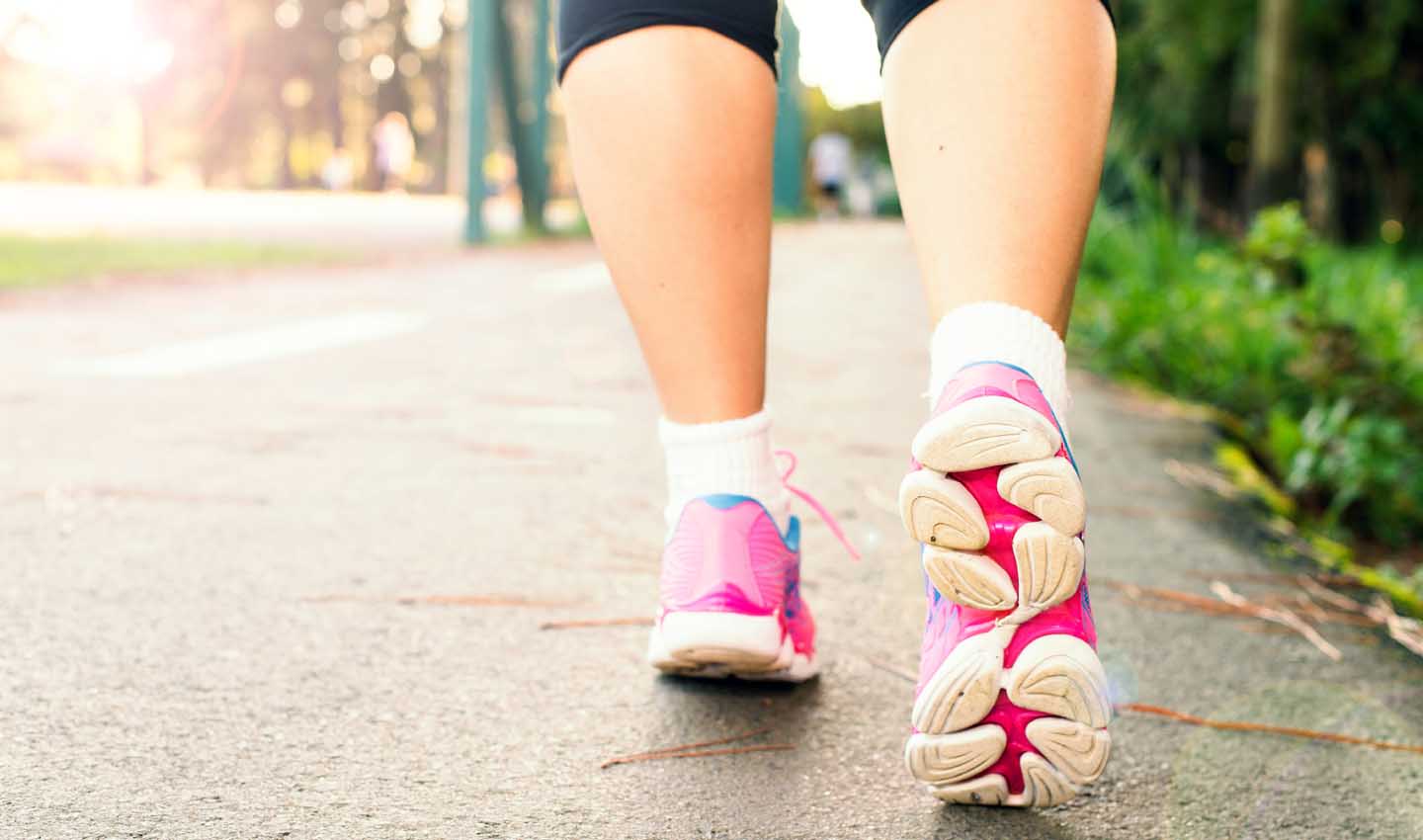
Get Me the Guide

Filed Under: Mental Health, Stress Management

Hydrotherapy – A Versatile Treatment

November 15, 2020 by Martin Neumann - [rt_reading_time label="Reading Time:" postfix="minutes" postfix_singular="minute"]

Have you ever heard about a hot foot bath, a steam inhalation, or a hot compress? Yes, we are talking about a number of different hydrotherapy treatments. But how can the simple application of hot and cold water cure pneumonia, relieve the swelling of arthritis, alleviate menstrual cramps, speed up recovery from a sprained ankle, decrease dangerously high blood pressure, and give relief from a headache? Read on to find out!

Hydrotherapy - A Versatile Treatment

What is hydrotherapy? It is the application of hot and cold water in liquid form, steam or ice, in order to increase circulation, alleviate pain, strengthen the immune system and cure diseases.

But how is that all working? The body has incredible mechanisms to regulate temperature within our organism, and we can make use of that for therapeutic purposes.

Just before we go into details about that, let’s speak a bit about the amazing properties of water. It is the most abundant liquid on planet earth, and for good reasons, about 70% of our body is made up of water. It has a quite impressive quantity of latent heat, being able to transmit heat to your body without cooling down rapidly. Water has at the same time impressive heat transmission properties. That is why on a humid day the heat feels more intense than in dry climate.

Next, we need to explore a bit the caloric properties of steam and ice. You probably remember from physics that temperature is nothing more than a vibration on a molecular level. The higher the temperature, the more vibration is happening.

Now inside an ice cube, water is organized in a crystal-like structure, thus being solid. With movement increasing, the crystal structure is broken and water liquifies. Just to break down the crystal structure, the energy of 80 calories is needed, the same energy that will heat up a liter of water from 32 °F to 176 °F (0 °C to 80 °C). For this reason, an ice cube can keep our water cold for a long time, being a great ally in the application of cold treatments.

At the temperature of 212 °F (100 °C) water vaporizes, expanding greatly in volume. At this moment, the latent heat((https://en.wikipedia.org/wiki/Latent_heathttps://en.wikipedia.org/wiki/Latent_heat)) of about 530 calories is needed to make the transition. Conversely, steam that is condensing will release this enormous amount of energy. That´s why a steam fomentation will stay hot for so much longer, and a steam sauna is so efficient in making us sweat.

Effects of Hot and Cold

Let’s get back to the temperature regulation mechanism of the body. Maintaining the right body temperature is essential for survival and the body has specialized mechanisms to control that. If the weather is hot, the body breaks out in a sweat. The water droplets at the skin need 530 calories to vaporize and are cooling down the body in the process. Some toxins are eliminated together with the sweat, and sweating a little is actually pretty healthy.

Now with the skin being cooled down, the body opens up the arteries of the skin, so that the blood can circulate and cool down the rest of the body. For this reason, the application of heat leads to vasodilation and increased blood flow.

A hot hydrotherapy full body bath

This increased blood flow is beneficial in many ways. There comes in the famous phrase: “Perfect health depends upon perfect circulation”((E. G. White. Healthful Living. p. 31)) Everything in our body is transported via the blood. The oxygen we breathe, the nutrients we eat, the soldiers of the immune system, all of them are depending on proper blood flow.

When we bruise or cut ourselves, the damaged cells need to be repaired. Injured cells need to be removed, and nutrients for new cell formation needs to be transported to the site. The immune system will be on alert to control any infectious agent that may be entering through the wound. All of those processes are happening via the circulatory system, and by increasing circulation, we can speed up the healing process. Hot water can be a powerful therapeutic agent in these cases. And the application of heat can be very relaxing to tense muscles as well as reduce the stiffness and swelling of arthritic joints.

Nevertheless, we need to be cautious with heat and bleeding. When increasing circulation, bleeding will intensify, as well as internal hemorrhagic processes. Inflammation and swelling of edemas will increase as well, that is the reason we apply ice for the first 24 hours of any bruise and sprain.

The reaction of the body to cold is heat conservation. The arteries are constricted to reduce blood flow and conserve the heat inside the body. So by the application of heat or cold, we can easily control the circulation of the entire body.

Effects of hot and cold on circulation - vasoconstriction and vasodilation

So we may conclude that hot treatments are the most effective way to increase circulation, but it is actually not quite this way for prolonged heat. After a while, the nerve endings sensing heat will get used to the temperature, and the circulation boost will be moderate. To resolve this problem, we will utilize alternating hot and cold treatments.

Most alternating treatments will use a cycle of 3 minutes of hot and 30 seconds to 1 minute of cold. The brief cold application will reset the response of the nerve endings, and the achieved contrast will boost circulation even more than just a prolonged application of heat.

Fever – Good or Bad?

Most people are used to fight off a fever with Tylenol, ibuprofen or another antipyretic drug. They treat fever like an enemy, but they do not realize that fever can be the best ally in our disease recuperation process.((Juliet J. Ray and Carl I. Schulman. Fever: suppress or let it ride? J Thorac Dis. 2015 Dec; 7(12): E633–E636.))

Fever is actually nothing more than the reaction of the body to an infectious process that is getting out of control. By increasing body temperature, the immune system is put into an alert state,((Silke Schmidt. Fevers can have some cool benefits. ScienceNews for Students, March 20,2019))((Elevated body temperature helps certain types of immune cells to work better, evidence suggests.ScienceDaily, December 13, 2011)) while it may reduce the activity of some microbes.((Fever. MedlinePlus)) So the best treatment of a fever is to go to bed and let it run its course.

Moderate fever should be cured in bed - Photo by cottonbro at Pexels

If the fever goes very high, it may need some intervention in order to prevent seizures. The first approach would be a cold cloth or an ice pack to the forehead. If needed, you can take a cold shower. An otherwise healthy person normally should tolerate fever well unto a temperature of 105 °F (41 °C).

There are treatments that can create an artificial fever and give an enormous boost to the immune system. One of them is a hot full body bath. Several studies showed its efficiency in significantly boosting the immune system.((Conti C, et al. Antiviral effect of hyperthermic treatment in rhinovirus infection. Antimicrob Agents Chemother. 1999 Apr;43(4):822-9.
Santoro G, Amici C, Rossi A. Role of Heat Shock Proteins in Viral Infection. In Pockley AG, et al. Prokaryotic and Eukaryotic Heat Shock Proteins in Infectious Disease. (51-84). Springer Science+Business Media(2010) )) The immune system boost can even help in cancer treatment.((Burd R, et.al. Tumor cell apoptosis, lymphocyte recruitment and tumor vascular changes ar induced by low temperature, long duration whole body hyperthermia. J Cell Physiol. 1998 Oct; 177(1):137-47.
Sakaguchi Y, et al. Apoptosis in tumors and normal tissues induced by whole body hyperthermia in rats. Cancer res. 1995 Nov 15;55(22):5455-64.
Robins Hl, et. al. Cytokine induction by 41.8 degrees C whole body hyperthermia. Cancer Lett. 1995 Nove 6;97(2):195-201
Pettigrew, RT, et.al. Clinical Effects of Whole Body Hyperthermia in Advanced Malignancy. BJ, 1974 Dec; 679-682.
Atanachovic, D, et. al. 41.8C Whole Body Hyperthermia as an Adjunct to Chemotherapy induces Prolonged T Cell Activation in Patients with Various Malignant Diseases. Cancer Immunol Immunother. 2002 Oct 18;51:603-613)) A more rigorous treatment should be done under the supervision of an experienced therapist, checking pulse and body temperature on a regular basis, and maintaining a cold cloth on the forehead. Doing it right, you can maintain body temperature elevated around 103 °F (39,5 °C) for 20 minutes.

A steam bath is another treatment that is able to raise the body temperature, and even a hot foot bath or a contrast shower can give a significant boost to the immune system. Even ending a shower with cold has been shown to be beneficial.((Buijze GA, et. al. The Efect of Cold Showering on Health and Work: A Randomized Controlled Trial. PLoS One. 2016 Sep 15;11(9):e0161749)) Getting 20 to 30 minutes of rest after those treatments will multiply the immune system boost of these therapies.

Precautions

There are a few precautions to consider with all hydrotherapy treatments. Diabetics have a decreased sensibility and reduced circulation, both are factors that will reduce their capacity to react to heat and increase their likelihood to get burned. Be very cautious to adapt the water temperature accordingly for diabetics or any other person with impairments of circulation or sensory nerves. For vigorous treatment like a sauna or steam bath you need to consider the constitution of the heart. And for cancer patients alternating treatments and most hot treatments are discouraged, since they increase circulation and increase the likelihood for cancer cells to spread. An exception is a hot bath which is strengthening the immune system.

The therapist should have some understanding of the proper procedure and their right application, since doing it wrong can possibly annulate the efficiency of the therapy or cause some other unforeseen problems. For example, doing a treatment in a room with drafts can have detrimental effects on the treatment.

Considering these precautions, the application of hydrotherapy is very safe and will cause no negative side effects for the patient. Unless many other conventional treatments, it is working together with the innate healing mechanism of the body, just strengthening the immune system, circulation and other mechanisms to give the body a helping hand to heal itself. Now let us look at some specific treatments and their benefits.

Hot Foot Bath

This is one of the most versatile hydrotherapy treatments. It consists in immersing the feet of the patient in hot water while wrapping the entire body inside a blanket. This will raise body temperature and induce sweating. An interesting fact is that circulation in the feet is larger than in any other part of the body (that’s why it is essential to keep your feet warm), and applying hot water to the feet will influence circulation of the entire body.

Hot Foot Bath

The hot foot bath is an excellent treatment to apply at the first sign of a cold or flu. Since it is inducing sweating, it can help to clean impurities and bring great benefits in smoking and caffeine cessation for example. Since it facilitates circulation in the entire body, it can be very helpful in treating headaches, menstrual cramps and other forms of congestions in the body. It relieves fatigue and relaxes, being very efficient in anxiety and other nervous conditions. It even helps to alleviate pain in the body.

Steam Bath

A steam bath is kind of an intensified version of the hot foot bath. Sweating is intensified as well as the immune system boost. This makes it an ideal treatment for colds and flues. The detoxifying effect of sweating is another interesting application. It is very relaxing and therefore helpful to combat stress and anxiety. Since it increases metabolism, it can complement a diet and exercise program for weight control. It can control pain and swelling in case of gout and arthritis. The sweating opens up the pores and cleans the skin. The heat helps to relax tight muscles and speeds up a workout recovery.

A Russian Steam Bath can be improvised with an electric heating plate and a pot of water that is brought to a boil and creates steam. Everything is covered by a blanket, creating a steam tent that warms up the body. There are nowadays affordable portable steam saunas available. We have some options for you to acquire your own unit.

Portable steam sauna

You should avoid applying a steam bath in persons with heart problems like angina, pacemaker and others. Be cautious on very high or low blood pressure, diabetes and during pregnancy. Apply a cold cloth with ice water to the forehead throughout the entire bath.

Contrast Shower

An alternating hot and cold shower can give an incredible boost to the circulation of your entire body, helping in the recovery of various conditions. It boosts our immunity, being again helpful in colds, flues and various other infections. It helps also to prevent muscle soreness after vigorous exercise.

Contrast Shower

The treatment is simple, you start with 3 minutes of hot water, as hot as you can comfortably tolerate. Afterwards you switch to 30 seconds to 1 minute of cold. Switch back to hot, just increasing temperature for a little bit more. You will see that your tolerance increases with every change. Go for up to 3 cycles and end with cold.

Contrast Baths

This treatment consists of a localized bath of either hands, feet or the face alternatingly in hot and cold water. You ever had a sprained ankle? It happened to me already several times. The first time I had no clue of any kind of treatment and stayed at home for 2 weeks, and afterwards continuing to walk with crutches for another month. The second time it happened, I had just finished my natural remedies course and was preparing to travel home. For the first day, I applied plenty of ice, and I even asked for a bag of ice cubes during the overnight flight on the airplane. Coming home, I started a daily contrast bath to the feet, and after a week I was back to walking normally again.

Besides a sprained ankle, a contrast bath can speed up the healing process of any lesion, infection or edema. I have seen the healing of a diabetic foot, that did not heal for years (applied with caution about proper temperatures of course). If you have a fractured leg, you can do a contrast bath at the opposite leg and have a beneficial effect on circulation on both legs, speeding up the healing process. A contrast bath to the face is an excellent treatment for sinusitis, showing rapid results like nothing else. A contrast bath to the pelvic area can be used for urinary infections.

Hot and Cold Compresses

For areas that cannot be treated with contrast baths, a compress can be applied. You would use hot compresses for muscle relaxation. A hot compress over the spine is an excellent preparation for massage and can be doing wonders for backaches.

Alternating hot and cold compresses can be applied to increase circulation, and the same way like a contrast bath it can speed up wound healing, as well as help with infections and edemas. It can help sometimes with neuralgic pain. Furthermore can you apply alternating compresses to certain organs to improve their function. Pancreas and liver are good examples. Compresses in the middle of the back, at the upper side of the kidneys can help to lower blood pressure in an acute situation. The adrenal glands are responsible to produce the hormones regulating blood pressure, and applying compresses will show immediate results.

In case of respiratory problems like a cough, bronchitis, pneumonia or asthma, hot and cold compresses to the chest can be speeding up the healing process. There is a modality called revulsive treatment, where you apply a hot compress to the back, an alternating hot and cold compress to the chest and a hot foot bath, all at the same time. This treatment needs though a bit of practice in order to be done right.

A Variety of Treatment Options

We have covered here just a few of the most important treatment modalities. We would still need to cover about a heating compress, a wet sheet pack, a steam inhalation, a cold mitten friction, an ice massage and a few other options. I think it was though sufficient to exemplify the variety of applications that hydrotherapy can have to cure diseases and recuperate our health. Proper knowledge and practice can multiply the efficiency of those simple water treatments. Everybody should know about the right application of those treatments that can turn out to be essential for yourself or one of your loved ones.

A steam bath - the head is kept outside the steam chamber

My friends at the LIGHT training institute have assembled an excellent hydrotherapy training course. It will train you in the proper application of 12 different hydrotherapy procedures, together with its indications and contraindications. You will see in 11 videos step by step how the treatments are properly applied. They have packed into the course over 75 years of practical experience, gained at Wildwood Lifestyle Center, in the application of hydrotherapy treatment for various health concerns. Start today to learn these essential and versatile treatment modalities for yourself.

Get the Hydrotherapy Training

EVERYBODY CAN DO IT

Filed Under: Therapies

« Previous Page
Next Page »

Primary Sidebar

Social Channels

Coronavirus Immunity Challenge

Boost your immune system to be bullet-proof for the pandemic.

I Want to Participate

Recent Posts

  • 5 Habits to Live Longer
  • Better Sleep Can Protect Against Dementia
  • Finding Peace In Your Crazy-Busy World
  • Flaxseed – An Ancient Plant Rediscovered
  • Platelets – Triggers for Life or Death
  • Boderline Personality Disorder
  • In Praise of Almonds and Nuts
  • Are You Stuck in the Clutter Trap?

Categories

  • Body Systems (16)
    • Cell Function (2)
    • Circulatory System (1)
    • Digestive Tract (10)
    • Immune System (4)
  • Diseases (27)
    • Cancer (2)
    • Cold (1)
    • COVID-19 (11)
    • Dementia (1)
    • Diabetes (1)
    • Digestive Diseases (2)
    • Heart Disease (2)
    • Kidneys (1)
    • Metabolic Syndrome (2)
    • Skin (1)
  • Healthy Lifestyle (42)
    • Exercise (11)
    • Gardening (2)
    • Sleep (7)
    • Sunlight (2)
    • Temperance (14)
    • Water (4)
  • Mental Health (87)
    • Addictions (6)
    • Anxiety (7)
    • Burnout (1)
    • Depression (7)
    • Psychosomatic Diseases (6)
    • Stress Management (45)
    • Trust (6)
  • Nutrition (56)
  • Obesity (9)
  • Phases of Life (14)
    • Adults (3)
    • Babies and Infants (1)
    • Children (3)
    • Seniors (5)
    • Teenagers (3)
  • Therapies (7)
    • Herbs (5)
    • Hydrotherapy (1)
  • Uncategorized (3)

Archives

  • January 2025 (1)
  • March 2024 (5)
  • February 2024 (4)
  • January 2024 (4)
  • December 2023 (5)
  • November 2023 (4)
  • October 2023 (5)
  • September 2023 (4)
  • August 2023 (3)
  • July 2023 (2)
  • June 2023 (4)
  • May 2023 (4)
  • April 2023 (5)
  • March 2023 (4)
  • February 2023 (4)
  • January 2023 (4)
  • December 2022 (4)
  • November 2022 (4)
  • October 2022 (5)
  • September 2022 (4)
  • August 2022 (4)
  • July 2022 (5)
  • June 2022 (4)
  • May 2022 (5)
  • April 2022 (4)
  • March 2022 (4)
  • February 2022 (4)
  • January 2022 (5)
  • December 2021 (3)
  • November 2021 (4)
  • October 2021 (6)
  • September 2021 (4)
  • August 2021 (4)
  • July 2021 (5)
  • June 2021 (4)
  • May 2021 (3)
  • April 2021 (5)
  • March 2021 (4)
  • February 2021 (4)
  • January 2021 (5)
  • December 2020 (3)
  • November 2020 (4)
  • October 2020 (5)
  • September 2020 (5)
  • August 2020 (3)
  • July 2020 (1)
  • June 2020 (1)
  • May 2020 (1)
  • April 2020 (1)
  • March 2020 (1)

Copyright © 2026 · Abundant Health - Privacy Policy - Medical Disclaimer