Abundant Health

Up to date health information tailored for you

  • Home
  • Blog
  • Recipes
  • Shop
  • Contact
You are here: Home / Archives for Martin Neumann

Martin Neumann

What You Ought to Know about the COVID-19 Vaccines

October 20, 2021 by Martin Neumann - [rt_reading_time label="Reading Time:" postfix="minutes" postfix_singular="minute"]

Vaccine

On December 2 the Medicines and Healthcare Products Regulatory Agency of the United Kingdom gave temporary authorization for the application of the Pfizer and BioNTech’s COVID-19 vaccine. Between 8 and 15 of December the first dose of the vaccine was applied to 137,897 people in the country.((Covid vaccine: More than 130,000 vaccinated in UK in first week. BBC News, December 16, 2020)) The United States followed soon after, approving the Pfizer vaccine on December 11 and the Moderna vaccine on December 18. In the meantime, 14 different vaccines were approved in a number of different countries.
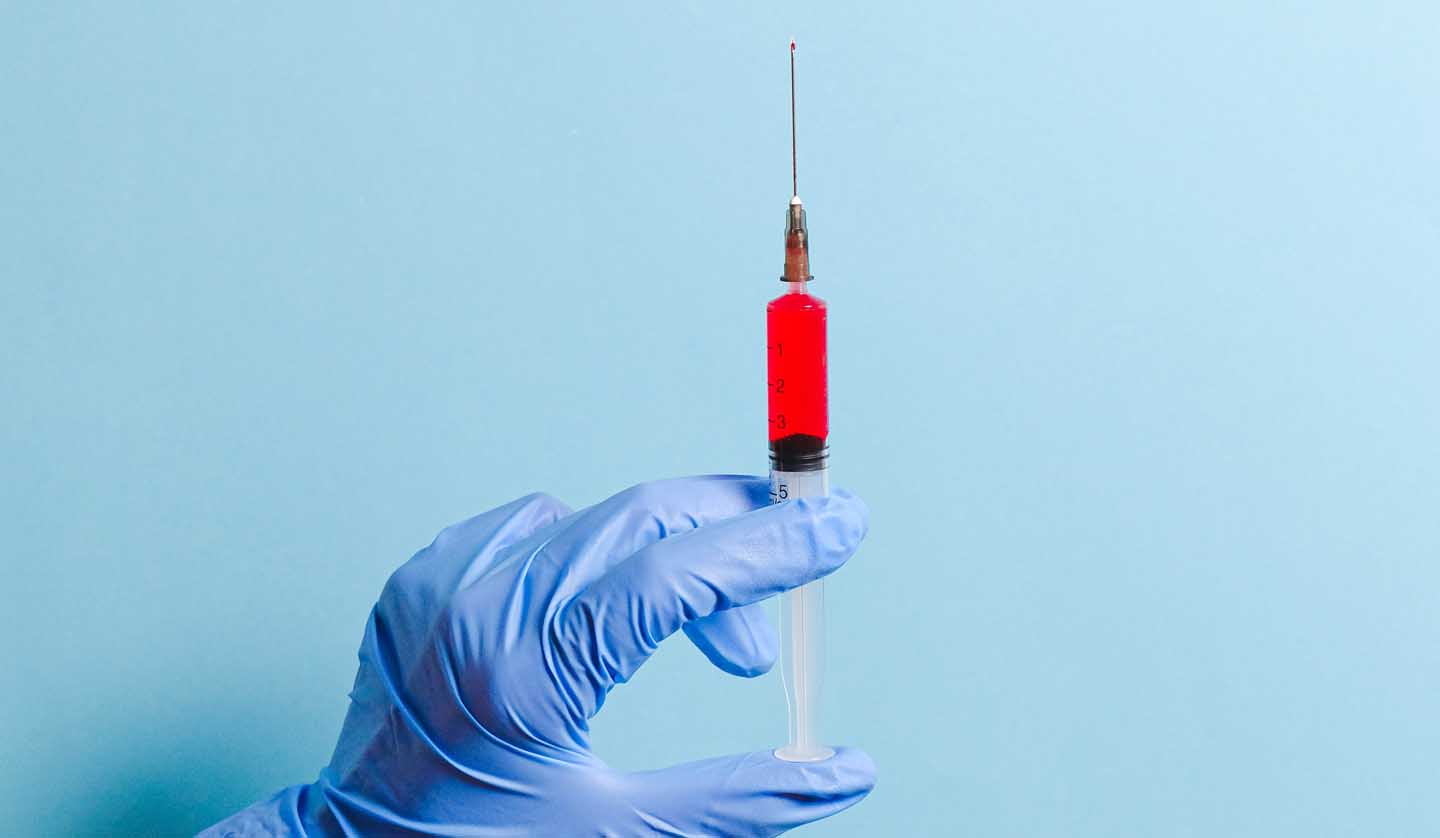
What You Ought to Know about the COVID-19 Vaccines

The rapid pace of the development of those vaccines has made a number of critiques to raise their voices and speak up. Some are vehemently against any vaccination, others are very concerned about the speed of the approval process, and some have even assumed that the vaccines would be able to permanently modify the DNA of the human body. The discussion is very emotional on both sides.

There are some concerns that are for real. But how can we separate the fads from facts? And not all vaccines are made alike. In order to understand what is happening, we need to understand a bit deeper, how vaccines were made traditionally and which new technologies were applied for the COVID-19 vaccines.

Different Vaccine Approaches

Inactivated Vaccines

This approach is multiplying the virus on a cell culture and killing it afterwards with heat, radiation or chemicals. The entire dead virus or fractions of it are then injected into the human body in order to be presented to the immune system, which is able to create antibodies against the virus. Since the dead virus does not replicate and exposure is therefore limited, more than one dose is needed to create the desired effect. The efficiency of the vaccine often decreases over time, and a repeated vaccination may be necessary every few years. This category of vaccines is though the safest option available in relation to side effects, and is used for many years for Hepatitis, polio, influenza and rabies vaccines among others.

Inactivated vaccines for coronavirus are developed in India under the brand name Covaxin. In Brazil, Turkey and Indonesia CoronaVac was tested and approved. An alum adjuvant is supposed to increase the immune response in this candidate. The efficacy of 50,38% is not the best, but even those who get infected are normally not needing hospitalization. In China was developed the BBIBP-CorV vaccine, and with an efficacy of 80% it is the most effective candidate in this category that far. Another vaccine candidate in this category is being developed in Wuhan, China, which was named WIBP-CorV. In Russia the vaccine CoviVac was developed.((COVID-19 vaccine tracker on raps.org)) Since this technology is used for many years in the development of vaccines, it can be potentially just as safe as any other vaccine in use today. We will see later why they are still not as save as your flu shot.

mRNA Vaccines

The Pfizer and Moderna vaccines were the first two vaccine candidates being approved in the US, and both are in the category of mRNA vaccines. What does that mean?

A virus normally uses spike proteins on their surface to dock onto a human cell and release a messenger RNA sequence into the cell. This mRNA sequence hijacks the human cell and gives instructions to replicate the virus and multiply itself. This process is repeating itself until the immune system starts to recognize the virus and can do an efficient combat. If that process takes too long, the virus can make you pretty sick until the immune system is finally strong enough to win the battle.

In case of the mRNA vaccine, it is mimicking the replication mechanism of a virus in order to produce a part of the virus that the immune system is supposed to recognize. An RNA sequence is synthesized in the laboratory that instructs the human cell to produce just the spike proteins of the virus, which are released into the bloodstream. The immune system is that way exposed to the spike proteins and can therefore create antibodies against the virus.

In order to prevent the immune system from attacking the mRNA before entering the cell, it is encapsulated into a fat membrane, similar to a cell membrane. This allows also for a merging with the cell membrane that will release the mRNA substance directly into the cell. The difference to a real virus is that the resulting proteins are not capable to replicate themselves.

According to preliminary test results, the Pfizer vaccination showed a 90% effectivity to prevent from infection compared to placebo, while the Moderna vaccine showed 94.5% effectivity.((Moderna vs. Pfizer COVID 19 Vaccine. Medcram Episode 117)) Compared to the flu vaccines that were never reaching more than a 50% effective rate, this is pretty promising. But there is not enough statistical data available to determine how efficient the vaccine works in elderly people or other vulnerable groups.

Moderna Headquarters - Photo Wikipedia
Moderna Headquarters in Cambridge, Massachusetts, by Fletcher via Wikimedia CC BY 4.0

The phase III studies of those two vaccines did do a COVID-19 test only on the candidates that developed symptoms. It remains unclear, whether those who are vaccinated are only symptom-free and contribute to an asymptomatic infection of the virus. “In the worst-case scenario, you have people walking around feeling fine, but shedding virus everywhere,” says virologist Stephen Griffin at the University of Leeds, UK.((The UK has approved a COVID vaccine — here’s what scientists now want to know. Nature, December 3, 2020))

The advantage of this technology is that the vaccine can be produced on a large scale within the laboratory, while conventional vaccines depend on the reproduction of the virus in cell culture, which can be a little bit more time-consuming. The problem is just that this technology is for the first time being applied in human vaccines, and similar to genetically modified foods, the potential long-term side effects of this new technology are still not known. According to the Phase III trials those vaccines are supposed to be safe, but follow-up data is available only for a few weeks of the study period. So we know very little about potential long-term complications related to that technology. We know though that the genetic code of the mRNA for producing the spike protein needs to undergo several alterations in order to work efficiently, and the side effects of all those alterations are not fully known yet.((Seneff S, Nigh G. Worse Than the Disease? Reviewing Some Possible Unintended Consequences of the mRNA Vaccines Against COVID-19. International Journal of Vaccine Theory, Practice, and Research Vol.2 No.1(2021)))

Under normal circumstances, a RNA structure does not influence in any way the human DNA, and will not cause any genetic modifications of your body. However, in the presence of retroviruses like the HIV virus, it could happen that a RNA structure of the vaccine gets transcribed into the DNA of a cell. But even if this happens, the infected cell would be modified to produce spike proteins, but would not replicate to alter the DNA of other cells. A contamination of the human DNA from mRNA vaccines is though highly unlikely.

One problem arises with the fact that the mRNA structure needs to be packed into liponanoparticles. They are associated with a number of allergic reactions. A study in mice found also strong inflammatory responses from those nanoparticles.((Ndeupen S. et.al. The mRNA-LNP platform’s lipid nanoparticle component used in preclinical vaccine studies is highly inflammatory. https://doi.org/10.1101/2021.03.04.430128))

This problem came up after the Pfizer vaccine was released to the public. Within the first 2 weeks of vaccination, there were already 8 cases of anaphylactic shock reported. Suspicion arises, that the chemical compound polyethylene glycol may be the culprit. This substance is part of the Pfizer as well as the Moderna vaccine, and has never been applied in a vaccine before.((Jop de Vrieze. Suspicions grow that nanoparticles in Pfizer’s COVID-19 vaccine trigger rare allergic reactions. Science Magazine, December 21, 2020
COVID-19 Vaccines for People with Allergies. CDC, Updated Mar. 25, 2021)) A study found the rate of anaphylactic reactions to be at 2.47 cases per 10,000 vaccinations applied, and equally distributed between the Pfizer and Moderna vaccines. They also found that 2.1% of the subjects reported acute allergic reactions.((Blumenthal KG, Robinson LB, Camargo CA, et al. Acute Allergic Reactions to mRNA COVID-19 Vaccines. JAMA. 2021;325(15):1562–1565. doi:10.1001/jama.2021.3976))

Another challenge is the distribution of the vaccine. The Pfizer vaccine needs to be stored at -70°C, which is -94°F. After being thawed, it needs to be used in a short time, because it is not very stable at room temperature. The Moderna vaccine is a bit easier at this point, allowing storage at 25°F (-4°C) for a month.((Moderna vs. Pfizer COVID 19 Vaccine. Medcram Episode 117))

Recombinant Viral Vector Vaccines

In this technology, a virus, normally being an adenosine virus causing the common cold, is being genetically modified in order to lose the ability to replicate inside of humans. Instead of the replication genes, a modified DNA structure is inserted. The modified virus is still capable to attack a human cell and deliver its own DNA structure inside the nucleus of the cell. Similar to the mRNA vaccines, the modified DNA is submitting Messenger RNA structures to the cytoplasm of the cell with instructions to produce the spike proteins of the coronavirus. This again triggers the desired immune system response, so that antibodies are formed and are able to protect from future infections.

The AZD1222 vaccine developed by the University of Oxford and AstraZeneca is the best-known candidate of this vaccine. It is based on a modified chimpanzee adenosine virus, that is shuttling the DNA into the host cell. Here a video explaining the mechanism of the vaccine in detail:

According to the developers, the DNA is modified only on the few infected cells, that are used to replicate the virus, and it will not alter the human genome. But it obviously makes use of genetically modified viruses, and a technology that was never tested on a wide scale on humans. And some scientist do not exclude the potential risk of introducing exogenous DNA in the human genome by this technology.((C Zhang. et.al. Advances in mRNA Vaccines for Infectious Diseases. Front. Immunol., 27 March 2019 | https://doi.org/10.3389/fimmu.2019.00594))

Another problem could arise from the response of the immune system to the vector virus itself. If the immune system starts to attack the vector virus, it will be impaired to deliver its message to the host cells. Using the same vector in both vaccine doses could limit immune response to a certain degree, and in case that the immune system was exposed to the adenosine virus strain before, it could neutralize the efficiency of the vaccine. Using a vector virus that had limited exposure to humans avoids this problem, but brings also unforeseeable risks. And exposure to viruses vary greatly between countries, which means that efficiency could vary greatly between countries.

The vaccine was in the news since the clinical trials were put on hold two times after two participants were facing neurological adverse effects during the trial, something that showed up later on in real world application as well.((AstraZeneca’s quick Covid-19 vaccine trial restart splits experts. Clinical Trials. October 12, 2020)) The vaccine is know for its side effects. Some adverse side effects like pain, tenderness, fatigue, fever and headaches were reported by participants for about 60% for each of those symptoms on the day after the vaccine, although most of the symptoms subsided after a 7 day period.((Pedro M. Folegati et. al. Safety and immunogenicity of the ChAdOx1 nCoV-19 vaccine against SARS-CoV-2: a preliminary report of a phase 1/2, single-blind, randomised controlled trial. The Lancet, Volume 396, ISSUE 10249, P467-478, August 15, 2020)) Critiques mention that the placebo group received a meningitis vaccine, which is known for its adverse side effects, and even so the adverse reactions of the AZD1222 vaccine were quite higher.((Heated Vaccine Debate – Kennedy Jr. vs Dershowitz. Youtube, July 23, 2020)) In some study sites, antiinflammatory medications were applied together with the vaccine, which did not happen in real world applications of the vaccine.

More concerns were arising recently after it was discovered that the vaccine can cause in some cases blood clots and low platelet count within a 2 week period after vaccination. Denmark decided as a result to stop the administration of the vaccine, since they observer about 1 incidence in 40.000 persons vaccinated. Soon after Germany, Italy, France, Spain, Norway, Sweden, Latvia and The Netherlands followed with at least temporary suspension, among others.((Which countries have stopped using AstraZeneca’s COVID vaccine? Aljazeera, 15 Mar 2021
AstraZeneca vaccine: Denmark stops rollout completely. BBC News, April 14, 2021)) A German Scientist was able to pinpoint the mechanism how those blood clots are formed. He discovered that the adenovirus vector can cause a reaction of the platelets, which in turn can trigger a chain reaction that brings the entire immune system out of control, very similar to an autoimmune disease. He concluded that this reaction most likely applies to other viral vector vaccines as well.((Scientists Find How AstraZeneca Vaccine Causes Clots. WebMD, April 22, 2021))

Based on the negotiations with the Oxford University, the vaccine producer AstraZeneca promised to forgo initial profits in order to provide the vaccine at a near cost price. And since the vaccine does not require expensive refrigeration, it is likely to get popular in third world countries.

Another candidate in this category is the Sputnik V vaccine developed by Russia. It supposedly delivers a 91% efficiency rate due to the fact that a different adenosine virus is applied at each of the two doses as the vector virus. The vaccine has its own scandals. President Vladimir Putin has issued emergency authorization in August, when it had been tested only on a dozen of people. Vaccination was made available to the public for free, before the phase III trials were completed. But the public reacted with skepticism, and some vaccination sites had to throw away doses after defrosting, since not sufficient volunteers showed up for vaccination. And technical problems are making the production schedule lagging behind.((Coronavirus: Sputnik V vaccine rushed out to wary Russians. BBC News, December 8, 2020))

Meanwhile, the official site of Sputnik V is trying hard to sell the safety of their technology.((Adenoviral vaccines. Sputnik V website)) They claim that adenovirus-based drugs are widely used for more than 50 years, just this does not apply to the use of the adenovirus as a viral vector with all the genetic manipulation involved. The first experiments with DNA vaccines were not made until 1989.((The True Story of How mRNA Vaccination was Invented. R. W. Mallone)) They list a number of 254 clinical trials authorized in the US that were performed with adenovirus viral vectors. The first one was done in 1993, trying to treat cystic fibrosis, a rare respiratory disease caused by defective genes. No outcome is reported in the database, leading to the assumption that it was not completed successfully. The first larger study was done in 2004, where 1500 participants received a HIV vaccine to be tested. They cite also a cancer drug using this technology, which was used in China since 2004 in more than 30,000 patients. This was the very first time for this technology being applied on a larger scale, even though it was not in a vaccine setting.

The Sputnik V vaccine was rejected by the Brazilian authorities, since there exists a possibility that the messenger adenovirus starts to replicate inside the body and the vaccine causing an infection inside the body.((URGENTE: Anvisa reprova importação e aplicação da Sputnik V. Terra Brasil Notícias, 26 de Abril 2021)) Furthermore they identified flaws in the production process, in the conducted studies and even the final product. The European Union found also several documentary problems in their study and production process and rejected so far the approval of the vaccine.((Rose M. et.al. EXCLUSIVE European efforts to assess Russia’s Sputnik V vaccine stymied by data gaps. Reuters. July 14, 2021.))

Another vaccine candidate called EpiVacCorona was also authorized by Putin, without having yet entered Phase III trials. This shows how national pride is often a motive to override concerns for safety, and that not only in Russia. There is little data about this vaccine available so far, but it seems to be based on synthetically produced protein structures. But even being authorized, it will still take a while until being publicly available. Technically speaking, the production of synthetical proteins can be tricky, so the Russians may end up with two candidates falling behind in the production schedule.

A third candidate of a viral vector vaccine is developed by Johnson & Johnson which concluded in the meantime Phase III trials. The company had developed already an Ebola vaccine using the same technology. A safety trial in 2015 was temporarily suspended after two serious neurological adverse events were reported, one of which was considered as possibly related to vaccination.((Andrew J Pollard. et.al. Safety and immunogenicity of a two-dose heterologous Ad26.ZEBOV and MVA-BN-Filo Ebola vaccine regimen in adults in Europe (EBOVAC2): a randomized, observer-blind, participant-blind, placebo-controlled, phase 2 trial. The Lancet, November 17 2020)) The Astrazeneca trials were obviously not the first time that those complications arouse with viral vector vaccines. In 2019 they finally launched the Phase III trial, where they planned to enroll 500,000 candidates, but were able to vaccinate only about 60,000 candidates that far. In July 2020 they finally got an emergency authorization from the EU to market the ebola vaccine.((Johnson & Johnson Announces European Commission Approval for Janssen’s Preventive Ebola Vaccine, 1 July 2020))

On April 13 the US paused the application of their COVID-19 vaccine, after 6 cases of blood clots in the brain were reported just few days after applying the vaccine. All six cases occurred among women aged 18–48 years. In this age group it seems to appear at a rate of about 7 cases per 1 million vaccines applied.((Cases of Cerebral Venous Sinus Thrombosis with Thrombocytopenia after Receipt of the Johnson & Johnson COVID-19 Vaccine. CDC, April 13, 2021
CDC Recommends Use of Johnson & Johnson’s Janssen COVID-19 Vaccine Resume. CDC, April 25, 2021)) The EU and South Africa followed the US in pausing the program, while Denmark decided to stop its use altogether. They said that its risks do not outweigh its benefits, declaring therefore that there are safer vaccine candidates available.((Johnson & Johnson vaccine paused over rare blood clots. BBC News, April 13,2021
Denmark ditches J&J COVID-19 shots from vaccination programme. Reuters, May 3, 2021))

There seems to be a common thread among viral vector vaccines, with all of them sharing similar side effects. Cases of anaphylactic shock were also reported in a similar rate like in the mRNA vaccines. There is also the potential for the viral vector to mutate inside the human body and become infectious. This is something that happened with other viral vector vaccines in the past.((Stöhr K. Impfstoffe gegen COVID-19 – Stand März 2021)) Another concern is the use of genetically modified human cells to replicate the virus of the vaccine, which obviously cannot replicate on its own. This creates the potential of human DNA contamination as well as other possible contaminants.((Seneff S, Nigh G. Worse Than the Disease? Reviewing Some Possible Unintended Consequences of the mRNA Vaccines Against COVID-19. International Journal of Vaccine Theory, Practice, and Research Vol.2 No.1(2021)))Considering all the facts, viral vectors seems to be the most complicated and questionable technologies applied amongst the COVID-19 vaccines.

Vaccine Critiques

Initial data suggested, that the Pfizer and Moderna vaccines can give at least 90% protection against the virus. But we do not have enough statistical data to tell whether the protection is that good for elderly people, black and hispanic ethnicities who are disproportionally affected by the pandemic, as well as people with diabetes and other lifestyle diseases. That means, for the groups that are most vulnerable, we have not sufficient statistical data for vaccine efficacy available. Also we do not know how long this immunity will last, since we just started to apply them. A study from Israel suggests that protection for infection is reduced to 75% after 3 months and it dwindled to 16% after 6 months. However, it still showed a 91% efficacy to protect serious illness.((Jeffay N. Israeli, UK data offer mixed signals on vaccine’s potency against Delta strain. The Times of Israel, June 22, 2022)) Similar data comes from Quatar where efficacy was at 80% after one month of vaccination and dropped to 20% after six months. Protection against severe illness was again around 90%((Craig E. Pfizer’s Covid vaccine efficacy against infection plunges to just 20% after six months – but protection against severe illness barely dips, study concludes. Daily Mail, October 6, 2020)) Seems that antibody protection is waning over time, while beta cells are giving a more long lasting immune protection. That means that serious illness is still prevented by beta cells, but infection is possible due to waning antibodies. In clear language, a vaccine can prevent you from becoming seriously ill, but after some time does not prevent you from getting a light infection or spreading the disease. Pfizer has declared that efficacy of the vaccine is already reduced after 6 months and a booster shot will be needed.((Pfizer says it’s time for a Covid booster; FDA and CDC say not so fast. CNN, July 9, 2021))

Another concern is that most vaccines are exposing the immune system to only the spike proteins of the virus. If the virus mutates, it could change the shape of the spike protein and render most of the vaccines ineffective.

At the beginning, scientists were confident that mutations would not be significant enough to cause any problem. In the meantime, two-third of epidemiologist believe that our current vaccines will be rendered ineffective within a year or less.((Two-thirds of epidemiologists warn mutations could render current COVID vaccines ineffective in a year or less. Oxfam International. March 30, 2021)) It was shown already that the Astrazeneca vaccine has limited efficacy against the South African mutation of the virus, and the country has stopped applying this vaccine.((Jonathan Smith. Can Covid-19 Vaccines Keep up with an Evolving Virus? Labiotech.eu 11/02/2021)) A study in Israel suggests that the Pfizer vaccine is less effective against the South African Strand as well.((Kustin T et.al. Evidence for increased breakthrough rates of SARS-CoV-2 variants of concern in BNT162b2 mRNA vaccinated individuals. https://doi.org/10.1101/2021.04.06.21254882)) And other vaccines also showed a reduced efficacy.((Will SARS Cov-2 Become Resistant to Current Vaccines – Implications | Penny Moore, PhD, YouTube, March 9, 2021))

In the meantime the Delta variant is spreading, and being the dominant strain in Israel, it reduced the efficacy of the Pfizer vaccine to 39%, while serious illness was still prevented by 91%.((Jeffay N. Israeli, UK data offer mixed signals on vaccine’s potency against Delta strain. The Times of Israel, June 22, 2022)) We do not know though how much of this is due to limited efficacy of the vaccine, and how much due to the waning efficacy over time. Things seems to be worse in the UK where the AstraZeneca vaccine is more prevalent. An analysis of the data in the UK suggests that the effectiveness to protect against death during the spread of the Delta variant was reduced to 68.1%, which is quite lower than other statistics claim.((Jones W. Why is the ONS Claiming Just 1% of Covid Deaths Are in the Vaccinated When PHE Data Shows the True Figure For August was 70%? The Daily Sceptic, 14 September 2021)) Considering that the Delta variant is spreading around the world, we can already predict that the vaccine alone will not be sufficient to suppress the next wave of the coronavirus.

And we have not seen such a virus yet under selective pressure. When vaccinations are applied on a larger scale, if any significant mutations occur, the ones that are resistant to vaccines and going to spread.((The UK has approved a COVID vaccine — here’s what scientists now want to know. Nature, December 3, 2020)) The French firm Osivax as well as a few other companies are exploring vaccine candidates that will target more than just the spike proteins.((Jonathan Smith. Can Covid-19 Vaccines Keep up with an Evolving Virus? Labiotech.eu 11/02/2021)) All vaccines based on an inactivated virus as a whole will be quite a bit more reliable in this aspect as well.

When a virus is mutating, chances increase that antibody-dependent disease enhancement is taking place, where antibodies are wrongly attached to the virus, and are even enhancing the infection. This far this phenomenon was not observed with SARS-Cov2, but it was observed in several studies with the SARS-Cov virus.((Wikipedia: COVID-19 vaccine
Iwasaki A, Yang Y (21 April 2020). “The potential danger of suboptimal antibody responses in COVID-19”. Nature Reviews Immunology. 20 (6): 339–41. doi:10.1038/s41577-020-0321-6
W S Lee et. al. Antibody-dependent enhancement and SARS-CoV-2 vaccines and therapies. Nature Microbiology volume 5, pages1185–1191(2020) DOI: 10.1038/s41564-020-00789-5
Eroshenko, N., Gill, T., Keaveney, M.K. et al. Implications of antibody-dependent enhancement of infection for SARS-CoV-2 countermeasures. Nat Biotechnol 38, 789–791 (2020). https://doi.org/10.1038/s41587-020-0577-1)) This reaction may be more common in elderly people and other classes with an impaired immune system response. Future mutations of the virus could make all vaccinated persons more vulnerable for this phenomenon, especially if booster shots are involved.

The Danish Scientist Geert Vanden Bossche even theorized that our vaccines are not the right tool to use in the midst of a pandemic. He thinks that the suboptimal immune response after the first dose of the vaccine gives the virus the perfect breeding ground to form mutations while feeling the pressure of the vaccine, but still having enough possibility to replicate. He concludes that similar to bacteria that are antibiotic-resistant, the virus will form mutations that are vaccine resistant as well. He wrote an open letter to the WHO to have a scientific debate about the implications of mass vaccination during the pandemic.((https://www.geertvandenbossche.org/)) Critiques admit that in theory such a reaction is possible, but in practice our vaccines supposedly show a strong enough immune response already after the first dose.((Jarry J. The Doomsday Prophecy of Dr. Geert Vanden Bossche, McGill University, 24 Mar 2021)) They also argue that by reducing the number of infected people, which most governments try to achieve with vaccines, you will reduce the number of mutations. While the truth probably lies in the middle, it shows the need of an open scientific discussion about the global impact of vaccination programs.

Liability Questions

One big question will be the long-term safety of those vaccines. Phase III trials normally take several years, but were short-tracked to a few months. The technologies used for most of the vaccines are fairly new and we do not have much safety data except those short trials. Time will tell how safe they are in relation to long term adverse events as a result to the vaccines. And none of the vaccine manufacturer is willing to take the liability for that.

In the US the liability question was already clearly settled in favor of the producers. A swine flu in 1976 caused some fear that a pandemic similar to the 1918 flu would repeat itself and caused the CDC to issue the development of a nationwide emergency vaccination. Producers agreed to make the vaccine with the condition to be freed from liability. The vaccine was produced and administered within record time to 45 million Americans, but for some unexplainable reasons, the virus did not reappear the following winter. However, about 1 in 100,000 of the vaccinated population developed Guillain-Barré syndrome, and the State had to take care of liability compensation for those cases.((Liability for the Production and Sale of Vaccines. in Vaccine Supply and Innovation)) Due to increased pressure from the industry, since October 1988 all vaccine manufacturers are exempt from liability for any vaccine applied in the US. And during this recent crisis, in order to give an incentive, the Secretary of Health and Human Services has given a blanket immunity to all activities related to combatting the COVID-19 virus.((Legal Immunity: A Reward for Innovators Combatting COVID-19. JDSUPRA March 18, 2020
COVID-19 and PREP Act Immunity. The National Law Review. Volume X, Number 358.))

During the cold war, the vaccine department of the FDA included military officials in order to facilitate emergency preparation for biological weapons, and until today officials report in uniform. In this context, procedures for emergency authorization of vaccines were approved. Critiques mention also that the regulating authorities in the US are widely undermined by the vaccine production lobby, and that independent studies from universities showing the real side effects of vaccinations are deliberately suppressed. In this context of widespread distrust, it is no wonder that the anti-vaccine movement gained force especially within the United States.((Heated Vaccine Debate – Kennedy Jr. vs Dershowitz, Youtube, Jul 23, 2020))

Other countries have more stringent liability laws in relation to vaccines, but in the case of COVID-19 vaccines, no producer is willing to assume liabilities, and no-liability clauses are included in the contracts that are signed with governments. There are now debates going on, how recompensation should be managed for those who develop adverse events as result to the vaccine, especially in poorer countries that are unable to offer such recompensation.((Sam Halabi et.al. No-Fault Compensation for Vaccine Injury — The Other Side of Equitable Access to Covid-19 Vaccines. N Engl J Med 2020; 383:e125))

Safety Concerns

Those new technologies are a real concern. We have Genetically Modified Foods in use since 1994, and until today there are still studies being done on what kind of side effects this technology is causing on our health. If mankind is trying to improve the plants that God has created perfectly, something is always getting out of balance. Now humanity is going a step further and produces genetically modified viruses to be injected into our bloodstream. If that is going to be a blessing or a curse is still going to be seen. Certainly, we can expect a number of allergic reactions to occur, similar to the ones we see with genetically modified foods. What else they will bring, nobody is able to tell so far. For me, the inactivated vaccine candidates seem to be quite a bit more prudent.

Another problem consists that all studies are done on healthy people and carefully exclude people who show allergic reactions or other adverse health conditions. We have therefore no safety data on how vulnerable people groups react to the vaccine. The anaphylactic shocks happening after the application of the Pfizer vaccines appeared just after wider application, since vulnerable groups were excluded in the trials. An Israeli study found an incidence of 1.2% of cases of shingles appearing in a rheumatic study group after the application of the Pfizer vaccine.((Furer V et.al. Herpes zoster following BNT162b2 mRNA Covid-19 vaccination in patients with autoimmune inflammatory rheumatic diseases: a case series. Rheumatology, keab345, https://doi.org/10.1093/rheumatology/keab345)) And we have seen more frequently frail and elderly people dying as a response to the vaccine, so those risks should be carefully considered. Side effects that healthy people handle with ease, like fever, nausea and diarrhea can be contributing to a fatal outcome in frail patients.((Norway investigates 23 deaths in frail elderly patients after vaccination. BMJ 2021; 372 doi: https://doi.org/10.1136/bmj.n149))

It is interesting to note that in the Vaccine Adverse Effect Reporting System there are normally reported around 150 deaths per year for all 70 registered vaccines combined. Now for the COVID-19 vaccines we have already close to 6,000 deaths reported in the system, while about half of the American population was getting vaccinated.((Original VAERS dataset: https://wonder.cdc.gov/controller/saved/D8/D173F192)) According to data of May 2021 this translates to 3.4 deaths for every 100,000 vaccinations applied,((Rose J. A Report on the U.S. Vaccine Adverse Events Reporting System (VAERS) of the COVID-19 Messenger Ribonucleic Acid (mRNA) Biologicals. Science, Public Health Policy, and The Law Volume 2:59–80 May, 2021)) and the number was probably rising slightly in the meantime. There is no proof that all those cases were necessarily caused by the vaccine, but with about 80% of all adverse effects reported happening within the first 24 hours, the likelihood that they are caused by the vaccine is pretty high. And it is also a known fact that not all adverse effects are getting reported, and some people estimate that the real numbers could be five times higher. Exact numbers we probably will never know, but we can affirm that the COVID-19 vaccines are not as save as your common flu shot.

Because of the known limitations of the Adverse Effect Reporting System, the government has developed an app that allows an easy channel for vaccinated candidates to self report adverse events in a convenient fashion. The resulting data is stored in the V-Safe database. Just this data is not publicly available. Only a select group of the CDC and a few authorized researchers have access to this data. If you have an adverse event after taking the vaccine, you should definitely report it to the VAERS system as well under this link:
https://vaers.hhs.gov/reportevent.html

Robert Malone is a scientist that was involved in the development of the mRNA technology. He made on a LinkedIn post the following statement about the current COVID-19 vaccines:

Once again I feel it necessary to make a clear and unambiguous statement. The data strongly indicate that the experimental genetic vaccines, including the mRNA and recombinant adenoviral vaccines, have saved lives. Many lives.

But it is also increasingly clear that there are some risks associated with these vaccines. Various governments have attempted to deny that this is the case. But they are wrong. Vaccination-associated coagulation is a risk. Cardiotoxicity is a risk. Those are proven, and discussed in official USG communications, as well as communications from a variety of other governments.

Based on what I have seen, I believe that other toxicity risks will become more apparent. These include menstrual irregularities, development of thrombocytopenia, cerebrovascular effects, and reactivation of latent viruses such as clinical shingles.

But we do not know how prevalent these are, and the spectrum of severity is unknown and possibly unknowable because the V-Safe database is not being shared outside of CDC, the VAERS systems is deeply flawed, and we just do not have the comprehensive safety data necessary to accurately evaluate risk/benefit for the various cohorts – elderly, healthy normal adults, immunocompromised, pregnancy, adolescents, children, and infants. Particularly the long term safety data necessary to evaluate risks such as autoimmune complications that may manifest months or years post-vaccination. That is just a sciencefact.((LinkedIn Post, https://www.linkedin.com/feed/update/urn:li:activity:6812703149678243841/))

Robert Malone

According to Robert Malone, the main problem consists in the large quantity of spike proteins circulating in the body after the vaccine. A study has shown that the spike protein of the virus causes cell damage, independently of the action of the virus itself to attack cells to replicate.((Lei Y et.al. SARS-CoV-2 Spike Protein Impairs Endothelial Function via Downregulation of ACE 2. Circulation Research. 2021;128:1323–1326 https://doi.org/10.1161/CIRCRESAHA.121.318902)) Another study showed that spike proteins are able to influence cell signalling and could lead to PAH, a serious lung disease, blood clotting, coronary artery disease, hypertension and stroke.((Suzuki Y et. al. SARS-CoV-2 Spike Protein Elicits Cell Signaling in Human Host Cells: Implications for Possible Consequences of COVID-19 Vaccines. Vaccines (Basel). 2021 Jan; 9(1): 36. doi: 10.3390/vaccines9010036)) The spike protein can also damage the blood brain barrier and cause unpredictable brain damage, that shows up in several symptoms for the disease and the vaccine alike.((Buzhdygan TP et.al. The SARS-CoV-2 spike protein alters barrier function in 2D static and 3D microfluidic in-vitro models of the human blood-brain barrier. Neurobiol Dis. 2020 Dec;146:105131. DOI: 10.1016/j.nbd.2020.105131)) The mRNA and viral vector vaccines are inundating the body with a considerate amount of spike proteins, that seem to be causing in some susceptible people symptoms that are varied in nature and in some ways similar to the disease itself. It is interesting to note that 1/4 of the regular dose of the Moderna vaccine showed a sufficient immune response, indicating the the applied doses may be higher than necessary.((Mateus J et.al. Low dose mRNA-1273 COVID-19 vaccine generates durable T cell memory and antibodies enhanced by pre-existing crossreactive T cell memory. doi: https://doi.org/10.1101/2021.06.30.21259787))

A study analyzed the adverse effects recorded within the European Union. They found out that in Poland there were only 16 adverse events recorded for every 100,000 vaccines applied, while in Netherlands this number reached 706 events. They concluded that this extreme difference is due to different reporting standards. They also calculated that according to the the Dutch reporting data there were registered 4,15 deaths and 16,7 severe side effects for 100,000 vaccines applied. Comparing this data with some Israeli vaccination studies, they concluded that we are probably causing 2 deaths from the vaccine to avoid 3 deaths from COVID-19 infections.((Walach H. et. al. The Safety of COVID-19 Vaccinations—We Should Rethink the Policy. Vaccines, 2020, 9(7) 693. DOI:10.3390/vaccines9070693))

The study caused quite a bit of turmoil, being attacked from many sides. The journal finally decided to retract the paper.((Retraction: Walach et al. The Safety of COVID-19 Vaccinations—We Should Rethink the Policy. Vaccines 2021, 9, 693. Vaccines2021, 9(7), 729; https://doi.org/10.3390/vaccines9070729)) The main reason mentioned was, that it is not proven that all events recorded in the system were really caused by the vaccine. This is true and we have mentioned this already for the VAERS database. On the other hand, we cannot safely say, how much of under-reporting was happening, which means we are pretty much in the blind to confirm whether things are better or worse than depicted in this study.

We should fairly say that the number of saved lives from vaccinations is also proportional to the degree that a certain country is being hit by the pandemic. If we calculate the number of saved lives for Peru for example, the vaccine will show more benefit than in Israel, that had ten times less deaths during the entire pandemic. Even so there are many variables defining the benefit/risk ratio, we need to discuss more openly the question on how to protect vulnerable groups from possible vaccine side effects.

Analyzing the available data of the VAERS database, it can be seen that adverse effects of the immune system are the most common ones observed.((Rose J. A Report on the U.S. Vaccine Adverse Events Reporting System (VAERS) of the COVID-19 Messenger Ribonucleic Acid (mRNA) Biologicals. Science, Public Health Policy, and The Law Volume 2:59–80
May, 2021
)) That raises concerns about the safety of the vaccines for people with compromised immunity, and we can expect to see autoimmune diseases to be on the rise. This can be possibly caused by the spike protein, from the disease or the vaccine alike.((Seneff S, Nigh G. Worse Than the Disease? Reviewing Some Possible Unintended Consequences of the mRNA Vaccines Against COVID-19. International Journal of Vaccine Theory, Practice, and Research Vol.2 No.1(2021))) Even the CDC admits that we have not sufficient safety data of COVID-19 vaccines for people with autoimmune conditions.((Vaccine Considerations for People with Underlying Medical Conditions. CDC, Updated Apr. 23, 2021)) And an article from 2018 makes the following statement about mRNA vaccines:

A possible concern could be that some mRNA-based vaccine platforms induce potent type I interferon responses, which have been associated not only with inflammation but also potentially with autoimmunity. Thus, identification of individuals at an increased risk of autoimmune reactions before mRNA vaccination may allow reasonable precautions to be taken.((Pardi N. et.al. mRNA vaccines — a new era in vaccinology. Nat Rev Drug Discov 17, 261–279 (2018). https://doi.org/10.1038/nrd.2017.243))

In Israel was established that the Pfizer vaccine caused a risk of myocarditis in young men that was up to 25 times higher than normal.((Israel reports link between rare cases of heart inflammation and COVID-19 vaccination in young men. Science, Jun. 1, 2021)) Recently a study from the University of Ottawa Heart Institute found out that in an average 1 in 1000 vaccinated persons in all age groups developed myocarditis.((Kafil T. mRNA COVID-19 Vaccination and Development of CMR-confirmed Myopericarditis. doi: https://doi.org/10.1101/2021.09.13.21262182)) There are also questions about safety of the vaccine during pregnancy, especially during the first trimester.((A study concluded that the abortion rate in the first trimester would be 12.6% and the normal published rate 10-26%. The results are in table 4 of this study:
Shimabukuro TT, Kim SY, Myers TR, et al. Preliminary Findings of mRNA Covid-19 Vaccine Safety in Pregnant Persons. N Engl J Med. 2021;384(24):2273-2282. doi:10.1056/NEJMoa2104983
A reader of the journal found an error and commented the following:
In table 4, the authors report a rate of spontaneous abortions <20 weeks (SA) of 12.5% (104 abortions/827 completed pregnancies). However, this rate should be based on the number of women who were at risk of an SA due to vaccine receipt and should exclude the 700 women who were vaccinated in their third-trimester (104/127 = 82%). We acknowledge this rate will likely decrease as the pregnancies of women who were vaccinated <20 weeks complete but believe the rate will be higher than 12.5%. However, given the importance of these findings we feel it important to report these rates accurately. Additionally, the authors indicate that the rate of SAs in the published literature is between 10% and 26%. However, the upper cited rate includes clinically-unrecognized pregnancies, which does not reflect the clinically-recognized pregnancies of this cohort and should be removed.)) And some people have raised concerns that the vaccines could cause infertility,((Mowrey B. What Happened in Singapore? Unglossed, June 23, 20221)) which is a question that can be statistically proven only in a few years from now.

Conclusion

At the end the decision to vaccinate or not needs to be a personal choice. You need to decide whether you want to take the risk of taking the vaccine or whether you want to take the risk of getting the disease. Which of the risks is more prevalent surely depends on many factors that are individual for each person. People who are in at-risk groups for COVID-19 may tend to be inclined to get vaccinated, but at the other hand, they will be exactly the kind of people who are more vulnerable for adverse effects of the vaccines. For children, we can conclude that the risks outweigh the benefits, since they are rarely getting a severe form of COVID-19. In accordance to that, the vaccination commitee in Germany is speaking that far against a general vaccination of the 12 to 17 years age group.((COVID-19 und Impfen: Antworten auf häufig gestellte Fragen (FAQ) Robert Koch Institut, 5.08.2021
Sollten Eltern ihre Kinder nun impfen lassen? Deuschlandfunk 3.08.2021))

It is interesting to mention that a study has found that people who already were previously infected by the virus, showed a similar protection to somebody who got the vaccine, and this group did not receive any significant benefit from being vaccinated.((Shrestha N. et al. Necessity of COVID-19 vaccination in previously infected individuals. https://doi.org/10.1101/2021.06.01.21258176)) Sufficient antibody count was normally found even 9 months after the first positive test.((Dorigatti I. et. al. SARS-CoV-2 antibody dynamics and transmission from community-wide serological testing in the Italian municipality of Vo’. Nat Commun 12, 4383 (2021). https://doi.org/10.1038/s41467-021-24622-7)) And even though that the antibodies are diminishing in quantity within a few months after infection, it was shown that memory B cells can provide a long lasting immune response that should be effective for years to come.((Turner J et. al. SARS-CoV-2 infection induces long-lived bone marrow plasma cells in humans. https://doi.org/10.1038/s41586-021-03647-4)) In Israel they found immunity from a former infection even more effective than vaccination to protect against the delta variant.((Rosenberg D. Natural infection vs vaccination: Which gives more protection? Israel National News, Jul 13 , 2021)) If you already got infected by COVID-19, you can pass your dose to somebody else.

If you decide to get vaccinated, you should prepare yourself to the vaccination with a strong immune system. Be sure you have no flu, cough or other infection for a week before the vaccine. Studies have shown that sleeping well the night before vaccination improve the immune response to the vaccine and decrease possible adverse events. Besides your sleep, follow all other recommendations in the Coronavirus Immunity Challenge. You can minimize much of the inflammatory response by using a tablespoon of flaxseed oil starting 3 days before the vaccine and continuing for 3 weeks after the vaccine. If you feel necessary, you can use an anti-inflammatory drug. N acetyl cysteine can help you a lot to control spike protein damage as well.

I would recommend doing an antibody blood test before vaccination. If the result is positive, you don’t need to be vaccinated. And if you get a vaccine within 3 months of a COVID-19 infection, it may even aggravate your risk for vaccine side effects.((Noorchasm H. Death Of An Orthopod From COVID-19: Was It The Virus, Was It The Vaccine, Or Was It Both? medium.com Feb. 14 2021)) A study has shown a 3 times increase in adverse events in those who had a prior COVID-19 infection.((Knapton S. Covid vaccine side effects up to three times more common in those who have had virus. Telegraph, March 5 2021))

Looking at this picture of uncertainties, one may wonder why there is not more discussion about vaccine safety in government circles. What it looks like is that the vaccine is widely viewed as the only way to end the pandemic. Coming from this perspective, many safety concerns, that normally are causing a halt of a vaccination program, are received with much hesitancy, and any discussion that is seriously critiquing the safety of the vaccination programs is considered to be a threat to public safety. For these reasons, an open discussion of these questions is rarely taking place, even in scientific circles.

The driving force for this policy is the belief that getting at least 70% of the population vaccinated, will create herd immunity and will bring the pandemic to an end. In fact, there seems to be evidence that in countries like Israel, where a large enough percentage of the population is vaccinated, the pandemic is declining. But we have already shown that this is not the case for mutations, and until we have controlled the pandemic worldwide, mutations will continue to arise. I believe it is on the time to discuss alternative measures to complement vaccination programs, and to have an open scientific discussion about risk and benefit for certain people groups.

With that many questions still needing an answer, one may question why other protective measures are not being taken more seriously. We know for a long time that people with obesity, type II diabetes, heart disease or cancer are more susceptible to the disease.((People with Certain Medical Conditions. CDC)) Why are there no interventions to help those people groups to better control their lifestyle-related diseases? We know that most of those conditions can be prevented or even reversed with a healthier lifestyle. And why are early treatment protocols not being advocated?
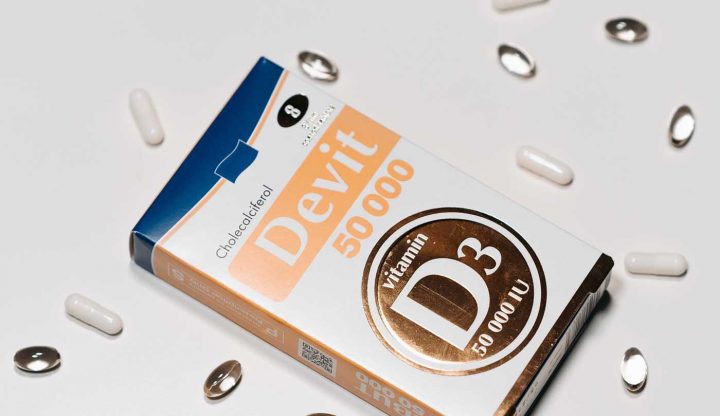
Vitamin D Supplements - Photo by Pavel Danilyuk from Pexels

There is growing evidence that Vitamin D is playing an important role in improving the immune response against a COVID-19 infection. Studies show that near equator latitudes were affected much less from COVID-19 infections.((Gareth Davis et.al. Evidence Supports a Causal Role for Vitamin D Status in COVID-19 Outcomes. https://doi.org/10.1101/2020.05.01.20087965)) Many other studies are available on the correlation between Vitamin D levels and COVID-19 infection rates as well as disease outcome.((Vitamin D and COVID 19: The Evidence for Prevention and Treatment of Coronavirus (SARS CoV 2). Youtube. December 10, 2020)) Experts suggest, that a widespread supplementation with 4,000 UI of Vitamin D would be one of the cheapest and most effective interventions to limit the spread of the disease. But governments are still skeptical to accept this evidence, and most regulating agencies are still publishing RDA requirements that are way too low to combat the widespread deficiency.((Experts send Vitamin D and Covid-19 open letter to world’s governments. Nutraingredients.com December 21, 2020))

The eight dose Vaccine Program, available for free for every person on planet earth!

Vaccines can reduce your risk for being infected by the virus, but no vaccine can guarantee you a hundred percent protection. There are plenty of cases that persons who were vaccinated got infected and even died of COVID-19. So whether you decide to get vaccinated or not, one of the most important measures you can take to protect yourself is to invest in your immune system. And even for treatment, there is no drug around that can cure the disease. The only thing which will fight off the virus at the end is your immune system.

There are many measures available to strengthen our immune system, and we have it in our own hands to implement them into our lives. For this reason, we have launched the Coronavirus Immunity Challenge on our site. If you have not participated yet, I strongly encourage you to sign up and learn all the insights, so that you can do your part in protecting yourself against this disease.

We have a special opportunity just for you. If you want to receive practical and up to date advice on how to implement an immunity-boosting lifestyle, simply join the Coronavirus Immunity Challenge and prepare yourself to face the pandemic with a bullet-proof immune system.
Sign Up Now

Coronavirus Immunity Challenge
Filed Under: COVID-19, Diseases

How to Deal With Your Inner Stress

October 10, 2021 by Martin Neumann - [rt_reading_time label="Reading Time:" postfix="minutes" postfix_singular="minute"]

How to deal with inner stress

Somewhere on the way to the rest of your life, you realize that things aren’t going as planned.  You might suffer from money woes or realize your marriage is in turmoil.  It’s the kind of thing that makes you sit up and take notice – and seek help before it gets the best of you.

How to Deal With Your Inner Stress

Some things you can work on making better.  If you need to stop spending money, you can develop a savings plan.  But some stress is derived form the inside-out.  It’s the kind of anxiety you have about who you are as a person compared to who you always hoped you’d be.

As time passes, you’ll be facing your fair share of obstacles.  You may have to repair relationships, tweak your career, or learn some new coping skills to help you deal with being a parent.

But if you take this step first – the step to becoming the kind of person you want to be – it’ll make facing those stress factors a whole lot easier.  In fact, when you devote time to making your own self better, many of the things you’re stressed about now will dissipate. 

You don’t need an expensive therapist or rock climbing with an encounter group. You aren’t in denial about what’s bothering you. You just need a little help analyzing yourself and taking action to become a new you. 

Becoming Your Best Self

The Army is right with their slogan, “be all you can be.” Of course, you don’t have to go to boot camp to make that happen. You can create a self-care boot camp at home, which is gentler than the soldier’s version.

One aspect of boot camp that you want to copy is the intense personal training regimen, which focuses on building a better you.

Daydream on Paper

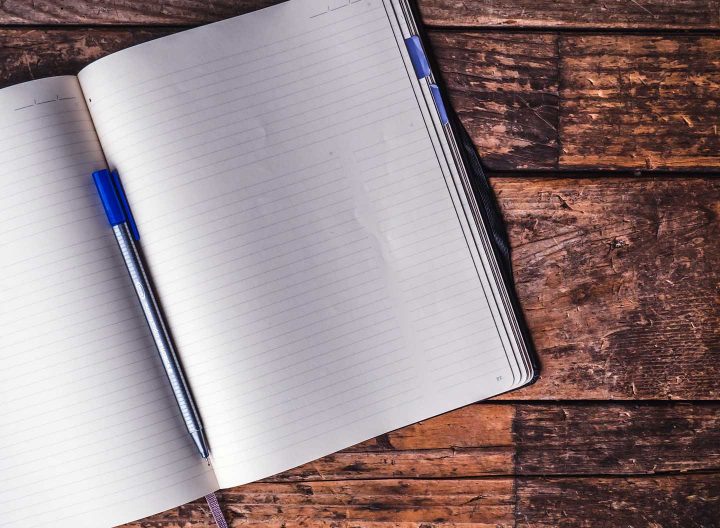
Take a page of lined notebook paper and fold it in half. Using the right side only, write a description of your ideal self. Don’t stop to be critical or analyze anything you write.

Be specific. Instead of saying, “I would weigh less,” say, “I would weigh 30 pounds less.”  Rather than, “I would have a better job,” say, “I would like to manage the sales department.”

Making a self description in a notebook

When you’ve listed everything possible on the Ideal Self side, turn to the left side and title it, Real Self. Again, without being critical, describe who you are today. What is your career?  Where do you live?  What motivates you to keep going every day? Describe yourself physically and emotionally.

Then open both sides and compare. With a bold pen or highlighter, draw lines between the items that are similar as if you were playing a matching game. Then look seriously at how far your Real Self is from your Ideal Self.

In some instances, the distance between Real and Ideal isn’t very far. In others, it’s a big stretch.  Choose two Real/Ideal comparisons as your self-help priorities and get to work on them. Save the list for later.

After completing one transformation, you can choose another goal. These priorities become self-improvement goals. You may be able to learn a new computer skill in a few weeks by attending a class because that skill will be important to earn a promotion to get a career that will provide less stress for you in life.

Losing weight takes more time. What’s important is that you have a goal and can plot a direction. Before you know it, your Real Self comes closer to your Ideal Self.  As you become the person you always wanted to be, you won’t have the stress of being dissatisfied with how your life’s unfolding.

Make a Future Timeline

Timelines are a great way to look back over your life and your career. Start by making a timeline of your personal life or career life, whichever is most pressing for you now and whichever causes more stress in your life.

One way to really see where you came from is to make the timeline on a poster board and add photos or other graphic images that reflect the events. You might be surprised as you recall strengths and abilities that you forgot you had from past experiences.

A picture timeline with major life accomplishments

Get another poster board and create a future timeline. Here’s where you plan the life you want – the life that provides deep satisfaction instead of extreme stress. Mark increments on the line for one to five years, then in five-year increments. 

Go ahead and dream. If money wasn’t an obstacle, what kind of career would you have in five years?  If the funds were magically available for you to return to college or graduate school, what would you study? What degree would you earn? What job would you have after earning that degree?

Once finished, set up the past timeline on the left and the future timeline on the right. Prop them up against a wall in your home where you can just look at them for a week.

As you mull over these ideas, you’ll find yourself focusing on a few areas over and over. Maybe one day you realize, “Hey, this is really what you want, so go for it!”

Save your future timeline and mark off the changes you choose to make in your life. In five years, you may be where you projected or even beyond that point. As long as you focus on being your best self and reaching your goals, you’ll make some progress in your future timeline. And if you are better aligned with the purpose for your life, then inner conflicts and stress because of your dissatisfaction with life will fade away.

Improving Your Body

When you’re trying to lessen the stress you feel, it’s important for your body to be able to help your mind relax.  Our modern lifestyles are so busy and crowded that fitness often takes a back seat to everything else on the daily to-do list. 

If nothing else will bolster your goal to exercise, think of it as the best all-natural stress reliever, which it is!  You may be used to working forty hours plus overtime – then rushing home to cook dinner and, if you have children, driving them to sports and activities.

A ten-minute uninterrupted shower may be the only relaxation time you get in a day before falling exhausted into the bed at night.

1. Take an honest look at your fitness

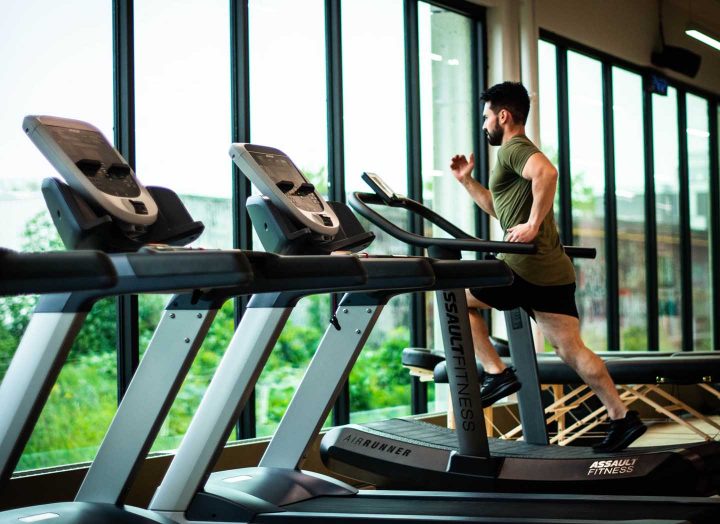
Most gyms are glad to give you a free week or month to try it out. During that trial period, ask for a fitness evaluation. Are you winded after ten minutes on the treadmill?

A man exercising on a treadmill - Photo by William Choquette from Pexels

Did the calipers measure more body fat than you realized was there?  Are you stretched to the limit with work but find no time to do muscle relaxing stretches?  Another fast-track approach to fitness is to hire a personal trainer for a series of personal workouts.  Once you learn which exercises are right for your fitness goals and practice the right way to do those exercises, you can work out on your own.

2. Curb harmful habits

If you think that going outside to smoke or chugging cans of highly caffeinated drinks are ways to deal with stress, you’re fooling yourself. These are likely to create more health problems and more stress.

Take an honest look at the ways you cope with stress. Smoking, drinking, drugs, caffeine and food binges are reckless choices with long-term health consequences. You’re setting out to reach new goals and dreams and you need to be in prime health to enjoy those positive life changes.

Start with learning all you can about your harmful coping method. Knowledge is power. While researching, look for local support groups. If you can’t find one, join an online support group. Your closest Seventh-day Adventist Church may be able to help you with materials or supportive courses for smoking cessation.

For some complex issues, self-help begins when you admit that you need help and seek others who can support your changes.  An important way to avoid negative coping methods is to nourish and train your body for optimal health. 

Improving Your Mental Outlook

The most physically fit body goes nowhere if your mental outlook is bleak. You have to believe in yourself to turn your goals into new realities. Even positive people are hit with difficulties that are hard to manage. That’s when you need stress busting approaches to bolster your mood.

Face your fears

Do your hands get clammy, your throat dry and your mind take you back to your worst day in sixth grade each time you have to speak in front of a group?  You might suffer from stress surrounding certain events.

People at work or in the civic group want to hear what you have to say. Sign up for a local Toastmasters group and take the first step to conquer your fear of public speaking.

A public speaking appointment - Photo by mentatdgt from Pexels

Did you turn down a great job because the office was on the 25th floor and you’re scared to ride elevators in tall buildings?  Climbing the stairs daily might be good for your legs, but it takes time and just isn’t practical.

You can work with a therapist to face this fear and get over irrational stress. Or you can do your own version of “systematic desensitization.”  That’s a therapy technique in which you gradually face a fear a little bit at time until you finally overcome it. 

Ask a trusted friend to go with you as you work on this.  Think about what the real fear is – that you’ll get stuck or that it will plummet to the ground floor when the cable suddenly snaps?

You’re feeling what you expected to feel based on past experience.  Once you have your “fear-feeling pattern” worked out, you know what to expect. Ask your friend to ride with you in an elevator to the second floor then back down again.

Repeat that trip. Then go up to the fourth floor. If you’re seriously in a stress-filled panic, take the stairs back down. Or if riding down is easier than riding up, start by walking to the fourth floor and riding down.

Little by little, increase your ability to handle the stress by pushing yourself a little farther each time.  You can conquer your fears when you name them, examine them, research them and set a plan to meet them.  Over time, you’ll notice your stress level doesn’t rise as high when you’re faced with this particular obstacle.

Learn to forgive

Sometimes we carry our baggage that makes us all emotionally wrapped up with something that has happened in the past. We cannot change what has happened, but we can choose to change our attitude towards the people who were involved in it. If you keep anger and bitterness in your heart, it is like drinking a poison, and expecting that the other person will die from it. You will do yourself a favor if you learn how to forgive, to let things go.

Forgiveness - Photo by Ketut Subiyanto from Pexels

Forgiveness does not always mean that things will be just as before, it does not always mean that you need to reconcile a broken relationship. But what you need is to let go of the feelings of resentment, the angry emotions that eat you up from within, just let it go! Do not allow yourself to continue to suffer about the things that happened to you in the past.

You may say that you are unable to forgive somebody, since they did something terrible to you. If you have no force to do it on your own, pray to God that he is giving you strength. Look to Jesus at the moment they were nailing him at the cross. He was able to say to his prosecutors: “Father, forgive them, for they don’t know what they are doing.” He can give you the force to do the same. Do whatever is needed to get over the feelings of anger and resentment, in order to experience the liberating power that forgiveness can give to you.

Conclusion

Improvements in our lives involve change. We may dread these changes first, but after we can look back at our progress, we are glad that we did it. Sometimes we need to step back and analyze the changes necessary in order to get us on the right track. When we are wrapped up in our stress, we often get short-sighted and do not see the obvious changes we need to make to resolve the obstacles that are in our way.

Take courage, see what you need to change in your goals, your health habits and your mental outlook of your life. Never settle for a life filled with stress when there’s something better waiting for you.

When you work on improving yourself, you will probably come closer to the purpose that was given to you in this world by your Creator. And when you know you are fulfilling not only your goals, but also your purpose, you will feel a satisfaction that will help a lot to melt your stress away.

Do you need a guide to help you understand how to cope with Stress in an all inclusive approach? Learn how to combat stress, mentally, physically, emotionally and strategically in your life.

Get Me the Guide

Filed Under: Mental Health, Stress Management

Seven Foods to Reduce Stress

September 12, 2021 by Martin Neumann - [rt_reading_time label="Reading Time:" postfix="minutes" postfix_singular="minute"]

7 Foods to Reduce Stress

Just thinking about all the chores that are building up, the errands you have to run, the looming work deadlines and the social demands on your overbooked calendar can run you ragged. Talk about stress!

Seven Foods to Reduce Stress

If left unchecked, stress can lead to many health problems, including heart disease, diabetes, obesity, and high blood pressure. Not to mention stress can also take a toll on your thoughts and behavior.

When life gets hectic and we’re feeling stressed, we tend to put healthy eating on the back burner. But heading to the vending machine or grabbing a meal at the drive-thru won’t alleviate the stress in your day.

To combat stress levels, take a look at what you eat. It may actually help relieve your tension. In fact, certain foods can help stabilize your blood sugar levels, can lower your cortisol and change your emotional response to stress.

Here are seven foods you can eat to reduce stress.

1. Oatmeal

This slow burning breakfast food is the perfect comfort food. It stimulates your brain to produce the feel-good chemical serotonin, which is antagonic to the stress hormone cortisol. Increasing serotonin will help you keep your cortisol level low.

A bowl of oatmeal wit fruits - Photo by Thiea Alhoz from Pexels

The soluble fiber in oatmeal keeps you fuller for longer as it provides a slow burn, maintaining your glucose level more stable throughout the morning. It’s sure to help you stave off stress and stay focused throughout your morning.

When we’re stressed our blood pressure can become elevated. A study published in the American Journal of Clinical Nutrition found that a diet which includes whole grains such as oats can lower blood pressure. Actually, all forms of whole grains like whole wheat bread, brown rice or whole wheat pasta will give you the same kind of benefits.

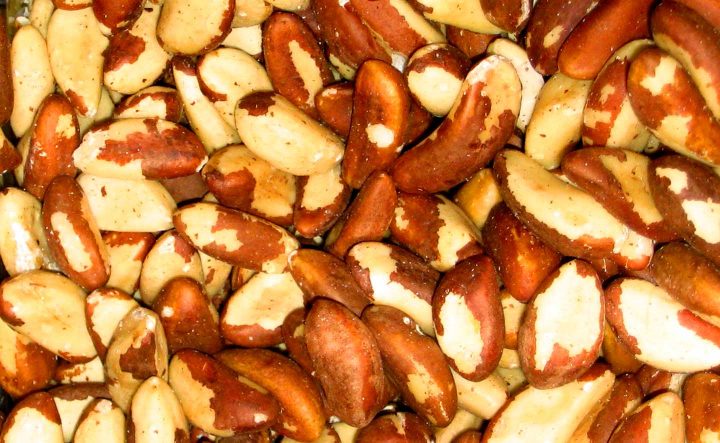
2. Brazil Nuts

This nut from the Amazon Rainforest is one of the best food sources of selenium. This mineral is an essential element to calm your nerves, alleviate fears, improve your mood and increase your energy levels. Besides that, selenium can help to improve your immune system. It is also important for proper thyroid function, cancer prevention and protects the body in many other ways. A consumption of 3 or 4 nuts will give you an adequate amount of selenium for the day.

Brazil Nuts - Source: Wikipedia

3. Flax Seeds

This superfood is an excellent source of magnesium which may help regulate emotions, alleviate depression, combat fatigue and minimize irritability. Magnesium can also help fight PMS!

Flax seeds contain Omega 3, which is helpful for inhibiting inflammation and is great for cortisol reduction. Furthermore, it may improve mood by helping neurons to communicate with one another. Studies also showed a reduction of anxiety with the consumption of Omega 3.

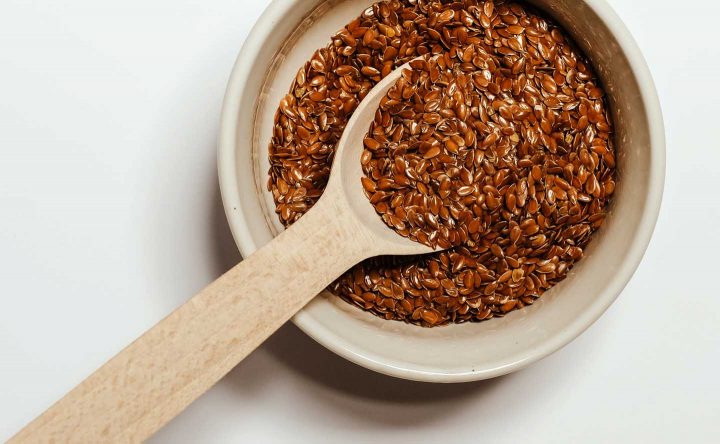
Flaxseed is absorbed best, if you grind the seeds shortly before consumption. It is good to grind only what you consume in 2-3 days. Use a tablespoon daily in your food, over your salad, and in bakeries like bread and cakes. Mix 8 parts of toasted and ground flaxseed with one part of salt, and you have an excellent spicing for your salad plate.

A bowl of flaxseed - Photo by Vie Studio from Pexels

You can also include other omega-3 rich foods in your daily diet such as chia seeds, walnuts, wheat germs, tofu and cauliflower.

4. Citrus Fruits

Instead of reaching for sugary treats during stressful times, why not choose oranges, kiwis, some berries or any citrus fruit? Vitamin C can help slow down your body’s production of cortisol while also quickly clearing it from your bloodstream.

Vitamin C is also beneficial for the prevention of blood pressure spikes that usually occur as part of your body’s response to stress.

Get a good amount of citrus fruits in your diet. Citrus reduces levels of the stress hormone norepinephrine, thus making us feel much better.

5. Garlic

A Japanese study discovered that garlic is effective in reducing cortisol levels. Garlic is also a good source of antioxidants, strengthens the immune system and helps to lower blood pressure.

Garlic has lots of protective phytochemicals. Photo by Nick Collins from Pexels.

6. Microgreens

Microgreens are salad greens picked very young, usually soon after the first leaves have formed. The great thing about microgreens is that they contain higher concentrations of stress-busting vitamin C. Young cilantro and baby red cabbages contain up to six times more vitamin C than their mature versions.

If you have the time and space, growing your own microgreens is a good way of bringing nature into your home and of making nutrition just a hand-pick away. If not, they are usually readily available in the produce section of the supermarket, as they are highly sought for their nutritive, taste and garnishing qualities.

Microgreens in a bowl - Photo by Mikhail Nilov from Pexels

7. Cashews

These kidney-shaped nuts are a good source of zinc which is a critical mineral that can help reduce anxiety symptoms such as irritability and lack of focus. Other good sources of zinc are sesame, flax seeds, Brazil nuts, chickpeas and lentils. Cashews are also a source of magnesium which is good for your emotions. You can easily add a few nuts for breakfast, or use them to decorate your salad at lunch.

Conclusion

In recent years science has discovered more and more links between the foods we eat and the way we feel. We have given you seven examples of foods you can add to your diet, that can help you relieve stress and improve your health and wellbeing. Actually, using plenty of plant-based food sources, the way that God has created them, will give you a lot of benefits for your health and mental well-being. Try it out for yourself!

Do you need a guide to help you understand how to cope with Stress in an all inclusive approach? Learn how to combat stress, mentally, physically, emotionally and strategically in your life.

Get Me the Guide

What food do you turn to in times of stress? Share it with us in the comments.

Filed Under: Mental Health, Nutrition, Stress Management

Are You Stressed Out about Having no Time?

August 15, 2021 by Martin Neumann - [rt_reading_time label="Reading Time:" postfix="minutes" postfix_singular="minute"]

Are You Stressed Out About Having No Time?

You surely heard the phrase: Time is Money. We may agree, but in practical terms, are you one of those people who turn around any penny you spend, but you do not think much about how you are spending your time? Do you try to do everything at the same time, but at the end you are frustrated that there are not enough hours in the day, and you catch yourself saying: I have no time? I think it is on the time to think about budgeting our time.

Are You Stressed Out about Having no Time?

If you are successful, you are able to earn more money, but there is something that not even a millionaire has more than you, and this is time. Everybody has 24 hours a day. Time is a finite resource. If you think about your time, you need to think how you want to invest it the most effective way. Are you smart in investing your money? Now think about the return of investment you will get from your time. Where are you going to invest it the most sensible way? This phrase gets it to the point:

Time is what we want most, but what we use worst.

William Penn

Set Priorities

President Eisenhower had an interesting approach to time management. He organized all his tasks in four quadrants: urgent or not urgent, important or not important. The urgent and important quadrant is the one you should give your priority.

There are some tasks that are important but not urgent, like your continual education for example. They will be coming right next in the priority list, and you should schedule a regular time for them each week, so that you make continual progress on something that will give you a better position in the future.

Now the urgent but not important category, you need to evaluate carefully if they are worth your time. Some tasks you may be able to delegate. Others you may drop from your list. You need to learn to focus on items that make the biggest difference at the end. The list of neither urgent nor not important items, you better store away for a day that you have really nothing else to do, but do not let your mind dwell on them.

I have heard another approach that can be quite interesting as well. You define 2 or 3 projects that you want to work on for this week or the near future. Those are the things that need your full attention at this moment. Then you have 3 or 4 projects that you target as next on the list. You may do a little bit of preparation to get the ball rolling, or you may start to work on them if you have some time left, but they are not your top priority for now. Everything else will go into the Maybe Later list, and you do not need to even think about them. Whatever method you use, you need to have a clear criteria, what is the priority for you to tackle at this exact moment.

Invest your Time Wisely

Think about your time as an investment. You need to think, what investment will give you the best returns. Think about sleep for example. If you sleep the hours you need, you will be energized the next day to tackle the tasks at hand with efficiency. If your cut your corners on sleep, your performance will suffer.

Sleeping man -  Photo by Andrea Piacquadio from Pexels

It is actually a wise move to go to bed early and rise early, in order to start your most important tasks when your mind is fresh in the early morning hours. We know that one hour of sleep before midnight is worth two hours of sleep after midnight. So it is a wise investment to go to bed with the chicken and get the greatest benefit from your sleep time.

Be sure to start your day right. When you wake up, spend some time in the presence with God, so He can give you some insights for the day. You will see that things will flow differently when you are doing that. Be sure to get a good breakfast without any rush, because a substantial meal in the morning will give you the energy you need to start the day right.

Exercise is another time investment that will pay you high dividends. If you put in half an hour of vigorous exercise every day, it will surely safe you an hour or two while you work with more efficiency, plus you will put some time in your savings account, since it can prolong your live for several years. Talk about a wise investment!

Automation can be another investment that can pay you high dividends. Why do you need to tackle your payments every month, when you can automate them? It takes you once to set it up, but then you will never need to think about it again!

Budget Your Time

Like you have a budget for your expenses, you should have a budget on your time. When making a purchase, many people will be out to search for the best deal, instead of reflecting first: Do I really need this?

The same is true for time management. Most people will teach you how you can do your tasks the most effective way in order to save a minute here and get done more in your day. Instead of this, you should look at your schedule fist and reflect if you should not simply stop many of the activities you are doing.

Any commitment you make, think first if it is really worth your investment. What are your fist priorities? Your family? Your friends? Making a difference in your community? And at your work, what can make the biggest impact? Cut out some activities that are not essential and do not contribute to the advancement of your priorities.

Every activity you are planning to do, you need to estimate how much time it will take you. If it is something you have done in the past, you will have a good indicator how long it will take you. If it is something you never did before, you need to break it down in different steps, and estimate every step how long it will take you. Your estimate will be more accurate this way.

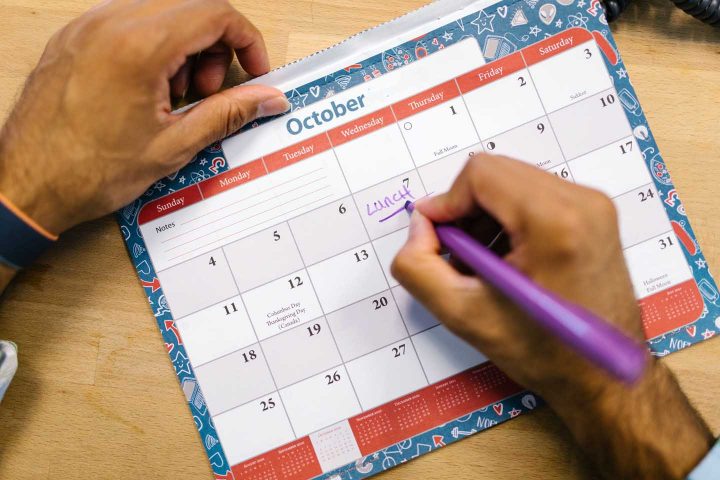
After having quantified your time investment, you need to evaluate if it is worth it, the same way you look at a product in the store to think if it is worth that price. Next you need to schedule the time in your calendar. If you do not have the time available, you need to either decline the commitment, or you need to drop off some low priority activities you have already scheduled in your calendar. Doing your proper planning can help to avoid a lot of surprises on the way, and will maximize the impact you can achieve with your limited time.

Price tag for fruits - Photo by Wendy Wei from Pexels

Track your Time

There are many ways you can track your time. Some apps can track your activities you do on the computer. Some people like a Fitbit watch that will track their sleep, their exercise and various other activities during the day. Some do a simple feedback on the end of your day, while others like to use an app to do a more sophisticated evaluations of their time. Tracking style can vary, but you should be conscious on how you are using your time.

It happens so often that we are just quickly looking something up on the internet, and before we realize, we have spent an hour surfing around without any purpose. Multitasking is another thing that was increasing greatly in the digital era. On average we are checking every 6 minutes on emails and instant messaging. That is draining your productivity. You need to get into the habit of being focused on one task, and when you are done, you can have a look whether somebody was writing you on messenger.

According to studies, an internet user is spending on average 2:25 hours a day on social media.((Daily time spent on social networking by internet users worldwide from 2012 to 2020. Statistica)) You add to that almost 3 hours of TV time per day, and you see quickly why we have no time left.((Average daily time spent watching TV in the United States from 2014 to 2023. Statistica))

Start to reflect on your habits. Are the 2 hours of scrolling the infinite feed of Facebook really well spent? And when you watch a video on YouTube, how many suggested videos you end up binge watching afterwards? Is this time really well invested, or are there other activities that would be really worth your time?

Do you have no time to play with your kids? Are you wanting to start a hobby for a long time? You are thinking to learn a new language? You want to learn an instrument that you desired to play since you were a kid? I have just freed you up 5 hours a day to do all of that if you want.

Be Realistic in Your Expectations

It is interesting to see how times have changed. When a hundred years ago, a farmer was plowing a field, it may have taken him a day or two, and another week for planting, but at the end he was looking back at his work and he was satisfied with his accomplishments.

A traditional farmer after plowing the field - Photo by Archie Binamira from Pexels

Nowadays things are going faster. A tractor will plow the field within an hour, and an email can go around the globe within seconds. Things are moving much faster. But with that we have also different expectations. If we have no time, because we have overcommitted ourselves.

Our changed expectations will also show up in our homes. While the farmer’s wife was not worried about the dirty kitchen floor while cooking lunch, our kitchen today needs to be sparkling clean. The house got bigger, consuming more time for cleaning and maintenance, and the yard needs to be perfectly cared as well. Think about this statement:

Life is a disappointment and a weariness to many persons because of the unnecessary labor with which they burden themselves in meeting the claims of custom. Their minds are continually harassed with anxiety as to supplying wants which are the offspring of pride and fashion…

The sweet word “Home” is perverted to mean “something with four walls, filled with elegant furniture and adornments,” while its inmates are on a continual strain to meet the requirements of custom in the different departments of life.((Ellen White, The Adventist Home p. 150))

I think it is time to make some adjustment on our expectations. Not everything needs to be perfect, and normally simpler is better.

Better Done than Perfect

We can roughly divide people in two groups: Maximisers and Satisficers. Maximizers are a tribe of perfectionists. If they buy a new phone, they will study all the available reviews for a week, and try to purchase the very best. And even then, they are still concerned whether they have made the right choice.

A satisficer at the other hand will walk into the store, look for the first phone that looks right, asks the dealer if it does what he is looking for and purchase it on the spot.

When it comes to answer an email, the maximiser will investigate the question he was asked, try to write a lengthy response, rewrite it three times to formulate it better, getting all the punctuation right and sending it out when he thinks it is perfect. The satisficer will simply throw in a quick response, maybe not even write a complete phrase, and hoping that it answers the question he was asked for, because if not, they will ask back anyways.

It is easy to see that the satisficer will get much more done in a shorter time, and he will feel more satisfaction on the end of the day. I guess it is important to find a healthy balance between the two. We need to learn to invest our time where it matters most. If my work can really have an impact, it is worthwhile to invest some more time, but when it comes to writing an email, we better get it over, so we can make time for things that really count. And even on the impactful projects, sometimes it is better to get it out and improve later, then to try to make it perfect and never get done.

Plan Your Week

When you are planning your week, you want to look at the bigger picture. You think about maybe 2 or 3 major projects to tackle and schedule their time. You also want to block out some time for essential goals that are not in the urgent category.

A Calendar - Photo by RODNAE Productions from Pexels

Then you look at your last week. You have scheduled anything that was left undone? Next look at the upcoming meetings and commitments that you have scheduled. Are they still your priorities? If not, you can decline or reschedule some of them.

And do not fill up your schedule to the maximum. Some tasks may take you longer than planned, and unexpected surprises are coming up all the time. Maybe keep some time open on Friday to catch up with things you could not get done during the week. This way you can get into the weekend with a satisfaction that you have accomplished your goals.

Daily Planning

When starting out in the morning, you need to spend a few minutes to get on track with your operating plan of the day. Is there anything left undone from the day before? What meetings do you have scheduled? Was there anything new coming up that needs to be treated with urgency? What are your top priorities?

Plans are important, but they are not set in stone, so you need to always recalibrate to reach your goals. But having something sketched out on paper, helps you to be more efficient in order to accomplish your priorities.

Get in Alignment with Your Passions

In a study of more than 3000 working people, researchers found out that those who were passionate about what they were doing, did feel less of a time pressure.((Jachimowicz J et.al. Why Passionate Employees Can Have It All: Passion Lowers Time Stress by Enhancing Goal Integration. https://psyarxiv.com/qd2zf/)) It is not so much about how long the activity takes, but more of how much you enjoy it. A sense of accomplishment did mean that they did not feel that their time was wasted.

A satisfied man - Photo by Jonathan Borba from Pexels

Researchers found also that some people perceived activities as competing for their time. For example, they felt that engaging themselves in the company was conflicting with coming home in time for dinner. Passionate workers on the other hand felt that activities were complementing, since a healthy meal at home with family was giving them more energy for the next day’s work.

Get Divine Wisdom

You have done everything and you are still struggling to make ends meet in your schedule? Is there an emergency coming up and you don’t know how to handle it? James was giving us an interesting counsel many years ago:

If any of you lacks wisdom, let him ask of God, who gives to all liberally and without reproach, and it will be given to him.((The Bible, James 1:5, NKJV))

James 1:5

If you are on a tight spot, you can always turn to God, and He will give you wisdom on how to deal with your situation. So often He is able to show us the right priorities, or what to do to avoid being stressed out about our day. And He has promised to be on your side as your Heavenly Father. Jesus gave us another wonderful promise:

Come to Me, all you who labor and are heavy laden, and I will give you rest. Take My yoke upon you and learn from Me, for I am gentle and lowly in heart, and you will find rest for your souls.((The Bible, Matthew 11:28.29))

Matthew 11:28.29

We do not need to resolve everything on our own. If there is something burdening you, then you can bring it to Jesus and he promised to help you. When you do not know whether you should take up a commitment, have a conversation with Jesus and ask him if he wants you to do this, or pass it on. Understand the purpose that God has for your life. Then you will have a clearer picture on how you can make really the best of every hour that God has given to you.

Do you need a guide to help you understand how to cope with Stress in an all inclusive approach? Learn how to combat stress, mentally, physically, emotionally and strategically in your life.

Get Me the Guide

Filed Under: Mental Health, Stress Management

9 Rules for Improving Sleep to Reduce Stress

July 17, 2021 by Martin Neumann - [rt_reading_time label="Reading Time:" postfix="minutes" postfix_singular="minute"]

9 Rules for Improving Sleep to Reduce Stress

There’s a strong correlation between how much sleep you get and how stressed you are. It’s a vicious cycle that can cause mental distress and even wreak havoc on your physical well-being.

9 Rules for Improving Sleep to Reduce Stress

It’s a well-known fact that people who don’t get enough sleep are lethargic and constantly experiencing an energy slump. This causes irritability, which also makes it hard to fall asleep. The reverse is also true. When you experience an exorbitant amount of stress during the day, it causes you to lie there awake – and that piles on more stress for the upcoming day. In many cases, this is leading to a vicious cycle that is complicating your stress more and more.

The Huffington Post conducted a poll where they asked people what their #1 stressor was. Lack of sleep was one thing that dominated the results. Stress and a lack of sleep combined can cause you to lose mental clarity and they can put more pressure on your body to perform at less than optimal standards.

For this reason it’s vital that you learn how to implement stress relief measures that also work to lull you to sleep at night. When you wake up fully refreshed, you’ll be able to tackle the world and anything it throws at you!

Rule #1 – Implement a Bedtime Technology Ban

If you want to toss and turn and have trouble to wake up in the morning, just keep your cell phone right by your bed. For some of you, that won’t be a problem – but for many people, it’s become an addiction that disrupts their sleep routine and causes a lack of sleep.

Some people have their computer right beside the bed and the glow of it lights up the room at night. The same is true for notifications that come in on cell phones – sometimes with lights and sometimes with the inclusion of sounds.

Not only is it a physical factor, but it causes a certain amount of mental unrest when you’re constantly checking emails or looking to see who posted what on Facebook.

Man using cellphone in bed - Photo by Ketut Subiyanto from Pexels

The physical distraction of the computer glow tricks your body into thinking it’s time for you to be awake. Your body won’t produce the melatonin it needs and help you get (and stay) asleep, so you toss and turn all night.

Technology doesn’t just have to be left out of the bedroom – it needs to be shut down quite awhile before you go to bed. Your mind needs time to disconnect and wind down itself, and it can’t do that if you’re constantly feeding it information. If you go to bed at 10 PM, try disconnecting around 8:30 PM. Let your stress melt away and your mind relax. By the time you go to bed, all technology should be switched off or transferred to a different room. This isn’t an easy habit to break, but by having a plan you’ll be able to implement it.

Rule #2 – Create an Environment Conducive for Sleep

Your bedroom can do a lot to improve your sleep quality. First of all, it should be completely dark at night. Our sleep cycles are influenced by the dark light cycle, and a good night’s rest requires a completely dark bedroom. No lights on, and no electronic gadgets that are emitting light. If you have street lights out of your window, invest in a good curtain to block them off. Your sleep quality will appreciate it.

Next, your bedroom should be quiet. Some people got used to sleeping with radio or TV at night, and it seems to give them a certain sense of security. Just the sleep quality suffers from that, and in the long run, it might be better to find ways to overcome this habit. If you are impacted by street noise right outside your bedroom window, you may want to invest in double or triple glass sound blocking windows for your home. Your mind needs to be able to fully relax overnight and refresh your energies for the next day.

Be sure to also avoid any distractions inside your bedroom. This room should be designed for sleep, and not for continuing the frenzy you are suffering already all day long. The TV can stay in the living room where it belongs. And the less clutter you have in the room, the more your mind will feel at rest.

A quiet bedroom

What can help a lot in the quality of your sleep is a good mattress. At the end of the day, you are spending one-third of your time in bed, and you should make sure that this time will be comfortable. A good mattress will be comfortable, but still firm, in order to give proper support to your spine. A pillow that is right for you can complement the comfort of your bed.

If you have trouble falling asleep, you can use a branch of lavender and put it below your pillow. As an alternative, you can purchase a lavender extract and sprinkle a few drops on your bed, just enough that you can smell it, but does not annoy you. For more severe sleep deficiencies you can try out to take some capsules of Valerian or Passion Flower, which are good options to induce you to sleep, giving you better conditions to resolve the underlying stress that may have caused your sleep deficiency.

Rule #3 – Wind Down Your Day With Exercise

It sounds almost backwards – putting forth extra exertion when you really need to be relaxing and calming down. But that’s just what exercise does for you! Exercise is a great stress reliever because it helps you release endorphins.

That’s why you sometimes hear of athlete’s bragging about their “runner’s high” – because although they may start out fatigued, they hit a point in their regimen where the endorphins are released and they feel good.

Feeling good is one of the first steps to you being able to sleep well tonight! Your body has probably been tensed and knotted up all day while you were at work. Allowing it to exercise gives you some relief – somewhere to pour all of that tension into. If you were sitting down all day long, this is exactly what your body needs.

Exercise also helps you sleep better at night. We joke as parents about letting our kids wear themselves out so they’re ready for a good, long nap – but the same goes for us as adults!

When the Huffington Post conducted a poll for people who exercise in terms of how they sleep, they discovered that people who exercise don’t just get more sleep – they get better sleep.

As you might suspect, the better your work out, the better you snooze each night! If you’re not used to exercising, start out slow and work your way up. You can start off with a simple 10-minute-a-day plan and increase it a bit each week.

Another good side effect of exercising is that you might shed some extra pounds! Poor sleep makes people gain weight according to recent studies – and stress definitely leads you to consume extra calories.

Try to exercise after work – but still plenty of time before going to bed. Making a strenuous workout just before bedtime will hype up your hormones. But if you do half an hour walk around 2 hours before going to bed, it will have a relaxing effect. If you exercise too close to bedtime and you discover that you still feel restless, just move your exercise up to an earlier time.

Rule #4 – Get a Soothing Bath

A soothing bath

For some people, bath time is their only time of the day when they unwind and kick stress to the curb. There are no clocks ticking, no technology vying for your attention, and nobody talking to you.

It’s just you, your warm, soothing water, and whatever environment you’ve created to help you relax. The environment for your bath is just as important as the sleeping environment you create.

If it’s off, then you can’t relax. A cold, sterile bathroom won’t lend itself to a calming environment. Some people like to invest in a bubble bath or a lavender smell, while others put up candles to create a relaxing ambiance. Soft and relaxing music might be another option to get you into a tranquil mode.

Just as you’ve made the commitment to turn off technology at bedtime, do the same for your bath time, too. You can’t really relax if your smartphone is ringing off the hook. Just enjoy the moment, and forget about everything that was stressing you out during the day.

Rule #5 – Take a Light Supper

Eating a heavy meal late at night is a surefire recipe for troubled sleep. There is an old saying that we all know: “Eat breakfast like a king, lunch like a prince and supper like a pauper. There is much truth in that.

Think for supper on something that is lightweight. This applies not only for quantity, but also the quality of our foods. What you should cut out as much as possible are fats, since they are very difficult to digest. So keep your fries for lunch and your nuts for breakfast. You should also go easy on proteins and focus more on carbohydrates for supper. So fruits together with a toast bread is a really good option, that will digest in a snap.

A light toast bread for supper

If you work all day long with your mind, you may even find that skipping supper altogether will improve your sleep. At night your body does not need this energy, and skipping supper helps you to wake up the next morning with appetite to face a substantial breakfast. Besides improving your sleep, this habit will help you a lot in your weight control, and controls your excessive sugar levels if you are diabetic. It may take you a few weeks to get used to it, but after that, you will feel the full benefit in your sleep quality.

For those who do not want to skip supper altogether, it should be lightweight and early enough to be completely digested before going to bed. A light supper should still be placed 2-3 hours before bedtime, to guarantee that digestion is done before you hit the bed. You do not want your stomach to work extra hours while you are at sleep. This will impact not only your health, but also sleep quality and your mood the next day you get up.

Rule #6 – Sleep at Regular Times

An alarm clock - Photo by Aphiwat from Pexels

Have a regular time for going to bed and a regular time to rise that allows you 8-9 hours of good sleep. Cutting corners on sleep does not help your productivity. You will be running around like crazy, thinking you cannot afford to go to bed on time and let your work be undone. The truth is, that the next morning you will be irritated and with a foggy mind, not being able to think straight on what your next step should be to get you to the goal you are looking for. More than often you will realize that you will work more hours and accomplish less.

If you are really on a tight deadline, you may be better off to go to bed an hour earlier than normal, but wake up two hours earlier and get some undistracted work time early morning, while everyone else is still asleep.

Our body is adjusting its daily hormonal cycle according to the light and dark cycle of the sun. For this reason, one hour of sleep before midnight is just as refreshing as two hours of sleep after midnight.

Getting into the habit of going to bed before 9:30 PM will help you a lot to wake up refreshed and full of energy the next day. If you have created the habit of burning the midnight candle, it may take you some time to adjust to the new schedule, but after a few weeks you surely will start to feel the benefits.

Many people created the habit to get by on a minimal sleep time during the week, but at the weekends they sleep in as much as they can. This is detrimental in two ways. First, there is no way that you can make up for sleep that you have lost during the week. You cannot recuperate the lost productivity you had during the week, nor can you make up the toll that sleep deficiency had on your health.

Second, the body gets used to a regular rhythm of activities you do during the day. If you totally change your sleeping routine on the weekend, your body gets out of sync and you cannot enjoy completely the free time you have. So if you have the habit of getting up at 6 o clock during the week, and on the weekends you can’t get out of bed before 10, this is a sure sign that you were sleep deficient on your weekday schedule. If you aim for a regular time to go to bed and a regular time to wake up, ideally even on the weekends, you help your body a lot to optimize the circadian rhythm for peak productivity.

Rule #7 – Become a Master at Time Management

During the Huffington Post surveys about sleep and stress, they noticed that most people started with phrases like, “Not enough time to…” Time is one thing we need more of and have less of in this day and age.

We have no time to relax. We push ourselves from the time our feet hit the floor in the morning right up until we go to bed – and we never get to bed on time. Instead, we give ourselves a minimal amount of sleep hours – and much of that is spent tossing and turning due to the stress of what all we couldn’t accomplish this day.

If you’ll get firm with yourself and look at how much time you waste during the day, or how much time you’re not as productive as you should be, then you’ll free up more time for sleep.

Notice that didn’t say, “free up more time to get tasks done.” Many of you will learn new time management skills and forget to learn your lesson about sleep. Instead, you’ll pack in more on your to-do list.

Make the exercise to journal for a week your daily routine. Notice all the times when you’re surfing the web or standing around chatting with co-workers. That’s time that you could be spending really accomplishing things so that once your day is done, you are rewarded with free time – “me time” – to pamper and nurture your body and mind.

A blank journal - Photo by Jessica Lewis from Pexels

You might also find that when you implement the other rules here to accomplish proper sleep hygiene, you’ll be able to get more done throughout the day. That’s because your mental clarity improves and you tend to have more energy to tackle whatever the day may bring for you.

Rule #8 – Allow Deep Breathing to Replace Naps

There are some people who get in the habit of taking a daily nap – primarily because they’ve heard that power napping can help them achieve their goals for the day.

This might be true for many people. But if sleep eludes you, then naps could be causing the problem. A 10-minute power nap where you’re basically just shutting your eyes and deep breathing is beneficial. Going to bed for 2-4 hours in the middle of the day is a recipe for disaster. You’ll never be able to go to bed at a regular bedtime and you’ll lie there frustrated and annoyed that you can’t go to sleep. It’s a hard habit to break.

Try using deep breathing to energize yourself whenever you’re in an afternoon slump. Breathe from your diaphragm and try to watch how often you’re using shallow breaths throughout the day.

Rule #9 – Resolve Your Worries Before Going to Bed

If you find yourself troubled or upset make an effort to solve the problem as best you can before bedtime. If you had an argument with your spouse, or whether you were getting wrapped up with your coworker, if you are able to resolve it before bedtime, sleep will be so much sweeter. The Apostle Paul was saying already many years ago: “Do not let the sun go down on your wrath.”((The Bible, Ephesians 4:26 NKJV))

Sometimes you find that worries are wanting to creep up on you and be your companion at bed in order to rob your sleep. Some worries are good in order to get us into action. But more often we are worried about things that we can do nothing to resolve. At this moment, we need to turn our worries over to your Heavenly Father, trusting that He is well able to take care of your needs. This experience of peace can do much more for a sweet night of rest than anything else. This is exactly what Solomon was speaking about:

When you lie down, you will not be afraid; yes, you will lie down and your sleep will be sweet.

Proverbs 3:24

I wish you can make this experience for yourself. Because if you are able to turn over your troubles into the Hand of God, then your sleep with a peace of mind that you maybe did not now for a long time. You want to try this out in your life?

Do you need a guide to help you understand how to cope with Stress in an all inclusive approach? Learn how to combat stress, mentally, physically, emotionally and strategically in your life.

Get Me the Guide

Filed Under: Healthy Lifestyle, Mental Health, Sleep, Stress Management

The Seven Main Stressors in Your Personal Life

June 20, 2021 by Martin Neumann - [rt_reading_time label="Reading Time:" postfix="minutes" postfix_singular="minute"]

The Seven Main Stressors in Your Personal Life

When we think about stress we often think about a heavy workload. But stressors in our private life can be just as compromising as our work stress. Stress may come from debt, relationship problems, disease or even from very abstract things such as feeling a lack of purpose, or feeling uncertain about whether you have taken the right decision. Today we want to pinpoint the most common sources of personal stress and see how we can deal with them.

The Seven Main Stressors in Your Personal Life

Stress is an intrusion on your peaceful existence.  All of us strive to have orderly and peaceful lives.  We tend to develop well when we get into certain routines.   Parents often find that their children will behave much better when they have a set routine than if everything is pandemonium in the household.  Routines give a child a feeling of security, which is the one thing that a child wants most of all.

Many people will complain that their kids are unruly and do not want to go to bed on time.  For many it escalates into screaming at their kids to go to bed or threatening their kids with punishment if they do not go to bed. 

The entire “go to bed” issue can be avoided if the parents simply set a bedtime routine.  Fruits and cookies.  A bedtime story, being tucked in, a kiss on the cheek and lights switched off. Every night.  The children know what to expect and actually end up looking forward to bedtime.  This gives children an added sense of security, something that they really need in their lives. 

We all want to feel safe and secure, but as we get older, we realize that we cannot always count on things being the same.  We experience different incidents in our lives that turn our world upside down and cause us to feel stress.  Most of these incidents we cannot control, others we can control to a certain degree.  Some of us are fortunate enough not to experience these stressors until adulthood.  Others experience stress as young children.

When there is happening some change in our routine from what we consider to be normal, our minds will interpret this unknown future as a potential stressor. The amount of stress will be related to the amount of threat our mind is feeling.  Some common causes of stress are the following:

Death of a loved one

This can be a spouse, parent, child or friend.  Death is part of life, but the death of a loved one is something that causes significant stress.  Our hearts are broken as we grieve for our loved one and our lives are seriously disrupted.  This is something which we can do little about, unfortunately, and also something we all have to deal with, sooner or later.  Many people recover soon from this stressor and continue with their lives, others are grieving for a long time. The death of a loved one can cause a number of serious illnesses that we take on ourselves, including depression.

The death of a child is probably the worst pain anyone can endure and some people never fully get over it. Others do manage to get over the pain for the sake of others around them.  A sense of purpose and usefulness for other people around can help to overcome the loss. However, this is one stress factor that can be quite devastating to some people.

Mourning for a dead loved one - Photo by RODNAE Productions from Pexels

Divorce

Even in the case that you are glad to get rid of your ex-spouse, divorce is a major stressor in our lives. In addition to causing you to feel stress, it can also stress out your children. Many couples are so wrapped up with their own emotions during a divorce that they fail to notice the impact of the situation on their children.  Chances are that the kids are feeling quite a bit of turmoil, even if they are too young to understand what is really going on.  In fact, younger children can experience even more stress than older children in the case of their parent’s divorce because they cannot put their emotions into words, nor can they understand that daddy or mommy going away has nothing to do with them.  A young child tends to feel such a loss as a personal rejection.

A child who experiences the trauma of his or her parents’ divorce will feel stress. In some cases, the stress may manifest itself in a number of psychological disorders, including anxiety. The child has lost their most important point of reference and no longer feels safe, so he or she will come up with a way to alleviate the stress and retain some sort of control, trying to get attention by being silly and unruly, or even developing a disorder such as anorexia.

A divorce is always a traumatic event, because it involves feelings of rejection, and it breaks down human links that you considered to be a safe haven on earth. Somebody should consider very closely whether it is worthwhile to pass through such a traumatic event, or whether there may be some ways to restore the relationship. A counselor may be able to help you to look at things in a more objective manner, to understand the viewpoint of the other side, and to develop strategies to generate mutual respect and understanding.

In case that a divorce is really inevitable, be sure to take your due time to heal from the wounds that were caused by the separation. Allow yourself some time off to deal with the traumas that are left. If possible go for a vacation to a place where you are able to process things more calmly. Go a bit easier on your workload, and consider if you can be released for a while from some of your responsibilities in case that you are in a leadership position.  Look up some good friends with whom you can talk, and if needed ask for professional help to deal with processing the traumas of your crisis.

Moving

Even if you are moving from a shack to a palace, this is still stressful.  It may be a happy occasion, but it is still a disruption of your routine.  And any disruption of your routine causes stress. Moving disrupts the entire family.  And it is a real pain in the neck. Plus you have to deal with the packing.

Packing boxes for moving house - Photo by Andrea Piacquadio from Pexels

Everyone hates moving.  Packing up all of your belongings and then unpacking them is just a hassle.  Very few of us are fortunate enough to be able to have someone do all of this labor for us so it tends to be stressful.  However, even if we do not have to lift a finger, moving is still a disruption of our normal routine. 

It will take a while before you can get established into your new home.  You also need to get used to your new environment, figure out where to do shopping, and finding new friends in your neighborhood. Until you do, you should try to maintain as much of your usual daily routine and rituals as possible, especially if you have children. 

Major Illness

Any type of major illness is a significant stressor for the entire family.  One person being ill does not just affect that person, but everyone around him or her.  A major illness is one of the worst stressors we can endure as it can go on for years, taking its emotional toll on everyone around. If you are dealing with a potentially terminal illness like cancer, you are dealing with a huge amount of stress, dealing with feelings of anxiety about possibility of imminent death.

Some people who experience a major illness enter into depression.  This is usually due to the dramatic change in their life. Sometimes family members can be affected by the stress of dealing with the sick, which could lead even them to depression, or some kind of escape mechanism in form of dependencies.

Finances

Lack of finances can be stressful. If you cannot figure out how to pay the bills, if some emergency arrives and you have no means to resolve it, if the costs are rising but the salary does not correspond, this can cause quite a bit of stress.

Avoid taking loans and paying in installments whenever you possibly can. Purchasing a new car on an installment plan is easy and convenient, but making ends meet when paying back, can become very stressful.  Not to speak about the financial turmoil in case you are losing your job.

Sometimes finances can get out of control because of overspending. Adjusting the budget and knowing how to economize can in many cases balance the finances. If you set a financial goal and tighten your belt now, then you’ll find that the money stress eases. This might mean that you have to give up wasting money in areas that aren’t imperative to your needs, such as paying almost $5 or more for a cup of coffee.

Tightening the budget

It might also mean that you need to stop spending money on eating out. It’s cheaper and healthier to eat at home anyway. With the money that you save by not eating out or spending on impulse buys, you can pay off debt, start a savings account and eventually have the money to do what you wanted to do for a long time.

There are situations though where there is no easy solution to the financial turmoil and professional help may be necessary to deal with the resulting stress.

Job Loss

In addition to being humiliating, the loss of a job can throw you into financial turmoil.  Losing a job often results in depression as well as anxiety.   Not only did your self-esteem take a hit, but you are also worried about money.  You will probably experience stress until you get a new job or reconcile yourself to the fact that you will have to get by on less money.

Until you get your bearings, you will face a disruption in your lifestyle as well as your financial status.  The uncertainty that surrounds getting another job also affects us when it comes to stress.  Losing a job and having to find another job can be stressful. 

City Life

Living in large cities involves several stressors, like noise, traffic, pollution, fear of assaults, hectic rhythm of life, and the simple fact of lacking the relaxing influence of nature around us. Even if you have to commute to town for work, setting up your home in the country can do a lot to relax your mind at the end of the day.

Traffic in the large cities can be stressful. Traffic jams can be especially stressful if we need to get to an appointment in time. And hectic traffic around us as well as stressed out drivers being impatient, will have its toll at anybody needing to navigate under those circumstances.

Living in high crime areas can be also stressful. Not knowing whether you will suffer an assault the next time you leave home can keep you quite apprehensive. And any kind of dubious face crossing your way will make your stress hormones rise.

City Life

Other Stressors

Relationship Problems can be a big stressor. Abusive relationships, sometimes even involving physical abuse, can be hard to deal with. Addictions are another problem that can cause a lot of strain on a relationship. Those are situations that may need help from outside to try to resolve the situation. Divorce sometimes seems to be an easy way out, but it should be a last resort, since any separation of an intimate relationship involves lots of stress by itself.

Technology and information overload are increasingly perceived as a burden in our lives. The fact that we are reachable wherever we are makes us more stressed at the end of the day. Many expect companies to respond to their email within an hour, and we need to catch up with Facebook, WhatsApp, Telegram and other messenger services. We want to keep up with the life of our friends on Facebook and Instagram and many get addicted to the diversions that are all around on social media. If we search for some topic on Google, the wealth of information available to almost any topic we want to know is just overwhelming. And that we spend several hours a day in front of the television is considered as part of our live. All of this keeps our minds busy with an unnatural amount of stimulus around us, and impedes us to simply rest and relax.

These are just a few of the major stress factors that we as a society face.  There are other things that can lead to stress, but these are the most common stressors in our private life.

In some way, even happy events such as the birth of a child, marriage, or even a new job can lead to stress.  Even though these are joyous occasions, they are stressful.  Why?  Because they disrupt our set out common routine.

Are you sensing any sort of pattern here with regard to stress?  Each of the aforementioned stressors all has one thing in common – they disrupt our lives.  We don’t like to have our lives disrupted and when it happens, even if it a good disruption, passing through the adaptation phase is causing us stress. We are going to experience stressful situations throughout our lives.  How we handle those situations will determine how well we can manage stress.  There are both good ways and bad ways to manage stress. 

Identifying stressors is not always so easy. While some of us can point to different stress factors that have occurred recently in our lives, others have no idea why they are stressed. In some cases, the original stressor can be something that happened in your childhood and left you insecure. For example, an abuse can create negative thought patterns that can be a stressor remaining until the adult age. In such cases, a Psychologist may be able to help you out to identify the original cause of your stress.

Once you have identified your stressor, you can work on removing the cause. This often helps already to bring your stress under control. But not always there is an immediate solution to the problem. In this case, you need an all-inclusive approach to stress management. If you need to figure out how to manage your stress the most effective way, download now your copy of The 10 Minute Guide to Stress Management.

Do you need a guide to help you understand how to cope with Stress in an all inclusive approach? Learn how to combat stress, mentally, physically, emotionally and strategically in your life.

Get Me the Guide

Filed Under: Mental Health, Stress Management

« Previous Page
Next Page »

Primary Sidebar

Social Channels

Coronavirus Immunity Challenge
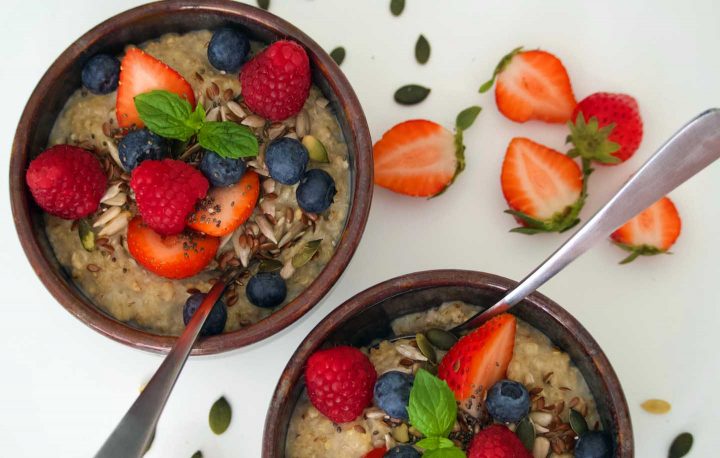
Boost your immune system to be bullet-proof for the pandemic.

I Want to Participate

Recent Posts

  • 5 Habits to Live Longer
  • Better Sleep Can Protect Against Dementia
  • Finding Peace In Your Crazy-Busy World
  • Flaxseed – An Ancient Plant Rediscovered
  • Platelets – Triggers for Life or Death
  • Boderline Personality Disorder
  • In Praise of Almonds and Nuts
  • Are You Stuck in the Clutter Trap?

Categories

  • Body Systems (16)
    • Cell Function (2)
    • Circulatory System (1)
    • Digestive Tract (10)
    • Immune System (4)
  • Diseases (27)
    • Cancer (2)
    • Cold (1)
    • COVID-19 (11)
    • Dementia (1)
    • Diabetes (1)
    • Digestive Diseases (2)
    • Heart Disease (2)
    • Kidneys (1)
    • Metabolic Syndrome (2)
    • Skin (1)
  • Healthy Lifestyle (42)
    • Exercise (11)
    • Gardening (2)
    • Sleep (7)
    • Sunlight (2)
    • Temperance (14)
    • Water (4)
  • Mental Health (87)
    • Addictions (6)
    • Anxiety (7)
    • Burnout (1)
    • Depression (7)
    • Psychosomatic Diseases (6)
    • Stress Management (45)
    • Trust (6)
  • Nutrition (56)
  • Obesity (9)
  • Phases of Life (14)
    • Adults (3)
    • Babies and Infants (1)
    • Children (3)
    • Seniors (5)
    • Teenagers (3)
  • Therapies (7)
    • Herbs (5)
    • Hydrotherapy (1)
  • Uncategorized (3)

Archives

  • January 2025 (1)
  • March 2024 (5)
  • February 2024 (4)
  • January 2024 (4)
  • December 2023 (5)
  • November 2023 (4)
  • October 2023 (5)
  • September 2023 (4)
  • August 2023 (3)
  • July 2023 (2)
  • June 2023 (4)
  • May 2023 (4)
  • April 2023 (5)
  • March 2023 (4)
  • February 2023 (4)
  • January 2023 (4)
  • December 2022 (4)
  • November 2022 (4)
  • October 2022 (5)
  • September 2022 (4)
  • August 2022 (4)
  • July 2022 (5)
  • June 2022 (4)
  • May 2022 (5)
  • April 2022 (4)
  • March 2022 (4)
  • February 2022 (4)
  • January 2022 (5)
  • December 2021 (3)
  • November 2021 (4)
  • October 2021 (6)
  • September 2021 (4)
  • August 2021 (4)
  • July 2021 (5)
  • June 2021 (4)
  • May 2021 (3)
  • April 2021 (5)
  • March 2021 (4)
  • February 2021 (4)
  • January 2021 (5)
  • December 2020 (3)
  • November 2020 (4)
  • October 2020 (5)
  • September 2020 (5)
  • August 2020 (3)
  • July 2020 (1)
  • June 2020 (1)
  • May 2020 (1)
  • April 2020 (1)
  • March 2020 (1)

Copyright © 2026 · Abundant Health - Privacy Policy - Medical Disclaimer