Abundant Health

Up to date health information tailored for you

  • Home
  • Blog
  • Recipes
  • Shop
  • Contact

Blog

Protein – Too Little or Too Much?

November 20, 2020 by Esther Neumann - [rt_reading_time label="Reading Time:" postfix="minutes" postfix_singular="minute"]

Proteins play an important role in many physiologic processes of the body. They occur in the genetic material, the hormones, the enzymes, in the hemoglobin as well as in the bones, the hair, the nails in every cell of our body. They are responsible for many allergies, but at the same time essential for the immune system to protect us. They work as a means of transport for the absorption of vitamins, minerals and fat.
Protein - Too Little or Too Much?

Smallest Building Blocks

Proteins are made up of so-called amino acids. We know 20 amino acids, which we take in through different protein food sources and convert them to the body’s own protein. These 20 tiny building blocks can be assembled in countless combinations to form chains and intertwined structures. Assuming we were assembling a chain of only 10 out of these 20 different parts, this would give 10,240,000,000,000 different possibilities. Human proteins, however, consist of 50 to 1000 or more amino acids. This is the source of the infinite variety, and God created every human being with its own personal protein pattern. But here lies the problem of organ transplants. A transplanted organ is rejected as foreign by the immune system, since it has a completely different protein composition. This needs to be resolved with rigorous compatibility tests and the application of immune depressing drugs after the operation.

Sources of Dietary Proteins

Plants are the only ones able to produce protein from inorganic compounds, such as minerals from the soil and gases from the air. Animals and humans assemble their own body protein from amino acids found in plants: legumes, fruits, vegetables, seeds, herbs and grasses. The protein that humans take in from animal nutrition such as milk, eggs and meat are originating the same way from plants. But this detour is an enormous waste. Because from 100 grams of ingested vegetable protein, the animal can only produce 8 to 10 grams of meat protein. Truly a waste of raw materials when we think of the steady increase in the world population.
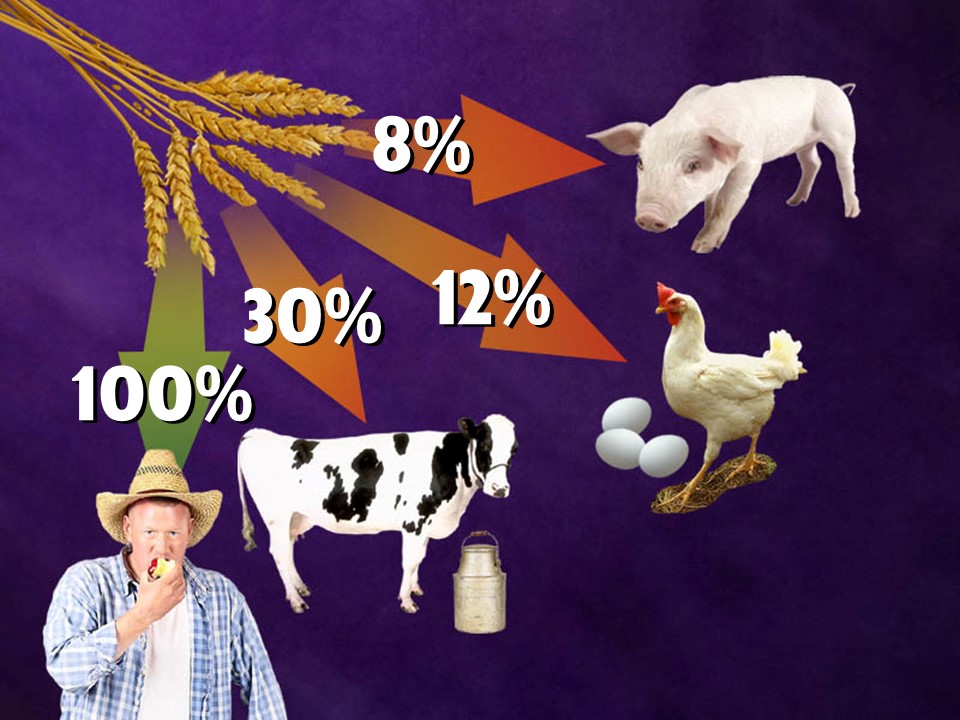
Chart of the energy efficiency in the production of animal protein

The question now arises as to which protein is more valuable, that of animals or plants? Which one is utilized better by the body? The value of a food protein is traditionally determined by its amino acid pattern. The better the pattern corresponds to people’s needs, the higher the value. This in turn is determined by the quantity of each of the essential amino acids a food contains.

Essential Amino Acids

The body can build some of the 20 amino acids on its own. Those he doesn’t necessarily need to get through his diet. There are nine amino acids he is not able to produce, but they are vital to our health and must be supplied through our diet. A protein that contains all essential amino acids in sufficient quantity is considered a complete protein.

The protein contained in meat is considered to be a complete protein. The protein contained in eggs and milk is superior to meat in terms of digestibility and value. Grains have a low value because it contains little of an important essential amino acid called lysine. However, this is not a problem, because we do not only eat cereals for a meal. Combining our grains with legumes, this deficiency is made up and all essential amino acids are present in sufficient amounts. We combine all kinds of foods and so we get all the important amino acids with a varied diet.

In addition, the body itself provides important protein. It recycles cells that are being renewed, as well as hormones and enzymes that have performed their function. The body is very economical with this protein. Little is excreted in the stool and urine, but a large part is broken down into the individual amino acids and goes into the storage pool, from which new protein compounds are built up. So we don’t need to worry that we might be missing an amino acid in a certain meal, since the body has enough protein storage for 2 to 3 days. A purely plant-based diet can provide us optimally if we put together clever combinations. Very valuable combinations are, for example, lettuce and potatoes, or legumes and cereals. Nuts and seeds also provide valuable protein and can be incorporated very easily. It doesn’t have to be meat. The consumption of animal protein goes hand in hand with an increased consumption of cholesterol, fat and purines, all risk factors for diseases such as gout and cardiovascular diseases.

Excessive Protein

Excess fat is deposited in the fat cells. Excess carbohydrates are converted into glycogen, stored in the muscles and the liver; when these stores are also full it is converted into fat and stored in fat cells. Excess protein cannot be stored as such. It has to be metabolized. When protein is broken down, ammonia is produced, which is a cell poison. The body immediately converts it into urea, which can then be excreted through the kidneys. This process puts an extra burden on liver and kidneys. The increased uric acid levels will increase the risks of gout. The scientific literature also describes an increase in the excretion of calcium via the kidneys. This has a negative effect on calcium balance and can lead to osteoporosis. The risk of calcium oxalate stones forming in the kidney also increases with an increased protein intake.

Another problem of excess protein is heart disease. Interestingly, animal protein is able to raise cholesterol levels, while plant protein can lower cholesterol levels.((Van der Meer, R,, Beynen, A.C.. 1987. Species-dependant responsiveness of serum cholesterol to dietary proteins.
J.Am.Oil.Chem. Soc. 64:1172-1177; Sanches A., Horning M.C., Shavlin G.W., Wingeleth D.C., Hubbard R.W. 1985. Changes
in levels of cholesterol associated with plasma amino acids in humans fed plant proteins. Nutr.Rep.Int. 32:1047-1056.)) An important factor that differentiates animal from plant protein is the ratio between the amino acids arginine and lysine. For the same reason, animal protein is responsible for the development of cancer, while certain plant proteins can have even a protective function.

Excess protein can have a negative influence on endurance. It is interesting that the majority of high performing athletes are nowadays vegetarians, loading up on complex carbohydrates for optimal performance. This makes sense, since carbohydrates are the best energy source, while the protein demands to promote healthy muscle growth are actually quite moderate.

There are several high protein diets that are being promoted for several reasons. Bodybuilders are using protein shakes to promote muscle growth, while others are opting for high protein diets to achieve weight loss. All of those high protein diets will show though a heavy toll on our health.

How Much Protein?

Experts recommend an intake of 0.8 g protein per kilo of body weight per day, which is around 56 g for an adult weighing 150lb (70 kg). These recommendations have already a generous safety margin.

Yet as you can see from this illustration, the average person eating a westernized diet is eating twice the recommended amount, and often even more.
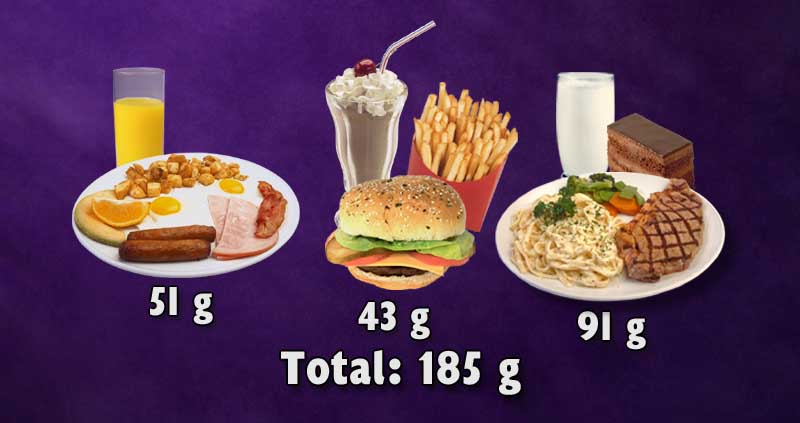
Three meals of a typical animal based diet resulting in 185g of protein.

Just 3 meals of these commonly eaten foods contain over 180 grams of protein! The protein excess is the cause of many so-called lifestyle diseases.

Switching to a plant based diet, protein consumption is normally closer to the recommended amounts. Eating a variety of unrefined plant-based foods, will be sufficient to meet or even exceed the required daily amounts, without creating any excess in protein.
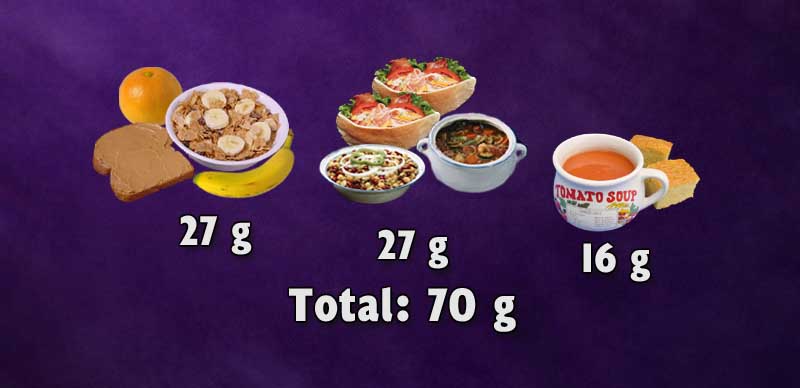
Three meals of a typical plant-based diet resulting in 70g of protein.

Protein Deficiency

Developing countries have often problems with protein deficiencies. Growing children need more protein than adults. Therefore, young children are particularly affected by protein deficiency. The growth is slow, and muscle loss occurs. The liver is often enlarged. Water accumulates in the tissue, leading to the formation of edema, hence the distended bellies of malnourished children. Skin and hair change. It often leads to diarrhea. The immune system is weakened. It comes to hormone deficiency. In western countries, those protein deficiencies are extremely rare.

A Whole Food Diet with Variety

A variety of foods is contributing to our protein requirements. There is no need to cover all the required amino acids in every meal. This could put too much strain on our digestive system. The diversity should be achieved over a longer period of time. If one meal is protein deficient, the next one can make up for it. Since animal foods are very rich in protein and have other disadvantages, a maximum of one-third of the total amount of protein should come from such foods. At least two thirds should come from plant sources. But even a strictly plant based diet, in which animal products are completely avoided, covers the needs of all essential amino acids, when you maintain a healthy variety.
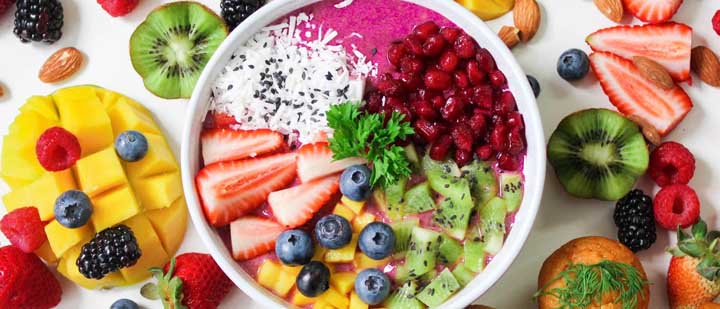
Healthy Fruits

Stay Always Up to Date

Sign up to our newsletter and stay always informed with news and tips around your health.

Sign Up Now!

Filed Under: Nutrition

Hydrotherapy – A Versatile Treatment

November 15, 2020 by Martin Neumann - [rt_reading_time label="Reading Time:" postfix="minutes" postfix_singular="minute"]

Have you ever heard about a hot foot bath, a steam inhalation, or a hot compress? Yes, we are talking about a number of different hydrotherapy treatments. But how can the simple application of hot and cold water cure pneumonia, relieve the swelling of arthritis, alleviate menstrual cramps, speed up recovery from a sprained ankle, decrease dangerously high blood pressure, and give relief from a headache? Read on to find out!

Hydrotherapy - A Versatile Treatment

What is hydrotherapy? It is the application of hot and cold water in liquid form, steam or ice, in order to increase circulation, alleviate pain, strengthen the immune system and cure diseases.

But how is that all working? The body has incredible mechanisms to regulate temperature within our organism, and we can make use of that for therapeutic purposes.

Just before we go into details about that, let’s speak a bit about the amazing properties of water. It is the most abundant liquid on planet earth, and for good reasons, about 70% of our body is made up of water. It has a quite impressive quantity of latent heat, being able to transmit heat to your body without cooling down rapidly. Water has at the same time impressive heat transmission properties. That is why on a humid day the heat feels more intense than in dry climate.

Next, we need to explore a bit the caloric properties of steam and ice. You probably remember from physics that temperature is nothing more than a vibration on a molecular level. The higher the temperature, the more vibration is happening.

Now inside an ice cube, water is organized in a crystal-like structure, thus being solid. With movement increasing, the crystal structure is broken and water liquifies. Just to break down the crystal structure, the energy of 80 calories is needed, the same energy that will heat up a liter of water from 32 °F to 176 °F (0 °C to 80 °C). For this reason, an ice cube can keep our water cold for a long time, being a great ally in the application of cold treatments.

At the temperature of 212 °F (100 °C) water vaporizes, expanding greatly in volume. At this moment, the latent heat((https://en.wikipedia.org/wiki/Latent_heathttps://en.wikipedia.org/wiki/Latent_heat)) of about 530 calories is needed to make the transition. Conversely, steam that is condensing will release this enormous amount of energy. That´s why a steam fomentation will stay hot for so much longer, and a steam sauna is so efficient in making us sweat.

Effects of Hot and Cold

Let’s get back to the temperature regulation mechanism of the body. Maintaining the right body temperature is essential for survival and the body has specialized mechanisms to control that. If the weather is hot, the body breaks out in a sweat. The water droplets at the skin need 530 calories to vaporize and are cooling down the body in the process. Some toxins are eliminated together with the sweat, and sweating a little is actually pretty healthy.

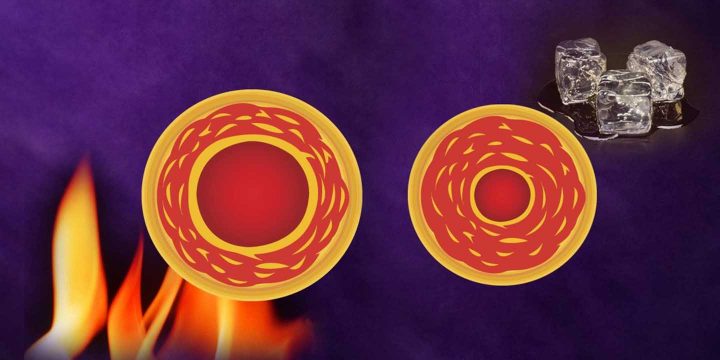
Now with the skin being cooled down, the body opens up the arteries of the skin, so that the blood can circulate and cool down the rest of the body. For this reason, the application of heat leads to vasodilation and increased blood flow.

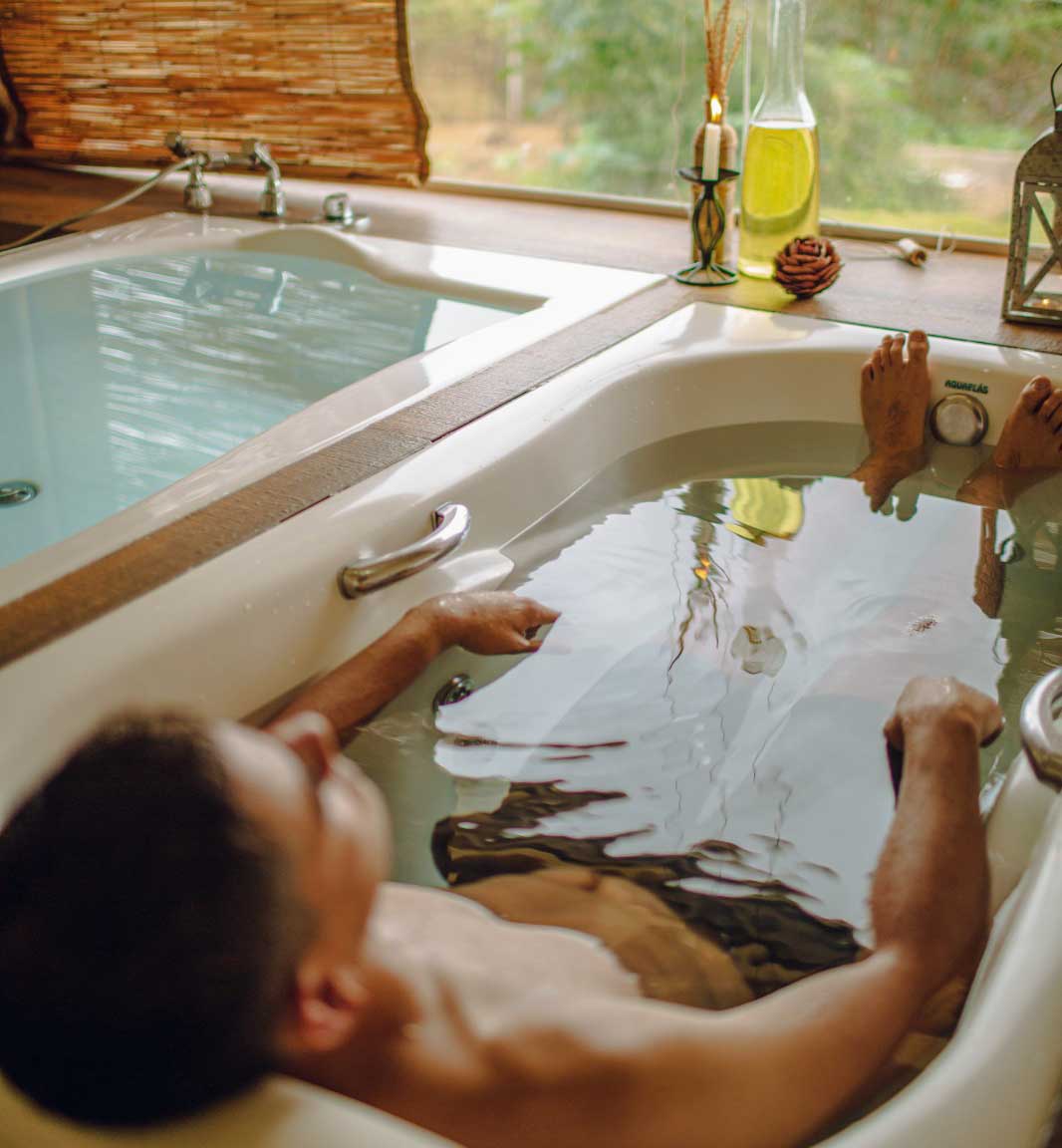
A hot hydrotherapy full body bath

This increased blood flow is beneficial in many ways. There comes in the famous phrase: “Perfect health depends upon perfect circulation”((E. G. White. Healthful Living. p. 31)) Everything in our body is transported via the blood. The oxygen we breathe, the nutrients we eat, the soldiers of the immune system, all of them are depending on proper blood flow.

When we bruise or cut ourselves, the damaged cells need to be repaired. Injured cells need to be removed, and nutrients for new cell formation needs to be transported to the site. The immune system will be on alert to control any infectious agent that may be entering through the wound. All of those processes are happening via the circulatory system, and by increasing circulation, we can speed up the healing process. Hot water can be a powerful therapeutic agent in these cases. And the application of heat can be very relaxing to tense muscles as well as reduce the stiffness and swelling of arthritic joints.

Nevertheless, we need to be cautious with heat and bleeding. When increasing circulation, bleeding will intensify, as well as internal hemorrhagic processes. Inflammation and swelling of edemas will increase as well, that is the reason we apply ice for the first 24 hours of any bruise and sprain.

The reaction of the body to cold is heat conservation. The arteries are constricted to reduce blood flow and conserve the heat inside the body. So by the application of heat or cold, we can easily control the circulation of the entire body.

Effects of hot and cold on circulation - vasoconstriction and vasodilation

So we may conclude that hot treatments are the most effective way to increase circulation, but it is actually not quite this way for prolonged heat. After a while, the nerve endings sensing heat will get used to the temperature, and the circulation boost will be moderate. To resolve this problem, we will utilize alternating hot and cold treatments.

Most alternating treatments will use a cycle of 3 minutes of hot and 30 seconds to 1 minute of cold. The brief cold application will reset the response of the nerve endings, and the achieved contrast will boost circulation even more than just a prolonged application of heat.

Fever – Good or Bad?

Most people are used to fight off a fever with Tylenol, ibuprofen or another antipyretic drug. They treat fever like an enemy, but they do not realize that fever can be the best ally in our disease recuperation process.((Juliet J. Ray and Carl I. Schulman. Fever: suppress or let it ride? J Thorac Dis. 2015 Dec; 7(12): E633–E636.))

Fever is actually nothing more than the reaction of the body to an infectious process that is getting out of control. By increasing body temperature, the immune system is put into an alert state,((Silke Schmidt. Fevers can have some cool benefits. ScienceNews for Students, March 20,2019))((Elevated body temperature helps certain types of immune cells to work better, evidence suggests.ScienceDaily, December 13, 2011)) while it may reduce the activity of some microbes.((Fever. MedlinePlus)) So the best treatment of a fever is to go to bed and let it run its course.

Moderate fever should be cured in bed - Photo by cottonbro at Pexels

If the fever goes very high, it may need some intervention in order to prevent seizures. The first approach would be a cold cloth or an ice pack to the forehead. If needed, you can take a cold shower. An otherwise healthy person normally should tolerate fever well unto a temperature of 105 °F (41 °C).

There are treatments that can create an artificial fever and give an enormous boost to the immune system. One of them is a hot full body bath. Several studies showed its efficiency in significantly boosting the immune system.((Conti C, et al. Antiviral effect of hyperthermic treatment in rhinovirus infection. Antimicrob Agents Chemother. 1999 Apr;43(4):822-9.
Santoro G, Amici C, Rossi A. Role of Heat Shock Proteins in Viral Infection. In Pockley AG, et al. Prokaryotic and Eukaryotic Heat Shock Proteins in Infectious Disease. (51-84). Springer Science+Business Media(2010) )) The immune system boost can even help in cancer treatment.((Burd R, et.al. Tumor cell apoptosis, lymphocyte recruitment and tumor vascular changes ar induced by low temperature, long duration whole body hyperthermia. J Cell Physiol. 1998 Oct; 177(1):137-47.
Sakaguchi Y, et al. Apoptosis in tumors and normal tissues induced by whole body hyperthermia in rats. Cancer res. 1995 Nov 15;55(22):5455-64.
Robins Hl, et. al. Cytokine induction by 41.8 degrees C whole body hyperthermia. Cancer Lett. 1995 Nove 6;97(2):195-201
Pettigrew, RT, et.al. Clinical Effects of Whole Body Hyperthermia in Advanced Malignancy. BJ, 1974 Dec; 679-682.
Atanachovic, D, et. al. 41.8C Whole Body Hyperthermia as an Adjunct to Chemotherapy induces Prolonged T Cell Activation in Patients with Various Malignant Diseases. Cancer Immunol Immunother. 2002 Oct 18;51:603-613)) A more rigorous treatment should be done under the supervision of an experienced therapist, checking pulse and body temperature on a regular basis, and maintaining a cold cloth on the forehead. Doing it right, you can maintain body temperature elevated around 103 °F (39,5 °C) for 20 minutes.

A steam bath is another treatment that is able to raise the body temperature, and even a hot foot bath or a contrast shower can give a significant boost to the immune system. Even ending a shower with cold has been shown to be beneficial.((Buijze GA, et. al. The Efect of Cold Showering on Health and Work: A Randomized Controlled Trial. PLoS One. 2016 Sep 15;11(9):e0161749)) Getting 20 to 30 minutes of rest after those treatments will multiply the immune system boost of these therapies.

Precautions

There are a few precautions to consider with all hydrotherapy treatments. Diabetics have a decreased sensibility and reduced circulation, both are factors that will reduce their capacity to react to heat and increase their likelihood to get burned. Be very cautious to adapt the water temperature accordingly for diabetics or any other person with impairments of circulation or sensory nerves. For vigorous treatment like a sauna or steam bath you need to consider the constitution of the heart. And for cancer patients alternating treatments and most hot treatments are discouraged, since they increase circulation and increase the likelihood for cancer cells to spread. An exception is a hot bath which is strengthening the immune system.

The therapist should have some understanding of the proper procedure and their right application, since doing it wrong can possibly annulate the efficiency of the therapy or cause some other unforeseen problems. For example, doing a treatment in a room with drafts can have detrimental effects on the treatment.

Considering these precautions, the application of hydrotherapy is very safe and will cause no negative side effects for the patient. Unless many other conventional treatments, it is working together with the innate healing mechanism of the body, just strengthening the immune system, circulation and other mechanisms to give the body a helping hand to heal itself. Now let us look at some specific treatments and their benefits.

Hot Foot Bath

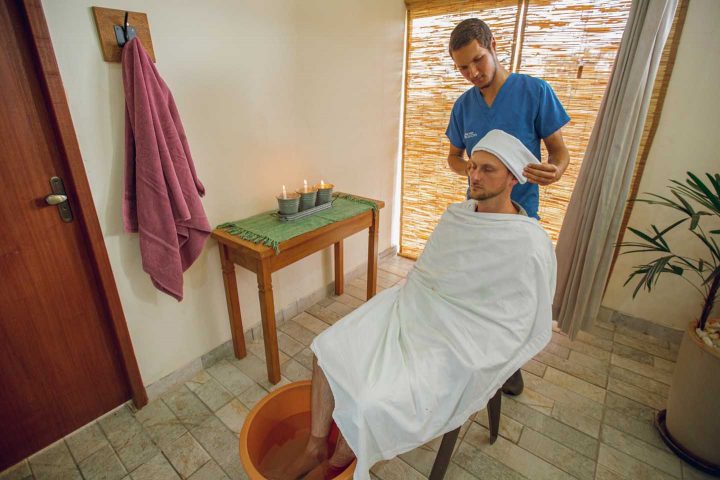
This is one of the most versatile hydrotherapy treatments. It consists in immersing the feet of the patient in hot water while wrapping the entire body inside a blanket. This will raise body temperature and induce sweating. An interesting fact is that circulation in the feet is larger than in any other part of the body (that’s why it is essential to keep your feet warm), and applying hot water to the feet will influence circulation of the entire body.

Hot Foot Bath

The hot foot bath is an excellent treatment to apply at the first sign of a cold or flu. Since it is inducing sweating, it can help to clean impurities and bring great benefits in smoking and caffeine cessation for example. Since it facilitates circulation in the entire body, it can be very helpful in treating headaches, menstrual cramps and other forms of congestions in the body. It relieves fatigue and relaxes, being very efficient in anxiety and other nervous conditions. It even helps to alleviate pain in the body.

Steam Bath

A steam bath is kind of an intensified version of the hot foot bath. Sweating is intensified as well as the immune system boost. This makes it an ideal treatment for colds and flues. The detoxifying effect of sweating is another interesting application. It is very relaxing and therefore helpful to combat stress and anxiety. Since it increases metabolism, it can complement a diet and exercise program for weight control. It can control pain and swelling in case of gout and arthritis. The sweating opens up the pores and cleans the skin. The heat helps to relax tight muscles and speeds up a workout recovery.

A Russian Steam Bath can be improvised with an electric heating plate and a pot of water that is brought to a boil and creates steam. Everything is covered by a blanket, creating a steam tent that warms up the body. There are nowadays affordable portable steam saunas available. We have some options for you to acquire your own unit.

Portable steam sauna

You should avoid applying a steam bath in persons with heart problems like angina, pacemaker and others. Be cautious on very high or low blood pressure, diabetes and during pregnancy. Apply a cold cloth with ice water to the forehead throughout the entire bath.

Contrast Shower

An alternating hot and cold shower can give an incredible boost to the circulation of your entire body, helping in the recovery of various conditions. It boosts our immunity, being again helpful in colds, flues and various other infections. It helps also to prevent muscle soreness after vigorous exercise.

Contrast Shower

The treatment is simple, you start with 3 minutes of hot water, as hot as you can comfortably tolerate. Afterwards you switch to 30 seconds to 1 minute of cold. Switch back to hot, just increasing temperature for a little bit more. You will see that your tolerance increases with every change. Go for up to 3 cycles and end with cold.

Contrast Baths

This treatment consists of a localized bath of either hands, feet or the face alternatingly in hot and cold water. You ever had a sprained ankle? It happened to me already several times. The first time I had no clue of any kind of treatment and stayed at home for 2 weeks, and afterwards continuing to walk with crutches for another month. The second time it happened, I had just finished my natural remedies course and was preparing to travel home. For the first day, I applied plenty of ice, and I even asked for a bag of ice cubes during the overnight flight on the airplane. Coming home, I started a daily contrast bath to the feet, and after a week I was back to walking normally again.

Besides a sprained ankle, a contrast bath can speed up the healing process of any lesion, infection or edema. I have seen the healing of a diabetic foot, that did not heal for years (applied with caution about proper temperatures of course). If you have a fractured leg, you can do a contrast bath at the opposite leg and have a beneficial effect on circulation on both legs, speeding up the healing process. A contrast bath to the face is an excellent treatment for sinusitis, showing rapid results like nothing else. A contrast bath to the pelvic area can be used for urinary infections.

Hot and Cold Compresses

For areas that cannot be treated with contrast baths, a compress can be applied. You would use hot compresses for muscle relaxation. A hot compress over the spine is an excellent preparation for massage and can be doing wonders for backaches.

Alternating hot and cold compresses can be applied to increase circulation, and the same way like a contrast bath it can speed up wound healing, as well as help with infections and edemas. It can help sometimes with neuralgic pain. Furthermore can you apply alternating compresses to certain organs to improve their function. Pancreas and liver are good examples. Compresses in the middle of the back, at the upper side of the kidneys can help to lower blood pressure in an acute situation. The adrenal glands are responsible to produce the hormones regulating blood pressure, and applying compresses will show immediate results.

In case of respiratory problems like a cough, bronchitis, pneumonia or asthma, hot and cold compresses to the chest can be speeding up the healing process. There is a modality called revulsive treatment, where you apply a hot compress to the back, an alternating hot and cold compress to the chest and a hot foot bath, all at the same time. This treatment needs though a bit of practice in order to be done right.

A Variety of Treatment Options

We have covered here just a few of the most important treatment modalities. We would still need to cover about a heating compress, a wet sheet pack, a steam inhalation, a cold mitten friction, an ice massage and a few other options. I think it was though sufficient to exemplify the variety of applications that hydrotherapy can have to cure diseases and recuperate our health. Proper knowledge and practice can multiply the efficiency of those simple water treatments. Everybody should know about the right application of those treatments that can turn out to be essential for yourself or one of your loved ones.

A steam bath - the head is kept outside the steam chamber

My friends at the LIGHT training institute have assembled an excellent hydrotherapy training course. It will train you in the proper application of 12 different hydrotherapy procedures, together with its indications and contraindications. You will see in 11 videos step by step how the treatments are properly applied. They have packed into the course over 75 years of practical experience, gained at Wildwood Lifestyle Center, in the application of hydrotherapy treatment for various health concerns. Start today to learn these essential and versatile treatment modalities for yourself.

Get the Hydrotherapy Training

EVERYBODY CAN DO IT

Filed Under: Therapies

Stress-Induced Insomnia – A Vicious Cycle

November 8, 2020 by Martin Neumann - [rt_reading_time label="Reading Time:" postfix="minutes" postfix_singular="minute"]

Stress Induced Insomnia

Lack of sleep caused by stress is a combination that can literally kill you. Relaxation and sleep are two things that can truly make a difference in how your body and mind react to stress. Just if you are stressed, sleep may be coming more difficult. And the insomnia will drastically increase your stress levels. This can lead to a vicious cycle that can easily lead to a collapse.

Stress-Induced Insomnia - A Vicious Cycle

It does not matter what you are fixing first – the stress or the insomnia, but unless at least one is fixed, they will both get worse. The effects of stress on your body and mind can slow your productivity and make your life much less enjoyable.

Stress can be fixed if you have a commitment to seeing it through. After the stress factors are reduced, sleep should come more easily.

Causes of Stress-Induced Insomnia

Too much stress in your life may cause insomnia and vice-versa. When you try to get through the day without getting enough sleep the night before, your efficiency will suffer and you will drag through the day, just increasing your stress again.

Sleep times vary from one person to another, but most adults should get 7 to 8 hours per night to keep up energy levels, keep up mental acuity to be able to get through the work day and maintain a good quality of life.

You may experience a short-term bout of acute insomnia that lasts for only a few days. A stressful event in your life might trigger this type of insomnia, but if you experience it for more than a month, you need to take immediate action.

Stress-induced insomnia may be caused by worrying or serious concerns about your health, finances, work or loved ones. You may also experience stress-induced insomnia if you’ve just gone through a divorce or lost a loved one.

Insomnia can be caused by various other motives as well, like medications, certain diseases, an irregular sleep schedule, a disruptive sleep environment, or a number of other lifestyle habits. It is always good to deal with the real cause in order to tackle the problem head on.

Symptoms of Stress-Induced Insomnia

Dealing with the symptoms of stress-induced insomnia can make you feel disconnected from most everyone and everything. You’re not as mentally alert and you might also be irritable and anxious.

Depression may set in and cause other problems such as fatigue and inability to focus on anything. You may never feel well-rested, even when you think you get a good night’s sleep.

Mood swings are also symptoms of stress-induced insomnia. Tension headaches and aches in the shoulders and neck are caused by stress and can keep you from getting a good night’s sleep without help from medications or relaxation techniques. If you’re finding it difficult to be around people, this may be another warning sign of insomnia taking its toll.

Tension headaches can be caused by stress-induced insomnia / Photo by Andrea Piacquadio from Pexels

Stress-induced insomnia will increase your risk of developing chronic diseases. Heart disease, diabetes, premature aging and even an early death are just a few of the issues that could be caused by stress-induced insomnia.

This type of insomnia can also cause people to eat more and gain weight, drink or take drugs and exercise less. Those are all actions that cause negative consequences to our health. One of the most common risks of long-term, stress-induced insomnia is catching a common cold or any other virus coming around.

Weight gain can also be a health issue related to stress-induced insomnia. When stress hormones are released into the body, your preference for unhealthy foods containing sugar, fat and refined carbohydrates is increased. If you haven’t had enough sleep, you get a double dose of stress hormones which can lead to binge eating.

If you don’t sleep well at night, you may be tense and feel back, shoulder and neck pain when you get up in the morning. Stress during the day at work or home may make the pain worse or cause inflammation that makes it more difficult to heal. Seniors suffering from stress-induced insomnia may experience a slower healing process from medical procedures or surgeries.

Treatments for Stress-Induced Insomnia

If there are worries that keep you awake at night, you need to start working on controlling your thoughts. Cognitive-behavioral therapy may have some interesting tools for you. One of these methods is thought challenging. If a negative thought comes to your mind, you simply challenge it. Is it really true? If not, just discard the thought that was coming to your mind.

Some people are getting all wrapped up about what may happen to them tomorrow. They tend to get worried about things that never may happen at all. Jesus gave some interesting counsel about that:

Therefore I tell you, do not worry about your life, what you will eat or drink, or about your body, what you will wear. Isn’t there more to life than food and more to the body than clothing? Look at the birds in the sky: They do not sow, or reap, or gather into barns, yet your heavenly Father feeds them. Aren’t you more valuable than they are? And which of you by worrying can add even one hour to his life? … So then, do not worry about tomorrow, for tomorrow will worry about itself.  Today has enough trouble of its own.

Matthew 6:25-27 & 34

There are cases you need to make provision for something, and if it is for a good reason, go ahead and do what needs to be done. But to worry about something that probably never happens, or when it really happens you cannot change it, does not make any sense. If you believe in God, the best thing to do is to turn over your problems simply to Him, because He is able to take care of it all. And simply stop worrying, because it is probably not going to help you in any way.

You can find peace of mind by committing yourself to God in prayer. In order to do that, speak to God like a friend. Present him your worries, your struggles and your cares. Be honest. Tell whatever is on your heart. There is nothing too great for Him to carry, and nothing too small for Him to note. The more you are able to honestly express, the more you will be able to let things go.

Be confident! After having done your part, commit yourself into His hands, and accept whatever the outcome may be. We can conquer the stressors around us through the power that God is giving to us.

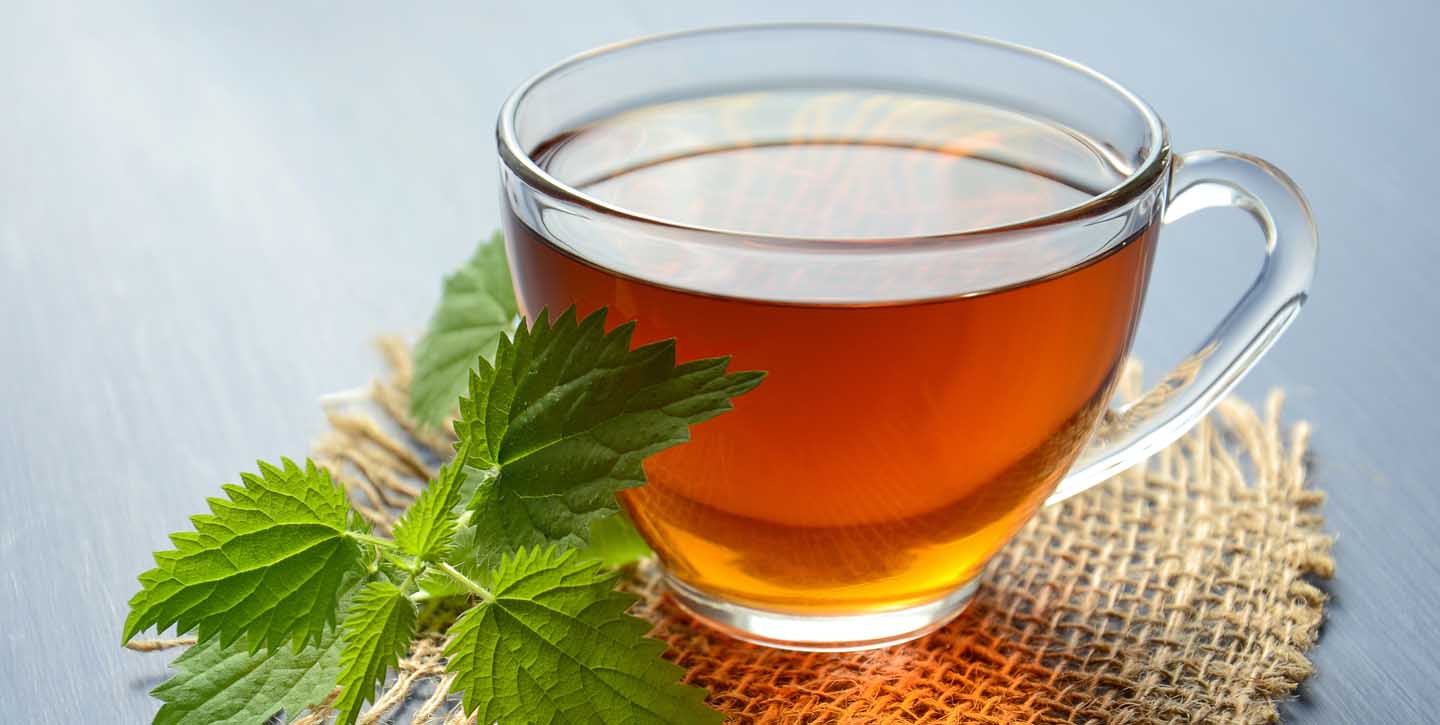
If you still have trouble falling asleep you can try a relaxing tea at night. Valerian and Passionflower are some herbs that can help you fall asleep easier.

A relaxing tea can help to fall asleep. Photo by Mareefe from Pexels

Sleep studies are done if nothing seems to help your insomnia or control your stress that’s keeping you awake at night. You’ll spend the night at a sleep center and during that time, your breathing, heart and brain waves and eye and body movement will be monitored.

If you’ve tried everything else but just can’t seem to get a good night’s sleep you may need to resort to meds for a short period, because the side effects of lacking a good night’s sleep are various. Just work on resolving quickly the underlying problems that caused your insomnia, so that you do not create a dependency on those medications.

Prevention Techniques for Stress-Induced Insomnia

After you get into the vicious cycle of stress-induced insomnia, you may have a long road to travel before you get back to a normal sleep pattern. The best thing you can do for yourself and your health is to prevent it from happening. But even if you are in the vicious cycle already, taking care of those basic measures will be fundamental to improve your quality of sleep.

One thing you can do if you suspect that the stress-related insomnia is caused by work is to set boundaries such as letting you spend time with family or relaxing in the evening without answering calls or emails.

Don’t get roped into so many requests that you can’t handle them all without acute stress. Just say no to the ones that aren’t that critical. Don’t check your email every few minutes. Designate a time during the day and let it go in the evening so your distractions are lessened.

Schedule the things you like to do in the evening hours. Other requests from friends or organizations should be secondary to what means the most to you and how you can unwind in the evening.

When you are at home and relaxing before bedtime, put your cellphone away. Take time to relax or converse without distractions – including television. After you watch a show, turn off the television and avoid watching it just before bedtime or especially in the bedroom after you go to bed.

News is stressful to watch any time during the day, so limit what you watch that makes you stressful to 30 minutes or less per day. The same with your computer – don’t have it on and blinking at you when you’re trying to relax. Allow for no screen time for an hour before going to bed, be it computer, cell phone or TV.

During the daytime hours it’s important to stay active. Exercise helps to reduce stress so it doesn’t bother you at bedtime and promotes a great night’s sleep. You’ll also want to plan the bedtime hours to be consistent from one day to the next – even on weekends when possible.

Avoid caffeine or alcohol and kick the smoking habit, if necessary. These substances can make your nerves jittery at bedtime and keep you from getting the required amount of sleep.

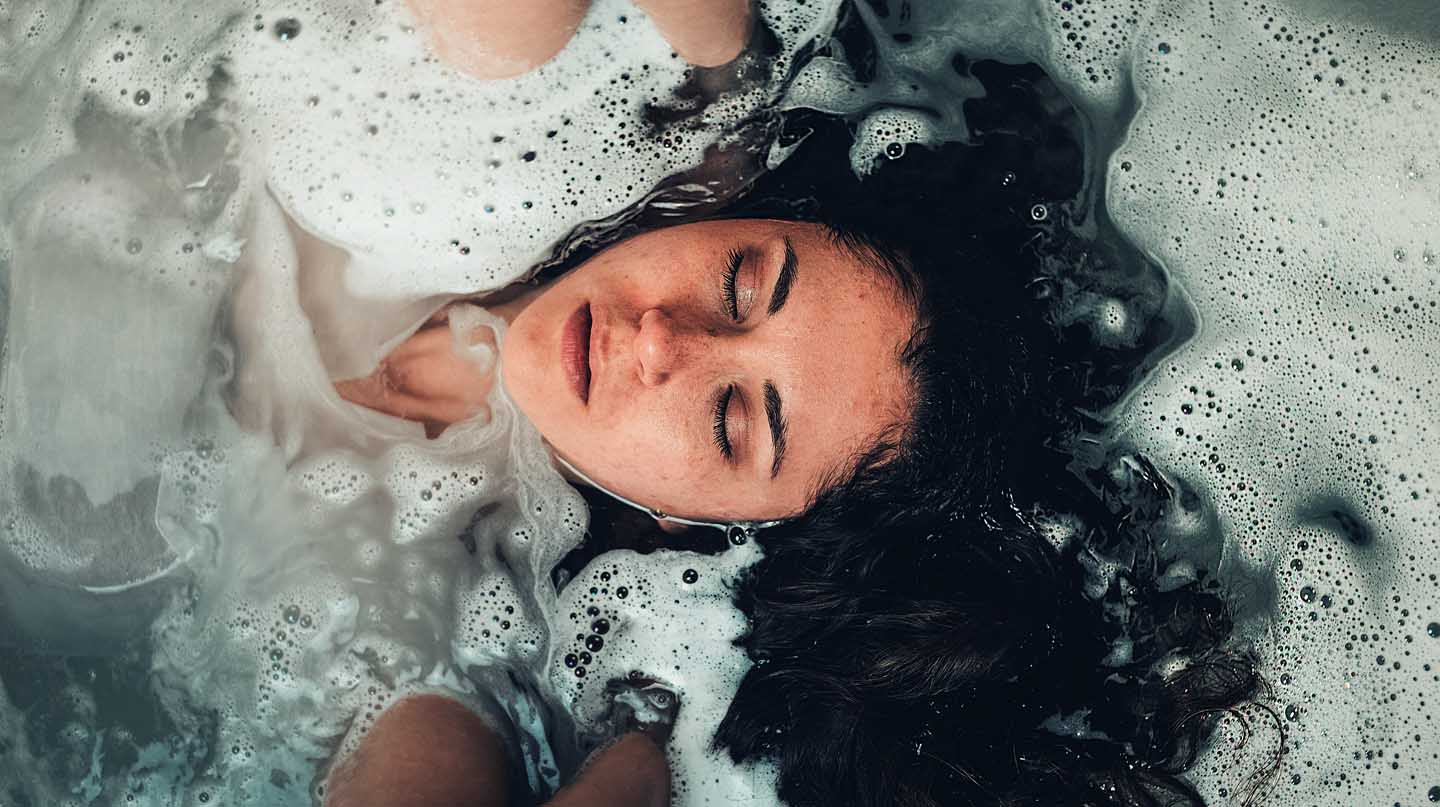
A bedtime ritual can help over time to relax your body and mind and ready it for a good night’s sleep. A warm bath, soft music or a few minutes of reading can go a long way to calm nerves and make you sleepy. Deep breathing exercises and progressive muscle relaxation may help you to relax. Make it a habit to commit yourself to God in prayer.

A relaxing bath can help wind down after a busy day. Photo by Craig Adderley from Pexels

When insomnia makes it difficult for you to function during the daytime hours, it’s best to see your doctor. A sleep disorder may need special treatment other than the type you purchase over the counter.

You should be as committed to getting the full amount of restful sleep you need as much as you are to a healthy diet and exercise to keep your body in shape. You could suffer a poor quality of life for an extended period of time unless you get the stress – and the sleep problems under control. It is true especially with stress control: A healthy sleep is the best preparation to face the problems of tomorrow.

In order to help you with the best strategies to get your stress under control, we have prepared a free guide for you. A good stress management strategy needs to use an all inclusive approach, including lifestyle changes, emotional control, and time management strategies. Download the Ten Minute Guide to Stress Control and start today to develop proper coping skills for your stress.

Do you need a guide to help you understand how to cope with Stress in an all inclusive approach? Learn how to combat stress, mentally, physically, emotionally and strategically in your life.

Get Me the Guide

Filed Under: Mental Health, Sleep, Stress Management

The Pleasure Trap

October 31, 2020 by Marcia Lobo Vidoto - [rt_reading_time label="Reading Time:" postfix="minutes" postfix_singular="minute"]

I know it’s not healthy, but…

Have you ever enjoyed an extra cheese pizza, an iced soft drink, or some temptation in the form of a dessert, like a chocolate cream cake, with filling, icing and chocolate chips everywhere, even though you know they are not healthy? Of course, yes! I think all of us. I hope I have not aroused any desire. Come and read on.

The Pleasure Trap - Why do we eat what hurts us?

Even though you know that some foods are harmful, you still can’t resist, like a moth attracted to light. Why does this happen? In fact, explains Dr. Neal Barnard in his book “Power Foods for the Brain”, a war is being waged in your brain, and the weapon used is called dopamine. This weapon is powerful enough to kill your desire to be healthy and could end up killing you “.((BARNARD, Nal B. (2013). Power Foods for the Brain: An Effective 3-Step Plan to Protect Your Mind and Strengthen Your Memory. New York: Grand Central Life & Style., 2013, p. 177.))  

Just when the Beatles reached the height of their popularity. drug culture also exploded. Marijuana, hallucinogens, cocaine and heroin were widespread around the world. The musicians seemed to be especially vulnerable to the deadly effects of drugs and alcohol. Jimi Hendrix, Janis Joplin, Jim Morrison, and guitarist Brian Jones of the Rolling Stones, were part of the fateful Club 27, so named because of the age at which they all died. But if the drugs are so harmful why do people continue to use: The reason is dopamine – which is not only related to drugs.

Dopamine

In your brain is located the reward center, where dopamine is stored in tiny rounded pockets within the brain cells, continues explaining Dr Barnard. Dopamine is a neurotransmitter, that is, a chemical substance used in the nervous system. It is part of the set of natural so-called opiates because they produce and awaken feelings of relaxation, pleasure and well-being.

Dopamine is literally waiting for you to eat something – something really tasty. As soon as you eat, it is released from each of these cells, creating a “little party” in your brain, giving you an incredibly pleasurable sensation.((Idem, p. 179-180))

Your brain is programmed to do just that, using dopamine to remind you of scents, flavors, colors and sounds. So today, tomorrow and every day, you go back to feed yourself and stay alive. The brain organizes your list of priorities in such a way that you stop what you are doing and prioritize your next dopamine release – your food ingestion and the resulting survival are always guaranteed. The same goes for sex. Not that sex keeps you alive, but it also receives favorable treatment so that the species is preserved.

After an intense dopamine interlude, a second type of pleasure neurotransmitter floods the brain. It is the so-called endorphin, which causes a feeling of relaxation, also very pleasant. These two neurochemicals often work together, with a double reward of pleasure.

Dopamine, however, explains Drs. Lisle and Goldhamer, does not relate much to longer-lasting periods of well-being, which we call happiness. This state of happiness is regulated by a different neurochemical, especially serotonin. When you mistreat your body with unhealthy foods, lack of sleep, chronic lack of exercise or drug use, this long-lasting state of happiness is also seriously compromised.((Lisle; Goldhamer, 2003, Pleasure Trap: Mastering the Hidden Force that Undermines Health & Happiness. Summertown, TN: Healthy Living Publications, p. 157-158.))

The Kidnapped Reward Center

This perfectly balanced system can be hijacked by drugs. Marijuana, cocaine, heroin and virtually all drugs of abuse trigger an enormous release of dopamine. The same goes for a glass of wine, a cigarette or a cup of coffee. That is why people use such substances. The legal and illegal drug market has been manipulating the release of dopamine. Drugs are much more powerful dopamine triggers than food and sex; This is why addicts often lose interest in food, sex and just about everything else in life in favor of their drug.

The food industry has found a way to enter the game. The release of dopamine that your brain triggers when eating an apple or an orange is actually quite modest. Processed foods are manufactured in order to increase the dopamine release. As a consequence, these products are less and less like food and more and more like drugs.

The industry is producing all the time more addictive foods.

Three Weapons of the Industry

1. Sugar

A papaya, a mango or a pear are pleasantly sweet, but why stop there? Thus, the sugar industry extracts and purifies the juice from sugarcane, resulting in pure and concentrated sucrose or refined sugar. In the brain, sugar stimulates the release of dopamine, endorphins and other natural opiates.((Ibid))

Sugar thus takes on a prominent position in the food industry, marking a massive presence in an increasing number of products. The use of this weapon has really been a success – not for health, but for sales!

2. Fat

Dr. David Kessler, in his book The End of Overeating, quotes the work of Dr. Adam Drewnowski, ((Dr. Adam Drewnowski is professor of Epidemiology at the University of Washington, spent thirty years of his life researching the human taste, preferences and food choices.)) leader of international renown in the prevention and treatment of obesity. Dr. Drewnowski found that people don’t like sugar alone, but its combination with fat.

Fat, he said, “is responsible for the texture, flavor and aroma of many foods and largely determines the palatability ((Palatability:. That is pleasant to taste)) of a diet.” In addition, similar amounts of fat and sugar make it a palatable food.((KESSLER, David A. (2009). The End of Overeating: Taking Control of the Insatiable American Appetite. New York: Rodale, p. 13.))

An example of this “fatal combination” is chocolate. Chocolate is so “special” that it won a specific chapter, in the book Saúde Nua e Crua [Health – Naked and Raw]. The two main ingredients of chocolate are sugar and fat, in an almost irresistible caloric combination and also extremely effective in releasing dopamine.

3. Salt

“When the mixture is correct, the food becomes more stimulating. Eating products with a high concentration of sugar, fat and salt makes people crave for more products with a high concentration of sugar, fat and salt”, says Dr. Kessler.((Idem, p. 14.))

“People love salt … salt completes the taste of everything … and they devour it daily in almost everything they buy … People yearn to eat salty foods”;((MOSS, Michael. (2013). Salt, Sugar, fat: How the Food Giants Hooked Us. New York: Random House, p. 270, 275.)) the trap continues to be set and continues to capture its victims.

Vicious Circle

When you don’t feel well, you instinctively try to do something to solve your problem. In this case, you hardly associate the problem with a lack of good sleep, exercise or poor choices of food. You will rarely identify, for example, caffeinated drinks, chocolate, fatty foods, TV until late at night, or a sedentary lifestyle as factors to be reviewed.

On the contrary, you usually suspect that a pleasure deficiency is the cause and conclude that the solution is to eat something very “tasty”. During the pleasure cycle, the brain releases dopamine, and you feel good. The action is repeated, more dopamine is released and you continue to feel more pleasure. By reinforcing the pleasure, the mechanism guarantees the repetition of the action. “That’s why the pleasure trap is so cunning and powerful.”((Lisle; Goldhamer, 2003, op. cit., p. 160.))

Snacking on calory rich foods can release large doses of dopamine.

“Leaving a bad habit is already a difficult task, but breaking free from the vicious circle of pleasure can be the biggest challenge of your life,” warns Drs. Lisle and Goldhamer. “Changing just one factor, such as removing caffeinated drinks or an ordinary glass of milk, will make a person feel even worse – the so-called withdrawal syndrome.

Common symptoms are headache, nausea, fatigue and anxiety also characteristic of drug withdrawal in general. This is because the body is trying to maintain the continual intake of vicious substances”.((Fuhrman, Joel (2011) Eat to live:.. The Amazing Nutrient-Rich Program for Fast and Sustained Weight Loss, New York: Little Brown, p . 204.)) In addition, healthy eating habits are often seen initially as “devoid of pleasure and bland. It is no longer a mystery why New Year’s resolutions related to eating habits do not last more than a few days.”((Lisle; Goldhamer, 2003, op. Cite, p. 160.))

Back to the subject: Why do you eat certain foods even though you know they are not healthy? Because they release a dopamine bath in your brain. Dopamine intensifies the taste and colors of food, and you continue to consume each one to gain that well-deserved and expected feeling of well-being.((Barnard, 2013, op. cit., p. 180-186.))

The natural integration between serotonin and dopamine, for example, or between the states of happiness and pleasure, has been partially lost. This integration is compromised by poor eating and lifestyle habits. When using foods that are not natural and healthy, you’re taking shortcuts to produce extra dopamine. The result is always the same: your health, contentment and happiness are compromised and impaired.((Lisle; Goldhamer, 2003, op. cite, p. 159.))

And now?

This situation can be reversed, shows Dr. Barnard. You can get your dopamine in a healthy way. And don’t forget physical exercise, which also triggers the release of endorphins and dopamine. If you have an active sex life, this is another natural way. But with regard to food, how to get rid of the powerful trap of foods that are harmful to health?

The first step is to establish strict personal rules and simply stop consuming unhealthy products. Dr. Barnard explains that it is easier to stop consumption at once than to provoke yourself with an occasional consumption.

Those who insist on saying, that they will eat only once in a while, or just a little does not hurt, will not succeed. The problem, he continues, is that every little bit of these foods triggers an explosion of dopamine that reinforces your desire to continue making use of those foods. The addiction will continue to speak louder.

Each bite will now make it harder to say no the next time. The vicious circle needs to be broken. The first few days are the most difficult, but over time, you will forget about the extra amount of dopamine that these foods release, and you will find pleasure in eating natural foods. With that, dopamine in the right dosage will suffice.((Barnard, 2013, op. cite, p. 186-190.))

The need to remove any food addiction is also highlighted by Dr. Fuhrman. The introduction of healthy foods and the reprogramming of tastes is an effective way to permanently get rid of the pleasure trap.((Fuhrman, 2011b, op. cite, p. 206.))

A Forceful Motivation

Another step in the process of reprogramming the body is looking for other motivators. See Paul McCartney’s experience. At a Sunday lunch, where the main course was roasted lamb, he was sitting next to the window. Watching the sheep grazing on the hills and the meat on the plate, he concluded that he no longer wanted to be part of that act of cruelty. So he decided never to eat meat again.

The cruelty of killing innocent animals can be a motive to stop eating meat.

For many, an important motivator has been a greater awareness of the environmental damage caused by the consumption of animal foods and processed products. For others, new medical research is warning about the health risks of those foods.

Another strong motivating element has been the desire to return to eating according to the original plan of creation described in the biblical book of Genesis. Perhaps you want to help the body cope with an illness, or just to go back to an optimal fitness level. Any and every motivation is welcome in this phase of forming new eating habits.

Whatever your family history or current condition, you can overcome your physical dependence in relation to the addictive properties of animal and processed foods. Through willpower, physical endurance and the use of external elements of motivation, change is absolutely possible. You will develop a new taste for the natural flavors of food, forget the old tastes and no longer feel the urge for the harmful tastes of the past, guarantees Dr. Esselstyn.((Esselstyn, Cadwell B. (2008). Prevent and Reverse Heart Disease: The Revolutionary, Scientifically Proven, Nutrition-Based Cure. New York: Penguim Group, p. 14.))


This article was translated and published with permission of the author from the book: Saúde Nua e Crua (Health – Naked and Raw). The book is available in Portuguese.

Filed Under: Nutrition, Obesity

Water – The Cheapest Medicine

October 25, 2020 by Esther Neumann - [rt_reading_time label="Reading Time:" postfix="minutes" postfix_singular="minute"]

Water – the cheapest medicine! A few years ago you could read this slogan on large posters in the streets of Vienna. Indeed, a lack of water can cause pain. If we drink a few glasses of water over our thirst, we feel noticeably better. Simply drinking water can resolve confusion. Anyone who has ever suffered from thirst in the desert knows what we’re talking about. Why is water so important?

Water - The Cheapest Medicine

Structure of Water

Water is a special liquid. Even his unusual chemical and physical properties make this small molecule to a great helper in the human ecosystem. We all know the chemical structure H2O. Two hydrogen atoms are connected to an oxygen atom at a very special angle so that two oppositely charged poles are formed. This dipole characteristic is the prerequisite for the special property of water. It can form hydrogen bonds with many other substances. In this way it can dissolve substances, bind, transport, excrete, yes life processes are made only possible by water. By the high specific heat capacity and latent heat released with the evaporation of the water, our body is protected from temperature fluctuations.

Water Balance

When nutrients are broken down, water is formed. Together with the hydration via drinks and food, it forms one side of the balance in relation to water absorption. The water loss occurs via the lungs, skin, kidneys and intestines. Consumption needs to be adequate to maintain a healthy balance. Drinking additional water beyond our thirst helps us to stimulate our body metabolism. Children naturally crave more drinks. Unfortunately, adults are less aware of thirst signals. Therefore, the water content in the cells decreases more and more with age. Chronic dehydration of the cells is the result, which can lead to symptoms like an illness. If the various signals of dehydration are not recognized, they are treated with medication. Hence the above saying makes sense: water – the cheapest medicine.

A good way to check that you are getting enough water is to check your urine. During the day it should be clear. That doesn’t apply to morning urine, it is more concentrated. The composition of the food also has an influence on the amount of water released. Increased salt and protein intake dramatically increases the amount of water excreted. Therefore, the cells also dry out when drinking seawater.

How Much Shall We Drink?

The body needs 6 to 8 glasses of water a quarter of a liter. Alcohol, coffee, black tea, diuretic teas and caffeine-containing beverages should not be included in the fluid balance. They stimulate the body to excrete more water. In coffee houses you get therefore a glass of water with a cup of coffee.

The first glasses of water should be drunk immediately after getting up. This stimulates the elimination of kidneys and intestines. The first glasses after getting up can be compared to washing the gastrointestinal tract. Ideally, water should be consumed between meals. Start drinking about two hours after meals, and stop drinking half an hour before the main meals. If more water is drunk, thirst is better recognized.

Drink 2 cups of water just when you wake up.

Plain tap water is best. Chlorine in tap water can evaporate when the water is poured into open jugs and left to stand. The hardness of the water does not matter. On the contrary; the calcium is good for our bones. Mineral water can also be used. But if it is used habitually, the analysis should be studied and water that is tailored to our health conditions should be preferred. In the case of high blood pressure, these are, for example, low-sodium mineral waters.

Fruit and vegetable juices will contribute to the water balance. But keep in mind that they will activate digestion. In small amounts they can be included with the meal. A vegetable juice is included best half an hour before lunch. If fruit juices are used between meals, they should be diluted because of the calorie content and because they stimulate the desire for sweet. And your main drink should always be water. It is simply the elixir of life.

Dangerous Water Loss

Humans are made up of around 70% water. Already 3% decrease in the total body fluid leads to a decrease in saliva production. 10% loss leads to confusion. Increasing the amount of drinking in nursing homes drastically reduces the confusion of residents. 20% of water loss is leading to death. Physical resistance and strength can also be increased by drinking appropriate amounts. For the expedition of Edmund Hillary, who was the first man who reached the summit of Mount Everest, drinking about 12 cups of water was crucial to their success.

Water as Medicine

Drinking too little water increases the risk of a heart attack. Drinking water makes the blood thinner and prevents it from clumping. High blood pressure is often a result of a lack of water. The vascular system of the whole body adapts to a reduced amount of blood by reducing its diameter. However, this means that the heart has to work more and some parts of the body will suffer from reduced blood flow.

Water can be very helpful for gastritis or inflammation of the duodenum. Mucous membranes that have enough water available act as an acid barrier. They are able to secrete more mucus then with lack of water. So drinking water is a natural protection against stomach acid.

Joint pain can also be a warning sign of a lack of water. The surface of the cartilage in a joint needs water to increase lubricity. In addition, when there is a lack of water, the blood supply and nutrient supply of the bone are reduced.

Many more illnesses, at least in the early stages, are probably related to a lack of water. We are definitely doing something good for our body when we drink water beyond our thirst.

Water of Life

Water is the source of life.

Let us thank our Creator that we are allowed to live in countries where good drinking water is part of the quality of life and let us use it responsibly. Unfortunately, even in our part of the world, there are communities here and there where proper water supply are not always guaranteed.

Life is not possible without water. Water is so precious that in Christianity it is even compared to eternal life. In the fourth chapter of the Gospel of John, Jesus is talking to a Samaritan woman at Jacob’s well. She has to come to this well again and again to draw water. Everyone who drinks water gets thirsty again. Jesus offers the woman living water that flows into a source of eternal life. Jesus, the water of life, is just as necessary as the precious liquid that makes life possible. They belong together. Let’s keep this in mind when we have our next glass of cool water.

Filed Under: Healthy Lifestyle, Water

Are Fruits and Vegetables not as Nutritious as they Were 50 Years Ago?

October 18, 2020 by Esther Neumann - [rt_reading_time label="Reading Time:" postfix="minutes" postfix_singular="minute"]

Autumn has filled our pantries again. The potatoes are stored. The apples are lined up in the hurdles. Cabbage heads wandered into the sauerkraut barrel. Celery, carrots and beets are waiting to be eaten. Everything provides us with vitamins and minerals in winter. Or are they maybe deficient today? In the back of our minds there are advertising claims of supplement producers: Our food no longer provides us with enough vital nutrients. The soils are depleted, the environmental pollution is great, the living conditions are unfavorable. Can we really maintain our health only by taking pills?

Are Fruits and Vegetables not as Nutritious as they Were 50 Years Ago?

Anyone who wants a feast for his eyes and the smell of fresh produce in his nose, goes to a fruit and vegetable market. It is particularly colorful and rich in the fall. How many delicacies are piled up on the stands!

Two women are talking about the rich variety. Who knows if it still makes sense to spend all this money on these fruits and vegetables. Maybe it looks just beautiful and doesn’t live up to its promise. There is so much advertising that tries to make us believe that we all suffer from vitamin and mineral deficiencies because the plants are no longer the way they used to be. Once I even saw a comparison chart – ingredients, today and 50 years ago. Supposedly today there is much less than in the past.

Such advertisements are unsettling consumers. It is made clear to them that only the daily use of mineral and vitamin pills can provide them optimally. The arguments: the soil is depleted, the cultivation in greenhouses is not optimal, and the acid rain is contributing to the problem. But there are hardly any data and facts that can stand up to scientific methods.

Changes in Analysis

The evidence used are charts that compare our foods from today with the past. You can see that there is much less carotene in carrots today than before. Why this? That must be because of the depleted soil! Just today we know around 600 different carotenoids. Some of them are important for us humans as vitamins or precursors of vitamins. The plant actually produces the carotenoids for itself, for its own protection. 50 years ago, it was not even possible to detect many of those ingredients. And it is not so easy to separate and analyze the individual ingredients exactly. Today the methods are getting better and more precise. We are able now to separate the different carotenoids. In the past, they were all counted together. Today you can tell them apart. There is lycopene in tomatoes and lutein in corn. Beta-carotene is the most important carotenoid for us humans, and it is the one that is showing up in nutritional tables of today. And of course, there is less of the beta-carotene than the total amount of carotenes. Today as well as 50 years ago!

Some vitamins have a very complex chemical structure. If just one small appendix is missing, it no longer has the effect of an active vitamin. Due to the much more detailed analysis, today some will no longer be recognized as a vitamin, what used to be counted in the analytic methods of the past.

Soils are Better than its Reputation

Ecologists confirm that the soils are better supplied today than they were at the time when fertilizers were spread in large quantities on the fields just to increase the amount of harvest. There are exceptions, of course. But wherever crop rotation, green manuring and the targeted use of fertilizers are used, the soils are well supplied and with them the plants. If soils were missing certain minerals, they would not even grow and mature.

Soil management today is overall better than a few years ago.

Nutrient Content in the Plants

The nutrient content in the plants is not only dependent on the properties of the soil. Conditions such as watering, sunlight, temperature and harvest time also play an important role. The choice of variety is very important. Newer apple varieties often have much more vitamin C than old varieties. They were bred with that intention. If you take all these reasons into account, it is not surprising that, for example, two analysis of different types of pepper can result in a difference of 50 – 80% in the vitamin C content.

New Storage Technology

Large-scale storage technology makes it possible for vitamins to be retained in apples for a long time. Controlled atmosphere storage is the name of the achievement that in recent years has given us crisp, vitamin-rich apples even in spring. In the so-called CA storage, maturity and metabolic processes are greatly slowed down. Compared to cold storage, the vitamin C content in apples from CA storage is 70% higher in spring.

A Controlled Atmosphere room for apples.

Just with the delivery to retailers, this quality control ends. The responsibility now rests with retailers and consumers. How will the goods be treated further? How long has it been lying around on the shelves? Is it exposed to direct sunlight or other light sources? Fruits and vegetables should be fresh in color and crisp when opened. Regional and seasonal products should be preferred. But that doesn’t mean that you can’t eat a tomato or pineapple in the winter. Food preparation also plays a major role. Long cooking times, discarding the cooking water and keeping things warm for a long time significantly reduce the nutrient content.

Lifestyle

When vitamin C is advertised with the words: “Never again a heart attack” this is misleading. This benefits only the bank accounts of supplement manufacturers. And it is easier to take a pill than to make lifestyle changes. Just we know that not only vitamin C protects against heart attack, it requires the whole lifestyle. A high-fat diet, sedentary lifestyle and smoking are just as much a killer as a vitamin deficiency.

The Whole Apple – Not Just a Part

The protective effect of plant-based foods is not limited to vitamins and minerals. Scientific research shows more and more clearly that the supplementary effects of phytochemicals help our health. We need the whole apple, not just the vitamins and minerals. And most are undersupplied because of their abstinence from fruits and vegetables, and not because of the depleted soil. 650 g of fruit and vegetables daily, combined with whole-grain products and nuts, that is what nutrition experts recommend. Governments around the world advocate the consumption of at least 5 portions of fruits and vegetables daily. But only 1 in 11 Americans are reaching this recommended minimum. So how much fruits and vegetables did you eat today?

Healthy Fruits

Stay Always Up to Date

Sign up to our newsletter and stay always informed with news and tips around your health.
Sign Up Now!

Filed Under: Nutrition

« Previous Page
Next Page »

Primary Sidebar

Social Channels

Coronavirus Immunity Challenge

Boost your immune system to be bullet-proof for the pandemic.

I Want to Participate

Recent Posts

  • 5 Habits to Live Longer
  • Better Sleep Can Protect Against Dementia
  • Finding Peace In Your Crazy-Busy World
  • Flaxseed – An Ancient Plant Rediscovered
  • Platelets – Triggers for Life or Death
  • Boderline Personality Disorder
  • In Praise of Almonds and Nuts
  • Are You Stuck in the Clutter Trap?

Categories

  • Body Systems (16)
    • Cell Function (2)
    • Circulatory System (1)
    • Digestive Tract (10)
    • Immune System (4)
  • Diseases (27)
    • Cancer (2)
    • Cold (1)
    • COVID-19 (11)
    • Dementia (1)
    • Diabetes (1)
    • Digestive Diseases (2)
    • Heart Disease (2)
    • Kidneys (1)
    • Metabolic Syndrome (2)
    • Skin (1)
  • Healthy Lifestyle (42)
    • Exercise (11)
    • Gardening (2)
    • Sleep (7)
    • Sunlight (2)
    • Temperance (14)
    • Water (4)
  • Mental Health (87)
    • Addictions (6)
    • Anxiety (7)
    • Burnout (1)
    • Depression (7)
    • Psychosomatic Diseases (6)
    • Stress Management (45)
    • Trust (6)
  • Nutrition (56)
  • Obesity (9)
  • Phases of Life (14)
    • Adults (3)
    • Babies and Infants (1)
    • Children (3)
    • Seniors (5)
    • Teenagers (3)
  • Therapies (7)
    • Herbs (5)
    • Hydrotherapy (1)
  • Uncategorized (3)

Archives

  • January 2025 (1)
  • March 2024 (5)
  • February 2024 (4)
  • January 2024 (4)
  • December 2023 (5)
  • November 2023 (4)
  • October 2023 (5)
  • September 2023 (4)
  • August 2023 (3)
  • July 2023 (2)
  • June 2023 (4)
  • May 2023 (4)
  • April 2023 (5)
  • March 2023 (4)
  • February 2023 (4)
  • January 2023 (4)
  • December 2022 (4)
  • November 2022 (4)
  • October 2022 (5)
  • September 2022 (4)
  • August 2022 (4)
  • July 2022 (5)
  • June 2022 (4)
  • May 2022 (5)
  • April 2022 (4)
  • March 2022 (4)
  • February 2022 (4)
  • January 2022 (5)
  • December 2021 (3)
  • November 2021 (4)
  • October 2021 (6)
  • September 2021 (4)
  • August 2021 (4)
  • July 2021 (5)
  • June 2021 (4)
  • May 2021 (3)
  • April 2021 (5)
  • March 2021 (4)
  • February 2021 (4)
  • January 2021 (5)
  • December 2020 (3)
  • November 2020 (4)
  • October 2020 (5)
  • September 2020 (5)
  • August 2020 (3)
  • July 2020 (1)
  • June 2020 (1)
  • May 2020 (1)
  • April 2020 (1)
  • March 2020 (1)

Copyright © 2026 · Abundant Health - Privacy Policy - Medical Disclaimer