Abundant Health

Up to date health information tailored for you

  • Home
  • Blog
  • Recipes
  • Shop
  • Contact
You are here: Home / Archives for Mental Health

Mental Health

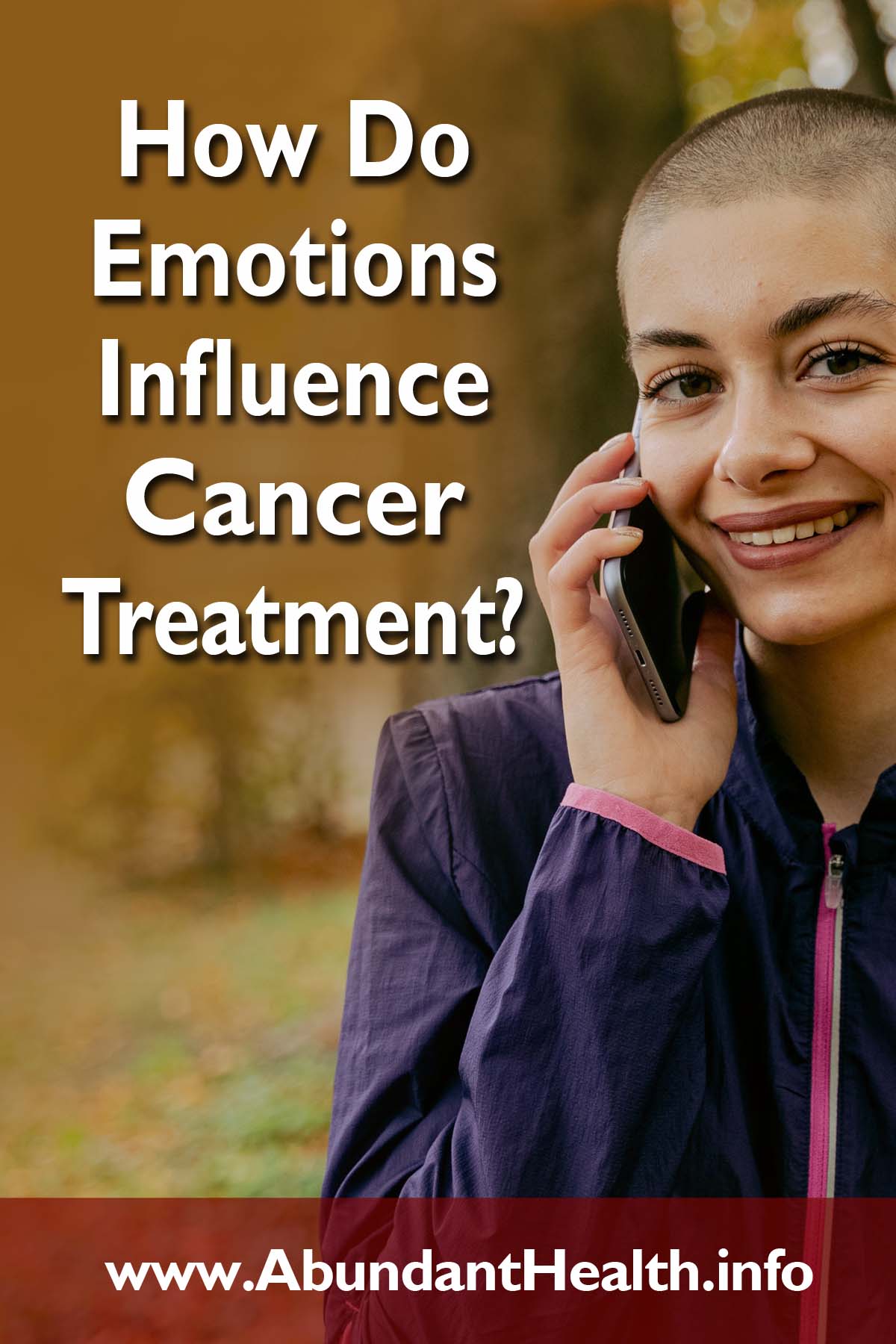
How Do Emotions Influence Cancer Treatment?

July 2, 2021 by Dr. Cesar Vasconcellos de Souza - [rt_reading_time label="Reading Time:" postfix="minutes" postfix_singular="minute"]

Emoções Influenciam o Tratamento do Câncer

Have you ever noticed that some people with cancer die unexpectedly, but others with less favorable diagnosis survive? Perhaps this can often be explained by the relationship between cancer and the mind, emotions and cancer. Is there any scientific basis for us to believe that positive emotions have specific physiological effects?
How Do Emotions Influence Cancer Treatment?

About negative emotions, we already know that anger is related to the production of norepinephrine, and fear or anxiety has to do with adrenaline. Positive emotions relate to acetylcholine outside the brain, which produces muscle relaxation, and has to do with endorphins and serotonin inside the brain.

Cancer is not just a disease. There are several interrelated diseases, several changes that end up generating cancer. There may be a genetic predisposition, a lot of stress in childhood, a diet of poor nutritional quality, a contaminated environment, polluted air, free radicals, smoking, alcohol abuse and other factors. Cancer is an indication that there is something else dysfunctional in the person’s lifestyle.

Lawrence LeShan was a psychologist who worked for more than 20 years just with dying patients, and in one of his studies of 152 people with cancer, he found that some mental attitudes had a negative influence on those cancer patients.

The study came to some interesting conclusions about the emotional or mental posture found in the people surveyed, who developed some form of cancer. Let’s look at some of these results from this study. Of these 152 people, 109, or 72%, had lost their purpose to live, and were unable to establish new relationships. There may have been attempts to develop new relationships, but they failed and the person remained isolated, even surrounded by family and friends, so that is to say 72% of people suffered from loneliness.

It was found that 71 of these people, or 47%, almost half of these people, were unable to demonstrate hostility in their self-defense. In other words, she had a feeling that her desires didn’t deserve to be defended, they didn’t know how to protect themselves. They are those people that when you step on their toes, they are the ones who apologize, people who do not know how to defend themselves, even from hostile people.

The study also found that 58 people, or 38% of them, had tension, a major stress due to the death of a parent. For some individuals, the type of emotional bond with the father or mother is so ingrained that when one of them dies, the suffering of the son or daughter is much greater than in people without this type of affective bond, who also experienced a period of grief and normal sadness, but without so much suffering, and without despair. So 38% of people who developed cancer had a lot of suffering a while before the cancer appeared, with the death of the father or mother, because of this extremely strong bond they had with that parent.

A woman experiencing grief in front of the tomb

It was also found that many of the studied group showed self-depreciation, a lack of self-confidence, a lack of respect for their own achievements. It’s the people that when you praise, for example for being in a nice outfit, they say: “Oh, I bought it there at the benefit bazaar”, or when these people have passed an exam and you congratulate them, they say: “Oh, it wasn’t so hard to pass”, that is, they always devalue themselves. So this psychologist working with these people with cancer found that many of them had this self-deprecating mindset.

Other people who had cancer in the study group had a sense of despair they had lived with all their lives, a despair in the sense of looking at life with pessimism, without good prospects for the future. And also the good number of patients evaluated revealed that they had more emotions than energy to express them, and they had very few or no channels of emotional expression, there is no one to whom they could open up, that is, they swallowed, repressed more emotions than they should have done, and some cases seem to explode into cancer.

Dr. Samuel Silverman of the School of Medicine at Harvard University, he says:

If there is a latent tendency to develop cancer, the inability to express one’s feelings will strike the body at some vulnerable point.

You can fight for your life : emotional factors in the causation of cancer
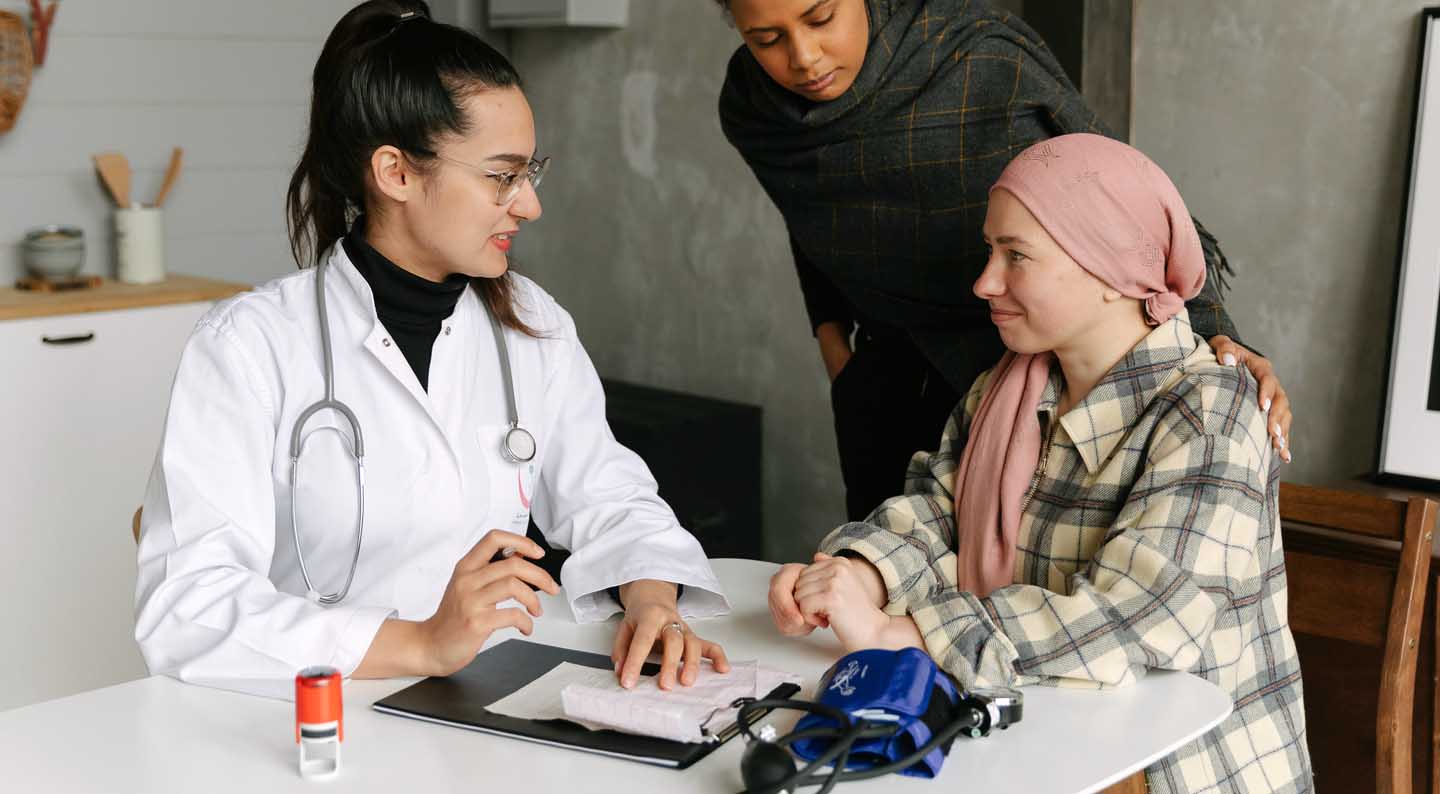
Counseling with a cancer patient

Some mental attitudes that help in the prevention or treatment of Cancer from a psychological and emotional point of view are the following:

  1. Have a meaning for life beyond the desire for physical healing.
  2. Reflect on how best to be useful with what you are, the talents you already have or can be learned.
  3. Learn, that you can express emotions, opinions and still be loved and accepted.
  4. Acquire self-knowledge to live with emotional honesty, that is, not fooling yourself.
  5. Appreciating the positive traits in me, what I can do, the blessings I have received, looking positively at those things that God has placed in me, which are talents, they’re blessings.
  6. Realize that you can try to understand and love yourself, forgive yourself, accept your limitations, without fighting with you, without criticizing yourself, without belittling yourself.
  7. Also strive to make changes in your life, in search of what you want, rather then remaining in a bad situation, even if it produces some benefits, such as an economic gain.

Dr Lawrence mentions in his book a doctor who had a specialty that earned a lot of money. Then she had breast cancer and she found out that she actually would like to work in another specialty, which would earn less money, but she decided to change, resulting in better coping with the cancer.

He cites the case of another woman, a lawyer that was professionally and economically very successful, but who also had breast cancer, and during psychotherapy she discovered that she had always liked music. So this woman decided to quit her job as a lawyer and went into music.

After doing a study on these people who made important changes in their lives after cancer, it was found that they had a much better survival rate, a much better quality of life, a much better recovery from this cancer than those people who got stuck and didn’t do these changes. So it’s important to think that it is healthy for the mind that influences the immune system, to make less money, but to be happy in what you do. Think about it when you decide to make important changes in your life.

Healthy Fruits

Stay Always Up to Date

Sign up to our newsletter and stay always informed with news and tips around your health.

Sign Up Now!

Filed Under: Cancer, Diseases, Mental Health, Psychosomatic Diseases

The Seven Main Stressors in Your Personal Life

June 20, 2021 by Martin Neumann - [rt_reading_time label="Reading Time:" postfix="minutes" postfix_singular="minute"]

The Seven Main Stressors in Your Personal Life

When we think about stress we often think about a heavy workload. But stressors in our private life can be just as compromising as our work stress. Stress may come from debt, relationship problems, disease or even from very abstract things such as feeling a lack of purpose, or feeling uncertain about whether you have taken the right decision. Today we want to pinpoint the most common sources of personal stress and see how we can deal with them.

The Seven Main Stressors in Your Personal Life

Stress is an intrusion on your peaceful existence.  All of us strive to have orderly and peaceful lives.  We tend to develop well when we get into certain routines.   Parents often find that their children will behave much better when they have a set routine than if everything is pandemonium in the household.  Routines give a child a feeling of security, which is the one thing that a child wants most of all.

Many people will complain that their kids are unruly and do not want to go to bed on time.  For many it escalates into screaming at their kids to go to bed or threatening their kids with punishment if they do not go to bed. 

The entire “go to bed” issue can be avoided if the parents simply set a bedtime routine.  Fruits and cookies.  A bedtime story, being tucked in, a kiss on the cheek and lights switched off. Every night.  The children know what to expect and actually end up looking forward to bedtime.  This gives children an added sense of security, something that they really need in their lives. 

We all want to feel safe and secure, but as we get older, we realize that we cannot always count on things being the same.  We experience different incidents in our lives that turn our world upside down and cause us to feel stress.  Most of these incidents we cannot control, others we can control to a certain degree.  Some of us are fortunate enough not to experience these stressors until adulthood.  Others experience stress as young children.

When there is happening some change in our routine from what we consider to be normal, our minds will interpret this unknown future as a potential stressor. The amount of stress will be related to the amount of threat our mind is feeling.  Some common causes of stress are the following:

Death of a loved one

This can be a spouse, parent, child or friend.  Death is part of life, but the death of a loved one is something that causes significant stress.  Our hearts are broken as we grieve for our loved one and our lives are seriously disrupted.  This is something which we can do little about, unfortunately, and also something we all have to deal with, sooner or later.  Many people recover soon from this stressor and continue with their lives, others are grieving for a long time. The death of a loved one can cause a number of serious illnesses that we take on ourselves, including depression.

The death of a child is probably the worst pain anyone can endure and some people never fully get over it. Others do manage to get over the pain for the sake of others around them.  A sense of purpose and usefulness for other people around can help to overcome the loss. However, this is one stress factor that can be quite devastating to some people.

Mourning for a dead loved one - Photo by RODNAE Productions from Pexels

Divorce

Even in the case that you are glad to get rid of your ex-spouse, divorce is a major stressor in our lives. In addition to causing you to feel stress, it can also stress out your children. Many couples are so wrapped up with their own emotions during a divorce that they fail to notice the impact of the situation on their children.  Chances are that the kids are feeling quite a bit of turmoil, even if they are too young to understand what is really going on.  In fact, younger children can experience even more stress than older children in the case of their parent’s divorce because they cannot put their emotions into words, nor can they understand that daddy or mommy going away has nothing to do with them.  A young child tends to feel such a loss as a personal rejection.

A child who experiences the trauma of his or her parents’ divorce will feel stress. In some cases, the stress may manifest itself in a number of psychological disorders, including anxiety. The child has lost their most important point of reference and no longer feels safe, so he or she will come up with a way to alleviate the stress and retain some sort of control, trying to get attention by being silly and unruly, or even developing a disorder such as anorexia.

A divorce is always a traumatic event, because it involves feelings of rejection, and it breaks down human links that you considered to be a safe haven on earth. Somebody should consider very closely whether it is worthwhile to pass through such a traumatic event, or whether there may be some ways to restore the relationship. A counselor may be able to help you to look at things in a more objective manner, to understand the viewpoint of the other side, and to develop strategies to generate mutual respect and understanding.

In case that a divorce is really inevitable, be sure to take your due time to heal from the wounds that were caused by the separation. Allow yourself some time off to deal with the traumas that are left. If possible go for a vacation to a place where you are able to process things more calmly. Go a bit easier on your workload, and consider if you can be released for a while from some of your responsibilities in case that you are in a leadership position.  Look up some good friends with whom you can talk, and if needed ask for professional help to deal with processing the traumas of your crisis.

Moving

Even if you are moving from a shack to a palace, this is still stressful.  It may be a happy occasion, but it is still a disruption of your routine.  And any disruption of your routine causes stress. Moving disrupts the entire family.  And it is a real pain in the neck. Plus you have to deal with the packing.

Packing boxes for moving house - Photo by Andrea Piacquadio from Pexels

Everyone hates moving.  Packing up all of your belongings and then unpacking them is just a hassle.  Very few of us are fortunate enough to be able to have someone do all of this labor for us so it tends to be stressful.  However, even if we do not have to lift a finger, moving is still a disruption of our normal routine. 

It will take a while before you can get established into your new home.  You also need to get used to your new environment, figure out where to do shopping, and finding new friends in your neighborhood. Until you do, you should try to maintain as much of your usual daily routine and rituals as possible, especially if you have children. 

Major Illness

Any type of major illness is a significant stressor for the entire family.  One person being ill does not just affect that person, but everyone around him or her.  A major illness is one of the worst stressors we can endure as it can go on for years, taking its emotional toll on everyone around. If you are dealing with a potentially terminal illness like cancer, you are dealing with a huge amount of stress, dealing with feelings of anxiety about possibility of imminent death.

Some people who experience a major illness enter into depression.  This is usually due to the dramatic change in their life. Sometimes family members can be affected by the stress of dealing with the sick, which could lead even them to depression, or some kind of escape mechanism in form of dependencies.

Finances

Lack of finances can be stressful. If you cannot figure out how to pay the bills, if some emergency arrives and you have no means to resolve it, if the costs are rising but the salary does not correspond, this can cause quite a bit of stress.

Avoid taking loans and paying in installments whenever you possibly can. Purchasing a new car on an installment plan is easy and convenient, but making ends meet when paying back, can become very stressful.  Not to speak about the financial turmoil in case you are losing your job.

Sometimes finances can get out of control because of overspending. Adjusting the budget and knowing how to economize can in many cases balance the finances. If you set a financial goal and tighten your belt now, then you’ll find that the money stress eases. This might mean that you have to give up wasting money in areas that aren’t imperative to your needs, such as paying almost $5 or more for a cup of coffee.

Tightening the budget

It might also mean that you need to stop spending money on eating out. It’s cheaper and healthier to eat at home anyway. With the money that you save by not eating out or spending on impulse buys, you can pay off debt, start a savings account and eventually have the money to do what you wanted to do for a long time.

There are situations though where there is no easy solution to the financial turmoil and professional help may be necessary to deal with the resulting stress.

Job Loss

In addition to being humiliating, the loss of a job can throw you into financial turmoil.  Losing a job often results in depression as well as anxiety.   Not only did your self-esteem take a hit, but you are also worried about money.  You will probably experience stress until you get a new job or reconcile yourself to the fact that you will have to get by on less money.

Until you get your bearings, you will face a disruption in your lifestyle as well as your financial status.  The uncertainty that surrounds getting another job also affects us when it comes to stress.  Losing a job and having to find another job can be stressful. 

City Life

Living in large cities involves several stressors, like noise, traffic, pollution, fear of assaults, hectic rhythm of life, and the simple fact of lacking the relaxing influence of nature around us. Even if you have to commute to town for work, setting up your home in the country can do a lot to relax your mind at the end of the day.

Traffic in the large cities can be stressful. Traffic jams can be especially stressful if we need to get to an appointment in time. And hectic traffic around us as well as stressed out drivers being impatient, will have its toll at anybody needing to navigate under those circumstances.

Living in high crime areas can be also stressful. Not knowing whether you will suffer an assault the next time you leave home can keep you quite apprehensive. And any kind of dubious face crossing your way will make your stress hormones rise.

City Life

Other Stressors

Relationship Problems can be a big stressor. Abusive relationships, sometimes even involving physical abuse, can be hard to deal with. Addictions are another problem that can cause a lot of strain on a relationship. Those are situations that may need help from outside to try to resolve the situation. Divorce sometimes seems to be an easy way out, but it should be a last resort, since any separation of an intimate relationship involves lots of stress by itself.

Technology and information overload are increasingly perceived as a burden in our lives. The fact that we are reachable wherever we are makes us more stressed at the end of the day. Many expect companies to respond to their email within an hour, and we need to catch up with Facebook, WhatsApp, Telegram and other messenger services. We want to keep up with the life of our friends on Facebook and Instagram and many get addicted to the diversions that are all around on social media. If we search for some topic on Google, the wealth of information available to almost any topic we want to know is just overwhelming. And that we spend several hours a day in front of the television is considered as part of our live. All of this keeps our minds busy with an unnatural amount of stimulus around us, and impedes us to simply rest and relax.

These are just a few of the major stress factors that we as a society face.  There are other things that can lead to stress, but these are the most common stressors in our private life.

In some way, even happy events such as the birth of a child, marriage, or even a new job can lead to stress.  Even though these are joyous occasions, they are stressful.  Why?  Because they disrupt our set out common routine.

Are you sensing any sort of pattern here with regard to stress?  Each of the aforementioned stressors all has one thing in common – they disrupt our lives.  We don’t like to have our lives disrupted and when it happens, even if it a good disruption, passing through the adaptation phase is causing us stress. We are going to experience stressful situations throughout our lives.  How we handle those situations will determine how well we can manage stress.  There are both good ways and bad ways to manage stress. 

Identifying stressors is not always so easy. While some of us can point to different stress factors that have occurred recently in our lives, others have no idea why they are stressed. In some cases, the original stressor can be something that happened in your childhood and left you insecure. For example, an abuse can create negative thought patterns that can be a stressor remaining until the adult age. In such cases, a Psychologist may be able to help you out to identify the original cause of your stress.

Once you have identified your stressor, you can work on removing the cause. This often helps already to bring your stress under control. But not always there is an immediate solution to the problem. In this case, you need an all-inclusive approach to stress management. If you need to figure out how to manage your stress the most effective way, download now your copy of The 10 Minute Guide to Stress Management.

Do you need a guide to help you understand how to cope with Stress in an all inclusive approach? Learn how to combat stress, mentally, physically, emotionally and strategically in your life.

Get Me the Guide

Filed Under: Mental Health, Stress Management

Psychosomatic Diseases – The Body Speaks

June 4, 2021 by Dr. Cesar Vasconcellos de Souza - [rt_reading_time label="Reading Time:" postfix="minutes" postfix_singular="minute"]

Psicossomático - O Corpo Fala

Body and mind always work together. You have a suffering in your body, your mind participates. You have suffering in your mind, your body participates. Today we want to understand psychosomatic diseases, how the body and mind work together in health and illness, and how one affects the other.

Psychosomatic Diseases - The Body Speaks

I would like to start by quoting some interesting phrases:

The sympathy which exists between the mind and the body is very great. When one is affected, the other responds.((Ellen G. White. Medical Minstry p. 105))

That´s an interesting concept! Look at the next text:

Great wisdom is needed by the physicians at the Institute in order to cure the body through the mind. But few realize the power that the mind has over the body. A great deal of the sickness which afflicts humanity has its origin in the mind, and can only be cured by restoring the mind to health.((Counsels on Health p. 349))

And this author still says the following:

Sickness of the mind prevails everywhere. Nine tenths of the diseases from which men suffer have their foundation here.((Ellen G. White. Mind, Character and Personality Vol. 1 p. 59))

Isn’t this interesting? According to this text nine out of ten illnesses originate in the mind. Is this an exaggeration? Dr. Herbert Benson, a clinical physician at Harvard University in the United States says the following:

60% to 90% of patients who seek doctors at the (outpatient) clinic have their illnesses due to physical and mental stress. These are people who have had physical symptoms as a result of social and emotional problems. The average could be 75%.((Herbert Benson, Harvard University, “Timeless Healing – The Power and Biology of Belief”, 1998))

An he goes on to say:

Emotion plays a more crucial role in our physiology than most of us can understand.

According to him, feelings and emotion influence physiology, and how the body works.

Hippocrates, the so-called father of medicine, a Greek physician who lived between 460 and 370 BC, said something interesting that relates to psychosomatic diseases:

 It’s far more important to know what person the disease has than what disease the person has.

Interestingly, he recommended for example that people with asthma learn to better express their anger, in addition to other procedures that he prescribed. So it is more important to try to understand what kind of person has a certain disease, than what disease that person has. Of course, this doesn’t diminish the importance of a proper diagnosis. The diagnosis needs to be made by a doctor, so that the treatment is well indicated. But what Hippocrates was wisely trying to say, is that the professional who seeks a complete view of the person with a certain illness, can achieve better results in the treatment. So a well rounded view of the patient means researching the physical, mental, spiritual and social factors in that person’s life, rather than just focusing on that isolated symptom.

A doctor taking an anamnesis in order to prescribe a well rounded treatment - Photo by Thirdman from Pexels

It’s important to understand that we don’t get sick by compartments. The body affects the mind and the mind affects the body. Nothing is just physical and nothing is just psychological. In the development of a disease, as well as in health, there is a combination of factors in the individual’s lifestyle, which has to do with how you think, how you feel, how you express your feelings, it has to do with the way you deal with people, it has to do with your diet, whether you exercise or not, the quality of your sleep, the stress you experience at work, whether you live in a big city or a small town, it’s about all the aspects of your lifestyle.

When you have a physical symptom, it can be headache, dizziness, back pain, among many others, and you go to a medical appointment, do complementary tests, blood tests, urine and stool tests, X-ray, EEG, CT scan, magnetic resonance, ultrasound, and the doctor says you have nothing, that the results are normal, but you still have that symptom that motivated your consultation, you are dealing probably with a psychosomatic symptom, which can develop into a psychosomatic disease.

What is a Psychosomatic Disease

A psychosomatic disease is one that manifests itself in the body with physical or functional symptoms and injuries, but whose main cause originates in the mind. That means the main cause comes from emotional conflicts, psychological conflicts and mental stress. This is different from somatization, because in somatization there is no detectable disease process, either by a medical exam or a lab test. So when a person has a lot of emotional stress, he can manifest some of that stress in his body, because the body is a helper to the mind and both work in an indivisible and inseparable union. In this sense, we can say that every disease, regardless of its origin, is to a certain degree psychosomatic.

The body and mind work in harmony in such a way that when something is burdening the mind like nervous tension, sadness, excessive anxiety, it is as if the body says to the mind: Do you need help? So the mind says: Yes help me, because it is hard to deal with this suffering here. Then we throw part of our tension onto the body, and the body starts to show psychosomatic symptoms.

Each person will have the manifestation of emotional distress in one or more than one of what we call a shock organ. The shock organ is the part of your body that is most sensitive to emotional stressors. For some people, the shock organ may be the stomach, hence when there is too much stress, too much tension at work or in the family, these people feel, for example, a burning sensation in the stomach area. For others, the shock organ could be the immune system. A person experiencing a lot of tense relationships, a lot of stress, may have frequent infections, develop an autoimmune disease, who knows. In other individuals, the shock organ can be the muscular system, for example, and in the face of life pressures, these people feel muscular pain. According to studies by Dr. Dean Ornish, a cardiologist at the University of California in San Francisco, he said:

People with a heart attack have a fourfold risk of dying within six months if they remain depressed and alone.((Dean Ornish, Saving Your Heart, 2002))

He is saying here, that people who have already had the attack but survived, if they remain alone, isolated, they have a much greater risk of dying. And he cites a study at the Case Western Reserve University, and in that study he verified the following:

They surveyed 10,000 married men and found that those who answered yes to the question, “Does your wife express love to you?” had significantly less angina.((Dean Ornish, Salvando o Seu Coração, 2002))

Years ago there was a book that was a bestseller in Brazil. That’s the title of the book: “Whatever it is”. It was written by a woman, an executive secretary who had a daughter and she was a go-getter, very proactive, very active in life to take care of her daughter, excel at work, be a high-profile professional in the company, then she had breast cancer. First she was stunned: How can that happen to me, a strong woman, so powerful, has breast cancer! She started researching what breast cancer is, and wrote this book: “Whatever it is”. A book where she opens her heart, opens her life, even private things in her life, and she says: “The cancer did not come to kill me, the cancer was a beacon, a red light ascending in my life, saying: Hey, stop, stop to reevaluate your life.”

A cancer survivor - Photo by Klaus Nielsen from Pexels

I even got in touch with her at this time, and we sat together at a bar in Rio de Janeiro to talk about this subject of mind and body and the relationship to psychosomatic diseases. So she explained it this way: “We have to learn to look at the disease as an alarm. The symptom is an alarm, the symptom is talking to you. It’s like when you have a car that you’re driving, and a red light is lighting up on the dashboard, is that red light a good thing or a bad thing? Well, it has both sides, it’s bad because you have a problem with your car, but it’s good because it’s warning you.”

So when you have any symptoms, of course you’re going to seek medical help, consultations, tests, all of that, but if you went to the doctor, you did evaluations, did the tests, and he says you have nothing, you’re fine, but you still have that symptom with that same kind of pain, so you need to start thinking about what’s going on with your emotional life. What will you need to do to alleviate the emotional tension and stress? As I explained, the mind always works hand in hand with the body, and often when you’re not ready to deal with the emotional pain, give it a name, face it head-on, your body starts to absorb, because you’re asking for it, you’re saying: I can’t handle dealing with this emotional pain, I can’t handle dealing with this loss, with this frustration, so the body comes in to help to alleviate this load.

The Power of the Mind

The way you think influences your body. This very simple statement shows just that:

If your mind is impressed and fixed that a bath will injure you, the mental impression is communicated to all the nerves of the body. The nerves control the circulation of the blood; therefore the blood is, through the impression of the mind, confined to the blood vessels, and the good effects of the bath are lost. All this is because the blood is prevented by the mind and will from flowing readily and from coming to the surface to stimulate, arouse, and promote the circulation.

For instance, you are impressed that if you bathe you will become chilly. The brain sends this intelligence to the nerves of the body, and the blood vessels, held in obedience to your will, cannot perform their office and cause a reaction after the bath.((Ellen G. White. Mind, Character and Personality Vol. 2 p. 397, 398))

That’s a very interesting statement! It is saying that the blood is impaired to circulate, because the mind is in emotional strain because of the way you think. Now the way you think then influences your body? That is what is being stated there. Now look at this other text that shows that the way you feel affects your body. It says:

 It is the duty of everyone to cultivate cheerfulness instead of brooding over sorrow and troubles. Many not only make themselves wretched in this way, but they sacrifice health and happiness to a morbid imagination. There are things in their surroundings that are not agreeable, and their countenances wear a continual frown that more plainly than words expresses discontent. These depressing emotions are a great injury to them healthwise, for by hindering the process of digestion they interfere with nutrition.((Ellen G. White. Mind, Character and Personality Vol. 1 p. 62, 63))

Very interesting, depressing emotions harming nutrition! Years ago a Nobel Prize winner in medicine showed in his scientific work with his team that there is a connection between cells of the central nervous system and immune cells.

Dr. Wildemann and his collaborators from the Stress Lab at the University of Arizona, proved that people experiencing significant losses, such as the death of their spouse, can experience several months of immune system deficiency resulting from this sadness. He explains in the study that some defense cells, such as natural killer cells, T and B lymphocytes, may become reduced or less active in their work to fight viruses and bacteria, because sadness affects immunity, it affects these defense cells.

Perhaps you have heard of an elderly person who was in good health and a few months after the death of his husband or wife, he himself had a major infection and died too. You surely have heard of such a case, it’s not uncommon. The old couple lives together and they’re fine, but suddenly one gets sick and then the other one that was healthy, but after the death of that dear one, within six months he dies too. Because sadness undermined the strength of that individual’s immunology, so a virus or bacteria took advantage of the situation and caused a serious illness.

An elderly couple enjoying companionship

So it seems that the more a person has difficulties becoming aware of their emotions, especially painful or unpleasant emotions, the more likely they are to present psychosomatic symptoms, because the body absorbs such feelings that the person feels unfit to deal with in a conscious level. This means that the more a psychosomatic symptom is buried in the body, the further a person is from the truth about the repressed and somatized feeling, or about those painful thoughts that the person doesn’t want to think about at that moment.

Dr. Diana Fosha from Adelphi University in New York says that for every type of emotion there is a visceral component, that is, a feeling always expresses itself in some organ in the body. I’ve already talked about shock organs here, so if you have difficulty expressing anger, it can come out in form of asthma or high blood pressure. People who have difficulty expressing any feelings, may present for example constipation. Perfectionists and stressed individuals can have a lot of migraine headaches. Some people with a tendency to repress their emotions for many years may facilitate their body to develop cancer, according to studies by scientists such as Dr. Bernie Siegel, Lawrence LeShan and the Simonton scientist couple.

Of course I’m not saying and neither are they, that the cause of cancer is an emotion. In fact, they explain that unresolved conflicts or major losses, can be factors that affect immunity and favor the emergence of cancer, when the person already had other factors that induce the mutation of a normal cell to a cancer cell.

A person with a lot of difficulty to cry, according to some scientists, may cry through the skin, through dermatological lesions, which produces a type of secretion. Individuals who repress their feelings a lot, they tend to have degenerative diseases such as cancer, diabetes, multiple sclerosis and other pathologies, while more explosive people tend to have other diseases such as heart attack or stroke. It’s like the more melancholic, introverted people they implode and the more short tempered people they explode, so the diseases are more cardiovascular for the explosive and they are more degenerative in the more introverted people. It’s common for people who develop fibromyalgia, for example, to take exaggerated responsibilities in the family. I’ve seen a lot of people with fibromyalgia, and I realized that in all of them there was a behavioral characteristic of exactly that: carrying the piano for everyone.

Psychological disorders are not weakness or lack of faith if you have lived or are experiencing major stresses in your life. Mental sufferings such as strong anguish, deep sadness, excessive fear are expressions of suffering, which often manifests through the body. These are so called psychosomatic disorders, which are defenses used by the body to relieve the mind. If you have physical symptoms, if you’ve had several evaluations with different doctors and they all say you have nothing, because no diagnosis was found and your exams are normal, you need to start to think whether there is something unresolved in your life, in your emotional life, in your relationships with people, are you guarding some resentment, do you need to resolve an issue with someone who has been eating you from the inside for many years? If you have some repressed emotions, or one of those situations I talked about, it might manifest itself in your body. You may also consider that a professional psychological evaluation may be needed. It may depend on the level of suffering you are having.

A psychologic consultation - Photo by cottonbro from Pexels

Sometimes emotional problems get resolved with life. A friend of mine, a psychoanalyst, once said an interesting phrase: “Life is therapeutic”, meaning life, the events of life, they teach us many things by themselves, and can help us to achieve healing from some situations.

Sometimes life doesn’t solve everything, so we need some technical help. Don’t suffer without taking an attitude to improve, because actually health, for you to develop health, it depends on you to practice some habits, it depends on you to improve your lifestyle in relation to food, in your thinking patterns, in the relationship with people, your sleep, your physical exercise, but it also depends on the attitudes you take, on you assuming responsibility for taking good care of your body and mind.

So it’s important that you do something for yourself instead of always waiting for people to do something for you, or even waiting that the doctor will cure you. The doctor does not cure people, the doctor indicates some paths to health, sometimes they prescribe a medicine that will be temporary to alleviate a symptom, that suffering you are going through, but there are attitudes you take in life, there are decisions you make to take better care of your health and your mind, that will determine whether you are going to take the path of health or the path of illness. Professor Dr. Adalberto Barreto, who works with community therapy, said:

When the mouth shuts up, the organs speak, and when the mouth speaks, the organs heal.

Look how interesting it is, showing the importance of talking, of letting off steam, so that you don’t get somatized, so that you don’t keep swallowing things, without putting a limit, and you end up suffering on your body. Make the necessary changes in your thoughts and emotions for you to have a better life and health!

Healthy Fruits

Stay Always Up to Date

Sign up to our newsletter and stay always informed with news and tips around your health.
Sign Up Now!

Filed Under: Mental Health, Psychosomatic Diseases

Stress and Your Health

May 20, 2021 by Martin Neumann - [rt_reading_time label="Reading Time:" postfix="minutes" postfix_singular="minute"]

Stress and Your Health

You ever felt jittery after a bout of stress? Do you have stomach cramps, a sudden outburst of pimples on your skin, or your blood pressure suddenly goes through the roof? You should be familiar with the symptoms of stress in your body and recognize when stress is taking its toll on your health.

Stress and Your Health

The body is wonderfully adapted to deal with many challenges, including stress. When we are in a dangerous spot, the body releases a number of hormones that help us to be alert, more energetic, run fast, make some quick decisions and do whatever is needed to face the crisis. When stress is chronic, like the deadlines at work or the debt that is not going away, then stress hormones like cortisol are chronically elevated as well.

Too much cortisol can suppress the immune system, increase blood pressure and sugar, decrease libido, produce acne, cause learning difficulties, lapse of memory, loss of muscle mass, aggravate obesity and much more. If cortisol is chronically elevated, the body is entering into a fatigue state, where the hormone stops to produce the desired effect. This is called glucocorticoid resistance, and will result in chronically elevated cortisol levels, and a body out of control.

The results of chronic stress on your health can be various. Have a close look at the following symptoms, and evaluate how stress is affecting your health.

Heart

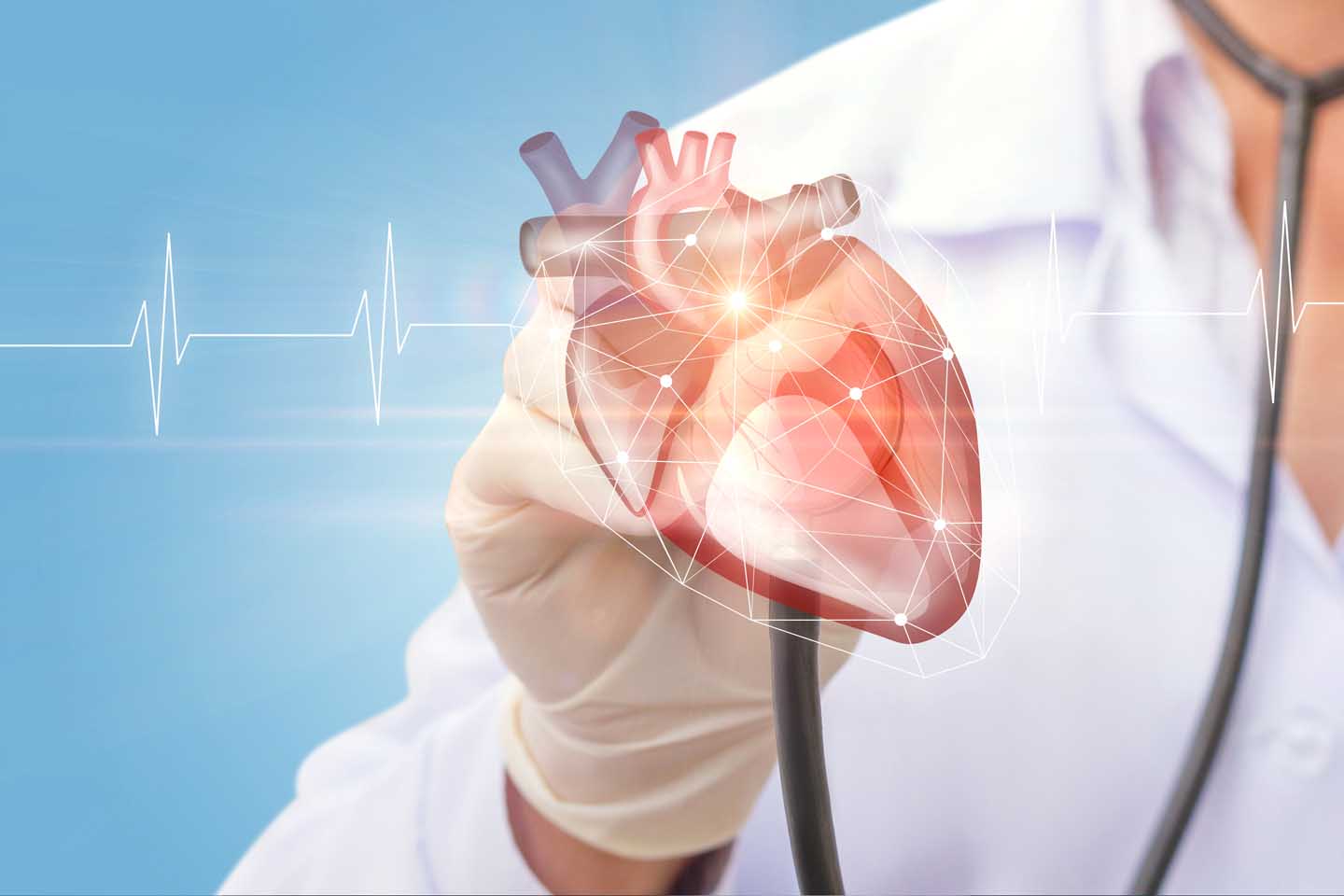
As we’ve seen, cortisol constricts blood vessels and increases blood pressure. In addition to that, the stress response increases the clotting factor, preparing the body for faster wound healing in case of injury, but also facilitating the formation of arteriosclerotic plaques.

These plaques adhere to the inside of blood vessel walls, especially at locations where micro vascular damage has occurred, and attempt to “patch” it, resulting in large deposits of this mass along various areas of the blood vessel, which is reducing the blood flow and may eventually block the artery completely. When this happens in the coronary arteries of the heart itself, portions of muscle can die from oxygen starvation, which we call a heart attack. When this blockage happens in the brain, it results in a stroke. A study found that stress increases risks for development of cardiovascular diseases, which include deep venous thrombosis.((Dong, et al. Chronic Stress Facilitates the Development of Deep Venous Thrombosis, DOI:10.1155/2015/384535))

Examining the heart

Research shows that employees who are frequently exposed to high levels of work-related stress are at a higher risk of being diagnosed with cardiovascular disease.((Jaskanwal S et.al. Association Between Work‐Related Stress and Coronary Heart Disease: A Review of Prospective Studies Through the Job Strain, Effort‐Reward Balance, and Organizational Justice Models. DOI:https://doi.org/10.1161/JAHA.117.008073)) Stress causes massive depletion of the mineral magnesium, which is essential for muscle relaxation.((Tarasov E A et.al. Magnesium deficiency and stress: Issues of their relationship, diagnostic tests, and approaches to therapy. DOI: 10.17116/terarkh2015879114-122)) Tests have shown that a very large percentage of the adult population are magnesium-deficient, which very likely has a strong correlation to those affected by chronic stress.

As the heart is a muscle it is dependent on adequate magnesium for proper and healthy function. Current research is exploring the possible link between low magnesium levels and heart attacks.

Acute stress, such as may occur to people who are experiencing the sudden death of a loved one, a natural disaster or extreme accident may also lead to stress-induced cardiomyopathy. Thankfully, increased awareness means that professional emotional support is offered far more often than before, with better outcomes for those affected.

Digestive Disorders

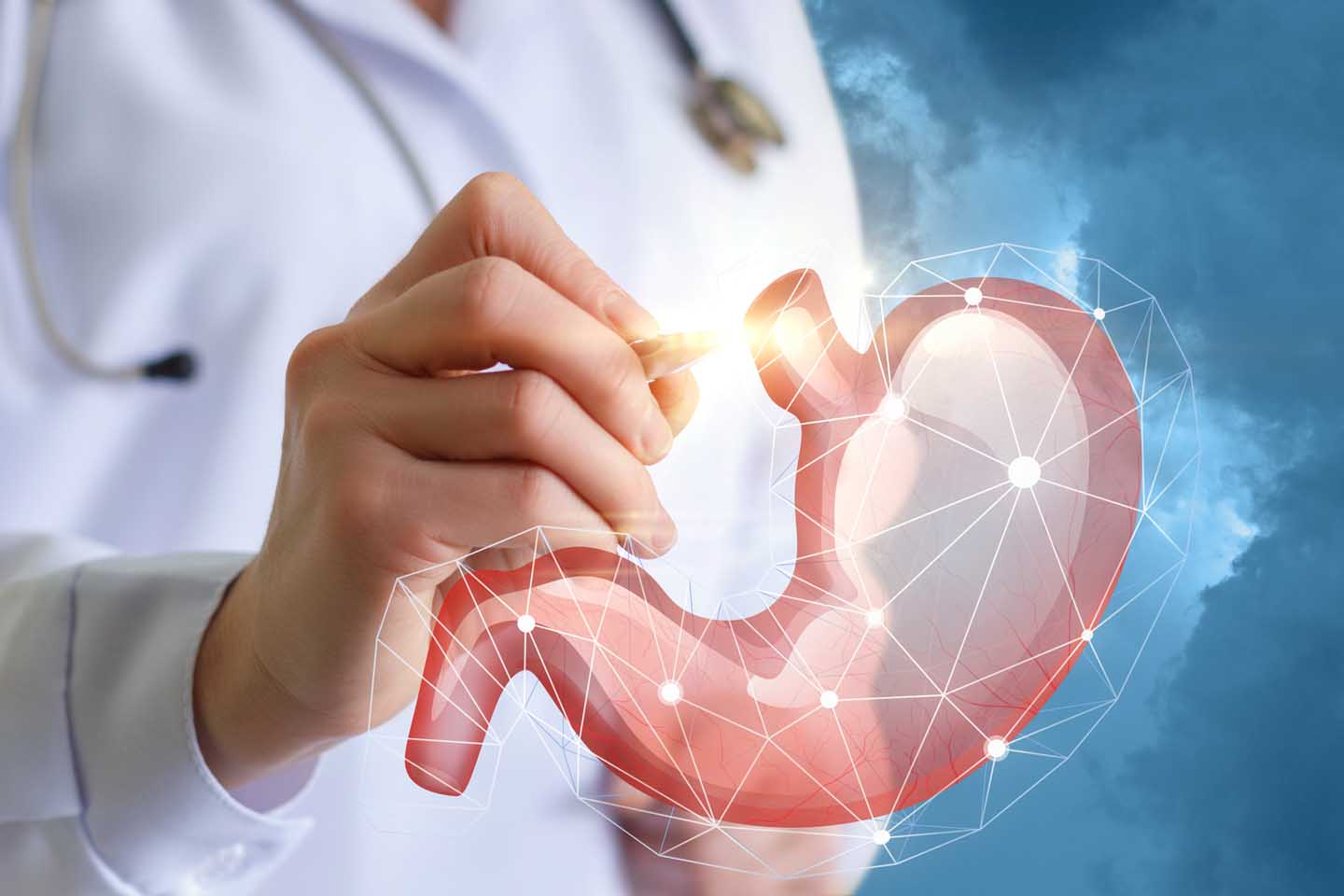
Do you feel sometimes like your stomach has been invaded by butterflies? This is a normal reaction to many stressful or fearful circumstances. A regular stomach ache is one of the many symptoms that can be experienced by an individual who is suffering from stress. The digestive system is controlled by the parasympathetic nervous system, which is suppressed during the stress response.

As a result, digestion is compromised, indigestion develops, and the mucosal lining becomes irritated and inflamed. The diminished absorption of nutrients can cause various deficiencies, even while eating well. A study has shown that stress can dramatically change the gut microbiome, increasing the amount of inflammation-promoting bacteria.((Gao X et.al. Chronic stress promotes colitis by disturbing the gut microbiota and triggering immune system response. DOI: 10.1073/pnas.1720696115))

Treating the stomach

Cortisol stimulates also gastric acid formation. Gastritis and Ulcers are more common during stressful times, and continually feeling pressured can cause poor bowel elimination. If the cause is left unchecked, this could escalate into other gastric problems.

Many cases of gastrointestinal disorders such as diarrhea, constipation, colitis and irritable bowel syndrome have been linked to stress. This shows how our brain and our gut are so interconnected to each other. When you are able to resolve your problems and find that peace of mind, your whole body is going to thank you.

Immune System

It is known that chronic stress with elevated cortisol will reduce various functions of the immune system.((Dragos D et.al. The effect of stress on the defense systems. PMCID: PMC3019042)) As a result you are more susceptible to flus and colds or any other kind of infection. You will also increase your risk for cancer, since your immune system is not at peak performance to control and eliminate abnormal cancer cells.

Stress will have a cumulative effect on the immune system the longer we experience it. Think of the immune system as a firewall; the longer it is down, the greater the chances that some sort of infection can take hold of us and complicate our recovery.

Skin

Psoriasis, eczema, and other skin inflammations are often linked to prolonged exposure to stress. In most cases of skin diseases that have been brought on by stress, reducing stress levels have also been found to rapidly improve a person’s skin condition.

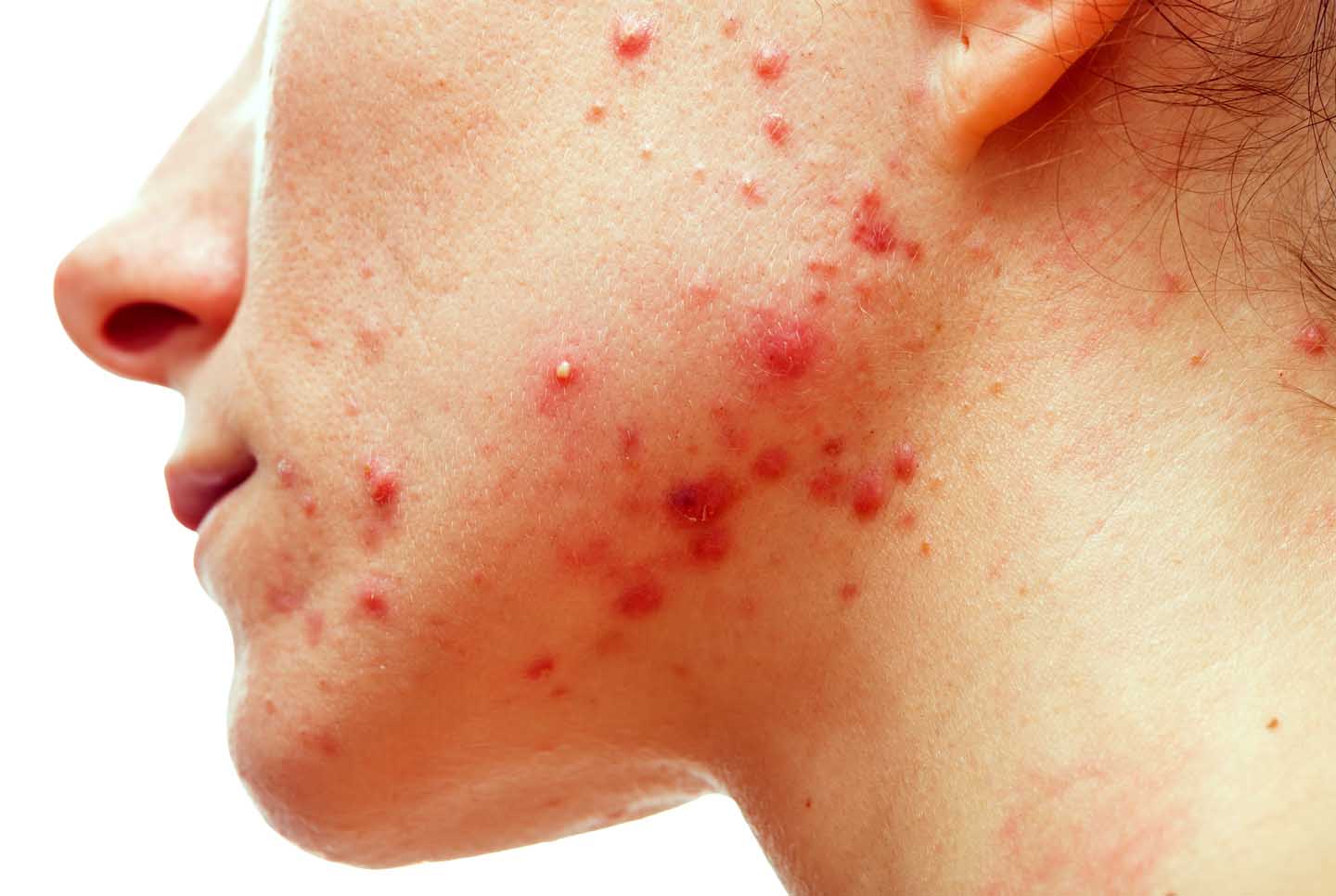
Chronic exposure to stress can lead to the overproduction of the sex hormone androgen, resulting in acne and other skin problems.

Akne

Stress causes excessive hormone production combined with a reduced healing ability, meaning you may experience the same types of skin problems you did as a teenager.

Hair

While hair loss can be a sign of other conditions, it can also be one of the most common symptoms of stress. Hair loss will be most likely to happen three to six months after a traumatic experience such as losing a loved one or losing a job. 

When a person is exposed to highly-stressful events their androgen hormone production will be imbalanced, possibly resulting in temporary hair loss. Sticking to a balanced diet is important at times of high stress, to give the body every possible assistance for healing and repair.

You may often hear people say that stress is turning their hair gray.  Stress can speed up this process especially if you are already genetically predisposed to having gray hair. During periods of prolonged stress, an individual’s white blood cells may attack their hair follicles thereby putting a halt to hair growth which is also called a “resting phase”. This gets visible when much hair is lost when being washed or combed.

Menstrual Cycle Problems

Missed and delayed periods can be a sign of stress in women. In severe cases, some women may suffer a complete stop of the menstrual cycle.

Other women still experience regular menstrual periods but many complain of dysmenorrhea that is twice as painful when they’re feeling excessive stress, and Pre Menstrual Symptoms may get worse or become more difficult to deal with.

Women with overly hectic and busy lives, filled with demands that promote chronic stress may feel a loss of sexual drive. And those who pass through menopause may feel an increase in intensity and frequency of hot flashes.

Decreased Libido

Elevated cortisol relating to prolonged stress, can lend itself to impotence and erectile dysfunction. Furthermore, the androgenic sex hormones are produced in the same glands as cortisol and epinephrine, so excess cortisol production may hamper the optimal production of these sex hormones.

It is common for people who are under a great deal of stress or feeling exhausted to have no desire in the bedroom. This can be frustrating for your partner as well. If you are suffering from a general lack of libido possibly caused by stress, it is essential to talk openly with your partner so that they can lend you a sympathetic ear and not take it personally.

Muscle Tightness

Tensed muscles are common indications of stress. This can further lead to muscle spasms which can cause great pain. Stress causes magnesium depletion in the body and without magnesium the muscles cannot relax, putting them in a state of near-constant contraction. Tense muscles can lead to migraines and tension headaches that are linked to muscle tension of the neck, head and shoulders.

Increased Cortisol levels will tend to activate an inflammatory response, causing sore muscles, aches and pains in the body. Prolonged muscle tension and possible subsequent muscle atrophy from a lack of physical activity, promote chronic, stress-related musculoskeletal conditions. Relief comes through exercise, massage, muscle relaxation exercises and adequate vitamin and mineral intake.

Pancreas, Diabetes and Obesity

People who are chronically stressed have a high tendency to indulge in sugary, feel-good foods. Also, increased cortisol levels will raise the blood glucose levels, causing difficulties especially for diabetics.

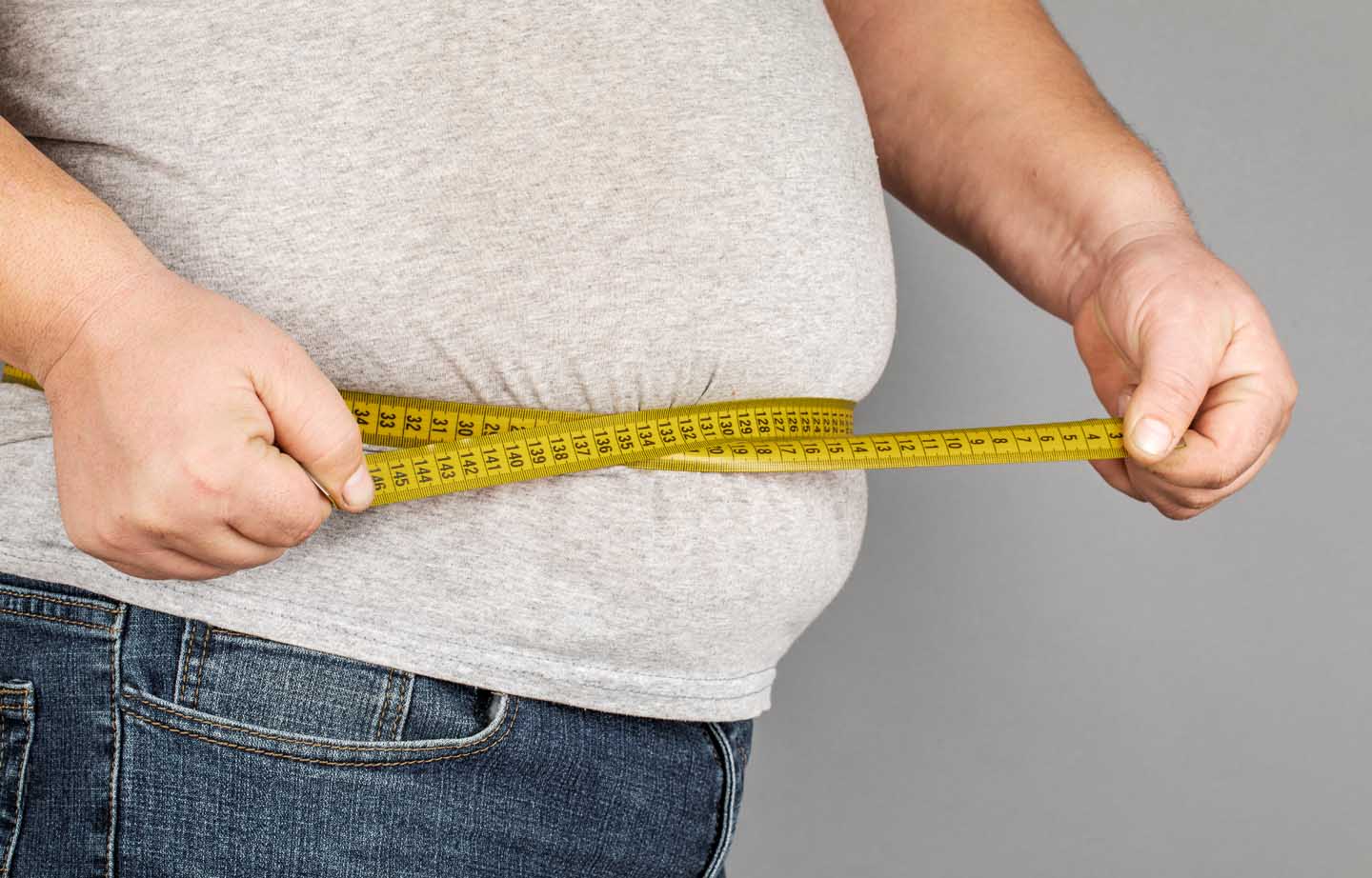
Cortisol will activate the transformation of fat into glucose. This is why stress makes it hard for diabetics to control blood glucose levels. Once the excessive glucose is not used for exercise, it will be transformed back into fat and stored in the visceral fat cells. This resuts in the dreaded belly fat that is not only unsightly but is another major health risk that can shorten your life span. On top of that, excessive cortisol levels can cause cravings for sweet, high-fat, and salty foods. Obesity in turn will increase the risk of developing diabetes.

An obese man

Metabolic Syndrome

Chronic stress can increase blood pressure, glucose levels, cholesterol, triglycerides and weight gain, all of the factors involved in the metabolic syndrome.

One study found that “there is a dose-response relationship between exposure to work stressors over 14 years and risk of the metabolic syndrome, independent of other relevant risk factors.” The final results found that “employees with chronic work stress were more than twice as likely to have metabolic syndrome as compared with those subjects with without work stress.”((Chandola, et al. Chronic stress at work and the metabolic syndrome: prospective study, BMJ 2006; 332 doi: https://doi.org/10.1136/bmj.38693.435301.80))

Conclusion

We have seen that stress can compromise our health in various ways. If you experience one or several of those warning signs, you should take action to get your stress under control. In chronic stress we need to take action to decrease our cortisol levels, which can be achieved in two ways:

  • Firstly – by reducing the stress that is the root cause of the problem, either by eliminating the stressors, or by improving the ability to cope with them. A reduced emotional response to any stressor will mean less cortisol release.
  • Secondly – there are known lifestyle and dietary ‘hacks’ that assist the mind and body to reduce the release of cortisol into the system. Some bad habits can though increase cortisol production.

If you need some tips on how to achieve both of this approaches, download our Ten Minute Guide to Stress Management and start beating your stress with efficient strategies that put you into control of your life. Download your copy now!

Do you need a guide to help you understand how to cope with Stress in an all inclusive approach? Learn how to combat stress, mentally, physically, emotionally and strategically in your life.

Get Me the Guide

Filed Under: Mental Health, Stress Management

Anxiety and Panic Attacks

April 24, 2021 by Dr. Cesar Vasconcellos de Souza - [rt_reading_time label="Reading Time:" postfix="minutes" postfix_singular="minute"]

Anxiety and Panic Attack

One day, I was riding in a subway train. The train was packed and I was sitting in the chair next to the window, when the train suddenly stopped in a way that when I looked at the window I saw a wall, nothing more. It came to my mind what could happen to people with panic disorder and phobias. I thought, if such a person would be here now and looking out the window, and saw this wall with a full train, so that on one side there are a lot of people wanting to get out, and on the other side a window of the train that doesn’t open, a wall, the person starts to think about it and let his fearful thoughts take over her mind, thinking that there would be no way out, that there could be shortness of breath for everyone, because the train was full, and it would be impossible to get out of there, in addition to other tragic thoughts, the panic attack would probably be triggered in this person. What we think about most, we become, even if what the thoughts are suggesting is not true. The quality of our thoughts influence what we feel.

Anxiety and Panic Attacks

What is a Panic Disorder?

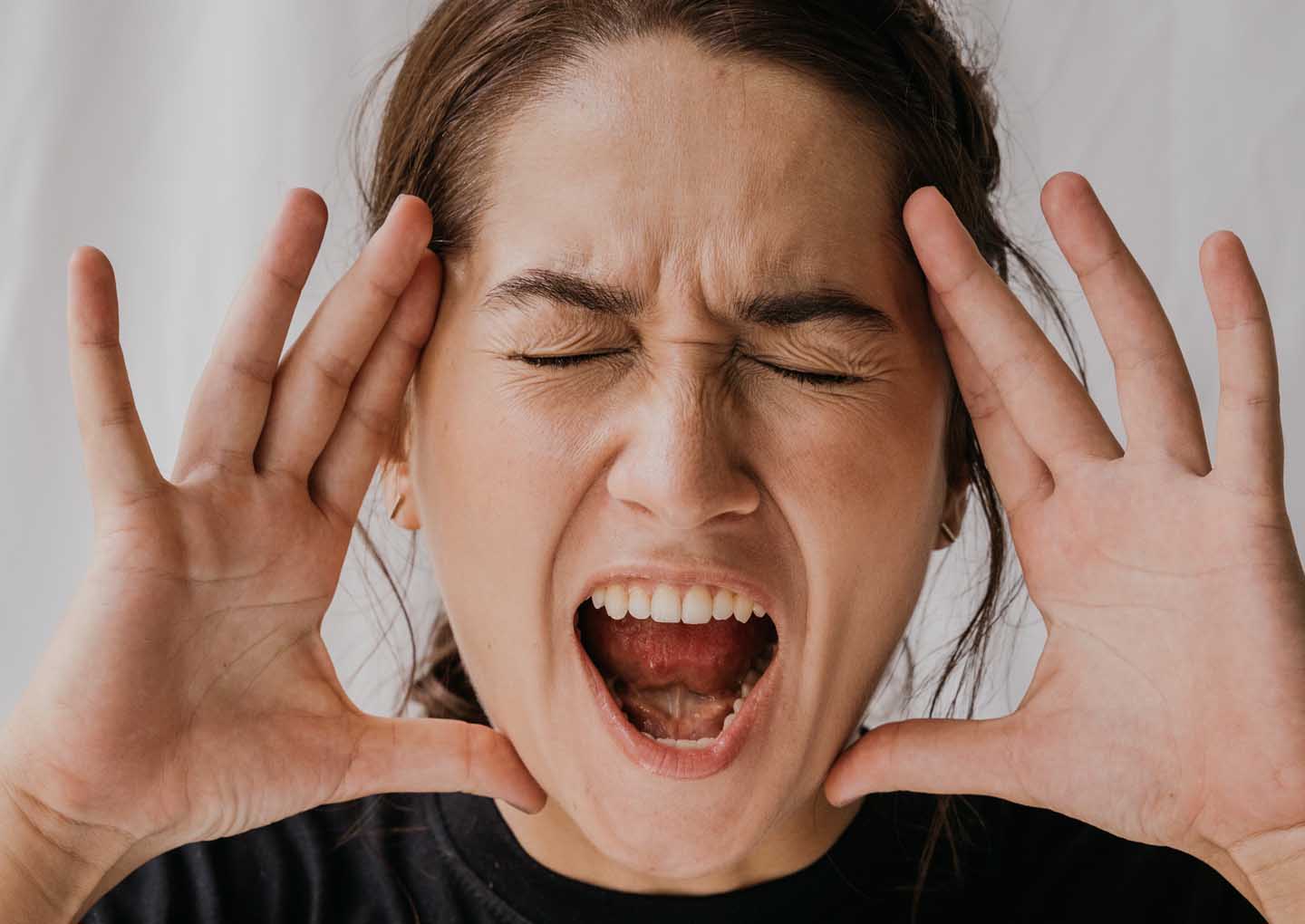
A panic attack is a sudden, very strong reaction of anxiety and fear. It is unexpected and produces symptoms of physical and emotional discomfort, causing the person in the time of the crisis to escape from that place and seek a medical emergency room, or an environment in which they will feel protected, or to be with someone with whom they will feel more secure. If you are experiencing a tragic situation such as a shootout between bandits and police, it is normal to be in a panic at that moment. But the person with panic disorder is terrified of dying or losing self-control, a feeling of depersonalization, even when there is nothing in the environment that favors this. For the diagnosis of the panic disorder, there must be repeated crises in the last weeks or months, an exaggerated concern about having new crises and at least four of the following symptoms:

  • Tachycardia, which is an acceleration of the heart
  • Tremors in the limbs or in the whole body
  • Sweating all over the body, or just the hands and feet
  • A feeling that you are going to faint
  • A feeling of suffocation or difficulty in breathing
  • Chest tightness or chest pain, which is usually interpreted by the person as a heart attack
  • Dizziness or feeling of light-headedness
  • Fear to die
  • Fear of going crazy and other symptoms

About 2% of the population suffers from this disorder. It is twice as common in women as men, and usually occurs around the age of 30. However, it can happen in any age. The cause of panic disorder is not well understood by science, and there are different theories. Among them is that in the brain physiological reactions occur, starting at the place called locus cerulean. This brain center is connected to the vagus nerve, which extends to the chest and abdomen, hence the feelings of suffocation, chest tightness, gastric discomfort. If something activates this neurophysiological system in an exaggerated manner, it is generating symptoms of the panic attack. It seems that when the person is moved by phobias or by very high exaggerated anxiety, this nerve called vagus or pneumogastric nerve is activated and produces these sensations.

The person can concentrate on these bodily reactions such as the acceleration of the heart, butterflies in the stomach, and feeding tragic thoughts: I am going to die, I am having a heart attack, and the cycle closes, so the person thinks tragically, increasing the reactions. So she enters the cycle of fear of dying, and symptoms get stronger and stronger.

It is also believed that in panic disorder, crises can be developed from mental conditioning, which the person has been doing over time, interpreting symptoms or events in a tragic, catastrophic, imaginary way, in a way that triggers all this reaction of the panic in the future. For example, one day the person who tends to be very anxious when going up in the elevator, felt a strong pain in his chest. From then on, he associates chest pain with going up or down the elevator, and then he develops this fear of an elevator, and he can expand that fear to other closed places.

Another theory has to do with psychodynamics, the history of your emotional life. In this psychodynamic theory, the emotional conflicts of childhood and adolescence, which for some people were very difficult, can favor the emergence of very high anxiety in more vulnerable individuals. Childhood traumas, such as verbal abuse, emotional abuse, parents’ divorce when the child is young, in a very sensitive child facilitates increased anxiety, which can manifest itself by the panic attack years later. A panic attack is like an overflow of anxiety. This overflow can occur, because the person is stressed, represses feelings that need to be verbalized, or because he has conditioned himself to make a tragic interpretation of the events, and this can be modified. You can learn to think, feel and act in a healthier way.

Panic Syndrome Treatment

Excess anxiety that triggers a panic attack may decrease or not, but the person may develop healthy attitudes in self-defense. This means, that he can learn to rest, to relax, instead of always being busy, he can learn to relax even to set limits, also to say no to people. Many people mistreat themselves, they devalue themselves, they do not protect themselves from abuse, they suffer from very high anxiety, which can manifest itself in a panic attack. High anxiety and exaggerated anxiety can be the warning light, saying to the person: “Hey, you need to stop treating yourself badly, and start respecting yourself.” The treatment of panic disorder involves a few things:

  • Temporary medication, for those who are experiencing excessive anxiety, which is disrupting their work and social life
  • Psychotherapy
  • Lifestyle care
  • Orientation for family members, so that relatives understand this suffering

The medication, if necessary, must be prescribed by a psychiatrist, who will also do psychotherapy, if he is trained to do so, or he will refer the person to a psychologist. Psychotherapy is the use of psychological techniques aimed at increasing self-knowledge, and learning how to deal with your emotions. It involves also an analysis of thoughts, trying to localize negative and distorted thought patterns, often full of prejudice, and replace them with positive thoughts, of hope, of acceptance, of self-protection, of forgiveness for oneself and for other people. Psychotherapy or psychological therapy also helps the person to speak and experience repressed feelings that cause mental tension. It helps to make connections between the current suffering that the person presents, and problems in the past due to the family history.

When the person gradually understands the history of his life, in the family relationships that favored exaggerated high anxiety, he is more likely to learn to deal better with his fears, anxieties and griefs, and step by step he can learn to modify his way of dealing with suffering. Psychological therapy, counseling with experienced people, reading suitable books, participating in support groups, having moments to reflect in order to gain self-awareness, are ways of better understanding who you are, and thus facilitating emotional control.

Among the physical care that contributes to the improvement of panic disorder I can mention: first of all rest, then a balanced healthy nutrition, the practice of outdoor exercise, such as walking for example, growing a vegetable garden is extremely therapeutic for the human mind, and proper breathing. Breathing calmly and deeply, inhaling and exhaling slowly, concentrating on the breathing helps. Doing this helps to prevent the crisis from appearing or aggravating.

An anxious person sleeping - 
Photo by Ketut Subiyanto from Pexels

Types of Anxiety

Panic crises or panic disorder is a suffering linked to excessive anxiety in the person’s mind. It is like a water tank that has a problem in the float, thus not closing the water inlet, and the drain, who throws out the excess of water is clogged, so water spills over the sides of the tank. Everyone has anxiety, but not high anxiety. A panic attack is when excessive anxiety overflows in the person’s mind, causing unpleasant symptoms.

There is trait anxiety and state anxiety. State anxiety is when the person temporarily experiences high anxiety. It may be in the period of school exams, for example, in preparation for a wedding, in the days before an interview to apply for a job, and other situations. With state anxiety the person has a normal anxiety, temporarily it gets higher in the face of these events, and then it returns to its normal level. Now trait anxiety is as the name says a trait, the person already has anxiety higher than the average, higher perhaps than the siblings of the same family, even though they are children of the same father and mother. So a child with trait anxiety may be more sensitive, more vulnerable to these mental sufferings.

An Example

A young adult woman has been experiencing panic attacks and sought treatment, and the points worked with her in psychotherapeutic treatment are as follows: First she has learned to think, what kind of things accumulate tension and stress in her life that ends up in exaggerated anxiety. She was too concerned about everything, she lived with her worries, which were exaggerated, and she started to realize that. Too worried was a long-time trend in her life. It was the chronic way of living tense. Excessive worry increases anxiety, and increased anxiety can cause panic attacks. She was learning to reflect if she really needed to be so worried about too many things, she started to question herself in order to understand if worry changes something for the better, if her worry would change her reality. She started to think about these things, started to question her own too anxious mind, that is, she managed to start separating herself from the anxiety she experiences. She started to reflect on what she was thinking, this is an exercise that the person has to do, which is called self-analysis or self-observation. So she is learning to live one day at a time, one hour at a time, also learning to accept the inability to fix everything around her.

Another thing that is helping this woman a lot is talking to a family member or understanding friend about her fears, to vent her feelings. Someone who understands the problem, who is friendly, who is not the critical person and who is also able to keep a secret, because venting alleviates anxiety. This woman understood that the panic attack does not go much beyond ten minutes. She is learning to remind herself that the physical symptoms, besides the pain of the crisis, are not serious manifestations of health problems, such as that she will have a heart attack, or that she will have a stroke, or that she will be fainting, so she is learning that she has no physical disease, because she has already undergone clinical and lab tests with the results ruling out the existence of a physical disease. So if you have panic attacks and you haven’t had any exams yet, you haven’t been to the doctor, you haven’t had an appointment with a cardiologist and a general practitioner, it will be important to do that. Having verified that there is no medical alteration will help you next time so that you will not be afraid that you will die of a heart attack, because you will remember: I have already had an exam and the doctor said that I do not have any cardiac problems.

An anxious woman talking to a friend - Photo by Cliff Booth from Pexels

So she has learned that anxiety in a panic crisis is disproportionate to reality. Fear says that in a crisis she will die of a heart attack, or that she will lose her mind, or something that is not real, so she has been training to step back in her mind and look at the tachycardia, look at her breathlessness, observe this and think that the strong anxiety is producing this, and not a real physical failure of the heart or lungs or brain. So the moment the crisis seems to come, she can now remember this for herself, and she is making an effort to change her focus, taking that attention away from her body signals and observing objects around her, or making a rational effort to think of something else, or going to tidy up the closet, going to call a friend, she shifts the focus of her thoughts. She also tries to recall what the cardiologist said recently, that there is no physical illness, that the exercise ergometry or electrocardiogram was normal, as well as the other tests she did.

She now understands that even when the family member with whom she lives and who does not have panic attacks thinks that what she suffers is nonsense, she does not need to feel inferior for having these crises. She now accepts that she is not less valuable because of the crises she has.

She has learned to let go of attempts to control her life, to want to exercise control over other people’s lives and behavior, which is a very stressful thing. She is discovering that she wanted to control the uncontrollable, and that it increased anxiety, stressed her out and contributed to the panic attack. Now she is able to talk about the things that bother her, without feeling repressed, as if it was forbidden to comment on them. Often the difficulty to speak, to vent is in the person who has the panic disorder, and not because of the unwillingness of others to listen.

She is already able to set limits and protect herself from over-assuming responsibilities or tasks. She is better able to protect herself from abusive people, she recognizes better that there are people without boundaries, who abuse the goodwill of others, and that when she does not protect herself by saying I can’t, I don’t want to, it won’t happen this time, when that is the right thing to do, it accumulates stress that can trigger the crisis. She now asks for things, she asks for help, she delegates tasks, she does not keep assuming everything in her life, she does not commit herself to deadlines that are too short to meet, because she says this will not work, I cannot assume that here, so she respects herself better, she is reducing the posture of omnipotence that she had, that she can do everything, will do everything, resolves everything.

She is learning that already having had panic attacks, she was very afraid of having it again, but now she can remind herself that she is not her anxiety, she is not her fear, she is greater than this, she learned that fear is something in her, but it is not her second nature. Now, she can begin to view excessive anxiety no longer as something that will dominate her mind.

Thought Control

The person with panic disorder needs to train in their mind to self-control exaggerated concerns. What does that mean? When a concern comes, that if not overcome will create a lot of anxiety, and could trigger a new panic attack, he should say to himself: “Wow, look, I am very anxious now.” He starts to observe his own anxiety, then he says to himself: “It comes to disturb me again, but now I know that I don’t have a heart problem, that thought that says I’m going to die of a heart attack, I was already at the cardiologist, I did exams, everything is normal, so I don’t need to let the ideas of dying from heart attack take over my mind. Now I understand that I won’t get out of reality, I won’t freak out, I won’t go crazy.”

So when the person who has had panic attacks develops this type of reasoning, when a threat of a new crisis arises, it means that he is starting to control his tragic thoughts, and therefore the crisis can be avoided. Because disturbing thoughts need to be controlled, and this is done using reasoning. Using logic, using the information you already have, that you do not have heart disease, that the panic crisis is temporary, it is going away and does not lead to craziness. The truth can free and heal. So to improve any mental suffering that involves a wrong way of thinking it is important to understand what this author wrote:

The thoughts must be trained… The thoughts must be controlled… Right thoughts… do not come to us naturally. We shall have to strive for them.

Ellen G. White. Mind, Character and Personality, Volume 2 p. 656

Then you train to replace tragic thoughts with healthy ones. It may not be easy initially, but with training will become less difficult. It may not be possible to prevent the fearful or tragic thought from arising in your mind, because when you see it, it is already there in your head, but it is possible to prevent it from continuing in your mind to disturb you. So the practice of deciding to stop thinking about the negative or the tragic, will strengthen the mind of the person with panic disorder, so that these unpleasant thoughts become less disturbing and less frequent, because in doing so, he is learning to cultivate healthy thoughts that do not generate excessive anxiety. I want to leave a text for you who suffers from panic attacks:

Finally, brethren, whatever things are true, whatever things are noble, whatever things are just, whatever things are pure, whatever things are lovely, whatever things are of good report, if there is any virtue and if there is anything praiseworthy—meditate on these things.

Philippians 4:8

It is interesting that this passage has translations that say: think about such things. So which thoughts are controlling your consciousness? You can train to stop the tragic and cultivate the positive. Wishing you serenity and a clear mind.

Do you need a guide to help you understand how to cope with Stress in an all inclusive approach? Learn how to combat stress, mentally, physically, emotionally and strategically in your life.

Get Me the Guide

Filed Under: Anxiety, Mental Health

Six Tips to Set Boundaries

March 28, 2021 by Dr. Cesar Vasconcellos de Souza - [rt_reading_time label="Reading Time:" postfix="minutes" postfix_singular="minute"]

Como colocar limites?

Do you have a hard time setting boundaries? Do you usually say yes when you wanted to say no? You tackle things that you were not supposed to deal with? If so, then today’s topic is for you. Let’s get some tips that can help you set some boundaries.

Six Tips to Set Boundaries

The Importance of Boundaries

You may ask: Why is it important to set Boundaries?

First, because you may be a person who didn’t know how to do this since you were a child. You may have been a victim of other abusive, dominating children, or you suffered from adults who were not sensitive to your needs as a child, needs that you did not know how to claim. Father and mother need to teach children from an early age to know how to defend themselves from abuse. You may have become an adult who still struggles with the issue of setting limits. Hence you suffer unnecessarily, assuming tasks, responsibilities that you shouldn’t have, but since you take them on, your life gets stressful, heavy and unhappy.

Boundaries are attitudes you should have and need to practice, in order to protect what is good in your life, and not allow bad things to overcome you, whether in your home, your body, at work, in your religious community, in the neighborhood and in your own mind. Limits are important. Think of the boundary between your house or apartment and the neighbor’s house or apartment. The limit can be the door, the corridor, the sidewalk, the wall, the fence, right? And what about the limits between a town and another town, between a state and another state, between one country and another country. Look how important limits are, the border is important, isn’t it? I remember a saying I read a while ago: having a neighbor is good, but put up your fence.

The fence defining the property boundary of the house

An emotionally sensitive person, if he suffered a lot in childhood relationships, he may have built up tight boundaries on his personality, in order to avoid suffering pain again. Sometimes we hide ourselves to protect from the pains we have experienced in the childhood past, to make sure they are not repeated in adulthood. But we can exaggerate our boundaries that keep us away from more intimate contact with others, and even with ourselves.

Some children may not have learned to put limits during childhood against family abuse. They may have been criticized for wanting to be alone for a few moments when it was normal for their temperament. They may have been hampered in the process of delineating their self, in the construction of an identity that separates them from others. They may have had difficulty making decisions independently. Some children and teens may have suffered in their families for being aggressively repressed when they tried to complain about something unjust and cruel. Children who grow up without having learned to set just and necessary limits for the preservation of their own identity, become adults who are generally victims of abuse in marriage, with an authoritarian husband, with an authoritarian wife, or with a co-worker, boss, or abusive business partner.

Practical Tips

Now let’s look at some tips on how to establish healthy boundaries.

First make sure you express yourself clearly. Many sensitive people, more prone to not knowing how to set boundaries, often express themselves, but not in a clear and firm way. They may say something like this: yes maybe, I’ll try, if I can, when they really wanted to say no. You can be clear, firm, and at the same time polite and tactful.

A woman shrugging her shoulders, not saying what she thinks - Photo by Polina Zimmerman from Pexels

A second tip: you have no obligation of always needing to give a reason for your decision. Think about it: you can say no thanks, I don’t want that, and that’s it. Speak politely, without shouting, and if the person insists on wanting to know the reason for your decision, you can repeat your answer and say that you do not want to explain. You have the right not to explain yourself to an abusive person, who just wants to bog you down.

The third tip on setting boundaries. Only you know whether or not you are overwhelmed. If people know that you are overwhelmed, they may not ask you for another difficult task. So say you have a lot to do or too many responsibilities around your ears.

A fourth tip: You have the right to tell a person that you will need more time to think about the decision he wants you to take right away. If you feel not safe to take the final decision right now, say that you need to think and that you will get back to them as soon as you can.

The fifth tip for you to set boundaries and protect yourself. If you think it will be easier to say no by email, by phone, by the message on your cell phone or other means, without being face to face, then use one of these means of contacting the person.

The sixth tip has to do with respecting yourself and thinking that you are on same ground with another person, or you may even be better prepared, for example to perform a certain task. Someone who is bossy, with a dominant temperament, usually chooses the best seat, the quietest place, the largest office, dictates the rules, determines tasks, doesn’t he? So do not feel or place yourself as inferior to that person, but with the same rights if you are actually in the same hierarchy. If the person doesn’t see you as someone who has the same rights as he does, when in fact you have a right, see what you can do to change that.

Make an effort to say no when it is the right thing to do. When you arrive at the final judgment, God will not ask you why you were not the same as someone else. If you don’t take better care of yourself, putting boundaries on what God expects you to be, he will ask you why you have not been the best of yourself. So think about it. You have a right to set boundaries, and if you have not learned it in childhood, you can learn it now. Protect yourself and set boundaries!

Do you need a guide to help you understand how to cope with Stress in an all inclusive approach? Learn how to combat stress, mentally, physically, emotionally and strategically in your life.

Get Me the Guide

Filed Under: Stress Management

« Previous Page
Next Page »

Primary Sidebar

Social Channels

Coronavirus Immunity Challenge

Boost your immune system to be bullet-proof for the pandemic.

I Want to Participate

Recent Posts

  • 5 Habits to Live Longer
  • Better Sleep Can Protect Against Dementia
  • Finding Peace In Your Crazy-Busy World
  • Flaxseed – An Ancient Plant Rediscovered
  • Platelets – Triggers for Life or Death
  • Boderline Personality Disorder
  • In Praise of Almonds and Nuts
  • Are You Stuck in the Clutter Trap?

Categories

  • Body Systems (16)
    • Cell Function (2)
    • Circulatory System (1)
    • Digestive Tract (10)
    • Immune System (4)
  • Diseases (27)
    • Cancer (2)
    • Cold (1)
    • COVID-19 (11)
    • Dementia (1)
    • Diabetes (1)
    • Digestive Diseases (2)
    • Heart Disease (2)
    • Kidneys (1)
    • Metabolic Syndrome (2)
    • Skin (1)
  • Healthy Lifestyle (42)
    • Exercise (11)
    • Gardening (2)
    • Sleep (7)
    • Sunlight (2)
    • Temperance (14)
    • Water (4)
  • Mental Health (87)
    • Addictions (6)
    • Anxiety (7)
    • Burnout (1)
    • Depression (7)
    • Psychosomatic Diseases (6)
    • Stress Management (45)
    • Trust (6)
  • Nutrition (56)
  • Obesity (9)
  • Phases of Life (14)
    • Adults (3)
    • Babies and Infants (1)
    • Children (3)
    • Seniors (5)
    • Teenagers (3)
  • Therapies (7)
    • Herbs (5)
    • Hydrotherapy (1)
  • Uncategorized (3)

Archives

  • January 2025 (1)
  • March 2024 (5)
  • February 2024 (4)
  • January 2024 (4)
  • December 2023 (5)
  • November 2023 (4)
  • October 2023 (5)
  • September 2023 (4)
  • August 2023 (3)
  • July 2023 (2)
  • June 2023 (4)
  • May 2023 (4)
  • April 2023 (5)
  • March 2023 (4)
  • February 2023 (4)
  • January 2023 (4)
  • December 2022 (4)
  • November 2022 (4)
  • October 2022 (5)
  • September 2022 (4)
  • August 2022 (4)
  • July 2022 (5)
  • June 2022 (4)
  • May 2022 (5)
  • April 2022 (4)
  • March 2022 (4)
  • February 2022 (4)
  • January 2022 (5)
  • December 2021 (3)
  • November 2021 (4)
  • October 2021 (6)
  • September 2021 (4)
  • August 2021 (4)
  • July 2021 (5)
  • June 2021 (4)
  • May 2021 (3)
  • April 2021 (5)
  • March 2021 (4)
  • February 2021 (4)
  • January 2021 (5)
  • December 2020 (3)
  • November 2020 (4)
  • October 2020 (5)
  • September 2020 (5)
  • August 2020 (3)
  • July 2020 (1)
  • June 2020 (1)
  • May 2020 (1)
  • April 2020 (1)
  • March 2020 (1)

Copyright © 2026 · Abundant Health - Privacy Policy - Medical Disclaimer