Abundant Health

Up to date health information tailored for you

  • Home
  • Blog
  • Recipes
  • Shop
  • Contact
You are here: Home / Archives for 2022

Archives for 2022

How Fasting Improves Mental Health and Stress Control

November 13, 2022 by Martin Neumann - [rt_reading_time label="Reading Time:" postfix="minutes" postfix_singular="minute"]

Fasting can improve Mental Health

There are many different motives why people choose to do fasting. Some will do it to lose weight, others to clean the body, and often it is done for religious purposes. While all of that can be achieved when done properly, many do not realize that fasting has a positive effect on our mental health and stress control.
How Fasting Improves Mental Health and Stress Control

What is Fasting?

Fasting is a routine whereby you decide not to eat food for a certain time. Several metabolic adjustments occur during fasting. Some forms of fast restrict even liquid intake, which can get detrimental to the health very quickly. A fast for health reason is often done in the form of intermittent fasting, where food intake is alternated with a few hours of fasting.

Skipping food for some hours can help increase the level of ketones in your body. They are produced when energy from carbohydrates is used up and the liver depends on breaking down fat to supply energy in form of ketones. They are not only influencing health and aging, but are also beneficial in improving brain health. However, fasting offers still some more advantages. It has a great benefit to our mental health in a way that is not well known by many people.

Common Types of Fasting

Before we go into full detail about how fasting helps mental health, it is important to state the different types of fasting. The most common types of fasting are:

16/8 fasting: 16/8 fasting is very common and is all about fasting and eating intermittently. Every day you eat within an allowed period of eight hours, after which you will fast for the next 16 hours.

5:2 Approach: The 5:2 approach is about eating regularly five days every week. For 2 days of the week (not in a row), you would then limit your food to a single very light meal of about 500-600 calories.

Alternate-Day Fasting: That is the toughest form of intermittent fasting, where you alternate between days where you eat what you want and days where you eat nothing at all. It can lead to weight loss and improved health, but it is hard to stick to this protocol for the long run.

Intermittent Fasting Concept

The Dangers of Improper Fasting

Fasting is fine when done correctly, but if done in the wrong way, it can do more harm than good. If we go into long fasting periods, metabolism will slow down and make it more difficult to shed those extra pounds in the long run. Pregnant women, breastfeeding mothers, children and very frail people should be more cautious with fasting, and diabetics should be closely monitored to avoid complications. It is important to learn how to fast correctly in order to reap the maximum benefits.

Fasting to Help Increase Your Mental Health

Fasting can be used to increase your mental health in various ways. From improving brain function to reversing mild cognitive impairments in older people, fasting has several benefits to mental health.

Here are 6 ways fasting can improve your mental health:

Enhances mental functioning: Each time we fast, our bodies have fewer toxic materials passing through the lymphatic and blood systems. This way, we can think clearly. During fasting, the energy which the body usually uses for food digestion will then be used by the brain. Initially, you will not be able to detect any change until a few days into the fasting. This is because the body usually takes some time to adjust to the new routine. Also, when you first begin fasting, you may suffer headaches or other pains. But as soon as the body adapts to the new routine, your brain will begin functioning optimally. This will result in better memory, clearer thoughts, and enhanced functioning of other body senses.

Improves brain function among older adults: Fasting can improve specific parts of brain function as people grow older. This works especially with mild cognitive impairment, which is usually associated with seniors as this is a phase they experience before dementia. It can cause problems with thinking or memory and is reversible. Clinical studies have confirmed that mild cognitive impairment can be reversed with fasting.

A smart elderly person working on a computer

Empowers the brain: Fasting can lead to a short-term restriction on calories. This can help the brain produce more anti-depressant chemicals. Since fasting causes the body to produce ketones from available fats, our brains use this as fuel. With the brain being boosted by ketones, intermittent fasting can be used to treat the symptoms of Alzheimer’s disease, Parkinson’s disease, as well as many other neurodegenerative diseases.

Helps with autophagy: Fasting is also important to mental health due to its ability to trigger autophagy. This is a necessary process whereby the brain cleanses itself from all the trash it accumulates during the day. Autophagy is a process of self-cleaning whereby the all cells of the body, including the brain are cleaning themselves and get rid of old debris and damaged cells. Autophagy is a process that happens efficiently after a fasting period of 16-20 hours, which is easily achieved with intermittent fasting. It helps the brain to create healthier and newer cells.

Improve your memory: It has been proven clinically that our memory is improved significantly when we restrict the hours we eat. Some studies have shown that intermittent fasting can help improve memory in humans.

Reduce stress and anxiety: Fasting has been proven to help improve issues of mental health, which include depression, anxiety, and stress. A recent study conducted was able to prove that people who fasted during a certain period like Ramadan showed improvements in anxiety, stress, as well as symptoms of depression. Any kind of intermittent fasting will give you this benefit. The study revealed that the depression and anxiety levels of the participants went down after intermittent fasting.

Conclusion

Intermittent fasting is good for our health, increases longevity and is beneficial for our brain. When we are stressed, we should think more often about intermittent fasting as a way to deal with the challenges in a more efficient way. It is easy to implement and can give you a long-lasting benefit in your stress control. With that many benefits, what are you waiting for?

Do you need a guide to help you understand how to cope with Stress in an all inclusive approach? Learn how to combat stress, mentally, physically, emotionally and strategically in your life.


Get Me the Guide

Filed Under: Healthy Lifestyle, Mental Health, Stress Management, Temperance Tagged With: Intermittent Fasting, Stress Control

Exercise – Intensity or Duration?

November 6, 2022 by Franklin V. Cobos II - [rt_reading_time label="Reading Time:" postfix="minutes" postfix_singular="minute"]

Intensity or Duration?

When you start an exercise program, you will begin slowly and build up gradually. This increases can be in exercise duration, or in intensity of the exercise routine. When do you go for longer duration, and when do you want to increase exercise intensity? And how do you go practically to maximize the benefits of your exercise program, while your fitness levels are improving?

Exercise - Intensity or Duration?

I left you last time with the simple instructions to walk for 5–10 minutes, once or twice daily. Now, I had asked you to simply walk. I know that’s nothing fancy, nothing hard; just walking. But I did that for a simple reason. Let me explain. 

The rationale behind the time and frequency recommendations I made at first is that by committing to the necessary time required to exercise, you are more likely positioned for success regardless of what activity you chose to do during that time. Think about this: if you have no regular time available, then it matters not what activity you plan to do… because you won’t actually be doing it anyway! So, let’s move forward assuming you now have a new habit of spending time in physical activity every day. And currently, for you, that activity is walking.

There are many, many people who, if they simply keep walking, and regularly increase the duration and/or intensity of that walking, will see very impressive results in their overall health. Further, because it can be done at nearly anytime, under nearly any weather condition, by people of nearly any physical status, with virtually no additional cost for equipment, it is an ideal choice for anyone starting out with an exercise program. This includes those who are carrying excess weight, who have diabetes, hypertension and have trouble sleeping. 

Walking in a park

On the other hand, there is a large second group of people who are either naturally more energetic or carry no medical diagnoses at all. They will find that walking is not an ideal exercise. For them, it may not be sufficiently challenging to provide any internal psychological sense of accomplishment, indue visible external physical improvements in their physique, or increase their level of performance.

No matter what group you find yourself in, let me offer some instruction that will be universally applicable. Once you successfully commit to both regularly spending some time exercising and then choose a specific activity, then it’s time to alter either the duration or the intensity of your exercise. You have to do this because both the mind and the body will adapt quicker than you wish they would to these types of challenges. That adaptation will lead to you experiencing a performance plateau… and your improvements will stall. You don’t want that to happen. All of us can do better, all the time, even if it’s just a little bit better.

Duration

In the case of walking, you can increase the duration of time you walk in several different ways to fit your personal schedule. Focus on picking a pattern that is practical for your life’s routine. Try a few ways that in your assessment are most likely to work well and not be unnecessarily challenging to implement. Eventually, as you increase the duration of your walks, there will be a limit you reach that no longer allows adding more time.

For example, imagine you start walking a bit after breakfast and before you go to work. Or, maybe on your lunch break. There is a finite amount of time you can add to those periods of your day before you are creating a conflict with previous, higher obligations. That’s fine, no problem. Recall that the healthful effects of exercise are cumulative, right? You can put more minutes in wherever they fit best in your schedule. Don’t feel bad if you have to break up your walking sessions. So long as you walk more minutes this week than you walked last week, you have succeeded in increasing the duration portion of your exercise routine. Strong work! 

A family walking in the fresh air

But perhaps you couldn’t find a way to increase the time spent each day walking, Monday through Friday? Well, you could add some time walking during the weekend when time restraints are maybe not so tight. Maybe like me, you regularly have to take call at work, at irregular calendar intervals, making life routinely fall out of any recognizable rhythm. So, you hit it hard on your pre-call day, or take time on your post-call day off to make up for any deficiencies that occurred because you got slammed at work and spent absolutely no meaningful time exercising at all during those 36 hours at work. You were just happy to sleep, let alone get exercise, right? Again, no problem. Don’t get discouraged, and don’t let that break your habit of exercising. The benefits can still accumulate over time, you can make it up. 

Intensity

Now, moving on from the strategy of increasing your duration of physical activity, let’s talk about adjusting the intensity. For walking, two easy ways of doing that include going up hills or carrying some extra weight while you walk. I tend to caution against combing both early on in a new exercise program. Focus on sustainability.

If you don’t have any hills to walk up, weight can be added by simply carrying a full water bottle or two in some way as you walk (in your hands, in a day pack). You could consider buying special ankle weights, small handheld dumbbells, or weighted vests, but I suggest first considering a low-cost solution like a forgotten day pack in the closet filled with increasing amounts of water bottles or cans of beans as added weights. If you can stick to something easy like that and you like it… then revisit the idea of spending a little extra money on yourself for those other items in a month or two.

Call to Action

Keep up with your consistent walking regimen! And find some ways to step up with your exercise regimen, so to reap the benefits you are looking for!

Healthy Fruits

Stay Always Up to Date

Sign up to our newsletter and stay always informed with news and tips around your health.

Sign Up Now!

This article was originally published on the Time to Get Ready website.

Filed Under: Exercise, Healthy Lifestyle

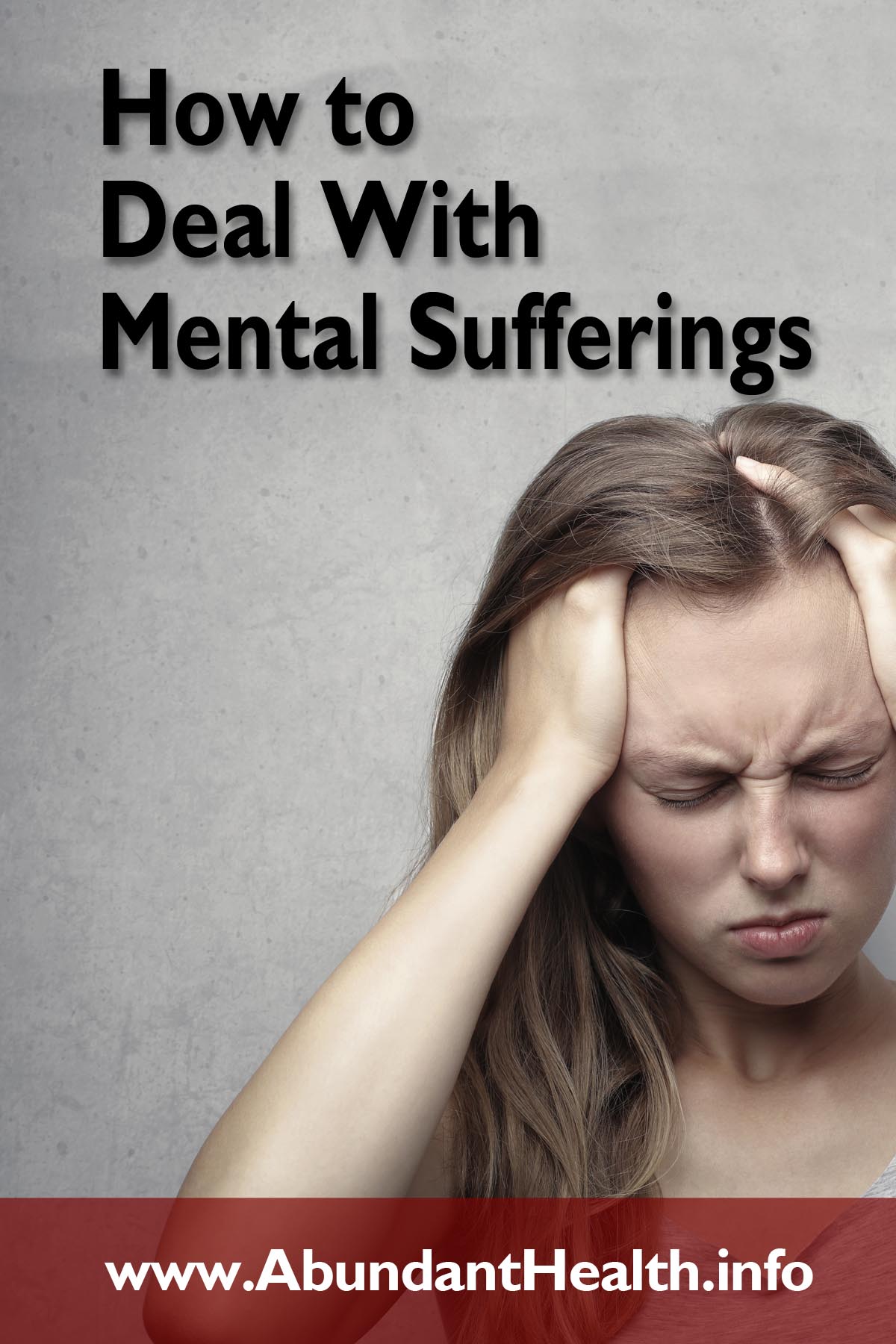
How to Deal With Mental Sufferings

October 30, 2022 by Dr. Cesar Vasconcellos de Souza - [rt_reading_time label="Reading Time:" postfix="minutes" postfix_singular="minute"]

Por Que Acontecem os Sofrimentos Mentais?

We suffer mentally because of alterations in brain functioning, but a difficult question to answer is: Do mental sufferings arise as a result of brain chemistry imbalances, or does the chemical imbalance occur because of conflicts in the person’s life?

How to Deal With Mental Sufferings

Seems like it’s all together. We can think, because electrical chemical circuits are at work in the brain, and they are active due to the blood circulation that carries nutrients to the brain to function. Therefore, mental health also depends on what we eat and drink. Mental suffering can therefore be connected with physical aspects, such as poor diet, insufficient hydration, sedentary lifestyle, overeating, even on healthy foods, air pollution, among other factors.

In addition, there are psychological factors: interpersonal and intrapersonal conflicts that produce sadness, excessive anxiety, exaggerated fears, shame and guilt. As for the social environment, violence and crime, especially in large cities, in addition to stressful traffic, noise and visual pollution contribute to mental stress. Therefore, to deal with mental suffering we need to take care of our physical health with exercise, preferably outdoors, ingesting pure water between meals, breathing pure air, getting plenty of sunlight, preferring a balanced vegetarian diet, getting a good sleep at night, and eliminating what is harmful to health.

It is also necessary to solve or manage emotional problems in relationships, first with oneself, then with family members, at work, at church, with other relatives, avoiding to leave situations pending that need to be resolved. At times it may be necessary to receive professional counseling and undergo psychological treatment. Do what you can to improve your social life. Having friends is important. Helping people unselfishly promotes mental healing. Asking forgiveness, setting limits, being patient, sharing experiences and materially helping the poorest contributes to mental health and relief from suffering.

Helping an elderly man to get out of the car.

Psychiatric and psychological treatment varies not only in terms of the severity of the illness, but also in terms of personality type. There are individuals who are more likely to understand and accept the relationship between their current sufferings and past conflicts, which facilitates treatment. Others, who do not have this ability to think from cause to effect, deny having suffered in the past or diminish the personal impact of what they have suffered in earlier years of life.

When, in a psychological consultation, the professional explains the relationship between the current suffering and the conflicts in the patient’s life, he comes to understand and accept, that a good part of his mental struggles of today are related to the traumas of the past. We call this understanding insight. But is that insight enough to promote emotional healing? Not always. Many, by making the connection between their suffering today with painful phases of the past, can have a good perception of their struggle, but this perception alone may not be enough for healing.

In fact, beyond the insight, beyond the perception of possible causes of current mental suffering, the person needs to decide to act in a different and better way. Perception or insight helps, but what he will do with what he has perceived is the key to healing, and the starting point in learning to manage mental pain.

However, in the same person undergoing psychotherapeutic treatment, there may be a moment of greater perception and a moment of greater difficulty with this. Each one has his time to get a grip about the cause of personal suffering. This is because memories of emotional pain are not pleasant for anyone, and we can escape the thinking about what hurts for a long time, even for years.

A woman thinking about life.

So the person who suffers mentally and who still doesn’t understand the causes of his mental problems, needs to be patient with himself and ask God for enlightenment on what He thinks he needs to understand in order to improve. He must ask not only for enlightenment or insight, but also for the strength to take a look at what is the source of his emotional pain, and that is not easy for anyone. On this point of having or not the perception of the causes of emotional pain, Jesus once commented something along these lines:

I still have many things to say to you, but you cannot bear them now.

John 16:12

He knew that His followers were not ready to accept certain things about themselves. There are conflicts in our unconscious mind that we are not able to perceive. The Unconscious is the virtual space of our mind where we guard information, images, thoughts and feelings of everything that has happened to us, since we were born, until this moment in life. We do not have access to this information when we want it, but when we are ready to see and understand it. The Bible talks about the unconscious in the book of Psalms:

Who can understand his errors? Cleanse me from secret faults.

Psalms 19:12

You have set our iniquities before You, Our secret sins in the light of Your countenance.

Psalms 90:8

So, recognize that the unconscious exists, and that it has many answers about a person’s mental sufferings.

The treatment of mental illnesses or disorders varies according to the type of illness, and there are different types of treatments for the same illness. For example, depression can be mild, moderate, or severe. When a person suffers from mild depression, psycho-therapeutic treatment alone is enough. No medication is needed. But when the level is moderate to severe, maybe even with suicidal thoughts, the medication is indicated for temporary use, under the supervision of a psychiatrist.

Psychotherapy

A good part of mental suffering can be improved or resolved without the use of medication. Others need them, such as during the euphoric crisis of bipolar disorder, agitation with delusions and hallucinations in people with schizophrenia, among others. Some people undergoing psychiatric treatment may need medication for a moment, but once they get better they will no longer be needed. Or they can use them as SOS, which means the medication will only be used at the most difficult times, when the symptoms are wanting to come back.

Finally, it is important to consider that spirituality is a very positive factor to help people in their struggles with mental suffering. Several scientific studies have confirmed that faith, attendance at a religious community, the exchange of experiences of spiritual growth in the group, prayer, and for Christians, the study and meditation of the Bible, favor mental health and powerfully assist in emotional recovery.

As human beings, we have struggles not only because of physical problems, such as an organic disease, or family, social, economic and psychological problems, but also of spiritual origin. According to the biblical account, we are spiritually corrupted since birth, which means that we are already born with selfishness, pride, vanity, envy; these problems that we need to resolve using spiritual instruments such as prayer, study and meditation on the Bible, socializing with people in the religious community for spiritual learning, the practice of voluntary charity, among other factors.

Therefore, if you identify with any of the points discussed here, correctly follow the psychological and psychiatric treatment, including family support. But put the search for God, the kind creator of the universe, as number one in your life, praying, meditating on the scriptures – the Bible, helping others who suffer, and participating in a religious community that sincerely seeks the truth. With this, your mental health and well-being can improve much faster.

Healthy Fruits

Stay Always Up to Date

Sign up to our newsletter and stay always informed with news and tips around your health.

Sign Up Now!

Filed Under: Mental Health Tagged With: Mental Sufferings

Autophagy – A Key to Better Health

October 23, 2022 by Esther Neumann - [rt_reading_time label="Reading Time:" postfix="minutes" postfix_singular="minute"]

Autophagie

It is happening in every cell of our body, but hardly anyone knows about autophagy. It is an important process to maintain cellular health. In 2016, the Japanese researcher Yoshinori Ohsumi received the Nobel Prize in medicine for discovering important links between fasting and autophagy. But already in 1963 the Belgian biochemist Christian de Duve described the processes of autophagy.

Autophagy – A Key to Better Health

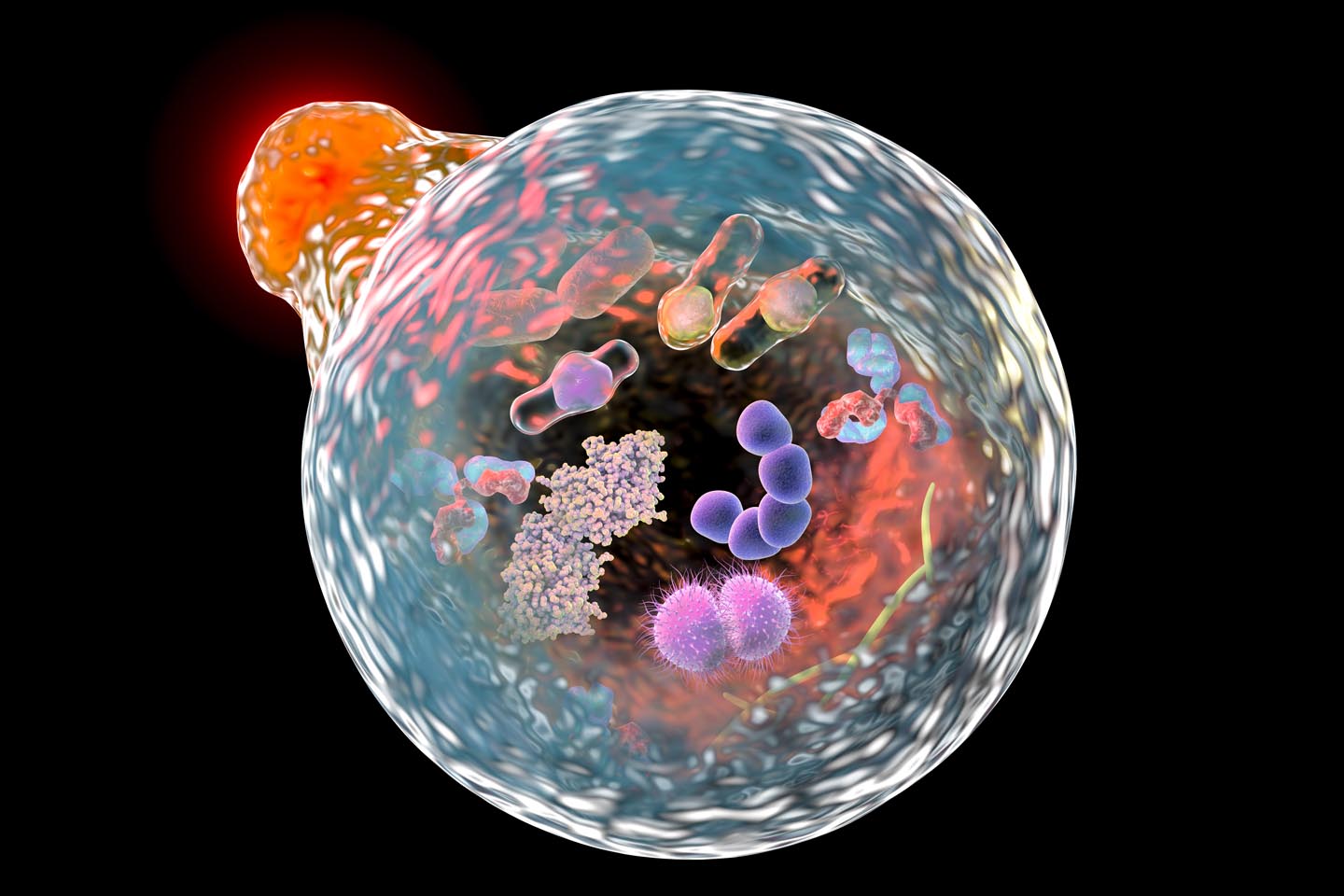
The word autophagy comes from the Greek. “Auto” means itself and “phagein” means to eat. It is a process that takes place in the lysosomes within our cells and eliminates and recycles cell components such as broken proteins or other damaged cell organelles – e.g. mitochondria, our power plants in the cells.

Some of the degradation products are recycled or converted into energy. Therefore, autophagy is strongly boosted by fasting. Furthermore, microorganisms, bacteria and viruses that have penetrated the body are also combated by autophagy. It therefore also plays a major role in the immune system, in infections, in the aging process and in the development of tumors. Well-functioning autophagy can help to prevent cancer.

Autophagy no longer works as well as we age. This causes many diseases. Dementia, Parkinson’s, Alzheimer’s and diabetes can be traced back to it. All of this fits well with the observation that people age healthier when they consume less calories. It’s no wonder that autophagy has become a major research topic. Many centenarians on the island of Okinawa state, “We only eat so much that we’re not quite full.”

A well-functioning autophagy is therefore advantageous for the prevention of various diseases. In Parkinson’s specifically, we know that brain cell death is the cause of the disease, and deficient autophagy seems to be a major reason. We’ve talked about cancer prevention before, and there are possibilities that osteoarthritis is also strongly related to autophagy.

A man with Parkinson

Intermittent Fasting

Some researchers in Austria are also significantly involved in autophagy research, especially when it comes to implementation strategies. University Professor Dr. Frank Madeo is supervising a large-scale study at the Institute for Molecular Biosciences at the Karl-Franzens University in Graz. Fasting triggers autophagy, which is rejuvenating, life-prolonging, and regenerative. Even a short-term fast of 16-20 hours triggers this effect.

Cells need time to get rid of their waste or to recycle it. When you eat constantly, you need insulin all the time, and your body is always busy digesting. Insulin inhibits autophagy. Looks like the recommendation to eat five to seven smaller meals throughout the day will soon be a thing of the past. Prof. Madeo says: “Welcome your hunger like a friend and your body will get cleaned up.”

There is no need to fast for a few days in a row to enjoy autophagy. Intermittent or short-term fasting is also sufficient. An interval of 16:8 is sufficient, i.e. eating only twice during an 8 hour block, and then fasting for 16 hours, abstaining from all food, including fruit juices. Water is allowed to drink. Preferrably the dinner is skipped. There is also the method of eating normally for a day and then fasting for a day. A side effect of short-term fasting is that fewer calories are usually ingested, which means that we can shed a few extra pounds.

A scale and a tape

In fact, long periods of fasting can become a problem in some circumstances. If you fast for several days, your body will begin to break down muscle as soon as all other reserves have been used up. This not only reduces muscle strength, but also slows down metabolism, which has a negative effect on weight control. Intermittent fasting avoids these problems while reaping the full benefits of autophagy.

Pregnant women should avoid long-term fasts, and breastfeeding mothers often experience problems with milk production after just one day of fasting. Children and seniors should also be careful with long-term fasting. Sick or frail persons such as advanced cancer patients not only may lose strength, a lack of protein in the diet for several days can also negatively impact the immune system. Therefore, prolonged fasting should be used with caution, while intermittent fasting is well tolerated in most cases.

Plant Based Diet

There have been found some substances in food that boost autophagy. This includes polyphenols. They are mainly found in the outer layers of vegetables, fruits and grains. They protect the interior of the plants from oxidation, and take on this function in the human body as well.

Spermidine, a substance that the body also produces itself, is found in many types of fruit and vegetables. The connection to the seminal fluid is correct. It is found there in high concentrations. Researchers have found that spermidine boosts autophagy as well.

It proves once again that a plant-based diet has many advantages. Animal protein actually inhibits autophagy.

A hand cutting a bell pepper

By the way, exercise will help as well. The cells are put into a nutrient deficiency that increases autophagy. It is smart not to eat anything for a few hours after exercising. Then the effect will be even greater.

Getting Practical

We have already seen that intermittent fasting has a beneficial effect on autophagy. It is best to eat a hearty breakfast and a moderate lunch, then skip dinner and eat nothing until the next morning. During the night, calorie consumption is very low, and eating in the evening quickly adds some extra pounds.

Skipping dinner also has a positive effect on sleep. The stomach is not occupied with digestion and can rest. The lying position with a full stomach can sometimes lead to reflux. And since digestion is slower at night, it can lead to unwanted fermentation processes. The quality of sleep is often affected as well.

How do you make this transition in practical terms? Initially, many have problems going to sleep on an empty stomach. If that’s the case, you can try to do a gradual transition. Either you do this by increasing your nightly fasting time by moving dinner gradually to an earlier time. After a few days, when you’ve managed to get dinner down to 5pm, you can try skipping it altogether.

Another option would be to gradually reduce the amount of food you eat until you can suffice with one piece of fruit in the evening. If necessary, you can switch to fruit juice for a few days until you can manage to skip dinner altogether. Drinking a glass of water or a cup of herbal tea can help to control hunger. Once you get used to the new rhythm, it’s usually not a problem to maintain it.

A man and a woman drinking a cup of tea.

Another variation of intermittent fasting is to fast one full day a week. Ideally, you should only drink water. If you can’t keep it up, you can help yourself out with some fruit. These do not burden the digestion and are not too high in calories. Most of the time they are sufficient to control the feeling of hunger. In addition to the health benefits of autophagy, a weekly fasting day also helps with weight loss, and if needed, you spread out 2 fasting days during the week.

The third variant, which also has positive effects on autophagy, is limiting the calorie intake at every meal. Following the example of Okinawa’s centenarians, you stop eating before you’re full. After eating your first portion, you stop for a moment and examine if it was enough to satisfy your first hunger. If so, put the silverware aside and stop eating. Studies have shown that calorie restriction significantly extends the lifespan of mice. It pays off to take care of your body.

We have seen the benefits autophagy brings to our health. You may need to experiment a bit with the implementation to see what option you manage to adapt the best. Let’s help our body to clean up and recycle its cellular waste, and he will reward us with good health. All the best with the implementation!

Healthy Fruits

Stay Always Up to Date

Sign up to our newsletter and stay always informed with news and tips around your health.

Sign Up Now!

Filed Under: Body Systems, Cell Function, Healthy Lifestyle, Obesity, Temperance Tagged With: Autophagy, Intermittent Fasting

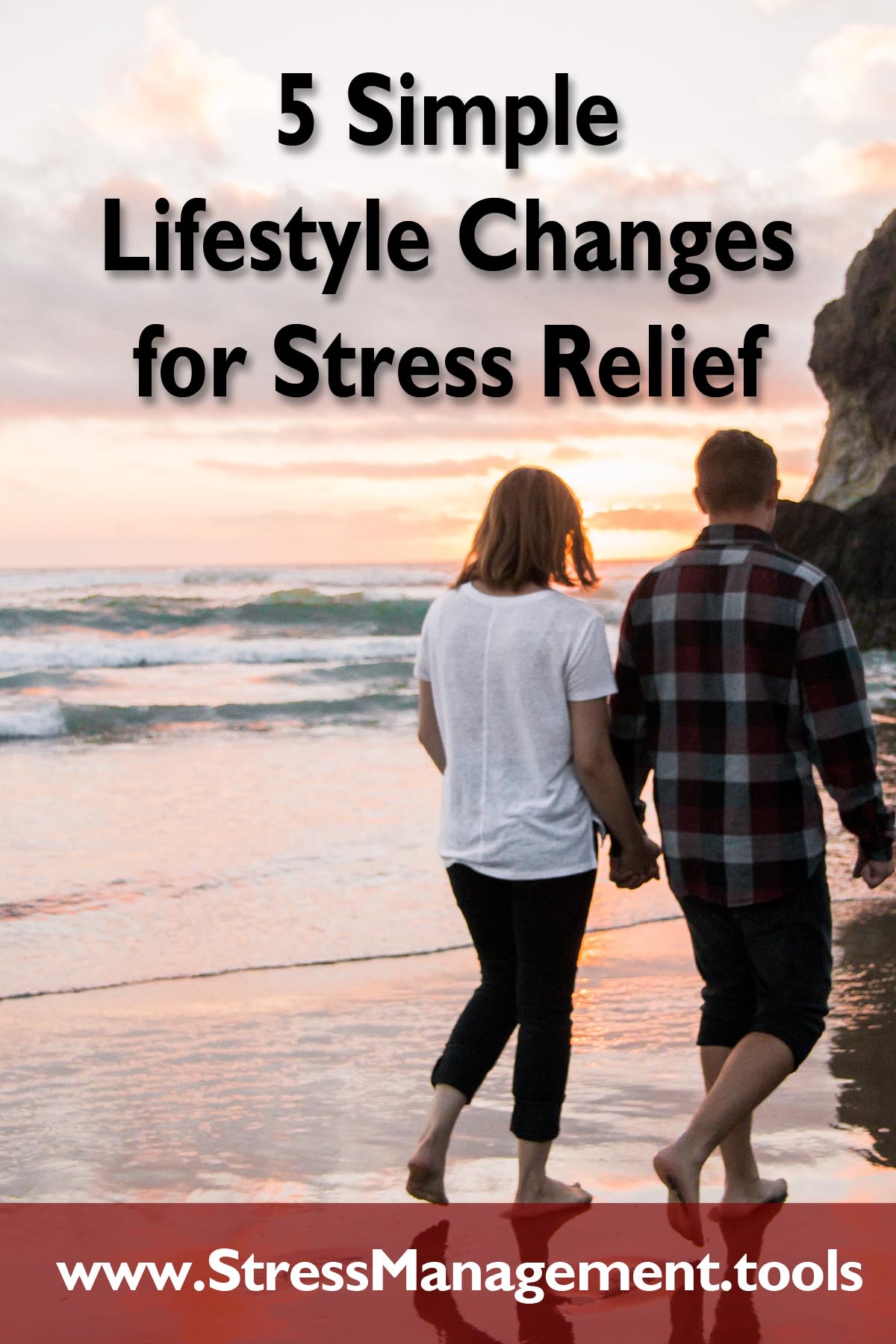
5 Simple Lifestyle Changes for Stress Relief

October 16, 2022 by Martin Neumann - [rt_reading_time label="Reading Time:" postfix="minutes" postfix_singular="minute"]

5 Simple Lifestyle Changes for Stress Relief

Did you know that around 74% of people said in a recent study, that they’ve felt so stressed that they’ve been unable to cope?((Results of the Mental Health Foundation’s 2018 study. https://www.mentalhealth.org.uk/explore-mental-health/mental-health-statistics/stress-statistics)) You may not be at that point quite yet, but it’s worth making some simple lifestyle changes to reduce your stress levels before you get there.

5 Simple Lifestyle Changes for Stress Relief

The good news is that there are ways you can cut back on feelings of stress each day, from the comfort of your own home. Here are some of the top tips.

Exercise

Exercise is the number one way to handle stress.

When you’re feeling overwhelmed, you might not fancy rushing out to the gym for a sweat session. However, exercise is an amazing way to get endorphins – and positive feelings – rushing through your body. People who exercise regularly are less likely to suffer from anxiety than their counterparts.((M.H.M. De Moor, et.al. Regular exercise, anxiety, depression and personality: A population-based study. Preventive Medicine, Volume 42, Issue 4, 2006,Pages 273-279
https://doi.org/10.1016/j.ypmed.2005.12.002))

When you exercise – even only a little – you reduce the amount of stress hormones in your body and replace them with handy endorphins, which help to boost your mood.

Exercise can also improve sleep quality, which is often negatively affected by anxiety and stress. When you get enough sleep, you’re more capable of dealing with stressful feelings.

To get the most out of your exercise routine, find an activity you enjoy and mix it in with your schedule – even if it’s just a stretching session each night.

Get Social

Do you ever get the urge to isolate yourself when you’re stressed or nervous? You’re not alone. However, withdrawing from your social group could make your stress worse. Being part of a group of people who love and care for you will help to get you through tough times.

One study found that spending time with friends helps to release the natural stress reliever – oxytocin. Some professionals even call the socializing response the “tend and befriend” approach, rather than the “fight or flight” that we’re used to with stress.((Taylor SE, et.al. Biobehavioral responses to stress in females: tend-and-befriend, not fight-or-flight. Psychol Rev. 2000 Jul;107(3):411-29. doi: 10.1037/0033-295x.107.3.411))

If you can’t meet with someone face to face, find another way to connect. You can call a friend or loved one to vent some of the things you’re stressed about. Get into a video meeting, or just send someone a text if it helps.

Make Yourself Laugh

Have you ever noticed that it’s difficult to keep focusing on the things that make you feel anxious or stressed when you’re laughing? Laughter is genuinely good for your health, both from a physical and a mental perspective. It helps to relieve tension in your muscles and decreases your stress response.

A group of friends laughing.

Over time, regular periods of laughter can improve your mood and help your immune system to work better. According to a study of people suffering with cancer, people who laughed most experienced more stress relief than those who just distracted themselves.((Bennett MP, Zeller JM, Rosenberg L, McCann J. The effect of mirthful laughter on stress and natural killer cell activity. Altern Ther Health Med. 2003 Mar-Apr;9(2):38-45. PMID: 12652882.))

Read a funny book or talk to a friend who frequently makes you laugh. Being able to laugh about your own mistakes can be very much relieving stress. Even if you’re just giggling at something on TV, let it out.

Practice Self-Care Activities

We could all benefit from investing more time and effort into ourselves. We live in a society where it’s increasingly common for people to prioritize working too much or barely getting any sleep. However, these are the kinds of things that increase your stress.

Sometimes, it’s important to look at your life and ask yourself what you need to feel better. That could mean taking the time that you need for yourself and saying “no” when others ask you for help. It’s not selfish if you have reached your limits – it’s about giving yourself the help you need first.

Good self-care could also mean changing your routine. Go to bed earlier or change your menus so that you’re eating healthier food. Invest time and energy into things that make you feel good – even if it’s just having a long bubble bath.

Try Something New

Finally, sometimes all you need to get rid of stress is a new passion.

With that in mind, why not try something new? Take an art class with a pal and see whether being creative each day could help you to eliminate anxiety.There are plenty of studies that indicate that creative activities can reduce your anxiety levels.

If art isn’t your thing, try learning how to cook. Taking a class that teaches you how to create delicious and nutritious meals is an excellent way to get a new hobby going. When you’re cooking, you’ll be focused on what you’re doing in the kitchen, rather than spending all of your energy worrying about the things that bother you. Plus, learning how to cook could help you to eat healthier too!

Maybe you want to volunteer in a local organization in order to see the satisfaction in the faces of those you have helped. It can be very much rewarding and take away your focus from the worries of everyday life. Plus when you are in touch with people who are much worse off than you, then your struggles do not seem so big after all.

Try one of these effective strategies the next time you’re feeling stressed. Get in the habit of using them regularly and you’ll find greater enjoyment in your daily life. And get the 10 Minute Guide to Stress Management in order to get a clear plan on how you can control your Stress.

Do you need a guide to help you understand how to cope with Stress in an all inclusive approach? Learn how to combat stress, mentally, physically, emotionally and strategically in your life.
Get Me the Guide

Filed Under: Mental Health, Stress Management Tagged With: Change Your Life, Self Care, Stress Control Lifestyle

How Much Physical Activity Is Enough?

October 9, 2022 by Franklin V. Cobos II - [rt_reading_time label="Reading Time:" postfix="minutes" postfix_singular="minute"]

How much physical activity is enough

I tend to cringe inside when people ask me how much exercise they should do. I do this because typically they are seeking answers that I cannot give them. At times they want some form of affirmation that they are already active enough and that for them, no change is necessary. And, often they are disappointed to hear that they aren’t meeting the recommendations.

How Much Physical Activity Is Enough?

I admit that it can be discouraging to think about how difficult it may be to add the recommended amount of activity on top of their already hectic, overbooked daily routine. So, before we look at ways of managing the psychological aspects of a good exercise program (which I believe is just about as important as the exercise program itself), let’s at least give some short answers to the questions concerning how much exercise do experts recommend. Once we get that out of the way, we can move on to focus on the practical aspects of an exercise prescription.

Starting Small Is Okay!

Let me begin with some great news for everyone: any amount of physical activity above what you are accustomed to has some benefit. So long as you are doing more than you used to do there is a degree of self-congratulations in order, however small, at first. If you park at the edge of the parking lot and walk further than you want to the storefront when you stop at the store… that qualifies! If you can stand more and sit less during your day, that’s great. Maybe you can take one flight of stairs instead of just one of the floors you would otherwise stop at when riding the elevator. Maybe that’s your “one small step,” or “one giant leap for mankind” (depending on your level of fitness). So, to repeat: any amount of physical activity above what you are accustomed to has some benefit. Got it? Good. Let’s get it!

Taking stairs instead of the elevator

Now to be clear, I don’t want you to think is that a little bit of improvement is enough. For my bi-lingual friends, I might say it like this: A little bit is better than nada, but it’s sure not the whole enchilada! Small starts, little changes in habits are indeed important. My friend Vicki Griffin likes to emphasize this truth and highly recommends people read one of her favorite books, Atomic Habits, by James Clear.((Clear J. Atomic Habits: An Easy & Proven Way to Build Good Habits & Break Bad Ones. Penguin Random House))

 The point or purpose of making small changes though is to be able to work your way towards achieving larger and lasting changes in your lifestyle. Let’s see what those larger goals are as outlined in the latest CDC guidelines for physical activity.((Physical Activity for Different Groups https://www.cdc.gov/physicalactivity/basics/age-chart.html))

There are separate guidelines for different populations/age groups. I will summarize the recommendations for the main groups below:

  • Ages 6-17: One hour of moderate to vigorous aerobic activity every day. On 3 days of the week, these periods of activity should include strength training for muscles and bones as well.
  • Adults 18 years and over: A range of 150-300 minutes of moderate aerobic activity per week, or 75-150 minutes of vigorous aerobic activity per week. A range is given because the resulting health benefits are measurably dose-dependent (just like most medications), as well as interchangeable (75 minutes of vigorous activity is equivalent to 150 minutes of moderate activity). Aerobic activity is best spread throughout the week. Additional benefits are seen if you include at least 2 days of the week during which strength training is done for all major muscle groups.
  • Pregnancy: A range of 150-300 minutes of moderate aerobic activity per week. If before becoming pregnant, a mother was habitually accustomed to more intense levels of physical activity, these may continue. Her pregnancy should be monitored throughout the prenatal period by qualified professionals.
  • Those with chronic medical conditions or disabilities: Recommendations are identical to adults 18 and older if their abilities allow for it. Otherwise, they should avoid inactivity and engage in regular physical activity to the extent allowed by their medical condition.
A man playing basketball in a wheelchair

How to Get Started

There you have it. Those are the shortest answers you can get, inclusive of a wide range of circumstances, that is based on the latest scientific evidence. Of course, all these things are more easily said than done. Everyone needs to start somewhere, even if it is from a place of no exercise at all. In fact, getting little to no exercise at all is not an uncommon situation. If this describes you, please do not be discouraged.

After watching people start and stop, succeed and fail, in their exercise plans (as well as other lifestyle changes), I have come to a settled opinion regarding the initial phase of starting to make changes. My belief is this: in order to maximize the likelihood that someone keeps a commitment to change the way they live, they must first change how they manage their time. I believe that if you do not succeed in setting aside a period of time during which you always do your exercise, something else will easily, without thought or effort, use up that time. You will inevitably find yourself at the end of the day, week, or month having had no time/opportunity to fulfill your exercise goals. Then you may feel like a failure or give up hope.

A kid taking the dog for a walk

Don’t Give Up!

Instead, make it a point to establish a habit to spend 5-10 minutes, once or twice every day, focusing on physical activity. By doing it every day, you will within several weeks have established a new habit; a strong new habit of dedicated time for physical activity.

Two major advantages are built into this approach. One is that the new habit is formed as quickly as possible, with as little effort as possible, and without excessive disruption of your current way of life. The second advantage is that it also maximizes the benefit you realize because you’re doing something every day. And THAT is important for making you stick with the program.

This strategy creates a space in time (5-10 minutes 1-2 times a day) for physical activity that is easily obtainable and allows each person to pick whatever type of exercise they want. Being consistent with the time commitment is the key. Unless, and until, people have a consistent amount of time with which to exercise, not even an expert trainer and the perfect plan will amount to anything.

You may be thinking, “How will 10 or 20 minutes transform my life?!” Well, it may not initially. But it will if you then extend those 5-10 minute sessions to 30-60 minute sessions over time. I tell people to start with 5-10 minute commitments because it’s easier to achieve, and they can form a habit of daily exercise. After having success with the time commitment, they usually are set for an activity commitment.

Call to Action

So the important thing is: Start with something today! Next time, I’ll talk with you more about various activities. Until then…carve out some time each day and start forming your exercise habit.

Healthy Fruits

Stay Always Up to Date

Sign up to our newsletter and stay always informed with news and tips around your health.

Sign Up Now!

This article was originally published on the Time to Get Ready website.

Filed Under: Exercise, Healthy Lifestyle Tagged With: Exercise duration

« Previous Page
Next Page »

Primary Sidebar

Social Channels

Coronavirus Immunity Challenge

Boost your immune system to be bullet-proof for the pandemic.

I Want to Participate

Recent Posts

  • 5 Habits to Live Longer
  • Better Sleep Can Protect Against Dementia
  • Finding Peace In Your Crazy-Busy World
  • Flaxseed – An Ancient Plant Rediscovered
  • Platelets – Triggers for Life or Death
  • Boderline Personality Disorder
  • In Praise of Almonds and Nuts
  • Are You Stuck in the Clutter Trap?

Categories

  • Body Systems (16)
    • Cell Function (2)
    • Circulatory System (1)
    • Digestive Tract (10)
    • Immune System (4)
  • Diseases (27)
    • Cancer (2)
    • Cold (1)
    • COVID-19 (11)
    • Dementia (1)
    • Diabetes (1)
    • Digestive Diseases (2)
    • Heart Disease (2)
    • Kidneys (1)
    • Metabolic Syndrome (2)
    • Skin (1)
  • Healthy Lifestyle (42)
    • Exercise (11)
    • Gardening (2)
    • Sleep (7)
    • Sunlight (2)
    • Temperance (14)
    • Water (4)
  • Mental Health (87)
    • Addictions (6)
    • Anxiety (7)
    • Burnout (1)
    • Depression (7)
    • Psychosomatic Diseases (6)
    • Stress Management (45)
    • Trust (6)
  • Nutrition (56)
  • Obesity (9)
  • Phases of Life (14)
    • Adults (3)
    • Babies and Infants (1)
    • Children (3)
    • Seniors (5)
    • Teenagers (3)
  • Therapies (7)
    • Herbs (5)
    • Hydrotherapy (1)
  • Uncategorized (3)

Archives

  • January 2025 (1)
  • March 2024 (5)
  • February 2024 (4)
  • January 2024 (4)
  • December 2023 (5)
  • November 2023 (4)
  • October 2023 (5)
  • September 2023 (4)
  • August 2023 (3)
  • July 2023 (2)
  • June 2023 (4)
  • May 2023 (4)
  • April 2023 (5)
  • March 2023 (4)
  • February 2023 (4)
  • January 2023 (4)
  • December 2022 (4)
  • November 2022 (4)
  • October 2022 (5)
  • September 2022 (4)
  • August 2022 (4)
  • July 2022 (5)
  • June 2022 (4)
  • May 2022 (5)
  • April 2022 (4)
  • March 2022 (4)
  • February 2022 (4)
  • January 2022 (5)
  • December 2021 (3)
  • November 2021 (4)
  • October 2021 (6)
  • September 2021 (4)
  • August 2021 (4)
  • July 2021 (5)
  • June 2021 (4)
  • May 2021 (3)
  • April 2021 (5)
  • March 2021 (4)
  • February 2021 (4)
  • January 2021 (5)
  • December 2020 (3)
  • November 2020 (4)
  • October 2020 (5)
  • September 2020 (5)
  • August 2020 (3)
  • July 2020 (1)
  • June 2020 (1)
  • May 2020 (1)
  • April 2020 (1)
  • March 2020 (1)

Copyright © 2026 · Abundant Health - Privacy Policy - Medical Disclaimer