Abundant Health

Up to date health information tailored for you

  • Home
  • Blog
  • Recipes
  • Shop
  • Contact
You are here: Home / Archives for Body Systems / Digestive Tract

Digestive Tract

Digestion Optimized

April 17, 2022 by Martin Neumann - [rt_reading_time label="Reading Time:" postfix="minutes" postfix_singular="minute"]

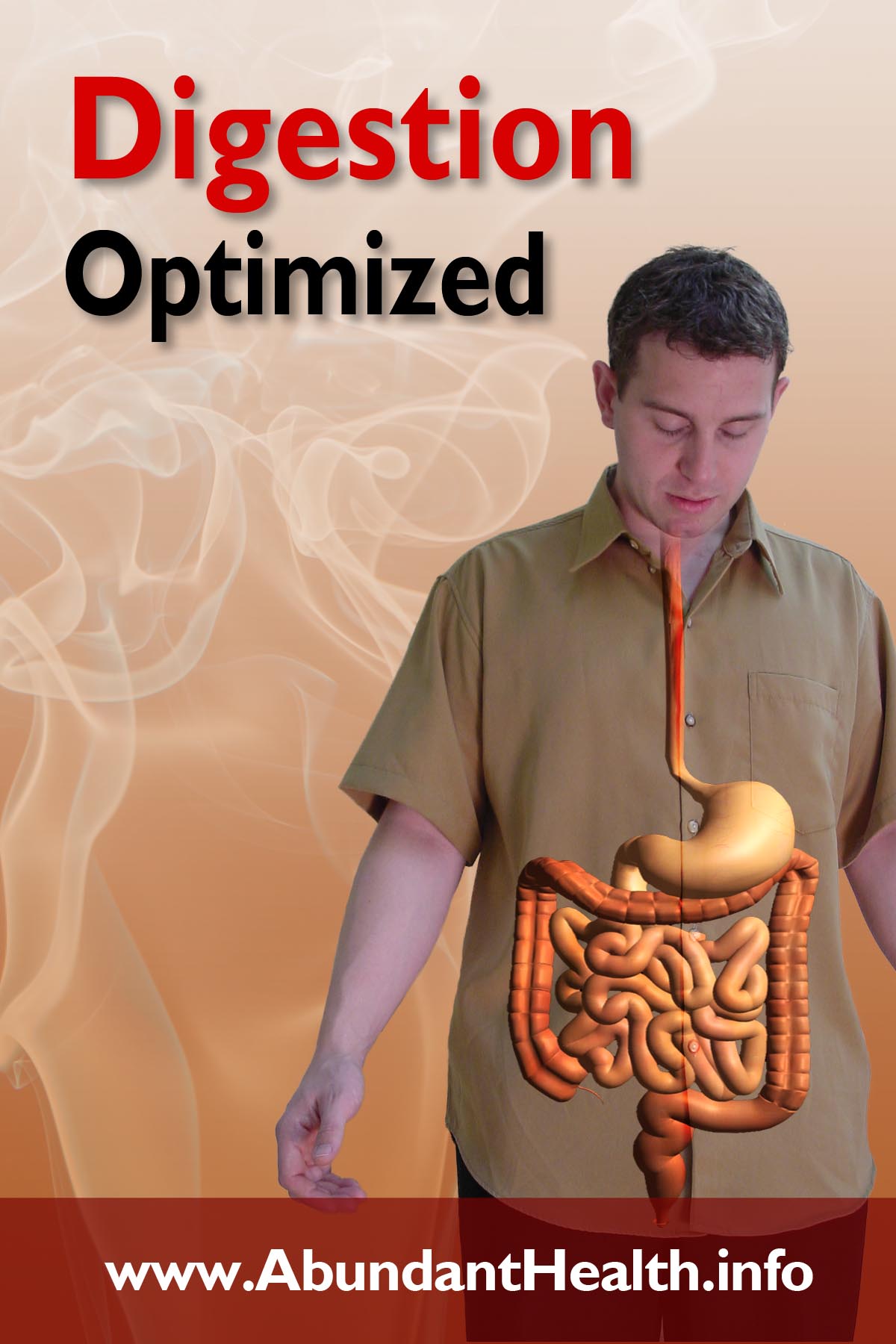
Digestion Optimized

Most people’s hair stands on end when they hear the word chemistry. Be it because of the many negative media reports about chemical accidents or because of the boring, almost incomprehensible chemistry lessons that they are actively trying to forget. However, chemistry is extremely exciting. And in our digestive tract, there is so much chemistry going on from the mouth to the anus!
Digestion Optimized

We could not exist without chemical processes. And the best thing is that it runs on auto pilot without any programming on our part. However, we can still support the digestive processes, so that they are happening the way they are intended to be.

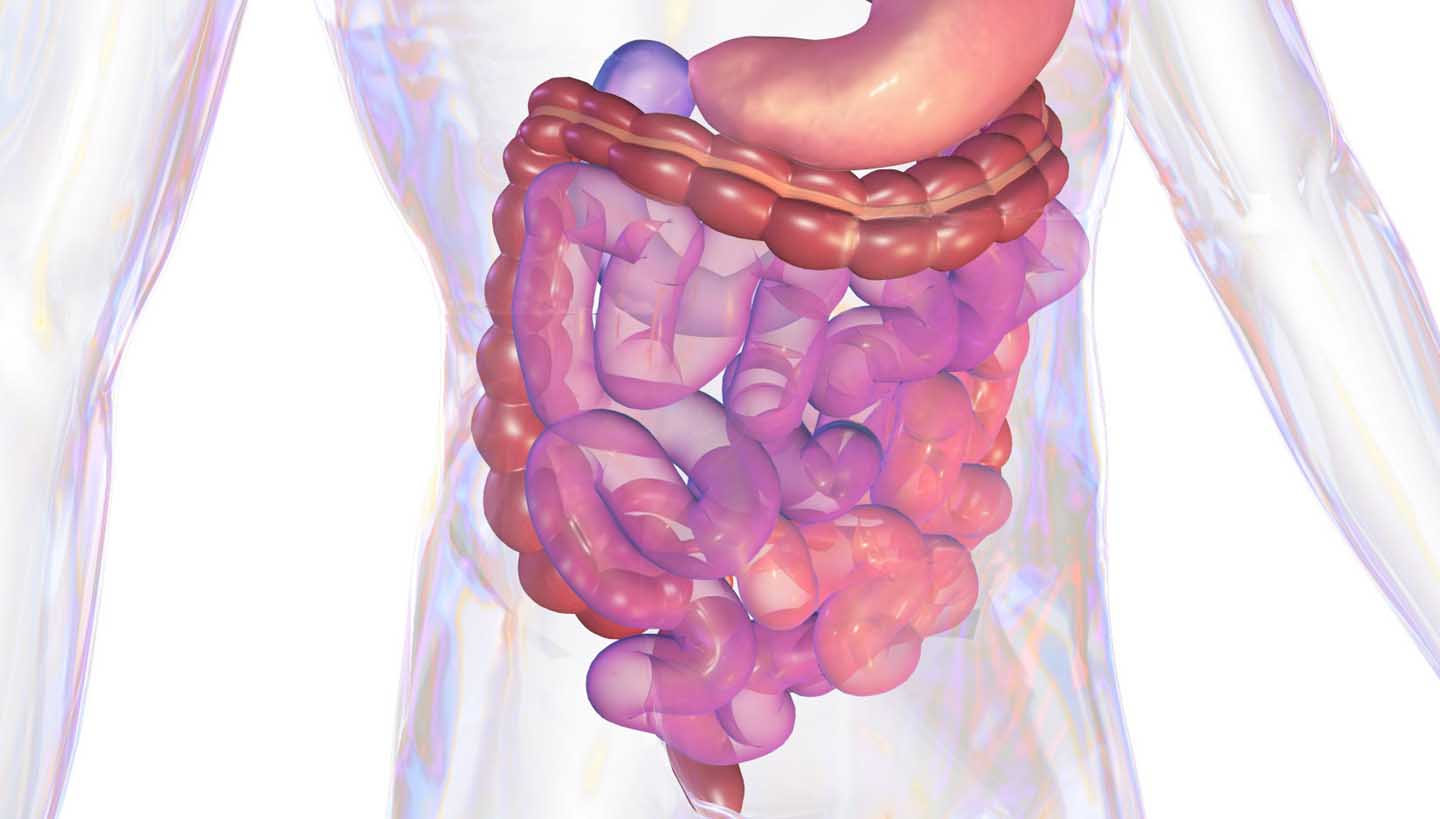
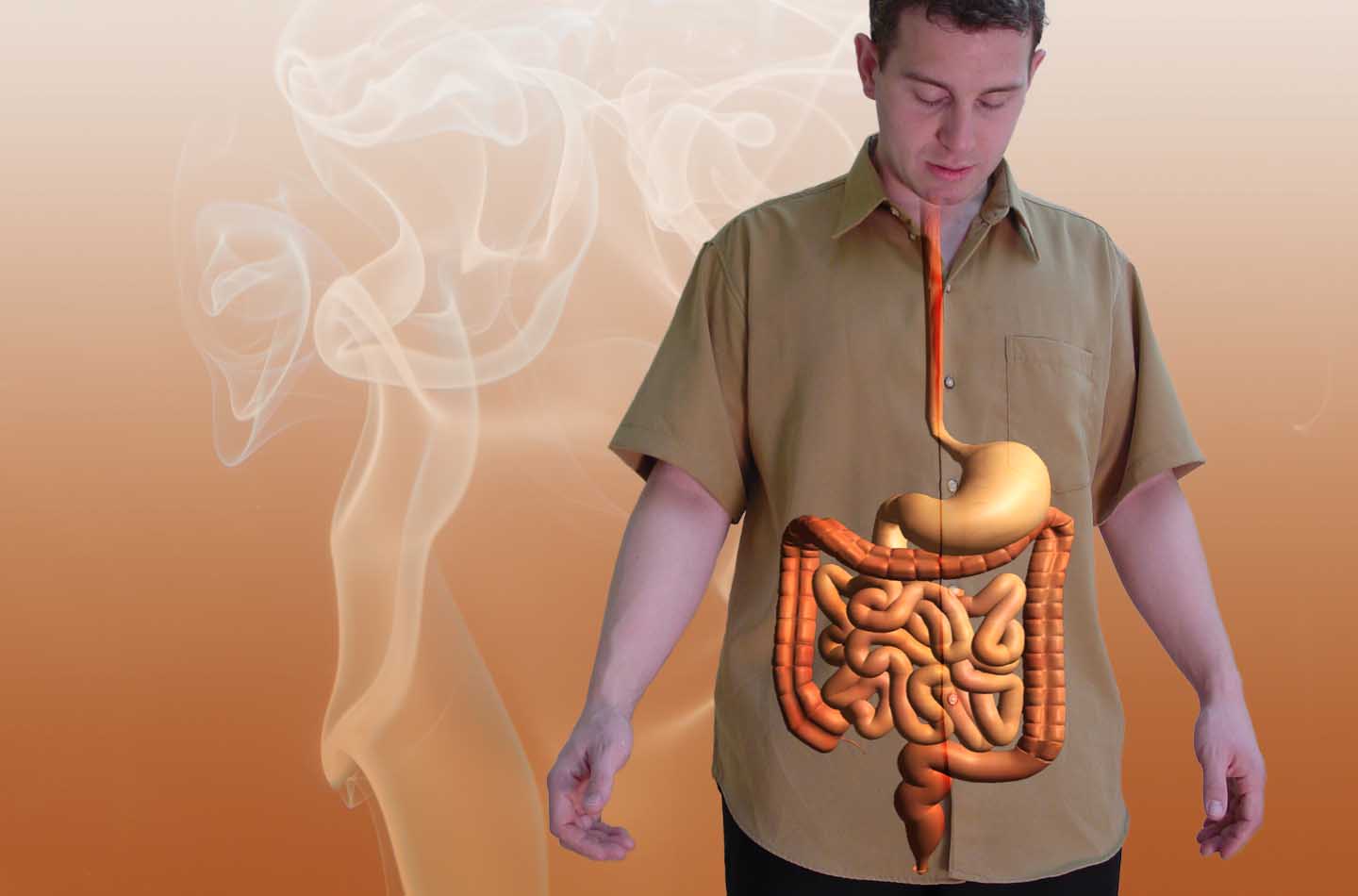
Let’s take a look at our digestive tract. To put it simply, it is a tube from the mouth to the anus with sections of different widths. In terms of structure, all sections are similar. However, there are significant differences in the fine tissues. And by adding coordinated secretions, they fulfill very special functions. Digestion breaks down the nutrients contained in food, until they can be absorbed through the intestinal wall. They are transported with the bloodstream to various organs, where they perform their important tasks and generate energy.

The digestive organs include the oral cavity with dentition, tongue and salivary glands, pharynx, esophagus, stomach, intestines, liver with bile ducts and pancreas.

Digestion Starts in Your Mouth

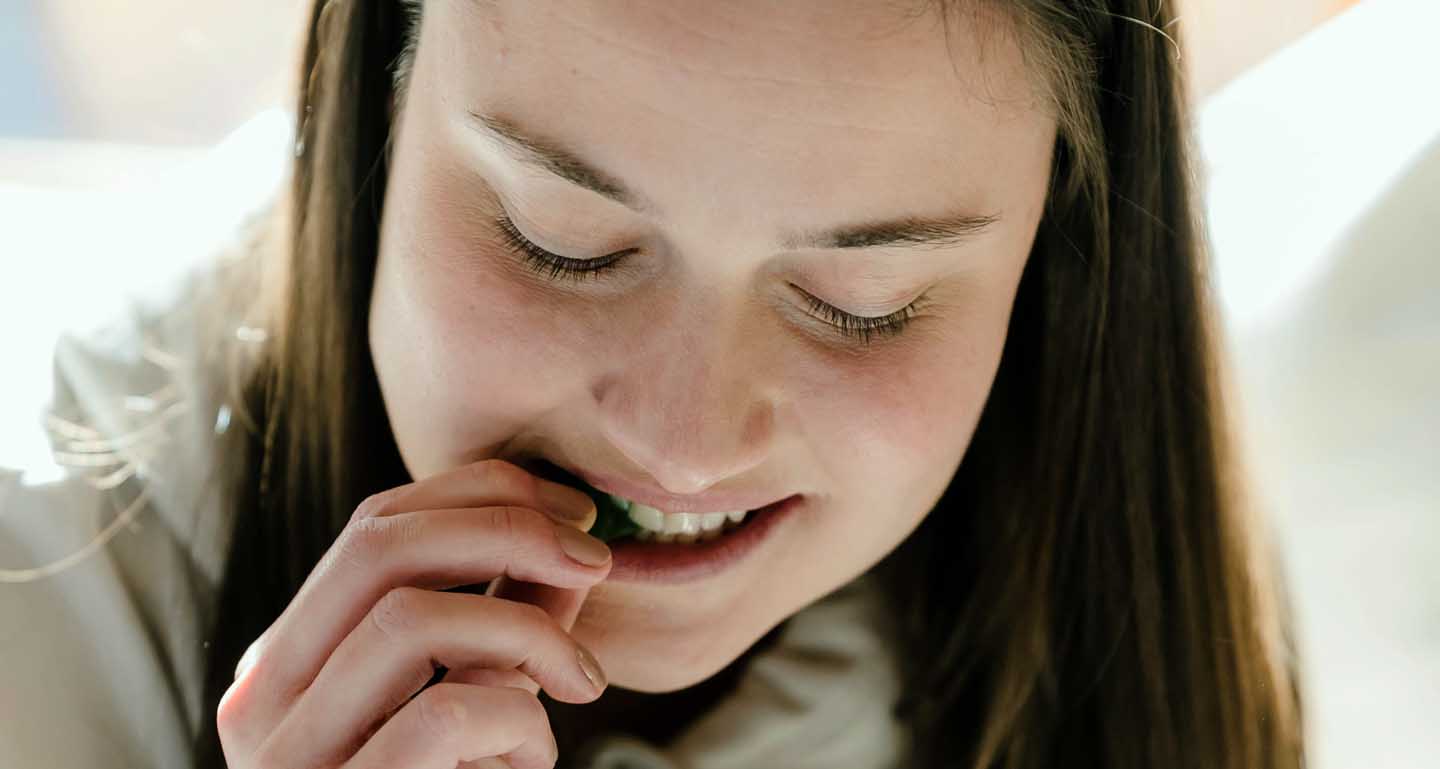
When we take a bite of our meal, digestion begins right in the mouth. The teeth work to break down food and prepare it for digestion. At the same time, the resulting pulp is insalivated and the alpha-amylase contained in the saliva begins the process of splitting the carbohydrates. If we chew a piece of bread long enough, it will start to taste sweet because the long chain starch molecules are broken down into glucose, providing energy for our body.
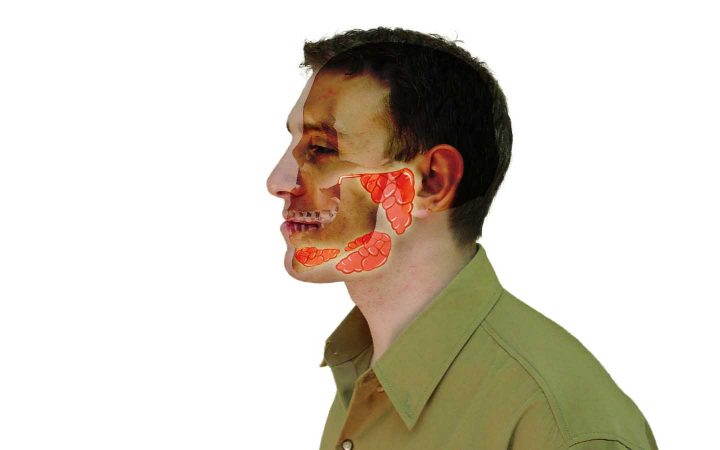
The salivary glands

But if we choke down our food and wash it down with a soda, these processes don’t take place. Unfortunately, the stomach doesn’t have teeth to handle the unfinished work with the same efficiency. If you have not yet created the habit of chewing, you should try to chew every bite 20-30 times. You can count along for a while until thorough chewing becomes your second nature.

Dwell Times

The length of time spent in the individual sections varies from person to person and depends heavily on the composition of the food. The esophagus itself is approximately 10 inch (25 cm) long. It takes about 10 seconds for a bite to slip through this tube and arrive in the stomach. The food stays here for an average of 1-4 hours. The dwell time of carbohydrate is shorter than that of protein. High-fat foods stay in the stomach the longest; a fatty roast up to eight hours, and sardines in oil up to nine hours. That is why you should be using fat in your diet rather sparingly.

It is good if we give our stomach a break at night. Therefore, the last meal should be taken no later than 3 hours before bedtime and should be easily digestible. Therefore the meal should consist mainly of carbohydrates and you should avoid fats as much as possible. A fruit with a piece of toast or a rusk bread would be an optimal option for dinner.
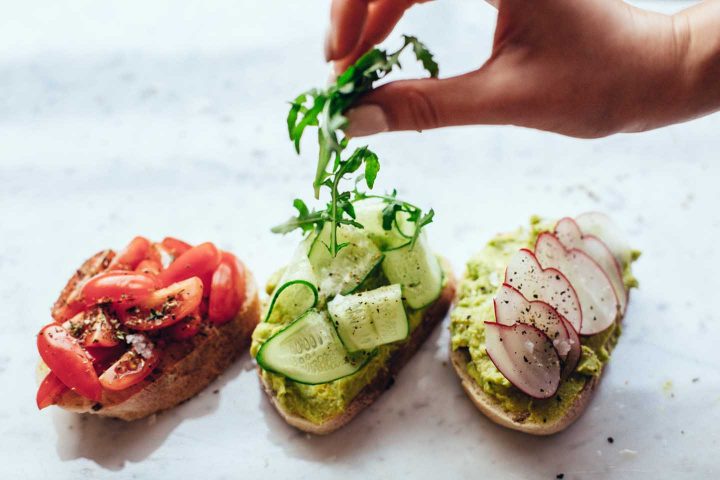
A light toast for supper

The emptying times of the small intestine is about 5-9 hours, of the colon is 25-30 hours and close to the rectal area feces can sometimes stay another 30-120 hours. Now we understand why colon cancer is appearing commonly in the lower part of the intestine. There, the feces stay along the longest. Carcinogenic substances have the longest time to act on the intestine. So we would be doing good by avoiding them. Carcinogenic substances include polycyclic aromatic hydrocarbons in grilled meat, seafood and sausage, and heavy metals that tend to concentrate themselves in animal products. Fish is often burdened with mercury.

The Stomach

The stomach is in the upper left abdomen. It serves as a storage container and for breaking down the food. It produces up to 3 liters of gastric juice per day. This consists of mucus, hydrochloric acid (HCl), bicarbonate (HCO3), protein-splitting enzymes and intrinsic factor.

The mucus and the bicarbonate protect the stomach wall from the very strong hydrochloric acid. The concentrated acid would result in a pH of about 1, but this is buffered to pH 1.8-4 by the chyme. The low pH kills the vast majority of bacteria. The duodenum is therefore very low in germs and, by the way, alkaline and not acidic like the stomach. However, if we consume liquids during meals, we dilute the stomach acid and delay the work of digestion, until the stomach can return to an optimal pH. Very hot or ice-cold drinks delay digestion even further, because the stomach contents have to be acclimatized first.

Intrinsic factor is secreted by the gastric wall and is necessary for the absorption and transport of vitamin B12. If this factor is missing, vitamin B12 cannot be absorbed. Deficiency symptoms often occur in people with gastritis or in the elderly. A regular B12 test would therefore be advisable.

Solid food stays in the stomach until it is broken up into particles about 0.3 mm in diameter. This is done by peristaltic waves produced by several muscle layers all over the stomach. They are particularly strong in the lowest part of the stomach. The chyme is pushed forwards and backwards. The food is crushed up, mixed with the gastric juice, and fats are finely distributed. If you chew the food well, you relieve the stomach of a considerable amount of work.
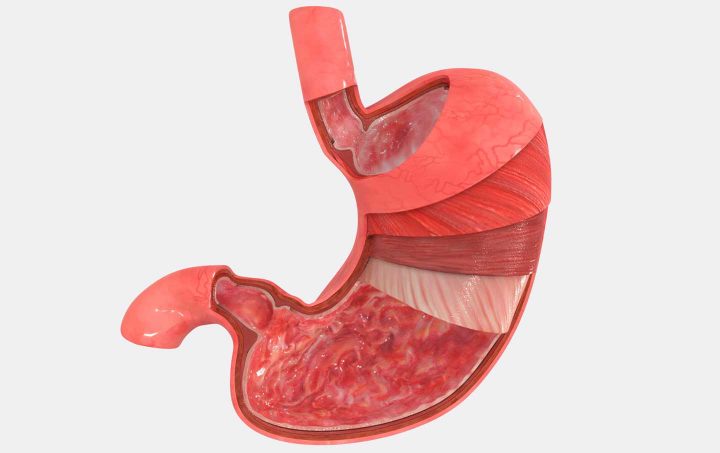
The several muscle layers of the stomach

In the lower part of the stomach, the chyme is already very fine and thin, and the coarser parts are layered on top. When moving back and forth, a part of the coarser pulp is always carried along and further crushed. The fine pulp, called chyme, can then flow through the pylorus into the duodenum. The chyme can only be released to the duodenum to the extent that it is ready for further processing. There are measuring points at the stomach outlet that check the exact composition.

Gastric Emptying

The work process and emptying of the stomach is controlled by many factors. Various hormones and messenger substances are involved. Measurements and comparisons are constantly being made. The 10th cranial nerve plays an important role. It stimulates the gastric glands and is responsible for stomach contractions. But the mind also plays a role. We may remember the effects of stress on our digestion before an exam! It’s always good to create a relaxed atmosphere around meals.

The pylorus is usually slightly open so that liquid and the thin chyme can drain. The pylorus is closed again when larger pieces of food arrive. Indigestible things such as bones, coarse fiber and foreign bodies do not leave the stomach during the digestion phase. Only in the subsequent resting phase, according to an internal clock, do special contraction waves run through the stomach and intestines, during which indigestible matter and digestive secretions are emptied. We often hear the rumbling of the stomach, which is not a signal of hunger. So it makes perfect sense if we only eat something every 5 hours and allow the digestive tract this resting phase in between. 2 to 3 meals a day, at regular times, are ideal.

If we are constantly snacking, food is repeatedly refilled at the top. The stomach never finishes processing everything into fine chyme. So it can happen that something from the breakfast bread still has to be lounging around in the stomach in the evening.

Our Body – A Marvel

It is far from possible for us to go into all the details that take place in the digestive tract. Otherwise we would have to write an entire book. However, this excursion was already enough to recognize what a marvel we have in our body. Let’s help our digestion, as far as it is up to us, to accomplish its diverse work! We can do this by living a sensible, healthy lifestyle. He will thank us with good health. And we thank him for a job well done.
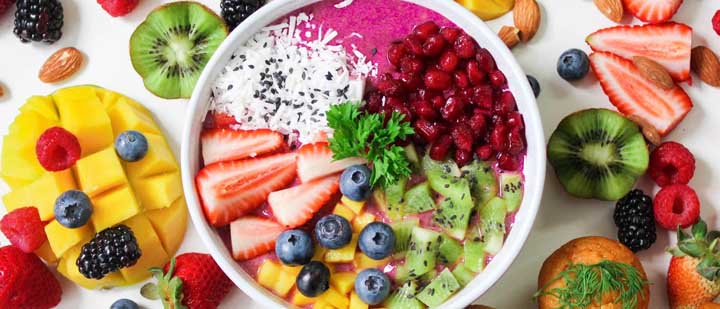
Healthy Fruits

Stay Always Up to Date

Sign up to our newsletter and stay always informed with news and tips around your health.

Sign Up Now!

Filed Under: Body Systems, Digestive Tract, Nutrition

Celiac Disease – An Intestinal Problem

September 5, 2021 by Esther Neumann - [rt_reading_time label="Reading Time:" postfix="minutes" postfix_singular="minute"]

Zöliakie - eine Darmerkrankung

Celiac disease is a condition like a chameleon. The symptoms are very versatile and the number of unreported cases is high. About one in every hundred is affected. It can take years for the correct diagnosis to be made. If the disease is not detected in time, it leads to severe malnutrition with many secondary diseases such as osteoporosis, anemia, tooth enamel damage, muscle spasms, edemas and even cancer.

Celiac Disease - An Intestinal Problem

Definition

Celiac disease is a chronic disease. It breaks out after the consumption of the pathogenic substance gliadin, which is one of the components of gluten. Of course, gluten is only pathogenic if there is an intolerance. With the technical term, the disease is called “gluten-sensitive enteropathy”. Very specific types of protein from wheat, rye, triticale, barley, oats, spelt, einkorn, emmer and kamut lead to damage to the mucous membrane of the small intestine, called villous atrophy.

The surface of the small intestine is greatly increased by villi and crypts, so that it can come to an intimate contact with the chyme. This allows the nutrients to be optimally absorbed. In patients with celiac disease, incorrectly composed protein bodies are found in the innermost lining of the intestinal wall. Gliadin, a type of protein from the cereals, is bound to these. This either has a direct damaging effect or it leads to a defensive reaction against the gliadin-carrying body cells with subsequent damage to the intestinal mucosa. The villi regress strongly, making the absorption area for the nutrients much smaller.

The cereal proteins lose their pathogenic properties neither through cooking nor through enzymatic breakdown in the gastrointestinal tract. Genetic conditions favor the development of the disease. The white race is the main target of the disease, and prevalence differs widely from country to country. A study in the US found a prevalence of 1 case in 133 persons of the general population.((Fasano A. et.al. Prevalence of celiac disease in at-risk and not-at-risk groups in the United States: a large multicenter study. Arch Intern Med. 2003 Feb 10;163(3):286-92. DOI: 10.1001/archinte.163.3.286 )) A UK study found a prevalence of 1 in 166.(( El-Hadi S, et.al. Unrecognised coeliac disease is common in healthcare students. Arch Dis Child. 2004 Sep;89(9):842. DOI: 10.1136/adc.2003.041459 )) In Australia it seems to be 1 in 70. It is very rare in Japan and sub-Saharan Africa.

The Clinical Presentation

The disease can occur at any age. There are two distinct peaks. One occurs in infancy, the other between the ages of 30 and 40. Girls and women are more often affected. Diagnosis is quicker in toddlers than in adults, because the pathogenic types of protein are usually introduced into the diet between the ages of 4 and 6 months in the form of cereal porridge, biscuits, crackers and bread.

A toddler eating a cereal - Photo by Yan Krukov from Pexels

In case of intolerance, the symptoms become visible after a few weeks or months. The toddler no longer thrives and there is no weight gain. Often it unlearns what has already been acquired. The thin arms and legs and the missing buttocks stand in striking contrast to the bloated belly. The stools are mushy, bulky and smelly. The face remains round for a long time. The skin color is pale.

What happened? The intestinal villi have largely disappeared. The size of the surface of a healthy intestine could be compared to a tennis court, that of a patient with untreated celiac disease to a table tennis table. This leads to severe deficiency symptoms because the nutrients such as protein, fat, carbohydrates, vitamins and minerals cannot be absorbed in the required amount.

 Diagnosis in adults is more difficult. Often, he wanders from one examination to another, is treated for various diseases such as lactose intolerance, osteoporosis or anemia. The typical textbook picture of the disease usually only appears at a late stage. Silent celiac disease is also known, in which the course is symptom-free and there is still a change in the mucous membrane.

Diagnosis

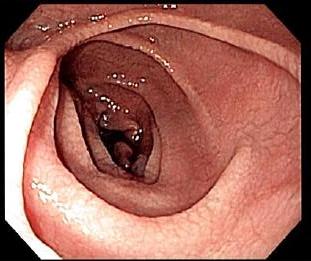
The most important diagnostic measure is the direct examination of the intestinal mucosa. In the past a small metal capsule attached to a thin tube was swallowed in order to extract a tissue sample. Today an endoscopy is used to examine the appearance of the duodenum and obtain 4 to 8 samples for biopsy. A microscopic examination can determine whether there is damage to the mucous membrane or not. Immunological tests support the diagnosis. In case of disease, antibodies to gluten are found in the blood serum. Other deficiencies in the blood can also be detected, such as iron, hemoglobin, vitamin and mineral deficiencies. The diagnosis of celiac disease is then the sum of all the available information.

Endoskopie von einem Zwölffingerdarm mit Zöliakieschäden - Foto by Samir from Wikipedia
Endoscopy of a duodenum with celiac damage. Samir at wikipedia, CC BY-SA 3.0

Treatment

Basically, the treatment consists in avoiding the substance recognized as harmful, and this for life. With a gluten-free diet, the mucous membrane of the small intestine gradually recovers and can then no longer be distinguished from a healthy one. However, in adults, recovery can take much longer than in children, who have a much higher rate of cell renewal.

It is difficult to avoid all foods containing gluten. For this reason, working groups have been formed in many countries that have meticulously asked the manufacturers for the exact formulations of many products. The results are summarized and continuously updated in thick manuals with many grocery lists, as the aim is to avoid even the tiniest traces of gluten.

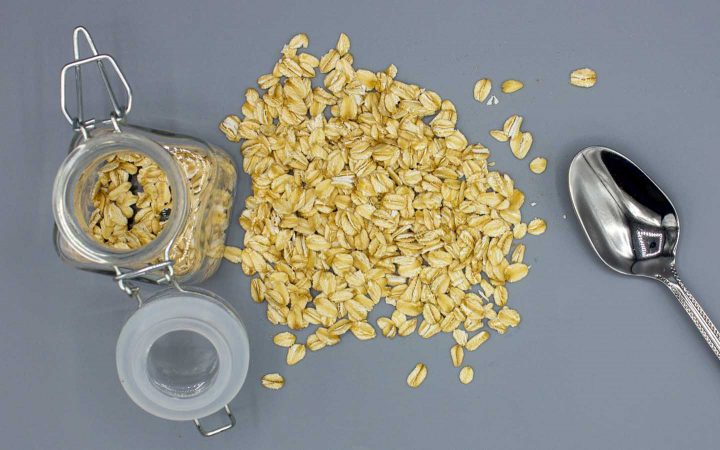
There are gluten free oats on the market that are free from gliadin contamination, but they still contain avenin which can trigger an inflammatory response in some susceptible people. If you do not want to do without oats, a new biopsy should be done after three months of use. In case of doubt it is safer to avoid oats altogether.((Oats and the gluten free diet. Coeliac Australia))

Oat flakes - Photo by Juliet King from Pexels

Traded gluten-free products are specially labeled with a crossed-out cereal ear. Just studying the ingredient list of a product does not help, because a compound ingredient does not have to be declared if less than 25% of it is contained in the final product. Gluten can also be added to products for technological reasons, such as a processing aid or as a carrier.

Celiac Societies

If celiac disease is diagnosed, contact with the local celiac society is established if desired. The affected person receives a manual with a precise description of the clinical picture and with many practical tips for cooking with gluten-free products. A list of restaurants, hotels and health resorts is enclosed that cook gluten-free if required. There are also many tips for dealing with authorities, because a gluten-free diet is expensive and time-consuming. That is why there are increased family allowances and tax allowances in many countries.

I have Celiac Disease – And What do You Have?

People with celiac disease are considered healthy when maintaining a gluten-free diet and completely normal in every respect. Of course, especially with children who would love to eat what other children eat, there are occasional grievances. Why he can’t bite into a tempting doughnut to his heart’s content? Why does he always have to take his special things to eat at a birthday party? The diagnosis of celiac disease for a child and his or her parents is certainly not a trivial matter. Parents, grandparents, acquaintances and friends shouldn’t feel sorry for the poor child all the time, but should encourage them, show them that celiac disease is sometimes an unpleasant thing, but nothing devastating.

Contacts

Celiac Disease Foundation (USA)
www.celiac.org

National Celiac Association
www.nationalceliac.org

Canadian Celiac Association
www.celiac.ca

Coeliac Australia
www.coeliac.org.au

Coeliac New Zealand
www.coeliac.org.nz

Coeliac UK
coeliac.org.uk

Recipes

Rice Cake

  • ⅔ cup brown rice
  • ⅔ cup orange juice ( (juicing 4 large oranges))
  • ⅓ cup honey
  • 1 tbs dry yeast
  1. Hydrate ⅔ cup brown rice for 12 hours. Makes about 1 cup of hydrated rice.

  2. Blend the ingredients for a few minutes.

  3. Grease a mold with oil, pour the dough and let it rise for 40 minutes to 1 hour depending on weather, until doubled in volume.

  4. Bake at medium heat for about 1 hour.

Dessert
American
Gluten Free

Chickpea Flour Pancake

  • 1 banana
  • 1 cup chickpea flour
  • 2 Tbsp tapioca flour (sweet)
  • 1 Tbsp honey
  • ½ tsp salt
  1. Blend everything with 1 cup of water.

  2. Pour the right amount into the skillet and spread with a spoon or spatula.

  3. Wait until golden and forming bubbles. Loose the pancake with the help of a spatula to flip it over.

  4. Let the other side brown.

  5. Use your preferred filling. Serve still hot.

Cassava Cake

  • 1 lbs cassava root ( (½ kg))
  • ½ cup honey
  • 1 small coconut
  • 1 pinch of salt
  1. Grate raw cassava or crush in the food processor.

  2. Blend the coconut with 1 cup of water.

  3. Mix all the ingredients, adding water if necessary to reach the consistency of cake batter. Taste the dough to check appropriate sweetness.

  4. Grease a mold and spread the dough to a thickness of 1-2 inch. (3-5 cm)

  5. Bake on medium heat until golden.

The cake tastes better the next day.

Dessert
Gluten Free

Corn Bread

  • 2 cups corn flour
  • 1 cup tapioca flour (sweet)
  • 4 Tbsp olive oil
  • 1 Tbsp honey (or brown sugar)
  • 1 Tbsp dry yeast
  • ½ tsp salt
  • sunflower seeds (for decoration)
  1. Mix all dry ingredients.

  2. Add 1 cup of lukewarm water little by little and stir until you get a liquid and homogeneous dough.

  3. Pour the dough into a greased pan.

  4. Let it rise for about 1 hour or until it doubles in volume.

  5. Preheat oven and bake over medium heat for about 1 hour.

  6. Allow it to cool down for a few minutes and remove from pan in order for the bread not to sweat.

  7. Wrap in a cloth to cool.

Wait at least 6h before eating for all yeast to die.

Diabetic, Gluten Free, Vegan

Recipes with Oats

Like we stated, not all with celiac disease can use even gluten free oats. If you have made a test that you can use them, here are some interesting recipes that can serve you.

Oat Bread

This bread is the product of a mistake. Because of an oversight I mixed the wrong ingredients, and it worked out really well!

  • 2 cups oat flour
  • 1 cup tapioca flour (sweet)
  • 4 Tbsp olive oil
  • 1 Tbsp honey (or brown sugar)
  • 1 Tbsp dry yeast
  • ½ tsp salt
  • sunflower seeds (for decoration)
  1. Mix all dry ingredients.

  2. Add 1 cup of lukewarm water little by little and stir until you get a liquid and homogeneous dough.

  3. Pour the dough into a greased pan.

  4. Let it rise for about 1 hour or until it doubles in volume.

  5. Preheat oven and bake over medium heat for about 1 hour.

  6. Allow it to cool down for a few minutes and remove from pan in order for the bread not to sweat.

  7. Wrap in a cloth to cool.

Wait at least 6h before eating for all yeast to die.

Peanut Oat Cookies

Delicious! Children will love these tasty cookies!

  • 3 cups oats
  • 1 pinch of salt
  • 1/3 cup honey
  • 1 cup roasted peanuts
  1. Beat the peanuts in a blender with a little water to form a cream.
  2. Pour into a bowl and put the remaining ingredients, mix well.
  3. Make cookies in the format you want.
  4. Bake in moderate heat until golden brown.
Dessert
Gluten Free, Vegetarian

Coconut Rice Bread

We really love to invent in the kitchen! Coconut bread with brown rice flour. Delicious bread with different flavor and super easy to make =)

  • 1 cup coconut flour
  • 1 cup brown rice flour
  • 1 Tbsp dry yeast
  • 1 cup rolled oats
  • 1/2 cup coconut flakes
  • 1 tsp salt
  1. Mix the flours well with the yeast.

  2. Add salt and mix again.

  3. Add the rolled oats and mix again.

  4. Add 1½ cups of water and mix more until it forms a very homogeneous mass.

  5. Put the dough in a form.

  6. Bake for 1 hour at 390°F (200ºC).

  7. Turn off the oven and let it cool down.

Wait at least 6h before eating for all yeast to die.

Oat Pizza

  • 3 cups fine rolled oats
  • 1 tsp salt
  • 1 chopped onion
  • 2 cloves of garlic
  • 2 chopped tomatoes
  • Oregano and parsley
  • 6 chopped olives
  • Sesame and sunflour for decoration
  1. Put all the ingredients in a container and mix everything, adding water until forming a dough.

  2. Place on a pizza sheet.

  3. Decorate with oregano, sesame and sunflower. If you like, top with vegan cheese.

  4. Bake over medium heat until golden.

Healthy Fruits

Stay Always Up to Date

Sign up to our newsletter and stay always informed with news and tips around your health.
Sign Up Now!

Filed Under: Digestive Diseases, Digestive Tract, Diseases, Nutrition

Twelve Natural Ways to Improve Gut Health

July 8, 2021 by Elizabeth Hall - [rt_reading_time label="Reading Time:" postfix="minutes" postfix_singular="minute"]

Twelve Natural Ways to Improve Gut Health

Discover the amazing contributions of gut bacteria to health and disease. Plus scientifically validated natural remedies that may improve your gut health in just few days!

Twelve Natural Ways to Improve Gut Health

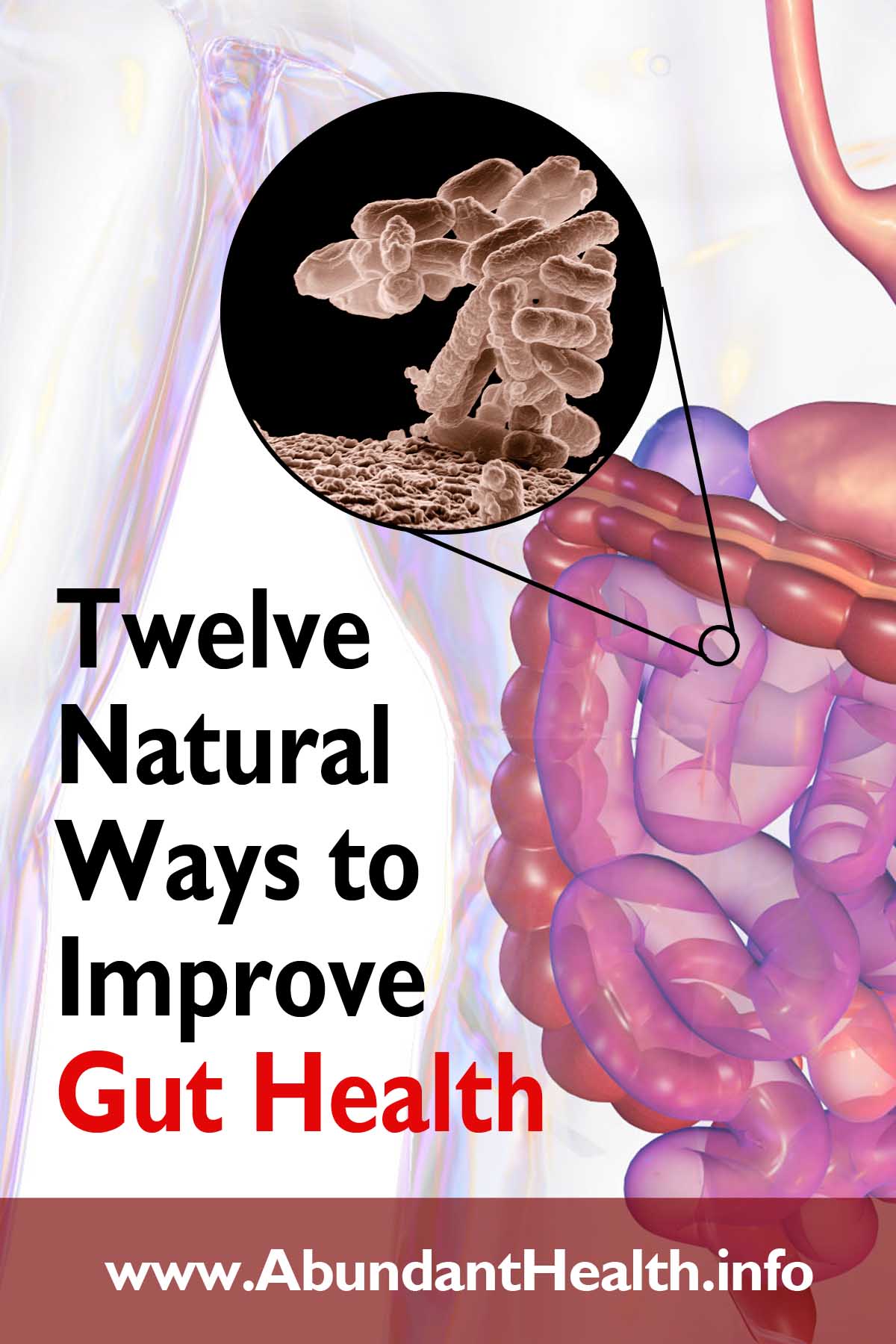
Your gut provides a home for trillions of bacteria. So far there are 2,000 known species of gut bacteria. The contributions of the gut microflora are astounding for they affect nutrient uptake, metabolism, body clocks, carcinogen detoxification, immune responses, chronic inflammation, and mental health!((Baylor College of Medicine. “Dietary quality influences microbiome composition in human colonic mucosa.” ScienceDaily. 15 July 2019.www.sciencedaily.com/releases/2019/07/190715164650.htm))

The proper balance, composition, and a healthful diversity of gut bacteria is necessary for favorable immune responses and optimal health. Imbalance that favors unfriendly bacteria over friendly germs triggers strong immune and inflammatory processes.

Good Germs

Beneficial bacteria release useful byproducts that protect your health and lower your risk for colon cancer, atherosclerosis, and inflammatory conditions. They also protect your gut from infections, produce some nutrients, release certain neurotransmitters such as dopamine and serotonin, and affect our sleep.((Patterson E. Gut microbiota, obesity and diabetes. Postgrad Med J. 2016 May 92(1087):286-300. doi: 10.1136/postgradmedj-2015-133285.))

Germ Warfare

Unfriendly gut bacteria, however, release toxins and inflammatory agents that disrupt the gut barriers. Once inside the blood, these inflammatory compounds and toxins contribute to the development of conditions such as atherosclerosis, hypertension, allergies, diabetes, obesity, inflammatory bowel diseases (Crohn’s, celiac, ulcerative colitis), lung problems, anxiety, and depression.((Singh RK. Influence of diet on the gut microbiome and implications for human health. Journal of Translational Medicine volume 15, Article number: 73 (2017).)) 
Could Your Gut Impact Your Blood Pressure?

What Shapes Gut Bacteria?

Every individual microbiome is different and develops because of genetic, environmental, lifestyle, and dietary factors to which we are exposed.  So, how do we encourage the population of good germs and reduce the number of unwanted ones?

Whole, Nutrient Dense Plant Foods

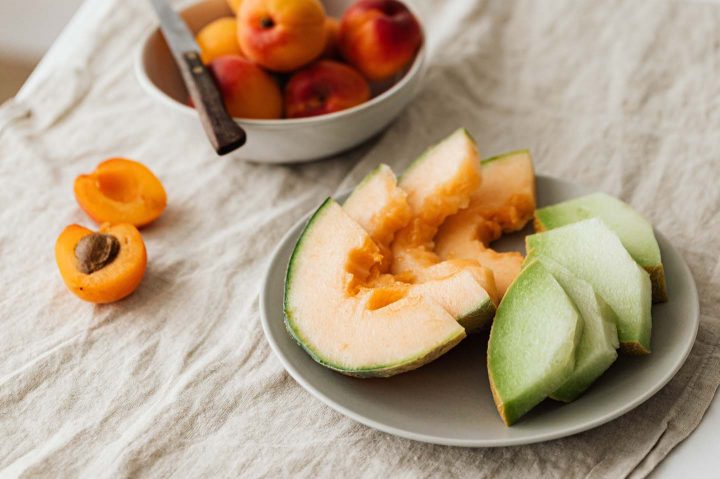
Diets that are high in whole plant foods–fruits, vegetables, legumes, and whole grains–and low in added sugar and saturated and trans fats– stimulate the proliferation of beneficial bacteria such as those that have anti-inflammatory properties.((Tomova A. The Effects of Vegetarian and Vegan Diets on Gut Microbiota. Front. Nutr. 17 April 2019.www.frontiersin.org/articles/10.3389/fnut.2019.00047/full)) In this aspect, liberal amounts of raw fruits and vegetables are particularly useful in building healthy gut microflora.((Karon A. A Western Diet Linked to lower microbiome diversity. Internal Medicine News. March 29, 2019.www.mdedge.com/internalmedicine/article/197770/gastroenterology/western-diet-linked-lower-microbiome-diversity))

Fruits -  Photo by Karolina Grabowska from Pexels

In contrast, a poor-quality or Western diet (rich in sugar, animal products, salt, processed foods, and refined carbohydrates) is linked to more disease-causing bacteria.((Zinöcker MK. The Western Diet–Microbiome-Host Interaction. Nutrients. 2018 Mar: 10(3): 365.www.ncbi.nlm.nih.gov/pmc/articles/PMC5872783/
Singh RK. Influence of diet on the gut microbiome and implications for human health. Journal of Translational Medicine. Volume 15, Article number: 73 (2017).)) One such species of bacteria is Fusobacteria, which has been linked to colorectal cancer.((Baylor College of Medicine. “Dietary quality influences microbiome composition in human colonic mucosa.” ScienceDaily. 15 July 2019.www.sciencedaily.com/releases/2019/07/190715164650.htm))

Great Carbs

Good carbs boost gut health. While it is true that high sugar, fat-rich, and refined products promote the population of unfriendly bacteria in the gut, the keto and low carb diets miss the important contributions that result from eating resistant starches!

Whole grains and legumes contain resistant starches that are not fully digested in the stomach and small intestine. Consequently, they are not absorbed. Resistant starches, like soluble fiber, feed the friendly bacteria in your intestines, having a positive effect on the distribution and composition of bacteria as well as their number. These bacteria produce useful byproducts from resistant starches to curtail inflammation and lower the risk for chronic diseases.((Robertson MD. Insulin-sensitizing effects of dietary resistant starch and effects on skeletal muscle and adipose tissue metabolism. Am J Clin Nutr. 2005 Sep: 82(3):559-67.
Birt D. Resistant Starch: Promise for Improving Human Health. Adv Nutr. 2013 Nov; 4(6): 587–601.
Kieffer D.A. Resistant starch alters gut microbiome and metabolomic profiles concurrent with amelioration of chronic kidney disease in rats. J Physiol Renal Physiol. 2016 May 1; 310(9): F857–F871.))

Another advantage: Most prebiotics are oligosaccharides (carbohydrates that have a small number of monosaccharides) and help to maintain the balance of gut microflora in favor of friendly bacteria. A prebiotic is non-digestible carbohydrate that not only feeds good bacteria but it feeds probiotics too. Prebiotics selectively work on a limited number of gut germs. Asparagus, artichokes, barley, rye, lentils, onions, chicory, garlic, leeks, and bananas are good sources of oligosaccharides.

Salt-Gut Connection

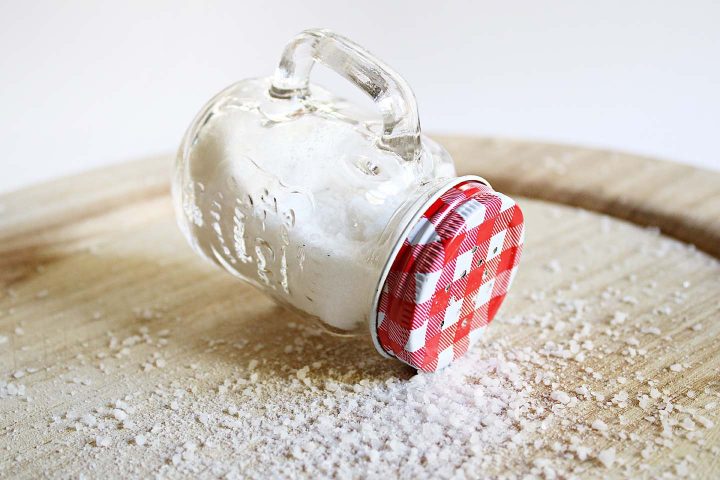
Go easy on the salt! Excessive salt decimates a certain type of beneficial bacterium in the gut (lactobacilli). It also increases the number of certain immune cells (helper T-17 lymphocytes). These particular immune cells play a role in the development of high blood pressure and autoimmune conditions in which the immune system attacks tissues and organs of the body. (Please note: The problem is ingestion of too much salt and the excessive number of T-lymphocytes. A little salt is essential to health). When probiotic lactobacilli were added to a high-salt diet, the elevated T-17 cells and blood return to normal—at least in rodent studies.((Nicola Wilck, Salt-responsive gut commensal modulates TH17 axis and disease. Nature. 2017; DOI: 10.1038/nature24628))
Seven Facts about Salt Your Doctor Won’t Tell You

Salt shaker -  Photo by Lorena Martínez from Pexels

Eat Organic!

Pesticide residues on food have the potential to harm friendly gut bacteria over time.((Defoi Clémence. Food chemicals disrupt human gut microbiota activity and impact intestinal homeostasis as revealed by in vitro systems. Published: 20 July 2018.www.nature.com/articles/s41598-018-29376-9)) To help remove pesticides from produce, soak the produce briefly in a 10% salt rinse. (Use 1 part sodium to 9 parts water). There is no way you can reduce pesticides from meat, dairy, and fish.

Downside of Artificial Sweeteners

Because they potentially reduce the number of good bacteria in your gut and encourage insulin resistance, avoid artificial sweeteners.((Suez J. Artificial sweeteners induce glucose intolerance by altering the gut microbiota. Nature. 2014 Oct 9; 514(7521):181-6.)) Saccharin and sucralose, for sure, and possibly stevia, adversely affect gut bacteria.((Javier F. Effects of Sweeteners on the Gut Microbiota: A Review of Experimental Studies and Clinical Trials. Advances in Nutrition, Volume 10, Issue suppl_1, January 2019, Pages S31–S48.doi.org/10.1093/advances/nmy037)) Insulin resistance and high blood sugar themselves can disrupt the gut barrier and increase its permeability so that inflammatory compounds and toxins enter the blood.

Meal Frequency

Limit the number of meals and skip snacking. If you are sedentary, or have a chronic inflammatory condition, you might want to consider skipping supper and eliminating snacks. In other words, time restricted eating.Why? Time-restricted feeding allows for only 8–10 hours of feeding each day. Time restricted eating changes the gut microflora in positive ways to discourage obesity, disruption of blood glucose regulation, and bowel diseases.((Dandun Hu. Gut flora shift caused by time-restricted feeding might protect the host from metabolic syndrome, inflammatory bowel disease and colorectal cancer. Translational Cancer Research. Vol: 7:5. Oct. 2018.))

Do Not Relapse!

The composition of gut bacteria can change quickly!—within ten days. For better or worse. In other words, even a short-term consumption of diets composed mostly of animal or plant products rapidly alters and deteriorates the community of gut microbes. Just eating an animal-based diet or consuming fast foods for several days, for example, reduces useful byproducts from fermentation of carbohydrates. This diet consequently increases the potential for diarrhea, other intestinal infections and inflammatory bowel diseases.((David LA. Diet rapidly and reproducibly alters the human gut microbiome. Nature. 2014 Jan 23; 505(7484):559-63.)) The good news is that a proper diet can favorably shift the gut bacteria to a friendlier status within a few days!

Regular Schedule

Eat meals and sleep on schedule. Gut microbes have circadian rhythms that are controlled by the biological clock of the host in which they reside. Disturbed body rhythms adversely change the composition of the microbial community in such a way as to promote obesity and metabolic problems((Thaiss et al. Trans-kingdom control of microbiota diurnal oscillations promotes metabolic homeostasis. Cell, 2014 DOI: 10.1016/j.cell.2014.09.048))
How to Diffuse Your Body’s Time Bomb

Don’t Short Change Your Sleep

Even healthy young men who experienced only two nights of partial sleep deprivation, have a significant decrease in types of beneficial bacteria. They also experienced changes to the composition of microorganisms in the microbiome that are linked specifically to obesity, insulin resistance, and type 2 diabetes

Researchers from Kent University investigated the influence of the microbiome in a group of adults ages 50-85 and found strong connections between higher sleep quality, better cognitive flexibility (the ability to transition between one concept to another), and higher levels of beneficial gut microbes.((Breus M. The Latest on Sleep and Gut Health. Health. May 29, 2018.thesleepdoctor.com/2018/05/29/the-latest-on-sleep-and-gut-health/)) Even individuals who wake up frequently during the night develop adverse changes in gut bacteria.

Get Regular Exercise

Exercise boosts the diversity of the bacteria found in the gut. Reduced variation in gut microbes (microbiota) has been linked to obesity and other chronic problems. On the other hand, increased diversity favors a metabolic profile and a more helpful immune system response.((S. F. Clarke, Exercise and associated dietary extremes impact on gut microbial diversity. Gut, 2014; DOI: 10.1136/gutjnl-2013-306541)) Moderate exercise is especially useful in reducing inflammation.

walking on a beach -  Photo by Karolina Grabowska from Pexels

Learn to Manage Stress

Stress can change the gut bacteria in undesirable ways. Exposure to psychological stress disrupts the beneficial gut bacteria. The dominance of certain bacteria can produce substances that interact with the brain, erode mental health, and lower the threshold for depression, anxiety, obsessive-compulsory disorder, and possibly other mental illnesses.((Mc Guillian MS. Gut Health Affects Mental Health.www.psycom.net/the-gut-brain-connection)) Unfortunately, even moderate stress during pregnancy is enough to change the intestinal bacteria so that newborn infants are more susceptible to infections.((Bailey, M.T. Prenatal Stress Alters Bacterial Colonization of the Gut in Infant MonkeysJournal of Pediatric Gastroenterology and Nutrition: April 2004. Volume 38: Issue 4 p. 414-421))

Depression, anxiety, and other mental illnesses have many causative and contributory factors. The gut health is only one possible contributing factor in mental disease, but it should not be overlooked. 
Overcoming Fear & Anxiety

Check Your Meds

Antibiotics are not the only drugs that disturb the gut microflora. Acid-reducing meds, antibiotics, NSAIDS (nonsteroid anti-inflammatory drugs), calcium channel blockers for high blood pressure, anti-virals, anti-psychotic drugs, and chemotherapy can also negative impact our gut bacteria. If you take these any of these drugs, you might want to consider probiotics. Always take probiotics four hours after taking the medication!

Try to discover the causes of your condition. Treat the cause and you might do with less medicine and in some cases dispense with it all together. Please do not adjust medication without discussing it with your doctor first.

Downside of Probiotics

Live probiotics can be useful especially during a round of antibiotics, if using a drug mentioned above, if one has been on a poor diet, or has some medical condition in which documented evidence indicates that probiotics may help. If a person has been eating a healthful, plant-based diet and is generally healthy, there is no need to take probiotics every day. Probiotic use can result in a significant accumulation of bacteria in the small intestine that can result in disorienting brain fogginess as well as rapid, significant belly bloating.((Medical College of Georgia at Augusta University. “Probiotic use is a link between brain fogginess, severe bloating.” ScienceDaily, 6 August. 2018.www.sciencedaily.com/releases/2018/08/180806095213.htm))

Healthy Fruits

Stay Always Up to Date

Sign up to our newsletter and stay always informed with news and tips around your health.

Sign Up Now!

This article was originally posted on the Wildwood Institute website and is used by permission.

Filed Under: Body Systems, Digestive Tract, Nutrition

Pancreas, Diabetes and Meal Frequency

May 30, 2021 by Esther Neumann - [rt_reading_time label="Reading Time:" postfix="minutes" postfix_singular="minute"]

Pancreas

There’s something else behind the stomach – and that’s the pancreas. That’s how we learned it at school. In its first role, the pancreas is a vital digestive gland. In the unborn fetus, it is already developing on the 28th day and the Langerhans islet cells can be seen in the 8th and 9th week. Multipotent stem cells remain in the pancreas throughout their life, because they have to constantly produce replenishment, as a pancreatic cell only lives on average for about 40-50 days.

Pancreas, Diabetes and Meal Frequency

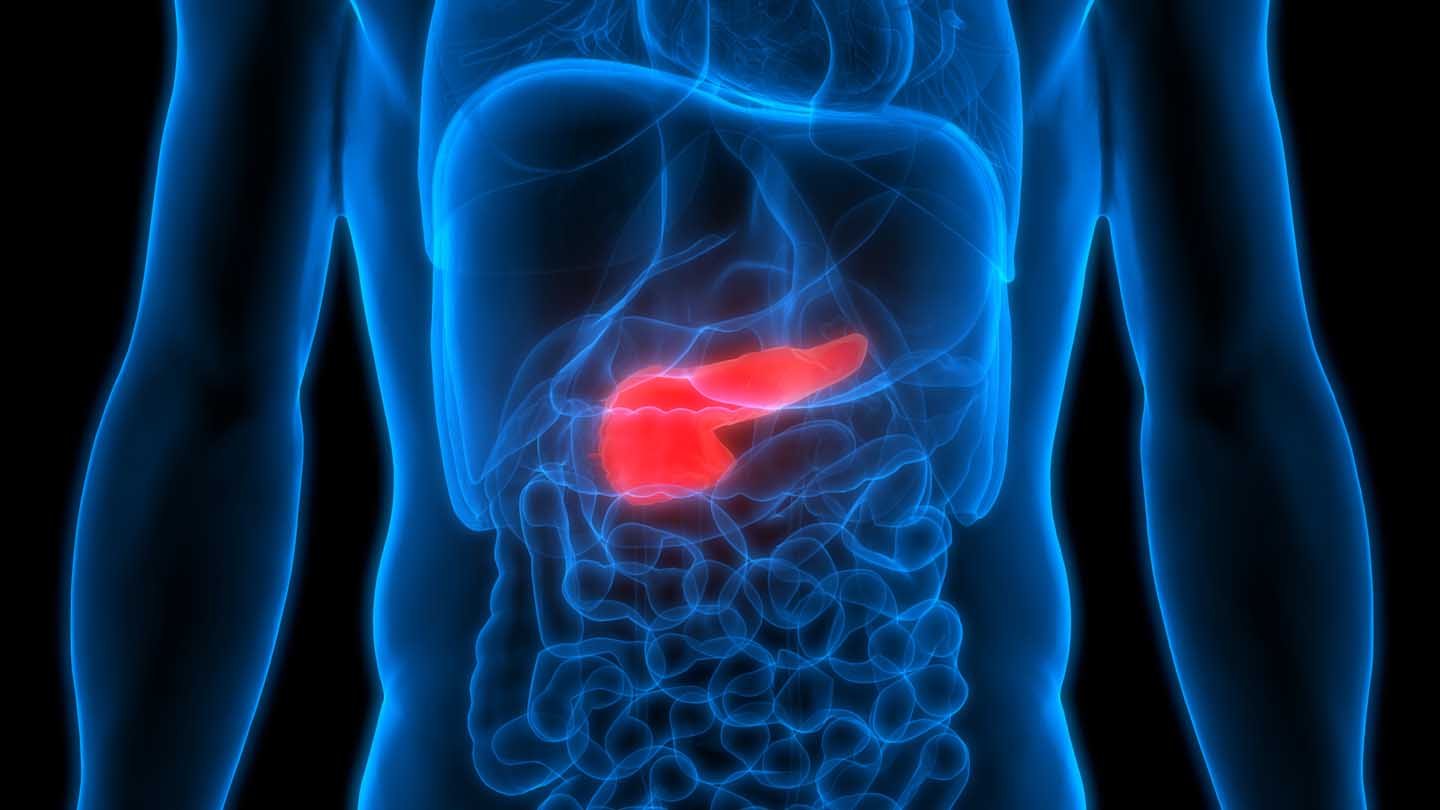
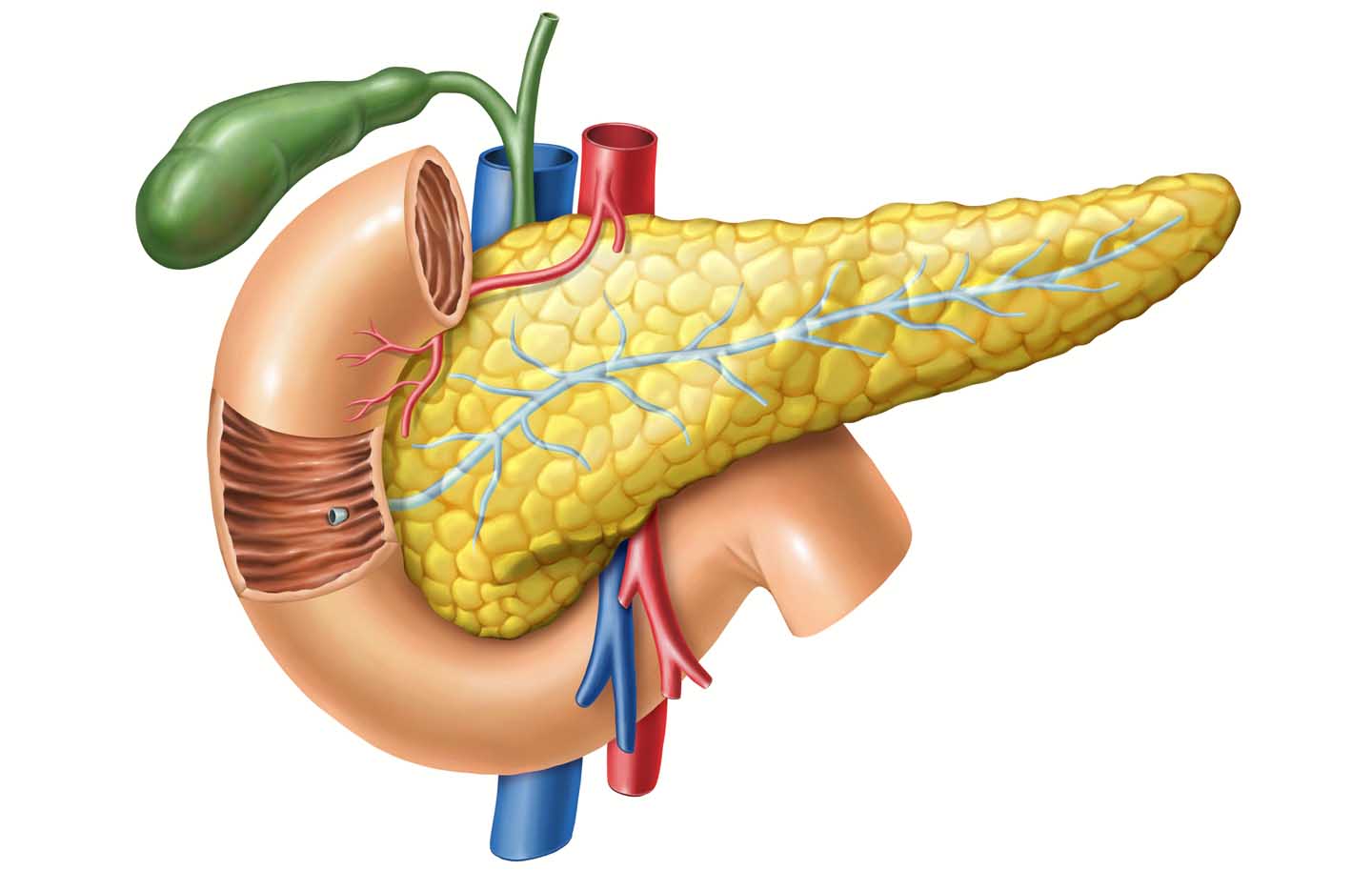
The pancreas is a relatively large gland that lies across the body behind the stomach between the spleen and liver. It is about 5-8 inch (14-20 cm) long and weighs 70-100 g. It is divided into head, body and tail. It is connected to the duodenum via an outlet duct. The duct runs the entire length of the gland. In most people, the main bile duct, the outlet from the gallbladder, unites with the outlet duct from the pancreas. They then flow together into the duodenum.

This junction can be different in some cases. In about a third of all people, both passages lead separately into the duodenum. This is an advantage, for in case that a gallstone sticks at the common duct after the union, it can lead to a backflow of digestive juice and bile in the pancreas and thus to a life-threatening inflammation of the pancreas (acute pancreatitis).

Anatomic drawing of the pancreas together with the bile duct

Exocrine Pancreas

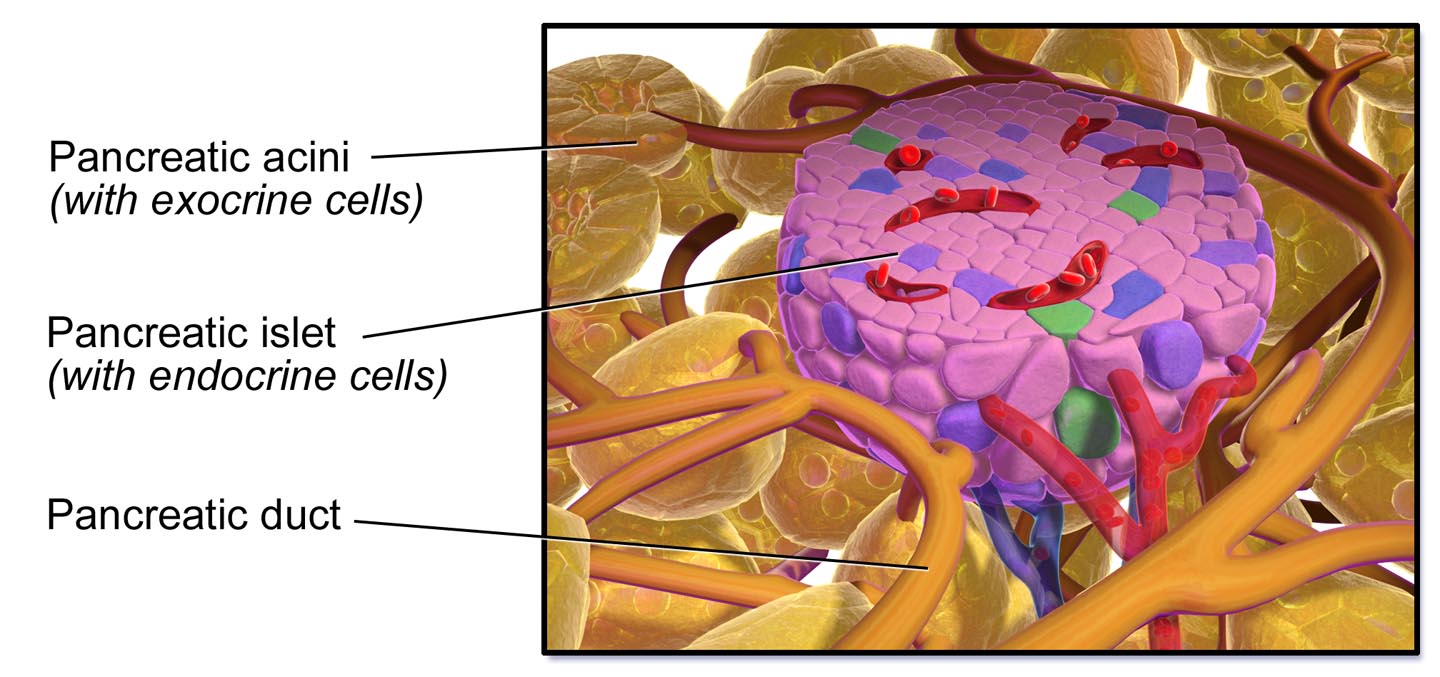
The pancreas contains two parts with very different tasks: the exocrine and the endocrine part. Endocrine is called everything that secretes into the bloodstream and exocrine to the outside, in this case to the duodenum at the beginning of the colon. Note that anatomically speaking, the gastrointestinal tract is considered a tube that is a link of the body with the outside world. The pancreas is made up of several thousand lobules that are barely visible to the naked eye. These in turn are composed of several hundred glandular end pieces, the acini. The secretion of the acini is conducted into the duodenum via a duct system.

About 1.5 – 2 quarts (1.5 – 2 liters) of secretion are produced daily. The most important components are various digestive enzymes: lipases for digesting fat, amylases for digesting carbohydrates and various proteases for digesting protein. Most digestive enzymes, however, are formed in a preliminary stage, which are only converted into the active form inside the duodenum. This prevents the pancreas from digesting itself.

About 95% of the digestive juice consists of water. It is quite important that this juice is rather liquid and that the pH is around 8. In about one in 2000 newborns, the pancreatic secretion is very viscous due to a genetic defect and the pH is almost neutral. As a result, the environment in the duodenum is too acidic and fat digestion cannot function properly. It comes to fatty stools. In the pancreas itself, the ducts are blocked by the viscous secretion. The genetic defect affects various organs of the body. Even in the lungs occurs some blocking and scarring. The clinical picture is called cystic fibrosis.

Pancreatic carcinoma is the third most common tumor of the digestive tract after colon and stomach carcinoma. Smoking, frequent coffee consumption, type I diabetes and chronic pancreatitis can all increase the risk. The prognosis for pancreatic cancer is usually very poor, since rarely an early diagnosis is made, and at this point large parts of the pancreas or all of it have to be removed, often including part of the duodenum. 70 – 80% of cancer cases originate in the exocrine pancreas.

Endocrine Pancreas

The pancreas contains clusters of cells that form small islands within the tissue. They are named after their discoverer, the German physician Paul Langerhans – islets of Langerhans. These are collections of cells with a diameter of 0.1 to 0.4 mm. An adult has about a million of them. This corresponds to 2% of the pancreatic weight. They belong to the endocrine system and release their substances directly into the bloodstream.

Islet of Langerhans - Source: Wikipedia/Medical gallery of Blausen Medical 2014
Illustration from Blausen.com at Wikimedia CC BY 3.0

The main function of these islands is to regulate blood sugar levels. Approximately 70% of islet cells produce insulin. These cells are called Beta cells. 20% are Alpha cells and form glucagon, the counter hormone to insulin. The Delta cells make up 5% and form somatostatin, which even in small amounts prevents the release of glucagon. Another 5% make up the PP cells. PP, the pancreatic polypeptide, consisting of proteins, increases the mobility of the small intestine. This is very important for digestion so that the chyme is well mixed and comes into close contact with the colon wall. This way the nutrients can be better absorbed.

Conductive Pathways

The pancreas is permeated by nerve tracts, lymphatic vessels, lymph nodes, arteries and veins. Blood is supplied through several arteries. It is supplied by a double vascular ring. The smallest veins, the capillaries, have tiny “windows” through which the endocrine cells are in direct contact with the blood. This way the cells “feel” the blood sugar level, so to speak, and the hormones can be released directly into the bloodstream.

Glucose Regulation

Regulating blood sugar levels is very important. The carbohydrates are released into the bloodstream in the form of glucose. The concentration in healthy adults is around 80-100 mg per 100 ml of blood. The two main hormones involved in regulation come from the pancreas: insulin and glucagon. They are opponents. Insulin lowers sugar levels and glucagon increases them. After a meal, the glucose is absorbed into the blood. The blood sugar level rises. In healthy people, this causes insulin to be released into the blood, which has the function of lowering sugar levels back to normal. The insulin opens the way for glucose to enter the body’s cells. There glucose is converted into energy, where it is supposed to be used for movement, heat production and other purposes. However, insulin also causes the excess glucose to be channeled into the liver or muscles. There glucose is converted into glycogen to be stored for the use of intervals between meals.

If the sugar level falls below normal (work, fasting), glucagon stimulates the liver to release glycogen, converting it into glucose which is released back into the bloodstream. The sugar level rises again. Renewed food intake will start the whole process all over again. Continuous food intake, such as constant snacking, overstrains this control loop, which sooner or later fails, leading to type II diabetes mellitus. Obesity also promotes the development of diabetes. This type used to be referred to as adult-onset diabetes. However, because patients with diabetes are getting younger and younger due to an unreasonable lifestyle, this term has been abandoned.

Snacking taxes the panreas - Photo by Tim Samuel from Pexels

Sometimes oral anti-diabetic drugs are used to increase the release of insulin from the Beta cells and can be used to treat type II diabetes. If the lifestyle is not corrected, their effectiveness is normally weaning with time.

Type I diabetes is an autoimmune disease with targeted destruction of the Beta cells that produce insulin. This diabetes can only be treated with insulin injections. Beta cells can also be damaged by viral infections. Research suggests that certain components of cow’s milk, if administered to infants whose intestines are still permeable, can trigger an autoimmune response that damages the Beta cells. So it really makes sense to breastfeed the newborn for as long as possible.

Even if the Delta cells are damaged, for example by a tumor, the blood sugar rises. Tumors affecting PP cells cause severe diarrhea.

We see that our pancreas is a very important organ for our digestion and the whole metabolism. We do well to take good care of our pancreas. We shouldn’t overwork our pancreas by constantly snacking or eating too many meals a day. A healthy adult will do well on three meals a day. He doesn’t need any snacks. Between meals he should consume only liquids, ideally water. In his wise creative power God has implanted a very interesting organ in our body. We can only be amazed how nicely and wonderfully our entire metabolism depends on small things that are interdependent like the many wheels of a clockwork.

Healthy Fruits

Stay Always Up to Date

Sign up to our newsletter and stay always informed with news and tips around your health.
Sign Up Now!

Filed Under: Body Systems, Diabetes, Digestive Tract

« Previous Page

Primary Sidebar

Social Channels

Coronavirus Immunity Challenge

Boost your immune system to be bullet-proof for the pandemic.

I Want to Participate

Recent Posts

  • 5 Habits to Live Longer
  • Better Sleep Can Protect Against Dementia
  • Finding Peace In Your Crazy-Busy World
  • Flaxseed – An Ancient Plant Rediscovered
  • Platelets – Triggers for Life or Death
  • Boderline Personality Disorder
  • In Praise of Almonds and Nuts
  • Are You Stuck in the Clutter Trap?

Categories

  • Body Systems (16)
    • Cell Function (2)
    • Circulatory System (1)
    • Digestive Tract (10)
    • Immune System (4)
  • Diseases (27)
    • Cancer (2)
    • Cold (1)
    • COVID-19 (11)
    • Dementia (1)
    • Diabetes (1)
    • Digestive Diseases (2)
    • Heart Disease (2)
    • Kidneys (1)
    • Metabolic Syndrome (2)
    • Skin (1)
  • Healthy Lifestyle (42)
    • Exercise (11)
    • Gardening (2)
    • Sleep (7)
    • Sunlight (2)
    • Temperance (14)
    • Water (4)
  • Mental Health (87)
    • Addictions (6)
    • Anxiety (7)
    • Burnout (1)
    • Depression (7)
    • Psychosomatic Diseases (6)
    • Stress Management (45)
    • Trust (6)
  • Nutrition (56)
  • Obesity (9)
  • Phases of Life (14)
    • Adults (3)
    • Babies and Infants (1)
    • Children (3)
    • Seniors (5)
    • Teenagers (3)
  • Therapies (7)
    • Herbs (5)
    • Hydrotherapy (1)
  • Uncategorized (3)

Archives

  • January 2025 (1)
  • March 2024 (5)
  • February 2024 (4)
  • January 2024 (4)
  • December 2023 (5)
  • November 2023 (4)
  • October 2023 (5)
  • September 2023 (4)
  • August 2023 (3)
  • July 2023 (2)
  • June 2023 (4)
  • May 2023 (4)
  • April 2023 (5)
  • March 2023 (4)
  • February 2023 (4)
  • January 2023 (4)
  • December 2022 (4)
  • November 2022 (4)
  • October 2022 (5)
  • September 2022 (4)
  • August 2022 (4)
  • July 2022 (5)
  • June 2022 (4)
  • May 2022 (5)
  • April 2022 (4)
  • March 2022 (4)
  • February 2022 (4)
  • January 2022 (5)
  • December 2021 (3)
  • November 2021 (4)
  • October 2021 (6)
  • September 2021 (4)
  • August 2021 (4)
  • July 2021 (5)
  • June 2021 (4)
  • May 2021 (3)
  • April 2021 (5)
  • March 2021 (4)
  • February 2021 (4)
  • January 2021 (5)
  • December 2020 (3)
  • November 2020 (4)
  • October 2020 (5)
  • September 2020 (5)
  • August 2020 (3)
  • July 2020 (1)
  • June 2020 (1)
  • May 2020 (1)
  • April 2020 (1)
  • March 2020 (1)

Copyright © 2026 · Abundant Health - Privacy Policy - Medical Disclaimer