Abundant Health

Up to date health information tailored for you

  • Home
  • Blog
  • Recipes
  • Shop
  • Contact
You are here: Home / Archives for Body Systems

Body Systems

Autophagy – A Key to Better Health

October 23, 2022 by Esther Neumann - [rt_reading_time label="Reading Time:" postfix="minutes" postfix_singular="minute"]

Autophagie

It is happening in every cell of our body, but hardly anyone knows about autophagy. It is an important process to maintain cellular health. In 2016, the Japanese researcher Yoshinori Ohsumi received the Nobel Prize in medicine for discovering important links between fasting and autophagy. But already in 1963 the Belgian biochemist Christian de Duve described the processes of autophagy.
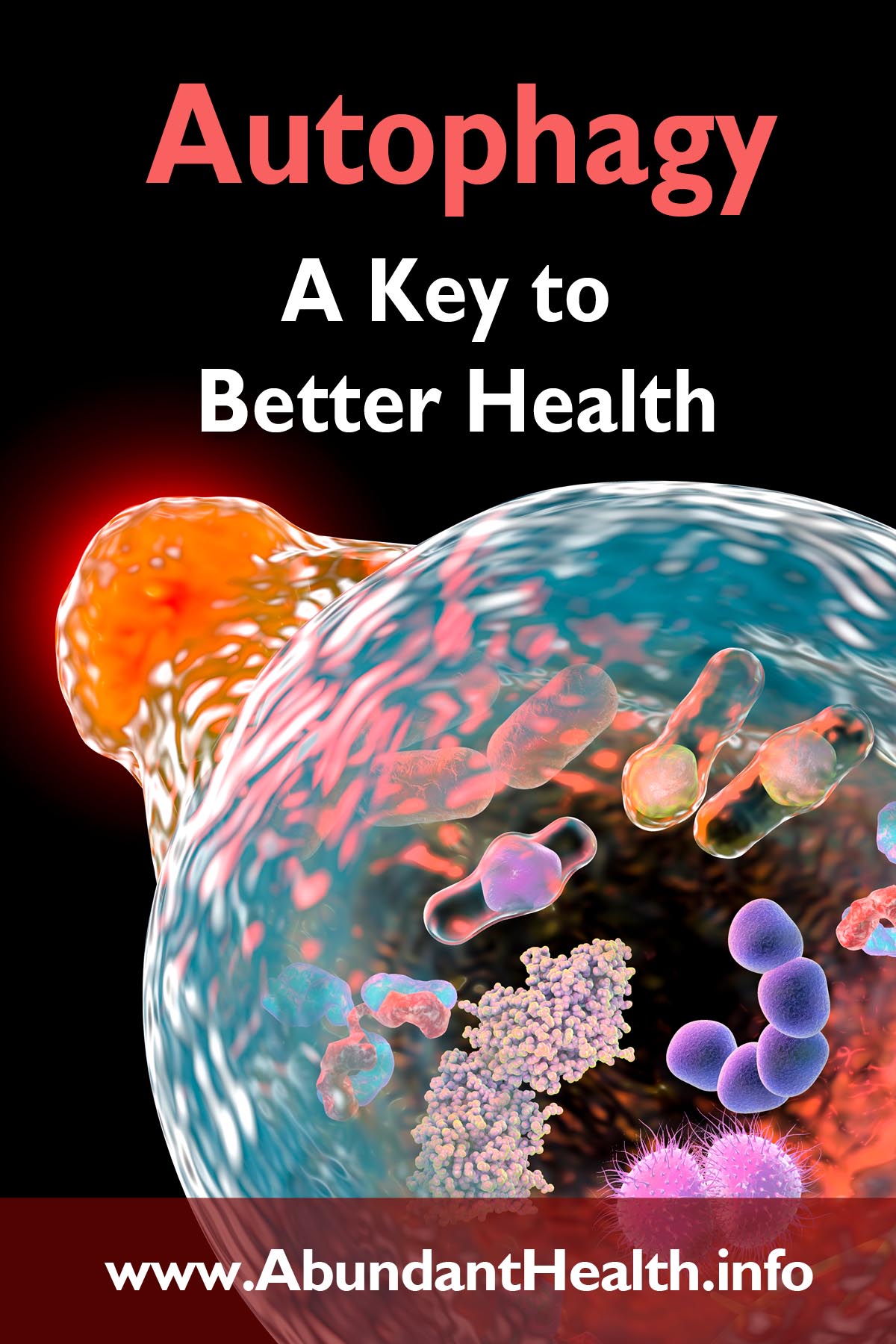
Autophagy – A Key to Better Health

The word autophagy comes from the Greek. “Auto” means itself and “phagein” means to eat. It is a process that takes place in the lysosomes within our cells and eliminates and recycles cell components such as broken proteins or other damaged cell organelles – e.g. mitochondria, our power plants in the cells.

Some of the degradation products are recycled or converted into energy. Therefore, autophagy is strongly boosted by fasting. Furthermore, microorganisms, bacteria and viruses that have penetrated the body are also combated by autophagy. It therefore also plays a major role in the immune system, in infections, in the aging process and in the development of tumors. Well-functioning autophagy can help to prevent cancer.

Autophagy no longer works as well as we age. This causes many diseases. Dementia, Parkinson’s, Alzheimer’s and diabetes can be traced back to it. All of this fits well with the observation that people age healthier when they consume less calories. It’s no wonder that autophagy has become a major research topic. Many centenarians on the island of Okinawa state, “We only eat so much that we’re not quite full.”

A well-functioning autophagy is therefore advantageous for the prevention of various diseases. In Parkinson’s specifically, we know that brain cell death is the cause of the disease, and deficient autophagy seems to be a major reason. We’ve talked about cancer prevention before, and there are possibilities that osteoarthritis is also strongly related to autophagy.

A man with Parkinson

Intermittent Fasting

Some researchers in Austria are also significantly involved in autophagy research, especially when it comes to implementation strategies. University Professor Dr. Frank Madeo is supervising a large-scale study at the Institute for Molecular Biosciences at the Karl-Franzens University in Graz. Fasting triggers autophagy, which is rejuvenating, life-prolonging, and regenerative. Even a short-term fast of 16-20 hours triggers this effect.

Cells need time to get rid of their waste or to recycle it. When you eat constantly, you need insulin all the time, and your body is always busy digesting. Insulin inhibits autophagy. Looks like the recommendation to eat five to seven smaller meals throughout the day will soon be a thing of the past. Prof. Madeo says: “Welcome your hunger like a friend and your body will get cleaned up.”

There is no need to fast for a few days in a row to enjoy autophagy. Intermittent or short-term fasting is also sufficient. An interval of 16:8 is sufficient, i.e. eating only twice during an 8 hour block, and then fasting for 16 hours, abstaining from all food, including fruit juices. Water is allowed to drink. Preferrably the dinner is skipped. There is also the method of eating normally for a day and then fasting for a day. A side effect of short-term fasting is that fewer calories are usually ingested, which means that we can shed a few extra pounds.

A scale and a tape

In fact, long periods of fasting can become a problem in some circumstances. If you fast for several days, your body will begin to break down muscle as soon as all other reserves have been used up. This not only reduces muscle strength, but also slows down metabolism, which has a negative effect on weight control. Intermittent fasting avoids these problems while reaping the full benefits of autophagy.

Pregnant women should avoid long-term fasts, and breastfeeding mothers often experience problems with milk production after just one day of fasting. Children and seniors should also be careful with long-term fasting. Sick or frail persons such as advanced cancer patients not only may lose strength, a lack of protein in the diet for several days can also negatively impact the immune system. Therefore, prolonged fasting should be used with caution, while intermittent fasting is well tolerated in most cases.

Plant Based Diet

There have been found some substances in food that boost autophagy. This includes polyphenols. They are mainly found in the outer layers of vegetables, fruits and grains. They protect the interior of the plants from oxidation, and take on this function in the human body as well.

Spermidine, a substance that the body also produces itself, is found in many types of fruit and vegetables. The connection to the seminal fluid is correct. It is found there in high concentrations. Researchers have found that spermidine boosts autophagy as well.

It proves once again that a plant-based diet has many advantages. Animal protein actually inhibits autophagy.

A hand cutting a bell pepper

By the way, exercise will help as well. The cells are put into a nutrient deficiency that increases autophagy. It is smart not to eat anything for a few hours after exercising. Then the effect will be even greater.

Getting Practical

We have already seen that intermittent fasting has a beneficial effect on autophagy. It is best to eat a hearty breakfast and a moderate lunch, then skip dinner and eat nothing until the next morning. During the night, calorie consumption is very low, and eating in the evening quickly adds some extra pounds.

Skipping dinner also has a positive effect on sleep. The stomach is not occupied with digestion and can rest. The lying position with a full stomach can sometimes lead to reflux. And since digestion is slower at night, it can lead to unwanted fermentation processes. The quality of sleep is often affected as well.

How do you make this transition in practical terms? Initially, many have problems going to sleep on an empty stomach. If that’s the case, you can try to do a gradual transition. Either you do this by increasing your nightly fasting time by moving dinner gradually to an earlier time. After a few days, when you’ve managed to get dinner down to 5pm, you can try skipping it altogether.

Another option would be to gradually reduce the amount of food you eat until you can suffice with one piece of fruit in the evening. If necessary, you can switch to fruit juice for a few days until you can manage to skip dinner altogether. Drinking a glass of water or a cup of herbal tea can help to control hunger. Once you get used to the new rhythm, it’s usually not a problem to maintain it.

A man and a woman drinking a cup of tea.

Another variation of intermittent fasting is to fast one full day a week. Ideally, you should only drink water. If you can’t keep it up, you can help yourself out with some fruit. These do not burden the digestion and are not too high in calories. Most of the time they are sufficient to control the feeling of hunger. In addition to the health benefits of autophagy, a weekly fasting day also helps with weight loss, and if needed, you spread out 2 fasting days during the week.

The third variant, which also has positive effects on autophagy, is limiting the calorie intake at every meal. Following the example of Okinawa’s centenarians, you stop eating before you’re full. After eating your first portion, you stop for a moment and examine if it was enough to satisfy your first hunger. If so, put the silverware aside and stop eating. Studies have shown that calorie restriction significantly extends the lifespan of mice. It pays off to take care of your body.

We have seen the benefits autophagy brings to our health. You may need to experiment a bit with the implementation to see what option you manage to adapt the best. Let’s help our body to clean up and recycle its cellular waste, and he will reward us with good health. All the best with the implementation!
Healthy Fruits

Stay Always Up to Date

Sign up to our newsletter and stay always informed with news and tips around your health.

Sign Up Now!

Filed Under: Body Systems, Cell Function, Healthy Lifestyle, Obesity, Temperance Tagged With: Autophagy, Intermittent Fasting

Is Exercise Medicine?

September 11, 2022 by Franklin V. Cobos II - [rt_reading_time label="Reading Time:" postfix="minutes" postfix_singular="minute"]

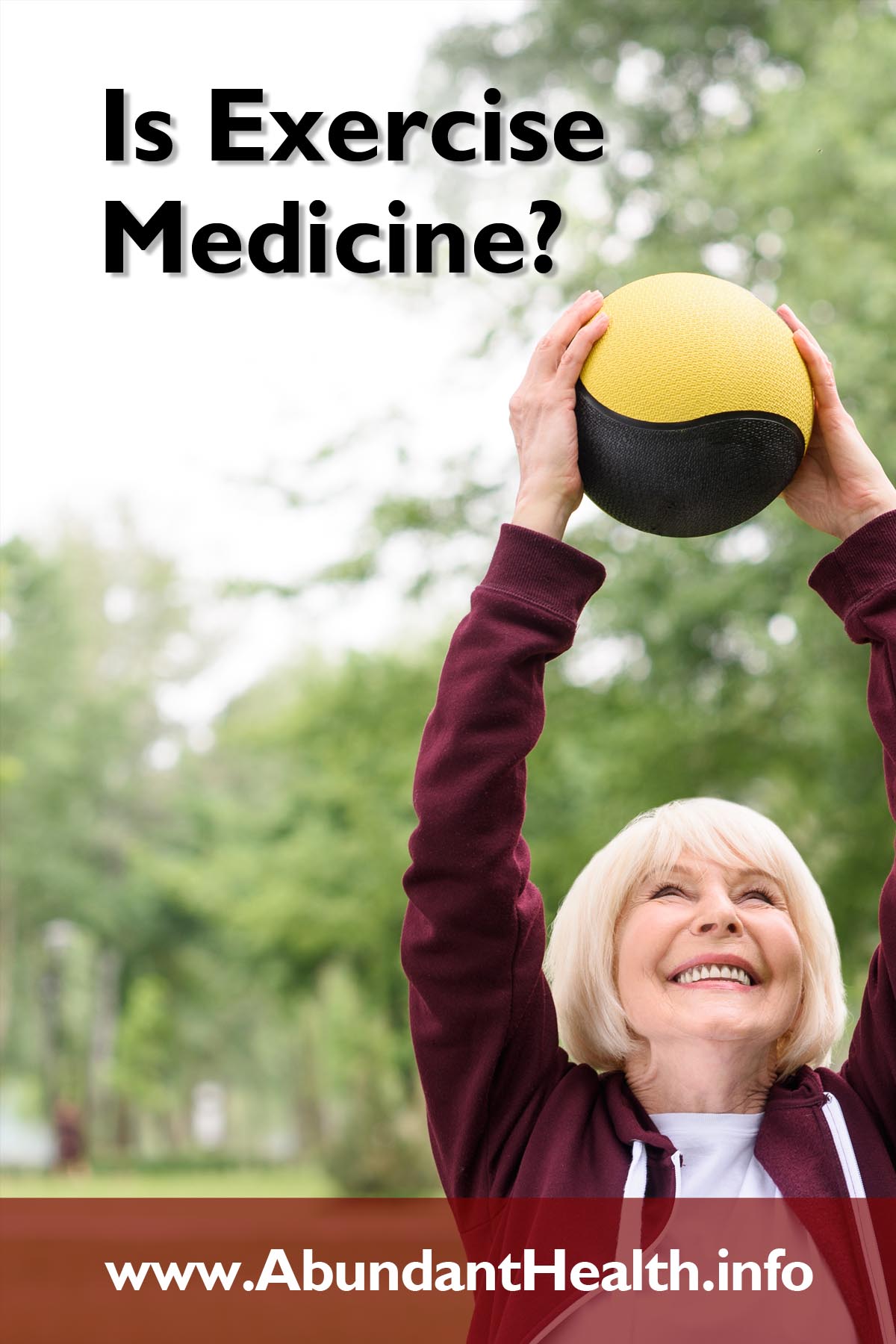
Is Exercise Medicine?

Despite the resistance of some, I personally continue to insist that exercise plays a vital role in the maintenance of wellness. Exercise has proven to be more than merely a preventative measure that simply maintains a pre-existing state of good health; it is also very therapeutic and can slow or reverse serious illness. And we know much today how exercise can help you to improve your immune system.

Is Exercise Medicine?

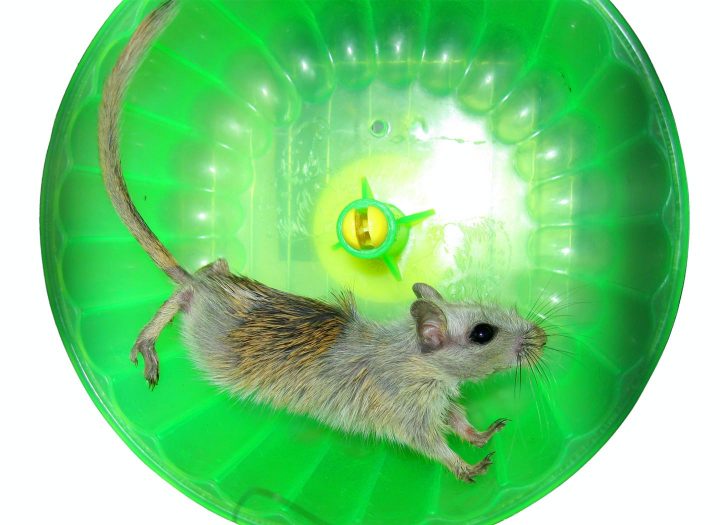
I find it strange and disappointing that mice with cancer will spontaneously choose to use an exercise wheel placed in their cage and enjoy measurably improved health outcomes, but that human counterparts will actively resist the prescription of exercise programs and thus lose the proven benefits that they would otherwise accrue.((Hojman P, Gehl J, Christensen JF, Pedersen BK. Molecular Mechanisms Linking Exercise to Cancer Prevention and Treatment. Cell Metab. 2018 Jan 9;27(1):10-21. doi: 10.1016/j.cmet.2017.09.015. Epub 2017 Oct 19. PMID: 29056514.)) I just have to ask, “Why is that!?” Why is it that animals will voluntarily do the right thing, but often with only great difficulty will people be coerced to do what is in their own best interests? It reminds me of when all the animals spontaneously showed up on their own to board Noah’s ark after 120 years’ worth of failed attempts to give away free tickets to ride out the coming storm and cataclysmic, worldwide flood!

If exercise is medicinal, how “medicinal” is it? Well, in the aforementioned study involving mice with cancer researchers deprived a control group of mice of having the option to freely exercise on spinning wheels inside their cages.((Hojman P, Gehl J, Christensen JF, Pedersen BK. Molecular Mechanisms Linking Exercise to Cancer Prevention and Treatment. Cell Metab. 2018 Jan 9;27(1):10-21. doi: 10.1016/j.cmet.2017.09.015. Epub 2017 Oct 19. PMID: 29056514.)) This dramatically reduces their physical activity. These mice were then compared to a matched group of cancerous mice that were granted their very own, private little version of Planet Fitness inside their cages (totally free of charge to them and open 24 hours a day, seven days a week).

Mouse in exercise wheel

The results of the study indicate that tumor growth was reduced in all mice that exercised. In cases of liver and lung cancer, the reduction was 59% and 58% respectively. And in mice with melanoma, tumor growth was reduced by 67%. That’s medicinal enough to grab my attention, how about you? If I had cancer, I would be happy to engage in therapy that had those kinds of proven outcomes. Especially if I didn’t have health insurance, or didn’t want to risk experiencing the known side effects and adverse events associated with standard cancer treatments such as chemotherapy.

At this point, you should probably be asking the questions, “How does exercise actually achieve these amazing immune-enhancing effects?” Before pharmaceutical agents are approved for general use in the public, regulatory requirements typically demand evidence of their mechanism of action. If it’s not a placebo, then you should expect to see some scientific reason that explains exactly why it works to help people. So then, what is it that happens in the body when one exercises that is so beneficial as to consider it to be medicinal? For simplicity, I will narrow the discussion of the known mechanisms whereby exercise improves how the body more successfully fights against disease. The mechanisms are complex and many, so let’s start with one that is not too hard to understand. Relax, I’ll try to make this less complex than your average doctor would!

Role of Natural Killer Cells

One of the important issues we have identified is the role that natural killer (NK) cells have in immune function. NK cells are a sub-type of lymphocytes. They make up about 5-15% of all your lymphocytes, which in turn make up around one-third of all your white blood cells (WBCs). These are the ones that respond to help you fight infection, as opposed to red blood cells (RBCs) which contain the hemoglobin that transports oxygen throughout the circulatory system.

What makes normal functioning NK cells so interesting and important is that they do not require any knowledge, prior instruction, or memory of an invader to identify, attack, and destroy it. No antibodies are required, no previous exposure or vaccinations (just like the conditions presently dominating the SARS-CoV-2 pandemic). If you isolate NK cells from a healthy person and put them into a culture with cancer cells, it only takes a few hours before most of the cancer cells are dead! How this happens is largely beyond the scope of this article. BUT… I will tell you how exercise improves NK cell’s function.

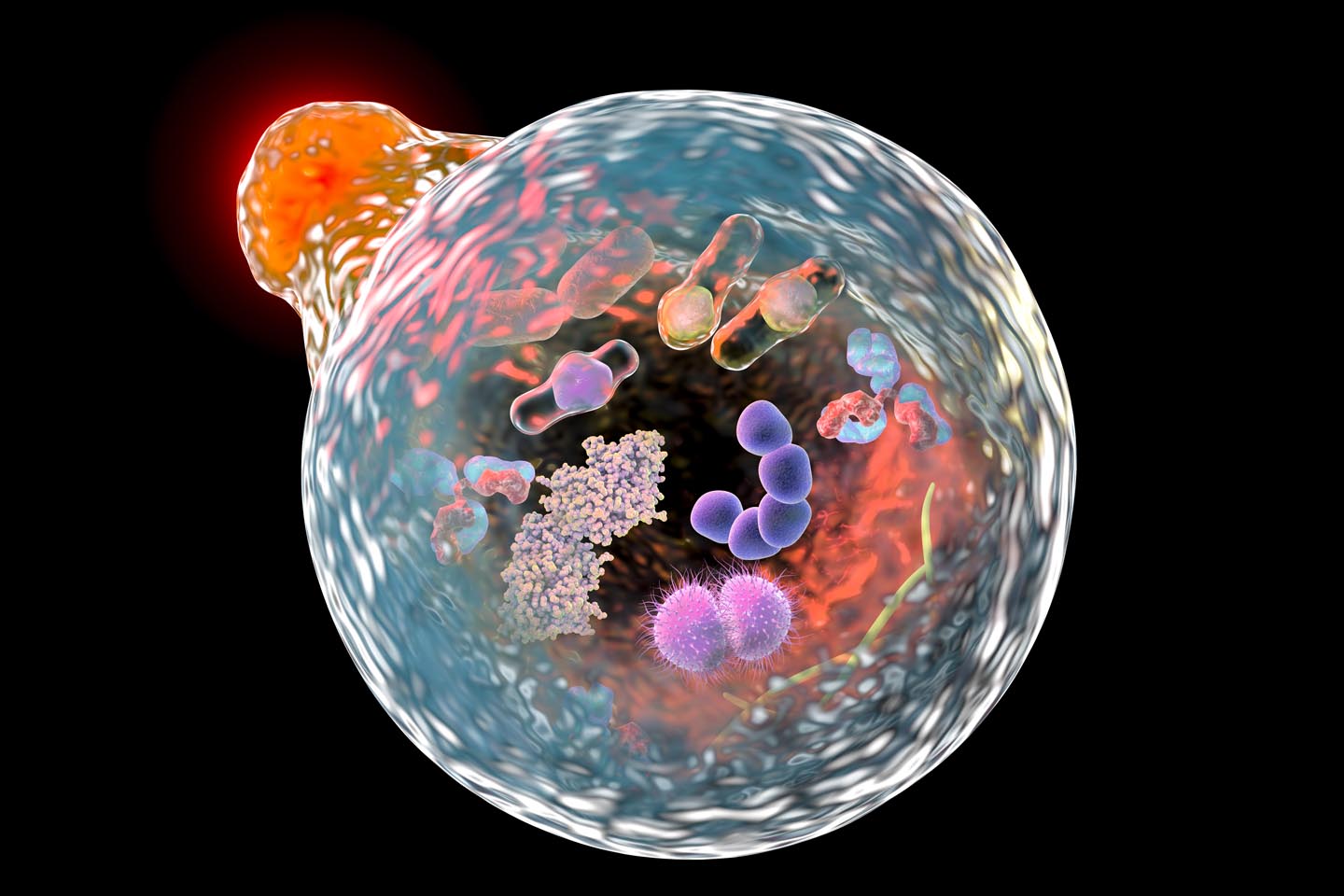
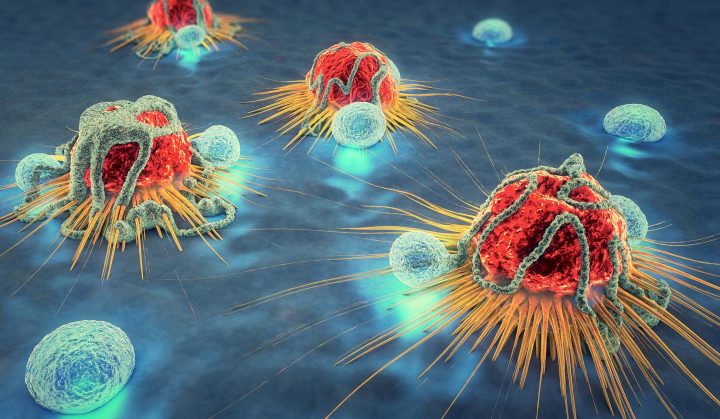
immune system cells attacking cancer cells
3d illustration of immune system cells attacking cancer cells

Catecholamines (epinephrine, for example, is one of them) are released into the bloodstream during exercise. NK cells have receptors on their surface that respond favorably to these catecholamines, making NK cells move around more, and become more active in their assault against your body’s enemies (both foreign and domestic). Research showed that after 30 minutes of moderate exertion on a stationary exercise bicycle the number of lymphocytes in the bloodstream increased by 100%.((Graff RM, Kunz HE, Agha NH, Baker FL, Laughlin M, Bigley AB, Markofski MM, LaVoy EC, Katsanis E, Bond RA, Bollard CM, Simpson RJ. β2-Adrenergic receptor signaling mediates the preferential mobilization of differentiated subsets of CD8+ T-cells, NK-cells and non-classical monocytes in response to acute exercise in humans. Brain Behav Immun. 2018 Nov;74:143-153. doi: 10.1016/j.bbi.2018.08.017. Epub 2018 Aug 30. PMID: 30172948.)) And, the specific sub-type of lymphocytes that increased the most, 400-500%, was the NK cells! Researchers continued taking blood samples, and within only 5 minutes from stopping exercise, about half of all those NK cells had left the bloodstream and entered adjacent tissues looking for a fight to win.

Call to Action

These types of laboratory findings have hopeful implications for the current pandemic, suggesting those who follow the recommended guidelines for regular exercise could reasonably expect to have a much greater margin of safety for their immune function when they are exposed to others around them who are actively shedding viruses (of all types). What those recommendations are, and how one might go about beginning to implement them into daily practice will be the topic of upcoming articles, along with additional encouraging research findings relating to exercise and immune function.

Healthy Fruits

Stay Always Up to Date

Sign up to our newsletter and stay always informed with news and tips around your health.
Sign Up Now!

This article was originally published on the Time to Get Ready website.

Filed Under: Exercise, Healthy Lifestyle, Immune System Tagged With: exercise health benefits, immune system

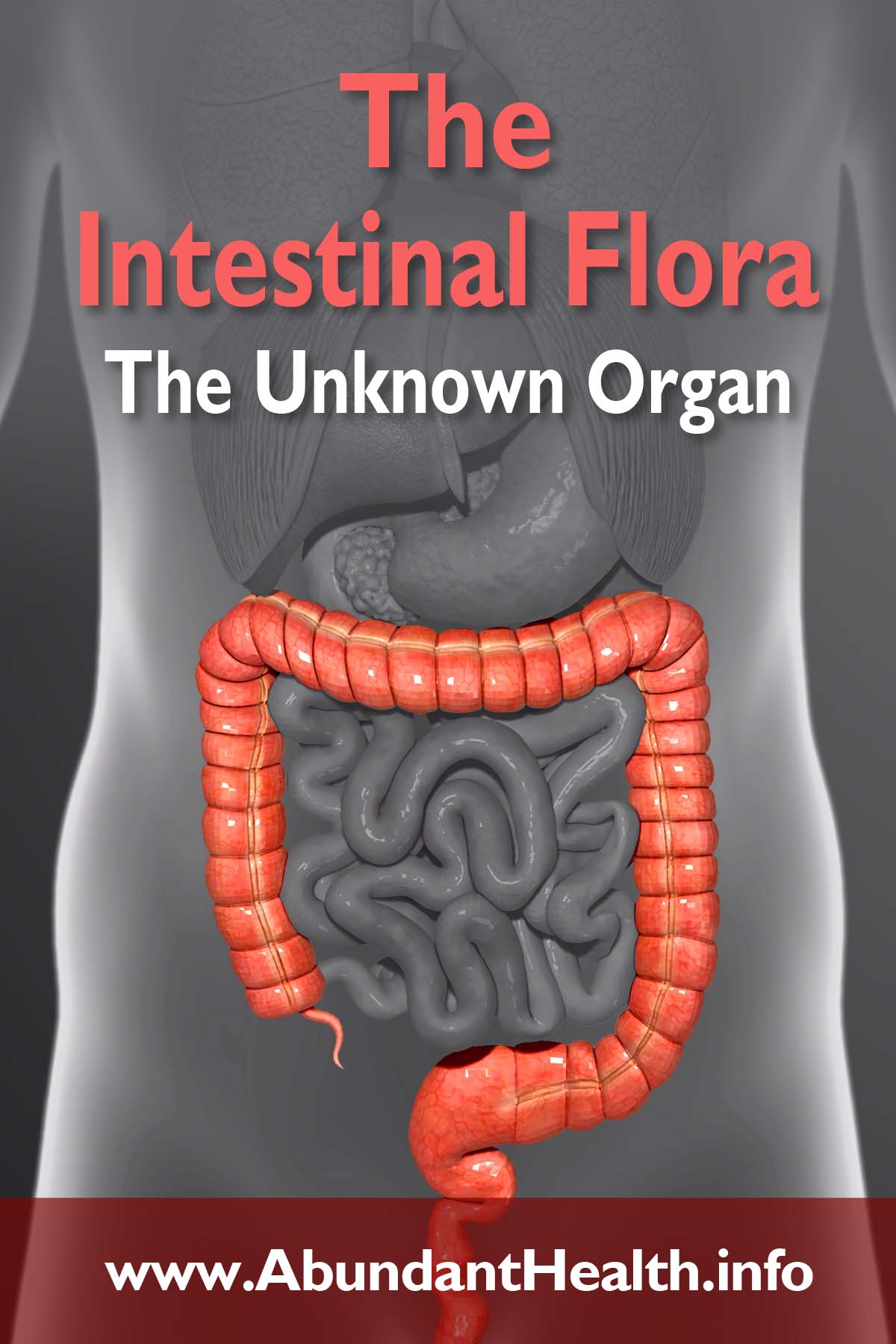
The Intestinal Flora – The Unknown Organ

June 26, 2022 by Esther Neumann - [rt_reading_time label="Reading Time:" postfix="minutes" postfix_singular="minute"]

Darmflora

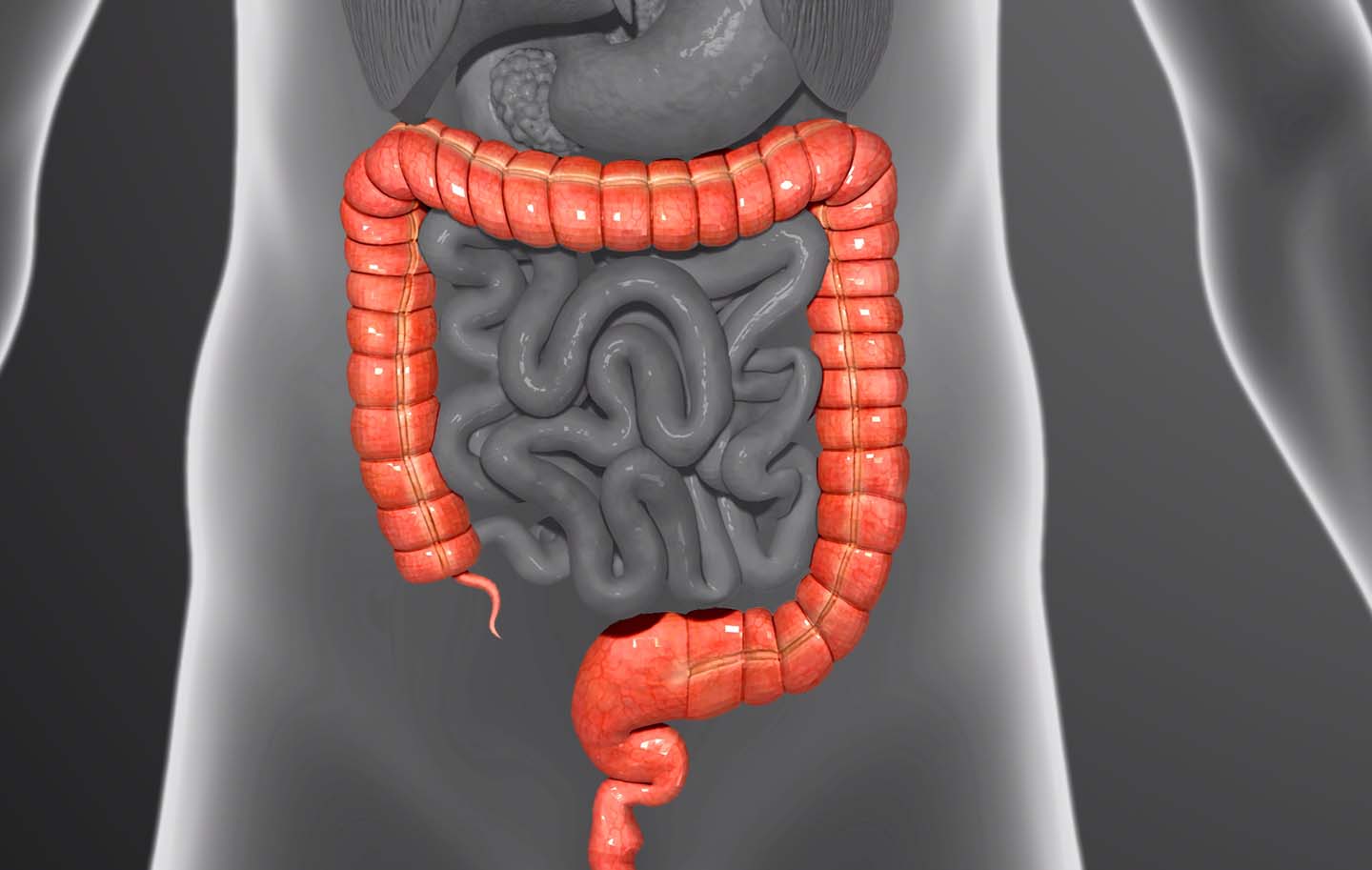
Did you know that our body accommodates about 10 times as many bacteria as body cells? A large part is in the colon and forms the intestinal flora, which handles a wide range of tasks for our body. They help with food absorption, strengthen the immune system and promote peristalsis.

The Intestinal Flora – The Unknown Organ

Cows and humans have one thing in common: they are home to countless other inhabitants, microorganisms and bacteria. Just the time at which these microorganisms do their work is very different in cows and humans.

In the cow, the breakdown of cellulose and other polysaccharides takes place in the forestomach. Short-chain fatty acids are formed in the process. In humans, the bacteria mainly really work in the colon. Again short-chain fatty acids are formed. The work of these microorganisms is extremely important for the health of cows and humans alike.

The 1013 cells of the human body are opposed to 1014 bacteria in the human ecosystem, that means 10 times more bacteria than body cells. There are far more of them living in the large intestine than in the small intestine. Around 1,000 different species and strains make up the intestinal flora, that can vary greatly from person to person. It is still unknown how, once destroyed briefly by antibiotics or during colonoscopy, they manage to rebuild so quickly into a new colony.

Actually, the term “flora” is not quite correct. Flora means plant kingdom. The phrase was coined in the time when bacteria were still considered plants. Today they are divided into a separate group. The bacteria in the gut are not a lifeless mass. They’re doing metabolism. And this huge number is capable to form substances that have an effect on the entire organism. The performance of the intestinal flora can be compared to that of the liver, which is the most versatile metabolic organ. Intestinal bacteria perform many important tasks on our behalf. Not everything has been explored yet.

Diet and Intestinal Flora

The composition of the intestinal flora changes with the food supply. Deviations in eating habits and dietary changes can affect the balance of the intestinal flora, damage it or conversely promote health. The administration of antibiotics also upsets the balance. If several negative factors are combined, pathogenic microorganisms such as enterococci or clostridia multiply. Health-promoting bacteria such as lactobacilli and bifidobacteria are suppressed. Many diseases are closely related to the intestinal microflora.

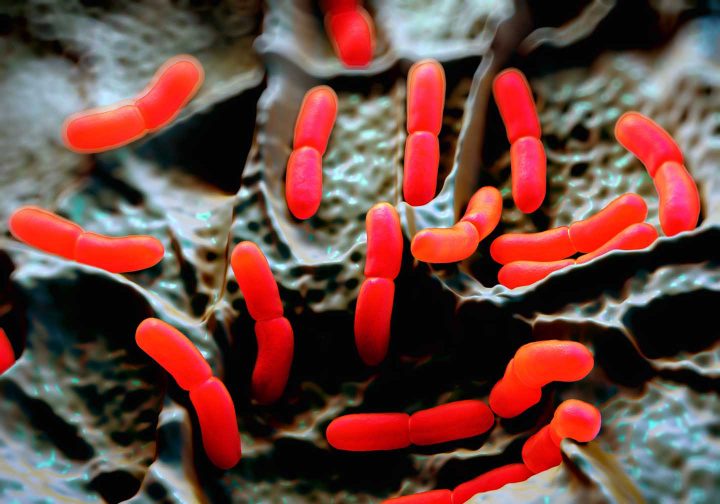
Lactobacilli at the intestine
Lactobacilli

Meat eaters have a completely different composition of the intestinal flora than people who only eat plant-based food. A study has shown that the metabolites of the microorganisms found in the stool of meat eaters lead to DNA damage. The result is cancer, especially in the colon. Many substances that are produced during the preparation of meat, especially when grilling over an open fire, also damage the DNA. Damage to the genetic material contributes significantly to the formation of cancer.

Functions of the Intestinal Flora

The intestine, with its huge surface area, represents the largest exchange surface with the environment. Foreign substances, including germs, are constantly passing through. Immune cells are located in the intestinal wall. A significant part of the antibodies is produced by lymphoid tissues in the intestine. They are passed on through the bloodstream and thus reach the mouth, nose and lungs. In this way, other parts of the body are also supplied with protective antibodies.

Healthy intestinal flora plays an important role in the development of the immune system. The harmless germs activate and train the immune cells. The function of the immune system cannot be maintained without a healthy intestinal flora. Of course, our defenses are not infallible and often become weakened, leaving us vulnerable to disease.

The intestinal flora participates in the digestion of dietary fibers. In the past it was believed that these were indigestible because there are no enzymes in the body that can break down fiber. They are therefore passed undigested to the large intestine. But gut bacteria can. They even break down wood. This results in short-chain fatty acids: acetic acid, propionic acid, butyric acid and lactic acid. These degradation products are very rich in energy. They nourish the intestinal mucosa cells and the intestinal flora itself.

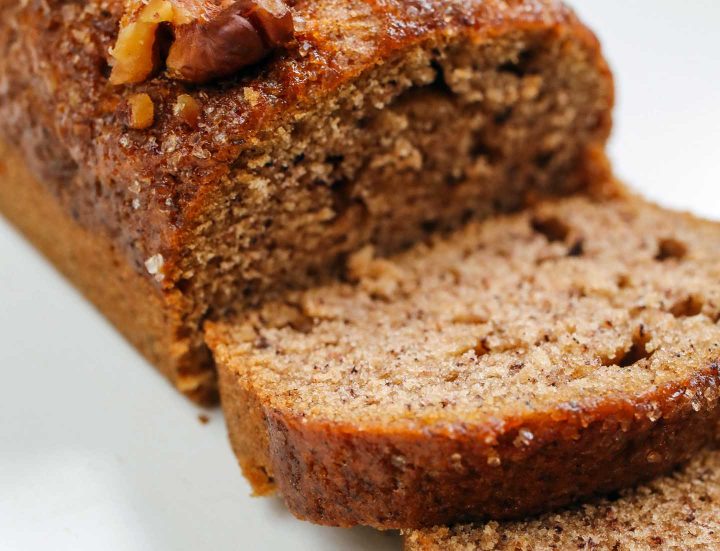
High fiber whole grain bread

It has been found that deficiencies in these fatty acids are common in patients with inflammatory bowel disease. Irritable bowel syndrome, diarrhea or constipation can also be a consequence of disturbances in the intestinal flora. Short-chain fatty acids also stimulate intestinal movements. This promotes the mixing of the chyme for nutrient absorption and further transport.

In addition, the intestinal flora produces substances that the body cannot produce itself. This includes, for example, vitamin K, which is so important for blood clotting. It also produces vitamin B12. Unfortunately, this vitamin is no longer absorbed in the lowest section of the intestine. However, the possibility is being discussed that in the healthy intestines of pure plant eaters such vitamin B12-producing microorganisms continue to rise into the small intestine, where absorption is possible. They can also produce vitamin B1 and B2.

If the barrier function of the intestinal wall is impaired, it becomes permeable. This can lead to inflammatory reactions that can contribute to the development of other diseases. These include inflammatory bowel disease, type 2 diabetes, atherosclerosis, heart failure and certain liver diseases.

In order to improve health and quality of life, it makes sense to pay more attention to the intestinal flora. We can take care of them by eating more fiber. We find them in fruits, vegetables, whole grains, seeds and nuts. If we eat little or – even better – no meat at all, we improve the intestinal flora towards a positive colonization. This makes such a difference in our health.

Healthy Fruits

Stay Always Up to Date

Sign up to our newsletter and stay always informed with news and tips around your health.
Sign Up Now!

Filed Under: Body Systems, Digestive Tract, Nutrition

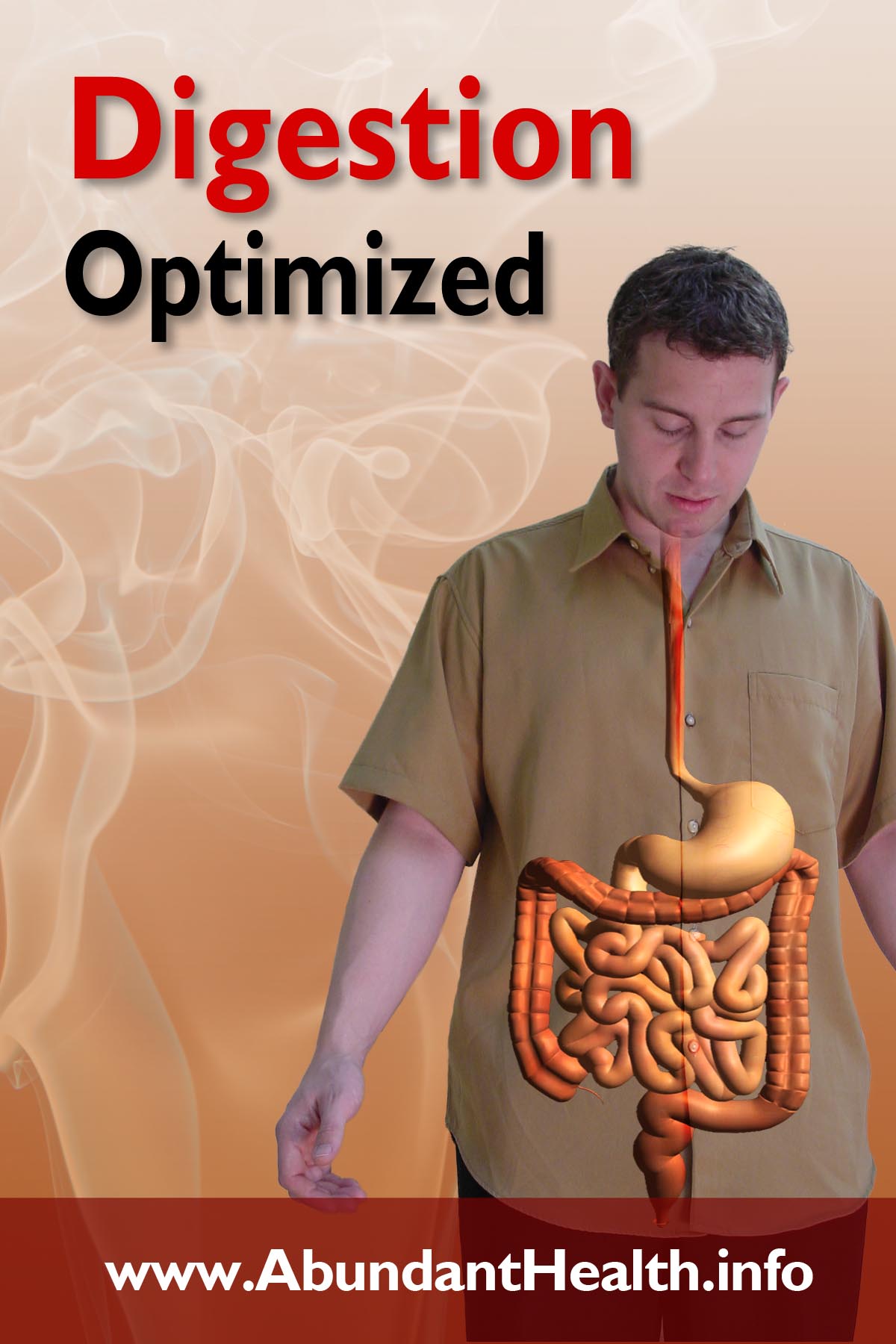
Digestion Optimized

April 17, 2022 by Martin Neumann - [rt_reading_time label="Reading Time:" postfix="minutes" postfix_singular="minute"]

Digestion Optimized

Most people’s hair stands on end when they hear the word chemistry. Be it because of the many negative media reports about chemical accidents or because of the boring, almost incomprehensible chemistry lessons that they are actively trying to forget. However, chemistry is extremely exciting. And in our digestive tract, there is so much chemistry going on from the mouth to the anus!

Digestion Optimized

We could not exist without chemical processes. And the best thing is that it runs on auto pilot without any programming on our part. However, we can still support the digestive processes, so that they are happening the way they are intended to be.

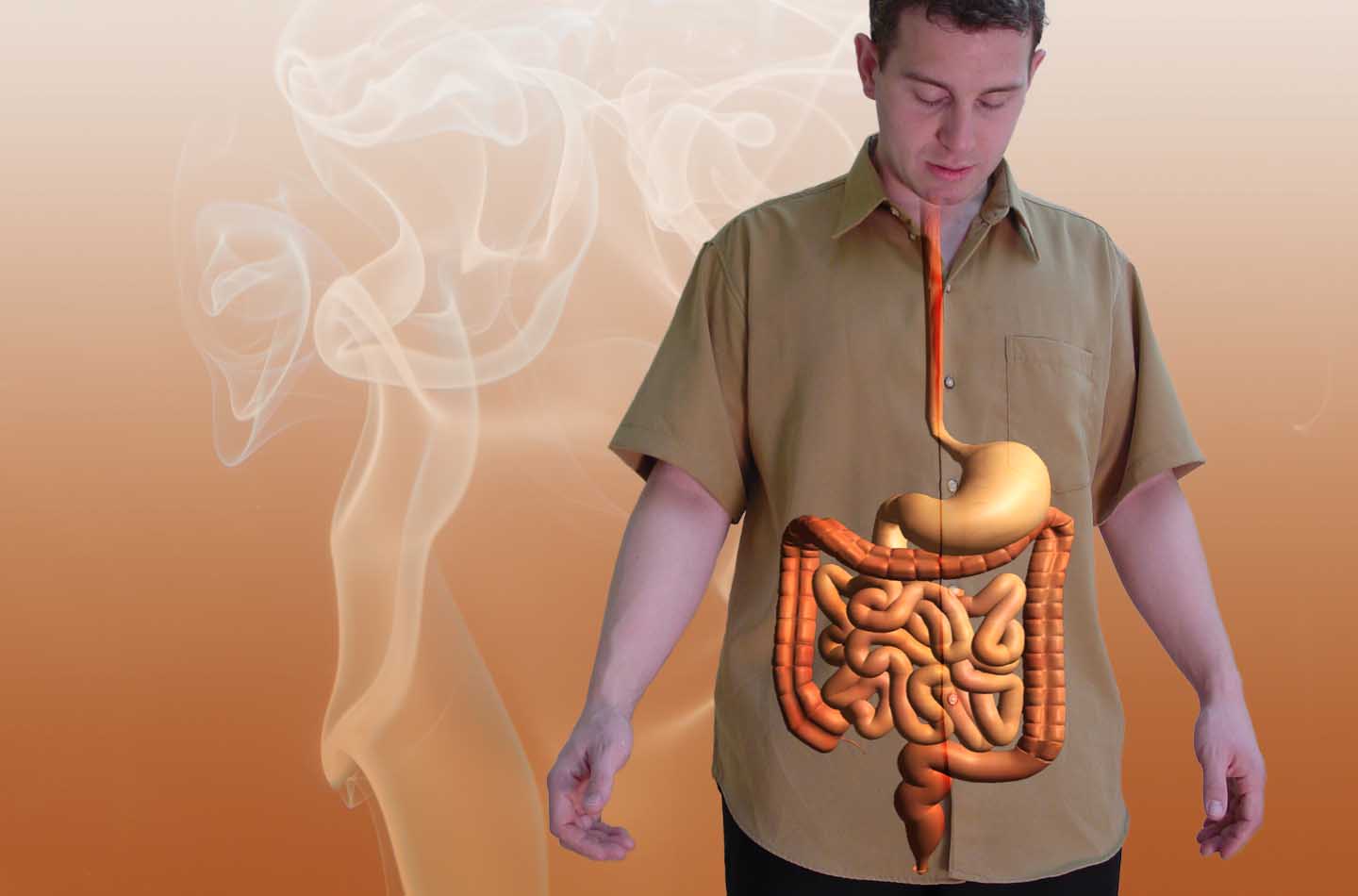
Let’s take a look at our digestive tract. To put it simply, it is a tube from the mouth to the anus with sections of different widths. In terms of structure, all sections are similar. However, there are significant differences in the fine tissues. And by adding coordinated secretions, they fulfill very special functions. Digestion breaks down the nutrients contained in food, until they can be absorbed through the intestinal wall. They are transported with the bloodstream to various organs, where they perform their important tasks and generate energy.

The digestive organs include the oral cavity with dentition, tongue and salivary glands, pharynx, esophagus, stomach, intestines, liver with bile ducts and pancreas.

Digestion Starts in Your Mouth

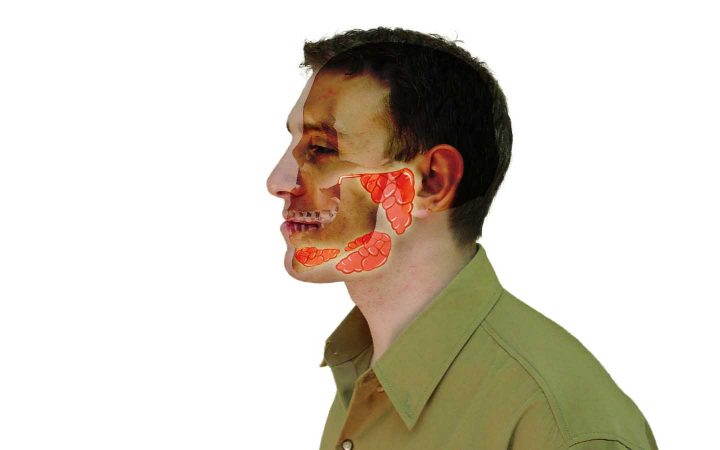
When we take a bite of our meal, digestion begins right in the mouth. The teeth work to break down food and prepare it for digestion. At the same time, the resulting pulp is insalivated and the alpha-amylase contained in the saliva begins the process of splitting the carbohydrates. If we chew a piece of bread long enough, it will start to taste sweet because the long chain starch molecules are broken down into glucose, providing energy for our body.

The salivary glands

But if we choke down our food and wash it down with a soda, these processes don’t take place. Unfortunately, the stomach doesn’t have teeth to handle the unfinished work with the same efficiency. If you have not yet created the habit of chewing, you should try to chew every bite 20-30 times. You can count along for a while until thorough chewing becomes your second nature.

Dwell Times

The length of time spent in the individual sections varies from person to person and depends heavily on the composition of the food. The esophagus itself is approximately 10 inch (25 cm) long. It takes about 10 seconds for a bite to slip through this tube and arrive in the stomach. The food stays here for an average of 1-4 hours. The dwell time of carbohydrate is shorter than that of protein. High-fat foods stay in the stomach the longest; a fatty roast up to eight hours, and sardines in oil up to nine hours. That is why you should be using fat in your diet rather sparingly.

It is good if we give our stomach a break at night. Therefore, the last meal should be taken no later than 3 hours before bedtime and should be easily digestible. Therefore the meal should consist mainly of carbohydrates and you should avoid fats as much as possible. A fruit with a piece of toast or a rusk bread would be an optimal option for dinner.

A light toast for supper

The emptying times of the small intestine is about 5-9 hours, of the colon is 25-30 hours and close to the rectal area feces can sometimes stay another 30-120 hours. Now we understand why colon cancer is appearing commonly in the lower part of the intestine. There, the feces stay along the longest. Carcinogenic substances have the longest time to act on the intestine. So we would be doing good by avoiding them. Carcinogenic substances include polycyclic aromatic hydrocarbons in grilled meat, seafood and sausage, and heavy metals that tend to concentrate themselves in animal products. Fish is often burdened with mercury.

The Stomach

The stomach is in the upper left abdomen. It serves as a storage container and for breaking down the food. It produces up to 3 liters of gastric juice per day. This consists of mucus, hydrochloric acid (HCl), bicarbonate (HCO3), protein-splitting enzymes and intrinsic factor.

The mucus and the bicarbonate protect the stomach wall from the very strong hydrochloric acid. The concentrated acid would result in a pH of about 1, but this is buffered to pH 1.8-4 by the chyme. The low pH kills the vast majority of bacteria. The duodenum is therefore very low in germs and, by the way, alkaline and not acidic like the stomach. However, if we consume liquids during meals, we dilute the stomach acid and delay the work of digestion, until the stomach can return to an optimal pH. Very hot or ice-cold drinks delay digestion even further, because the stomach contents have to be acclimatized first.

Intrinsic factor is secreted by the gastric wall and is necessary for the absorption and transport of vitamin B12. If this factor is missing, vitamin B12 cannot be absorbed. Deficiency symptoms often occur in people with gastritis or in the elderly. A regular B12 test would therefore be advisable.

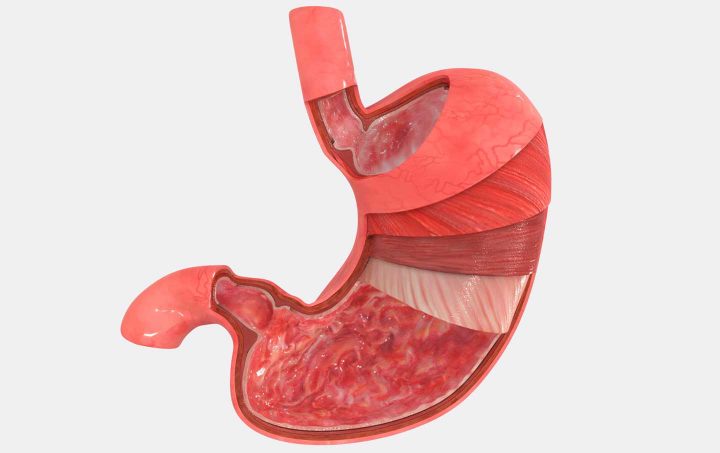
Solid food stays in the stomach until it is broken up into particles about 0.3 mm in diameter. This is done by peristaltic waves produced by several muscle layers all over the stomach. They are particularly strong in the lowest part of the stomach. The chyme is pushed forwards and backwards. The food is crushed up, mixed with the gastric juice, and fats are finely distributed. If you chew the food well, you relieve the stomach of a considerable amount of work.

The several muscle layers of the stomach

In the lower part of the stomach, the chyme is already very fine and thin, and the coarser parts are layered on top. When moving back and forth, a part of the coarser pulp is always carried along and further crushed. The fine pulp, called chyme, can then flow through the pylorus into the duodenum. The chyme can only be released to the duodenum to the extent that it is ready for further processing. There are measuring points at the stomach outlet that check the exact composition.

Gastric Emptying

The work process and emptying of the stomach is controlled by many factors. Various hormones and messenger substances are involved. Measurements and comparisons are constantly being made. The 10th cranial nerve plays an important role. It stimulates the gastric glands and is responsible for stomach contractions. But the mind also plays a role. We may remember the effects of stress on our digestion before an exam! It’s always good to create a relaxed atmosphere around meals.

The pylorus is usually slightly open so that liquid and the thin chyme can drain. The pylorus is closed again when larger pieces of food arrive. Indigestible things such as bones, coarse fiber and foreign bodies do not leave the stomach during the digestion phase. Only in the subsequent resting phase, according to an internal clock, do special contraction waves run through the stomach and intestines, during which indigestible matter and digestive secretions are emptied. We often hear the rumbling of the stomach, which is not a signal of hunger. So it makes perfect sense if we only eat something every 5 hours and allow the digestive tract this resting phase in between. 2 to 3 meals a day, at regular times, are ideal.

If we are constantly snacking, food is repeatedly refilled at the top. The stomach never finishes processing everything into fine chyme. So it can happen that something from the breakfast bread still has to be lounging around in the stomach in the evening.

Our Body – A Marvel

It is far from possible for us to go into all the details that take place in the digestive tract. Otherwise we would have to write an entire book. However, this excursion was already enough to recognize what a marvel we have in our body. Let’s help our digestion, as far as it is up to us, to accomplish its diverse work! We can do this by living a sensible, healthy lifestyle. He will thank us with good health. And we thank him for a job well done.

Healthy Fruits

Stay Always Up to Date

Sign up to our newsletter and stay always informed with news and tips around your health.
Sign Up Now!

Filed Under: Body Systems, Digestive Tract, Nutrition

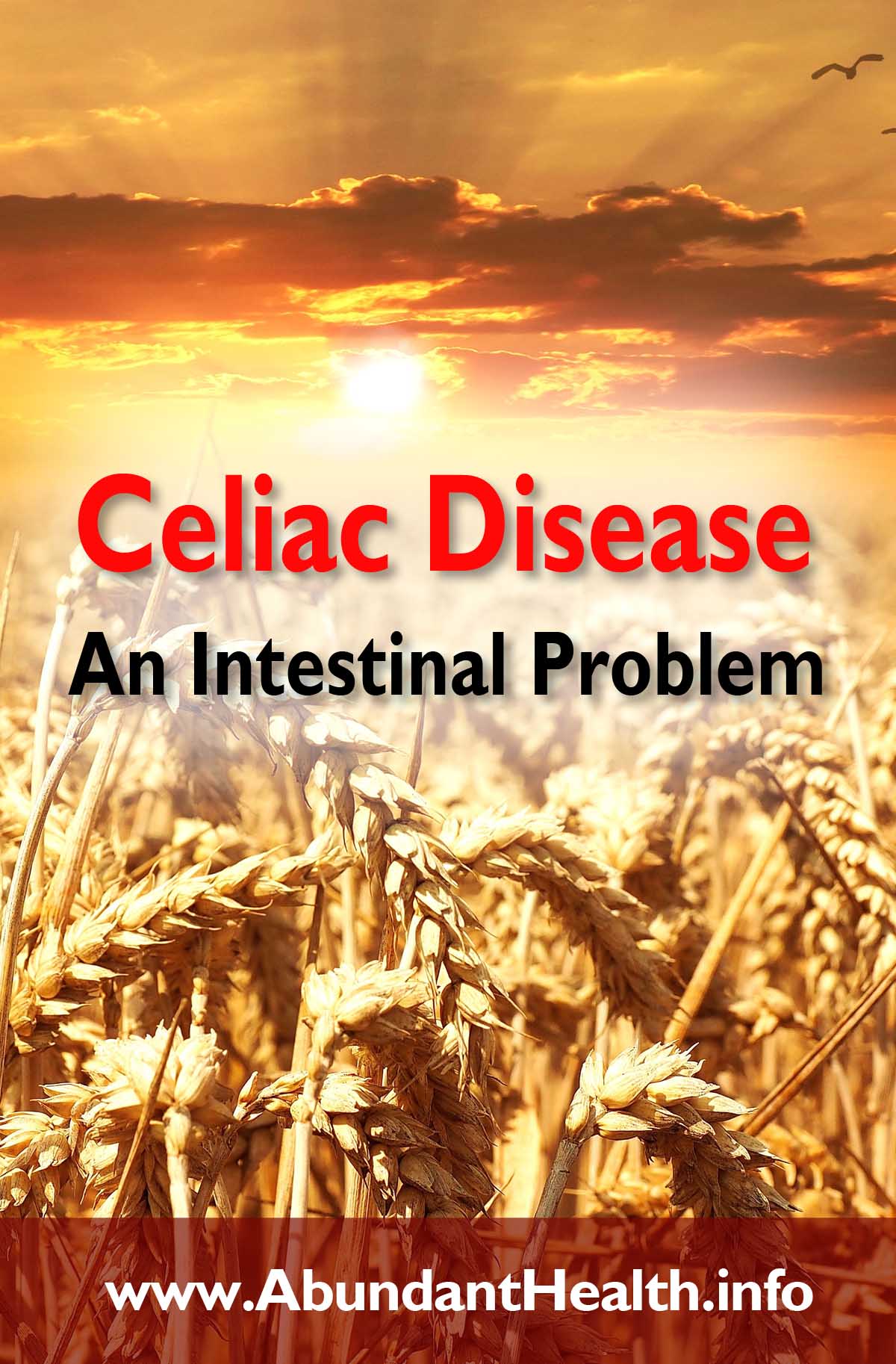
Celiac Disease – An Intestinal Problem

September 5, 2021 by Esther Neumann - [rt_reading_time label="Reading Time:" postfix="minutes" postfix_singular="minute"]

Zöliakie - eine Darmerkrankung

Celiac disease is a condition like a chameleon. The symptoms are very versatile and the number of unreported cases is high. About one in every hundred is affected. It can take years for the correct diagnosis to be made. If the disease is not detected in time, it leads to severe malnutrition with many secondary diseases such as osteoporosis, anemia, tooth enamel damage, muscle spasms, edemas and even cancer.

Celiac Disease - An Intestinal Problem

Definition

Celiac disease is a chronic disease. It breaks out after the consumption of the pathogenic substance gliadin, which is one of the components of gluten. Of course, gluten is only pathogenic if there is an intolerance. With the technical term, the disease is called “gluten-sensitive enteropathy”. Very specific types of protein from wheat, rye, triticale, barley, oats, spelt, einkorn, emmer and kamut lead to damage to the mucous membrane of the small intestine, called villous atrophy.

The surface of the small intestine is greatly increased by villi and crypts, so that it can come to an intimate contact with the chyme. This allows the nutrients to be optimally absorbed. In patients with celiac disease, incorrectly composed protein bodies are found in the innermost lining of the intestinal wall. Gliadin, a type of protein from the cereals, is bound to these. This either has a direct damaging effect or it leads to a defensive reaction against the gliadin-carrying body cells with subsequent damage to the intestinal mucosa. The villi regress strongly, making the absorption area for the nutrients much smaller.

The cereal proteins lose their pathogenic properties neither through cooking nor through enzymatic breakdown in the gastrointestinal tract. Genetic conditions favor the development of the disease. The white race is the main target of the disease, and prevalence differs widely from country to country. A study in the US found a prevalence of 1 case in 133 persons of the general population.((Fasano A. et.al. Prevalence of celiac disease in at-risk and not-at-risk groups in the United States: a large multicenter study. Arch Intern Med. 2003 Feb 10;163(3):286-92. DOI: 10.1001/archinte.163.3.286 )) A UK study found a prevalence of 1 in 166.(( El-Hadi S, et.al. Unrecognised coeliac disease is common in healthcare students. Arch Dis Child. 2004 Sep;89(9):842. DOI: 10.1136/adc.2003.041459 )) In Australia it seems to be 1 in 70. It is very rare in Japan and sub-Saharan Africa.

The Clinical Presentation

The disease can occur at any age. There are two distinct peaks. One occurs in infancy, the other between the ages of 30 and 40. Girls and women are more often affected. Diagnosis is quicker in toddlers than in adults, because the pathogenic types of protein are usually introduced into the diet between the ages of 4 and 6 months in the form of cereal porridge, biscuits, crackers and bread.

A toddler eating a cereal - Photo by Yan Krukov from Pexels

In case of intolerance, the symptoms become visible after a few weeks or months. The toddler no longer thrives and there is no weight gain. Often it unlearns what has already been acquired. The thin arms and legs and the missing buttocks stand in striking contrast to the bloated belly. The stools are mushy, bulky and smelly. The face remains round for a long time. The skin color is pale.

What happened? The intestinal villi have largely disappeared. The size of the surface of a healthy intestine could be compared to a tennis court, that of a patient with untreated celiac disease to a table tennis table. This leads to severe deficiency symptoms because the nutrients such as protein, fat, carbohydrates, vitamins and minerals cannot be absorbed in the required amount.

 Diagnosis in adults is more difficult. Often, he wanders from one examination to another, is treated for various diseases such as lactose intolerance, osteoporosis or anemia. The typical textbook picture of the disease usually only appears at a late stage. Silent celiac disease is also known, in which the course is symptom-free and there is still a change in the mucous membrane.

Diagnosis

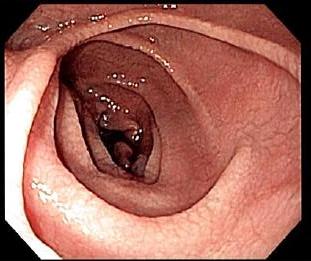
The most important diagnostic measure is the direct examination of the intestinal mucosa. In the past a small metal capsule attached to a thin tube was swallowed in order to extract a tissue sample. Today an endoscopy is used to examine the appearance of the duodenum and obtain 4 to 8 samples for biopsy. A microscopic examination can determine whether there is damage to the mucous membrane or not. Immunological tests support the diagnosis. In case of disease, antibodies to gluten are found in the blood serum. Other deficiencies in the blood can also be detected, such as iron, hemoglobin, vitamin and mineral deficiencies. The diagnosis of celiac disease is then the sum of all the available information.

Endoskopie von einem Zwölffingerdarm mit Zöliakieschäden - Foto by Samir from Wikipedia
Endoscopy of a duodenum with celiac damage. Samir at wikipedia, CC BY-SA 3.0

Treatment

Basically, the treatment consists in avoiding the substance recognized as harmful, and this for life. With a gluten-free diet, the mucous membrane of the small intestine gradually recovers and can then no longer be distinguished from a healthy one. However, in adults, recovery can take much longer than in children, who have a much higher rate of cell renewal.

It is difficult to avoid all foods containing gluten. For this reason, working groups have been formed in many countries that have meticulously asked the manufacturers for the exact formulations of many products. The results are summarized and continuously updated in thick manuals with many grocery lists, as the aim is to avoid even the tiniest traces of gluten.

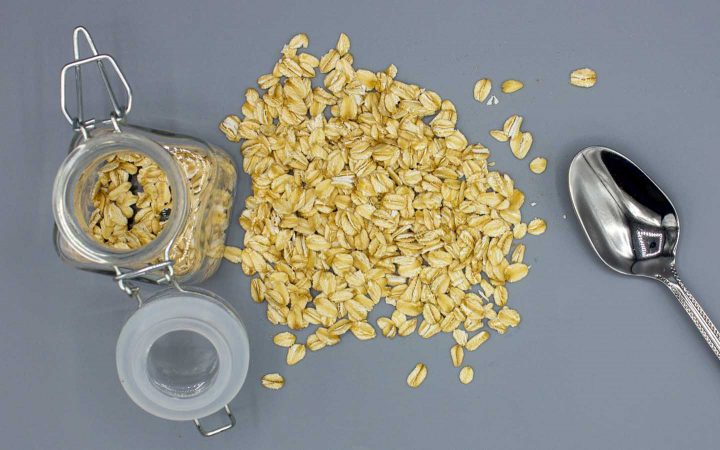
There are gluten free oats on the market that are free from gliadin contamination, but they still contain avenin which can trigger an inflammatory response in some susceptible people. If you do not want to do without oats, a new biopsy should be done after three months of use. In case of doubt it is safer to avoid oats altogether.((Oats and the gluten free diet. Coeliac Australia))

Oat flakes - Photo by Juliet King from Pexels

Traded gluten-free products are specially labeled with a crossed-out cereal ear. Just studying the ingredient list of a product does not help, because a compound ingredient does not have to be declared if less than 25% of it is contained in the final product. Gluten can also be added to products for technological reasons, such as a processing aid or as a carrier.

Celiac Societies

If celiac disease is diagnosed, contact with the local celiac society is established if desired. The affected person receives a manual with a precise description of the clinical picture and with many practical tips for cooking with gluten-free products. A list of restaurants, hotels and health resorts is enclosed that cook gluten-free if required. There are also many tips for dealing with authorities, because a gluten-free diet is expensive and time-consuming. That is why there are increased family allowances and tax allowances in many countries.

I have Celiac Disease – And What do You Have?

People with celiac disease are considered healthy when maintaining a gluten-free diet and completely normal in every respect. Of course, especially with children who would love to eat what other children eat, there are occasional grievances. Why he can’t bite into a tempting doughnut to his heart’s content? Why does he always have to take his special things to eat at a birthday party? The diagnosis of celiac disease for a child and his or her parents is certainly not a trivial matter. Parents, grandparents, acquaintances and friends shouldn’t feel sorry for the poor child all the time, but should encourage them, show them that celiac disease is sometimes an unpleasant thing, but nothing devastating.

Contacts

Celiac Disease Foundation (USA)
www.celiac.org

National Celiac Association
www.nationalceliac.org

Canadian Celiac Association
www.celiac.ca

Coeliac Australia
www.coeliac.org.au

Coeliac New Zealand
www.coeliac.org.nz

Coeliac UK
coeliac.org.uk

Recipes

Rice Cake

  • ⅔ cup brown rice
  • ⅔ cup orange juice ( (juicing 4 large oranges))
  • ⅓ cup honey
  • 1 tbs dry yeast
  1. Hydrate ⅔ cup brown rice for 12 hours. Makes about 1 cup of hydrated rice.

  2. Blend the ingredients for a few minutes.

  3. Grease a mold with oil, pour the dough and let it rise for 40 minutes to 1 hour depending on weather, until doubled in volume.

  4. Bake at medium heat for about 1 hour.

Dessert
American
Gluten Free

Chickpea Flour Pancake

  • 1 banana
  • 1 cup chickpea flour
  • 2 Tbsp tapioca flour (sweet)
  • 1 Tbsp honey
  • ½ tsp salt
  1. Blend everything with 1 cup of water.

  2. Pour the right amount into the skillet and spread with a spoon or spatula.

  3. Wait until golden and forming bubbles. Loose the pancake with the help of a spatula to flip it over.

  4. Let the other side brown.

  5. Use your preferred filling. Serve still hot.

Cassava Cake

  • 1 lbs cassava root ( (½ kg))
  • ½ cup honey
  • 1 small coconut
  • 1 pinch of salt
  1. Grate raw cassava or crush in the food processor.

  2. Blend the coconut with 1 cup of water.

  3. Mix all the ingredients, adding water if necessary to reach the consistency of cake batter. Taste the dough to check appropriate sweetness.

  4. Grease a mold and spread the dough to a thickness of 1-2 inch. (3-5 cm)

  5. Bake on medium heat until golden.

The cake tastes better the next day.

Dessert
Gluten Free

Corn Bread

  • 2 cups corn flour
  • 1 cup tapioca flour (sweet)
  • 4 Tbsp olive oil
  • 1 Tbsp honey (or brown sugar)
  • 1 Tbsp dry yeast
  • ½ tsp salt
  • sunflower seeds (for decoration)
  1. Mix all dry ingredients.

  2. Add 1 cup of lukewarm water little by little and stir until you get a liquid and homogeneous dough.

  3. Pour the dough into a greased pan.

  4. Let it rise for about 1 hour or until it doubles in volume.

  5. Preheat oven and bake over medium heat for about 1 hour.

  6. Allow it to cool down for a few minutes and remove from pan in order for the bread not to sweat.

  7. Wrap in a cloth to cool.

Wait at least 6h before eating for all yeast to die.

Diabetic, Gluten Free, Vegan

Recipes with Oats

Like we stated, not all with celiac disease can use even gluten free oats. If you have made a test that you can use them, here are some interesting recipes that can serve you.

Oat Bread

This bread is the product of a mistake. Because of an oversight I mixed the wrong ingredients, and it worked out really well!

  • 2 cups oat flour
  • 1 cup tapioca flour (sweet)
  • 4 Tbsp olive oil
  • 1 Tbsp honey (or brown sugar)
  • 1 Tbsp dry yeast
  • ½ tsp salt
  • sunflower seeds (for decoration)
  1. Mix all dry ingredients.

  2. Add 1 cup of lukewarm water little by little and stir until you get a liquid and homogeneous dough.

  3. Pour the dough into a greased pan.

  4. Let it rise for about 1 hour or until it doubles in volume.

  5. Preheat oven and bake over medium heat for about 1 hour.

  6. Allow it to cool down for a few minutes and remove from pan in order for the bread not to sweat.

  7. Wrap in a cloth to cool.

Wait at least 6h before eating for all yeast to die.

Peanut Oat Cookies

Delicious! Children will love these tasty cookies!

  • 3 cups oats
  • 1 pinch of salt
  • 1/3 cup honey
  • 1 cup roasted peanuts
  1. Beat the peanuts in a blender with a little water to form a cream.
  2. Pour into a bowl and put the remaining ingredients, mix well.
  3. Make cookies in the format you want.
  4. Bake in moderate heat until golden brown.
Dessert
Gluten Free, Vegetarian

Coconut Rice Bread

We really love to invent in the kitchen! Coconut bread with brown rice flour. Delicious bread with different flavor and super easy to make =)

  • 1 cup coconut flour
  • 1 cup brown rice flour
  • 1 Tbsp dry yeast
  • 1 cup rolled oats
  • 1/2 cup coconut flakes
  • 1 tsp salt
  1. Mix the flours well with the yeast.

  2. Add salt and mix again.

  3. Add the rolled oats and mix again.

  4. Add 1½ cups of water and mix more until it forms a very homogeneous mass.

  5. Put the dough in a form.

  6. Bake for 1 hour at 390°F (200ºC).

  7. Turn off the oven and let it cool down.

Wait at least 6h before eating for all yeast to die.

Oat Pizza

  • 3 cups fine rolled oats
  • 1 tsp salt
  • 1 chopped onion
  • 2 cloves of garlic
  • 2 chopped tomatoes
  • Oregano and parsley
  • 6 chopped olives
  • Sesame and sunflour for decoration
  1. Put all the ingredients in a container and mix everything, adding water until forming a dough.

  2. Place on a pizza sheet.

  3. Decorate with oregano, sesame and sunflower. If you like, top with vegan cheese.

  4. Bake over medium heat until golden.

Healthy Fruits

Stay Always Up to Date

Sign up to our newsletter and stay always informed with news and tips around your health.
Sign Up Now!

Filed Under: Digestive Diseases, Digestive Tract, Diseases, Nutrition

Small but Important – The Spleen

July 25, 2021 by Esther Neumann - [rt_reading_time label="Reading Time:" postfix="minutes" postfix_singular="minute"]

Klein aber wichtig-Die Milzil

If everything is going well in the bloodstream, it is not even palpable. The doctor can only palpate it when it is enlarged. It has very important tasks in the defense against diseases and in the red blood cell turnover. But if necessary, you can live without it.

Small but Important - The Spleen
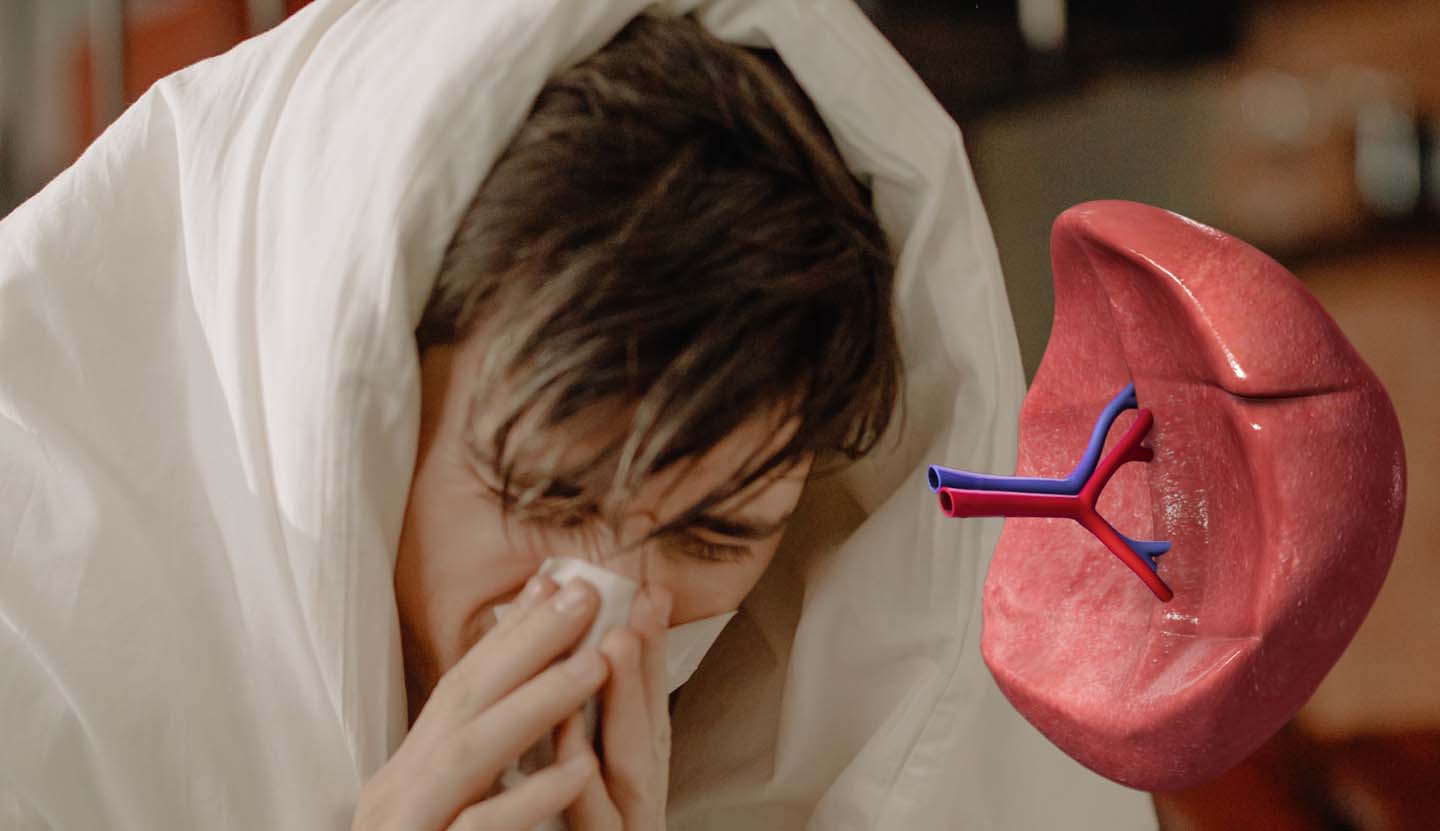
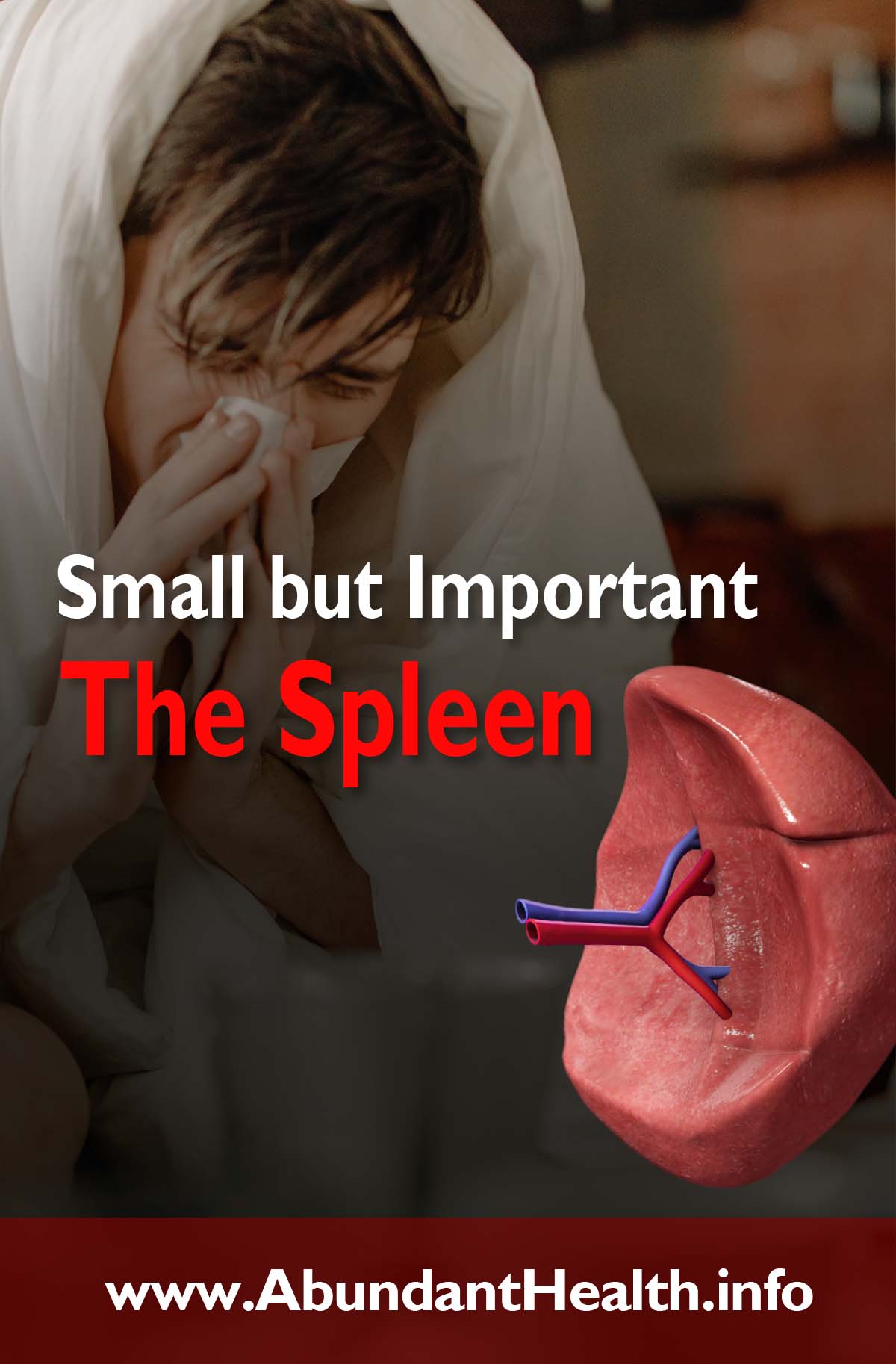
Spleen Illustration by scientificanimations.com CC BY 4.0

The spleen is a soft, small, spongy organ just 3 inch wide and 4 inch long (7×11 cm). It is located in the left upper abdomen at about the level of the tenth rib. It is limited by the stomach, the left bend of the colon and the left kidney. A healthy spleen weighs between 5 to 7 ounces (150 – 200 grams) and is only palpable when it swells. Then it can weigh up to 4 pounds (2 kg).

If you cut through the spleen, you can see a framework of connective tissue and whitish and reddish areas. The white pulp is made up of the lymphoid follicles and the periarterial lymphatic sheaths. The color of the red pulp is due to the presence of the many red blood cells in the spleen capillaries. About a quarter of the tissue consists of white pulp and three quarters of red pulp.

Two Important Tasks

The spleen is one of the lymphatic organs, so it plays an important role in defense against disease and thus has a similar task to the lymph nodes. The individual lymph nodes only filter the lymph from a certain region of the body. But the spleen is responsible for the entire bloodstream. With a local infection, individual lymph nodes become inflamed. However, if many pathogens are washed into the bloodstream, the spleen swells, a sign that it has to work harder. The white pulp takes on this task of defense against disease. There are around 20 times as many lymphocytes in the spleen as in all lymph nodes combined. Lymphocytes are small, white blood cells that play a major role in the specific immunity.

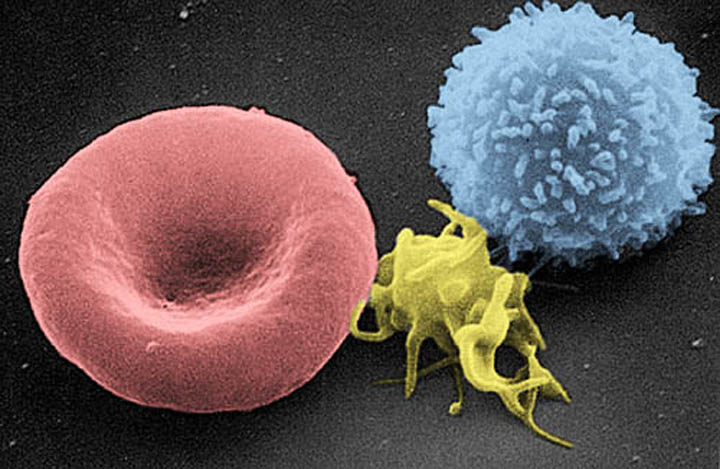
Red blood cell and lymphocyte - Electron Microscopy Facility at The National Cancer Institute at Frederick (NCI-Frederick), Public domain, via Wikimedia Commons
Red blood cell and lymphocyte

The red pulp has completely different tasks. It appears so red because there are so many red blood cells swimming around in it. The aged corpuscles are broken down in the spleen. The red blood cells have to squeeze through a tight network. Young blood cells can deform themselves very well and easily squeeze through the narrow blood vessels. Old blood cells can no longer be deformed as easily. They get stuck in the tight network and are broken down by the phagocytes. During this cell turnover of the blood, the red blood pigment hemoglobin is released.

The body uses its breakdown products very sparingly and recycles a lot, including hemoglobin. It is converted into bile pigments and released into the bile by the liver. This is why jaundice can occur with an increased breakdown of blood cells. Neonatal jaundice is particularly well known.

The spleen also has other functions. In babies, it makes red blood cells. In adults, this task is performed by the bone marrow. It also stores platelets, which are released to help blood clot when bleeding. But it also recognizes small thrombi and breaks them down. It also produces some of the macrophages, the phagocytes that flow around and digest foreign bodies in the blood and play an important role in the immune system.

Anthrax

Anthrax is a zoonosis, a disease that affects animals and can be transmitted to humans, but not from person to person. It occurs mainly in people who deal with animals a lot, such as farmers or butchers. In our latitudes it is rare today, but it is more common in warm regions such as South Africa. It is a reportable infectious disease. It is transmitted by the Bacillus anthracis, hence the name anthrax. The bacilli form spores. In this inactive form, they are very stable against heat, dehydration, radiation and disinfectants. They can remain in a pasture for a long time before they are ingested by animals.

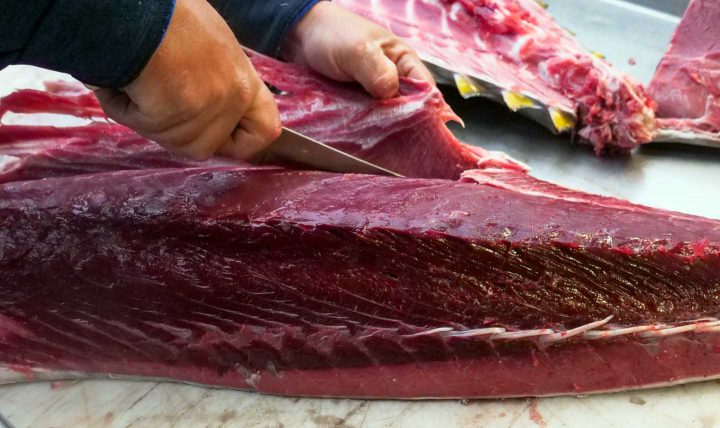
A butcher cuts meat - Photo by Kindel Media from Pexels

The disease can appear as skin, lung, or intestinal anthrax. The spleen is enlarged, darkly colored and looks like it has been burned. The symptoms of the disease are like those of an infection. If it is recognized quickly, it is easy to treat. If treatment is delayed, it is difficult. There may be a high fever, lung failure and shock.

Anthrax was picked up by the media as a biological weapon. A few years ago, a lot of unrest was created when some real and some ineffective white powder was sent by post. There is no need to be afraid of this biological weapon. Though it is possible to use it in a very targeted way, it involves some complicated procedures. You have to pack the spores correctly and spray them in the right size so that they can be picked up.

Spleen Removal

The spleen is not essential for life. You can live without it. In adults, the lymphatic function can be taken over by the lymph nodes. The liver steps in to break down blood. Even so, the spleen should not be removed lightly. For example the risk of blood poisoning is much greater without a spleen. Immediately after removal of the spleen, patients are also much more at risk of developing pneumococcal pneumonia. It takes time for other organs to take over the task of the spleen and protect the body from disease.

An important reason for removal is, for example, a capsule tear. The spleen is surrounded by a capsule that is very well supplied with blood. In the event of bruises, it easily bursts. There is profuse bleeding. In the past, the spleen was simply removed in such cases. Today a surgeon may try to glue the crack because the spleen is such an important organ in defense against disease. During operations, the surgeon has to work very carefully around the spleen. If he injures the capsule, the bleeding is hard to be stopped.

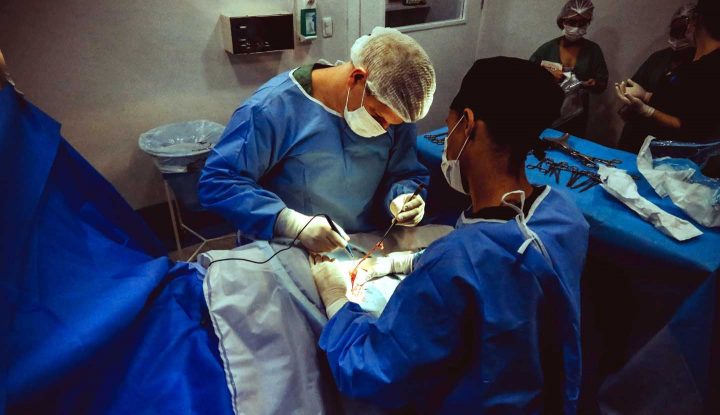
An operation -  Photo by Vidal Balielo Jr. from Pexels

In the case of increased blood breakdown, special forms of anemia or leukemia and malignant tumors, it often has to be removed.

After the spleen has been removed, the patient is monitored very closely in the hospital. The blood count is continuously monitored. In this phase no inflammation or any other disease is permitted, because an important part of the immune system was removed. Even after the hospital stay, the immune system must be strengthened through a vitamin-rich diet and plenty of exercise in the fresh air.

The spleen, however small the organ, has an important function. It can be replaced in an emergency, as we have seen. But as long as we have it, we want to protect and preserve it through a sensible, immune-boosting lifestyle. This not only benefits our physical health, but also our spirit and soul. We can think better and communicate better with others and with our Creator.

We have a special opportunity just for you. If you want to receive practical and up to date advice on how to implement an immunity-boosting lifestyle, simply join the Coronavirus Immunity Challenge and prepare yourself to face the pandemic with a bullet-proof immune system.

Sign Up Now

Coronavirus Immunity Challenge

Filed Under: Body Systems, Immune System

« Previous Page
Next Page »

Primary Sidebar

Social Channels

Coronavirus Immunity Challenge

Boost your immune system to be bullet-proof for the pandemic.

I Want to Participate

Recent Posts

  • 5 Habits to Live Longer
  • Better Sleep Can Protect Against Dementia
  • Finding Peace In Your Crazy-Busy World
  • Flaxseed – An Ancient Plant Rediscovered
  • Platelets – Triggers for Life or Death
  • Boderline Personality Disorder
  • In Praise of Almonds and Nuts
  • Are You Stuck in the Clutter Trap?

Categories

  • Body Systems (16)
    • Cell Function (2)
    • Circulatory System (1)
    • Digestive Tract (10)
    • Immune System (4)
  • Diseases (27)
    • Cancer (2)
    • Cold (1)
    • COVID-19 (11)
    • Dementia (1)
    • Diabetes (1)
    • Digestive Diseases (2)
    • Heart Disease (2)
    • Kidneys (1)
    • Metabolic Syndrome (2)
    • Skin (1)
  • Healthy Lifestyle (42)
    • Exercise (11)
    • Gardening (2)
    • Sleep (7)
    • Sunlight (2)
    • Temperance (14)
    • Water (4)
  • Mental Health (87)
    • Addictions (6)
    • Anxiety (7)
    • Burnout (1)
    • Depression (7)
    • Psychosomatic Diseases (6)
    • Stress Management (45)
    • Trust (6)
  • Nutrition (56)
  • Obesity (9)
  • Phases of Life (14)
    • Adults (3)
    • Babies and Infants (1)
    • Children (3)
    • Seniors (5)
    • Teenagers (3)
  • Therapies (7)
    • Herbs (5)
    • Hydrotherapy (1)
  • Uncategorized (3)

Archives

  • January 2025 (1)
  • March 2024 (5)
  • February 2024 (4)
  • January 2024 (4)
  • December 2023 (5)
  • November 2023 (4)
  • October 2023 (5)
  • September 2023 (4)
  • August 2023 (3)
  • July 2023 (2)
  • June 2023 (4)
  • May 2023 (4)
  • April 2023 (5)
  • March 2023 (4)
  • February 2023 (4)
  • January 2023 (4)
  • December 2022 (4)
  • November 2022 (4)
  • October 2022 (5)
  • September 2022 (4)
  • August 2022 (4)
  • July 2022 (5)
  • June 2022 (4)
  • May 2022 (5)
  • April 2022 (4)
  • March 2022 (4)
  • February 2022 (4)
  • January 2022 (5)
  • December 2021 (3)
  • November 2021 (4)
  • October 2021 (6)
  • September 2021 (4)
  • August 2021 (4)
  • July 2021 (5)
  • June 2021 (4)
  • May 2021 (3)
  • April 2021 (5)
  • March 2021 (4)
  • February 2021 (4)
  • January 2021 (5)
  • December 2020 (3)
  • November 2020 (4)
  • October 2020 (5)
  • September 2020 (5)
  • August 2020 (3)
  • July 2020 (1)
  • June 2020 (1)
  • May 2020 (1)
  • April 2020 (1)
  • March 2020 (1)

Copyright © 2026 · Abundant Health - Privacy Policy - Medical Disclaimer