Abundant Health

Up to date health information tailored for you

  • Home
  • Blog
  • Recipes
  • Shop
  • Contact
You are here: Home / Archives for Body Systems

Body Systems

Twelve Natural Ways to Improve Gut Health

July 8, 2021 by Elizabeth Hall - [rt_reading_time label="Reading Time:" postfix="minutes" postfix_singular="minute"]

Twelve Natural Ways to Improve Gut Health

Discover the amazing contributions of gut bacteria to health and disease. Plus scientifically validated natural remedies that may improve your gut health in just few days!
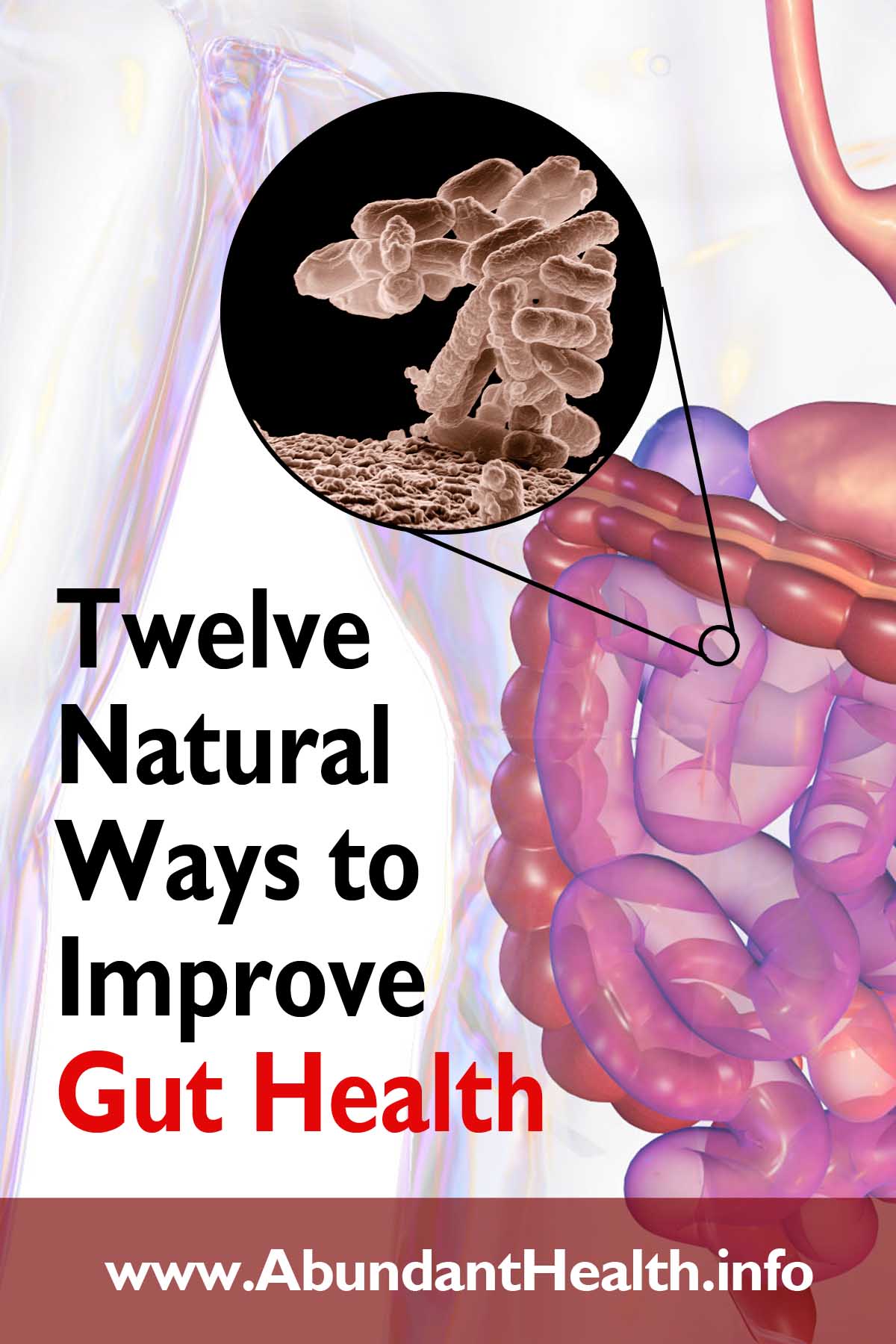
Twelve Natural Ways to Improve Gut Health

Your gut provides a home for trillions of bacteria. So far there are 2,000 known species of gut bacteria. The contributions of the gut microflora are astounding for they affect nutrient uptake, metabolism, body clocks, carcinogen detoxification, immune responses, chronic inflammation, and mental health!((Baylor College of Medicine. “Dietary quality influences microbiome composition in human colonic mucosa.” ScienceDaily. 15 July 2019.www.sciencedaily.com/releases/2019/07/190715164650.htm))

The proper balance, composition, and a healthful diversity of gut bacteria is necessary for favorable immune responses and optimal health. Imbalance that favors unfriendly bacteria over friendly germs triggers strong immune and inflammatory processes.

Good Germs

Beneficial bacteria release useful byproducts that protect your health and lower your risk for colon cancer, atherosclerosis, and inflammatory conditions. They also protect your gut from infections, produce some nutrients, release certain neurotransmitters such as dopamine and serotonin, and affect our sleep.((Patterson E. Gut microbiota, obesity and diabetes. Postgrad Med J. 2016 May 92(1087):286-300. doi: 10.1136/postgradmedj-2015-133285.))

Germ Warfare

Unfriendly gut bacteria, however, release toxins and inflammatory agents that disrupt the gut barriers. Once inside the blood, these inflammatory compounds and toxins contribute to the development of conditions such as atherosclerosis, hypertension, allergies, diabetes, obesity, inflammatory bowel diseases (Crohn’s, celiac, ulcerative colitis), lung problems, anxiety, and depression.((Singh RK. Influence of diet on the gut microbiome and implications for human health. Journal of Translational Medicine volume 15, Article number: 73 (2017).)) 
Could Your Gut Impact Your Blood Pressure?

What Shapes Gut Bacteria?

Every individual microbiome is different and develops because of genetic, environmental, lifestyle, and dietary factors to which we are exposed.  So, how do we encourage the population of good germs and reduce the number of unwanted ones?

Whole, Nutrient Dense Plant Foods

Diets that are high in whole plant foods–fruits, vegetables, legumes, and whole grains–and low in added sugar and saturated and trans fats– stimulate the proliferation of beneficial bacteria such as those that have anti-inflammatory properties.((Tomova A. The Effects of Vegetarian and Vegan Diets on Gut Microbiota. Front. Nutr. 17 April 2019.www.frontiersin.org/articles/10.3389/fnut.2019.00047/full)) In this aspect, liberal amounts of raw fruits and vegetables are particularly useful in building healthy gut microflora.((Karon A. A Western Diet Linked to lower microbiome diversity. Internal Medicine News. March 29, 2019.www.mdedge.com/internalmedicine/article/197770/gastroenterology/western-diet-linked-lower-microbiome-diversity))
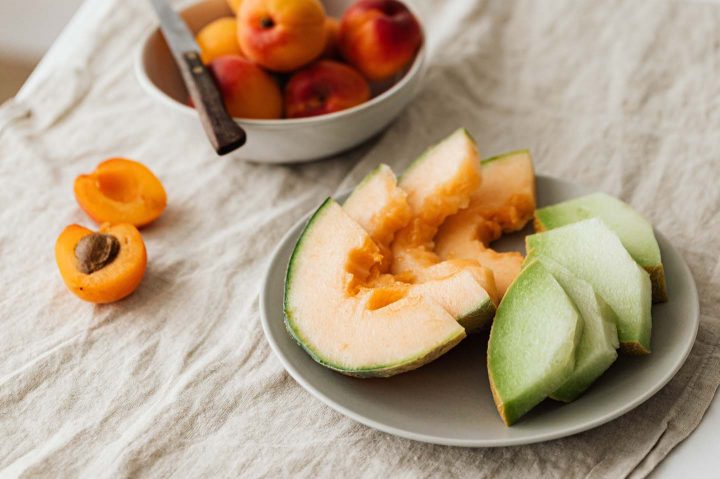
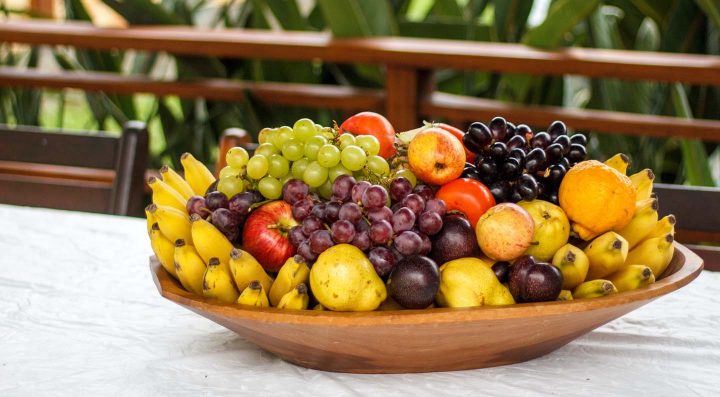
Fruits -  Photo by Karolina Grabowska from Pexels

In contrast, a poor-quality or Western diet (rich in sugar, animal products, salt, processed foods, and refined carbohydrates) is linked to more disease-causing bacteria.((Zinöcker MK. The Western Diet–Microbiome-Host Interaction. Nutrients. 2018 Mar: 10(3): 365.www.ncbi.nlm.nih.gov/pmc/articles/PMC5872783/
Singh RK. Influence of diet on the gut microbiome and implications for human health. Journal of Translational Medicine. Volume 15, Article number: 73 (2017).)) One such species of bacteria is Fusobacteria, which has been linked to colorectal cancer.((Baylor College of Medicine. “Dietary quality influences microbiome composition in human colonic mucosa.” ScienceDaily. 15 July 2019.www.sciencedaily.com/releases/2019/07/190715164650.htm))

Great Carbs

Good carbs boost gut health. While it is true that high sugar, fat-rich, and refined products promote the population of unfriendly bacteria in the gut, the keto and low carb diets miss the important contributions that result from eating resistant starches!

Whole grains and legumes contain resistant starches that are not fully digested in the stomach and small intestine. Consequently, they are not absorbed. Resistant starches, like soluble fiber, feed the friendly bacteria in your intestines, having a positive effect on the distribution and composition of bacteria as well as their number. These bacteria produce useful byproducts from resistant starches to curtail inflammation and lower the risk for chronic diseases.((Robertson MD. Insulin-sensitizing effects of dietary resistant starch and effects on skeletal muscle and adipose tissue metabolism. Am J Clin Nutr. 2005 Sep: 82(3):559-67.
Birt D. Resistant Starch: Promise for Improving Human Health. Adv Nutr. 2013 Nov; 4(6): 587–601.
Kieffer D.A. Resistant starch alters gut microbiome and metabolomic profiles concurrent with amelioration of chronic kidney disease in rats. J Physiol Renal Physiol. 2016 May 1; 310(9): F857–F871.))

Another advantage: Most prebiotics are oligosaccharides (carbohydrates that have a small number of monosaccharides) and help to maintain the balance of gut microflora in favor of friendly bacteria. A prebiotic is non-digestible carbohydrate that not only feeds good bacteria but it feeds probiotics too. Prebiotics selectively work on a limited number of gut germs. Asparagus, artichokes, barley, rye, lentils, onions, chicory, garlic, leeks, and bananas are good sources of oligosaccharides.

Salt-Gut Connection

Go easy on the salt! Excessive salt decimates a certain type of beneficial bacterium in the gut (lactobacilli). It also increases the number of certain immune cells (helper T-17 lymphocytes). These particular immune cells play a role in the development of high blood pressure and autoimmune conditions in which the immune system attacks tissues and organs of the body. (Please note: The problem is ingestion of too much salt and the excessive number of T-lymphocytes. A little salt is essential to health). When probiotic lactobacilli were added to a high-salt diet, the elevated T-17 cells and blood return to normal—at least in rodent studies.((Nicola Wilck, Salt-responsive gut commensal modulates TH17 axis and disease. Nature. 2017; DOI: 10.1038/nature24628))
Seven Facts about Salt Your Doctor Won’t Tell You

Salt shaker -  Photo by Lorena Martínez from Pexels

Eat Organic!

Pesticide residues on food have the potential to harm friendly gut bacteria over time.((Defoi Clémence. Food chemicals disrupt human gut microbiota activity and impact intestinal homeostasis as revealed by in vitro systems. Published: 20 July 2018.www.nature.com/articles/s41598-018-29376-9)) To help remove pesticides from produce, soak the produce briefly in a 10% salt rinse. (Use 1 part sodium to 9 parts water). There is no way you can reduce pesticides from meat, dairy, and fish.

Downside of Artificial Sweeteners

Because they potentially reduce the number of good bacteria in your gut and encourage insulin resistance, avoid artificial sweeteners.((Suez J. Artificial sweeteners induce glucose intolerance by altering the gut microbiota. Nature. 2014 Oct 9; 514(7521):181-6.)) Saccharin and sucralose, for sure, and possibly stevia, adversely affect gut bacteria.((Javier F. Effects of Sweeteners on the Gut Microbiota: A Review of Experimental Studies and Clinical Trials. Advances in Nutrition, Volume 10, Issue suppl_1, January 2019, Pages S31–S48.doi.org/10.1093/advances/nmy037)) Insulin resistance and high blood sugar themselves can disrupt the gut barrier and increase its permeability so that inflammatory compounds and toxins enter the blood.

Meal Frequency

Limit the number of meals and skip snacking. If you are sedentary, or have a chronic inflammatory condition, you might want to consider skipping supper and eliminating snacks. In other words, time restricted eating.Why? Time-restricted feeding allows for only 8–10 hours of feeding each day. Time restricted eating changes the gut microflora in positive ways to discourage obesity, disruption of blood glucose regulation, and bowel diseases.((Dandun Hu. Gut flora shift caused by time-restricted feeding might protect the host from metabolic syndrome, inflammatory bowel disease and colorectal cancer. Translational Cancer Research. Vol: 7:5. Oct. 2018.))

Do Not Relapse!

The composition of gut bacteria can change quickly!—within ten days. For better or worse. In other words, even a short-term consumption of diets composed mostly of animal or plant products rapidly alters and deteriorates the community of gut microbes. Just eating an animal-based diet or consuming fast foods for several days, for example, reduces useful byproducts from fermentation of carbohydrates. This diet consequently increases the potential for diarrhea, other intestinal infections and inflammatory bowel diseases.((David LA. Diet rapidly and reproducibly alters the human gut microbiome. Nature. 2014 Jan 23; 505(7484):559-63.)) The good news is that a proper diet can favorably shift the gut bacteria to a friendlier status within a few days!

Regular Schedule

Eat meals and sleep on schedule. Gut microbes have circadian rhythms that are controlled by the biological clock of the host in which they reside. Disturbed body rhythms adversely change the composition of the microbial community in such a way as to promote obesity and metabolic problems((Thaiss et al. Trans-kingdom control of microbiota diurnal oscillations promotes metabolic homeostasis. Cell, 2014 DOI: 10.1016/j.cell.2014.09.048))
How to Diffuse Your Body’s Time Bomb

Don’t Short Change Your Sleep

Even healthy young men who experienced only two nights of partial sleep deprivation, have a significant decrease in types of beneficial bacteria. They also experienced changes to the composition of microorganisms in the microbiome that are linked specifically to obesity, insulin resistance, and type 2 diabetes

Researchers from Kent University investigated the influence of the microbiome in a group of adults ages 50-85 and found strong connections between higher sleep quality, better cognitive flexibility (the ability to transition between one concept to another), and higher levels of beneficial gut microbes.((Breus M. The Latest on Sleep and Gut Health. Health. May 29, 2018.thesleepdoctor.com/2018/05/29/the-latest-on-sleep-and-gut-health/)) Even individuals who wake up frequently during the night develop adverse changes in gut bacteria.

Get Regular Exercise

Exercise boosts the diversity of the bacteria found in the gut. Reduced variation in gut microbes (microbiota) has been linked to obesity and other chronic problems. On the other hand, increased diversity favors a metabolic profile and a more helpful immune system response.((S. F. Clarke, Exercise and associated dietary extremes impact on gut microbial diversity. Gut, 2014; DOI: 10.1136/gutjnl-2013-306541)) Moderate exercise is especially useful in reducing inflammation.

walking on a beach -  Photo by Karolina Grabowska from Pexels

Learn to Manage Stress

Stress can change the gut bacteria in undesirable ways. Exposure to psychological stress disrupts the beneficial gut bacteria. The dominance of certain bacteria can produce substances that interact with the brain, erode mental health, and lower the threshold for depression, anxiety, obsessive-compulsory disorder, and possibly other mental illnesses.((Mc Guillian MS. Gut Health Affects Mental Health.www.psycom.net/the-gut-brain-connection)) Unfortunately, even moderate stress during pregnancy is enough to change the intestinal bacteria so that newborn infants are more susceptible to infections.((Bailey, M.T. Prenatal Stress Alters Bacterial Colonization of the Gut in Infant MonkeysJournal of Pediatric Gastroenterology and Nutrition: April 2004. Volume 38: Issue 4 p. 414-421))

Depression, anxiety, and other mental illnesses have many causative and contributory factors. The gut health is only one possible contributing factor in mental disease, but it should not be overlooked. 
Overcoming Fear & Anxiety

Check Your Meds

Antibiotics are not the only drugs that disturb the gut microflora. Acid-reducing meds, antibiotics, NSAIDS (nonsteroid anti-inflammatory drugs), calcium channel blockers for high blood pressure, anti-virals, anti-psychotic drugs, and chemotherapy can also negative impact our gut bacteria. If you take these any of these drugs, you might want to consider probiotics. Always take probiotics four hours after taking the medication!

Try to discover the causes of your condition. Treat the cause and you might do with less medicine and in some cases dispense with it all together. Please do not adjust medication without discussing it with your doctor first.

Downside of Probiotics

Live probiotics can be useful especially during a round of antibiotics, if using a drug mentioned above, if one has been on a poor diet, or has some medical condition in which documented evidence indicates that probiotics may help. If a person has been eating a healthful, plant-based diet and is generally healthy, there is no need to take probiotics every day. Probiotic use can result in a significant accumulation of bacteria in the small intestine that can result in disorienting brain fogginess as well as rapid, significant belly bloating.((Medical College of Georgia at Augusta University. “Probiotic use is a link between brain fogginess, severe bloating.” ScienceDaily, 6 August. 2018.www.sciencedaily.com/releases/2018/08/180806095213.htm))
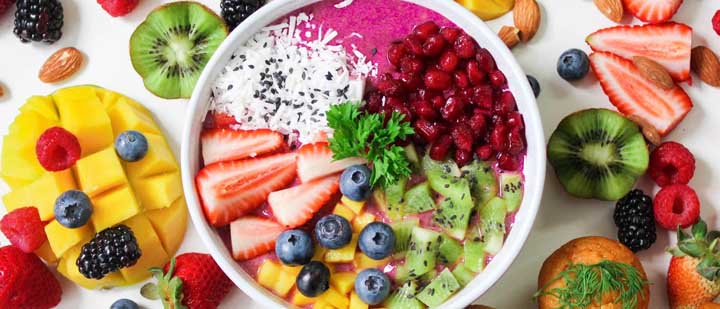
Healthy Fruits

Stay Always Up to Date

Sign up to our newsletter and stay always informed with news and tips around your health.

Sign Up Now!

This article was originally posted on the Wildwood Institute website and is used by permission.

Filed Under: Body Systems, Digestive Tract, Nutrition

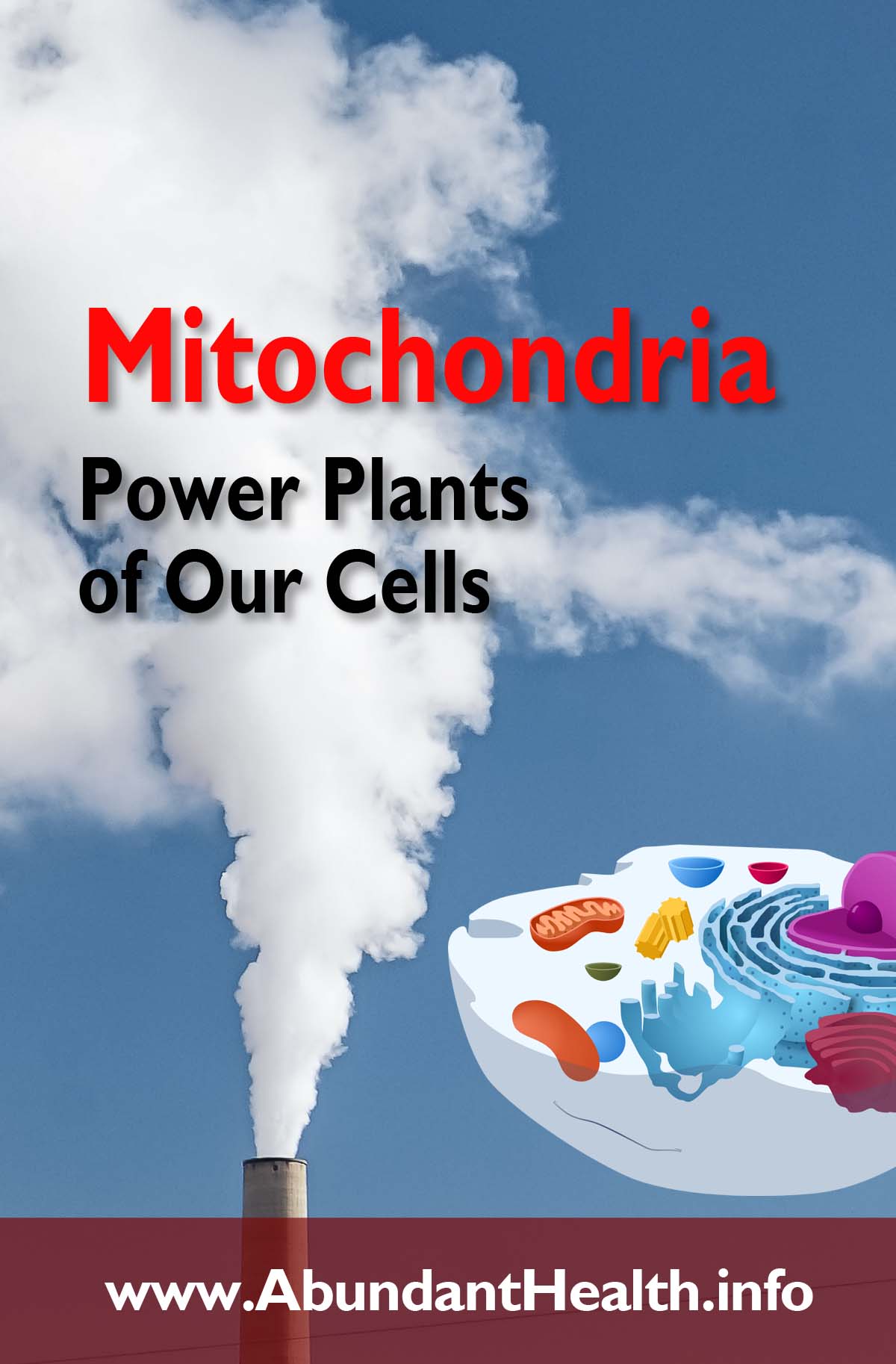
Mitochondria – Power Plants of Our Cells

June 25, 2021 by Esther Neumann - [rt_reading_time label="Reading Time:" postfix="minutes" postfix_singular="minute"]

Mitochondria

They are found in almost every cell in our body. Without it, we couldn’t produce energy. We couldn’t breathe, nor would our hearts beat. We couldn’t move a muscle, nothing would work. This refers to a tiny organelle in our cells with the peculiar name mitochondrion.

Mitochondria - Power Plants of Our Cells

Scientists have suspected their existence for a long time. But they could only be seen after the invention of the electron microscope around the middle of the last century. Mitochondria are as tiny as bacteria. But what an inner life they have! They are rightly called the powerhouses of our cells because by breaking down food they produce most of the energy that our body uses for all of its functions.

Occurrence and Structure

Mitochondria are found in all cells in our body except red blood cells. Around 1000 mitochondria per cell are typical. This large number already shows us how tiny they must be, when so many of them fit into one cell. They occupy up to 25% of the cell volume. Cells that use a lot of energy have the most mitochondria. These include the muscle, nerve and sensory cells.

Mitochondria are enclosed by two membranes. The outer membrane is smooth and contains many tunnel-like channels through which small molecules can be channeled that our body is constantly metabolizing from our food. The inner membrane, on the other hand, is impermeable to almost all molecules. Only the smallest such as water, carbon dioxide and oxygen can pass. But it has many transport systems in order to selectively channel various metabolic products from our diet into the interior. In order to be able to do all this filtering it is strongly folded to create a large surface.

Inner membraneOuter membraneRibosomeMitochondrial DNA

Inside of the mitochondria, the so-called matrix, many metabolic activities take place. We will come back to that later. The mitochondrion itself has its own DNA like the cell nucleus. So it can divide itself. Its lifespan is not very long, only around 10 to 20 days. It is constantly reproduced by transverse division.

Task of the Mitochondria

The main task is to absorb important metabolic products from our food and convert them into energy. Other residual substances must be converted into a form that can be easily excreted from the body. This includes, for example, the urea cycle, which partially is happening here as well.

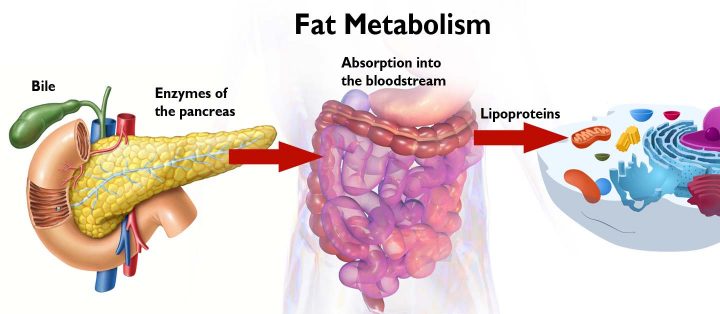
Let’s look at the breakdown of fat from our food. We eat fat because, among other things, we want to use it to produce energy. Our body is a real miracle and a huge, elaborate chemistry lab. It takes many complicated steps to go from one tablespoon of oil to energy. We want to summarize the whole process in a somewhat simplified way. Our pancreas provides enzymes for fat digestion. The bile breaks up a large drop of fat into many small droplets so that the enzymes can operate more easily. They split the fat molecules into fatty acids and glycerine, that can be absorbed through the intestinal wall. After they have passed this barrier, they are reassembled back into real fat molecules. Since fat is insoluble in water and cannot simply swim in the lymph or blood, it becomes bound to lipoproteins. With this taxi, the fat finally gets into the cell, where it is to be converted into energy.

Diagram of the Fat Metabolism
Ilustration of intestines by Blausen.com via Wikimedia CC BY 3.0

This transformation happens in our mitochondria. To do this, the fat molecule must first be broken down into glycerine and fatty acid. However, the fatty acid is too large to get through the membrane into the interior of the mitochondrion. That is why a transport system is needed. Carnitine serves as a taxi, which every athlete knows very well, believing that he needs a lot of it so that he can burn more fat in order to get more energy. If the fatty acids are in the mitochondria, they are together with oxygen converted into energy, water and carbon dioxide via a complicated process called beta oxidation.

The ATP (adenosine triphosphate), as this chemical energy is called, is created inside the inner mitochondrial membrane. The body needs this energy to move its muscles, to produce vital organic molecules and to handle transport processes in the cell and from one cell to another. In an adult human, the amount of ATP that is built up and broken down in his body every day is roughly equivalent to his body weight. What an achievement!

The glycerine from the fat is introduced into the citric acid cycle. This is another extremely complicated cycle that also takes place inside the mitochondria. They are an important hub in the metabolic process. They break down components from our food and at the same time rebuild new substances such as amino acids, the smallest components of protein. The breakdown products of carbohydrates and protein metabolism also enter the citric acid cycle. Components can also be diverted from this process in order to generate energy. We see already the important role of mitochondria in our body´s metabolism.

Fats provide by far the largest amount of energy per weight, followed by carbohydrates. Energy production from protein is not very efficient and is only used when there are not enough fats and carbohydrates available.

Conversion of Nutrients

Carbohydrates are important sources of energy. Some cells like the red blood cells, the nerve and brain cells absolutely depend on glucose. Glucose is therefore stored in the liver in the form of glycogen. This substance can be split up again into glucose between the meals, when no new glucose is available. If more carbohydrates than necessary are consumed and all glycogen stores are filled, carbohydrates are converted into fat. This is stored in the fat cells. Caution: this can lead to obesity!

fruits as a source of carbohydrates - Photo by Anderson Guerra from Pexels

When fasting, after a while the brain and nerve cells even get used to obtaining energy from fatty acids. But the red blood cells are always dependent on glucose for energy. If almost no carbohydrates are ingested with food, as is the case with some restrictive diets, the body has to produce glucose from amino acids. This path is energetically very demanding.

A Varied Diet

We have seen that some nutrients can be converted into one another. With regard to their function as building blocks for bones, organs, teeth and much more, they cannot be exchanged. It is therefore important that we eat a balanced and varied combination of foods and avoid unilateral diets. The best diet consists of lots of fruits and vegetables, grains, nuts, and seeds. From all this variety of foods our body is optimally supplied, and we can produce enough energy for all its vital functions.

Healthy Fruits

Stay Always Up to Date

Sign up to our newsletter and stay always informed with news and tips around your health.

Sign Up Now!

Filed Under: Body Systems, Cell Function, Nutrition

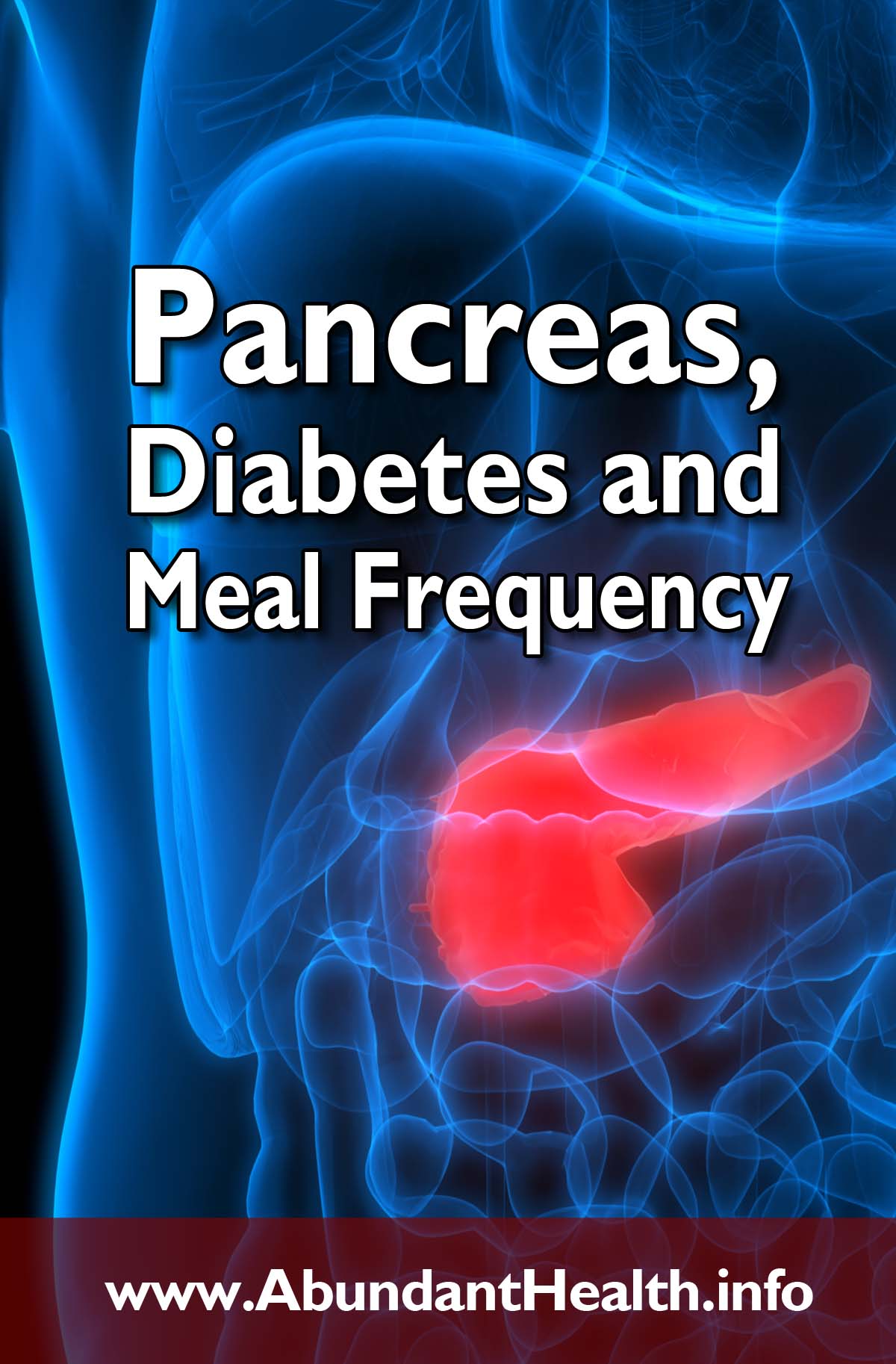
Pancreas, Diabetes and Meal Frequency

May 30, 2021 by Esther Neumann - [rt_reading_time label="Reading Time:" postfix="minutes" postfix_singular="minute"]

Pancreas

There’s something else behind the stomach – and that’s the pancreas. That’s how we learned it at school. In its first role, the pancreas is a vital digestive gland. In the unborn fetus, it is already developing on the 28th day and the Langerhans islet cells can be seen in the 8th and 9th week. Multipotent stem cells remain in the pancreas throughout their life, because they have to constantly produce replenishment, as a pancreatic cell only lives on average for about 40-50 days.

Pancreas, Diabetes and Meal Frequency

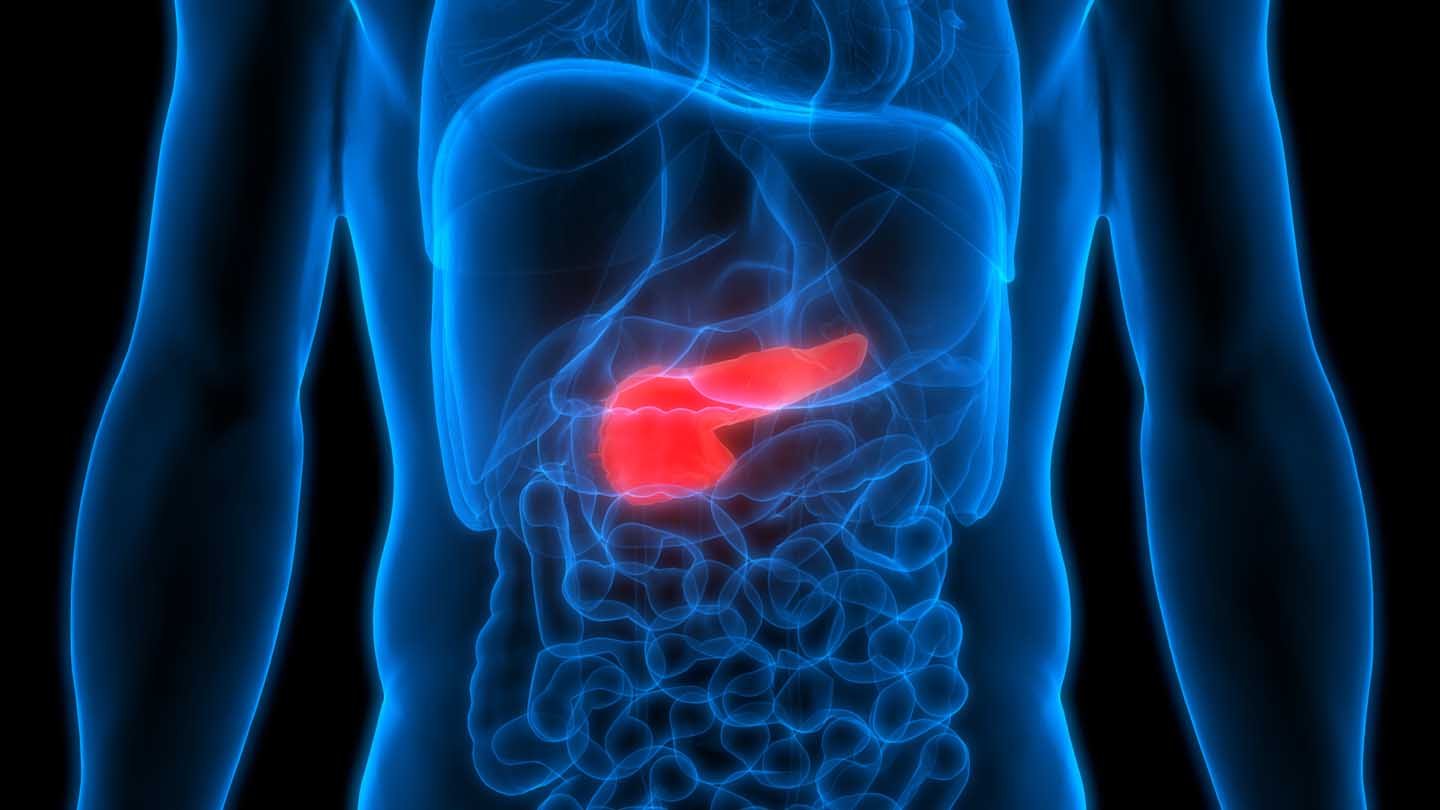
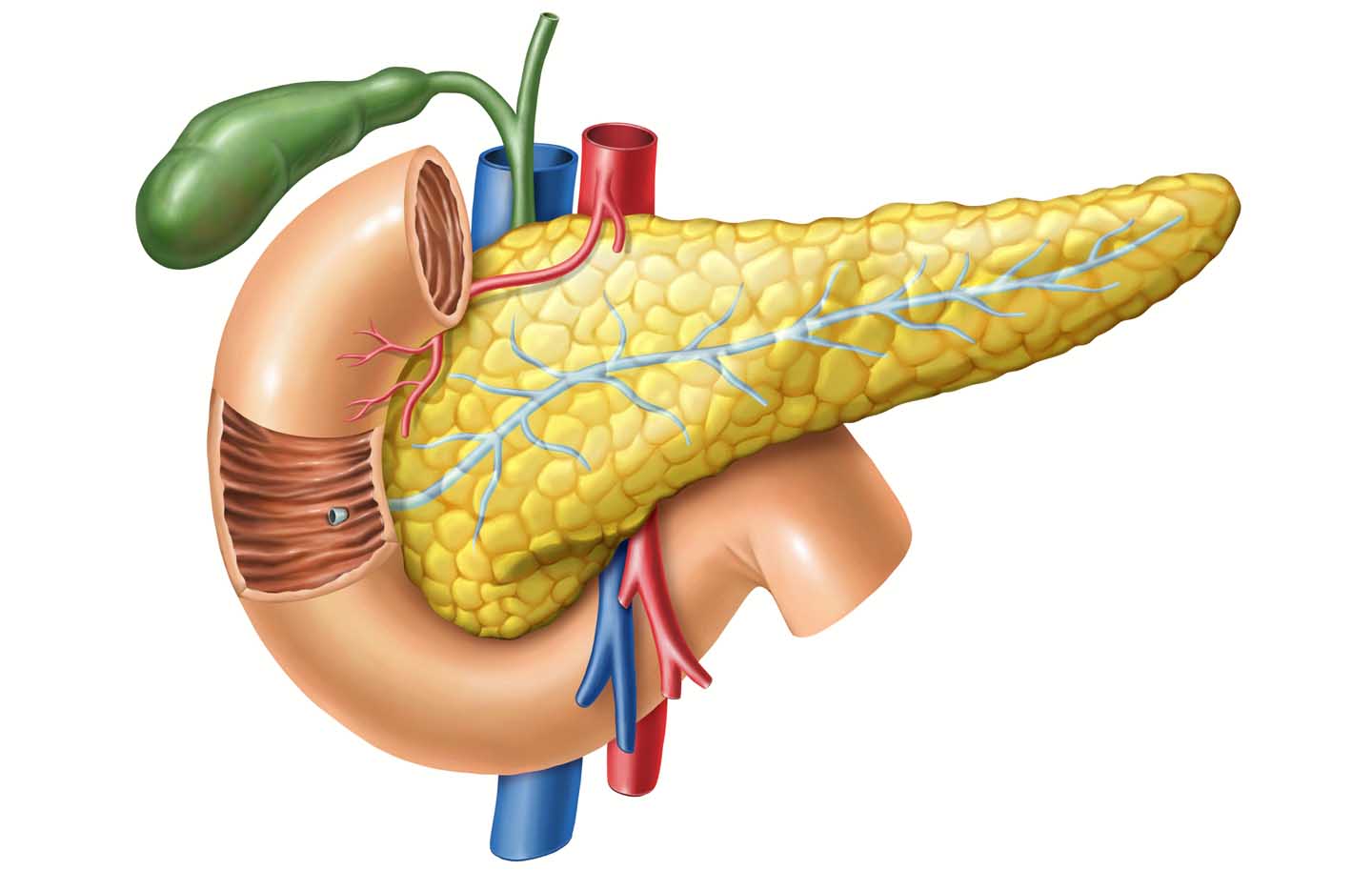
The pancreas is a relatively large gland that lies across the body behind the stomach between the spleen and liver. It is about 5-8 inch (14-20 cm) long and weighs 70-100 g. It is divided into head, body and tail. It is connected to the duodenum via an outlet duct. The duct runs the entire length of the gland. In most people, the main bile duct, the outlet from the gallbladder, unites with the outlet duct from the pancreas. They then flow together into the duodenum.

This junction can be different in some cases. In about a third of all people, both passages lead separately into the duodenum. This is an advantage, for in case that a gallstone sticks at the common duct after the union, it can lead to a backflow of digestive juice and bile in the pancreas and thus to a life-threatening inflammation of the pancreas (acute pancreatitis).

Anatomic drawing of the pancreas together with the bile duct

Exocrine Pancreas

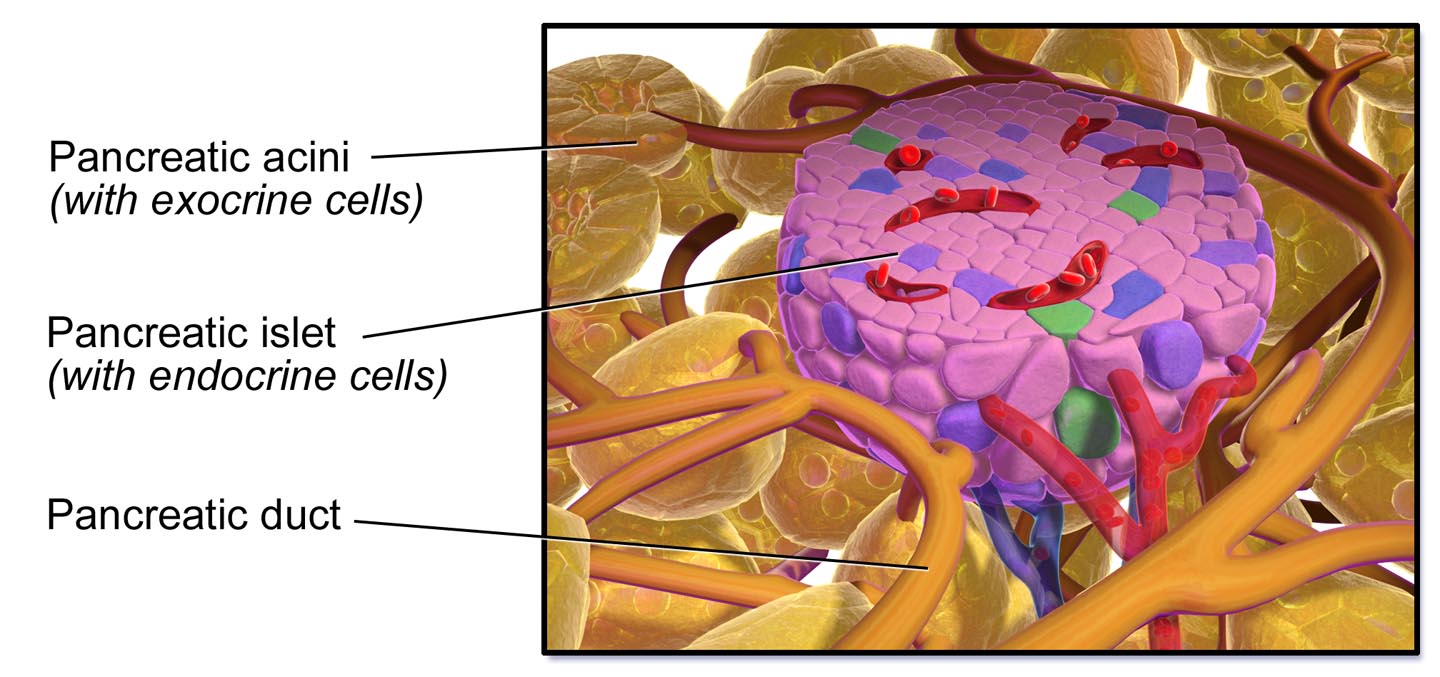
The pancreas contains two parts with very different tasks: the exocrine and the endocrine part. Endocrine is called everything that secretes into the bloodstream and exocrine to the outside, in this case to the duodenum at the beginning of the colon. Note that anatomically speaking, the gastrointestinal tract is considered a tube that is a link of the body with the outside world. The pancreas is made up of several thousand lobules that are barely visible to the naked eye. These in turn are composed of several hundred glandular end pieces, the acini. The secretion of the acini is conducted into the duodenum via a duct system.

About 1.5 – 2 quarts (1.5 – 2 liters) of secretion are produced daily. The most important components are various digestive enzymes: lipases for digesting fat, amylases for digesting carbohydrates and various proteases for digesting protein. Most digestive enzymes, however, are formed in a preliminary stage, which are only converted into the active form inside the duodenum. This prevents the pancreas from digesting itself.

About 95% of the digestive juice consists of water. It is quite important that this juice is rather liquid and that the pH is around 8. In about one in 2000 newborns, the pancreatic secretion is very viscous due to a genetic defect and the pH is almost neutral. As a result, the environment in the duodenum is too acidic and fat digestion cannot function properly. It comes to fatty stools. In the pancreas itself, the ducts are blocked by the viscous secretion. The genetic defect affects various organs of the body. Even in the lungs occurs some blocking and scarring. The clinical picture is called cystic fibrosis.

Pancreatic carcinoma is the third most common tumor of the digestive tract after colon and stomach carcinoma. Smoking, frequent coffee consumption, type I diabetes and chronic pancreatitis can all increase the risk. The prognosis for pancreatic cancer is usually very poor, since rarely an early diagnosis is made, and at this point large parts of the pancreas or all of it have to be removed, often including part of the duodenum. 70 – 80% of cancer cases originate in the exocrine pancreas.

Endocrine Pancreas

The pancreas contains clusters of cells that form small islands within the tissue. They are named after their discoverer, the German physician Paul Langerhans – islets of Langerhans. These are collections of cells with a diameter of 0.1 to 0.4 mm. An adult has about a million of them. This corresponds to 2% of the pancreatic weight. They belong to the endocrine system and release their substances directly into the bloodstream.

Islet of Langerhans - Source: Wikipedia/Medical gallery of Blausen Medical 2014
Illustration from Blausen.com at Wikimedia CC BY 3.0

The main function of these islands is to regulate blood sugar levels. Approximately 70% of islet cells produce insulin. These cells are called Beta cells. 20% are Alpha cells and form glucagon, the counter hormone to insulin. The Delta cells make up 5% and form somatostatin, which even in small amounts prevents the release of glucagon. Another 5% make up the PP cells. PP, the pancreatic polypeptide, consisting of proteins, increases the mobility of the small intestine. This is very important for digestion so that the chyme is well mixed and comes into close contact with the colon wall. This way the nutrients can be better absorbed.

Conductive Pathways

The pancreas is permeated by nerve tracts, lymphatic vessels, lymph nodes, arteries and veins. Blood is supplied through several arteries. It is supplied by a double vascular ring. The smallest veins, the capillaries, have tiny “windows” through which the endocrine cells are in direct contact with the blood. This way the cells “feel” the blood sugar level, so to speak, and the hormones can be released directly into the bloodstream.

Glucose Regulation

Regulating blood sugar levels is very important. The carbohydrates are released into the bloodstream in the form of glucose. The concentration in healthy adults is around 80-100 mg per 100 ml of blood. The two main hormones involved in regulation come from the pancreas: insulin and glucagon. They are opponents. Insulin lowers sugar levels and glucagon increases them. After a meal, the glucose is absorbed into the blood. The blood sugar level rises. In healthy people, this causes insulin to be released into the blood, which has the function of lowering sugar levels back to normal. The insulin opens the way for glucose to enter the body’s cells. There glucose is converted into energy, where it is supposed to be used for movement, heat production and other purposes. However, insulin also causes the excess glucose to be channeled into the liver or muscles. There glucose is converted into glycogen to be stored for the use of intervals between meals.

If the sugar level falls below normal (work, fasting), glucagon stimulates the liver to release glycogen, converting it into glucose which is released back into the bloodstream. The sugar level rises again. Renewed food intake will start the whole process all over again. Continuous food intake, such as constant snacking, overstrains this control loop, which sooner or later fails, leading to type II diabetes mellitus. Obesity also promotes the development of diabetes. This type used to be referred to as adult-onset diabetes. However, because patients with diabetes are getting younger and younger due to an unreasonable lifestyle, this term has been abandoned.

Snacking taxes the panreas - Photo by Tim Samuel from Pexels

Sometimes oral anti-diabetic drugs are used to increase the release of insulin from the Beta cells and can be used to treat type II diabetes. If the lifestyle is not corrected, their effectiveness is normally weaning with time.

Type I diabetes is an autoimmune disease with targeted destruction of the Beta cells that produce insulin. This diabetes can only be treated with insulin injections. Beta cells can also be damaged by viral infections. Research suggests that certain components of cow’s milk, if administered to infants whose intestines are still permeable, can trigger an autoimmune response that damages the Beta cells. So it really makes sense to breastfeed the newborn for as long as possible.

Even if the Delta cells are damaged, for example by a tumor, the blood sugar rises. Tumors affecting PP cells cause severe diarrhea.

We see that our pancreas is a very important organ for our digestion and the whole metabolism. We do well to take good care of our pancreas. We shouldn’t overwork our pancreas by constantly snacking or eating too many meals a day. A healthy adult will do well on three meals a day. He doesn’t need any snacks. Between meals he should consume only liquids, ideally water. In his wise creative power God has implanted a very interesting organ in our body. We can only be amazed how nicely and wonderfully our entire metabolism depends on small things that are interdependent like the many wheels of a clockwork.

Healthy Fruits

Stay Always Up to Date

Sign up to our newsletter and stay always informed with news and tips around your health.

Sign Up Now!

Filed Under: Body Systems, Diabetes, Digestive Tract

How to Bullet-Proof Your Immune System Against the Coronavirus

April 2, 2020 by Martin Neumann - [rt_reading_time label="Reading Time:" postfix="minutes" postfix_singular="minute"]

We are passing through difficult times. A pandemic affecting the entire world, and not yet an end in sight. So far there are no effective remedies, and the development of a vaccine is at least a year away. Health professionals are struggling to keep the pandemic under control. But there is a protection available for everybody, this is our immune system.

Our immune system is like an army of soldiers inside of us, that is prepared to fight off any invader that is coming along. Each cell of the immune system has a very specific function. There are T-lymphocytes who are like a special intelligence force trying to identify the invaders, and producing antibodies to recognize them faster in the future. There are phagocytes that work to engulf invading germs and dissolve them with powerful enzymes. Some cells have specialized weapons against germs, like the natural killer cells.

In short, the immune system is well prepared to protect our body against an infection. We just need to help the immune system, so that it is able to work effectively and with peak performance. It is good to remember, that elderly persons and those with chronic diseases need to take extra care to keep their immunity strong. Let’s dive right in to see what we can do to keep our immune system bullet-proof against any invader.

Focus on balanced Nutrition

Making nutrition a priority is something that you need to constantly pay attention to. Be sure to focus on variety in your diet. There are many restrictive diets that can get you in trouble. A keto diet for example can give you several side effects like bad breath, fatigue, irregular menstrual cycles and sleep issues. Carbohydrates are essential for energy, though you should focus on unrefined sources and avoid excess. If you are on raw food, you may have a hard time getting sufficient protein, which is crucial for the production of immunity cells. In the realm of fats, focus on healthy sources like avocados, olives, nuts and especially Omega 3 sources like flaxseed and chia. Making nutrition a priority during a pandemic means making sure everyone in the house eats healthy by having a balanced diet.

Nutrient-rich foods such as beans or lentils, whole wheat foods, and foods high in fiber should be on your grocery list. The best thing about such foods is that they can be prepared in various ways and they can be mixed with other foods. You not only enjoy your meal, but you get the complete nutritional benefits as well.

Foods from animal sources tend to weaken your health and should be avoided. A study found that a vegetarian diet increases Natural Killer cell activity by a factor of 2.34 compared to an omnivorous diet. And the fiber content in all-natural plant foods can do a lot to control inflammation in the body. A balanced natural diet has also a beneficial effect on gut microflora. Going vegetarian and focusing as much as you can on natural food sources can go a long way to strengthen your immune system.

Avoid Refined Sugar

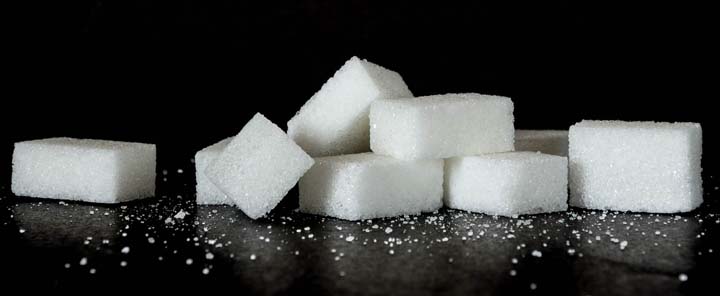
Sugar is an enemy of the immune system

One of the greatest enemy of the immune system is refined sugar. Sugar quickly inactivates the germ-killing foot soldiers—the phagocytes. For example, just one soft drink, containing 12 teaspoons of sugar, is enough to weaken the protective ability of our body’s white blood cells by 60%, for a period of 5 hours. In plain English, a phagocyte that normally kills about 14 germs, will now tackle only 5. That’s not going to protect you enough. If you are drinking 2-3 cans of soft drinks per day, your immune system will be literally without any defense.

Some people think they need to avoid only refined sugar but can indulge freely on honey, maple syrup, raw sugar, molasses, agave syrup, fructose and other sugar substitutes. While these options are slightly healthier, all of them will cause the same damage to our immune system, when used in excess.

Unfortunately, our sugar consumption has increased drastically during the last centuries. While in 1870 the average American consumed around 10 teaspoons of sugar a day, this figure has risen to 43 teaspoons in 1991. And sugars are hiding everywhere, including breakfast cereals, ketchup, tomato sauce, yogurt, and bread.

There is no way around, if we want to stay healthy, we need to train our taste buds to a gentle sweetness in our food. Appreciate the natural tastes of your fruits. To give a little zest to your recipes, a moderate dose of dates or dried fruits can help. The consumption of honey or other sweeteners you may want to limit to 2-3 teaspoons per day.

You may find these measures very restrictive. You may find out that you are addicted to sugar and have a hard time to quit. But think about it. Does it come easy to stay at home and avoid contact to other people? Is it easy to follow all the other restrictions? We are going at great lengths to avoid any exposure to the virus. But if there is anything that can keep you save in this crisis, it is avoiding sugar. It will be surely worth your efforts.

Eat More Fruits and Vegetables

Fruits are beneficial for the immune system

Fruits and vegetables are excellent sources of high-nutrient foods that will keep you healthy during a pandemic. By eating natural foods that contain an abundance of vitamins and minerals, you can help keep your immune system operating smoothly. They are loaded with lots of phytochemicals and antioxidants, substances that are able to protect you in many different ways. Each one has a different function, that’s why it is recommended to eat a rainbow of different colors and varieties of our fruits and veggies.

There are many concerns that may arise when it comes to best ways of treating your groceries, such as safe ways of washing and preparing them. Some social media posts have suggested even to keep groceries for 3 days in the garage before bringing them in. Nonetheless, this is not something that you need to worry too much about.

Experts say that in a period of 8 hours half of the germs have already died off. Continue washing your fruits and vegetables the same way you always do. There is no need for using sanitizers to wash your fruits and vegetables like most people assume. Soap should never be used to wash your food. Experts advice though to take extra precautions to wash hands after coming home from shopping, before and after preparing your meals, and before eating.

Supplementation

Ideally you should get your vitamins and minerals from fruits and vegetables. Governments recommend a minimum of 5 daily portions to keep you healthy. If your consumption is below that level, there are good chances that you can develop vitamin and mineral deficiencies. Elderly people tend to have less absorption, and certain conditions like alcohol and tobacco consumption, stress and the use of contraceptive pills can increase the demand of those essential vitamins.

Further aggravating is the production of many fruits and vegetables based on chemical fertilizer. Lacking the supply of essential micronutrients, the soil gets depleted over time, and lacking adequate organic matter, most of the soil is sterile, without essential microorganisms that help in the absorption of nutrients at the root level of the plant. If you have access to fresh organic produce, it is definitely going to have much higher concentrations of vitamins and minerals then your conventionally grown veggies.

Vitamins are sensitive to light, heat and oxidation. Therefore, the fresher you can get your vegetables, the better for you. Overcooking will greatly reduce the vitamin concentration in foods, and it is recommended to eat 50 to 70% of your fruits and vegetable in raw. Sprouting some of our seeds can be very powerful to potentialize their vitamin concentration.

If you need to complement your vitamin intake with supplements, it is beneficial to combine them with their natural sources. Several studies have shown that the body absorbs and uses vitamins better when they are coming from a dietary source. Fruits and vegetables are loaded with phytochemicals that show beneficial effects way beyond the realm of vitamins. It was discovered that a single tomato contains more than 10,000 different phytochemicals, many of them being antioxidants or protecting the body in some other manner.

Vitamin C

Vitamin C is probably the most popular supplement to increase immune system function. It supports a variety of immune system cells and serves as a powerful antioxidant. Studies have shown the efficiency of Vitamin C to reduce the duration and severity of a common cold. A hospital in Shanghai used intravenous Vitamin C to successfully treat coronavirus patients. Being a water-soluble vitamin, any excess is excreted by the kidneys, and since it is not stored by the body, it needs to be consumed daily.

Common food sources are all citrus friuts, papayas, kiwis, mangos, strawberries, bell peppers, rucola, spinache, cabbage and broccoli. Kale is an excellent option, and it will increase in Vitamin C concentration when it is slightly steamed.

For supplementation, a daily dose of 500 mg is recommended. A higher dose will just put an extra burden on the kidneys, and very high levels can lead to diarrhea.

Zinc

Zinc is essential for immune cell development and communication, and plays an important role in the inflammatory response. A deficiency can significantly affect your immune system and make your more susceptible for viral infections. The probability of zinc deficiency increases with age, and about 30% of older adults are considered to be deficient.

The main plant sources of zinc are legumes like beans, lentils, chickpeas and peanuts. Flaxseed and sesame are good sources as well. If you plan to supplement, a daily dose of 20 mg would be fine.

Vitamin D

This is the only vitamin that you rarely get from food sources, but acquire it normally by exposure to sunshine. The hours for optimum vitamin D production are between 10 am and 2 pm. If you expose a substantial amount of your skin to the sun, you need about 15 minutes of exposure on a hot summer day, without using any sunscreen. If you have a darker skin color or your area of exposure is less, you need to increase this time. Elderly people tend to have lower absorption as well. Be sure to start slowly and increase your exposure gradually to avoid sunburn.

It is a good idea to get your Vitamin D levels tested, since deficiency is very common in our days. If your sun exposure is not sufficient, most people do fine with a supplementation between 1,000 and 4,000 UI, though those with more serious deficiencies often require much higher doses. Vitamin D is a fat-soluble vitamin. For better absorption, take the supplement together with a meal, since it will depend on the fat present in the meal to be transported into the bloodstream. Be cautious about the right dosage, since any excess is stored in the fat tissues and can accumulate in the body.

Magnesium

Magnesium is important for more than 300 biochemical reactions in the body, among them it supports a healthy immune system. About 57% of the US population does not meet the recommended daily intake of this mineral.

Common food sources are various types of nuts, sesame, flaxseed, soy, beans, chickpeas, peanuts, spinach and several whole grains. If you need to supplement, a dose of 400 mg per day would be adequate.

Selenium

Selenium has an important function for our immune system, and in certain areas of the world, the soil is deficient in selenium. For that reason, selenium concentration in food sources can vary widely. One of the best sources are Brazil nuts, and a daily dose of just 2 nuts will already exceed your daily requirements.

B Vitamins

B vitamins, including B12 and B6, are important for healthy immune response.  Many adults are deficient in them which can negatively affect the immune system. A B12 deficiency is quite common among vegetarians and elderly people, and regular testing is recommended to avoid adverse side effects for the nervous system as well as immunity.

Probiotics

The digestive tract serves as an immune organ by protecting your body from harmful microbes, that you may have consumed with your food. Having a healthy flora of beneficial microorganisms in your gut can go a long way to protect you against those invaders. You can find probiotics in fermented foods like yogurt, sauerkraut and kombucha. Probiotics are available as supplements as well.

Herbs and Spices

Garlic has powerful anti-inflammatory and antiviral properties. It stimulates several immune cells like Natural Killer cells and Macrophages. Together with onion, they are probably the best spices to strengthen your immune system.

Tumeric is known for its powerful anti-inflammatory properties, and studies indicate it may improve immune function.

Echinacea has been shown to improve immune health and may have an antiviral effect on several respiratory infections.

Propolis is a resin-like substance produced by honeybees and is known for its immune-boosting capacities.

Elderberry has been shown to improve immunity, reduce upper respiratory infections, and demonstrates potent antibacterial and antiviral properties.

Licorice is another good option to try. According to test tube research, it was shown to provide antiviral activity against the SARS coronavirus. However, individuals who have high blood pressure, eating disorders, diabetes, heart and kidney conditions, and low potassium should avoid taking licorice. Avoid licorice candy because of the adverse effects of sugar, and use licorice for no more than 2 weeks, since it will lower postassium levels.

Stay Hydrated

Drinking lots of water will keep your body hydrated and will drain any accumulation of bacteria or viruses in your mouth or throat. Avoid drinking sugared or soda drinks – the sugar will only contribute in dehydrating your body. Did you ever try to wash your hands with coke? Just imagine! Or did you try to wash a pile of plates with only one cup of water? Does not work too well either! So what you need to clean your body is nothing else than pure water, and plenty of it.

The bloodstream, which is the highway to transport the immune system’s troops, is kept flowing freely by adequate amounts of water. In addition, the mucus membranes of the nose and mouth also need plenty of water to maintain a protective barrier against invading germs. A generous consumption of water helps also the kidneys to clean out toxins from the body.

Get Plenty of Exercise

Exercise makes the circulatory system stronger—this includes
the lungs, heart, and blood vessels. The circulation is the carrier that will transport the immunity cells to their field of labor. A vigorous exercise guarantees that the stale capillaries are getting nourished with fresh blood and the circulation of the entire body is getting revitalized. This results in an improved communication of the various cells of the immune system. The lymphocyte activity is greatly enhanced as well.

Exercise also neutralizes the harmful effects of stress by stimulating the release of natural “feel good” chemicals like endorphins. Stress is especially counteracted when exercise is combined with the immune system’s allies—fresh air and sunlight.

What exercise is best? You can do anything that is fun for you, but walking would be a good starting point. And don’t be afraid about getting infected when leaving your four walls, if you maintain distance to other people, you are pretty safe. If you prefer a home workout, that is fine as well. But whatever you do, be sure to implement a daily exercise routine. Start slowly and build up your forces gradually. And you don’t need to run a marathon, actually any excessive activity that leaves you exhausted can even weaken your immune system.

Avoid Addictive Substances

It makes a lot of sense to avoid anything that can harm your body in order to strengthen your immune system. That said, we should shed some light on some common pratices of substance abuse.

Alcohol cripples the body’s internal army. This suppression of the immune system is seen even with moderate amounts of alcohol. Its use increases the risk of diseases such as tuberculosis, viral hepatitis, cancer, and AIDS.

Tobacco also contains harmful chemicals that immobilize the immune forces and stimulate the development of cancer. The large airways contain cilia, which are special hair-like cells that keep sweeping germs and injurious particles away from the delicate lung tissues. Tobacco smoke paralyses these protective cilia, so that germs and particles can easily enter the lungs and cause serious damage. Smokers and those with respiratory disease have a higher risk of serious illness and complications from coronavirus.

Caffeine, one of the world’s most popular drugs, is found in coffee, tea, and soft drinks, as well as some traces in chocolate. Recently caffeine has been on the news, touting the health benefits of your daily cup of coffee. However, few people tell you that caffeine contributes to mental stress, irritability, anxiety, and depression, which stimulate chemicals that further weaken the immune system.

Many prescription medications may also be injurious to the immune system. Be aware of the dangers and don’t use them unnecessarily.

Contrast Shower

Working your circulation with a contrast shower can do much to improve your immune system. Start your shower with 3 minutes of hot water, as hot as you can stand. Then finish off with 30 seconds of cold. If you need an extra boost, you can repeat the hot and cold cycle for 3 times. Resting for a few minutes after the shower will potentialize the immune system boost.

Get more Sleep

Rest plays an important role in immune function. The hours of deep sleep before midnight is prime time for the repair and replacement of worn-out cells and tissues. During this period, the body’s housekeepers and work best to restore its guardians to top fighting shape. Under ideal sleep conditions, damaged immunity cells are more rapidly replaced by new ones.

This immunity restoration takes place starting at 9:30 pm, if you manage to get to bed in time. If you are staying in front of the TV until midnight, you have already lost out on the immunity repairing phase of your sleep.

Reduce Stress

Excessive stress can do a lot of harm to your immune system. When the stress response kicks in and the body focuses all the energies to deal with a crisis, the immune system is considered to be of secondary importance. This is fine for a short term reaction to an emergency, but gets problematic if stress levels are chronic.

Chronic stress will increase your cortisol levels, which in turn will reduce various functions of the immune system. As a result you are more susceptible to colds or even the COVID-19 coronavirus. Stress can also affect your sleep, causing even more prejudice to the immune system.

Stress will have a cumulative effect on the immune system the longer we experience it. Think of the immune system as a firewall; the longer it is down, the greater the chances that some sort of infection can take hold of us and complicate our recovery.

The Coronavirus regulations brought substantial change to our lives. For some, it brought a much-needed break from the rat race of life, for many others it brought quite an amount of additional stress. Any change in our daily routine is causing us stress, and the uncertainties of what is going to happen, and how we are going to pay the bills, are quite stressful for many. When facing such challenges, maintaining an optimistic attitude is doing much to keep your stress under control.

It is important to take all necessary precautions, but after you have done your part, watch your thoughts to maintain a positive attitude. If you are fearful about this pandemic, make an exercise to challenge your thoughts. You have done all the necessary precautions, so what is the probability of you catching this virus? And if you really got infected, what is the chance of you dying from this disease? If you are below 40 and have strong immunity, chances are rather slim. With age, the risk will increase, but there is still quite a lot that you can do to prevent it.

So the best thing you can do, after having done your part, simply stop worrying about it. Jesus is giving us the following counsel:

Therefore I tell you, do not worry about your life, what you will eat or drink; or about your body, what you will wear. Is not life more than food, and the body more than clothes? Look at the birds of the air; they do not sow or reap or store away in barns, and yet your heavenly Father feeds them. Are you not much more valuable than they? Can any one of you by worrying add a single hour to your life? … Therefore do not worry about tomorrow, for tomorrow will worry about itself. Each day has enough trouble of its own.

Matthew 6:25-34

This is really a timely counsel for us today. Think about it. What do you gain by worrying about something that you cannot change? Just do your part, and for the rest simply trust that you have a Heavenly Father who is well able to take care of you. If He provides food for the birds every day, how much more will He provide for your needs?

Then take some time and think about the purpose of your life. You have made some achievements, maybe you have even gathered some wealth. But a crisis like that can show us how fast the world around us can change. What we have done today may not be helpful for tomorrow. Just think for a moment, at the end of your life, what would you like to be remembered for? What makes your life really worthwhile?

Maybe take your eyes a bit away from yourself and look around you. Who is there who needs some help? Is there somebody that you can help to transform their life? Are there maybe some elderly around you who need your help to do shopping or other chores? Are there some people you can call and give some words of encouragement? Do you have the opportunity to make somebody a pleasant surprise? Cause the joy the other one feels that you have helped, will result in satisfaction for yourself. And this is the best you can do to strengthen your immunity.

We have a special opportunity just for you. If you want to receive practical and up to date advice on how to implement an immunity-boosting lifestyle, simply join the Coronavirus Immunity Challenge and prepare yourself to face the pandemic with a bullet-proof immune system.

Sign Up Now

Coronavirus Immunity Challenge

Interesting Links

Stress Management Tools

Sermon: How to thrive in a time of crisis – Mark Finley

The 15 Best Supplements to Boost Your Immune System

How to Protect Yourself from Super Viruses – Part 1 – Part 2

Viral Kindness – Find a Facebook support group near you and get involved in helping others

Filed Under: COVID-19, Immune System

« Previous Page

Primary Sidebar

Social Channels

Coronavirus Immunity Challenge

Boost your immune system to be bullet-proof for the pandemic.

I Want to Participate

Recent Posts

  • 5 Habits to Live Longer
  • Better Sleep Can Protect Against Dementia
  • Finding Peace In Your Crazy-Busy World
  • Flaxseed – An Ancient Plant Rediscovered
  • Platelets – Triggers for Life or Death
  • Boderline Personality Disorder
  • In Praise of Almonds and Nuts
  • Are You Stuck in the Clutter Trap?

Categories

  • Body Systems (16)
    • Cell Function (2)
    • Circulatory System (1)
    • Digestive Tract (10)
    • Immune System (4)
  • Diseases (27)
    • Cancer (2)
    • Cold (1)
    • COVID-19 (11)
    • Dementia (1)
    • Diabetes (1)
    • Digestive Diseases (2)
    • Heart Disease (2)
    • Kidneys (1)
    • Metabolic Syndrome (2)
    • Skin (1)
  • Healthy Lifestyle (42)
    • Exercise (11)
    • Gardening (2)
    • Sleep (7)
    • Sunlight (2)
    • Temperance (14)
    • Water (4)
  • Mental Health (87)
    • Addictions (6)
    • Anxiety (7)
    • Burnout (1)
    • Depression (7)
    • Psychosomatic Diseases (6)
    • Stress Management (45)
    • Trust (6)
  • Nutrition (56)
  • Obesity (9)
  • Phases of Life (14)
    • Adults (3)
    • Babies and Infants (1)
    • Children (3)
    • Seniors (5)
    • Teenagers (3)
  • Therapies (7)
    • Herbs (5)
    • Hydrotherapy (1)
  • Uncategorized (3)

Archives

  • January 2025 (1)
  • March 2024 (5)
  • February 2024 (4)
  • January 2024 (4)
  • December 2023 (5)
  • November 2023 (4)
  • October 2023 (5)
  • September 2023 (4)
  • August 2023 (3)
  • July 2023 (2)
  • June 2023 (4)
  • May 2023 (4)
  • April 2023 (5)
  • March 2023 (4)
  • February 2023 (4)
  • January 2023 (4)
  • December 2022 (4)
  • November 2022 (4)
  • October 2022 (5)
  • September 2022 (4)
  • August 2022 (4)
  • July 2022 (5)
  • June 2022 (4)
  • May 2022 (5)
  • April 2022 (4)
  • March 2022 (4)
  • February 2022 (4)
  • January 2022 (5)
  • December 2021 (3)
  • November 2021 (4)
  • October 2021 (6)
  • September 2021 (4)
  • August 2021 (4)
  • July 2021 (5)
  • June 2021 (4)
  • May 2021 (3)
  • April 2021 (5)
  • March 2021 (4)
  • February 2021 (4)
  • January 2021 (5)
  • December 2020 (3)
  • November 2020 (4)
  • October 2020 (5)
  • September 2020 (5)
  • August 2020 (3)
  • July 2020 (1)
  • June 2020 (1)
  • May 2020 (1)
  • April 2020 (1)
  • March 2020 (1)

Copyright © 2026 · Abundant Health - Privacy Policy - Medical Disclaimer