Abundant Health

Up to date health information tailored for you

  • Home
  • Blog
  • Recipes
  • Shop
  • Contact
You are here: Home / Archives for Healthy Lifestyle / Exercise

Exercise

Bike Tour Instead of Pill Cure

March 6, 2022 by Esther Neumann - [rt_reading_time label="Reading Time:" postfix="minutes" postfix_singular="minute"]

Radfahren

Anyone who pedals regularly strengthens their heart and immune system. Pedaling has a positive effect on the muscles, intervertebral discs, blood circulation and joints. Those who manage to get to 40 minutes will lose weight, because the fat will start to melt. If we cycle through a lovely landscape, we will also do something good for the soul.
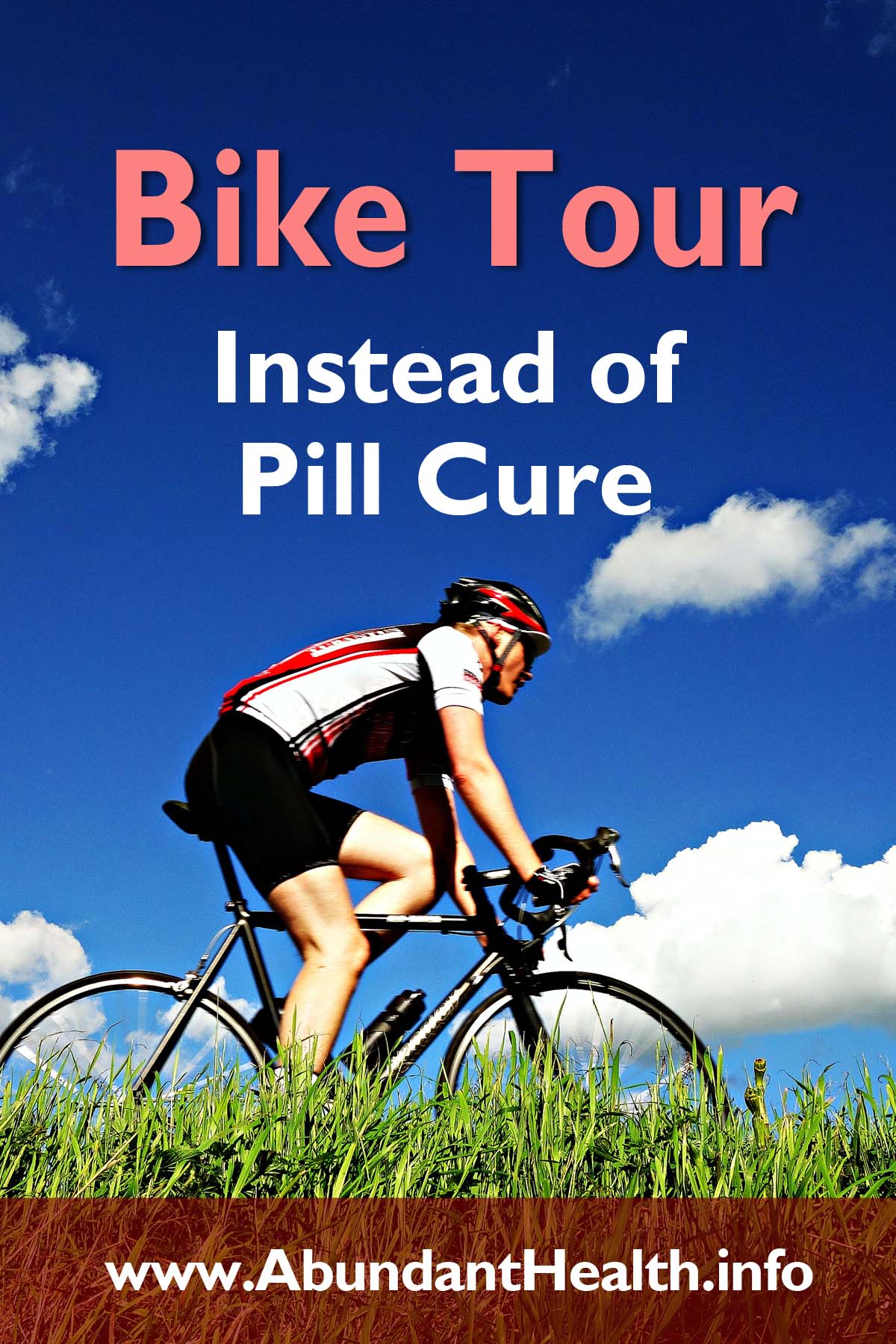
Bike Tour Instead of Pill Cure

The long winter is over. The awakening nature also lures us out from behind the stove. The body craves movement. Not everyone feels like jogging or walking. That’s where the bike comes in handy. Whether it’s the old bike or the high-tech bike, it doesn’t matter. The important thing is that we swing into the saddle and drive off. It’s again the time for cycling.

Bicycle – an Ideal Fitness Device

Whether in everyday life, for leisure or holiday activities, we can always fit in the bike. We don’t even have to bring our own, because many locations already offer rental bikes.

Almost everyone can ride a bike, whether young or old, athletic or overweight. The body weight is carried by the saddle, the joints are relieved, the intervertebral discs activated and the muscles trained. Blood pressure is stabilized. Breathing is deepened and oxygen uptake is significantly increased.

Twenty minutes of cycling has a positive effect on the immune system. This is caused by the climatic stimulus provided by wind, air and sun.

Starting from 30 minutes we strengthen the heart and circulation. If you can even manage 40 minutes, you boost your fat metabolism. The pounds will start to tumble.

The soul doesn’t miss out either. It is a pleasure to experience the landscape at a slower pace than from a car. The headwind caresses not only the body but also the soul, if we allow it. This improves the quality of life all around.
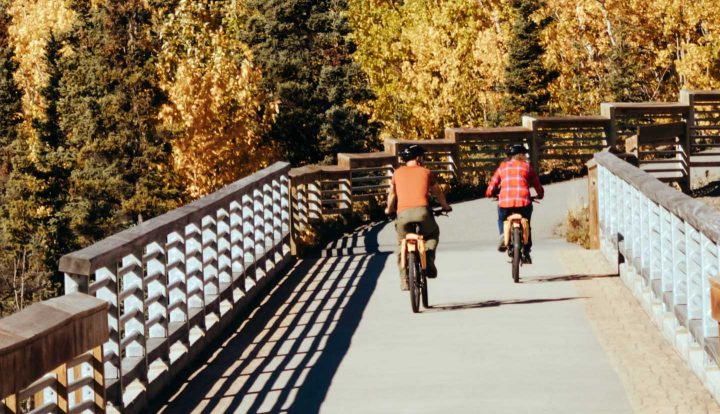
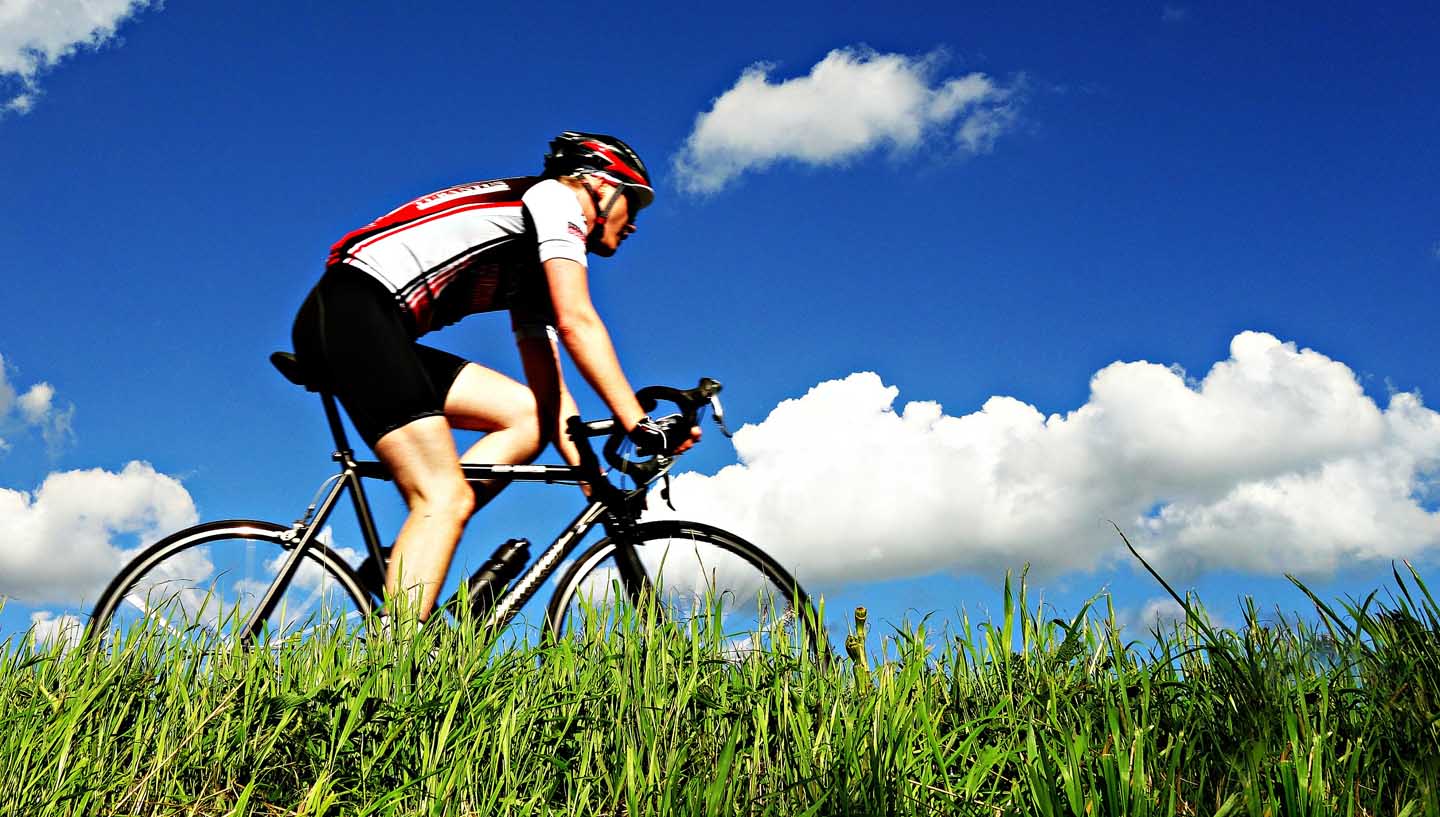
Two bikers making a tour in nature

It’s the Dose that Counts

If you haven’t been in the saddle for months, you should take it easy. Otherwise, the body’s revenge will follow: the breath runs out, pain in the neck, shoulders and sore muscles set in and the joy is gone. This can be avoided if we prepare the body for the unfamiliar movement. Belly-leg-butt and shoulder exercises prepare the muscles.

Stretching exercises for the back muscles are important because the spine muscle called erector spinae tend to be overstretched when cycling. Practicing on the home trainer during the long winter months would have been ideal.

The feel-good pace is a moderate speed, individually adjusted to the training condition. You should still be able to have a good conversation while cycling. The cycling trips are to be gradually extended. Don’t start too fast, rather ride more often. You should be tired when you reach your destination, but not exhausted.

Some Technique

It is important that horse and rider fit together. The saddle should be set high enough so that you can put your heel on the pedal with your leg stretched out. If you sit correctly on the saddle, then you stand with the ball of your foot on the pedal. In this way, the power when pedaling is used optimally. If the saddle is set too low, the knee joint is forced too much. This can lead to injuries and you also tire more quickly. However, if the saddle is too high, the legs are forced to fully straighten. This can also be problematic for the joints.
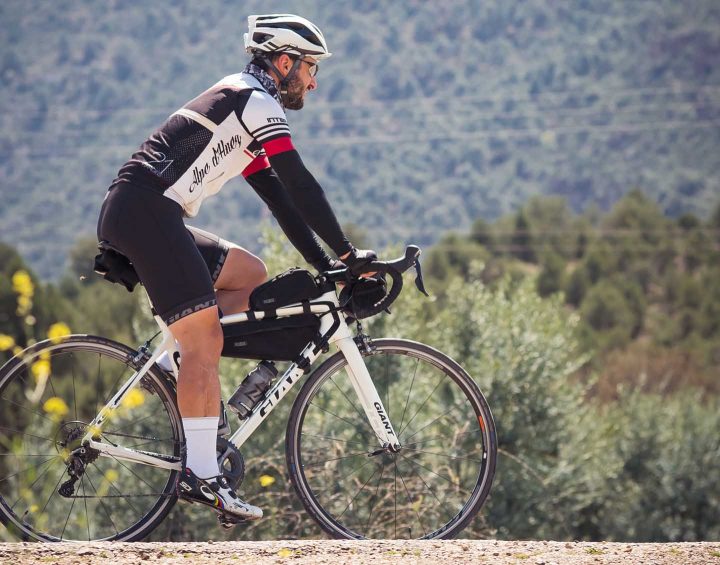
Right posture when cycling

The saddle should be leveled out flat, and the handlebars should be level with the saddle. In this position, the spine is not bent too far forward, but also not so upright that bumps in the road would cause damage. A variable handlebar allows the grip position to be changed frequently, so you can always adopt a new sitting position.

Of course, the bike must also comply with the road traffic regulations. Two good brakes, bell, rear and front lighting and reflectors should be mandatory, reflectors also belong between the spokes and on the pedals. By the way, if you are smart, you ride with a helmet.

The Round Treadle

The treadle should not be angular and hacky from top to bottom, but round and loose. The pedal should not only be pushed down, but also pulled back in the down position and pushed forward in the up position. Even professional cyclists practice again and again on this round treadle.

The upper body should not swing back and forth when pedaling, but should be almost immobile. The legs are kept parallel to the frame so the knees are not spread apart.

A common mistake made by amateur cyclists is the number of revolutions per minute, the frequency. Many ride in a gear that is too high. You don’t get to your destination so exhausted if you drive at 70 to 90 revolutions per minute. Proper shifting and braking need practice.

When going uphill, you can stand up and pedal out of the saddle. The whole body is trained in this way. There is tension and relaxation. This is how women achieve slender hips and firmly trained butts.

Clothing and Shoes

Jerseys and cycling shorts made of modern, breathable materials are comfortable, but not essential. You can also wear comfortable, loose sportswear or a tracksuit. It is important that nothing is constricting, and that you dress in layers that you can take off and put on again, depending on the weather and heat development. The shoes should have a non-slip sole. Loose slippers that cannot be tied are taboo. They can lead to accidents.

Don’t forget the thirst quencher, the water bottle. One tenth of a gallon of water is drunk for every half hour of cycling. This increases endurance.

Cycling in Daily Life

Let’s incorporate cycling into everyday life. Why not cycle to work? You can catch two birds with one stone. Admittedly, you have to overcome ingrained habits and comforts, fight your inner couch potato. If you often use your bike to run errands or just drive to work, you can save yourself a trip to the gym in your free time. Regular cycling has many health benefits. You also protect the environment, because the bicycle has no polluting emissions.
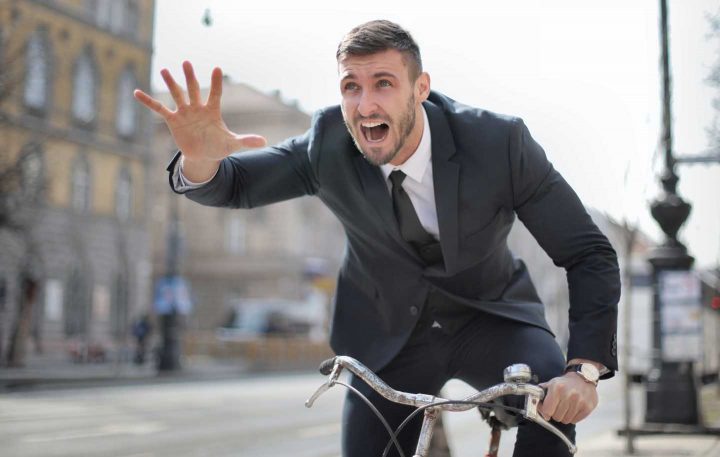
An office worker cycling to work

Bike Touring

One of my best vacations was cycling along the Danube River from Passau to Vienna with my family. There are wonderful cycling routes in every country. You can take your bike on the train or ship and choose the easier routes if you don’t want it to be too strenuous. But you can also face challenges and plan a mountain bike tour. The main thing is that you start and enjoy it. With this in mind, let’s enjoy cycling. As a result, one can really say: bike tour instead of pill cure.

Healthy Fruits

Stay Always Up to Date

Sign up to our newsletter and stay always informed with news and tips around your health.
Sign Up Now!

Filed Under: Exercise, Healthy Lifestyle

Exercise – A Principle of Life

January 16, 2022 by Esther Neumann - [rt_reading_time label="Reading Time:" postfix="minutes" postfix_singular="minute"]

Bewegung – ein Prinzip des Lebens

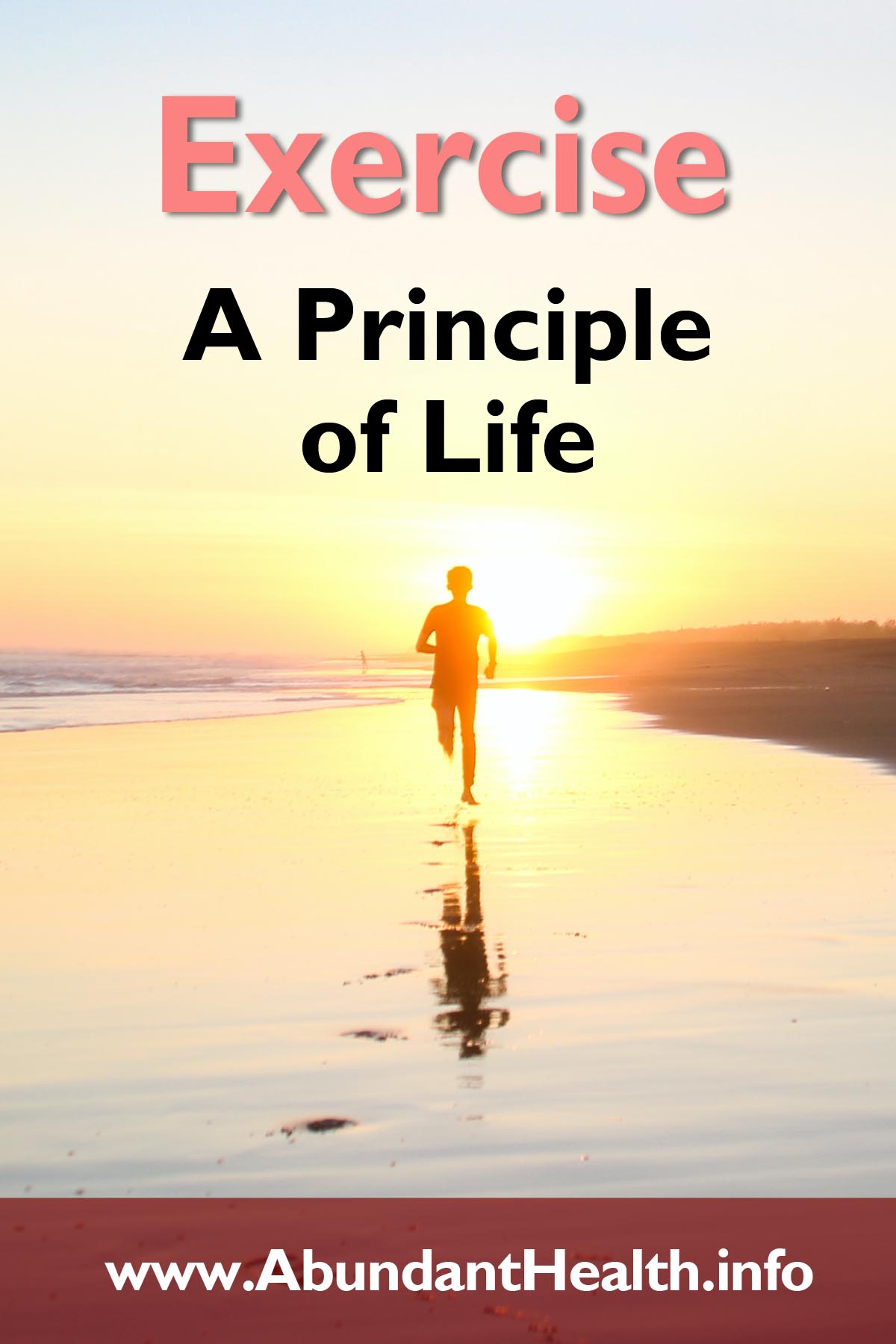
Exercise doesn’t just mean chasing the ball. Everything that lives moves. People, animals, even plants move. Movement is a characteristic of life. We can explore our environment through movement. Movement shapes us. But our way of moving also shapes our environment. Let’s just think of the car. Where do you come across a car? Let’s imagine a city without cars. Unimaginable? Or would that be heaven on earth for pedestrians?

Exercise - A Principle of Life

Anyone who tries to define “life” will quickly notice that it is not that easy. What does it take to be able to call something really “life”! Reproduction? Then a person would be dead alone, because it takes two to reproduce. But it is certainly part of the principle of life, just like the constant renewal of cells, the ability to adapt, improvisation and most certainly the energy and the resulting movement. When a climbing plant twists and turns around a climbing aid, that is movement. Granted, it’s extremely slow. Snails also literally move slowly, but they move forward. They are often far too fast for garden owners in eating their lettuce. A leopard can run as fast as a car.

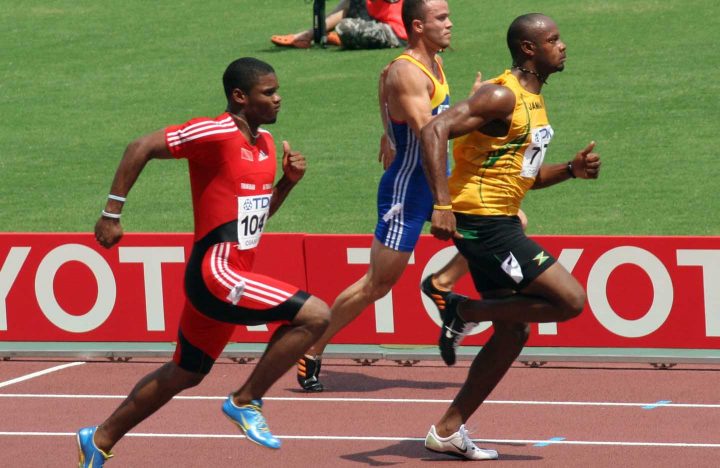
Even a top athlete can lay down a remarkable pace. If you convert Asafa Powell’s 100m run to miles per hour, that’s 23 miles per hour (37 km/h). This is the result of years of training. Discipline and a strong will are also part of it.

Powell leading at the 2007 World Championships in Osaka, Japan - Photo by Eckhard Pecher (Arcimboldo) - Own work, CC BY 2.5 Wikimedia

The brain is the control center for muscle movement in the entire body. Nerve pathways pass on the commands from the brain to the muscles. Electrical impulses are alternately converted into chemical ones and vice versa. A true miracle of creation, if you consider the speed at which everything happens. Such reactions take place in thousands of muscle fibers in a thousandth of a second. Movement is and remains a miracle that we no longer think about in everyday life when we move. Should we unexpectedly find ourselves in a wheelchair, we would appreciate the miracle again.

Sedentary Lifestyle

But our modern way of life has made us sluggish. Ship, train, car and plane have made long walks for us. Machines help us with our physical work. So we have to provide more and more a balance so that we don’t become “couch potatos”. Movement is still a principle of life. And everything we don’t practice, what we don’t use, we lose.

Churchill is reported to have said: “No Sports” when he was asked how he has reached his old age drinking whiskey and smoking cigarettes. Yet when he was a young officer, he was actually an extremely athletic person. Fencing, horse riding, swimming and polo were his sports. He also undertook a very strenuous escape on foot from a Boer prison camp in 1899. This escape was rated as a great physical achievement. The first marathon runner in ancient Greece is said to have collapsed dead after his run. There are occasionally reports in the press that athletes collapsed dead after their performance or at least suffered a collapse. According to relevant studies, however, the risk of death after exercise is very low. It mostly affects people who have challenged themselves to top performance without being trained. Well, we don’t need to become football players or top athletes.

Health Benefits

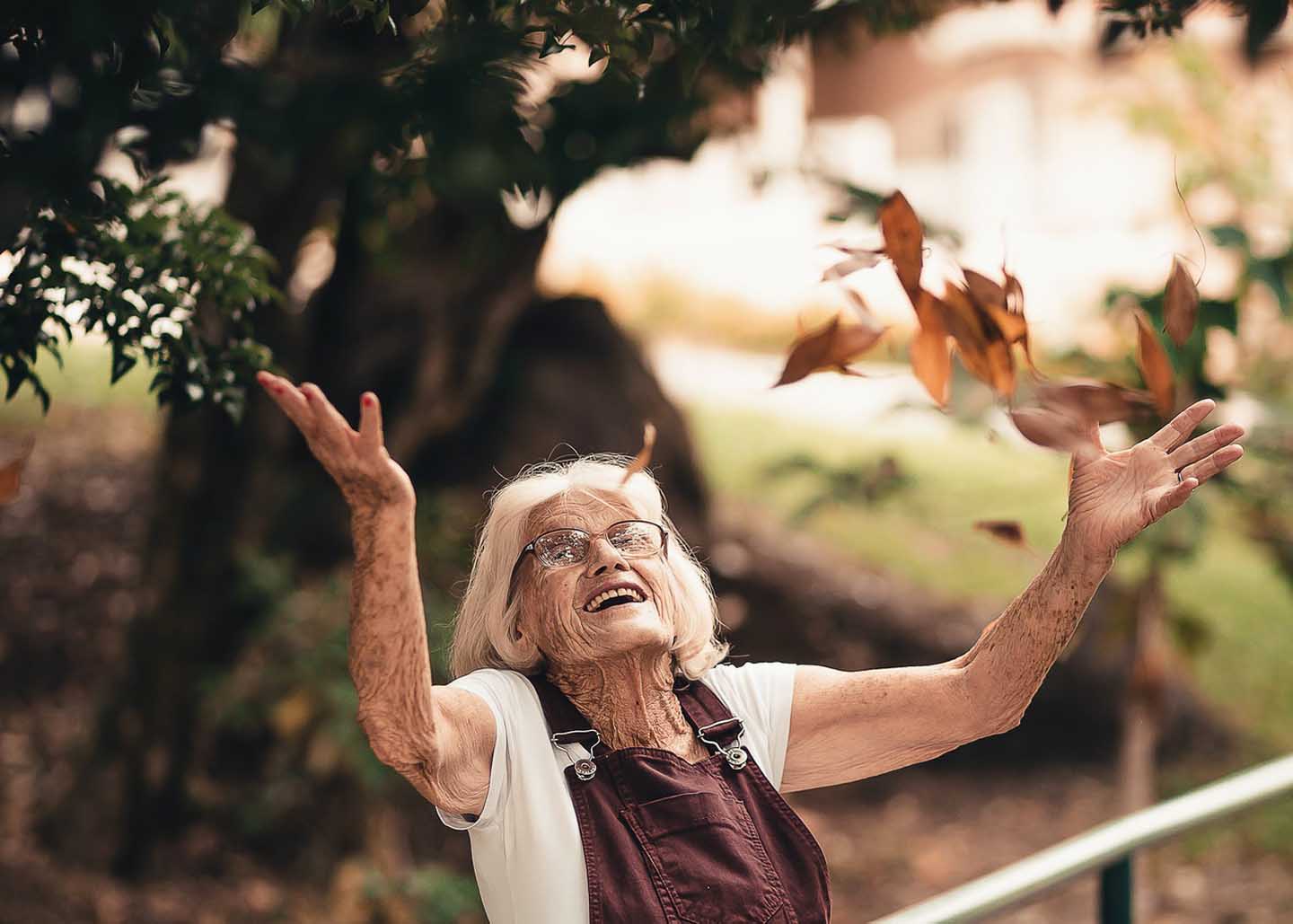
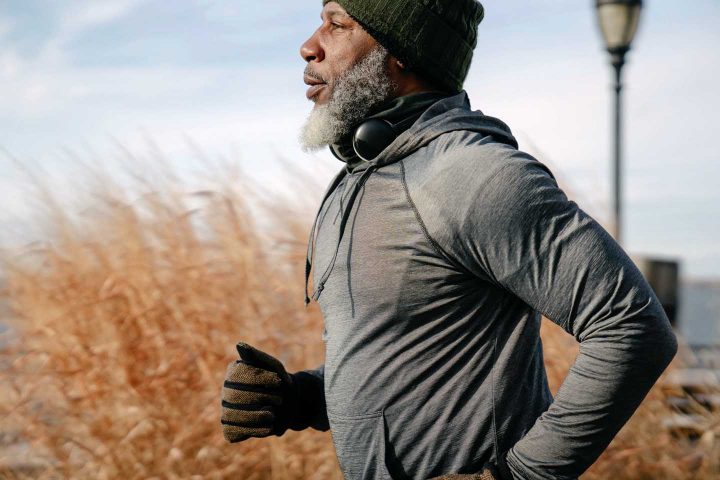
Endurance sports reduce cardiovascular deaths from 70 to 30 per 10,000 people. The heart is trained through sport or simply through persistent exercise. Movement lowers the resting heart rate. If we can reduce the resting heart rate by 10 beats per minute, the heart is saving 5,256,000 beats per year. What a gain! Exercise lowers blood pressure and cholesterol levels. The heart can only benefit from this. The supply of oxygen throughout the body is improved. All of these are factors that prevent heart attacks and strokes. Exercise of course cannot prevent aging entirely, but it can do well in delaying it. When used correctly, it increases performance, cerebral blood flow, resistance and vitality.

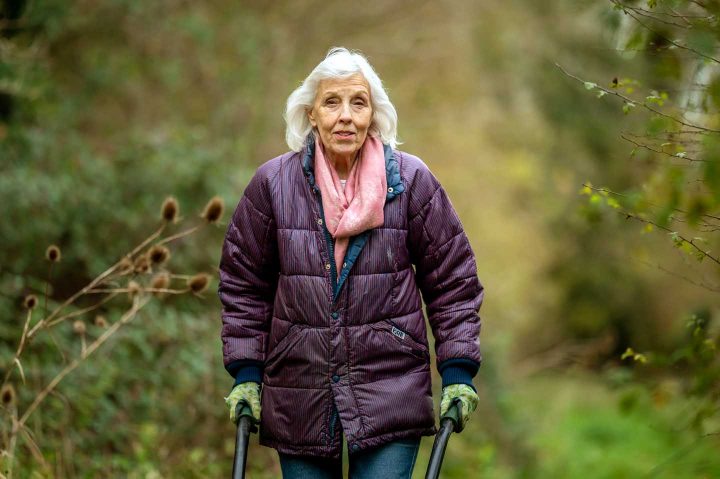
Senior exercising - Photo by Barbara Olsen from Pexels

Exercise lowers the insulin requirements and helps stabilize blood sugar levels. It strengthens bones and muscles. Calcium and minerals can only be stored thanks to movement. Who does not remember the thin limbs when the cast can be removed after six weeks? This is due to a lack of exercise. For those for whom the word “sport” is sounding like torture, it can be replaced by walking, swimming, or strolling. These types of movement also improve our quality of life considerably if they are exercised regularly and for at least half an hour a day.

Exercise is not only responsible for our physical well-being. Our soul benefits from it as well. You can literally run away from depression. Anyone who has tried this before can confirm that. Endorphins, happiness hormones, are released when you move. They lift our mood. The increased blood supply to the brain allows us to think more clearly again. When I’m at the computer and make no progress, I go out into the garden. After a while of gardening or a brisk walk with the dog, everything goes much better again.

No Excuses!

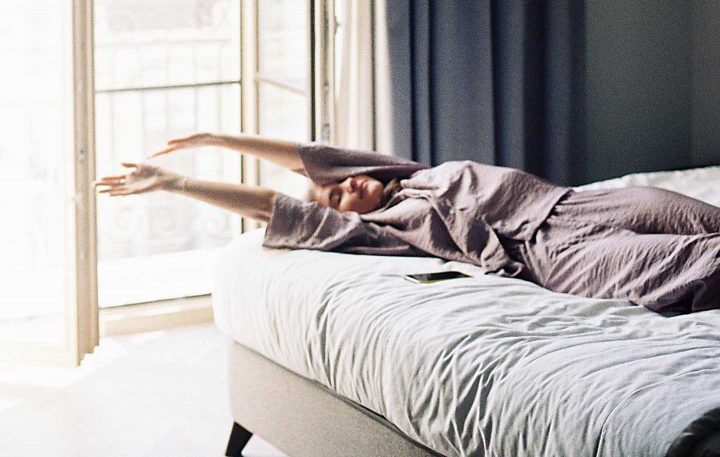
The biggest obstacles to moving are the lazy excuses: No time, too old, too cold, not today, tomorrow I’ll start, alone, too boring. There is a solution to all excuses. Movement can be incorporated into everyday life. As soon as you wake up in bed you do some exercises under the warm blanket. It continues with putting on the clothes. With a little imagination, you can incorporate a whole exercise program. Something like this: Hop on one leg while putting on your socks. When you pull the t-shirt over your head, you complete a stretching program followed by hip circles. Who can think of anything else?

Stretching in the bed - Photo by Diana Dynaeba from Pexels

On the way to work or school, you walk a portion of the way. On the escalators we can save time and walk forward instead of staying still. Even in old age you can find an appropriate type of exercise. It can be a bit more relaxed. Even in nursing homes with a few minutes of fitness program a day, progress can be achieved. There are appropriate clothing to protect against the cold and you will warm up quickly anyways. Even today I can decide to do more exercise, on my own, when I’m more of a loner. It’s more fun with friends, however. You can always find like-minded people with a little effort. So: From today on, get a kick out of life through more exercise!

Healthy Fruits

Stay Always Up to Date

Sign up to our newsletter and stay always informed with news and tips around your health.
Sign Up Now!

Filed Under: Exercise, Healthy Lifestyle

The Fountain of Youth for the Brain

November 21, 2021 by Dr. Cesar Vasconcellos de Souza - [rt_reading_time label="Reading Time:" postfix="minutes" postfix_singular="minute"]

A Fonte da Juventude

On October 15, 2009 my first granddaughter was born. I went to visit them to meet the baby and see the whole family. I watched over and over again how the baby in the crib was always moving its little hands, arms and legs. The baby did not need to learn that physical exercise is important for health, but responds he spontaneously with physical movement to its God-given life.

The Fountain of Youth for the Brain

A child who barely moves is probably emotionally or physically sick. Normally, babies and children are always in movement. Of course, some are exaggerated and impulsive, but the normal thing is to move your body. All human physiology is made up of movements, in cells in genes, in circulation. Movement is life. It is not possible to talk about health without regular systematic physical exercise, not only on weekends, sometimes with those competitive sports that generate adrenaline and cortisol. This is the first and main reason why I go for a walk; it’s not because of physical health, but because of mental and spiritual health, because I understand that exercising my brain will work better, and that’s what I want, to discern spiritual things and the purpose of life more clearly.

A 19th century author wrote the following statement:

Right physical habits promote mental superiority. ((Ellen White. Mind, Character and Personality Volume 2, p. 443))

And she also wrote this:

There is an intimate relation between the mind and the body, and in order to reach a high standard of moral and intellectual attainment the laws that control our physical being must be heeded. To secure a strong, well-balanced character, both the mental and the physical powers must be exercised and developed.((Ellen White. Our Father Cares, p.326))

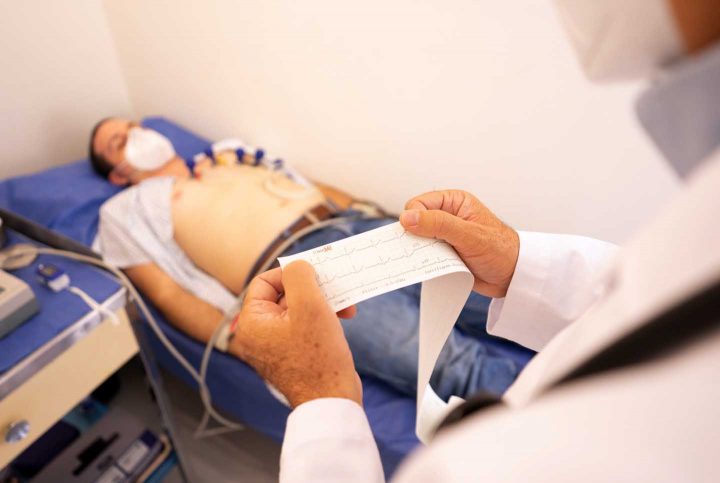
People often say that if you intend to start an exercise program, you should first see a doctor, usually a cardiologist, to see if you are cleared for this activity. This is prudent. However, a medical colleague once commented to me about what he had read in a scientific journal, which went something like this: “If a person decides not to exercise, then he will have to see a doctor.”

A doctor reading an ECG - Photo by Los Muertos Crew from Pexels

In the Journal of Applied Physiology of November 18, 2008, the article entitled: “Exercise, the Brain’s Fountain of Youth”, suggests that daily physical exercise keeps the brain young, and the recommendation is not to take too long to start to practice them. The earlier you start in your life, the better for your whole body and your brain. The researchers found that if a person takes a long time to start an exercise program, they run the risk of not having as many benefits, because as they age, the process of the brain creating new cells, which we call neuroplasticity, slows down, and as a consequence, memory and learning impairment occurs sooner.

But can age-related mental decline be reversed with exercise? Scientists trained mice to run on exercise wheels at 70% of their aerobic capacity every day over a five-week period. The mice started running at the age of 8 months, which is the beginning of the ripe age for a rat of that breed, or at the age of 12 months, which is the middle of the old age of the rats. Those who exercised every day had two and a half times more production of new brain cells called neurons than those who didn’t exercise. And these new neurons, the new nerve cells, integrated with the existing brain network. The researchers also concluded that treadmill exercise not only increases the quantity but also strengthens the quality of the new neurons. Rats that started exercising in mature age had better results compared to those that started at old age.

In another study, conducted by Feraz Rahman and colleagues, from the University of North Carolina, carried out with 12 healthy people aged between 60 and 80 years, they observed that regular exercise is associated with an increase in the total number of blood vessels in the brain, with an increase in blood flow in the main cerebral arteries. This would benefit areas that control functions such as consciousness, memory, emotional response and language. Assessing MRI images, experts found that those who for ten years or more had exercised about three hours a week in aerobic activity had the highest number of small vessels – 150 versus 100 for sedentary ones, and that they had the greatest blood flow in the brain.

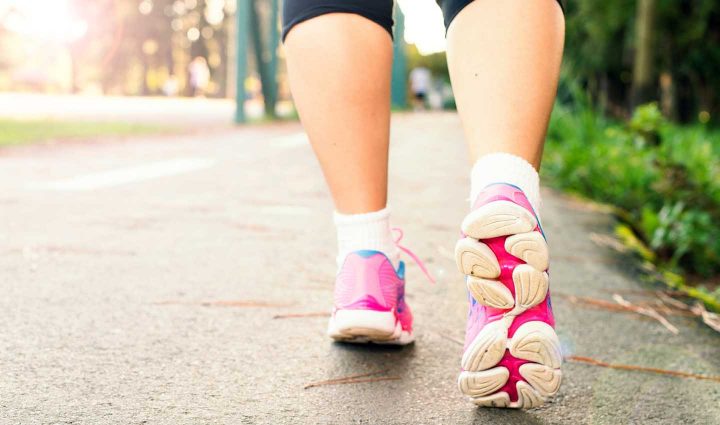
Walking

A study presented at the 10th National Conference on Child Psychological Health in Gainesville, FL, in April 2006 and published in a journal of Pediatrics, evaluated 208 overweight and sedentary children aged 7-11 years. Those who started to exercise after class, had lower scores on a scale about anger, in addition to improved physical conditioning. The authors emphasize that physical exercise can improve mood and cognitive function, allowing children to have more self-control. So, you can see once again how important exercise is for your brain. So get going!

In general, people say: “Oh okay. Now that I’ve learned it is important, I’ll start on Monday.” No! get started today; start little by little. You are very sedentary and when you start you will feel pain: “Oh, I went for a walk yesterday and now I am in pain; it’s better to stop.” No, pain is a sign that your body is in need of training your muscles, it is in need of physical activity. Don’t get heavy in the beginning, until you can develop that aerobic, muscular exercise capacity, remembering: Physical exercise is very important for our brain, for cerebral circulation, for reasoning. It helps to learn to deal with emotions, because it’s activating brain areas that have to do with mood, with cognition. This is going to be important for your mental health.

Healthy Fruits

Stay Always Up to Date

Sign up to our newsletter and stay always informed with news and tips around your health.
Sign Up Now!

Filed Under: Exercise, Healthy Lifestyle, Mental Health, Phases of Life, Psychosomatic Diseases, Seniors

Benefits of Exercise for Seniors

November 7, 2021 by Ricardo Vargas - [rt_reading_time label="Reading Time:" postfix="minutes" postfix_singular="minute"]

Benefícios do Exercício na Terceira Idade

Life expectancy in the US is generally on the rise. While in 1900 the average life expectancy was 47.3 years, it increased to 68.2 years in 1950 and to 78.9 years in 2019. Advances are mainly due to improvements in sanitary measures and the healthcare system. However, increases in longevity are not always accompanied by a better quality of life.

Benefits of Exercise for Seniors

In addition to longevity, we need to consider the maintenance of the state of functional independence (ability to carry out activities of daily living). In old age, the elderly go through many physiological changes that contribute to the worsening of their quality of life. Exercise has a fundamental role in maintaining functional independence.

With advancing age, there is a decrease in lean body mass and its replacement by adipose tissue, thus the caloric expenditure in old age tends to decrease, which favors the increase of obesity and all the problems arising from it. The self-indulgence shown by the elderly is a problem, as it accelerates the appearance of these effects. It is important to overcome sluggishness, start a practice of physical activity and receive the countless benefits that can be achieved in spite of the age.

Among the benefits are increased energy expenditure and cardiorespiratory conditioning, a preventive factor for the onset of cardiovascular diseases, obesity, diabetes, hypertension, dyslipidemia, mental diseases and cancer.

A senior working in the garden - Photo by Centre for Ageing Better from Pexels

Exercise is important to digestion, and to a healthy condition of body and mind. You need physical exercise.

Ellen G. White. Counsels on Diet and Foods p. 103

One of the effects of the arrival of old age is the decrease in the production of gastric and pancreatic juices. Digestion slows down, food stays in the stomach longer. It increases the risk of gastritis and reflux, a common complaint among the elderly. Many complain of a large production of gas in the stomach or intestine. As the transit time of the digestive tract is slowing down, more fermentation takes place. A walk right after a meal can alleviate all of these symptoms.

Exercise improves muscle tone in the whole body. Our gastrointestinal tract is made up of involuntary smooth muscle. When we include a daily exercise routine, intestinal transit normalizes in most cases, and we achieve good results that promote better quality of life for the elderly.

The practice of exercise also helps to avoid physiological, morphological and functional changes that occur during the natural aging process, which negatively interfere with the individual’s functional capacity. The most important are the reduction in lean mass and the accumulation of adipose tissue, which increases the risk of early mortality, in addition to the loss of muscle strength, reduction in aerobic capacity and flexibility.

Decreased lean body mass reduces overall muscle uptake of glucose and free fatty acids, causing insulin resistance and leading to type 2 diabetes if not reversed. The increase in free fatty acids in the bloodstream contributes to the onset of dyslipidemia and a greater risk for the formation of arterial plaques.

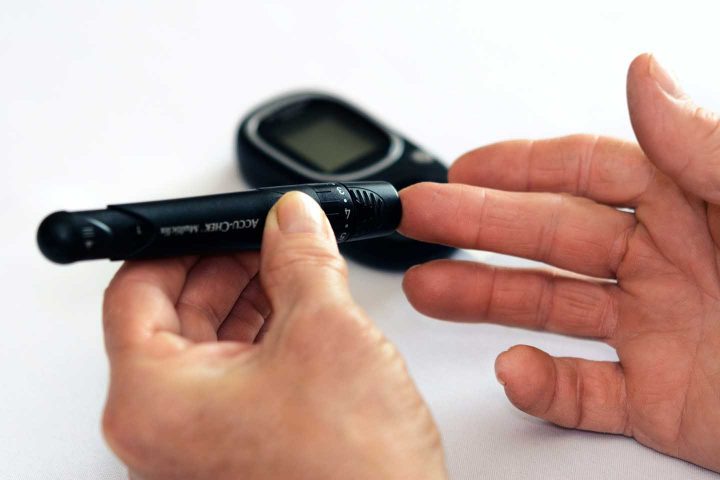
Diabetes test - Photo by PhotoMIX Company from Pexels

From the age of 40 onwards, it is estimated that the accumulation of fat is 1kg per decade, in addition to the loss of 12% to 14% of strength, and about 5% of muscle mass, with a more evident decline after 65 years of age, particularly in the lower limbs.

Many elderly people have presented the loss of functional independence as their main problem. In the US, 2 in 5 persons over 65 years of age have reported some kind of disability. This problem needs to be corrected as soon as it is identified so as not to lead to a loss of functional independence in the future.

Another concern is that, with the reduction in lean body mass (sarcopenia), there is a decrease in bone mineral content. Using the combination of physical activities, ingestion of good sources of calcium, sunlight to stimulate the production of vitamin D, vitamin D supplements and sleep at adequate times, this symptom is alleviated. Physical activity impacts the bones causing growth stimulation, in addition to stimulating the production of growth hormone.

An active lifestyle can prevent or delay functional disability, improving neuromotor status, strength, flexibility, balance and cardiorespiratory capacity.

Exercise helps to have a long life, but with quality. Get moving today!

Healthy Fruits

Stay Always Up to Date

Sign up to our newsletter and stay always informed with news and tips around your health.
Sign Up Now!

Filed Under: Exercise, Healthy Lifestyle, Phases of Life, Seniors

Time to Move

September 1, 2020 by Lee Wellard - [rt_reading_time label="Reading Time:" postfix="minutes" postfix_singular="minute"]

Walking is good for the mind - Photo by Clem Onojeghuo from Pexels

With over 50 million American adults practicing chronic inactivity, this habit could be “the biggest public health problem of the 21st century.”(( Blair, S., PED, Speaking at the American Psychological Association’s 117th Annual Convention.))

Time to Move

 A well-known health educator, Ellen White, once wrote, “Perfect health depends upon perfect circulation.”(( White, E., Healthful Living, p. 30.)) The scientific validation of this profound statement is becoming increasingly clearer. Researchers are now understanding that inactivity decreases the circulation of the blood and causes the body to begin shutting down. The Australian journal Circulation found that a person’s risk of dying increases as much as 11 percent for every hour of television watched per day—even when researchers controlled for age, sex, education, smoking, BMI (body mass index), and leisure-time exercise. Pennington Medical Research Center has shown that inactivity gives us a 54-percent increased risk of heart disease, so it is no surprise that the sedentary lifestyle of Americans is partly responsible for heart disease being the number-1 cause of death. People who spent more than four hours a day sitting in front of the T.V. had an 80-percent greater likelihood of dying from cardiovascular-related disease than those who watched less than 2 hours per day.(( Dunstan, D., et al., Television Viewing Time and Mortality: The Australian Diabetes, Obesity and Lifestyle Study. Circulation: JAHA, 121:384-391, 2010.))

Today’s Trend

 In the 1950s, roughly 75 percent of the workforce was engaged in manual labor, while the other 25 percent was comprised of clerical or managerial jobs that were chiefly sedentary. However, in the last 50 years, this ratio has completely reversed. At present, about 80 percent of the workforce are in sedentary positions or positions that require only light activity. We are now living in a generation that will “RUST OUT” rather than “WEAR OUT,” in spite of the fact that the pressures of modern society may be in certain respects more stressful and demanding than those of previous generations.

Who’s the Slowest?

 Are you curious to know what regions have the highest level of inactivity? It appears that parts of Appalachia and the South are the most inactive, according to research findings in which more than 29 percent of adults in those areas indicated that they get no exercise or physical activity outside of their work. Areas of the West Coast, Colorado, and Minnesota are among the regions demonstrating the highest activity levels.(( CDC (Center for Disease Control).))Not only are states affected, but ethnic and racial groups as well. Hispanic women who did not complete high school are at the greatest risk of inactivity, at 32.3 percent. Black men with a college education had the lowest prevalence of inactivity, at four percent. Hispanics and non-Hispanic Blacks reported similar levels of inactivity, but both groups were more inactive than their Caucasian counterparts. Women tended to report being less physically active than men.(( Marshall, S., et al., Study Links Social Class and Physical Inactivity. JACSM, 39(1):44-51, 2007.))

 Why Sitting Still Can Kill

 Although we don’t need to be told by the experts that sitting around too long can lead to a potbelly or backache, we may be imbibing false concepts of the benefits that can be gained by exercise done to offset these sedentary habits. Do you think that going to the gym three to four times a week can make up for sitting down most of the day? Marc Hamilton, an inactivity researcher at the Pennington Biomedical Research Center, states, “Exercise is not a perfect antidote for sitting.” Useful work, however, offers many benefits, including an increased tendency to resist disease. It is interesting how exercise (or lack of it) has played a role in the escalation of diabetes. Inactivity researchers (yes, there is such a thing) at Mayo Clinic have confirmed that being sedentary is disastrous to one’s metabolism: just 24 hours of being sedentary can result in a 40-percent reduction in insulin’s ability to uptake glucose. This makes sitting around an especial no-no for anyone with diabetes.

Sitting for a long time can be detrimental to your health - Photo by Andrea Piacquadio from Pexels

 Exercise is very important to the powerhouses of the cells, called mitochondria. These little organelles help convert ATP (adenosinetriphosphate) into the energy required for our bodily functions. Significantly, the amount of physical activity in which we engage determines to a great degree, the number, size, and efficiency of our mitochondria. This generally means that the more physically active you are, the more energy you will have. The old saying “Use it or lose it!” holds true— not only for the muscles but on a cellular level as well! Sitting burns a mere one calorie per minute— which correlates to a 67-percent decrease in caloric expenditure, compared to walking. At this lowered metabolic rate, the breakdown of lipids and triglycerides slows significantly, the helpful HDL cholesterol is depleted, and insulin effectiveness rapidly decreases. Although poor posture has a definite effect on our health, it is not the only ill of sedentary behavior. The amount of time that we spend sitting, as well as the activity in which we are engaged while sitting, are also problematic. For example, the physiological effects of watching an intense game of football for two hours is not going to be the same as that of having a meaningful conversation with a good friend for the same length of time.

Tips for Sedentary Workers

You may not be able to move out of your sedentary job, but you can move while in your sedentary job. If you are at a desk, do some periodic stretching; climb the stairs instead of riding the elevator; do many little errands for your office workers—they will love you for it! Try some deep-breathing exercises; take advantage of your breaks, walk around if you are using a cell phone, or just take a little time to clean your office or water the plants. There are thousands of ways you can keep active in a sedentary job, so just take some time to think of creative ideas for keeping on the move!

 Inactivity and Longevity

 Alpa Patel, an epidemiologist at the American Cancer Society, tracked the health of 123,000 Americans between the years 1992 and 2006. Patel estimated that on average, people who sit too much shave a few years off their lives. The men in the study who spent 6 hours or more per day of their leisure time sitting had an overall death rate that was about 20 percent higher than men who sat for 3 hours or less per day. What was interesting is that the same statistics did not apply to women: those who sat for more than 6 hours a day had about a 40 percent higher overall death rate, or twice that of men.(( Vlahos, J., New York Times,  April 14, 2011.))

 Exercise and Calories

 Dr. Levine, a professor of medicine from Mayo Clinic and considered to be one of the most authoritative researchers of inactivity, was interested in finding out why eating an extra 3,500 calories didn’t necessarily put on an extra pound of fat. He discovered that the small movements of daily activity that would not technically be considered as exercise also play a role in the utilization of calories by the body. He coined the acronym NEAT, which stands for non-exercise activity thermogenesis, a name for the concept of reaping large benefits from thousands of minor movements each day. Although it doesn’t account for all the aspects of caloric expenditure, we have to admit that it is a NEAT part of the equation!

 Effects on the Mind

 Exercise is not just an activity to improve heart function, weight or blood-sugar control; it also has a profound effect upon one of the most important organs of the human body, the brain. “Continued inactivity is one of the greatest causes of debility of body and feebleness of mind. Many are sick who ought to be in very good health and thus in possession of one of the richest blessings they could enjoy.”(( White, E., Counsels on Health, p. 95.)) Mental workers and students, would you like your mind to be more efficient and vitalized? Get adequate physical activity! “The time spent in physical exercise is not lost. A proportionate exercise of all the organs and faculties of the body is essential to the best work of each. When the brain is constantly taxed while the other organs of the living machinery are inactive, there is a loss of strength, physical and mental. The physical system is robbed of its healthful tone, the mind loses its freshness and vigor, and a morbid excitability is the result.”(( White, E., Counsels for the Church, p. 160.))

Walking is good for the mind -  Photo by Clem Onojeghuo from Pexels

 Not only is bodily activity necessary for a healthy mind, but also for a victorious spiritual life. Useful labor increases the strength and force of the will so that we can choose the right and shun the wrong. It is no surprise that our Savior, who conquered and vanquished sin at every step, spent a life of prayer coupled with one of constant activity, working, walking from village to village healing, and teaching.

 As we contemplate His life of active service, maybe the Lord is calling you to walk more closely with Him. Why not take the next step of faith, be it ever so small or great, and journey on in the “path of life” that leads to “fullness of joy” in His presence forevermore?(( The Bible, Psalm 16:11.)) It will be sure to be a move worth making! 


This article was published originally in the Journal of Health and Healing, a publication of Wildwood Institute.

Filed Under: Exercise, Healthy Lifestyle

« Previous Page

Primary Sidebar

Social Channels

Coronavirus Immunity Challenge

Boost your immune system to be bullet-proof for the pandemic.

I Want to Participate

Recent Posts

  • 5 Habits to Live Longer
  • Better Sleep Can Protect Against Dementia
  • Finding Peace In Your Crazy-Busy World
  • Flaxseed – An Ancient Plant Rediscovered
  • Platelets – Triggers for Life or Death
  • Boderline Personality Disorder
  • In Praise of Almonds and Nuts
  • Are You Stuck in the Clutter Trap?

Categories

  • Body Systems (16)
    • Cell Function (2)
    • Circulatory System (1)
    • Digestive Tract (10)
    • Immune System (4)
  • Diseases (27)
    • Cancer (2)
    • Cold (1)
    • COVID-19 (11)
    • Dementia (1)
    • Diabetes (1)
    • Digestive Diseases (2)
    • Heart Disease (2)
    • Kidneys (1)
    • Metabolic Syndrome (2)
    • Skin (1)
  • Healthy Lifestyle (42)
    • Exercise (11)
    • Gardening (2)
    • Sleep (7)
    • Sunlight (2)
    • Temperance (14)
    • Water (4)
  • Mental Health (87)
    • Addictions (6)
    • Anxiety (7)
    • Burnout (1)
    • Depression (7)
    • Psychosomatic Diseases (6)
    • Stress Management (45)
    • Trust (6)
  • Nutrition (56)
  • Obesity (9)
  • Phases of Life (14)
    • Adults (3)
    • Babies and Infants (1)
    • Children (3)
    • Seniors (5)
    • Teenagers (3)
  • Therapies (7)
    • Herbs (5)
    • Hydrotherapy (1)
  • Uncategorized (3)

Archives

  • January 2025 (1)
  • March 2024 (5)
  • February 2024 (4)
  • January 2024 (4)
  • December 2023 (5)
  • November 2023 (4)
  • October 2023 (5)
  • September 2023 (4)
  • August 2023 (3)
  • July 2023 (2)
  • June 2023 (4)
  • May 2023 (4)
  • April 2023 (5)
  • March 2023 (4)
  • February 2023 (4)
  • January 2023 (4)
  • December 2022 (4)
  • November 2022 (4)
  • October 2022 (5)
  • September 2022 (4)
  • August 2022 (4)
  • July 2022 (5)
  • June 2022 (4)
  • May 2022 (5)
  • April 2022 (4)
  • March 2022 (4)
  • February 2022 (4)
  • January 2022 (5)
  • December 2021 (3)
  • November 2021 (4)
  • October 2021 (6)
  • September 2021 (4)
  • August 2021 (4)
  • July 2021 (5)
  • June 2021 (4)
  • May 2021 (3)
  • April 2021 (5)
  • March 2021 (4)
  • February 2021 (4)
  • January 2021 (5)
  • December 2020 (3)
  • November 2020 (4)
  • October 2020 (5)
  • September 2020 (5)
  • August 2020 (3)
  • July 2020 (1)
  • June 2020 (1)
  • May 2020 (1)
  • April 2020 (1)
  • March 2020 (1)

Copyright © 2026 · Abundant Health - Privacy Policy - Medical Disclaimer