Abundant Health

Up to date health information tailored for you

  • Home
  • Blog
  • Recipes
  • Shop
  • Contact
You are here: Home / Archives for Healthy Lifestyle

Healthy Lifestyle

Seven Secrets for Successful Organic Gardening

March 7, 2021 by John Dysinger - [rt_reading_time label="Reading Time:" postfix="minutes" postfix_singular="minute"]

Seven Secrets for Successful Organic Gardening

There are many compelling reasons for growing an organic garden. Rising food prices, economic uncertainty, environmental stewardship, and health concerns regarding conventional produce are just a few. Then there is the fact that God created man to live and work in a garden (Gen. 2:15). God planned to walk with man in the garden every day! Is there any more compelling reason than that? But there is often a big gap between conviction and reality! Many people don’t have the knowledge or confidence needed to get out into the garden.
Seven Secrets for Successful Organic Gardening

The purpose of this article is to give you some practical suggestions for getting started on what we hope will be a lifelong adventure in the garden. The seven secrets we will be looking at are really not secrets at all, just often overlooked or underutilized keys to success. An article of this length cannot begin to do justice to these topics, but hopefully it can stimulate you enough to encourage further study and experimentation.

1) Grow in beds, not rows.

Traditional “row-cropping” makes sense if you are planting and/or cultivating with animals or tractors, but for a home garden you can utilize your space much more efficiently by planting in beds. With beds, there are fewer pathways for weeding, less compaction of soil in your growing area, and greater yields of produce.

We use a 30-inch-wide (80 cm) bed because it is easy to straddle, step, or reach across. The avid gardener and author Eliot Coleman, whose books have inspired a whole new generation of gardeners, has standardized the 30-inch bed-width, and bases all his spacing and amending recommendations on it. He has also designed a number of quality tools suited for this width.

Walking pathways between beds should generally be around usually 12 to 15 inches (30 cm) wide, with NO walking on the beds! Beds can be as long as you need, but 20 feet (7 m) is a nice home-garden length (a standard length makes garden calculations much easier).

We stake out the four corners of our beds with concrete re-bar. Then we slide a piece of PVC pipe over the re-bar to help prevent accidents. Masonry (or builder’s) twine works well to mark the edges of the bed during the bed preparation stage. If your bed area is covered with grass or weeds, a well-sharpened spade can cut around the edges and then be used to skim off the roots and tops (to be used in your compost pile). Or you might prefer to rototill the bed to work in all that good organic matter.

Next, we loosen the soil using a spading fork. Push the fork in as deep as it will go, approximately 12 inches. Try to break up the clods and take out any rocks, but don’t turn over the soil! The goal is to loosen and aerate the soil, while leaving its natural layering intact. Although there are some advantages to “double-digging” or loosening the soil to a depth of two feet deep, there are also some disadvantages—the biggest being the number of people who are discouraged from gardening by trying it! It is hard work, so we recommend that you start by “single-digging,” and you can go deeper later if your time and energy allows. Once the soil is loosened, it can be kept that way by using a wonderfully easy tool called a broadfork once or twice a year.
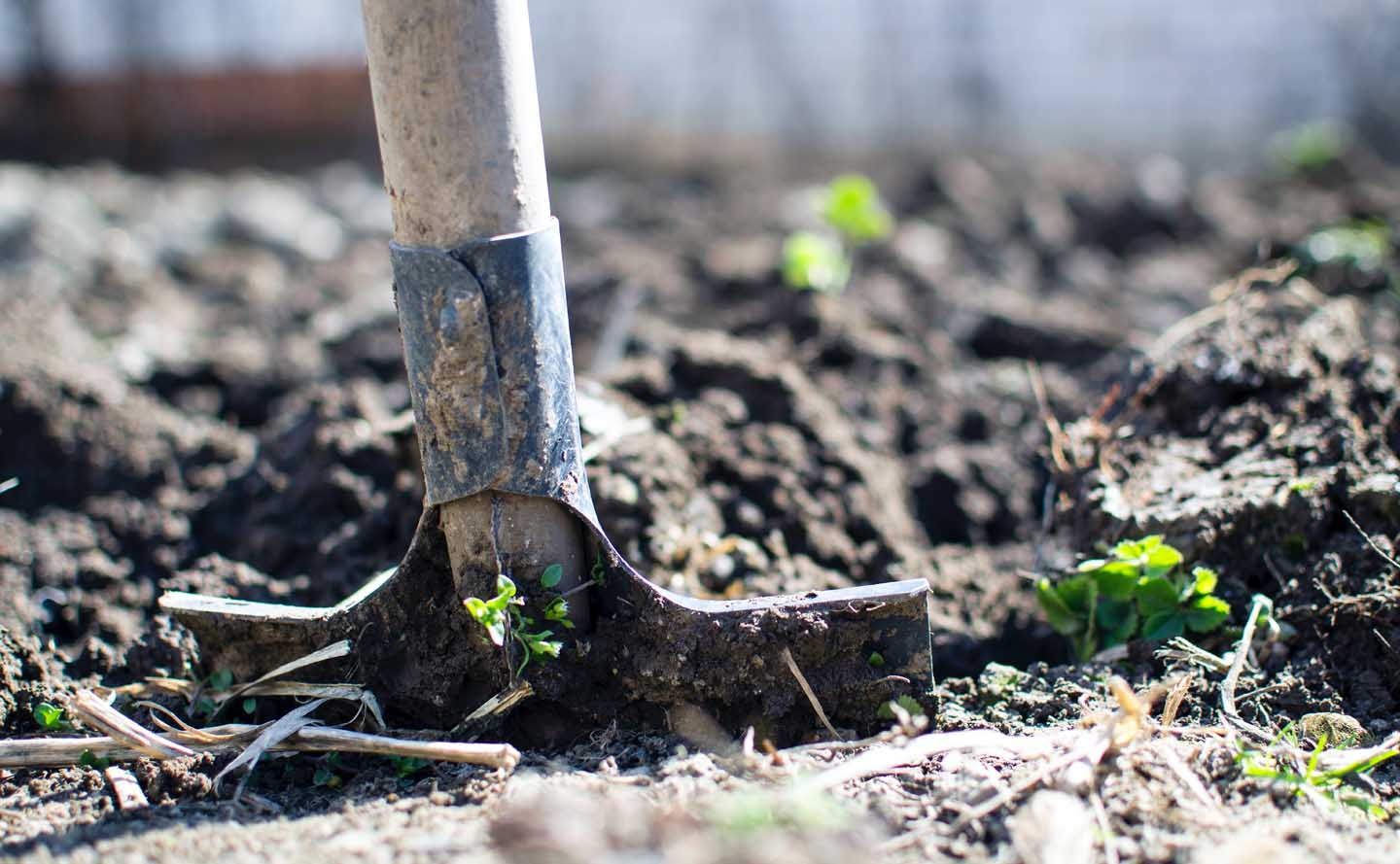
Loosing the soil with a spade - Photo by Lukas from Pexels

If you have time and patience, you can let nature improve the soil texture of your beds by covering them with nonglossy newspaper three or four sheets thick, and then adding lots of organic mulch on top. Keep the mulch moist but not soggy and let nature do what it does so well— turning dead plant material into rich humus. Continue to add more mulch as the existing organic matter breaks down. Within a year you will have beautiful, crumbly soil.

Many people ask about raised beds. If you live on solid rock, or you have water drainage issues, raised beds may be your only option. They certainly look nice, if done right, and eliminate the need of bending over so far, but they require much more work and expense. Our recommendation is, don’t use them unless you have to. If you do use them, avoid pressure-treated or creosotetreated wood. Try using rocks, cement blocks, logs, cedar, or plastic lumber instead.

2) Feed the soil, not the plant.

Good nutrition for the soil constitutes one of the major differences between conventional and organic agriculture. Organic agriculture focuses on feeding the microorganisms in the soil the raw materials, rock powders and organic matter that they need to thrive. Beneficial microorganisms then, through amazingly complicated and intricate processes, supply the plant with what it needs when it needs it! Conventional agriculture focuses on feeding the plant certain nutrients, such as nitrogen, phosphorus, and potassium (N-P-K). Often the soil is “treated like dirt.” It is much like the difference between eating whole foods in their natural state vs. taking supplements.

Before knowing what to feed the soil, you need to know its condition. This can be ascertained by getting a good soil test. Take a shovel and make a six-inch (15 cm) deep “V” in your garden soil. Then, using your shovel, scrape a slice of soil off one side of the V. Place this dirt in a clean, plastic bucket. Repeat this process 8 to 10 times randomly around your garden plot. Mix all the samples together in your bucket and then put approximately one pound of soil in a ziplock bag or a bag from the soil laboratory. Send the sample off to a reputable lab.

Once you know the conditions of your soil, you can adjust it accordingly with soil amendments. Here are a few suggestions: If you need nitrogen, which most soils do, add plant meals such as alfalfa, soybean, cottonseed, or cornmeal. You can also use fish or feather meals. If your soil is deficient in phosphorus, soft rock phosphate is usually the best choice to add. Potassium can be supplied from greensand, wood ashes, or organic mined potassium sulfate. Lime provides calcium (and magnesium if it is dolomitic lime) and adjusts the pH. Trace minerals can often be adequately supplied by using kelp meal, alfalfa meal, or azomite, which is a rock powder. Sulfur is another element that may be needed.
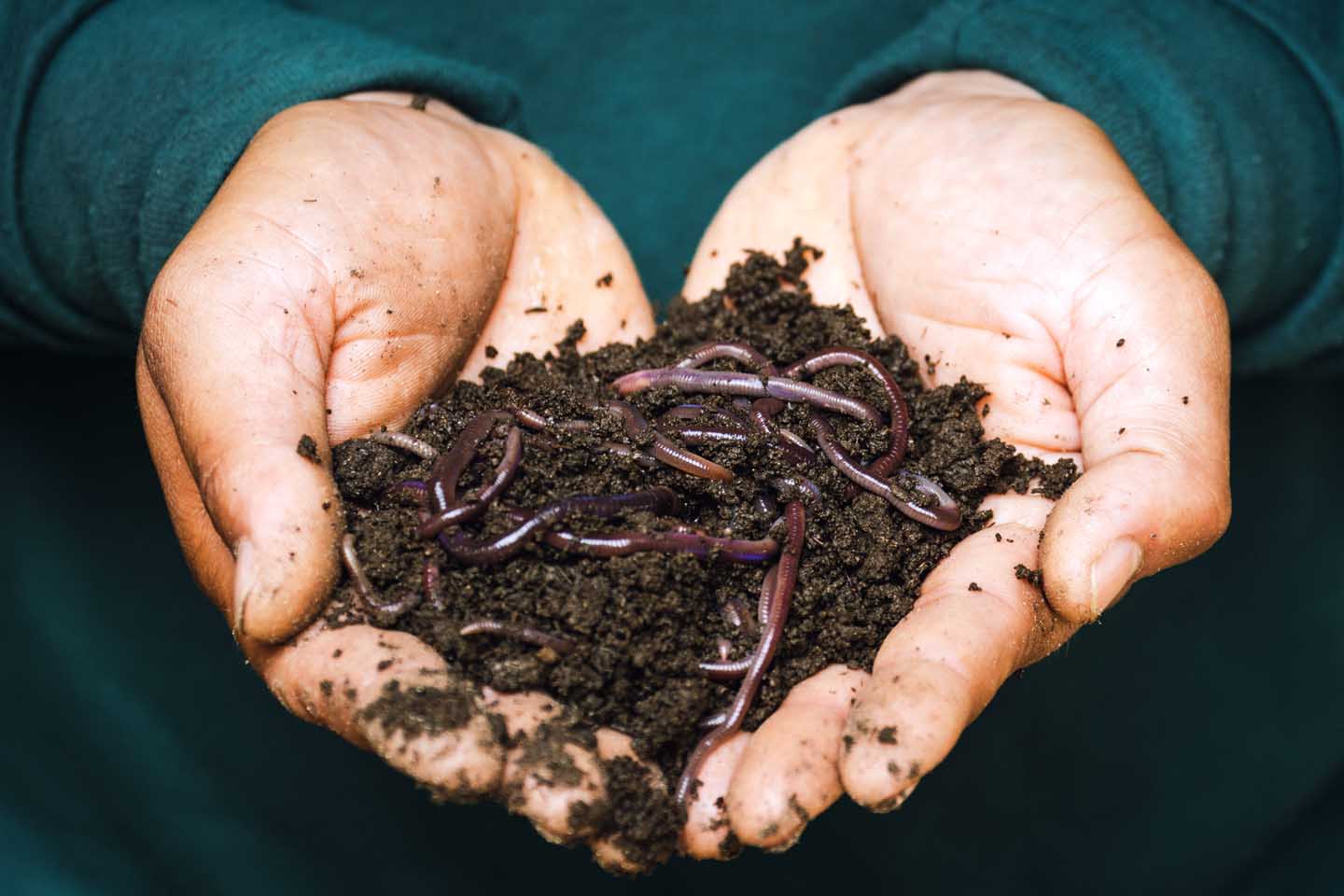
Organic soil with rainworms - Photo by Sippakorn Yamkasikorn from Pexels

Although we recommend using the amendments just mentioned if you are able, never forget that a good quality compost is the best soil balancer. Compost will raise a low pH and lower a high one. It will provide micronutrients as well as most (if not all) of the major nutrients. In fact, Eliot Coleman asserts that compost making is the most important job on an organic farm! With that in mind, let’s talk a little bit more about what is involved in making compost.

Compost Making

Compost results from the breakdown of organic matter. Organic matter is composed largely of carbon and nitrogen sources. This breakdown works best with adequate temperature, moisture, and air, along with a proper carbon/nitrogen ratio. Controlling these five variables leads to high-quality compost.

Think of a compost pile as a lasagna, with alternating layer of noodles (dry, brown, high-carbon ingredients such as straw, corn stalks, and old tomato vines) and sauce (green, high-nitrogen materials like fresh grass clippings, kitchen scraps, and freshly-pulled weeds). Sprinkling dirt on the green ingredients will help to inoculate the pile with beneficial microorganisms that will facilitate the decomposition process. Keep in mind that the proper ratio requires a lot more carbon than nitrogen. Here are some other points to keep in mind for making good compost:

  • Straw is the perfect brown ingredient. Being hollow, it supplies plenty of air to the pile.
  • The ideal moisture level of the pile should be like a squeezed-out sponge.
  •  If your pile stinks, is mushy, or attracts flies, remake/ rebuild it with more “noodles”/carbon-dense materials (browns).
  •  If your pile is not decomposing, it needs more moisture, air, or “sauce” (green material).
  • You can jump-start an inactive pile by poking holes in it with a bar and pouring in liquid fish-emulsion or molasses (approximately one-half cup per two gallons of water.)
  • The more you turn or aerate your pile, using a pitchfork, the faster it will break down.
  • The ideal pile size is approximately four to six-feet (130 – 200 cm) square. If you go bigger than this, you will need to make holes in the center of the pile for air, or else form your pile into a windrow (four to six feet wide and as long as necessary).
  • Try making your compost container out of straw bales stacked two high on their sides. After a while, the container will become ingredients for the next pile!
  • Keep your pile covered in wet weather to avoid too much moisture.

3) Transplant as much as possible; direct seed as little as possible.

Unless you have had really good weed control in your garden for a number of years, direct seeding is often like throwing your “lambs” (seeds) to the “wolves” (weeds, bugs, etc.)! But there are a few crops that we do recommend for direct seeding:

  • Tap-rooted crops, such as carrots and parsnips,
  •  Low-return-per-square-foot crops such as corn,
  •  Legumes, including beans and peas,
  •  Fast-growing crops, such as radishes and arugula, “Baby” crops planted in high density, such as lettuce.

Direct Seeding

Here are a few suggestions for direct-seeding crops:

  • Plant into a “stale seedbed” to get a head start on the weeds (see next section for more on this).
  • Use string to mark your rows. This makes for easier and earlier cultivation.
  • Expect up to 50 percent of your seeds to fail to germinate. So, if you want a plant every four inches, drop a seed every two inches.
  • As a general-planting rule, cover seeds to three or four times their diameter. For example, plant a one-fourth-inch diameter pea one inch (2,5 cm) deep. In cool or heavy soils, plant the seeds a little shallower. In warm or dry soils, plant slightly deeper.
  • Keep soil moist (not soggy) until germination. This is very important!
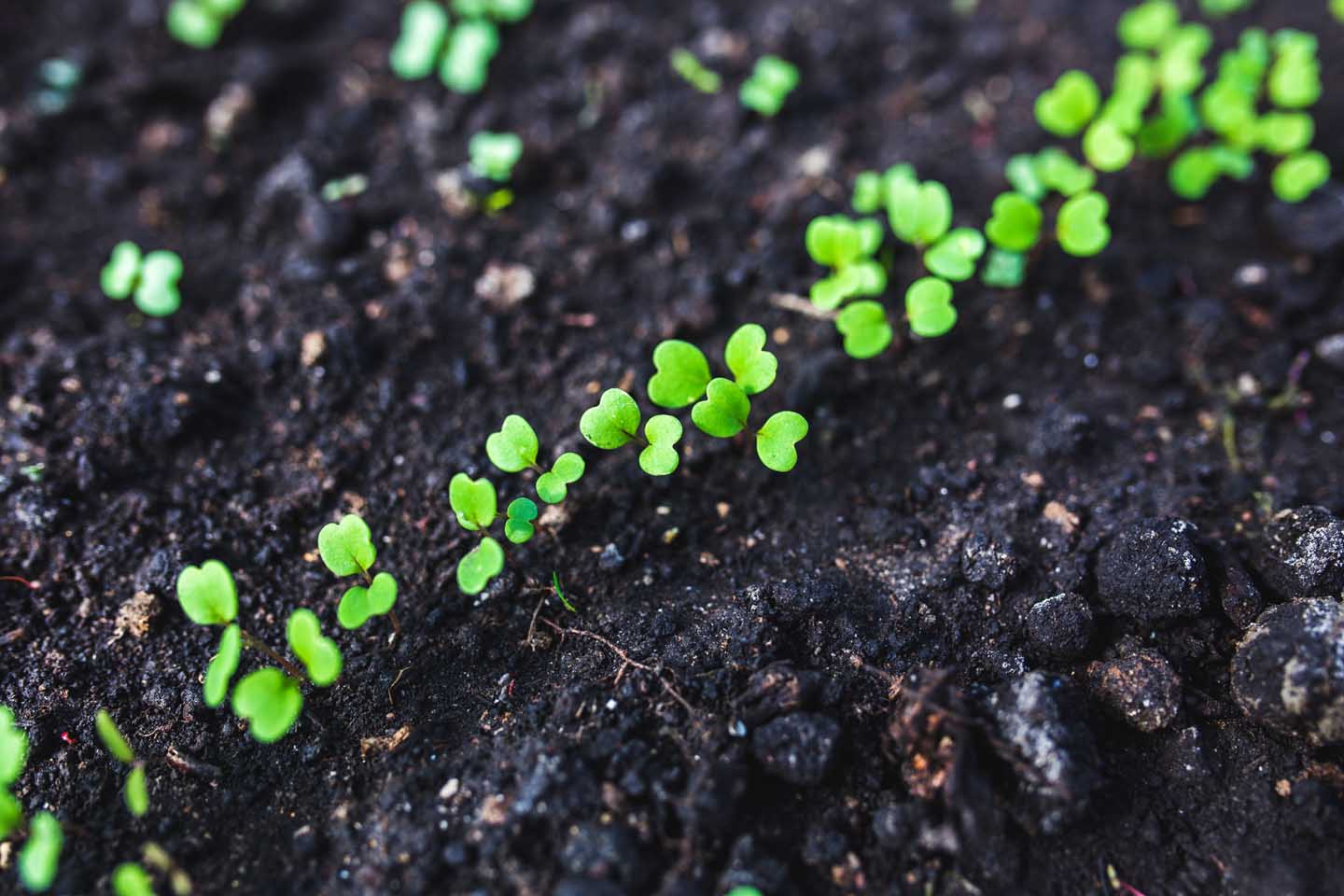
Direct Seeding - Foto by kaboompics from Pexels

Transplanting

Now, let’s look at some of the advantages of transplanting. Eliot Coleman says, “A seed sown in the field is a gamble, but a healthy three-to-four-week-old transplant set out in the field provides an almost certain harvest.” That should be reason enough, but there’s more. When you start seeds as transplants, you have much better control over the factors affecting germination and plant growth, such as temperature, light, moisture, fertility, and others. In addition, transplanting can lengthen your growing season and thus utilize your garden area much more efficiently. For example, when you finish harvesting your springtime carrots, you can have three- or four-week old squash plants ready to plant immediately—effectively adding those three or four weeks to your season!

Additional advantages include giving you a BIG jump on weed control. With transplants, you can be cultivating and weeding immediately, whereas with direct seeding, you may need to wait two or three weeks before your seedlings have emerged. Then, there is no need for thinning and you don’t have large empty spaces where seeds didn’t germinate well. Finally (and obviously), transplanted crops will mature earlier than direct-seeded crops. You can buy transplants, but price, quality, and limited selection and availability are all good reasons to grow your own.
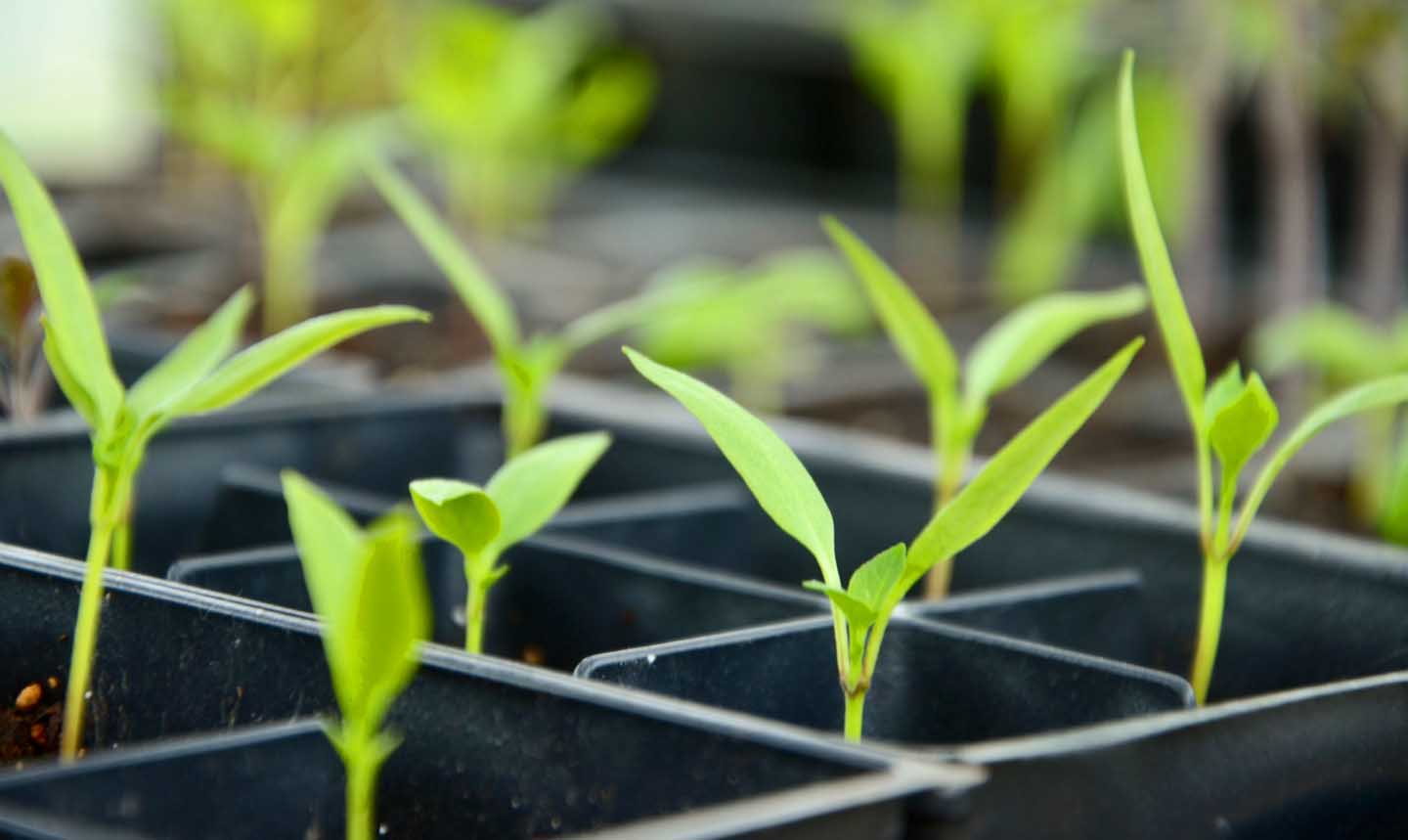
Transplants in a seed container

Starting transplants is not difficult. If you follow the suggestions outlined below, you should have success from the start:

  • Although there are many different kinds of containers for starting seeds, all of which work, our favorite method is soil blocks, which use no container at all. You can use a metal mold to press out neat little blocks of soil with a hole in the top ready for seeding. Soil block-makers are available from Johnny’s Selected Seeds (www.johnnyseeds.com) and Peaceful Valley Farm Supply (www.groworganic.com).
  • We recommend using a peat-based “soilless potting mix.” This ensures less chance of soil-borne diseases killing your seedlings. For small-scale gardening purposes, you can buy a premixed bag at the hardware store or nursery. If you are growing on a larger scale, you might find making your own mix a good option. Here is the very simple recipe that we have been using for years:
  • 3 buckets peat moss (Note: 1 “bucket” = 2 gallons / 8 liters)
  • 3 buckets high-quality compost
  • 1 bucket perlite
  • 2 cups fertilizer mix (equal parts soybean meal or other high-nitrogen fertilizer, greensand, and softrock phosphate)
  • Transplants can be grown indoors using cheap “shoplight” fluorescent fixtures. You don’t even need special “grow light”-bulbs. Just keep the fluorescent lights as close to the plants as possible, without actually touching them. Raise the lights as the plants grow. Don’t rely solely on a sunny window! Even southfacing windows will produce leggy plants.
  • Most seeds germinate best between 70 and 80 degrees Fahrenheit (21 – 26°C).
  • Use bottom-heat mats under trays of germinating warmweather crops, such as tomatoes, peppers, and eggplant.
  • Only water when the soil is beginning to dry out. Overwatering probably kills more transplants than any other cause!

4) Cultivate; don’t weed.

When organic farmers are surveyed as to what their biggest challenges are, weeds top the list! Let’s allow Eliot Coleman to define our terms: “Cultivation is the shallow stirring of the surface soil in order to cut off small weeds and prevent the appearance of new ones. Weeding takes place after the weeds have already been established.” Another way to state it is that cultivation prevents weeding. If you wait until the garden starts to look weedy, you’ve waited too long! Ideally, the soil should be cultivated (gently stirred) before weeds are even visible. It works this way with character, too! Here are some suggestions to help you win the war on weeds:

  • Try the “stale-seedbed” method.
    • Prepare your garden bed for planting one week or more ahead of time.
    • Water to encourage weed germination.
    • Use very shallow cultivation, or better yet, when appropriate, a propane torch to flame the bed just before planting.
    • Repeat the watering, germination, and dispatching/cultivation of weeds if you have time. This will eliminate 80 percent or more of your weeds before you even plant!
  • Try to work the soil in a way that will not continue to bring up weed seeds from the soil’s weed-seed storehouse. In other words, don’t turn the soil over.
  •  Ideally, cultivate in the morning on hot, dry days.
  • NEVER let weeds go to seed. “One year’s seeding is seven year’s weeding!” If you are unable to keep the weeds under control, use a weed-eater or mower to at least cut them down before their seeds mature.
  • Vigorous cover crops, or “smother crops,” sown and tilled at various times of the year will out-compete weeds, and thus decrease their seed count in the soil.

Using the right tools makes cultivation so much more efficient and enjoyable. Our favorites are the collinear and stirrup hoes (both available from Johnny’s Selected Seeds).

5) Cover the soil; don’t leave it bare.

Although we all love the look of a garden with beautiful rows of healthy plants and soft, bare soil in between, it is not natural. All nature is designed to clothe “naked soil.” You will be battling the forces of nature to keep it bare, and sooner or later you will lose! So, why not work with nature to clothe the soil? It will be healthier and you will be happier!

After your initial seeding or transplanting, you will need to cultivate for four or five weeks (at least three cultivations) to help your crop get well-established without weed competition. Then it’s time to cover the soil. Here are some tips:

  • Mulch with organic material thick enough to keep weeds from germinating; straw, old hay, chopped leaves, and grass clippings are a few options. This is a great way to build your soil fertility, retain soil moisture, and reduce weed growth all at the same time. There are some downsides, however. In wet or cold weather, mulching can cause problems. It can also be a lot of work and/or money to come up with enough organic material to keep a thick mulch on the soil, since it will continually be breaking down and may need to be reapplied.
  • Plant your crops close enough to shade out weeds. If you follow good plant-spacing recommendations, the plant canopy will close and keep all but the hardiest weeds from flourishing. Then all you have to worry about is keeping the walkways clear. Some plants, like sweet potatoes and winter squash, will do a very good job of covering everything—even areas that you don’t want covered!
  • Plastic or woven landscape fabric is another option for keeping the soil covered. Again, some disadvantages are involved, such as the cost of materials, the effort required to lay it down and then remove it at the end of the season, and disposal issues, so we only use such coverings when no other option seems to be more effective. For example, it has been our experience that strawberry plants grown in raised, plastic-covered beds do better than by any other method we have tried.
  • The most exciting option for weed block that we have found is undersowing cover crops or “green manure” in beds and pathways. If it is done right, you will have beauty, weed suppression, and increased soil fertility—all with very little effort. We are still perfecting this process, but two combinations that have proven successful are the undersowing of your fall cole crops with crimson clover, and undersowing corn with soybeans or cowpeas. Just give your main crop about a four-week head start before undersowing the cover crop.
  • Don’t forget to keep the soil covered even when your garden is finished for the season. For example, sow a winter cover crop of grain or legumes. Cover cropping is probably the easiest and best way to build soil fertility. Here are a few of the benefits:
    •  It is often the easiest and least expensive way to add organic matter to your garden.
    •  It adds nitrogen and builds humus in the soil.
    •  It prevents soil erosion.
    •  It captures plant nutrients that otherwise might leach away.
    •  It stimulates biological activity in the soil.
    •  It often works as a biological subsoiler, breaking up hard soils.
    •  It improves soil structure and drought-resistance.
    • And, as already mentioned, it can smother weeds.
    • A few tried-and-true cover crops include:
      •  For winter, cereal rye, wheat, crimson clover, and hairy vetch.
      •  For summer, cowpeas, soybeans, millet, buckwheat, and sorghum/sudangrass.

6) Be “plant positive” rather than “pest negative.”
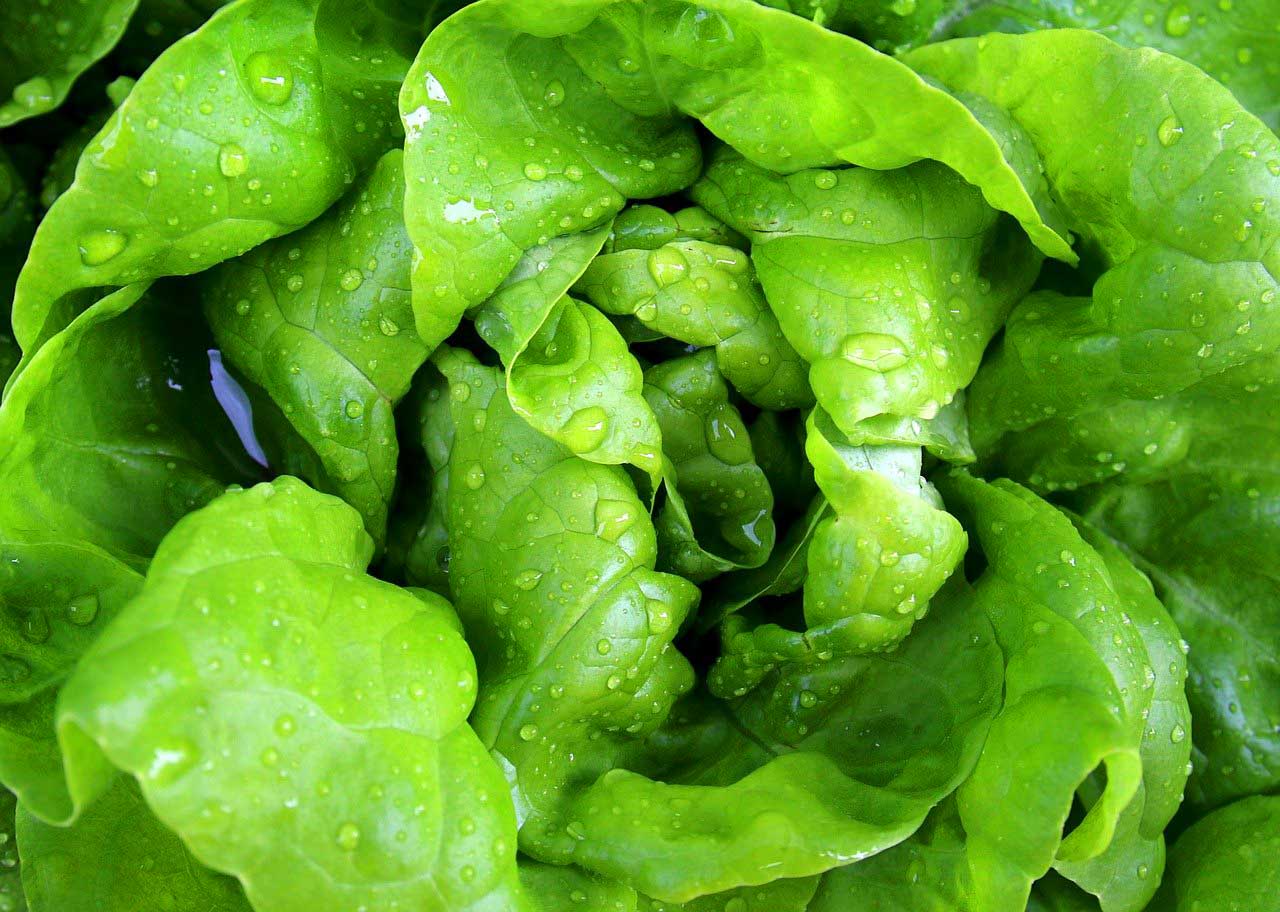
Fresh Organic Lettuce

The best insect control is a healthy soil that produces healthy plants—just like the best disease prevention in humans is a healthy body. Insect pests are indicators of stressed or unhealthy plants. Don’t “kill the messenger” until you have heard the message. Then, invest in the solution, such as building healthy soil, rather than getting rid of the symptoms, the insects. Although it may sound too simplistic, it really does work! But healthy soil is often not built in a day, so here are a few suggestions for intermediary treatment:

  •  Learn the life-cycle of insects and outsmart them. For example, in our area Colorado potato beetles are not a problem after July 4th, so we can plant a fall crop of potatoes, beetle-free!
  • Use crop rotations to minimize insect and disease issues. Due to space constraints, this article cannot adequately address crop rotation here, but the basic purpose of this useful gardening practice is to try to separate plant families by time and distance.
  • Use lightweight floating rowcovers, which serve as physical barriers, to protect young plants.
  • Use the organic insecticides dipel or spinosad for worms on brassicas.
  • Use insecticidal soap on aphids. But before applying, just try watering a little more. Aphids are attracted to plants that are either water-stressed or nitrogen-rich.
  • Try succession plantings of summer squash to keep squash bugs under control. In other words, start some new plants each month until about three months before fall frost.
  • Don’t be too hasty in applying insecticide because your plants have a few holes in the leaves! Plants can handle a fair amount of insect damage without their yield being significantly affected.

7) Make gardening a lifestyle rather than an event.

Enjoying Gardening - Photo by cottonbro from Pexels

For most gardeners, “putting in a garden” is something you do on one or two nice days in the spring. But, how about making it a way of life? We now grow year round with very simple methods. You can too! Eliot Coleman, who has pioneered awakened interest in year-round growing, lives in Maine! No, we don’t grow tomatoes in the winter or lettuce in the summer, but there are plants suitable for every season! Below are some ideas to get you started on the journey to season extension:

  • Use succession plantings to extend your season on both ends. For example: Most tomatoes in our area are set out in late April/early May. But you can plant tomatoes as early as late March by covering them with floating row cover and/or plastic. You can also set out tomatoes as late as the first of July and have fruit until frost.
  • Plant less more often. How many zucchini plants do you really need at one time? Planting a few plants each month through July can provide a steady supply of fresh zucchini without being inundated!
  •  Learn what crops can survive cold weather in your area. Many of the “greens,” such as spinach, kale, and collards, are very winter-hardy. Root crops can often be left in the ground, mulched with straw for protection.
  • Use floating row covers draped over wire hoops. You will be amazed at how much protection such a flimsy fabric provides!
  •  For overwintering crops, you can make simple “low tunnels” with galvanized conduit (see Johnny’s Selected Seed catalog for details). Put row-cover and/ or plastic over the tunnels for growing produce all winter long! Hold covers down with sand bags.
  • By eating with the seasons, you will find you don’t need to do as much canning. Why eat from a can when you can eat straight from your garden?!

Well, the seven “secrets” are now “out of the bag.” We have covered a lot of information in this article and you are probably feeling either energized or overwhelmed! But don’t despair—start where you are! Then make improvements as time and money allow. Plants can handle an amazing amount of abuse and still produce beautiful fruit! So, get up, go outside, and walk with God in the garden!


This article was published originally in the Journal of Health and Healing, a publication of Wildwood Institute.

Some news! Paul and Edwin Dysinger have launched the development of a revolutionary app called Seedtime. It makes all the gardening planning extremely easy, plus it will give you instructions on how to do your organic garden on every step. If you wish, you can get access to the famous Born to Grow Gardening Library as well.

Tell me everything about Seedtime!

Filed Under: Gardening

Can Vitamin D Prevent COVID-19?

February 13, 2021 by Martin Neumann - [rt_reading_time label="Reading Time:" postfix="minutes" postfix_singular="minute"]

Does Vitamin D prevent COVID-19?

In the beginning of last year, I was reading the news that a Chinese hospital in Shanghai was successful in treating COVID-19 patients with high doses of vitamin C. Not much attention was given to the subject, but evidence is increasing recently that vitamin D supplementation could be crucial in the prevention and treatment of COVID-19.

Can Vitamin D Prevent COVID-19?

Vitamins are substances that you need to ingest with your food in order to live. They are vital to your health. Vitamin D is different. There are small amounts present in your food, but the bulk part is actually produced by your body. Your skin is able to metabolize it under sun exposure. If you do not get enough sun, then you need to supplement it, since the dietary intake is not sufficient to cover your needs.

Vitamin D is also different from other vitamins in the way it works in your body. In a certain sense, it almost works like a hormone, being able to regulate several essential body functions. It is able to bind to a receptor on the cell membrane and enter even into the nucleus, this way affecting how the genes express themselves in relation to cell function.((Vitamin D and COVID 19: The Evidence for Prevention and Treatment of Coronavirus (SARS CoV 2) Youtube)) Numerous cells have receptors for Vitamin D. This includes immune cells, an important fact for our subject of COVID-19 prevention. It was shown that vitamin D is essential for the proper functioning of the immune system.((F Sassi et.al. Vitamin D: Nutrient, Hormone, and Immunomodulator. Nutrients2018, 10(11), 1656; https://doi.org/10.3390/nu10111656
Xu, Y., Baylink, D.J., Chen, CS. et al. The importance of vitamin d metabolism as a potential prophylactic, immunoregulatory and neuroprotective treatment for COVID-19. J Transl Med 18, 322 (2020). https://doi.org/10.1186/s12967-020-02488-5))

Vitamin D and Immunity

The flu season is peaking exactly at the end of the winter, when sun exposure is limited and the Vitamin D storage is depleted. Studies have shown that children with rickets caused by Vitamin D deficiency, are also more susceptible to tuberculosis. Also, the relationship between respiratory diseases and vitamin D deficiency is well established.((H Brenner et.al. Vitamin D Insufficiency and Deficiency and Mortality from Respiratory Diseases in a Cohort of Older Adults: Potential for Limiting the Death Toll during and beyond the COVID-19 Pandemic? Nutrients 2020, 12(8), 2488; https://doi.org/10.3390/nu12082488
Vitamin D supplementation to prevent acute respiratory tract infections: systematic review and meta-analysis of individual participant data. BMJ 2017; 356 doi: https://doi.org/10.1136/bmj.i6583
M Urashima et.al. Randomized trial of vitamin D supplementation to prevent seasonal influenza A in schoolchildren. Am J Clin Nutr. 2010 May;91(5):1255-60. DOI: 10.3945/ajcn.2009.29094))

On average we spend only 7.6% of the day being outdoors,((N. Klepeis et.al. The National Human Activity Pattern Survey (NHAPS): a resource for assessing exposure to environmental pollutants. Journal of Exposure Analysis and Environmental Epidemiology (2001) 11, 231-252)) which means our sun exposure is very limited. Living above the 35th degree of latitude you do not have sufficient Vitamin D production in the winter. That includes any location of Tennessee and above. Europe is included entirely.

Indoor Light in a Metro - 
Photo by cottonbro from Pexels

Studies have shown that people in the age of 77 to 82 years had less than half the capacity to produce Vitamin D in the skin compared to teenagers.((J MacLaughlin, M F Holick. Aging decreases the capacity of human skin to produce vitamin D3. J Clin Invest. 1985 Oct;76(4):1536-8. DOI: 10.1172/JCI112134)) Darker skin colors have significantly less absorption of vitamin D as well.((O. M. Gutiérrez et.al. Racial differences in the relationship between vitamin D, bone mineral density, and parathyroid hormone in the National Health and Nutrition Examination Survey. Osteoporos Int. 2011 Jun; 22(6): 1745–1753. doi: 10.1007/s00198-010-1383-2))

Vitamin D is a fat-soluble vitamin. It is therefore stored in the fat tissues, and the more fat reserves you have, the more Vitamin D you will need. For that reason, individuals with a BMI higher than 35 are more likely to be Vitamin D deficient, and larger doses will be needed for supplementation.((J Wortsman et.al. Decreased bioavailability of vitamin D in obesity. The American Journal of Clinical Nutrition, Volume 72, Issue 3, September 2000, Pages 690–693, https://doi.org/10.1093/ajcn/72.3.690))

It is interesting to notice that people with higher age, dark skin color and increased BMI are having an increased risk of dying from COVID-19. Those are exactly the same risk factors for Vitamin D deficiency. Is that coincidental, or is there a causative relationship?

Vitamin D and COVID-19 Infections

Before we start, one note about unit conversion. Some countries are measuring blood levels of vitamin D in nmol/l. In the US the commonly used unit is ng/ml, and we are using this unit throughout the article. If you want to convert to nmol/l, you need to multiply those values by 2.5.

Some scientists analyzed the COVID-19 cases compared to the latitude of each country. They found out that all the countries with higher mortality rates were located above the 35th-degree latitude, thus having insufficient sun exposure in the winter.((J M Rhodes et.al. Editorial: low population mortality from COVID-19 in countries south of latitude 35 degrees North supports vitamin D as a factor determining severity. Aliment Pharmacol Ther. 2020 Jun;51(12):1434-1437. DOI: 10.1111/apt.15777)) Another research looked at the mean vitamin D level of each country and found that those with higher vitamin D levels had significantly lower numbers for COVID-19 cases and deaths.((P C Ilie et.al. The role of vitamin D in the prevention of coronavirus disease 2019 infection and mortality. Aging Clin Exp Res. 2020 May 6 : 1–4. doi: 10.1007/s40520-020-01570-8))

In a research among elderly hospital patients was found that the mean vitamin D level of COVID-19 positive patient was 11 ng/ml compared to 21 ng/ml in the group who tested negative.((V Baktash et.al. Vitamin D status and outcomes for hospitalised older patients with COVID-19. Postgraduate Medical Journal Published Online First: 27 August 2020. doi: 10.1136/postgradmedj-2020-138712)) A study in Switzerland compared the vitamin D level of hospitalized patients and found that those who were hospitalized for COVID-19 infection had significantly lower vitamin D levels than those who were tested negative for COVID-19.((A D’Avolio. 25-Hydroxyvitamin D Concentrations Are Lower in Patients with Positive PCR for SARS-CoV-2. Nutrients 2020, 12(5), 1359; https://doi.org/10.3390/nu12051359))

That study was able to show a correlation between those two factors, but a correlation is not always causative. Some scientists found out that during an infection the serum vitamin D levels tend to drop, and stipulated the possibility that COVID-19 infection caused the vitamin D levels to drop, and not that the vitamin D deficiency has caused COVID-19.((J Smolders et.al. Letter to the Editor: Vitamin D deficiency in COVID-19: Mixing up cause and consequence. Metabolism. 2021 Feb; 115: 154434. doi: 10.1016/j.metabol.2020.154434)) Although the drop in vitamin D levels could be proven, it is though very moderate, and does not fully explain the drastic difference in vitamin D levels between those two groups.

To help us establish the causative effect, there were two studies done in Israel, that checked out people who had a prior Vitamin D test on record, and they found that those who had adequate Vitamin D levels before being exposed to COVID-19 were less likely to get infected.((A Israel et.al. The link between vitamin D deficiency and Covid-19 in a large population. https://doi.org/10.1101/2020.09.04.20188268)) The second study found that those who had Vitamin D levels below 30 ng/ml, were almost twice as much needing hospitalization compared to those with normal levels.((E Merzon et.al. Low plasma 25(OH) vitamin D level is associated with increased risk of COVID-19 infection: an Israeli population-based study. FEBS J. 2020 Sep;287(17):3693-3702. DOI: 10.1111/febs.15495)) A study in the US found that persons with vitamin D level below 25 ng/ml had twice as many COVID-19 infections compared to those above 55 ng/ml.((H W Kaufman et.al. SARS-CoV-2 positivity rates associated with circulating 25-hydroxyvitamin D levels. https://doi.org/10.1371/journal.pone.0239252))

Vitamin D for COVID-19 Treatment

Another research done in Spain went some further to find out whether vitamin D is an effective treatment option. They gave vitamin D injections to patients that were hospitalized for COVID-19 treatment. For those in the placebo group, 50% were submitted to the intensive care unit, while in the group treated with vitamin D, only 2% needed intensive care.((M E Castillo et.al. “Effect of calcifediol treatment and best available therapy versus best available therapy on intensive care unit admission and mortality among patients hospitalized for COVID-19: A pilot randomized clinical study” J Steroid Biochem Mol Biol. 2020 Oct; 203: 105751. doi: 10.1016/j.jsbmb.2020.105751)) This is quite a significant improvement! As a result of the study, the hospital started wheeling out COVID-19 patients in recovery to the seaside.((Coronavirus: Barcelona beach trip for recovering patients. BBC News, 3 June 2020))

In a clinical trial done in India, they gave a dose of 60.000 UI of vitamin D3 for 7 days to patients being hospitalized for COVID-19. After 3 weeks 62.5% of those who received Vitamin D were cured compared to 20.8% in the control group.((A Rastogi et.al. Short term, high-dose vitamin D supplementation for COVID-19 disease: a randomised, placebo-controlled, study (SHADE study). Postgraduate Medical Journal Published Online First: 12 November 2020. doi: 10.1136/postgradmedj-2020-139065)) A meta analysis concluded that vitamin D supplementation can cut COVID-19 mortality in half.((L Nikniaz et.al. The impact of vitamin D supplementation on mortality rate and clinical outcomes of COVID-19 patients: A systematic review and meta-analysis. https://doi.org/10.1101/2021.01.04.21249219))

COVID-19 Emergency Hospital - Photo by CDC from Pexels

Scientists start to explain the many different mechanisms in which Vitamin D shows so much benefit in COVID-19 treatment. One major problem in severe patient is an overreaction of the immune system, leading to a cytokine storm. This exaggerated inflammatory response can cause multiple organ damage. Vitamin D seems to be capable of regulating the immune system to minimize cytokine storm in severe patients.((Xu, Y., Baylink, D.J., Chen, CS. et al. The importance of vitamin d metabolism as a potential prophylactic, immunoregulatory and neuroprotective treatment for COVID-19. J Transl Med 18, 322 (2020). https://doi.org/10.1186/s12967-020-02488-5))

Vitamin D Supplementation

There is no consensus on which levels of vitamin D are ideal for supplementation. In 2010 the Institue of Medicine raised the recommended daily allowance from 200UI to 600UI per day. The Endocrine Society recommends supplementation of 1500 to 2000UI per day in order to raise blood levels consistently above 30 ng/ml. They deem it safe to supplement up to 4,000 UI per day without medical supervision.((M F Holick et.al. Evaluation, Treatment, and Prevention of Vitamin D Deficiency: an Endocrine Society Clinical Practice Guideline. The Journal of Clinical Endocrinology & Metabolism, Volume 96, Issue 7, 1 July 2011, Pages 1911–1930, https://doi.org/10.1210/jc.2011-0385))

Vitamin D toxicity is though very rare. The first negative side effect of high doses is increased calcium uptake, which can cause calcium deposits in the arteries and other organs. This effect is starting to be observed only in persons with Vitamin D blood levels above 150 ng/ml. Vitamin D is considered the least toxic among the fat-soluble vitamins, so there is no concern about toxicity doing a short term application of high doses of vitamin D. Some specialists like Michael Holick suggest that supplementation of up to 10.000 UI per day is perfectly safe.((„Vitamin D – State of the art“ – Dr. Michael F. Holick in Vienna (English) https://www.youtube.com/watch?v=NuWC2d0mTbo))

It is possible to produce up to 10,000 UI of vitamin D just with a few minutes of sun exposure. This will work though only between 10 am and 3 pm, using no sunscreen and having large parts of the skin exposed to the sun. Latitude, season, age and skin color are factors that can significantly influence the amount of vitamin D production. In order to find out the ideal sun exposure for you, download the app Dminder that is found in Google Play and the App Store alike.

Now what levels of vitamin D in the blood are adequate? Here again, most recommendations are way lower than they are supposed to be. If you are below 30 ng/ml (75 nmol/l) consider yourself deficient. An ideal level for a well-functioning immune system would be between 50 and 100 ng/ml (125-250 nmol/l).

There are many who advocate a wider use of Vitamin D supplementation to help control the COVID-19 pandemic. In an initiative, 200 scientists and doctors have called on governments around the world to recommend a widespread supplementation of at least 4,000UI per day.((Over 200 Scientists & Doctors Call For Increased Vitamin D Use To Combat COVID-19. VitaminDforAll)) For those who did not do any supplementation so far, they recommend taking 10,000UI daily for 2-3 weeks in order to raise the levels, and then maintain with 4,000UI per day. Most governments that far have ignored this call, but individuals are able to do their part to protect themselves. And the message is reaching the consumers. Vitamin D supplement sales increased by more than 30% during the last year.((J Grebow. Vitamin D made headlines over COVID-19 studies last year. Sales of vitamin D were also up in 2020. What will 2021 look like? 2021 Ingredient trends to watch for food, drinks, and dietary supplements. Nutritional Outlook, February 10, 2021)) And even Dr. Fauci has stated that supplementing vitamin D may be beneficial, and takes supplements for himself.((Dr. Fauci says to take vitamin D if you’re deficient — here’s how to know. CNBC. September 26, 2020))

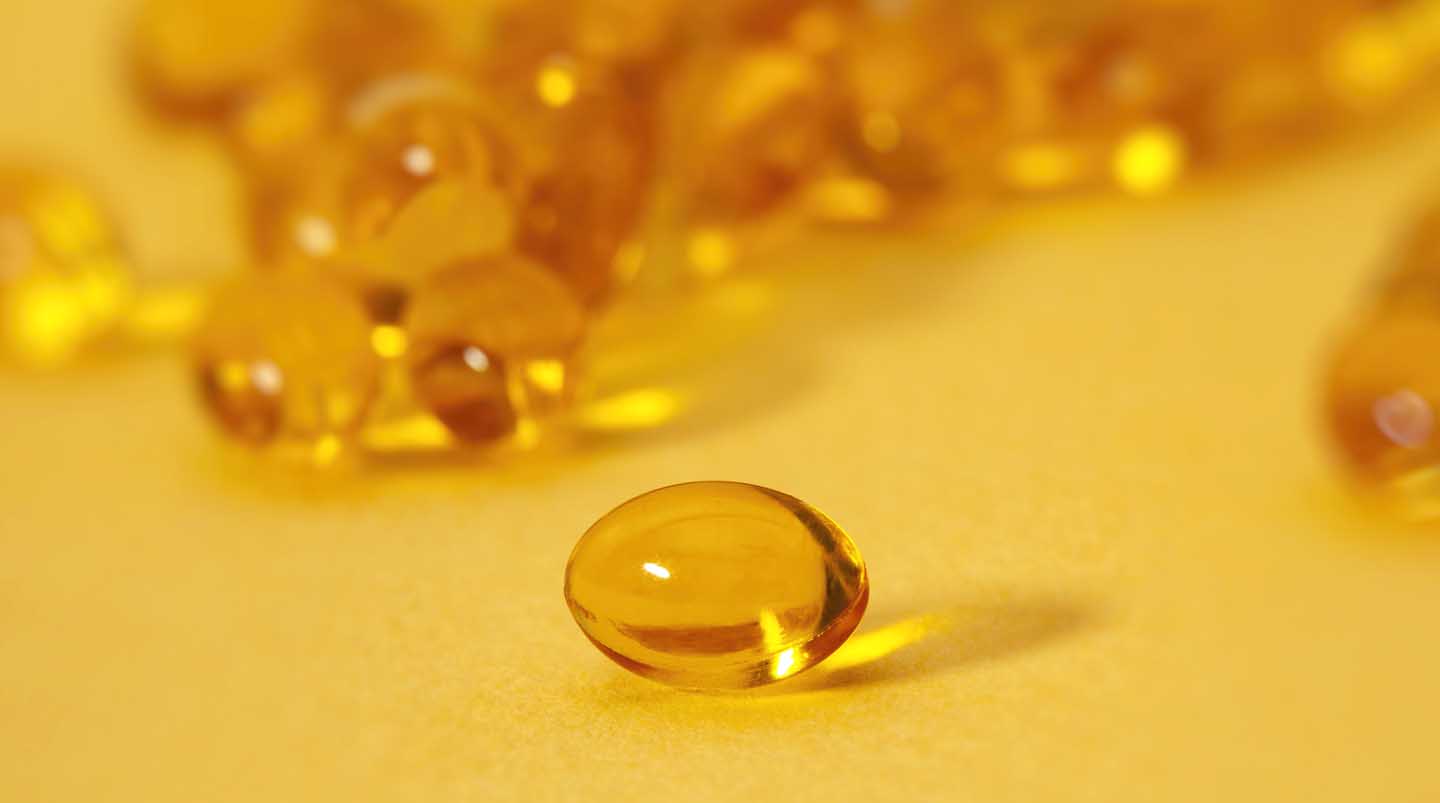
Vitamin D Supplement

We have stated already that obese people need higher intakes of vitamin D, since it gets absorbed by the fat tissue. Overweight person with a BMI between 26 and 30 should take 1.5x the dose of normal weight individuals, and obese persons with a BMI above 30 should triple the dose of vitamin D supplementation. Age, should be taken into consideration as well when establishing the correct dose of supplementation. Individuals above 70 years of age should consider doubling the dose of supplementation.

It is interesting to note that High Fructose Corn Syrup which is present in soft drinks and many other industrialized foods can inactivate Vitamin D.((V Douard et.al. Excessive fructose intake causes 1,25-(OH)(2)D(3)-dependent inhibition of intestinal and renal calcium transport in growing rats. Am J Physiol Endocrinol Metab. 2013 Jun 15;304(12):E1303-13. DOI: 10.1152/ajpendo.00582.2012)) The same mechanism may not apply to table sugar, but an excess of any kind of sugar will reduce the effectiveness of the immune system.

Conclusion

In summary we have seen that vitamin D has a profound impact on our immune system and is essential in the prevention of COVID-19. Based on this fact, we highly recommend to test for adequate vitamin D levels, and correct with proper sun exposure or supplementation if levels are low. In questions of doubt, consult a nutritionist to define the ideal dose for you.

Although vitamin D is essential, it is by far not the only thing you can do to strengthen your immune system. We have prepared a 10 day immunity challenge that will cover several habits that are essential to keep your immunity in top shape. Participate now to find out what you can do to have maximum protection against the coronavirus that is circulating around the entire globe.

We have a special opportunity just for you. If you want to receive practical and up to date advice on how to implement an immunity-boosting lifestyle, simply join the Coronavirus Immunity Challenge and prepare yourself to face the pandemic with a bullet-proof immune system.

Sign Up Now

Coronavirus Immunity Challenge

Filed Under: COVID-19, Diseases, Healthy Lifestyle, Sunlight

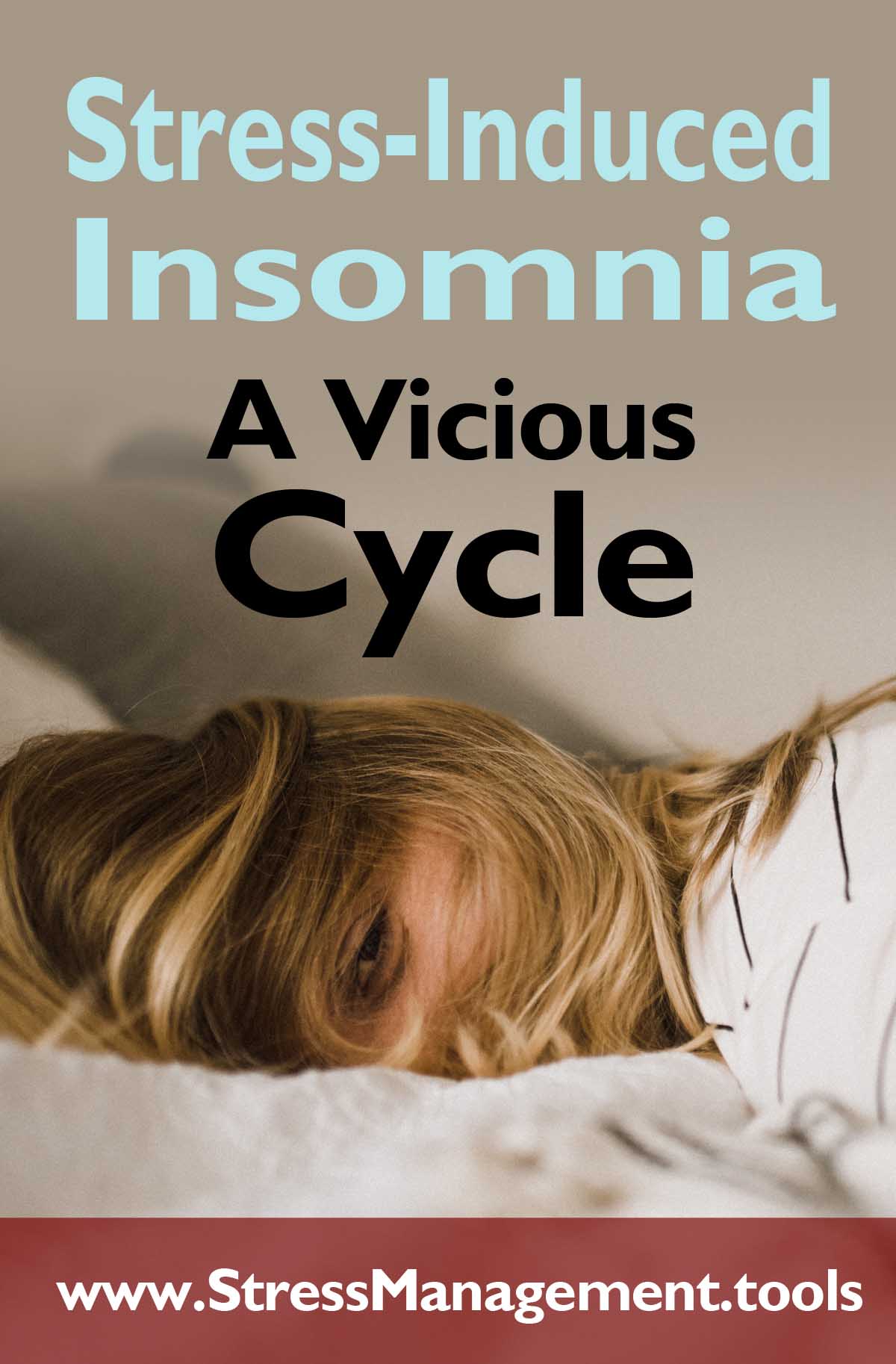
Stress-Induced Insomnia – A Vicious Cycle

November 8, 2020 by Martin Neumann - [rt_reading_time label="Reading Time:" postfix="minutes" postfix_singular="minute"]

Stress Induced Insomnia

Lack of sleep caused by stress is a combination that can literally kill you. Relaxation and sleep are two things that can truly make a difference in how your body and mind react to stress. Just if you are stressed, sleep may be coming more difficult. And the insomnia will drastically increase your stress levels. This can lead to a vicious cycle that can easily lead to a collapse.

Stress-Induced Insomnia - A Vicious Cycle

It does not matter what you are fixing first – the stress or the insomnia, but unless at least one is fixed, they will both get worse. The effects of stress on your body and mind can slow your productivity and make your life much less enjoyable.

Stress can be fixed if you have a commitment to seeing it through. After the stress factors are reduced, sleep should come more easily.

Causes of Stress-Induced Insomnia

Too much stress in your life may cause insomnia and vice-versa. When you try to get through the day without getting enough sleep the night before, your efficiency will suffer and you will drag through the day, just increasing your stress again.

Sleep times vary from one person to another, but most adults should get 7 to 8 hours per night to keep up energy levels, keep up mental acuity to be able to get through the work day and maintain a good quality of life.

You may experience a short-term bout of acute insomnia that lasts for only a few days. A stressful event in your life might trigger this type of insomnia, but if you experience it for more than a month, you need to take immediate action.

Stress-induced insomnia may be caused by worrying or serious concerns about your health, finances, work or loved ones. You may also experience stress-induced insomnia if you’ve just gone through a divorce or lost a loved one.

Insomnia can be caused by various other motives as well, like medications, certain diseases, an irregular sleep schedule, a disruptive sleep environment, or a number of other lifestyle habits. It is always good to deal with the real cause in order to tackle the problem head on.

Symptoms of Stress-Induced Insomnia

Dealing with the symptoms of stress-induced insomnia can make you feel disconnected from most everyone and everything. You’re not as mentally alert and you might also be irritable and anxious.

Depression may set in and cause other problems such as fatigue and inability to focus on anything. You may never feel well-rested, even when you think you get a good night’s sleep.

Mood swings are also symptoms of stress-induced insomnia. Tension headaches and aches in the shoulders and neck are caused by stress and can keep you from getting a good night’s sleep without help from medications or relaxation techniques. If you’re finding it difficult to be around people, this may be another warning sign of insomnia taking its toll.

Tension headaches can be caused by stress-induced insomnia / Photo by Andrea Piacquadio from Pexels

Stress-induced insomnia will increase your risk of developing chronic diseases. Heart disease, diabetes, premature aging and even an early death are just a few of the issues that could be caused by stress-induced insomnia.

This type of insomnia can also cause people to eat more and gain weight, drink or take drugs and exercise less. Those are all actions that cause negative consequences to our health. One of the most common risks of long-term, stress-induced insomnia is catching a common cold or any other virus coming around.

Weight gain can also be a health issue related to stress-induced insomnia. When stress hormones are released into the body, your preference for unhealthy foods containing sugar, fat and refined carbohydrates is increased. If you haven’t had enough sleep, you get a double dose of stress hormones which can lead to binge eating.

If you don’t sleep well at night, you may be tense and feel back, shoulder and neck pain when you get up in the morning. Stress during the day at work or home may make the pain worse or cause inflammation that makes it more difficult to heal. Seniors suffering from stress-induced insomnia may experience a slower healing process from medical procedures or surgeries.

Treatments for Stress-Induced Insomnia

If there are worries that keep you awake at night, you need to start working on controlling your thoughts. Cognitive-behavioral therapy may have some interesting tools for you. One of these methods is thought challenging. If a negative thought comes to your mind, you simply challenge it. Is it really true? If not, just discard the thought that was coming to your mind.

Some people are getting all wrapped up about what may happen to them tomorrow. They tend to get worried about things that never may happen at all. Jesus gave some interesting counsel about that:

Therefore I tell you, do not worry about your life, what you will eat or drink, or about your body, what you will wear. Isn’t there more to life than food and more to the body than clothing? Look at the birds in the sky: They do not sow, or reap, or gather into barns, yet your heavenly Father feeds them. Aren’t you more valuable than they are? And which of you by worrying can add even one hour to his life? … So then, do not worry about tomorrow, for tomorrow will worry about itself.  Today has enough trouble of its own.

Matthew 6:25-27 & 34

There are cases you need to make provision for something, and if it is for a good reason, go ahead and do what needs to be done. But to worry about something that probably never happens, or when it really happens you cannot change it, does not make any sense. If you believe in God, the best thing to do is to turn over your problems simply to Him, because He is able to take care of it all. And simply stop worrying, because it is probably not going to help you in any way.

You can find peace of mind by committing yourself to God in prayer. In order to do that, speak to God like a friend. Present him your worries, your struggles and your cares. Be honest. Tell whatever is on your heart. There is nothing too great for Him to carry, and nothing too small for Him to note. The more you are able to honestly express, the more you will be able to let things go.

Be confident! After having done your part, commit yourself into His hands, and accept whatever the outcome may be. We can conquer the stressors around us through the power that God is giving to us.

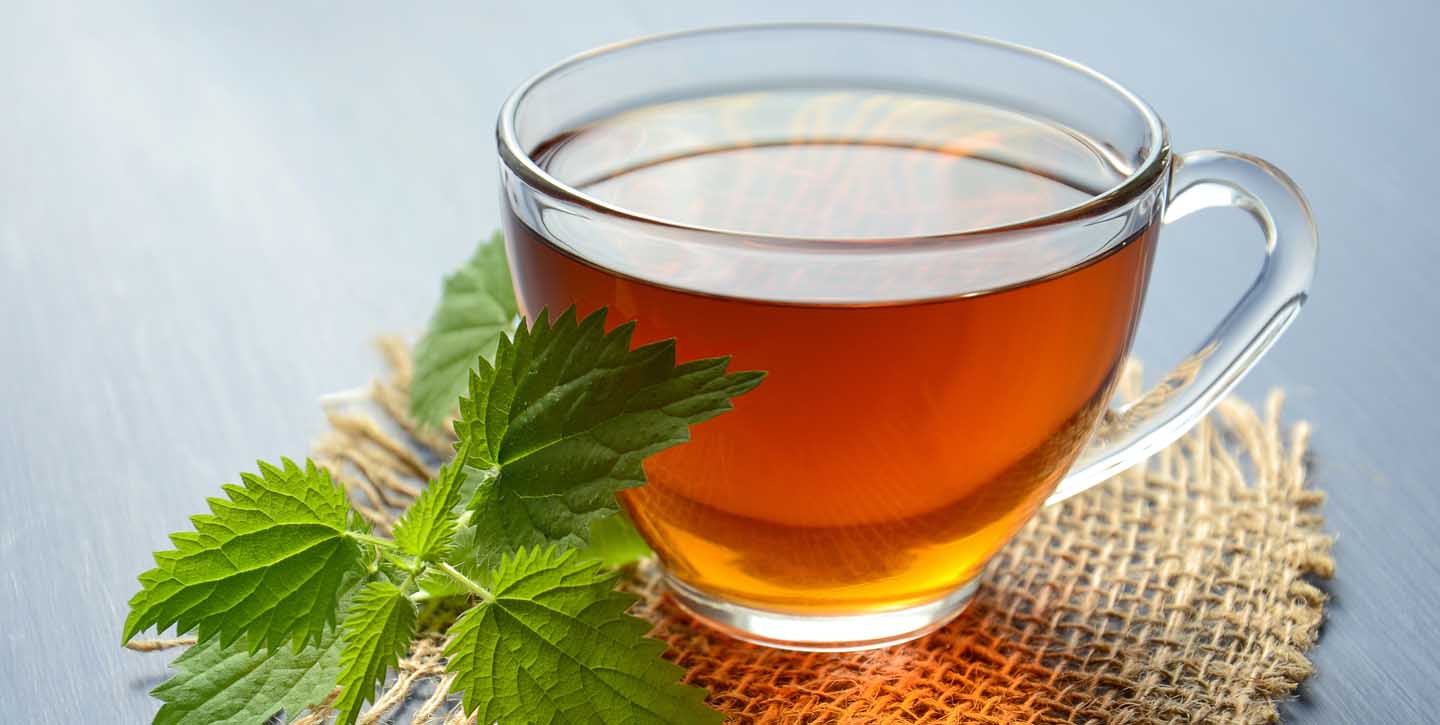
If you still have trouble falling asleep you can try a relaxing tea at night. Valerian and Passionflower are some herbs that can help you fall asleep easier.

A relaxing tea can help to fall asleep. Photo by Mareefe from Pexels

Sleep studies are done if nothing seems to help your insomnia or control your stress that’s keeping you awake at night. You’ll spend the night at a sleep center and during that time, your breathing, heart and brain waves and eye and body movement will be monitored.

If you’ve tried everything else but just can’t seem to get a good night’s sleep you may need to resort to meds for a short period, because the side effects of lacking a good night’s sleep are various. Just work on resolving quickly the underlying problems that caused your insomnia, so that you do not create a dependency on those medications.

Prevention Techniques for Stress-Induced Insomnia

After you get into the vicious cycle of stress-induced insomnia, you may have a long road to travel before you get back to a normal sleep pattern. The best thing you can do for yourself and your health is to prevent it from happening. But even if you are in the vicious cycle already, taking care of those basic measures will be fundamental to improve your quality of sleep.

One thing you can do if you suspect that the stress-related insomnia is caused by work is to set boundaries such as letting you spend time with family or relaxing in the evening without answering calls or emails.

Don’t get roped into so many requests that you can’t handle them all without acute stress. Just say no to the ones that aren’t that critical. Don’t check your email every few minutes. Designate a time during the day and let it go in the evening so your distractions are lessened.

Schedule the things you like to do in the evening hours. Other requests from friends or organizations should be secondary to what means the most to you and how you can unwind in the evening.

When you are at home and relaxing before bedtime, put your cellphone away. Take time to relax or converse without distractions – including television. After you watch a show, turn off the television and avoid watching it just before bedtime or especially in the bedroom after you go to bed.

News is stressful to watch any time during the day, so limit what you watch that makes you stressful to 30 minutes or less per day. The same with your computer – don’t have it on and blinking at you when you’re trying to relax. Allow for no screen time for an hour before going to bed, be it computer, cell phone or TV.

During the daytime hours it’s important to stay active. Exercise helps to reduce stress so it doesn’t bother you at bedtime and promotes a great night’s sleep. You’ll also want to plan the bedtime hours to be consistent from one day to the next – even on weekends when possible.

Avoid caffeine or alcohol and kick the smoking habit, if necessary. These substances can make your nerves jittery at bedtime and keep you from getting the required amount of sleep.

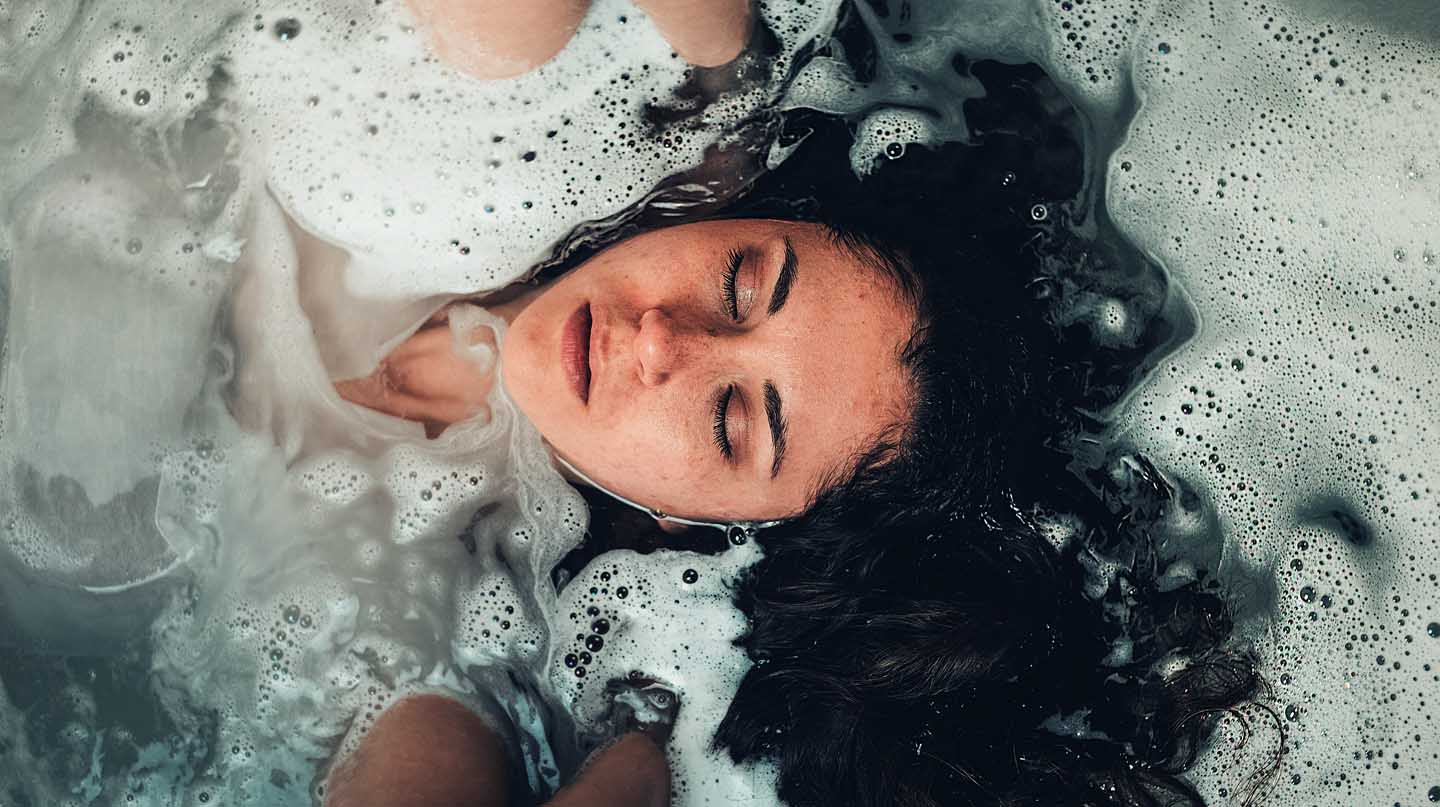
A bedtime ritual can help over time to relax your body and mind and ready it for a good night’s sleep. A warm bath, soft music or a few minutes of reading can go a long way to calm nerves and make you sleepy. Deep breathing exercises and progressive muscle relaxation may help you to relax. Make it a habit to commit yourself to God in prayer.

A relaxing bath can help wind down after a busy day. Photo by Craig Adderley from Pexels

When insomnia makes it difficult for you to function during the daytime hours, it’s best to see your doctor. A sleep disorder may need special treatment other than the type you purchase over the counter.

You should be as committed to getting the full amount of restful sleep you need as much as you are to a healthy diet and exercise to keep your body in shape. You could suffer a poor quality of life for an extended period of time unless you get the stress – and the sleep problems under control. It is true especially with stress control: A healthy sleep is the best preparation to face the problems of tomorrow.

In order to help you with the best strategies to get your stress under control, we have prepared a free guide for you. A good stress management strategy needs to use an all inclusive approach, including lifestyle changes, emotional control, and time management strategies. Download the Ten Minute Guide to Stress Control and start today to develop proper coping skills for your stress.

Do you need a guide to help you understand how to cope with Stress in an all inclusive approach? Learn how to combat stress, mentally, physically, emotionally and strategically in your life.

Get Me the Guide

Filed Under: Mental Health, Sleep, Stress Management

Water – The Cheapest Medicine

October 25, 2020 by Esther Neumann - [rt_reading_time label="Reading Time:" postfix="minutes" postfix_singular="minute"]

Water – the cheapest medicine! A few years ago you could read this slogan on large posters in the streets of Vienna. Indeed, a lack of water can cause pain. If we drink a few glasses of water over our thirst, we feel noticeably better. Simply drinking water can resolve confusion. Anyone who has ever suffered from thirst in the desert knows what we’re talking about. Why is water so important?

Water - The Cheapest Medicine

Structure of Water

Water is a special liquid. Even his unusual chemical and physical properties make this small molecule to a great helper in the human ecosystem. We all know the chemical structure H2O. Two hydrogen atoms are connected to an oxygen atom at a very special angle so that two oppositely charged poles are formed. This dipole characteristic is the prerequisite for the special property of water. It can form hydrogen bonds with many other substances. In this way it can dissolve substances, bind, transport, excrete, yes life processes are made only possible by water. By the high specific heat capacity and latent heat released with the evaporation of the water, our body is protected from temperature fluctuations.

Water Balance

When nutrients are broken down, water is formed. Together with the hydration via drinks and food, it forms one side of the balance in relation to water absorption. The water loss occurs via the lungs, skin, kidneys and intestines. Consumption needs to be adequate to maintain a healthy balance. Drinking additional water beyond our thirst helps us to stimulate our body metabolism. Children naturally crave more drinks. Unfortunately, adults are less aware of thirst signals. Therefore, the water content in the cells decreases more and more with age. Chronic dehydration of the cells is the result, which can lead to symptoms like an illness. If the various signals of dehydration are not recognized, they are treated with medication. Hence the above saying makes sense: water – the cheapest medicine.

A good way to check that you are getting enough water is to check your urine. During the day it should be clear. That doesn’t apply to morning urine, it is more concentrated. The composition of the food also has an influence on the amount of water released. Increased salt and protein intake dramatically increases the amount of water excreted. Therefore, the cells also dry out when drinking seawater.

How Much Shall We Drink?

The body needs 6 to 8 glasses of water a quarter of a liter. Alcohol, coffee, black tea, diuretic teas and caffeine-containing beverages should not be included in the fluid balance. They stimulate the body to excrete more water. In coffee houses you get therefore a glass of water with a cup of coffee.

The first glasses of water should be drunk immediately after getting up. This stimulates the elimination of kidneys and intestines. The first glasses after getting up can be compared to washing the gastrointestinal tract. Ideally, water should be consumed between meals. Start drinking about two hours after meals, and stop drinking half an hour before the main meals. If more water is drunk, thirst is better recognized.

Drink 2 cups of water just when you wake up.

Plain tap water is best. Chlorine in tap water can evaporate when the water is poured into open jugs and left to stand. The hardness of the water does not matter. On the contrary; the calcium is good for our bones. Mineral water can also be used. But if it is used habitually, the analysis should be studied and water that is tailored to our health conditions should be preferred. In the case of high blood pressure, these are, for example, low-sodium mineral waters.

Fruit and vegetable juices will contribute to the water balance. But keep in mind that they will activate digestion. In small amounts they can be included with the meal. A vegetable juice is included best half an hour before lunch. If fruit juices are used between meals, they should be diluted because of the calorie content and because they stimulate the desire for sweet. And your main drink should always be water. It is simply the elixir of life.

Dangerous Water Loss

Humans are made up of around 70% water. Already 3% decrease in the total body fluid leads to a decrease in saliva production. 10% loss leads to confusion. Increasing the amount of drinking in nursing homes drastically reduces the confusion of residents. 20% of water loss is leading to death. Physical resistance and strength can also be increased by drinking appropriate amounts. For the expedition of Edmund Hillary, who was the first man who reached the summit of Mount Everest, drinking about 12 cups of water was crucial to their success.

Water as Medicine

Drinking too little water increases the risk of a heart attack. Drinking water makes the blood thinner and prevents it from clumping. High blood pressure is often a result of a lack of water. The vascular system of the whole body adapts to a reduced amount of blood by reducing its diameter. However, this means that the heart has to work more and some parts of the body will suffer from reduced blood flow.

Water can be very helpful for gastritis or inflammation of the duodenum. Mucous membranes that have enough water available act as an acid barrier. They are able to secrete more mucus then with lack of water. So drinking water is a natural protection against stomach acid.

Joint pain can also be a warning sign of a lack of water. The surface of the cartilage in a joint needs water to increase lubricity. In addition, when there is a lack of water, the blood supply and nutrient supply of the bone are reduced.

Many more illnesses, at least in the early stages, are probably related to a lack of water. We are definitely doing something good for our body when we drink water beyond our thirst.

Water of Life

Water is the source of life.

Let us thank our Creator that we are allowed to live in countries where good drinking water is part of the quality of life and let us use it responsibly. Unfortunately, even in our part of the world, there are communities here and there where proper water supply are not always guaranteed.

Life is not possible without water. Water is so precious that in Christianity it is even compared to eternal life. In the fourth chapter of the Gospel of John, Jesus is talking to a Samaritan woman at Jacob’s well. She has to come to this well again and again to draw water. Everyone who drinks water gets thirsty again. Jesus offers the woman living water that flows into a source of eternal life. Jesus, the water of life, is just as necessary as the precious liquid that makes life possible. They belong together. Let’s keep this in mind when we have our next glass of cool water.

Filed Under: Healthy Lifestyle, Water

Sleep Deficiencies and Obesity

September 26, 2020 by Charlotte Hardman - [rt_reading_time label="Reading Time:" postfix="minutes" postfix_singular="minute"]

Sleep deficiencies and obesity

Few people would argue with the idea that sleep is good for us, but not many of us know that a lack of sleep can cause weight gain.

The health benefits of sleep are extremely well-documented((Phyllis C. Zee, MD, PhD; Fred W. Turek, PhD. Sleep and Health. Everywhere and in Both Directions. Arch Intern Med. 2006;166(16):1686-1688.)). It provides protection from many medical and psychiatric conditions as well as having positive effects on mood, quality of life and well-being.

But more recently, mounting evidence has suggested that poor sleep is associated with an increased risk of obesity((Cappucio F.P. et.al. Meta-analysis of short sleep duration and obesity in children and adults. Sleep 2008 May;31(5):619-26.)).

Sleep Deficiencies and Obesity

Short sleep duration appears to predict changes in weight over time. Children who were poor sleepers at three years of age, for instance, have been found more likely to be obese by the age of seven((John J Reilly et.al. Early life risk factors for obesity in childhood: cohort study BMJ 2005 Jun 11;330(7504):1357)).

Sleep and brain function

While there are a number of possible explanations for the relationship between poor sleep and obesity, there’s growing support for the idea that disrupted sleep increases food intake((Marie-Pierre St-Onge. The role of sleep duration in the regulation of energy balance: effects on energy intakes and expenditure. J Clin Sleep Med. 2013 Jan 15;9(1):73-80)). This may be due to the effect of sleep deprivation on brain function and the physiological control of appetite.

Some studies((Shahrad Taheri et.al. Short sleep duration is associated with reduced leptin, elevated ghrelin, and increased body mass index. PLoS Med. 2004 Dec;1(3):e62.)), for instance, indicate that short sleep duration increases levels of the gut hormone, ghrelin, which makes us feel hungry and often leads to increased eating.

Poor sleep might also increase the reward value of eating by making certain foods seem more attractive and increasing our motivation to obtain them. This idea is supported by recent research using functional magnetic resonance imaging (fMRI), which measures activity in specific regions of the brain by detecting changes in blood flow.

The study found((Marie-Pierre St-Onge et.al. Sleep restriction leads to increased activation of brain regions sensitive to food stimuli. Am J Clin Nutr. 2012 Apr;95(4):818-24.)) that, in people with limited sleep, the brain regions associated with reward “lit up” more in response to pictures of tasty food, suggesting that sleepy people found these foods more appealing.

At the same time, lack of sleep might also impair our ability to make decisions and exert self-control over food intake.

In another recent brain imaging study((Stephanie M Greer et.al. The impact of sleep deprivation on food desire in the human brain. Nat Commun. 2013;4:2259.)), 23 healthy people had a night of normal sleep and a night of total sleep deprivation followed by fMRI scans.

After sleep deprivation, there was greater activity in the amygdala region of the brain (which is important for reward behavior) in response to pictures of food. Sleep-deprived participants also reported a greater desire specifically for high-calorie foods compared to low-calorie foods.

At the same time, the scans showed other regions of the brain believed to be important for “higher-level” brain function and self-control were less active after sleep deprivation. This means sleepy people may be less able to control what and how much they eat.

So it seems sleep deprivation may promote over-eating via a two-pronged effect on brain function – the desirability of food is increased at the same time as higher-level processes that enable us to control how much we eat fail.

Understanding self-control

The idea that sleep deprivation reduces our ability to inhibit certain behaviors also appears to make sense in the context of more general theories of self-control.

The Limited Resource theory((M Muraven, R F Baumeister. Self-regulation and depletion of limited resources: does self-control resemble a muscle? Psychol Bull. 2000 Mar;126(2):247-59.)), for instance, proposes that we have a finite reserve of self-control that can be used to regulate our behavior, similar to a muscle that becomes fatigued under too much pressure.

When you are tired after poor sleep, you might have reduced self-control “strength”, making you more likely to engage in disinhibited behaviors, such as over-eating unhealthy foods.

Indeed, a longitudinal study((Maria M Wong et.al. Childhood sleep problems, response inhibition, and alcohol and drug outcomes in adolescence and young adulthood. Alcohol Clin Exp Res. 2010 Jun;34(6):1033-44.)) found over-tiredness in childhood predicted lower inhibitory control in adolescence which, in turn, predicted illicit drug use.

The next step for this line of research is to illustrate whether these findings apply to excessive consumption of food.

There is, in fact, growing evidence that poor inhibitory control is a critical factor((Katrijn Houben. Overcoming the urge to splurge: influencing eating behavior by manipulating inhibitory control. J Behav Ther Exp Psychiatry. 2011 Sep;42(3):384-8)) in over-eating, along with other substance use disorders.

But it’s important to consider alternative mechanisms that might account for the association between sleep, eating and obesity such as the dampening effect poor sleep has on mood. After bad sleep, we may feel fed up or depressed, which might promote the eating of high-calorie “comfort foods”.

Research in this area provides important insight into the causes of over-eating, obesity and potential intervention strategies. Helping people to improve the length and quality of sleep may be one such approach.The Conversation

This article is republished from The Conversation under a Creative Commons license. Read the original article.

Filed Under: Obesity, Sleep

Time to Move

September 1, 2020 by Lee Wellard - [rt_reading_time label="Reading Time:" postfix="minutes" postfix_singular="minute"]

Walking is good for the mind - Photo by Clem Onojeghuo from Pexels

With over 50 million American adults practicing chronic inactivity, this habit could be “the biggest public health problem of the 21st century.”(( Blair, S., PED, Speaking at the American Psychological Association’s 117th Annual Convention.))

Time to Move

 A well-known health educator, Ellen White, once wrote, “Perfect health depends upon perfect circulation.”(( White, E., Healthful Living, p. 30.)) The scientific validation of this profound statement is becoming increasingly clearer. Researchers are now understanding that inactivity decreases the circulation of the blood and causes the body to begin shutting down. The Australian journal Circulation found that a person’s risk of dying increases as much as 11 percent for every hour of television watched per day—even when researchers controlled for age, sex, education, smoking, BMI (body mass index), and leisure-time exercise. Pennington Medical Research Center has shown that inactivity gives us a 54-percent increased risk of heart disease, so it is no surprise that the sedentary lifestyle of Americans is partly responsible for heart disease being the number-1 cause of death. People who spent more than four hours a day sitting in front of the T.V. had an 80-percent greater likelihood of dying from cardiovascular-related disease than those who watched less than 2 hours per day.(( Dunstan, D., et al., Television Viewing Time and Mortality: The Australian Diabetes, Obesity and Lifestyle Study. Circulation: JAHA, 121:384-391, 2010.))

Today’s Trend

 In the 1950s, roughly 75 percent of the workforce was engaged in manual labor, while the other 25 percent was comprised of clerical or managerial jobs that were chiefly sedentary. However, in the last 50 years, this ratio has completely reversed. At present, about 80 percent of the workforce are in sedentary positions or positions that require only light activity. We are now living in a generation that will “RUST OUT” rather than “WEAR OUT,” in spite of the fact that the pressures of modern society may be in certain respects more stressful and demanding than those of previous generations.

Who’s the Slowest?

 Are you curious to know what regions have the highest level of inactivity? It appears that parts of Appalachia and the South are the most inactive, according to research findings in which more than 29 percent of adults in those areas indicated that they get no exercise or physical activity outside of their work. Areas of the West Coast, Colorado, and Minnesota are among the regions demonstrating the highest activity levels.(( CDC (Center for Disease Control).))Not only are states affected, but ethnic and racial groups as well. Hispanic women who did not complete high school are at the greatest risk of inactivity, at 32.3 percent. Black men with a college education had the lowest prevalence of inactivity, at four percent. Hispanics and non-Hispanic Blacks reported similar levels of inactivity, but both groups were more inactive than their Caucasian counterparts. Women tended to report being less physically active than men.(( Marshall, S., et al., Study Links Social Class and Physical Inactivity. JACSM, 39(1):44-51, 2007.))

 Why Sitting Still Can Kill

 Although we don’t need to be told by the experts that sitting around too long can lead to a potbelly or backache, we may be imbibing false concepts of the benefits that can be gained by exercise done to offset these sedentary habits. Do you think that going to the gym three to four times a week can make up for sitting down most of the day? Marc Hamilton, an inactivity researcher at the Pennington Biomedical Research Center, states, “Exercise is not a perfect antidote for sitting.” Useful work, however, offers many benefits, including an increased tendency to resist disease. It is interesting how exercise (or lack of it) has played a role in the escalation of diabetes. Inactivity researchers (yes, there is such a thing) at Mayo Clinic have confirmed that being sedentary is disastrous to one’s metabolism: just 24 hours of being sedentary can result in a 40-percent reduction in insulin’s ability to uptake glucose. This makes sitting around an especial no-no for anyone with diabetes.

Sitting for a long time can be detrimental to your health - Photo by Andrea Piacquadio from Pexels

 Exercise is very important to the powerhouses of the cells, called mitochondria. These little organelles help convert ATP (adenosinetriphosphate) into the energy required for our bodily functions. Significantly, the amount of physical activity in which we engage determines to a great degree, the number, size, and efficiency of our mitochondria. This generally means that the more physically active you are, the more energy you will have. The old saying “Use it or lose it!” holds true— not only for the muscles but on a cellular level as well! Sitting burns a mere one calorie per minute— which correlates to a 67-percent decrease in caloric expenditure, compared to walking. At this lowered metabolic rate, the breakdown of lipids and triglycerides slows significantly, the helpful HDL cholesterol is depleted, and insulin effectiveness rapidly decreases. Although poor posture has a definite effect on our health, it is not the only ill of sedentary behavior. The amount of time that we spend sitting, as well as the activity in which we are engaged while sitting, are also problematic. For example, the physiological effects of watching an intense game of football for two hours is not going to be the same as that of having a meaningful conversation with a good friend for the same length of time.

Tips for Sedentary Workers

You may not be able to move out of your sedentary job, but you can move while in your sedentary job. If you are at a desk, do some periodic stretching; climb the stairs instead of riding the elevator; do many little errands for your office workers—they will love you for it! Try some deep-breathing exercises; take advantage of your breaks, walk around if you are using a cell phone, or just take a little time to clean your office or water the plants. There are thousands of ways you can keep active in a sedentary job, so just take some time to think of creative ideas for keeping on the move!

 Inactivity and Longevity

 Alpa Patel, an epidemiologist at the American Cancer Society, tracked the health of 123,000 Americans between the years 1992 and 2006. Patel estimated that on average, people who sit too much shave a few years off their lives. The men in the study who spent 6 hours or more per day of their leisure time sitting had an overall death rate that was about 20 percent higher than men who sat for 3 hours or less per day. What was interesting is that the same statistics did not apply to women: those who sat for more than 6 hours a day had about a 40 percent higher overall death rate, or twice that of men.(( Vlahos, J., New York Times,  April 14, 2011.))

 Exercise and Calories

 Dr. Levine, a professor of medicine from Mayo Clinic and considered to be one of the most authoritative researchers of inactivity, was interested in finding out why eating an extra 3,500 calories didn’t necessarily put on an extra pound of fat. He discovered that the small movements of daily activity that would not technically be considered as exercise also play a role in the utilization of calories by the body. He coined the acronym NEAT, which stands for non-exercise activity thermogenesis, a name for the concept of reaping large benefits from thousands of minor movements each day. Although it doesn’t account for all the aspects of caloric expenditure, we have to admit that it is a NEAT part of the equation!

 Effects on the Mind

 Exercise is not just an activity to improve heart function, weight or blood-sugar control; it also has a profound effect upon one of the most important organs of the human body, the brain. “Continued inactivity is one of the greatest causes of debility of body and feebleness of mind. Many are sick who ought to be in very good health and thus in possession of one of the richest blessings they could enjoy.”(( White, E., Counsels on Health, p. 95.)) Mental workers and students, would you like your mind to be more efficient and vitalized? Get adequate physical activity! “The time spent in physical exercise is not lost. A proportionate exercise of all the organs and faculties of the body is essential to the best work of each. When the brain is constantly taxed while the other organs of the living machinery are inactive, there is a loss of strength, physical and mental. The physical system is robbed of its healthful tone, the mind loses its freshness and vigor, and a morbid excitability is the result.”(( White, E., Counsels for the Church, p. 160.))

Walking is good for the mind -  Photo by Clem Onojeghuo from Pexels

 Not only is bodily activity necessary for a healthy mind, but also for a victorious spiritual life. Useful labor increases the strength and force of the will so that we can choose the right and shun the wrong. It is no surprise that our Savior, who conquered and vanquished sin at every step, spent a life of prayer coupled with one of constant activity, working, walking from village to village healing, and teaching.

 As we contemplate His life of active service, maybe the Lord is calling you to walk more closely with Him. Why not take the next step of faith, be it ever so small or great, and journey on in the “path of life” that leads to “fullness of joy” in His presence forevermore?(( The Bible, Psalm 16:11.)) It will be sure to be a move worth making! 


This article was published originally in the Journal of Health and Healing, a publication of Wildwood Institute.

Filed Under: Exercise, Healthy Lifestyle

« Previous Page

Primary Sidebar

Social Channels

Coronavirus Immunity Challenge

Boost your immune system to be bullet-proof for the pandemic.

I Want to Participate

Recent Posts

  • 5 Habits to Live Longer
  • Better Sleep Can Protect Against Dementia
  • Finding Peace In Your Crazy-Busy World
  • Flaxseed – An Ancient Plant Rediscovered
  • Platelets – Triggers for Life or Death
  • Boderline Personality Disorder
  • In Praise of Almonds and Nuts
  • Are You Stuck in the Clutter Trap?

Categories

  • Body Systems (16)
    • Cell Function (2)
    • Circulatory System (1)
    • Digestive Tract (10)
    • Immune System (4)
  • Diseases (27)
    • Cancer (2)
    • Cold (1)
    • COVID-19 (11)
    • Dementia (1)
    • Diabetes (1)
    • Digestive Diseases (2)
    • Heart Disease (2)
    • Kidneys (1)
    • Metabolic Syndrome (2)
    • Skin (1)
  • Healthy Lifestyle (42)
    • Exercise (11)
    • Gardening (2)
    • Sleep (7)
    • Sunlight (2)
    • Temperance (14)
    • Water (4)
  • Mental Health (87)
    • Addictions (6)
    • Anxiety (7)
    • Burnout (1)
    • Depression (7)
    • Psychosomatic Diseases (6)
    • Stress Management (45)
    • Trust (6)
  • Nutrition (56)
  • Obesity (9)
  • Phases of Life (14)
    • Adults (3)
    • Babies and Infants (1)
    • Children (3)
    • Seniors (5)
    • Teenagers (3)
  • Therapies (7)
    • Herbs (5)
    • Hydrotherapy (1)
  • Uncategorized (3)

Archives

  • January 2025 (1)
  • March 2024 (5)
  • February 2024 (4)
  • January 2024 (4)
  • December 2023 (5)
  • November 2023 (4)
  • October 2023 (5)
  • September 2023 (4)
  • August 2023 (3)
  • July 2023 (2)
  • June 2023 (4)
  • May 2023 (4)
  • April 2023 (5)
  • March 2023 (4)
  • February 2023 (4)
  • January 2023 (4)
  • December 2022 (4)
  • November 2022 (4)
  • October 2022 (5)
  • September 2022 (4)
  • August 2022 (4)
  • July 2022 (5)
  • June 2022 (4)
  • May 2022 (5)
  • April 2022 (4)
  • March 2022 (4)
  • February 2022 (4)
  • January 2022 (5)
  • December 2021 (3)
  • November 2021 (4)
  • October 2021 (6)
  • September 2021 (4)
  • August 2021 (4)
  • July 2021 (5)
  • June 2021 (4)
  • May 2021 (3)
  • April 2021 (5)
  • March 2021 (4)
  • February 2021 (4)
  • January 2021 (5)
  • December 2020 (3)
  • November 2020 (4)
  • October 2020 (5)
  • September 2020 (5)
  • August 2020 (3)
  • July 2020 (1)
  • June 2020 (1)
  • May 2020 (1)
  • April 2020 (1)
  • March 2020 (1)

Copyright © 2026 · Abundant Health - Privacy Policy - Medical Disclaimer