Abundant Health

Up to date health information tailored for you

  • Home
  • Blog
  • Recipes
  • Shop
  • Contact
You are here: Home / Archives for Healthy Lifestyle

Healthy Lifestyle

The Fountain of Youth for the Brain

November 21, 2021 by Dr. Cesar Vasconcellos de Souza - [rt_reading_time label="Reading Time:" postfix="minutes" postfix_singular="minute"]

A Fonte da Juventude

On October 15, 2009 my first granddaughter was born. I went to visit them to meet the baby and see the whole family. I watched over and over again how the baby in the crib was always moving its little hands, arms and legs. The baby did not need to learn that physical exercise is important for health, but responds he spontaneously with physical movement to its God-given life.

The Fountain of Youth for the Brain

A child who barely moves is probably emotionally or physically sick. Normally, babies and children are always in movement. Of course, some are exaggerated and impulsive, but the normal thing is to move your body. All human physiology is made up of movements, in cells in genes, in circulation. Movement is life. It is not possible to talk about health without regular systematic physical exercise, not only on weekends, sometimes with those competitive sports that generate adrenaline and cortisol. This is the first and main reason why I go for a walk; it’s not because of physical health, but because of mental and spiritual health, because I understand that exercising my brain will work better, and that’s what I want, to discern spiritual things and the purpose of life more clearly.

A 19th century author wrote the following statement:

Right physical habits promote mental superiority. ((Ellen White. Mind, Character and Personality Volume 2, p. 443))

And she also wrote this:

There is an intimate relation between the mind and the body, and in order to reach a high standard of moral and intellectual attainment the laws that control our physical being must be heeded. To secure a strong, well-balanced character, both the mental and the physical powers must be exercised and developed.((Ellen White. Our Father Cares, p.326))

People often say that if you intend to start an exercise program, you should first see a doctor, usually a cardiologist, to see if you are cleared for this activity. This is prudent. However, a medical colleague once commented to me about what he had read in a scientific journal, which went something like this: “If a person decides not to exercise, then he will have to see a doctor.”
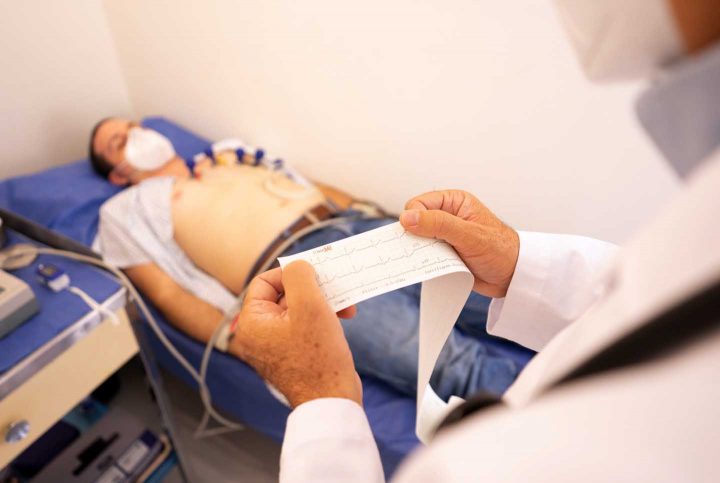
A doctor reading an ECG - Photo by Los Muertos Crew from Pexels

In the Journal of Applied Physiology of November 18, 2008, the article entitled: “Exercise, the Brain’s Fountain of Youth”, suggests that daily physical exercise keeps the brain young, and the recommendation is not to take too long to start to practice them. The earlier you start in your life, the better for your whole body and your brain. The researchers found that if a person takes a long time to start an exercise program, they run the risk of not having as many benefits, because as they age, the process of the brain creating new cells, which we call neuroplasticity, slows down, and as a consequence, memory and learning impairment occurs sooner.

But can age-related mental decline be reversed with exercise? Scientists trained mice to run on exercise wheels at 70% of their aerobic capacity every day over a five-week period. The mice started running at the age of 8 months, which is the beginning of the ripe age for a rat of that breed, or at the age of 12 months, which is the middle of the old age of the rats. Those who exercised every day had two and a half times more production of new brain cells called neurons than those who didn’t exercise. And these new neurons, the new nerve cells, integrated with the existing brain network. The researchers also concluded that treadmill exercise not only increases the quantity but also strengthens the quality of the new neurons. Rats that started exercising in mature age had better results compared to those that started at old age.

In another study, conducted by Feraz Rahman and colleagues, from the University of North Carolina, carried out with 12 healthy people aged between 60 and 80 years, they observed that regular exercise is associated with an increase in the total number of blood vessels in the brain, with an increase in blood flow in the main cerebral arteries. This would benefit areas that control functions such as consciousness, memory, emotional response and language. Assessing MRI images, experts found that those who for ten years or more had exercised about three hours a week in aerobic activity had the highest number of small vessels – 150 versus 100 for sedentary ones, and that they had the greatest blood flow in the brain.
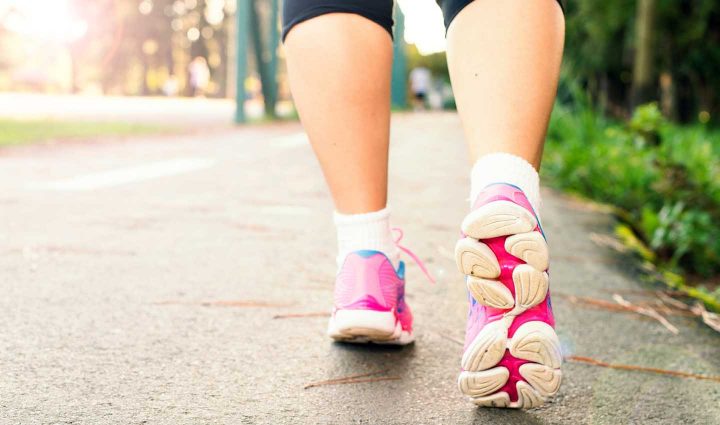
Walking

A study presented at the 10th National Conference on Child Psychological Health in Gainesville, FL, in April 2006 and published in a journal of Pediatrics, evaluated 208 overweight and sedentary children aged 7-11 years. Those who started to exercise after class, had lower scores on a scale about anger, in addition to improved physical conditioning. The authors emphasize that physical exercise can improve mood and cognitive function, allowing children to have more self-control. So, you can see once again how important exercise is for your brain. So get going!

In general, people say: “Oh okay. Now that I’ve learned it is important, I’ll start on Monday.” No! get started today; start little by little. You are very sedentary and when you start you will feel pain: “Oh, I went for a walk yesterday and now I am in pain; it’s better to stop.” No, pain is a sign that your body is in need of training your muscles, it is in need of physical activity. Don’t get heavy in the beginning, until you can develop that aerobic, muscular exercise capacity, remembering: Physical exercise is very important for our brain, for cerebral circulation, for reasoning. It helps to learn to deal with emotions, because it’s activating brain areas that have to do with mood, with cognition. This is going to be important for your mental health.

Healthy Fruits

Stay Always Up to Date

Sign up to our newsletter and stay always informed with news and tips around your health.

Sign Up Now!

Filed Under: Exercise, Healthy Lifestyle, Mental Health, Phases of Life, Psychosomatic Diseases, Seniors

Benefits of Exercise for Seniors

November 7, 2021 by Ricardo Vargas - [rt_reading_time label="Reading Time:" postfix="minutes" postfix_singular="minute"]

Benefícios do Exercício na Terceira Idade

Life expectancy in the US is generally on the rise. While in 1900 the average life expectancy was 47.3 years, it increased to 68.2 years in 1950 and to 78.9 years in 2019. Advances are mainly due to improvements in sanitary measures and the healthcare system. However, increases in longevity are not always accompanied by a better quality of life.

Benefits of Exercise for Seniors

In addition to longevity, we need to consider the maintenance of the state of functional independence (ability to carry out activities of daily living). In old age, the elderly go through many physiological changes that contribute to the worsening of their quality of life. Exercise has a fundamental role in maintaining functional independence.

With advancing age, there is a decrease in lean body mass and its replacement by adipose tissue, thus the caloric expenditure in old age tends to decrease, which favors the increase of obesity and all the problems arising from it. The self-indulgence shown by the elderly is a problem, as it accelerates the appearance of these effects. It is important to overcome sluggishness, start a practice of physical activity and receive the countless benefits that can be achieved in spite of the age.

Among the benefits are increased energy expenditure and cardiorespiratory conditioning, a preventive factor for the onset of cardiovascular diseases, obesity, diabetes, hypertension, dyslipidemia, mental diseases and cancer.

A senior working in the garden - Photo by Centre for Ageing Better from Pexels

Exercise is important to digestion, and to a healthy condition of body and mind. You need physical exercise.

Ellen G. White. Counsels on Diet and Foods p. 103

One of the effects of the arrival of old age is the decrease in the production of gastric and pancreatic juices. Digestion slows down, food stays in the stomach longer. It increases the risk of gastritis and reflux, a common complaint among the elderly. Many complain of a large production of gas in the stomach or intestine. As the transit time of the digestive tract is slowing down, more fermentation takes place. A walk right after a meal can alleviate all of these symptoms.

Exercise improves muscle tone in the whole body. Our gastrointestinal tract is made up of involuntary smooth muscle. When we include a daily exercise routine, intestinal transit normalizes in most cases, and we achieve good results that promote better quality of life for the elderly.

The practice of exercise also helps to avoid physiological, morphological and functional changes that occur during the natural aging process, which negatively interfere with the individual’s functional capacity. The most important are the reduction in lean mass and the accumulation of adipose tissue, which increases the risk of early mortality, in addition to the loss of muscle strength, reduction in aerobic capacity and flexibility.

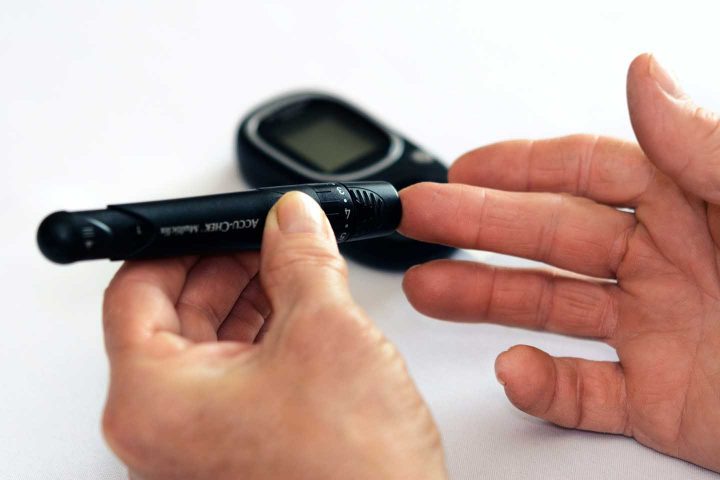
Decreased lean body mass reduces overall muscle uptake of glucose and free fatty acids, causing insulin resistance and leading to type 2 diabetes if not reversed. The increase in free fatty acids in the bloodstream contributes to the onset of dyslipidemia and a greater risk for the formation of arterial plaques.

Diabetes test - Photo by PhotoMIX Company from Pexels

From the age of 40 onwards, it is estimated that the accumulation of fat is 1kg per decade, in addition to the loss of 12% to 14% of strength, and about 5% of muscle mass, with a more evident decline after 65 years of age, particularly in the lower limbs.

Many elderly people have presented the loss of functional independence as their main problem. In the US, 2 in 5 persons over 65 years of age have reported some kind of disability. This problem needs to be corrected as soon as it is identified so as not to lead to a loss of functional independence in the future.

Another concern is that, with the reduction in lean body mass (sarcopenia), there is a decrease in bone mineral content. Using the combination of physical activities, ingestion of good sources of calcium, sunlight to stimulate the production of vitamin D, vitamin D supplements and sleep at adequate times, this symptom is alleviated. Physical activity impacts the bones causing growth stimulation, in addition to stimulating the production of growth hormone.

An active lifestyle can prevent or delay functional disability, improving neuromotor status, strength, flexibility, balance and cardiorespiratory capacity.

Exercise helps to have a long life, but with quality. Get moving today!

Healthy Fruits

Stay Always Up to Date

Sign up to our newsletter and stay always informed with news and tips around your health.

Sign Up Now!

Filed Under: Exercise, Healthy Lifestyle, Phases of Life, Seniors

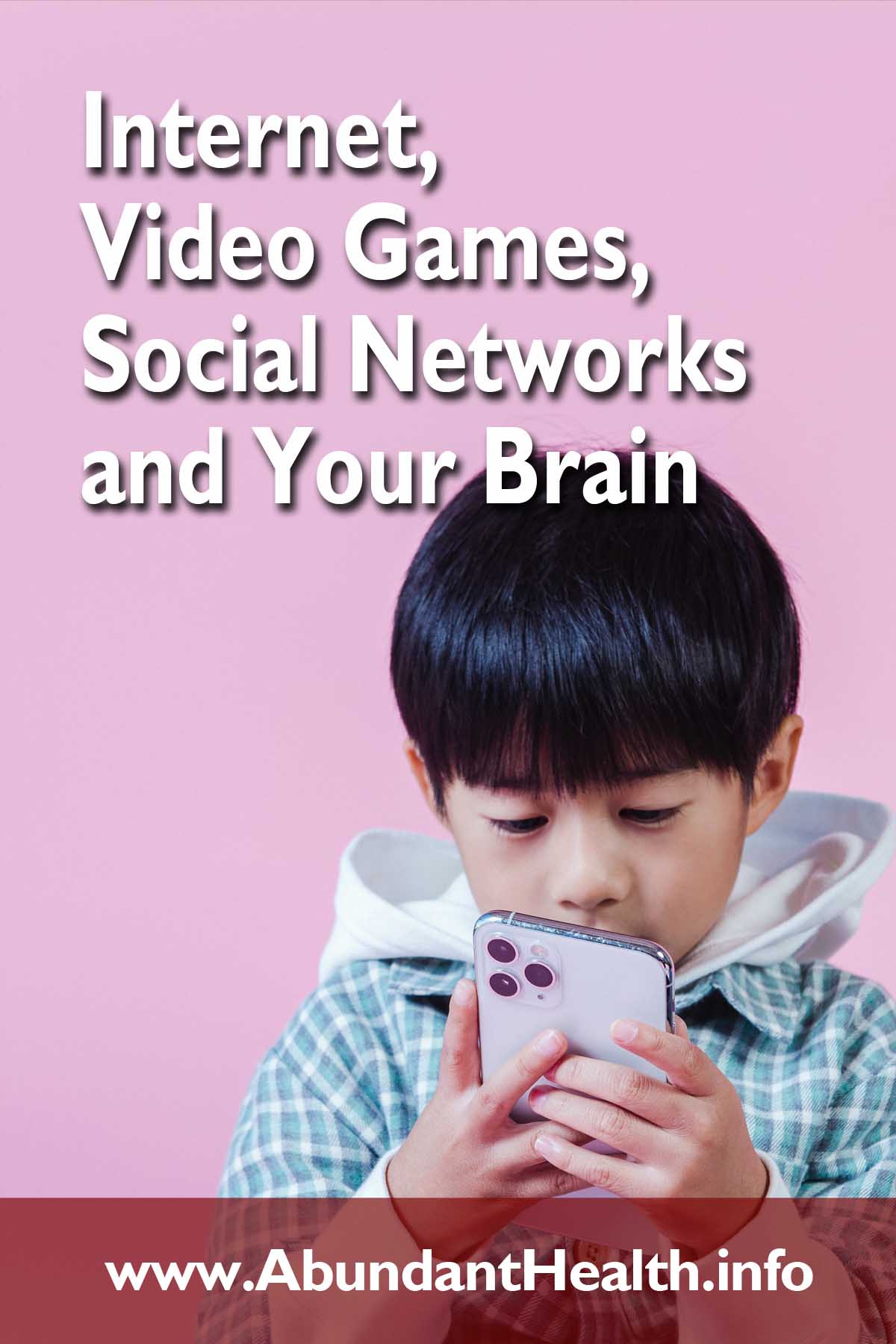
Internet, Video Games, Social Networks and Your Brain

September 26, 2021 by Dr. Cesar Vasconcellos de Souza - [rt_reading_time label="Reading Time:" postfix="minutes" postfix_singular="minute"]

Internet, Videogames, Redes Sociais e o Cerebro

How much time do you spend each day on social media? Have you ever thought about going two days without accessing the computer? Have you managed recently to stay three days without video games? We are going to deal with electronic addictions today.

Internet, Video Games, Social Networks and Your Brain

We will have a look at some of the more recent scientific findings that have shown how addiction, and specifically electronic addictions, can affect your brain in an unhealthy way. Do you know that today there are specific treatments for people who are addicted to the internet, social networks and video games?

But let’s understand what an addiction is. An addict is a person who is dependent on something, so addiction is what becomes a god to you. If you look at what you are addicted to, you are worshiping this object and it becomes a god. Addiction is what dominates your thoughts, dominates your feelings and influences your attitudes. If we want a scientific definition of addiction, it can be: It is an unhealthy model of substance use or some other object, which leads to negative changes in your health.

Addiction separates you from your emotions. You may notice, when you stop or try to stop something that is the object of your addiction, there is certainly anxiety, restlessness, nervousness, insomnia, irritability and impatience. So addiction dulls reasoning and emotions.

If you are addicted, it can be sex, a substance that is legalized as alcohol, you certainly have a numbness, an anesthesia, a blockage of some reasoning, some thoughts, some feelings that you would need to be experiencing to have a healthier behavior. So you use a substance, you use a product, you use a practice, in this case video game addiction, social network addiction, internet addiction, you use that to numb your emotion, then comes a remorse: I spent a lot of time on it! Oh boy, I neglected my kids! I arrived late for work! I spent a lot of money, because I wanted to buy a more powerful equipment! Or whatever else! Then comes the guilt, then comes the feeling of lack of self-worth, because I think I’m no good as a human being, I don’t think there’s an escape, and then you feel more anguish, more sadness and then you can think: Let me get on a social network again to see if I can relieve myself a little. And you get this sick emotional ping pong, it’s really a destructive cycle!

Types of Addictions

Every addiction creates a destructive cycle for your health, for your peace, for your happiness and also for the well-being of the people around you. There are several types of addictive agents, that is, there are several instruments, several situations, several practices that can produce an addiction in your life, not just alcohol, cocaine, marijuana and what we are talking now about the internet. There are people addicted to work, to success, to spending too much, to gambling, to accumulating goods, people addicted to controlling others, to humiliating people, it is an addiction, a disorder, an alteration. You have to deal with it. There are people addicted to food, people addicted to sex, pedophilia, pornography, indeed, there is an epidemic of pornography addiction. People you never imagined are connected with this.

This is a symptom; the world is compulsive. Compulsive not in a positive sense unfortunately, of having a compulsion to do something good for society. The world is medicated, the world is anesthetized, the world is altered, in their emotions, in their reasoning due to various types of drugs.

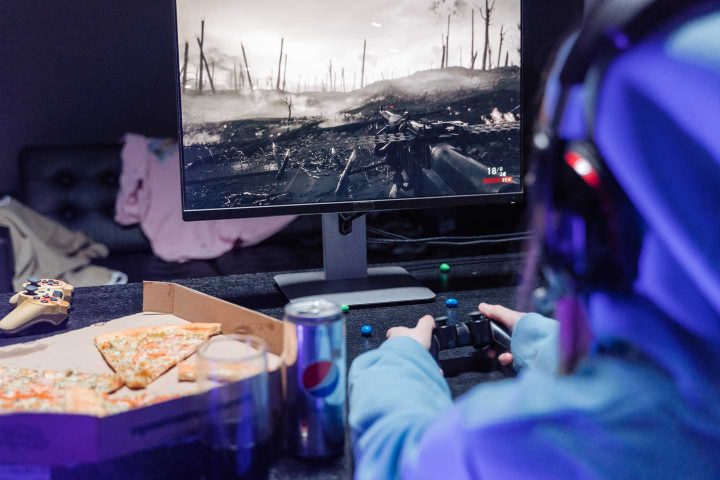
A person addicted to video games - Photo by Tima Miroshnichenko from Pexels

Some people are addicted to approval, a need to please, always neglecting their needs to see if they please someone. People in a savior role, people who are dependent on toxic relationships. What is a toxic relationship? It’s a relationship that’s bad for you, that will harm you. There are people who marry a complicated person, suffer a lot, separate, marry another complicated person, suffer a lot again. There are people with a mania for their physical outlook, their cosmetics and clothing, obsessed with aesthetics and plastic surgery, it’s just that these people want to try to look good on the outside, while on the inside they’re not very well centered. Some people are addicted to academic titles, there are various types of addictions there.

There exists a vicious cycle of addiction. The person has emotional pain, he has emotional discomfort, there is something that is not well resolved within him, some trauma. I don’t like this word because it gives the impression that emotional suffering has to do with a trauma, while in reality it is a set of situations in life that are, in general, painful and difficult, which develops the person’s emotional suffering. So he has pain, he looks for an agent to get rid of this pain, it can be cocaine, marijuana, sex, pornography, food, as I said, he has a temporary anesthesia of this pain, then it can have negative consequences, it will depend on the type of addictive object that he’s using, and then he’s finally going to have shame, guilt and that results in more pain and lessening of his self-worth and he gets stuck in this cycle.

Effects of Electronic Addiction

Some studies show that too much time on the internet infantilizes the brain. It’s showing that it can produce a generation of young people incapable to think for themselves. For anything, they get on the internet: Let’s see what that person says. They will access site a b c or d.

Dr Susan Greenfield, a neuroscientist at Oxford University, says the following: The immediacy of imagery in the internet impairs mental development in children and adolescents. These images are very fast, the child’s brain is not prepared to be able to manage all of this. So it’s different from stories told by parents in the past, They used to sit on the porch, telling stories of this and that to the children, but a story that has a beginning, a middle, an end, and a lesson. On the internet, those images with a lot of virtual stimulation confuses children’s minds. So these stories that parents can offer their children help the brain to think in sequence, reason from cause to effect, in addition to the emotional bond that father and mother have talking to their child and interacting with the family.((Greenfield S, “Excesso de internet pode criar geração de jovens incapazes de pensar por si próprios” Revista Ser Médico, Jan/Fev/Mar de 2012))

In the Chinese Academy of Sciences, a very interesting scientific study was done by a scientist named Fuchun Lin in 2012, he came to the conclusion that young people who surf excessively in the internet have brain changes similar to those seen in gambling compulsives.((Lin F, Abnormal White Matter Integrity in Adolescents with Internet Addiction Disorder: A Tract-Based Spatial Statistics Study. Plos One,  January  11, 2012. https://doi.org/10.1371/journal.pone.0030253)). So you see the matter is serious.

Teenagers with cell phone addiction - Photo by cottonbro from Pexels

At the University of Rochester, in a 2010 study by scientist Daphne Bavelier, she came to the following conclusion that there is a strong correlation between exaggerated computer use and brain abnormalities.((Bavelier  D et.al.  Children, Wired: For Better and for Worse.  Neuron, Vol. 67,  Issue  5, 9  September  2010. https://doi.org/10.1016/j.neuron.2010.08.035))

What To Do About Electronic Addictions?

What can you do if you’re addicted to electronics, social networking, you can’t go two hours without accessing and posting things? And if you stop you will feel symptoms of the withdrawal crisis, anxiety, irritation, impatience and nervousness, some lose their appetite, in others it increases appetite or causing insomnia? Let’s talk a little bit if you have children and don’t know how to dose the use of electronics in their hands, what can be done?

First, it’s important to understand that any compulsion can serve to keep you from realizing some inner needs, experiencing certain emotions, living certain thoughts, improving relationships in some areas of your life. If the family you live in is experiencing this problem of excessive use of electronics, then it is important that the family as a whole looks for solutions to this. It’s no use for you as a father, as a mother who is addicted to electronics, wanting to teach your child a moral lesson and say: “Stop it! Or: Turn it off! Give it to me! I’ll take it away!” But you are addicted too? You can’t put down your electronics, how are you going to exact this from your child? To fix the excess, the abuse of electronics that can already be characterized as an addiction, it is important that you lead by example.

A family addicted in electronics - Photo by Ketut Subiyanto from Pexels

So in this family where there is a member who is really addicted, maybe a young man is leaving his studies, because he spends hours and nights on his computer, in his bedroom, he sees who knows what, even if you have parental control connected on the computer, you need to set an example. So this young person or child will need a limit in their computer time. You have to determine this as a father, as a mother, you have to have a firm hand, love has to be firm. If you’ve a small child, don’t put electronics in that child’s hand too early. Take it to the park or play an educational toy with them.

So parents need to lead by example. Because you as a dad or mom might not be addicted to electronics, but you can be addicted to something else. There are people who come home, tired from work and say: My day was so exhausting, let me have a drink of whiskey to relax! Oops! Or they may say: Where’s my tranquilizer, have you seen my medicine box over there? I’m nervous, I want to take an extra dose of tranquilizer! You know your son, your daughter is seeing this, is noticing that you are dependent on something to make you feel better.

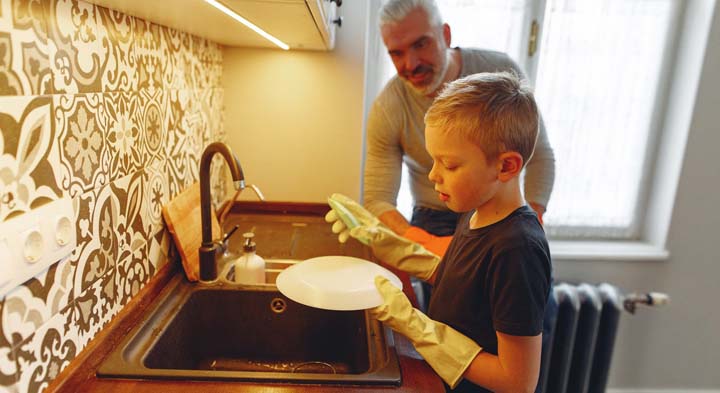
Then you can allow internet access for your children after they do some chores or homework. It seems that parents today feel guilty about giving chores to their children. They want to give everything on a silver plate to their children. This is a diseducation. In a house, even if it is a middle-class or rich house, even if it has employees for house cleaning for example, it is important that father and mother finds some simple tasks for their children: “you clean your closet, you put the garbage out, you put the clothes into the dryer, you help me here to peel these fruits so we can have breakfast, because the maid hasn’t arrived yet. This participation, this setting of limits, giving tasks to your children, for everyone to participate, is necessary. This does not mean that you will be sitting in the armchair demanding: “Go there and bring me my coffee, go do this and that!” If you participate then this will help in setting limits for your children, including internet usage. This is an important factor, because the ones who set rules in the house have to be the father and the mother.

A child helping washing dishes to contribute to family chores.

Another important thing you can do with your children is to change the electronics use pattern, like: “Look, you’re only going to use the computer after doing a homework and school assignment. You only use your tablet after you shower.” That’s it, it’s set. You have to dialogue and explain, and keep that decision firm. Don’t go back. So don’t say something you won’t do, or you’ll lose morale. They will see that you say something and don’t do it, or give in easily. Being firm is different from exercising authoritarianism; an emotional dictatorship should not exist in the relationship between parents and children.

Children need an authority, that’s why God even placed a commandment: honor father and mother. Some scientific studies, analyzing young people who were raised in very dictatorial homes, compared to young people raised in homes that were very liberal, have shown that these young people in their adulthood had somewhat similar sufferings. In other words, children raised in very dictatorial homes, which can never do anything, had emotional distress in adulthood, and also young people who could do anything when they wanted to, also had emotional distress in adulthood. Why? Because young teenagers who had this freedom, said consciously: “Oh my dad, my mom, is cool, they let me do what I want!”, but deep down they felt like: “Do they care about myself? Are they interested in me? Do they want to know how my inner world is?” That’s interesting!

If there is any kind of addiction, you have already noticed that your child is too much hooked to the computer in his room, you will have to make a decision and explain: “Look son, I’m going to put the computer in the living room.”, especially if you’ve noticed that he’s hiding what he does, or if you’ve already seen that he’s been accessing some bad websites. It’s not even a dictatorial attitude, because you could even take the computer away from him. But you’re giving him a chance: “I’ll put the computer in the room for you to use in an educated way, for things that are good for you.” Because people go back and forth in the room, which restricts inappropriate use. Of course, there are also programs that block certain websites. You can also use a timer: “Look, I’ll put an hour here for you before you take a shower, or after you shower”. You can use this strategy.

It is also important to think about whether there is some kind of emotional disorder that is leading this person to this addiction. This may need a professional assessment. There are people who may be addicted to pornography, and then they will need to have specialized treatment to deal with it and get out of that kind of suffering.

Children playing outside with leaves - Photo by Charles Parker from Pexels

We might think: “Wow, that sounds somewhat backwards and outdated, how can I pass this on to my children?” Because kids today want electronics! How to go about it? Will you block everything? For infants yes, but for a little bit older children you can dose them. “You will play a little in the backyard, a little in the park, climb the trees, play on the beach and then you have a moment alone with your electronics”. It’s not one or the other, but you definitely don´t want your kids on electronics all day long without having any outdoor activity. The virtual world is not a healthy replacement for the real world. So, protect your kids from overexposure to electronics. And small child doesn’t need a cell phone. I would like to finish with the text that is in the book of Luke:

People were also bringing babies to Jesus for him to place his hands on them. When the disciples saw this, they rebuked them. But Jesus called the children to him and said, “Let the little children come to me, and do not hinder them, for the kingdom of God belongs to such as these.”((The Bible, Luke 18:15,16 (New International Version). ))

Luke 18:15.16

Take care of your children so that they don’t get their brains harmed by excessive exposure to electronics!

Healthy Fruits

Stay Always Up to Date

Sign up to our newsletter and stay always informed with news and tips around your health.

Sign Up Now!

Filed Under: Addictions, Mental Health, Temperance

Everyone is Responsible for His Health!

September 19, 2021 by Esther Neumann - [rt_reading_time label="Reading Time:" postfix="minutes" postfix_singular="minute"]

Jeder ist für seine Gesundheit verantwortlich

Personal responsibility for health is one of the most important pillars of our healthcare system. Great advances in medical research give us access to expensive treatments that are covered by the healthcare system. People’s life expectancy is increasing.

Everyone is Responsible for His Health!

Just in spite of the progress, our society is not getting healthier. The prolonged lifespan is not coupled with a better quality of life. The healthcare system is becoming more and more difficult to maintain. We cannot just rely on politicians and health insurance companies to preserve or regain our health. Health policy always stands in the field of tension between society and the individual. Where is our personal responsibility?

A motorist races along the highway. Suddenly, an indicator lamp lights up on the dashboard. The car is quickly steered onto the hard shoulder. Where is the error? What needs to be done to make the car work properly again? It is the V-belt of the alternator. The next workshop is approached and the damage repaired.

If we paid the same attention to our body as we did to the status symbol car, our well-being would be better off. The car we take regularly to the inspection. What about prevention for our body? Going to the doctor, the check-up or more?

Provision for our Health

It is crucial what priority we give to a healthy lifestyle. This includes a sensible diet, sufficient exercise, an intact environment and the right mindset. It is largely up to us to prepare the way for health to come along naturally. This requires our maturity.

Buying groceries - Foto by RFStudio from Pexels

A study has shown that about 37% of our health depends on our lifestyle. 29% depend on the genetic make-up, whereby the lifestyle determines largely, whether the genetic make-up really comes into play or not. 24% of our health depend of the environment and only 10% is due to curative medicine.

Our health is both a gift and a task. Right principles must guide us, because illness is nature’s effort to free the body from conditions that have mostly arisen through transgression of the laws of health.

Lifelong Learning

There is a saying that we die twice. The first time when we stop learning. This saying is true especially when it comes to our health. Let’s not bury our heads in the sand. It is our task to learn how our body works. When studying physiology, we really learn to appreciate our body and understand why we should do some things and leave others behind.

Our body is a real marvel, conceived by a great Creator. The same Creator wants us to be healthy and happy. But he also shows us the way to do so in his Word, the Holy Scriptures.

The Instruction Manual

Whenever we purchase a household appliance or a machine, we study the instruction manual. We want to benefit from our investment as long as possible. And yet a machine becomes obsolete relatively quickly. It ends up in the garbage, because it is outdated or worn out. But how long do we want to get along with our body? 75, 80 years, if it is much maybe 100! And there you should not study and follow an instruction manual?

The biblical principles are a foundation we can rely on. They are not going to be knocked over by fads and trends. The most important principles are probably free will and love. Free will makes me responsible. It is up to my free will to decide whether I want to accept God’s counsel. And the Bible is full of them. Let us just read carefully once again the wise proverbs of Solomon.

A woman reads the Bible - Photo by Tima Miroshnichenko from Pexels

Personal responsibility means to find a proper response to life’s questions, setting your own impulses, take actions to consume sensibly. Social pressure triggers consumption. This manifests itself in smoking, alcohol, diet and fashion. Am I free to stand up for my own decisions and bear the consequences?

Above all, Love

But living healthy alone is not enough. Exercise alone won’t keep me healthy. We must let God’s love into every area of our lives. God’s love and loving our fellow beings keeps us healthy and heals us. Surely you have experienced that for yourself. If you like someone, you have somebody special in your life, your life is different. You get strength, you approach problems in a completely different way. If we contemplate the beauty and love around us, this stimulates our hormones. Endorphins – happiness hormones are released. This makes life healthier.

Affection of a mom for her kids - Photo by Ketut Subiyanto from Pexels

There is always one who loves me – God and Jesus Christ, His Son, who loved me so much that He gave His life for me. This knowledge helps me to love my neighbor as well. This makes life more joyful and enjoyable. This has a positive effect on health.

Realize the Value of Health through Illness

We can do our part to maintain our health, or often regain it through a lot of patience if we lost it. It was certainly not the intention of our Creator to harm our body, which He prepared so wonderfully (Psalm 139:14). The cause for illness and hardship is usually man’s disobedience to God’s laws. From Hippocrates comes the saying: “Diseases do not attack us out of the blue, but develop from daily tiny sins against nature. When they have accumulated, they seem to burst out all at once.”

A Cancer patient - Foto by Ivan Samkov from Pexels

Diseases are also triggered by mental misconduct. Selfishness, guilt, fear and excessive demands can make people physically and mentally sick. We know the term “psychosomatics” for this. Even here my personal responsibility is important. Do I want to torment myself with negative thoughts or do I seek help from God and from my fellow human beings? The decision is up to me. Another thought about responsibility: No one is sick on their own. His environment always suffers. That’s why the saying: “I can do whatever I want with my body” is actually wrong. If I’m not well, my loved ones suffer with me. I also have a responsibility for them. There is responsibility in love.

The Purpose of Disease

Is there any purpose in illness at all? If there is, we normally do not grasp it immediately and we do not want to explore this topic here. But there is one thing we can do after every recovery: Set the course anew, execute our good resolutions, manage well our resources which are limited, and above all be grateful for the regained health.

Healthy Fruits

Stay Always Up to Date

Sign up to our newsletter and stay always informed with news and tips around your health.
Sign Up Now!

Filed Under: Healthy Lifestyle

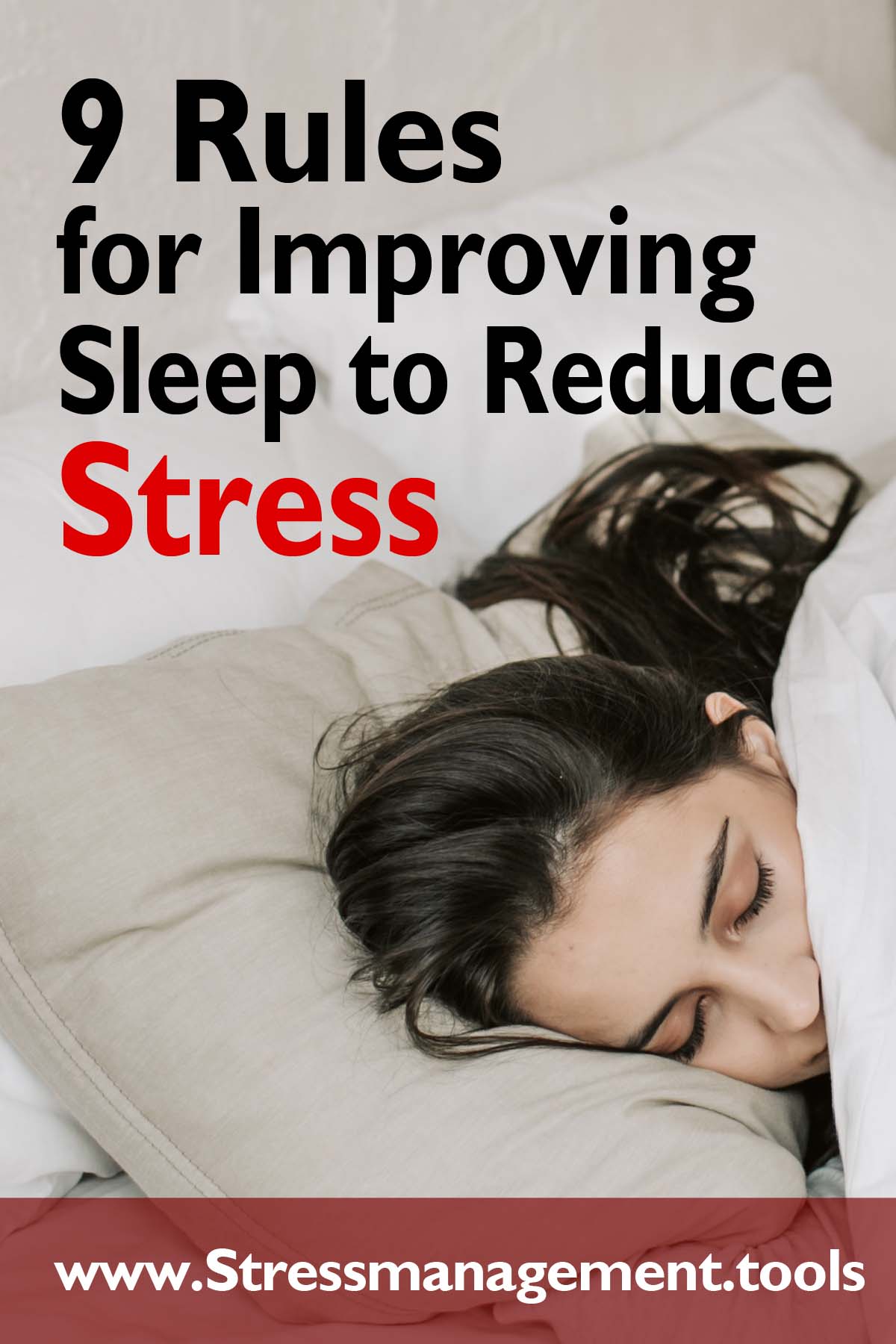
9 Rules for Improving Sleep to Reduce Stress

July 17, 2021 by Martin Neumann - [rt_reading_time label="Reading Time:" postfix="minutes" postfix_singular="minute"]

9 Rules for Improving Sleep to Reduce Stress

There’s a strong correlation between how much sleep you get and how stressed you are. It’s a vicious cycle that can cause mental distress and even wreak havoc on your physical well-being.

9 Rules for Improving Sleep to Reduce Stress

It’s a well-known fact that people who don’t get enough sleep are lethargic and constantly experiencing an energy slump. This causes irritability, which also makes it hard to fall asleep. The reverse is also true. When you experience an exorbitant amount of stress during the day, it causes you to lie there awake – and that piles on more stress for the upcoming day. In many cases, this is leading to a vicious cycle that is complicating your stress more and more.

The Huffington Post conducted a poll where they asked people what their #1 stressor was. Lack of sleep was one thing that dominated the results. Stress and a lack of sleep combined can cause you to lose mental clarity and they can put more pressure on your body to perform at less than optimal standards.

For this reason it’s vital that you learn how to implement stress relief measures that also work to lull you to sleep at night. When you wake up fully refreshed, you’ll be able to tackle the world and anything it throws at you!

Rule #1 – Implement a Bedtime Technology Ban

If you want to toss and turn and have trouble to wake up in the morning, just keep your cell phone right by your bed. For some of you, that won’t be a problem – but for many people, it’s become an addiction that disrupts their sleep routine and causes a lack of sleep.

Some people have their computer right beside the bed and the glow of it lights up the room at night. The same is true for notifications that come in on cell phones – sometimes with lights and sometimes with the inclusion of sounds.

Not only is it a physical factor, but it causes a certain amount of mental unrest when you’re constantly checking emails or looking to see who posted what on Facebook.

Man using cellphone in bed - Photo by Ketut Subiyanto from Pexels

The physical distraction of the computer glow tricks your body into thinking it’s time for you to be awake. Your body won’t produce the melatonin it needs and help you get (and stay) asleep, so you toss and turn all night.

Technology doesn’t just have to be left out of the bedroom – it needs to be shut down quite awhile before you go to bed. Your mind needs time to disconnect and wind down itself, and it can’t do that if you’re constantly feeding it information. If you go to bed at 10 PM, try disconnecting around 8:30 PM. Let your stress melt away and your mind relax. By the time you go to bed, all technology should be switched off or transferred to a different room. This isn’t an easy habit to break, but by having a plan you’ll be able to implement it.

Rule #2 – Create an Environment Conducive for Sleep

Your bedroom can do a lot to improve your sleep quality. First of all, it should be completely dark at night. Our sleep cycles are influenced by the dark light cycle, and a good night’s rest requires a completely dark bedroom. No lights on, and no electronic gadgets that are emitting light. If you have street lights out of your window, invest in a good curtain to block them off. Your sleep quality will appreciate it.

Next, your bedroom should be quiet. Some people got used to sleeping with radio or TV at night, and it seems to give them a certain sense of security. Just the sleep quality suffers from that, and in the long run, it might be better to find ways to overcome this habit. If you are impacted by street noise right outside your bedroom window, you may want to invest in double or triple glass sound blocking windows for your home. Your mind needs to be able to fully relax overnight and refresh your energies for the next day.

Be sure to also avoid any distractions inside your bedroom. This room should be designed for sleep, and not for continuing the frenzy you are suffering already all day long. The TV can stay in the living room where it belongs. And the less clutter you have in the room, the more your mind will feel at rest.

A quiet bedroom

What can help a lot in the quality of your sleep is a good mattress. At the end of the day, you are spending one-third of your time in bed, and you should make sure that this time will be comfortable. A good mattress will be comfortable, but still firm, in order to give proper support to your spine. A pillow that is right for you can complement the comfort of your bed.

If you have trouble falling asleep, you can use a branch of lavender and put it below your pillow. As an alternative, you can purchase a lavender extract and sprinkle a few drops on your bed, just enough that you can smell it, but does not annoy you. For more severe sleep deficiencies you can try out to take some capsules of Valerian or Passion Flower, which are good options to induce you to sleep, giving you better conditions to resolve the underlying stress that may have caused your sleep deficiency.

Rule #3 – Wind Down Your Day With Exercise

It sounds almost backwards – putting forth extra exertion when you really need to be relaxing and calming down. But that’s just what exercise does for you! Exercise is a great stress reliever because it helps you release endorphins.

That’s why you sometimes hear of athlete’s bragging about their “runner’s high” – because although they may start out fatigued, they hit a point in their regimen where the endorphins are released and they feel good.

Feeling good is one of the first steps to you being able to sleep well tonight! Your body has probably been tensed and knotted up all day while you were at work. Allowing it to exercise gives you some relief – somewhere to pour all of that tension into. If you were sitting down all day long, this is exactly what your body needs.

Exercise also helps you sleep better at night. We joke as parents about letting our kids wear themselves out so they’re ready for a good, long nap – but the same goes for us as adults!

When the Huffington Post conducted a poll for people who exercise in terms of how they sleep, they discovered that people who exercise don’t just get more sleep – they get better sleep.

As you might suspect, the better your work out, the better you snooze each night! If you’re not used to exercising, start out slow and work your way up. You can start off with a simple 10-minute-a-day plan and increase it a bit each week.

Another good side effect of exercising is that you might shed some extra pounds! Poor sleep makes people gain weight according to recent studies – and stress definitely leads you to consume extra calories.

Try to exercise after work – but still plenty of time before going to bed. Making a strenuous workout just before bedtime will hype up your hormones. But if you do half an hour walk around 2 hours before going to bed, it will have a relaxing effect. If you exercise too close to bedtime and you discover that you still feel restless, just move your exercise up to an earlier time.

Rule #4 – Get a Soothing Bath

A soothing bath

For some people, bath time is their only time of the day when they unwind and kick stress to the curb. There are no clocks ticking, no technology vying for your attention, and nobody talking to you.

It’s just you, your warm, soothing water, and whatever environment you’ve created to help you relax. The environment for your bath is just as important as the sleeping environment you create.

If it’s off, then you can’t relax. A cold, sterile bathroom won’t lend itself to a calming environment. Some people like to invest in a bubble bath or a lavender smell, while others put up candles to create a relaxing ambiance. Soft and relaxing music might be another option to get you into a tranquil mode.

Just as you’ve made the commitment to turn off technology at bedtime, do the same for your bath time, too. You can’t really relax if your smartphone is ringing off the hook. Just enjoy the moment, and forget about everything that was stressing you out during the day.

Rule #5 – Take a Light Supper

Eating a heavy meal late at night is a surefire recipe for troubled sleep. There is an old saying that we all know: “Eat breakfast like a king, lunch like a prince and supper like a pauper. There is much truth in that.

Think for supper on something that is lightweight. This applies not only for quantity, but also the quality of our foods. What you should cut out as much as possible are fats, since they are very difficult to digest. So keep your fries for lunch and your nuts for breakfast. You should also go easy on proteins and focus more on carbohydrates for supper. So fruits together with a toast bread is a really good option, that will digest in a snap.

A light toast bread for supper

If you work all day long with your mind, you may even find that skipping supper altogether will improve your sleep. At night your body does not need this energy, and skipping supper helps you to wake up the next morning with appetite to face a substantial breakfast. Besides improving your sleep, this habit will help you a lot in your weight control, and controls your excessive sugar levels if you are diabetic. It may take you a few weeks to get used to it, but after that, you will feel the full benefit in your sleep quality.

For those who do not want to skip supper altogether, it should be lightweight and early enough to be completely digested before going to bed. A light supper should still be placed 2-3 hours before bedtime, to guarantee that digestion is done before you hit the bed. You do not want your stomach to work extra hours while you are at sleep. This will impact not only your health, but also sleep quality and your mood the next day you get up.

Rule #6 – Sleep at Regular Times

An alarm clock - Photo by Aphiwat from Pexels

Have a regular time for going to bed and a regular time to rise that allows you 8-9 hours of good sleep. Cutting corners on sleep does not help your productivity. You will be running around like crazy, thinking you cannot afford to go to bed on time and let your work be undone. The truth is, that the next morning you will be irritated and with a foggy mind, not being able to think straight on what your next step should be to get you to the goal you are looking for. More than often you will realize that you will work more hours and accomplish less.

If you are really on a tight deadline, you may be better off to go to bed an hour earlier than normal, but wake up two hours earlier and get some undistracted work time early morning, while everyone else is still asleep.

Our body is adjusting its daily hormonal cycle according to the light and dark cycle of the sun. For this reason, one hour of sleep before midnight is just as refreshing as two hours of sleep after midnight.

Getting into the habit of going to bed before 9:30 PM will help you a lot to wake up refreshed and full of energy the next day. If you have created the habit of burning the midnight candle, it may take you some time to adjust to the new schedule, but after a few weeks you surely will start to feel the benefits.

Many people created the habit to get by on a minimal sleep time during the week, but at the weekends they sleep in as much as they can. This is detrimental in two ways. First, there is no way that you can make up for sleep that you have lost during the week. You cannot recuperate the lost productivity you had during the week, nor can you make up the toll that sleep deficiency had on your health.
Second, the body gets used to a regular rhythm of activities you do during the day. If you totally change your sleeping routine on the weekend, your body gets out of sync and you cannot enjoy completely the free time you have. So if you have the habit of getting up at 6 o clock during the week, and on the weekends you can’t get out of bed before 10, this is a sure sign that you were sleep deficient on your weekday schedule. If you aim for a regular time to go to bed and a regular time to wake up, ideally even on the weekends, you help your body a lot to optimize the circadian rhythm for peak productivity.

Rule #7 – Become a Master at Time Management

During the Huffington Post surveys about sleep and stress, they noticed that most people started with phrases like, “Not enough time to…” Time is one thing we need more of and have less of in this day and age.

We have no time to relax. We push ourselves from the time our feet hit the floor in the morning right up until we go to bed – and we never get to bed on time. Instead, we give ourselves a minimal amount of sleep hours – and much of that is spent tossing and turning due to the stress of what all we couldn’t accomplish this day.

If you’ll get firm with yourself and look at how much time you waste during the day, or how much time you’re not as productive as you should be, then you’ll free up more time for sleep.

Notice that didn’t say, “free up more time to get tasks done.” Many of you will learn new time management skills and forget to learn your lesson about sleep. Instead, you’ll pack in more on your to-do list.

Make the exercise to journal for a week your daily routine. Notice all the times when you’re surfing the web or standing around chatting with co-workers. That’s time that you could be spending really accomplishing things so that once your day is done, you are rewarded with free time – “me time” – to pamper and nurture your body and mind.

A blank journal - Photo by Jessica Lewis from Pexels

You might also find that when you implement the other rules here to accomplish proper sleep hygiene, you’ll be able to get more done throughout the day. That’s because your mental clarity improves and you tend to have more energy to tackle whatever the day may bring for you.

Rule #8 – Allow Deep Breathing to Replace Naps

There are some people who get in the habit of taking a daily nap – primarily because they’ve heard that power napping can help them achieve their goals for the day.

This might be true for many people. But if sleep eludes you, then naps could be causing the problem. A 10-minute power nap where you’re basically just shutting your eyes and deep breathing is beneficial. Going to bed for 2-4 hours in the middle of the day is a recipe for disaster. You’ll never be able to go to bed at a regular bedtime and you’ll lie there frustrated and annoyed that you can’t go to sleep. It’s a hard habit to break.

Try using deep breathing to energize yourself whenever you’re in an afternoon slump. Breathe from your diaphragm and try to watch how often you’re using shallow breaths throughout the day.

Rule #9 – Resolve Your Worries Before Going to Bed

If you find yourself troubled or upset make an effort to solve the problem as best you can before bedtime. If you had an argument with your spouse, or whether you were getting wrapped up with your coworker, if you are able to resolve it before bedtime, sleep will be so much sweeter. The Apostle Paul was saying already many years ago: “Do not let the sun go down on your wrath.”((The Bible, Ephesians 4:26 NKJV))

Sometimes you find that worries are wanting to creep up on you and be your companion at bed in order to rob your sleep. Some worries are good in order to get us into action. But more often we are worried about things that we can do nothing to resolve. At this moment, we need to turn our worries over to your Heavenly Father, trusting that He is well able to take care of your needs. This experience of peace can do much more for a sweet night of rest than anything else. This is exactly what Solomon was speaking about:

When you lie down, you will not be afraid; yes, you will lie down and your sleep will be sweet.

Proverbs 3:24

I wish you can make this experience for yourself. Because if you are able to turn over your troubles into the Hand of God, then your sleep with a peace of mind that you maybe did not now for a long time. You want to try this out in your life?

Do you need a guide to help you understand how to cope with Stress in an all inclusive approach? Learn how to combat stress, mentally, physically, emotionally and strategically in your life.

Get Me the Guide

Filed Under: Healthy Lifestyle, Mental Health, Sleep, Stress Management

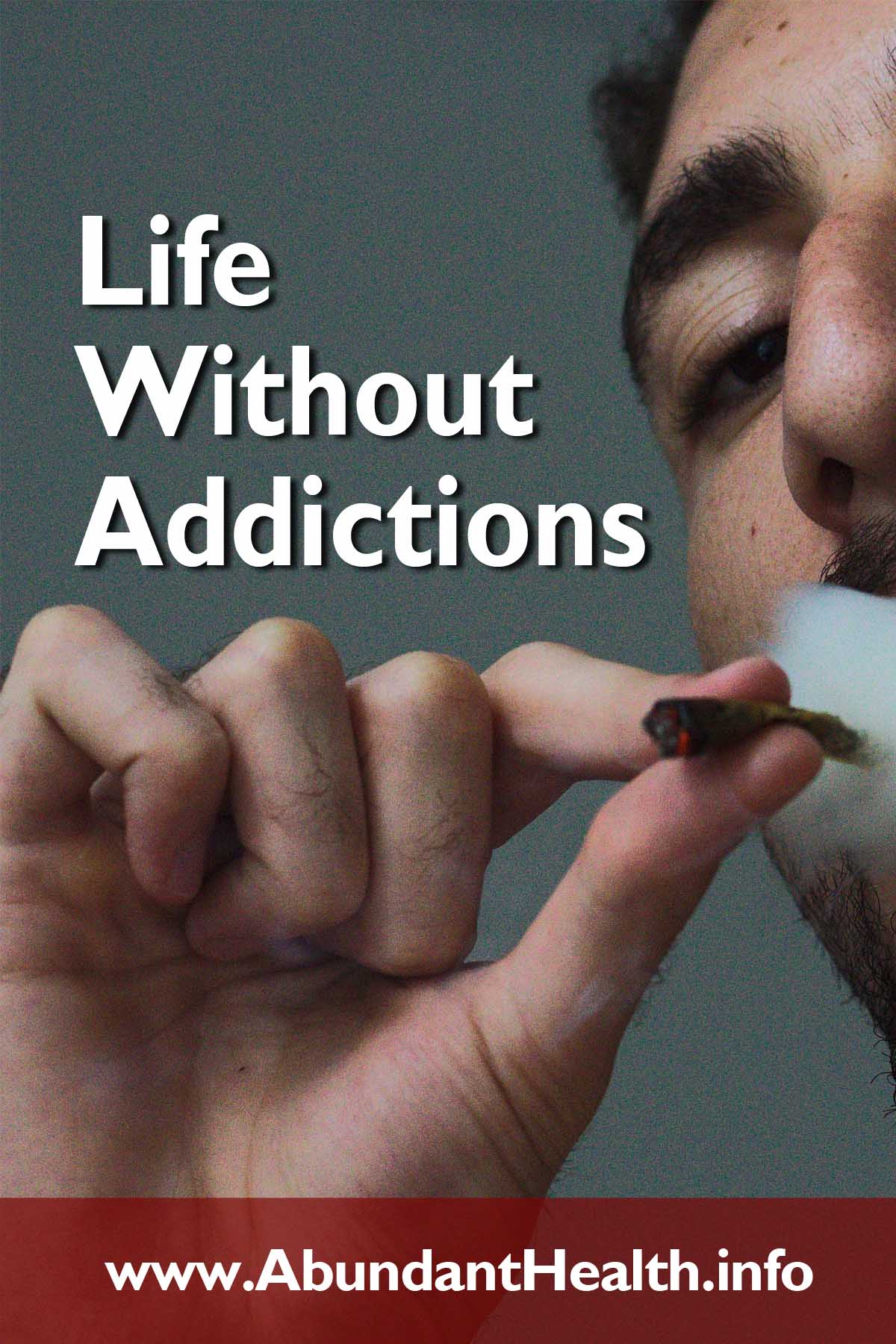
Life Without Addictions

April 18, 2021 by Esther Neumann - [rt_reading_time label="Reading Time:" postfix="minutes" postfix_singular="minute"]

Life Without Addiction

Almost as old as mankind is the desire to alter our perceptions of life by taking psychotropic substances. Shamans try to put themselves in an altered state of mind by taking intoxicating herbs or mushrooms. People who can no longer stand their environment or their living situation try to forget their situation by consuming legal or illegal drugs. As old as the problem is the attempt of society to regulate or prohibit consumption. What is addiction? Who is at risk? Where is the way out?

Life Without Addictions

There is no clear answer to why one becomes dependent or addicted and the other does not. A convincing theory of addiction is still lacking. But neurobiological research has found morphines, a group of psychoactive substances produced by the body, which can trigger addictive processes. There are also many chemical compounds that can easily be made in the lab that have the same effects. They change the metabolism and influence our feelings. They belong to the so-called psychotropic drugs and are actually used in medications or legal and illegal drugs.

People want to enjoy, and have the right to do so. It is God’s will that we can be happy, that we have enjoyment in life. There is a very specific area of the brain where feelings of pleasure arise. Such feelings can be evoked by parental love, sex, favorite activities but also simply by eating and drinking. Addictive substances activate this part of the brain as well.

What is Addiction and Dependency?

Anyone who no longer wants to or cannot do without the lustful effects of an activity or a drug is dependent or addicted. The enjoyment is then worth more to him than his health, his relationships and even his life. The desire for drunkenness, for extasy, for forgetting, for taking off, for getting lost and for getting out of everyday life is overwhelming. Those who are dependent are no longer free. He no longer has a choice and is dominated by the urge to induce or avoid certain feelings and moods.

Dependence and addiction have almost the same meaning. The dependence describes the medical side, the addiction the emotional, social side. The WHO speaks only of dependency.

Who Becomes Addicted?

A strong trigger to try is certainly curiosity and willingness to take risks. Then it depends on what experience you had when you first took it. Do you feel ashamed after being drunk, or do you finally feel like you belong to the gang? Did you feel sick after the first puff while smoking, or did you feel relaxed? Are you told to try again, are you being teased?

Addiction researchers speak of social inheritance. Children and adolescents are therefore significantly influenced in their behavior. This can be a sickening family dynamics, unsatisfied relationships, performance pressure, disorientation, unsatisfied longings, exclusion, inhumane living conditions and unsatisfactory leisure activities. Advertising and trends can be triggers, as can irresponsible prescriptions for drugs that are potentially addictive.

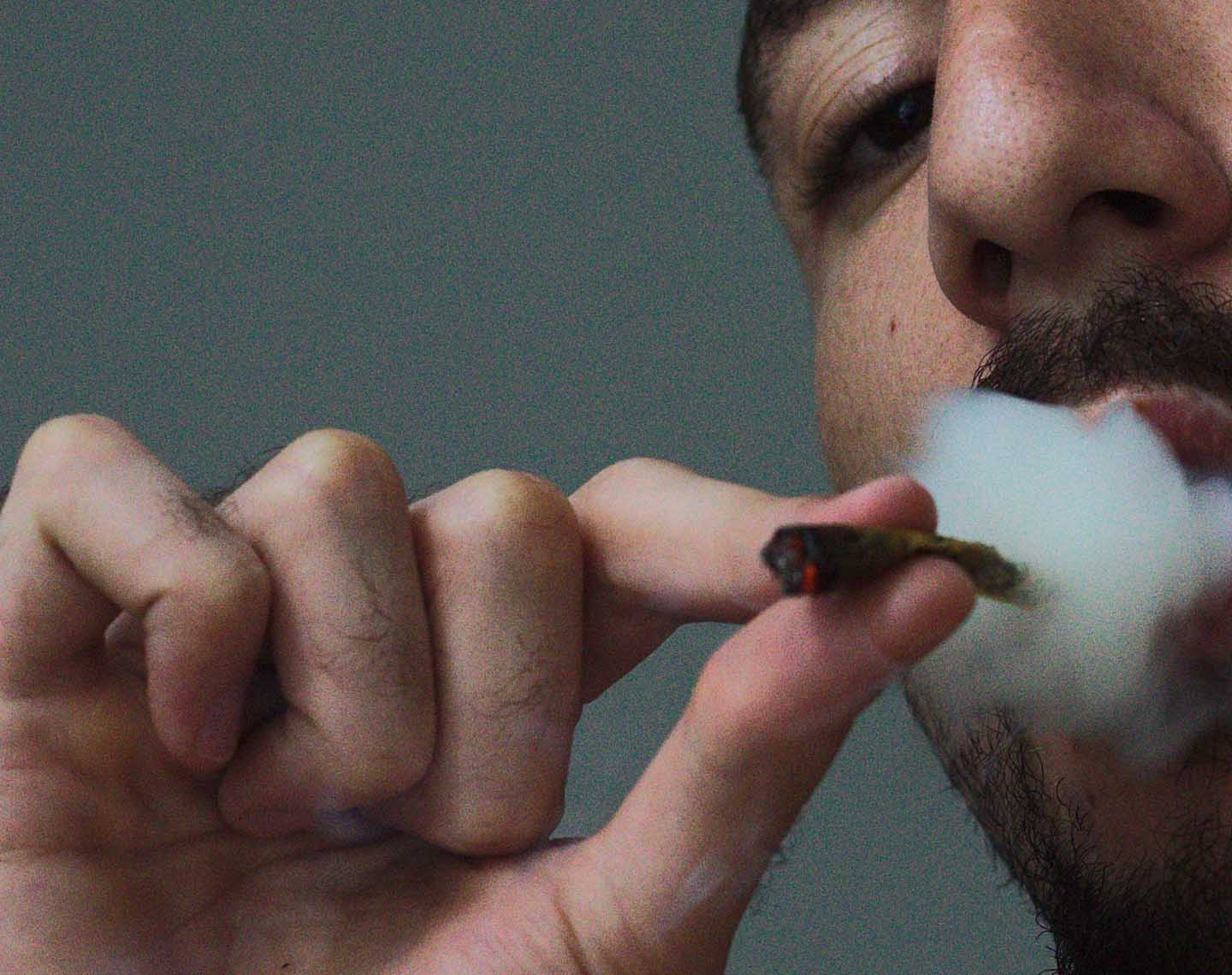
Addicted to smoking

There are also many sensitive people among addicts, imaginative, creative, vulnerable. We know a lot of dependent artists. People with unresolved problems tend to take psychotropic drugs to improve performance and well-being. The most important effect is the euphoria, which makes pressure (apparently) easier to bear.

Another important factor in addiction is accessibility. No addiction without drugs. The dose, the form of consumption, the creation of habitual patterns and the development of tolerance play important roles.

Phases and Course of Addiction

The dependency does not fall from the sky. Nobody suddenly becomes addicted. It’s a gradual process. It usually begins with a positive experience or effect of the drug. The affected person thinks he has everything under control. He believes to be able to stop at any time. Unfortunately, this is the case for the minority. It is much more likely that a loss of control occurs quickly. You get used to the addictive behavior. There is an evasive attitude towards the environment. Then comes the chronic phase where you can no longer get out and also do not want to. In the end you want to get out, but you have no willpower to do it anymore, at least not alone.

Types of Addiction

There are substance-related forms of addiction. This include legal substances such as alcohol, nicotine, caffeine, medication, chemical drugs, natural drugs, and sniff substances; or illegal drugs like cannabis, cocaine, ecstasy, LSD, heroin and many others. The number of addicts on legal drugs is much greater than that of illegal ones. But both make physically and psychologically dependent.

The non-substance-related dependencies are caused by any excessive behavior that is carried out without measure: gambling, internet, television, work, shopping, bulimia, running and much more.

Food Addiction - Photo by Artem Podrez from Pexels

Help with Dependencies

Those who are dependent are caught in a vicious circle and need help. But you cannot free an addict against his will. Any attempt to help him will fail until he is ready to become free. You can, however, give him impulses. Liberation is then just as much a process as the emergence of addiction, and not a sudden event. Often it has to be worked on for the entire life. Alcoholics Anonymous are known for this. Their program is also a spiritual program that includes the whole family. It is also about spiritual growth.

Self-help groups are very good establishments. You support each other, encourage each other, seek solutions to problems together and you know that you are not fighting alone.

Prevention – the Best Protection Against Addictions

Dependencies begin in everyday life – prevention too. I was very shocked by the book: “We Children from Bahnhof Zoo”. There a girl describes the miserable living conditions in which she had to grow up, how one possibility of meaningful leisure time after the other was taken away from her. She found no support in the family. The friends were just as bad off. There was no sense of achievement, no satisfaction, no real love, no purpose in life and hardly any joy.

This is exactly where we have to start. Do we take time for our children, our partners? Do we design our home and our surroundings to be comfortable and pleasant? Am I satisfied with the choice of my school, my education, my profession? Do I have an active, satisfying leisure activity? Do I practice meaningful sport and exercise? Am I involved in social institutions? Do I participate in clubs? I love? Am i loved?

Showing affection - Photo by mali maeder from Pexels

Do I know where I come from, what I live for and where I am going? Answering these W questions is vital. They represent a great protection against dependencies. There is actually a dependency that is vital and very important: the dependence on a loving God. If the image of God as a loving Father has been buried, then you should work on finding it again. In a fear-free atmosphere of being accepted by God and fellow human beings, there is no room for dependency, and a dependent can find trust again, trust in himself and in his environment.

Filed Under: Healthy Lifestyle, Temperance

« Previous Page
Next Page »

Primary Sidebar

Social Channels

Coronavirus Immunity Challenge

Boost your immune system to be bullet-proof for the pandemic.

I Want to Participate

Recent Posts

  • 5 Habits to Live Longer
  • Better Sleep Can Protect Against Dementia
  • Finding Peace In Your Crazy-Busy World
  • Flaxseed – An Ancient Plant Rediscovered
  • Platelets – Triggers for Life or Death
  • Boderline Personality Disorder
  • In Praise of Almonds and Nuts
  • Are You Stuck in the Clutter Trap?

Categories

  • Body Systems (16)
    • Cell Function (2)
    • Circulatory System (1)
    • Digestive Tract (10)
    • Immune System (4)
  • Diseases (27)
    • Cancer (2)
    • Cold (1)
    • COVID-19 (11)
    • Dementia (1)
    • Diabetes (1)
    • Digestive Diseases (2)
    • Heart Disease (2)
    • Kidneys (1)
    • Metabolic Syndrome (2)
    • Skin (1)
  • Healthy Lifestyle (42)
    • Exercise (11)
    • Gardening (2)
    • Sleep (7)
    • Sunlight (2)
    • Temperance (14)
    • Water (4)
  • Mental Health (87)
    • Addictions (6)
    • Anxiety (7)
    • Burnout (1)
    • Depression (7)
    • Psychosomatic Diseases (6)
    • Stress Management (45)
    • Trust (6)
  • Nutrition (56)
  • Obesity (9)
  • Phases of Life (14)
    • Adults (3)
    • Babies and Infants (1)
    • Children (3)
    • Seniors (5)
    • Teenagers (3)
  • Therapies (7)
    • Herbs (5)
    • Hydrotherapy (1)
  • Uncategorized (3)

Archives

  • January 2025 (1)
  • March 2024 (5)
  • February 2024 (4)
  • January 2024 (4)
  • December 2023 (5)
  • November 2023 (4)
  • October 2023 (5)
  • September 2023 (4)
  • August 2023 (3)
  • July 2023 (2)
  • June 2023 (4)
  • May 2023 (4)
  • April 2023 (5)
  • March 2023 (4)
  • February 2023 (4)
  • January 2023 (4)
  • December 2022 (4)
  • November 2022 (4)
  • October 2022 (5)
  • September 2022 (4)
  • August 2022 (4)
  • July 2022 (5)
  • June 2022 (4)
  • May 2022 (5)
  • April 2022 (4)
  • March 2022 (4)
  • February 2022 (4)
  • January 2022 (5)
  • December 2021 (3)
  • November 2021 (4)
  • October 2021 (6)
  • September 2021 (4)
  • August 2021 (4)
  • July 2021 (5)
  • June 2021 (4)
  • May 2021 (3)
  • April 2021 (5)
  • March 2021 (4)
  • February 2021 (4)
  • January 2021 (5)
  • December 2020 (3)
  • November 2020 (4)
  • October 2020 (5)
  • September 2020 (5)
  • August 2020 (3)
  • July 2020 (1)
  • June 2020 (1)
  • May 2020 (1)
  • April 2020 (1)
  • March 2020 (1)

Copyright © 2026 · Abundant Health - Privacy Policy - Medical Disclaimer