Abundant Health

Up to date health information tailored for you

  • Home
  • Blog
  • Recipes
  • Shop
  • Contact
You are here: Home / Archives for Healthy Lifestyle

Healthy Lifestyle

What Caffeine is doing to You and Your Child?

March 13, 2022 by Dr. Cesar Vasconcellos de Souza - [rt_reading_time label="Reading Time:" postfix="minutes" postfix_singular="minute"]

A cup of coffee

Caffeine is a drug that is heavily used in various forms all over the world. An article by Jennifer Temple from the Department of Exercise and Nutrition Sciences at the University at Buffalo, shows the results of studies on the effects of caffeine in children.((Temple JL.  Caffeine use in children: what we know, what we have left to learn, and why we should worry.  Neurosci Biobehav Rev. 2009;33(6):793-806.  doi:10.1016/j.neubiorev.2009.01.001))
What Caffeine is doing to You and Your Child?

Let’s see what Dr. Jennifer and other scientists say about caffeine consumption. Caffeine is a substance that acts on our brain, legally permitted, easy to obtain, and socially acceptable to consume. Previously, it was relatively restricted to adults, but caffeinated beverages nowadays are being regularly consumed by children. In addition, some drinks that contain caffeine are marketed specifically for children starting with the tender age of 4 years.

Caffeine is classified as a stimulant drug typically used for its ability to activate the central nervous system. Although generally recognized as safe by the US Food and Drug Administration, the FDA, excessive caffeine use can result in serious health risks, and in rare cases can lead to death.

The use of caffeine in children has not been sufficiently studied so far. Children and teenagers are the fastest growing population of caffeine users, with an increase of 70% in the last 30 years. Along with this goes the development of new caffeine-containing drinks, called energy drinks, which contain levels of caffeine ranging from 50mg, equivalent to a can of soda to 500mg, the equivalent of five cups of coffee, and often very high levels of sugar.

Energy drink sales have grown by over 50% since 2005, and they are unfortunately the fastest growing segment of the beverage industry. Energy drinks are marketed specifically to young adults and children, with ads showing high-risk activities, extreme sports like rock climbing or paragliding, using catchy slogans, which is a commercial wickedness to do so.
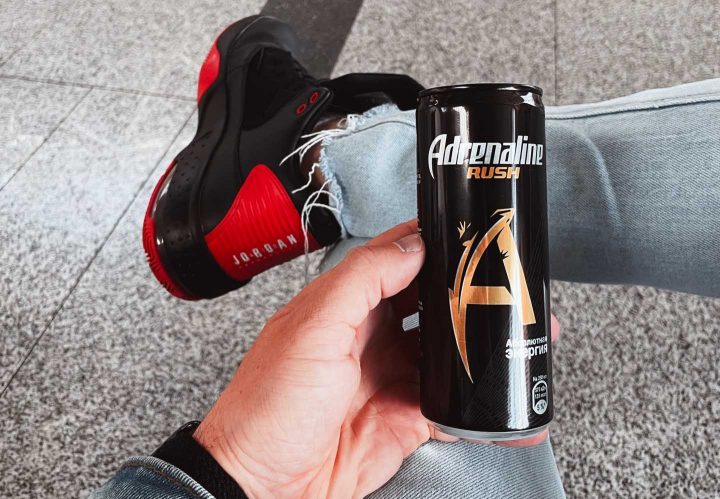
An adolescent consuming an energy drink

Caffeine is found in coffee, black tea, chocolate, mate tea, green tea and guarana. It is naturally produced in the grains and leaves of the plants used to make these products. Caffeine is also used as an additive in other products such as soft drinks, energy drinks and pain relievers. Caffeine levels can vary greatly in these products, depending on the concentration and preparation, as in the case of tea and coffee, or the amount added as in the case of soft drinks and energy drinks.

Even though caffeine consumption is banalized by many, there are according to Dr. Jennifer two things that should be considered about caffeine consumption by children and teens. First, there is a wide range of caffeine use among teenagers, with some consuming considerably more than average, which makes them also vulnerable of developing other types of high-risk behavior.

Second, due to the paucity of research on caffeine use in adolescents, we do not know the “safe” level of caffeine use in this population. Consumption of caffeinated beverages in general and consumption of soft drinks in particular is of concern because of their potentially negative health effects, as well as their established relationship with sleep disturbance, obesity and tooth decay. In addition to traditional caffeine-containing products like coffee, tea and soda, people can now get their caffeine fix from a variety of nontraditional sources. It appears that caffeinated consumables are being marketed to younger populations.

In addition to its well-known effects on sleep disturbances and restlessness, caffeine exerts some more behavioral effects. Its use produces tolerance and dependence, that is, tolerance means the need to use larger doses to obtain the same stimulating effect, and dependence is addiction.

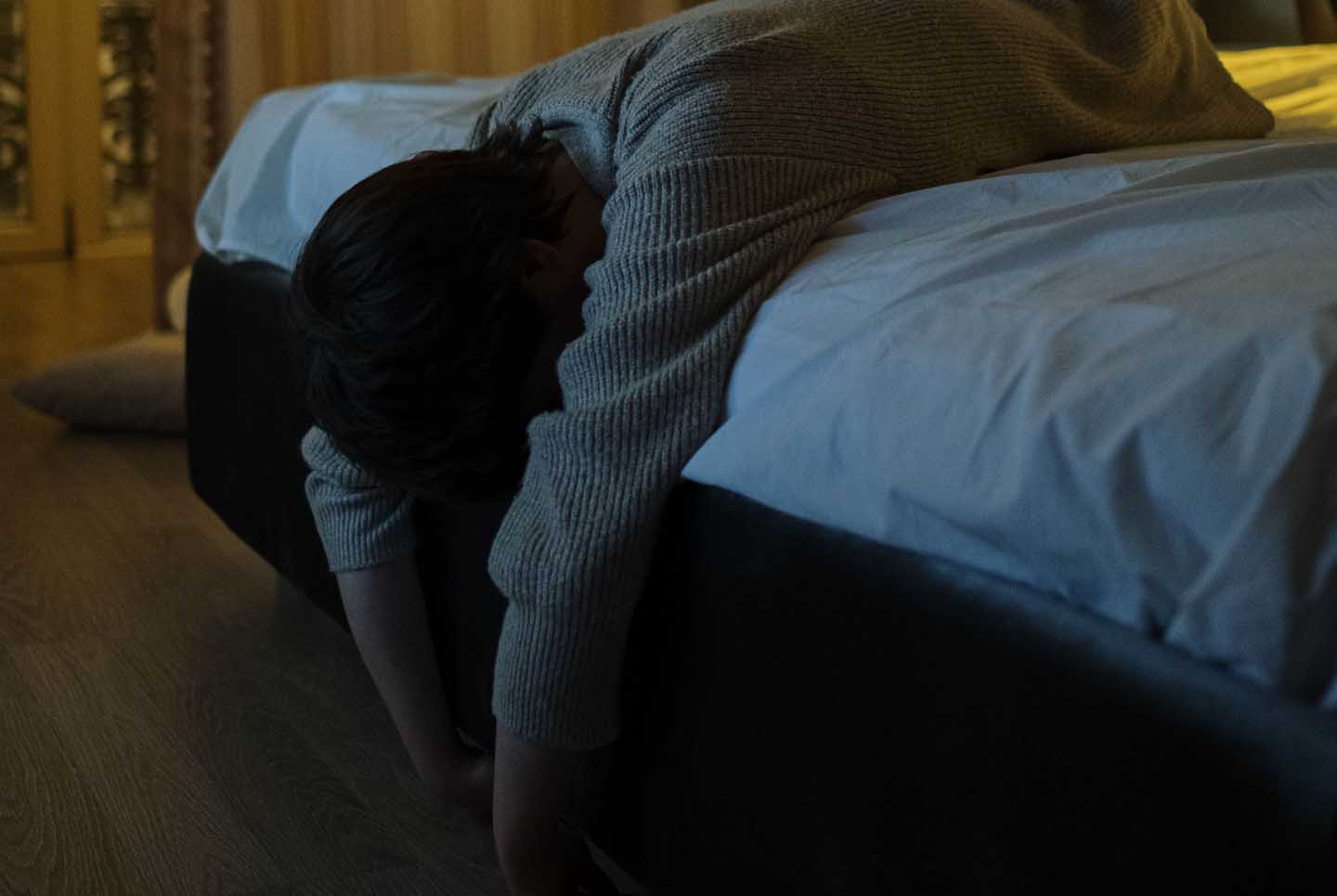
A teenager suffering from insomnia

Acute caffeine use has dose-dependent effects on mood, attention span and physiology. For example, moderate doses of caffeine ranging from 200 to 300mg often produce the perception of heightened feelings of well-being, improved concentration and increased arousal and energy, but high doses above 400 mg lead to feelings of anxiety, nausea, agitation, headache, fatigue and nervousness. Worse though, acute administration of a moderate dose of caffeine of 200 to 300 mg, already decreases heart rate and increases blood pressure. In children and adolescents, caffeine consumption may be driven by peer pressure or a desire for increased sports performance.

Irregularly high levels of caffeine consumption, like above 400 to 450 mg per day increase the risk of cardiovascular disease. High levels of caffeine use are also associated with calcium excretion and bone loss, which may contribute to osteoporosis.

Dr. Jennifer continues to point out, that although data differ between studies, most agree that high levels of caffeine consumption in women trying to become pregnant may be associated with lower rates of conception, and higher rates of miscarriage. As with other peer-reviewed articles, the consensus is that some high levels of caffeine consumption can have adverse effects on fertility, and the recommendation is that women trying to get pregnant should limit caffeine to less than 300 milligrams per day, and it’s even better not to use it at all.

In children, the main vehicle for caffeine is soft drinks, which also contain a lot of sugar. This facilitates the development of caffeine dependence, and perhaps also contributes to an increased preference for foods and beverages containing added sugar. Sugar activates reward pathways similar to drugs like cocaine, amphetamine and nicotine.
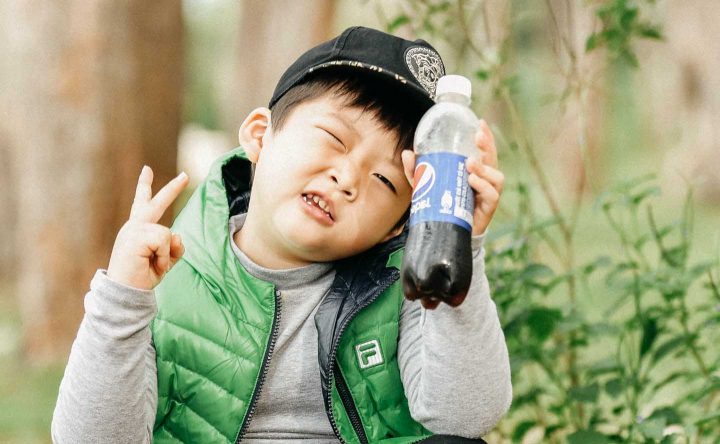
A child consuming a soft drink

Childhood and adolescence are periods of rapid growth and the final stage of brain development. In order to maximize growth and development, adequate sleep and nutrition are essential. Caffeine use disrupts sleep patterns, and excessive soda consumption is associated with a poor diet, excess weight, and tooth decay. If caffeine increases preferences for sweet foods and beverages, it can contribute to excess energy intake, and increase the risk of overweight and obesity in adulthood. Children and teens can be particularly vulnerable to caffeine, as their brains are still undergoing significant development, in specific areas of the brain involved in executive function, impulsivity control and planning.

Consumption of energy drinks can lead to several negative consequences, especially in children and adolescents, because of their high caffeine content, explains Dr. Jennifer. First, she says, children and adolescents may be more susceptible to caffeine intoxication, which results in a number of physiological and psychological effects, and can in some cases lead to death.

Second, in addition to the harmful effects of energy drinks, they are often combined with alcohol as a way to increase the symptoms of euphoria. This can lead to increased alcohol intake and consequently an increase in harmful alcohol-related symptoms.

Third, excessive consumption of energy drinks has been associated with involvement in various high-risk behaviors, including smoking, drinking, illicit drug use, risky sexual behavior and fighting.

I want to end by leaving a text by a last century writer, who already gave us this advice over 100 years ago:

Tea and coffee do not nourish the system. The relief obtained from them is sudden, before the stomach has time to digest them. This shows that what the users of these stimulants call strength is only received by exciting the nerves of the stomach, which convey the irritation to the brain, and this in turn is aroused to impart increased action to the heart and short-lived energy to the entire system. All this is false strength that we are the worse for having. They do not give a particle of natural strength.((Ellen White. Temperance, p. 75. Pacific Press))

So the best attitude to caffeine is to avoid its use in whatever forms it is present in beverages and foods. It preserves your health, and your brain as well. Cutting caffeine out of your life is worth it!
Healthy Fruits

Stay Always Up to Date

Sign up to our newsletter and stay always informed with news and tips around your health.
Sign Up Now!

Filed Under: Children, Healthy Lifestyle, Teenagers, Temperance

Bike Tour Instead of Pill Cure

March 6, 2022 by Esther Neumann - [rt_reading_time label="Reading Time:" postfix="minutes" postfix_singular="minute"]

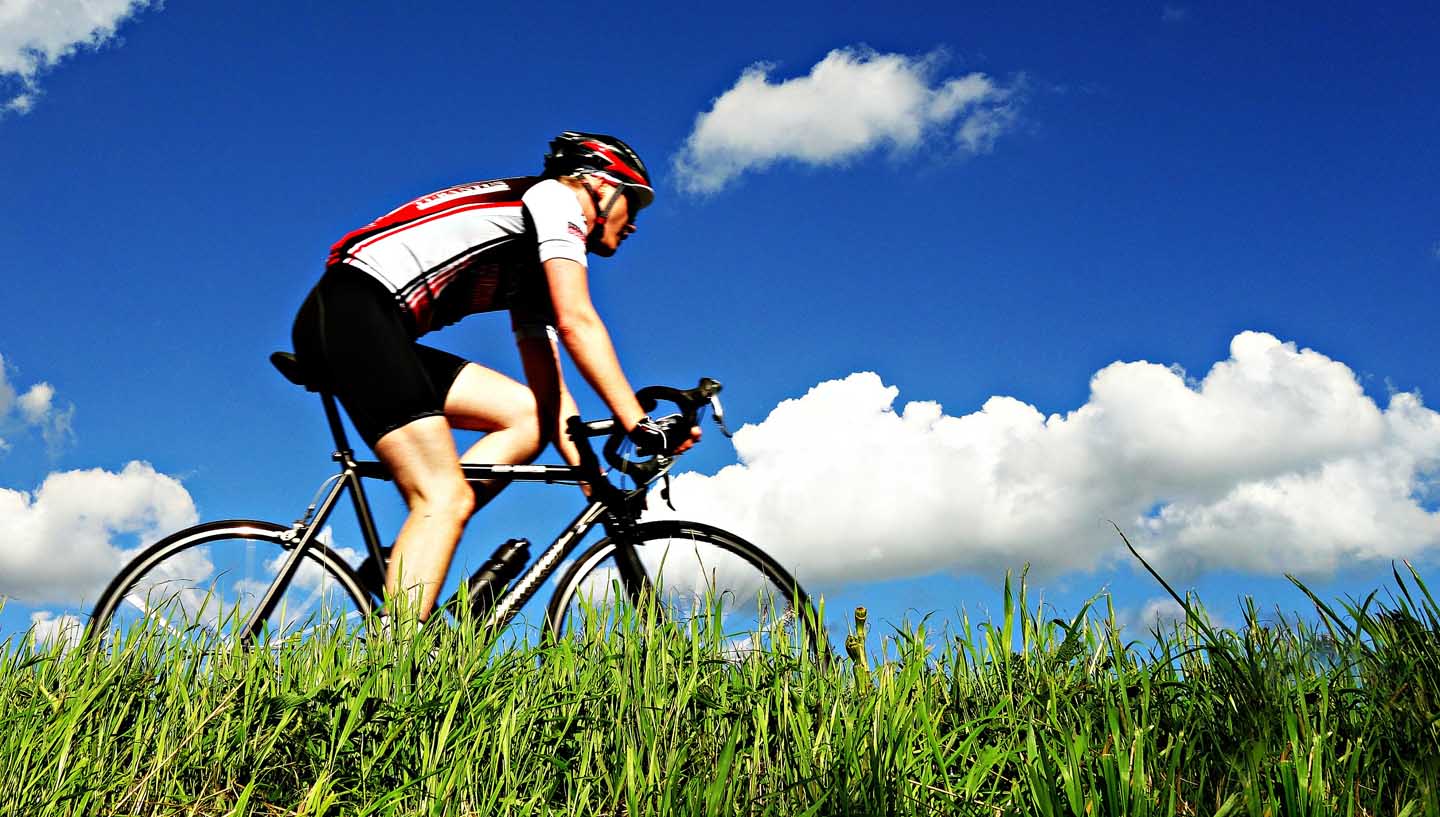
Radfahren

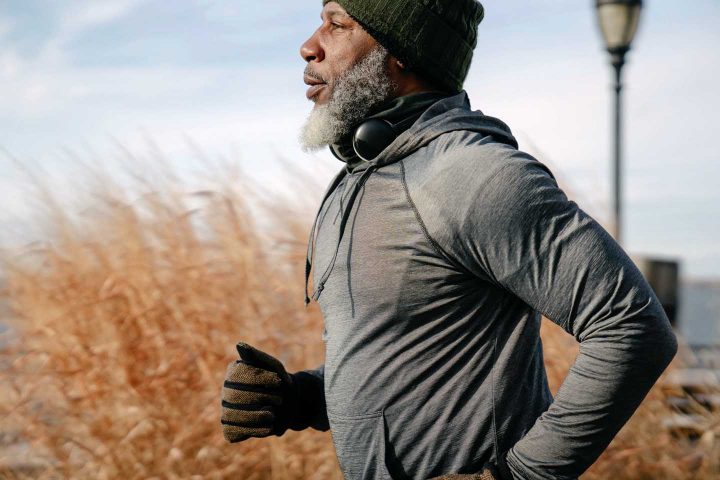
Anyone who pedals regularly strengthens their heart and immune system. Pedaling has a positive effect on the muscles, intervertebral discs, blood circulation and joints. Those who manage to get to 40 minutes will lose weight, because the fat will start to melt. If we cycle through a lovely landscape, we will also do something good for the soul.

Bike Tour Instead of Pill Cure

The long winter is over. The awakening nature also lures us out from behind the stove. The body craves movement. Not everyone feels like jogging or walking. That’s where the bike comes in handy. Whether it’s the old bike or the high-tech bike, it doesn’t matter. The important thing is that we swing into the saddle and drive off. It’s again the time for cycling.

Bicycle – an Ideal Fitness Device

Whether in everyday life, for leisure or holiday activities, we can always fit in the bike. We don’t even have to bring our own, because many locations already offer rental bikes.

Almost everyone can ride a bike, whether young or old, athletic or overweight. The body weight is carried by the saddle, the joints are relieved, the intervertebral discs activated and the muscles trained. Blood pressure is stabilized. Breathing is deepened and oxygen uptake is significantly increased.

Twenty minutes of cycling has a positive effect on the immune system. This is caused by the climatic stimulus provided by wind, air and sun.

Starting from 30 minutes we strengthen the heart and circulation. If you can even manage 40 minutes, you boost your fat metabolism. The pounds will start to tumble.

The soul doesn’t miss out either. It is a pleasure to experience the landscape at a slower pace than from a car. The headwind caresses not only the body but also the soul, if we allow it. This improves the quality of life all around.

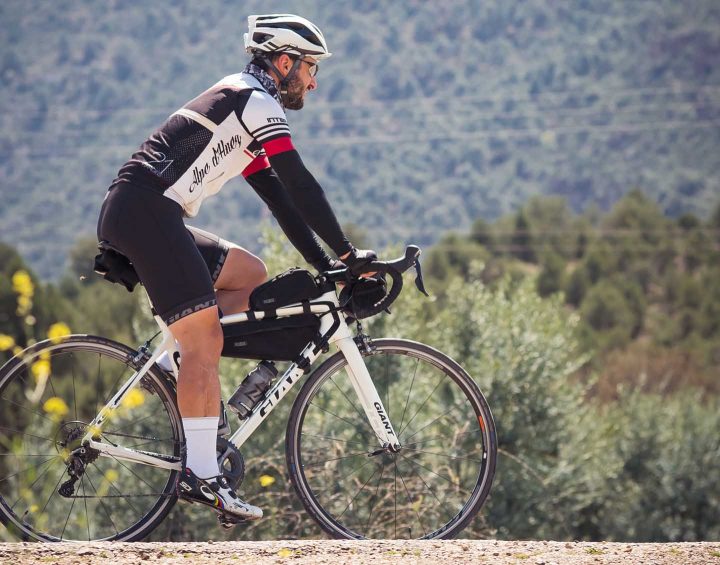
Two bikers making a tour in nature

It’s the Dose that Counts

If you haven’t been in the saddle for months, you should take it easy. Otherwise, the body’s revenge will follow: the breath runs out, pain in the neck, shoulders and sore muscles set in and the joy is gone. This can be avoided if we prepare the body for the unfamiliar movement. Belly-leg-butt and shoulder exercises prepare the muscles.

Stretching exercises for the back muscles are important because the spine muscle called erector spinae tend to be overstretched when cycling. Practicing on the home trainer during the long winter months would have been ideal.

The feel-good pace is a moderate speed, individually adjusted to the training condition. You should still be able to have a good conversation while cycling. The cycling trips are to be gradually extended. Don’t start too fast, rather ride more often. You should be tired when you reach your destination, but not exhausted.

Some Technique

It is important that horse and rider fit together. The saddle should be set high enough so that you can put your heel on the pedal with your leg stretched out. If you sit correctly on the saddle, then you stand with the ball of your foot on the pedal. In this way, the power when pedaling is used optimally. If the saddle is set too low, the knee joint is forced too much. This can lead to injuries and you also tire more quickly. However, if the saddle is too high, the legs are forced to fully straighten. This can also be problematic for the joints.

Right posture when cycling

The saddle should be leveled out flat, and the handlebars should be level with the saddle. In this position, the spine is not bent too far forward, but also not so upright that bumps in the road would cause damage. A variable handlebar allows the grip position to be changed frequently, so you can always adopt a new sitting position.

Of course, the bike must also comply with the road traffic regulations. Two good brakes, bell, rear and front lighting and reflectors should be mandatory, reflectors also belong between the spokes and on the pedals. By the way, if you are smart, you ride with a helmet.

The Round Treadle

The treadle should not be angular and hacky from top to bottom, but round and loose. The pedal should not only be pushed down, but also pulled back in the down position and pushed forward in the up position. Even professional cyclists practice again and again on this round treadle.

The upper body should not swing back and forth when pedaling, but should be almost immobile. The legs are kept parallel to the frame so the knees are not spread apart.

A common mistake made by amateur cyclists is the number of revolutions per minute, the frequency. Many ride in a gear that is too high. You don’t get to your destination so exhausted if you drive at 70 to 90 revolutions per minute. Proper shifting and braking need practice.

When going uphill, you can stand up and pedal out of the saddle. The whole body is trained in this way. There is tension and relaxation. This is how women achieve slender hips and firmly trained butts.

Clothing and Shoes

Jerseys and cycling shorts made of modern, breathable materials are comfortable, but not essential. You can also wear comfortable, loose sportswear or a tracksuit. It is important that nothing is constricting, and that you dress in layers that you can take off and put on again, depending on the weather and heat development. The shoes should have a non-slip sole. Loose slippers that cannot be tied are taboo. They can lead to accidents.

Don’t forget the thirst quencher, the water bottle. One tenth of a gallon of water is drunk for every half hour of cycling. This increases endurance.

Cycling in Daily Life

Let’s incorporate cycling into everyday life. Why not cycle to work? You can catch two birds with one stone. Admittedly, you have to overcome ingrained habits and comforts, fight your inner couch potato. If you often use your bike to run errands or just drive to work, you can save yourself a trip to the gym in your free time. Regular cycling has many health benefits. You also protect the environment, because the bicycle has no polluting emissions.

An office worker cycling to work

Bike Touring

One of my best vacations was cycling along the Danube River from Passau to Vienna with my family. There are wonderful cycling routes in every country. You can take your bike on the train or ship and choose the easier routes if you don’t want it to be too strenuous. But you can also face challenges and plan a mountain bike tour. The main thing is that you start and enjoy it. With this in mind, let’s enjoy cycling. As a result, one can really say: bike tour instead of pill cure.

Healthy Fruits

Stay Always Up to Date

Sign up to our newsletter and stay always informed with news and tips around your health.
Sign Up Now!

Filed Under: Exercise, Healthy Lifestyle

How to Deal with Insomnia

February 13, 2022 by Dr. Cesar Vasconcellos de Souza - [rt_reading_time label="Reading Time:" postfix="minutes" postfix_singular="minute"]

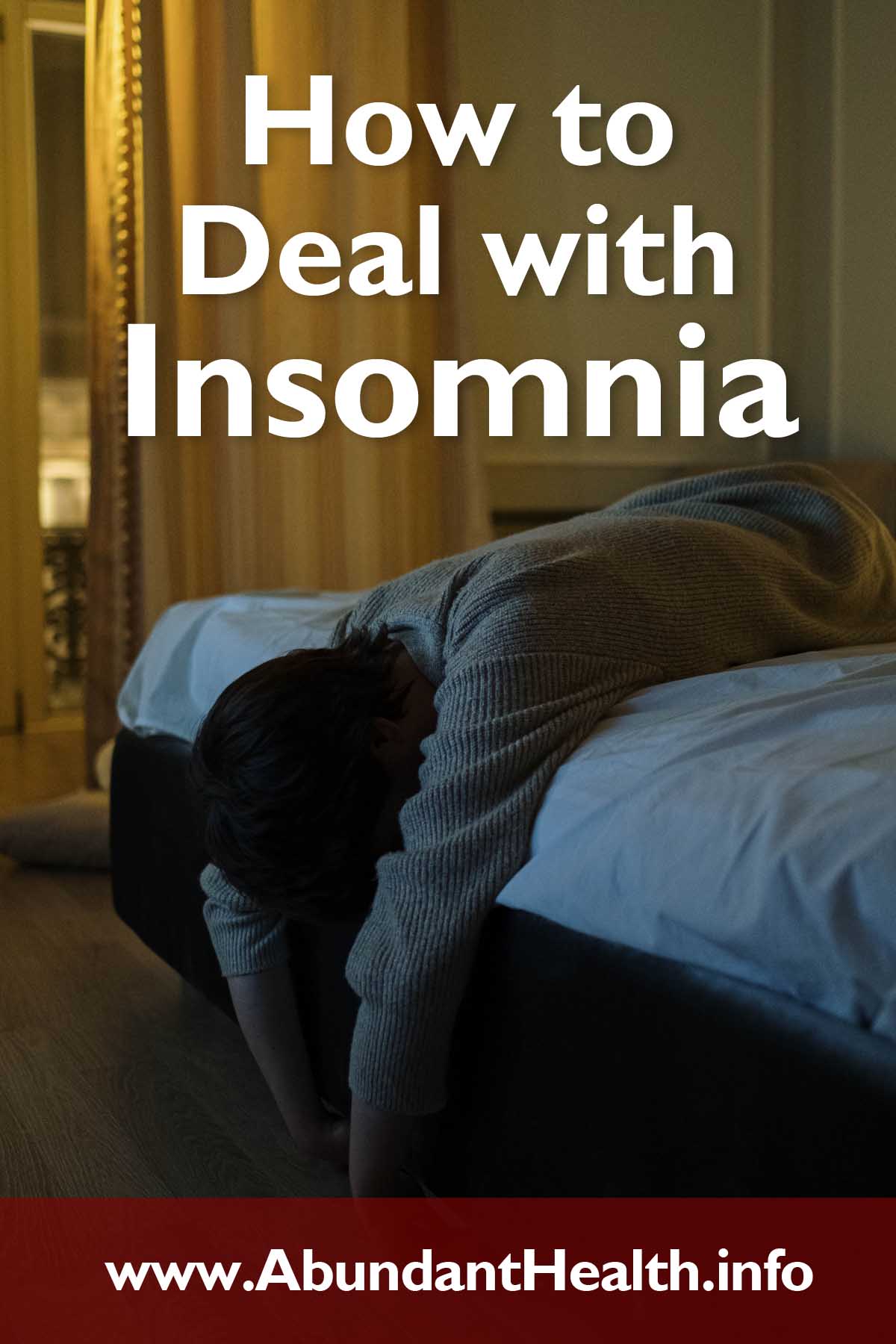
Insonia

Insomnia is something that is profoundly affecting our lives. It is draining our energy, affecting our health, our mood, our relationships and much more. In this article we will have some tips how to take care of insomnia.

How to Deal with Insomnia

There are at least three types of insomnia:

  • Initial Insomnia: The person takes more time to fall asleep.
  • Intermittent Insomnia: the person sleeps, wakes up, sleeps, wakes up with many awakening episodes during the night.
  • Terminal Insomnia: the person wakes up very early, at dawn and cannot go back to sleep. In fact, this insomnia is the most common in cases of depression.

We can also distinguish between:

  • Transient Insomnia: Occurs only for a period of a person’s life. Usually because of some temporary short time stress.
  • Chronic Insomnia: it is the one that disturbs the person for many years.
  • Organic Insomnia: it is caused by some brain injury related to psychiatric diseases. In some way, all insomnia is organic because it affects the body.

Some studies show that insomnia is more common in people who are divorced, separated or widowed. It can also affect people with a low level of education, with low family income and unemployed, and may be more common in women than in men. Insomnia can arise when the person is overloaded with possible deep personal and interpersonal conflicts, in deep marital problems, in the face of unemployment, after an accident with hospitalization and in the absence of social support. Many have insomnia because they suffer from excessive anxiety, or because they stop breathing during sleep, overuse prescription drugs, or abuse caffeinated beverages. Night shift workers can also develop insomnia by desynchronizing the normal sleep-wake rhythm.

Among the drugs that promote insomnia are amphetamines used in formulas – these formulas to suppress appetite, also some antidepressants, binge drinking or chronic alcoholism. There are people who develop insomnia due to bad habits, such as having a television in the bedroom and watching TV until late, having a heavy meal at night, close to bedtime, for living in a noisy environment and sleeping during the day. And in the case of mental illnesses, insomnia appears in depression, and even more so in cases of excessive anxiety, in schizophrenia and in the individual with bipolar disorder, in the sense of getting very little sleep due to mental agitation and euphoria in the euphoric phase.

Watching TV in bed - Photo by cottonbro from Pexels

Psychologists and Psychoanalysts admit that insomnia can be the result of excessive anguish related to inner conflicts, in which the individual is unable to mentally elaborate what ails him. These conflicts overrun the protective function of the dream, generating a collapse of the dream’s symbolization function. They also believe that some people have insomnia because they have repetitive nightmares that cause them to wake up several times. This type of insomnia is normally related to a past traumatic event, or activated by a difficult existential situation, which produces an important burden of anguish for the person, generating a mental elaboration process during the night.

Tips to Deal with Insomnia

First, take care of your environment: Use a comfortable bed and pillows, a quiet, dark room with a pleasant temperature. Avoid noise, the presence of someone who snores in the environment and light, so as not to disturb your sleep. Use curtains or blinds to cut out the light coming in from the street. If you can’t use a curtain or blind, use a mask or small towel over your eyes. If you only feel comfortable and relaxed to sleep with some light, use a small, dim lamp next to your bedroom. But try to solve your anxiety so you can turn off the light. If there are other noises from the street or a factory nearby, for example, use earplugs.

Second thing is to change your lifestyle by exercising physically each day. Brisk walking in nature is the best thing to do. Do not sleep during the day. Go to bed only when you are tired and sleepy, always at the same time, even on weekends. If you can’t sleep, get up and go back to bed only when you’re drowsy. Maintain a routine of 7 to 8 hours of sleep a night. Always get up at the same time in the morning. Used to sleep late, after 22 hours? Get up earlier the next morning and your body will be ready to go to sleep earlier the next night.

Avoid obsessive thoughts like: Oh I’m not going to sleep! Oh my God, my mind won’t relax! Instead, think about this: I’m going to lie down, I’m going to relax and let sleep come. He will come when he can, just be patient with your organism. Don’t be mad at yourself because you don’t sleep. Don’t eat, don’t drink and don’t watch TV in the bed you sleep on. Avoid alcoholic beverages to try to sleep; do not ingest anything. If you get up in the middle of the night, don’t eat anything. Avoid too much liquid in the late afternoon, until bedtime.

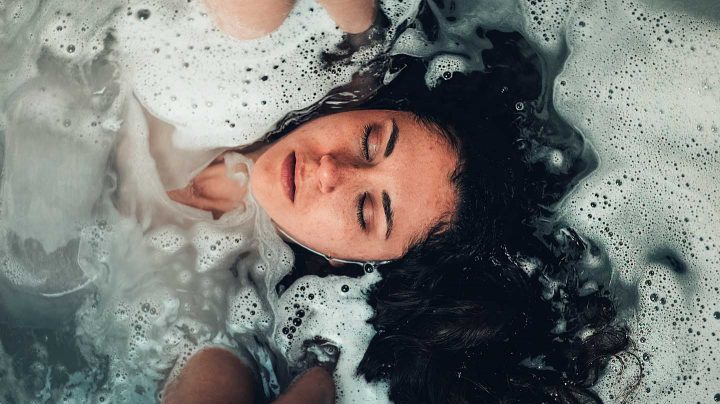
The third aspect to help with insomnia is relaxing an hour before bed, for example, with a warm bath, avoiding TV. Swap stimulating reading for relaxing reading. Cultivate gratitude and joy. Avoid getting angry easily. Accept what you cannot change. Eliminate as much stress as possible. Avoid work overload. Take your meals calmly. Avoid assuming what is not your responsibility. Learn to say no so you don’t get overwhelmed. Look how much you can do, right?

A relaxing bath

Live today! One day at a time. Have a moment of relaxation in the middle of the day, it can be taking a walk after lunch, meditating at the Creator while looking at a beautiful landscape, saying prayers of gratitude throughout the day.

The fourth aspect is self-confidence. Research shows that people with a low level of self-worth are more prone to insomnia. So stop criticizing yourself, don’t reject yourself. And remember that even if you have a character flaw, as we all do, there is something positive that you have as well. We all have the ability to choose better behaviors. Practice setting boundaries for abusive people. You can speak firmly without attacking people.

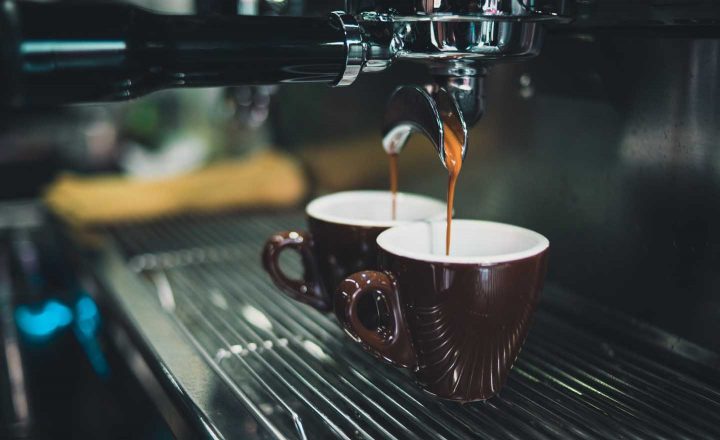
The fifth aspect that helps with insomnia has to do with food and drinks. Eliminate stimulants such as coffee, black and green tea, chocolate, cola-type soda, guarana, and alcoholic beverages. Alcohol dehydrates, produces thirst at night and releases adrenaline that excites the brain. Eliminate food full of additives, fried foods, weight loss drugs, such as those that have amphetamines that cut sleep. Dinner should be a light snack, preferably two hours before bedtime.

A cup of coffee - Photo by Chevanon Photography on Pexels

The Sixth Aspect, Sleep Inducing Medications. Sleep medications should only be used for a short period of time, a maximum of four weeks, with extreme caution. A good alternative is hops, whose scientific name is Humulus Lupulus. Hop capsules with 250mg, using 2 to 4 capsules one hour before bedtime. Valerian, which is Valeriana Officinalis, can also be used in capsules with 250 mg, 2 to 4 capsules an hour before bedtime. Lemongrass tea, melissa or chamomile, help with sleep quality. Melatonin can be used under medical supervision for a short time.

The seventh aspect is psychotherapy. Cognitive-behavioral therapy was shown to be superior to zolpidem, which is a synthetic sleep inducer, in the study with 54 patients. In this type of psychological therapy, one learns to eliminate worrying thoughts, chronic pessimistic ideas, negative beliefs that disturb relaxation and thus disturb sleep.

Put these tips into practice and your quality of sleep will improve. Good sleep!

Healthy Fruits

Stay Always Up to Date

Sign up to our newsletter and stay always informed with news and tips around your health.

Sign Up Now!

Filed Under: Healthy Lifestyle, Sleep

Addicted to What?

January 23, 2022 by Esther Neumann - [rt_reading_time label="Reading Time:" postfix="minutes" postfix_singular="minute"]

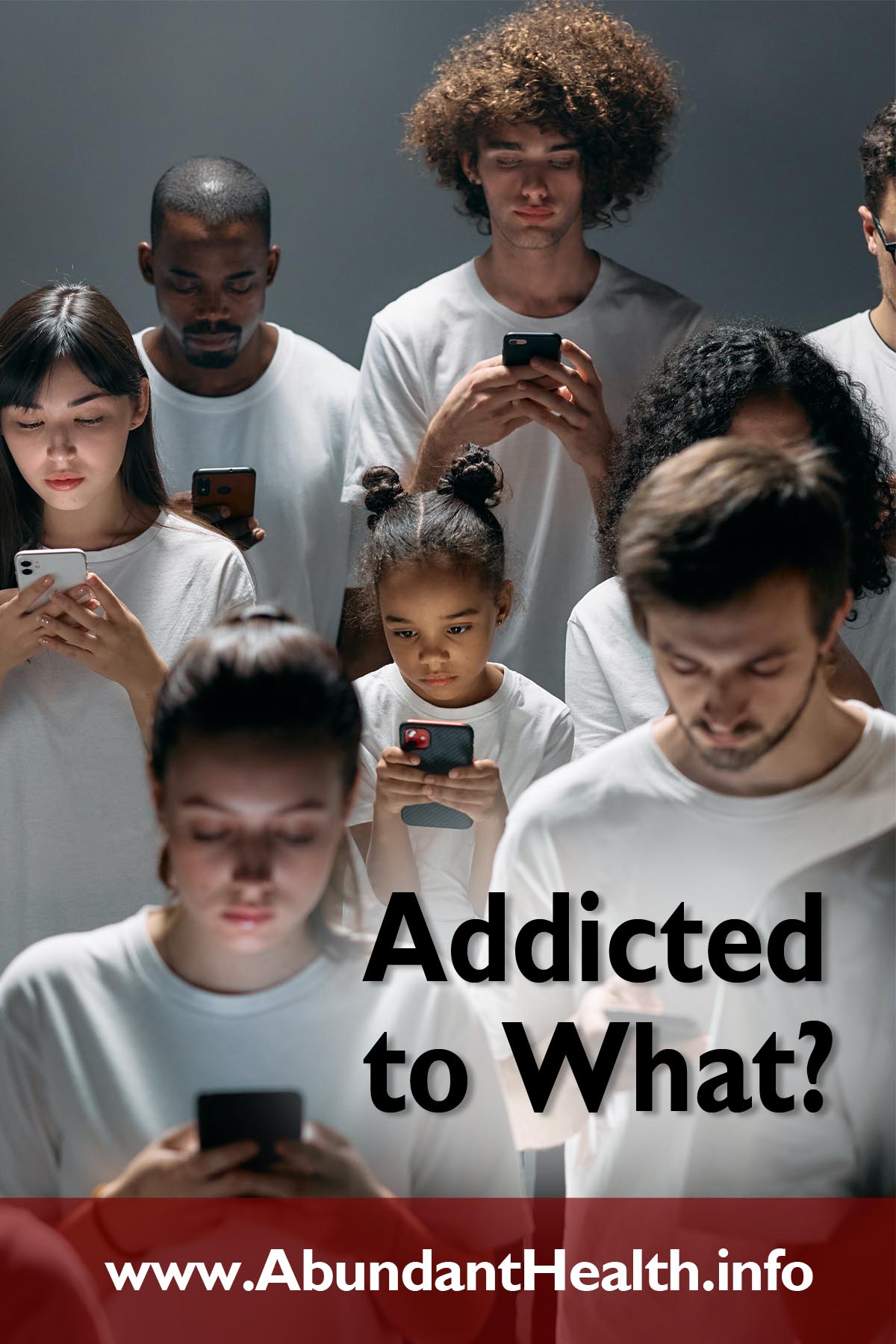
Süchtig worauf?

Hands speak volumes. The Russian author Tolstoy describes in a stirring language how a visitor observes the hands of the players in a casino. They express so many things. There are the completely relaxed ones, because they don’t care whether they win or not. Perhaps the one who owns the hands can still afford to lose. The other’s fingers clench, they twitch, they’re wet. It’s all or nothing. It’s whether they can lift up their head leaving the place, or get away beaten, destroyed, deprived of dignity, without a future, with a lot of gambling debts.

Addicted to What?

The non-material addictions, as they are called, are not limited to gambling addiction. Addiction to work can also distract us from our real purpose in life. The list below is not complete, but shows us that almost all activities can lead to addiction: addiction to shopping, internet addiction, computer game addiction, television addiction, cell phone addiction, sex addiction, craving for recognition, binge eating, obesity, anorexia, sleep addiction, exercise addiction…

Relaxation and Pleasure

The activities listed above are not inherently bad. We can all use them in a positive way. We work in order to be able to live our lives, in order to fulfill our desires, in order to be able to help others. Sex is a pleasant thing when it is connected to a relationship of genuine love. When we sleep we can rest and relax. Playing brings us socializing and relaxation. The children learn to follow rules and lose without anger. Eating gives us moments of pleasure, helps us to socialize and can be very satisfying.

Compulsion

When do normal activities become a problem? When they have to be done over and over again under compulsion. The desire to pursue the dominant activity is so great that it occupies me all the time. Work is often neglected, partners and family members are hardly noticed. Your own well-being and health are being neglected. A power stronger than myself has taken hold of me.

When someone can no longer cope with the demands of everyday life, an outlet is sought. One often slips into daydreams. You create your own world. In this world you are invulnerable. At first you feel comfortable, secure, no demands are made. It is only over time that such daydreams turns into problems again.

Also, one reason many become addicted is because of the ease of access to accessories. TVs, computers are in almost every home, even in the bedrooms. Slot machines for gambling can be found in many inns and are an additional source of income. Finding a casino is already taking some effort, but who is addicted to gambling will find its way.

Spielautomat

When Things Go Bad

Initially, satisfaction is really found in the act of addiction. One can escape the pressure from outside. An own world, in which one feels comfortable, is created. But if the compulsion to keep immersing in this self-created world becomes too great, problems begin. Eventually everything gets neglected, including oneself. The essence of addiction is that you can’t get out of it by your own willpower. You cannot rely on your own willpower. An addict cannot be freed from his addiction against his own will either. Any attempt to help him will fail until he makes up his own mind to get out of his illness, which is in fact an addiction. But what can be managed is for the addict to recognize that they need help. However, this requires a basis of trust for many joint discussions.

How Can You Help?

No accusations should be made. The addict usually makes them himself. In all situations one must remain firm but cordial. Withdrawing support often helps. If, for example, the gambling addict who gambles for money and loses it, or the alcoholic realizes that people are always helping him out with money, he is not feeling the psychological strain of his actions. When you solve the problems for an addict and try to keep his life under control, you support him to carry on as before. If you withdraw the help, he gets into a big crisis, but it can force him to reorganize his life.

Relatives must not allow themselves to be abused or extorted. You can’t do anything for the addict or without his presence, everything must be done with their participation. This usually requires professional help. Advice centers for all kinds of assistance have been set up in all larger cities. Visiting a self-help group is a great help for those affected. There, in a relaxed atmosphere, he hears about the problems of others and how they are re-mastering their lives. He can exchange thoughts, take encouragement and have fun together. Many self-help groups use the 12-step Alcoholics Anonymous program.

self help group - Photo by Tima Miroshnichenko from Pexels

Liberation is a Process and Spiritual Growth

Addicts need to realize that they cannot rely on their own willpower. It is not necessary to find out why one is addicted in order to have something to blame. Many addicts have been neglected in their childhood. They have never known real security. They find it difficult to confide in anyone. But they have to realize that only a greater power than they have in themself can help. And that power is sure to be found in God, our Creator and Sustainer. This is why the AA serenity prayer is so important and should be part of any therapy.

God grant me the serenity to accept the things I cannot change; the courage to change things that I can change; and the wisdom to distinguish one from the other.

Sticking to certain principles is a great help. The Twelve Step Alcoholics Anonymous program is a spiritual program that leads to healing and spiritual growth and is helpful with virtually any addiction. Instead of alcohol, simply substitute the addiction in question. Everyone can face their problem without fear and learn that there is liberation, also for them. However, getting rid of addiction is a process that you have to work on for the rest of your life. But it’s worth it. God wants us to break the chains of slavery, and He promises victory when we enlist His help.

Alcoholics Anonymous 12 Step Program:

1. Step

We admitted we were powerless over alcohol — that our lives had become unmanageable.

2. Step

Came to believe that a Power greater than ourselves could restore us to sanity.

3. Step

Made a decision to turn our will and our lives over to the care of God as we understood Him.

4. Step

Made a searching and fearless moral inventory of ourselves.

5. Step

Admitted to God, to ourselves, and to another human being the exact nature of our wrongs.

6. Step

Were entirely ready to have God remove all these defects of character.

7. Step

Humbly asked Him to remove our shortcomings.

8. Step

Made a list of all persons we had harmed, and became willing to make amends to them all.

9. Step

Made direct amends to such people wherever possible, except when to do so would injure them or others.

10. Step

Continued to take personal inventory and when we were wrong promptly admitted it.

11. Step

Sought through prayer and meditation to improve our conscious contact with God as we understood Him, praying only for knowledge of His will for us and the power to carry that out.

12. Step

Having had a spiritual awakening as the result of these Steps, we tried to carry this message to alcoholics, and to practice these principles in all our affairs.

Source: Alcoholics Anonymous

Healthy Fruits

Stay Always Up to Date

Sign up to our newsletter and stay always informed with news and tips around your health.
Sign Up Now!

Filed Under: Addictions, Healthy Lifestyle, Mental Health, Temperance

Exercise – A Principle of Life

January 16, 2022 by Esther Neumann - [rt_reading_time label="Reading Time:" postfix="minutes" postfix_singular="minute"]

Bewegung – ein Prinzip des Lebens

Exercise doesn’t just mean chasing the ball. Everything that lives moves. People, animals, even plants move. Movement is a characteristic of life. We can explore our environment through movement. Movement shapes us. But our way of moving also shapes our environment. Let’s just think of the car. Where do you come across a car? Let’s imagine a city without cars. Unimaginable? Or would that be heaven on earth for pedestrians?

Exercise - A Principle of Life

Anyone who tries to define “life” will quickly notice that it is not that easy. What does it take to be able to call something really “life”! Reproduction? Then a person would be dead alone, because it takes two to reproduce. But it is certainly part of the principle of life, just like the constant renewal of cells, the ability to adapt, improvisation and most certainly the energy and the resulting movement. When a climbing plant twists and turns around a climbing aid, that is movement. Granted, it’s extremely slow. Snails also literally move slowly, but they move forward. They are often far too fast for garden owners in eating their lettuce. A leopard can run as fast as a car.

Even a top athlete can lay down a remarkable pace. If you convert Asafa Powell’s 100m run to miles per hour, that’s 23 miles per hour (37 km/h). This is the result of years of training. Discipline and a strong will are also part of it.

Powell leading at the 2007 World Championships in Osaka, Japan - Photo by Eckhard Pecher (Arcimboldo) - Own work, CC BY 2.5 Wikimedia

The brain is the control center for muscle movement in the entire body. Nerve pathways pass on the commands from the brain to the muscles. Electrical impulses are alternately converted into chemical ones and vice versa. A true miracle of creation, if you consider the speed at which everything happens. Such reactions take place in thousands of muscle fibers in a thousandth of a second. Movement is and remains a miracle that we no longer think about in everyday life when we move. Should we unexpectedly find ourselves in a wheelchair, we would appreciate the miracle again.

Sedentary Lifestyle

But our modern way of life has made us sluggish. Ship, train, car and plane have made long walks for us. Machines help us with our physical work. So we have to provide more and more a balance so that we don’t become “couch potatos”. Movement is still a principle of life. And everything we don’t practice, what we don’t use, we lose.

Churchill is reported to have said: “No Sports” when he was asked how he has reached his old age drinking whiskey and smoking cigarettes. Yet when he was a young officer, he was actually an extremely athletic person. Fencing, horse riding, swimming and polo were his sports. He also undertook a very strenuous escape on foot from a Boer prison camp in 1899. This escape was rated as a great physical achievement. The first marathon runner in ancient Greece is said to have collapsed dead after his run. There are occasionally reports in the press that athletes collapsed dead after their performance or at least suffered a collapse. According to relevant studies, however, the risk of death after exercise is very low. It mostly affects people who have challenged themselves to top performance without being trained. Well, we don’t need to become football players or top athletes.

Health Benefits

Endurance sports reduce cardiovascular deaths from 70 to 30 per 10,000 people. The heart is trained through sport or simply through persistent exercise. Movement lowers the resting heart rate. If we can reduce the resting heart rate by 10 beats per minute, the heart is saving 5,256,000 beats per year. What a gain! Exercise lowers blood pressure and cholesterol levels. The heart can only benefit from this. The supply of oxygen throughout the body is improved. All of these are factors that prevent heart attacks and strokes. Exercise of course cannot prevent aging entirely, but it can do well in delaying it. When used correctly, it increases performance, cerebral blood flow, resistance and vitality.

Senior exercising - Photo by Barbara Olsen from Pexels

Exercise lowers the insulin requirements and helps stabilize blood sugar levels. It strengthens bones and muscles. Calcium and minerals can only be stored thanks to movement. Who does not remember the thin limbs when the cast can be removed after six weeks? This is due to a lack of exercise. For those for whom the word “sport” is sounding like torture, it can be replaced by walking, swimming, or strolling. These types of movement also improve our quality of life considerably if they are exercised regularly and for at least half an hour a day.

Exercise is not only responsible for our physical well-being. Our soul benefits from it as well. You can literally run away from depression. Anyone who has tried this before can confirm that. Endorphins, happiness hormones, are released when you move. They lift our mood. The increased blood supply to the brain allows us to think more clearly again. When I’m at the computer and make no progress, I go out into the garden. After a while of gardening or a brisk walk with the dog, everything goes much better again.

No Excuses!

The biggest obstacles to moving are the lazy excuses: No time, too old, too cold, not today, tomorrow I’ll start, alone, too boring. There is a solution to all excuses. Movement can be incorporated into everyday life. As soon as you wake up in bed you do some exercises under the warm blanket. It continues with putting on the clothes. With a little imagination, you can incorporate a whole exercise program. Something like this: Hop on one leg while putting on your socks. When you pull the t-shirt over your head, you complete a stretching program followed by hip circles. Who can think of anything else?

Stretching in the bed - Photo by Diana Dynaeba from Pexels

On the way to work or school, you walk a portion of the way. On the escalators we can save time and walk forward instead of staying still. Even in old age you can find an appropriate type of exercise. It can be a bit more relaxed. Even in nursing homes with a few minutes of fitness program a day, progress can be achieved. There are appropriate clothing to protect against the cold and you will warm up quickly anyways. Even today I can decide to do more exercise, on my own, when I’m more of a loner. It’s more fun with friends, however. You can always find like-minded people with a little effort. So: From today on, get a kick out of life through more exercise!

Healthy Fruits

Stay Always Up to Date

Sign up to our newsletter and stay always informed with news and tips around your health.

Sign Up Now!

Filed Under: Exercise, Healthy Lifestyle

Is Wine Good for the Heart?

December 26, 2021 by Dr. Cesar Vasconcellos de Souza - [rt_reading_time label="Reading Time:" postfix="minutes" postfix_singular="minute"]

Is Wine Good for the Heart?

Could it be, that the solution to avoid health problems due to alcohol consumption, is to drink in moderation, as many ads are recommending? Is wine really good for the heart, as some studies are claiming? We will get into details about this subject in this article.

Is Wine Good for the Heart?

The World Health Organization has identified alcohol consumption as one of the top ten risk factors for the global burden of disease. See this statement from the National Institute on Alcohol Abuse and Alcoholism, which reads:

Results of autopsy studies show that patients with a history of chronic alcohol consumption have smaller, lighter, more shrunken brains than nonalcoholic adults of the same age and gender. This finding has been repeatedly confirmed in living alcoholics using structural imaging techniques, such as computed tomography (CT) and magnetic resonance imaging (MRI)… Imaging reveals shrinkage to be more extensive in the folded outer layer (i.e., cortex) of the frontal lobe, which is believed to be the seat of higher intellectual functions… Shrinkage also occurs in deeper brain regions, including brain structures associated with memory, as well as in the cerebellum, which helps regulate coordination and balance.((National  Institute  on  Alcohol  Abuse  and  Alcoholism,  No. 47, April 2000.))

An article in the journal of the American Medical Association, JAMA stated the following:

Alcohol should be considered an immunosuppressive drug of long-range effects.((MacGregor, RR. Alcohol and immuno defense. JAMA Set, 19,1986, v 256, no. 11.))

This means, alcohol decreases the ability of your body’s defense system to function. Regarding the possible benefits of alcohol for the heart, the World Health Organization concluded the following:

Although regular low to moderate consumption of alcohol is protective against coronary heart disease, other cardiovascular and health risks associated with alcohol do not favor a general recommendation for its use.((Diet,  Nutrition  and  the  Prevention  of  Chronic  Diseases,WHO, 2003, p. 90))

A woman taking an alcoholic drink - 
Photo by Olya Prutskova from Pexels

What Helps Then the Heart?

But after all, is wine good for the heart or not? A study done in the Second Department of Cardiology, General Hospital, University of Attikon, Greece, published in December 2005 with the following title: Polyphenolic compounds from red grapes acutely improve endothelial function in patients with coronary heart disease.((Lekakis J et.al. Polyphenolic compounds from red grapes acutely improve endothelial function in patients with coronary heart disease. ·  DOI: 10.1097/00149831-200512000-00013 ))

 This study showed that drinking red wine improves blood vessel dilation by acting on the endothelium, the tissue in the blood vessel wall. So in the study a group of men who had coronary heart disease were given a polyphenol extract from red grapes (600mg) dissolved in 20ml of water and some were given the 20ml of water with a placebo, so all the men thought they were taking the grape extract, and they were chosen at random by the researchers. They used high-resolution ultrasound to assess the dilation of the brachial artery, the main artery in the arm, after hyperemia, which is a redness caused by obstruction with a cuff in the arm. They measured vessel dilation in fasting, and 30, 60 and 120 minutes after taking the true extract or placebo.

Do you know the result? Those taking the grape extract actually had a dilation of the affected artery after 60 minutes, which was significantly higher than the baseline values. There was no change in the dilation of the arteries in the men who took the placebo.

The researchers concluded that components called polyphenols from red grapes improve the function of the blood vessel wall in patients with coronary heart disease. A substance that God put in the grape called Resveratrol is what benefits the vessels. These results, they say, could probably explain, at least in part, the favorable effects of red wine on the cardiovascular system. But serious science knows that ethanol alcohol is toxic to the human body in any amount, however some components of the grape are healthy, which are acquired in the same form with the consumption of grape or grape juice.

Tasty Grapes - Photo by Kai-Chieh Chan from Pexels

Other Problems with Alcohol

The liver is the main organ responsible for the elimination of alcohol. On average it takes an hour to process a drink. After a few weeks of drinking four to five drinks a day, liver cells begin to accumulate fat, and if the person insists on drinking, alcoholic hepatitis can develop with inflammation and destruction of liver cells, which leads to cirrhosis. Cirrhosis is an irreversible progressive disease, which leads to death. Fifteen percent of people who insist on drinking after alcoholic hepatitis develop cirrhosis of the liver.

A meta-analysis indicated that women who drink three or more drinks a day have a 69% higher risk of breast cancer than women who don’t drink. Another meta-analysis showed that women who had two to four drinks a day increased their risk of breast cancer by 41%. Studies do not distinguish between wine, beer or mixed drinks. Neither is safer than the other, the studies say. In 1993 the NIAAA published the results of studies that showed the link between heavy drinkers and cancer of the esophagus and mouth, larynx and colon.((Research links alcohol abuse and breast cancer. Hazelden Foundation, Hazelden Foundation, www.hazelden.org consulted on March 21, 2006))

Alcohol impairs diabetes control. Normally the liver helps to raise blood sugar between meals by releasing glucose. This does not happen when drinking alcohol, because the liver’s priority in this case will be eliminating alcohol. Thus, alcohol destabilizes blood glucose levels, which complicates the treatment of diabetics.

A spilled glass of wine - Photo by Polina Tankilevitch from Pexels

Alcohol abuse can interfere with male sexual function, causing infertility by atrophy of testosterone-producing cells, can impair sexual desire and create impotence by damaging nerves linked to erections. In women, alcohol can alter the production of female hormones, reducing menstruation and causing infertility.

In summary, we can see what protects the heart, what is good for the blood vessels is not red wine or other wine, but substances from the grape, especially a substance called Resveratrol. And we saw that due to the toxic effects of alcoholic beverages, it is best not to drink in moderation, but rather not to drink anything that contains alcohol. Think about it and better stay sober!

Healthy Fruits

Stay Always Up to Date

Sign up to our newsletter and stay always informed with news and tips around your health.
Sign Up Now!

Filed Under: Healthy Lifestyle, Temperance

« Previous Page
Next Page »

Primary Sidebar

Social Channels

Coronavirus Immunity Challenge

Boost your immune system to be bullet-proof for the pandemic.

I Want to Participate

Recent Posts

  • 5 Habits to Live Longer
  • Better Sleep Can Protect Against Dementia
  • Finding Peace In Your Crazy-Busy World
  • Flaxseed – An Ancient Plant Rediscovered
  • Platelets – Triggers for Life or Death
  • Boderline Personality Disorder
  • In Praise of Almonds and Nuts
  • Are You Stuck in the Clutter Trap?

Categories

  • Body Systems (16)
    • Cell Function (2)
    • Circulatory System (1)
    • Digestive Tract (10)
    • Immune System (4)
  • Diseases (27)
    • Cancer (2)
    • Cold (1)
    • COVID-19 (11)
    • Dementia (1)
    • Diabetes (1)
    • Digestive Diseases (2)
    • Heart Disease (2)
    • Kidneys (1)
    • Metabolic Syndrome (2)
    • Skin (1)
  • Healthy Lifestyle (42)
    • Exercise (11)
    • Gardening (2)
    • Sleep (7)
    • Sunlight (2)
    • Temperance (14)
    • Water (4)
  • Mental Health (87)
    • Addictions (6)
    • Anxiety (7)
    • Burnout (1)
    • Depression (7)
    • Psychosomatic Diseases (6)
    • Stress Management (45)
    • Trust (6)
  • Nutrition (56)
  • Obesity (9)
  • Phases of Life (14)
    • Adults (3)
    • Babies and Infants (1)
    • Children (3)
    • Seniors (5)
    • Teenagers (3)
  • Therapies (7)
    • Herbs (5)
    • Hydrotherapy (1)
  • Uncategorized (3)

Archives

  • January 2025 (1)
  • March 2024 (5)
  • February 2024 (4)
  • January 2024 (4)
  • December 2023 (5)
  • November 2023 (4)
  • October 2023 (5)
  • September 2023 (4)
  • August 2023 (3)
  • July 2023 (2)
  • June 2023 (4)
  • May 2023 (4)
  • April 2023 (5)
  • March 2023 (4)
  • February 2023 (4)
  • January 2023 (4)
  • December 2022 (4)
  • November 2022 (4)
  • October 2022 (5)
  • September 2022 (4)
  • August 2022 (4)
  • July 2022 (5)
  • June 2022 (4)
  • May 2022 (5)
  • April 2022 (4)
  • March 2022 (4)
  • February 2022 (4)
  • January 2022 (5)
  • December 2021 (3)
  • November 2021 (4)
  • October 2021 (6)
  • September 2021 (4)
  • August 2021 (4)
  • July 2021 (5)
  • June 2021 (4)
  • May 2021 (3)
  • April 2021 (5)
  • March 2021 (4)
  • February 2021 (4)
  • January 2021 (5)
  • December 2020 (3)
  • November 2020 (4)
  • October 2020 (5)
  • September 2020 (5)
  • August 2020 (3)
  • July 2020 (1)
  • June 2020 (1)
  • May 2020 (1)
  • April 2020 (1)
  • March 2020 (1)

Copyright © 2026 · Abundant Health - Privacy Policy - Medical Disclaimer