Abundant Health

Up to date health information tailored for you

  • Home
  • Blog
  • Recipes
  • Shop
  • Contact
You are here: Home / Archives for Healthy Lifestyle

Healthy Lifestyle

Raw Food – How Much Should it Be?

July 31, 2022 by Esther Neumann - [rt_reading_time label="Reading Time:" postfix="minutes" postfix_singular="minute"]

Rohkost-Wie viel?

In summer, the farmers’ markets are a real feast for the eyes, a treasure trove of fresh fruit and vegetables. A large part of the population associates good health with raw fruit and vegetables. In practice, however, things look rather bleak. Most eat far too little raw fruit and vegetables. On the other hand, there are people who advocate an exclusive raw food diet. Others advocate a moderate raw food diet, with a proportion between 70-100%.
Raw Food - How Much Should it Be?

In the last hundred years, numerous raw food diets have been developed. The majority of them come from lay people who had to struggle with health problems and were treating themselves by changing their diet to eating exclusively or partially raw food.

Raw Food Types

The raw food types are often based on idiosyncratic nutritional concepts that are not explained scientifically. Some take a very one-sided approach and simply reject certain foods. That is why it is very difficult to make a general assessment of raw food diets. You have to consider them individually. Most raw food types are named after their “inventors”: Evers diet, Waerland diet, raw food after Walker, Dr. Nolfi, Schnitzer or Wandmaker. But then there are also fantasy names like Rainbow Diet, Hallelujah Diet or “Fit for life”.

The majority of raw food diets are vegetarian. Almost half abstain from meat altogether. Some allow raw or lightly smoked meats. Milk and cereal products usually have a bad reputation. Most people don’t manage to stick very long to a 100% raw food diet. Many give social reasons, such as isolation, for discontinuing the diet. A third cite health reasons: feeling cold, problems with teeth, bloating and weight loss.

Body Weight on a Long-term Raw Food Diet

Being overweight is unknown among raw foodists. Three quarters have a BMI in the normal range. There’s no obesity. On the other hand, there are a number of underweight people on the other end of the weight curve, especially those with a very high proportion of raw food. Weight plays a subordinate role for raw foodists. They care more about their well-being.

The underweight could probably be reduced to a large extent if more nuts and avocados, i.e. high-fat foods, were eaten. However, when the majority of calories are consumed as fat, it takes complicated metabolic reactions to convert that fat into the proper form of energy. This is not ideal for our health.

With most raw foodists, carbohydrates and proteins are neglected, since cereals and legumes can only be consumed raw to a limited extent. Raw grains and legumes contain a number of phytates that cause bloating and prevent the absorption of a number of minerals. These phytates are greatly reduced during cooking.

Sprouting is another way of reducing phytates. Grains and legumes are therefore often consumed in sprouted form by raw foodists. When sprouting, the vitamins contained in the grain are potentialized, making sprouted seeds an interesting addition to our diet. However, if they are consumed in large quantities, this can lead to an excess of vitamins.
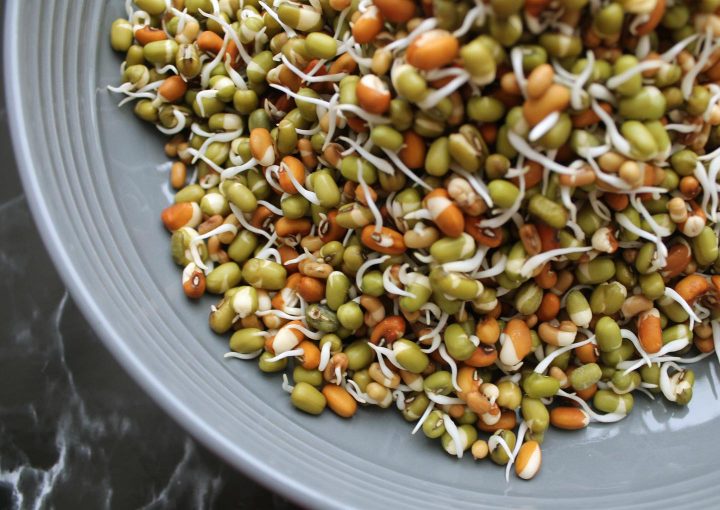
Sprouted beans

Convictions of Raw Foodists

Most of the time, it is health reasons that proponents of the raw food diet give as to why they chose this alternative diet. For others, ethics play a role or the good taste of the raw food. Two thirds are convinced that cooking leads to a reduction food in value and even to the creation of harmful products. Digestive leukocytosis, enzymes in raw food and the formation of Maillard products are cited very often. These are browning products that result from the combination of sugar types and amino acids when food is heated.

Digestive Leukocytosis

This term describes the temporary increase in the number of white blood cells, the leukocytes, after eating. This is a physiological condition and does not indicate a disease. This increase is repeatedly seen by raw foodists as a reaction to unsuitable foods. Supposedly, cooked foods are considered by the body to be a foreign substance that need to be attacked by the immune system. They claim that there is no increase in leukocytes if you only eat raw food or at least eat something raw before you eat cooked food.

The medical background was provided by the physician Kouchakoff in 1930, who found an increase in leukocytes after ingestion of cooked food, but no increase in uncooked food. Subsequent, more detailed investigations showed that his observation period was much too short and that any food intake caused an increase in leukocytes, especially neutrophilic granulocytes. However, why this increase is happening needs to be researched more closely. Maybe it’s simply a matter of fighting germs that may be smuggled in with food and possibly cause illness.
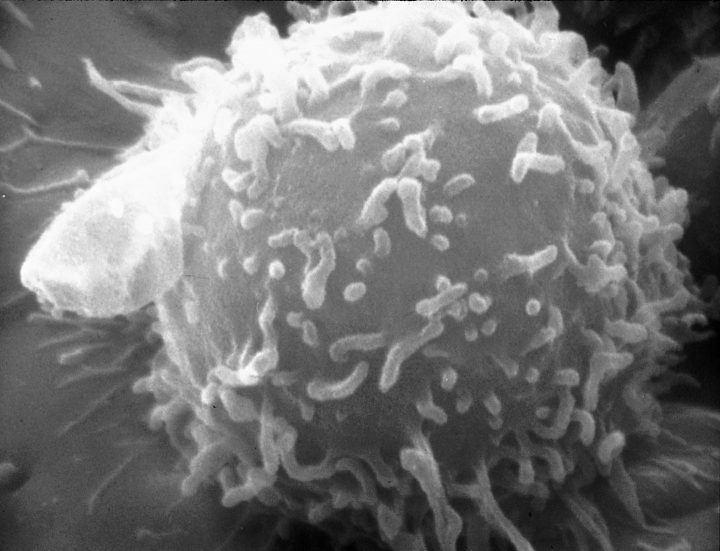
A Lymphocyte, which is a subgroup of leucocytes in the human immune system.

Kouchakoff’s thesis that leukocytosis only occurs when food is cooked has turned out to be wrong. Leukocytes increase by 50-140% after eating, whether the food is cooked or eaten raw. It is interesting, however, that most people have their highest leukocyte count after eating meat.

Enzymes

The enzymes are another reason that raw foodists often cite as a benefit of their diet. The raw food should contain live enzymes that are lost during cooking. Therefore, raw food products are supposed to be living foods, while cooked products are already dead and supposedly have very little nutritional value.

What are enzymes? They are chemical structures that are vital to a variety of metabolic functions in our body. They have important functions in digestion, body metabolism, DNA replication, cell signaling and countless other processes within the body.

So it’s true that raw foods contain a lot of enzymes. Since these enzymes consist largely of proteins, they are broken down into amino acids in the stomach and therefore do not benefit the body. Some people need enzyme supplements to help with digestion. However, these must be packed in specially developed capsules, which are resistant to stomach acid and only release the enzymes in the intestine. Without these protective capsules, the digestive enzymes wouldn’t get to the intestines. The enzymes that the body needs it can usually produce by itself.

When it comes to vitamins, however, the raw food diet is a step ahead. Vitamins are largely lost upon heating and are normally found in much higher concentrations in raw products. There are, however, exceptions here as well. For example, steamed kale has a higher vitamin C content than raw, and the beta-carotene in carrots is easier to absorb when cooked. If you want to cook vegetables, then careful steaming is usually the gentlest form of preparation.

vegetable inside steam basket for steam cooking

Raw Food as a Treatment

Nutrition is a key factor in the development of chronic diseases and the maintenance of good health. The WHO agrees with that. Of course, lifestyle also plays an important role. In addition to lack of exercise and tobacco consumption, the changed diet is mentioned in first place.

The traditional plant-based diet has been replaced by a calorie-dense, high-fat diet with a high proportion of animal products. Low fruit and vegetable consumption and low fiber go hand in hand. In numerous developing countries, which are adapting their lifestyle and diet to industrialized countries, precisely those diseases that go hand in hand with this lifestyle are increasing: cardiovascular diseases, diabetes, cancer and obesity.

Is it any wonder that alternative doctors are increasingly turning to raw food! When changing from a typical Western diet, success is inevitable. However, the raw food diet must be adjusted individually, because there are a number of contraindications. And in most cases, a well-balanced healthy diet that includes some cooked grains would probably perform better than a restrictive raw food diet.

Raw Food as a Permanent Diet: Yes or No?

As the raw food studies show, it is not easy to eat exclusively raw. It might make sense for a short time, whether it’s to lose weight or regain your health. When it comes to raw food as a permanent form, you should never eat a restrictive diet. One should not arbitrarily avoid some foods that are important for a balanced diet.

Everyone has to decide for themselves how high the proportion of raw food should be in their diet. Eating about half of everything raw, as recommended by Whole Foods Diets, is certainly a good way to go. It is well justified in terms of taste, socially, scientifically and from a health point of view. But cooking makes sense too.
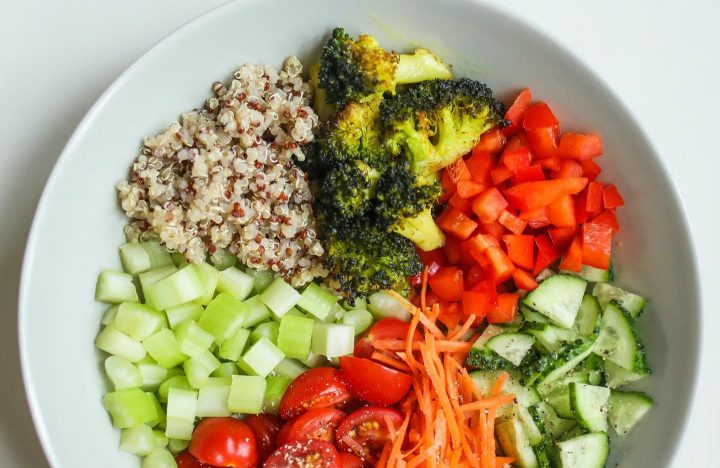
Salad plate with steamed broccolis and cooked quinoa

Why Cooking?

Cooking kills harmful microorganisms, destroys harmful food components, such as in legumes, and increases the absorption of some nutrients, such as beta-carotene. Cooking changes the texture and taste. Cooking, roasting and baking contribute to palatability. Let’s just think about potatoes! Boiling is often increasing durability, helps to preserve food in canning, and adds convenience. We quickly have a meal on the table from pre-prepared menus, supplemented by fresh raw vegetables.

Everyone has to decide for themselves how much raw food is good for them. The fact is, most know they should be eating more of it. If one wants to increase the amount, he should do it gradually, remembering to chew well. Only then can the digestive tract can adapt to the changed circumstances.

Incidentally, there are no scientific findings available – for a better physical and mental performance of the raw food compared to the usual mixed diet. But if someone feels more comfortable with a raw food diet, they should choose a balanced type that also optimally provides them with everything they need for life.

Healthy Fruits

Stay Always Up to Date

Sign up to our newsletter and stay always informed with news and tips around your health.

Sign Up Now!

Filed Under: Nutrition, Obesity, Temperance

How Sunlight Can Change Your Mood

July 3, 2022 by Dr. Cesar Vasconcellos de Souza - [rt_reading_time label="Reading Time:" postfix="minutes" postfix_singular="minute"]

Como a Luz Solar Pode Mudar o Seu Humor

Do I need to sunbathe? Vitamin D prevents which diseases? Does sunlight have a good effect on our mood? What are the signs that you may be deficient in Vitamin D?

How Sunlight Can Change Your Mood

We know that sunlight is critical to our health linked to vitamin D. But what about our mood? There is vitamin D2 which is called ergocalciferol, and D3 called cholecalciferol. Vitamin D2 is found in a limited number of foods, while D3 is absorbed by the body when the skin is exposed to sunlight. Both are converted into the active form which is used by the body and stored in the liver and kidneys.

When calcium levels in the body are reduced, the parathyroid glands, located in the neck, release a hormone that stimulates the kidneys to convert vitamin D into its most active form, aiding in the absorption of calcium and phosphorus. Our vitamin D requirement is 5 micrograms per day, this in adults weighing less than 200 lbs (90 kg).

A lack of vitamin D causes osteoporosis, which is a progressive decrease in bone density, with an increased chance of fractures, as bones become more porous and less resistant. Osteoporosis is more common in the elderly. A tip: if you are diagnosed with osteoporosis and have been prescribed to take calcium orally, know that this alone is not enough to resolve it. It is necessary to practice some exercise as well. Taking a lot of calcium and not doing any kind of physical activity is a message that bones interpret as we don’t need to be strong.

And the opposite is true. As you engage in regular physical activity, this will signal your bone cells to absorb calcium, because your message to them through exercise will be this: we need strong bones. So take calcium, but engage in some form of physical activity, at least three times a week.

Walking in the sun

Lack of vitamin D, in addition to osteoporosis, also produces rickets, which is characterized by insufficient mineralization of the bones, affecting children and adolescents. Symptoms are stunted growth, bowed legs, weakness and pain in the spine, pelvis and legs. Studies show that the absence of vitamin D, can facilitate the emergence of certain types of cancer, cardiovascular disease, hypertension or high blood pressure, multiple sclerosis, rheumatoid arthritis, type 1 diabetes among others.

About 90% of the vitamin D in our body is obtained from exposure to sunlight, which is converted from cholesterol in the skin. Normal doses of vitamin D can be obtained with direct exposure to the sun for 10 or 15 minutes daily, through the action of ultraviolet rays, which are also bactericidal. So, if you have a wound on your skin, expose that wound to sunlight as this will help it fight off infections and heal.

Have you ever heard people say, or maybe it happens to you that the cloudy weather with overcast makes you so sad, down and discouraged? There is a type of depression, which is a seasonal depression, whose scientific name is seasonal affective disorder. There are people who have depressive symptoms in autumn or early winter, and there are some who also have summer depression, starting in late spring or early summer. Summer depression is very rare, while winter depression is far more common.

Seasonal depression happens every year, always around the same time. The one that starts in winter is more frequent in countries with less sunlight throughout the year, with darker days and more rigorous winter. It seems that the farther a person lives from the equator, the greater number of people experience this type of suffering. That’s why it’s more common for people in Canada, Norway or Russia to have this type of depression than in tropical countries.

A seasonal depressive person on a rainy window

One theory says this is because sunlight activates brain hormones, which help maintain a happy mood. In a place called Fairbanks, Alaska, on winter days, the time span between sunrise and sunset is a little less than 4 hours. Imagine living a day with only 4 hours of natural light! With this great lack of sunlight, it would be logical to think that a good part of the population would have to have the winter depression. But it turns out that it is actually not that much. One study found that about 9% of Fairbanks residents had seasonal affective disorder, while this type of depression occurs in 1% in tropical countries.

The most common symptoms of seasonal winter depression are: more sleep, that is, the person sleeps more hours a day without feeling rested; increased appetite, desire to eat more carbohydrates, chocolate and fatty foods, difficulty getting out of bed in the morning, loss of energy, feeling of fatigue, impaired concentration, social isolation, irritability, constant sadness, among other symptoms. It affects more women with a share of 60 to 90%, especially between 20 and 40 years of age. In some ways, the behavioral symptoms of summer depression tend to be the opposite of those of winter depression. Summer depressed people can sleep less and lose weight.

A researcher at the National Institute of Mental Health, Tom Wehr, has suggested that seasonal depression may be related to melatonin, which is a hormone produced during the night. When the day gets dark, melatonin increases in the body, and if you can sleep in a dark environment, the peak of melatonin production happens between two and three in the morning. Scientist Tom Wehr commented that during winter animals produce melatonin for more hours, but in less quantity compared to other times of the year. He found that the people who increase production of this substance in the winter are the ones who suffer from these types of depression.

For the treatment of seasonal depression or seasonal affective disorder, medication and psychotherapy are used. Exposure to sunlight, called phototherapy, also helps. However, this does not work equally for everyone. If the problem was only linked to melatonin, perhaps light treatment will solve it in many cases. But there are still other factors that science is studying to understand why some people exhibit this sensitivity to light in a different way than others, to the point of suffering this winter depression.

So take care of your health and get some sun every day!

Healthy Fruits

Stay Always Up to Date

Sign up to our newsletter and stay always informed with news and tips around your health.

Sign Up Now!

Filed Under: Depression, Healthy Lifestyle, Mental Health, Sunlight

This Happens in Your Brain When You Drink Too Little Water

June 5, 2022 by Dr. Cesar Vasconcellos de Souza - [rt_reading_time label="Reading Time:" postfix="minutes" postfix_singular="minute"]

Isso Acontece em Seu Cérebro Quando Você Bebe Pouca Água

Do you think you only need to drink water when you’re thirsty? Did you know that thirst is already an alarm? Drinking water only when you’re thirsty is like putting fuel in your car only when that little alarm light comes on, saying you’re running out of gas. Is water important for the brain?

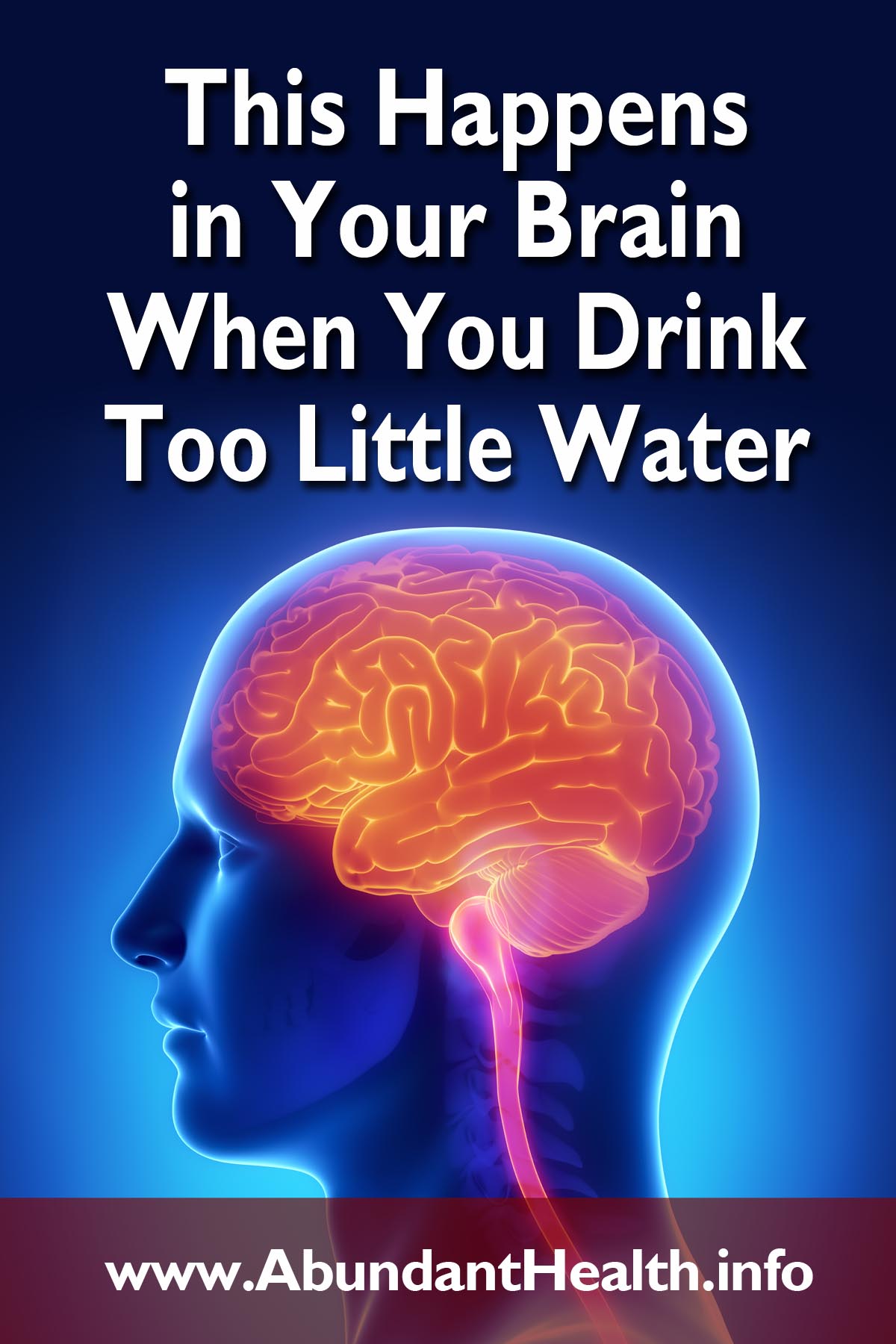
This Happens in Your Brain When You Drink Too Little Water

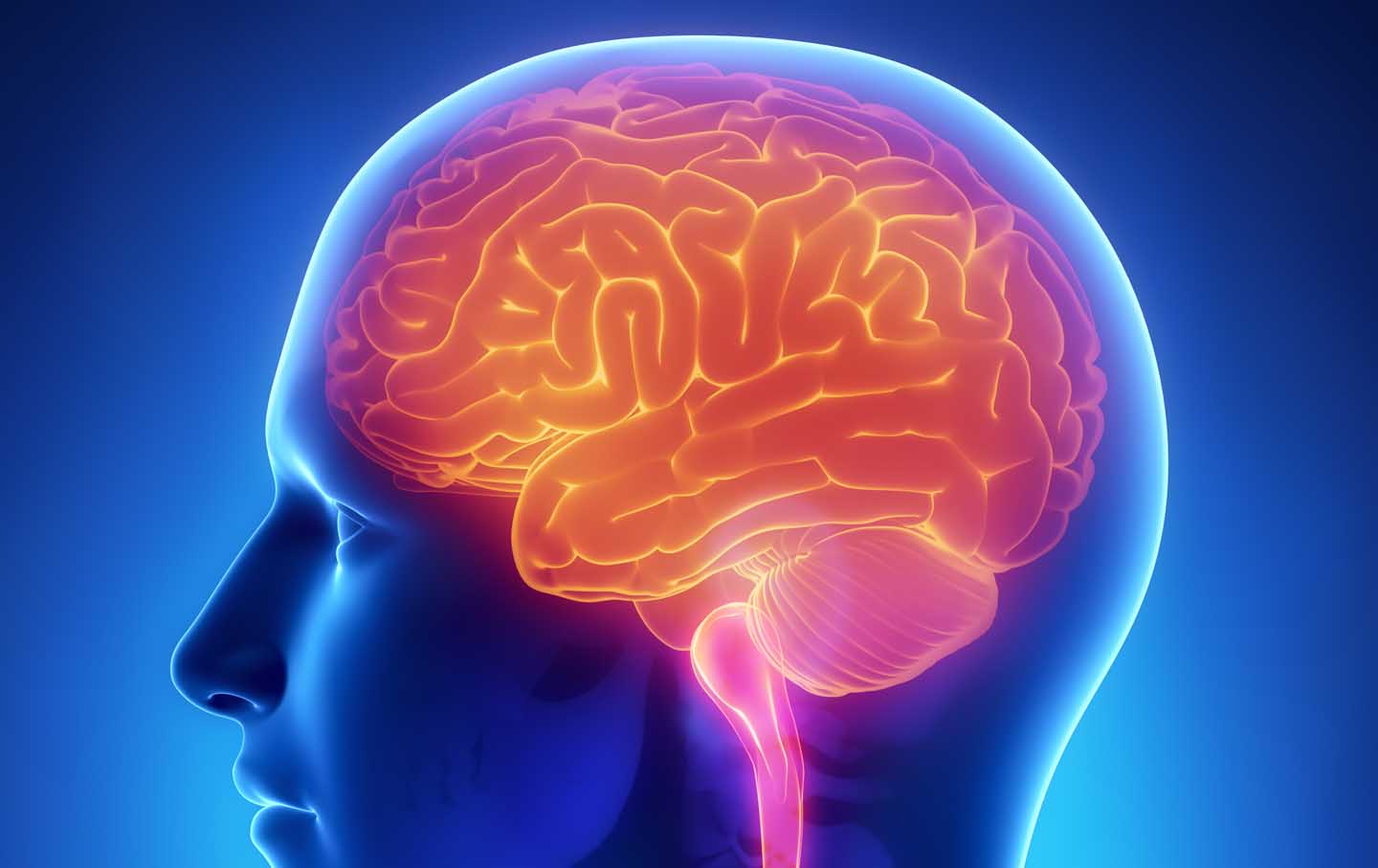
Our brain depends on good hydration to function well. Brain cells and neurons require a delicate balance between water and different chemicals to function. When you lose a lot of water, sweating a lot for example, and you do not replace it, this balance is disrupted. Your brain cells lose their efficiency. Scientific studies have shown that when we’re dehydrated, it’s more difficult to keep our attention focused. Dehydration of the brain can produce both short-term and long-term memory impairment. Poor hydration can impair the ability to do mathematical calculations, such as calculating whether you will arrive at work on time, if you put off your alarm clock for another ten minutes.

Normally, the longest period of each day we go without ingesting liquids is the hours of sleep, which last about 6 to 9 hours each day, depending on the person. Despite the fact that sleeping usually doesn’t make us sweat, except in the summer if we have no air condition, it doesn’t mean that we don’t lose water while sleeping. With each breath we expel moisture, and the tendency during this hours of sleep is to dehydrate. That’s why it’s important to drink pure water throughout the day, and especially when you get up in the morning, at least one glass of water on an empty stomach. If you want your body and brain to function well, make a conscious effort to drink water from the moment you wake up, starting with getting out of bed in the morning. Think what a blessing to know that, and to have plenty of water available.

On our planet, millions of people have a shortage of drinking water. About 38,000 children under the age of five die each week because they don’t have clean water to drink; did you know that? Women in some African countries walk hours a week, carrying 5 gallons of water in containers, drawing even from places with unsafe water. What a blessing you have, for having pure water in your house, isn’t it? The brain is 75 percent water. So imagine how important is water for the brain to work well.

An African girl carrying water

It is important to drink at least eight glasses of water a day to be healthy; and in the summer even more. There is a difference in the amount to be ingested, according to the activity performed throughout the day, the person’s weight and the season of the year. Having a glass of water every hour of the day (between meals) is a good habit, some people even recommend it. We usually don’t realize that we are dehydrated. We only remember to drink water when we feel dizzy, or when the skin becomes dry.

You may not notice it, but your brain does! It becomes slow to respond to stimuli if it is not properly hydrated. Water is a great remedy, both outside and inside the body. Water helps the blood flow to the brain and calms it, as well as helping to eliminate toxic substances. Brain cells require twice as much energy as other cells in the body, and water contributes more to brain energy than other substances. Drinking water helps children and adults to prevent attention deficit disorder. The lack of correct hydration affects the brain, producing tiredness in the afternoon, difficulty in focusing thoughts, exhaustion, some types of headache, sleep disturbances and loss of mental clarity.

It is important to ingest pure water throughout the day for proper brain function, as it has no way of storing it. Studies have shown that if you are only 1% dehydrated, you will have a 5% decrease in cognitive function, in reasoning. Prolonged dehydration can cause a decrease in the size and mass of brain cells. This is more common in older people who tend to be chronically dehydrated for years. By hydrating your body well, your brain will benefit from the removal of toxins, improving the exchange of nutrients and leading to better concentration and alertness.

A woman drinking water

Brain inflammation is often associated with various types of injuries. When the brain is not properly hydrated, inflammation gets worse. A study of young women showed that the loss of 1.36% of body fluids after exercise impaired mood and concentration, increasing the frequency of headaches. A similar study of young men showed that losing 1.59% of body fluids resulted in memory impairment increased anxiety and fatigue. It is important to know that 1 to 3% of fluid is equivalent to the loss of 1 to 4,5 lbs (½ kg to 2 kg) of body weight for a person weighing 150 lbs (68 kg). So, after doing physical activities, drink a good amount of pure water.

It’s worth remembering: drinking water throughout the day helps your brain and improves concentration, helping you think more clearly. It also helps balance mood, maintains good memory, increases blood flow and oxygen to the brain, and helps prevent some types of headaches.

Researchers at the University of East London believe that when you quench your thirst, your brain can better focus on the task at hand. They did an experiment with 34 men and women. They were given a first test for them to take after breakfast, which included cereal and protein bar. For a second test, they ate cereal, a protein bar and drank a bottle of water. Those who said they were thirsty improved the test time after drinking the water. Drinking water made their brains work 14% faster than before drinking it.

If you want your brain to do well, drink plain water throughout the day, but not together with your meals. This is important for a number of health benefits, and essential for optimized brain performance. Remember, 75% of our brain is water. We can see how important drinking water is to stay mentally well. Drink water! Peace and Light!

Healthy Fruits

Stay Always Up to Date

Sign up to our newsletter and stay always informed with news and tips around your health.

Sign Up Now!

Filed Under: Healthy Lifestyle, Mental Health, Water

The Concept of Salutogenesis

May 29, 2022 by Esther Neumann - [rt_reading_time label="Reading Time:" postfix="minutes" postfix_singular="minute"]

Das Konzept der Salutogenese

The term salutogenesis comes from Latin. Salus means safety, health, well-being. Genesis is Greek and means origin. One could literally translate it as: the emergence or generation of health. The medical sociologist Aaron Antonovsky (1923 – 1994) does not see health or disease as an “either – or”, but as two opposite points on a straight line. The two end points are never quite reached. No living human being is completely sick or completely healthy. Even in a terminally ill patient, parts or individual organs are still healthy. On the other hand, everyone who seems perfectly healthy also has an infirmity. Just think of the short-sighted, who would be lost without their glasses but is otherwise healthy.

The Concept of Salutogenesis

The most important question now is: In which direction am I moving? Am I going towards health or towards disease? Each person takes their position between the two endpoints in a very individual way. Aaron does not see health as a condition, but as a process. Losing health is a natural process happening by itself. It is popularly said that dying begins at birth. From this point of view, health has to be built up again and again. Let’s now think about what promotes health.

Understanding and Trust

If I understand to a certain extent what is going on in my life and in my environment, then I can deal with it much better. When I know where I come from, what I live for and where I’m going, I have a lot more confidence in my life. This is good for my health. I can largely understand what is happening to me, it is mostly predictable and explainable. But I don’t have to understand everything, life is too complex for that. It presents me with great challenges; but I can handle them and it’s worth the effort.

But I can also set limits. And within these boundaries lie my feelings, my most important priorities, my relationships with other people and existential questions such as personal mistakes, failure, conflicts and dealing with death.

Let’s summarize: I should essentially understand my life, cope with it and recognize the meaning. But how many people suffer because they don’t understand what’s happening to them, because they can’t find a job, or because their most fulfilling occupation is not giving any meaning? If this happens to me, can I change something in my life, or do I need to reconsider my attitude? The serenity prayer fits very well for that: God grant me the serenity to accept the things I cannot change, the courage to change the things I can, and the wisdom to know the difference.

A thinking woman

Power Sources and Resources

It is very important for health to know where I draw strength from. Some tools lie within me. What can I do myself to stay healthy? Just it is often necessary to accept help from outside. Friends, relatives, therapists and doctors can help me. In concrete stressful situations, the help of a reliable support network is considered a very important health factor. This can mitigate the impact of stressful life events and has a positive effect on your well-being. Believers have the greatest source of power at their disposal: God! Am I ready to accept these sources of strength outside of me?

Joy and Cheerfulness

Joy of the heart and a happy mind work like medicine. The effectiveness of laughter has been scientifically proven. Cheerfulness and laughter are important protective factors for the cardiovascular system and the immune system. Constant worry and brooding makes you sick. A lack of joy goes hand in hand with a lack of drive and increased fatigue, as well as reduced concentration and alertness. Then it’s not far to the loss of self-confidence and self-esteem. Pessimistic future prospects and sleep disorders plague depressive people.

Healthy Sleep

Restful sleep is undoubtedly essential to good health. It is known that cell damage and even genetic material can be repaired during sleep and rest. Learned knowledge is also stored during sleep. A periodic change between mental and physical exertion and relaxation phases is vital.

A woman sleeping

Moderation in Eating Keeps You Young

On the Japanese island of Okinawa live many centenarians. When asked about the secret of their age, many of them reply, “Stop eating before you’re full.” Restricted energy intake does indeed keep you young and healthy. The body then produces substances called sirtuins, which affect cell metabolism. Cells live longer and there is more time to repair genetic defects. Our affluent society with their temptations in the spur of the moment would do well to eat slowly and in moderation. That would give the body enough time to inform the appetite center in the hypothalamus that enough food has arrived and that you are feeling full.

Health as a Human Right

Health is a fundamental human right. But it doesn’t come about by itself. When something is left to its own devices, it always tends toward chaos. Let’s think of rooms that are not cleaned up. Health is an integral part of daily life. It’s a positive concept that challenges the state as much as it challenges the individual. Let’s not primarily look at what makes you ill, but at what makes you healthy or keeps you healthy. That’s the principle of salutogenesis.

Healthy Fruits

Stay Always Up to Date

Sign up to our newsletter and stay always informed with news and tips around your health.

Sign Up Now!

Filed Under: Healthy Lifestyle

Gas and Oil – For Our Body

May 15, 2022 by Esther Neumann - [rt_reading_time label="Reading Time:" postfix="minutes" postfix_singular="minute"]

Gas and Oil

Every driver knows what fuel his car runs best on. He also knows what kind of oil the engine needs. He is very well informed about the tire pressure and, of course, about the engine’s performance. Let’s be honest: do you know your body as well as you know your car? Which oil do you work best with?

Gas and Oil - For Our Body

Research has found that our lifestyle and diet have a huge impact on our genes. Put simply, we can turn genes on or off with our diet and lifestyle. Only after being switched on will they have any impact on our health. It is therefore very important to pay particular attention to these two factors. Not only our car needs optimal care. Our body needs them even more. We can replace a car after a few years, but not our body.

Clear Sight

We take good care that there is always enough water in our car’s windscreen washer system. And what about our bodies? Did you know that brain cells are extraordinarily sensitive to dehydration? The brain is no longer optimally supplied with blood and can no longer perform. Visibility is clouded, like in a car with a dirty windshield. Did you know that the kidneys can no longer produce sufficient dilution of the urine if you drink too little water? The concentration of the substances that have to be excreted is constantly increasing, and the risk of kidney stones is going up. The bladder can be impacted, since without sufficient liquid transport from the kidney, it is no longer sufficiently perfused. This is followed by a massive increase in disease-causing germs. A painful urinary infection is the consequence. If you drink enough, you flush your entire urinary system optimally.

A glass of water

Fill Up the Tank, Please

Everyone who drives away makes sure that there is enough fuel in the car, otherwise they won’t get to their destination. Be sure to fill up the tank of your body in the morning! Blood sugar levels are below normal after waking up. During the night, the glucose was used up for a great many energetic processes. That’s why you have to recharge your batteries with a hearty, wholesome breakfast. Fresh fruits, whole wheat bread bread with a tasty spread, an oatmeal or a granola are the right fuel to start the day.

Oil Change

How many types of oil are offered in the car accessories section! It’s the same in the grocery store. Most car owners know what kind of oil the engine needs. Who knows which oil is ideal for his body? Omega-3 fatty acids are not just empty buzzwords or good for advertising. Omega-3 fatty acids are the big stars protecting the heart and blood vessels. They reduce blood triglycerides, blood pressure and the risk of coronary heart disease. They probably also lower the risk of developing Alzheimer’s disease and reduce certain rheumatic complaints. They lower the cholesterol level and alleviate neurodermatitis.

And where do we find omega-3 fatty acids? In a number of vegetable oils and in the fish oil of cold-water fish, i.e. salmon, herring, mackerel, tuna and sardines. Unfortunately, toxic heavy metals such as lead and mercury are very often found in fish. Therefore, it is more advisable to switch to good vegetable oils. Linseed, canola, chia, hemp, walnut and soybean oil contain many omega-3 fatty acids.

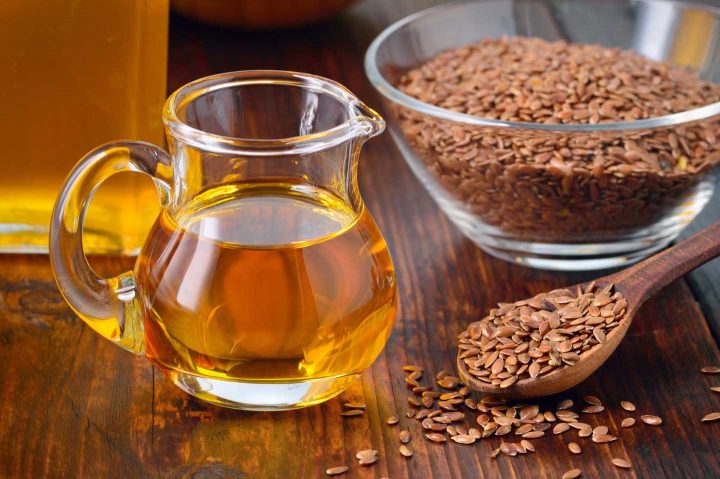
Flaxseed and linseed oil

Animal fats should be avoided, especially lard. They have a lot of arachidonic acid, which has an inflammatory effect. Unfortunately, fast food or store-bought baked goods frequently use industrial margarine containing trans-fatty acids, which are detrimental for our cells. However, the industry is trying to get rid of this flaw.

Pit Stop

In motorsport, a pit stop is a very short stop at a designated place where various interventions, small repairs and adjustments can be made at lightning speed. Our body also needs a pit stop – but a longer one than in sports. Rest and enough sleep are seen by many today as a luxury. On average, we now sleep about an hour and a half less than a generation before us did. Many adults and even children complain about the consequences of lack of sleep: susceptibility to colds, reduced performance, lack of concentration and a higher frequency of accidents.

In addition to healthy sleep, relaxation during the day is also very important. Lots of things distract us and steal what we need for ourselves – every now and then a few relaxing minutes after work is done. This can be something different for everyone. For some, it means closing your eyes and listening within; for the other to let their eyes wander outside the window. It’s good if they get to see flowers and green trees, just something different than in the working world.

If you can take a walk in nature, you have double the benefit. Feel the wind, breathe the fresh air, listen to the birds singing, enjoy the moment that is all yours and for a moment don’t think about the future or the past. This fills you with gratitude and calm for what you have just been able to accomplish in the past day.

A stroll in nature

When these pit stops are followed by the weekly day of rest after the six working days, you will experience an oasis in a stressed world. It is not for nothing that our Creator set this day for us. It is also good for our soul.

Our bodies are worth far more than a car. It is worth thinking about what kind of performance we expect from it and how we want to take care of it. However, it is also worthwhile to immediately put the knowledge gained into practice. You will reap the benefits for yourself.

Healthy Fruits

Stay Always Up to Date

Sign up to our newsletter and stay always informed with news and tips around your health.
Sign Up Now!

Filed Under: Healthy Lifestyle, Nutrition, Sleep, Water

Gardening for Body and Soul

April 3, 2022 by Esther Neumann - [rt_reading_time label="Reading Time:" postfix="minutes" postfix_singular="minute"]

Gartenbau

When the first tender leaves sprout in the garden, forests and meadows are covered with young green, then nature lures you with all of its force. Digging up the earth, planting seeds, planting flowers, bushes and vegetables is not only good for the body, but also for the soul. What’s more, gardening even has healing powers.

Gardening for Body and Soul

Handling rakes, watering cans and spades is part of the therapy when it comes to helping mentally ill people get back on their feet. Residents of retirement homes also benefit from dealing with plants, if they have been uprooted from their previous living environment and have become dependent on caregivers. Gardening has a calming and balancing effect even on delinquents.

Effects of Gardening on the Body

After spending just a few minutes outdoors, blood pressure begins to drop, the pulse calms down, and the heart rate becomes more even. Muscle tension is relieved, coordination and fine motor skills improve, metabolism is boosted and general mood improves. The movement stabilizes the circulation and mental tension is reduced.

Effects on the Mind

By dealing with plants you can learn how to deal with yourself. Plants have a strong will to survive, they can adapt, they even produce themselves what they need to survive. They show us formation, growth, maturing, but also retreat, dying and decay. When gardening, connections are recognized and ways to solve problems are found. Those who work in the garden experience themselves as being the active force, not as being manipulated or at the mercy of others. This is how you learn to control your environment and don’t feel helpless, at the mercy of your surroundings. You are very close to the Creator, in whose hands ultimately lies the success of one’s efforts. This gives a feeling of security and has a positive effect on mental well-being.

Gardening as Therapy

As early as the 18th and 19th centuries, philosophers and educators called for more green in the gray monotony of cities. Wise regents allowed the population access to parks, gardens and forests that had previously only been accessible to the nobility. We think of the entry of the people into the Viennese Prater or the inhabitants of Munich into the English Garden. Unfortunately, such local recreation areas have not been able to very effectively stem the alienation of man from nature.

The Emperor's lawn in the Viennese Prater

Fortunately, the beneficial effects of nature have not been completely forgotten. Psychotherapists have developed an extremely effective therapy for the sick and old, for people in need and in crisis. Horticultural Therapy is an interdisciplinary method. Gardeners, landscapers, doctors, psychotherapists, physiotherapists and ergotherapists create programs for their patients together. Garden therapy can begin as soon as a sick person is no longer bedridden. A separate small area in the garden that belongs to him, for which he bears responsibility, in which he can or must move, is the best training program for him.

Gymnastics on equipment or physiotherapy is often carried out without much enthusiasm or is perceived as a nuisance. When digging, sowing, planting and pulling weeds, the patient forgets that this is an exercise program. In addition, there is the excitement when one’s own harvest can be brought in. In the great outdoors, people are also much more open to their therapist than in an office or group room. They are more accessible to conversations.

Plants as Therapists

Plants accept people as they are. They do not judge. They don’t care if they are being cared for by a healthy young person, or by a depressed, an addicted, a criminal, or a wrinkled old man. Plants are dependent on who cares for them and takes care of them. They react positively to care and attention, they thrive, blossom, grow and bear fruit. In the garden, the patient becomes the caregiver and the doctor himself. This gives mentally ill people new self-confidence and a new meaning in life. Tired eyes suddenly light up when a wonderful flower unfolds its colorful petals, when home-grown radishes shoot out of the ground and can be spread on the sandwich. There is another pleasant side effect: the physical work improves the appetite of the sick, they need less medication and can sleep better again.

A woman caring for tomato plants

Gardening for the Healthy

If you have a garden, you don’t need a gym or wellness clubs. Nothing relieves stress better than digging in the ground. Exercising in the fresh air stimulates circulation, strengthens muscles and the immune system. Experiencing the seasonal processes, the new awakening and passing away gives you stability and security. Anyone who is allowed to shape their own piece of land into their paradise and learns to unwind their soul in it does not need a therapist.

In addition, the harvest from your own garden has a very special contribution for your health. Fruits, vegetables and berries can mature. They can be harvested at the optimal time. Phytochemicals that are so important for health are higher than in products that are harvested unripe. It takes less time from harvest to consumption. Vitamins and the appetizing appearance are preserved. In addition, there is the satisfaction of having produced everything with my own hands and the certainty that there are as few environmental toxins as possible in them.

Don’t Be Afraid of Gardening

So that gardening doesn’t overwhelm us – it never stops – we have to stick to a few rules. It must never dominate us, we must dominate it. If it overwhelms us, we either have to cut back on ambitious plans or delegate some work. Your own garden must also be a place to relax. There should always be a hammock stretched out somewhere that you can retreat to when you have the opportunity to relax, to listen to nature and listen to your own inner voice. A pleasant garden bench, a large stone or other seating should invite you to linger. In this way, our garden becomes a real therapist and gives us a lot of joy.

Healthy Fruits

Stay Always Up to Date

Sign up to our newsletter and stay always informed with news and tips around your health.
Sign Up Now!

Filed Under: Gardening, Healthy Lifestyle

« Previous Page
Next Page »

Primary Sidebar

Social Channels

Coronavirus Immunity Challenge

Boost your immune system to be bullet-proof for the pandemic.

I Want to Participate

Recent Posts

  • 5 Habits to Live Longer
  • Better Sleep Can Protect Against Dementia
  • Finding Peace In Your Crazy-Busy World
  • Flaxseed – An Ancient Plant Rediscovered
  • Platelets – Triggers for Life or Death
  • Boderline Personality Disorder
  • In Praise of Almonds and Nuts
  • Are You Stuck in the Clutter Trap?

Categories

  • Body Systems (16)
    • Cell Function (2)
    • Circulatory System (1)
    • Digestive Tract (10)
    • Immune System (4)
  • Diseases (27)
    • Cancer (2)
    • Cold (1)
    • COVID-19 (11)
    • Dementia (1)
    • Diabetes (1)
    • Digestive Diseases (2)
    • Heart Disease (2)
    • Kidneys (1)
    • Metabolic Syndrome (2)
    • Skin (1)
  • Healthy Lifestyle (42)
    • Exercise (11)
    • Gardening (2)
    • Sleep (7)
    • Sunlight (2)
    • Temperance (14)
    • Water (4)
  • Mental Health (87)
    • Addictions (6)
    • Anxiety (7)
    • Burnout (1)
    • Depression (7)
    • Psychosomatic Diseases (6)
    • Stress Management (45)
    • Trust (6)
  • Nutrition (56)
  • Obesity (9)
  • Phases of Life (14)
    • Adults (3)
    • Babies and Infants (1)
    • Children (3)
    • Seniors (5)
    • Teenagers (3)
  • Therapies (7)
    • Herbs (5)
    • Hydrotherapy (1)
  • Uncategorized (3)

Archives

  • January 2025 (1)
  • March 2024 (5)
  • February 2024 (4)
  • January 2024 (4)
  • December 2023 (5)
  • November 2023 (4)
  • October 2023 (5)
  • September 2023 (4)
  • August 2023 (3)
  • July 2023 (2)
  • June 2023 (4)
  • May 2023 (4)
  • April 2023 (5)
  • March 2023 (4)
  • February 2023 (4)
  • January 2023 (4)
  • December 2022 (4)
  • November 2022 (4)
  • October 2022 (5)
  • September 2022 (4)
  • August 2022 (4)
  • July 2022 (5)
  • June 2022 (4)
  • May 2022 (5)
  • April 2022 (4)
  • March 2022 (4)
  • February 2022 (4)
  • January 2022 (5)
  • December 2021 (3)
  • November 2021 (4)
  • October 2021 (6)
  • September 2021 (4)
  • August 2021 (4)
  • July 2021 (5)
  • June 2021 (4)
  • May 2021 (3)
  • April 2021 (5)
  • March 2021 (4)
  • February 2021 (4)
  • January 2021 (5)
  • December 2020 (3)
  • November 2020 (4)
  • October 2020 (5)
  • September 2020 (5)
  • August 2020 (3)
  • July 2020 (1)
  • June 2020 (1)
  • May 2020 (1)
  • April 2020 (1)
  • March 2020 (1)

Copyright © 2026 · Abundant Health - Privacy Policy - Medical Disclaimer