Abundant Health

Up to date health information tailored for you

  • Home
  • Blog
  • Recipes
  • Shop
  • Contact
You are here: Home / Archives for Healthy Lifestyle

Healthy Lifestyle

Exercise – Intensity or Duration?

November 6, 2022 by Franklin V. Cobos II - [rt_reading_time label="Reading Time:" postfix="minutes" postfix_singular="minute"]

Intensity or Duration?

When you start an exercise program, you will begin slowly and build up gradually. This increases can be in exercise duration, or in intensity of the exercise routine. When do you go for longer duration, and when do you want to increase exercise intensity? And how do you go practically to maximize the benefits of your exercise program, while your fitness levels are improving?
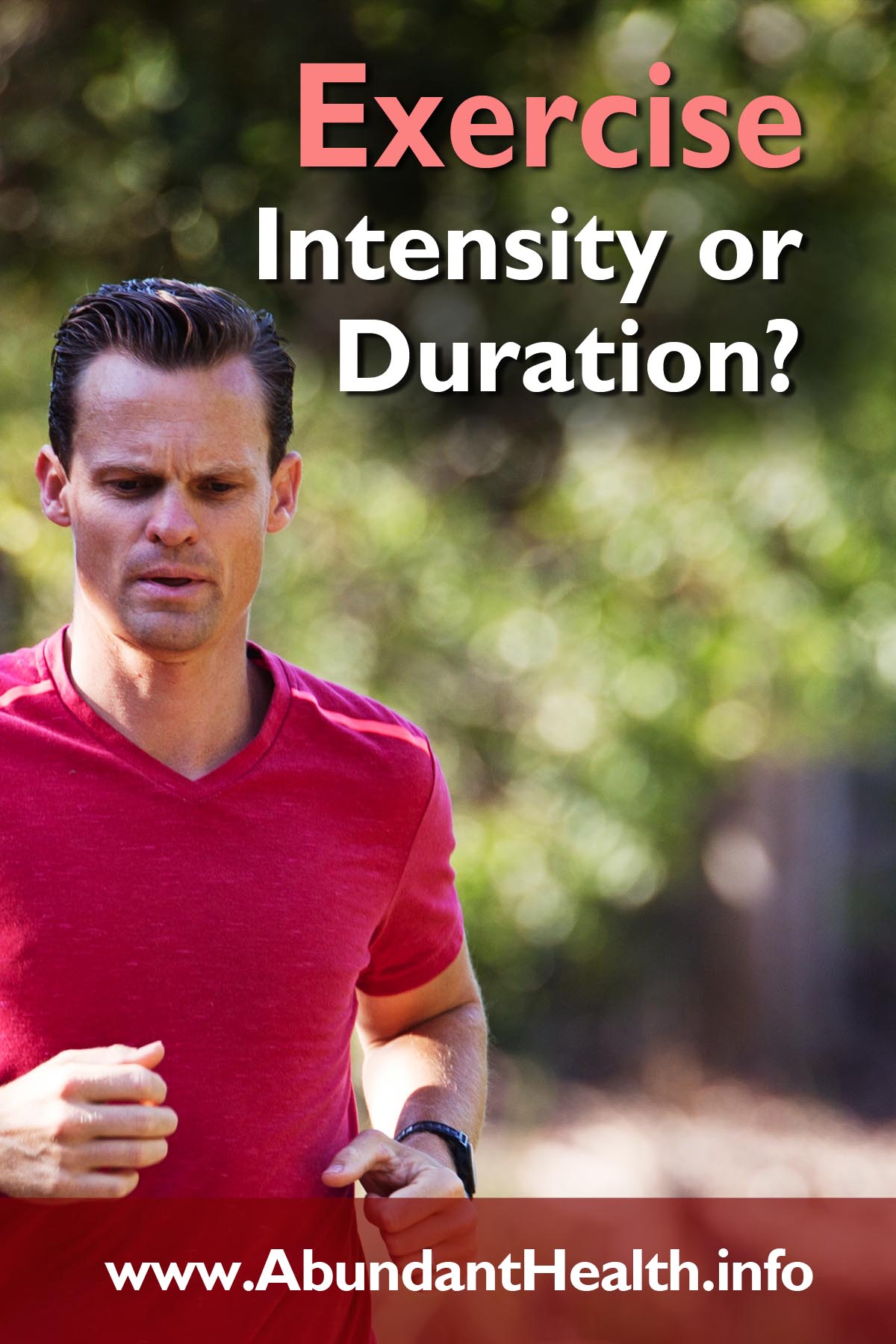
Exercise - Intensity or Duration?

I left you last time with the simple instructions to walk for 5–10 minutes, once or twice daily. Now, I had asked you to simply walk. I know that’s nothing fancy, nothing hard; just walking. But I did that for a simple reason. Let me explain. 

The rationale behind the time and frequency recommendations I made at first is that by committing to the necessary time required to exercise, you are more likely positioned for success regardless of what activity you chose to do during that time. Think about this: if you have no regular time available, then it matters not what activity you plan to do… because you won’t actually be doing it anyway! So, let’s move forward assuming you now have a new habit of spending time in physical activity every day. And currently, for you, that activity is walking.

There are many, many people who, if they simply keep walking, and regularly increase the duration and/or intensity of that walking, will see very impressive results in their overall health. Further, because it can be done at nearly anytime, under nearly any weather condition, by people of nearly any physical status, with virtually no additional cost for equipment, it is an ideal choice for anyone starting out with an exercise program. This includes those who are carrying excess weight, who have diabetes, hypertension and have trouble sleeping. 
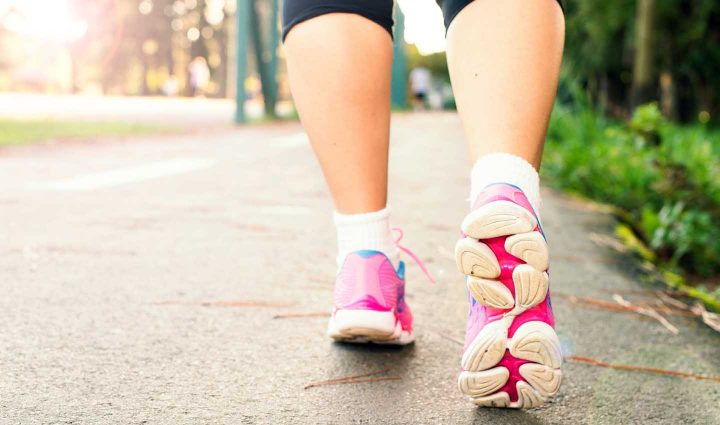
Walking in a park

On the other hand, there is a large second group of people who are either naturally more energetic or carry no medical diagnoses at all. They will find that walking is not an ideal exercise. For them, it may not be sufficiently challenging to provide any internal psychological sense of accomplishment, indue visible external physical improvements in their physique, or increase their level of performance.

No matter what group you find yourself in, let me offer some instruction that will be universally applicable. Once you successfully commit to both regularly spending some time exercising and then choose a specific activity, then it’s time to alter either the duration or the intensity of your exercise. You have to do this because both the mind and the body will adapt quicker than you wish they would to these types of challenges. That adaptation will lead to you experiencing a performance plateau… and your improvements will stall. You don’t want that to happen. All of us can do better, all the time, even if it’s just a little bit better.

Duration

In the case of walking, you can increase the duration of time you walk in several different ways to fit your personal schedule. Focus on picking a pattern that is practical for your life’s routine. Try a few ways that in your assessment are most likely to work well and not be unnecessarily challenging to implement. Eventually, as you increase the duration of your walks, there will be a limit you reach that no longer allows adding more time.

For example, imagine you start walking a bit after breakfast and before you go to work. Or, maybe on your lunch break. There is a finite amount of time you can add to those periods of your day before you are creating a conflict with previous, higher obligations. That’s fine, no problem. Recall that the healthful effects of exercise are cumulative, right? You can put more minutes in wherever they fit best in your schedule. Don’t feel bad if you have to break up your walking sessions. So long as you walk more minutes this week than you walked last week, you have succeeded in increasing the duration portion of your exercise routine. Strong work! 
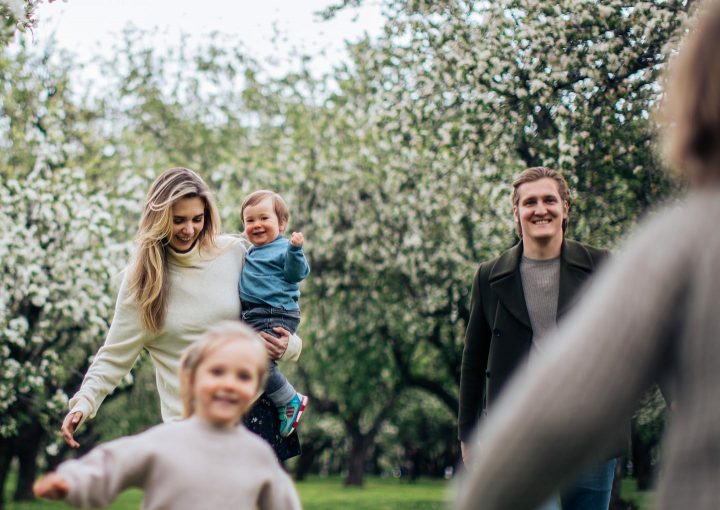
A family walking in the fresh air

But perhaps you couldn’t find a way to increase the time spent each day walking, Monday through Friday? Well, you could add some time walking during the weekend when time restraints are maybe not so tight. Maybe like me, you regularly have to take call at work, at irregular calendar intervals, making life routinely fall out of any recognizable rhythm. So, you hit it hard on your pre-call day, or take time on your post-call day off to make up for any deficiencies that occurred because you got slammed at work and spent absolutely no meaningful time exercising at all during those 36 hours at work. You were just happy to sleep, let alone get exercise, right? Again, no problem. Don’t get discouraged, and don’t let that break your habit of exercising. The benefits can still accumulate over time, you can make it up. 

Intensity

Now, moving on from the strategy of increasing your duration of physical activity, let’s talk about adjusting the intensity. For walking, two easy ways of doing that include going up hills or carrying some extra weight while you walk. I tend to caution against combing both early on in a new exercise program. Focus on sustainability.

If you don’t have any hills to walk up, weight can be added by simply carrying a full water bottle or two in some way as you walk (in your hands, in a day pack). You could consider buying special ankle weights, small handheld dumbbells, or weighted vests, but I suggest first considering a low-cost solution like a forgotten day pack in the closet filled with increasing amounts of water bottles or cans of beans as added weights. If you can stick to something easy like that and you like it… then revisit the idea of spending a little extra money on yourself for those other items in a month or two.

Call to Action

Keep up with your consistent walking regimen! And find some ways to step up with your exercise regimen, so to reap the benefits you are looking for!

Healthy Fruits

Stay Always Up to Date

Sign up to our newsletter and stay always informed with news and tips around your health.

Sign Up Now!

This article was originally published on the Time to Get Ready website.
Filed Under: Exercise, Healthy Lifestyle

Autophagy – A Key to Better Health

October 23, 2022 by Esther Neumann - [rt_reading_time label="Reading Time:" postfix="minutes" postfix_singular="minute"]

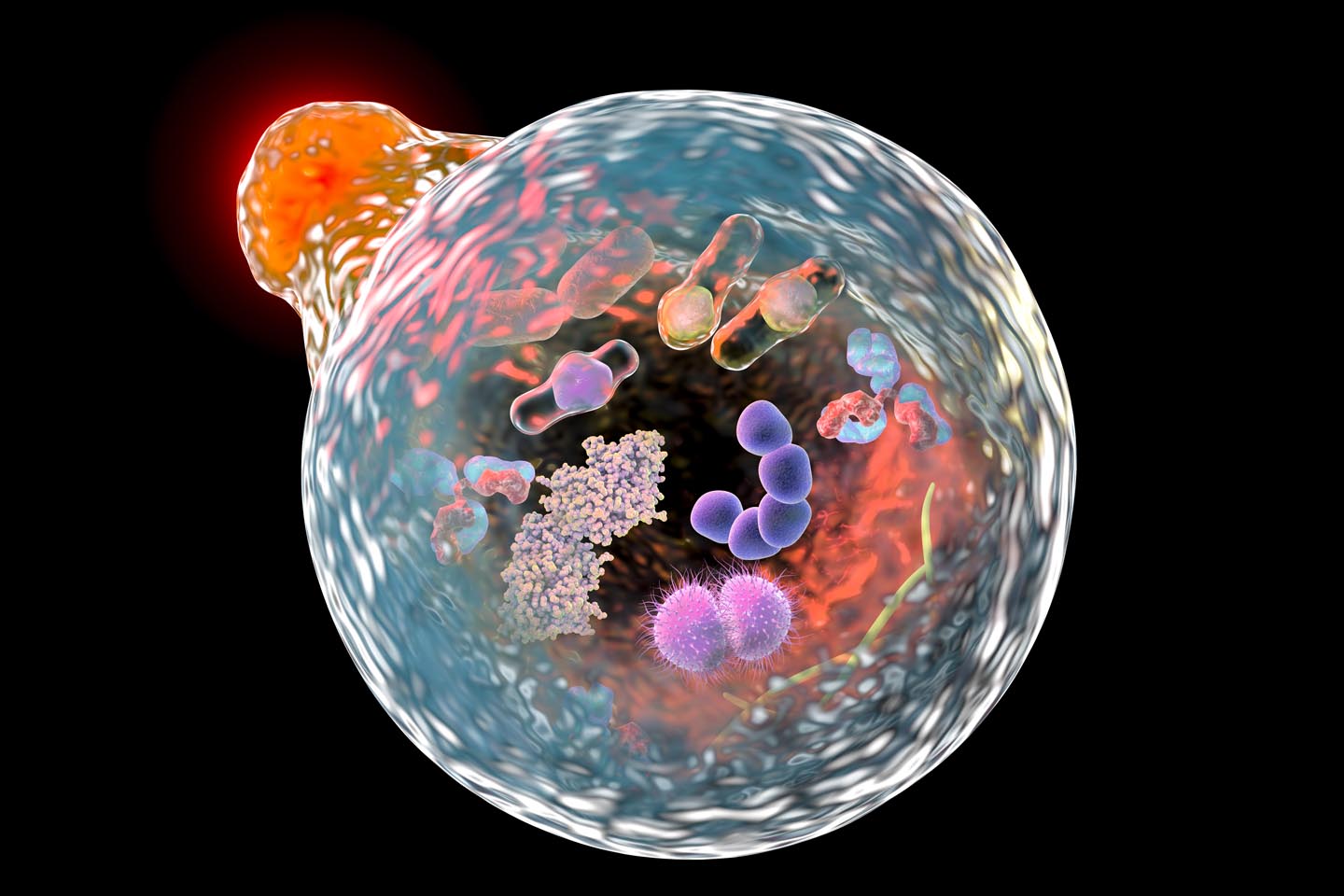
Autophagie

It is happening in every cell of our body, but hardly anyone knows about autophagy. It is an important process to maintain cellular health. In 2016, the Japanese researcher Yoshinori Ohsumi received the Nobel Prize in medicine for discovering important links between fasting and autophagy. But already in 1963 the Belgian biochemist Christian de Duve described the processes of autophagy.

Autophagy – A Key to Better Health

The word autophagy comes from the Greek. “Auto” means itself and “phagein” means to eat. It is a process that takes place in the lysosomes within our cells and eliminates and recycles cell components such as broken proteins or other damaged cell organelles – e.g. mitochondria, our power plants in the cells.

Some of the degradation products are recycled or converted into energy. Therefore, autophagy is strongly boosted by fasting. Furthermore, microorganisms, bacteria and viruses that have penetrated the body are also combated by autophagy. It therefore also plays a major role in the immune system, in infections, in the aging process and in the development of tumors. Well-functioning autophagy can help to prevent cancer.

Autophagy no longer works as well as we age. This causes many diseases. Dementia, Parkinson’s, Alzheimer’s and diabetes can be traced back to it. All of this fits well with the observation that people age healthier when they consume less calories. It’s no wonder that autophagy has become a major research topic. Many centenarians on the island of Okinawa state, “We only eat so much that we’re not quite full.”

A well-functioning autophagy is therefore advantageous for the prevention of various diseases. In Parkinson’s specifically, we know that brain cell death is the cause of the disease, and deficient autophagy seems to be a major reason. We’ve talked about cancer prevention before, and there are possibilities that osteoarthritis is also strongly related to autophagy.

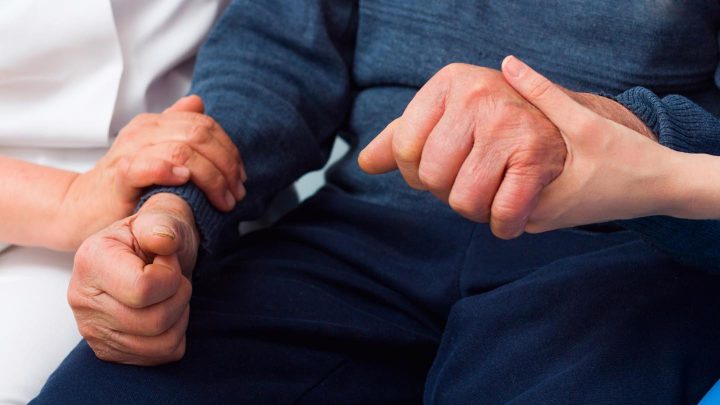
A man with Parkinson

Intermittent Fasting

Some researchers in Austria are also significantly involved in autophagy research, especially when it comes to implementation strategies. University Professor Dr. Frank Madeo is supervising a large-scale study at the Institute for Molecular Biosciences at the Karl-Franzens University in Graz. Fasting triggers autophagy, which is rejuvenating, life-prolonging, and regenerative. Even a short-term fast of 16-20 hours triggers this effect.

Cells need time to get rid of their waste or to recycle it. When you eat constantly, you need insulin all the time, and your body is always busy digesting. Insulin inhibits autophagy. Looks like the recommendation to eat five to seven smaller meals throughout the day will soon be a thing of the past. Prof. Madeo says: “Welcome your hunger like a friend and your body will get cleaned up.”

There is no need to fast for a few days in a row to enjoy autophagy. Intermittent or short-term fasting is also sufficient. An interval of 16:8 is sufficient, i.e. eating only twice during an 8 hour block, and then fasting for 16 hours, abstaining from all food, including fruit juices. Water is allowed to drink. Preferrably the dinner is skipped. There is also the method of eating normally for a day and then fasting for a day. A side effect of short-term fasting is that fewer calories are usually ingested, which means that we can shed a few extra pounds.

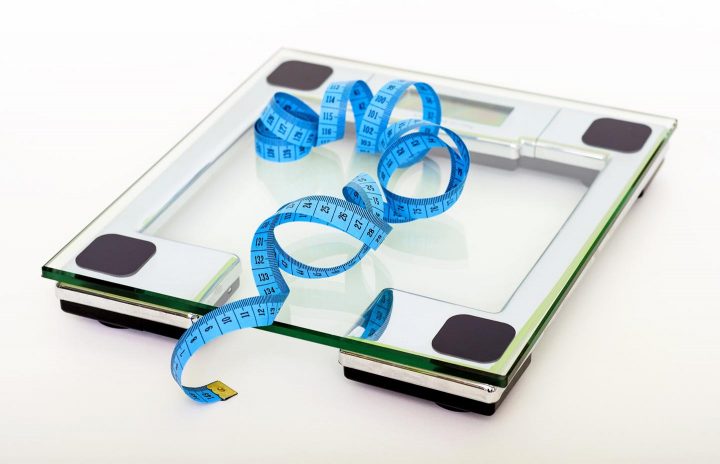
A scale and a tape

In fact, long periods of fasting can become a problem in some circumstances. If you fast for several days, your body will begin to break down muscle as soon as all other reserves have been used up. This not only reduces muscle strength, but also slows down metabolism, which has a negative effect on weight control. Intermittent fasting avoids these problems while reaping the full benefits of autophagy.

Pregnant women should avoid long-term fasts, and breastfeeding mothers often experience problems with milk production after just one day of fasting. Children and seniors should also be careful with long-term fasting. Sick or frail persons such as advanced cancer patients not only may lose strength, a lack of protein in the diet for several days can also negatively impact the immune system. Therefore, prolonged fasting should be used with caution, while intermittent fasting is well tolerated in most cases.

Plant Based Diet

There have been found some substances in food that boost autophagy. This includes polyphenols. They are mainly found in the outer layers of vegetables, fruits and grains. They protect the interior of the plants from oxidation, and take on this function in the human body as well.

Spermidine, a substance that the body also produces itself, is found in many types of fruit and vegetables. The connection to the seminal fluid is correct. It is found there in high concentrations. Researchers have found that spermidine boosts autophagy as well.

It proves once again that a plant-based diet has many advantages. Animal protein actually inhibits autophagy.

A hand cutting a bell pepper

By the way, exercise will help as well. The cells are put into a nutrient deficiency that increases autophagy. It is smart not to eat anything for a few hours after exercising. Then the effect will be even greater.

Getting Practical

We have already seen that intermittent fasting has a beneficial effect on autophagy. It is best to eat a hearty breakfast and a moderate lunch, then skip dinner and eat nothing until the next morning. During the night, calorie consumption is very low, and eating in the evening quickly adds some extra pounds.

Skipping dinner also has a positive effect on sleep. The stomach is not occupied with digestion and can rest. The lying position with a full stomach can sometimes lead to reflux. And since digestion is slower at night, it can lead to unwanted fermentation processes. The quality of sleep is often affected as well.

How do you make this transition in practical terms? Initially, many have problems going to sleep on an empty stomach. If that’s the case, you can try to do a gradual transition. Either you do this by increasing your nightly fasting time by moving dinner gradually to an earlier time. After a few days, when you’ve managed to get dinner down to 5pm, you can try skipping it altogether.

Another option would be to gradually reduce the amount of food you eat until you can suffice with one piece of fruit in the evening. If necessary, you can switch to fruit juice for a few days until you can manage to skip dinner altogether. Drinking a glass of water or a cup of herbal tea can help to control hunger. Once you get used to the new rhythm, it’s usually not a problem to maintain it.

A man and a woman drinking a cup of tea.

Another variation of intermittent fasting is to fast one full day a week. Ideally, you should only drink water. If you can’t keep it up, you can help yourself out with some fruit. These do not burden the digestion and are not too high in calories. Most of the time they are sufficient to control the feeling of hunger. In addition to the health benefits of autophagy, a weekly fasting day also helps with weight loss, and if needed, you spread out 2 fasting days during the week.

The third variant, which also has positive effects on autophagy, is limiting the calorie intake at every meal. Following the example of Okinawa’s centenarians, you stop eating before you’re full. After eating your first portion, you stop for a moment and examine if it was enough to satisfy your first hunger. If so, put the silverware aside and stop eating. Studies have shown that calorie restriction significantly extends the lifespan of mice. It pays off to take care of your body.

We have seen the benefits autophagy brings to our health. You may need to experiment a bit with the implementation to see what option you manage to adapt the best. Let’s help our body to clean up and recycle its cellular waste, and he will reward us with good health. All the best with the implementation!

Healthy Fruits

Stay Always Up to Date

Sign up to our newsletter and stay always informed with news and tips around your health.

Sign Up Now!

Filed Under: Body Systems, Cell Function, Healthy Lifestyle, Obesity, Temperance Tagged With: Autophagy, Intermittent Fasting

How Much Physical Activity Is Enough?

October 9, 2022 by Franklin V. Cobos II - [rt_reading_time label="Reading Time:" postfix="minutes" postfix_singular="minute"]

How much physical activity is enough

I tend to cringe inside when people ask me how much exercise they should do. I do this because typically they are seeking answers that I cannot give them. At times they want some form of affirmation that they are already active enough and that for them, no change is necessary. And, often they are disappointed to hear that they aren’t meeting the recommendations.

How Much Physical Activity Is Enough?

I admit that it can be discouraging to think about how difficult it may be to add the recommended amount of activity on top of their already hectic, overbooked daily routine. So, before we look at ways of managing the psychological aspects of a good exercise program (which I believe is just about as important as the exercise program itself), let’s at least give some short answers to the questions concerning how much exercise do experts recommend. Once we get that out of the way, we can move on to focus on the practical aspects of an exercise prescription.

Starting Small Is Okay!

Let me begin with some great news for everyone: any amount of physical activity above what you are accustomed to has some benefit. So long as you are doing more than you used to do there is a degree of self-congratulations in order, however small, at first. If you park at the edge of the parking lot and walk further than you want to the storefront when you stop at the store… that qualifies! If you can stand more and sit less during your day, that’s great. Maybe you can take one flight of stairs instead of just one of the floors you would otherwise stop at when riding the elevator. Maybe that’s your “one small step,” or “one giant leap for mankind” (depending on your level of fitness). So, to repeat: any amount of physical activity above what you are accustomed to has some benefit. Got it? Good. Let’s get it!

Taking stairs instead of the elevator

Now to be clear, I don’t want you to think is that a little bit of improvement is enough. For my bi-lingual friends, I might say it like this: A little bit is better than nada, but it’s sure not the whole enchilada! Small starts, little changes in habits are indeed important. My friend Vicki Griffin likes to emphasize this truth and highly recommends people read one of her favorite books, Atomic Habits, by James Clear.((Clear J. Atomic Habits: An Easy & Proven Way to Build Good Habits & Break Bad Ones. Penguin Random House))

 The point or purpose of making small changes though is to be able to work your way towards achieving larger and lasting changes in your lifestyle. Let’s see what those larger goals are as outlined in the latest CDC guidelines for physical activity.((Physical Activity for Different Groups https://www.cdc.gov/physicalactivity/basics/age-chart.html))

There are separate guidelines for different populations/age groups. I will summarize the recommendations for the main groups below:

  • Ages 6-17: One hour of moderate to vigorous aerobic activity every day. On 3 days of the week, these periods of activity should include strength training for muscles and bones as well.
  • Adults 18 years and over: A range of 150-300 minutes of moderate aerobic activity per week, or 75-150 minutes of vigorous aerobic activity per week. A range is given because the resulting health benefits are measurably dose-dependent (just like most medications), as well as interchangeable (75 minutes of vigorous activity is equivalent to 150 minutes of moderate activity). Aerobic activity is best spread throughout the week. Additional benefits are seen if you include at least 2 days of the week during which strength training is done for all major muscle groups.
  • Pregnancy: A range of 150-300 minutes of moderate aerobic activity per week. If before becoming pregnant, a mother was habitually accustomed to more intense levels of physical activity, these may continue. Her pregnancy should be monitored throughout the prenatal period by qualified professionals.
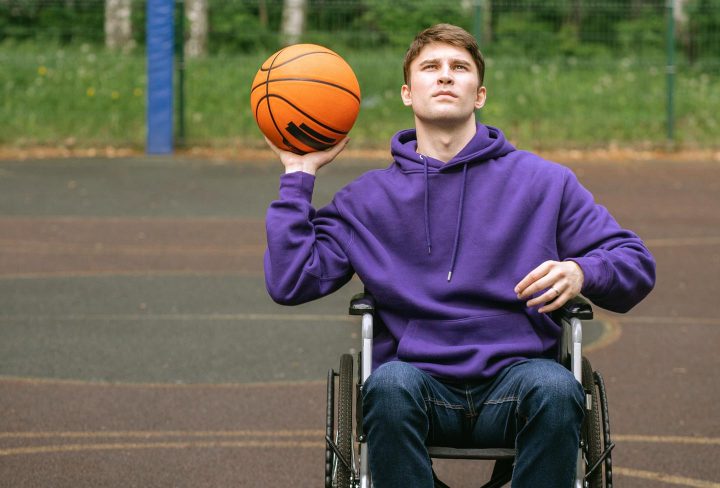
  • Those with chronic medical conditions or disabilities: Recommendations are identical to adults 18 and older if their abilities allow for it. Otherwise, they should avoid inactivity and engage in regular physical activity to the extent allowed by their medical condition.
A man playing basketball in a wheelchair

How to Get Started

There you have it. Those are the shortest answers you can get, inclusive of a wide range of circumstances, that is based on the latest scientific evidence. Of course, all these things are more easily said than done. Everyone needs to start somewhere, even if it is from a place of no exercise at all. In fact, getting little to no exercise at all is not an uncommon situation. If this describes you, please do not be discouraged.

After watching people start and stop, succeed and fail, in their exercise plans (as well as other lifestyle changes), I have come to a settled opinion regarding the initial phase of starting to make changes. My belief is this: in order to maximize the likelihood that someone keeps a commitment to change the way they live, they must first change how they manage their time. I believe that if you do not succeed in setting aside a period of time during which you always do your exercise, something else will easily, without thought or effort, use up that time. You will inevitably find yourself at the end of the day, week, or month having had no time/opportunity to fulfill your exercise goals. Then you may feel like a failure or give up hope.

A kid taking the dog for a walk

Don’t Give Up!

Instead, make it a point to establish a habit to spend 5-10 minutes, once or twice every day, focusing on physical activity. By doing it every day, you will within several weeks have established a new habit; a strong new habit of dedicated time for physical activity.

Two major advantages are built into this approach. One is that the new habit is formed as quickly as possible, with as little effort as possible, and without excessive disruption of your current way of life. The second advantage is that it also maximizes the benefit you realize because you’re doing something every day. And THAT is important for making you stick with the program.

This strategy creates a space in time (5-10 minutes 1-2 times a day) for physical activity that is easily obtainable and allows each person to pick whatever type of exercise they want. Being consistent with the time commitment is the key. Unless, and until, people have a consistent amount of time with which to exercise, not even an expert trainer and the perfect plan will amount to anything.

You may be thinking, “How will 10 or 20 minutes transform my life?!” Well, it may not initially. But it will if you then extend those 5-10 minute sessions to 30-60 minute sessions over time. I tell people to start with 5-10 minute commitments because it’s easier to achieve, and they can form a habit of daily exercise. After having success with the time commitment, they usually are set for an activity commitment.

Call to Action

So the important thing is: Start with something today! Next time, I’ll talk with you more about various activities. Until then…carve out some time each day and start forming your exercise habit.

Healthy Fruits

Stay Always Up to Date

Sign up to our newsletter and stay always informed with news and tips around your health.

Sign Up Now!

This article was originally published on the Time to Get Ready website.
Filed Under: Exercise, Healthy Lifestyle Tagged With: Exercise duration

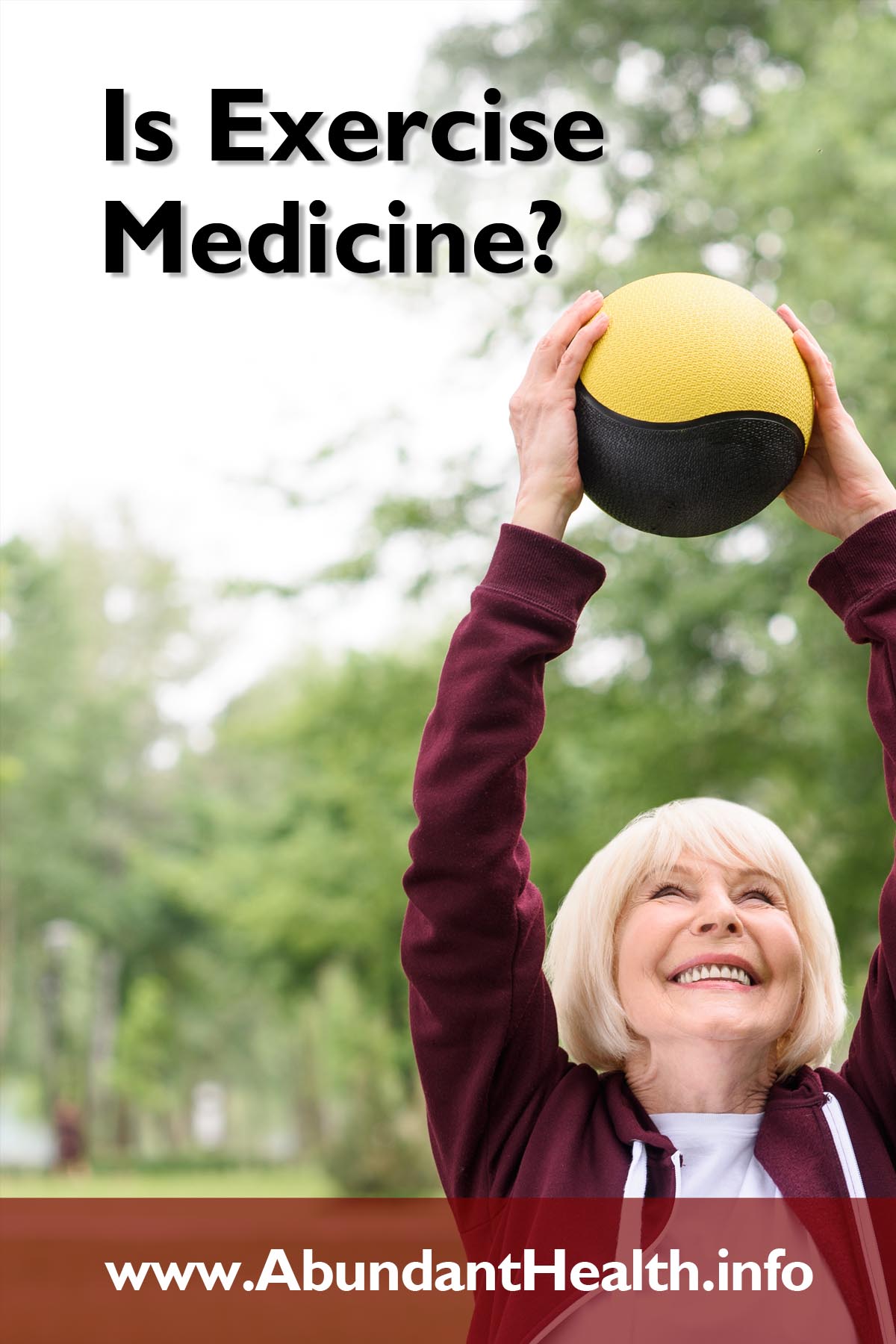
Is Exercise Medicine?

September 11, 2022 by Franklin V. Cobos II - [rt_reading_time label="Reading Time:" postfix="minutes" postfix_singular="minute"]

Is Exercise Medicine?

Despite the resistance of some, I personally continue to insist that exercise plays a vital role in the maintenance of wellness. Exercise has proven to be more than merely a preventative measure that simply maintains a pre-existing state of good health; it is also very therapeutic and can slow or reverse serious illness. And we know much today how exercise can help you to improve your immune system.

Is Exercise Medicine?

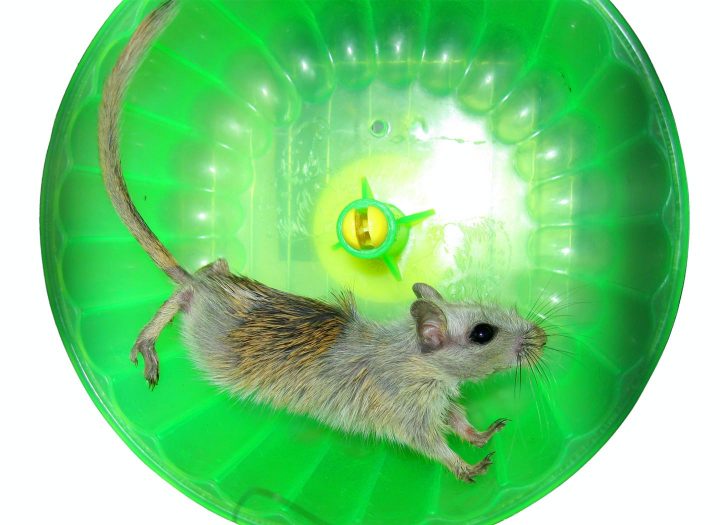
I find it strange and disappointing that mice with cancer will spontaneously choose to use an exercise wheel placed in their cage and enjoy measurably improved health outcomes, but that human counterparts will actively resist the prescription of exercise programs and thus lose the proven benefits that they would otherwise accrue.((Hojman P, Gehl J, Christensen JF, Pedersen BK. Molecular Mechanisms Linking Exercise to Cancer Prevention and Treatment. Cell Metab. 2018 Jan 9;27(1):10-21. doi: 10.1016/j.cmet.2017.09.015. Epub 2017 Oct 19. PMID: 29056514.)) I just have to ask, “Why is that!?” Why is it that animals will voluntarily do the right thing, but often with only great difficulty will people be coerced to do what is in their own best interests? It reminds me of when all the animals spontaneously showed up on their own to board Noah’s ark after 120 years’ worth of failed attempts to give away free tickets to ride out the coming storm and cataclysmic, worldwide flood!

If exercise is medicinal, how “medicinal” is it? Well, in the aforementioned study involving mice with cancer researchers deprived a control group of mice of having the option to freely exercise on spinning wheels inside their cages.((Hojman P, Gehl J, Christensen JF, Pedersen BK. Molecular Mechanisms Linking Exercise to Cancer Prevention and Treatment. Cell Metab. 2018 Jan 9;27(1):10-21. doi: 10.1016/j.cmet.2017.09.015. Epub 2017 Oct 19. PMID: 29056514.)) This dramatically reduces their physical activity. These mice were then compared to a matched group of cancerous mice that were granted their very own, private little version of Planet Fitness inside their cages (totally free of charge to them and open 24 hours a day, seven days a week).

Mouse in exercise wheel

The results of the study indicate that tumor growth was reduced in all mice that exercised. In cases of liver and lung cancer, the reduction was 59% and 58% respectively. And in mice with melanoma, tumor growth was reduced by 67%. That’s medicinal enough to grab my attention, how about you? If I had cancer, I would be happy to engage in therapy that had those kinds of proven outcomes. Especially if I didn’t have health insurance, or didn’t want to risk experiencing the known side effects and adverse events associated with standard cancer treatments such as chemotherapy.

At this point, you should probably be asking the questions, “How does exercise actually achieve these amazing immune-enhancing effects?” Before pharmaceutical agents are approved for general use in the public, regulatory requirements typically demand evidence of their mechanism of action. If it’s not a placebo, then you should expect to see some scientific reason that explains exactly why it works to help people. So then, what is it that happens in the body when one exercises that is so beneficial as to consider it to be medicinal? For simplicity, I will narrow the discussion of the known mechanisms whereby exercise improves how the body more successfully fights against disease. The mechanisms are complex and many, so let’s start with one that is not too hard to understand. Relax, I’ll try to make this less complex than your average doctor would!

Role of Natural Killer Cells

One of the important issues we have identified is the role that natural killer (NK) cells have in immune function. NK cells are a sub-type of lymphocytes. They make up about 5-15% of all your lymphocytes, which in turn make up around one-third of all your white blood cells (WBCs). These are the ones that respond to help you fight infection, as opposed to red blood cells (RBCs) which contain the hemoglobin that transports oxygen throughout the circulatory system.

What makes normal functioning NK cells so interesting and important is that they do not require any knowledge, prior instruction, or memory of an invader to identify, attack, and destroy it. No antibodies are required, no previous exposure or vaccinations (just like the conditions presently dominating the SARS-CoV-2 pandemic). If you isolate NK cells from a healthy person and put them into a culture with cancer cells, it only takes a few hours before most of the cancer cells are dead! How this happens is largely beyond the scope of this article. BUT… I will tell you how exercise improves NK cell’s function.

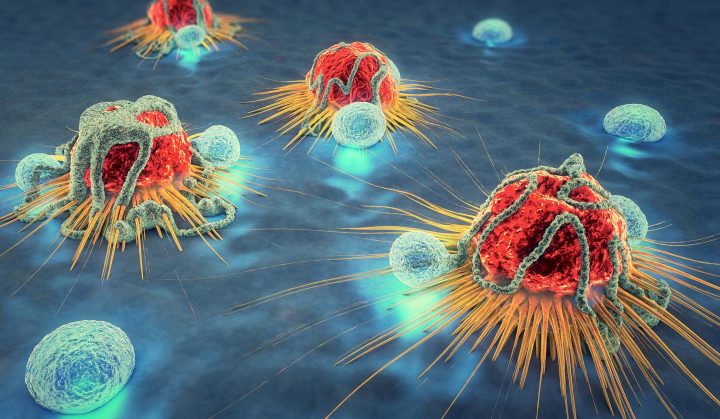
immune system cells attacking cancer cells
3d illustration of immune system cells attacking cancer cells

Catecholamines (epinephrine, for example, is one of them) are released into the bloodstream during exercise. NK cells have receptors on their surface that respond favorably to these catecholamines, making NK cells move around more, and become more active in their assault against your body’s enemies (both foreign and domestic). Research showed that after 30 minutes of moderate exertion on a stationary exercise bicycle the number of lymphocytes in the bloodstream increased by 100%.((Graff RM, Kunz HE, Agha NH, Baker FL, Laughlin M, Bigley AB, Markofski MM, LaVoy EC, Katsanis E, Bond RA, Bollard CM, Simpson RJ. β2-Adrenergic receptor signaling mediates the preferential mobilization of differentiated subsets of CD8+ T-cells, NK-cells and non-classical monocytes in response to acute exercise in humans. Brain Behav Immun. 2018 Nov;74:143-153. doi: 10.1016/j.bbi.2018.08.017. Epub 2018 Aug 30. PMID: 30172948.)) And, the specific sub-type of lymphocytes that increased the most, 400-500%, was the NK cells! Researchers continued taking blood samples, and within only 5 minutes from stopping exercise, about half of all those NK cells had left the bloodstream and entered adjacent tissues looking for a fight to win.

Call to Action

These types of laboratory findings have hopeful implications for the current pandemic, suggesting those who follow the recommended guidelines for regular exercise could reasonably expect to have a much greater margin of safety for their immune function when they are exposed to others around them who are actively shedding viruses (of all types). What those recommendations are, and how one might go about beginning to implement them into daily practice will be the topic of upcoming articles, along with additional encouraging research findings relating to exercise and immune function.

Healthy Fruits

Stay Always Up to Date

Sign up to our newsletter and stay always informed with news and tips around your health.

Sign Up Now!

This article was originally published on the Time to Get Ready website.
Filed Under: Exercise, Healthy Lifestyle, Immune System Tagged With: exercise health benefits, immune system

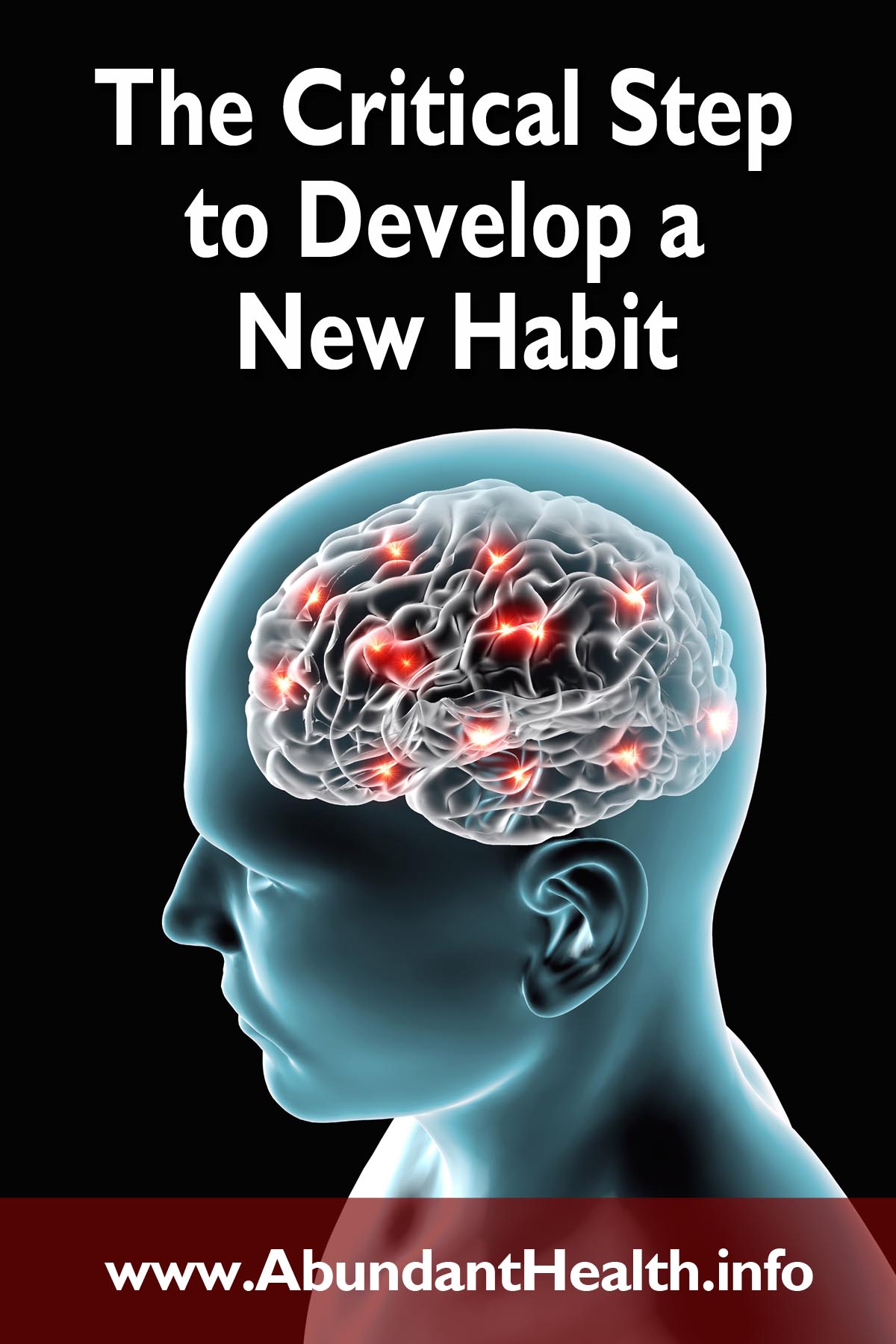
The Critical Step to Develop a New Habit

September 4, 2022 by Dr. Cesar Vasconcellos de Souza - [rt_reading_time label="Reading Time:" postfix="minutes" postfix_singular="minute"]

Have you ever wondered how a habit is formed? Do you find it hard to change your customs? You are not alone. Let’s look at the right way to change your habits in a lasting way.

The Critical Step to Develop a New Habit

Our mind works with thoughts, feelings and actions: attitudes and choices. We think, feel and do something. By repeating the same actions day after day, month after month, year after year, we create a habit. With the repetition of habits, be it food, clothing or the way you think and relate to yourself and others, character is built. So, repeated actions form our character. The sequence is:

  • thoughts lead to feelings
  • feelings lead to actions
  • actions produce habits
  • habits generate character

Remember when you took your first driving lessons? For a while, even after you had your driver’s license in hand, your mind needed to think about what pedal you use to accelerate and which one is the break, when to signal that you take a turn and that you need to put into park position when you stop. But over time, with habit, all of that was starting to happen in autopilot without you needing to think about that. A habit, a conditioning, emerged.

To create a new habit, effort, perseverance and self-control are necessary. Look at this text:

The power of self-restraint strengthens by exercise. That which at first seems difficult, by constant repetition grows easy, until right thoughts and actions become habitual.

E.G.White, Mind, Character and Personality Vol, 1, p. 285.

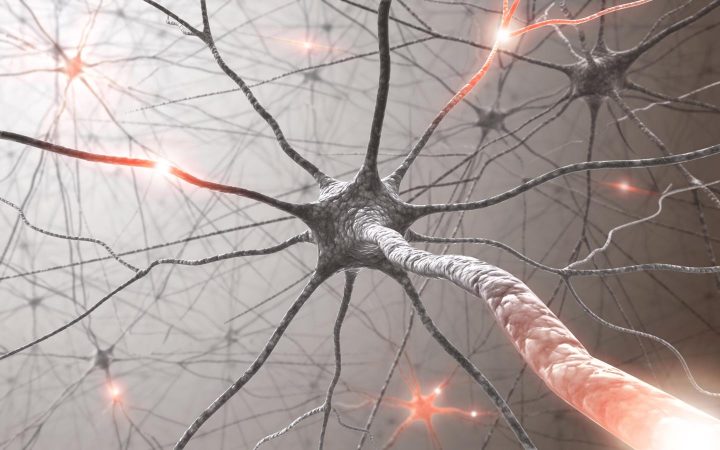
Brain cells, neurons, form an electrochemical circuit in the brain, a network with billions of neurons that communicate with each other. When you habitually think the same way about some subject, that thought becomes an ingrained belief in your psyche. Your habitual way of thinking then becomes a strong influence in your life, affecting your relationships, your work, and your social life. We become what we think about most. Brain circuits are working in such a way that it repeats functions that have been conditioned over time; and this is called habit.

Neurons forming a neural pathway in the brain.

People who are used to looking at the negative side of things, who tend to focus their minds on tragic matters, who always think pessimistically, favor the brain to function in unhealthy conditioning. Positive psychology studies show that cultivating thoughts of gratitude and hope helps with physical health as well. But when a person harbors negative thoughts and ideas, their immune system is affected in a way that can make infections easier to develop.

For example, researchers at the University of Arizona, studying stress, found that people who lost hope due to loss in life had not only more frequent infections, but also infections that took longer to resolve. This is because sadness seems to weaken immunity, making defenses such as T lymphocytes and B lymphocytes less effective in fighting viruses and bacteria, that is: the mental attitude affects the body, which can generate psychosomatic diseases and clinical situations, such as a weakened immune system.

So individuals who cultivate bad habits of thinking may experience more physical ailments throughout life. And the opposite is also true: good physical habits, a positive, optimistic, hopeful mental attitude and trust in God, make it easier for our bodies to respond to illness in a better and more protective way. The good news is that there is a mechanism in our brain called neurogenesis, which has to do with brain flexibility, neuroplasticity; a type of biological resilience. In other words, a possibility of change.

In other words: brain cells that have become accustomed to functioning in a certain neural pathway, which produces addiction, can return to normal functioning in the adult state, making it possible to create a new habit. Some studies suggest that a new habit can be built in three weeks, or 21 days. Other studies have shown that it takes 40 days to create a different habit. The important thing is that this is possible.

Freed from a handcuffing habit

But it is true that in many cases change is not coming easy. Some negative habits may need something more than physical and psychological resources to disappear, or come under control. There are habits that are so ingrained in the person, that have been in the individual’s life for so many years and that produce unhealthy pleasure, with a strong feeling of satisfaction, that willpower alone is not enough to break them. Hence the need to believe in a higher power, which I call God the Creator, to give us the strength to overcome that bad habit.

Do you want to change a bad habit in your life? Take the first step. Place a target. Something like: Just for today I’m not going to practice this bad habit. In other words, the fight is today! What tomorrow will be like, leave it for tomorrow. You may have to struggle with splitting the day, in the sense of deciding to avoid the bad habit at least in the morning. Make the decision by saying to yourself: this morning I will not practice…. . Mention the addiction you don’t want to practice that day. If you feel the force of a bad habit taking hold of you, turn to spiritual resources, as members of Alcoholics Anonymous do:

  1. Admitting your powerlessness in the face of you bad habit.
  2. Believing that a power greater than yourself, the God of the Universe can help you.
  3. Deciding to turn the will of your life over to the care of this Creator God.

So start believing. Believe that it is possible to change a bad habit, because it will be worth reaping the results of your right choices.

Healthy Fruits

Stay Always Up to Date

Sign up to our newsletter and stay always informed with news and tips around your health.

Sign Up Now!

Filed Under: Addictions, Healthy Lifestyle, Mental Health, Temperance Tagged With: breaking addictions, creating habits

Dr. Forest for Stress Control

August 21, 2022 by Esther Neumann - [rt_reading_time label="Reading Time:" postfix="minutes" postfix_singular="minute"]

Dr. Forest

Are you suffering from stress? Maybe it is time to clear your head and calm down. While the forest is essential for our entire ecosystem, it also does wonders to relax our mind and calm us down. Let us discuss some of the benefits of walking in the forest for a healthier mind, body and soul!

Dr. Forest for Stress Control

For all of Your Senses

More than a third of the US territory is covered by forest. In Canada it is around 40% and can reach 80% in some regions. A walk through the forest is a special experience. All senses are stimulated. If you listen closely, it rustles, swishes, chirps, cracks and twitters everywhere. If you draw the air deep into your lungs, the smells are also extremely diverse. They vary greatly depending on the type of forest. Forests with fir trees smell very different than those with broadleaf trees. And if a mushroom is nearby, experienced noses can also smell it.

Then comes the touch! Who recognizes the trees by feeling the bark with closed eyes? A young birch feels very different from an old oak. Opening the eyes again, we see a lot of green, which makes the mood rise and the pulse drop. On average, hospital patients who are allowed to look out into the countryside from their bed need much less care and painkillers than their fellow sufferers who only see bare walls in front of them.

And when you have hiked uphill through a forest and your eyes can wander unhindered above the tree line from mountaintop to mountaintop, the third dimension, the depth of space, is experienced in a breathtaking manner. Isn’t that a wonderful way to relax after staring for so long at the TV and computer screens?

A hiker in the mountains looks at the forest below the tree line

The modern world of work and leisure primarily demands our senses of hearing and sight. A walk through the forest stimulates all other senses as well. When walking on leaves and moss you can almost smell the carpet you are walking on. You can feel the wind on your face and sense the fresh coolness of a spring. This stimulus to the senses is not felt to be unpleasant like the sensory stimuli of civilization with their loud and hectic excesses.

Hiking also stimulates our sense of movement. An entire network of nerve sensors controls and monitors our movement and orientation behavior. And what is used will be strengthened. Gradually, the joy of movement increases and demands more. This is particularly important for our children. In order to compensate the many sedentary activities, you absolutely need to find a balance when hiking in nature. A lot of children have lost interest in nature. Walks in the woods in particular are great for arousing children’s curiosity about the wonders of nature. However, this requires some preparation on the part of the adult companions. Who knows more than five wild herbs, birds, flowers or trees?

Space for Encounter

Basic social needs are also met when hiking. Most people go hiking with a companion. Wonderful conversations then arise quite casually. There is an openness that breaks down barriers in casual conversation, in an environment that is beneficial to health. Friendships are formed or strengthened along the way. Positive encounters with others activate our messenger substances so much that dopamine, oxytocin and endogenous opiates are increasingly released. All of these messenger substances help us to lead a happier and more satisfied life.

Two hikers in a conversation

Furthermore, if someone can say: “The forest is my church”, the divine dimension is added. Experiences in nature bring us closer to our Creator. After all, HE gave us the task of preserving and using nature. If we strike up a happy song while hiking, we can even infect other hikers with our happy nature. I especially appreciate on the hiking experience the leaving, but also the arriving. When I leave, I free myself from everyday worries and obligations. I can empty my head, discover new perspectives in life, cast off role constraints, find experiences. Investing in experiences brings happiness, not investing in stuff.

Refueled!

And then arriving: the warm shower that washes away the sweat, stretching out comfortably on the sofa, the thought that you have now earned all this makes everyday life seem more attractive again. I have arrived back home or in the security of a shelter.

The forest offers something special in every season. In summer it is a blessing to hike in the forest. It protects us from the scorching summer sun. We experience an intense interplay of light and shadow. In autumn, it enchants our senses with a firework of colors. In winter we can read tracks in the snow and observe wildlife.

Trees that have shed their leaves have a special charm. They reveal their growth to us. We can almost read what experiences the tree has behind it. And in spring he promises us a new beginning, a new start, new growth and life.

If we look at the forest and hiking from the listed perspectives, we can give the forest a very special title: Doctor Forest. It virtually helps us to regain our health. Let us use it in this sense in the coming days and weeks! Happy hiking!

Healthy Fruits

Stay Always Up to Date

Sign up to our newsletter and stay always informed with news and tips around your health.

Sign Up Now!

Filed Under: Exercise, Healthy Lifestyle, Mental Health, Stress Management Tagged With: Forest, hiking, nature, Stress Control

« Previous Page
Next Page »

Primary Sidebar

Social Channels

Coronavirus Immunity Challenge

Boost your immune system to be bullet-proof for the pandemic.

I Want to Participate

Recent Posts

  • 5 Habits to Live Longer
  • Better Sleep Can Protect Against Dementia
  • Finding Peace In Your Crazy-Busy World
  • Flaxseed – An Ancient Plant Rediscovered
  • Platelets – Triggers for Life or Death
  • Boderline Personality Disorder
  • In Praise of Almonds and Nuts
  • Are You Stuck in the Clutter Trap?

Categories

  • Body Systems (16)
    • Cell Function (2)
    • Circulatory System (1)
    • Digestive Tract (10)
    • Immune System (4)
  • Diseases (27)
    • Cancer (2)
    • Cold (1)
    • COVID-19 (11)
    • Dementia (1)
    • Diabetes (1)
    • Digestive Diseases (2)
    • Heart Disease (2)
    • Kidneys (1)
    • Metabolic Syndrome (2)
    • Skin (1)
  • Healthy Lifestyle (42)
    • Exercise (11)
    • Gardening (2)
    • Sleep (7)
    • Sunlight (2)
    • Temperance (14)
    • Water (4)
  • Mental Health (87)
    • Addictions (6)
    • Anxiety (7)
    • Burnout (1)
    • Depression (7)
    • Psychosomatic Diseases (6)
    • Stress Management (45)
    • Trust (6)
  • Nutrition (56)
  • Obesity (9)
  • Phases of Life (14)
    • Adults (3)
    • Babies and Infants (1)
    • Children (3)
    • Seniors (5)
    • Teenagers (3)
  • Therapies (7)
    • Herbs (5)
    • Hydrotherapy (1)
  • Uncategorized (3)

Archives

  • January 2025 (1)
  • March 2024 (5)
  • February 2024 (4)
  • January 2024 (4)
  • December 2023 (5)
  • November 2023 (4)
  • October 2023 (5)
  • September 2023 (4)
  • August 2023 (3)
  • July 2023 (2)
  • June 2023 (4)
  • May 2023 (4)
  • April 2023 (5)
  • March 2023 (4)
  • February 2023 (4)
  • January 2023 (4)
  • December 2022 (4)
  • November 2022 (4)
  • October 2022 (5)
  • September 2022 (4)
  • August 2022 (4)
  • July 2022 (5)
  • June 2022 (4)
  • May 2022 (5)
  • April 2022 (4)
  • March 2022 (4)
  • February 2022 (4)
  • January 2022 (5)
  • December 2021 (3)
  • November 2021 (4)
  • October 2021 (6)
  • September 2021 (4)
  • August 2021 (4)
  • July 2021 (5)
  • June 2021 (4)
  • May 2021 (3)
  • April 2021 (5)
  • March 2021 (4)
  • February 2021 (4)
  • January 2021 (5)
  • December 2020 (3)
  • November 2020 (4)
  • October 2020 (5)
  • September 2020 (5)
  • August 2020 (3)
  • July 2020 (1)
  • June 2020 (1)
  • May 2020 (1)
  • April 2020 (1)
  • March 2020 (1)

Copyright © 2026 · Abundant Health - Privacy Policy - Medical Disclaimer