Abundant Health

Up to date health information tailored for you

  • Home
  • Blog
  • Recipes
  • Shop
  • Contact
You are here: Home / Archives for 2021

Archives for 2021

Effective Treatment of COVID-19

April 10, 2021 by Martin Neumann - [rt_reading_time label="Reading Time:" postfix="minutes" postfix_singular="minute"]

Effective Treatment of COVID-19

In the beginning of March the Brazilian doctor Luiz Cristiano Maciel Cardoso published a video on Facebook and declared the end of the COVID-19 pandemic. Supposedly he had found out that the cancer drug flutamide would be an effective treatment and declared that he has conquered the pandemic with this miraculous treatment option. On March 22 he himself took the video down, but copies of the video are still circulating. The entire thing seems to be not more than a hoax, but mirrors the desire of everyone to find a cure for the pandemic that is affecting the lives of all of us.((Faustino M. É falso que médico tenha curado pacientes com Covid-19 com flutamida. Aos Fatos, March 22, 2021)) Unfortunately there is no silver bullet or magic cure, but a combination of sensible measures will greatly enhance the chance of a positive outcome.
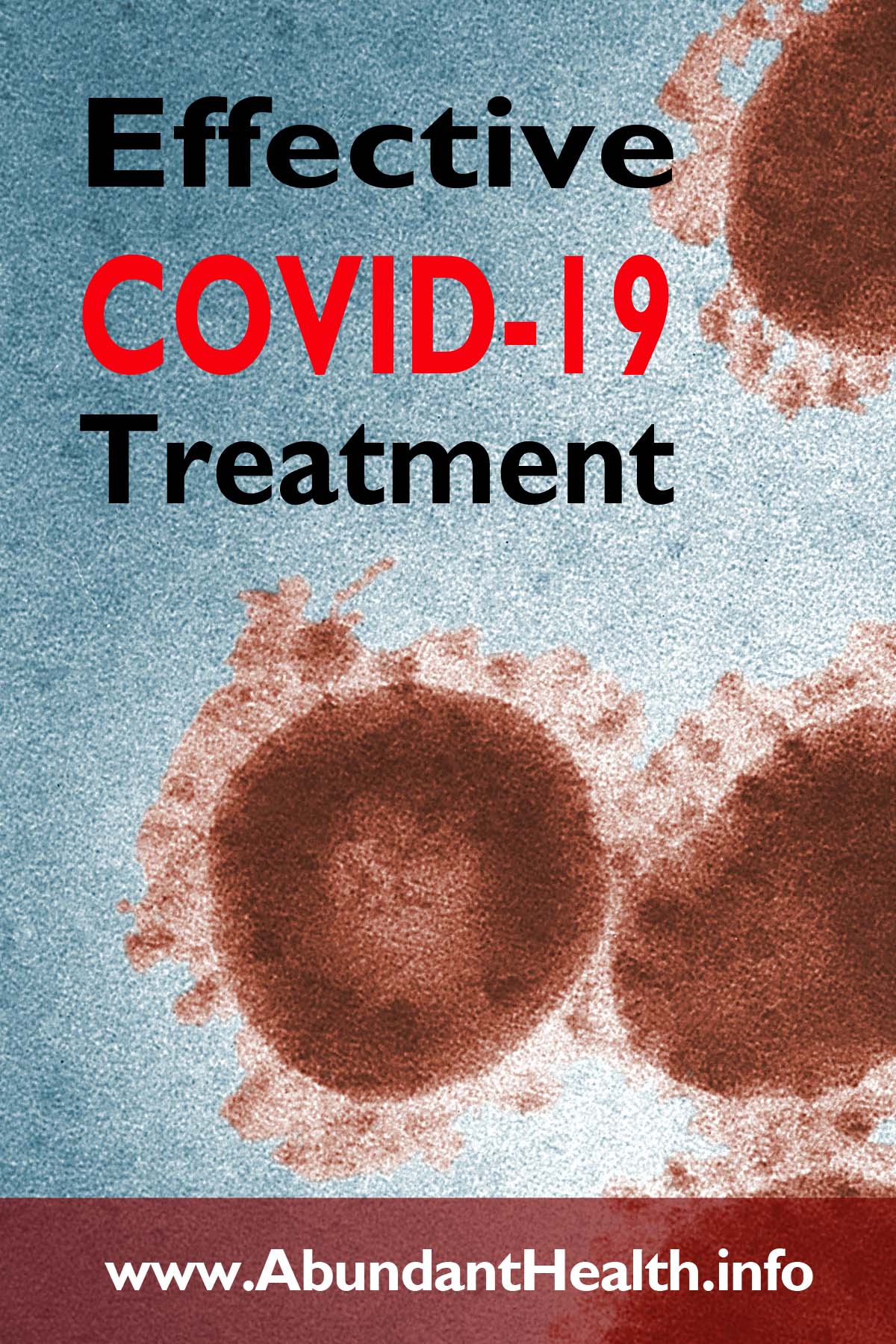
Effective COVID-19 Treatment

Pathology

Before talking about treatment options, we need to understand more clearly how the disease is developing inside the body.((Parasher A COVID-19: Current understanding of its pathophysiology, clinical presentation and treatment Postgraduate Medical Journal Published Online First: 25 September 2020. doi: 10.1136/postgradmedj-2020-138577
Azer S. A. COVID-19: pathophysiology, diagnosis, complications and investigational therapeutics)) Transmission is happening normally via respiratory droplets from person to person. For this reason, social distancing, wearing masks and general hygiene measures can help a lot in prevention.

The first site of invasion is normally the respiratory tract. The spike protein on the surface of the virus binds to the cell membrane and is therefore able to inject an RNA sequence inside the cell. This sequence instructs the cell to replicate the virus. The more the virus replicates, the more cells are going to be affected. Normally the nonspecific immune system would detect the invader and start to fight it off. In contrast to the specific immunity that remembers past infections and facilitates their recognition, nonspecific immunity is able to fight the virus even on the first encounter. The problem is that the virus is able to suppress the interferon response, an important part of the nonspecific immunity. For this reason, a person can stay up to 14 days without developing any symptoms, while the virus is freely multiplying itself.

When the disease migrates from the nasal cavity to the upper respiratory tract, it will manifest itself with symptoms like fever, malaise and dry cough. About 80% of all infected persons have an immune system strong enough to fight the virus before it reaches the lung. A strong immune system is essential at this point.

When the disease migrates to the lung, it is getting more dangerous. If the disease continues long enough, a significant amount of cells in the lung will die. Those that are especially affected are the pneumonocytes which are responsible for the air exchange in the alveoli of the lung.

At the same time, the pneumonocytes will release the so-called cytokynes, which are produced to attract immune cells like neutrophils and T cells. Those will get involved in a fierce battle to combat the virus, but will cause in this process inflammation and cell damage. As a result, the air exchange is being limited, oxygen saturation in the blood will be reduced, and oxygen needs to be applied. If the disease gets severe, the use of a ventilator may be needed.

Oxygen shortness can lead to a change of the body’s pH, accumulation of lactic acid, electrolyte changes and further cell damage. In more sever cases the inflammation spreads through the circulatory system, and may cause the formation of thrombosis, inflammation of the heart muscle, arrhythmia and heart failure. Those complications can be potentially deadly. In the digestive system, the disease can cause diarrhea, nausea, vomiting and abdominal pain. Headaches, dizziness, seizures and other neurological conditions are reported as well. In some cases, the disease can cause liver or kidney damage or even multiple organ failure.

Prevention

As a preventive measure, all efforts should be made to strengthen your immune system. A study conducted in Madrid, found that people who did at least 2 times per week a 30-minute exercise session had an 8 times higher survival rate compared to the inactive group.((Salgado-Aranda R et.al. Influence of Baseline Physical Activity as a Modifying Factor on COVID-19 Mortality: A Single-Center, Retrospective Study. Infect Dis Ther (2021). https://doi.org/10.1007/s40121-021-00418-6)) To improve your immunity, other lifestyle factors like for example adequate sleep and healthy nutrition are equally important. Our Coronavirus Immunity Challenge will give you plenty of details on how to keep your Immunity in top performance.

Walking - an excellent immune stimulating exercise - Photo by Daniel Reche from Pexels

In addition to that, you should consider the following supplementation:

  • Vitamin C: 500 mg / day
  • Zinc: 20 mg / day
  • Magnesium 400 mg / day
  • Vitamin D: 4,000 IU / day
  • Probiotics: at least 1 billion CFU´s daily. Do not take indefinitely.
  • N-Acetyl Cysteine (NAC): 500 mg / day. An aminoacid with antioxidant potential.

You should also look at prebiotic foods like banana, onion and garlic. Besides helping your intestinal flora, they will help to fortify your immunity. Look at fruits that are high in vitamin C like orange, grapefruit, papaya and red bell pepper.

Obesity is a risk factor that can increase mortality up to 4 times according to a recent study.((Tartof S. et.al. Obesity and Mortality Among Patients Diagnosed With COVID-19: Results From an Integrated Health Care Organization. Annals of Internal Medicine, November 17, 2020 https://doi.org/10.7326/M20-3742)) In case of obesity extra care should be taken to practice an immune boosting lifestyle. Other diseases like Diabetes, Cancer, Asthma or Heart Disease will need to follow the same measures.

A contrast shower was shown to be beneficial in strengthening your immunity as well. You should start with a hot shower of at least 3 minutes, as hot as you can tolerate. Switch then to cold for 30 to 60 seconds. If you like you can repeat the cycle three times, otherwise get out of the shower and quickly dry yourself with vigorous motion. If you have heart disease, or you are fragile because of age, be milder in the temperature change.

A sauna, be it a Swedish sauna or a steam sauna, can be very effective as well. If you are interested, we have some units of the Portable Steam Sauna available.

Treatment

We have seen already that the progressive development of the disease can lead to a variety of different symptoms. Accordingly, the applied treatment protocol will change according to the phase of the disease. We will be looking at the most adequate options in every disease stage.

At the First Signs of Infection

No matter, whether you are infected by the coronavirus or any kind of flu bug, taking prompt action at the first signs of symptoms will be key to an effective treatment. You should do one of these treatments as soon as possible:

  • Contrast Shower: Do 4 to 7 cycles of 3 minutes hot and 30 to 60 seconds of cold. Be vigorous and try to increase your temperature change with every cycle.
  • Hot Foot Bath: Wrap yourself into a blanket and put your feet into a bucket of hot water, as hot as you can tolerate it. Add some hot water every 5 minutes and continue the treatment for 20 to 30 minutes. When starting to sweat, put a cold cloth on the forehead, and drink plenty of water.

The next two treatment options are a bit more vigorous. If you have a circulatory disease that impedes you to do jogging, you should avoid those treatments, because they put a strain on your body and make your heart pump faster.

  • Steam Sauna: Put yourself inside a sauna tent and expose your body to a steam source. You can do that with a pot of boiling water on a mobile cooking plate, but there are portable steam saunas available as well. Put a cold cloth with ice water on your head and change frequently as you are coming to a sweat. Stay for 20 to 25 minutes and go straight into bed afterward in order to continue sweating for another 30 minutes. Consider using a different mattress, or putting a plastic underneath your sheet, since you will be sweating a lot. Finish then with a shower.
  • Hot Bath: Get inside a hot bath, as hot as you can tolerate, and add hot water every 5 minutes. Keep a cold cloth on your forehead and work up a sweat for about 20 minutes. A study found out that raising the body temperature to 39°C (102°F) was leading to a tenfold increase in the interferon response, which is exactly the component that is impaired by the coronavirus in the early course of the disease.((Downing J et.al. Hyperthermia in humans enhances interferon-gamma synthesis and alters the peripheral lymphocyte population. J Interferon Res. 1988 Apr;8(2):143-50 DOI: 10.1089/jir.1988.8.143))

Finish each of those treatments with at least one hour of bed rest afterward. This will multiply the immune boosting effect. Drink plenty of water or teas to stay hydrated.

Hot Foot Bath

A good recipe for strengthening the immune system is the so-called Russian Penicillin. The basic recipe is very simple. You take one entire lemon and peel it. Then you take 2-3 cloves of garlic and a pinch of salt. Blend it up in one quart of water (1 liter) and drink it during the day. If you want you can add orange, grapefruit or onions to the recipe, all of those have beneficial properties.

On the immune boosting supplementations, it might be helpful to increase the dose in case of treating the disease:

  • Vitamin C: 1,000-2,000 mg / day
  • Zinc: 40 – 75 mg / day for up to 1 week((Hemilä H, Petrus EJ, Fitzgerald JT, Prasad A. Zinc acetate lozenges for treating the common cold: an individual patient data meta-analysis. Br J Clin Pharmacol. 2016 Jul 5. DOI: 10.1111/bcp.13057))
  • Vitamin D: up to 60,000 IU / day. If you need to do more than 2-3 weeks of treatment, it shoud be accompanied with adequate blood tests.((A Rastogi et.al. Short term, high-dose vitamin D supplementation for COVID-19 disease: a randomised, placebo-controlled, study (SHADE study). Postgraduate Medical Journal Published Online First: 12 November 2020. doi: 10.1136/postgradmedj-2020-139065))

We did already an article with the title: Can Vitamin D Prevent COVID-19? We stated that Vitamin D is fundamental in prevention and treatment of COVID-19 and cited several studies that could confirm this findings. Besides the vitamin D supplementation, try to implement a daily sunbath, that will help in many ways in the recuperation process.

Quercetin is a flavonoid with antiviral properties. In vitro studies have shown that it is able to interfere in the replication cycle of the coronavirus. There are no populational studies published in relation to COVID-19, but it shows interesting antiviral properties, especially in combination with vitamin supplementation.((Agrawal P. Quercetin: Antiviral Significance and Possible COVID-19 Integrative Considerations. https://doi.org/10.1177/1934578X20976293))

Diet-wise, you should avoid heavy meals and double up on fruits, especially citrus fruits and other Vitamin C sources. Cut out all sources o sugar, even natural cane sugar, molasses, maple syrup and similar. Honey can be used in moderation.

At the dental office, a 1% hydrogen peroxide solution is used as a mouth rinse, for patients and dentists alike, in order to avoid the spread of the virus. Some have advocated a wider use of this mouth rinse for the general population. In the early stage of the infection, a gargle or mouth rinse can definitely help to reduce the viral load in this region. They advise to rinse no more than 4 times a day, and prolonged use can disrupt the presence of healthy bacteria in the mouth.((Caruso A et.al. Might hydrogen peroxide reduce the hospitalization rate and complications of SARS-CoV-2 infection? Infect Control Hosp Epidemiol. 2020 Apr 22 : 1–2. doi: 10.1017/ice.2020.170
COVID19 and Hydrogen Peroxide – Urgent Health Tips. My Dental Co. Website, accessed May 13, 2021)) If you do not want to apply hydrogen peroxide, you can use salt water, sage or any other substance with antiviral properties.

Herbs

There are several herbs that could be used in a COVID-19 treatment situation. A team was screening the available literature for natural products that proved to have antiviral activities against different types of human coronavirus. They found that extracts of the red spider lily (Lycoris radiata), Japanese gentian (Gentiana scabra Bunge), Chinese yam (Dioscorea batatas Decne), Sickle senna (Cassia tora L.), Mulberry Mistletoe (Taxillus chinensis), golden chicken fern (Cibotium barometz L.) and Echinacea purpurea L. showed a promising effect, and clinical trials should be done to prove their efficiency for COVID-19.((Khalifa S. et.al. Screening for natural and derived bio-active compounds in preclinical and clinical studies: One of the frontlines of fighting the coronaviruses pandemic. Phytomedicine. 2020 Aug 29;153311. doi: 10.1016/j.phymed.2020.153311.))

Another review study analyzed plants that could be possibly used in treating COVID-19 symptoms. They found 5 plants to be especially promising. Licorice (Glycyrrhiza glabra) has a soothing effect on the respiratory tract and is indicated in case of a cough or sore throat. Elderberry (Sambucus nigra) showed positive effects in clinical trials treating colds or flu. It has expectorant properties and is indicated in various respiratory conditions, fever and headaches. The common ivy (Hedera helix) has been show effective in the treatment of bronchitis and the common cold. It has expectorant properties and should be used in case of a persistent cough. Marsh mallow (Althaea officinalis) is indicated to treat a persistent dry cough. Myrrh (Commiphora molmol or Commiphora myrrha) has an anti-inflammatory effect and is indicated in a variety of respiratory conditions. They found also potentially promising results for a list of 12 more plants including garlic, Echinacea, Eucalyptus and others.((Silveira D et.al. COVID-19: Is There Evidence for the Use of Herbal Medicines as Adjuvant Symptomatic Therapy? Front Pharmacol. 2020 Sep 23;11:581840. DOI: 10.3389/fphar.2020.581840))

The herb Dysphania ambrosioides, commonly known as Mexican Tea, was studied by Brazilian scientists, and they found that it contains substances that are able to inhibit the Sars-CoV-2 virus.((Silva F. et.al. Flavonoid glycosides and their putative human metabolites as potential inhibitors of the SARS-CoV-2 main protease (Mpro) and RNA-dependent RNA polymerase (RdRp). Mem Inst Oswaldo Cruz. Vol. 115, September 2020. DOI: 10.1590/0074-02760200207)) Populational studies are needed to certify the effectiveness in COVID-19 treatments. The plant has several different medicinal applications, among others it is known for its anti-inflammatory and immune stimulating properties. You can use it in form of a tea, putting one tablespoon of the dried leafs in one cup of boiling water and let it steep for 10 minutes. Use 2-3 cups per day. The plant should not be applied for prolonged usage, since it could manifest a toxic effect in long term use.

In Pakistan a randomized controlled trial was done on hospital patients applying the combination of honey with black seed (Nigella sativa). Patients treated with this combination cleared the virus 4 days earlier than the control group. Recuperation and hospital discharge was happening much earlier, and in severe cases mortality rate was fourfold lower.((Ashraf S et.al. Honey and Nigella sativa against COVID-19 in Pakistan (HNS-COVID-PK): A multi-center placebo-controlled randomized clinical trial. doi: https://doi.org/10.1101/2020.10.30.20217364))

Propolis is another promising remedy for prevention and treatment of COVID-19. In a Brazilian study, patients hospitalized for COVID-19 were put either on standard care alone, or received 400mg/day of a propolis extract in the second group, or 800mg/day in the third group. Patients with standard care alone needed an average stay of 12 days in the hospital. That was reduced to 7 days with the supplementation of 400mg/day of propolis, and to 6 days with 800mg/day. Cases for acute kidney injury were reduced as well.((Duarte Silveira M A et. al. Efficacy of propolis as an adjunct treatment for hospitalized COVID-19 patients: a randomized, controlled clinical trial. doi https://doi.org/10.1101/2021.01.08.20248932)) Considering that most drugs proved to be inefficient in hospitalized patients, those findings are pretty impressive.

Those are the herbs that were specifically studied in relation to COVID-19. There are numerous other herbs, that may be just as effective, but no study is available to prove its efficacy. The lifestyle center Uchee Pines Institute is recommending the following list of herbs:((Adeogun O, Sandoval, M. COVID-19 (Coronavirus Disease 2019). Uchee Pines Website))

  • American Ginseng – avoid in pregnancy, 200-400mg twice daily
  • Siberian Ginseng – insufficient evidence to recommend for children or pregnancy, don’t take for longer than 2 months, 400mg 3 times daily
  • Panax Ginseng – (Asian Ginseng), don’t use more than 6 months, avoid in children and pregnancy, 200mg daily
  • Andrographis – (Indian Echinacea), avoid in pregnancy, 200mg daily
  • Thuja – (cedar leaf oil), avoid in pregnancy and lactation, 18-36mg 3 time daily, for 2 weeks
  • Echinacea – 800mg 3 times daily for prevention, up to 5 times daily with symptoms
  • Elderberry – only use the ripe fruit, dosage not specified.
  • Umckaloabo – (African geranium), insufficient info for pregnancy/lactation, dose not specified

Early Treatment

It is a good idea to take a COVID-19 PCR test if available for you. If confirmed positive, or you have strong reasons to believe to be infected, you should take immediate measures for stronger treatment. Besides fever, cough, fatigue and headache, a loss of smell and taste is a very typical symptom for COVID-19 infection. Studies have shown that early treatment greatly increases the chance for recuperation.

One of the drugs that seems to be effective in early stage is nitazoxanide, also known under the brand name alinia. It is mainly used to treat certain parasites like giardia, but has reportedly a broad-spectrum antiviral activity. Furthermore, nitazoxanide displays the potential to boost the innate immune system and reduce the cytokine storm.((Lokhande A, Devajaran P. A review on possible mechanistic insights of Nitazoxanide for repurposing in COVID-19. DOI: 10.1016/j.ejphar.2020.173748)) A study showed that viral load was reduced in 48% of patients treated after a 7 day period, compared to 15% in the placebo group.((Silva M et.al. Efficacy of Nitazoxanide in reducing the viral load in COVID-19 patients. Randomized, placebo-controlled, single-blinded, parallel group, pilot study. doi https://doi.org/10.1101/2021.03.03.21252509)) Further studies are in development to confirm these findings.

Hydroxychloroquine has been hotly debated for a long time, but we want to look at the available evidence. Studies on hospitalized patients did not show any efficiency, like many other drugs as well. But a review found 29 studies of early treatment of COVID-19, and all of them showing favorable results, although only 13 were statistically significant.((HCQ is effective for COVID-19 when used early: real-time meta analysis of 229 studies. https://hcqmeta.com/)) Another meta-analysis was not able to determine any benefit, probably because early treatment and late treatment studies were mixed together, a large number of studies was excluded, and no pooling of data was attempted in order to gain a better statistical significance.((Singh B et.al. Chloroquine or hydroxychloroquine for prevention and treatment of COVID-19 (Review). DOI: 10.1002/14651858.CD013587.pub2.)) It is interesting to state that chloroquine is allowing zinc to enter the cell and inhibit viral replication.((Xue J et.al. Chloroquine Is a Zinc Ionophore. PLoS ONE 9(10): e109180. doi:10.1371/journal.pone.0109180)) We can conclude that chloroquine will develop its full capacity only if administered in combination with Zinc, just there are very few studies available using this combination.

Another interesting option seems to be ivermectin, a drug widely available for the treatment of parasites. Being used at a large scale in many developing countries around the world, it has an excellent safety profile. The drug can help in impeding the binding of the virus to the cells. A meta analysis of 6 early treatment studies showed a 75% average reduction in mortality.((Hill A et.al. Meta-analysis of randomized trials of ivermectin to treat SARS-CoV-2 infection. DOI:10.21203/rs.3.rs-148845/v1
Ivermectin is effective for COVID-19: real-time meta analysis of 49 studies. https://ivmmeta.com/
Lawrie T. Ivermectin reduces the risk of death from COVID-19 – A rapid review and meta-analysis in support of the recommendation of the Front Line COVID-19 Critical Care Alliance. https://www.e-bmc.co.uk/)) Some studies seem to show limited benefits, that do not justify its use.((López-Medina E et. al. Effect of Ivermectin on Time to Resolution of Symptoms Among Adults With Mild COVID-19. JAMA. doi:10.1001/jama.2021.3071)) Besides that, critiques are saying that sample sizes of the available studies are small, and the study design sometimes flawed, having though not sufficient scientific evidence to promote their use. Several others prefer to use the limited evidence available in a responsible way to save lives.

Despite of limited scientific evidence at that time, ivermectin was approved as a COVID-19 treatment since May 2020 in Peru and Bolivia, and a few other countries have followed in the meantime. In Brazil, a factory with 12,000 workers adopted a weekly preventive dose of ivermectin. The responsible doctor states in an interview, that they had very few cases of infection, and no cases of hospitalization or death.((Medico de GTFoods em Maringa. Facebook, March 12, 2020))

The dose of the drug depends on the weight of the person. It is important to note that ivermectin preparations for animals are improper for human use, since the dosage for horses and cows is completely different than for humans.

Another case study comes from the town of São Lorenço in the Brazilian State of Minas Gerais. They adopted an early treatment protocol using ivermectin, azithromycin, dexamethasone, zinc and vitamin D. For almost a month they had not a single case in the intensive care units, and almost no hospitalizations for COVID-19. With the recent surge all over Brazil, there were recorded 4 cases in intensive care by the end of March. It is difficult to tell, which component of the protocol was responsible for the result, but it shows that early treatment can significantly increase the chance for success.((Piva A. Cidade mineira não tem um único doente internado por covid-19. Revista Oeste, March 15, 2021
Dourado C. Prefeito defende tratamento precoce, mas São Lourenço entra na onda roxa. Estado de Minas, March 16, 2021
Statistics on the Facebook page of the town hospital))

Monoclonal antibodies are another treatment option that proved to be effective as an early treatment option, and there are two options that have received FDA approval. Bamlanivimab and the combination of casirivimab/imdevimab are available and you may consult your hospital whether they are eligible to recieve this treatment. They work in blocking the spike proteins of the virus and reducing its infectivity.((An EUA for Bamlanivimab—A Monoclonal Antibody for COVID-19. JAMA. 2021;325(9):880-881. doi:10.1001/jama.2020.24415
Chen P et.al. SARS-CoV-2 Neutralizing Antibody LY-CoV555 in Outpatients with Covid-19. N Engl J Med 2021; 384:229-237 DOI: 10.1056/NEJMoa2029849))

If Symptoms Persist

One of the common symptoms is fever. Many people will try to lower the fever with ibuprofen, paracetamol or another antipyretic drug. This is actually the worst thing you can do. Fever actually stimulates the immune system to fight the infection. If you cut the fever, you may feel better at the moment, but you reduce the activity of the immune system to fight the infection.
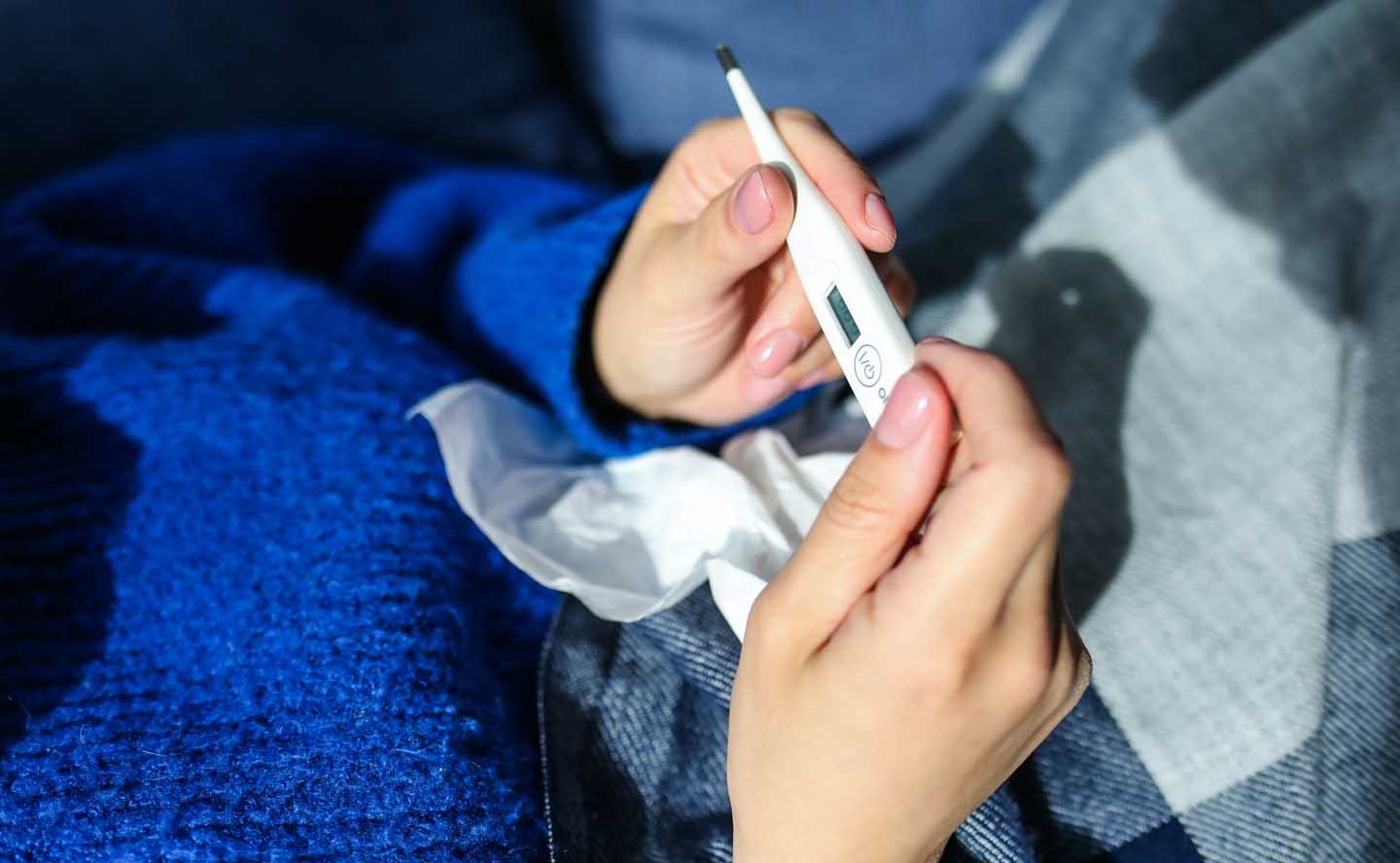
Fever thermometer - Photo by Polina Tankilevitch from Pexels

It is important to state again that the most effective treatment of COVID-19 is a well-functioning immune system. Even for the common flu, there are only a handful of antiviral drugs available with very limited efficiency. The deciding factor that will eventually fight off the virus is the immune system, and strengthening the immune response will be the most important treatment to follow.

In case of fever, strict bed rest is the best course to follow. We have seen already the importance to feed the fever with bed rest. On top of that, sleep is essential for the functioning of the immune system. During the Spanish flu, the early initiation of total bed rest was part of a successful treatment protocol. The bed rest needs to be continued for 2 to 3 days after the fever subsides, in order to avoid the development of pneumonia or other types of secondary complications.((Elliott LE. The Value of Sanitarium Treatment in Respiratory Diseases. Life & Health. 1919 May 1; 34(5):103-4.)) In case of COVID-19, we have seen many cases with marked improvements, followed by a sudden return of the disease, or one of its complications. If symptoms improve, continue your treatment protocol for several days, until you obtain a negative PCR test or you are completely sure of your total recovery. Even though you may feel better, you need to continue treatment for as many days as you had a fever.

Give plenty of water or teas throughout the treatment period. The patient will most likely be sweating a lot, and needs to be hydrated. On top of that, extra water can flush out a number of substances through the urine and clean out the body. Hot teas can help to induce sweating and fever.

In case of cough, an onion poultice can help. Blend ½ of a medium-sized onion in a blender with just enough water to make a paste. Spread it on a paper towel like the onion is the sandwich filler and the paper towel is the bread, so you have paper towel on the outside with the onion on the inside. Place it on the chest and then wrap it with plastic food wrap and secure it in place. Cover with a tight t-shirt and then a flannel or thick sweater and leave on overnight. Remove and wash off in the morning.((Adeogun O, Sandoval, M. COVID-19 (Coronavirus Disease 2019). Uchee Pines Website))

Hot and cold fomentations on the chest are an excellent treatment for coughing. Considering the lung damage in advanced COVID-19, it is certainly a treatment that is highly indicated. During the Spanish Flu pandemic, this treatment was part of a successful treatment regimen.((Elliott LE. The Value of Sanitarium Treatment in Respiratory Diseases. Life & Health. 1919 May 1; 34(5):103-4.)) Place a hot fomentation for 3 minutes, followed by a towel that was immersed in ice water for a minute. Repeat 5-7 times. To increase the effect, put a hot fomenation or heating pad on the back, and the feet in a basin of hot water during the treatment, taking care to add hot water every 5 minutes. Finish the treatment by rubbing the body with a cold cloth and drying immediately. Repeat 2-3 times daily if needed.

Steam Inhalation is another interesting treatment to improve mucus elimination and clear up the lungs. There are commercial steam inhalators available, or you can just put a sheet over a pot with boiling water. Add a few drops of peppermint or eucalyptus oil if you want. To treat the cough, you can also mix a few drops of eucalyptus oil in honey. Use about one drop for every tablespoon. You may find even raw eucalyptus honey, that contains all the beneficial properties of the pollen from the eucalyptus trees.

If the patient is still strong enough, you can continue to apply a hot foot bath 2-3 times a day. Just if fever persists for a long time, the patient may become so weak that he is not able to adequately react to the hot stimulus. In this case, fomentations will be the more adequate treatment.

What you should avoid during early treatment are antipyretic and anti-inflammatory drugs (like ibuprofen, parecetamol, diclofenac, loratadine), antibiotics, and corticosteroids, since they weaken the immune system.

If the Disease Aggravates

If you develop shortness of breath, or blue lips it is a sure sign that the disease is affecting the lungs. In this case you need to look out for medical help. In order to facilitate breathing, you may be put on oxygen. That helps to guarantee that oxygen levels do not drop in the blood and cause other complications. If you want a tool to evaluate your situation for yourself, you acquire an oximeter. If your Oxygen saturation in the blood is above 95%, then you are fine, and no lung impairment is taking place. If the saturation drops below 90%, you may be in need of supplemental oxygen. Higher altitudes may lead to slightly lower oxygen saturation.

Oxymeter - Photo by Stanley Ng from Pexels

It is important to state that effective drug treatments are getting extremely scarce when it comes to advanced COVID-19 patients. The WHO organized a rather large study including four of the most promising treatment options, and concluded that none of them, not even the expensive antiviral drug Remdesvir showed statistically significant benefit in hospitalized patients.((WHO Solidarity Trial)) Some preliminary studies show though promising results for proxalutamide((Cadegiani et al., Press Conference (Preprint) The Proxa-Rescue AndroCoV Trial)) and a few other drugs for the late stage treatment of COVID-19.

That far, treatment is entirely focusing on dealing with symptoms. Besides giving oxygen, corticosteroids are normally prescribed in order to reduce the cytokine storm. This is important to limit the damage of the lungs in the acute stage. Please note that corticosteroids are recommended only after the patient has sufficient lung damage to require oxygen, and a significant cytokine storm was setting in.((Therapeutic Management of Adults With COVID-19. NIH, acessed April 7)) Before this point it would only prejudice the immune response without necessity. Even though that corticoids are suppressing the activity of the immune system, efforts should continue to strengthen the immunity, since this is the only mechanism that will fight the virus and promote the real cure of the disease. Especially Vitamin D was proven to show an immunomodulating effect, improving overall immunity while helping to reduce the cytokine storm.

In relation to thrombosis protection, N-Acetyl Cysteine (NAC) might be an interesting option. Several studies show that NAC is able to reduce the formation of thrombosis in various situations. Although there are no specific studies that prove its efficiency in case of COVID-19, it is probably safe to conclude, that the mechanisms involved would apply to this disease as well.((Coronavirus Pandemic Update 69: “NAC” Supplementation and COVID-19 (N-Acetylcysteine). Medcram. Youtube, May 11, 2020))

The AdventHealth hospital in Ocala, FL has developed a treatment protocol that they have baptized ICAM. It is an acronym of the 4 different treatment components. I stands for Immunosupport, which was given in form of Vitamin C and Zinc supplementation. C stands for corticosteroids that were used to control inflammation. A stands for anticoagulants to prevent blood clotting, and M for macrolides to help fight infection. In their own hospital, they have proven a 96.4% survival rate with this treatment protocol. Like other protocols, it does little to attack the actual virus, but treats successfully COVID-19 symptoms, giving the immune system extra time to respond. Further studies supposedly showed no benefits compared to standard treatment protocols, but I still would consider it as an interesting protocol for hospitalized patients.((Facebook Post))

Recuperation

Especially if lung damage has occurred, fatigue is a common symptom in the recovery phase. In a study of COVID-19 patients that were hospitalized, more than half reported fatigue even 2 month after recovery.((Carfi A et.al. Persistent Symptoms in Patients After Acute COVID-19. JAMA. 2020;324(6):603-605. doi:10.1001/jama.2020.12603)) Another study found 55% of patients had an abnormal echocardiogram, so you definitely want to check on your heart if you experience fatigue.((Dweck M et.al. Global evaluation of echocardiography in patients with COVID-19. https://doi.org/10.1093/ehjci/jeaa178))

If you get tired, you need to limit the amount of work you do during this recovery phase. If you go beyond your strength in this phase, you can cause a relapse, some kind of a secondary infection or some other type of complication. In some cases physiotherapy can help in recuperation. In any case, start with some light exercise and build up gradually. Be sure to get to bed early and take good care of your health. You should spend a lot of time outdoors in the fresh air and sunshine. Just be sure to use appropriate clothing for the climate to avoid chilling.

Try to focus on an anti-inflammatory diet. Use plenty of fruits and vegetables. Avoid saturated fats and increase the amount of Omega 3 fatty acids in your diet. Flaxseed and Chia are among the best sources. If you made use of some medication, it is definitely recommended to use some probiotics to improve your intestinal flora.

Supplementation with NAC seems to be helpful in recovering from fatigue. A daily contrast shower can be helpful to strengthen your immunity and increase circulation, which in turn speeds up the healing process. Keeping a cheerful state of mind can do wonders as well. The impact of thoughts and attitudes on our health is greater than we think.

Conclusion

Treatment of COVID-19 definitely varies greatly, depending on the stage of the disease. For the most part it is focusing on treating symptoms and side effects of the disease, and giving the immune system proper time to do its work. In elderly patients, the immune response takes longer to kick in, which will aggravate the disease and prolong the recovery time.

We see as a common thread the importance of a strong immune system in all phases of the disease. At the end, only the immune system is able to fight off the virus and really cure the disease. In order to help you to have a strong immunity and be prepared for the virus, we have prepared the10 day Coronavirus Immunity Challenge for you. Participate now to find out what you can do to have maximum protection against the coronavirus that is circulating around the entire globe.

We have a special opportunity just for you. If you want to receive practical and up to date advice on how to implement an immunity-boosting lifestyle, simply join the Coronavirus Immunity Challenge and prepare yourself to face the pandemic with a bullet-proof immune system.

Sign Up Now

Coronavirus Immunity Challenge

Filed Under: COVID-19, Diseases

Stones at the Wrong Place

April 4, 2021 by Esther Neumann - [rt_reading_time label="Reading Time:" postfix="minutes" postfix_singular="minute"]

Steine am falschen Ort

Stones can really be in the wrong place. But today we are not concerned with stumbling blocks, but with stones deep in our body. Often they do not cause us any complaints and are only discovered by chance. But they can also cause painful colics. We are talking about kidney stones. Two to five percent of the total population collects such stones.

Stones at the Wrong Place

Formation

Kidney stones develop when substances accumulate in the urine that are capable of stone formation. The most common are calcium oxalate stones, followed by uric acid stones. The struvite stones are composed of magnesium ammonium phosphate. The rare cystine stones are formed at elevated excretion of the amino acid cystine in the urine.

Increased concentrations of such urine components can result from a lack of fluids, especially in hot areas and in case of long-lasting diarrhea. Diet also plays a role. Eating plenty of dairy products causes an excess of calcium in the urine. If large quantities of meat and sausage is eaten, a lot of purines are produced which are broken down into uric acid. This is precipitated if the fluid intake is too low and, in addition to gout, it can lead to uric acid stones. Drinking plenty of green and black tea increases the absorption of oxalic acid, and calcium oxalate stones will be formed in the presence of calcium.

Lack of exercise in the case of prolonged bed rest or old age can lead to an increased breakdown of calcium from the bones, which in turn promotes stone formation.

Certain metabolic diseases promote stone formation. If the parathyroid gland is overactive (hyperparathyroidism), too much calcium is excreted.

In the case of primary hyperoxaluria, a congenital enzyme disorder, more oxalic acid is found in the urine. This can lead to stone formation.

Diagnosis

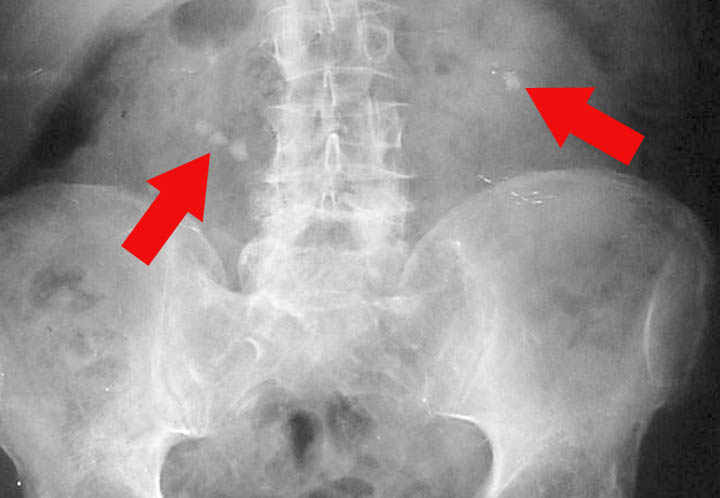
A clinical distinction is made between kidney, ureter and bladder stones. If the stones remain in place in the kidney, the patients are usually symptom-free and the stones are discovered only by chance during an X-ray or ultrasound examination. But if they migrate into the ureter, a renal colic occurs. The pain comes like a bolt of lightning out of the blue, with strong labor-like pains, radiating in the lower abdomen, the groin and the genitals. It is accompanied by nausea and vomiting. The patients are very restless and throw themselves around or wander up and down. Large renal pelvis limb stones that cannot be excreted do not cause colics, but only unspecific pain that is interpreted as lumbago. Irritation of the mucous membrane can lead to small amounts of blood in the urine.

Ultrasound and X-ray examinations are used for diagnosis. Stones show up as white reflections with a shadow. At the same time, an elimination urogram is carried out. A radiopaque contrast agent makes the entire urinary system visible, shows the extent of a urinary obstruction and provides information about the type of stones.

Kidney stones in an X-Ray - Source: Flickr.com - Arrow was added.

Laboratory exams are also used to differentiate the diagnosis. Uric acid, electrolytes (especially calcium) and creatinine are measured in the blood and a hemogram is performed. The pH value of urine is measured. In acidic urine (pH 5) uric acid or urate crystals precipitate, in alkaline (pH 7) phosphate crystals. If the stones injure the mucous membrane, blood is found in the urine.

Complications

When the urinary tract is blocked, bacteria can migrate into the urinary tract. The urine is an ideal breeding ground for bacteria. If the kidneys are infected, urination problems, fever and chills occur. If the bacteria enter the bloodstream, this can lead to blood poisoning. Urinary stasis can cause the renal pelvis to expand.

Therapy

In the case of stones less than 5 mm in size with a smooth surface and no signs of infection, spontaneous elimination can be awaited under the control of ultrasound, urine sediment and hemogram. You should drink plenty of water and exercise a lot, especially climbing stairs and hopping.

Renal pelvic stones are now treated with ESWL (extracorporeal shock wave lithotripsy). The urinary stone is located with X-rays or ultrasound in order to bring it into the focal point of the shock waves. The waves are generated outside the body and the radiation bundled onto the stone. It is smashed by pressure and tension waves. The intensity and number of strokes of the wave are precisely matched to the size and hardness of the stones. This creates stones or sand that can be eliminated spontaneously. The disposal must be controlled. Urine is collected and examined. It is not always possible to smash the stones in one sitting. Sometimes ESWL needs to be repeated or resorted to other treatments.

MIL (minimally invasive percutaneous nephrolitholapaxy) is often the therapy of choice. A small incision is made in the skin under anesthesia, a puncture canal is widened and an endoscope is inserted into the kidney. Kidney stones and smaller fragments can be removed with grasping forceps.

Open surgical interventions for kidney or bladder stones are rarely performed today. For example, if the procedures listed above are unsuccessful or if other complications occur, such as bleeding or injuries to neighboring organs.

Drug dissolution of the stones is used for cystine and uric acid stones. With allopurinol the uric acid level can be lowered.

Follow-up Care for Kidney Stone Patients

Around every fifth patient treated for kidney or bladder stones will have a relapse. That is why the urine must be sieved during treatment and the excreted particles analyzed, so that the patient can be advised precisely according to the type of his stones. Adequate hydration is very important for all kidney stone patients. In addition, special measures apply to the different types of stones.

  • With calcium oxalate stones, the consumption of dairy products, cheese, chocolate, spinach, as well as black and green tea should be restricted. Orange juice helps to reduce stone formation.
  • In the case of calcium phosphate stones, the consumption of milk, cheese and citrus fruits must be restricted. Currant juice is the preferred drink.
  • In the case of uric acid stones, it is important to ensure that the urine is alkalized. This can be achieved by taking K citrate. The patient adjusts the pH of the urine himself with test strips to 6.2 to 6.8. The diet should be low in purine, i.e. contain little meat, sausage and legumes.
  • For cystine stones, the urine needs to be adjusted to around 7.5 to 7.8 pH. With a good supply of vitamin C, the cystine can be converted into the more easily soluble cysteine, thus preventing stone formation.

Prevention

Drinking water avoids kidney stones - Photo by Daria Shevtsova from Pexels

The best prevention is drinking plenty of liquids, and pure water is best suited for this. For a change, you can drink either orange or currant juice, depending on the type of stone. One should rather avoid mineral water. They could be high in calcium or even acidic. The fluid intake must be regularly distributed throughout the day so that the urine is diluted. This way we avoid oversaturation with stone-forming substances.

Healthy Fruits

Stay Always Up to Date

Sign up to our newsletter and stay always informed with news and tips around your health.

Sign Up Now!

Filed Under: Diseases, Kidneys

Six Tips to Set Boundaries

March 28, 2021 by Dr. Cesar Vasconcellos de Souza - [rt_reading_time label="Reading Time:" postfix="minutes" postfix_singular="minute"]

Como colocar limites?

Do you have a hard time setting boundaries? Do you usually say yes when you wanted to say no? You tackle things that you were not supposed to deal with? If so, then today’s topic is for you. Let’s get some tips that can help you set some boundaries.

Six Tips to Set Boundaries

The Importance of Boundaries

You may ask: Why is it important to set Boundaries?

First, because you may be a person who didn’t know how to do this since you were a child. You may have been a victim of other abusive, dominating children, or you suffered from adults who were not sensitive to your needs as a child, needs that you did not know how to claim. Father and mother need to teach children from an early age to know how to defend themselves from abuse. You may have become an adult who still struggles with the issue of setting limits. Hence you suffer unnecessarily, assuming tasks, responsibilities that you shouldn’t have, but since you take them on, your life gets stressful, heavy and unhappy.

Boundaries are attitudes you should have and need to practice, in order to protect what is good in your life, and not allow bad things to overcome you, whether in your home, your body, at work, in your religious community, in the neighborhood and in your own mind. Limits are important. Think of the boundary between your house or apartment and the neighbor’s house or apartment. The limit can be the door, the corridor, the sidewalk, the wall, the fence, right? And what about the limits between a town and another town, between a state and another state, between one country and another country. Look how important limits are, the border is important, isn’t it? I remember a saying I read a while ago: having a neighbor is good, but put up your fence.

The fence defining the property boundary of the house

An emotionally sensitive person, if he suffered a lot in childhood relationships, he may have built up tight boundaries on his personality, in order to avoid suffering pain again. Sometimes we hide ourselves to protect from the pains we have experienced in the childhood past, to make sure they are not repeated in adulthood. But we can exaggerate our boundaries that keep us away from more intimate contact with others, and even with ourselves.

Some children may not have learned to put limits during childhood against family abuse. They may have been criticized for wanting to be alone for a few moments when it was normal for their temperament. They may have been hampered in the process of delineating their self, in the construction of an identity that separates them from others. They may have had difficulty making decisions independently. Some children and teens may have suffered in their families for being aggressively repressed when they tried to complain about something unjust and cruel. Children who grow up without having learned to set just and necessary limits for the preservation of their own identity, become adults who are generally victims of abuse in marriage, with an authoritarian husband, with an authoritarian wife, or with a co-worker, boss, or abusive business partner.

Practical Tips

Now let’s look at some tips on how to establish healthy boundaries.

First make sure you express yourself clearly. Many sensitive people, more prone to not knowing how to set boundaries, often express themselves, but not in a clear and firm way. They may say something like this: yes maybe, I’ll try, if I can, when they really wanted to say no. You can be clear, firm, and at the same time polite and tactful.

A woman shrugging her shoulders, not saying what she thinks - Photo by Polina Zimmerman from Pexels

A second tip: you have no obligation of always needing to give a reason for your decision. Think about it: you can say no thanks, I don’t want that, and that’s it. Speak politely, without shouting, and if the person insists on wanting to know the reason for your decision, you can repeat your answer and say that you do not want to explain. You have the right not to explain yourself to an abusive person, who just wants to bog you down.

The third tip on setting boundaries. Only you know whether or not you are overwhelmed. If people know that you are overwhelmed, they may not ask you for another difficult task. So say you have a lot to do or too many responsibilities around your ears.

A fourth tip: You have the right to tell a person that you will need more time to think about the decision he wants you to take right away. If you feel not safe to take the final decision right now, say that you need to think and that you will get back to them as soon as you can.

The fifth tip for you to set boundaries and protect yourself. If you think it will be easier to say no by email, by phone, by the message on your cell phone or other means, without being face to face, then use one of these means of contacting the person.

The sixth tip has to do with respecting yourself and thinking that you are on same ground with another person, or you may even be better prepared, for example to perform a certain task. Someone who is bossy, with a dominant temperament, usually chooses the best seat, the quietest place, the largest office, dictates the rules, determines tasks, doesn’t he? So do not feel or place yourself as inferior to that person, but with the same rights if you are actually in the same hierarchy. If the person doesn’t see you as someone who has the same rights as he does, when in fact you have a right, see what you can do to change that.

Make an effort to say no when it is the right thing to do. When you arrive at the final judgment, God will not ask you why you were not the same as someone else. If you don’t take better care of yourself, putting boundaries on what God expects you to be, he will ask you why you have not been the best of yourself. So think about it. You have a right to set boundaries, and if you have not learned it in childhood, you can learn it now. Protect yourself and set boundaries!

Do you need a guide to help you understand how to cope with Stress in an all inclusive approach? Learn how to combat stress, mentally, physically, emotionally and strategically in your life.

Get Me the Guide

Filed Under: Stress Management

Breastfeeding – The Best Start into Life

March 21, 2021 by Esther Neumann - [rt_reading_time label="Reading Time:" postfix="minutes" postfix_singular="minute"]

Breastfeeding - The Best Start into Life

Breast milk makes smart! On average, breastfed children have an intelligence quotient that is three points higher. Breast-fed children are less likely to suffer from allergies. The close contact with the mother gives the baby a feeling of security. The nutritional composition of breast milk is optimally tailored to the newborn. Breast milk is always sterile and at the right temperature. These are all advantages that far make up for the little effort involved in starting breastfeeding.

Breastfeeding - The Best Start into Life

91% of all expectant mothers want to breastfeed. But only about 45% breastfeed for four months, and only 13% for the entire recommended six-month period. Breast milk is the best food in the first year of life. Its composition is precisely adapted to the infant’s need for water, energy and nutrients. In addition, it is always sterile and always at the right temperature.

The intensive skin and body contact stimulates the senses. The baby sees, feels, smells, hears and tastes the mother. Sucking strengthens the jaw muscles, which is beneficial for the later chewing capabilities and language development.

Breast Milk and Cow’s Milk Compared

Compared to cow’s milk, mature breast milk has much less calcium and less casein. That makes sense. A small calf doubles its birth weight much faster than a human being. That is why the calf needs more calcium for bone formation. But breast milk has more available carbohydrates in the form of lactose, which is the infant’s most important energy source. Various carbohydrate fractions also act as growth factors to promote the proliferation of bifidobacteria, which protect the intestines of the newborn from pathogenic germs and parasites.

The proportion of the unsaturated fatty acids in breast milk is higher than in cow’s milk. They are important for the development of the nervous system and the brain. They can also be found accumulated in the retina of the eye. The amino acid taurine, which babies cannot produce themselves in sufficient quantities, can be found in breast milk. Taurine has a particularly positive effect on the infant’s organ development and is important for fat digestion.

The mineral content is significantly lower in breast milk than in cow’s milk. The infant has not yet the capacity to excrete the excess minerals through the kidneys. That is why cow’s milk may only be used diluted in infant nutrition. Breast milk contains more vitamins A and E than cow’s milk. Trace elements such as iron, zinc, copper, manganese, but also calcium are bound to specific fractions in breast milk and can be absorbed much more easily than from cow’s milk.

Changes in Breast Milk

Some of the energy and nutrients were already stored during pregnancy and are now accessible for breastfeeding. The hormone prolactin made the breast grow and prepared it for milk production. The newborn should be breastfed immediately after birth, because the sucking stimulus is the trigger for a particularly strong release of prolactin. Thus the milk production really gets going. The colostrum is produced in the first one to three days after the birth. It has a strong yellow color and is very important for the child, as it has a high content of antibodies and thus offers comprehensive protection against infection. We can call it the first vaccination for the newborn.

Breastfeeding right after birth - Photo by Jonathan Borba from Pexels

From around the third day, the transitional milk is formed. It becomes more fluid and whiter. Until mature breast milk is formed, the proportions of fat and carbohydrates increase and the protein content decreases. At the same time, the amount of milk increases. Even during the breastfeeding, the composition is changing. The foremilk, at the beginning of a feeding, is more watery and translucent. The baby should first take in enough fluids. The hindmilk then becomes richer in fat and satisfies hunger. It is therefore important that the mother takes enough time to breastfeed so that the child gets enough of the high-fat milk.

It should always be fed from both breasts. This is how milk production really gets going as a result of the sucking stimulus. In the past, only one breast was applied per meal, with the result that mothers soon stopped breastfeeding for fear that the child was getting too little milk. If the child stubbornly refuses a breast for any reason, one breast can be used exclusively without any problems. The author of this article has successfully experienced this for 15 months with her own child. If the mother is eating wholesome food, the baby does not need anything except breast milk for the first six months of life. Only then you should start slowly introducing complementary foods.

Allergy Protection

Breast milk is the best protection against allergic diseases. In the first few months of life, the intestinal mucous membrane of the infant is much more permeable to protein from the diet than in the adult. When the baby is breastfed, only species-specific protein is absorbed, so no immune reaction is triggered. In bottle-fed infants, alien protein can enter the blood without being broken down, and can lead to an immune reaction in the case of allergic predisposition. Cow’s milk allergies are the most common allergies in infancy. If someone in the family is known to have a cow’s milk allergy, the child should be fully breastfed for at least 6 months.

Baby-Bottle

Industrial Infant Formula

If, for whatever reason, breastfeeding is not possible, industrially produced baby formulas must be used. It is usually offered in powder form. Most formulas are based on proteins from cow’s milk, which have a higer allergic potential. There are soy-based formulas available, who can be allergenic as well. In protein hydrolysate formulas, the proteins are broken down into smaller components, which can reduce their allergy potential. There are some follow-on formulas, which are less adapted to breast milk. They are richer in protein and have a higher mineral content. That is why they should only be fed from the age of 6 – 12 months, depending on their composition.

Problematic Substances in Breast Milk

The possible high concentration of toxic chlorinated hydrocarbons in breast milk can be a disadvantage. Such substances are found in pesticides, but also in plastic products. The mother could have also absorbed them with grilled and cured foods. However, it can be said that the content of such substances in breast milk has been falling steadily since the 1980s, as the danger of such compounds was recognized and some of them were banned. Toxins are stored in the mother’s depot fat. That is why a nursing mother should never flirt with radical weight loss. In any case, the weight usually decreases slowly during breastfeeding.

Other food ingredients can also pass into breast milk. That is why alcohol, black and green tea, soft drinks, energy drinks and coffee should be avoided. Nicotine also passes into milk. You have to experiment with bloating vegetables or fruits that can cause red butts in the nursing babies. It differs from mother to mother and from child to child. Despite such possible contaminations of breast milk, the advantages of breastfeeding predominate, at least in the first six months of life.

Breastfeeding with responsibility - Photo by Jonathan Borba from Pexels

Persevere

Perseverance is the most important advice. Breastfeeding only becomes nice and relaxing after a few days. Breastfeeding stimulates the shrinking of the uterus. This can be very painful in the first few days. The newborn also reports very often at the beginning until a comfortable rhythm is found. Feeding at night is also a nuisance at first. But you soon find a way to make it more comfortable, and some children also manage to sleep through the night, the dream of all mothers. It is very important to get information about breastfeeding before giving birth. The choice of hospital for birth can also determine whether or not breastfeeding is successful. Does the mother get support there and the necessary help with the initial difficulties? Every mother should be encouraged to breastfeed for at least 6 months, because breastfeeding is simply the best start in life.

Filed Under: Babies and Infants, Phases of Life

Why Local Foods are Better for You

March 14, 2021 by Esther Neumann - [rt_reading_time label="Reading Time:" postfix="minutes" postfix_singular="minute"]

Vorteile von Einheimischen Lebensmitteln

Kiwis from New Zealand, tomatoes from Mexico, bananas from Ecuador, grapes from South Africa … Shopping in the supermarket is like immersing yourself in the big wide world. Also, contemplating the variety of fruits and vegetables available, it is hardly possible to tell which season is outside the supermarket. A huge logistic is behind the extensive product range.

Why Local Foods are Better for You

Long Transport Chains

The food supply sometimes requires very long transports and the associated consumption of a lot of energy, not only for transport, but also to cool the goods. In addition, there is the energy and raw material for the production of the packaging material and the many plastic foils used for cultivating vegetables. The transport of food over long distances has increased because of global trade unions.

To reduce these energy expenses, local produce should be given preference. This has many advantages, also for the consumer. Fruits and vegetables can be harvested when they are ripe, since there are only short transport routes. Mature products not only taste better, the nutritional value is also higher.

Tracing Phytochemicals

In recent years, scientists have been following very closely the traces of the so-called phytochemicals in natural produce such as fruits, vegetables, cereals, legumes, herbs and teas. These are substances that the plants produce for their own pest protection and to avoid being eaten. But it also includes coloring and flavoring substances, plant toxins and hormones. In nutritional science, these substances were predominantly referred to as unhealthy and anti-nutrients. Today the tide has turned. Cancer research, in particular, indicates that there is more to be found in fruits and vegetables than minerals and vitamins. More of these valuable ingredients can be found in mature products that are in season and that could grow on organic farming.

Local berries - Photo by Susanne Jutzeler from Pexels

Exotics from Overseas

Overseas fruit is usually harvested unripe. Chemical agents are often used to suppress the natural ripening process, trying to bring the products to the market when they are ready for consumption. Unfortunately, that doesn’t always work. Often the hard, tasteless fruits are just a far reminiscent of the exotic ones that you got to know on your previous vacation. Certainly nothing is wrong with adding some tropical fruits every now and then to the menu. But local products should preferably be served.

Seasonal Fruits and Vegetables

Vegetables from the greenhouse and cultivated in tunnels have higher nitrate contents than vegetables grown in the open because of the lack of sunlight. More pesticides must also be used. Such residues can be reduced with a seasonal diet. In winter and spring, winter hardy vegetables should therefore be preferred: lamb’s lettuce, kale, leek, storable vegetables such as cabbage, carrots, red beets, celery, endive, radicchio, apples and pears. Pumpkins also last well into winter. Let’s also get the first green from the wild, such as dandelions, wild garlic, ground elder, violets and daisies.

Direct Marketing

Marketing directly from the producer to the consumer contributes a lot to securing the livelihood of local small and medium-sized farms. Associated with this is the preservation of the rural landscape and of cultural assets. By shopping from the farm or at the farmers’ market, we can also do a lot to avoid waste. Around half of the volume of household waste is packaging, of which around 90% are food packaging.

Fresh products at the farmers market - Photo by Eva Elijas from Pexels

Products from Organic Farming

Organic farming techniques not only take into account the lower environmental impact, but also results in healthier and better-tasting products. Organic farming offers reasonable alternatives for many problems. Pollution of soil, air, water and food is reduced, besides the superior taste and nutritional value. In addition, the biodiversity is being preserved by cultivating varieties that are not used in large scale commercial production.

Cultivation in the Garden

Growing in your own garden more than pays off – despite the cheap goods at the supermarket. The short way from the garden to the kitchen guarantees freshness and quality. There are also other health benefits: exercise in the fresh air while gardening and the joy of working with the Creator. Growth and prosperity come from him. The gardener sows, cherishes, cares and is looking forward to the harvest.

Fresh veggies from the garden - Photo by Ava Motive from Pexels

Rethink

In this sense, spring offers a good new beginning. Let’s learn to rethink. The comfortable reach on the supermarket shelf is not always the best way. Let’s start with our own garden, let’s plant a few vegetable patches again. Maybe we go out of our way to buy directly at the farm and give preference to local products. Many small steps pave the way to better health and a more intact environment.

Healthy Fruits

Stay Always Up to Date

Sign up to our newsletter and stay always informed with news and tips around your health.

Sign Up Now!

Filed Under: Nutrition

Seven Secrets for Successful Organic Gardening

March 7, 2021 by John Dysinger - [rt_reading_time label="Reading Time:" postfix="minutes" postfix_singular="minute"]

Seven Secrets for Successful Organic Gardening

There are many compelling reasons for growing an organic garden. Rising food prices, economic uncertainty, environmental stewardship, and health concerns regarding conventional produce are just a few. Then there is the fact that God created man to live and work in a garden (Gen. 2:15). God planned to walk with man in the garden every day! Is there any more compelling reason than that? But there is often a big gap between conviction and reality! Many people don’t have the knowledge or confidence needed to get out into the garden.

Seven Secrets for Successful Organic Gardening

The purpose of this article is to give you some practical suggestions for getting started on what we hope will be a lifelong adventure in the garden. The seven secrets we will be looking at are really not secrets at all, just often overlooked or underutilized keys to success. An article of this length cannot begin to do justice to these topics, but hopefully it can stimulate you enough to encourage further study and experimentation.

1) Grow in beds, not rows.

Traditional “row-cropping” makes sense if you are planting and/or cultivating with animals or tractors, but for a home garden you can utilize your space much more efficiently by planting in beds. With beds, there are fewer pathways for weeding, less compaction of soil in your growing area, and greater yields of produce.

We use a 30-inch-wide (80 cm) bed because it is easy to straddle, step, or reach across. The avid gardener and author Eliot Coleman, whose books have inspired a whole new generation of gardeners, has standardized the 30-inch bed-width, and bases all his spacing and amending recommendations on it. He has also designed a number of quality tools suited for this width.

Walking pathways between beds should generally be around usually 12 to 15 inches (30 cm) wide, with NO walking on the beds! Beds can be as long as you need, but 20 feet (7 m) is a nice home-garden length (a standard length makes garden calculations much easier).

We stake out the four corners of our beds with concrete re-bar. Then we slide a piece of PVC pipe over the re-bar to help prevent accidents. Masonry (or builder’s) twine works well to mark the edges of the bed during the bed preparation stage. If your bed area is covered with grass or weeds, a well-sharpened spade can cut around the edges and then be used to skim off the roots and tops (to be used in your compost pile). Or you might prefer to rototill the bed to work in all that good organic matter.

Next, we loosen the soil using a spading fork. Push the fork in as deep as it will go, approximately 12 inches. Try to break up the clods and take out any rocks, but don’t turn over the soil! The goal is to loosen and aerate the soil, while leaving its natural layering intact. Although there are some advantages to “double-digging” or loosening the soil to a depth of two feet deep, there are also some disadvantages—the biggest being the number of people who are discouraged from gardening by trying it! It is hard work, so we recommend that you start by “single-digging,” and you can go deeper later if your time and energy allows. Once the soil is loosened, it can be kept that way by using a wonderfully easy tool called a broadfork once or twice a year.

Loosing the soil with a spade - Photo by Lukas from Pexels

If you have time and patience, you can let nature improve the soil texture of your beds by covering them with nonglossy newspaper three or four sheets thick, and then adding lots of organic mulch on top. Keep the mulch moist but not soggy and let nature do what it does so well— turning dead plant material into rich humus. Continue to add more mulch as the existing organic matter breaks down. Within a year you will have beautiful, crumbly soil.

Many people ask about raised beds. If you live on solid rock, or you have water drainage issues, raised beds may be your only option. They certainly look nice, if done right, and eliminate the need of bending over so far, but they require much more work and expense. Our recommendation is, don’t use them unless you have to. If you do use them, avoid pressure-treated or creosotetreated wood. Try using rocks, cement blocks, logs, cedar, or plastic lumber instead.

2) Feed the soil, not the plant.

Good nutrition for the soil constitutes one of the major differences between conventional and organic agriculture. Organic agriculture focuses on feeding the microorganisms in the soil the raw materials, rock powders and organic matter that they need to thrive. Beneficial microorganisms then, through amazingly complicated and intricate processes, supply the plant with what it needs when it needs it! Conventional agriculture focuses on feeding the plant certain nutrients, such as nitrogen, phosphorus, and potassium (N-P-K). Often the soil is “treated like dirt.” It is much like the difference between eating whole foods in their natural state vs. taking supplements.

Before knowing what to feed the soil, you need to know its condition. This can be ascertained by getting a good soil test. Take a shovel and make a six-inch (15 cm) deep “V” in your garden soil. Then, using your shovel, scrape a slice of soil off one side of the V. Place this dirt in a clean, plastic bucket. Repeat this process 8 to 10 times randomly around your garden plot. Mix all the samples together in your bucket and then put approximately one pound of soil in a ziplock bag or a bag from the soil laboratory. Send the sample off to a reputable lab.

Once you know the conditions of your soil, you can adjust it accordingly with soil amendments. Here are a few suggestions: If you need nitrogen, which most soils do, add plant meals such as alfalfa, soybean, cottonseed, or cornmeal. You can also use fish or feather meals. If your soil is deficient in phosphorus, soft rock phosphate is usually the best choice to add. Potassium can be supplied from greensand, wood ashes, or organic mined potassium sulfate. Lime provides calcium (and magnesium if it is dolomitic lime) and adjusts the pH. Trace minerals can often be adequately supplied by using kelp meal, alfalfa meal, or azomite, which is a rock powder. Sulfur is another element that may be needed.

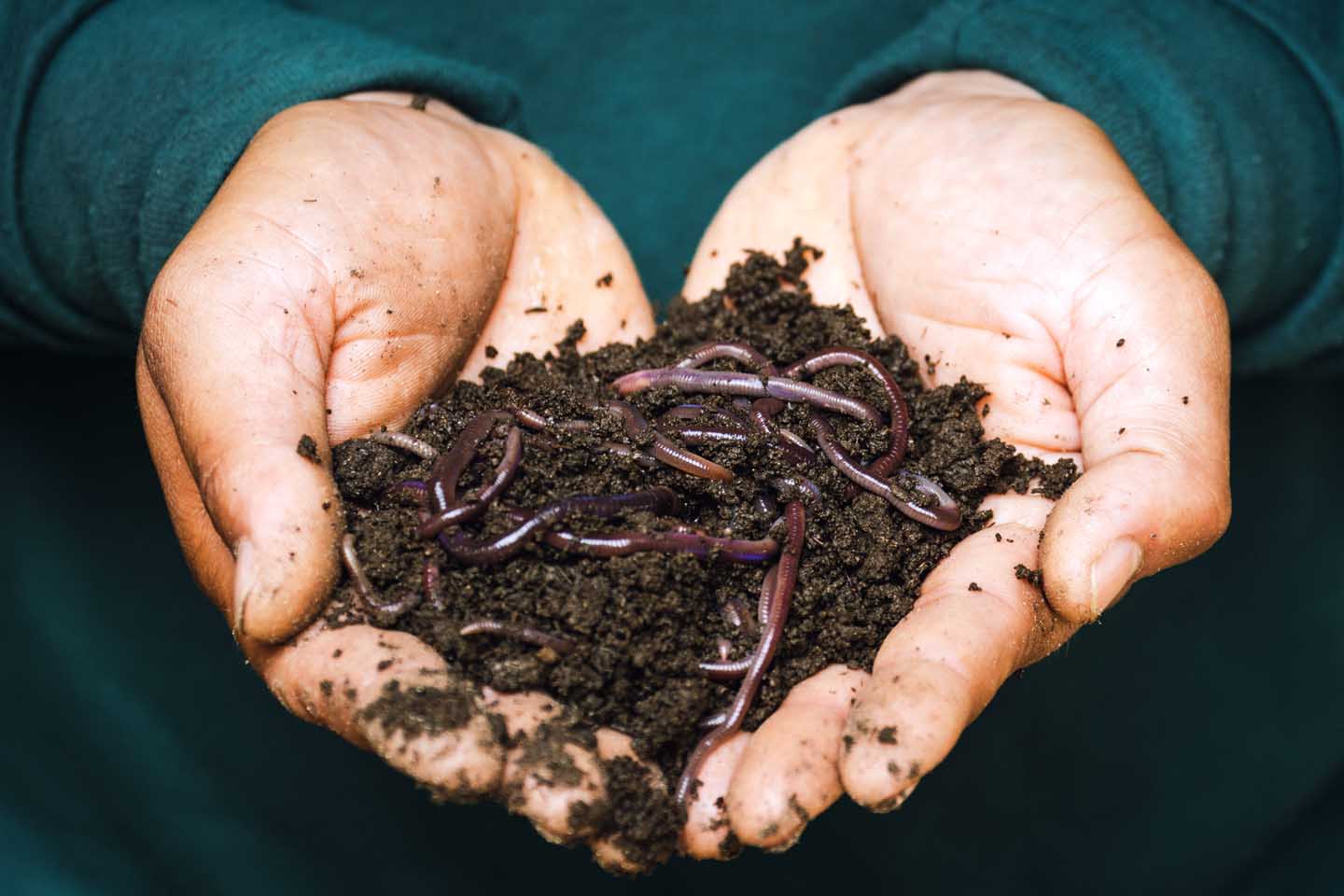
Organic soil with rainworms - Photo by Sippakorn Yamkasikorn from Pexels

Although we recommend using the amendments just mentioned if you are able, never forget that a good quality compost is the best soil balancer. Compost will raise a low pH and lower a high one. It will provide micronutrients as well as most (if not all) of the major nutrients. In fact, Eliot Coleman asserts that compost making is the most important job on an organic farm! With that in mind, let’s talk a little bit more about what is involved in making compost.

Compost Making

Compost results from the breakdown of organic matter. Organic matter is composed largely of carbon and nitrogen sources. This breakdown works best with adequate temperature, moisture, and air, along with a proper carbon/nitrogen ratio. Controlling these five variables leads to high-quality compost.

Think of a compost pile as a lasagna, with alternating layer of noodles (dry, brown, high-carbon ingredients such as straw, corn stalks, and old tomato vines) and sauce (green, high-nitrogen materials like fresh grass clippings, kitchen scraps, and freshly-pulled weeds). Sprinkling dirt on the green ingredients will help to inoculate the pile with beneficial microorganisms that will facilitate the decomposition process. Keep in mind that the proper ratio requires a lot more carbon than nitrogen. Here are some other points to keep in mind for making good compost:

  • Straw is the perfect brown ingredient. Being hollow, it supplies plenty of air to the pile.
  • The ideal moisture level of the pile should be like a squeezed-out sponge.
  •  If your pile stinks, is mushy, or attracts flies, remake/ rebuild it with more “noodles”/carbon-dense materials (browns).
  •  If your pile is not decomposing, it needs more moisture, air, or “sauce” (green material).
  • You can jump-start an inactive pile by poking holes in it with a bar and pouring in liquid fish-emulsion or molasses (approximately one-half cup per two gallons of water.)
  • The more you turn or aerate your pile, using a pitchfork, the faster it will break down.
  • The ideal pile size is approximately four to six-feet (130 – 200 cm) square. If you go bigger than this, you will need to make holes in the center of the pile for air, or else form your pile into a windrow (four to six feet wide and as long as necessary).
  • Try making your compost container out of straw bales stacked two high on their sides. After a while, the container will become ingredients for the next pile!
  • Keep your pile covered in wet weather to avoid too much moisture.

3) Transplant as much as possible; direct seed as little as possible.

Unless you have had really good weed control in your garden for a number of years, direct seeding is often like throwing your “lambs” (seeds) to the “wolves” (weeds, bugs, etc.)! But there are a few crops that we do recommend for direct seeding:

  • Tap-rooted crops, such as carrots and parsnips,
  •  Low-return-per-square-foot crops such as corn,
  •  Legumes, including beans and peas,
  •  Fast-growing crops, such as radishes and arugula, “Baby” crops planted in high density, such as lettuce.

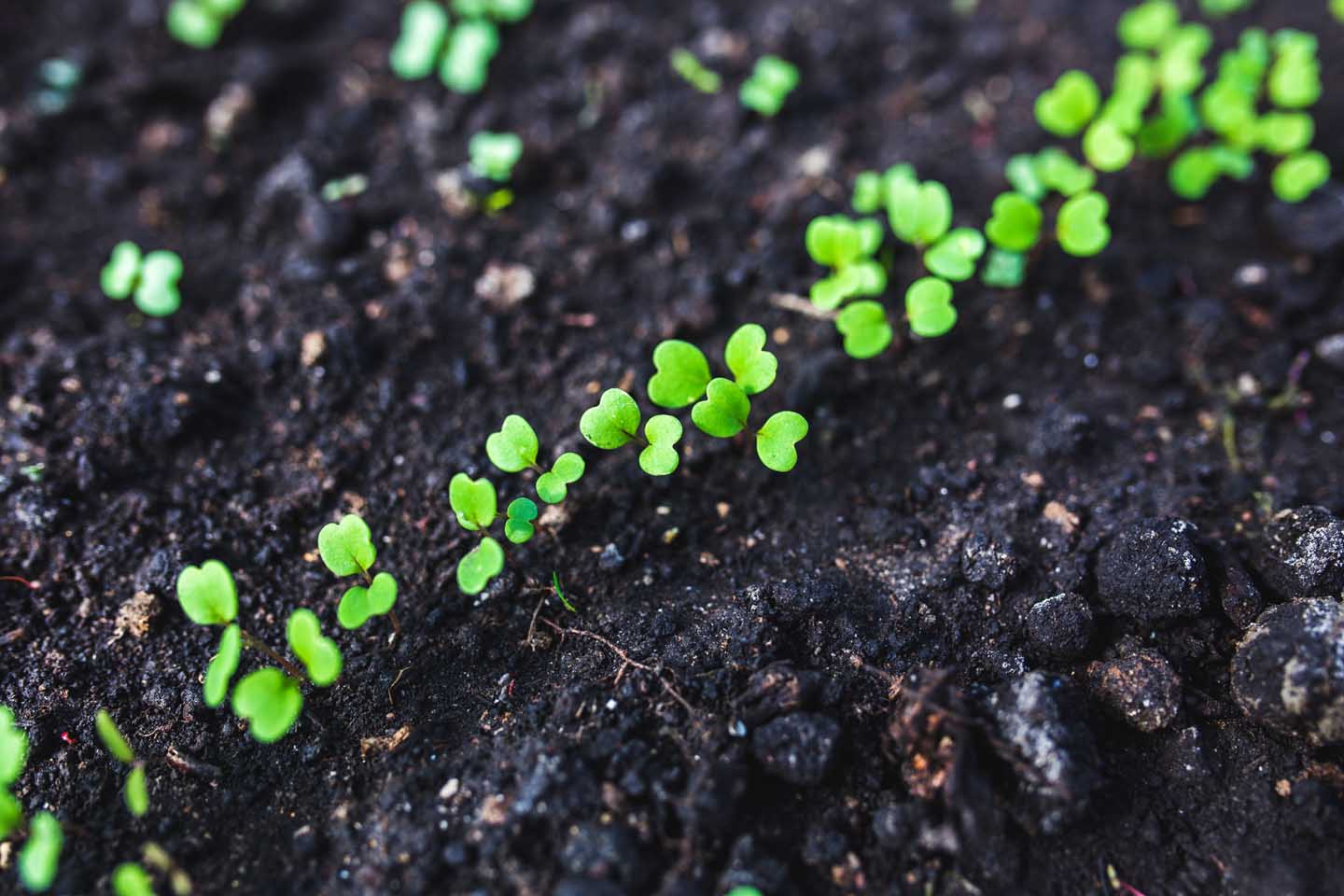
Direct Seeding

Here are a few suggestions for direct-seeding crops:

  • Plant into a “stale seedbed” to get a head start on the weeds (see next section for more on this).
  • Use string to mark your rows. This makes for easier and earlier cultivation.
  • Expect up to 50 percent of your seeds to fail to germinate. So, if you want a plant every four inches, drop a seed every two inches.
  • As a general-planting rule, cover seeds to three or four times their diameter. For example, plant a one-fourth-inch diameter pea one inch (2,5 cm) deep. In cool or heavy soils, plant the seeds a little shallower. In warm or dry soils, plant slightly deeper.
  • Keep soil moist (not soggy) until germination. This is very important!
Direct Seeding - Foto by kaboompics from Pexels

Transplanting

Now, let’s look at some of the advantages of transplanting. Eliot Coleman says, “A seed sown in the field is a gamble, but a healthy three-to-four-week-old transplant set out in the field provides an almost certain harvest.” That should be reason enough, but there’s more. When you start seeds as transplants, you have much better control over the factors affecting germination and plant growth, such as temperature, light, moisture, fertility, and others. In addition, transplanting can lengthen your growing season and thus utilize your garden area much more efficiently. For example, when you finish harvesting your springtime carrots, you can have three- or four-week old squash plants ready to plant immediately—effectively adding those three or four weeks to your season!

Additional advantages include giving you a BIG jump on weed control. With transplants, you can be cultivating and weeding immediately, whereas with direct seeding, you may need to wait two or three weeks before your seedlings have emerged. Then, there is no need for thinning and you don’t have large empty spaces where seeds didn’t germinate well. Finally (and obviously), transplanted crops will mature earlier than direct-seeded crops. You can buy transplants, but price, quality, and limited selection and availability are all good reasons to grow your own.

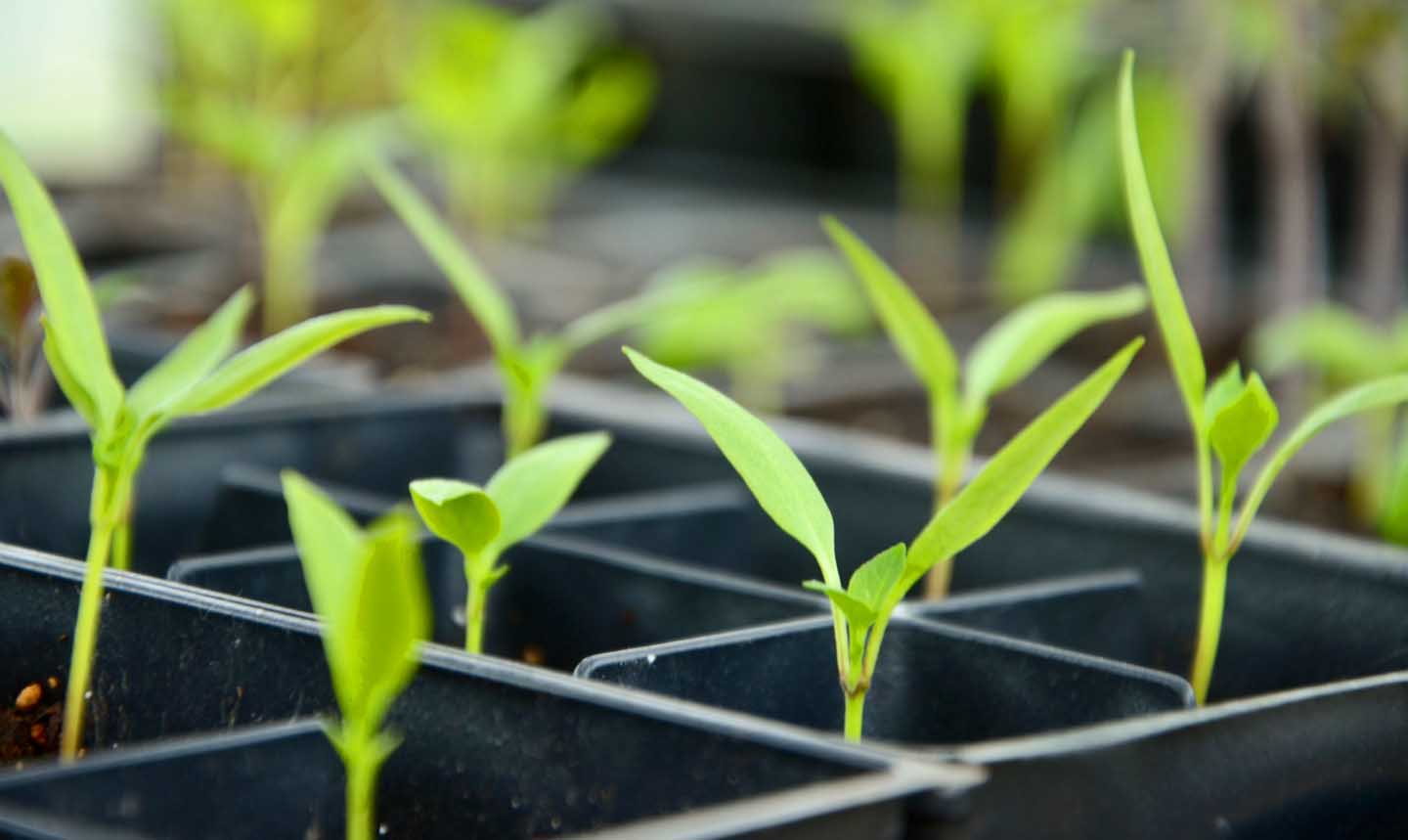
Transplants in a seed container

Starting transplants is not difficult. If you follow the suggestions outlined below, you should have success from the start:

  • Although there are many different kinds of containers for starting seeds, all of which work, our favorite method is soil blocks, which use no container at all. You can use a metal mold to press out neat little blocks of soil with a hole in the top ready for seeding. Soil block-makers are available from Johnny’s Selected Seeds (www.johnnyseeds.com) and Peaceful Valley Farm Supply (www.groworganic.com).
  • We recommend using a peat-based “soilless potting mix.” This ensures less chance of soil-borne diseases killing your seedlings. For small-scale gardening purposes, you can buy a premixed bag at the hardware store or nursery. If you are growing on a larger scale, you might find making your own mix a good option. Here is the very simple recipe that we have been using for years:
  • 3 buckets peat moss (Note: 1 “bucket” = 2 gallons / 8 liters)
  • 3 buckets high-quality compost
  • 1 bucket perlite
  • 2 cups fertilizer mix (equal parts soybean meal or other high-nitrogen fertilizer, greensand, and softrock phosphate)
  • Transplants can be grown indoors using cheap “shoplight” fluorescent fixtures. You don’t even need special “grow light”-bulbs. Just keep the fluorescent lights as close to the plants as possible, without actually touching them. Raise the lights as the plants grow. Don’t rely solely on a sunny window! Even southfacing windows will produce leggy plants.
  • Most seeds germinate best between 70 and 80 degrees Fahrenheit (21 – 26°C).
  • Use bottom-heat mats under trays of germinating warmweather crops, such as tomatoes, peppers, and eggplant.
  • Only water when the soil is beginning to dry out. Overwatering probably kills more transplants than any other cause!

4) Cultivate; don’t weed.

When organic farmers are surveyed as to what their biggest challenges are, weeds top the list! Let’s allow Eliot Coleman to define our terms: “Cultivation is the shallow stirring of the surface soil in order to cut off small weeds and prevent the appearance of new ones. Weeding takes place after the weeds have already been established.” Another way to state it is that cultivation prevents weeding. If you wait until the garden starts to look weedy, you’ve waited too long! Ideally, the soil should be cultivated (gently stirred) before weeds are even visible. It works this way with character, too! Here are some suggestions to help you win the war on weeds:

  • Try the “stale-seedbed” method.
    • Prepare your garden bed for planting one week or more ahead of time.
    • Water to encourage weed germination.
    • Use very shallow cultivation, or better yet, when appropriate, a propane torch to flame the bed just before planting.
    • Repeat the watering, germination, and dispatching/cultivation of weeds if you have time. This will eliminate 80 percent or more of your weeds before you even plant!
  • Try to work the soil in a way that will not continue to bring up weed seeds from the soil’s weed-seed storehouse. In other words, don’t turn the soil over.
  •  Ideally, cultivate in the morning on hot, dry days.
  • NEVER let weeds go to seed. “One year’s seeding is seven year’s weeding!” If you are unable to keep the weeds under control, use a weed-eater or mower to at least cut them down before their seeds mature.
  • Vigorous cover crops, or “smother crops,” sown and tilled at various times of the year will out-compete weeds, and thus decrease their seed count in the soil.

Using the right tools makes cultivation so much more efficient and enjoyable. Our favorites are the collinear and stirrup hoes (both available from Johnny’s Selected Seeds).

5) Cover the soil; don’t leave it bare.

Although we all love the look of a garden with beautiful rows of healthy plants and soft, bare soil in between, it is not natural. All nature is designed to clothe “naked soil.” You will be battling the forces of nature to keep it bare, and sooner or later you will lose! So, why not work with nature to clothe the soil? It will be healthier and you will be happier!

After your initial seeding or transplanting, you will need to cultivate for four or five weeks (at least three cultivations) to help your crop get well-established without weed competition. Then it’s time to cover the soil. Here are some tips:

  • Mulch with organic material thick enough to keep weeds from germinating; straw, old hay, chopped leaves, and grass clippings are a few options. This is a great way to build your soil fertility, retain soil moisture, and reduce weed growth all at the same time. There are some downsides, however. In wet or cold weather, mulching can cause problems. It can also be a lot of work and/or money to come up with enough organic material to keep a thick mulch on the soil, since it will continually be breaking down and may need to be reapplied.
  • Plant your crops close enough to shade out weeds. If you follow good plant-spacing recommendations, the plant canopy will close and keep all but the hardiest weeds from flourishing. Then all you have to worry about is keeping the walkways clear. Some plants, like sweet potatoes and winter squash, will do a very good job of covering everything—even areas that you don’t want covered!
  • Plastic or woven landscape fabric is another option for keeping the soil covered. Again, some disadvantages are involved, such as the cost of materials, the effort required to lay it down and then remove it at the end of the season, and disposal issues, so we only use such coverings when no other option seems to be more effective. For example, it has been our experience that strawberry plants grown in raised, plastic-covered beds do better than by any other method we have tried.
  • The most exciting option for weed block that we have found is undersowing cover crops or “green manure” in beds and pathways. If it is done right, you will have beauty, weed suppression, and increased soil fertility—all with very little effort. We are still perfecting this process, but two combinations that have proven successful are the undersowing of your fall cole crops with crimson clover, and undersowing corn with soybeans or cowpeas. Just give your main crop about a four-week head start before undersowing the cover crop.
  • Don’t forget to keep the soil covered even when your garden is finished for the season. For example, sow a winter cover crop of grain or legumes. Cover cropping is probably the easiest and best way to build soil fertility. Here are a few of the benefits:
    •  It is often the easiest and least expensive way to add organic matter to your garden.
    •  It adds nitrogen and builds humus in the soil.
    •  It prevents soil erosion.
    •  It captures plant nutrients that otherwise might leach away.
    •  It stimulates biological activity in the soil.
    •  It often works as a biological subsoiler, breaking up hard soils.
    •  It improves soil structure and drought-resistance.
    • And, as already mentioned, it can smother weeds.
    • A few tried-and-true cover crops include:
      •  For winter, cereal rye, wheat, crimson clover, and hairy vetch.
      •  For summer, cowpeas, soybeans, millet, buckwheat, and sorghum/sudangrass.

6) Be “plant positive” rather than “pest negative.”

Fresh Organic Lettuce

The best insect control is a healthy soil that produces healthy plants—just like the best disease prevention in humans is a healthy body. Insect pests are indicators of stressed or unhealthy plants. Don’t “kill the messenger” until you have heard the message. Then, invest in the solution, such as building healthy soil, rather than getting rid of the symptoms, the insects. Although it may sound too simplistic, it really does work! But healthy soil is often not built in a day, so here are a few suggestions for intermediary treatment:

  •  Learn the life-cycle of insects and outsmart them. For example, in our area Colorado potato beetles are not a problem after July 4th, so we can plant a fall crop of potatoes, beetle-free!
  • Use crop rotations to minimize insect and disease issues. Due to space constraints, this article cannot adequately address crop rotation here, but the basic purpose of this useful gardening practice is to try to separate plant families by time and distance.
  • Use lightweight floating rowcovers, which serve as physical barriers, to protect young plants.
  • Use the organic insecticides dipel or spinosad for worms on brassicas.
  • Use insecticidal soap on aphids. But before applying, just try watering a little more. Aphids are attracted to plants that are either water-stressed or nitrogen-rich.
  • Try succession plantings of summer squash to keep squash bugs under control. In other words, start some new plants each month until about three months before fall frost.
  • Don’t be too hasty in applying insecticide because your plants have a few holes in the leaves! Plants can handle a fair amount of insect damage without their yield being significantly affected.

7) Make gardening a lifestyle rather than an event.

Enjoying Gardening - Photo by cottonbro from Pexels

For most gardeners, “putting in a garden” is something you do on one or two nice days in the spring. But, how about making it a way of life? We now grow year round with very simple methods. You can too! Eliot Coleman, who has pioneered awakened interest in year-round growing, lives in Maine! No, we don’t grow tomatoes in the winter or lettuce in the summer, but there are plants suitable for every season! Below are some ideas to get you started on the journey to season extension:

  • Use succession plantings to extend your season on both ends. For example: Most tomatoes in our area are set out in late April/early May. But you can plant tomatoes as early as late March by covering them with floating row cover and/or plastic. You can also set out tomatoes as late as the first of July and have fruit until frost.
  • Plant less more often. How many zucchini plants do you really need at one time? Planting a few plants each month through July can provide a steady supply of fresh zucchini without being inundated!
  •  Learn what crops can survive cold weather in your area. Many of the “greens,” such as spinach, kale, and collards, are very winter-hardy. Root crops can often be left in the ground, mulched with straw for protection.
  • Use floating row covers draped over wire hoops. You will be amazed at how much protection such a flimsy fabric provides!
  •  For overwintering crops, you can make simple “low tunnels” with galvanized conduit (see Johnny’s Selected Seed catalog for details). Put row-cover and/ or plastic over the tunnels for growing produce all winter long! Hold covers down with sand bags.
  • By eating with the seasons, you will find you don’t need to do as much canning. Why eat from a can when you can eat straight from your garden?!

Well, the seven “secrets” are now “out of the bag.” We have covered a lot of information in this article and you are probably feeling either energized or overwhelmed! But don’t despair—start where you are! Then make improvements as time and money allow. Plants can handle an amazing amount of abuse and still produce beautiful fruit! So, get up, go outside, and walk with God in the garden!


This article was published originally in the Journal of Health and Healing, a publication of Wildwood Institute.

Some news! Paul and Edwin Dysinger have launched the development of a revolutionary app called Seedtime. It makes all the gardening planning extremely easy, plus it will give you instructions on how to do your organic garden on every step. If you wish, you can get access to the famous Born to Grow Gardening Library as well.

Tell me everything about Seedtime!

Filed Under: Gardening

« Previous Page
Next Page »

Primary Sidebar

Social Channels

Coronavirus Immunity Challenge

Boost your immune system to be bullet-proof for the pandemic.

I Want to Participate

Recent Posts

  • 5 Habits to Live Longer
  • Better Sleep Can Protect Against Dementia
  • Finding Peace In Your Crazy-Busy World
  • Flaxseed – An Ancient Plant Rediscovered
  • Platelets – Triggers for Life or Death
  • Boderline Personality Disorder
  • In Praise of Almonds and Nuts
  • Are You Stuck in the Clutter Trap?

Categories

  • Body Systems (16)
    • Cell Function (2)
    • Circulatory System (1)
    • Digestive Tract (10)
    • Immune System (4)
  • Diseases (27)
    • Cancer (2)
    • Cold (1)
    • COVID-19 (11)
    • Dementia (1)
    • Diabetes (1)
    • Digestive Diseases (2)
    • Heart Disease (2)
    • Kidneys (1)
    • Metabolic Syndrome (2)
    • Skin (1)
  • Healthy Lifestyle (42)
    • Exercise (11)
    • Gardening (2)
    • Sleep (7)
    • Sunlight (2)
    • Temperance (14)
    • Water (4)
  • Mental Health (87)
    • Addictions (6)
    • Anxiety (7)
    • Burnout (1)
    • Depression (7)
    • Psychosomatic Diseases (6)
    • Stress Management (45)
    • Trust (6)
  • Nutrition (56)
  • Obesity (9)
  • Phases of Life (14)
    • Adults (3)
    • Babies and Infants (1)
    • Children (3)
    • Seniors (5)
    • Teenagers (3)
  • Therapies (7)
    • Herbs (5)
    • Hydrotherapy (1)
  • Uncategorized (3)

Archives

  • January 2025 (1)
  • March 2024 (5)
  • February 2024 (4)
  • January 2024 (4)
  • December 2023 (5)
  • November 2023 (4)
  • October 2023 (5)
  • September 2023 (4)
  • August 2023 (3)
  • July 2023 (2)
  • June 2023 (4)
  • May 2023 (4)
  • April 2023 (5)
  • March 2023 (4)
  • February 2023 (4)
  • January 2023 (4)
  • December 2022 (4)
  • November 2022 (4)
  • October 2022 (5)
  • September 2022 (4)
  • August 2022 (4)
  • July 2022 (5)
  • June 2022 (4)
  • May 2022 (5)
  • April 2022 (4)
  • March 2022 (4)
  • February 2022 (4)
  • January 2022 (5)
  • December 2021 (3)
  • November 2021 (4)
  • October 2021 (6)
  • September 2021 (4)
  • August 2021 (4)
  • July 2021 (5)
  • June 2021 (4)
  • May 2021 (3)
  • April 2021 (5)
  • March 2021 (4)
  • February 2021 (4)
  • January 2021 (5)
  • December 2020 (3)
  • November 2020 (4)
  • October 2020 (5)
  • September 2020 (5)
  • August 2020 (3)
  • July 2020 (1)
  • June 2020 (1)
  • May 2020 (1)
  • April 2020 (1)
  • March 2020 (1)

Copyright © 2026 · Abundant Health - Privacy Policy - Medical Disclaimer