Abundant Health

Up to date health information tailored for you

  • Home
  • Blog
  • Recipes
  • Shop
  • Contact
You are here: Home / Archives for 2022

Archives for 2022

Bike Tour Instead of Pill Cure

March 6, 2022 by Esther Neumann - [rt_reading_time label="Reading Time:" postfix="minutes" postfix_singular="minute"]

Radfahren

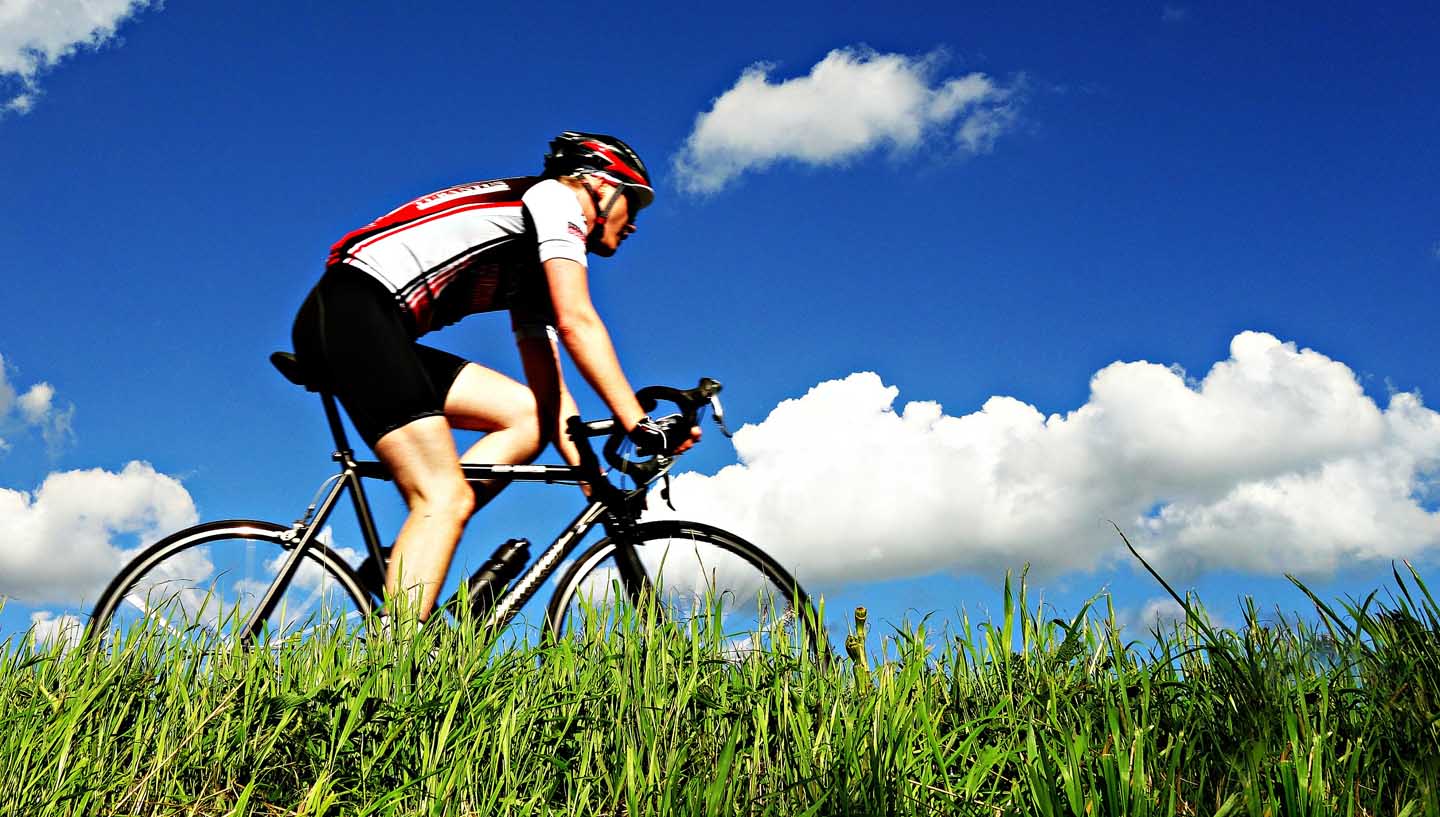
Anyone who pedals regularly strengthens their heart and immune system. Pedaling has a positive effect on the muscles, intervertebral discs, blood circulation and joints. Those who manage to get to 40 minutes will lose weight, because the fat will start to melt. If we cycle through a lovely landscape, we will also do something good for the soul.
Bike Tour Instead of Pill Cure

The long winter is over. The awakening nature also lures us out from behind the stove. The body craves movement. Not everyone feels like jogging or walking. That’s where the bike comes in handy. Whether it’s the old bike or the high-tech bike, it doesn’t matter. The important thing is that we swing into the saddle and drive off. It’s again the time for cycling.

Bicycle – an Ideal Fitness Device

Whether in everyday life, for leisure or holiday activities, we can always fit in the bike. We don’t even have to bring our own, because many locations already offer rental bikes.

Almost everyone can ride a bike, whether young or old, athletic or overweight. The body weight is carried by the saddle, the joints are relieved, the intervertebral discs activated and the muscles trained. Blood pressure is stabilized. Breathing is deepened and oxygen uptake is significantly increased.

Twenty minutes of cycling has a positive effect on the immune system. This is caused by the climatic stimulus provided by wind, air and sun.

Starting from 30 minutes we strengthen the heart and circulation. If you can even manage 40 minutes, you boost your fat metabolism. The pounds will start to tumble.

The soul doesn’t miss out either. It is a pleasure to experience the landscape at a slower pace than from a car. The headwind caresses not only the body but also the soul, if we allow it. This improves the quality of life all around.

Two bikers making a tour in nature

It’s the Dose that Counts

If you haven’t been in the saddle for months, you should take it easy. Otherwise, the body’s revenge will follow: the breath runs out, pain in the neck, shoulders and sore muscles set in and the joy is gone. This can be avoided if we prepare the body for the unfamiliar movement. Belly-leg-butt and shoulder exercises prepare the muscles.

Stretching exercises for the back muscles are important because the spine muscle called erector spinae tend to be overstretched when cycling. Practicing on the home trainer during the long winter months would have been ideal.

The feel-good pace is a moderate speed, individually adjusted to the training condition. You should still be able to have a good conversation while cycling. The cycling trips are to be gradually extended. Don’t start too fast, rather ride more often. You should be tired when you reach your destination, but not exhausted.

Some Technique

It is important that horse and rider fit together. The saddle should be set high enough so that you can put your heel on the pedal with your leg stretched out. If you sit correctly on the saddle, then you stand with the ball of your foot on the pedal. In this way, the power when pedaling is used optimally. If the saddle is set too low, the knee joint is forced too much. This can lead to injuries and you also tire more quickly. However, if the saddle is too high, the legs are forced to fully straighten. This can also be problematic for the joints.
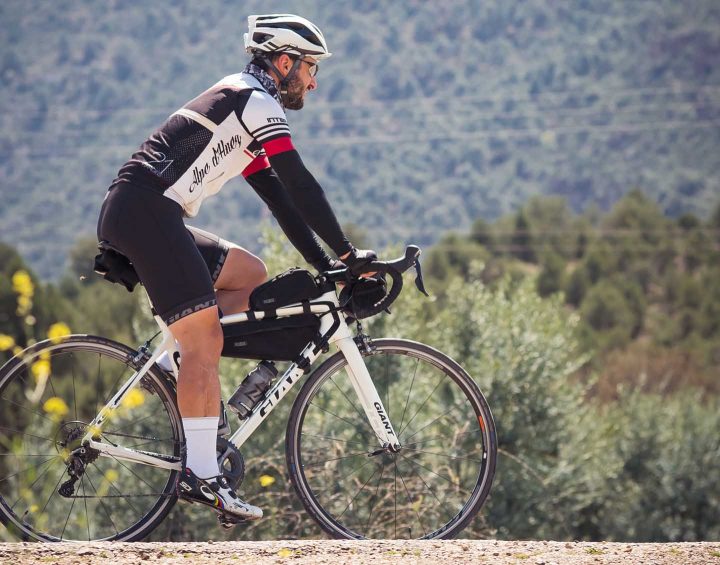
Right posture when cycling

The saddle should be leveled out flat, and the handlebars should be level with the saddle. In this position, the spine is not bent too far forward, but also not so upright that bumps in the road would cause damage. A variable handlebar allows the grip position to be changed frequently, so you can always adopt a new sitting position.

Of course, the bike must also comply with the road traffic regulations. Two good brakes, bell, rear and front lighting and reflectors should be mandatory, reflectors also belong between the spokes and on the pedals. By the way, if you are smart, you ride with a helmet.

The Round Treadle

The treadle should not be angular and hacky from top to bottom, but round and loose. The pedal should not only be pushed down, but also pulled back in the down position and pushed forward in the up position. Even professional cyclists practice again and again on this round treadle.

The upper body should not swing back and forth when pedaling, but should be almost immobile. The legs are kept parallel to the frame so the knees are not spread apart.

A common mistake made by amateur cyclists is the number of revolutions per minute, the frequency. Many ride in a gear that is too high. You don’t get to your destination so exhausted if you drive at 70 to 90 revolutions per minute. Proper shifting and braking need practice.

When going uphill, you can stand up and pedal out of the saddle. The whole body is trained in this way. There is tension and relaxation. This is how women achieve slender hips and firmly trained butts.

Clothing and Shoes

Jerseys and cycling shorts made of modern, breathable materials are comfortable, but not essential. You can also wear comfortable, loose sportswear or a tracksuit. It is important that nothing is constricting, and that you dress in layers that you can take off and put on again, depending on the weather and heat development. The shoes should have a non-slip sole. Loose slippers that cannot be tied are taboo. They can lead to accidents.

Don’t forget the thirst quencher, the water bottle. One tenth of a gallon of water is drunk for every half hour of cycling. This increases endurance.

Cycling in Daily Life

Let’s incorporate cycling into everyday life. Why not cycle to work? You can catch two birds with one stone. Admittedly, you have to overcome ingrained habits and comforts, fight your inner couch potato. If you often use your bike to run errands or just drive to work, you can save yourself a trip to the gym in your free time. Regular cycling has many health benefits. You also protect the environment, because the bicycle has no polluting emissions.

An office worker cycling to work

Bike Touring

One of my best vacations was cycling along the Danube River from Passau to Vienna with my family. There are wonderful cycling routes in every country. You can take your bike on the train or ship and choose the easier routes if you don’t want it to be too strenuous. But you can also face challenges and plan a mountain bike tour. The main thing is that you start and enjoy it. With this in mind, let’s enjoy cycling. As a result, one can really say: bike tour instead of pill cure.
Healthy Fruits

Stay Always Up to Date

Sign up to our newsletter and stay always informed with news and tips around your health.

Sign Up Now!

Filed Under: Exercise, Healthy Lifestyle

What is Stressing Out Kids?

February 27, 2022 by Martin Neumann - [rt_reading_time label="Reading Time:" postfix="minutes" postfix_singular="minute"]

What is Stressing Out Kids?

When people think about who gets stressed out, their last thought is kids. From an adult’s perspective, kids have nothing to stress about. They don’t pay bills, they don’t have to work, and all they do is hang around all day playing, chatting with friends and eating. So what is stressing them out?

What is Stressing Out Kids?

Theoretically, all they have to do is go to school and come back home. While this sounds like a dream to most people, there are several factors in a kid’s life that can stress them out quite a bit, and it’s important to address these factors early on so that they don’t develop any problems later in life.

One of the longest running and worst causes of stress for kids is bullying. Adults don’t face this problem nearly as much, because if someone is harassing you in the real world, you can simply leave the situation or file a complaint.

If the harassment is physical, an adult would be arrested for assault. However, kids can’t just leave school or call the police if they’re getting bullied. Some might say that they can just talk to a teacher, but that seldom fixes the problem.

Kids feel as if they’re trapped there at school with their bully, and with no way out of a harmful situation, they can get extremely stressed out every day of the week.

Bullying in school

Another cause of stress in kids might be their home life. Unlike teenagers and young adults, kids can’t just drive away from home if it’s not a good place to live. They’re powerless in terms of moving away, and completely at their parent’s mercy.

If a child’s household is full of fighting or has abusive family members in it, the kid might get stressed out about even going home. They could have a fine life at school, but every day they have to go home at some point.

Abusive parents or siblings can absolutely ruin a child’s home life, stressing them out beyond your knowledge. In a similar situation to having a bully at school, kids can’t do anything to prevent or help their situation at home, due to the fact that they can’t escape in any way.

Being unable to leave your situation can cause more stress than anything. Recognizing stress in kids can be either easy or difficult, depending on the kid. In younger children, it will be fairly clear when they’re stressed out, because they’ll usually start to cry.

Young children cry whenever they’re stressed, upset, or feel as if anything is wrong. This type of sign is the easiest to recognize, and you certainly shouldn’t overlook it as them being a “whiny kid.”

There’s almost always a reason for a child to cry – you just have to be able to look for it. If you don’t, they’ll start to develop some long-running issues. Of course, there are many kids who have outgrown their standard crying days.

Older kids have a very different way of showing that they’re stressed out, and this is the point at which it can become more difficult, so you really need to be looking out for these kinds of signs.

One sign that a kid is stressed out is that they start to close off from other people. They might start to become incredibly quiet – not just around you, but also around other kids their age.

While some kids are naturally introverted and shy, this is a totally different situation. When kids start to close off, they won’t even be open with their own parents or with their closest friends.

Another way older kids start to show stress is by acting out. Kids with a bad home life and similar problems might start to act out at school, at home, and elsewhere for the sake of getting positive attention from their friends – something that they desperately need.

Another common sign involves kids becoming reluctant to do certain things. For example, if a child is reluctant to go to school, there might be deeper meaning to it than them just not wanting to go because it’s boring.

They might be getting bullied at their school, and they’re avoiding going because they’re scared of what awaits them. Similarly, they might be reluctant to come home from school if they’re afraid of their home lives.

Another common source of stress for children is if their parents are going through a divorce. Parents are very much acting as a point of reference for children. If one of the parents is suddenly leaving from home, this is quite a significant disruption of the secure environment that the child may have felt at home. These kind of changes can be pretty difficult to digest for a child and causing them a significant amount of stress, so don’t be surprised if your child will close off or get unruly when you are going through a divorce.

Kids involved in divorce of parents

There are tons of different solutions when it comes to helping kids deal with stress. The first one is addressing the problem at its source. If it’s the home life that the child is stressed about, then try to improve it by going to family counseling, where the child can clearly communicate their feelings about their home life to a counselor or to their parents directly.

You can also directly address the source of bullying by getting onto the parents of the bully, in an attempt to get the parents to reprimand them appropriately. The bully’s parents might be totally unaware of what’s going on, so informing them might help the situation. Try to understand the circumstances of their family as well. Their child may be aggressive as an outlet of other problems he is facing. Maybe you can help resolve another dilemma in the process.

Another solution for improving a child’s stress is to remove them from a stressful situation. This applies best to the bullying situation. If you’ve already tried talking to the school’s administration, to the bully’s family, and to the teachers, then it might be time to switch your child over to another school or choose a homeschooling option.

This is best done early on, so that the child doesn’t have to endure years and years of bullying. This also allows them to get a fresh start at a new location.

If you feel that you have done whatever needed to adequately limit the bullying, without being able to stop it completely, one of the best options that you can take is to just talk to your child and help them better understand the scope of time that they’re in.

While they might be stressed out about school and all of that right now, they need to know that things do get better. It can be helpful to explain to them how small of a portion of their life this will be.

Show them a timeline of a person’s life from age 0 to 100 and how small the school years are in that line of existence. It’s important to get their thoughts on their own situation as well, because it makes them feel respected, as if they have a bit of power in their tough situation.

We have seen that children can face significant stressors in their lives. If they are kept unresolved, it can develop into more serious problems in adulthood. Find a way to adequately resolve their issues, and your child will thank you for having done the right thing to protect them.

Do you need a guide to help you understand how to cope with Stress in an all inclusive approach? Learn how to combat stress, mentally, physically, emotionally and strategically in your life.

Get Me the Guide

Filed Under: Children, Mental Health, Phases of Life, Stress Management

Oil Change in the Kitchen

February 20, 2022 by Esther Neumann - [rt_reading_time label="Reading Time:" postfix="minutes" postfix_singular="minute"]

Ölwechsel

The battle around fat has been going on for decades. Let’s remember the hot debate about whether to put butter or margarine on bread. The housewife wrings her hands and asks herself which oil to put on the salad. There are a number of low fat products that are in vogue right now. Then there’s the recommendation to eat fish twice a week for the omega-3 fatty acids that are heart and brain healthy. So at the end of the day, which fats shall we consume?

Oil Change in the Kitchen

What is behind the terms Omega-3 and Omega-6? Fats and oils are made up of fatty acids. These are long compounds of carbon chains. In addition, one speaks of saturated and unsaturated fatty acids, whereby the unsaturated ones are the more valuable for our body. Unsaturated fatty acids have so-called double bonds. Omega-3 or -6 tells you where in the carbon chain the first double bond is located. It ranks third among the omega-3 fatty acids and sixth among the omega-6. Hence the designations. Omega tells the chemist which end of the fatty acid chain to count from. Both fatty acids are found in vegetable oils, but in different amounts.

Omega-6 Fatty Acids

Omega-6 fatty acids have 2 or 3 such double bonds. The best known are linoleic acid, gamma-linolenic acid (GLA) and dihomo-gamma-linolenic acid (DGLA). A fatty acid with 4 such double bonds that also plays an important role is arachidonic acid. But it is not essential. The body can produce it from linoleic acid.

Omega-6 fatty acids play an important role in building the double membrane of all cells and their organelles. They are particularly important for the elastic character and fluidity. So-called series 1 prostaglandins (also called eicosanoids) are formed in the body from DGLA. Prostaglandins are tissue hormones that are divided into numerous groups and subgroups. Their effects are diverse and sometimes contradictory. The prostaglandins of series 1 inhibit the aggregation of the blood platelets and thus the tendency to thrombosis. They promote sodium and water excretion via the kidneys and have an anti-inflammatory effect.

A lack of linoleic acid and GLA leads to eczema-like skin changes and hair loss. The liver metabolism is restricted and the kidney tissue degenerates. Heart and circulatory problems occur and growth disorders in children.

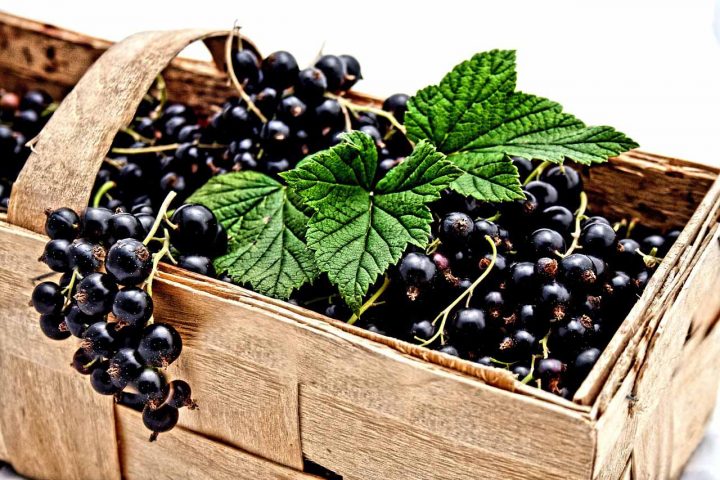
GLA and DGLA are not very common in our food and are mainly found in the seeds of borage, evening primrose and black currant. Linoleic acid is classically seen as promoting inflammation, but how far this holds true turned out to be recently a hot topic of discussion.(( Fritsche K L, Too much linoleic acid promotes inflammation—doesn’t it?, Prostaglandins, Leukotrienes and Essential Fatty Acids, Volume 79, Issues 3–5, 2008, Pages 173-175, https://doi.org/10.1016/j.plefa.2008.09.019.))

Black Currants

Arachidonic acid, on the other hand, mainly produces series 2 prostaglandins in the body. These sometimes show opposite effects to the prostaglandins of the series 1. They are pro-inflammatory, promote salt and water storage and lead to high blood pressure.

A targeted supply of GLA-rich vegetable oils can promote the formation of prostaglandin 1 at the expense of prostaglandin 2 and thus prevent an increased tendency to inflammation and stress on the heart and circulatory system.

Animal products contain a lot of arachidonic acid, which we want to avoid. Pork lard contains extremely high values (1700 mg/100g), while dairy products contain around 50 mg/100g. On average, a meat eater consumes about 300 mg/day of arachidonic acid, which explains a multiplicity of inflammatory responses. Vegetarians take in practically no arachidonic acid, but a higher amount of linoleic acid, which consequently inhibits the synthesis of arachidonic acid.

Omega-3 Fatty Acids

Omega-3 fatty acids are the big stars protecting the heart and blood vessels. They reduce blood triglycerides, blood pressure and the risk of coronary heart disease. They probably also reduce the risk of developing Alzheimer’s disease and reduce certain rheumatic symptoms. They lower cholesterol levels and relieve neurodermatitis. They are essential for information processing in the brain. Omega-3 fatty acids inhibit the formation of endogenous pro-inflammatory pain mediators. The pain threshold is raised, the body only perceives pain at a higher “dose”. Hence the positive effect on rheumatic and other diseases such as psoriasis or neurodermatitis.

The omega-3 fatty acids include alpha-linolenic acid, eicosapentaenoic acid (EPA) and docosahexaenoic acid (DHA). They have similar functions as DGLA. From EPA the series 3 prostaglandins are formed. While these have a moderate promoting effect on platelet aggregation, they suppress the release of arachidonic acid from cell membranes, thus inhibiting the formation of prostaglandins 2. This is the basis of the anti-rheumatic, anti-inflammatory and heart-protecting effect of omega-3 fatty acids.

DHA is particularly important for the mental functioning and mental development of the embryo. The myelin, which is the white substance that covers the nerves, is especially rich in unsaturated fatty acids. A particularly large amount of DHA is also stored in the retina.

A lack of omega-3 fatty acids leads to growth disorders, disturbances in sensitivity, muscle tremors and blurred vision. It can also lead to increased triglyceride levels, which may be reduced by administration of fish oil preparations. The development of rheumatoid inflammation can also be suppressed by reducing the formation of prostaglandin 2.

Nevertheless, caution is advised against uncontrolled use of isolated omega-3 and omega-6 preparations such as evening primrose, borage and fish oils. Because the increased intake of unsaturated fatty acids also requires their protection. Especially people who are under high oxidative stress, like smokers, athletes, people with a lack of antioxidants such as vitamin C, E, A, carotenoids, can cause more harm than good through an excessive intake of unsaturated fatty acids.

The unsaturated fatty acids can oxidize and are thus converted into so-called free radicals before they can perform their biological function. They then migrate like bullets through the blood, tissues and organs and leave behind a radical chain reaction that destroy important structures such as membranes, vitamins or enzymes. An abundance of free radicals can even promote cancer.

If a fatty acid dietary supplement is planned, a sufficient supply of antioxidants should be ensured a few weeks beforehand. Incidentally, the same applies to carrying out a crash diet. The low calorie intake releases of course amongst others unsaturated fatty acids from the stored fat, which must also be protected by antioxidants.

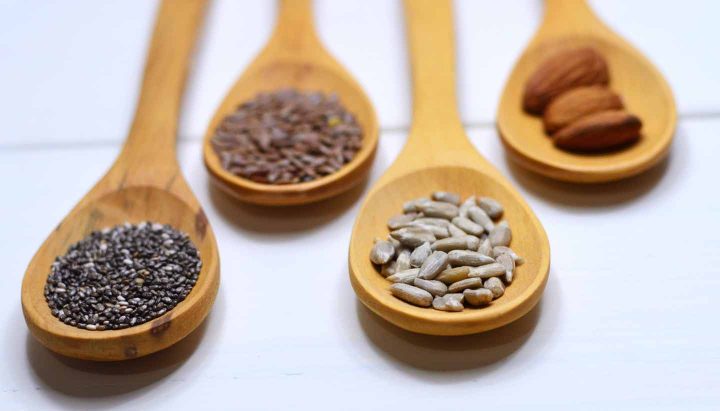
A balanced diet with lots of fruits, vegetables, nuts, seeds and legumes naturally guarantees a balanced supply of essential fatty acids without putting any strain on the body.

Nuts and seeds

A lack of essential fatty acids is rather rare, even though the consumption of Omega 3 fatty acids should be a bit more emphasized. The adipose tissue of a normal-weight, well-nourished adult can contain over 500 g of linoleic acid and 25 g of alpha-linolenic acid. A deficiency can occur with a fat-free artificial diet or with a chronic lack of fat intake.

Omega 3 Sources

Omega-3 fatty acids are found in vegetable oils and in the fish oil of cold-water fish, such as salmon, herring, mackerel, tuna, and sardines. Nutritionists recommend eating no more than five times as much omega-6 (linoleic acid) as omega-3 (linolenic acid). On average, however, the ratio is ten to one instead of five to one. How can we change that? We need to be more selective about our fat sources.

Linseed oil contains four times more linolenic acid (omega-3) than linoleic acid (omega-6). In addition, it contains plant substances that have an anti-cancer effect. Unfortunately, linseed oil has an unfavorable quality. Due to the large number of double bonds, it goes rancid very quickly. If we use linseed oil for our salad, we only buy small bottles and use the oil in three months at most. The bottle must be dark colored and stored in the refrigerator. These measures protect the valuable double bonds.

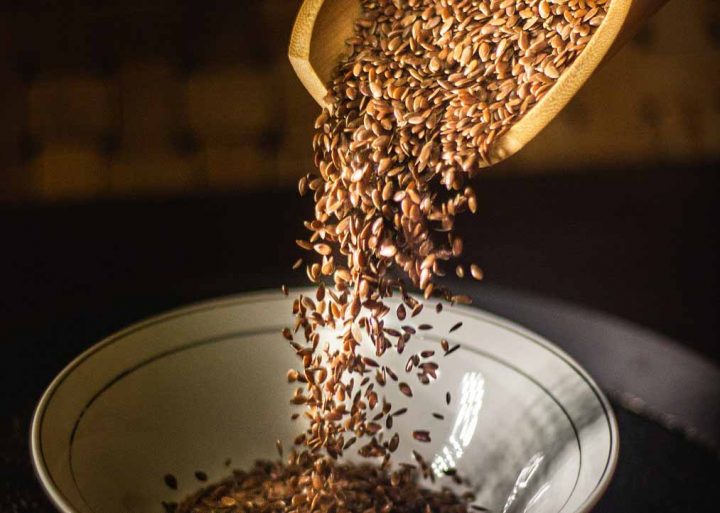
Freshly ground flaxseed can also be eaten instead of flaxseed oil. We can grind the flaxseed in a coffee grinder ourselves. As long as the seed is intact, the fat it contains with its many double bonds is also protected. After grinding, flaxseed should be used in a couple of days. We can sprinkle crushed flaxseed over salad, stir it into soups, add it to muesli and yoghurt, bake it in biscuits and bread.

Flaxseed

Flaxseed is so valuable that it should actually be sold in pharmacies – alongside the cholesterol-lowering drugs. Every year billions of dollars are spent on medication to keep the cholesterol levels low. In most cases, a tablespoon of flaxseed oil would do the trick, and there wouldn’t be the usual side effects.

But at the same time we have to make sure that we get enough vitamins from the antioxidant group to protect the valuable double bonds in fat. Because even in the body they can still be destroyed. These are vitamin E, vitamin A, carotenoids and vitamin C. They are all found in fresh fruit and vegetables.

Another interesting source of omega-3 is hemp oil. It contains a lot of vitamin E and therefore has a longer shelf life than linseed oil. It also contains cholesterol-like substances that can lower cholesterol levels. You don’t need to be afraid to get a high, since the tetrahydrocannabinol (THC) has been bred out of hemp plants. Hemp oil also counteracts inflammatory processes and is used in skin diseases such as neurodermatitis and psoriasis. The omega-6 to omega-3 ratio is about 3:1.

Canola oil also has a favorable ratio, about 3:1. Today’s canola oil no longer contains erucic acid and is no longer chemically extracted for food purposes. But it is rarely offered unrefined.

Walnut oil has a 5:1 ratio. The nutty aroma goes well with almost all salads. Eating a handful of nuts every day is very healthy because nuts also contain many minerals, vitamins and lecithin. Fat from nuts does not make you fat because it does not get into the fat cells at all, but is converted into much more valuable substances in the body. If we eat a few nuts every day, we are doing something good for our health.

Frequently we hear the recommendation to eat fish twice a week – because of the protective effect on the heart. Unfortunately, there are already many pollutants in fish today, especially mercury, which cancels out the protective effect. It even promotes depression. Sales of fish oil capsules are also booming. When consumed at all, verify at least if the fish oil has been purified. But we also get along without fish, as we have shown above with the vegetable oils.

Healthy Fruits

Stay Always Up to Date

Sign up to our newsletter and stay always informed with news and tips around your health.

Sign Up Now!

Filed Under: Nutrition

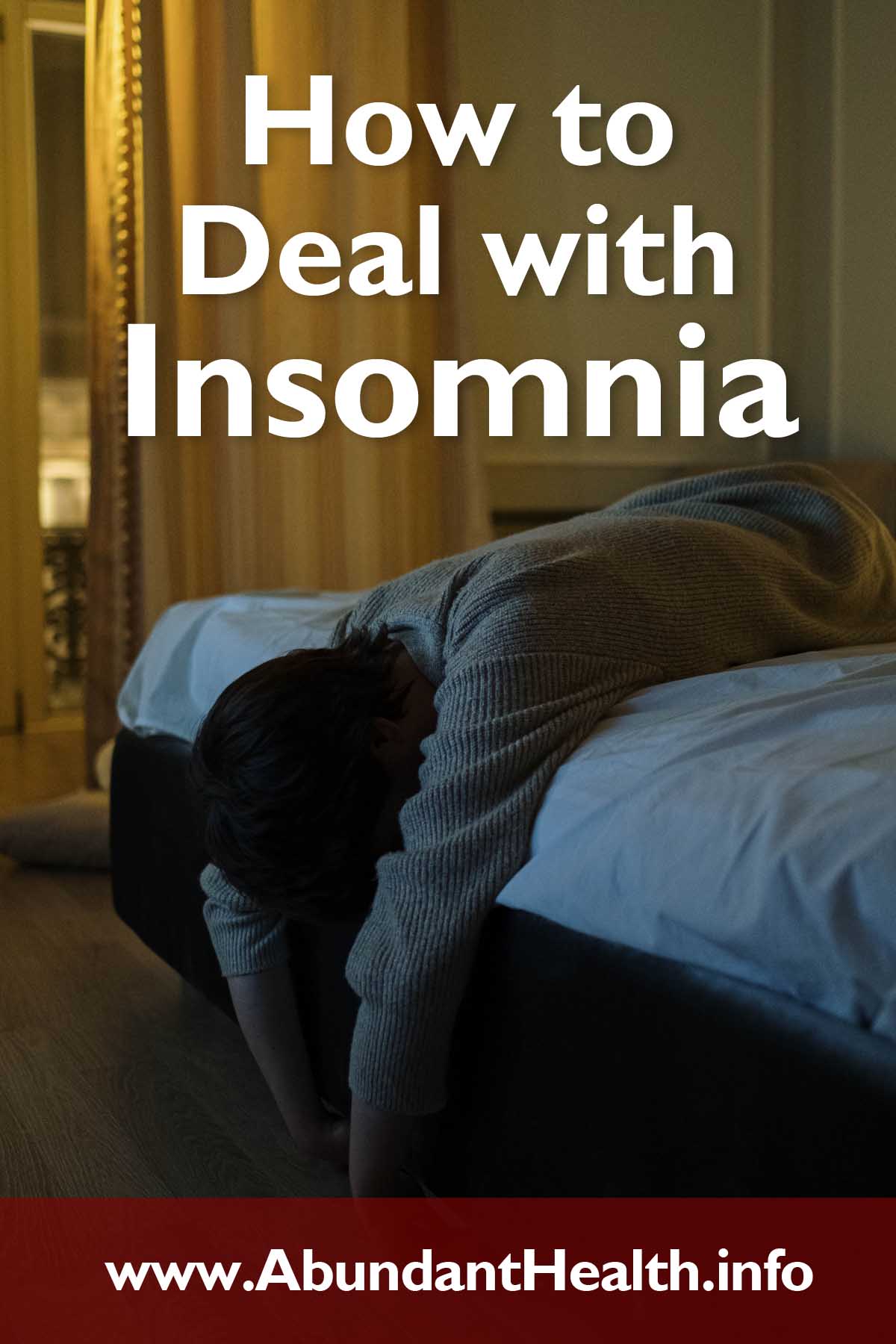
How to Deal with Insomnia

February 13, 2022 by Dr. Cesar Vasconcellos de Souza - [rt_reading_time label="Reading Time:" postfix="minutes" postfix_singular="minute"]

Insonia

Insomnia is something that is profoundly affecting our lives. It is draining our energy, affecting our health, our mood, our relationships and much more. In this article we will have some tips how to take care of insomnia.

How to Deal with Insomnia

There are at least three types of insomnia:

  • Initial Insomnia: The person takes more time to fall asleep.
  • Intermittent Insomnia: the person sleeps, wakes up, sleeps, wakes up with many awakening episodes during the night.
  • Terminal Insomnia: the person wakes up very early, at dawn and cannot go back to sleep. In fact, this insomnia is the most common in cases of depression.

We can also distinguish between:

  • Transient Insomnia: Occurs only for a period of a person’s life. Usually because of some temporary short time stress.
  • Chronic Insomnia: it is the one that disturbs the person for many years.
  • Organic Insomnia: it is caused by some brain injury related to psychiatric diseases. In some way, all insomnia is organic because it affects the body.

Some studies show that insomnia is more common in people who are divorced, separated or widowed. It can also affect people with a low level of education, with low family income and unemployed, and may be more common in women than in men. Insomnia can arise when the person is overloaded with possible deep personal and interpersonal conflicts, in deep marital problems, in the face of unemployment, after an accident with hospitalization and in the absence of social support. Many have insomnia because they suffer from excessive anxiety, or because they stop breathing during sleep, overuse prescription drugs, or abuse caffeinated beverages. Night shift workers can also develop insomnia by desynchronizing the normal sleep-wake rhythm.

Among the drugs that promote insomnia are amphetamines used in formulas – these formulas to suppress appetite, also some antidepressants, binge drinking or chronic alcoholism. There are people who develop insomnia due to bad habits, such as having a television in the bedroom and watching TV until late, having a heavy meal at night, close to bedtime, for living in a noisy environment and sleeping during the day. And in the case of mental illnesses, insomnia appears in depression, and even more so in cases of excessive anxiety, in schizophrenia and in the individual with bipolar disorder, in the sense of getting very little sleep due to mental agitation and euphoria in the euphoric phase.

Watching TV in bed - Photo by cottonbro from Pexels

Psychologists and Psychoanalysts admit that insomnia can be the result of excessive anguish related to inner conflicts, in which the individual is unable to mentally elaborate what ails him. These conflicts overrun the protective function of the dream, generating a collapse of the dream’s symbolization function. They also believe that some people have insomnia because they have repetitive nightmares that cause them to wake up several times. This type of insomnia is normally related to a past traumatic event, or activated by a difficult existential situation, which produces an important burden of anguish for the person, generating a mental elaboration process during the night.

Tips to Deal with Insomnia

First, take care of your environment: Use a comfortable bed and pillows, a quiet, dark room with a pleasant temperature. Avoid noise, the presence of someone who snores in the environment and light, so as not to disturb your sleep. Use curtains or blinds to cut out the light coming in from the street. If you can’t use a curtain or blind, use a mask or small towel over your eyes. If you only feel comfortable and relaxed to sleep with some light, use a small, dim lamp next to your bedroom. But try to solve your anxiety so you can turn off the light. If there are other noises from the street or a factory nearby, for example, use earplugs.

Second thing is to change your lifestyle by exercising physically each day. Brisk walking in nature is the best thing to do. Do not sleep during the day. Go to bed only when you are tired and sleepy, always at the same time, even on weekends. If you can’t sleep, get up and go back to bed only when you’re drowsy. Maintain a routine of 7 to 8 hours of sleep a night. Always get up at the same time in the morning. Used to sleep late, after 22 hours? Get up earlier the next morning and your body will be ready to go to sleep earlier the next night.

Avoid obsessive thoughts like: Oh I’m not going to sleep! Oh my God, my mind won’t relax! Instead, think about this: I’m going to lie down, I’m going to relax and let sleep come. He will come when he can, just be patient with your organism. Don’t be mad at yourself because you don’t sleep. Don’t eat, don’t drink and don’t watch TV in the bed you sleep on. Avoid alcoholic beverages to try to sleep; do not ingest anything. If you get up in the middle of the night, don’t eat anything. Avoid too much liquid in the late afternoon, until bedtime.

The third aspect to help with insomnia is relaxing an hour before bed, for example, with a warm bath, avoiding TV. Swap stimulating reading for relaxing reading. Cultivate gratitude and joy. Avoid getting angry easily. Accept what you cannot change. Eliminate as much stress as possible. Avoid work overload. Take your meals calmly. Avoid assuming what is not your responsibility. Learn to say no so you don’t get overwhelmed. Look how much you can do, right?

A relaxing bath

Live today! One day at a time. Have a moment of relaxation in the middle of the day, it can be taking a walk after lunch, meditating at the Creator while looking at a beautiful landscape, saying prayers of gratitude throughout the day.

The fourth aspect is self-confidence. Research shows that people with a low level of self-worth are more prone to insomnia. So stop criticizing yourself, don’t reject yourself. And remember that even if you have a character flaw, as we all do, there is something positive that you have as well. We all have the ability to choose better behaviors. Practice setting boundaries for abusive people. You can speak firmly without attacking people.

The fifth aspect that helps with insomnia has to do with food and drinks. Eliminate stimulants such as coffee, black and green tea, chocolate, cola-type soda, guarana, and alcoholic beverages. Alcohol dehydrates, produces thirst at night and releases adrenaline that excites the brain. Eliminate food full of additives, fried foods, weight loss drugs, such as those that have amphetamines that cut sleep. Dinner should be a light snack, preferably two hours before bedtime.

A cup of coffee - Photo by Chevanon Photography on Pexels

The Sixth Aspect, Sleep Inducing Medications. Sleep medications should only be used for a short period of time, a maximum of four weeks, with extreme caution. A good alternative is hops, whose scientific name is Humulus Lupulus. Hop capsules with 250mg, using 2 to 4 capsules one hour before bedtime. Valerian, which is Valeriana Officinalis, can also be used in capsules with 250 mg, 2 to 4 capsules an hour before bedtime. Lemongrass tea, melissa or chamomile, help with sleep quality. Melatonin can be used under medical supervision for a short time.

The seventh aspect is psychotherapy. Cognitive-behavioral therapy was shown to be superior to zolpidem, which is a synthetic sleep inducer, in the study with 54 patients. In this type of psychological therapy, one learns to eliminate worrying thoughts, chronic pessimistic ideas, negative beliefs that disturb relaxation and thus disturb sleep.

Put these tips into practice and your quality of sleep will improve. Good sleep!

Healthy Fruits

Stay Always Up to Date

Sign up to our newsletter and stay always informed with news and tips around your health.

Sign Up Now!

Filed Under: Healthy Lifestyle, Sleep

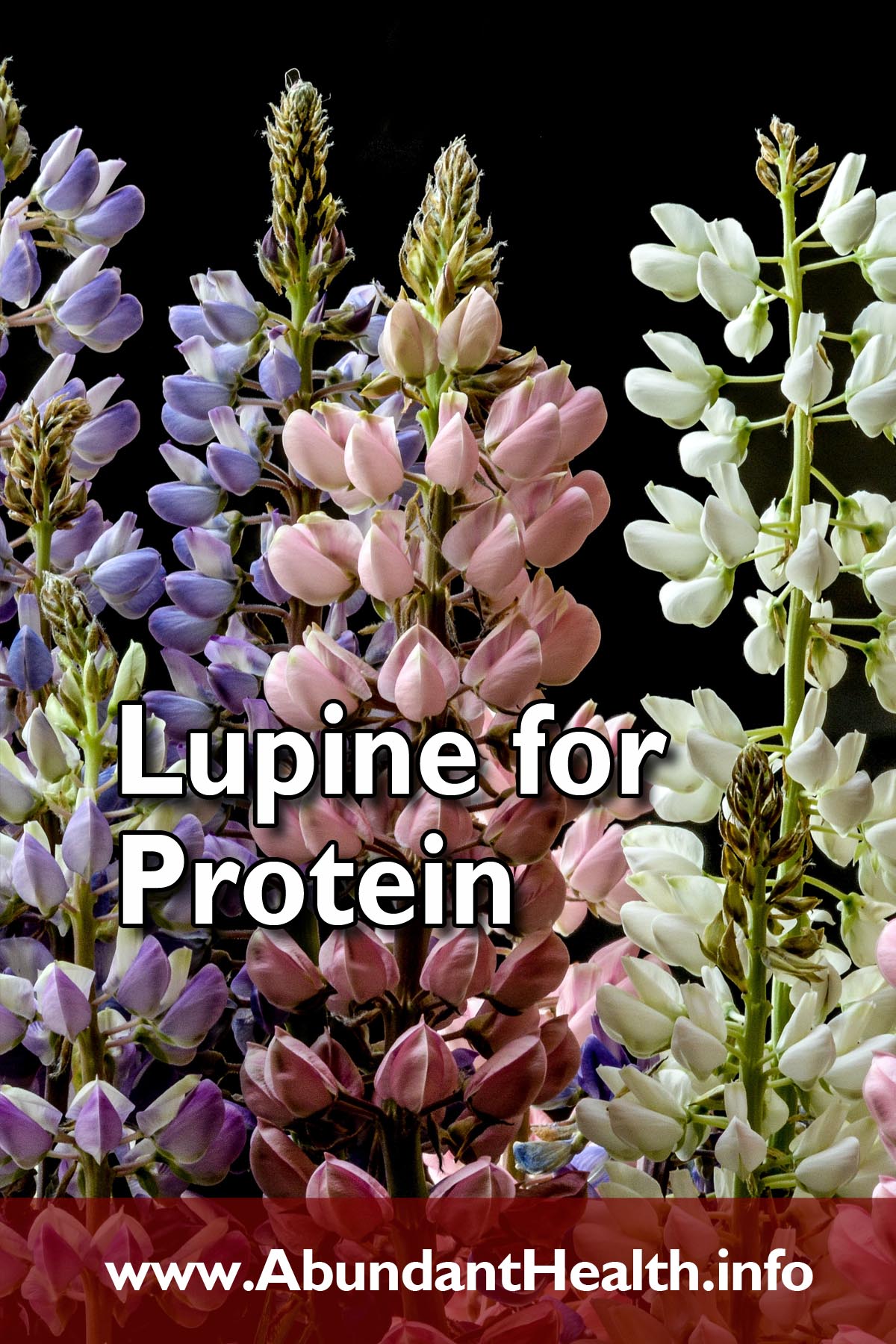
Lupine for Protein

February 6, 2022 by Esther Neumann - [rt_reading_time label="Reading Time:" postfix="minutes" postfix_singular="minute"]

Lupinen

Most people know lupines from the edges of highways or gardens, where their pretty candles glow in shades of red, yellow and blue. Lupines are also used for nitrogen enrichment in the fields and as protein feed for animals. But very few people know that they also have something to offer for human nutrition. The sweet lupine has played a significant role in nutrition in the Mediterranean and South American world for more than 2000 years. Above all, it provides us with protein and some trace elements and important vitamins.

Lupine for Protein

The lupine belongs to the legume family and to the faboideae subgroup. It is related to the gorse. The word lupine contains the Latin word “lupus” meaning wolf. This is where the name wolf bean comes from. We know between 100 and 200 species of lupines. However, mainly the sweet lupine plays a role in nutrition, since this variety contains hardly any bitter substances that are not digestible for humans and animals. The plant has roots that can reach up to 1.5 meters into the ground. That is why it thrives quite well even on very dry soil.

Like all legumes, it can bind the nitrogen from the air with the help of the nodule bacteria on the roots. This is the basic requirement for the formation of protein. If this protein had to be produced by humans in a chemical factory, it would be a very complicated process that would require enormous machinery. The plant does this in a very small space with ingenious means. The deep rooting of the soil and the breakdown of minerals that are difficult to dissolve together with the formation of nitrogen makes the lupine so valuable as a preceding crop. In the Andes, where the lupine probably comes from, it is grown on the uppermost terraces. There it collects nitrogen, which is washed down with the rain onto the lower terraces. In this way, these fields are naturally fertilized.

Lupines and Nutrition

In South America, the lupine has been a staple food for more than 2000 years and is cultivated with intercropping together with maize and quinoa. Wild lupines are bitter and poisonous. Such protein would have to be debittered. Bitter-free cultivars include the blue-flowering varieties of the narrow-leaved Lupinus angustifolius. Sweet lupines do not contain any phytates like beans and soybeans. They can therefore also be eaten raw without harm.

A lupine dish from Equador

Lupine protein is a very valuable protein, especially for vegetarians or vegans. It is low in purine, so it hardly forms any uric acid, which is a major disadvantage with soybeans. It is perfect as a protein source for people with rheumatic diseases or gout. It is also low in glycemic index, which is beneficial for the diabetic as the carbohydrates are released gradually. The blood sugar level rises slower. In addition, it is lactose and gluten free, an advantage for lactose intolerant people and celiacs.

The protein composition is such that there are significant amounts of the essential amino acids lysine, methionine and tryptophan, more than in beans and peas. Only the soybean has more to offer in this respect. Combined with grain or corn, the lupine protein is an excellent source of protein that is far superior to animal protein because it hardly forms any uric acid. In addition, the lupine seeds contain important fatty acids such as linoleic acid, oleic acid and lecithin. Unlike soybeans, lupine seeds do not have to be degreased before they are made into lupine flour or lupine tofu. Therefore, these important fatty acids are also contained in the end product and thus also vitamin E and carotenoids. Lupine is a good source of iron and calcium.

Lupines versus Soybeans

Lupines compare very well with soybeans. In addition, lupines are not genetically modified. The genetic diversity of the many species of lupine makes it possible to obtain desired properties simply by breeding. In the case of soybeans, up to 60% of the entire production worldwide is already grown from genetically engineered seeds. Sweet lupine is therefore a good alternative to soy, both for agriculture and for animal and human nutrition.

Allergy

Unfortunately, lupine also has a certain potential for allergy. People who are allergic to peanuts frequently show allergic reactions to lupines as well. For this reason, processed products containing lupine flour or other lupine ingredients must be properly labeled.

Lupine Products

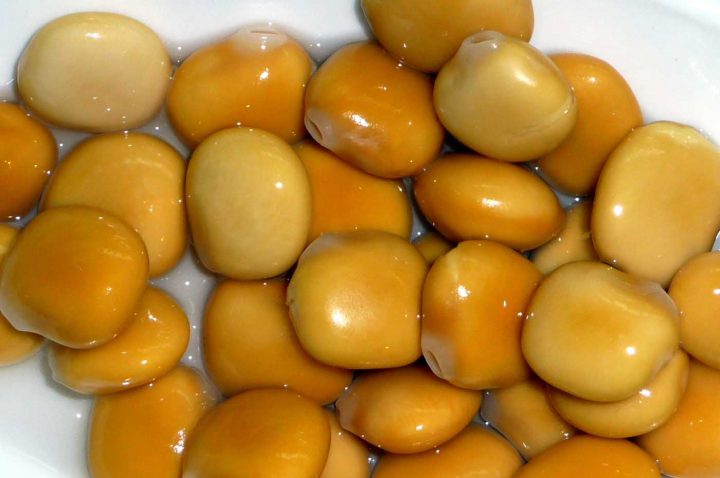
The uses of the lupine seeds are very diverse. In the Andes, a stew called tarwi is made from it. In Egypt and Algeria, street vendors offer a snack made from the seeds, and the Portuguese like to nibble lupines treated in brine.

Lupine seeds in brine, in Portugal commonly known as tremoco.

Fortunately, the range of products on the domestic market is also growing. Lupine flour and meal are increasingly being added to pasta and baked goods as a dietary fiber supplement. The carotenoids in the flour also result in a rich yellow color and the emulsifying effect of the lecithin increases the stability of the dough. Bread is enriched with lupine flour. There is lupine milk and ice cream. One advantage over soy products is that the lupine protein doesn’t taste like beans. The lupine tofu “Lopino” is popular and can be used sweet or savory. But you have to marinate it very well. There are also spreads, desserts, burgers and even a coffee substitute.

Recommendation

Diet reports recommend eating more plant-based protein. The advantage of protein obtained from the lupine is obvious. We just have to use it consciously. There are already plenty of recipes available on the Internet.

Recipes

Lupine Cheese

  • 1 cup lupine seeds (in brime)
  • 1 Tbs yeast flakes
  • 6 tsp agar agar
  • juice of half a lemon
  • 2 Tbs olive oil
  • ½ clove of garlic
  1. Cook the agar agar in 3 cups of water over low heat, stirring constantly.

  2. Blend with the rest of ingredients.

  3. Pour into a greased form.

  4. Cover and chill in the fridge for 2 hours.

Protein Spread

  • 200 g chickpeas
  • 100 g peeled lupine beans (in brime)
  • 100 g avocado
  • 25 g toasted almonds
  • 1 Tbs olive oil
  • lemon juice (to taste)
  • parsley or majoram (to taste)
  1. Grind the lupine seeds in a food processor, then add the avocado and olive oil until it forms a paste.

  2. Toast and grind the almonds.

  3. Mix with the rest and season with lemon juice and herbs.

Patés

Lupine Cream Cheese

  • 2 cups lupine seeds (in brime)
  • ½ cup water
  • 1 Tbs lemon juice
  • 2 Tbs olive oil
  1. Blend all ingredients.

  2. Season with more salt if necessary.

Patés
DiabeticDiet, GlutenFreeDiet, VeganDiet

Mediterranean Lopino Ragout

Marinade:

  • 1 cup Lopino (Lupine Tofu)
  • 3 cloves of garlic (crushed)
  • 1 branch rosemary (minced)
  • 2 Tbs lemon juice
  • 2 Tbs water
  • 3 Tbs olive oil
  • a pinch of salt

Vegetables:

  • 1 medium zucchini (in cubes)
  • 1 big eggplant (in cubes)
  • 4 large peeled tomatos (in cubes)
  • 1 big onion (minced)
  • a few black olive
  • 1/8 l vegetable broth
  • thyme, majoram, basil, salt
  • 2 Tbs olive oil
  1. Mix all the ingredients for the marinade well and marinate the Lopino cubes in it for one hour.

  2. Sauté onion in some water.

  3. Add all ingredients except tomatoes, olives and oil.

  4. Steam until soft for a few minutes, then add the tomatoes and olives, bring to the boil again briefly and season to taste.

  5. Carefully mix in the lopino cubes and the 2 tbsp olive oil, serve immediately.

Combines well with whole wheat pasta, rice, couscous or bulgur.

Side Dish
Mediterranean
Healthy Fruits

Stay Always Up to Date

Sign up to our newsletter and stay always informed with news and tips around your health.

Sign Up Now!

Filed Under: Nutrition

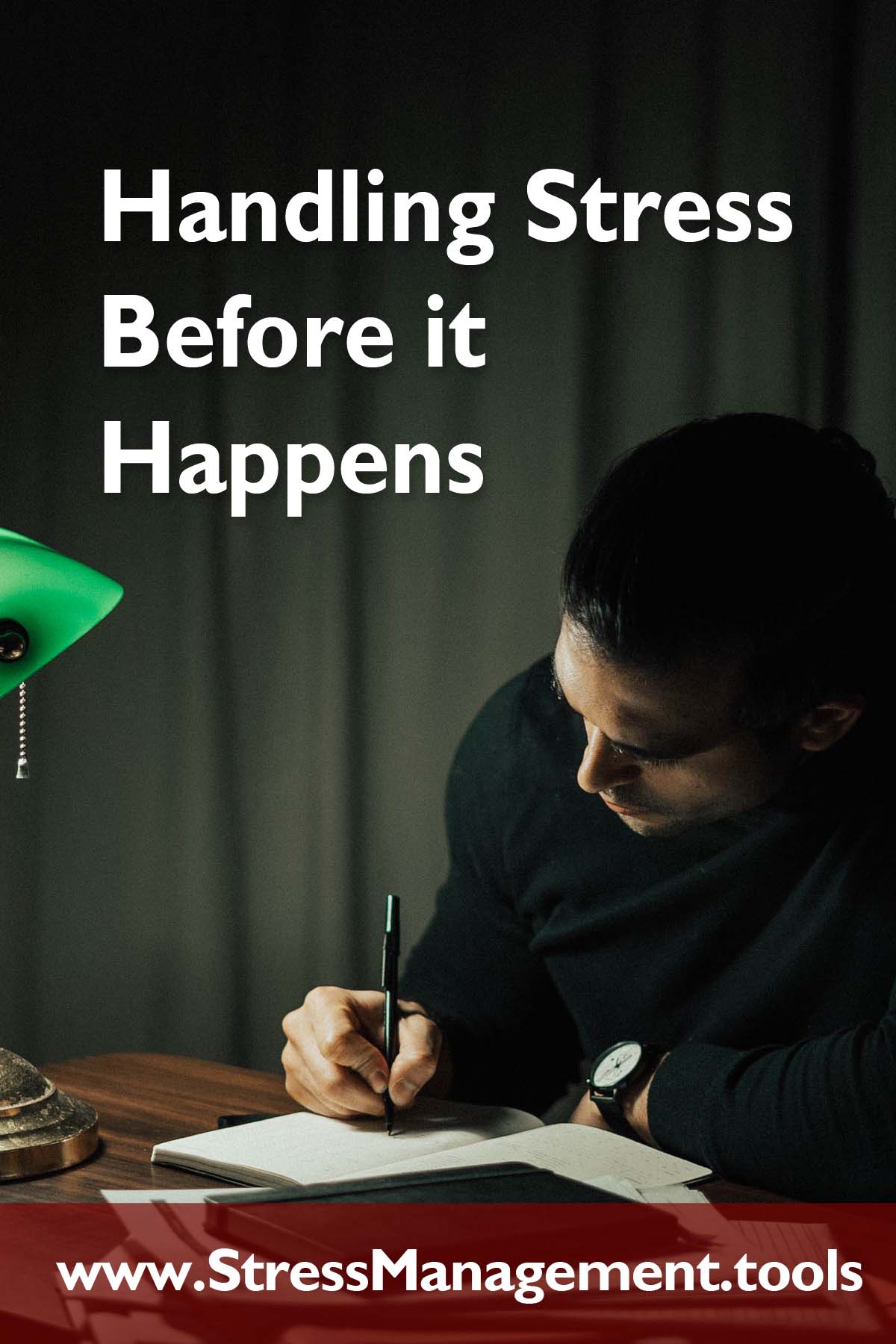
Handling Stress Before It Happens

January 30, 2022 by Martin Neumann - [rt_reading_time label="Reading Time:" postfix="minutes" postfix_singular="minute"]

Handling Stress before it happens

Stress is something that everyone in the world will experience. Some of us deal with a lot of stress – others, not as much. But one thing that we all have in common is that we all have a reaction to stress.

Handling Stress Before It Happens

When something happens to cause stress, we’ll react in either positive or negative ways. The way that you deal with stress will profoundly affect your health and well-being.

Your reaction to stress on one day can affect you emotionally the next day, and even the day before if you’re bracing for it. Unfortunately, there is no escaping stress and there are varying degrees of stress and causes behind it.

Stress Happens to Everyone

There are no groups of people or any single individuals who can avoid stress. Stress doesn’t fit neatly into any one category like a one-size-fits-all event. There are different levels of stress that will vary, depending on the person who’s dealing with it.

There are also different reasons and different times for stress to occur. You might experience more stress at a certain time of the year than other people do. However, stress does fall under the heading for four basic types.

The types of stress are encounter stress, time stress, situational stress and anticipatory stress. Encounter stress has to do with the relationships in your life. This covers your intimate relationships, your work relationships and even stranger or acquaintance relationships.

The type of life that you have can often determine whether you have a high stress level due to encounter stress. People who work in jobs where there’s a great deal of emotions (such as in a hospice care group) might have a higher rate of encounter stress than other people would normally have.

Giving emotional support to a cancer patient

Time stress can occur when you’re feeling overwhelmed with everything that you have to get done – so you fret that you don’t have enough time. You “what if” that you’re not going to get everything done and your stress level rises.

An example of this would be having to be somewhere for an important meeting that you absolutely can’t miss and things crop up to put you behind. Sometimes people will engage in time stress before there’s even an issue.

This “what if” worry can make them feel anxious and depressed because they worry how it will affect their future. The panic it causes can result in even more stressful situations to occur.

Situational stress is what happens when you’re in a situation that causes immediate stress. An example of this can be a car accident, a child becoming ill or a job loss. In situational stress, it’s the situation that causes the worrying and the emotions that go along with it. This kind of stress can be short or long term.

Anticipatory stress is stress that you get because you’re anticipating something that’s coming your way. This might be having to give a speech or wanting to ask for a raise. It can also be about something that’s not even on the horizon.

It’s a fear that the other shoe is going to drop. This type of stress is the kind that has the most “what if” worry involved with it because it’s focused on things that haven’t even happened – and may never happen!

And when the things that you worried about do come to past, they often don’t look anywhere as frightening or terrible as what you thought they’d be. Often we discover that it was not really worth our worries.

Worrying About Stressful Situations Affects Your Health

Thinking about a problem or wondering what’s going to happen isn’t the same thing as worrying about it. When it crosses the line is when you begin to “what if.” You might “what if” about an event, a person or an unknown future.

Plenty of people will “what if” in their mind. Unfortunately, most of them create all sorts of “what ifs” that have a negative aspect to the thoughts. From that negative “what if” can spring a ton of stress that can turn into long term stress if the habit isn’t broken.

Worrying about future events

There’s nothing wrong with thinking “what if” when you’re trying to brainstorm and come up with a purpose or a plan to deal with stress. But if you do random “what ifs” where you let your mind wonder from one bad possibility to the next, this is futile and can even be bad for your health.

This kind of “what iffing” is a stagnant process that doesn’t get you anywhere. It’s like sitting in a rocking chair moving back and forth and expecting to get from point A to point B.

This negative “what iffing” doesn’t help anything and all you gain is fear and a sense of foreboding about the situation or your future. When you engage in unproductive, negative “what ifs,” you can start to experience a host of various health problems.

You can develop headaches or stomachaches. You might start to encounter muscle problems. Worrying about stress is bad for your heart health. When you worry about stress, studies have shown that this habit is known to cause high blood pressure, tachycardia and shortness of breath.

Worrying about stress can even cause heart disease. The reason that it can do this is because when you worry about stressful situations, your body gets an influx of stress hormones.

Having a regular dose of stress hormones puts additional pressure on your heart because of the high blood pressure that goes hand in hand with raised stress hormones.

Besides affecting your body’s health in a myriad of ways, worrying about stress affects your emotional health and your mental health, too. If you worry about stressful situations to the point that it becomes an ongoing habit, you can be at risk of having a mental breakdown.

This usually happens when thinking about and dealing with stress reaches the point where a person simply can’t deal with it any longer. When that happens, he or she can lose the ability to go about their day as they normally would.

It’s an abnormal response to stress that’s linked with worrying about stressful situations and feeling like there’s no relief for the stress in sight. When worrying about stressful situations reaches the point where someone is having trouble eating and begins to deal with insomnia, that’s the point where something must be done immediately to alleviate the worry.

The 4 Types of Pre-Meditated Stress Analysis

People cope with stress in different ways. These coping mechanisms can be labeled four different ways. The first one is problem analysis. With this type of coping mechanism, people think about the problem.

This way of thinking usually means the person is using “what if” in a positive way. They’re not simply turning the problem or situation over and over in their minds. They’re looking for how they can define exactly what the problem is.

Analyzing a problem on paper

This is the first step that often motivates people to reaching for a solution to the problem. When someone engages in problem analysis, they can see the problem objectively without internalizing it to the point that they dwell on it long term.

This kind of coping mechanism is highly effective and doesn’t lead to emotional or physical problems that can happen with dwelling on a stressful situation. The type of people who use this method are the type that are able to separate their lives and self-worth from the problem.

They can look at something that needs to be solved and then lay it down without it causing them to lose sleep. The second type of coping mechanism is plan rehearsal. Someone who copes this way is usually an analytical thinker.

He or she won’t dwell on negative “what ifs.” Instead, this person will think about what he can do to bring the situation to a resolution. Someone using this coping mechanism rarely thinks that there isn’t a solution to a situation regardless of what the problem is.

The person who deals with stressful situations this way usually comes up with several solutions and analyzes each one for the best outcome. People who use plan rehearsal don’t usually carry a stressful situation over into the next day emotionally.

Stagnant deliberation is one of the poorer methods that people use when dealing with stress. This is the type of person who will “what if” and think about the problem, but won’t get anywhere.

They don’t come up with a solution and so they don’t move forward. With stagnant deliberation your emotional and physical health can be affected to the point that it can make you ill.

The fourth coping mechanism is outcome fantasy. With this way of dealing with stress, people fantasize or daydream that they won’t have to deal with the problem because it will be somehow magically solved. This coping mechanism can affect emotional and physical health as well.

It’s rare that a person always uses just one type of coping mechanism. You can use a mixture of all of them but the type of people who use problem analysis and plan rehearsal don’t get stuck in the “what if” or the negative thinking about stressful situations. They might pause there, but they don’t get stuck.

How to Make an Action Plan Ahead of Time to Handle Stress

By knowing how to act rather than react to stress, you can handle stress before it becomes an issue. In every situation that happens, prioritize it. Ask yourself if the situation is yours to handle.

Too many of us deal with things that we don’t have to deal with. We take on other people’s stress. We handle things for friends, a spouse and coworkers that we shouldn’t take on.

It can be tempting to want to help and to want to fix someone else’s stress, but that’s a way to quickly become overwhelmed and stressed yourself!

Take action steps to handle stress before it happens by identifying where you feel the pressure start to build. If you know that you’re going to be pressed for time, then look at what has to be done.

Use to-do lists and pare it down to only the necessities to get you through that day or week. Let go of things that don’t matter in the long run for your health or happiness. Give yourself extra time to accomplish tasks and learn to say no to things – and people – that will eat up time to the point you know it will cause stress to begin.

Don’t focus on the things that you can’t control. For example, if you have a joint project with a colleague and you’re ready with your part, but he isn’t, don’t focus on what he didn’t do.

All you’re responsible for is what you were supposed to do. Let that person suffer the consequences rather than you suffering the stress. When you know that a situation is coming up that has the potential to turn stressful, take the time to write out a list of possible solutions.

For example if you’ve heard that your company is going to be laying people off, instead of worrying about it, write down all of the steps that you’ll take if it does happen. Once you do that, let it go. You’re prepared!

Don’t give in to negative “what if” thinking. You don’t want to attempt to cross bridges before you even come to them. You might find that the bridge never even appears in your life and you don’t want to waste time needlessly.

Do you need a guide to help you understand how to cope with Stress in an all inclusive approach? Learn how to combat stress, mentally, physically, emotionally and strategically in your life.

Get Me the Guide

Filed Under: Mental Health, Stress Management

« Previous Page
Next Page »

Primary Sidebar

Social Channels

Coronavirus Immunity Challenge

Boost your immune system to be bullet-proof for the pandemic.

I Want to Participate

Recent Posts

  • 5 Habits to Live Longer
  • Better Sleep Can Protect Against Dementia
  • Finding Peace In Your Crazy-Busy World
  • Flaxseed – An Ancient Plant Rediscovered
  • Platelets – Triggers for Life or Death
  • Boderline Personality Disorder
  • In Praise of Almonds and Nuts
  • Are You Stuck in the Clutter Trap?

Categories

  • Body Systems (16)
    • Cell Function (2)
    • Circulatory System (1)
    • Digestive Tract (10)
    • Immune System (4)
  • Diseases (27)
    • Cancer (2)
    • Cold (1)
    • COVID-19 (11)
    • Dementia (1)
    • Diabetes (1)
    • Digestive Diseases (2)
    • Heart Disease (2)
    • Kidneys (1)
    • Metabolic Syndrome (2)
    • Skin (1)
  • Healthy Lifestyle (42)
    • Exercise (11)
    • Gardening (2)
    • Sleep (7)
    • Sunlight (2)
    • Temperance (14)
    • Water (4)
  • Mental Health (87)
    • Addictions (6)
    • Anxiety (7)
    • Burnout (1)
    • Depression (7)
    • Psychosomatic Diseases (6)
    • Stress Management (45)
    • Trust (6)
  • Nutrition (56)
  • Obesity (9)
  • Phases of Life (14)
    • Adults (3)
    • Babies and Infants (1)
    • Children (3)
    • Seniors (5)
    • Teenagers (3)
  • Therapies (7)
    • Herbs (5)
    • Hydrotherapy (1)
  • Uncategorized (3)

Archives

  • January 2025 (1)
  • March 2024 (5)
  • February 2024 (4)
  • January 2024 (4)
  • December 2023 (5)
  • November 2023 (4)
  • October 2023 (5)
  • September 2023 (4)
  • August 2023 (3)
  • July 2023 (2)
  • June 2023 (4)
  • May 2023 (4)
  • April 2023 (5)
  • March 2023 (4)
  • February 2023 (4)
  • January 2023 (4)
  • December 2022 (4)
  • November 2022 (4)
  • October 2022 (5)
  • September 2022 (4)
  • August 2022 (4)
  • July 2022 (5)
  • June 2022 (4)
  • May 2022 (5)
  • April 2022 (4)
  • March 2022 (4)
  • February 2022 (4)
  • January 2022 (5)
  • December 2021 (3)
  • November 2021 (4)
  • October 2021 (6)
  • September 2021 (4)
  • August 2021 (4)
  • July 2021 (5)
  • June 2021 (4)
  • May 2021 (3)
  • April 2021 (5)
  • March 2021 (4)
  • February 2021 (4)
  • January 2021 (5)
  • December 2020 (3)
  • November 2020 (4)
  • October 2020 (5)
  • September 2020 (5)
  • August 2020 (3)
  • July 2020 (1)
  • June 2020 (1)
  • May 2020 (1)
  • April 2020 (1)
  • March 2020 (1)

Copyright © 2026 · Abundant Health - Privacy Policy - Medical Disclaimer