Abundant Health

Up to date health information tailored for you

  • Home
  • Blog
  • Recipes
  • Shop
  • Contact
You are here: Home / Archives for Mental Health

Mental Health

A Secret for Boosting Your Self Esteem

May 21, 2023 by Dr. Cesar Vasconcellos de Souza - [rt_reading_time label="Reading Time:" postfix="minutes" postfix_singular="minute"]

Self Esteem

Do you like yourself? Is it possible to like ourselves, even if we have character defects, as we all do? Is there any difference between how society conceptualizes self-esteem and how God our creator defines it?

A Secret for Boosting Your Self Esteem

I came across a good article by the journalist Emanuelle Sales, entitled: The Different Way God Treats Self-Esteem.

In addition to being a journalist, she is the creator of a blog and author of books such as: “Mirror, Mirror, Now the Mirror is God”, as well as the book “Image and Likeness” and “Daughter of the King”. I now bring you insights from her text and my own thoughts on the subject of self-esteem. Between 2005 and 2007 I studied and worked in a Lifestyle Center in Wildwood, GA, when I changed my concept of self-esteem, living with a couple of scientists, Dr. Bernell Baldwin, Ph.D. in Neurophysiology from George Washington University, and his wife, author Marjorie Baldwin, a physician specializing in the digestive tract and nutrition. Both had been professors at Loma Linda University School of Medicine in California.

I often had lunch with them in the cafeteria of that institution, where I learned, among other things, a new concept about self-esteem. As Christian scientists, they based their ideas about self-esteem on biblical teachings. And one of them commented to me about how he can have self-esteem if we look at our spiritual contamination.

I kept thinking about this as I began to understand that I would need to change my concept of self-esteem. But what is self-esteem anyways? One of the definitions may be: Self-esteem means a value we give to ourselves and has to do with our ability to love ourselves. Self-esteem relates to self-respect, self-acceptance, and self-knowledge.

A person can have good or bad self-esteem. You can have high, low or normal self-esteem. When you keep putting yourself down, disrespecting yourself, and rejecting yourself, then your self-esteem is low. On the other hand, exalting oneself is not synonymous with good self-esteem. It can be the result of insecurity, pride, or arrogance.

A man with an arrogant look

Part of developing good self-esteem is self-understanding. When we improve our self-awareness, we can become more humble, because we see that we have strengths and weaknesses and that we are not better than anyone else. Emanuelle cites in her article a survey conducted by photographers Viola Gaskell and Alisson Luntz, who asked the following question: What makes you feel beautiful? They asked the question to people passing through the streets of Seattle and New York. The survey was part of a project called: What Makes Me Feel Beautiful? created for Ebay’s fashion and style blog.

The two photographers heard testimonials such as people saying: The only thing that makes me feel beautiful is my body and my heels. A girl always feels beautiful with her curves and high heels. Another person said: my smile, my skin. Those are some of my favorite things about myself.

One person commented on what makes her feel beautiful, saying: Getting all dressed up like I am now! I’m just going out for a walk with some friends, so I put on this dress and this jewelry, which I love. It definitely makes me feel beautiful.

An interesting comment came from someone else who said, in a more spiritual way: I think your beauty is your posture, you know? A person can be very beautiful, but when he opens his mouth he can kill all his beauty.

One person commented: My self-esteem is much better when I’m painted and made up, I feel prettier with well-designed makeup and beautiful high heels.

A woman with a face mask, hair treatment and sunglasses, trying to lift her self esteem

It’s funny how people generally link self-esteem solely to what they can see in the mirror. And when you grow old? And the skin is not silky anymore, what now? And the age wrinkles appear? Will plastic surgery fix everything? If you build your self-esteem based solely on your image, this parallels what Jesus said about the danger and imprudence of building a castle on sand.

The journalist Emmanuelle went on to write that a woman is likely to feel more powerful and confident, standing in beautiful high heels, using careful make-up, wearing expensive designer clothes, and exhaling the smell of an imported perfume. And a man is likely to feel confident, wearing a suit custom-made by an elite tailor, wearing a gold watch, putting on designer shoes, and having spent some good money to trim his beard.

But what do you feel for yourself? When you get back home, you take off your makeup, throw your expensive dress on the bed, take off your imported suit, take a shower, and stay in your natural body, without paint, without makeup, without jewelry, without perfume. Do you like what you see or not?

The Bible advises us not to build our self-esteem on external things, because they pass and will not sustain us forever. She recommends that we build the notion of value as people, in things that moth and rust do not destroy and where thieves do not break in to steal. The physician Dr. Luke narrated these words of Jesus in his Gospel like this:

Life is more than food, and the body is more than clothing.

Luke 12:23

Our self-respect, our self-esteem must be based on what God sees in us if we are to submit to his help through his power called grace.

A radiant woman demonstrating a healthy self esteem

Whenever Jesus was meeting a person, no matter how bad his behavior was, he looked and dealt with that person, thinking about what he could become if he surrendered to him and followed him by practicing the master’s instructions. Emmanuelle commented in her article that self-help books and self-love gurus, raise banners that collaborate to inflate the ego in search of the applause of crowds and a feeling of power. But our creator looks at us and says:

“All flesh is grass, and all its loveliness is like the flower of the field. The grass withers, the flower fades, because the breath of the Lord blows upon it; surely the people are grass. The grass withers, the flower fades, but the word of our God stands forever.”

Isaiah 40:6-8

In other words, we are small, mortal, limited, and we die. This comment in Isaiah is not a depreciation of life and the human person, but a statement of our limitation, smallness, and finitude. God so loved and loves people, his creatures, that God himself, Jesus Christ comes into the world to lift us up, heal us, save us, and restore our self-esteem. Your value as a person and your self-esteem needs to be based on the value that the creator gives you, and not on your outward appearance, because that will change. Think it through deeply.

We can respect ourselves, even being imperfect as we are. Along with the bad characteristics of our personality, God sees that there are potential virtues that he can develop if we want to, if we let him act in our life, and if we surrender to him and follow the beauty and simplicity of the Master Jesus Christ, as described in the Gospels.

Proper self-esteem depends on what God establishes in our character. Think about it. Leave aside this idea of constructing only your exterior. Of course, you are not going to be a relaxed person, wear poorly ironed clothes, or not have proper personal hygiene. It’s okay for you to take care of your body aesthetics, that’s healthy. It just can’t become an obsessive thing. It’s not good for your mental health if you put that external view, what you see in the mirror, as the only source of satisfaction, the only source of self-worth. Think about it, God will give you a wonderful self-esteem.

Healthy Fruits

Stay Always Up to Date

Sign up to our newsletter and stay always informed with news and tips around your health.

Sign Up Now!

Filed Under: Mental Health, Trust Tagged With: Self esteem

7 Ways to Reduce Stress in Your Relationships

May 7, 2023 by Martin Neumann - [rt_reading_time label="Reading Time:" postfix="minutes" postfix_singular="minute"]

Decreasing stress in relationships

Relationships can be a wonderful thing. They’re a chance to connect with someone on a deeper, more emotional level, and even discover new things about yourself. However, when you’re sharing your life with someone else, things can sometimes be stressful too.

7 Ways to Reduce Stress in Your Relationships

The unfortunate truth is that everyone will feel stress connected to their relationship at one time or another. You might be worried about approaching a complex topic with your partner, or you could be facing a challenge together, like an unpaid bill.

The key to success is ensuring that you don’t allow stress to take over your relationship. Instead, figure out how to work things out together, and you could make your relationship stronger than ever.

Here are some of the best ways to reduce stress in your relationship.

1. Listen

Lack of effective communication is one of the most common issues that many people encounter in their relationships. Either they don’t know how to approach their other half when they want to talk, or they don’t know how to listen when their partner comes to them.

The most important way to minimize stress and strengthen your relationship at the same time is to listen to each other. Recognize the symptoms of stress in your partner, such as moodiness, restlessness, or agitation, and ask them if they want to talk about it.

If your partner wants to talk to you about their stress, the important thing to remember is that you don’t necessarily need to fix their problem.

Most of the time, when your partner is stressed, they know you can’t handle everything for them. Instead, they just want an opportunity to vent and get some basic reassurance. Sit, listen, and only offer advice if asked for it.

A couple talking to each other

2. Always Be Yourself

Relationships only work when people are honest with each other.

When you’re attracted to someone, and a relationship is just starting out, it’s tempting to try and build an image of yourself that matches what you think the other person wants. However, the reality is that it’s impossible to keep up with this charade long-term.

You’ll end up causing yourself a lot of additional stress if you attempt to be someone who you’re not.

At the same time, your other half is going to get the sense that something isn’t right. This causes stress for them because their mind will try to help them figure out what’s going on.

Ultimately, being honest will save you both a lot of stress and tension. If your partner doesn’t love the real you, it likely wouldn’t have worked out anyway.

3. Practice Self Care

Sometimes, the best way to care for a relationship is to look after yourself.

Stress is contagious. If your other half notices that you’re constantly stressed, they’re going to start picking up on that feeling too. Sometimes, this can lead to your partner becoming self-conscious, or feeling nervous that they’re doing something wrong. Even if you explain, self-doubt can linger.

Try to take care of yourself to avoid a buildup of stress in your life. Be sure to get enough sleep, do some daily exercise, and work on a healthy diet. Try to get your partner on board with that plan whenever you can.

A couple walking

4. Be Open in Your Communication

Communication and honesty are the pillars of a great relationship.

Most of the time, stress and arguments come from us trying to guess the thoughts of the other. For instance, if you notice that your partner is a little withdrawn one night, you might find yourself wondering whether it’s because you didn’t make their favorite meal.

Even if your partner tells you that’s not the case, if they don’t give an explanation of their state, the thought will grow larger in your head, causing feelings of resentment, anger, and upset. You start getting defensive, and that’s where arguments begin.

If you’re honest about why you’re acting a certain way, and explain your feelings to your partner frequently, there’s less room for assumptions to cause problems.

5. Use More I Instead of You in Communicating

Often we tend to enter the blame game by pointing fingers and accusing our partner. We can take off a lot of the pressure if we learn to speak more about how I am feeling about the situation instead of the mistakes that you are making. This is an important step to get out of that blame game, and it will help us a lot to get more cooperation from our partner.

For example, instead of blaming your partner: “You are coming home late again, and you do not even bother to give me a call!”, maybe you can reword that and say: “I am frustrated if I prepare supper for you and the food is getting cold. Can you call me next time when you come home late?” Instead of focusing on the mistake of the other, you are focusing on your own feeling about the situation, and you offer a solution, how your partner can help you in the future. Do you see how that can change instantly the climate of your communication? 

6. Express Gratitude

Take some time to express gratitude and tell your partner what you appreciate about them. If you keep a positive mindset, it will remove a lot of tension and stress.

It is so easy to get wrapped up in negative thoughts and feelings, and more than often it is not more than our perspective of life around us. If you just take some time and express what you like about the other, and acknowledge their little acts of kindness, it can quickly change the atmosphere you are experiencing at home.

A couple being grateful for each other

7. Stop Being Harsh to Each Other

Finally, if there’s one thing you can do to reduce stress and arguments in your relationships, it’s to give each other a break.

When we fall in love, it’s easy to place another person on a pedestal. We see them as perfect and believe they can do no wrong. Unfortunately, that’s not the case. Eventually, you’ll begin to notice your partner making mistakes.

The important thing at this time is to let your partner know that, while you might be disappointed by the mistakes they made, you can get through it together.

Giving each other a break and forgiving your loved one for the things they do wrong is essential to reducing stress. Remember, you’re both only human.

Keep these ideas in mind. They can help you to reduce relationship stress on a daily basis and make your lives more fun and fulfilling.

Do you need a guide to help you understand how to cope with Stress in an all inclusive approach? Learn how to combat stress, mentally, physically, emotionally and strategically in your life.

Get Me the Guide

Filed Under: Adults, Mental Health, Stress Management Tagged With: Communication, Relationship Stress

Lessons from Pain – How to Grow in Difficult Times

April 23, 2023 by Dr. Cesar Vasconcellos de Souza - [rt_reading_time label="Reading Time:" postfix="minutes" postfix_singular="minute"]

Lessons from Pain

We all suffer in this life. Some more, others less, but no one escapes. What do you do with suffering? Let’s think together about this subject and how you can start to see your pains in a different light.

Lessons from Pain - How to Grow in Difficult Times

In this life, we all have struggles, disappointments, and suffering. I’ve never met anyone who hasn’t gone through, or who isn’t currently experiencing some kind of struggle, be it financial, family, personal, emotional, physical, or even spiritual. Of course, and unfortunately, we have trials, but thankfully, Jesus promised to set an end to our trials when he will return in his glory.

Mental health does not mean having an absolute absence of emotional pain, such as sadness, anxiety, or fear. A person with good mental health has some moments of sadness, suffers anguish, and experiences some fears within the context of situations that provoke these painful feelings. Even the most successful people, famous or not, went through or are going through trials.

When we look at most famous people, we often look at their appearance or the outside, and wonder if they suffer too, since what they report in the media, on TV shows, radio, and social media suggests that they live a wonderful life, filled with goodies. But behind the scenes of their show, there are struggles, depression, excessive anxiety, divorces, drug involvement, unhealthy sexual practices, and a lot of pain.

In the face of emotional suffering, there is a danger of using medication to deal with unpleasant feelings instead of reflecting on their meaning and understanding where they come from. A good part of the population is being medicated with psychiatric drugs.

Various psychiatric medications

This happens because there seems to be a lack of conscious elaboration of suffering, that is, the person avoids thinking about their pain, trying to understand: “Where does it come from? What does it mean?” and prefers taking a pill without thinking about anything else. I’m not saying you should never use psychiatric medications. However, many who want to function well in life, at work, and with their family, resort to pills, prioritizing the search for an emotional improvement, placing exaggerated and perhaps mistaken hope for a cure in pills.

They do this because they need to move on with life, as they still do not know how to deal with pain in a functional and effective way through psychoeducation, which means learning to deal with emotions, especially the painful or unpleasant ones that produce and cause pain.

If you pay attention, you’ll see that some trials come to destroy your life, it’s true, but you can learn to face them as an opportunity to mature. It will help a lot to change the way you handle painful situations in your life if you change the question from “Why is this happening to me” to “What can I learn from this painful situation”?

Of course, in pain you experience sadness, anger, guilt, anxiety, and fear, because that is part of the loss, the conflict, and the approval. But as soon as possible, it’s important to change the question and start reflecting on what this difficult situation you’re going through can teach you. What can you learn from this?

I like a text written by Ellen White:

God’s power is constantly exercised to counteract the agencies of evil; He is ever at work among men, not for their destruction, but for their correction and preservation.

Ellen White, Patriarcs and Prophets, p. 694

She is saying what throughout biblical history is revealed about God’s dealing with humanity, which is a combination of justice and mercy, always predominating mercy.

Traumatic experiences, be it a traffic accident, a financial loss, a divorce, complicated marital conflicts, the death of a loved one, disappointment with someone, marital infidelity, job loss, or harassment at work, all of that we can use to strengthen us. It depends on how we look at these traumas, it depends on the support network to deal with them, on the conscious intention to learn from suffering, and on the strength to face all that can come from God, the creator of the universe.

A resilient flower growing in the crack of the street.

Trials come to everyone at different times in life; some more devastating, some less. But in all of them, we can see there is strength to face them, even if you have to temporarily go through depression or excessive anxiety in any clinical manifestation.

Life is not easy. Religions that promise an easy life, full of material prosperity and the absence of suffering, are preaching falsehood. The head of Christianity, Jesus Christ, told those who were following him and those who would follow them in the future:

These things I have spoken to you, that in Me you may have peace. In the world you will have tribulation; but be of good cheer, I have overcome the world.

John 16:33

Jesus said that it would be possible not to get discouraged by clinging to Him, who has overcome all the trials we have experienced or will still experience. Taking a general look at the biblical text, seeing the experiences of those characters who went through many and severe trials and surrendered themselves to God, it is neither fair nor true to say that following Jesus guarantees financial success and the absence of problems.

There are no easy answers to the problem of suffering in humanity, a topic studied by thinkers, philosophers, and psychologists. We know that there is a conflict between good and evil that affects all dimensions of society and also affects us. Suffering exists even for people who are more consecrated and who practice good spirituality.

The sufferings of today may serve to prepare us, to strengthen us for the trials that lie ahead; and they will come. The world will speak of peace and prosperity, but God says in His Word that in this end time that we are living in, there will be anguish, such as never was before, and much destruction of good morals, peace, and freedom, which is what we have already begun to see and experience.

Regardless of this, and despite this, it is possible to have peace and even inner personal joy, as long as you are not thinking and focusing on the difficulties, but changing your eyes to the promises of help that God has made in His word, clinging to Him through faith. It is possible to develop serenity in the face of conflicts, if we turn to prayer to the Lord, as long as it is sincere, persevering, conscious, thoughtful, and believing that God is listening to us and helping us.

Finding peace in the midst of conflict depends on where you place your hope. It depends on your concept of the meaning of this existence and a good understanding of the spiritual war between good and evil. It depends on what you do with your pain or what you allow it to do to you. It depends on personal psychological and spiritual resources that, if they are weak or insufficient, God will strengthen them. It depends on the family and social support you have, and especially on faith that your Creator is kind to you, who is attentive to your suffering and doing his best to preserve your mental and spiritual sanity and your physical life.

Believe that God is not distracted to be unaware of your suffering. Believe that he is even now providing solutions for you, even if it is inner peace, despite the conflicts. Reflect on that. Believe in a kind God, surrender to Him, and pray to Him. That way you can face your pain in a more positive way.

Healthy Fruits

Stay Always Up to Date

Sign up to our newsletter and stay always informed with news and tips around your health.

Sign Up Now!

Filed Under: Mental Health, Trust Tagged With: pain, resilience

6 Symptoms of Chronic Stress to Be Aware Of

April 9, 2023 by Martin Neumann - [rt_reading_time label="Reading Time:" postfix="minutes" postfix_singular="minute"]

6 Symptoms of Chronic Stress to Be Aware Of

Are you suffering from stress? Everyone has moments of stress from time to time, such as when you’re stuck in traffic, or you have a hard day at the office. But, for some people, stress can also become a serious issue.

6 Symptoms of Chronic Stress to Be Aware Of

Expose yourself to too much chronic stress and you’re putting yourself at significant risk of a range of health challenges. In fact, experts say that stress is directly connected to many of the main causes of premature death.((https://www.miamiherald.com/living/article1961770.html))

The good news is that there are numerous ways you can begin to manage your stress. However, before you get started, it’s important to be able to recognize the symptoms of stress.

Be aware of these red flags:

  1. Tooth or jaw pain. Yes, stress does affect your teeth, more than you might think. If you’ve noticed soreness in your jaw or pain in your gums, then it might be because you’re dealing with feelings of stress.((https://www.guardiandirect.com/dental-care/6-ways-stress-affects-teeth))
    • Grinding your teeth is often something that you may not even realize you’ve been doing until you get to the dentist, and they berate you for signs of bruxism.
    • Grinding and tensions resulting from stress can cause extra strain and soreness in your jaw. If you do notice signs of discomfort in your jaw, check with your dentist to ensure that you’re doing everything you can to protect your teeth.
  2. Your memory is getting worse. As your schedule becomes more overwhelming, and you end up with more things to think about each day, it’s easy to brush off issues with forgetfulness. However, if your memory is really letting you down lately, it could be because of stress.
    • High levels of cortisol can impair the function of the hippocampus, a brain region crucial for memory fixation. Prolonged stress can even cause a shrinkage of the hippocampus.
    • Paying attention to where you lose track of your train of thought could show you where you have too much on your plate. It might be time to slow down.
  3. Your digestion isn’t right. Digestive health and stress are closely connected. You might have noticed during stressful periods in the past that you tend to have challenges with heartburn, diarrhea, and constipation. These are all common gastrointestinal symptoms of stress.((https://www.health.harvard.edu/diseases-and-conditions/the-gut-brain-connection))
    • Your stomach will often churn and feel uncomfortable when you’re stressed because feelings of anxiety cause the body to produce additional digestive acid, which can lead to stomach ulcers.
    • Stress can make your intestines more sluggish. That can easily lead to constipation.
A man sitting at the toilet because of constipation
  1. You’re always thirsty. If you’re constantly suffering from a major thirst, it’s worth speaking to a doctor. Excessive thirst can be a sign of things like diabetes. However, you could also be dehydrated because of excess stress.
    • First of all, increased cortisol levels will make your blood glucose levels rise, which causes dehydration since the body tries to flush out the extra glucose through the urine.
    • Cortisol is produced by the adrenal glands, which are responsible as well to produce hormones that regulate the fluid levels in your body. If you suffer chronic stress, it can easily wear out your adrenal glands and cause a number of hormonal imbalances.
    • Although upping your H2O intake shouldn’t cause any problems, it’s still a sign of a long-term problem that’s important to rectify.
  2. Your muscles are sore. Sore muscles often happen as a result of tension. If you’re under a ton of stress, your body responds by involuntarily tensing up. This can gradually lead to more body pain over time, because your muscles aren’t used to being under that much strain.
    • Excessive cortisol during chronic stress will increase muscle tightness.
    • The same way you suffer from soreness from grinding your teeth, you could experience soreness elsewhere in your body because you’re placing more pressure on your muscles. A good massage or a hot bath might help in the shorter term, but eventually you’ll need to tackle the root cause of your stress.
  3. Your sleep is messed up. If you’re having trouble with falling asleep at night, it could be because stress is making it harder for you to relax.
    • It’s likely that you spend a lot of time thinking about the things that worry you when you’re in bed.
    • If you suffer from insomnia, you will wake up tired the next morning, which increases your stress hormones and easily drives you into a vicious cycle.
    • You might also notice that you’re having more odd dreams because of your stress.
    • On the other hand, some people experience a desire to sleep more often when they’re stressed. This could be an indication that you’re not just suffering from stress, but that you’re having issues with anxiety and depression too. Consider speaking to your doctor about these issues, who should be able to offer some personalized guidance.  

As you can see, it’s critical to your health and wellbeing that you learn to relieve stress. Make it a priority to take care of yourself by reducing your stress. And if you see those warning signs coming up that stress is getting out of control, you need to take immediate action to implement a successful stress management plan. Check out the Stress Management Tools to see how the program can help you to get stress under control.

Filed Under: Mental Health, Stress Management Tagged With: Chronic stress, Stress symptoms

Does Fibromyalgia Come From Your Mind?

March 26, 2023 by Dr. Cesar Vasconcellos de Souza - [rt_reading_time label="Reading Time:" postfix="minutes" postfix_singular="minute"]

Fibromyalgia

In this article, we are going to analyze the psychological aspects of this disease called fibromyalgia. Fibro comes from fiber, mio means muscle, and algia is pain. Therefore, fibromyalgia is pain in the muscle fibers, in a literal translation, but there are several other symptoms in this complex disease, affecting 2% of the population in the United States.

Does Fibromyalgia Come From Your Mind?

Fibromyalgia is characterized by body pains of at least three months, fatigue, sleep disturbances, which can be insomnia, or non-restorative sleep, tingling in the hands, feet, and middle of the back, intestine sometimes constipated and sometimes with diarrhea, and mood changes including discouragement. About 25% of fibromyalgia patients have depression, that is, one in four people.

Commonly it involves anxiety, difficulty in concentrating and performing common tasks, headache, and swelling in the body. In fibromyalgia, there are some pain points in the body, in the trapezius muscle which is in the shoulder area, on both sides of the neck, in the buttocks, in the region of the joints of arms and legs, and some other places.

The cause of fibromyalgia is still unknown. It is believed to be due to the decrease of a neurotransmitter called serotonin in the brain, the person loses the ability to regulate pain and the impulses are misinterpreted. It is a painful syndrome, without inflammation. It affects twenty women for one man.

It appears at any age, but most commonly between forty and sixty years of age. It is common for women with fibromyalgia to be perfectionists, taking on too much at home and at work. Clinical histories reveal that before they became ill, they were the best at work, they were super mothers, and superwomen at home. With the disease, they feel limited and by ceasing to be the best, it is lowering their self-esteem.

The more they feel inferior, the more symptoms appear. The patients themselves are amazed at the disease because they were very well, they felt super powerful, they did everything, solved everything for everyone, and colleagues and family members are also puzzled, saying that these people are inventing the disease and that they have nothing at all. It is common for people with fibromyalgia to go from doctor to doctor. Some uninformed people may think that the person only has psychological problems and nothing else.

The main specialist to be consulted with symptoms of fibromyalgia is the rheumatologist. It cannot be said that fibromyalgia is curable, but it is controllable. There are no tests that identify the disease, the diagnosis is clinical. The specialist will order tests to evaluate a differential diagnosis, that is, excluding other possible diseases, especially of the thyroid, which can have some symptoms that would mix with the symptoms of fibromyalgia.

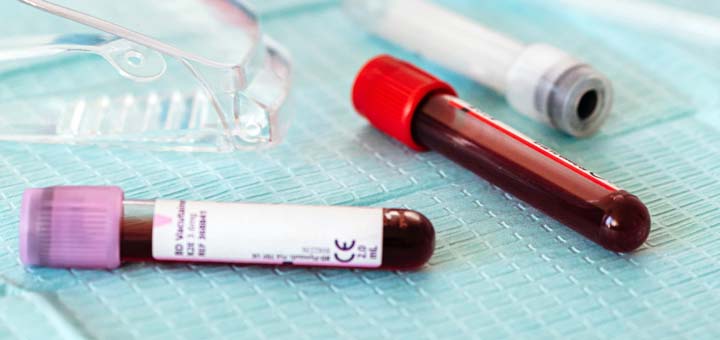
Blood tests

The individual with fibromyalgia can improve by 20% when the well-informed doctor tells him that he is not crazy and that he has such a disease. He can improve another 20% when he finds out that the disease, although painful, does not kill, and for the other 60%, medicine has many limitations to offer a cure.

It is necessary to start a permanent lifestyle change including aerobic exercises, such as daily walking, using more natural foods, pure water, family understanding, looking for relaxation that reduces tension and improves sleep, also reducing the tragic interpretation of events, and learning a strategy of dealing with problems without overloading himself. It may be useful a temporary medication to improve mood, for sleep, and also using an analgesic. It is important that the fibromyalgia patient makes an effort to change their own behavior at the pace they can.

Among those suffering from this disease, some are perfectionists, very demanding, take on burdens that are not theirs, and in this case, you need to learn to set limits, not to take on what is not your responsibility, even if others complain that you have stopped doing what you did before, and learn to disconnect from the problems that they want to throw at you for you to assume, and that does not mean that you have become an irresponsible person.

It is not uncommon in families where someone has fibromyalgia, to see a tendency for some members of that family to omit themselves, and to throw the load on a single person, and this person, accepting this, takes on everyone’s problems, looking for solutions alone, that is, taking on burdens that are not theirs.

But if that person tends to take on everything, the other family members or co-workers settle in and leave the burdens on him, that person will be overworked. So this person ends up carrying other people’s problems, and this can become so suffocating and so heavy, that there comes a time when the body and mind say: We can’t take it anymore!

an overworked student feeling tired

Then symptoms may arise, which may be, for example, those of fibromyalgia. It is possible to be a responsible, productive, helpful person without taking on what is not yours, and not absorbing unfair criticism from those who want to play on the person what they should assume. Fibromyalgia also affects children and adolescents and occurs mainly in girls between nine and fifteen years of age.

This gives rise to symptoms that may be, for example, fibromyalgia. It is possible to be a responsible, productive, helpful person, without taking on what is not yours, and without absorbing unfair criticism from those who want to throw all the responsibility at the person.

Fibromyalgia also affects children and adolescents and occurs mainly in girls between nine and fifteen years of age. The symptoms are similar to those of adults, adding frequent school absences due to illness. Some scientific studies have shown that children and young people with fibromyalgia had an average of 41 days of absence from school per year, while in the general population, the average is 9 days per year.

From a psychological point of view, people with fibromyalgia have a worse quality of life, and have more symptoms of depression and anxiety, generating a greater amount of suffering behaviors. Some studies have shown that young people with fibromyalgia seem to come from families whose members are more disorganized and anxious, and this would influence the way they face life’s problems.

Fibromyalgia treatment involves medications only for the control of symptoms, such as pain, insomnia, excessive anxiety, and depression. Physiotherapy, the practice of physical exercises, preferably outdoors, as well as psychotherapy are needed. It helps a lot to learn coping strategies for everyday problems to help with stress reduction. If that involves the cause of your illness, it will also be the best form of cure.

Healthy Fruits

Stay Always Up to Date

Sign up to our newsletter and stay always informed with news and tips around your health.

Sign Up Now!

Filed Under: Diseases, Mental Health, Psychosomatic Diseases Tagged With: fibromyalgia, overworked, perfectionism

13 Things You Can Do Tonight to Make Tomorrow Morning Less Stressful

March 12, 2023 by Martin Neumann - [rt_reading_time label="Reading Time:" postfix="minutes" postfix_singular="minute"]

Tips to make tomorrrow morning less stressful

Are mornings a mad rush at your house? By the time you find matching socks for the kids and answer the text messages that piled up overnight, you may feel like you’ve put in a full day before you even reach the office.

13 Things You Can Do Tonight to Make Tomorrow Morning Less Stressful

You can make your mornings run more smoothly. With just a bit of planning, you can have better control over the right start of your day. Take a look at these suggestions for feeling more relaxed as you start each day.

8 Ways to Save Time in the Morning

Staying on schedule is for many the biggest challenge. These time-savers will help you streamline your routine.

  1. Plan your schedule. Maybe you’re trying to cram too much into too little time. Figure out how much time you need for your usual activities. Then, you can calculate when you need to go to bed so you’ll get up in time and still be well rested each day.
  2. Organize your space. Do you know where your umbrella is? Keeping essential items in their habitual place will eliminate searching for car keys or gym bags. No need to search the entire house for each item. Put them always at the same place, and you will find them in an instant.
  3. Check the weather. Rain and snow may change your plans. Take a look at the forecast before you go to bed so you’ll be ready with rain boots or ice scrapers, and the proper clothing for each situation.
  4. Prepare breakfast. Eating breakfast gives you energy now, and makes it easier to resist snacking on junk food later. Assemble your cereal ingredients tonight so you can get going in an instant.
  5. Lay out your clothes. Hang tomorrow’s outfit at the front of your closet or on the back of your bedroom door. You already made up your mind on what you want to wear, so you just need to get dressed and get going.
  6. Simplify your look. How many products do you use in the morning? Design a simpler skin care regimen and browse around for a low-maintenance hairstyle. Saving some time will make you happier on the end of the day.
  7. Write notes. Save your brain power for more important subjects. Jot down reminders to pick up prescriptions or dry cleaning on your way to work. This way you free up your mind and nothing falls through the cracks.
  8. Shorten your commute. Studies show that the length of your commute has a dramatic effect on your health and wellbeing. Moving or changing jobs is a big decision, but you may want to explore your options. If you’re looking for a benchmark, the average one-way commute in the U.S. is 25.5 minutes.
Taking the train to commute to work

5 Ways to Make Mornings More Peaceful

However much you need to do, you can stay calm and focused. It’s a matter of attitude. These tips will help you enjoy mornings more.

  1. Adjust the light. Light has a powerful effect on your brain. Darkening your bedroom at night will help you to sleep better so you wake up feeling refreshed. The opposite holds true for waking up. Exposure to morning sun will banish grogginess.
  2. Skip the snooze button. Try placing your alarm clock across the room if you’re in the habit of hitting the snooze button. Those 10 minute fragments of sleep usually leave you feeling worse than if you get out of bed immediately. If you have troubles on getting out of bed, try a 5 second countdown and just launch yourself out of bed.
  3. Play music. Spend a moment before going to bet to cue up a playlist of your favorite songs. Lively music will give you energy if you’re dragging around. Gentle instrumental music will soothe your nerves if you’re apprehensive about a job interview or business presentation. Having the right music around will get you into proper mood.
  4. Download a podcast. Continue your education during your commute. Find a podcast that will teach you Roman history or the fundamentals of accounting. Or find some inspirational audiobooks. You will make better use of your time and arrive at work with an active mind.
  5. Connect with Your Creator. Take a moment each night to be grateful for your day, reflect on all the things that had happened, and thank God for your day. If there is anything to resolve, do that right at this moment. You will sleep better if you have peace of mind. At the morning when you wake up, take a moment to commit the day into God´s hand. Meditate on a bible verse and you will conduct your day with a different mindset.

A few simple strategies can turn you into an early bird or at least make your initial hours happier and more productive. Starting the morning on a positive note will help you head off stress and feel calmer all day long. It will make quite a difference if you are off for the right start.

Do you need a guide to help you understand how to cope with Stress in an all inclusive approach? Learn how to combat stress, mentally, physically, emotionally and strategically in your life.

Get Me the Guide

Filed Under: Mental Health, Stress Management Tagged With: morning routine

« Previous Page
Next Page »

Primary Sidebar

Social Channels

Coronavirus Immunity Challenge

Boost your immune system to be bullet-proof for the pandemic.

I Want to Participate

Recent Posts

  • 5 Habits to Live Longer
  • Better Sleep Can Protect Against Dementia
  • Finding Peace In Your Crazy-Busy World
  • Flaxseed – An Ancient Plant Rediscovered
  • Platelets – Triggers for Life or Death
  • Boderline Personality Disorder
  • In Praise of Almonds and Nuts
  • Are You Stuck in the Clutter Trap?

Categories

  • Body Systems (16)
    • Cell Function (2)
    • Circulatory System (1)
    • Digestive Tract (10)
    • Immune System (4)
  • Diseases (27)
    • Cancer (2)
    • Cold (1)
    • COVID-19 (11)
    • Dementia (1)
    • Diabetes (1)
    • Digestive Diseases (2)
    • Heart Disease (2)
    • Kidneys (1)
    • Metabolic Syndrome (2)
    • Skin (1)
  • Healthy Lifestyle (42)
    • Exercise (11)
    • Gardening (2)
    • Sleep (7)
    • Sunlight (2)
    • Temperance (14)
    • Water (4)
  • Mental Health (87)
    • Addictions (6)
    • Anxiety (7)
    • Burnout (1)
    • Depression (7)
    • Psychosomatic Diseases (6)
    • Stress Management (45)
    • Trust (6)
  • Nutrition (56)
  • Obesity (9)
  • Phases of Life (14)
    • Adults (3)
    • Babies and Infants (1)
    • Children (3)
    • Seniors (5)
    • Teenagers (3)
  • Therapies (7)
    • Herbs (5)
    • Hydrotherapy (1)
  • Uncategorized (3)

Archives

  • January 2025 (1)
  • March 2024 (5)
  • February 2024 (4)
  • January 2024 (4)
  • December 2023 (5)
  • November 2023 (4)
  • October 2023 (5)
  • September 2023 (4)
  • August 2023 (3)
  • July 2023 (2)
  • June 2023 (4)
  • May 2023 (4)
  • April 2023 (5)
  • March 2023 (4)
  • February 2023 (4)
  • January 2023 (4)
  • December 2022 (4)
  • November 2022 (4)
  • October 2022 (5)
  • September 2022 (4)
  • August 2022 (4)
  • July 2022 (5)
  • June 2022 (4)
  • May 2022 (5)
  • April 2022 (4)
  • March 2022 (4)
  • February 2022 (4)
  • January 2022 (5)
  • December 2021 (3)
  • November 2021 (4)
  • October 2021 (6)
  • September 2021 (4)
  • August 2021 (4)
  • July 2021 (5)
  • June 2021 (4)
  • May 2021 (3)
  • April 2021 (5)
  • March 2021 (4)
  • February 2021 (4)
  • January 2021 (5)
  • December 2020 (3)
  • November 2020 (4)
  • October 2020 (5)
  • September 2020 (5)
  • August 2020 (3)
  • July 2020 (1)
  • June 2020 (1)
  • May 2020 (1)
  • April 2020 (1)
  • March 2020 (1)

Copyright © 2026 · Abundant Health - Privacy Policy - Medical Disclaimer