Abundant Health

Up to date health information tailored for you

  • Home
  • Blog
  • Recipes
  • Shop
  • Contact
You are here: Home / Archives for Nutrition

Nutrition

Digestion – A Churning Question

June 24, 2023 by Vicki Griffin - [rt_reading_time label="Reading Time:" postfix="minutes" postfix_singular="minute"]

Digestion - A Churning Question

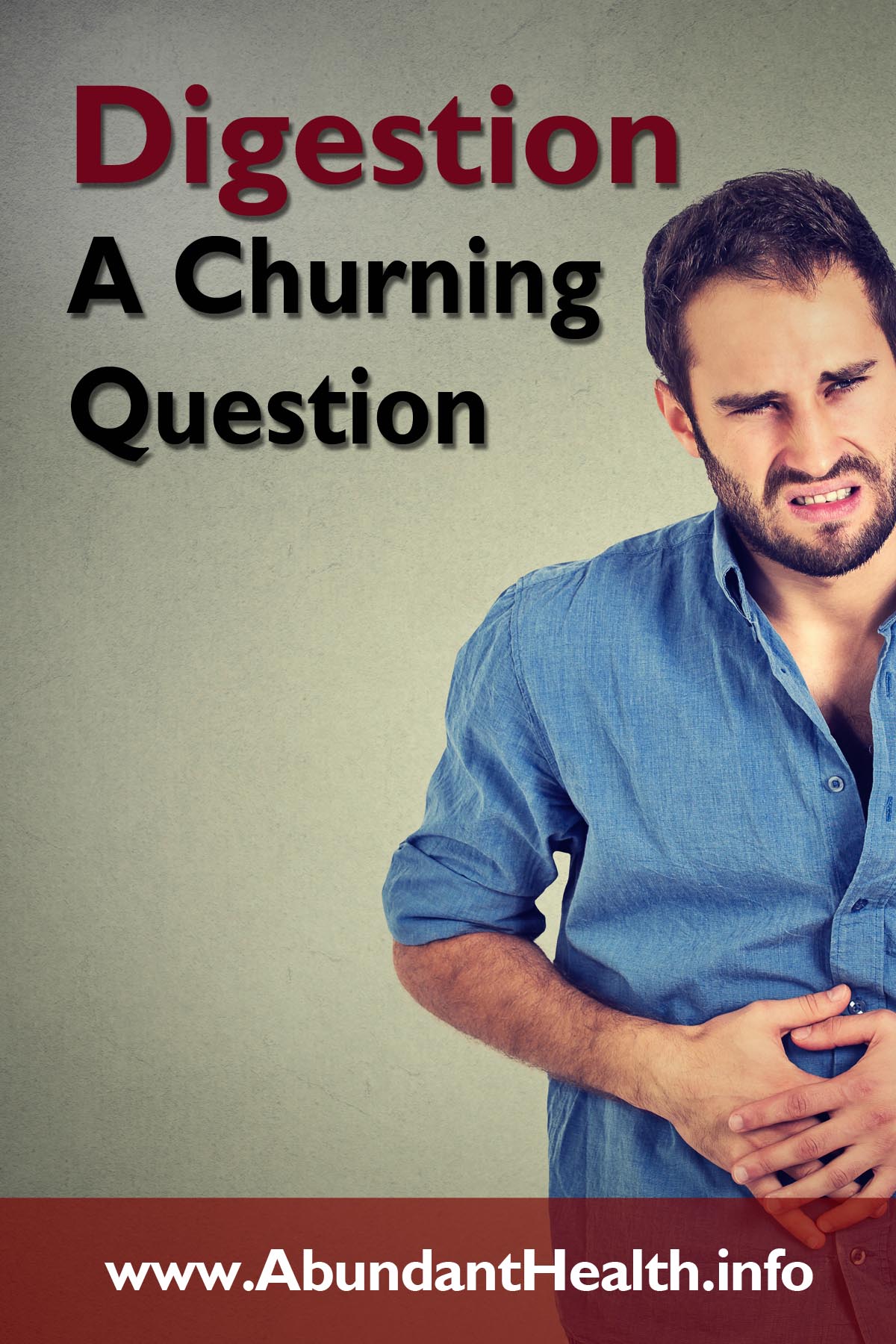
Gastronomic Warfare. It’s relaxing to watch the swirling, gurgling bubbles that fish thrive on in tropical fish tanks. But it’s a different matter when it is happening in your gut. Is there relief from the burping, belching, bloating, indigestion and bowel trouble that plagues up to 10 million Americans and 20 percent of adults worldwide? Many digestive and bowel disorders have their root in our cultural shift away from dietary fiber, exercise, and social connectedness. Frenzied, fast-paced, isolated lifestyles combined with fatty fast foods, sugary snacks, and inactivity has taken its toll on digestive health, causing a sharp rise in what are called “functional bowel disorders.”
Digestion - A Churning Question

“Functional bowel disorders” include irritable bowel syndrome, constipation, diarrhea, and bloating. There are many causes of bowel and digestive disorders. Always work with your physician for specific diagnosis and treatment of GI conditions. 

Digestion Basics. Our digestive system, like many systems in nature, works best in orderly rhythms and cycles. Regular hours for eating, sleeping, relaxation, exercise, and other routines promote mental, physical, and digestive health. The following practical tips can help improve digestion and bowel function — so you can enjoy the bubbles in your favorite fish tank — but not experience their distressing effects in your gut!

Menu Do’s and Don’ts. Dietary recommendations for functional bowel disorders include higher fiber intake combined with a lower fat diet.((American Society of Colon and Rectal Surgeons)) A diet rich in fresh fruit, vegetables, whole grains such as oatmeal, brown rice and other plant foods have a “bulking effect” that promotes regularity and reduces constipation and diarrhea.

Meals high in saturated fat and cholesterol promote gastritis, or inflammation of the stomach lining.((Arteriosclerosis, Thrombosis, and Vascular Biology 2001;21(6):991-6.)) Plant foods are high in nutrition and low in fat. Dietary fiber reduces the risk of gastritis and risk for inflammatory bowel disease. These foods provide an environment for healthier gut bacteria, called microbiome, that enhance gut, brain and immune health.

Hot spicy foods, alcohol, caffeine, and high sodium promote inflammation and work against digestive health. Regular times for eating combined with a high fiber diet and exercise lower inflammation and promote healthy peristalsis, the wavelike movements that move digested matter along the GI tract.
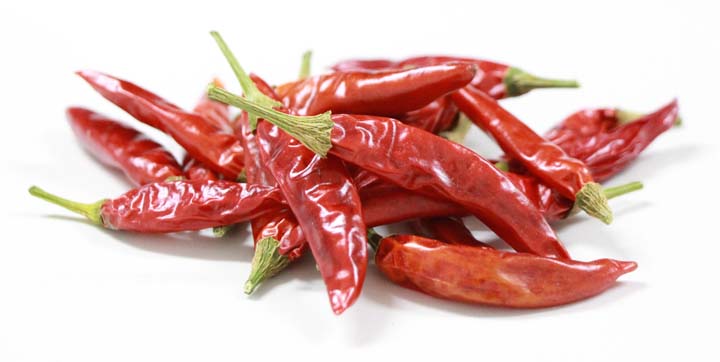
Chili Pepper

Meal Timing and Other Tips

  • Regularity. Skipping breakfast and frequent snacking tend to increase total calorie intake and add pounds. Frequent eating interferes with the ability of the stomach to process the next meal.((Appetite 2007;48(2):199-205.)) This can cause indigestion, discomfort, and gas. Frequent eating at all hours is linked to colon cancer,((Int J of Cancer 2011, April 25 [epub].)) and night-time eating is associated with acid reflux and poor quality sleep. A large evening meal can worsen blood sugar levels in type 2 diabetics the next morning.((J Diabetes Comp 1998;12(2):61-64.))
    – Try this…  Eating a hearty, whole grain breakfast with fresh fruit and nuts and reducing food in the evening is linked with better weight control, mood and mental function.((Am J Epidem, Jan 2008; J Am Diet Assoc 2005;105(9):1383-9.)) The old adage is: “Eat breakfast like a king, lunch like a queen, and supper like a pauper.”
  • Rapid eating. “Wolfing down” a meal is a common cause of indigestion and stomach upset.  It is also linked with poor blood sugar control((Prev Med 2008;46(2):154-9.)) and stomach cancer.((Oncology Reports 1998;5(5):1191-4.))
    – Try this…  People who eat more slowly eat less and therefore consume up to 200 fewer calories a day. Chewing food well is linked with better mental function and mood. Nutrient availability and digestion are also improved with slower-paced eating and well-chewed food.
  • Reduce portions. Studies show that when we eat “just a little bit less” than what it would take to feel completely full it aids digestion and even extends life. Eating less reduces indigestion and acid reflux.
    – Try This…  Take smaller portions and stop eating before your stomach feels “stuffed” or even just shy of completely full.  You will notice less of a “mental fog” or feeling of listlessness after meals.
  • Replenish water. Drinking water between meals instead of consuming large amounts of fluid at mealtime leaves more room for healthy food choices and aids digestion.
    – Try This…  “Charge” your system with a glass of warm or room temperature water each morning.  Add a little lemon for zest.  To reduce acid reflux, experts recommend waiting an hour after eating before taking liquids, and eating and drinking no later than three hours before bedtime.((WebMD 2000 Health News.))

Lemon Water

Mood and Motion. There is a strong “brain-gut” connection that links emotional health with digestive health. Chronic stress, anxiety, and depression are associated with IBS, abdominal pain, diarrhea, constipation, and stomach ailments. Managing stress, relaxation exercises, and physical exercise help lower stress, improve mood and mental processing, and ease depression — all of which are good for mood-related GI problems.

Intense exercise such as running can worsen IBS symptoms. Gentle yet cardio-stimulating exercise is best, such as brisk walking.  Find times for exercise when your intestines are the “quietest” and increase duration and intensity slowly.

Call to Action: The Living Word

The Bible teaches us that there is a “time and a season” to every purpose under heaven. Regularity in eating times, healthy choices, controlling stress, and connecting with positive people all work together to create emotional and digestive stability. Just as systems in nature and biology have orderly patterns and an ultimate plan, God has a wonderful plan and purpose for your life. He invites you now: “Behold, I stand at the door and knock. If anyone hears my voice and opens the door I will come in to him and dine with him, and he with Me” (Revelation 3:20). In the same way that eating good food at regular intervals eases digestive ailments, feeding on the Word of God every day will help smooth out life’s path and connect you with the Source of eternal life.
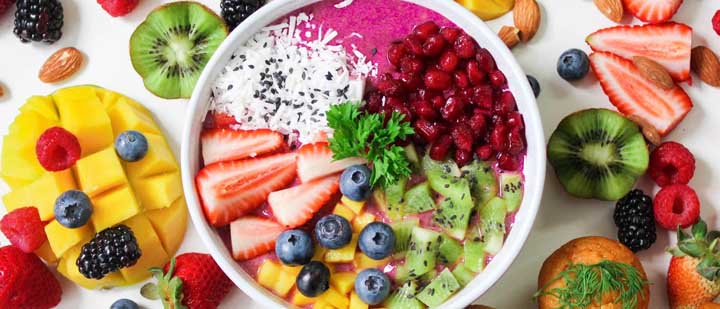
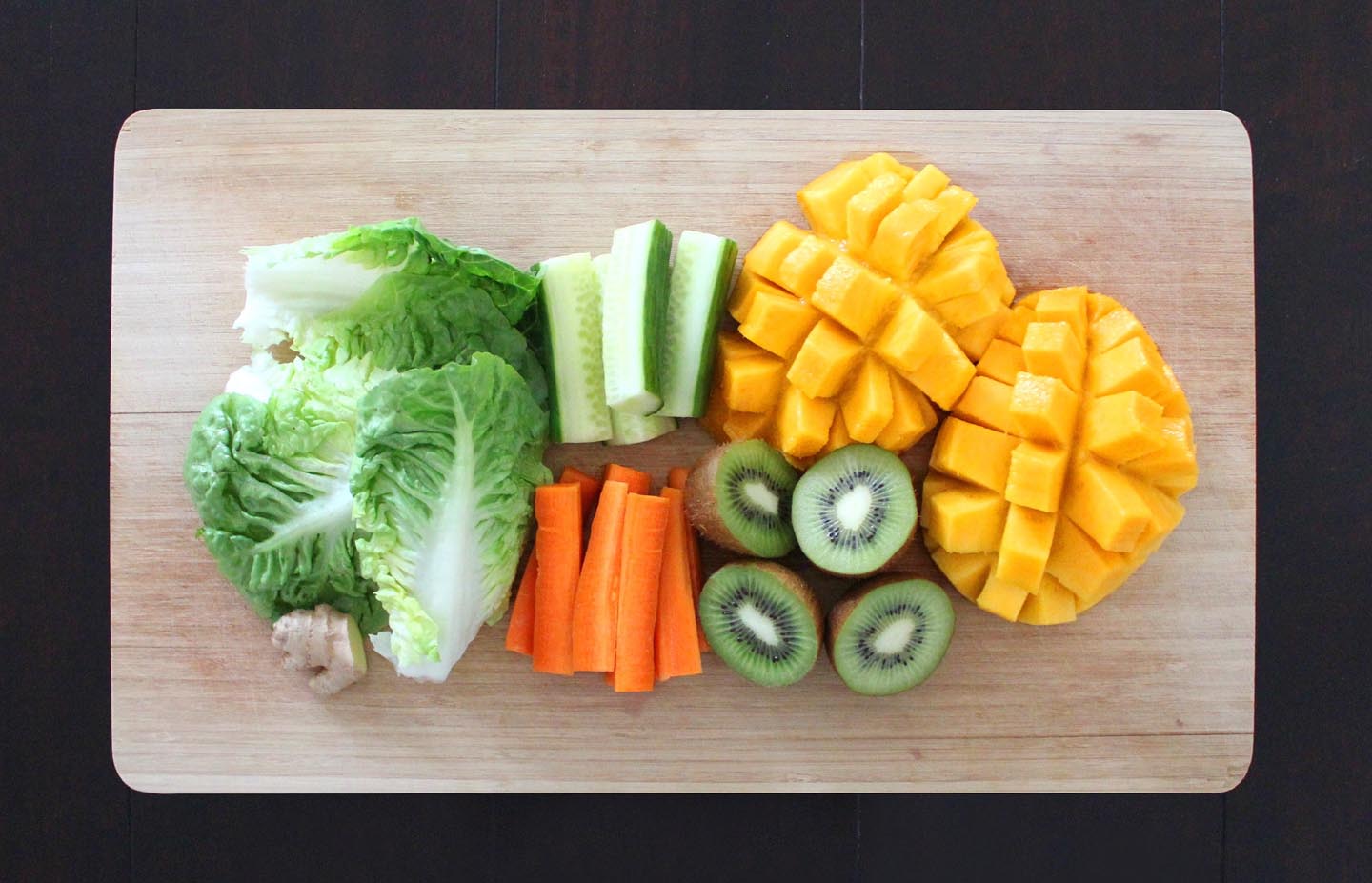
Healthy Fruits

Stay Always Up to Date

Sign up to our newsletter and stay always informed with news and tips around your health.

Sign Up Now!

This article was originally published on the Time to Get Ready website.

Visit LifestyleMatters.com for more resources.
Filed Under: Body Systems, Digestive Tract, Nutrition Tagged With: bloating, functional bowel disorders

You Can Get Chronic Disease Because Your Gut Microbiome is Hungry

April 16, 2023 by Christopher Damman - [rt_reading_time label="Reading Time:" postfix="minutes" postfix_singular="minute"]

Microbiome

Diet-related chronic diseases have reached a critical juncture in the U.S.((EXECUTIVE SUMMARY: Biden-⁠Harris Administration National Strategy on Hunger, Nutrition, and Health. The White House, September 27, 2022)) Nearly half the population has prediabetes or diabetes.((National Diabetes Statistics Report. Center of Disease Control)) Over 40% are overweight or obese.((Adult Obesity Facts. Center of Disease Control)) One in nine people over the age of 65 has Alzheimer’s disease,((2023: ALZHEIMER’S DISEASE – FACTS AND FIGURES. Alzheimer’s Association)) the development of which researchers are exploring the potential role of diet.((Kellar D. Brain insulin resistance in Alzheimer’s disease and related disorders: mechanisms and therapeutic approaches. https://doi.org/10.1016/S1474-4422(20)30231-3)) Poor diet is also linked to poor mental health,((Penny M Kris-Etherton, Kristina S Petersen, Joseph R Hibbeln, Daniel Hurley, Valerie Kolick, Sevetra Peoples, Nancy Rodriguez, Gail Woodward-Lopez, Nutrition and behavioral health disorders: depression and anxiety, Nutrition Reviews, Volume 79, Issue 3, March 2021, Pages 247–260, https://doi.org/10.1093/nutrit/nuaa025)) cardiovascular disease((Lichtenstein A et.al. 2021 Dietary Guidance to Improve Cardiovascular Health: A Scientific Statement From the American Heart Association. https://doi.org/10.1161/CIR.0000000000001031)) and cancer.((Diet. National Cancer Institute)) Diet was responsible for nearly 1 in 5 deaths in the U.S.((Why Good Nutrition is Important. Center for Science in the Public Interest. https://www.cspinet.org/eating-healthy/why-good-nutrition-important)) and accounted for over US$140 billion in U.S. health care spending in 2016.((Bolnick H et.al. Health-care spending attributable to modifiable risk factors in the USA: an economic attribution analysis. https://doi.org/10.1016/S2468-2667(20)30203-6))

You Can Get Chronic Disease Because Your Gut Microbiome is Hungry

Though American waists are getting bigger, research is showing that the gut microbiome – the bacteria living in our digestive tracts – and the energy-producing compartments of cells, the mitochondria, remain hungry for nutrients missing in the American diet.

I am a physician scientist and gastroenterologist who has spent over 20 years studying how food can affect the gut microbiome and whole body health. The ultraprocessed food that makes up an increasing part the American diet((Filippa Juul, Niyati Parekh, Euridice Martinez-Steele, Carlos Augusto Monteiro, Virginia W Chang, Ultra-processed food consumption among US adults from 2001 to 2018, The American Journal of Clinical Nutrition, Volume 115, Issue 1, 2022, Pages 211-221, https://doi.org/10.1093/ajcn/nqab305.)) has removed vital nutrients from food. Adding those nutrients back may be important for health in part by feeding the microbiome and mitochondria that turn food into fuel.

Your health is what you eat

Research has consistently shown that the Mediterranean diet and other whole food diets are associated with better health and longer lives,((Hui Duan, Jiani Pan, Min Guo, Jinwei Li, Leilei Yu, Liuping Fan, Dietary strategies with anti-aging potential: Dietary patterns and supplements, Food Research International, Volume 158, 2022, 111501, https://doi.org/10.1016/j.foodres.2022.111501.)) and ultraprocessed foods and drinks like soda, chips and fast food, among others, are linked with poor health outcomes such as diabetes, cardiovascular disease, cancer and other diseases.((Zhang Y, Giovannucci E. Ultra-processed foods and health: a comprehensive review. https://doi.org/10.1080/10408398.2022.2084359))

But improving the diet of an individual, let alone a population, is challenging. Whole foods are sometimes less convenient and less tasty for modern lifestyles and preferences. Furthermore, food processing can be beneficial by preventing spoilage and extending shelf life.((Processed Foods and Health. Harvard School of Public Health)) Whole grain processing in particular extends shelf life by removing the germ and bran that otherwise rapidly spoil. Long-term storage of affordable calories has helped address food insecurity, a primary challenge in public health.

Much of the public health conversation around diet has focused on what to avoid: added sugars and refined carbs, some fats, salt and additives. But modern food processing, while increasing the concentration of some nutrients, has removed other key nutrients, producing potential long-term health costs.((Mozaffarian, D. Dietary and policy priorities to reduce the global crises of obesity and diabetes. Nat Food 1, 38–50 (2020). https://doi.org/10.1038/s43016-019-0013-1)) Equally important is what to add back into diets: fibers, phytonutrients, micronutrients, missing fats and fermented foods.((Serrano JCE, Cassanye A, Martín-Gari M, Granado-Serrano AB, Portero-Otín M. Effect of Dietary Bioactive Compounds on Mitochondrial and Metabolic Flexibility. Diseases. 2016; 4(1):14. https://doi.org/10.3390/diseases4010014))

Only 5% of the U.S. population gets sufficient fiber, a prebiotic nutrient linked to metabolic, immune and neurologic health.((Quagliani D, Felt-Gunderson P. Closing America’s Fiber Intake Gap: Communication Strategies From a Food and Fiber Summit. American Journal of Lifestyle Medicine. 2017;11(1):80-85. doi:10.1177/1559827615588079)) Americans are likely also deficient in phytonutrients, potassium and certain healthy fats linked to lower rates of cardiovascular disease and cancer.

Fermentation is nature’s version of processing, creating foods with natural preservatives, flavors and vitamins. Recent research suggests fermented foods can improve gut microbiome diversity and dampen systemic inflammation.((Wastyk, Hannah C. et al. Gut-microbiota-targeted diets modulate human immune status. https://doi.org/10.1016/j.cell.2021.06.019))

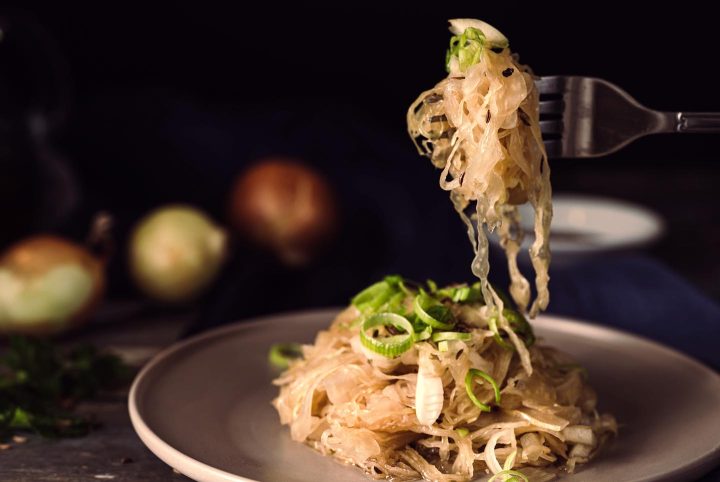
Sauerkraut

Figuring out which bioactive nutrients contribute to disease can help both individuals and institutions develop diets and foods that are personalized to different health conditions, economic constraints and taste preferences. It can also help maximize nutrients in a way that is convenient, affordable and familiar to the modern palate.

Of microbiomes and mitochondria

Understanding how nutrients affect the gut microbiome and mitochondria could help determine which ingredients to add to the diet and which to temper.

In your lower gut, bacteria transform undigested bioactive nutrients into biochemical signals that stimulate gut hormones to slow down digestion.((Zhang, Lin et al. Butyrate in Energy Metabolism: There Is Still More to Learn. Trends in Endocrinology & Metabolism, Volume 32, Issue 3, 159 – 169. https://doi.org/10.1016/j.tem.2020.12.003)) These signals also regulate the immune system, controlling how much of the body’s energy goes toward inflammation and fighting infection, and cognition,((Zhy Y et al. Interactions Between Intestinal Microbiota and Neural Mitochondria: A New Perspective on Communicating Pathway From Gut to Brain. https://doi.org/10.3389/fmicb.2022.798917)) influencing appetite and even mood.((Philippe C, Szabo de Edelenyi F, Naudon L, Druesne-Pecollo N, Hercberg S, Kesse-Guyot E, Latino-Martel P, Galan P, Rabot S. Relation between Mood and the Host-Microbiome Co-Metabolite 3-Indoxylsulfate: Results from the Observational Prospective NutriNet-Santé Study. Microorganisms. 2021; 9(4):716. https://doi.org/10.3390/microorganisms9040716))

The microbiome’s biochemical signals also regulate the growth and function of energy-producing mitochondria across many cell types, including those in fat, muscles, heart and the brain.((Chartoumpekis D et al. Microbiota and mitochondria: Impact on cell signaling, physiology, and disease. https://doi.org/10.3389/fmicb.2022.1056499)) When these cues are missing in ultraprocessed diets, mitochondria function less well,((Serrano JCE, Cassanye A, Martín-Gari M, Granado-Serrano AB, Portero-Otín M. Effect of Dietary Bioactive Compounds on Mitochondrial and Metabolic Flexibility. Diseases. 2016; 4(1):14. https://doi.org/10.3390/diseases4010014)) and their dysregulation has been linked to obesity,((Cunarro J et al. Hypothalamic Mitochondrial Dysfunction as a Target in Obesity and Metabolic Disease. https://doi.org/10.3389/fendo.2018.00283)) diabetes,((Domenico S et al. Mitochondrial (Dys)function and Insulin Resistance: From Pathophysiological Molecular Mechanisms to the Impact of Diet. https://doi.org/10.3389/fphys.2019.00532)) Alzheimer’s disease,((Wang, W., Zhao, F., Ma, X. et al. Mitochondria dysfunction in the pathogenesis of Alzheimer’s disease: recent advances. Mol Neurodegeneration 15, 30 (2020). https://doi.org/10.1186/s13024-020-00376-6)) mood disorders((Giménez-Palomo A et al. The Role of Mitochondria in Mood Disorders: From Physiology to Pathophysiology and to Treatment. https://doi.org/10.3389/fpsyt.2021.546801)) and cancer.((Zong, Wei-Xing et al. Mitochondria and Cancer. https://doi.org/10.1016/j.molcel.2016.02.011)) A better understanding of how diet could improve the function of the microbiome-mitochondria axis could help provide a way to reduce the burden of chronic disease.((Damman C. Perspective: Nutrition’s Next Chapter – Bioactive Gaps & the Microbiome-Mitochondria Axis. https://doi.org/10.1016/j.advnut.2023.03.016))

The Greek physician Hippocrates, regarded as the father of medicine, supposedly once said “Let food be thy medicine,” and a growing body research suggests that, yes, food can be medicine. I believe that shining a light on the connection between diet, health and the microbiome and mitochondria could help societies reach a bright future in which unhealthy aging isn’t an inevitability of growing older.

Healthy Fruits

Stay Always Up to Date

Sign up to our newsletter and stay always informed with news and tips around your health.

Sign Up Now!

This article is republished from The Conversation under a Creative Commons license. Read the original article.

The Conversation

Filed Under: Body Systems, Digestive Tract, Nutrition Tagged With: chronic disease, microbiome

The Vegetarian Edge

April 2, 2023 by Vicki Griffin - [rt_reading_time label="Reading Time:" postfix="minutes" postfix_singular="minute"]

The vegetarian edge

Americans are suffering from a great burden of disease that is rooted in lifestyle. Seventy percent of chronic diseases and ailments — including a third of all cancers — are related to diet.((“Eating to Beat Cancer,” special supplement, Tufts University Health and Nutrition Letter (May 2007).))

The Vegetarian Edge

There are seven deadly shifts in dietary intake that are major contributors to obesity, heart disease, diabetes, high blood pressure, and cancer. They are:

  1. increased refined sugars;
  2. high saturated fat but low omega 3 and monounsaturated fats;
  3. high total fat and calories;
  4. increased animal products;
  5. high sodium and low potassium;
  6. low vitamins, minerals, and trace minerals; and
  7. low plant fiber.((Am J Clin Nutr 2005;81(2):341-54.))

We are way off course in our eating habits — but charting a course toward better health is easier — and tastier — than you may think.

Set Sail for Better Health

The journey toward improved health, energy, mood, and weight may be as close as your garden — or your local produce department. Major research groups recommend that we get most of our calories from vegetables, fruits, legumes, beans, nuts, and whole grains.((www.cnpp.usda.gov/DGAs2010-DGACReport.htm)) A plant-based diet has many advantages — it provides color, variety, flavor, and balanced nutrition. It has “fill-up” value because of its high fiber, low-calorie content, so it helps you achieve and maintain a healthy weight. It improves brain health and mood, lowers stress, and helps you live longer and better. It’s pretty on your plate, satisfying to the palate, and good for the planet.

A sailboat cruising with a good wind

Heart Disease

“Coloring up” your plate may be the first and best step in preventing or reversing heart disease. Add more fresh fruits and vegetables: they provide powerful antioxidants that reduce inflammation and fight plaque build-up. Lowering saturated fats helps reduce cholesterol. Replace the saturated fats found in meat and high-fat dairy products with plant fats like nuts, olives, avocados, flaxseed meal, and vegetable oils. This can reduce the risk of heart disease and heart attack by up to 50%.((Hall D. The Vegetarian Advantage. Pacific Press, 2010.)) Vegetarians (those who do not eat meat) have less heart disease than meat-eaters.((www.cnpp.usda.gov/DGAs2010-DGACReport.htm))

Diabetes

The Adventist Health Study found that vegetarians have less incidence of diabetes than non-vegetarians.((Fraser G. 5th Int. Congress on Vegetarianism; 2008.)) Vegetarians are less likely to be overweight — a major contributor to type 2 diabetes. A plant-based diet is high in fiber, which helps control blood sugar — another major factor in preventing diabetes. Many people who have type 2 diabetes are able to manage and even reverse their diabetes through diet, exercise, and weight loss.

High Blood Pressure

The National Institute of Health created an eating plan to reduce high blood pressure. DASH (Dietary Approaches to Stop Hypertension) is a near-vegetarian diet that is low in animal fat, sodium, and cholesterol. It emphasizes high potassium fruits, vegetables, beans, whole grains, and nuts. DASH studies showed that 77% of those who combined daily exercise with more plant nutrition and less meat reduced high blood pressure to normal levels within 6 months.((Hall D. The Vegetarian Advantage. Pacific Press, 2010.)) The Adventist Health Study has further shown that vegans (those who do not eat animal or dairy products) had the lowest blood pressure of any group.((www.nih.gov/news/press/01-12-17.htm))

Cancer

Plant foods are linked to a lower risk of certain cancers. Beans, lentils, peas, and fruit are protective against prostate cancer. Fruit, soy, lentils, beans, and peas lower pancreatic cancer risk. Dietary fiber and legumes protect against colon cancer, while animal saturated fat increases the risk. Vegetarians have an 85% decreased risk of colon cancer compared to those who eat meat regularly.((Fraser G. Center for Health Research, Loma Linda University.))

Getting Started: Charting Your Course

1. Use the Plan of Addition.

Focus on adding more garden foods or foods from the produce department.

2. Eat plenty of fruits and vegetables.

Aim for at least 5 servings (2-3 cups) of fruit and 5 servings (2-3 cups) of vegetables a day.((DASH Eating Plan at http://www.nhlbi.nih.gov/health/dci/Diseases/dash/dash_follow.html)) Enjoy fresh fruit choices at breakfast and as a replacement for rich desserts. Choose vegetable soups, beans, and vegetarian entrees instead of pizza, burgers, and steak.

3. Choose whole grains.

Enjoy brown rice, whole wheat bread, multi-grain pasta, and whole grain cereals such as steel-cut oats. Look for cereals that have at least 3 grams of fiber or more per serving. Make sure at least half of your grain choices are whole grains.

4. Increase beans and legumes.

Beans and legumes are rich in fiber, minerals, antioxidants, and protein. Add garbanzo or other beans to soups, salads, and pasta dishes. Try hummus as a spread instead of butter.

5. Enjoy nuts.

One ounce (about 1/4 cup) of nuts or seeds almost every day can cut your risk of a heart attack significantly. Walnuts are rich in omega 3 fats, which lower inflammation and improve brain health.

6. Try vegetarian entrees.

Grocery stores and restaurants offer many vegetarian entrees such as tofu and soy burgers, garden or black bean burgers, patties, burger crumbles, and sausage. Vegetarian cookbooks provide easy, delicious recipes using grains, tofu, pasta, potatoes, and beans.

7. Eat Smart.

A healthy diet is more than just eliminating meat and dairy or reducing sweets, soda pop, French fries, and processed foods. Get adequate calcium from dark, leafy greens, beans, and/or calcium-fortified soy milk, or calcium supplements. Vitamin B12 is essential to brain and nerve health; get it from fortified cereals and vegetarian foods or a daily supplement.

Call to Action

You are “fearfully and wonderfully made,” a “marvelous” work of God (Psalm 139:14). By following the natural laws that promote health, we can reduce the risk of much sickness and disease and experience longer, happier, and more productive lives.

Your body is made to be a temple or sacred dwelling place for God’s Holy Spirit…”you are God’s workmanship — His building” (1 Corinthians 3:9). With a healthier mind and body, you will be better able to hear God’s voice. You can start today to choose a more abundant life — one bite at a time.

Healthy Fruits

Stay Always Up to Date

Sign up to our newsletter and stay always informed with news and tips around your health.

Sign Up Now!

This article was originally published on the Time to Get Ready website.

Filed Under: Nutrition Tagged With: plant based diet, vegetarian diet

Do Athletes Really Need Protein Supplements?

March 19, 2023 by Evangeline Mantzioris - [rt_reading_time label="Reading Time:" postfix="minutes" postfix_singular="minute"]

Do Athletes Really Need Protein Supplements?

Protein supplements for athletes are literally sold by the bucketful. The marketing that accompanies them persistently promotes the attainment of buff biceps and six-pack abs.

Do Athletes Really Need Protein Supplements?

In 2021 the protein supplement market in the US was valued at 2.1 billion US Dollars, and is predicted to keep growing by about 8% per year.((Protein Supplements Market Size, Share & Trends Analysis Report By Source (Animal-based, Plant-based), By Product (Protein Powder, Protein Bars, RTD), By Application, By Distribution Channel, By Region, And Segment Forecasts, 2022 – 2030, Grand View Research)) But do athletes really need them?

First, let’s consider what protein is and why we need it. Protein is an essential macronutrient in the diet. This means it provides energy to fuel the body but also has structural properties.

Protein is formed by smaller units called amino acids. Amino acids are used by the body to make muscle and other essential body proteins that are used in the immune system, and also to regulate many of the processes in the body.

Protein and amino acids indirectly affect performance by building muscle to improve performance. There is little evidence to suggest consuming extra protein directly aids physical performance in either endurance or resistance exercise.((Jäger, R., Kerksick, C.M., Campbell, B.I. et al. International Society of Sports Nutrition Position Stand: protein and exercise. J Int Soc Sports Nutr 14, 20 (2017). https://doi.org/10.1186/s12970-017-0177-8))

Protein is fairly ubiquitous in the diet – it can come from animal sources (fish, meat, offal, eggs and dairy), and in slightly smaller amounts from vegetable sources (cereals and legumes).

How much protein do we need?

Protein requirements are based on our life stage and gender. The estimated average requirement for an adult aged 19-70 is 1.5g per pound (0.68g per kilo) of body weight for women and 1.65g per pound (0.75g per kilo) of body weight for men. This means a 140 lbs (65kg) woman will need about 45g of protein per day. An 180 lbs (80kg) man will need about 60g a day.((Protein. Nutrient Reference Values for Australia and New Zealand. eatforhealth.gov.au))

Athletes need more protein as they are building and/or repairing muscle as well as connective tissue. Their requirements are two to three times the amount of protein as normal people, or between 3-4.4g per pound (1.4-2g per kilo) of body weight per day.((Jäger, R., Kerksick, C.M., Campbell, B.I. et al. International Society of Sports Nutrition Position Stand: protein and exercise. J Int Soc Sports Nutr 14, 20 (2017). https://doi.org/10.1186/s12970-017-0177-8))

This is a large range, allowing variation for the sort of sport they play. An elite endurance male may be in the lower range, as they have a smaller body frame and less musculature. A power sportsman, such as a footbal player, would require more.

An athletic sprinter on the start line

Are we getting enough?

A 2011-12 survey found most Australians were consuming about double the recommended intake of protein per day. Almost all (99%) Australians met or surpassed the required intake.((Australian Health Survey: Usual Nutrient Intakes. Reference period 2011-12 financial year))

Evidence also indicates most athletes consume enough, and often more, protein than they require.((Burke, L. Clinical sports nutrition. North Ryde, N.S.W., Australia : McGraw-Hill Education (Australia) Pty Ltd, 2015.))

But actually it’s the timing of consuming the protein that is most important to building muscle. After any sort of exercise or performance activity that results in muscle resistance, the muscle has to be rebuilt. For maximal synthesis to occur there needs to be adequate levels of amino acids circulating in the blood. It’s been determined that, to achieve this, around 20-30g of protein must be consumed within 1-4 hours after exercise.

This doesn’t mean you need to down a protein shake as soon as you leave the gym. If you’re having a meal within this time frame, you can consume the 20-30g in that meal (which most people would anyway). This amount of protein from animal sources includes enough of the critical amino acid, leucine, that is needed for muscle resynthesis.

This is the equivalent of 4 oz (120g) of beef or chicken, three whole eggs, 2.4 oz (70g) of reduced fat cheddar cheese or 21 oz (600ml) of skim milk. However if we look at plant-based foods, you would need the equivalent of seven slices of bread, 12 oz (350g) of kidney beans or lentils, or 30 oz (900ml) of soy milk.

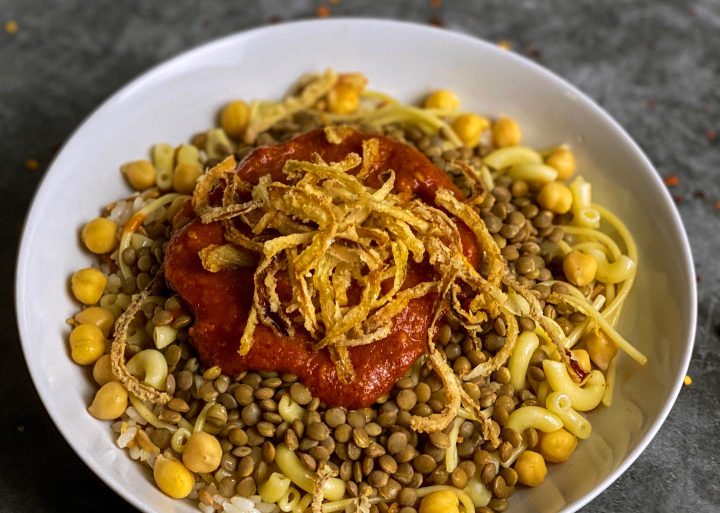
A lentil dish

So does anyone need protein supplements?

There may be situations where an athlete is traveling or can’t access a meal within a few hours of their training session. So they could either snack on one of the foods listed above, or take a protein supplement. Protein supplements will usually be lower in kilojoules, so if an athlete is on a kilojoule-restricted diet they’ll get more bang for their buck from a protein supplement. But of course protein supplements don’t have the other nutrients that natural foods contain.

Additionally, one needs to weigh up the risk of potential contamination with banned substances like anabolic agents, stimulants, and diuretics. This may be intentional by the producer (as their product will appear to be more effective in building muscle) or accidental due to an error in the manufacturing process or using ingredients that may have been contaminated.

Analytical studies have also shown there may be contamination with the heavy metals lead, mercury and arsenic.((Beach C. Heavy metals found in 40 percent of protein powders tested. Food Satefy News, February 28, 2018)) The other consideration for the athlete is the impact on the hip pocket and environment.

Is there any harm in taking extra protein?

The question of “protein overdose” partially depends on exactly how much extra protein is being consumed. We can be reasonably confident levels up to 4-6g per pound (2-3g per kilo) of body weight per day (so around 200g for a 160lbs person) have no major health risk.((Burke, L. Clinical sports nutrition. North Ryde, N.S.W., Australia : McGraw-Hill Education (Australia) Pty Ltd, 2015.)) But there has always been concern higher levels of protein may accelerate underlying kidney disease (particularly if there is a family history) leading to a progressive loss of kidney capacity.

Athletes and weekend warriors should exercise caution if they’re considering intakes of protein beyond 4-6g per pound (2-3g per kilo) of body weight per day. In these situations, athletes should seek advice from an accredited sports dietitian.

Healthy Fruits

Stay Always Up to Date

Sign up to our newsletter and stay always informed with news and tips around your health.

Sign Up Now!

This article is republished from The Conversation under a Creative Commons license. Read the original article.

The Conversation

Filed Under: Exercise, Healthy Lifestyle, Nutrition Tagged With: protein supplements

How to Restore your Microbiome After You’ve Been on Antibiotics

February 19, 2023 by Clare Collins - [rt_reading_time label="Reading Time:" postfix="minutes" postfix_singular="minute"]

Restoring the Microbiome after Antibiotics

Antibiotics treat infections caused by bacteria. But they can also destroy the good bacteria in your gut. For some people, this results in an upset stomach and diarrhea.

How to Use Probiotics After You’ve Been on Antibiotics

One UK review of the research looked at changes in gut bacteria after antibiotics commonly prescribed for respiratory and urinary tract infections found that after treatment, the numbers and diversity in bacteria types rapidly declines.((Elvers KT, et.al. Antibiotic-induced changes in the human gut microbiota for the most commonly prescribed antibiotics in primary care in the UK: a systematic review. BMJ Open. 2020 Sep 21;10(9):e035677. doi: 10.1136/bmjopen-2019-035677.))

It also found some types of “bad” microorganisms increased while some “good” ones decreased.

For most people, once antibiotic treatment was stopped, the gut bacteria recover to some degree. But other studies suggest some antibiotics can have long-lasting effects on the balance of microorganisms.((Zimmermann P, Curtis N. The effect of antibiotics on the composition of the intestinal microbiota – a systematic review. J Infect. 2019 Dec;79(6):471-489. doi: 10.1016/j.jinf.2019.10.008.))

It’s important to use antibiotics only when needed, and definitely not for viral infections, because antibiotics can’t kill viruses such as the common cold or COVID-19.

So what should you eat after a course of antibiotics? You might have heard of probiotics and prebiotics, but what are they, and what evidence is there to show they’re beneficial?

Probiotics contain ‘good gut bacteria’

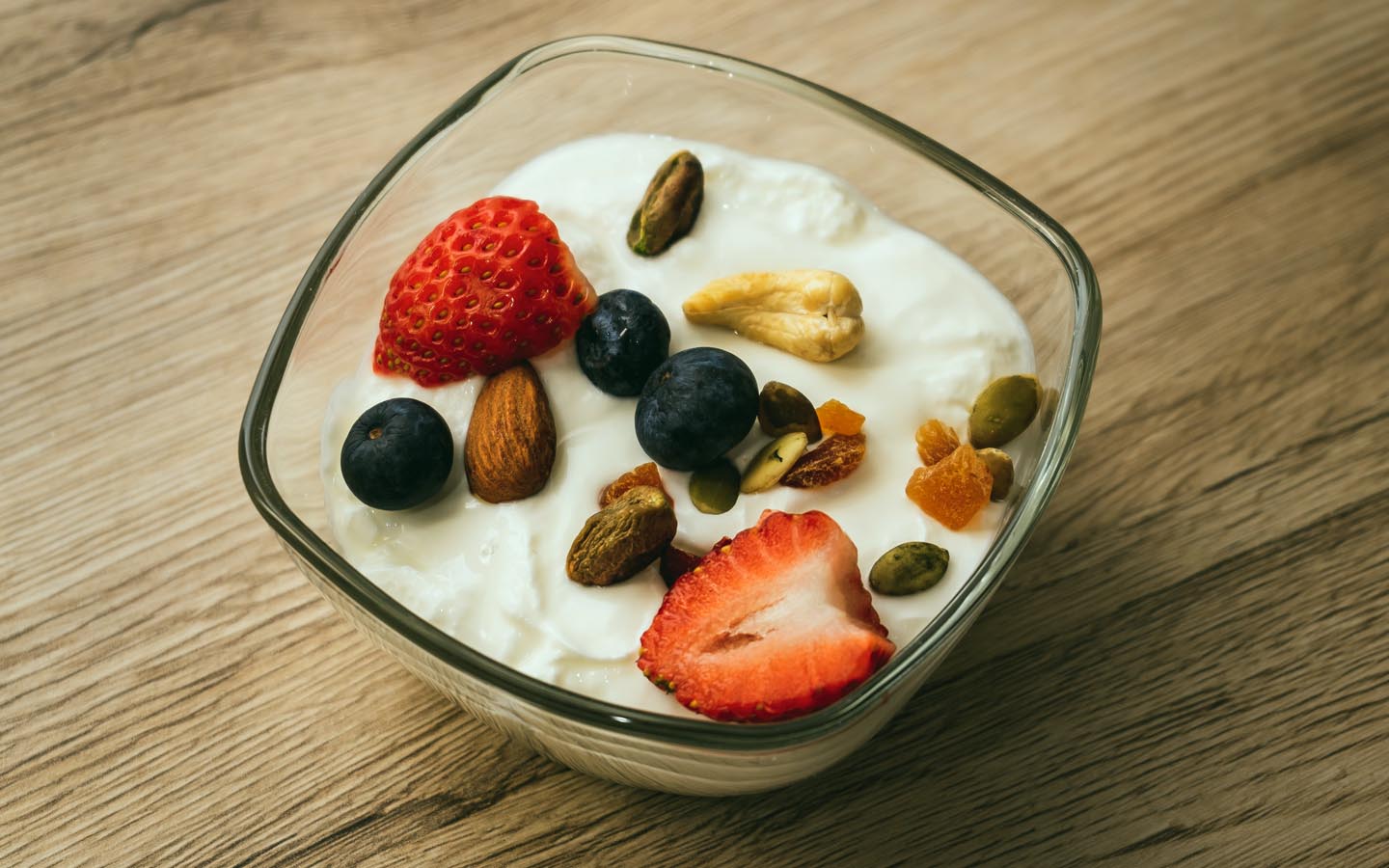
Probiotics are foods, typically yoghurts and yoghurt drinks, that contain “good gut bacteria”: live microorganisms that can recolonize the gut or improve your gut health.

To be called a probiotic, they must be able to resist stomach acid and digestive processes, and then be able adhere to the gut walls and grow, while not causing any issues for the gut wall. They must also be tested for safety and efficacy in controlled trials.((Martinez RC, Bedani R, Saad SM. Scientific evidence for health effects attributed to the consumption of probiotics and prebiotics: an update for current perspectives and future challenges. Br J Nutr. 2015 Dec 28;114(12):1993-2015. doi: 10.1017/S0007114515003864.))

To be called a probiotic, the dose of microorganisms needs to be sufficient to help restore the “good” bacteria, by elbowing out the “bad bacteria”.

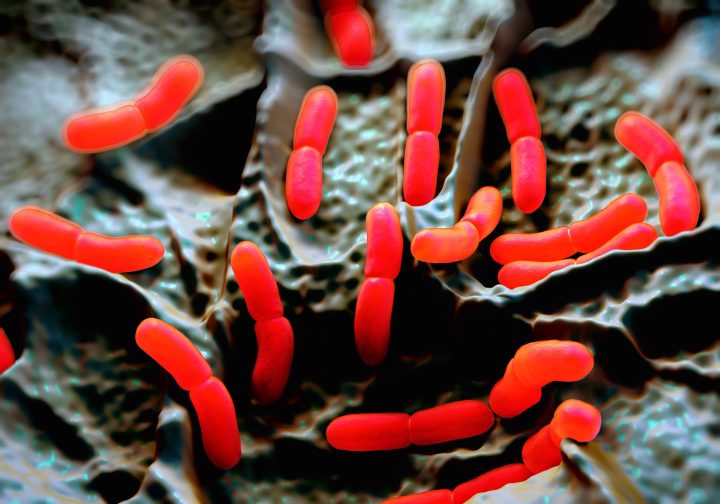
An illustration of gut bacteria

Most yoghurts contain “good bacteria” but not all can survive the acidity of the stomach acid or the bacteria won’t grow in the bowel, so there is no probiotic benefit.

For probiotics to exert these beneficial effects, they not only have to make it to the large bowel, but once there they need the right fuel to help them grow well. That’s where prebiotics come into play – but more on them shortly.

What does the science say about probiotics?

Probiotics are widely promoted as being good for your overall health. The science on that has been mixed, but it does suggest people who are likely to get diarrhea after antibiotics may benefit from consuming them.((Moles L, Otaegui D. The Impact of Diet on Microbiota Evolution and Human Health. Is Diet an Adequate Tool for Microbiota Modulation? Nutrients. 2020 Jun 2;12(6):1654. doi: 10.3390/nu12061654.))

One review of the evidence found probiotics may be useful for those at high risk of antibiotic-associated diarrhea, such as the elderly and people in hospital.((Goldenberg JZ, Yap C, Lytvyn L, Lo CK, Beardsley J, Mertz D, Johnston BC. Probiotics for the prevention of Clostridium difficile-associated diarrhea in adults and children. Cochrane Database Syst Rev. 2017 Dec 19;12(12):CD006095. doi: 10.1002/14651858.CD006095.pub4.))

The review found side effects were common when taking antibiotics and include taste disturbances, nausea, abdominal cramping, soft stools, fever and flatulence. But people taking probiotics reported fewer side effects, suggesting they may be helpful in countering some of the side effects.

So what are prebiotics?

Prebiotics are compounds that help beneficial gut microorganisms grow and survive. Prebiotic foods contain complex carbohydrates that can’t be digested and dietary fibers that resist digestive processes in the stomach and small intestine.((Martinez RC, Bedani R, Saad SM. Scientific evidence for health effects attributed to the consumption of probiotics and prebiotics: an update for current perspectives and future challenges. Br J Nutr. 2015 Dec 28;114(12):1993-2015. doi: 10.1017/S0007114515003864.))

They pass undigested into the large bowel where they are fermented by the healthy “good” bacteria.

To be called a prebiotic, they need to undergo the processes above, and be shown in clinical trials to selectively improve the microorganism composition in the gut.((Martinez RC, Bedani R, Saad SM. Scientific evidence for health effects attributed to the consumption of probiotics and prebiotics: an update for current perspectives and future challenges. Br J Nutr. 2015 Dec 28;114(12):1993-2015. doi: 10.1017/S0007114515003864.))

Not all dietary fibers are prebiotic. Common ones include complex carbohydrates called fructo-oligosaccharides, inulin and resistant starch.((Kaur AP, Bhardwaj S, Dhanjal DS, Nepovimova E, Cruz-Martins N, Kuča K, Chopra C, Singh R, Kumar H, Șen F, Kumar V, Verma R, Kumar D. Plant Prebiotics and Their Role in the Amelioration of Diseases. Biomolecules. 2021 Mar 16;11(3):440. doi: 10.3390/biom11030440.))

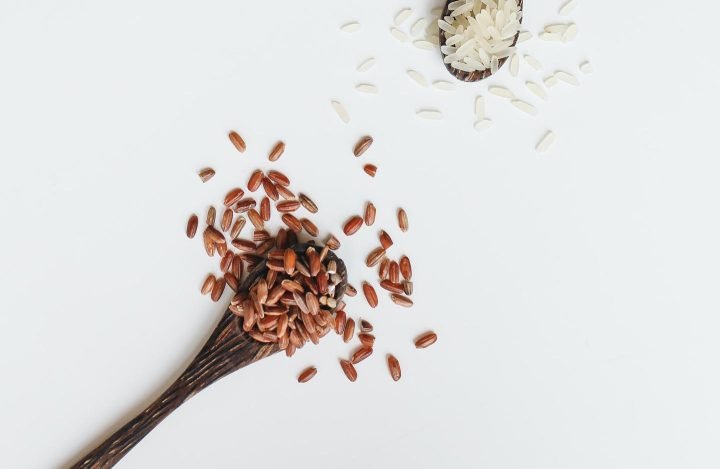
whole wheat and white rice

You can find foods at the supermarket with added prebiotics, but non-digestible carbohydrates occur naturally in many everyday foods, including:((Prebiotic diet – FAQs, Monash University))

  • grains: barley, rye bread, rye crackers, pasta, gnocchi, couscous, wheat bran, wheat bread, oats
  • legumes: chickpeas, lentils, red kidney beans, baked beans, soybeans
  • vegetables: artichokes, asparagus, beetroot, chicory, fennel bulb, garlic, green peas, leek, onion, shallots, spring onion, snow peas, sweetcorn, savoy cabbage
  • fruit: nectarines, white peaches, persimmon, tamarillo, watermelon, rambutan, grapefruit, pomegranate, dates, figs
  • nuts: cashews, pistachios.

Additional sources of resistant starch include under-ripe bananas, cooked and cooled rice, corn flour, cooked and cooled potatoes.

For babies, breast milk is naturally rich in oligosaccharides.

So who should have them?

Prebiotic foods are good for everyone, contain a range of nutrients and help promote a healthy bacterial gut environment.

The benefits of probiotics for a range of health conditions are unclear – they’re likely to be small, and depend on what is being taken and the underlying health issues.

But people at high risk of diarrhea after antibiotics may benefit from consuming probiotic – as well as prebiotic – foods daily.

There is also emerging evidence that combining specific probiotics and prebiotics can increase the beneficial effects of both. Both the pro- and prebiotics could be added to the one food, termed a “symbiotic”, or they could be from separate sources but eaten together.((Martinez RC, Bedani R, Saad SM. Scientific evidence for health effects attributed to the consumption of probiotics and prebiotics: an update for current perspectives and future challenges. Br J Nutr. 2015 Dec 28;114(12):1993-2015. doi: 10.1017/S0007114515003864.))

When it comes to antibiotics, the bottom line is to only take them when prescribed for bacterial infections. Take them according to instructions from the manufacturer, your pharmacist and your doctor.

Healthy Fruits

Stay Always Up to Date

Sign up to our newsletter and stay always informed with news and tips around your health.

Sign Up Now!

This article is republished from The Conversation under a Creative Commons license. Read the original article.

The Conversation

Filed Under: Body Systems, Digestive Tract, Nutrition Tagged With: antibiotics, microbiome, prebiotics, probiotics

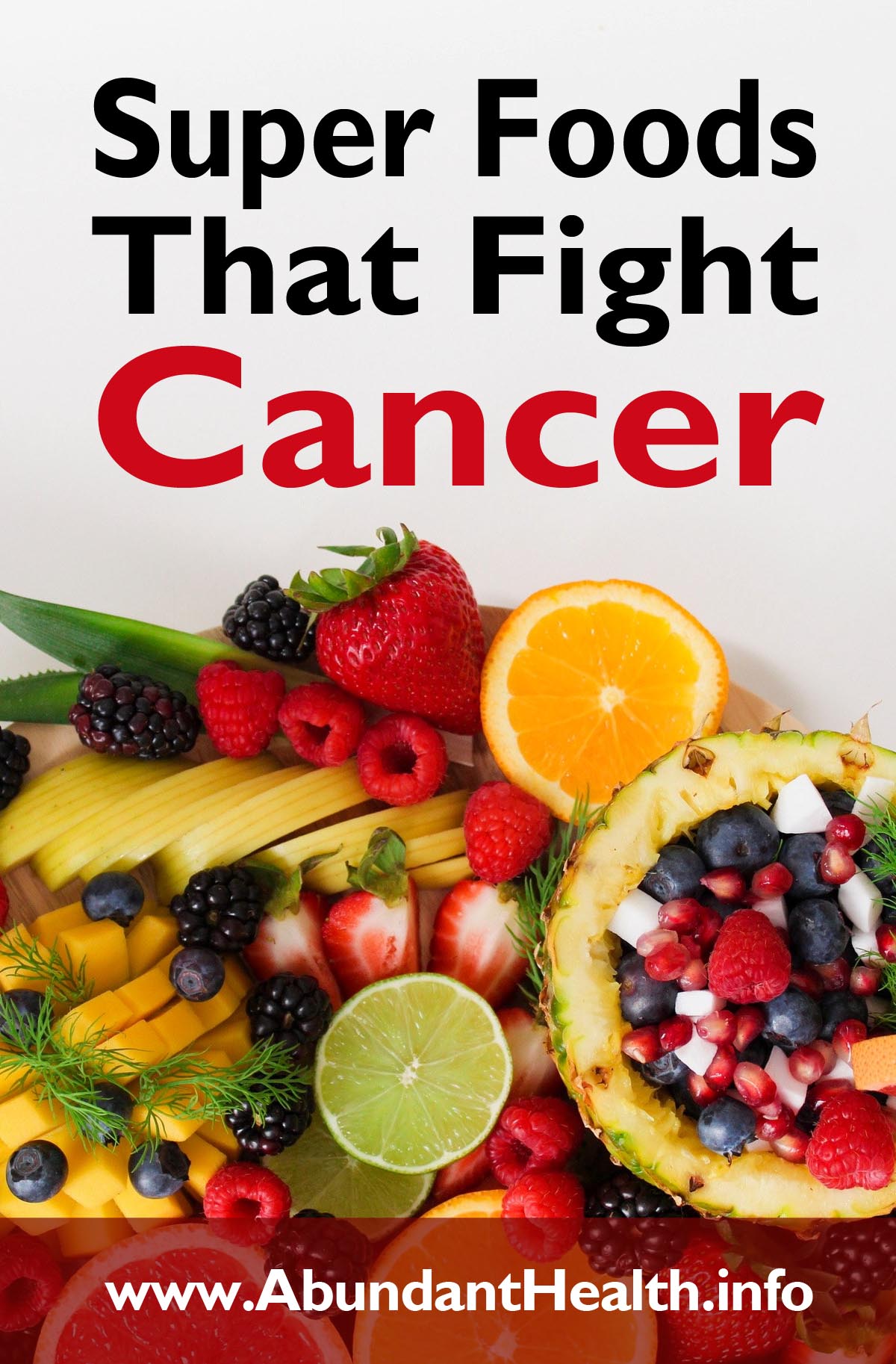
Super Foods That Fight Cancer

February 5, 2023 by Vicki Griffin - [rt_reading_time label="Reading Time:" postfix="minutes" postfix_singular="minute"]

Foods fighting cancer

Cancer. The very word strikes fear, and with good reason. Each year nearly 14 million people worldwide are diagnosed with cancer, and 7.6 million die from the disease.((http://www.cancer.gov/about-cancer/what-is-cancer/statistics)) However, evidence shows that 30-40 percent of these deaths are preventable, and one-third can be cured through early diagnosis and treatment.

Super Foods That Fight Cancer

We look for a magic bullet, a single cause and cure, but in vain. Cancer is not just one disease — it is a group of more than 100 diseases. There are many factors — genetic, environmental, lifestyle, some mysterious. The search for a cure is a multi-billion dollar industry, ranging from conventional to exotic.

An important weapon is found in the produce department of your grocery store. It is nature’s “Department of Defense.” Foods high in saturated fat and low in plant fiber increase the risk of numerous types of cancer and obesity.((Food, Nutrition, Physical Activity, and the Prevention of Cancer. AICR Report.
Acta Biomed 2006; 77(2):118-123.)) Fight back! Eat plenty of fresh fruits, vegetables, whole grains, and beans to reduce your risk of developing cancer and help you fight a better battle if cancer does occur.

Research published by the American Institute for Cancer Research (AICR) and others show several categories of nutrients and foods that have been shown to provide powerful benefits in preventing and fighting certain cancers.((Food, Nutrition, Physical Activity, and the Prevention of Cancer. AICR Report.)) According to the AICR, at least two thirds of your plate should contain colorful, cancer-fighting vegetables, fruit, whole grains, and/or beans.((AICR report: Foods That Fight Cancer. 2007)) AICR has an online nutrition guide.((A Cancer Nutrition Guide—American Institute for Cancer Research.)) Here are just a few cancer-fighting superheroes featured in a recent AICR report, Foods That Fight Cancer:((http://www.aicr.org/foods-that-fight-cancer/))

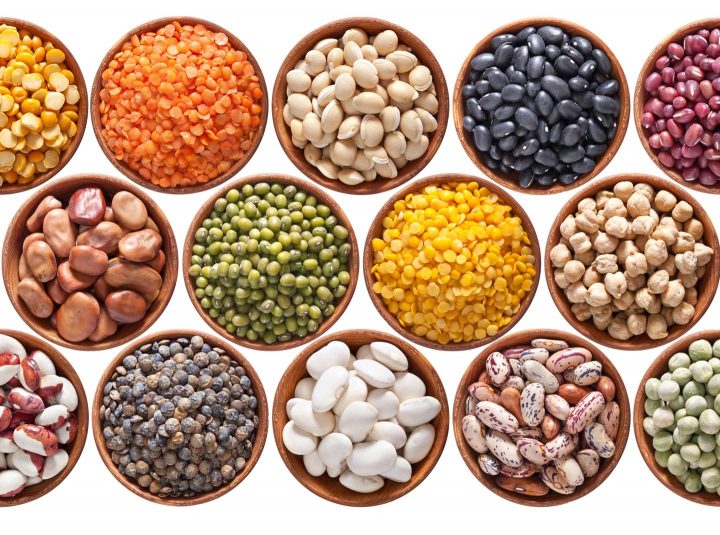
Beans. This includes all bean varieties (pinto, black, chickpeas/garbanzo, lima, soybeans, etc.), peas (green peas, split peas), and lentils. These high-fiber winners contain saponins, protease inhibitors, and phytic acid. Also known as phytochemicals, they protect cells from genetic damage that can lead to cancer. Protease inhibitors slow the division of cancer cells, and phytic acid slows tumor progression. The soluble fiber in beans helps regulate insulin and blood sugar.

Bowls with different beans and legumes

Berries and Grapes. Berries are rich in fiber and vitamin C. They also contain phytochemical ellagic acid (especially strawberries and raspberries). Ellagic acid has shown protective benefits against cancers of the skin, bladder, lung, and esophagus in laboratory studies. Its antioxidant properties can deactivate certain cancer-causing agents and slow cancer cell growth.

Blueberries contain compounds that reduce DNA damage. Red grapes, and to a lesser extent grape juice, contain resveratrol, a compound that has been shown to slow cancer cell growth and inhibit tumor formation in lymph, liver, stomach, skin, and breast cells.

Cruciferous Vegetables. These include broccoli, cauliflower, cabbage, Brussels sprouts, bok choy, and kale. They contain numerous compounds called phenols that activate enzyme systems that detoxify cells, diffuse cell damage, and inhibit tumor growth. Human studies link high intake of these vegetables with lower risk for lung, stomach, colorectal, prostate, and bladder cancer.

Dark Leafy Greens. Spinach, kale, romaine and leaf lettuce, mustard and collard greens, and Swiss chard pack a punch when it comes to fiber, folate, minerals, and carotenoids such as lutein and zeaxanthin. Carotenoids not only help prevent cancer via antioxidant protection, they also may inhibit the growth of certain types of breast and skin cancer cells. They are also associated with lower lung and stomach cancer incidence. Folate is linked to lower colorectal and ovarian cancer risk. Try lightly steamed greens with a drizzle of olive oil, lemon, and salt for a tasty treat.

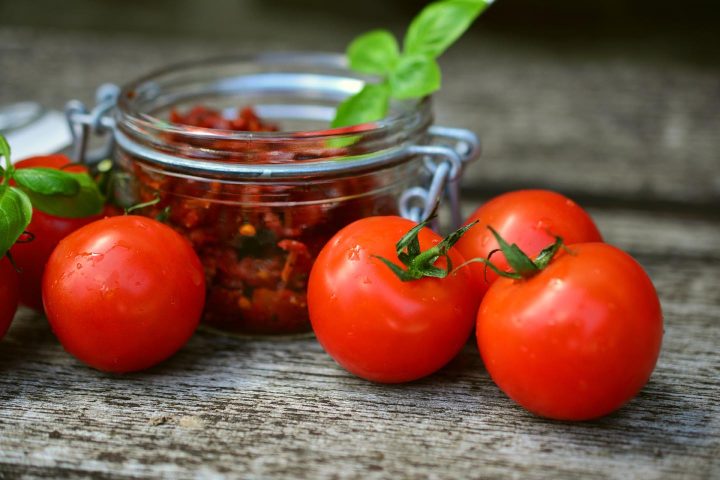
Tomatoes. Tomatoes form part of a tasty team of red foods that contain lycopene, a powerful carotenoid that fight cancer. Other members of this flashy family include red or pink fruits such as watermelon, papaya, pink guava, and pink grapefruit. Lycopene in tomatoes shows inhibitory effects on breast, lung, and endometrial cancer cells.

Fresh and dried tomatoes

Whole Grains. Whole wheat products, brown rice, whole grain oats, corn, and kasha are high in fiber and nutrition, but low in calories. They contain varying amounts of antioxidants, phenols, lignans, phytoestrogens, and saponins, which decrease cancer risk in general. Data from 40 different studies showed a 34 percent lower risk of cancer overall in those who have a generous intake of whole grains compared to those who eat very little whole grains.

Positive lifestyle steps can help prevent cancer. Fill your cart with a wide variety of fruits and vegetables — nature’s cancer fighters. They’re colorful, tasty, and inexpensive.

Other strategies. Foods high in saturated fats and low in fiber, obesity, and sedentary habits are all linked to increased cancer risk and lower survival rates when cancer does occur.((Am J Clin Nutr 2006; 84(6):1456-62.)) Fight back! Healthy lifestyle habits to fight cancer include not only healthful foods but also daily exercise, sunshine (for vitamin D), maintaining a healthy weight, stress management, social support, adequate rest, and leaving alcohol and tobacco alone.

The Living Word

We live in a world of trouble and sin where bad things happen that we do not understand. But God has given us principles that promote health and invites us to Him with our trials and fears. He promises:

Strength and comfort when sickness occurs. “The LORD will strengthen him on his bed of illness; You will sustain him on his sickbed.” Psalm 41:3

Wisdom and guidance for each day. “I will instruct you and teach you in the way you should go; I will guide you with My eye.” Psalm 32:8

Hope and healing for the future. For the believer, the promise of the resurrection and earth made new guarantee healing beyond the uncertainties we face here. “And no inhabitant will say, ‘I am sick’; the people who dwell there will be forgiven their iniquity.” Isaiah 33:24 “And God will wipe away every tear from their eyes; there shall be no more death, nor sorrow, nor crying. There shall be no more pain, for the former things have passed away.“ Revelation 21:4

Call to Action

God invites you to put your trust in Him for physical, mental, and spiritual health knowing that eternal life with no more pain and suffering is sure to come!

Healthy Fruits

Stay Always Up to Date

Sign up to our newsletter and stay always informed with news and tips around your health.

Sign Up Now!

This article was originally published on the Time to Get Ready website.

Visit LifestyleMatters.com for more resources.

Filed Under: Cancer, Diseases, Nutrition Tagged With: super foods

« Previous Page
Next Page »

Primary Sidebar

Social Channels

Coronavirus Immunity Challenge

Boost your immune system to be bullet-proof for the pandemic.

I Want to Participate

Recent Posts

  • 5 Habits to Live Longer
  • Better Sleep Can Protect Against Dementia
  • Finding Peace In Your Crazy-Busy World
  • Flaxseed – An Ancient Plant Rediscovered
  • Platelets – Triggers for Life or Death
  • Boderline Personality Disorder
  • In Praise of Almonds and Nuts
  • Are You Stuck in the Clutter Trap?

Categories

  • Body Systems (16)
    • Cell Function (2)
    • Circulatory System (1)
    • Digestive Tract (10)
    • Immune System (4)
  • Diseases (27)
    • Cancer (2)
    • Cold (1)
    • COVID-19 (11)
    • Dementia (1)
    • Diabetes (1)
    • Digestive Diseases (2)
    • Heart Disease (2)
    • Kidneys (1)
    • Metabolic Syndrome (2)
    • Skin (1)
  • Healthy Lifestyle (42)
    • Exercise (11)
    • Gardening (2)
    • Sleep (7)
    • Sunlight (2)
    • Temperance (14)
    • Water (4)
  • Mental Health (87)
    • Addictions (6)
    • Anxiety (7)
    • Burnout (1)
    • Depression (7)
    • Psychosomatic Diseases (6)
    • Stress Management (45)
    • Trust (6)
  • Nutrition (56)
  • Obesity (9)
  • Phases of Life (14)
    • Adults (3)
    • Babies and Infants (1)
    • Children (3)
    • Seniors (5)
    • Teenagers (3)
  • Therapies (7)
    • Herbs (5)
    • Hydrotherapy (1)
  • Uncategorized (3)

Archives

  • January 2025 (1)
  • March 2024 (5)
  • February 2024 (4)
  • January 2024 (4)
  • December 2023 (5)
  • November 2023 (4)
  • October 2023 (5)
  • September 2023 (4)
  • August 2023 (3)
  • July 2023 (2)
  • June 2023 (4)
  • May 2023 (4)
  • April 2023 (5)
  • March 2023 (4)
  • February 2023 (4)
  • January 2023 (4)
  • December 2022 (4)
  • November 2022 (4)
  • October 2022 (5)
  • September 2022 (4)
  • August 2022 (4)
  • July 2022 (5)
  • June 2022 (4)
  • May 2022 (5)
  • April 2022 (4)
  • March 2022 (4)
  • February 2022 (4)
  • January 2022 (5)
  • December 2021 (3)
  • November 2021 (4)
  • October 2021 (6)
  • September 2021 (4)
  • August 2021 (4)
  • July 2021 (5)
  • June 2021 (4)
  • May 2021 (3)
  • April 2021 (5)
  • March 2021 (4)
  • February 2021 (4)
  • January 2021 (5)
  • December 2020 (3)
  • November 2020 (4)
  • October 2020 (5)
  • September 2020 (5)
  • August 2020 (3)
  • July 2020 (1)
  • June 2020 (1)
  • May 2020 (1)
  • April 2020 (1)
  • March 2020 (1)

Copyright © 2026 · Abundant Health - Privacy Policy - Medical Disclaimer