Abundant Health

Up to date health information tailored for you

  • Home
  • Blog
  • Recipes
  • Shop
  • Contact
You are here: Home / Archives for Nutrition

Nutrition

How to Save $50 off Your Food Bill and Still Eat Tasty, Nutritious Meals

January 22, 2023 by Clare Collins - [rt_reading_time label="Reading Time:" postfix="minutes" postfix_singular="minute"]

Save on food bill while eating healthy

Grocery prices have taken a hike upwards for a host of reasons, including the rising costs of petrol, fertilizer and labor. You could “shop around” for cheaper groceries, but that would cost you more in fuel or travel, not to mention time.

How to Save $50 off Your Food Bill and Still Eat Tasty, Nutritious Meals

Research shows a healthy diet costs low-income households 20 to 30% of their disposable income.((Lee AJ, Kane S, Ramsey R, Good E, Dick M. Testing the price and affordability of healthy and current (unhealthy) diets and the potential impacts of policy change in Australia. BMC Public Health. 2016 Apr 12;16:315. doi: 10.1186/s12889-016-2996-y)) But a healthy diet remains cheaper than one dominated by highly processed foods and drinks. Cutting your grocery bill takes planning and flexibility – and knowing your budget.

So how do you do it?

Start by checking which vegetables and fruits are in season, and find recipes that include these.((Seasonal Produce Guide. Sustainable Table))

Swap some fresh veggies and fruit with canned and frozen varieties, and substitute very expensive items for cheaper alternatives.

Have a meat-free meal at least once a week.

Next, create a grocery list. This helps save money by reducing in-store impulse buys. Look at what you already have in the pantry, fridge and freezer, and only buy what you need. This will reduce food waste.

Check online catalogues for specials before heading to the shops. Once in store, compare prices and choose brands that are cheaper. This makes nutritious meals more affordable.((Lewis M, McNaughton SA, Rychetnik L, Lee AJ. Cost and Affordability of Healthy, Equitable and Sustainable Diets in Low Socioeconomic Groups in Australia. Nutrients. 2021 Aug 23;13(8):2900. doi: 10.3390/nu13082900))

How much do households spend on groceries?

A 2021 survey in Australia found the average supermarket grocery bill was A$98 per week for a single person, $145 for two, $168 for three, $187 for four and $255 for five or more people.((Birot M. What is the average grocery bill? Canastar))

An older survey from 2016 found the average household (2.6 people) spent $269 per week across all food ($237) and alcohol ($32) purchases, both at the supermarket and other outlets.((Household Expenditure Survey, Australia: Summary of Results. Australian Bureau of Statistics))

About half the money was spent was on “discretionary” items such as meals out or fast food ($80), with $20 spent on lollies, chocolate, savory snacks and potato crisps, and $10 on cakes, biscuits and puddings. At the supermarket, $26 was spent a week on fruit and vegetables.((Discretionary food and drink choices. Eat for Health))

Unhealthy snacks

A 2019 survey found the average person spent $300 a week for all food and drinks. This included groceries ($135), eating out ($52), alcohol ($31), take-aways ($22), barista coffee/tea ($13), food delivery services ($12), supplements ($12) and health foods ($11).((Food for thought: Australians spend $272 billion on food annually. Suncorp, 21 December 2019))

These surveys show it’s common to spend more on foods and drinks consumed away from home than on groceries and more on unhealthy items than healthy ones.

5 Tips to Help You Save

Putting all this together, here are five key tips to keep in mind when planning food for your household:

1. Have a food budget

Total food budget dollars will be influenced by how many people you need to feed, their age and your household income. A rough rule of thumb is it shouldn’t cost more than one-third of your total household disposable income.

Allocate target amounts in your budget for both core, nutritious foods and discretionary foods and drinks (softdrinks, chips, biscuits, cakes, lollies, pies, pastries and deli meats) and on foods away from home (coffees, fast food, pubs, clubs, bottle shops and restaurants).

2. Make a weekly plan for breakfast, lunch, dinner and snacks

Write a matching grocery list. Check the pantry, fridge and freezer to see what you already have or whether any ingredients can be swapped to save a purchase.((Running low on key ingredients? Try these swaps. No money, no time))

3. Pack your lunch

Buy a lunch box and pack it the night before. Put it in the fridge so you can grab and go in the morning. If your mornings are too busy, pack in breakfast foods too.
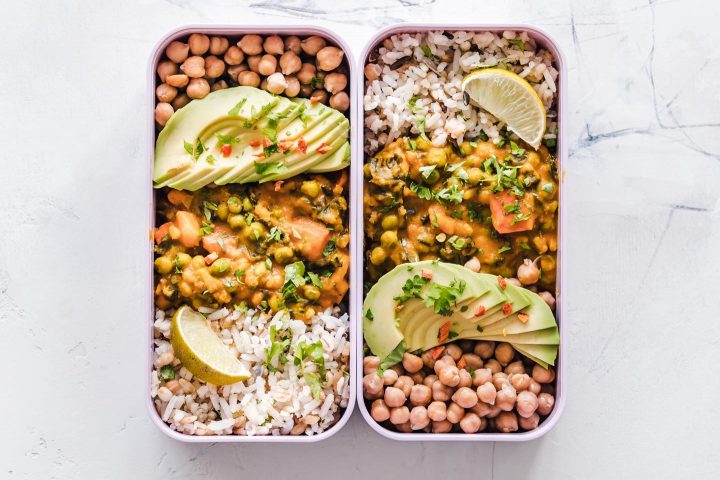
A lunch box prepared at home

4. Cook more meals at home

Cooking more meals at home might include cheaper and healthier versions of some of your take-out favourites such as pizza and burgers.

A study from the United States found those who cooked more at home spent half the amount of money on food eaten away-from-home than those who cooked infrequently. They also spent 17% less on food overall.((Tiwari A, Aggarwal A, Tang W, Drewnowski A. Cooking at Home: A Strategy to Comply With U.S. Dietary Guidelines at No Extra Cost. Am J Prev Med. 2017 May;52(5):616-624. doi: 10.1016/j.amepre.2017.01.017.))

Interestingly, both groups spent the same on groceries suggesting that infrequent home cookers either wasted more food, ate more, or both.

5. Cook double batches

Cook greater quantities of meals like curries, soups and casseroles, and either freeze them or have the same meal twice.
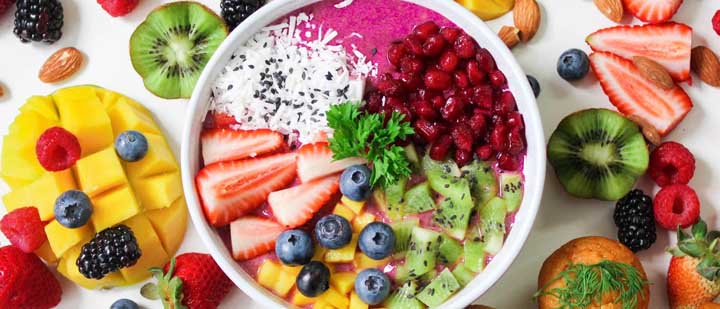
Healthy Fruits

Stay Always Up to Date

Sign up to our newsletter and stay always informed with news and tips around your health.

Sign Up Now!

This article is republished from The Conversation under a Creative Commons license. Read the original article.

The Conversation

Filed Under: Nutrition Tagged With: food budget, healthy on a budget

Why you Should Eat a Rainbow of Fruits and Vegetables

December 4, 2022 by Evangeline Mantzioris - [rt_reading_time label="Reading Time:" postfix="minutes" postfix_singular="minute"]

Eating a rainbow of fruits and vegetables

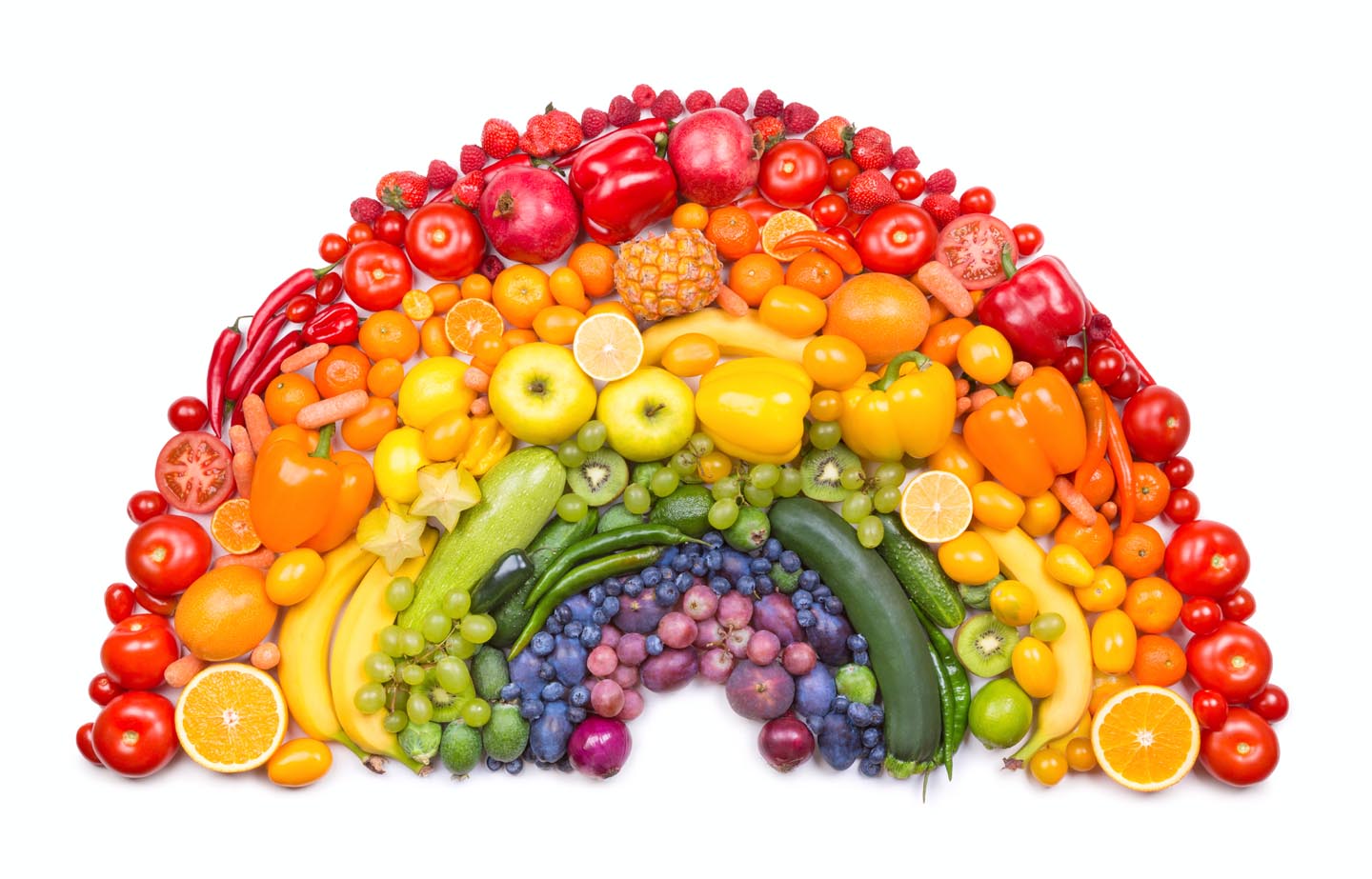
Nutritionists will tell you to eat a rainbow of fruits and vegetables. This isn’t just because it looks nice on the plate. Each color signifies different nutrients our body needs.((Minich DM. A Review of the Science of Colorful, Plant-Based Food and Practical Strategies for “Eating the Rainbow”. J Nutr Metab. 2019 Jun 2;2019:2125070. DOI: 10.1155/2019/2125070))

Why you Should Eat a Rainbow of Fruits and Vegetables

The nutrients found in plant foods are broadly referred to as phytonutrients. There are at least 5,000 known phytonutrients, and probably many more.((Liu RH. Health-promoting components of fruits and vegetables in the diet. Adv Nutr. 2013 May 1;4(3):384S-92S. doi: 10.3945/an.112.003517))

So what does each color do for our body and our overall health?

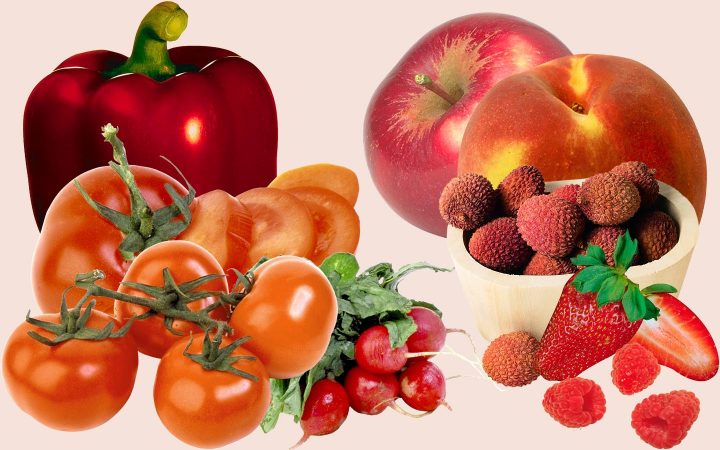
Red

Assortment of red fruits and vegetables including tomatoes, radishes, strawberries, litchis, apple, pear and bell pepper.

Red fruits and vegetables are colored by a type of phytonutrient called “carotenoids” (including ones named lycopene, flavones and quercetin – but the names aren’t as important as what they do). These carotenoids are found in tomatoes, apples, cherries, watermelon, red grapes, strawberries and capsicum.

These carotenoids are known as antioxidants.((Lobo V, Patil A, Phatak A, Chandra N. Free radicals, antioxidants and functional foods: Impact on human health. Pharmacogn Rev. 2010 Jul;4(8):118-26. doi: 10.4103/0973-7847.70902)) You will have heard this name before, but you might not remember what it means. It has something to do with “free radicals”, which you’ve also probably heard of before.

Free radicals are formed naturally in our body as a byproduct of all our usual bodily processes such as breathing and moving, but they also come from UV light exposure, smoking, air-pollutants and industrial chemicals.((Lobo V, Patil A, Phatak A, Chandra N. Free radicals, antioxidants and functional foods: Impact on human health. Pharmacogn Rev. 2010 Jul;4(8):118-26. doi: 10.4103/0973-7847.70902))

Free radicals are unstable molecules that can damage proteins, cell membranes and DNA in our body. This natural but damaging process is known as oxidation or oxidative stress. This contributes to ageing, inflammation and diseases including cancer and heart disease.

Importantly, antioxidants “mop up” the free radicals that form in our body. They stabilize the free radicals so they no longer cause damage.

Increasing antioxidants in your diet lowers oxidative stress and reduces the risk of many diseases including arthritis, type 2 diabetes, heart disease, stroke and cancer.((Minich DM. A Review of the Science of Colorful, Plant-Based Food and Practical Strategies for “Eating the Rainbow”. J Nutr Metab. 2019 Jun 2;2019:2125070. doi: 10.1155/2019/2125070))

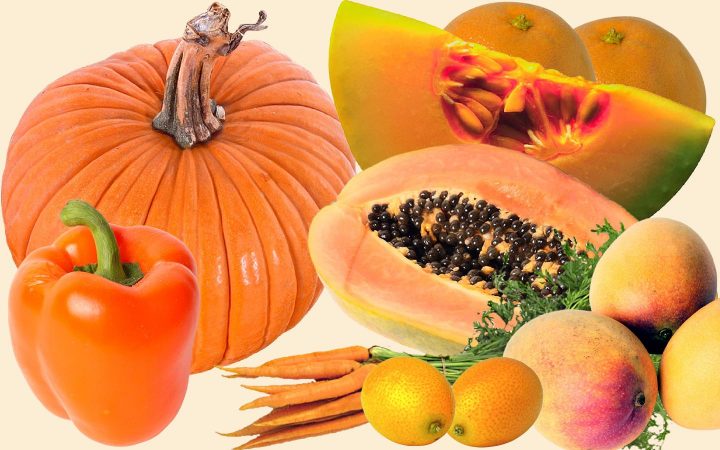
Orange

Assortment of orange fruits and vegetables including, pumpkin, cantaloupe, orange, carrots, mangoes and bell pepper.

Orange fruits and vegetables also contain carotenoids, but slightly different ones to red veggies (including alpha and beta-carotene, curcuminoids, and others). These are found in carrots, pumpkins, apricots, mandarins, oranges and turmeric.

Alpha and beta-carotene are converted to vitamin A in our bodies, which is important for healthy eyes and good eyesight. Vitamin A is also an antioxidant that can target the parts of your body made of lipids (or fats) such as cell membranes.

The vitamin A targets the free radicals building up around our cell membranes and other areas made of lipids, reducing the risk of cancers and heart disease.((Minich DM. A Review of the Science of Colorful, Plant-Based Food and Practical Strategies for “Eating the Rainbow”. J Nutr Metab. 2019 Jun 2;2019:2125070. doi: 10.1155/2019/2125070))

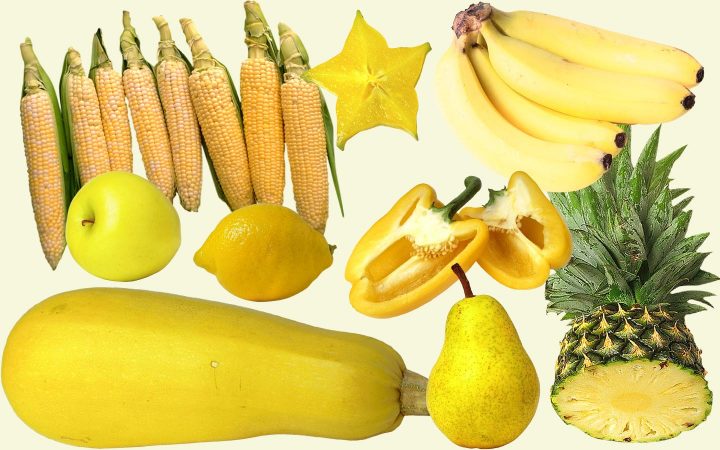
Yellow

An assortment of yellow fruits and vegetables including zucchini, apple, pear, pineapple, bell pepper, bananas, lemons, star fruit and sweet corn.

Yellow fruit and vegetables also contain carotenoids, but they also contain other phytonutrients including lutein, zeaxanthin, meso-zeaxanthin, viola-xanthin and others. These are found in apples, pears, bananas, lemons and pineapple.

Lutein, meso-zeaxanthin and zeaxanthin have been shown to be particularly important for eye health and can reduce the risk of age-related macular degeneration, which leads to blurring of your central vision.((Kamal S, et.al. Eye Sight and Carotenoids, in Carotenoids: Structure and Function in the Human Body, pp 609-647, Springer Nature, 2021))

These phytonutrients can also absorb UV light in your eyes, acting like a sunscreen for the eyes and protecting them from sun damage.((Richard L. Roberts, Justin Green, Brandon Lewis, Lutein and zeaxanthin in eye and skin health, Clinics in Dermatology, Volume 27, Issue 2, 2009, Pages 195-201 https://doi.org/10.1016/j.clindermatol.2008.01.011))

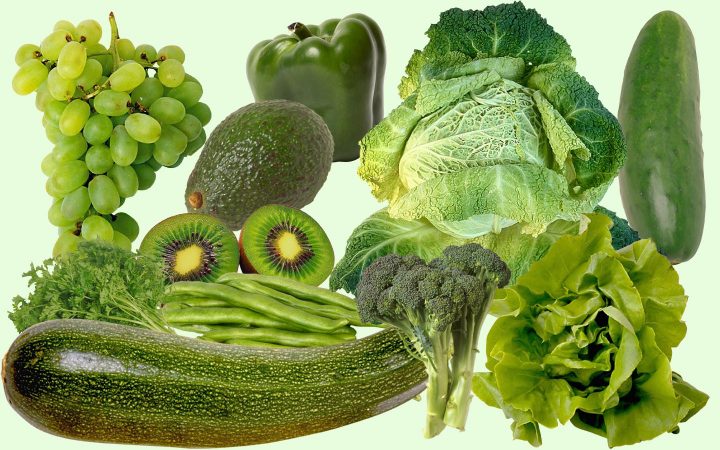
Green

An assortment of green fruits and vegetables including zucchini, cucumber, lettuce, cabbage, broccolis, string beans, bell pepper, avocado, kiwi and grapes.

Green fruits and vegetables contain many phytonutrients including chlorophyll (which you probably remember from high school biology), catechins, epigallocatechin gallate, phytosterols, nitrates and also an important nutrient known as folate (or vitamin B9). These are found in avocados, Brussels sprouts, apples, pears and leafy vegetables.

These also act as antioxidants and therefore have the benefits as described above for red veggies. But this group also provides important benefits in keeping your blood vessels healthy, by promoting something called “vasodilation”.

These phytonutrients help make our blood vessels more elastic and flexible allowing them to widen or dilate. This improves blood circulation and reduces blood pressure, reducing our risk of heart and other vessel complications and disease.((Minich DM. A Review of the Science of Colorful, Plant-Based Food and Practical Strategies for “Eating the Rainbow”. J Nutr Metab. 2019 Jun 2;2019:2125070. doi: 10.1155/2019/2125070))

Folate is recommended before pregnancy because it helps reduce the risk of neural tube defects (such as spina bifida) in babies. Folate helps the development of the fetal nervous system during the first few weeks of pregnancy, as it has been shown to promote healthy cell division and DNA synthesis.((Darya Gaysina. Folic acid in pregnancy – MTHFR gene explains why the benefits may differ. The Conversation, May 2, 2018))

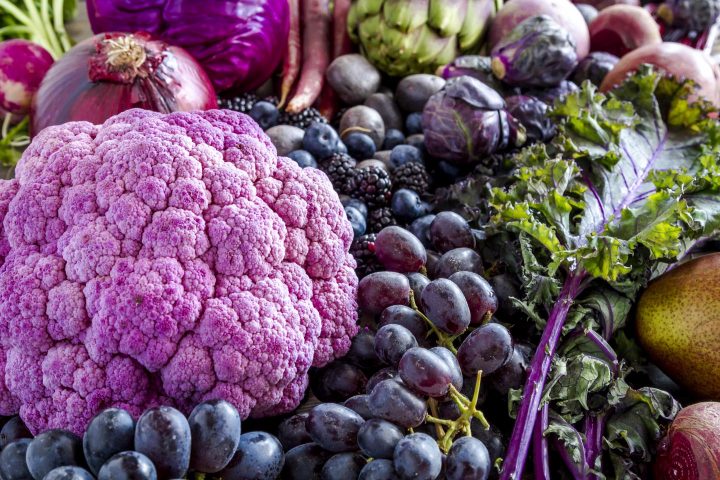
Blue and purple

Arrangement of blue and purple fruits and vegetables including grapes, plums, berries, red onions and red cabbage

Blue and purple produce contain other types of phytonutrients including anthocyanins, resveratrol, tannins and others. They are found in blackberries, blueberries, figs, prunes and purple grapes.

Anthocyanins also have antioxidant properties and so provide benefits in reducing the risk of cancer, heart disease and stroke, as explained under red fruit and veg.

More recent evidence has indicated they may also provide improvements in memory.((Katherine Kent, et.al. Anthocyanin intake is associated with improved memory in older adults with mild cognitive impairment. Nutrition Research, Volume 104, 2022, Pages 36-43 https://doi.org/10.1016/j.nutres.2022.04.003)) It is thought this occurs by improving signaling between brain cells and making it easier for the brain to change and adapt to new information (known as brain plasticity((Duncan Banks. What is brain plasticity and why is it so important? The Conversation, April 4, 2016)) ).

Brown and white

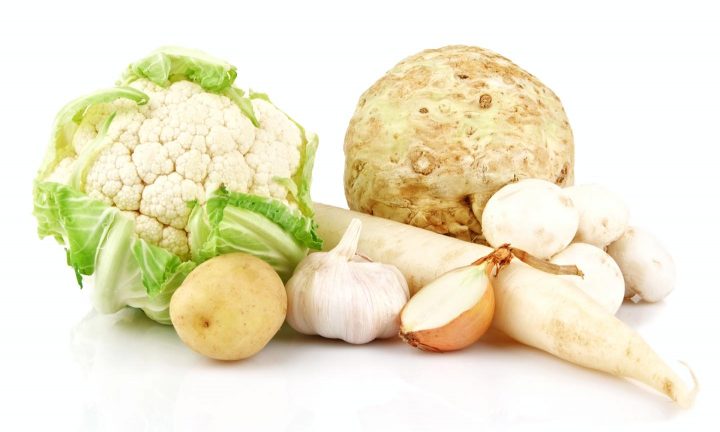
Arrangement of brown and white vegetables, including potato, cauliflower, onion, garlic, celery, champignons and roots.

Brown and white fruits and vegetables are colored by a group of phytonutrients known as “flavones”, this includes apigenin, luteolin, isoetin and others. These are found in foods such as garlic, potatoes and bananas.

Another phytonutrient found in this color of vegetables, particularly in garlic, is allicin. Allicin has been shown to have anti-bacterial and anti-viral properties.((Anna Marchese, et.al. Antifungal and antibacterial activities of allicin: A review. Trends in Food Science & Technology, Volume 52, 2016, Pages 49-56 https://doi.org/10.1016/j.tifs.2016.03.010))

Most of this research is still at the lab-bench and not many clinical trials have been done in humans, but lab-based studies have found it reduces microorganisms when grown under laboratory conditions.

Allicin has also been found in systematic reviews to normalise high blood pressure by promoting dilation of the blood vessels.((Bergamin A, Mantzioris E, Cross G, Deo P, Garg S, Hill AM. Nutraceuticals: Reviewing their Role in Chronic Disease Prevention and Management. Pharmaceut Med. 2019 Aug;33(4):291-309. DOI: 10.1007/s40290-019-00289-w))

How can I get more veggies in my diet?

Colored fruit and vegetables, and also herbs, spices, legumes and nuts provide us with a plethora of phytonutrients. Promoting a rainbow of fruit and vegetables is a simple strategy to maximize health benefits across all age groups.

However most of us don’t get the recommended amount of fruit and vegetables each day.((Dietary behaviour. Australian Buerau of Statistics. Reference period 2020-21))

Here are some tips to improve your intake:

1. When doing your fruit and vegetable shopping, include a rainbow of colors in your shopping basket (frozen varieties are absolutely fine).

2. Try some new fruit and vegetables you haven’t had before. The internet has tips on many different ways to cook veggies.

3. Buy different colors of the fruit and vegetables you normally eat like apples, grapes, onions and lettuces.

4. Eat the skins, as the phytonutrients may be present in the skin in higher amounts.

5. Don’t forget herbs and spices also contain phytonutrients, add them to your cooking as well (they also make vegetables more appealing!)

Healthy Fruits

Stay Always Up to Date

Sign up to our newsletter and stay always informed with news and tips around your health.

Sign Up Now!

This article is republished from The Conversation under a Creative Commons license. Read the original article.
The Conversation

Filed Under: Nutrition Tagged With: Phytochemicals, Rainbow diet

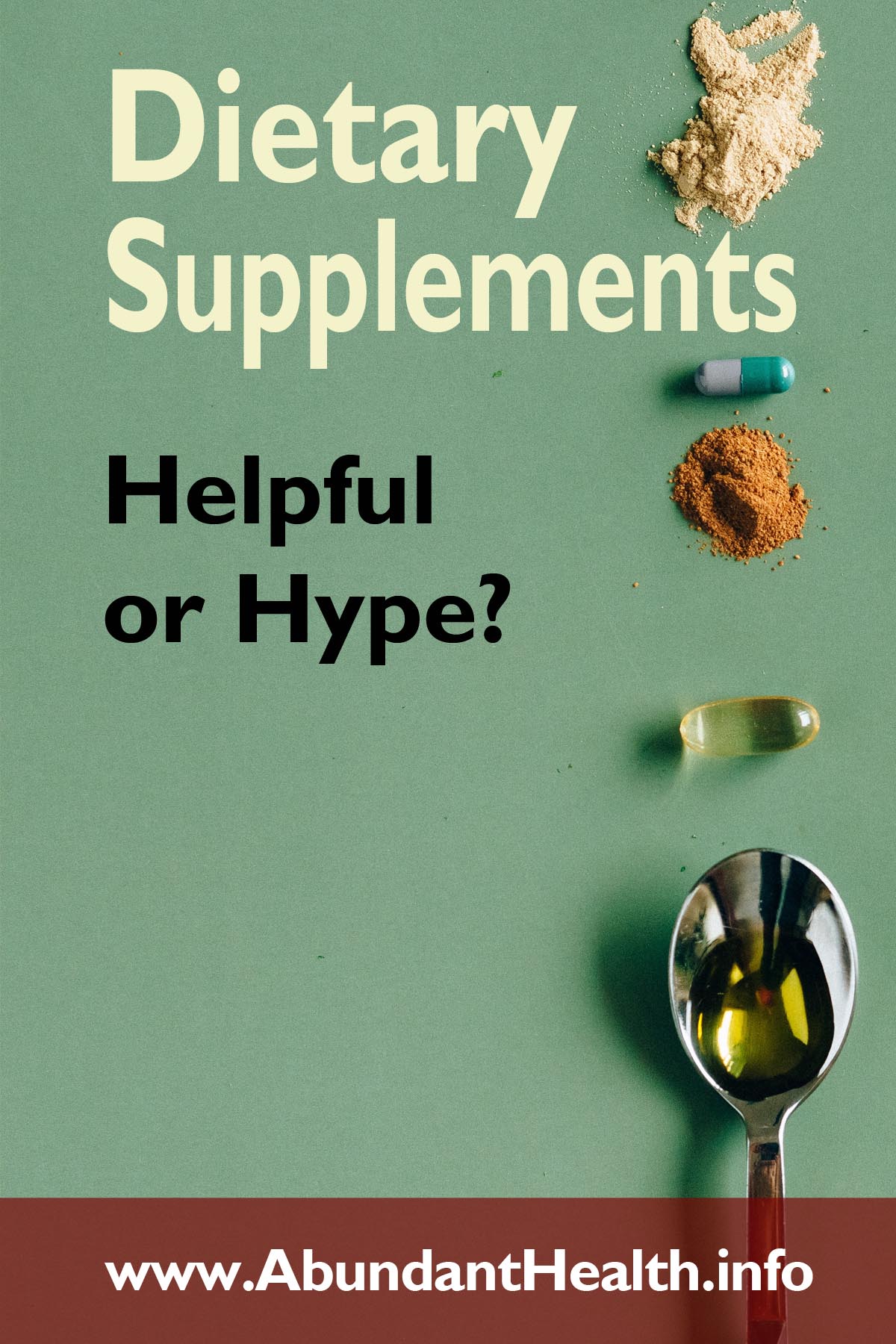
Dietary Supplements: Helpful or Hype?

September 25, 2022 by Martin Neumann - [rt_reading_time label="Reading Time:" postfix="minutes" postfix_singular="minute"]

Dietary Supplements

The supplement industry is estimated to generate a revenue of 37 billion dollars per year just in the US alone and continues to grow every year. Being such a lucrative market, companies are trying to churn the marketing machine to convince you at every price that you depend on their products to be in good health. What is the truth? Are those products really the key for perfect health, or are they only a marketing hype?

Dietary Supplements: Helpful or Hype?

Dietary Supplement Efficacy

A recent meta-analysis reviewed 84 studies in order to find an answer to this question. The results were astonishing. Although the study found a slight decrease in cancer risk for using a multivitamin supplement, there was no statistically significant benefit for cardiovascular health nor for all-cause mortality. Beta carotene supplements showed even a slightly increased risk of lung cancer and cardiovascular mortality. The study also concluded that vitamin E supplements could possibly increase your risk of hemorrhagic stroke and calcium supplements could increase your risk of kidney stones.((O’Connor EA, Evans CV, Ivlev I, et al. Vitamin and Mineral Supplements for the Primary Prevention of Cardiovascular Disease and Cancer: Updated Evidence Report and Systematic Review for the US Preventive Services Task Force. JAMA. 2022;327(23):2334–2347. doi:10.1001/jama.2021.15650))

Another study done in 2011 observed the supplementation status of 38,772 elderly women in Iowa and found actually an increase in mortality for those who used multivitamins and a number of other supplements. Only calcium supplementation was associated with a slight increase in longevity.((Mursu J, Robien K, Harnack LJ, Park K, Jacobs DR. Dietary Supplements and Mortality Rate in Older Women: The Iowa Women’s Health Study. Arch Intern Med. 2011;171(18):1625–1633. doi:10.1001/archinternmed.2011.445))

The conclusion: For a healthy person, your supplements are probably not worth their money. As a matter of fact, you are probably better off spending your money on healthy food. There are numerous studies that will show the benefits of a healthy balanced diet on your health and well-being.

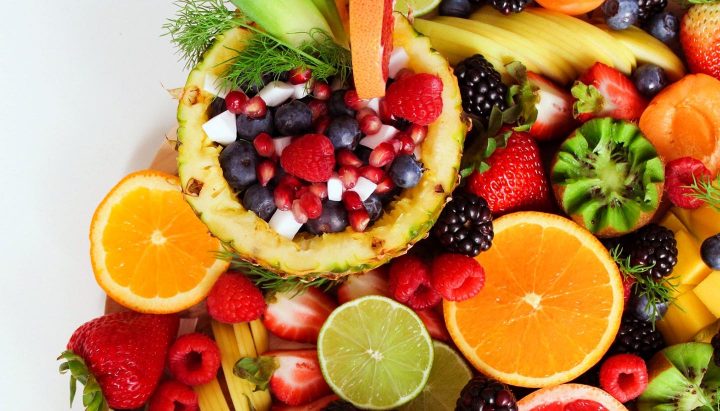
An assortment of vitamin rich fruits

Harmful Supplementation

Like with most anything, the difference between benefit and harm lies in the dosage. Some vitamins and minerals can be harmful when the dosage is too high. When it comes to vitamins, there is a significant difference between water-soluble and fat-soluble vitamins.

Water soluble vitamins like vitamin C and the B complex are easily eliminated with the urine when levels are higher than needed. Excessive vitamin C can cause you some digestive issues, but beyond that you will not have much problems with overdosing water-soluble vitamins.

All other vitamins are fat-soluble and the body has no good mechanism to get rid of any excess. Vitamin D toxicity is rather rare and will occur only with extremely high doses. Vitamin A toxicity at the other hand is pretty common.

Vitamin A, C and E are antioxidants that are found in fruits and berries and are known to protect against several diseases, including cancer. Randomized trials with smokers showed though an increased risk for lung cancer for those who took beta carotene supplements, much to the contrary that the researchers expected.((The alpha-tocopherol, beta-carotene lung cancer prevention study: design, methods, participant characteristics, and compliance. The ATBC Cancer Prevention Study Group. Ann Epidemiol. 1994 Jan;4(1):1-10. doi: 10.1016/1047-2797(94)90036-1.
Albanes D et.al. Alpha-Tocopherol and beta-carotene supplements and lung cancer incidence in the alpha-tocopherol, beta-carotene cancer prevention study: effects of base-line characteristics and study compliance. J Natl Cancer Inst. 1996 Nov 6;88(21):1560-70. doi: 10.1093/jnci/88.21.1560.))

A meta-analysis tried to determine the effect of antioxidant supplementation on mortality. They found that beta carotene, vitamin A and vitamin E supplements all increased mortality risk, while vitamin C and selenium supplements showed no significant change in mortality. The quintessence of all those studies are, that antioxidant supplementation generally tend to be harmful.((Bjelakovic G et.al. Mortality in randomized trials of antioxidant supplements for primary and secondary prevention: systematic review and meta-analysis. JAMA. 2007 Feb 28;297(8):842-57. doi: 10.1001/jama.297.8.842.))

The problem actually seems to appear when antioxidant doses are higher than naturally found in our food. For example, wheat germs have the highest concentration of vitamin E in our foods, yet the dosage used in the trials were 10 times higher. Seems that high doses of antioxidants are causing the opposite of the desired effect. Pregnant women should be especially cautious about Vitamin A supplements, since excessive dosage can lead to congenital birth defects.((Rothman KJ, Moore LL, Singer MR, Nguyen US, Mannino S, Milunsky A. Teratogenicity of high vitamin A intake. N Engl J Med. 1995 Nov 23;333(21):1369-73. doi: 10.1056/NEJM199511233332101.))

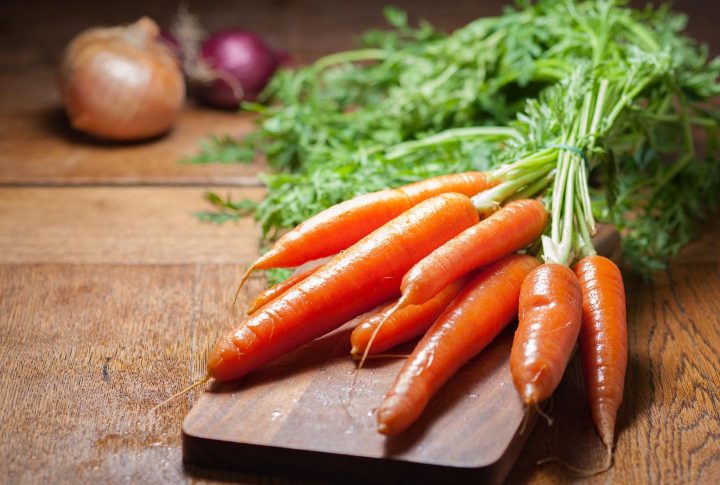
Fresh carrots

In the mineral realm there is a potential for overdoses as well. For example selenium is very sensitive for overdosage. And we have seen already that excessive calcium supplementation can increase the risk for kidney stones. What is aggravating the problem even more are the interactions between different vitamins and minerals. For example, high doses of iron can impede the absorption of zinc. Additionally, some supplements can possibly interact with medications you are taking. It is a good idea to check with a doctor or nutritionist to get an adequate prescription of your supplements, that will really benefit your health instead of harming you.

Who Needs to Use Supplements?

There are cases where supplements can be very helpful to improve your health. It is a good idea to do regular blood work and know where you are standing. Vegetarians should carefully monitor their B12 status, and even for meat eaters, B12 deficiency is a growing problem, especially among the elderly. Supplementing with about 3,000 mcg weekly can prevent the serious health risks of B12 deficiency.

Vitamin D is another component that often needs to be supplemented since it is rarely found in food. During summer, the body is able to produce adequate amounts of Vitamin D, provided that you are getting plenty of sun exposure around lunch time. During the winter months it is difficult to get adequate amounts outside the tropical and subtropical zone. Supplementation of about 4,000 IU daily can resolve such a deficiency.

Shop for Reliable Supplements

Vitamin D

Vitamin B12

Pregnant women should take 400 mcg of folic acid daily, since it helps to prevent serious birth defects in the baby´s brain or spinal cord. Actually women who plan to get pregnant would be doing well in starting supplementation in order to prevent this problem, since the first weeks of pregnancy are the most critical moments to prevent this condition. During pregnancy, supplementation iron, calcium, Vitamin D and the DHA form of Omega 3 may be indicated as well.

A pregnant woman

The NIH recommends further to consider a supplementation of calcium and Vitamin B6 for the elderly above 50 years of age.((Dietary Supplements for Older Adults https://www.nia.nih.gov/health/dietary-supplements-older-adults)) Elderly people definitely have a limited absorption and are more vulnerable to nutrient deficiencies.

Certain digestive conditions like celiac disease, ulcerative colitis or gastric bypass surgery may limit your vitamin absorption and can make a multivitamin supplement an interesting option. Other situations like alcohol and tobacco use, excessive stress, prolonged medication, the use of contraceptive pills, and recovery from disease can all increase the necessity for some specific vitamins. And of course there are specific diagnosed deficiencies that need to be treated with proper supplementation. Your doctor or nutritionist can prescribe a supplementation in certain specific situations.

Of course, your vitamin intake will greatly depend on the food you eat. At least 5 portions of mostly raw fruits and vegetables are a must for an adequate supply. And we know that organic products have much higher vitamin concentrations than conventionally grown products. If you have a balanced diet and none of the conditions above, you should be probably doing fine without using a multivitamin or other supplementation beyond vitamin B12 and vitamin D.

What are the Best Supplements?

In the US, supplements are regulated as food, not as drugs. Supplement companies do not need to get an approval by the FDA nor do they need to prove that their products are safe or efficient. That means that you need to do your diligent research to confirm the quality of the product you are purchasing.

Look for a USP (United States Pharmacopeia) symbol on the label. This symbol indicates that the manufacturer followed good manufacturing practices, and that the supplements contain what the label claims. A GMP (Good Manufacturing Practices) certification is sometimes mentioned, but it has a different meaning, related to the quality of the production, while USP is mainly about the content of the pills. Also look for the expiration date of the supplements. There are many products out there that do not contain the labeled quantities, and others that are past their expiration date.

Quality control with a microscope

An additional bonus would be if the company performs peer-reviewed clinical studies about the efficacy of their products. Especially if they are double-blind randomized trials, this is a good sign that you are applying your money on a product that is going to give you a real health benefit, at least when applied at the condition that would indicate the need of the supplement.

There is also a significant difference between vitamins from food sources and synthetically produced components. In the natural state, vitamins have an intricate interaction with other micronutrients and phytochemicals, that will produce a benefit that goes far beyond an isolated substance.

In an observational study, more than 30,000 adults were questioned about their nutritional and supplement status, and being followed for more than 6 years. They concluded that adequate intake of vitamin A, vitamin K, magnesium, zinc and copper was reducing mortality from cardiovascular diseases, but only when the nutrients came from food. If they were supplemented, they failed to show these benefits. Isolated supplements rarely give you the same benefits that you get from real food sources.((Fan Chen et.al. Association Among Dietary Supplement Use, Nutrient Intake, and Mortality Among U.S. Adults. https://doi.org/10.7326/M18-2478))

Another study has found that 100g of apple with skin has shown the antioxidant activity that is equivalent of 1500 mg of vitamin C, even though that it contains only 5,7 mg of this vitamin. In other words, vitamin C contributed for less than 0.4% of its antioxidant activity, all the rest was supplied by a variety of phytochemicals contained in the apple. A synthetic supplement can never give you this benefit.((Eberhardt MV, Lee CY, Liu RH. Antioxidant activity of fresh apples. Nature. 2000 Jun 22;405(6789):903-4. doi: 10.1038/35016151.))

A nutritious apple

It is increasingly clear that a healthy person should obtain their vitamins and minerals mainly from fresh fruits and vegetables. If supplements are needed for any reason, they should be used in combination with the natural food sources of the micronutrient, in order to potentialize the benefit.

Another interesting option are supplements that are extracted from real foods. There are several companies like for example MegaFood, who provide supplements that are extracted from organically grown fruits and vegetables. This way, the synergistical benefit of the whole plant is to a large extent maintained within the supplement.

As a conclusion, not everybody will need to make use of supplementation. But if you need something beyond the basics, be sure to get a proper prescription from a doctor or nutritionist in order to get it right. Wherever possible, make use of food extract supplements instead of their synthetic counterpart, or combine the supplement with real food sources of the vitamin or mineral needed, in order to get the synergistic benefit that only real food can provide.

Healthy Fruits

Stay Always Up to Date

Sign up to our newsletter and stay always informed with news and tips around your health.

Sign Up Now!

Filed Under: Nutrition Tagged With: dietary supplements, supplement efficacy, supplement risks

Raw Food – How Much Should it Be?

July 31, 2022 by Esther Neumann - [rt_reading_time label="Reading Time:" postfix="minutes" postfix_singular="minute"]

Rohkost-Wie viel?

In summer, the farmers’ markets are a real feast for the eyes, a treasure trove of fresh fruit and vegetables. A large part of the population associates good health with raw fruit and vegetables. In practice, however, things look rather bleak. Most eat far too little raw fruit and vegetables. On the other hand, there are people who advocate an exclusive raw food diet. Others advocate a moderate raw food diet, with a proportion between 70-100%.

Raw Food - How Much Should it Be?

In the last hundred years, numerous raw food diets have been developed. The majority of them come from lay people who had to struggle with health problems and were treating themselves by changing their diet to eating exclusively or partially raw food.

Raw Food Types

The raw food types are often based on idiosyncratic nutritional concepts that are not explained scientifically. Some take a very one-sided approach and simply reject certain foods. That is why it is very difficult to make a general assessment of raw food diets. You have to consider them individually. Most raw food types are named after their “inventors”: Evers diet, Waerland diet, raw food after Walker, Dr. Nolfi, Schnitzer or Wandmaker. But then there are also fantasy names like Rainbow Diet, Hallelujah Diet or “Fit for life”.

The majority of raw food diets are vegetarian. Almost half abstain from meat altogether. Some allow raw or lightly smoked meats. Milk and cereal products usually have a bad reputation. Most people don’t manage to stick very long to a 100% raw food diet. Many give social reasons, such as isolation, for discontinuing the diet. A third cite health reasons: feeling cold, problems with teeth, bloating and weight loss.

Body Weight on a Long-term Raw Food Diet

Being overweight is unknown among raw foodists. Three quarters have a BMI in the normal range. There’s no obesity. On the other hand, there are a number of underweight people on the other end of the weight curve, especially those with a very high proportion of raw food. Weight plays a subordinate role for raw foodists. They care more about their well-being.

The underweight could probably be reduced to a large extent if more nuts and avocados, i.e. high-fat foods, were eaten. However, when the majority of calories are consumed as fat, it takes complicated metabolic reactions to convert that fat into the proper form of energy. This is not ideal for our health.

With most raw foodists, carbohydrates and proteins are neglected, since cereals and legumes can only be consumed raw to a limited extent. Raw grains and legumes contain a number of phytates that cause bloating and prevent the absorption of a number of minerals. These phytates are greatly reduced during cooking.

Sprouting is another way of reducing phytates. Grains and legumes are therefore often consumed in sprouted form by raw foodists. When sprouting, the vitamins contained in the grain are potentialized, making sprouted seeds an interesting addition to our diet. However, if they are consumed in large quantities, this can lead to an excess of vitamins.

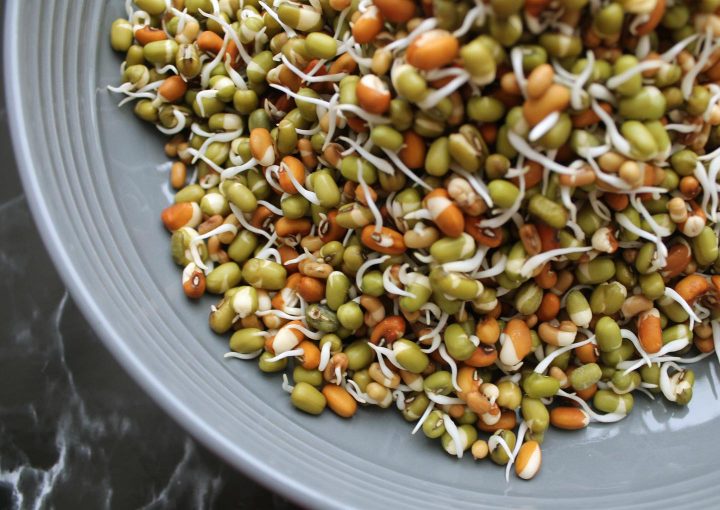
Sprouted beans

Convictions of Raw Foodists

Most of the time, it is health reasons that proponents of the raw food diet give as to why they chose this alternative diet. For others, ethics play a role or the good taste of the raw food. Two thirds are convinced that cooking leads to a reduction food in value and even to the creation of harmful products. Digestive leukocytosis, enzymes in raw food and the formation of Maillard products are cited very often. These are browning products that result from the combination of sugar types and amino acids when food is heated.

Digestive Leukocytosis

This term describes the temporary increase in the number of white blood cells, the leukocytes, after eating. This is a physiological condition and does not indicate a disease. This increase is repeatedly seen by raw foodists as a reaction to unsuitable foods. Supposedly, cooked foods are considered by the body to be a foreign substance that need to be attacked by the immune system. They claim that there is no increase in leukocytes if you only eat raw food or at least eat something raw before you eat cooked food.

The medical background was provided by the physician Kouchakoff in 1930, who found an increase in leukocytes after ingestion of cooked food, but no increase in uncooked food. Subsequent, more detailed investigations showed that his observation period was much too short and that any food intake caused an increase in leukocytes, especially neutrophilic granulocytes. However, why this increase is happening needs to be researched more closely. Maybe it’s simply a matter of fighting germs that may be smuggled in with food and possibly cause illness.

A Lymphocyte, which is a subgroup of leucocytes in the human immune system.

Kouchakoff’s thesis that leukocytosis only occurs when food is cooked has turned out to be wrong. Leukocytes increase by 50-140% after eating, whether the food is cooked or eaten raw. It is interesting, however, that most people have their highest leukocyte count after eating meat.

Enzymes

The enzymes are another reason that raw foodists often cite as a benefit of their diet. The raw food should contain live enzymes that are lost during cooking. Therefore, raw food products are supposed to be living foods, while cooked products are already dead and supposedly have very little nutritional value.

What are enzymes? They are chemical structures that are vital to a variety of metabolic functions in our body. They have important functions in digestion, body metabolism, DNA replication, cell signaling and countless other processes within the body.

So it’s true that raw foods contain a lot of enzymes. Since these enzymes consist largely of proteins, they are broken down into amino acids in the stomach and therefore do not benefit the body. Some people need enzyme supplements to help with digestion. However, these must be packed in specially developed capsules, which are resistant to stomach acid and only release the enzymes in the intestine. Without these protective capsules, the digestive enzymes wouldn’t get to the intestines. The enzymes that the body needs it can usually produce by itself.

When it comes to vitamins, however, the raw food diet is a step ahead. Vitamins are largely lost upon heating and are normally found in much higher concentrations in raw products. There are, however, exceptions here as well. For example, steamed kale has a higher vitamin C content than raw, and the beta-carotene in carrots is easier to absorb when cooked. If you want to cook vegetables, then careful steaming is usually the gentlest form of preparation.

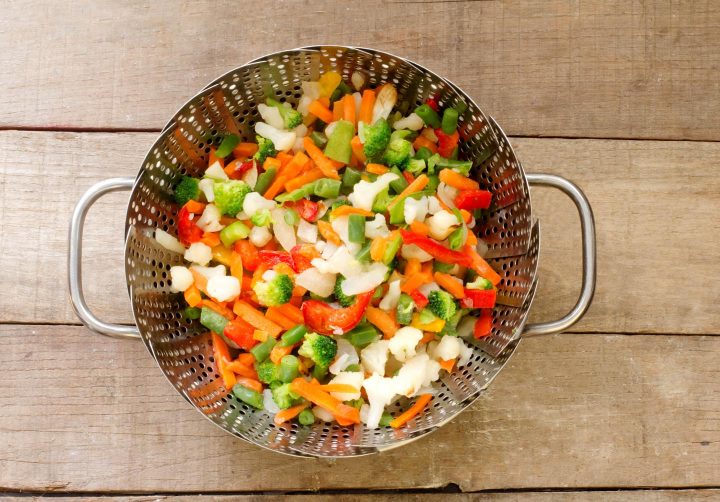
vegetable inside steam basket for steam cooking

Raw Food as a Treatment

Nutrition is a key factor in the development of chronic diseases and the maintenance of good health. The WHO agrees with that. Of course, lifestyle also plays an important role. In addition to lack of exercise and tobacco consumption, the changed diet is mentioned in first place.

The traditional plant-based diet has been replaced by a calorie-dense, high-fat diet with a high proportion of animal products. Low fruit and vegetable consumption and low fiber go hand in hand. In numerous developing countries, which are adapting their lifestyle and diet to industrialized countries, precisely those diseases that go hand in hand with this lifestyle are increasing: cardiovascular diseases, diabetes, cancer and obesity.

Is it any wonder that alternative doctors are increasingly turning to raw food! When changing from a typical Western diet, success is inevitable. However, the raw food diet must be adjusted individually, because there are a number of contraindications. And in most cases, a well-balanced healthy diet that includes some cooked grains would probably perform better than a restrictive raw food diet.

Raw Food as a Permanent Diet: Yes or No?

As the raw food studies show, it is not easy to eat exclusively raw. It might make sense for a short time, whether it’s to lose weight or regain your health. When it comes to raw food as a permanent form, you should never eat a restrictive diet. One should not arbitrarily avoid some foods that are important for a balanced diet.

Everyone has to decide for themselves how high the proportion of raw food should be in their diet. Eating about half of everything raw, as recommended by Whole Foods Diets, is certainly a good way to go. It is well justified in terms of taste, socially, scientifically and from a health point of view. But cooking makes sense too.

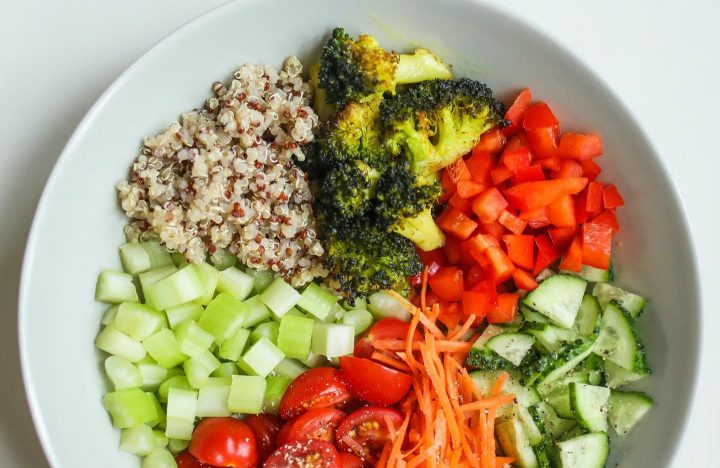
Salad plate with steamed broccolis and cooked quinoa

Why Cooking?

Cooking kills harmful microorganisms, destroys harmful food components, such as in legumes, and increases the absorption of some nutrients, such as beta-carotene. Cooking changes the texture and taste. Cooking, roasting and baking contribute to palatability. Let’s just think about potatoes! Boiling is often increasing durability, helps to preserve food in canning, and adds convenience. We quickly have a meal on the table from pre-prepared menus, supplemented by fresh raw vegetables.

Everyone has to decide for themselves how much raw food is good for them. The fact is, most know they should be eating more of it. If one wants to increase the amount, he should do it gradually, remembering to chew well. Only then can the digestive tract can adapt to the changed circumstances.

Incidentally, there are no scientific findings available – for a better physical and mental performance of the raw food compared to the usual mixed diet. But if someone feels more comfortable with a raw food diet, they should choose a balanced type that also optimally provides them with everything they need for life.

Healthy Fruits

Stay Always Up to Date

Sign up to our newsletter and stay always informed with news and tips around your health.

Sign Up Now!

Filed Under: Nutrition, Obesity, Temperance

Is salt good for you after all? Checking the Evidence!

July 10, 2022 by Clare Collins - [rt_reading_time label="Reading Time:" postfix="minutes" postfix_singular="minute"]

Is salt good for you after all? Checking the Evidence!

Salt is the most common form of sodium and is added to food during manufacturing, home cooking or at the table to enhance the taste or to extend the shelf life. Most people have heard the advice to cut down on salt. That’s because high sodium intakes are associated with high blood pressure, a major risk factor for cardiovascular disease, heart attacks and strokes.((Graudal NA, Hubeck-Graudal T, Jurgens G. Effects of low sodium diet versus high sodium diet on blood pressure, renin, aldosterone, catecholamines, cholesterol, and triglyceride. Cochrane Database Syst Rev. 2020 Dec 12;12(12):CD004022. doi: 10.1002/14651858.CD004022.pub5.))

Is salt good for you after all? Checking the Evidence!

So the recent headline “Food myths busted: dairy, salt and steak may be good for you after all” was bound to grab-attention.((Food myths busted: dairy, salt and steak may be good for you after all. The Guardian, September 6, 2021))

I'll file this one under good newshttps://t.co/LVKrP2lZfD

— 🌻 Franck (@Franck_chester) September 26, 2021

In the research article this headline is based on, the authors examined whether advice to substantially lower sodium intakes was supported by robust evidence.((Mente A. Sodium Intake and Health: What Should We Recommend Based on the Current Evidence? Nutrients2021, 13(9), 3232; https://doi.org/10.3390/nu13093232))

The article’s premise is that current advice to limit sodium consumption to 2.3 grams a day is unachievable for most people in the long term. And it claims there isn’t good quality evidence to show lower salt intakes reduce the risk of heart attacks and strokes.

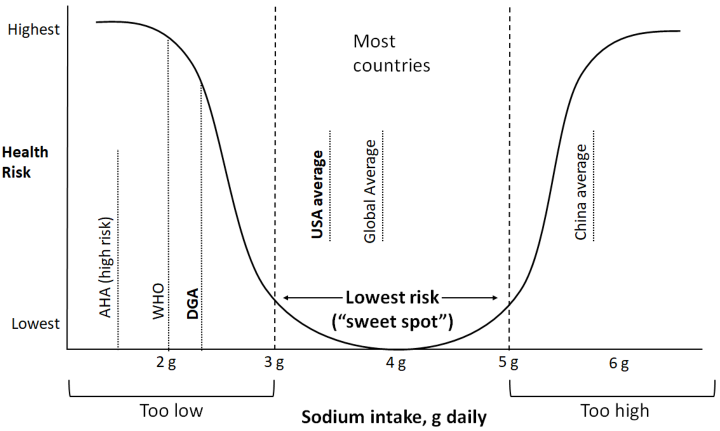
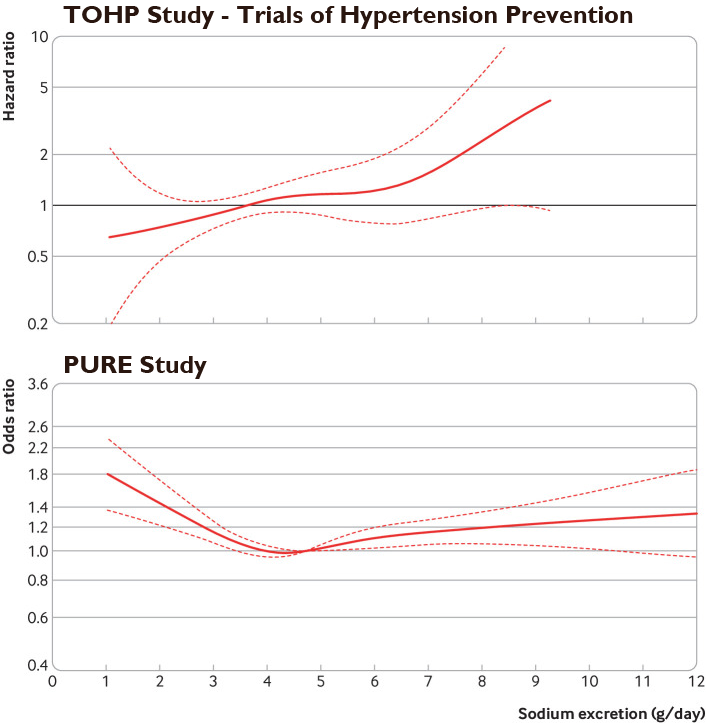
The authors suggest that current global sodium intakes, which range from 3-5 grams per day, are associated with the lowest risks for a heart attack, stroke or dying prematurely. And that heart attacks and strokes increase only when sodium intakes are higher or lower than this.

Graph illustrating that supposedly a medium amount of sodium consumption is the healthiest.

The researchers argue there’s a ‘sweet spot’ for salt intake and heart disease risk. We will check the evidence.

But there are a number of controversies about these claims, and the existing advice to limit salt consumption remains. Lets take a closer a look at some of the issues associated with these claims, as well as important research the authors missed.

Most of us could afford to cut down on salt

One teaspoon of salt weighs around 5 grams and contains 2 grams of sodium.

Americans consume about 3.6 grams of sodium per day, equivalent to 9.2 grams (about 2 teaspoons) of table salt.

This is higher than the suggested dietary target of 2 grams of sodium (5 grams of salt) per day and the adequate intake range of 460-920 milligrams (1.3-2.6 grams of salt) a day.((Nutrient Reference Values for Australia and New Zealand: Sodium
Antmann E M et.al. Stakeholder discussion to reduce population-wide sodium intake and decrease sodium in the food supply: a conference report from the American Heart Association Sodium Conference 2013 Planning Group. DOI: 10.1161/CIR.0000000000000051))

Sodium intakes in the US are similar to the rest of the world. Data from 66 countries, accounting for three-quarters of the world’s adult population, reported the average sodium consumption is 3.95 grams per day and ranges from 2.2 to 5.5 grams per day.((Mozaffarian D, et. al. Global Burden of Diseases Nutrition and Chronic Diseases Expert Group. Global sodium consumption and death from cardiovascular causes. N Engl J Med. 2014 Aug 14;371(7):624-34. doi: 10.1056/NEJMoa1304127.))

Yes, it’s possible to cut down on salt

Changing individual behaviour long term is challenging. But it’s possible.

A 2017 systematic review of dietary salt-reduction interventions found individual dietary counselling could reduce a person’s salt consumption by about 2 grams a day (equivalent to 780mg of sodium), over time periods up to five years.((Hyseni L et. al. Systematic review of dietary salt reduction policies: Evidence for an effectiveness hierarchy? PLoS One. 2017 May 18;12(5):e0177535. doi: 10.1371/journal.pone.0177535.))

Population-wide strategies that include reformulating manufactured food with lower levels of salt, improved labelling and mass media education were even more effective in some regions, reducing average salt intakes by around 4 grams a day in Finland and Japan.((Hyseni L, Elliot-Green A, Lloyd-Williams F, Kypridemos C, O’Flaherty M, McGill R, Orton L, Bromley H, Cappuccio FP, Capewell S. Systematic review of dietary salt reduction policies: Evidence for an effectiveness hierarchy? PLoS One. 2017 May 18;12(5):e0177535. doi: 10.1371/journal.pone.0177535.))

Reading food labels in the supermarket.

The authors of the above mentioned paper highlight a lack of studies in the population showing they’ve achieved dietary sodium intakes of less that 2.3 grams per day. But this fails to acknowledge the challenges in conducting such a study to test that, or the importance of reducing your sodium intake relative to what you usually consume.

Cutting salt lowers your risk of heart disease

A recently published randomised trial across 600 villages in rural China shows cutting salt intakes can reduce a person’s risk of cardiovascular disease, heart attack and stroke.((Neal B, et. al. Effect of Salt Substitution on Cardiovascular Events and Death. N Engl J Med. 2021 Sep 16;385(12):1067-1077. doi: 10.1056/NEJMoa2105675.))

The study included more than 20,000 people with high blood pressure who either had a history of stroke or were aged over 60 years. One group was randomly assigned to use a salt substitute to reduce their sodium intake. The second group continued to use regular salt. Both groups were followed up over five years.

The intervention led to a reduction in sodium excreted in the urine (indicating complicance) and a reduction in blood pressure.

The rate of any major cardiovascular event, including heart attack, was 13% lower among those in the salt-substitute group compared to the regular salt group. The rate of strokes was 14% lower.

This trial demonstrates the benefit of reducing dietary sodium intakes, irrespective of a specific daily target.

Is it risky to have too little salt?

Humans need sodium to maintain essential bodily processes such as fluid volume and cell stability. Sodium levels are balanced though a sensitive system of hormones, chemical processes and nerves to ensure that sodium in excess of needs is excreted in the urine.

There is conflicting evidence about heart health when you have very low sodium intakes. Some researchers have suggested there is a J-shaped relationship, where both low and very high intakes increase the risk of poor outcomes (the end of a “J” shape), while the lowest risk is across a broad mid-point of salt intake (the curve in the “J”).

Comparison of TOHP and PURE study, two examples of conflicting evidence about healthy sodium levels.
Association of sodium excretion with cardiovascular disease in the Trials of Hypertension Prevention (top) and PURE study (bottom)

The J-shaped curve in some studies on salt and blood pressure can be explained by issues such as measurement error, random variation, other differences (in age, sex, smoking status or socioeconomic status), existing dietary patterns or other health problems, interactions between a major sodium reduction, and the body’s physiological pathways that regulate blood pressure.((Cook NR, He FJ, MacGregor GA, Graudal N. Sodium and health-concordance and controversy. BMJ. 2020 Jun 26;369:m2440. doi: 10.1136/bmj.m2440.))

Or it could be explained by reverse causation, where the people recruited into the study report low sodium intakes because they have already been advised to follow a low salt diet before enrolling in the trial.

While we wait for more research to explaining discrepancies related to a J-shape curve, the evidence overwhelmingly finds lower sodium intakes, compared to higher intakes, lead to important reductions in blood pressure.((Graudal NA, Hubeck-Graudal T, Jurgens G. Effects of low sodium diet versus high sodium diet on blood pressure, renin, aldosterone, catecholamines, cholesterol, and triglyceride. Cochrane Database Syst Rev. 2020 Dec 12;12(12):CD004022. doi: 10.1002/14651858.CD004022.pub5. ))

Healthy Fruits

Stay Always Up to Date

Sign up to our newsletter and stay always informed with news and tips around your health.

Sign Up Now!

This article is republished from The Conversation under a Creative Commons license. Read the original article.
The Conversation

Filed Under: Nutrition

The Intestinal Flora – The Unknown Organ

June 26, 2022 by Esther Neumann - [rt_reading_time label="Reading Time:" postfix="minutes" postfix_singular="minute"]

Darmflora

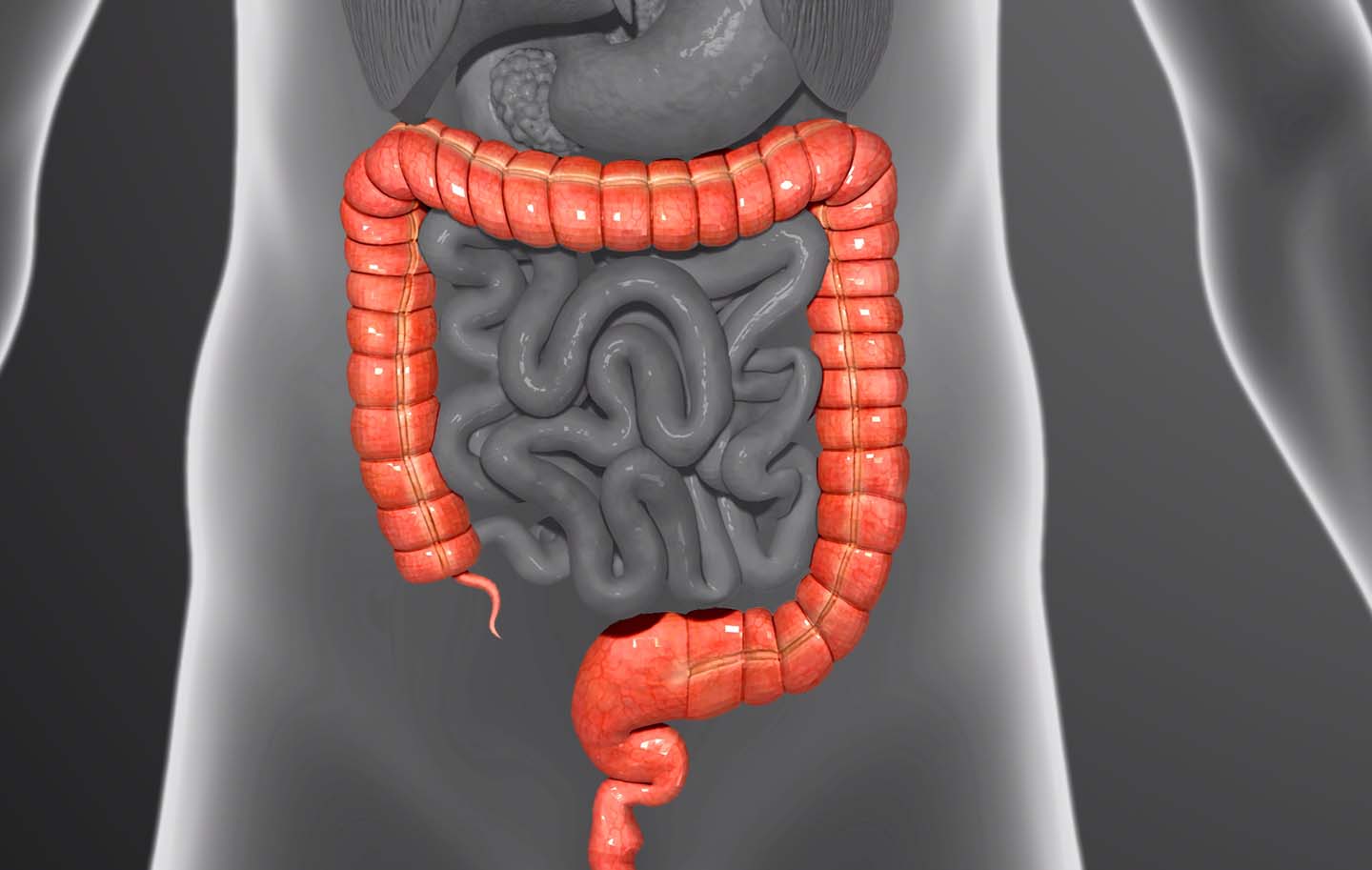
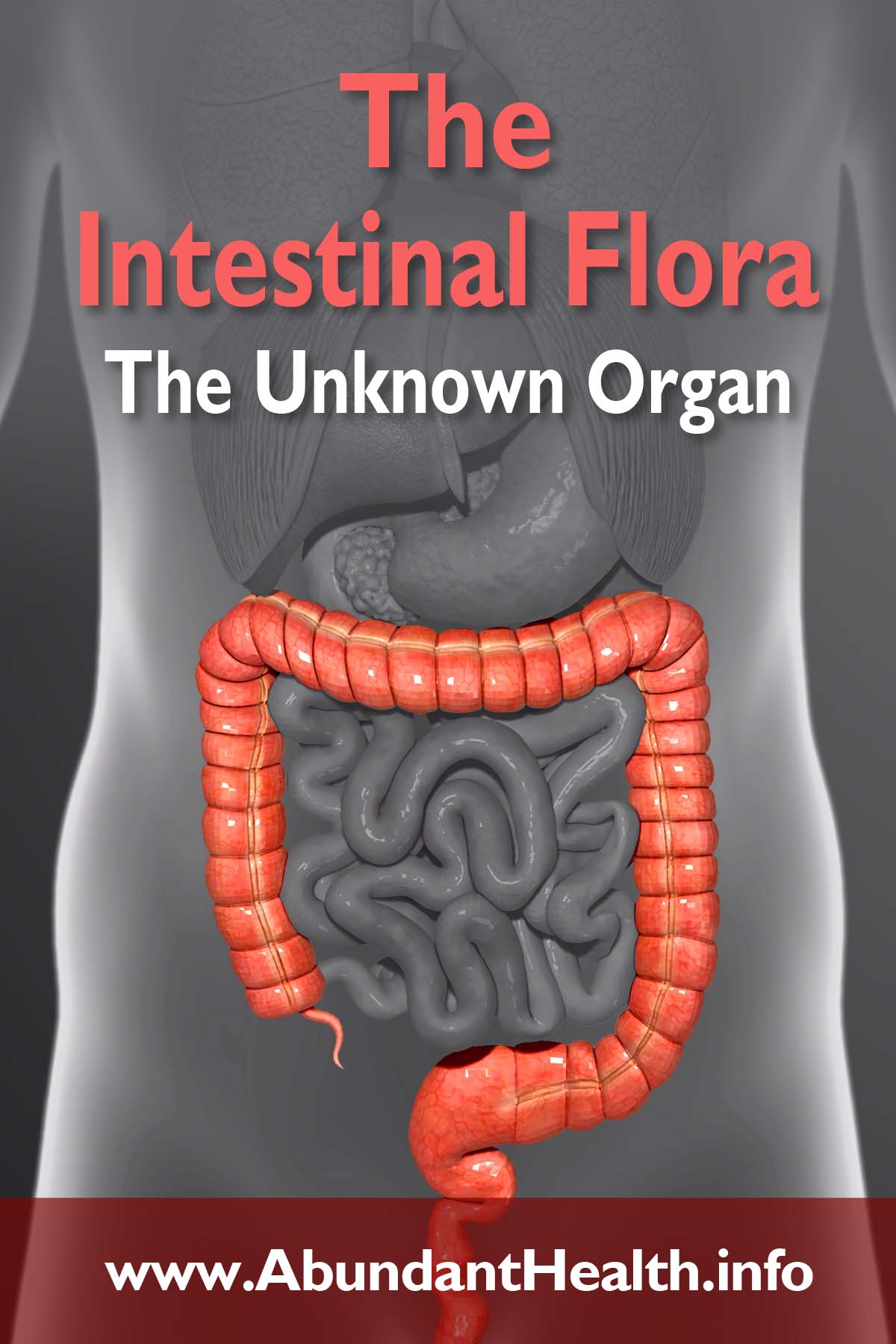
Did you know that our body accommodates about 10 times as many bacteria as body cells? A large part is in the colon and forms the intestinal flora, which handles a wide range of tasks for our body. They help with food absorption, strengthen the immune system and promote peristalsis.

The Intestinal Flora – The Unknown Organ

Cows and humans have one thing in common: they are home to countless other inhabitants, microorganisms and bacteria. Just the time at which these microorganisms do their work is very different in cows and humans.

In the cow, the breakdown of cellulose and other polysaccharides takes place in the forestomach. Short-chain fatty acids are formed in the process. In humans, the bacteria mainly really work in the colon. Again short-chain fatty acids are formed. The work of these microorganisms is extremely important for the health of cows and humans alike.

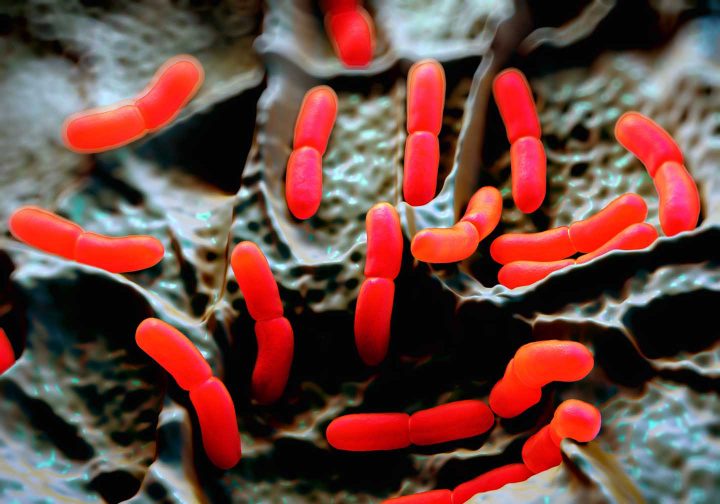
The 1013 cells of the human body are opposed to 1014 bacteria in the human ecosystem, that means 10 times more bacteria than body cells. There are far more of them living in the large intestine than in the small intestine. Around 1,000 different species and strains make up the intestinal flora, that can vary greatly from person to person. It is still unknown how, once destroyed briefly by antibiotics or during colonoscopy, they manage to rebuild so quickly into a new colony.

Actually, the term “flora” is not quite correct. Flora means plant kingdom. The phrase was coined in the time when bacteria were still considered plants. Today they are divided into a separate group. The bacteria in the gut are not a lifeless mass. They’re doing metabolism. And this huge number is capable to form substances that have an effect on the entire organism. The performance of the intestinal flora can be compared to that of the liver, which is the most versatile metabolic organ. Intestinal bacteria perform many important tasks on our behalf. Not everything has been explored yet.

Diet and Intestinal Flora

The composition of the intestinal flora changes with the food supply. Deviations in eating habits and dietary changes can affect the balance of the intestinal flora, damage it or conversely promote health. The administration of antibiotics also upsets the balance. If several negative factors are combined, pathogenic microorganisms such as enterococci or clostridia multiply. Health-promoting bacteria such as lactobacilli and bifidobacteria are suppressed. Many diseases are closely related to the intestinal microflora.

Lactobacilli at the intestine
Lactobacilli

Meat eaters have a completely different composition of the intestinal flora than people who only eat plant-based food. A study has shown that the metabolites of the microorganisms found in the stool of meat eaters lead to DNA damage. The result is cancer, especially in the colon. Many substances that are produced during the preparation of meat, especially when grilling over an open fire, also damage the DNA. Damage to the genetic material contributes significantly to the formation of cancer.

Functions of the Intestinal Flora

The intestine, with its huge surface area, represents the largest exchange surface with the environment. Foreign substances, including germs, are constantly passing through. Immune cells are located in the intestinal wall. A significant part of the antibodies is produced by lymphoid tissues in the intestine. They are passed on through the bloodstream and thus reach the mouth, nose and lungs. In this way, other parts of the body are also supplied with protective antibodies.

Healthy intestinal flora plays an important role in the development of the immune system. The harmless germs activate and train the immune cells. The function of the immune system cannot be maintained without a healthy intestinal flora. Of course, our defenses are not infallible and often become weakened, leaving us vulnerable to disease.

The intestinal flora participates in the digestion of dietary fibers. In the past it was believed that these were indigestible because there are no enzymes in the body that can break down fiber. They are therefore passed undigested to the large intestine. But gut bacteria can. They even break down wood. This results in short-chain fatty acids: acetic acid, propionic acid, butyric acid and lactic acid. These degradation products are very rich in energy. They nourish the intestinal mucosa cells and the intestinal flora itself.

High fiber whole grain bread

It has been found that deficiencies in these fatty acids are common in patients with inflammatory bowel disease. Irritable bowel syndrome, diarrhea or constipation can also be a consequence of disturbances in the intestinal flora. Short-chain fatty acids also stimulate intestinal movements. This promotes the mixing of the chyme for nutrient absorption and further transport.

In addition, the intestinal flora produces substances that the body cannot produce itself. This includes, for example, vitamin K, which is so important for blood clotting. It also produces vitamin B12. Unfortunately, this vitamin is no longer absorbed in the lowest section of the intestine. However, the possibility is being discussed that in the healthy intestines of pure plant eaters such vitamin B12-producing microorganisms continue to rise into the small intestine, where absorption is possible. They can also produce vitamin B1 and B2.

If the barrier function of the intestinal wall is impaired, it becomes permeable. This can lead to inflammatory reactions that can contribute to the development of other diseases. These include inflammatory bowel disease, type 2 diabetes, atherosclerosis, heart failure and certain liver diseases.

In order to improve health and quality of life, it makes sense to pay more attention to the intestinal flora. We can take care of them by eating more fiber. We find them in fruits, vegetables, whole grains, seeds and nuts. If we eat little or – even better – no meat at all, we improve the intestinal flora towards a positive colonization. This makes such a difference in our health.

Healthy Fruits

Stay Always Up to Date

Sign up to our newsletter and stay always informed with news and tips around your health.

Sign Up Now!

Filed Under: Body Systems, Digestive Tract, Nutrition

« Previous Page
Next Page »

Primary Sidebar

Social Channels

Coronavirus Immunity Challenge

Boost your immune system to be bullet-proof for the pandemic.

I Want to Participate

Recent Posts

  • 5 Habits to Live Longer
  • Better Sleep Can Protect Against Dementia
  • Finding Peace In Your Crazy-Busy World
  • Flaxseed – An Ancient Plant Rediscovered
  • Platelets – Triggers for Life or Death
  • Boderline Personality Disorder
  • In Praise of Almonds and Nuts
  • Are You Stuck in the Clutter Trap?

Categories

  • Body Systems (16)
    • Cell Function (2)
    • Circulatory System (1)
    • Digestive Tract (10)
    • Immune System (4)
  • Diseases (27)
    • Cancer (2)
    • Cold (1)
    • COVID-19 (11)
    • Dementia (1)
    • Diabetes (1)
    • Digestive Diseases (2)
    • Heart Disease (2)
    • Kidneys (1)
    • Metabolic Syndrome (2)
    • Skin (1)
  • Healthy Lifestyle (42)
    • Exercise (11)
    • Gardening (2)
    • Sleep (7)
    • Sunlight (2)
    • Temperance (14)
    • Water (4)
  • Mental Health (87)
    • Addictions (6)
    • Anxiety (7)
    • Burnout (1)
    • Depression (7)
    • Psychosomatic Diseases (6)
    • Stress Management (45)
    • Trust (6)
  • Nutrition (56)
  • Obesity (9)
  • Phases of Life (14)
    • Adults (3)
    • Babies and Infants (1)
    • Children (3)
    • Seniors (5)
    • Teenagers (3)
  • Therapies (7)
    • Herbs (5)
    • Hydrotherapy (1)
  • Uncategorized (3)

Archives

  • January 2025 (1)
  • March 2024 (5)
  • February 2024 (4)
  • January 2024 (4)
  • December 2023 (5)
  • November 2023 (4)
  • October 2023 (5)
  • September 2023 (4)
  • August 2023 (3)
  • July 2023 (2)
  • June 2023 (4)
  • May 2023 (4)
  • April 2023 (5)
  • March 2023 (4)
  • February 2023 (4)
  • January 2023 (4)
  • December 2022 (4)
  • November 2022 (4)
  • October 2022 (5)
  • September 2022 (4)
  • August 2022 (4)
  • July 2022 (5)
  • June 2022 (4)
  • May 2022 (5)
  • April 2022 (4)
  • March 2022 (4)
  • February 2022 (4)
  • January 2022 (5)
  • December 2021 (3)
  • November 2021 (4)
  • October 2021 (6)
  • September 2021 (4)
  • August 2021 (4)
  • July 2021 (5)
  • June 2021 (4)
  • May 2021 (3)
  • April 2021 (5)
  • March 2021 (4)
  • February 2021 (4)
  • January 2021 (5)
  • December 2020 (3)
  • November 2020 (4)
  • October 2020 (5)
  • September 2020 (5)
  • August 2020 (3)
  • July 2020 (1)
  • June 2020 (1)
  • May 2020 (1)
  • April 2020 (1)
  • March 2020 (1)

Copyright © 2026 · Abundant Health - Privacy Policy - Medical Disclaimer