Abundant Health

Up to date health information tailored for you

  • Home
  • Blog
  • Recipes
  • Shop
  • Contact
You are here: Home / Archives for Nutrition

Nutrition

Plant-Energy for our Life

December 10, 2021 by Esther Neumann - [rt_reading_time label="Reading Time:" postfix="minutes" postfix_singular="minute"]

Pflanzen - Energie für unser Leben

One of the main reasons we eat food is to provide us with energy. Without food we would die soon. Plants can assimilate solar energy through their leaves and convert it into chemical energy. Animals and humans cannot do this, they are dependent on food for energy. We are eating energy in the form of carbohydrates, fats, and proteins.
Plant-Energy for our Life

But there are many other substances that the plants provide to us in sometimes tiny amounts. These include vitamins, minerals, trace elements, hormones, enzymes and the numerous phytochemicals. These substances are called secondary plant compounds because they are not essential to the actual, primary metabolism.

The plant forms these substances for its own protection, to ward off diseases and pests, but also to attract beneficial insects, to guarantee reproduction, to protect itself from dehydration and for countless other tasks. Science has found out that precisely these substances are also subservient spirits for us humans, especially in the defense against diseases. Who is surprised that our original, Creator-determined diet comes from the realm of plants?

Power Plants

In almost all of our cells there are tiny little power plants that produce energy for our bodies. It’s the mitochondria. Almost everything we eat sooner or later ends up in these tiny power plants and is turned into energy.

Our body is an ingenious, huge chemical laboratory. The chemical energy generated in the mitochondria is called ATP (adenosine triphosphate). The body needs this energy in order for the muscles to move.

However, energy is also used to produce vital molecules and to carry out transport processes within the cell and from one cell to another. In an adult human, the amount of ATP that is produced every day is roughly equivalent to his body weight.

Coenzyme Q10 plays a key role in the production of energy. This coenzyme is so important that the body produces it itself. To do this, however, he needs a whole range of vitamins and protein. It is also found in every plant, but especially in oil seeds and grain germs. So let’s give preference to cold-pressed vegetable oils and whole grains.
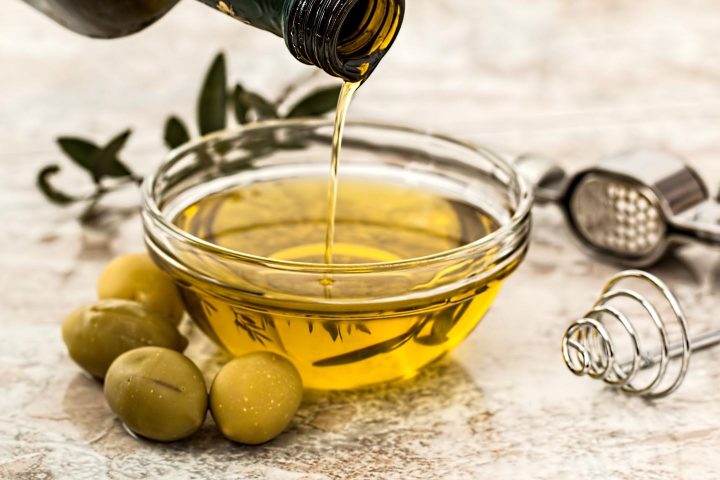
Olives with Olive Oil

As a dietary supplement in capsules, we should only swallow coenzyme Q10 if it has been proven that the body cannot produce it itself. We do not exactly know the daily requirement of the human being. Numerous studies have been carried out to prove the positive effects of artificially supplied coenzyme Q10. However, no convincing connections have yet been found. It is therefore not advisable to take a dietary supplement without subscription, even if the advertising tempts us to do so.

Protection from Green Leaves

Another important substance that plants provide us with is chlorophyll, the green plant pigment. We can compare it to our red blood pigment. We need chlorophyll for the formation of blood, to strengthen our immune system and the liver metabolism. It also inhibits the development of various types of cancer. The leaves of spinach and nettles, broccoli, wheat and kamut grass contain a great deal of chlorophyll. It is also available in capsules and tablets. But we prefer the whole plant because with it we get many other substances that we need for the provision of various forms of energy. If we eat a lot of green plants, energy is supplied to us almost free of charge.
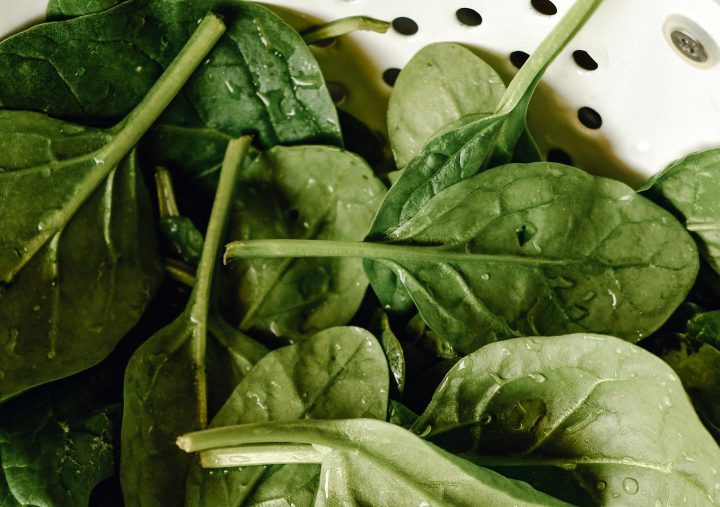
Spinach leaves - Photo by Eva Elijas from Pexels

Brain Food

In order to keep our mental energy in top shape, we need lecithin. Even this the body produces by itself. Lecithin has long been considered a food for the nerves, probably because the nerve cells and especially the brain have high levels of lecithin. But it also serves as a precursor for messenger substances that are needed for the proper functioning of our brain. We find lecithin in soybeans, thus also in soy products, in nuts and seeds, but also in kale.

We also find a lot of vitamin C in the brain. And that in turn is found in fruits and vegetables. Another plant that has positive effects on brain performance is ginkgo. Extracts from the leaves are used to improve blood circulation. Particularly in older people, this can improve the cerebral blood flow, which has a positive effect on memory.

Ginseng also has a stimulating effect on older people. However, there are a lot of inferior preparations on the market, as such products are sold with high profit margins. Controlled, high-quality products are only available from specialist retailers and from pharmacies. Cheap products from the supermarket are often stretched or blended with other substances.

Ginseng roots

Disease Protection

Our food should also protect us from disease. The many phytochemicals offer a wide range of benefits. Sulphides are the pungent ingredients in the onion family, such as chives, shallots, spring onions, garlic, leeks and Spanish onions. They affect our immune system, our blood clotting and inhibit the deposition of cholesterol in the arteries. Thus, they reduce the risk of cardiovascular diseases.

The bright colors of fruit and vegetables can protect us against cancer, inflammation and circulatory diseases. The color particles belong to the large group of flavonoids. Radishes, red cabbage, aubergine, peppers, red onions and beets, cherries, plums, apricots and peaches, apples and many colorful berries are medicine from nature, without any side effects. And let us not forget the cleansing energy of many plants. Many wild plants such as dandelion, nettle, milk thistle and chicory, to name just a few, help our liver with its versatile task. But even here, the body itself builds many protective walls against diseases. They are the body’s own enzyme systems. To do this, he needs many components from the plant kingdom: especially vitamins and trace elements. Selenium plays an important role in the defense against disease-causing processes. We find selenium in nuts, mostly in the Brazil nut. Soybeans and whole grains are also possible sources.

Nourishment for the Soul

Using food we can also nourish our soul. Eating is enjoyment and an expression of the joy of life. But to enjoy it you need time. Let us therefore eat slowly and enjoy the taste of our food. It is not the amount, but the taste that defines the enjoyment. A bar of chocolate, eaten like a piece of bread, only awakens the guilty conscience and does not bring any pleasure. But it doesn’t necessarily have to be chocolate. Put a piece of banana on your tongue and take in the taste for a while with your eyes closed! What a pleasure! Just like chocolate, bananas also contain the messenger substance serotonin, as well as the precursor tryptophan. From this amino acid, the messenger substance serotonin can be formed in the brain. This substance causes body and soul to relax.

Kids enjoying grapes - Photo by Anna Shvets from Pexels

Other foods high in tryptophan include: nuts, sesame seeds, pineapples, strawberries and raspberries, potatoes, onions and peas. Tryptophan reaches the brain easier if we eat it in combination with carbohydrates, i.e. bread, rice, pasta, oatmeal, muesli. The carbohydrates cause our blood sugar levels to rise. This also increases our insulin level. Insulin, in turn, preferentially binds other amino acids, but not tryptophan. In this way, more tryptophan reaches the brain and helps to increase serotonin, the “happiness messenger”. So it’s no wonder that low carb diets really upset our emotions.

Variety

A varied, natural, plant-based diet gives us energy in various ways. In addition, there is no food that stimulates our senses in such an enjoyable way as fruit and vegetables. Bright colors, fragrant scents, pleasant taste make us come back to these healthy energy donors again and again. Let’s make good use of the enormous diversity of fruits and vegetables for our health!
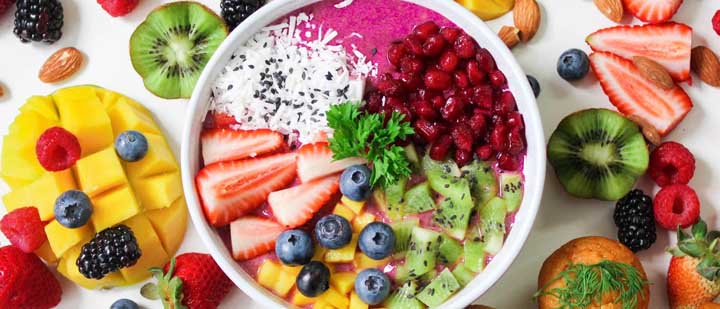
Healthy Fruits

Stay Always Up to Date

Sign up to our newsletter and stay always informed with news and tips around your health.
Sign Up Now!

Filed Under: Nutrition

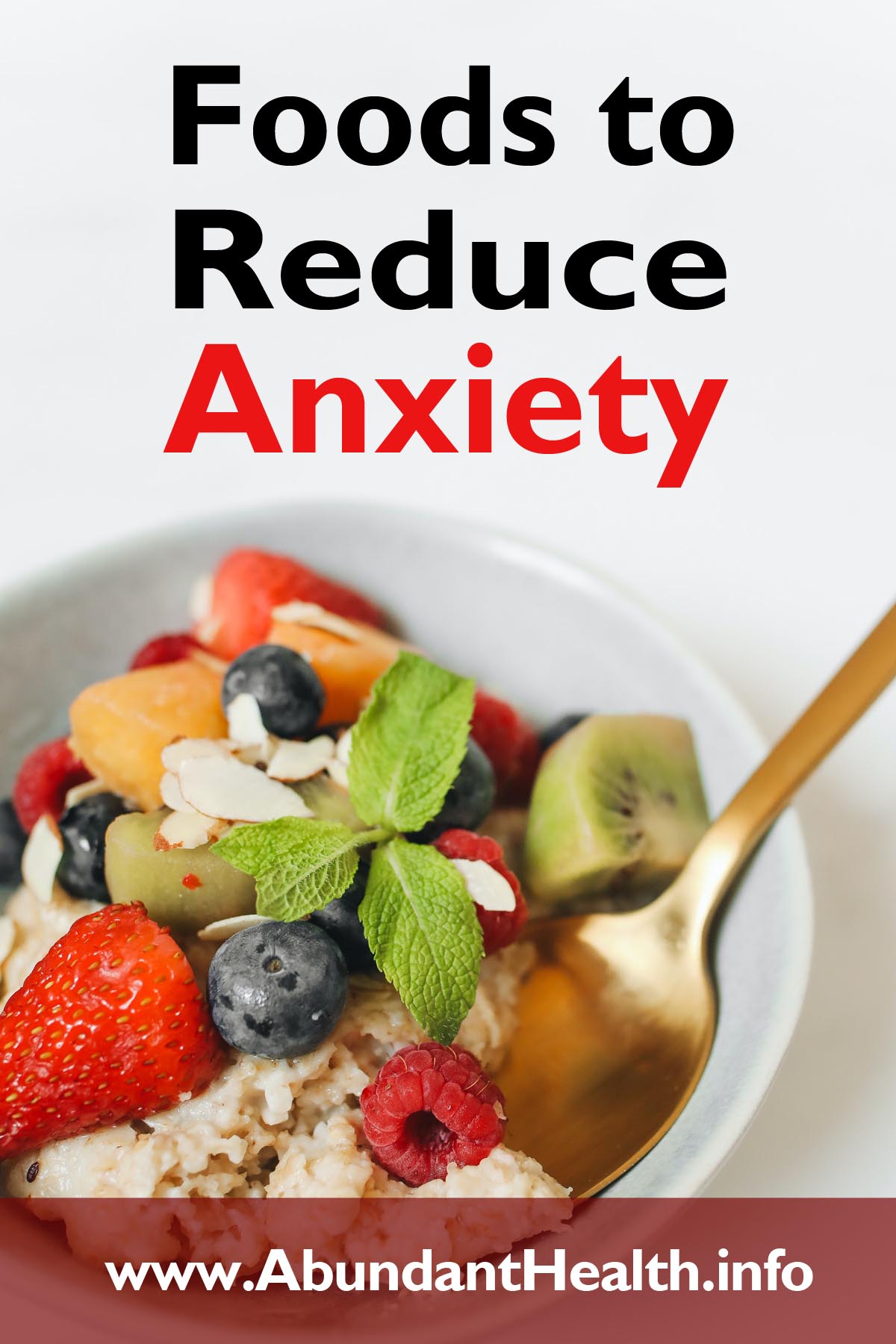
Foods to Reduce Anxiety

November 28, 2021 by Ricardo Vargas - [rt_reading_time label="Reading Time:" postfix="minutes" postfix_singular="minute"]

Alimentos que Ajudam Reduzir a Ansiedade

When talking about anxiety, we are not talking about a rare disorder, but something that affects 85% of the world population, according to recent studies by Psychiatrist Augusto Cury.

Foods to Reduce Anxiety

Anxiety is a biological characteristic of human beings, which precedes moments of real or imagined danger. In this context, many unpleasant symptoms appear, such as:

  • Fatigue
  • Insomnia
  • Fainting sensation
  • Chest pain and palpitations
  • Dry mouth
  • Muscle tension and pain
  • Sensation of having a “knot” in the throat
  • Mental confusion
  • Feeling of helplessness

These symptoms are not rare, a large part of the population has suffered from anxiety. And most people have difficulties following simple advice on this matter. However, a large part of this difficulty is linked to the lifestyle we lead, especially when it comes to food.

Cortisol is your stress hormone; the same that triggers anxiety. This hormone needs to be in balance with serotonin, which is responsible for happiness. The ingested food plays a fundamental role in the amount of these hormones circulating in the bloodstream.

Our nutritional patterns has undergone many changes over the last few decades. Many are claiming lack of time as the main reason. Commuting time has increased, which forces many to leave their homes without having the first and most important meal of the day: breakfast. Many meals have been taken outside the home, forcing people to eat what they find and not what they often want.

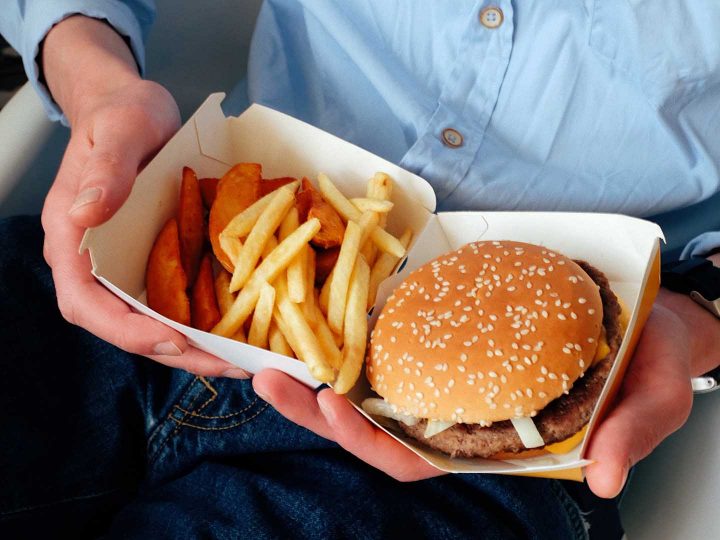
Fast food purchased on the go

Commitments beyond work have also increased, and often due to the difficulty of planning and managing time, the last meal is eaten late at night. The body is forced to work to complete digestion when it should be involved in regeneration processes. It is during the first sleep period that your body works to reduce cortisol. A late night meal rich in protein and fatty foods interferes with cortisol control. And, the only certainty we have is that the next day our anxiety level will be higher.

Our evening meal should be as close to sunset as possible, remembering that during summer the sunset is later and the last meal should be taken at least two hours before bedtime. At the last meal, we should prioritize the consumption of foods rich in carbohydrates, for example, fruits, oats or granola, toast and soups made from tubers or roots. Also be careful with the quantity.

Serotonin, the hormone that controls cortisol and consequently controls anxiety, is produced in the morning until 9 am. It is essential to eat foods that are rich in tryptophan at breakfast, as this is the raw material used by the body to produce this happiness hormone.

Include some of the following foods in your breakfast:

  • Oats or granola
  • Chickpeas, can be in the form of hummus
  • Soybeans in the form of milk or tofu (can be grilled or as a spread)
  • Peanuts (in natura, as milk or peanut butter)
  • Hazelnut
  • Cashew nut
  • Brazil nuts
  • Almonds (to be eaten fresh, as milk or as ricotta)
  • Brown rice (can be in the form of sweet rice)
  • Banana
  • Honey

Of those foods above, include two to three sources. Never eat more than one source of nuts at a meal so that there is no excess fat.

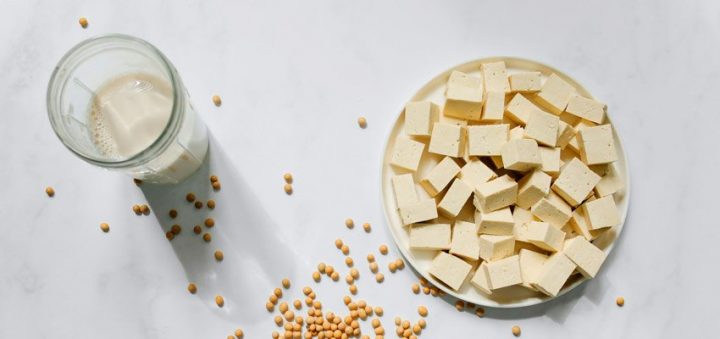
Tofu and soymilk

The inclusion of these foods will give the body the opportunity to produce serotonin, but it is essential to exclude foods that increase cortisol from the menu, or all the effort will be in vain.

Stop consuming the following foods, that include stimulants:

  • Coffee (even the decaf)
  • Green, black, red, yellow and white teas as well as mate tea (these are obtained from two plants called: Ilex paraguariensis and Camellia sinensis.)
  • Alcoholic beverages
  • Guarana
  • Cola soft drinks
  • Chocolate

These stimulants impair serotonin production and increase anxiety. Some may say that when they make use of these they feel better. Beware, this is a warning sign, as you may already be suffering from an addiction.

Some important considerations about serotonin production:

  • The intestine is the production site of serotonin, so it is important that it is working properly. Consume whole foods, fruits and vegetables. Increase your water intake. Remove refined foods from your table.
  • Sunbathing in the morning increases the stimulus for serotonin production, 20 minutes would be enough to bring this benefit.
  • The practice of physical exercise improves bowel function and even promotes greater production of serotonin when performed in the morning. Put on some sneakers and go out for a walk early in the morning. You will find that your day will be different.
Walk on the beach
  • A good night’s sleep helps control cortisol levels and prevents it from damaging the production of serotonin. Your efficiency will be better if you can sleep before 9:30 pm.

These recommendations are not intended to replace the use of medications or a consultation with a specialist, but they will help you to better deal with anxiety and the doctor will be responsible for reducing your medication or even taking you off, if he sees fit.

Food can have a powerful influence on our minds. Getting at least 15 minutes of exercise in the sun during the morning hours, going to bed early and adapting to the correct diet can help a lot in controlling anxiety. Help your brain and make the needed lifestyle changes today!

Recipes

Banana Oat Mufffins

  • 2 cups oat flour
  • 2 bananas
  • 1 Tbs psyllium
  • 1 Tbs dry yeast
  • 2 Tbs honey
  • a pinch of salt
  1. Dissolve the yeast in warm water and one spoon of honey for 10 minutes.

  2. Hydrate the psyllium seeds in warm water and stir until it dissolves.

  3. Mix the oat flour with the rest of ingredients, adding about 1 cup of water until reaching the desired consistency.

  4. Grease the muffin forms and pour the dough until half of the form.

  5. Let it rise until it doubles in size.

  6. Bake at medium heat for about 30 minutes.

Breakfast
American
Diabetic, Gluten Free

Peanut Oat Cookies

Delicious! Children will love these tasty cookies!

  • 3 cups oats
  • 1 pinch of salt
  • 1/3 cup honey
  • 1 cup roasted peanuts
  1. Beat the peanuts in a blender with a little water to form a cream.
  2. Pour into a bowl and put the remaining ingredients, mix well.
  3. Make cookies in the format you want.
  4. Bake in moderate heat until golden brown.
Dessert
Gluten Free, Vegetarian

Sugar Free Granola

  • 5 bananas
  • ½ cup peanuts or almonds
  • ½ cup raisins
  • 4 cups rolled oats
  • 1 coconut
  • 2 cups quick oats
  • ½ cup ground flaxseed
  • ½ cup ground sesame seeds
  • ½ cup sunflower seeds
  • 4 apples
  1. Put into a bowl the oats, with the ground sesame and flaxseed.

  2. Grate the coconut or shred it in the food processor.

  3. Blend 2 apples with a little bit of water and the 5 bananas. Mix with the rest of ingredients, so that the oats just get slightly damp.

  4. Spread out on 2 baking sheets, so that it results in a fine layer.

  5. Bake on low heat for about 1 hour until brown, stirring every 15 minutes. It may be still slightly humid, but after cooling down it gets crunchy.

  6. Cool down and add raisins and nuts. If desired, add some sugar free corn flakes.

  7. Keep in a jar with tight lid in order to maintain crunchy.

Breakfast
American
Diabetic, Low Fat, Vegan

Oat Pancake

  • 1 cup oats
  • 2 Tbs tapioca flour ((sweet))
  • 1 Tbs Brazil nuts
  • 1 Tbs flaxseed
  • 1 clove of garlic
  • ½ tsp saffron
  1. Blend all ingredients.

  2. Pour a fine layer in a pre-heated non stick frying pan.

  3. Wait until the pancake comes off and flip it over.

  4. Let it brown at the other side.

  5. Fill with your preferred filling.

Side Dish
American
Diabetic, Gluten Free, Low Fat, Vegan

Tofu

  • 1 cup soy beans
  • 2 lemons
  1. Soak the soybeans for 12 hours.

  2. Wash 3 times and rinse well. If you want, you can eliminate some of the skins that came off.

  3. Blend 1 cup of soybeans with 2 cups of water until it foams.

  4. Strain with a fine meshed cloth.

  5. Pour the milk into a pan and cook for 5 minutes on low heat after it gets to a boil, stirring frequently.

  6. If you desire a salty tofu, put 1 tablespoon of salt.

  7. Increase the heat and boil while stirring, until the milk is rising.

  8. Put the juice of 1 lemon for every liter of soymilk and give it a slight stir.

  9. Boil for 1 minute on low heat, turn off the heat and wait for another minute in order to curdle.

  10. Pour the curdled milk into a sieve and wait for the whey to drain.

  11. If you want a firm tofu, put a weight on top and leave for a few hours.

Store the tofu in the fridge inside a closed pot to prevent drying out.

Side Dish
Diabetic, Gluten Free, Vegan

Tofu Cheesecake

A plant based cheesecake version

  • 1 pineapple
  • 2 cups tofu
  • 3 Tbs cornstarch
  • 5 Tbs honey
  • 1 cup granola
  1. Blend the granola and mix with a little bit of water, until it binds.

  2. Grease a form and press the mass with your fingers on the bottom and the walls to form the crust.

  3. Peel a pineapple and cut in cubes. Keep a slice for decoration.

  4. Blend all ingredients, starting with the pineapple and adding tofu little by little.

  5. Pour over the crust.

  6. Season with lime zest and decorate with the pineapple slice.

  7. Bake on medium heat for 30 minutes or until brown.

Dessert
American
Gluten Free

Chickpea Joghurt

  • 1 cup chickpeas ((hydrated))
  • ½ cup dates
  • ¼ cup cashew nuts
  • 1 Tbs honey
  • 1 slice avocado
  1. Soak the chickpeas for 12 hours.

  2. Reserve some of the soaking water, then wash and rinse the chickpeas.

  3. Blend 1 cup of chickpeas with 2 cups of water.

  4. Strain with a cloth.

  5. Pour into a pot and cook for 2-3 minutes.

  6. Wait to cool down. Then add ¼ cup of the soaking water.

  7. Keep fermenting in a dark place, covered with a cloth, but not with a lid.

  8. Keep in the fridge until use, then blend with avocado, cashew nut and dates. If preferred, add a bit of honey.

  9. Serve if you like with a bit of granola.

Breakfast
German
Diabetic, Gluten Free, Vegan

Chickpea Flour Pancake

  • 1 banana
  • 1 cup chickpea flour
  • 2 Tbsp tapioca flour (sweet)
  • 1 Tbsp honey
  • ½ tsp salt
  1. Blend everything with 1 cup of water.

  2. Pour the right amount into the skillet and spread with a spoon or spatula.

  3. Wait until golden and forming bubbles. Loose the pancake with the help of a spatula to flip it over.

  4. Let the other side brown.

  5. Use your preferred filling. Serve still hot.

Hummus Spread

  • 9 oz chickpeas
  • 2 tsp Salt
  • 1/2 clove of garlic
  1. Soak the chickpeas for 8 hours.

  2. Rinse and drain.

  3. Cook the chickpeas for about 20 minutes, until you are able to prick them with a fork.

  4. Pour the chickpeas with some of the cooking water into the blender.

  5. Add garlic and salt.

  6. Blend until forming a homogenous paste.

  7. With a sieve you remove excess water in order to form a thick consistency for a spread.

  8. If desired, add a bit of lemon and mix it under.

Patés
Mediterranean
Diabetic, Gluten Free, Vegan

Filed Under: Anxiety, Mental Health, Nutrition

Mushrooms Can Do More than We Think

October 17, 2021 by Esther Neumann - [rt_reading_time label="Reading Time:" postfix="minutes" postfix_singular="minute"]

Pilze können mehr als wir ahnen

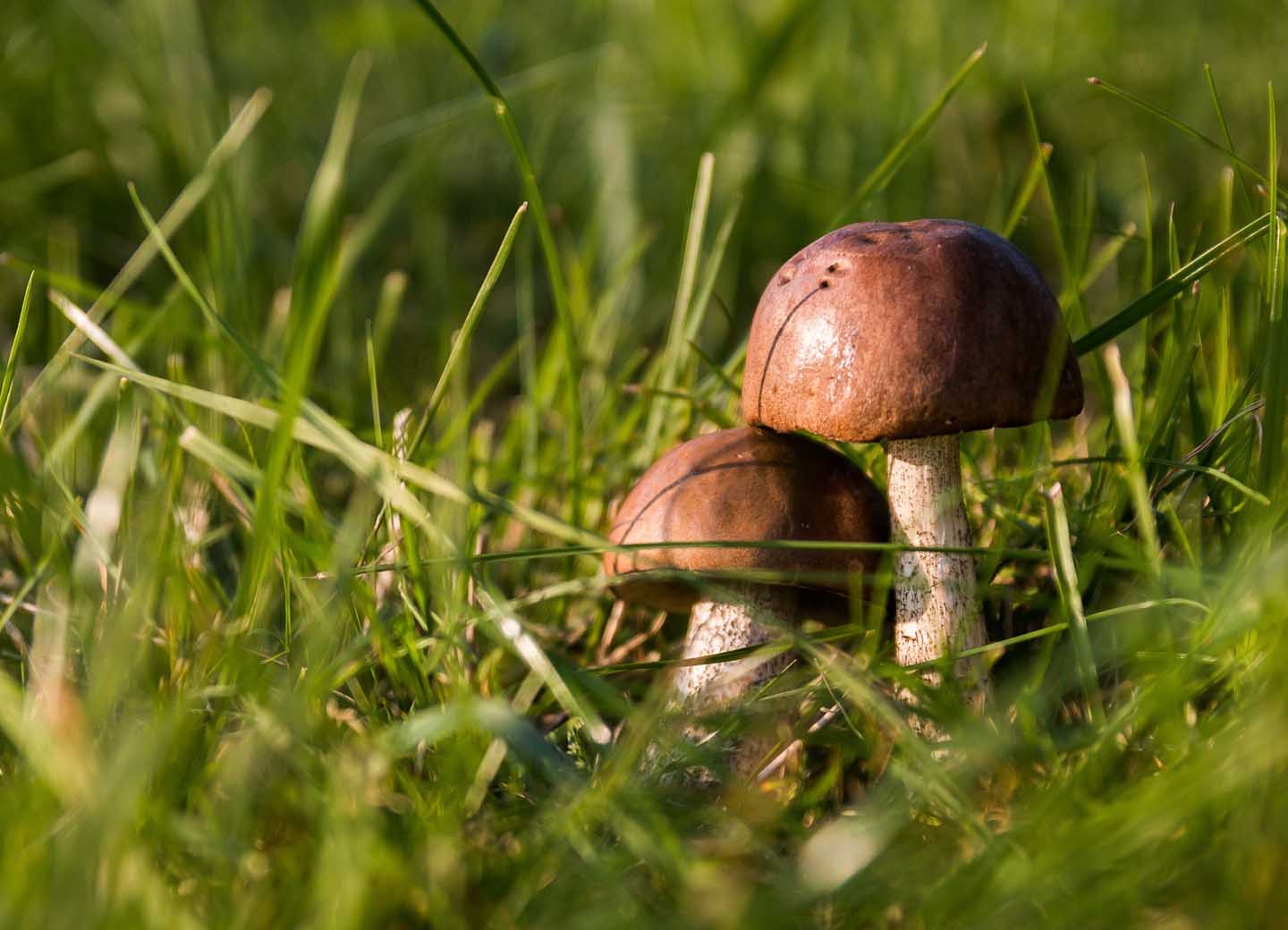
I can hardly believe my eyes. Is there such a thing as mushrooms that grow through snow and ice? I came across them while walking through my garden. On a tree stump that barely protrudes from the ground, they grow in a nicely formed cluster. The ocher yellow hats and velvet brown stems stand out clearly against the snow.

Mushrooms Can Do More than We Think

My mushroom book confirms it: The velvet-foot, Flammulina velutipes, grows from autumn to spring on dead deciduous trees. A search on the Internet and browsing through textbooks reveal even more amazing things about mushrooms.

Fungi form a kingdom of their own. They are neither plant nor animal. They include single-celled organisms such as baker’s yeast and multicellular organisms such as mold and edible mushrooms. In the past, they were counted among the plants. But their metabolism is closer to that of animals, which they aren’t either, because they can’t move. So they put them into their own group without further ado.

They could belong to the animals because they build up their carbohydrate stores like animals as glycogen and not like plants as starch. However, they distinguish themselves from animals because their cell walls and vacuoles are more like plants. But the plants, in turn, possess chlorophyll. This allows them to carry out photosynthesis, which mushrooms are lacking. So they are best accommodated in their own group.

In the Realm of Fungi

About 140,000 species make up the realm of fungi. The edible mushrooms known to us make up only a tiny fraction of fungi. In the past, the genera Penicillium, from which penicillin comes from, the Aspergillus species, being the causative agent of a lung disease, and the Saccharomyces, to which baker’s yeast belongs, have been very well studied. Edible mushrooms have only had a tradition as medicinal mushrooms in Asia. But the interest in edible mushrooms and their medically active ingredients is growing around the world.

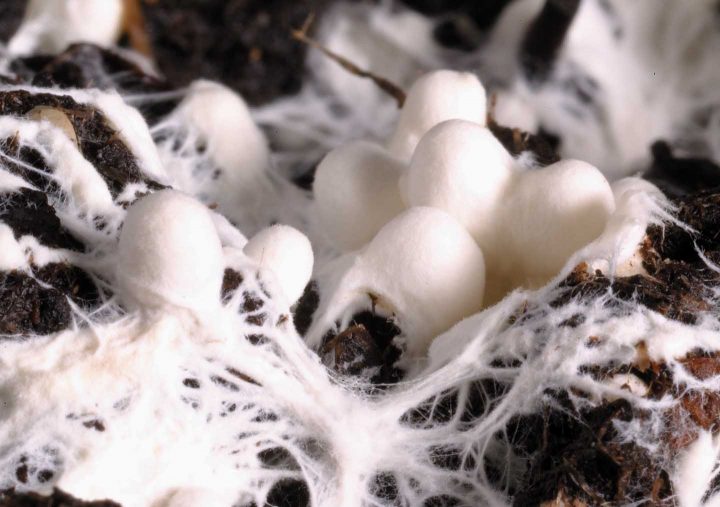
The mushroom as a fruiting body, i.e. what we call an edible mushroom, only grows when a female and a male gamete cell fuse together. Otherwise, fungi multiply asexually via spores or by dividing hyphae. There must also be enough moisture and there must be enough food for the mycelium, the actual, usually invisible mushroom body that is forming underground. With those correct conditions the long, microscopically thin cell threads, which are called hyphae, can compact, grow out of the soil or wood and create the typical fruiting body. Appearance and characteristics are crucial for a safe determination of the species. One observes the shape and color of the hat, the type of slats, pores or tubes, the stem, the environment in which the mushroom grows, the smell and much more.

Myccelium and fruiting body of  Champignons - Source: Wikimedia
Mycelium by Pradejoniensis via Wikimedia CC 3.0 BY

Edible Mushrooms

Our edible mushrooms grow either as symbionts with the roots of certain trees (porcini mushroom, chanterelles, truffles) or as saprophytes on wood or foliage (mushrooms, oyster mushrooms, shiitake). Saprophytic mushrooms are very easy to cultivate and are therefore important edible mushrooms for the market.

Composition and Nutrients

Like our various vegetables, the fruiting body of the mushrooms consists to a large extent of water. Also, the nutritional value is about the same. The protein content can be compared to that of legumes. The fat content is negligible. The high fiber content stimulates the bowel movement and increases the volume of the stool. It is precisely this fiber that is of great medical interest. They consist of soluble and insoluble components. The soluble ones have the same effect as the pectin from fruits. They form a gel-like substance in which some insoluble components are stored. In addition to stimulating intestinal activity, they can also lower cholesterol and blood sugar levels. They have an antiviral and antibacterial effect, thus fighting pathogens such as viruses and bacteria.

Be Healthy with Mushrooms

Ergosterol, a typical fungal sterol with a similar structure to our cholesterol, offers protection against colon cancer and can lower the cholesterol level. Mushrooms contain vitamin D and vitamin B12, two vitamins that are otherwise only found in animal foods. Vitamin D is particularly found in porcini mushrooms and morels, and B12 in champignon and some other species, although quantities are too low to meet your daily requirements. Mushrooms are also considered good sources of potassium, iron, phosphorus, manganese, copper and tin. In some mushrooms (oyster mushrooms, shiitake mushrooms) phenols have also been found that can scavenge free radicals. Mushrooms are therefore highly recommended foods that can be combined well with vegetables, cereals, rice or potatoes.

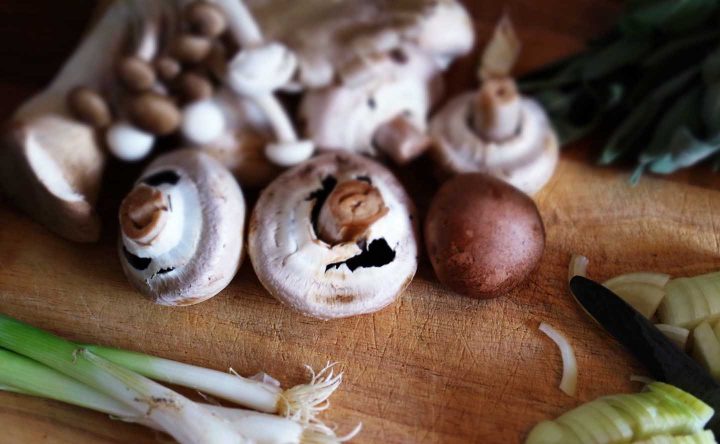
Preparing mushrooms - Photo by Paula from Pexels

Mushroom Intolerance

Mushrooms should not be eaten raw. They may contain hemolytic substances. These destroy red blood cells. However, they are eliminated by cooking. The digestibility of the mushrooms also increases by boiling them. However, some persons have congenital fungal intolerances. A rather rare type of sugar, trehalose, is found in many mushrooms. Some people do not have the appropriate enzyme to break down trehalose. They get diarrhea and stomach pain after eating mushroom dishes, even if they are not toxic.

Polysaccharides in Fungi

Fungi have cell walls made of polysaccharides, mostly made up of glucose chains. Pullulan is one representative, which is obtained on an industrial scale and used as a starch substitute. It is often added to energy-reduced foods, as it cannot be broken down by amylases, and therefore not being absorbed by the body. It can also be pressed into transparent foils, being used as a biodegradable packaging material. It is also used in oral care products, pharmaceuticals, photography, lithography and electronics.

Therapeutic Ingredients

Other polysaccharides such as Lentinan or Krestin are used in Japan and China in tumor therapy in combination with chemotherapy and radiation therapy. The mechanism of action is still being researched. We know that those substances have immune stimulating properties, which may contribute to their beneficial effect in cancer treatment.

In East Asia and the USA, mushroom extracts are advertised as “immunoceuticals”, orally available substances that benefit the immune system. However, most of the current research is done for cancer treatments, and knowledge for other immune stimulating applications is still rudimentary and safe doses of concentrated extracts are not clearly established. It is foreseeable that those products will reach popularity around the world, being sold in capsule form, often for exorbitant prices. Those who benefit the most will be probably the ones selling those lucrative products.

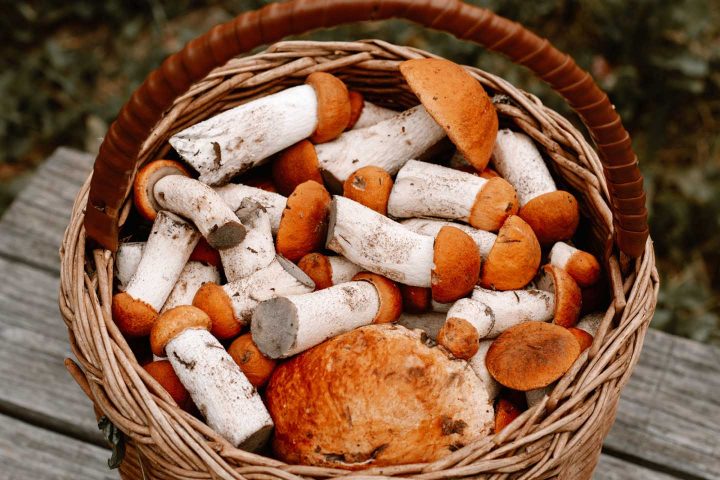
A basket of picked mushrooms - Photo by Irina Iriser from Pexels

Although specific species will have specific properties, I can still get a significant benefit by drying my porcini mushrooms collected in the woods, chopping them up in a kitchen grinder and using the powder to thicken soups and sauces. Often this mushroom powder can substitute a high-fat roux, which is popular in French Cuisine as a thickening agent. In addition, we should not underestimate the therapeutic value of our mushrooms. Take the time and make a search in your forest for some delicious mushrooms!

Healthy Fruits

Stay Always Up to Date

Sign up to our newsletter and stay always informed with news and tips around your health.
Sign Up Now!

Filed Under: Nutrition

It Pays Off to Crack Your Nuts

October 3, 2021 by Esther Neumann - [rt_reading_time label="Reading Time:" postfix="minutes" postfix_singular="minute"]

Nüsse knacken lohnt sich immer

“Let your food be your medicine and medicine be your food!” This phrase from Hippocrates applies particularly to nuts in all their different forms.

It Pays Off to Crack Your Nuts

Nuts are concentrates of nutrients and active ingredients. High-quality fatty acids, proteins, essential vitamins as well as minerals and trace elements – all of this can be found in nuts. Although they are quite caloric, if you consume them in moderation they will not make you fat. You do not need to count the calories if you replace meat and meat products with nuts. In addition, individual types of nuts have special dietary and curative properties.

You don’t have to go without nuts because you might get too fat. It is true that nuts are very high in fat. But this fat consists mainly of monounsaturated or polyunsaturated fatty acids that are used for various body functions and are therefore not stored in the fat cells. They’re far too precious for that. They are used to isolate nerve cells and protect blood vessels. They give the brain the right support and energy. It is not for nothing that nuts are part of a trail mix widely known as student fodder in German. If we don’t snack on nuts, but use them to replace unhealthy foods at your meals, we don’t need to be afraid of their high fat content.

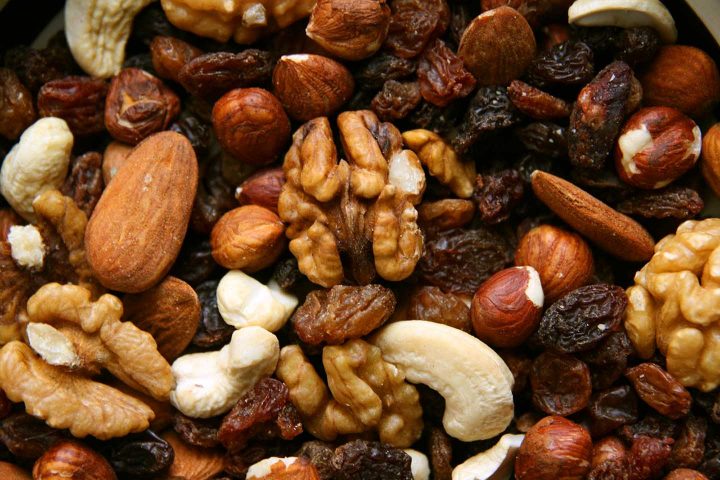
Student Fodder

The mineral content of nuts is very high, much higher than that of most fruits. They are especially a good source of Phosphorus, sulfur, potassium and magnesium. The expert can see right away that nuts are therefore good for the nerves, helping to substitute lecithin that is getting used in intellectual work. However, athletes, pregnant women and growing children also benefit greatly from the nuts because of the high amounts of calcium and iron. Student fodder is a mixture of nuts and dried fruits, especially raisins. The dried fruits provide the necessary carbohydrates. Protein and fat come from the nuts. A pack of trail mix can replace in a healthier way a visit to a sausage stand.

Student fodder with raisins and various kinds of nuts.

Nuts are Far Superior to Meat

Nuts contain an almost complete high-quality protein. They are only deficient of the two amino acids methionine and lysine. If we complement nuts with legumes, this deficiency is also fixed. Nuts are preferable to meat for many reasons:

  • Nuts are free from metabolic waste in animals. They contain neither urea, nor uric acid, or cholesterol.
  • Nuts are free from parasites such as trichinae or tapeworms.
  • Nuts are not contaminated with harmful hormones from livestock breeding or the pre-slaughter stress.
  • Nuts are free from harmful bacteria, which can frequently be found in meat during the warm season.
  • Nuts can be eaten raw, meat usually has to be cooked for a long time
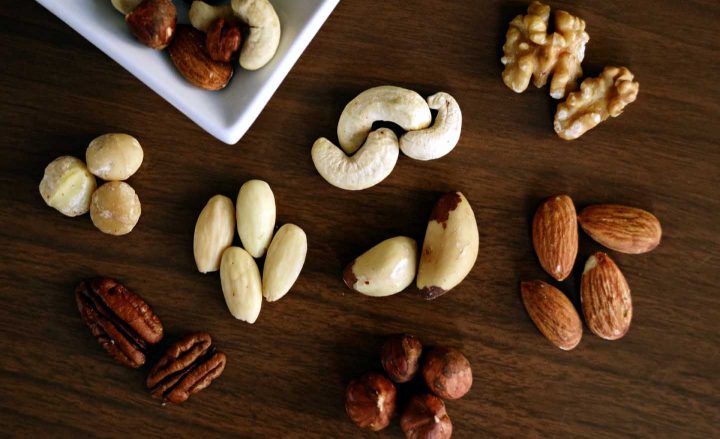
An assortment of nuts

Of course, nuts have to be handled properly too. They also have an expiration date. They can go rancid. They can contain aflatoxins, especially peanuts. These are poisonous excretions from mold. That is why you always have to pay attention to the quality of goods when buying. When buying trail mix, check that the nuts don’t look rancid or are even moldy.

Nuts for Your Heart

Many studies reveal: nuts are good for the heart. They reduce the risk of coronary artery disease and stroke. They lower the cholesterol level. They provide energy for the heart, because the heart prefers to use fatty acids as an energy source. We should consume around 40g of nuts per day, alternating between the different varieties. Each variety has something special to offer.

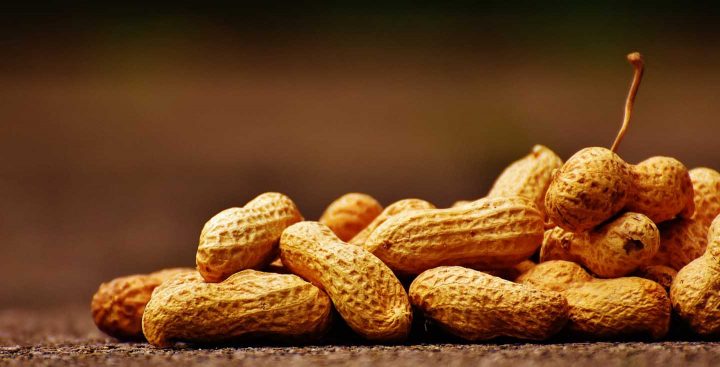
Peanuts

Actually, they are legumes. But because of their high fat content we’ll treat them together with the nuts. They are the healthiest ingredient in the Santa Claus bag. Nibbling peanuts can help prevent tooth decay. After eating peanuts, a neutral pH value is measured in the oral cavity. This means that the microorganisms that cause tooth decay cannot find a breeding ground. Some people show though some allergic reactions on consuming high quantities of peanuts.

Peanuts

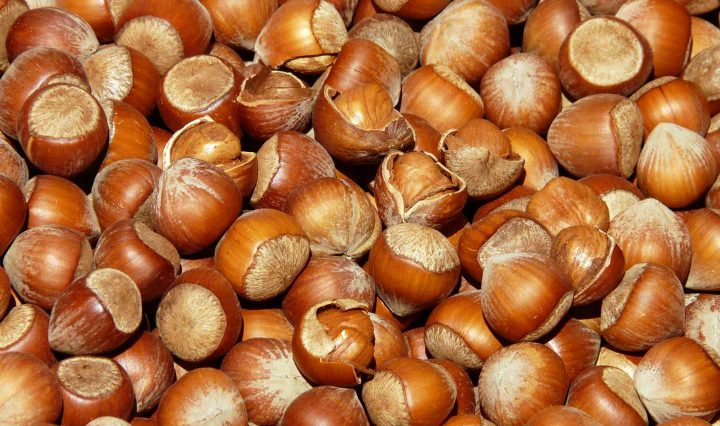
Hazelnuts

Hazelnuts overshadow milk and eggs in terms of nutrient density. Hazelnuts give the Christmas biscuits a special touch and strengthen the nerves. The nutrients in nuts can be best absorbed when they are processed into nut butters. Then they are optimally ground. Otherwise you would have to chew them for an extremely long time to achieve the same benefit.

Hazelnuts

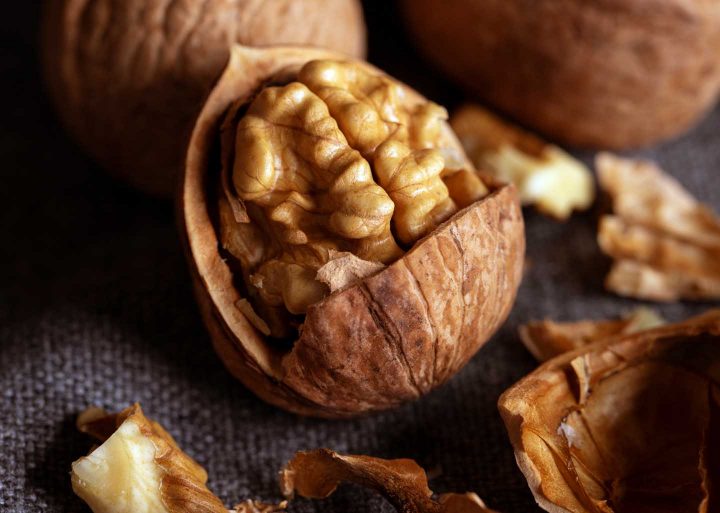
Walnuts

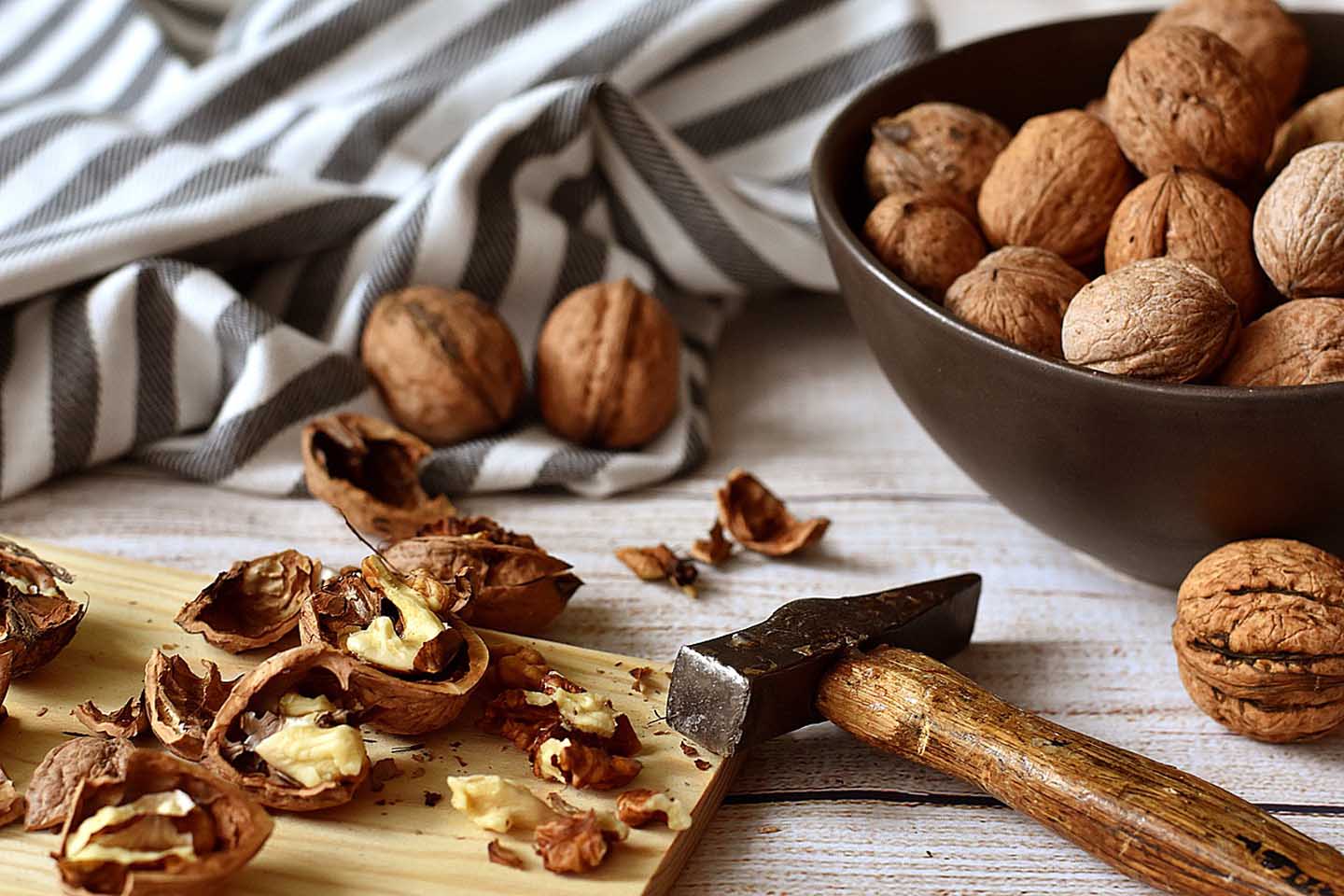
There is a huge walnut tree in many house gardens. Let us take advantage of this wonderful gift of nature. The walnuts you have collected yourself have to be dried very well so that no mold can form. If you nibble a few walnuts every day, you protect your blood vessels and heart, because walnuts have a high content of beta-sitosterol. This hormone-like phytocholesterol also protects the prostate against tissue growth and swelling. It also helps keep the bladder functioning properly. The shape of the nut gives us a hint that it could be good for the brain. And really, it helps to keep your brain sharp as you age.

Walnut - Photo by saeed from Pexels

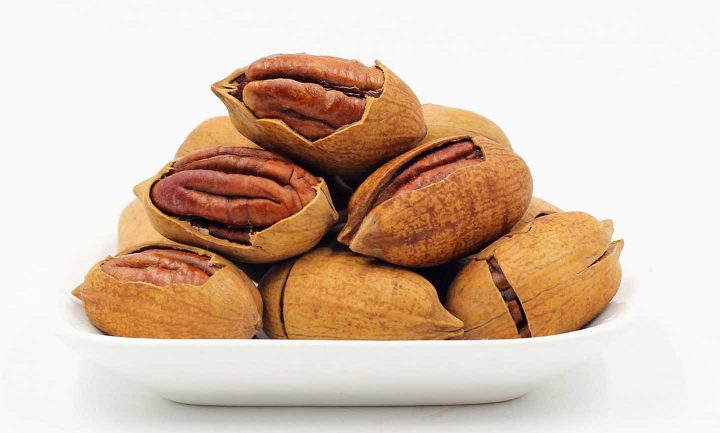
Pecans

Pecans are a good source of calcium, magnesium, and potassium, which can help control your blood pressure. Pecans contain also Omega 3 and other anti inflammatory properties, helping to control arthritis and many other diseases. They help improve the immune system, protect from cancer and prevent Alzheimer and Parkinson.

Pecans

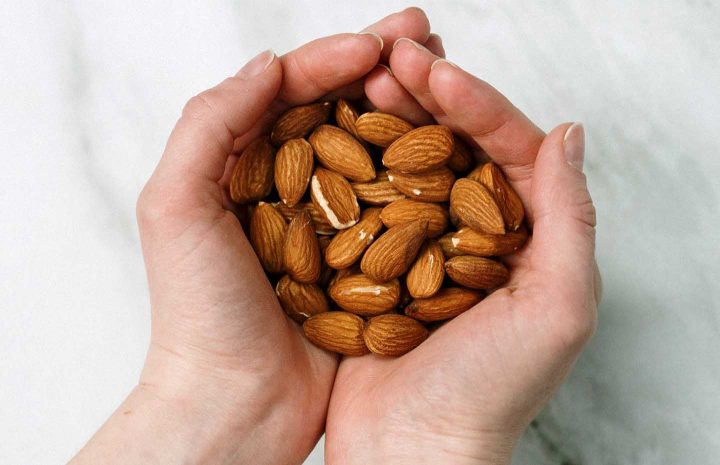
Almonds

Almonds are rich in calcium and phosphorus, also containing significant amounts of magnesium, iron and potassium. These minerals are present in the almond in a good ratio for maintaining nerve functions. Regular consumption of almonds prevents depression and strengthens nerves and muscles.

Almonds

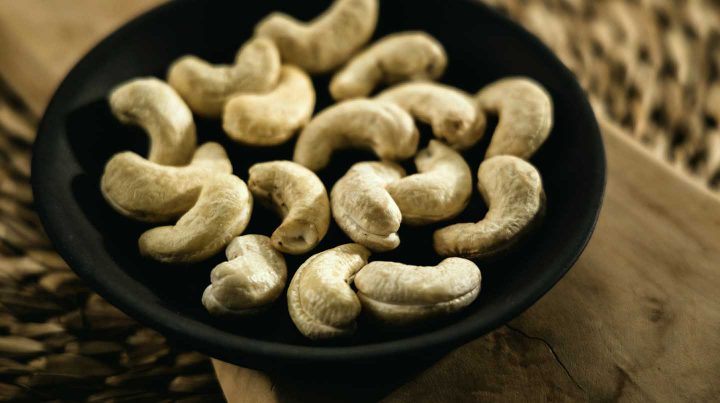
Cashew Nuts

Cashew nuts are beloved around the world for its rich flavor. In spite of having some saturated fats, like most nuts they contribute to lower cholesterol and protect the heart. Studies suggest that some cashew nuts in your diet can be helpful for your weight control, probably because they help in satiety control. They contain an antioxidant that helps protect the eye from harmful UV rays. Cashew oil is good for the skin and eating cashews or applying the oil on the scalp gives shiny hair.

Cashew nuts - Photo by Engin Akyurt from Pexels

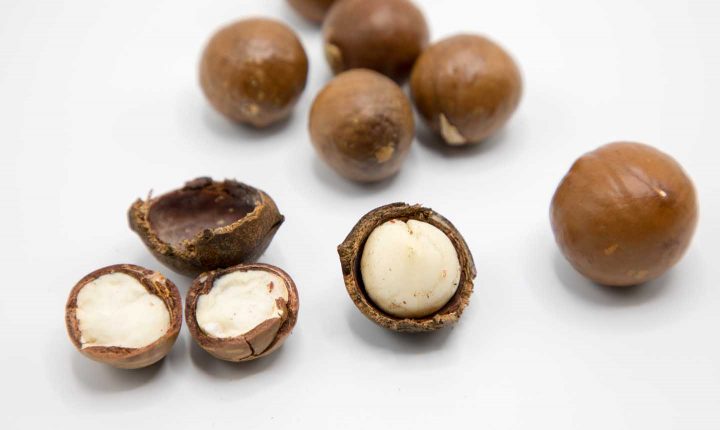
Macadamia Nuts

Those nuts are one of the highest in fat content. They contain though some monounsaturated fatty acids that are not readily available from other food sources. They are the type of fatty acids that can help improve diabetes and metabolic syndrome, some of them may even help to prevent excessive weight gain. Macadamias have one of the highest flavonoid levels amongst the nuts, helping to lower cholesterol. Furthermore, they have a form of Vitamin E that protects against cancer, Alzheimer and Parkinson.

Photo by Tony Wu Photography from Pexels

Brazil Nuts

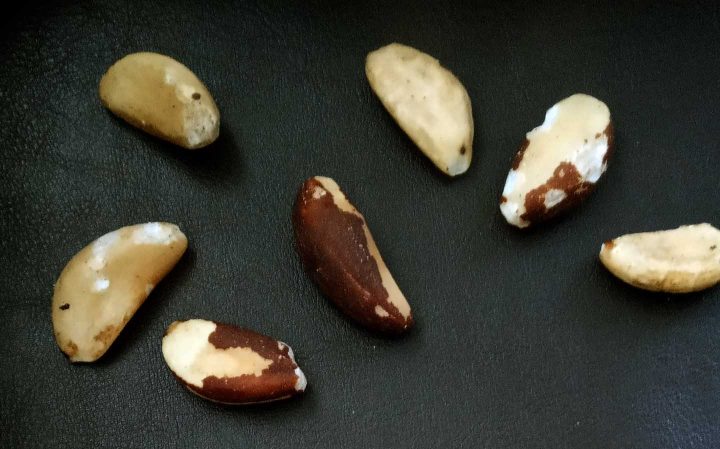
This nut is the top candidate among all foods in terms of selenium levels. Eating just two Brazil nuts usually covers the daily selenium requirement. However, the selenium content can vary greatly depending on the place of origin. Especially in areas with selenium deficiency, it is advisable to regularly incorporate this nut into the diet. It can also help to protect against certain types of cancer.

Brazil Nuts

Pistachios

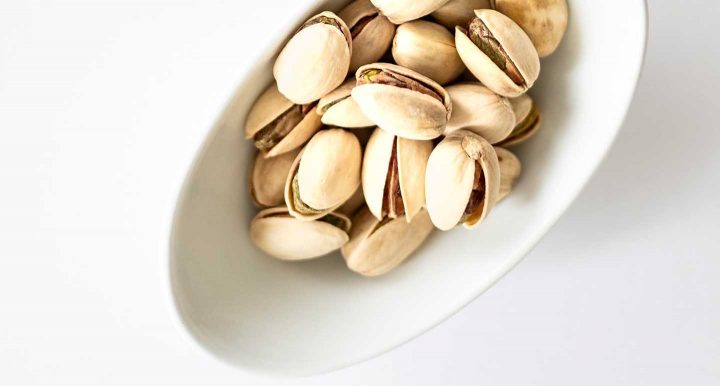
Besides Walnuts and Pecans, pistachios are among the nuts with the highest antioxidant content. Some of them are important for healthy eyes. Amongst the nuts, they are one of the lowest in calories, which makes it a good option for weight control. Besides that, if you buy them with shells, you will take more time to eat them. That helps you to have a better control over the quantity you eat.

Pistachios - Photo by paul wence from Pexels

Coconuts

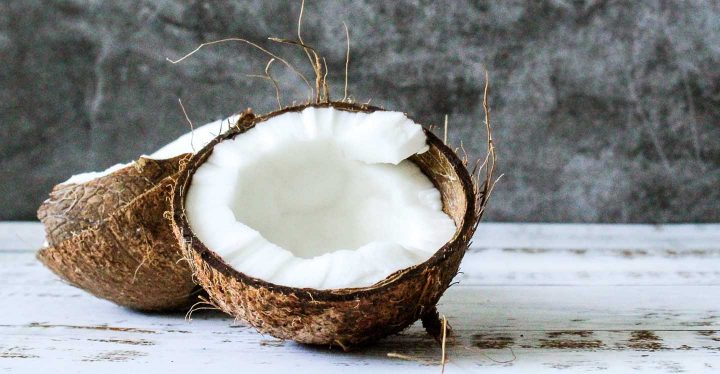
Coconuts are high in saturated fatty acids. In contrast to animal fats, however, these are medium-chain fatty acids that are much easier to digest. Studies have shown that these types of fatty acids can increase the endurance of athletes. They also have antibacterial properties which are beneficial in dental hygiene. They can also boost fat burning, which may help a little bit with weight control.

Coconut - Photo by Tijana Drndarski from Pexels

Each type of nut has its own specific advantages. That is why we would do well to vary our types of nuts from time to time. There are many more species than we were able to cover in this short article. Again: It pays off to crack your nuts!

Healthy Fruits

Stay Always Up to Date

Sign up to our newsletter and stay always informed with news and tips around your health.
Sign Up Now!

Filed Under: Nutrition

Seven Foods to Reduce Stress

September 12, 2021 by Martin Neumann - [rt_reading_time label="Reading Time:" postfix="minutes" postfix_singular="minute"]

7 Foods to Reduce Stress

Just thinking about all the chores that are building up, the errands you have to run, the looming work deadlines and the social demands on your overbooked calendar can run you ragged. Talk about stress!

Seven Foods to Reduce Stress

If left unchecked, stress can lead to many health problems, including heart disease, diabetes, obesity, and high blood pressure. Not to mention stress can also take a toll on your thoughts and behavior.

When life gets hectic and we’re feeling stressed, we tend to put healthy eating on the back burner. But heading to the vending machine or grabbing a meal at the drive-thru won’t alleviate the stress in your day.

To combat stress levels, take a look at what you eat. It may actually help relieve your tension. In fact, certain foods can help stabilize your blood sugar levels, can lower your cortisol and change your emotional response to stress.

Here are seven foods you can eat to reduce stress.

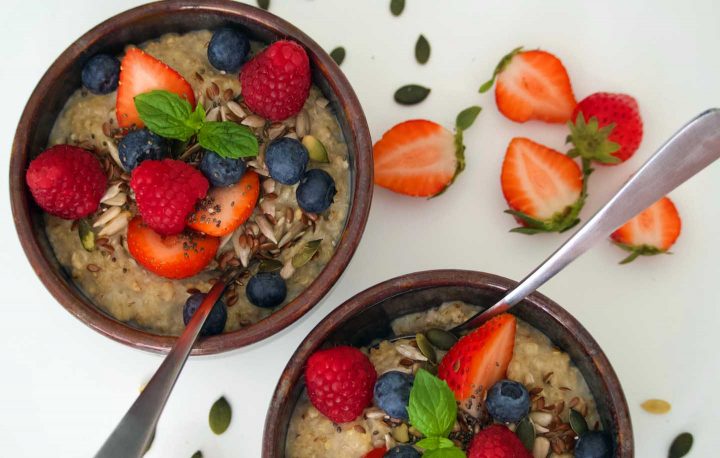
1. Oatmeal

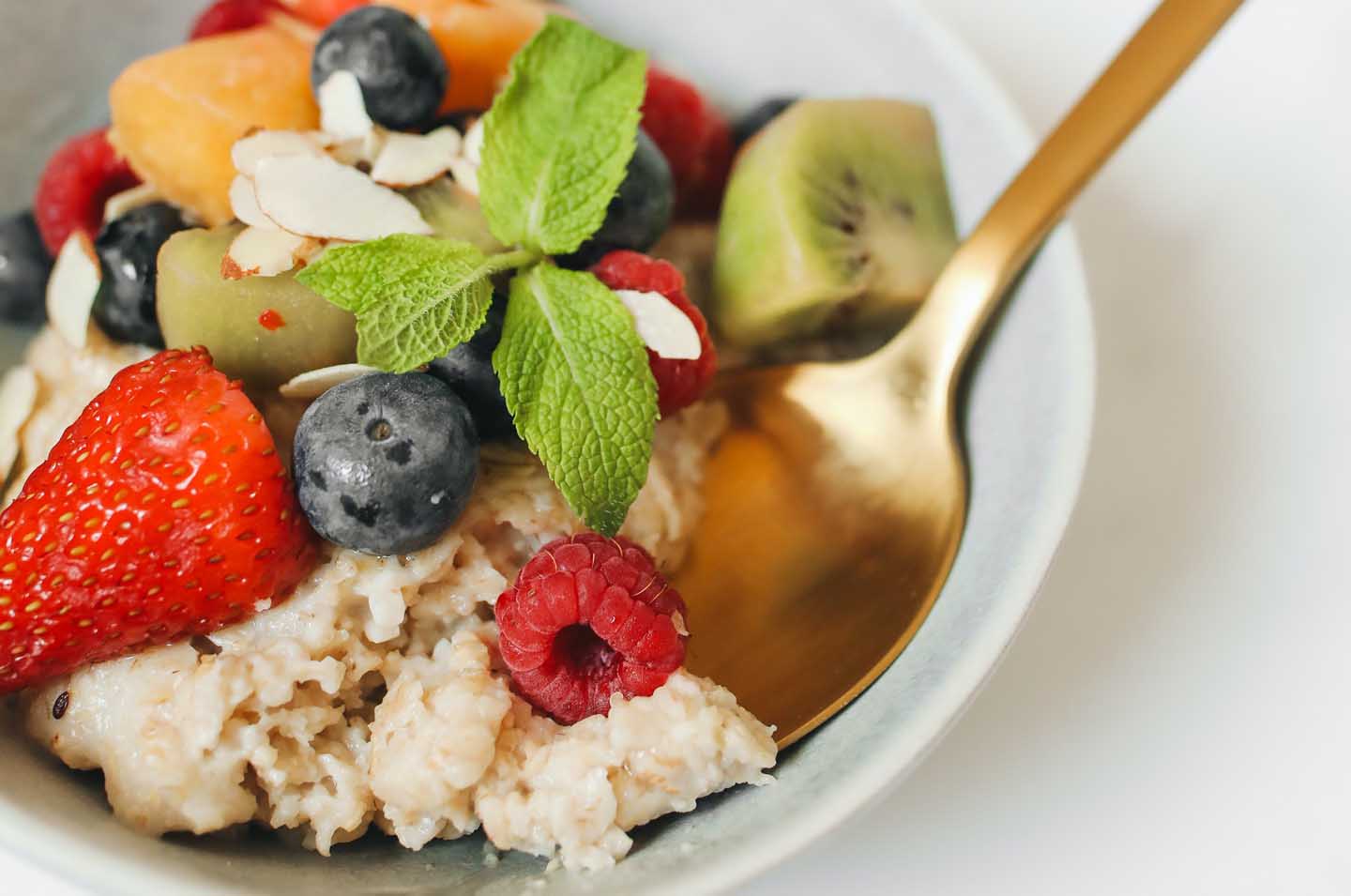
This slow burning breakfast food is the perfect comfort food. It stimulates your brain to produce the feel-good chemical serotonin, which is antagonic to the stress hormone cortisol. Increasing serotonin will help you keep your cortisol level low.

A bowl of oatmeal wit fruits - Photo by Thiea Alhoz from Pexels

The soluble fiber in oatmeal keeps you fuller for longer as it provides a slow burn, maintaining your glucose level more stable throughout the morning. It’s sure to help you stave off stress and stay focused throughout your morning.

When we’re stressed our blood pressure can become elevated. A study published in the American Journal of Clinical Nutrition found that a diet which includes whole grains such as oats can lower blood pressure. Actually, all forms of whole grains like whole wheat bread, brown rice or whole wheat pasta will give you the same kind of benefits.

2. Brazil Nuts

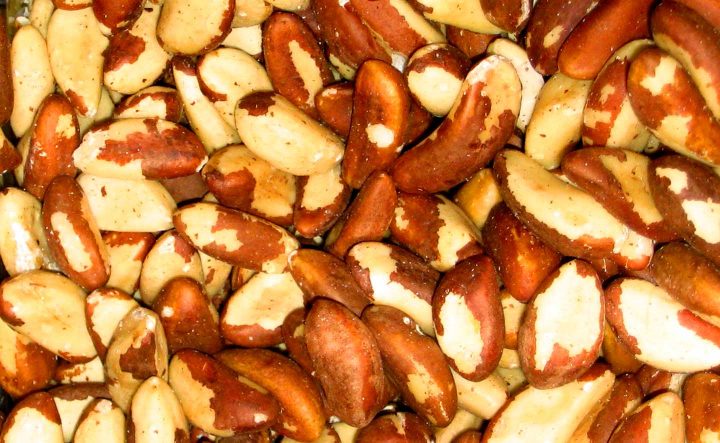
This nut from the Amazon Rainforest is one of the best food sources of selenium. This mineral is an essential element to calm your nerves, alleviate fears, improve your mood and increase your energy levels. Besides that, selenium can help to improve your immune system. It is also important for proper thyroid function, cancer prevention and protects the body in many other ways. A consumption of 3 or 4 nuts will give you an adequate amount of selenium for the day.

Brazil Nuts - Source: Wikipedia

3. Flax Seeds

This superfood is an excellent source of magnesium which may help regulate emotions, alleviate depression, combat fatigue and minimize irritability. Magnesium can also help fight PMS!

Flax seeds contain Omega 3, which is helpful for inhibiting inflammation and is great for cortisol reduction. Furthermore, it may improve mood by helping neurons to communicate with one another. Studies also showed a reduction of anxiety with the consumption of Omega 3.

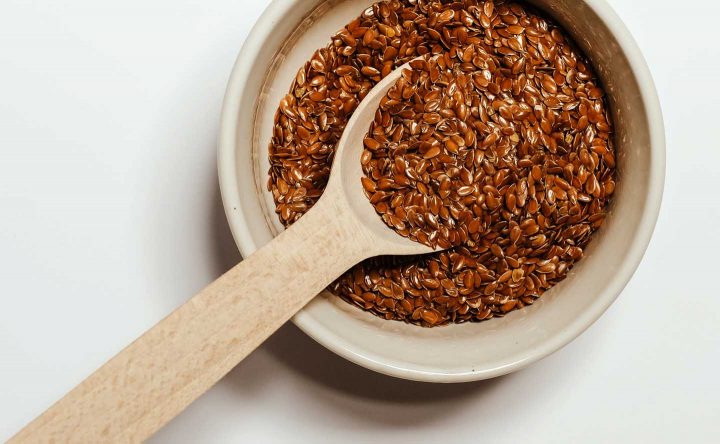
Flaxseed is absorbed best, if you grind the seeds shortly before consumption. It is good to grind only what you consume in 2-3 days. Use a tablespoon daily in your food, over your salad, and in bakeries like bread and cakes. Mix 8 parts of toasted and ground flaxseed with one part of salt, and you have an excellent spicing for your salad plate.

A bowl of flaxseed - Photo by Vie Studio from Pexels

You can also include other omega-3 rich foods in your daily diet such as chia seeds, walnuts, wheat germs, tofu and cauliflower.

4. Citrus Fruits

Instead of reaching for sugary treats during stressful times, why not choose oranges, kiwis, some berries or any citrus fruit? Vitamin C can help slow down your body’s production of cortisol while also quickly clearing it from your bloodstream.

Vitamin C is also beneficial for the prevention of blood pressure spikes that usually occur as part of your body’s response to stress.

Get a good amount of citrus fruits in your diet. Citrus reduces levels of the stress hormone norepinephrine, thus making us feel much better.

5. Garlic

A Japanese study discovered that garlic is effective in reducing cortisol levels. Garlic is also a good source of antioxidants, strengthens the immune system and helps to lower blood pressure.

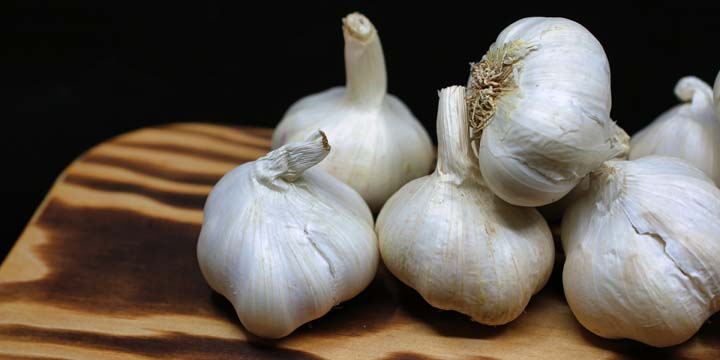
Garlic has lots of protective phytochemicals. Photo by Nick Collins from Pexels.

6. Microgreens

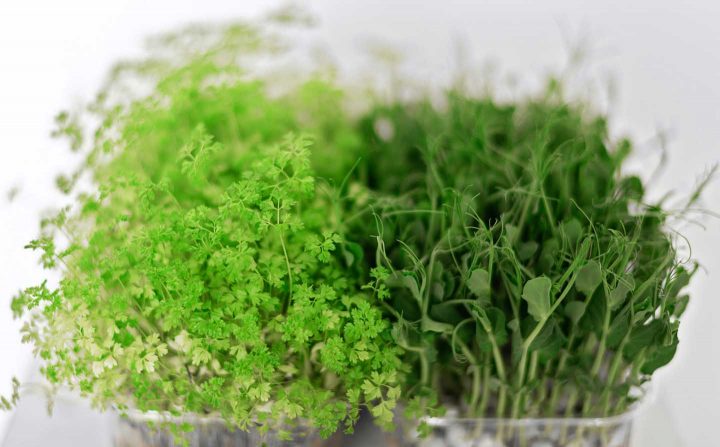
Microgreens are salad greens picked very young, usually soon after the first leaves have formed. The great thing about microgreens is that they contain higher concentrations of stress-busting vitamin C. Young cilantro and baby red cabbages contain up to six times more vitamin C than their mature versions.

If you have the time and space, growing your own microgreens is a good way of bringing nature into your home and of making nutrition just a hand-pick away. If not, they are usually readily available in the produce section of the supermarket, as they are highly sought for their nutritive, taste and garnishing qualities.

Microgreens in a bowl - Photo by Mikhail Nilov from Pexels

7. Cashews

These kidney-shaped nuts are a good source of zinc which is a critical mineral that can help reduce anxiety symptoms such as irritability and lack of focus. Other good sources of zinc are sesame, flax seeds, Brazil nuts, chickpeas and lentils. Cashews are also a source of magnesium which is good for your emotions. You can easily add a few nuts for breakfast, or use them to decorate your salad at lunch.

Conclusion

In recent years science has discovered more and more links between the foods we eat and the way we feel. We have given you seven examples of foods you can add to your diet, that can help you relieve stress and improve your health and wellbeing. Actually, using plenty of plant-based food sources, the way that God has created them, will give you a lot of benefits for your health and mental well-being. Try it out for yourself!

Do you need a guide to help you understand how to cope with Stress in an all inclusive approach? Learn how to combat stress, mentally, physically, emotionally and strategically in your life.

Get Me the Guide

What food do you turn to in times of stress? Share it with us in the comments.

Filed Under: Mental Health, Nutrition, Stress Management

Celiac Disease – An Intestinal Problem

September 5, 2021 by Esther Neumann - [rt_reading_time label="Reading Time:" postfix="minutes" postfix_singular="minute"]

Zöliakie - eine Darmerkrankung

Celiac disease is a condition like a chameleon. The symptoms are very versatile and the number of unreported cases is high. About one in every hundred is affected. It can take years for the correct diagnosis to be made. If the disease is not detected in time, it leads to severe malnutrition with many secondary diseases such as osteoporosis, anemia, tooth enamel damage, muscle spasms, edemas and even cancer.

Celiac Disease - An Intestinal Problem

Definition

Celiac disease is a chronic disease. It breaks out after the consumption of the pathogenic substance gliadin, which is one of the components of gluten. Of course, gluten is only pathogenic if there is an intolerance. With the technical term, the disease is called “gluten-sensitive enteropathy”. Very specific types of protein from wheat, rye, triticale, barley, oats, spelt, einkorn, emmer and kamut lead to damage to the mucous membrane of the small intestine, called villous atrophy.

The surface of the small intestine is greatly increased by villi and crypts, so that it can come to an intimate contact with the chyme. This allows the nutrients to be optimally absorbed. In patients with celiac disease, incorrectly composed protein bodies are found in the innermost lining of the intestinal wall. Gliadin, a type of protein from the cereals, is bound to these. This either has a direct damaging effect or it leads to a defensive reaction against the gliadin-carrying body cells with subsequent damage to the intestinal mucosa. The villi regress strongly, making the absorption area for the nutrients much smaller.

The cereal proteins lose their pathogenic properties neither through cooking nor through enzymatic breakdown in the gastrointestinal tract. Genetic conditions favor the development of the disease. The white race is the main target of the disease, and prevalence differs widely from country to country. A study in the US found a prevalence of 1 case in 133 persons of the general population.((Fasano A. et.al. Prevalence of celiac disease in at-risk and not-at-risk groups in the United States: a large multicenter study. Arch Intern Med. 2003 Feb 10;163(3):286-92. DOI: 10.1001/archinte.163.3.286 )) A UK study found a prevalence of 1 in 166.(( El-Hadi S, et.al. Unrecognised coeliac disease is common in healthcare students. Arch Dis Child. 2004 Sep;89(9):842. DOI: 10.1136/adc.2003.041459 )) In Australia it seems to be 1 in 70. It is very rare in Japan and sub-Saharan Africa.

The Clinical Presentation

The disease can occur at any age. There are two distinct peaks. One occurs in infancy, the other between the ages of 30 and 40. Girls and women are more often affected. Diagnosis is quicker in toddlers than in adults, because the pathogenic types of protein are usually introduced into the diet between the ages of 4 and 6 months in the form of cereal porridge, biscuits, crackers and bread.

A toddler eating a cereal - Photo by Yan Krukov from Pexels

In case of intolerance, the symptoms become visible after a few weeks or months. The toddler no longer thrives and there is no weight gain. Often it unlearns what has already been acquired. The thin arms and legs and the missing buttocks stand in striking contrast to the bloated belly. The stools are mushy, bulky and smelly. The face remains round for a long time. The skin color is pale.

What happened? The intestinal villi have largely disappeared. The size of the surface of a healthy intestine could be compared to a tennis court, that of a patient with untreated celiac disease to a table tennis table. This leads to severe deficiency symptoms because the nutrients such as protein, fat, carbohydrates, vitamins and minerals cannot be absorbed in the required amount.

 Diagnosis in adults is more difficult. Often, he wanders from one examination to another, is treated for various diseases such as lactose intolerance, osteoporosis or anemia. The typical textbook picture of the disease usually only appears at a late stage. Silent celiac disease is also known, in which the course is symptom-free and there is still a change in the mucous membrane.

Diagnosis

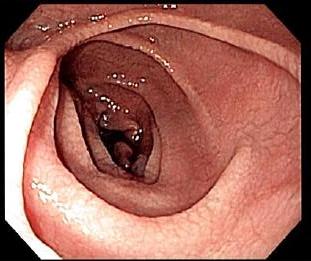
The most important diagnostic measure is the direct examination of the intestinal mucosa. In the past a small metal capsule attached to a thin tube was swallowed in order to extract a tissue sample. Today an endoscopy is used to examine the appearance of the duodenum and obtain 4 to 8 samples for biopsy. A microscopic examination can determine whether there is damage to the mucous membrane or not. Immunological tests support the diagnosis. In case of disease, antibodies to gluten are found in the blood serum. Other deficiencies in the blood can also be detected, such as iron, hemoglobin, vitamin and mineral deficiencies. The diagnosis of celiac disease is then the sum of all the available information.

Endoskopie von einem Zwölffingerdarm mit Zöliakieschäden - Foto by Samir from Wikipedia
Endoscopy of a duodenum with celiac damage. Samir at wikipedia, CC BY-SA 3.0

Treatment

Basically, the treatment consists in avoiding the substance recognized as harmful, and this for life. With a gluten-free diet, the mucous membrane of the small intestine gradually recovers and can then no longer be distinguished from a healthy one. However, in adults, recovery can take much longer than in children, who have a much higher rate of cell renewal.

It is difficult to avoid all foods containing gluten. For this reason, working groups have been formed in many countries that have meticulously asked the manufacturers for the exact formulations of many products. The results are summarized and continuously updated in thick manuals with many grocery lists, as the aim is to avoid even the tiniest traces of gluten.

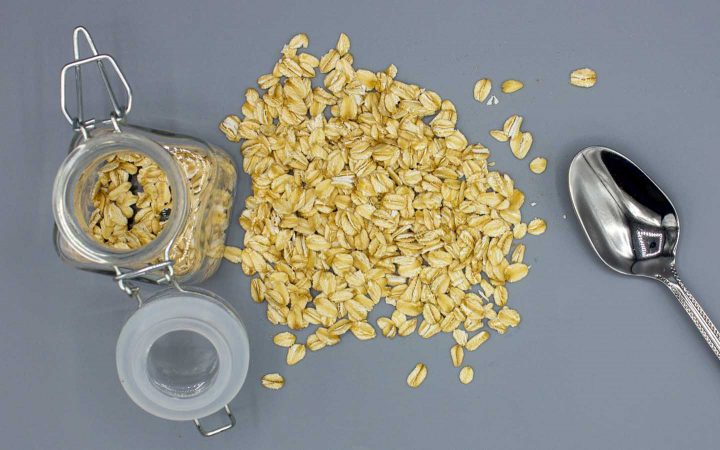
There are gluten free oats on the market that are free from gliadin contamination, but they still contain avenin which can trigger an inflammatory response in some susceptible people. If you do not want to do without oats, a new biopsy should be done after three months of use. In case of doubt it is safer to avoid oats altogether.((Oats and the gluten free diet. Coeliac Australia))

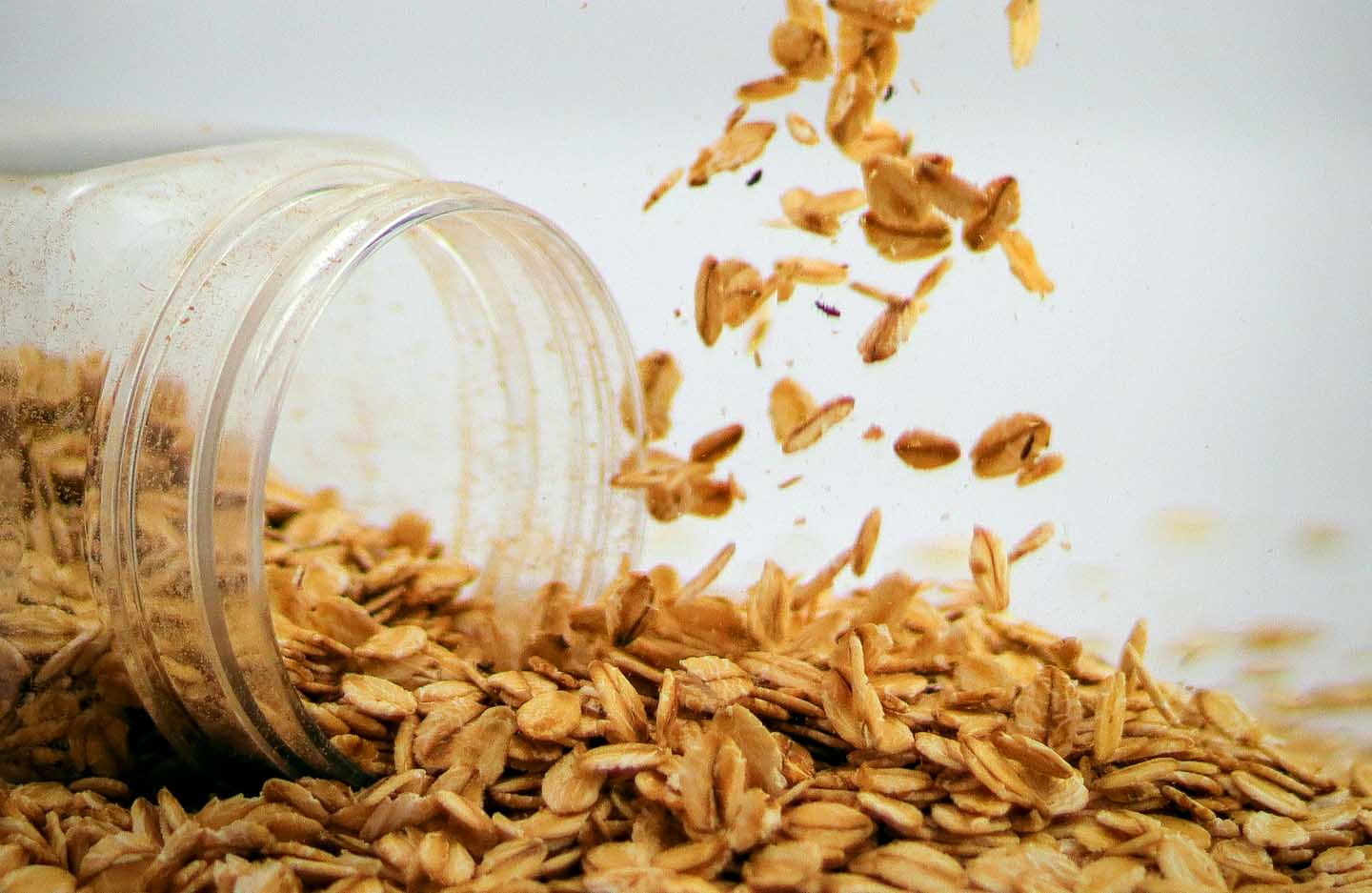
Oat flakes - Photo by Juliet King from Pexels

Traded gluten-free products are specially labeled with a crossed-out cereal ear. Just studying the ingredient list of a product does not help, because a compound ingredient does not have to be declared if less than 25% of it is contained in the final product. Gluten can also be added to products for technological reasons, such as a processing aid or as a carrier.

Celiac Societies

If celiac disease is diagnosed, contact with the local celiac society is established if desired. The affected person receives a manual with a precise description of the clinical picture and with many practical tips for cooking with gluten-free products. A list of restaurants, hotels and health resorts is enclosed that cook gluten-free if required. There are also many tips for dealing with authorities, because a gluten-free diet is expensive and time-consuming. That is why there are increased family allowances and tax allowances in many countries.

I have Celiac Disease – And What do You Have?

People with celiac disease are considered healthy when maintaining a gluten-free diet and completely normal in every respect. Of course, especially with children who would love to eat what other children eat, there are occasional grievances. Why he can’t bite into a tempting doughnut to his heart’s content? Why does he always have to take his special things to eat at a birthday party? The diagnosis of celiac disease for a child and his or her parents is certainly not a trivial matter. Parents, grandparents, acquaintances and friends shouldn’t feel sorry for the poor child all the time, but should encourage them, show them that celiac disease is sometimes an unpleasant thing, but nothing devastating.

Contacts

Celiac Disease Foundation (USA)
www.celiac.org

National Celiac Association
www.nationalceliac.org

Canadian Celiac Association
www.celiac.ca

Coeliac Australia
www.coeliac.org.au

Coeliac New Zealand
www.coeliac.org.nz

Coeliac UK
coeliac.org.uk

Recipes

Rice Cake

  • ⅔ cup brown rice
  • ⅔ cup orange juice ( (juicing 4 large oranges))
  • ⅓ cup honey
  • 1 tbs dry yeast
  1. Hydrate ⅔ cup brown rice for 12 hours. Makes about 1 cup of hydrated rice.

  2. Blend the ingredients for a few minutes.

  3. Grease a mold with oil, pour the dough and let it rise for 40 minutes to 1 hour depending on weather, until doubled in volume.

  4. Bake at medium heat for about 1 hour.

Dessert
American
Gluten Free

Chickpea Flour Pancake

  • 1 banana
  • 1 cup chickpea flour
  • 2 Tbsp tapioca flour (sweet)
  • 1 Tbsp honey
  • ½ tsp salt
  1. Blend everything with 1 cup of water.

  2. Pour the right amount into the skillet and spread with a spoon or spatula.

  3. Wait until golden and forming bubbles. Loose the pancake with the help of a spatula to flip it over.

  4. Let the other side brown.

  5. Use your preferred filling. Serve still hot.

Cassava Cake

  • 1 lbs cassava root ( (½ kg))
  • ½ cup honey
  • 1 small coconut
  • 1 pinch of salt
  1. Grate raw cassava or crush in the food processor.

  2. Blend the coconut with 1 cup of water.

  3. Mix all the ingredients, adding water if necessary to reach the consistency of cake batter. Taste the dough to check appropriate sweetness.

  4. Grease a mold and spread the dough to a thickness of 1-2 inch. (3-5 cm)

  5. Bake on medium heat until golden.

The cake tastes better the next day.

Dessert
Gluten Free

Corn Bread

  • 2 cups corn flour
  • 1 cup tapioca flour (sweet)
  • 4 Tbsp olive oil
  • 1 Tbsp honey (or brown sugar)
  • 1 Tbsp dry yeast
  • ½ tsp salt
  • sunflower seeds (for decoration)
  1. Mix all dry ingredients.

  2. Add 1 cup of lukewarm water little by little and stir until you get a liquid and homogeneous dough.

  3. Pour the dough into a greased pan.

  4. Let it rise for about 1 hour or until it doubles in volume.

  5. Preheat oven and bake over medium heat for about 1 hour.

  6. Allow it to cool down for a few minutes and remove from pan in order for the bread not to sweat.

  7. Wrap in a cloth to cool.

Wait at least 6h before eating for all yeast to die.

Diabetic, Gluten Free, Vegan

Recipes with Oats

Like we stated, not all with celiac disease can use even gluten free oats. If you have made a test that you can use them, here are some interesting recipes that can serve you.

Oat Bread

This bread is the product of a mistake. Because of an oversight I mixed the wrong ingredients, and it worked out really well!

  • 2 cups oat flour
  • 1 cup tapioca flour (sweet)
  • 4 Tbsp olive oil
  • 1 Tbsp honey (or brown sugar)
  • 1 Tbsp dry yeast
  • ½ tsp salt
  • sunflower seeds (for decoration)
  1. Mix all dry ingredients.

  2. Add 1 cup of lukewarm water little by little and stir until you get a liquid and homogeneous dough.

  3. Pour the dough into a greased pan.

  4. Let it rise for about 1 hour or until it doubles in volume.

  5. Preheat oven and bake over medium heat for about 1 hour.

  6. Allow it to cool down for a few minutes and remove from pan in order for the bread not to sweat.

  7. Wrap in a cloth to cool.

Wait at least 6h before eating for all yeast to die.

Peanut Oat Cookies

Delicious! Children will love these tasty cookies!

  • 3 cups oats
  • 1 pinch of salt
  • 1/3 cup honey
  • 1 cup roasted peanuts
  1. Beat the peanuts in a blender with a little water to form a cream.
  2. Pour into a bowl and put the remaining ingredients, mix well.
  3. Make cookies in the format you want.
  4. Bake in moderate heat until golden brown.
Dessert
Gluten Free, Vegetarian

Coconut Rice Bread

We really love to invent in the kitchen! Coconut bread with brown rice flour. Delicious bread with different flavor and super easy to make =)

  • 1 cup coconut flour
  • 1 cup brown rice flour
  • 1 Tbsp dry yeast
  • 1 cup rolled oats
  • 1/2 cup coconut flakes
  • 1 tsp salt
  1. Mix the flours well with the yeast.

  2. Add salt and mix again.

  3. Add the rolled oats and mix again.

  4. Add 1½ cups of water and mix more until it forms a very homogeneous mass.

  5. Put the dough in a form.

  6. Bake for 1 hour at 390°F (200ºC).

  7. Turn off the oven and let it cool down.

Wait at least 6h before eating for all yeast to die.

Oat Pizza

  • 3 cups fine rolled oats
  • 1 tsp salt
  • 1 chopped onion
  • 2 cloves of garlic
  • 2 chopped tomatoes
  • Oregano and parsley
  • 6 chopped olives
  • Sesame and sunflour for decoration
  1. Put all the ingredients in a container and mix everything, adding water until forming a dough.

  2. Place on a pizza sheet.

  3. Decorate with oregano, sesame and sunflower. If you like, top with vegan cheese.

  4. Bake over medium heat until golden.

Healthy Fruits

Stay Always Up to Date

Sign up to our newsletter and stay always informed with news and tips around your health.
Sign Up Now!

Filed Under: Digestive Diseases, Digestive Tract, Diseases, Nutrition

« Previous Page
Next Page »

Primary Sidebar

Social Channels

Coronavirus Immunity Challenge

Boost your immune system to be bullet-proof for the pandemic.
I Want to Participate

Recent Posts

  • 5 Habits to Live Longer
  • Better Sleep Can Protect Against Dementia
  • Finding Peace In Your Crazy-Busy World
  • Flaxseed – An Ancient Plant Rediscovered
  • Platelets – Triggers for Life or Death
  • Boderline Personality Disorder
  • In Praise of Almonds and Nuts
  • Are You Stuck in the Clutter Trap?

Categories

  • Body Systems (16)
    • Cell Function (2)
    • Circulatory System (1)
    • Digestive Tract (10)
    • Immune System (4)
  • Diseases (27)
    • Cancer (2)
    • Cold (1)
    • COVID-19 (11)
    • Dementia (1)
    • Diabetes (1)
    • Digestive Diseases (2)
    • Heart Disease (2)
    • Kidneys (1)
    • Metabolic Syndrome (2)
    • Skin (1)
  • Healthy Lifestyle (42)
    • Exercise (11)
    • Gardening (2)
    • Sleep (7)
    • Sunlight (2)
    • Temperance (14)
    • Water (4)
  • Mental Health (87)
    • Addictions (6)
    • Anxiety (7)
    • Burnout (1)
    • Depression (7)
    • Psychosomatic Diseases (6)
    • Stress Management (45)
    • Trust (6)
  • Nutrition (56)
  • Obesity (9)
  • Phases of Life (14)
    • Adults (3)
    • Babies and Infants (1)
    • Children (3)
    • Seniors (5)
    • Teenagers (3)
  • Therapies (7)
    • Herbs (5)
    • Hydrotherapy (1)
  • Uncategorized (3)

Archives

  • January 2025 (1)
  • March 2024 (5)
  • February 2024 (4)
  • January 2024 (4)
  • December 2023 (5)
  • November 2023 (4)
  • October 2023 (5)
  • September 2023 (4)
  • August 2023 (3)
  • July 2023 (2)
  • June 2023 (4)
  • May 2023 (4)
  • April 2023 (5)
  • March 2023 (4)
  • February 2023 (4)
  • January 2023 (4)
  • December 2022 (4)
  • November 2022 (4)
  • October 2022 (5)
  • September 2022 (4)
  • August 2022 (4)
  • July 2022 (5)
  • June 2022 (4)
  • May 2022 (5)
  • April 2022 (4)
  • March 2022 (4)
  • February 2022 (4)
  • January 2022 (5)
  • December 2021 (3)
  • November 2021 (4)
  • October 2021 (6)
  • September 2021 (4)
  • August 2021 (4)
  • July 2021 (5)
  • June 2021 (4)
  • May 2021 (3)
  • April 2021 (5)
  • March 2021 (4)
  • February 2021 (4)
  • January 2021 (5)
  • December 2020 (3)
  • November 2020 (4)
  • October 2020 (5)
  • September 2020 (5)
  • August 2020 (3)
  • July 2020 (1)
  • June 2020 (1)
  • May 2020 (1)
  • April 2020 (1)
  • March 2020 (1)

Copyright © 2026 · Abundant Health - Privacy Policy - Medical Disclaimer