Abundant Health

Up to date health information tailored for you

  • Home
  • Blog
  • Recipes
  • Shop
  • Contact
You are here: Home / Archives for Nutrition

Nutrition

Extruder Products – How Healthy are Your Breakfast Cereals?

August 22, 2021 by Esther Neumann - [rt_reading_time label="Reading Time:" postfix="minutes" postfix_singular="minute"]

Wie gesund sind unsere Frühstücksflocken?

Licorice, peanut puffs, corn flakes, snack bars, breakfast cereals in all shapes and colors, pasta, crispbread, soy meat, cat and dog food, everything passes through the extruder. The extruder swallows almost everything and converts cheap raw materials into expensive products. But who knows this magic machine, responsible for a number of groceries that have found their way to the shelves of our supermarkets?
Extruder Products – How Healthy are Your Breakfast Cereals?

Slowly the semolina pulp sinks into the funnel of the extruder. Underneath, inside a metal sleeve, a steel spiral is turning, soaking up the nutritious mass and pushing it forward. It’s getting tighter. Huge shear and pressure forces mercilessly move the pulp forward. He’s getting hotter and hotter. At the end of the pipe, the mass is passing with high pressure through a nozzle. Suddenly the mass is released, water evaporates and the pulp puffs up. Rotating knives cut the airy mass into the desired shape. Vitamins that fell by the wayside during this procedure are injected from fine nozzles. Ready are your breakfast cereals!

History of the Extruder

According to the dictionary, extrusion means: “To express a product through a nozzle, a hole or a slot in order to obtain a certain shape.” The first products to come out of an extruder were seamless lead pipes. Today, a wide variety of plastic pipes and profiles are made, but also bricks, copper wires, coated wires, soaps and much more are pressed through the extruder.

Extruded aluminum profiles - Photo by Mike1024 from WikiMedia

It wasn’t long before the food industry discovered the extruder for its own purposes. In 1869, pieces of meat were squeezed through the machine and stuffed into sausage skins. The extruder is indeed reminiscent of the good old meat grinder. The extrusion principle has already for a long time been used in pasta processing. Hydraulically driven piston presses squeeze moistened semolina through perforated plates, forming spaghetti, macaroni, spirals, stars and letters. Roller extruders and piston presses also transform sugar masses in the confectionery industry into all conceivable shapes and forms.

With the introduction of the screw extruder in the pasta industry during the mid-1930s, began the modern age of the extrusion process in food technology.

Structure of the Cooking Extruder

In simple terms, each extruder can be divided into the following parts. First comes the feeding zone, comparable to a funnel. This is where the raw material, be it flour, semolina, a porridge, ground peanuts, starch or a sugar mass, is fed in. A screw, sometimes two co-rotating or counter-rotating screws, transport the mass forward.
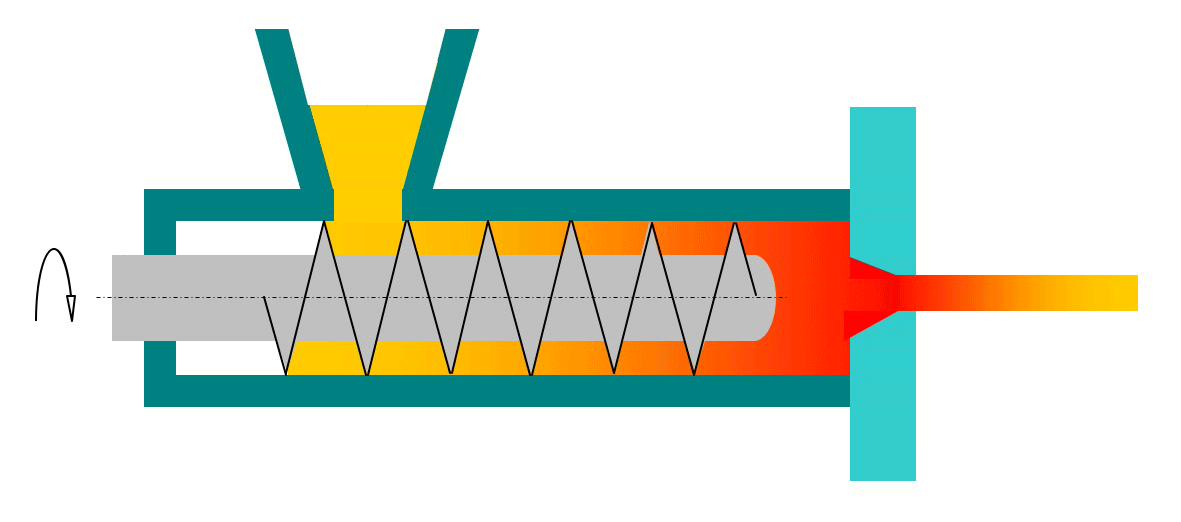
Scheme of an extruder

This is followed by the conversion zone. This is where things are mixed, compressed, heated, melted, transformed. Mechanical and thermal reactions take place. That is why the extruder is sometimes referred to as a bioreactor.

Now the processed product comes to the discharge zone. A nozzle is the limit. The nozzle and subsequent rotating knives determine the shape of the product to a wide extent. When the heated mass is pressed through the nozzle, the water in the product evaporates abruptly due to the drop in pressure. It results in a blown-up product, giving it a porous, light an airy structure. In principle, extruding mimics the conventional production of popcorn. Popcorn puffs at around 9.5 bar and at a temperature of about 350⁰F (175⁰ Celsius).

The Result: Product Diversity

The extruder swallows almost everything, whether waste products or valuable raw materials. Depending on the process, dry raw materials, moistened or pulpy masses are processed. Often the heat generated by the shear forces and pressure alone is enough to transform the material into the desired shape. This is referred to as cold extrusion. The friction normally results in temperatures of 90 to 140⁰F (40 to 60⁰C). However, there are also processes where additional heat must be added. The warm extruder works with 160 to 270⁰F (70 – 130⁰C) and the hot extruder with 270 to 480⁰F (130 – 250⁰C). Most cooking extruders are based on combinations of frictional heat and externally supplied heat. The pressure is in the range up to 200 bar.

The variety of products from the extruder is overwhelming. Many conventional baking or cooking processes are replaced by the extruder. Today, almost all breakfast cereals come from the extruder. A new generation of crispbread has emerged. It has an airy, light, longitudinal fiber structure.
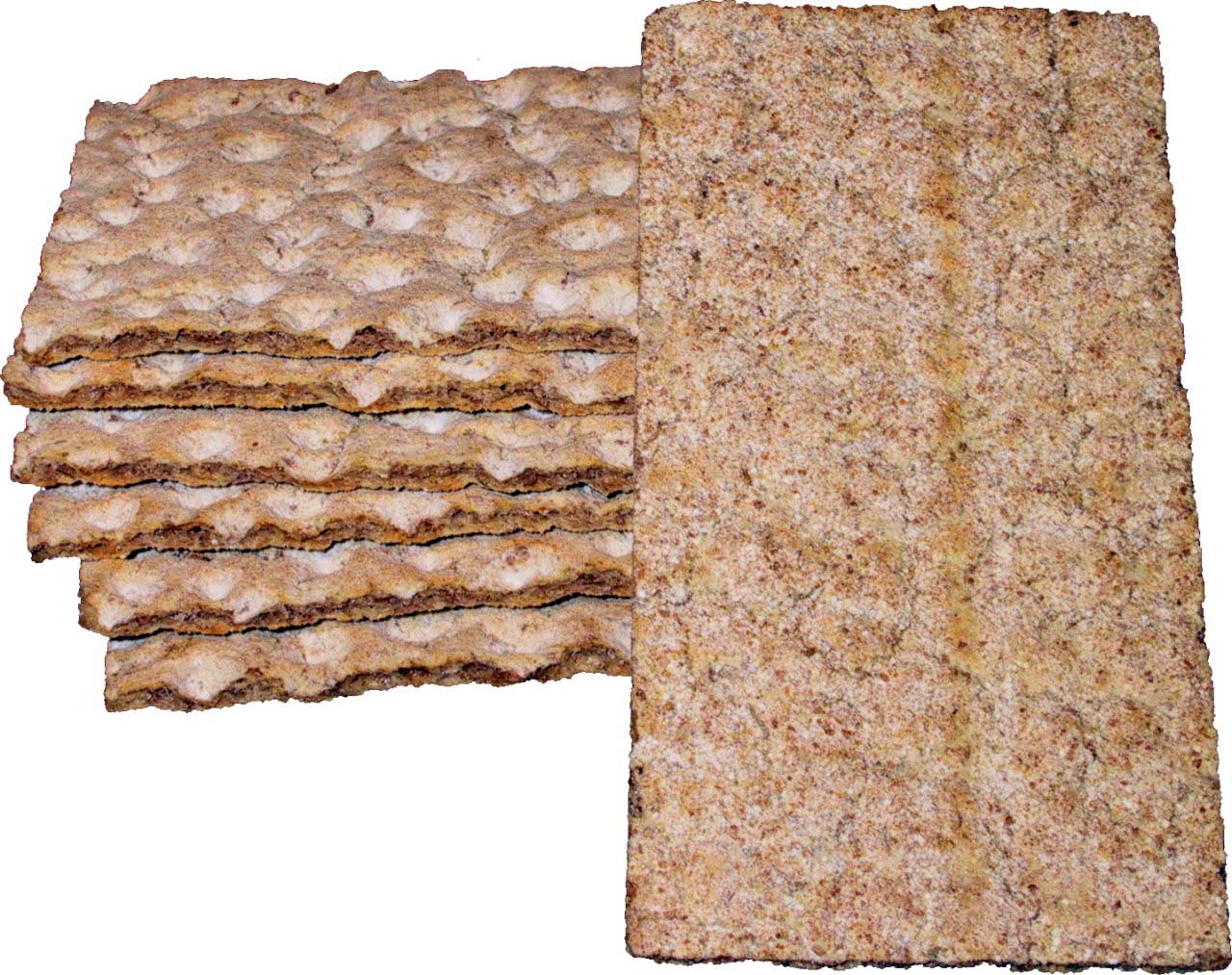
Crispbread - photo by Matthias Kabel from Wikimedia

Milling waste products such as bran and grinding meal are refined in the extruder, given new structures and afterwards are added to baked goods. Breadcrumbs and modified starch, as well as many instant foods, such as instant soups, are now produced in the extruder. Oil can be extracted. Chewing gum and even chocolates are made in the extruder. A lack of taste, due to the fast production or less valuable raw materials needs to be compensated by many tricks and trade secrets of the industry.

An interesting product is also the long egg. Boiled, sliced eggs are used a lot for garnishing. For practicality, egg yolk and egg white are separated and cleverly reassembled in the extruder. The end product is a meter-long rod, in which the yolk is always nicely placed in the middle of the egg white. There is no waste when slicing.

What Happens to the Nutrients?

The starch from raw products is almost completely broken down, so it becomes easily digestible. It comes to gelatinization and swelling, sometimes also to undesired roasting processes.

Little is known about the conversion of protein in the extruder. However, it is known that some important amino acids are destroyed. At the other hand, it has been shown that harmful enzymes in legumes, such as trypsin inhibitors in the soybean, are rendered harmless by the heat. The changes in extrusion are very versatile and can only be investigated in very complex and expensive processes. That is why there are not yet many independent results about adverse side effects of the extrusion process.
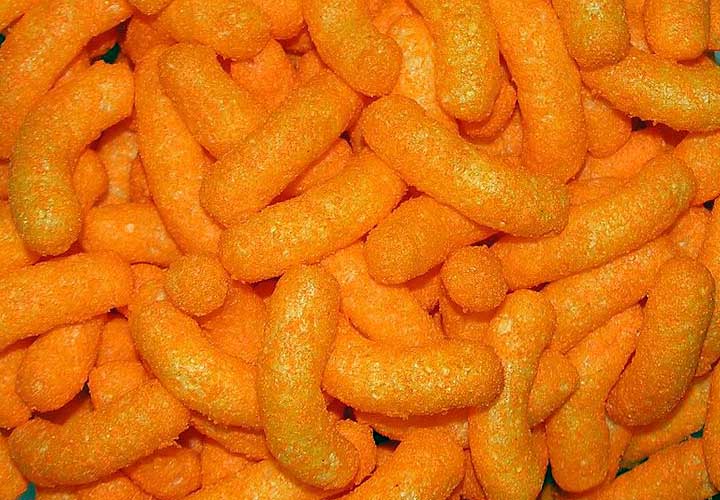
Cheese Puffs - Soure: Flickr

Losses are partially reduced because mass is only exposed to the high temperatures for a short time. Nevertheless, the high heat causes a substantial loss of vitamins. Cereal products provide us with the important vitamins of the B group and with folic acid. Depending on the process, there are losses of 50 – 80%. In comparison, with normal bread baking, the losses of B vitamins are between 5 and 30%. Nutrition experts recommend treating the raw materials as gently as possible. What happens in the extruder can certainly not be described as gentle. That’s why the breakfast cereals need to be subsequently enriched with vitamins.

Conclusion

Extruder products have become an integral part of our diet. Children especially demand them frequently. Be it in the form of snacks, sweets, snack bars, or breakfast cereals. But we would do well to limit it. In a nutshell, extruder products are mostly air that is sold with a lofty price tag. Expensive products are made from cheap raw materials. In case of doubt, the food industry will pay attention to the taste the consumer will crave for and less to the nutritional value that contributes to a healthy lifestyle.

A child with a bowl of extruded breakfast cereals - Photo by Tiago Pereira from Pexels

If we put extruder products on the table, we should definitely vary them with conventional cereal products, in addition to fresh, untreated fruits and vegetables, nuts, and seeds. They are the ones who provide our body with important nutrients for our health.
Healthy Fruits

Stay Always Up to Date

Sign up to our newsletter and stay always informed with news and tips around your health.

Sign Up Now!

Filed Under: Nutrition

Selenium – A Vital Trace Element

August 8, 2021 by Esther Neumann - [rt_reading_time label="Reading Time:" postfix="minutes" postfix_singular="minute"]

Selenium - A Vital Trace Element

Selenium occurs only in traces in the human body. An adult weighing 70 kg has just about 7 milligrams on average. In medicine, selenium is considered a vital, essential trace element. It plays an important role in detoxifying the body, protects the membrane of our body cells, prevents red blood cells from oxidizing and is part of some important enzymes.

Selenium - A Vital Trace Element

Occurrence

Selenium belongs to the semi-metals. It stands at the 59th place in the frequency of the elements in the Earth’s surface. It rarely occurs in nature in its pure form. We usually find it in compounds with sulfur. Selenium minerals are also rare. Clausthalite and naumannite are known examples. Selenides are found in copper gravel and zinc blend. Selenium is used in the semiconductor industry for the production of photodiodes, photocells, radar systems, solar cells and light meters. It is used in photocopiers because of its photoelectric property. Tiny additions to glass give it a bright red color. In the red traffic lights, we experience this color in daily life.

The vital necessity of selenium for plants, humans and animals was only discovered in 1957. With selenium deficiency, young animals do not gain weight properly. In humans occur very specific deficiency diseases.

Functions in the body

Selenium fulfills its most important function as a component of the enzyme glutathione peroxidase. This important enzyme is mainly found in red blood cells. It protects them from attack by harmful oxygen radicals that are produced in normal metabolic processes, but also by smoking, alcohol, ozone, smog and ionizing radiation.

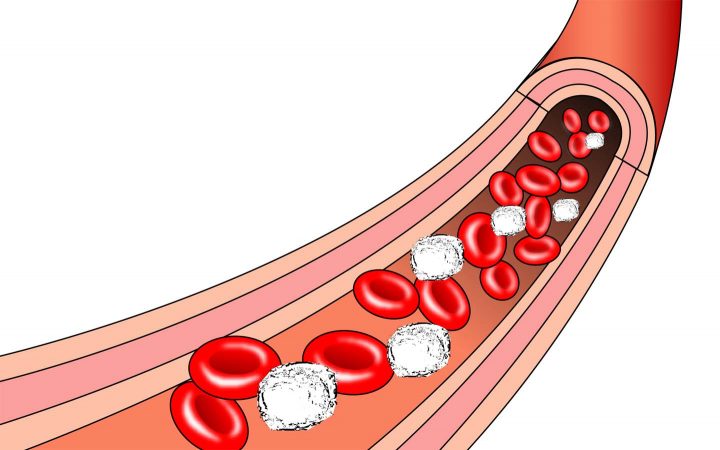
Red blood cells in the bloodstream

Together with vitamin E, the enzyme also protects all cell membranes. Various fats are built into the membrane, which are wafer-thin boundary layers, that must be particularly protected. If such biological membranes are destroyed, premature cell death or genetic damage to the DNA occurs.

However, the body uses this selenium-containing enzyme very sparingly. If it is consumed, it is regenerated by vitamins C and E. Vitamin B2, carotenoids and anthocyanins also play an important role in this metabolic process. So we see the importance of a diet rich in vitamin-packed unprocessed plants.

Selenium is also contained in another enzyme, iodinethyronine-5-deiodase. Here it controls the conversion of the thyroid hormone thyroxine into the biologically active form. It therefore has an influence on the basal metabolic rate, cell differentiation, cell growth and the rate of cell division.

Selenium also plays a role in the detoxification of heavy metals. It binds cadmium, lead and mercury, so that these toxic metals can no longer bind to vital proteins.

Selenium also stimulates the immune system. Research in recent years also suggests that selenium plays an important role in cancer prevention. In cancer patients, a much lower selenium levels are found in the blood.

Deficiencies

Some soils are very low in selenium. This affects Central and Northern Europe but also large parts of China. An increased incidence of the so-called Keshan’s disease has also been found there. In its chronic form, this disease manifests itself as cardiac insufficiency with simultaneous enlargement of the heart muscle. In the area where this disease has occurred more frequently, the salt has been enriched with selenium and has thus been able to be suppressed.

The first symptoms of selenium deficiency include myopathies, which are muscle weaknesses. Metabolic disorders of the liver and pancreas are often associated with a selenium deficiency. Low levels of selenium in tissues have also been found in various forms of arthritis and degenerative joint diseases.

It is interested to notice that in those areas of China where the soil is selenium deficient, mortality of COVID-19 was much higher than in other parts o the country. That stresses again the importance of Selenium for the immune system.

Chemotherapy of cancer as well as oxygen therapies lead to increased formation of free radicals, which can be intercepted by selenium and other antioxidants.

Selenium-rich Foods

Animal foods generally contain higher amounts of selenium than plant foods. But selenium from the plant is more bioavailable, so it is more easily absorbed by the body. High amounts of vitamin C, being still in the physiological range, improve the absorption from the gastrointestinal tract.

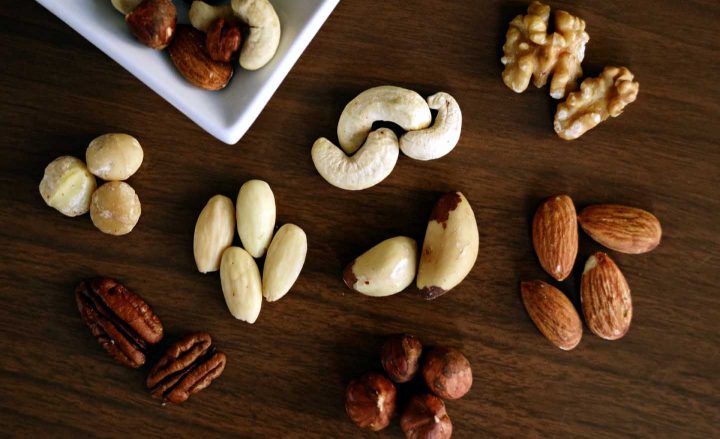
Nuts and seeds have high amounts of selenium. The Brazil nut has by far the highest selenium content, even multiple times more than animal products. Chia and sunflower seeds have moderate amounts of selenium, Soybeans and white beans are also good sources. Substantial amounts are also found in whole grain, millet and rice, but this depends on the selenium content of the soil. Finland is a very selenium-poor area. The soils there are enriched with selenium. Other countries in Central and Northern Europe are also discussing enrichment.

An assortment of nuts - Photo by Marta Branco from Pexels

Those who live in areas with selenium-poor soils should not eat exclusively products from their own garden or the farmers from the surrounding area. Supplementing your diet with some nuts and seeds grown in tropical areas can help to balance this deficiency. Brazil nuts tend to be especially high in selenium, but can vary greatly depending on soil conditions. Eating just two Brazil nuts normally gives you more than your daily need. Since Brazil Nuts are so high in selenium, you should be cautious to not overuse them, though eating up to 4 nuts daily on a regular basis you should be still in the safe zone.

Overdosage and Poisoning

Before it was discovered that selenium is vital for humans, the trace element was considered one of the most toxic elements. However, acute selenium poisoning has occurred very rarely. In the production of glass and paints and in electronics, where selenium is used, however, protection of employees is necessary.

An overdosage is highly unlikely via food alone. However, supplementation with selenium is increasingly popular. Corresponding preparations are already on the shelves of supermarkets and drugstores. Whether a general supplementation can be recommended is controversial because the knowledge about the trace element is still insufficient. Therefore, an independent intake of selenium-containing supplements should be discouraged. They belong in the hands of an experienced doctor. It is certain that the additional intake of selenium is recommended for cancer, special forms of arthritis and certain cardiovascular diseases. However, the amounts to be taken vary depending on the respective course of treatment. This again shows that only the attending physician should decide on selenium supplementation.

A doctor consulting a patient - Photo by cottonbro from Pexels

Varied Diet

To avoid a selenium deficiency, a balanced diet is key. Problems are only likely to arise in areas with selenium-poor soils and limited food choices at the same time. With the exception of the Brazil nut, plant products have lower selenium levels, but this is made up by better absorption and better recycling of selenium containing enzymes. Once again it has been shown that a varied diet with a high proportion of plant-based food is the right way to go.

Filed Under: Nutrition

Twelve Natural Ways to Improve Gut Health

July 8, 2021 by Elizabeth Hall - [rt_reading_time label="Reading Time:" postfix="minutes" postfix_singular="minute"]

Twelve Natural Ways to Improve Gut Health

Discover the amazing contributions of gut bacteria to health and disease. Plus scientifically validated natural remedies that may improve your gut health in just few days!

Twelve Natural Ways to Improve Gut Health

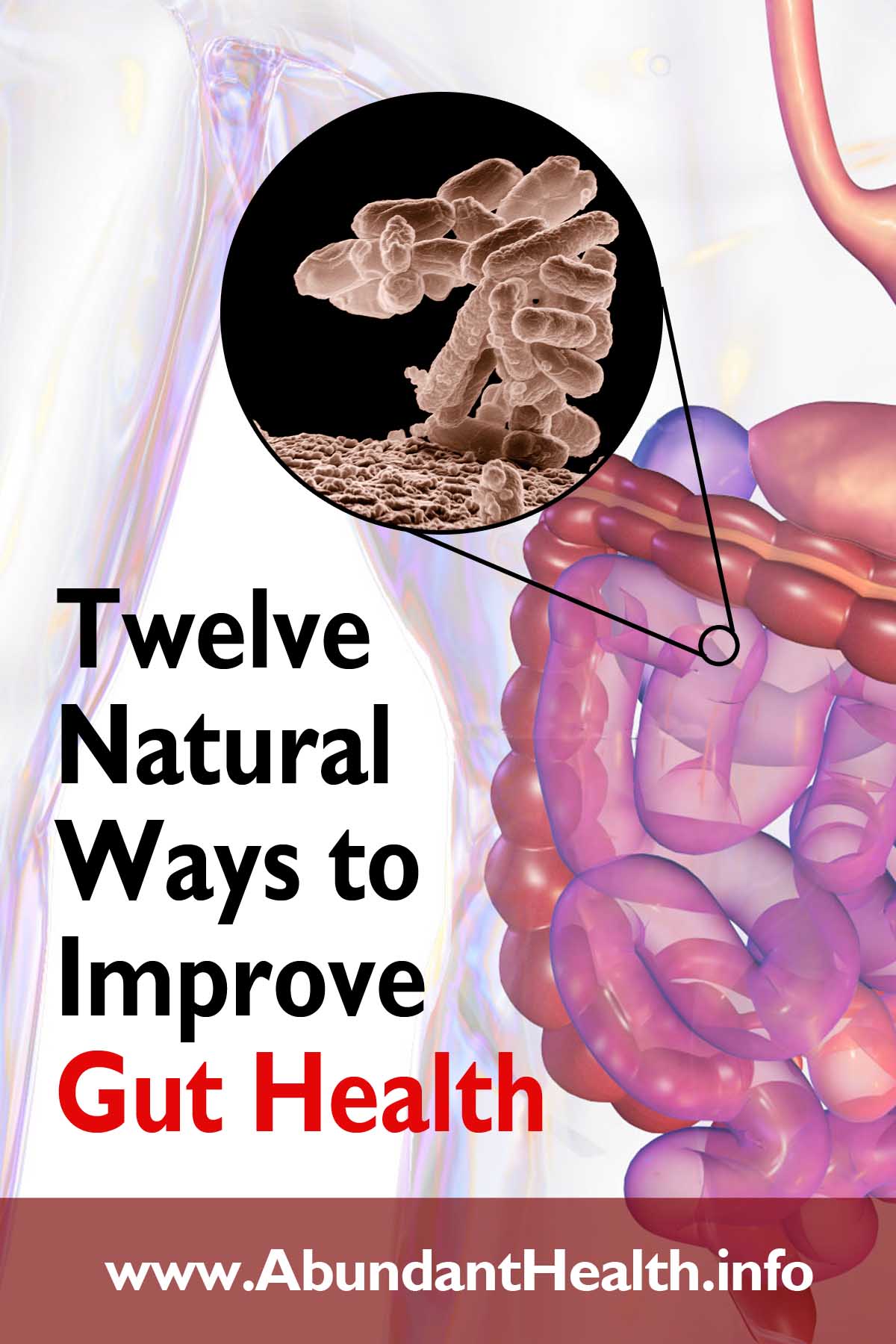
Your gut provides a home for trillions of bacteria. So far there are 2,000 known species of gut bacteria. The contributions of the gut microflora are astounding for they affect nutrient uptake, metabolism, body clocks, carcinogen detoxification, immune responses, chronic inflammation, and mental health!((Baylor College of Medicine. “Dietary quality influences microbiome composition in human colonic mucosa.” ScienceDaily. 15 July 2019.www.sciencedaily.com/releases/2019/07/190715164650.htm))

The proper balance, composition, and a healthful diversity of gut bacteria is necessary for favorable immune responses and optimal health. Imbalance that favors unfriendly bacteria over friendly germs triggers strong immune and inflammatory processes.

Good Germs

Beneficial bacteria release useful byproducts that protect your health and lower your risk for colon cancer, atherosclerosis, and inflammatory conditions. They also protect your gut from infections, produce some nutrients, release certain neurotransmitters such as dopamine and serotonin, and affect our sleep.((Patterson E. Gut microbiota, obesity and diabetes. Postgrad Med J. 2016 May 92(1087):286-300. doi: 10.1136/postgradmedj-2015-133285.))

Germ Warfare

Unfriendly gut bacteria, however, release toxins and inflammatory agents that disrupt the gut barriers. Once inside the blood, these inflammatory compounds and toxins contribute to the development of conditions such as atherosclerosis, hypertension, allergies, diabetes, obesity, inflammatory bowel diseases (Crohn’s, celiac, ulcerative colitis), lung problems, anxiety, and depression.((Singh RK. Influence of diet on the gut microbiome and implications for human health. Journal of Translational Medicine volume 15, Article number: 73 (2017).)) 
Could Your Gut Impact Your Blood Pressure?

What Shapes Gut Bacteria?

Every individual microbiome is different and develops because of genetic, environmental, lifestyle, and dietary factors to which we are exposed.  So, how do we encourage the population of good germs and reduce the number of unwanted ones?

Whole, Nutrient Dense Plant Foods

Diets that are high in whole plant foods–fruits, vegetables, legumes, and whole grains–and low in added sugar and saturated and trans fats– stimulate the proliferation of beneficial bacteria such as those that have anti-inflammatory properties.((Tomova A. The Effects of Vegetarian and Vegan Diets on Gut Microbiota. Front. Nutr. 17 April 2019.www.frontiersin.org/articles/10.3389/fnut.2019.00047/full)) In this aspect, liberal amounts of raw fruits and vegetables are particularly useful in building healthy gut microflora.((Karon A. A Western Diet Linked to lower microbiome diversity. Internal Medicine News. March 29, 2019.www.mdedge.com/internalmedicine/article/197770/gastroenterology/western-diet-linked-lower-microbiome-diversity))

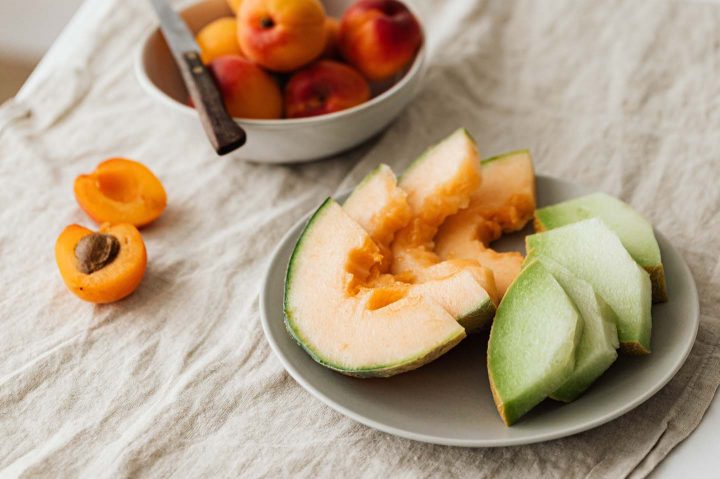
Fruits -  Photo by Karolina Grabowska from Pexels

In contrast, a poor-quality or Western diet (rich in sugar, animal products, salt, processed foods, and refined carbohydrates) is linked to more disease-causing bacteria.((Zinöcker MK. The Western Diet–Microbiome-Host Interaction. Nutrients. 2018 Mar: 10(3): 365.www.ncbi.nlm.nih.gov/pmc/articles/PMC5872783/
Singh RK. Influence of diet on the gut microbiome and implications for human health. Journal of Translational Medicine. Volume 15, Article number: 73 (2017).)) One such species of bacteria is Fusobacteria, which has been linked to colorectal cancer.((Baylor College of Medicine. “Dietary quality influences microbiome composition in human colonic mucosa.” ScienceDaily. 15 July 2019.www.sciencedaily.com/releases/2019/07/190715164650.htm))

Great Carbs

Good carbs boost gut health. While it is true that high sugar, fat-rich, and refined products promote the population of unfriendly bacteria in the gut, the keto and low carb diets miss the important contributions that result from eating resistant starches!

Whole grains and legumes contain resistant starches that are not fully digested in the stomach and small intestine. Consequently, they are not absorbed. Resistant starches, like soluble fiber, feed the friendly bacteria in your intestines, having a positive effect on the distribution and composition of bacteria as well as their number. These bacteria produce useful byproducts from resistant starches to curtail inflammation and lower the risk for chronic diseases.((Robertson MD. Insulin-sensitizing effects of dietary resistant starch and effects on skeletal muscle and adipose tissue metabolism. Am J Clin Nutr. 2005 Sep: 82(3):559-67.
Birt D. Resistant Starch: Promise for Improving Human Health. Adv Nutr. 2013 Nov; 4(6): 587–601.
Kieffer D.A. Resistant starch alters gut microbiome and metabolomic profiles concurrent with amelioration of chronic kidney disease in rats. J Physiol Renal Physiol. 2016 May 1; 310(9): F857–F871.))

Another advantage: Most prebiotics are oligosaccharides (carbohydrates that have a small number of monosaccharides) and help to maintain the balance of gut microflora in favor of friendly bacteria. A prebiotic is non-digestible carbohydrate that not only feeds good bacteria but it feeds probiotics too. Prebiotics selectively work on a limited number of gut germs. Asparagus, artichokes, barley, rye, lentils, onions, chicory, garlic, leeks, and bananas are good sources of oligosaccharides.

Salt-Gut Connection

Go easy on the salt! Excessive salt decimates a certain type of beneficial bacterium in the gut (lactobacilli). It also increases the number of certain immune cells (helper T-17 lymphocytes). These particular immune cells play a role in the development of high blood pressure and autoimmune conditions in which the immune system attacks tissues and organs of the body. (Please note: The problem is ingestion of too much salt and the excessive number of T-lymphocytes. A little salt is essential to health). When probiotic lactobacilli were added to a high-salt diet, the elevated T-17 cells and blood return to normal—at least in rodent studies.((Nicola Wilck, Salt-responsive gut commensal modulates TH17 axis and disease. Nature. 2017; DOI: 10.1038/nature24628))
Seven Facts about Salt Your Doctor Won’t Tell You

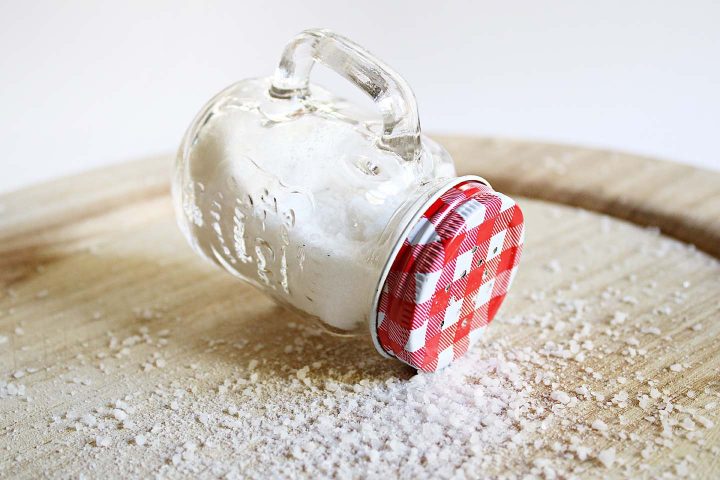
Salt shaker -  Photo by Lorena Martínez from Pexels

Eat Organic!

Pesticide residues on food have the potential to harm friendly gut bacteria over time.((Defoi Clémence. Food chemicals disrupt human gut microbiota activity and impact intestinal homeostasis as revealed by in vitro systems. Published: 20 July 2018.www.nature.com/articles/s41598-018-29376-9)) To help remove pesticides from produce, soak the produce briefly in a 10% salt rinse. (Use 1 part sodium to 9 parts water). There is no way you can reduce pesticides from meat, dairy, and fish.

Downside of Artificial Sweeteners

Because they potentially reduce the number of good bacteria in your gut and encourage insulin resistance, avoid artificial sweeteners.((Suez J. Artificial sweeteners induce glucose intolerance by altering the gut microbiota. Nature. 2014 Oct 9; 514(7521):181-6.)) Saccharin and sucralose, for sure, and possibly stevia, adversely affect gut bacteria.((Javier F. Effects of Sweeteners on the Gut Microbiota: A Review of Experimental Studies and Clinical Trials. Advances in Nutrition, Volume 10, Issue suppl_1, January 2019, Pages S31–S48.doi.org/10.1093/advances/nmy037)) Insulin resistance and high blood sugar themselves can disrupt the gut barrier and increase its permeability so that inflammatory compounds and toxins enter the blood.

Meal Frequency

Limit the number of meals and skip snacking. If you are sedentary, or have a chronic inflammatory condition, you might want to consider skipping supper and eliminating snacks. In other words, time restricted eating.Why? Time-restricted feeding allows for only 8–10 hours of feeding each day. Time restricted eating changes the gut microflora in positive ways to discourage obesity, disruption of blood glucose regulation, and bowel diseases.((Dandun Hu. Gut flora shift caused by time-restricted feeding might protect the host from metabolic syndrome, inflammatory bowel disease and colorectal cancer. Translational Cancer Research. Vol: 7:5. Oct. 2018.))

Do Not Relapse!

The composition of gut bacteria can change quickly!—within ten days. For better or worse. In other words, even a short-term consumption of diets composed mostly of animal or plant products rapidly alters and deteriorates the community of gut microbes. Just eating an animal-based diet or consuming fast foods for several days, for example, reduces useful byproducts from fermentation of carbohydrates. This diet consequently increases the potential for diarrhea, other intestinal infections and inflammatory bowel diseases.((David LA. Diet rapidly and reproducibly alters the human gut microbiome. Nature. 2014 Jan 23; 505(7484):559-63.)) The good news is that a proper diet can favorably shift the gut bacteria to a friendlier status within a few days!

Regular Schedule

Eat meals and sleep on schedule. Gut microbes have circadian rhythms that are controlled by the biological clock of the host in which they reside. Disturbed body rhythms adversely change the composition of the microbial community in such a way as to promote obesity and metabolic problems((Thaiss et al. Trans-kingdom control of microbiota diurnal oscillations promotes metabolic homeostasis. Cell, 2014 DOI: 10.1016/j.cell.2014.09.048))
How to Diffuse Your Body’s Time Bomb

Don’t Short Change Your Sleep

Even healthy young men who experienced only two nights of partial sleep deprivation, have a significant decrease in types of beneficial bacteria. They also experienced changes to the composition of microorganisms in the microbiome that are linked specifically to obesity, insulin resistance, and type 2 diabetes

Researchers from Kent University investigated the influence of the microbiome in a group of adults ages 50-85 and found strong connections between higher sleep quality, better cognitive flexibility (the ability to transition between one concept to another), and higher levels of beneficial gut microbes.((Breus M. The Latest on Sleep and Gut Health. Health. May 29, 2018.thesleepdoctor.com/2018/05/29/the-latest-on-sleep-and-gut-health/)) Even individuals who wake up frequently during the night develop adverse changes in gut bacteria.

Get Regular Exercise

Exercise boosts the diversity of the bacteria found in the gut. Reduced variation in gut microbes (microbiota) has been linked to obesity and other chronic problems. On the other hand, increased diversity favors a metabolic profile and a more helpful immune system response.((S. F. Clarke, Exercise and associated dietary extremes impact on gut microbial diversity. Gut, 2014; DOI: 10.1136/gutjnl-2013-306541)) Moderate exercise is especially useful in reducing inflammation.

walking on a beach -  Photo by Karolina Grabowska from Pexels

Learn to Manage Stress

Stress can change the gut bacteria in undesirable ways. Exposure to psychological stress disrupts the beneficial gut bacteria. The dominance of certain bacteria can produce substances that interact with the brain, erode mental health, and lower the threshold for depression, anxiety, obsessive-compulsory disorder, and possibly other mental illnesses.((Mc Guillian MS. Gut Health Affects Mental Health.www.psycom.net/the-gut-brain-connection)) Unfortunately, even moderate stress during pregnancy is enough to change the intestinal bacteria so that newborn infants are more susceptible to infections.((Bailey, M.T. Prenatal Stress Alters Bacterial Colonization of the Gut in Infant MonkeysJournal of Pediatric Gastroenterology and Nutrition: April 2004. Volume 38: Issue 4 p. 414-421))

Depression, anxiety, and other mental illnesses have many causative and contributory factors. The gut health is only one possible contributing factor in mental disease, but it should not be overlooked. 
Overcoming Fear & Anxiety

Check Your Meds

Antibiotics are not the only drugs that disturb the gut microflora. Acid-reducing meds, antibiotics, NSAIDS (nonsteroid anti-inflammatory drugs), calcium channel blockers for high blood pressure, anti-virals, anti-psychotic drugs, and chemotherapy can also negative impact our gut bacteria. If you take these any of these drugs, you might want to consider probiotics. Always take probiotics four hours after taking the medication!

Try to discover the causes of your condition. Treat the cause and you might do with less medicine and in some cases dispense with it all together. Please do not adjust medication without discussing it with your doctor first.

Downside of Probiotics

Live probiotics can be useful especially during a round of antibiotics, if using a drug mentioned above, if one has been on a poor diet, or has some medical condition in which documented evidence indicates that probiotics may help. If a person has been eating a healthful, plant-based diet and is generally healthy, there is no need to take probiotics every day. Probiotic use can result in a significant accumulation of bacteria in the small intestine that can result in disorienting brain fogginess as well as rapid, significant belly bloating.((Medical College of Georgia at Augusta University. “Probiotic use is a link between brain fogginess, severe bloating.” ScienceDaily, 6 August. 2018.www.sciencedaily.com/releases/2018/08/180806095213.htm))

Healthy Fruits

Stay Always Up to Date

Sign up to our newsletter and stay always informed with news and tips around your health.
Sign Up Now!

This article was originally posted on the Wildwood Institute website and is used by permission.

Filed Under: Body Systems, Digestive Tract, Nutrition

Mitochondria – Power Plants of Our Cells

June 25, 2021 by Esther Neumann - [rt_reading_time label="Reading Time:" postfix="minutes" postfix_singular="minute"]

Mitochondria

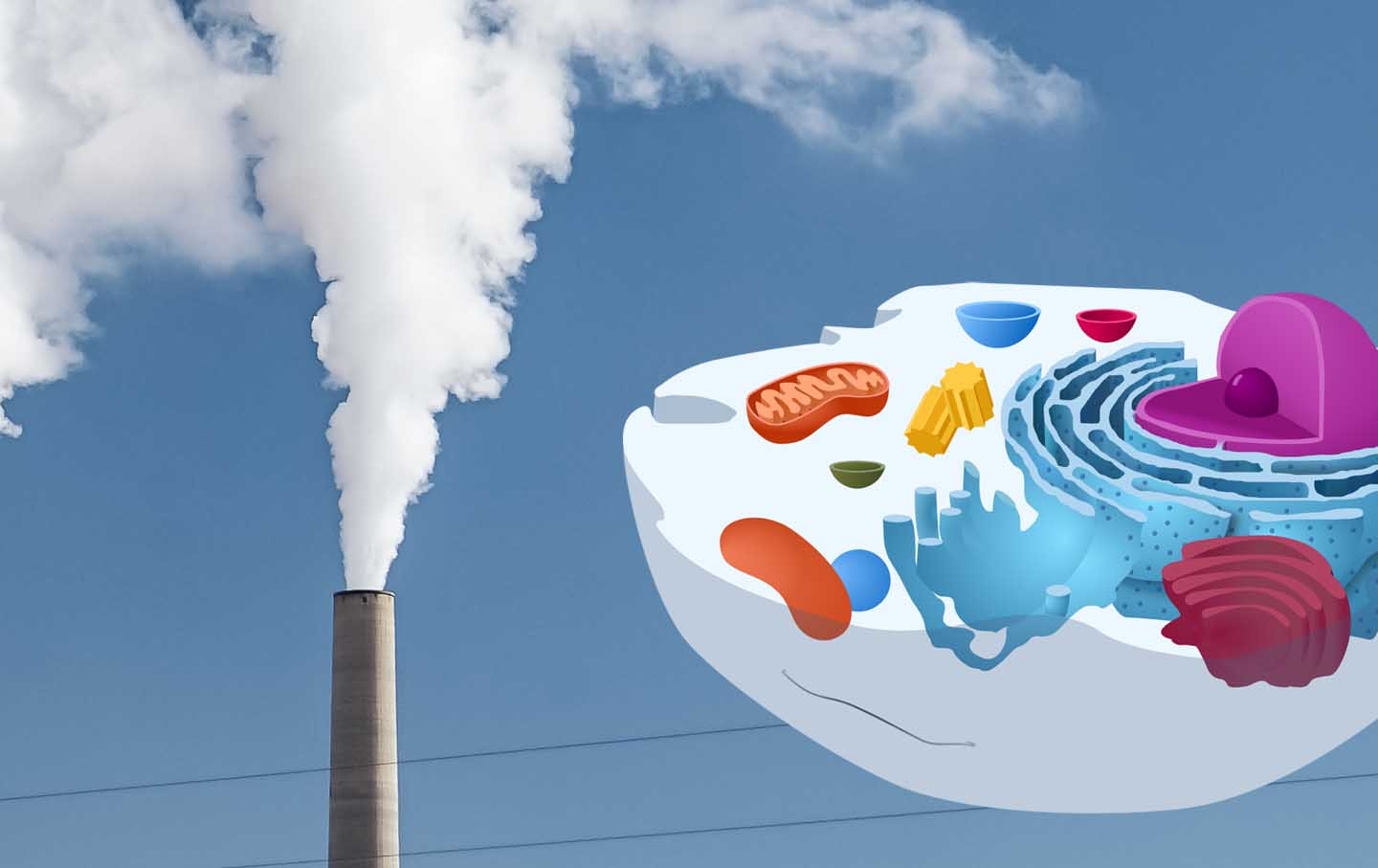
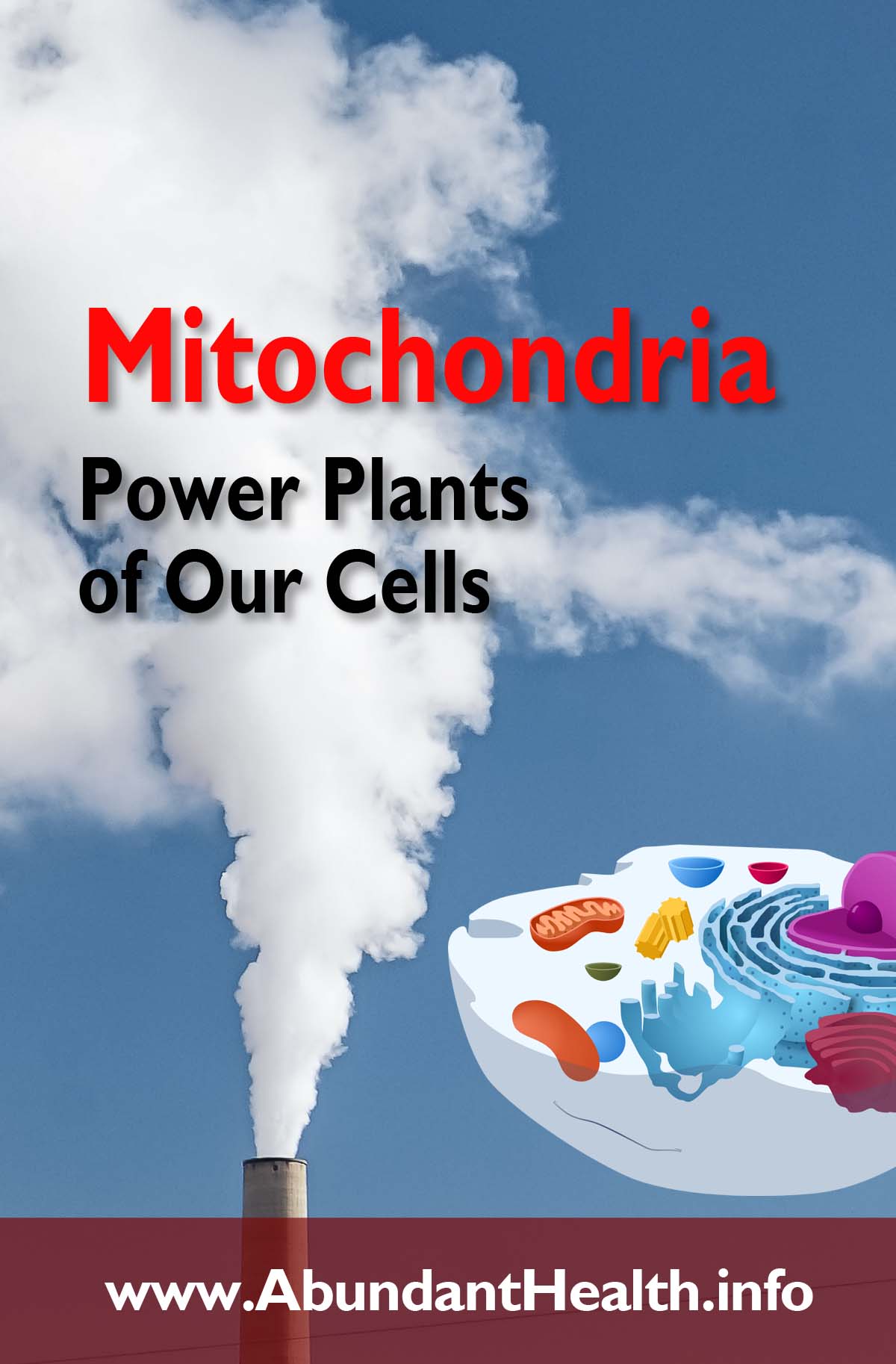
They are found in almost every cell in our body. Without it, we couldn’t produce energy. We couldn’t breathe, nor would our hearts beat. We couldn’t move a muscle, nothing would work. This refers to a tiny organelle in our cells with the peculiar name mitochondrion.

Mitochondria - Power Plants of Our Cells

Scientists have suspected their existence for a long time. But they could only be seen after the invention of the electron microscope around the middle of the last century. Mitochondria are as tiny as bacteria. But what an inner life they have! They are rightly called the powerhouses of our cells because by breaking down food they produce most of the energy that our body uses for all of its functions.

Occurrence and Structure

Mitochondria are found in all cells in our body except red blood cells. Around 1000 mitochondria per cell are typical. This large number already shows us how tiny they must be, when so many of them fit into one cell. They occupy up to 25% of the cell volume. Cells that use a lot of energy have the most mitochondria. These include the muscle, nerve and sensory cells.

Mitochondria are enclosed by two membranes. The outer membrane is smooth and contains many tunnel-like channels through which small molecules can be channeled that our body is constantly metabolizing from our food. The inner membrane, on the other hand, is impermeable to almost all molecules. Only the smallest such as water, carbon dioxide and oxygen can pass. But it has many transport systems in order to selectively channel various metabolic products from our diet into the interior. In order to be able to do all this filtering it is strongly folded to create a large surface.

Inner membraneOuter membraneRibosomeMitochondrial DNA

Inside of the mitochondria, the so-called matrix, many metabolic activities take place. We will come back to that later. The mitochondrion itself has its own DNA like the cell nucleus. So it can divide itself. Its lifespan is not very long, only around 10 to 20 days. It is constantly reproduced by transverse division.

Task of the Mitochondria

The main task is to absorb important metabolic products from our food and convert them into energy. Other residual substances must be converted into a form that can be easily excreted from the body. This includes, for example, the urea cycle, which partially is happening here as well.

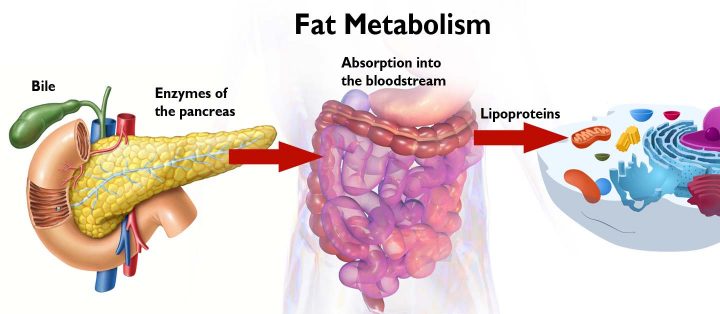
Let’s look at the breakdown of fat from our food. We eat fat because, among other things, we want to use it to produce energy. Our body is a real miracle and a huge, elaborate chemistry lab. It takes many complicated steps to go from one tablespoon of oil to energy. We want to summarize the whole process in a somewhat simplified way. Our pancreas provides enzymes for fat digestion. The bile breaks up a large drop of fat into many small droplets so that the enzymes can operate more easily. They split the fat molecules into fatty acids and glycerine, that can be absorbed through the intestinal wall. After they have passed this barrier, they are reassembled back into real fat molecules. Since fat is insoluble in water and cannot simply swim in the lymph or blood, it becomes bound to lipoproteins. With this taxi, the fat finally gets into the cell, where it is to be converted into energy.

Diagram of the Fat Metabolism
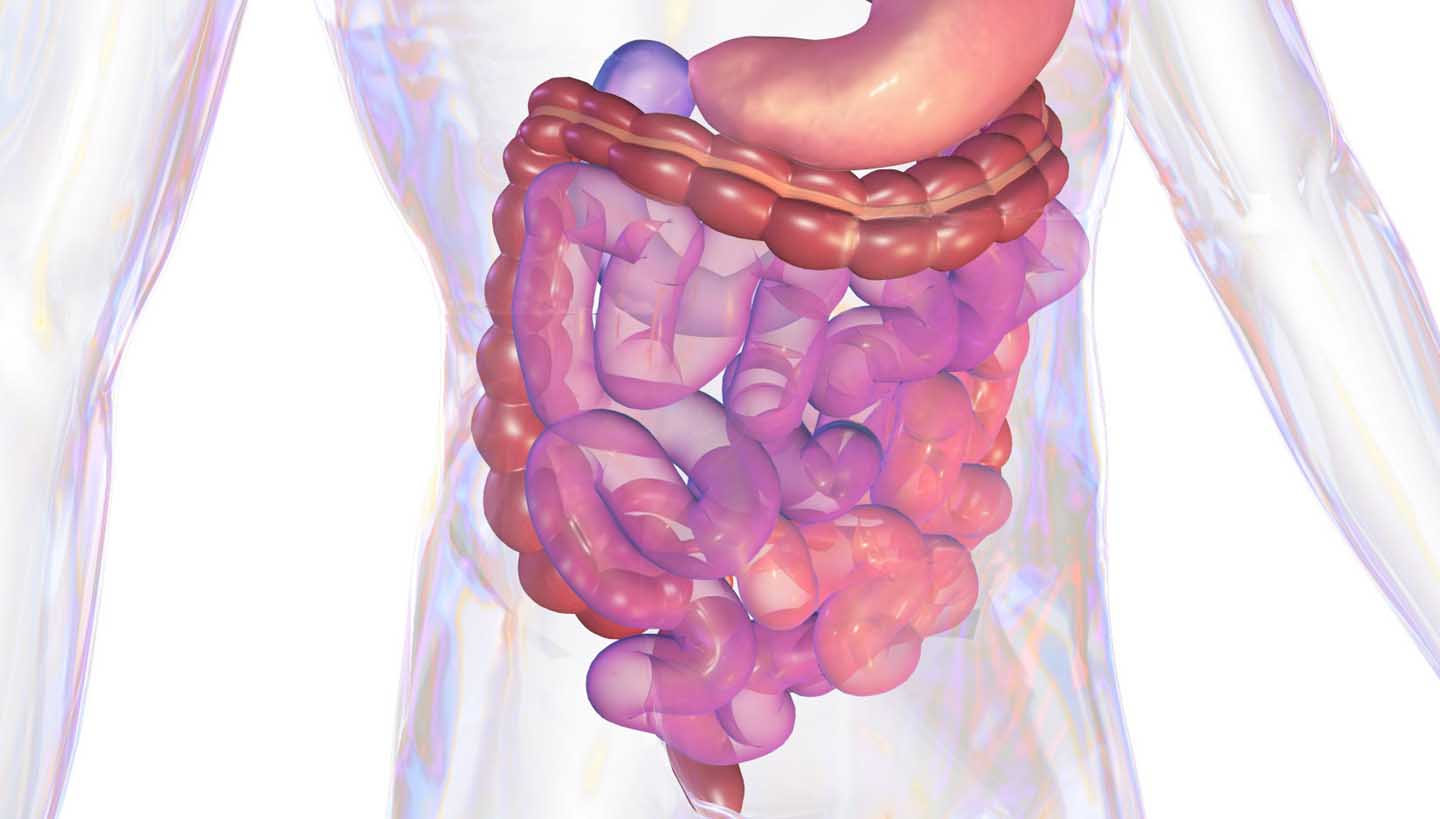
Ilustration of intestines by Blausen.com via Wikimedia CC BY 3.0

This transformation happens in our mitochondria. To do this, the fat molecule must first be broken down into glycerine and fatty acid. However, the fatty acid is too large to get through the membrane into the interior of the mitochondrion. That is why a transport system is needed. Carnitine serves as a taxi, which every athlete knows very well, believing that he needs a lot of it so that he can burn more fat in order to get more energy. If the fatty acids are in the mitochondria, they are together with oxygen converted into energy, water and carbon dioxide via a complicated process called beta oxidation.

The ATP (adenosine triphosphate), as this chemical energy is called, is created inside the inner mitochondrial membrane. The body needs this energy to move its muscles, to produce vital organic molecules and to handle transport processes in the cell and from one cell to another. In an adult human, the amount of ATP that is built up and broken down in his body every day is roughly equivalent to his body weight. What an achievement!

The glycerine from the fat is introduced into the citric acid cycle. This is another extremely complicated cycle that also takes place inside the mitochondria. They are an important hub in the metabolic process. They break down components from our food and at the same time rebuild new substances such as amino acids, the smallest components of protein. The breakdown products of carbohydrates and protein metabolism also enter the citric acid cycle. Components can also be diverted from this process in order to generate energy. We see already the important role of mitochondria in our body´s metabolism.

Fats provide by far the largest amount of energy per weight, followed by carbohydrates. Energy production from protein is not very efficient and is only used when there are not enough fats and carbohydrates available.

Conversion of Nutrients

Carbohydrates are important sources of energy. Some cells like the red blood cells, the nerve and brain cells absolutely depend on glucose. Glucose is therefore stored in the liver in the form of glycogen. This substance can be split up again into glucose between the meals, when no new glucose is available. If more carbohydrates than necessary are consumed and all glycogen stores are filled, carbohydrates are converted into fat. This is stored in the fat cells. Caution: this can lead to obesity!

fruits as a source of carbohydrates - Photo by Anderson Guerra from Pexels

When fasting, after a while the brain and nerve cells even get used to obtaining energy from fatty acids. But the red blood cells are always dependent on glucose for energy. If almost no carbohydrates are ingested with food, as is the case with some restrictive diets, the body has to produce glucose from amino acids. This path is energetically very demanding.

A Varied Diet

We have seen that some nutrients can be converted into one another. With regard to their function as building blocks for bones, organs, teeth and much more, they cannot be exchanged. It is therefore important that we eat a balanced and varied combination of foods and avoid unilateral diets. The best diet consists of lots of fruits and vegetables, grains, nuts, and seeds. From all this variety of foods our body is optimally supplied, and we can produce enough energy for all its vital functions.

Healthy Fruits

Stay Always Up to Date

Sign up to our newsletter and stay always informed with news and tips around your health.
Sign Up Now!

Filed Under: Body Systems, Cell Function, Nutrition

Developing Your Children’s Taste

June 11, 2021 by Elen Duarte - [rt_reading_time label="Reading Time:" postfix="minutes" postfix_singular="minute"]

O Seu Papel no Desenvolvimento Alimentar de Seus Filhos

Did you know that your child’s eating habits are largely determined by you? An adequate and balanced diet is not only linked to the child’s growth and development. It is also directly related to disease prevention and health promotion factors in adulthood.

Developing Your Children’s Taste

In this context, behavioral nutrition plays a fundamental role in guiding food choices in the first year of life. A correct introduction of solid foods, associated with the availability and accessibility of healthy foods, in a pleasant eating environment, enables the child to start building their food preferences consistently.

At this moment, the environment that surrounds the child is the family and the role of the parents is fundamental, as they are largely the child’s only reference of learning. Parents can promote nutritious food choices to their children by selecting healthy foods, thinking about nutritional quality and not just taste. It is up to parents to introduce food to their children, make it accessible and teach about the benefits of health-conscious food choices, while respecting the child’s innate hunger and satiety control.((Ramos M. Desenvolvimento do comportamento alimentar infantil. Jornal de Pediatria 0021-7557/00/76-Supl.3/S229))

Family meals represent an important event, where a positive atmosphere is created. A study by Wardle,((Wardle J. Eating behaviour and obesity. Obes Rev. 2007 Mar;8 Suppl 1:73-5 DOI: 10.1111/j.1467-789X.2007.00322.x)) addressing the relationship between food characteristics and eating behavior, found that food preferences change as a result of personal experiences and learning involved in mealtimes. A positive environment during a meal can induce the child’s preference for foods, while a negative experience can result in a dislike of certain food choices.

Making correct food choices seems simple, however it is a complex, dynamic and multifaceted process, directed by psychosocial, cultural and economic influences.

Parents who discuss nutritional issues as a family, or, more specifically, the nutritional value of foods, provide their children with greater knowledge about nutrition, enabling children to make better food choices throughout their lives. We should mention that children learn about the importance of foods from their own experiences and also, for example, by observing their parents.

A family eating together

A project carried out by Harvard University, conducted 15 years of research on family meals and has made significant discoveries.((Lynn Barendsen. The Family Dinner Project))

Children who dine regularly in the family circle, tend to consume more nutrients from fruits and vegetables, have lower rates of obesity, and eat fewer calories than those who were eating out. Also noted were academic and emotional benefits, lower rates of drug use and depression, more resilience, broader vocabulary, greater reading ability, and overall better grades in school.((The Benefits of Home Cooking for Your Family. Huffpost, 27.05.2017))

Sitting together as a family for a meal allows us to develop valuable skills such as: listening to other people, sharing ideas, laughing, telling stories, choosing healthy foods and even passing on traditions from one generation to another.((Rossi A, Moreira EAM, Rauen MS. Determinantes do comportamento alimentar: uma revisão com enfoque na família. Rev Nutr. 2008 Dec;21(6):739-48. https://doi.org/10.1590/S1415-52732008000600012))

Studies conducted by Branen & Fletcher((Branen L, Fletcher J. Comparison of college students’ current eating habits and recollections of their childhood food practices. J Nutr Educ. 1999; 31(6):304-10. https://doi.org/10.1016/S0022-3182(99)70483-8)), found that young adults, when selecting a food item, recall the nutritional choices that were formed by their parents. This is an intriguing realization of how parents can influence their children’s eating habits in the long run.

Here are some tips to make family meal times more enjoyable:

1. Set up a healthy table. If you prefer, get everybody involved in the preparation of the table. Dividing tasks and involving children in preparation makes mealtimes easier, remember that children learn by watching, but also by doing.((Refeições em família: Como as crianças se beneficiam do contato com os pais à mesa. BBC News, Novembro 12, 2018))

2. Eliminate distractions. Turn off the television, store away cell phones and tablets, so that attention is on each other. A study carried out with 91 children and 91 parents showed that children whose families eat their meals while watching television had a lower fruit and vegetable intake and a higher consumption of pizzas, snacks and soft drinks, compared to those who did not. Furthermore, research has shown that watching television during meals is associated with a higher risk for nutritional deficiencies. Another factor linked to the practice of eating in front of the television is associated with commercial food advertisements, which induce the child to eat totally unhealthy foods. About 91% of the most frequently advertised food products tend to be high in fat, sugar and salt.

Parents should also monitor the exposure time their children spend with electronic equipment, taking into account the sedentary lifestyle associated with obesity and the possible development of chronic diseases.((Rossi A, Moreira EAM, Rauen MS. Determinantes do comportamento alimentar: uma revisão com enfoque na família. Rev Nutr. 2008 Dec;21(6):739-48. https://doi.org/10.1590/S1415-52732008000600012))

3. Celebrate the Food. Sometimes we get so used to our abundance lifestyle that we forget that there are many people in this world who die of hunger and thirst. Praying before the meals it is also a way to express thankfulness and ask for a blessing over the food.

A family thanking for the food - Photo by RODNAE Productions from Pexels

4. Have a good chat. Avoid issues that bring discomfort to the other. This is not the best time to resolve those issues. If the conversation is something light, it will encourage your children to express their views and learn to respect other people’s opinions.((Refeições em família: Como as crianças se beneficiam do contato com os pais à mesa. BBC News, Novembro 12, 2018))

The family environment should provide interactions and strengthen bonds between other family members, be safe, warm and provide adequate and healthy food. Parents have a fundamental role in their children acquiring preferences and eating habits, which can encourage healthy eating patterns for their children. Furthermore, eating together can protect the health of the whole family and add a lot of value to our lives. Get started now! Taking care of your child’s health will bring rewarding results for their lifetime!

Healthy Fruits

Stay Always Up to Date

Sign up to our newsletter and stay always informed with news and tips around your health.

Sign Up Now!

Filed Under: Children, Nutrition, Phases of Life

Why Local Foods are Better for You

March 14, 2021 by Esther Neumann - [rt_reading_time label="Reading Time:" postfix="minutes" postfix_singular="minute"]

Vorteile von Einheimischen Lebensmitteln

Kiwis from New Zealand, tomatoes from Mexico, bananas from Ecuador, grapes from South Africa … Shopping in the supermarket is like immersing yourself in the big wide world. Also, contemplating the variety of fruits and vegetables available, it is hardly possible to tell which season is outside the supermarket. A huge logistic is behind the extensive product range.

Why Local Foods are Better for You

Long Transport Chains

The food supply sometimes requires very long transports and the associated consumption of a lot of energy, not only for transport, but also to cool the goods. In addition, there is the energy and raw material for the production of the packaging material and the many plastic foils used for cultivating vegetables. The transport of food over long distances has increased because of global trade unions.

To reduce these energy expenses, local produce should be given preference. This has many advantages, also for the consumer. Fruits and vegetables can be harvested when they are ripe, since there are only short transport routes. Mature products not only taste better, the nutritional value is also higher.

Tracing Phytochemicals

In recent years, scientists have been following very closely the traces of the so-called phytochemicals in natural produce such as fruits, vegetables, cereals, legumes, herbs and teas. These are substances that the plants produce for their own pest protection and to avoid being eaten. But it also includes coloring and flavoring substances, plant toxins and hormones. In nutritional science, these substances were predominantly referred to as unhealthy and anti-nutrients. Today the tide has turned. Cancer research, in particular, indicates that there is more to be found in fruits and vegetables than minerals and vitamins. More of these valuable ingredients can be found in mature products that are in season and that could grow on organic farming.

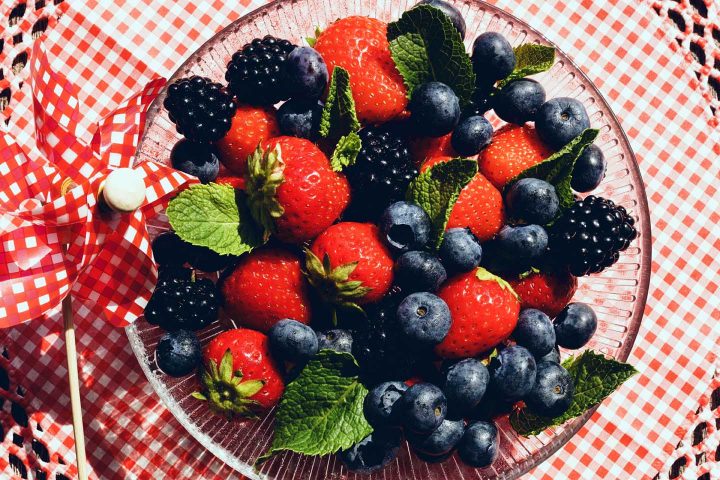
Local berries - Photo by Susanne Jutzeler from Pexels

Exotics from Overseas

Overseas fruit is usually harvested unripe. Chemical agents are often used to suppress the natural ripening process, trying to bring the products to the market when they are ready for consumption. Unfortunately, that doesn’t always work. Often the hard, tasteless fruits are just a far reminiscent of the exotic ones that you got to know on your previous vacation. Certainly nothing is wrong with adding some tropical fruits every now and then to the menu. But local products should preferably be served.

Seasonal Fruits and Vegetables

Vegetables from the greenhouse and cultivated in tunnels have higher nitrate contents than vegetables grown in the open because of the lack of sunlight. More pesticides must also be used. Such residues can be reduced with a seasonal diet. In winter and spring, winter hardy vegetables should therefore be preferred: lamb’s lettuce, kale, leek, storable vegetables such as cabbage, carrots, red beets, celery, endive, radicchio, apples and pears. Pumpkins also last well into winter. Let’s also get the first green from the wild, such as dandelions, wild garlic, ground elder, violets and daisies.

Direct Marketing

Marketing directly from the producer to the consumer contributes a lot to securing the livelihood of local small and medium-sized farms. Associated with this is the preservation of the rural landscape and of cultural assets. By shopping from the farm or at the farmers’ market, we can also do a lot to avoid waste. Around half of the volume of household waste is packaging, of which around 90% are food packaging.

Fresh products at the farmers market - Photo by Eva Elijas from Pexels

Products from Organic Farming

Organic farming techniques not only take into account the lower environmental impact, but also results in healthier and better-tasting products. Organic farming offers reasonable alternatives for many problems. Pollution of soil, air, water and food is reduced, besides the superior taste and nutritional value. In addition, the biodiversity is being preserved by cultivating varieties that are not used in large scale commercial production.

Cultivation in the Garden

Growing in your own garden more than pays off – despite the cheap goods at the supermarket. The short way from the garden to the kitchen guarantees freshness and quality. There are also other health benefits: exercise in the fresh air while gardening and the joy of working with the Creator. Growth and prosperity come from him. The gardener sows, cherishes, cares and is looking forward to the harvest.

Fresh veggies from the garden - Photo by Ava Motive from Pexels

Rethink

In this sense, spring offers a good new beginning. Let’s learn to rethink. The comfortable reach on the supermarket shelf is not always the best way. Let’s start with our own garden, let’s plant a few vegetable patches again. Maybe we go out of our way to buy directly at the farm and give preference to local products. Many small steps pave the way to better health and a more intact environment.

Healthy Fruits

Stay Always Up to Date

Sign up to our newsletter and stay always informed with news and tips around your health.
Sign Up Now!

Filed Under: Nutrition

« Previous Page
Next Page »

Primary Sidebar

Social Channels

Coronavirus Immunity Challenge

Boost your immune system to be bullet-proof for the pandemic.

I Want to Participate

Recent Posts

  • 5 Habits to Live Longer
  • Better Sleep Can Protect Against Dementia
  • Finding Peace In Your Crazy-Busy World
  • Flaxseed – An Ancient Plant Rediscovered
  • Platelets – Triggers for Life or Death
  • Boderline Personality Disorder
  • In Praise of Almonds and Nuts
  • Are You Stuck in the Clutter Trap?

Categories

  • Body Systems (16)
    • Cell Function (2)
    • Circulatory System (1)
    • Digestive Tract (10)
    • Immune System (4)
  • Diseases (27)
    • Cancer (2)
    • Cold (1)
    • COVID-19 (11)
    • Dementia (1)
    • Diabetes (1)
    • Digestive Diseases (2)
    • Heart Disease (2)
    • Kidneys (1)
    • Metabolic Syndrome (2)
    • Skin (1)
  • Healthy Lifestyle (42)
    • Exercise (11)
    • Gardening (2)
    • Sleep (7)
    • Sunlight (2)
    • Temperance (14)
    • Water (4)
  • Mental Health (87)
    • Addictions (6)
    • Anxiety (7)
    • Burnout (1)
    • Depression (7)
    • Psychosomatic Diseases (6)
    • Stress Management (45)
    • Trust (6)
  • Nutrition (56)
  • Obesity (9)
  • Phases of Life (14)
    • Adults (3)
    • Babies and Infants (1)
    • Children (3)
    • Seniors (5)
    • Teenagers (3)
  • Therapies (7)
    • Herbs (5)
    • Hydrotherapy (1)
  • Uncategorized (3)

Archives

  • January 2025 (1)
  • March 2024 (5)
  • February 2024 (4)
  • January 2024 (4)
  • December 2023 (5)
  • November 2023 (4)
  • October 2023 (5)
  • September 2023 (4)
  • August 2023 (3)
  • July 2023 (2)
  • June 2023 (4)
  • May 2023 (4)
  • April 2023 (5)
  • March 2023 (4)
  • February 2023 (4)
  • January 2023 (4)
  • December 2022 (4)
  • November 2022 (4)
  • October 2022 (5)
  • September 2022 (4)
  • August 2022 (4)
  • July 2022 (5)
  • June 2022 (4)
  • May 2022 (5)
  • April 2022 (4)
  • March 2022 (4)
  • February 2022 (4)
  • January 2022 (5)
  • December 2021 (3)
  • November 2021 (4)
  • October 2021 (6)
  • September 2021 (4)
  • August 2021 (4)
  • July 2021 (5)
  • June 2021 (4)
  • May 2021 (3)
  • April 2021 (5)
  • March 2021 (4)
  • February 2021 (4)
  • January 2021 (5)
  • December 2020 (3)
  • November 2020 (4)
  • October 2020 (5)
  • September 2020 (5)
  • August 2020 (3)
  • July 2020 (1)
  • June 2020 (1)
  • May 2020 (1)
  • April 2020 (1)
  • March 2020 (1)

Copyright © 2026 · Abundant Health - Privacy Policy - Medical Disclaimer