Abundant Health

Up to date health information tailored for you

  • Home
  • Blog
  • Recipes
  • Shop
  • Contact
You are here: Home / Archives for 2021

Archives for 2021

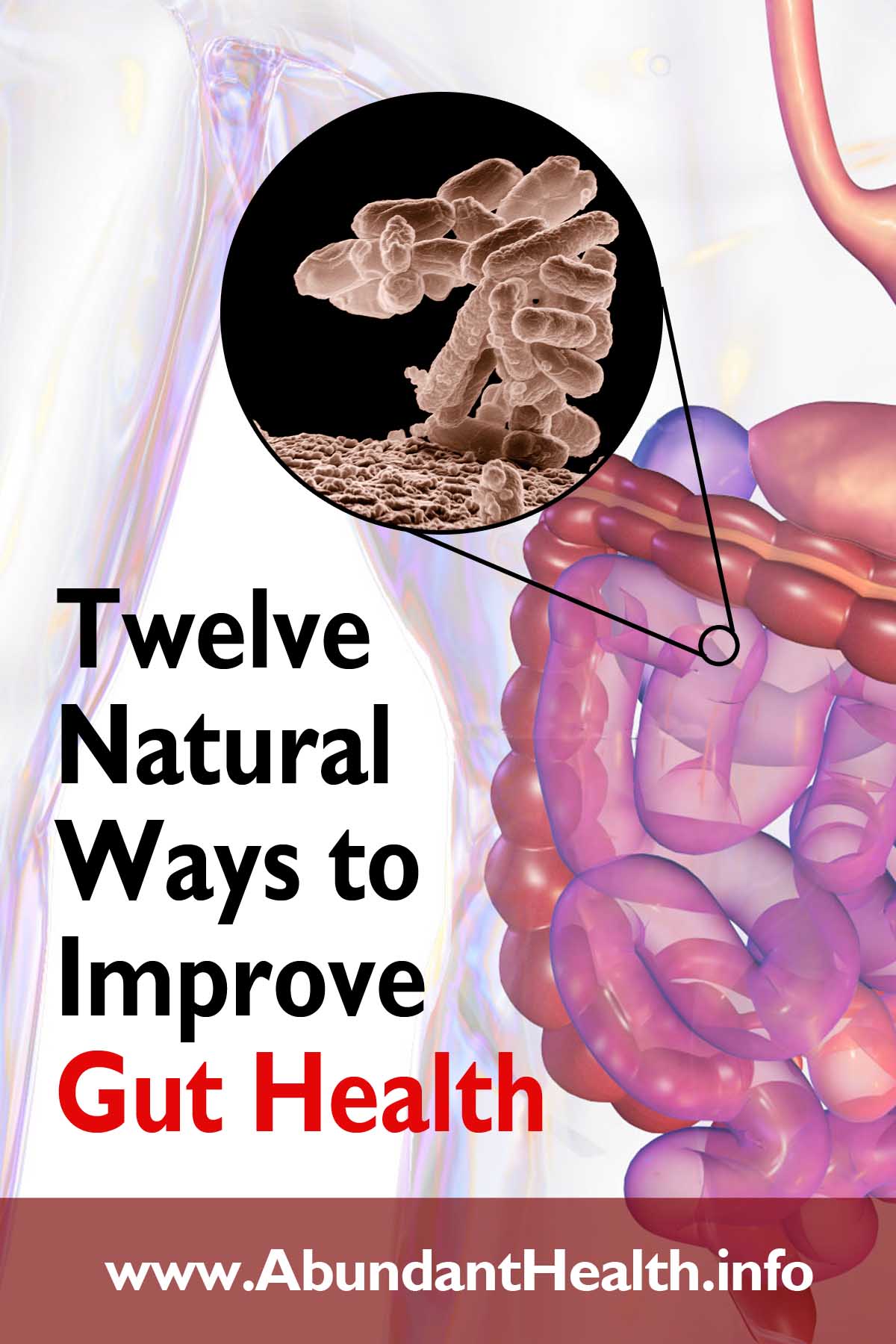
Twelve Natural Ways to Improve Gut Health

July 8, 2021 by Elizabeth Hall - [rt_reading_time label="Reading Time:" postfix="minutes" postfix_singular="minute"]

Twelve Natural Ways to Improve Gut Health

Discover the amazing contributions of gut bacteria to health and disease. Plus scientifically validated natural remedies that may improve your gut health in just few days!
Twelve Natural Ways to Improve Gut Health

Your gut provides a home for trillions of bacteria. So far there are 2,000 known species of gut bacteria. The contributions of the gut microflora are astounding for they affect nutrient uptake, metabolism, body clocks, carcinogen detoxification, immune responses, chronic inflammation, and mental health!((Baylor College of Medicine. “Dietary quality influences microbiome composition in human colonic mucosa.” ScienceDaily. 15 July 2019.www.sciencedaily.com/releases/2019/07/190715164650.htm))

The proper balance, composition, and a healthful diversity of gut bacteria is necessary for favorable immune responses and optimal health. Imbalance that favors unfriendly bacteria over friendly germs triggers strong immune and inflammatory processes.

Good Germs

Beneficial bacteria release useful byproducts that protect your health and lower your risk for colon cancer, atherosclerosis, and inflammatory conditions. They also protect your gut from infections, produce some nutrients, release certain neurotransmitters such as dopamine and serotonin, and affect our sleep.((Patterson E. Gut microbiota, obesity and diabetes. Postgrad Med J. 2016 May 92(1087):286-300. doi: 10.1136/postgradmedj-2015-133285.))

Germ Warfare

Unfriendly gut bacteria, however, release toxins and inflammatory agents that disrupt the gut barriers. Once inside the blood, these inflammatory compounds and toxins contribute to the development of conditions such as atherosclerosis, hypertension, allergies, diabetes, obesity, inflammatory bowel diseases (Crohn’s, celiac, ulcerative colitis), lung problems, anxiety, and depression.((Singh RK. Influence of diet on the gut microbiome and implications for human health. Journal of Translational Medicine volume 15, Article number: 73 (2017).)) 
Could Your Gut Impact Your Blood Pressure?

What Shapes Gut Bacteria?

Every individual microbiome is different and develops because of genetic, environmental, lifestyle, and dietary factors to which we are exposed.  So, how do we encourage the population of good germs and reduce the number of unwanted ones?

Whole, Nutrient Dense Plant Foods

Diets that are high in whole plant foods–fruits, vegetables, legumes, and whole grains–and low in added sugar and saturated and trans fats– stimulate the proliferation of beneficial bacteria such as those that have anti-inflammatory properties.((Tomova A. The Effects of Vegetarian and Vegan Diets on Gut Microbiota. Front. Nutr. 17 April 2019.www.frontiersin.org/articles/10.3389/fnut.2019.00047/full)) In this aspect, liberal amounts of raw fruits and vegetables are particularly useful in building healthy gut microflora.((Karon A. A Western Diet Linked to lower microbiome diversity. Internal Medicine News. March 29, 2019.www.mdedge.com/internalmedicine/article/197770/gastroenterology/western-diet-linked-lower-microbiome-diversity))

Fruits -  Photo by Karolina Grabowska from Pexels

In contrast, a poor-quality or Western diet (rich in sugar, animal products, salt, processed foods, and refined carbohydrates) is linked to more disease-causing bacteria.((Zinöcker MK. The Western Diet–Microbiome-Host Interaction. Nutrients. 2018 Mar: 10(3): 365.www.ncbi.nlm.nih.gov/pmc/articles/PMC5872783/
Singh RK. Influence of diet on the gut microbiome and implications for human health. Journal of Translational Medicine. Volume 15, Article number: 73 (2017).)) One such species of bacteria is Fusobacteria, which has been linked to colorectal cancer.((Baylor College of Medicine. “Dietary quality influences microbiome composition in human colonic mucosa.” ScienceDaily. 15 July 2019.www.sciencedaily.com/releases/2019/07/190715164650.htm))

Great Carbs

Good carbs boost gut health. While it is true that high sugar, fat-rich, and refined products promote the population of unfriendly bacteria in the gut, the keto and low carb diets miss the important contributions that result from eating resistant starches!

Whole grains and legumes contain resistant starches that are not fully digested in the stomach and small intestine. Consequently, they are not absorbed. Resistant starches, like soluble fiber, feed the friendly bacteria in your intestines, having a positive effect on the distribution and composition of bacteria as well as their number. These bacteria produce useful byproducts from resistant starches to curtail inflammation and lower the risk for chronic diseases.((Robertson MD. Insulin-sensitizing effects of dietary resistant starch and effects on skeletal muscle and adipose tissue metabolism. Am J Clin Nutr. 2005 Sep: 82(3):559-67.
Birt D. Resistant Starch: Promise for Improving Human Health. Adv Nutr. 2013 Nov; 4(6): 587–601.
Kieffer D.A. Resistant starch alters gut microbiome and metabolomic profiles concurrent with amelioration of chronic kidney disease in rats. J Physiol Renal Physiol. 2016 May 1; 310(9): F857–F871.))

Another advantage: Most prebiotics are oligosaccharides (carbohydrates that have a small number of monosaccharides) and help to maintain the balance of gut microflora in favor of friendly bacteria. A prebiotic is non-digestible carbohydrate that not only feeds good bacteria but it feeds probiotics too. Prebiotics selectively work on a limited number of gut germs. Asparagus, artichokes, barley, rye, lentils, onions, chicory, garlic, leeks, and bananas are good sources of oligosaccharides.

Salt-Gut Connection

Go easy on the salt! Excessive salt decimates a certain type of beneficial bacterium in the gut (lactobacilli). It also increases the number of certain immune cells (helper T-17 lymphocytes). These particular immune cells play a role in the development of high blood pressure and autoimmune conditions in which the immune system attacks tissues and organs of the body. (Please note: The problem is ingestion of too much salt and the excessive number of T-lymphocytes. A little salt is essential to health). When probiotic lactobacilli were added to a high-salt diet, the elevated T-17 cells and blood return to normal—at least in rodent studies.((Nicola Wilck, Salt-responsive gut commensal modulates TH17 axis and disease. Nature. 2017; DOI: 10.1038/nature24628))
Seven Facts about Salt Your Doctor Won’t Tell You
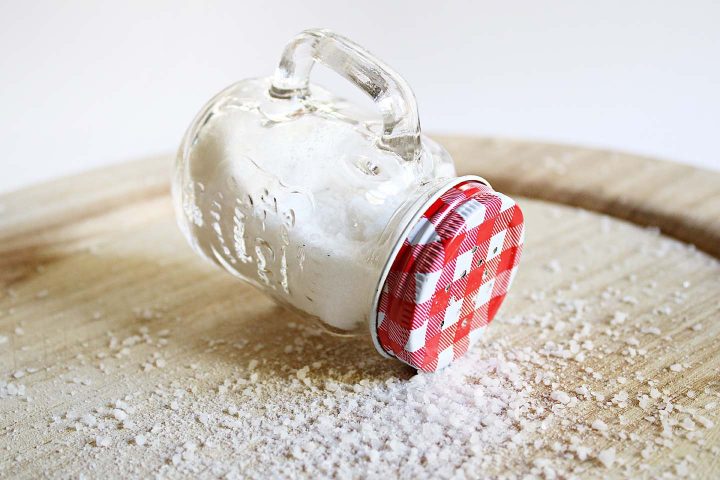
Salt shaker -  Photo by Lorena Martínez from Pexels

Eat Organic!

Pesticide residues on food have the potential to harm friendly gut bacteria over time.((Defoi Clémence. Food chemicals disrupt human gut microbiota activity and impact intestinal homeostasis as revealed by in vitro systems. Published: 20 July 2018.www.nature.com/articles/s41598-018-29376-9)) To help remove pesticides from produce, soak the produce briefly in a 10% salt rinse. (Use 1 part sodium to 9 parts water). There is no way you can reduce pesticides from meat, dairy, and fish.

Downside of Artificial Sweeteners

Because they potentially reduce the number of good bacteria in your gut and encourage insulin resistance, avoid artificial sweeteners.((Suez J. Artificial sweeteners induce glucose intolerance by altering the gut microbiota. Nature. 2014 Oct 9; 514(7521):181-6.)) Saccharin and sucralose, for sure, and possibly stevia, adversely affect gut bacteria.((Javier F. Effects of Sweeteners on the Gut Microbiota: A Review of Experimental Studies and Clinical Trials. Advances in Nutrition, Volume 10, Issue suppl_1, January 2019, Pages S31–S48.doi.org/10.1093/advances/nmy037)) Insulin resistance and high blood sugar themselves can disrupt the gut barrier and increase its permeability so that inflammatory compounds and toxins enter the blood.

Meal Frequency

Limit the number of meals and skip snacking. If you are sedentary, or have a chronic inflammatory condition, you might want to consider skipping supper and eliminating snacks. In other words, time restricted eating.Why? Time-restricted feeding allows for only 8–10 hours of feeding each day. Time restricted eating changes the gut microflora in positive ways to discourage obesity, disruption of blood glucose regulation, and bowel diseases.((Dandun Hu. Gut flora shift caused by time-restricted feeding might protect the host from metabolic syndrome, inflammatory bowel disease and colorectal cancer. Translational Cancer Research. Vol: 7:5. Oct. 2018.))

Do Not Relapse!

The composition of gut bacteria can change quickly!—within ten days. For better or worse. In other words, even a short-term consumption of diets composed mostly of animal or plant products rapidly alters and deteriorates the community of gut microbes. Just eating an animal-based diet or consuming fast foods for several days, for example, reduces useful byproducts from fermentation of carbohydrates. This diet consequently increases the potential for diarrhea, other intestinal infections and inflammatory bowel diseases.((David LA. Diet rapidly and reproducibly alters the human gut microbiome. Nature. 2014 Jan 23; 505(7484):559-63.)) The good news is that a proper diet can favorably shift the gut bacteria to a friendlier status within a few days!

Regular Schedule

Eat meals and sleep on schedule. Gut microbes have circadian rhythms that are controlled by the biological clock of the host in which they reside. Disturbed body rhythms adversely change the composition of the microbial community in such a way as to promote obesity and metabolic problems((Thaiss et al. Trans-kingdom control of microbiota diurnal oscillations promotes metabolic homeostasis. Cell, 2014 DOI: 10.1016/j.cell.2014.09.048))
How to Diffuse Your Body’s Time Bomb

Don’t Short Change Your Sleep

Even healthy young men who experienced only two nights of partial sleep deprivation, have a significant decrease in types of beneficial bacteria. They also experienced changes to the composition of microorganisms in the microbiome that are linked specifically to obesity, insulin resistance, and type 2 diabetes

Researchers from Kent University investigated the influence of the microbiome in a group of adults ages 50-85 and found strong connections between higher sleep quality, better cognitive flexibility (the ability to transition between one concept to another), and higher levels of beneficial gut microbes.((Breus M. The Latest on Sleep and Gut Health. Health. May 29, 2018.thesleepdoctor.com/2018/05/29/the-latest-on-sleep-and-gut-health/)) Even individuals who wake up frequently during the night develop adverse changes in gut bacteria.

Get Regular Exercise

Exercise boosts the diversity of the bacteria found in the gut. Reduced variation in gut microbes (microbiota) has been linked to obesity and other chronic problems. On the other hand, increased diversity favors a metabolic profile and a more helpful immune system response.((S. F. Clarke, Exercise and associated dietary extremes impact on gut microbial diversity. Gut, 2014; DOI: 10.1136/gutjnl-2013-306541)) Moderate exercise is especially useful in reducing inflammation.

walking on a beach -  Photo by Karolina Grabowska from Pexels

Learn to Manage Stress

Stress can change the gut bacteria in undesirable ways. Exposure to psychological stress disrupts the beneficial gut bacteria. The dominance of certain bacteria can produce substances that interact with the brain, erode mental health, and lower the threshold for depression, anxiety, obsessive-compulsory disorder, and possibly other mental illnesses.((Mc Guillian MS. Gut Health Affects Mental Health.www.psycom.net/the-gut-brain-connection)) Unfortunately, even moderate stress during pregnancy is enough to change the intestinal bacteria so that newborn infants are more susceptible to infections.((Bailey, M.T. Prenatal Stress Alters Bacterial Colonization of the Gut in Infant MonkeysJournal of Pediatric Gastroenterology and Nutrition: April 2004. Volume 38: Issue 4 p. 414-421))

Depression, anxiety, and other mental illnesses have many causative and contributory factors. The gut health is only one possible contributing factor in mental disease, but it should not be overlooked. 
Overcoming Fear & Anxiety

Check Your Meds

Antibiotics are not the only drugs that disturb the gut microflora. Acid-reducing meds, antibiotics, NSAIDS (nonsteroid anti-inflammatory drugs), calcium channel blockers for high blood pressure, anti-virals, anti-psychotic drugs, and chemotherapy can also negative impact our gut bacteria. If you take these any of these drugs, you might want to consider probiotics. Always take probiotics four hours after taking the medication!

Try to discover the causes of your condition. Treat the cause and you might do with less medicine and in some cases dispense with it all together. Please do not adjust medication without discussing it with your doctor first.

Downside of Probiotics

Live probiotics can be useful especially during a round of antibiotics, if using a drug mentioned above, if one has been on a poor diet, or has some medical condition in which documented evidence indicates that probiotics may help. If a person has been eating a healthful, plant-based diet and is generally healthy, there is no need to take probiotics every day. Probiotic use can result in a significant accumulation of bacteria in the small intestine that can result in disorienting brain fogginess as well as rapid, significant belly bloating.((Medical College of Georgia at Augusta University. “Probiotic use is a link between brain fogginess, severe bloating.” ScienceDaily, 6 August. 2018.www.sciencedaily.com/releases/2018/08/180806095213.htm))

Healthy Fruits

Stay Always Up to Date

Sign up to our newsletter and stay always informed with news and tips around your health.

Sign Up Now!

This article was originally posted on the Wildwood Institute website and is used by permission.

Filed Under: Body Systems, Digestive Tract, Nutrition

How Do Emotions Influence Cancer Treatment?

July 2, 2021 by Dr. Cesar Vasconcellos de Souza - [rt_reading_time label="Reading Time:" postfix="minutes" postfix_singular="minute"]

Emoções Influenciam o Tratamento do Câncer

Have you ever noticed that some people with cancer die unexpectedly, but others with less favorable diagnosis survive? Perhaps this can often be explained by the relationship between cancer and the mind, emotions and cancer. Is there any scientific basis for us to believe that positive emotions have specific physiological effects?

How Do Emotions Influence Cancer Treatment?

About negative emotions, we already know that anger is related to the production of norepinephrine, and fear or anxiety has to do with adrenaline. Positive emotions relate to acetylcholine outside the brain, which produces muscle relaxation, and has to do with endorphins and serotonin inside the brain.

Cancer is not just a disease. There are several interrelated diseases, several changes that end up generating cancer. There may be a genetic predisposition, a lot of stress in childhood, a diet of poor nutritional quality, a contaminated environment, polluted air, free radicals, smoking, alcohol abuse and other factors. Cancer is an indication that there is something else dysfunctional in the person’s lifestyle.

Lawrence LeShan was a psychologist who worked for more than 20 years just with dying patients, and in one of his studies of 152 people with cancer, he found that some mental attitudes had a negative influence on those cancer patients.

The study came to some interesting conclusions about the emotional or mental posture found in the people surveyed, who developed some form of cancer. Let’s look at some of these results from this study. Of these 152 people, 109, or 72%, had lost their purpose to live, and were unable to establish new relationships. There may have been attempts to develop new relationships, but they failed and the person remained isolated, even surrounded by family and friends, so that is to say 72% of people suffered from loneliness.

It was found that 71 of these people, or 47%, almost half of these people, were unable to demonstrate hostility in their self-defense. In other words, she had a feeling that her desires didn’t deserve to be defended, they didn’t know how to protect themselves. They are those people that when you step on their toes, they are the ones who apologize, people who do not know how to defend themselves, even from hostile people.

The study also found that 58 people, or 38% of them, had tension, a major stress due to the death of a parent. For some individuals, the type of emotional bond with the father or mother is so ingrained that when one of them dies, the suffering of the son or daughter is much greater than in people without this type of affective bond, who also experienced a period of grief and normal sadness, but without so much suffering, and without despair. So 38% of people who developed cancer had a lot of suffering a while before the cancer appeared, with the death of the father or mother, because of this extremely strong bond they had with that parent.

A woman experiencing grief in front of the tomb

It was also found that many of the studied group showed self-depreciation, a lack of self-confidence, a lack of respect for their own achievements. It’s the people that when you praise, for example for being in a nice outfit, they say: “Oh, I bought it there at the benefit bazaar”, or when these people have passed an exam and you congratulate them, they say: “Oh, it wasn’t so hard to pass”, that is, they always devalue themselves. So this psychologist working with these people with cancer found that many of them had this self-deprecating mindset.

Other people who had cancer in the study group had a sense of despair they had lived with all their lives, a despair in the sense of looking at life with pessimism, without good prospects for the future. And also the good number of patients evaluated revealed that they had more emotions than energy to express them, and they had very few or no channels of emotional expression, there is no one to whom they could open up, that is, they swallowed, repressed more emotions than they should have done, and some cases seem to explode into cancer.

Dr. Samuel Silverman of the School of Medicine at Harvard University, he says:

If there is a latent tendency to develop cancer, the inability to express one’s feelings will strike the body at some vulnerable point.

You can fight for your life : emotional factors in the causation of cancer
Counseling with a cancer patient

Some mental attitudes that help in the prevention or treatment of Cancer from a psychological and emotional point of view are the following:

  1. Have a meaning for life beyond the desire for physical healing.
  2. Reflect on how best to be useful with what you are, the talents you already have or can be learned.
  3. Learn, that you can express emotions, opinions and still be loved and accepted.
  4. Acquire self-knowledge to live with emotional honesty, that is, not fooling yourself.
  5. Appreciating the positive traits in me, what I can do, the blessings I have received, looking positively at those things that God has placed in me, which are talents, they’re blessings.
  6. Realize that you can try to understand and love yourself, forgive yourself, accept your limitations, without fighting with you, without criticizing yourself, without belittling yourself.
  7. Also strive to make changes in your life, in search of what you want, rather then remaining in a bad situation, even if it produces some benefits, such as an economic gain.

Dr Lawrence mentions in his book a doctor who had a specialty that earned a lot of money. Then she had breast cancer and she found out that she actually would like to work in another specialty, which would earn less money, but she decided to change, resulting in better coping with the cancer.

He cites the case of another woman, a lawyer that was professionally and economically very successful, but who also had breast cancer, and during psychotherapy she discovered that she had always liked music. So this woman decided to quit her job as a lawyer and went into music.

After doing a study on these people who made important changes in their lives after cancer, it was found that they had a much better survival rate, a much better quality of life, a much better recovery from this cancer than those people who got stuck and didn’t do these changes. So it’s important to think that it is healthy for the mind that influences the immune system, to make less money, but to be happy in what you do. Think about it when you decide to make important changes in your life.

Healthy Fruits

Stay Always Up to Date

Sign up to our newsletter and stay always informed with news and tips around your health.

Sign Up Now!

Filed Under: Cancer, Diseases, Mental Health, Psychosomatic Diseases

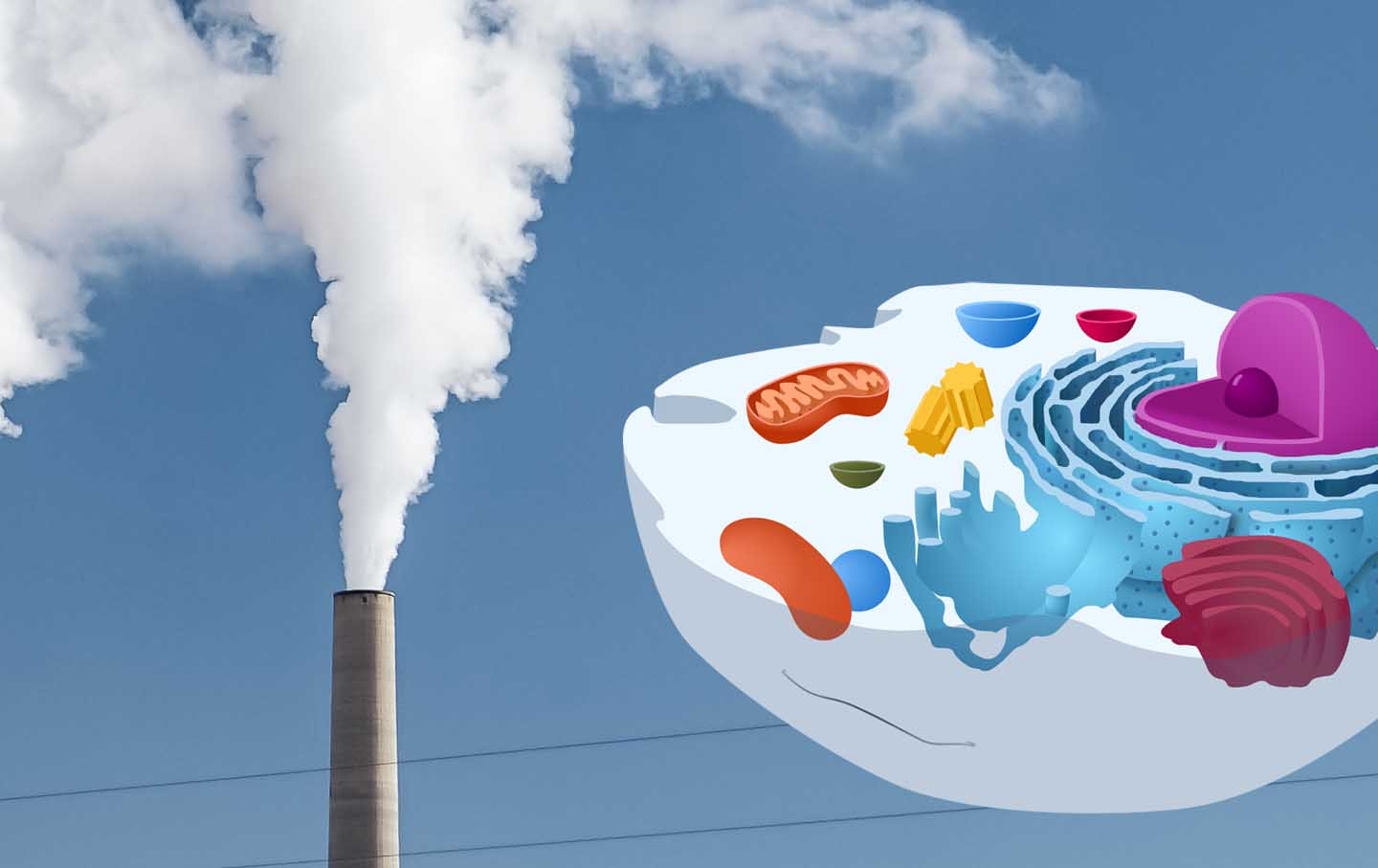
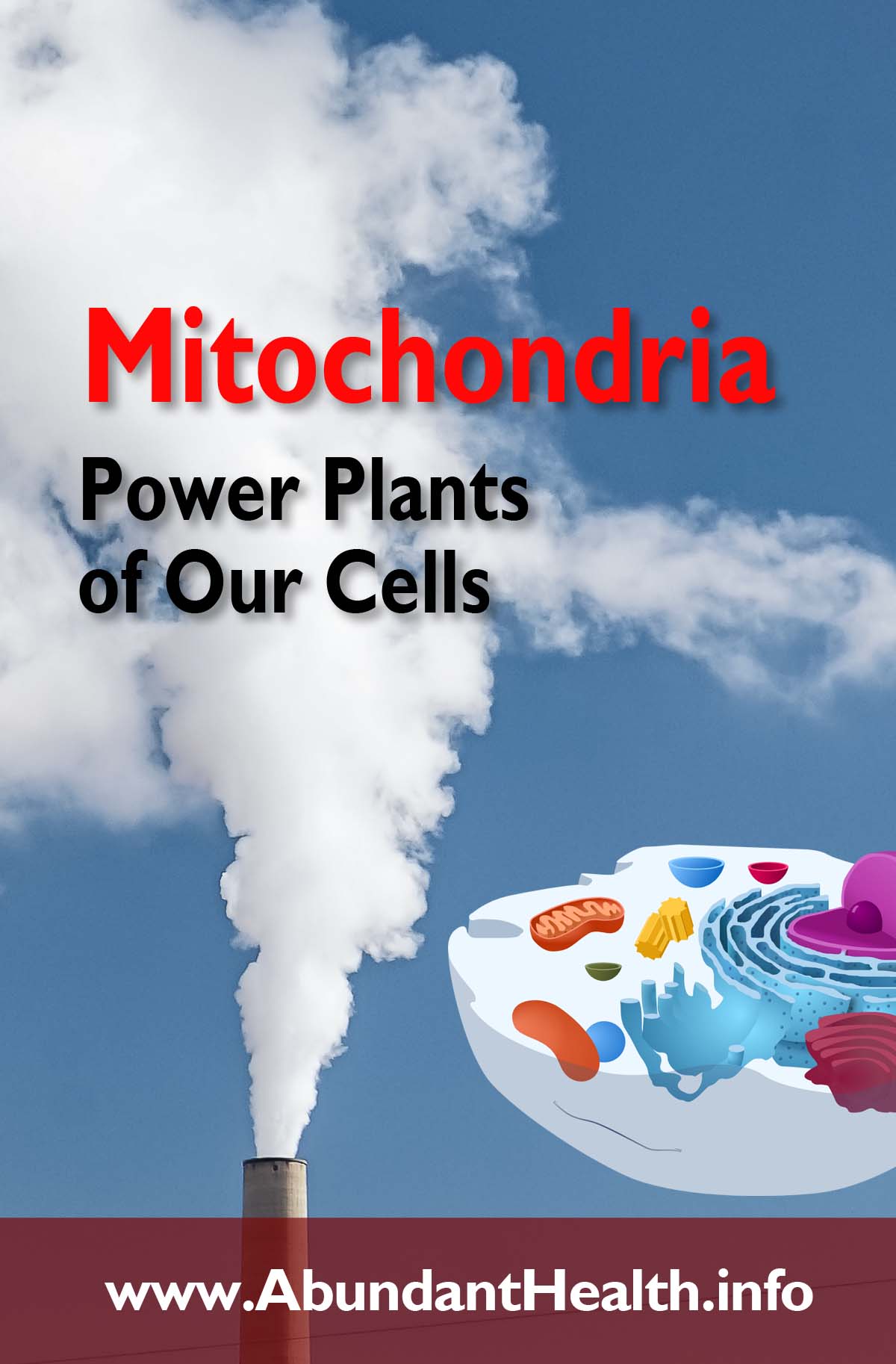
Mitochondria – Power Plants of Our Cells

June 25, 2021 by Esther Neumann - [rt_reading_time label="Reading Time:" postfix="minutes" postfix_singular="minute"]

Mitochondria

They are found in almost every cell in our body. Without it, we couldn’t produce energy. We couldn’t breathe, nor would our hearts beat. We couldn’t move a muscle, nothing would work. This refers to a tiny organelle in our cells with the peculiar name mitochondrion.

Mitochondria - Power Plants of Our Cells

Scientists have suspected their existence for a long time. But they could only be seen after the invention of the electron microscope around the middle of the last century. Mitochondria are as tiny as bacteria. But what an inner life they have! They are rightly called the powerhouses of our cells because by breaking down food they produce most of the energy that our body uses for all of its functions.

Occurrence and Structure

Mitochondria are found in all cells in our body except red blood cells. Around 1000 mitochondria per cell are typical. This large number already shows us how tiny they must be, when so many of them fit into one cell. They occupy up to 25% of the cell volume. Cells that use a lot of energy have the most mitochondria. These include the muscle, nerve and sensory cells.

Mitochondria are enclosed by two membranes. The outer membrane is smooth and contains many tunnel-like channels through which small molecules can be channeled that our body is constantly metabolizing from our food. The inner membrane, on the other hand, is impermeable to almost all molecules. Only the smallest such as water, carbon dioxide and oxygen can pass. But it has many transport systems in order to selectively channel various metabolic products from our diet into the interior. In order to be able to do all this filtering it is strongly folded to create a large surface.

Inner membraneOuter membraneRibosomeMitochondrial DNA

Inside of the mitochondria, the so-called matrix, many metabolic activities take place. We will come back to that later. The mitochondrion itself has its own DNA like the cell nucleus. So it can divide itself. Its lifespan is not very long, only around 10 to 20 days. It is constantly reproduced by transverse division.

Task of the Mitochondria

The main task is to absorb important metabolic products from our food and convert them into energy. Other residual substances must be converted into a form that can be easily excreted from the body. This includes, for example, the urea cycle, which partially is happening here as well.

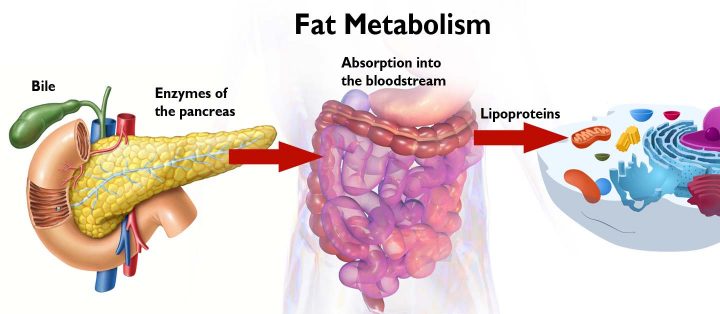
Let’s look at the breakdown of fat from our food. We eat fat because, among other things, we want to use it to produce energy. Our body is a real miracle and a huge, elaborate chemistry lab. It takes many complicated steps to go from one tablespoon of oil to energy. We want to summarize the whole process in a somewhat simplified way. Our pancreas provides enzymes for fat digestion. The bile breaks up a large drop of fat into many small droplets so that the enzymes can operate more easily. They split the fat molecules into fatty acids and glycerine, that can be absorbed through the intestinal wall. After they have passed this barrier, they are reassembled back into real fat molecules. Since fat is insoluble in water and cannot simply swim in the lymph or blood, it becomes bound to lipoproteins. With this taxi, the fat finally gets into the cell, where it is to be converted into energy.

Diagram of the Fat Metabolism
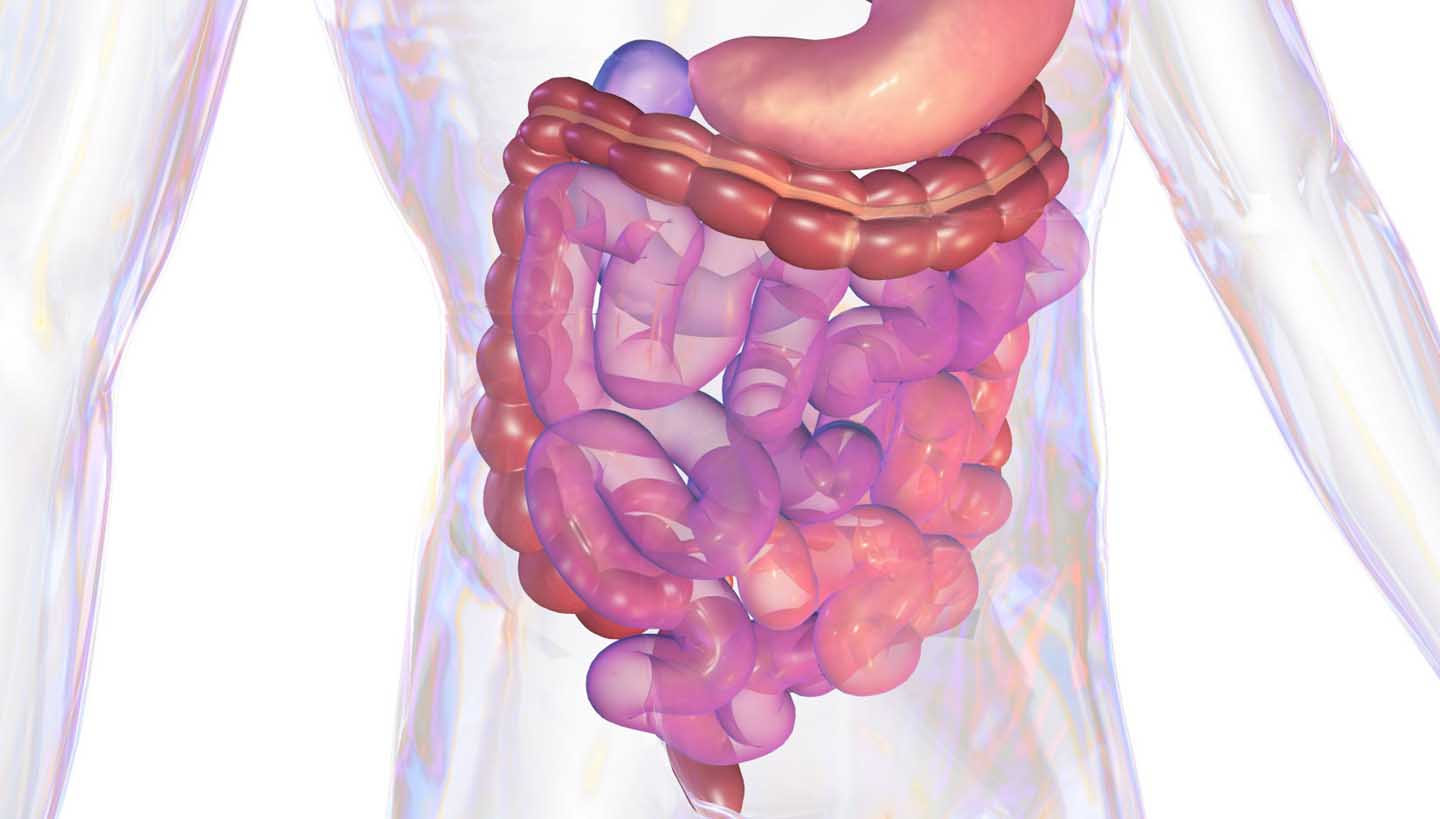
Ilustration of intestines by Blausen.com via Wikimedia CC BY 3.0

This transformation happens in our mitochondria. To do this, the fat molecule must first be broken down into glycerine and fatty acid. However, the fatty acid is too large to get through the membrane into the interior of the mitochondrion. That is why a transport system is needed. Carnitine serves as a taxi, which every athlete knows very well, believing that he needs a lot of it so that he can burn more fat in order to get more energy. If the fatty acids are in the mitochondria, they are together with oxygen converted into energy, water and carbon dioxide via a complicated process called beta oxidation.

The ATP (adenosine triphosphate), as this chemical energy is called, is created inside the inner mitochondrial membrane. The body needs this energy to move its muscles, to produce vital organic molecules and to handle transport processes in the cell and from one cell to another. In an adult human, the amount of ATP that is built up and broken down in his body every day is roughly equivalent to his body weight. What an achievement!

The glycerine from the fat is introduced into the citric acid cycle. This is another extremely complicated cycle that also takes place inside the mitochondria. They are an important hub in the metabolic process. They break down components from our food and at the same time rebuild new substances such as amino acids, the smallest components of protein. The breakdown products of carbohydrates and protein metabolism also enter the citric acid cycle. Components can also be diverted from this process in order to generate energy. We see already the important role of mitochondria in our body´s metabolism.

Fats provide by far the largest amount of energy per weight, followed by carbohydrates. Energy production from protein is not very efficient and is only used when there are not enough fats and carbohydrates available.

Conversion of Nutrients

Carbohydrates are important sources of energy. Some cells like the red blood cells, the nerve and brain cells absolutely depend on glucose. Glucose is therefore stored in the liver in the form of glycogen. This substance can be split up again into glucose between the meals, when no new glucose is available. If more carbohydrates than necessary are consumed and all glycogen stores are filled, carbohydrates are converted into fat. This is stored in the fat cells. Caution: this can lead to obesity!

fruits as a source of carbohydrates - Photo by Anderson Guerra from Pexels

When fasting, after a while the brain and nerve cells even get used to obtaining energy from fatty acids. But the red blood cells are always dependent on glucose for energy. If almost no carbohydrates are ingested with food, as is the case with some restrictive diets, the body has to produce glucose from amino acids. This path is energetically very demanding.

A Varied Diet

We have seen that some nutrients can be converted into one another. With regard to their function as building blocks for bones, organs, teeth and much more, they cannot be exchanged. It is therefore important that we eat a balanced and varied combination of foods and avoid unilateral diets. The best diet consists of lots of fruits and vegetables, grains, nuts, and seeds. From all this variety of foods our body is optimally supplied, and we can produce enough energy for all its vital functions.

Healthy Fruits

Stay Always Up to Date

Sign up to our newsletter and stay always informed with news and tips around your health.

Sign Up Now!

Filed Under: Body Systems, Cell Function, Nutrition

The Seven Main Stressors in Your Personal Life

June 20, 2021 by Martin Neumann - [rt_reading_time label="Reading Time:" postfix="minutes" postfix_singular="minute"]

The Seven Main Stressors in Your Personal Life

When we think about stress we often think about a heavy workload. But stressors in our private life can be just as compromising as our work stress. Stress may come from debt, relationship problems, disease or even from very abstract things such as feeling a lack of purpose, or feeling uncertain about whether you have taken the right decision. Today we want to pinpoint the most common sources of personal stress and see how we can deal with them.

The Seven Main Stressors in Your Personal Life

Stress is an intrusion on your peaceful existence.  All of us strive to have orderly and peaceful lives.  We tend to develop well when we get into certain routines.   Parents often find that their children will behave much better when they have a set routine than if everything is pandemonium in the household.  Routines give a child a feeling of security, which is the one thing that a child wants most of all.

Many people will complain that their kids are unruly and do not want to go to bed on time.  For many it escalates into screaming at their kids to go to bed or threatening their kids with punishment if they do not go to bed. 

The entire “go to bed” issue can be avoided if the parents simply set a bedtime routine.  Fruits and cookies.  A bedtime story, being tucked in, a kiss on the cheek and lights switched off. Every night.  The children know what to expect and actually end up looking forward to bedtime.  This gives children an added sense of security, something that they really need in their lives. 

We all want to feel safe and secure, but as we get older, we realize that we cannot always count on things being the same.  We experience different incidents in our lives that turn our world upside down and cause us to feel stress.  Most of these incidents we cannot control, others we can control to a certain degree.  Some of us are fortunate enough not to experience these stressors until adulthood.  Others experience stress as young children.

When there is happening some change in our routine from what we consider to be normal, our minds will interpret this unknown future as a potential stressor. The amount of stress will be related to the amount of threat our mind is feeling.  Some common causes of stress are the following:

Death of a loved one

This can be a spouse, parent, child or friend.  Death is part of life, but the death of a loved one is something that causes significant stress.  Our hearts are broken as we grieve for our loved one and our lives are seriously disrupted.  This is something which we can do little about, unfortunately, and also something we all have to deal with, sooner or later.  Many people recover soon from this stressor and continue with their lives, others are grieving for a long time. The death of a loved one can cause a number of serious illnesses that we take on ourselves, including depression.

The death of a child is probably the worst pain anyone can endure and some people never fully get over it. Others do manage to get over the pain for the sake of others around them.  A sense of purpose and usefulness for other people around can help to overcome the loss. However, this is one stress factor that can be quite devastating to some people.

Mourning for a dead loved one - Photo by RODNAE Productions from Pexels

Divorce

Even in the case that you are glad to get rid of your ex-spouse, divorce is a major stressor in our lives. In addition to causing you to feel stress, it can also stress out your children. Many couples are so wrapped up with their own emotions during a divorce that they fail to notice the impact of the situation on their children.  Chances are that the kids are feeling quite a bit of turmoil, even if they are too young to understand what is really going on.  In fact, younger children can experience even more stress than older children in the case of their parent’s divorce because they cannot put their emotions into words, nor can they understand that daddy or mommy going away has nothing to do with them.  A young child tends to feel such a loss as a personal rejection.

A child who experiences the trauma of his or her parents’ divorce will feel stress. In some cases, the stress may manifest itself in a number of psychological disorders, including anxiety. The child has lost their most important point of reference and no longer feels safe, so he or she will come up with a way to alleviate the stress and retain some sort of control, trying to get attention by being silly and unruly, or even developing a disorder such as anorexia.

A divorce is always a traumatic event, because it involves feelings of rejection, and it breaks down human links that you considered to be a safe haven on earth. Somebody should consider very closely whether it is worthwhile to pass through such a traumatic event, or whether there may be some ways to restore the relationship. A counselor may be able to help you to look at things in a more objective manner, to understand the viewpoint of the other side, and to develop strategies to generate mutual respect and understanding.

In case that a divorce is really inevitable, be sure to take your due time to heal from the wounds that were caused by the separation. Allow yourself some time off to deal with the traumas that are left. If possible go for a vacation to a place where you are able to process things more calmly. Go a bit easier on your workload, and consider if you can be released for a while from some of your responsibilities in case that you are in a leadership position.  Look up some good friends with whom you can talk, and if needed ask for professional help to deal with processing the traumas of your crisis.

Moving

Even if you are moving from a shack to a palace, this is still stressful.  It may be a happy occasion, but it is still a disruption of your routine.  And any disruption of your routine causes stress. Moving disrupts the entire family.  And it is a real pain in the neck. Plus you have to deal with the packing.

Packing boxes for moving house - Photo by Andrea Piacquadio from Pexels

Everyone hates moving.  Packing up all of your belongings and then unpacking them is just a hassle.  Very few of us are fortunate enough to be able to have someone do all of this labor for us so it tends to be stressful.  However, even if we do not have to lift a finger, moving is still a disruption of our normal routine. 

It will take a while before you can get established into your new home.  You also need to get used to your new environment, figure out where to do shopping, and finding new friends in your neighborhood. Until you do, you should try to maintain as much of your usual daily routine and rituals as possible, especially if you have children. 

Major Illness

Any type of major illness is a significant stressor for the entire family.  One person being ill does not just affect that person, but everyone around him or her.  A major illness is one of the worst stressors we can endure as it can go on for years, taking its emotional toll on everyone around. If you are dealing with a potentially terminal illness like cancer, you are dealing with a huge amount of stress, dealing with feelings of anxiety about possibility of imminent death.

Some people who experience a major illness enter into depression.  This is usually due to the dramatic change in their life. Sometimes family members can be affected by the stress of dealing with the sick, which could lead even them to depression, or some kind of escape mechanism in form of dependencies.

Finances

Lack of finances can be stressful. If you cannot figure out how to pay the bills, if some emergency arrives and you have no means to resolve it, if the costs are rising but the salary does not correspond, this can cause quite a bit of stress.

Avoid taking loans and paying in installments whenever you possibly can. Purchasing a new car on an installment plan is easy and convenient, but making ends meet when paying back, can become very stressful.  Not to speak about the financial turmoil in case you are losing your job.

Sometimes finances can get out of control because of overspending. Adjusting the budget and knowing how to economize can in many cases balance the finances. If you set a financial goal and tighten your belt now, then you’ll find that the money stress eases. This might mean that you have to give up wasting money in areas that aren’t imperative to your needs, such as paying almost $5 or more for a cup of coffee.

Tightening the budget

It might also mean that you need to stop spending money on eating out. It’s cheaper and healthier to eat at home anyway. With the money that you save by not eating out or spending on impulse buys, you can pay off debt, start a savings account and eventually have the money to do what you wanted to do for a long time.

There are situations though where there is no easy solution to the financial turmoil and professional help may be necessary to deal with the resulting stress.

Job Loss

In addition to being humiliating, the loss of a job can throw you into financial turmoil.  Losing a job often results in depression as well as anxiety.   Not only did your self-esteem take a hit, but you are also worried about money.  You will probably experience stress until you get a new job or reconcile yourself to the fact that you will have to get by on less money.

Until you get your bearings, you will face a disruption in your lifestyle as well as your financial status.  The uncertainty that surrounds getting another job also affects us when it comes to stress.  Losing a job and having to find another job can be stressful. 

City Life

Living in large cities involves several stressors, like noise, traffic, pollution, fear of assaults, hectic rhythm of life, and the simple fact of lacking the relaxing influence of nature around us. Even if you have to commute to town for work, setting up your home in the country can do a lot to relax your mind at the end of the day.

Traffic in the large cities can be stressful. Traffic jams can be especially stressful if we need to get to an appointment in time. And hectic traffic around us as well as stressed out drivers being impatient, will have its toll at anybody needing to navigate under those circumstances.

Living in high crime areas can be also stressful. Not knowing whether you will suffer an assault the next time you leave home can keep you quite apprehensive. And any kind of dubious face crossing your way will make your stress hormones rise.

City Life

Other Stressors

Relationship Problems can be a big stressor. Abusive relationships, sometimes even involving physical abuse, can be hard to deal with. Addictions are another problem that can cause a lot of strain on a relationship. Those are situations that may need help from outside to try to resolve the situation. Divorce sometimes seems to be an easy way out, but it should be a last resort, since any separation of an intimate relationship involves lots of stress by itself.

Technology and information overload are increasingly perceived as a burden in our lives. The fact that we are reachable wherever we are makes us more stressed at the end of the day. Many expect companies to respond to their email within an hour, and we need to catch up with Facebook, WhatsApp, Telegram and other messenger services. We want to keep up with the life of our friends on Facebook and Instagram and many get addicted to the diversions that are all around on social media. If we search for some topic on Google, the wealth of information available to almost any topic we want to know is just overwhelming. And that we spend several hours a day in front of the television is considered as part of our live. All of this keeps our minds busy with an unnatural amount of stimulus around us, and impedes us to simply rest and relax.

These are just a few of the major stress factors that we as a society face.  There are other things that can lead to stress, but these are the most common stressors in our private life.

In some way, even happy events such as the birth of a child, marriage, or even a new job can lead to stress.  Even though these are joyous occasions, they are stressful.  Why?  Because they disrupt our set out common routine.

Are you sensing any sort of pattern here with regard to stress?  Each of the aforementioned stressors all has one thing in common – they disrupt our lives.  We don’t like to have our lives disrupted and when it happens, even if it a good disruption, passing through the adaptation phase is causing us stress. We are going to experience stressful situations throughout our lives.  How we handle those situations will determine how well we can manage stress.  There are both good ways and bad ways to manage stress. 

Identifying stressors is not always so easy. While some of us can point to different stress factors that have occurred recently in our lives, others have no idea why they are stressed. In some cases, the original stressor can be something that happened in your childhood and left you insecure. For example, an abuse can create negative thought patterns that can be a stressor remaining until the adult age. In such cases, a Psychologist may be able to help you out to identify the original cause of your stress.

Once you have identified your stressor, you can work on removing the cause. This often helps already to bring your stress under control. But not always there is an immediate solution to the problem. In this case, you need an all-inclusive approach to stress management. If you need to figure out how to manage your stress the most effective way, download now your copy of The 10 Minute Guide to Stress Management.

Do you need a guide to help you understand how to cope with Stress in an all inclusive approach? Learn how to combat stress, mentally, physically, emotionally and strategically in your life.

Get Me the Guide

Filed Under: Mental Health, Stress Management

Developing Your Children’s Taste

June 11, 2021 by Elen Duarte - [rt_reading_time label="Reading Time:" postfix="minutes" postfix_singular="minute"]

O Seu Papel no Desenvolvimento Alimentar de Seus Filhos

Did you know that your child’s eating habits are largely determined by you? An adequate and balanced diet is not only linked to the child’s growth and development. It is also directly related to disease prevention and health promotion factors in adulthood.

Developing Your Children’s Taste

In this context, behavioral nutrition plays a fundamental role in guiding food choices in the first year of life. A correct introduction of solid foods, associated with the availability and accessibility of healthy foods, in a pleasant eating environment, enables the child to start building their food preferences consistently.

At this moment, the environment that surrounds the child is the family and the role of the parents is fundamental, as they are largely the child’s only reference of learning. Parents can promote nutritious food choices to their children by selecting healthy foods, thinking about nutritional quality and not just taste. It is up to parents to introduce food to their children, make it accessible and teach about the benefits of health-conscious food choices, while respecting the child’s innate hunger and satiety control.((Ramos M. Desenvolvimento do comportamento alimentar infantil. Jornal de Pediatria 0021-7557/00/76-Supl.3/S229))

Family meals represent an important event, where a positive atmosphere is created. A study by Wardle,((Wardle J. Eating behaviour and obesity. Obes Rev. 2007 Mar;8 Suppl 1:73-5 DOI: 10.1111/j.1467-789X.2007.00322.x)) addressing the relationship between food characteristics and eating behavior, found that food preferences change as a result of personal experiences and learning involved in mealtimes. A positive environment during a meal can induce the child’s preference for foods, while a negative experience can result in a dislike of certain food choices.

Making correct food choices seems simple, however it is a complex, dynamic and multifaceted process, directed by psychosocial, cultural and economic influences.

Parents who discuss nutritional issues as a family, or, more specifically, the nutritional value of foods, provide their children with greater knowledge about nutrition, enabling children to make better food choices throughout their lives. We should mention that children learn about the importance of foods from their own experiences and also, for example, by observing their parents.

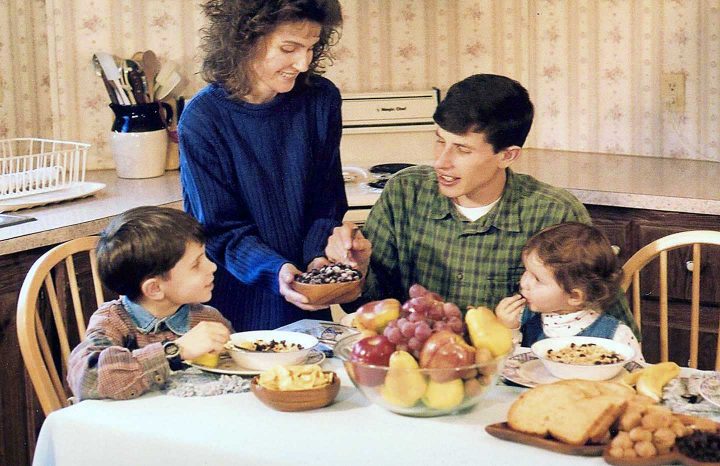
A family eating together

A project carried out by Harvard University, conducted 15 years of research on family meals and has made significant discoveries.((Lynn Barendsen. The Family Dinner Project))

Children who dine regularly in the family circle, tend to consume more nutrients from fruits and vegetables, have lower rates of obesity, and eat fewer calories than those who were eating out. Also noted were academic and emotional benefits, lower rates of drug use and depression, more resilience, broader vocabulary, greater reading ability, and overall better grades in school.((The Benefits of Home Cooking for Your Family. Huffpost, 27.05.2017))

Sitting together as a family for a meal allows us to develop valuable skills such as: listening to other people, sharing ideas, laughing, telling stories, choosing healthy foods and even passing on traditions from one generation to another.((Rossi A, Moreira EAM, Rauen MS. Determinantes do comportamento alimentar: uma revisão com enfoque na família. Rev Nutr. 2008 Dec;21(6):739-48. https://doi.org/10.1590/S1415-52732008000600012))

Studies conducted by Branen & Fletcher((Branen L, Fletcher J. Comparison of college students’ current eating habits and recollections of their childhood food practices. J Nutr Educ. 1999; 31(6):304-10. https://doi.org/10.1016/S0022-3182(99)70483-8)), found that young adults, when selecting a food item, recall the nutritional choices that were formed by their parents. This is an intriguing realization of how parents can influence their children’s eating habits in the long run.

Here are some tips to make family meal times more enjoyable:

1. Set up a healthy table. If you prefer, get everybody involved in the preparation of the table. Dividing tasks and involving children in preparation makes mealtimes easier, remember that children learn by watching, but also by doing.((Refeições em família: Como as crianças se beneficiam do contato com os pais à mesa. BBC News, Novembro 12, 2018))

2. Eliminate distractions. Turn off the television, store away cell phones and tablets, so that attention is on each other. A study carried out with 91 children and 91 parents showed that children whose families eat their meals while watching television had a lower fruit and vegetable intake and a higher consumption of pizzas, snacks and soft drinks, compared to those who did not. Furthermore, research has shown that watching television during meals is associated with a higher risk for nutritional deficiencies. Another factor linked to the practice of eating in front of the television is associated with commercial food advertisements, which induce the child to eat totally unhealthy foods. About 91% of the most frequently advertised food products tend to be high in fat, sugar and salt.

Parents should also monitor the exposure time their children spend with electronic equipment, taking into account the sedentary lifestyle associated with obesity and the possible development of chronic diseases.((Rossi A, Moreira EAM, Rauen MS. Determinantes do comportamento alimentar: uma revisão com enfoque na família. Rev Nutr. 2008 Dec;21(6):739-48. https://doi.org/10.1590/S1415-52732008000600012))

3. Celebrate the Food. Sometimes we get so used to our abundance lifestyle that we forget that there are many people in this world who die of hunger and thirst. Praying before the meals it is also a way to express thankfulness and ask for a blessing over the food.

A family thanking for the food - Photo by RODNAE Productions from Pexels

4. Have a good chat. Avoid issues that bring discomfort to the other. This is not the best time to resolve those issues. If the conversation is something light, it will encourage your children to express their views and learn to respect other people’s opinions.((Refeições em família: Como as crianças se beneficiam do contato com os pais à mesa. BBC News, Novembro 12, 2018))

The family environment should provide interactions and strengthen bonds between other family members, be safe, warm and provide adequate and healthy food. Parents have a fundamental role in their children acquiring preferences and eating habits, which can encourage healthy eating patterns for their children. Furthermore, eating together can protect the health of the whole family and add a lot of value to our lives. Get started now! Taking care of your child’s health will bring rewarding results for their lifetime!

Healthy Fruits

Stay Always Up to Date

Sign up to our newsletter and stay always informed with news and tips around your health.

Sign Up Now!

Filed Under: Children, Nutrition, Phases of Life

Psychosomatic Diseases – The Body Speaks

June 4, 2021 by Dr. Cesar Vasconcellos de Souza - [rt_reading_time label="Reading Time:" postfix="minutes" postfix_singular="minute"]

Psicossomático - O Corpo Fala

Body and mind always work together. You have a suffering in your body, your mind participates. You have suffering in your mind, your body participates. Today we want to understand psychosomatic diseases, how the body and mind work together in health and illness, and how one affects the other.

Psychosomatic Diseases - The Body Speaks

I would like to start by quoting some interesting phrases:

The sympathy which exists between the mind and the body is very great. When one is affected, the other responds.((Ellen G. White. Medical Minstry p. 105))

That´s an interesting concept! Look at the next text:

Great wisdom is needed by the physicians at the Institute in order to cure the body through the mind. But few realize the power that the mind has over the body. A great deal of the sickness which afflicts humanity has its origin in the mind, and can only be cured by restoring the mind to health.((Counsels on Health p. 349))

And this author still says the following:

Sickness of the mind prevails everywhere. Nine tenths of the diseases from which men suffer have their foundation here.((Ellen G. White. Mind, Character and Personality Vol. 1 p. 59))

Isn’t this interesting? According to this text nine out of ten illnesses originate in the mind. Is this an exaggeration? Dr. Herbert Benson, a clinical physician at Harvard University in the United States says the following:

60% to 90% of patients who seek doctors at the (outpatient) clinic have their illnesses due to physical and mental stress. These are people who have had physical symptoms as a result of social and emotional problems. The average could be 75%.((Herbert Benson, Harvard University, “Timeless Healing – The Power and Biology of Belief”, 1998))

An he goes on to say:

Emotion plays a more crucial role in our physiology than most of us can understand.

According to him, feelings and emotion influence physiology, and how the body works.

Hippocrates, the so-called father of medicine, a Greek physician who lived between 460 and 370 BC, said something interesting that relates to psychosomatic diseases:

 It’s far more important to know what person the disease has than what disease the person has.

Interestingly, he recommended for example that people with asthma learn to better express their anger, in addition to other procedures that he prescribed. So it is more important to try to understand what kind of person has a certain disease, than what disease that person has. Of course, this doesn’t diminish the importance of a proper diagnosis. The diagnosis needs to be made by a doctor, so that the treatment is well indicated. But what Hippocrates was wisely trying to say, is that the professional who seeks a complete view of the person with a certain illness, can achieve better results in the treatment. So a well rounded view of the patient means researching the physical, mental, spiritual and social factors in that person’s life, rather than just focusing on that isolated symptom.

A doctor taking an anamnesis in order to prescribe a well rounded treatment - Photo by Thirdman from Pexels

It’s important to understand that we don’t get sick by compartments. The body affects the mind and the mind affects the body. Nothing is just physical and nothing is just psychological. In the development of a disease, as well as in health, there is a combination of factors in the individual’s lifestyle, which has to do with how you think, how you feel, how you express your feelings, it has to do with the way you deal with people, it has to do with your diet, whether you exercise or not, the quality of your sleep, the stress you experience at work, whether you live in a big city or a small town, it’s about all the aspects of your lifestyle.

When you have a physical symptom, it can be headache, dizziness, back pain, among many others, and you go to a medical appointment, do complementary tests, blood tests, urine and stool tests, X-ray, EEG, CT scan, magnetic resonance, ultrasound, and the doctor says you have nothing, that the results are normal, but you still have that symptom that motivated your consultation, you are dealing probably with a psychosomatic symptom, which can develop into a psychosomatic disease.

What is a Psychosomatic Disease

A psychosomatic disease is one that manifests itself in the body with physical or functional symptoms and injuries, but whose main cause originates in the mind. That means the main cause comes from emotional conflicts, psychological conflicts and mental stress. This is different from somatization, because in somatization there is no detectable disease process, either by a medical exam or a lab test. So when a person has a lot of emotional stress, he can manifest some of that stress in his body, because the body is a helper to the mind and both work in an indivisible and inseparable union. In this sense, we can say that every disease, regardless of its origin, is to a certain degree psychosomatic.

The body and mind work in harmony in such a way that when something is burdening the mind like nervous tension, sadness, excessive anxiety, it is as if the body says to the mind: Do you need help? So the mind says: Yes help me, because it is hard to deal with this suffering here. Then we throw part of our tension onto the body, and the body starts to show psychosomatic symptoms.

Each person will have the manifestation of emotional distress in one or more than one of what we call a shock organ. The shock organ is the part of your body that is most sensitive to emotional stressors. For some people, the shock organ may be the stomach, hence when there is too much stress, too much tension at work or in the family, these people feel, for example, a burning sensation in the stomach area. For others, the shock organ could be the immune system. A person experiencing a lot of tense relationships, a lot of stress, may have frequent infections, develop an autoimmune disease, who knows. In other individuals, the shock organ can be the muscular system, for example, and in the face of life pressures, these people feel muscular pain. According to studies by Dr. Dean Ornish, a cardiologist at the University of California in San Francisco, he said:

People with a heart attack have a fourfold risk of dying within six months if they remain depressed and alone.((Dean Ornish, Saving Your Heart, 2002))

He is saying here, that people who have already had the attack but survived, if they remain alone, isolated, they have a much greater risk of dying. And he cites a study at the Case Western Reserve University, and in that study he verified the following:

They surveyed 10,000 married men and found that those who answered yes to the question, “Does your wife express love to you?” had significantly less angina.((Dean Ornish, Salvando o Seu Coração, 2002))

Years ago there was a book that was a bestseller in Brazil. That’s the title of the book: “Whatever it is”. It was written by a woman, an executive secretary who had a daughter and she was a go-getter, very proactive, very active in life to take care of her daughter, excel at work, be a high-profile professional in the company, then she had breast cancer. First she was stunned: How can that happen to me, a strong woman, so powerful, has breast cancer! She started researching what breast cancer is, and wrote this book: “Whatever it is”. A book where she opens her heart, opens her life, even private things in her life, and she says: “The cancer did not come to kill me, the cancer was a beacon, a red light ascending in my life, saying: Hey, stop, stop to reevaluate your life.”

A cancer survivor - Photo by Klaus Nielsen from Pexels

I even got in touch with her at this time, and we sat together at a bar in Rio de Janeiro to talk about this subject of mind and body and the relationship to psychosomatic diseases. So she explained it this way: “We have to learn to look at the disease as an alarm. The symptom is an alarm, the symptom is talking to you. It’s like when you have a car that you’re driving, and a red light is lighting up on the dashboard, is that red light a good thing or a bad thing? Well, it has both sides, it’s bad because you have a problem with your car, but it’s good because it’s warning you.”

So when you have any symptoms, of course you’re going to seek medical help, consultations, tests, all of that, but if you went to the doctor, you did evaluations, did the tests, and he says you have nothing, you’re fine, but you still have that symptom with that same kind of pain, so you need to start thinking about what’s going on with your emotional life. What will you need to do to alleviate the emotional tension and stress? As I explained, the mind always works hand in hand with the body, and often when you’re not ready to deal with the emotional pain, give it a name, face it head-on, your body starts to absorb, because you’re asking for it, you’re saying: I can’t handle dealing with this emotional pain, I can’t handle dealing with this loss, with this frustration, so the body comes in to help to alleviate this load.

The Power of the Mind

The way you think influences your body. This very simple statement shows just that:

If your mind is impressed and fixed that a bath will injure you, the mental impression is communicated to all the nerves of the body. The nerves control the circulation of the blood; therefore the blood is, through the impression of the mind, confined to the blood vessels, and the good effects of the bath are lost. All this is because the blood is prevented by the mind and will from flowing readily and from coming to the surface to stimulate, arouse, and promote the circulation.

For instance, you are impressed that if you bathe you will become chilly. The brain sends this intelligence to the nerves of the body, and the blood vessels, held in obedience to your will, cannot perform their office and cause a reaction after the bath.((Ellen G. White. Mind, Character and Personality Vol. 2 p. 397, 398))

That’s a very interesting statement! It is saying that the blood is impaired to circulate, because the mind is in emotional strain because of the way you think. Now the way you think then influences your body? That is what is being stated there. Now look at this other text that shows that the way you feel affects your body. It says:

 It is the duty of everyone to cultivate cheerfulness instead of brooding over sorrow and troubles. Many not only make themselves wretched in this way, but they sacrifice health and happiness to a morbid imagination. There are things in their surroundings that are not agreeable, and their countenances wear a continual frown that more plainly than words expresses discontent. These depressing emotions are a great injury to them healthwise, for by hindering the process of digestion they interfere with nutrition.((Ellen G. White. Mind, Character and Personality Vol. 1 p. 62, 63))

Very interesting, depressing emotions harming nutrition! Years ago a Nobel Prize winner in medicine showed in his scientific work with his team that there is a connection between cells of the central nervous system and immune cells.

Dr. Wildemann and his collaborators from the Stress Lab at the University of Arizona, proved that people experiencing significant losses, such as the death of their spouse, can experience several months of immune system deficiency resulting from this sadness. He explains in the study that some defense cells, such as natural killer cells, T and B lymphocytes, may become reduced or less active in their work to fight viruses and bacteria, because sadness affects immunity, it affects these defense cells.

Perhaps you have heard of an elderly person who was in good health and a few months after the death of his husband or wife, he himself had a major infection and died too. You surely have heard of such a case, it’s not uncommon. The old couple lives together and they’re fine, but suddenly one gets sick and then the other one that was healthy, but after the death of that dear one, within six months he dies too. Because sadness undermined the strength of that individual’s immunology, so a virus or bacteria took advantage of the situation and caused a serious illness.

An elderly couple enjoying companionship

So it seems that the more a person has difficulties becoming aware of their emotions, especially painful or unpleasant emotions, the more likely they are to present psychosomatic symptoms, because the body absorbs such feelings that the person feels unfit to deal with in a conscious level. This means that the more a psychosomatic symptom is buried in the body, the further a person is from the truth about the repressed and somatized feeling, or about those painful thoughts that the person doesn’t want to think about at that moment.

Dr. Diana Fosha from Adelphi University in New York says that for every type of emotion there is a visceral component, that is, a feeling always expresses itself in some organ in the body. I’ve already talked about shock organs here, so if you have difficulty expressing anger, it can come out in form of asthma or high blood pressure. People who have difficulty expressing any feelings, may present for example constipation. Perfectionists and stressed individuals can have a lot of migraine headaches. Some people with a tendency to repress their emotions for many years may facilitate their body to develop cancer, according to studies by scientists such as Dr. Bernie Siegel, Lawrence LeShan and the Simonton scientist couple.

Of course I’m not saying and neither are they, that the cause of cancer is an emotion. In fact, they explain that unresolved conflicts or major losses, can be factors that affect immunity and favor the emergence of cancer, when the person already had other factors that induce the mutation of a normal cell to a cancer cell.

A person with a lot of difficulty to cry, according to some scientists, may cry through the skin, through dermatological lesions, which produces a type of secretion. Individuals who repress their feelings a lot, they tend to have degenerative diseases such as cancer, diabetes, multiple sclerosis and other pathologies, while more explosive people tend to have other diseases such as heart attack or stroke. It’s like the more melancholic, introverted people they implode and the more short tempered people they explode, so the diseases are more cardiovascular for the explosive and they are more degenerative in the more introverted people. It’s common for people who develop fibromyalgia, for example, to take exaggerated responsibilities in the family. I’ve seen a lot of people with fibromyalgia, and I realized that in all of them there was a behavioral characteristic of exactly that: carrying the piano for everyone.

Psychological disorders are not weakness or lack of faith if you have lived or are experiencing major stresses in your life. Mental sufferings such as strong anguish, deep sadness, excessive fear are expressions of suffering, which often manifests through the body. These are so called psychosomatic disorders, which are defenses used by the body to relieve the mind. If you have physical symptoms, if you’ve had several evaluations with different doctors and they all say you have nothing, because no diagnosis was found and your exams are normal, you need to start to think whether there is something unresolved in your life, in your emotional life, in your relationships with people, are you guarding some resentment, do you need to resolve an issue with someone who has been eating you from the inside for many years? If you have some repressed emotions, or one of those situations I talked about, it might manifest itself in your body. You may also consider that a professional psychological evaluation may be needed. It may depend on the level of suffering you are having.

A psychologic consultation - Photo by cottonbro from Pexels

Sometimes emotional problems get resolved with life. A friend of mine, a psychoanalyst, once said an interesting phrase: “Life is therapeutic”, meaning life, the events of life, they teach us many things by themselves, and can help us to achieve healing from some situations.

Sometimes life doesn’t solve everything, so we need some technical help. Don’t suffer without taking an attitude to improve, because actually health, for you to develop health, it depends on you to practice some habits, it depends on you to improve your lifestyle in relation to food, in your thinking patterns, in the relationship with people, your sleep, your physical exercise, but it also depends on the attitudes you take, on you assuming responsibility for taking good care of your body and mind.

So it’s important that you do something for yourself instead of always waiting for people to do something for you, or even waiting that the doctor will cure you. The doctor does not cure people, the doctor indicates some paths to health, sometimes they prescribe a medicine that will be temporary to alleviate a symptom, that suffering you are going through, but there are attitudes you take in life, there are decisions you make to take better care of your health and your mind, that will determine whether you are going to take the path of health or the path of illness. Professor Dr. Adalberto Barreto, who works with community therapy, said:

When the mouth shuts up, the organs speak, and when the mouth speaks, the organs heal.

Look how interesting it is, showing the importance of talking, of letting off steam, so that you don’t get somatized, so that you don’t keep swallowing things, without putting a limit, and you end up suffering on your body. Make the necessary changes in your thoughts and emotions for you to have a better life and health!

Healthy Fruits

Stay Always Up to Date

Sign up to our newsletter and stay always informed with news and tips around your health.

Sign Up Now!

Filed Under: Mental Health, Psychosomatic Diseases

« Previous Page
Next Page »

Primary Sidebar

Social Channels

Coronavirus Immunity Challenge

Boost your immune system to be bullet-proof for the pandemic.

I Want to Participate

Recent Posts

  • 5 Habits to Live Longer
  • Better Sleep Can Protect Against Dementia
  • Finding Peace In Your Crazy-Busy World
  • Flaxseed – An Ancient Plant Rediscovered
  • Platelets – Triggers for Life or Death
  • Boderline Personality Disorder
  • In Praise of Almonds and Nuts
  • Are You Stuck in the Clutter Trap?

Categories

  • Body Systems (16)
    • Cell Function (2)
    • Circulatory System (1)
    • Digestive Tract (10)
    • Immune System (4)
  • Diseases (27)
    • Cancer (2)
    • Cold (1)
    • COVID-19 (11)
    • Dementia (1)
    • Diabetes (1)
    • Digestive Diseases (2)
    • Heart Disease (2)
    • Kidneys (1)
    • Metabolic Syndrome (2)
    • Skin (1)
  • Healthy Lifestyle (42)
    • Exercise (11)
    • Gardening (2)
    • Sleep (7)
    • Sunlight (2)
    • Temperance (14)
    • Water (4)
  • Mental Health (87)
    • Addictions (6)
    • Anxiety (7)
    • Burnout (1)
    • Depression (7)
    • Psychosomatic Diseases (6)
    • Stress Management (45)
    • Trust (6)
  • Nutrition (56)
  • Obesity (9)
  • Phases of Life (14)
    • Adults (3)
    • Babies and Infants (1)
    • Children (3)
    • Seniors (5)
    • Teenagers (3)
  • Therapies (7)
    • Herbs (5)
    • Hydrotherapy (1)
  • Uncategorized (3)

Archives

  • January 2025 (1)
  • March 2024 (5)
  • February 2024 (4)
  • January 2024 (4)
  • December 2023 (5)
  • November 2023 (4)
  • October 2023 (5)
  • September 2023 (4)
  • August 2023 (3)
  • July 2023 (2)
  • June 2023 (4)
  • May 2023 (4)
  • April 2023 (5)
  • March 2023 (4)
  • February 2023 (4)
  • January 2023 (4)
  • December 2022 (4)
  • November 2022 (4)
  • October 2022 (5)
  • September 2022 (4)
  • August 2022 (4)
  • July 2022 (5)
  • June 2022 (4)
  • May 2022 (5)
  • April 2022 (4)
  • March 2022 (4)
  • February 2022 (4)
  • January 2022 (5)
  • December 2021 (3)
  • November 2021 (4)
  • October 2021 (6)
  • September 2021 (4)
  • August 2021 (4)
  • July 2021 (5)
  • June 2021 (4)
  • May 2021 (3)
  • April 2021 (5)
  • March 2021 (4)
  • February 2021 (4)
  • January 2021 (5)
  • December 2020 (3)
  • November 2020 (4)
  • October 2020 (5)
  • September 2020 (5)
  • August 2020 (3)
  • July 2020 (1)
  • June 2020 (1)
  • May 2020 (1)
  • April 2020 (1)
  • March 2020 (1)

Copyright © 2026 · Abundant Health - Privacy Policy - Medical Disclaimer