Abundant Health

Up to date health information tailored for you

  • Home
  • Blog
  • Recipes
  • Shop
  • Contact
You are here: Home / Archives for 2022

Archives for 2022

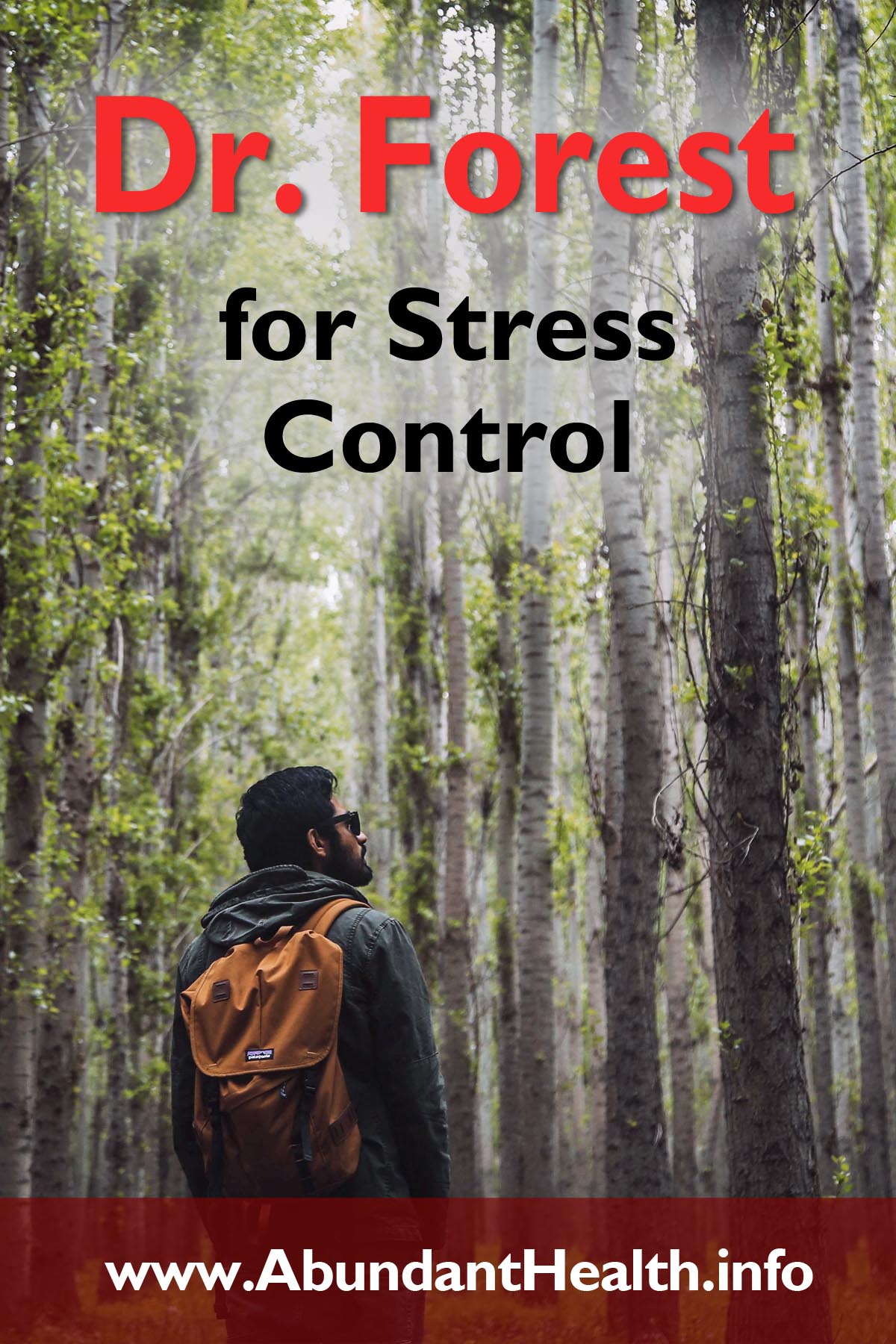
Dr. Forest for Stress Control

August 21, 2022 by Esther Neumann - [rt_reading_time label="Reading Time:" postfix="minutes" postfix_singular="minute"]

Dr. Forest

Are you suffering from stress? Maybe it is time to clear your head and calm down. While the forest is essential for our entire ecosystem, it also does wonders to relax our mind and calm us down. Let us discuss some of the benefits of walking in the forest for a healthier mind, body and soul!
Dr. Forest for Stress Control

For all of Your Senses

More than a third of the US territory is covered by forest. In Canada it is around 40% and can reach 80% in some regions. A walk through the forest is a special experience. All senses are stimulated. If you listen closely, it rustles, swishes, chirps, cracks and twitters everywhere. If you draw the air deep into your lungs, the smells are also extremely diverse. They vary greatly depending on the type of forest. Forests with fir trees smell very different than those with broadleaf trees. And if a mushroom is nearby, experienced noses can also smell it.

Then comes the touch! Who recognizes the trees by feeling the bark with closed eyes? A young birch feels very different from an old oak. Opening the eyes again, we see a lot of green, which makes the mood rise and the pulse drop. On average, hospital patients who are allowed to look out into the countryside from their bed need much less care and painkillers than their fellow sufferers who only see bare walls in front of them.

And when you have hiked uphill through a forest and your eyes can wander unhindered above the tree line from mountaintop to mountaintop, the third dimension, the depth of space, is experienced in a breathtaking manner. Isn’t that a wonderful way to relax after staring for so long at the TV and computer screens?

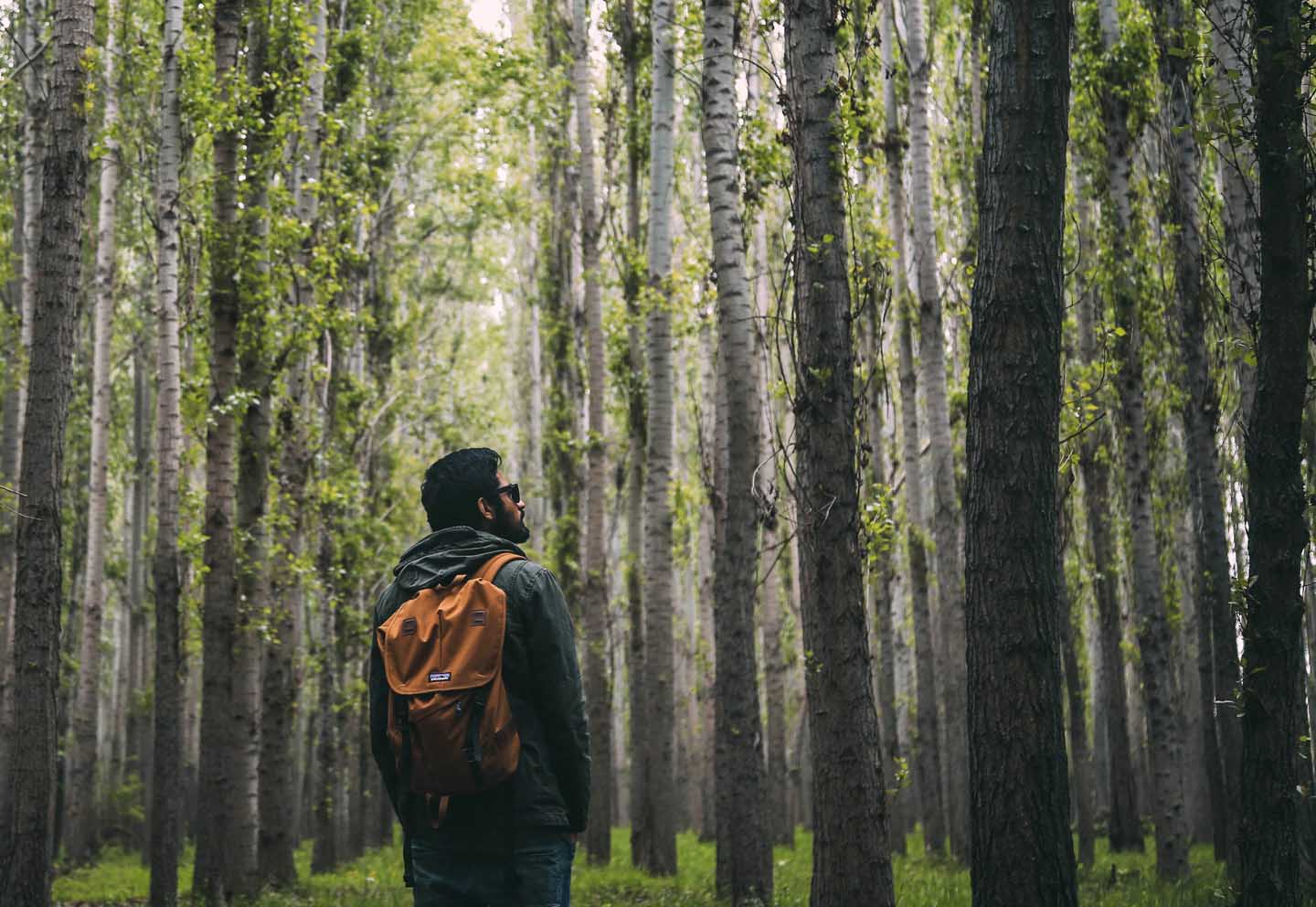
A hiker in the mountains looks at the forest below the tree line

The modern world of work and leisure primarily demands our senses of hearing and sight. A walk through the forest stimulates all other senses as well. When walking on leaves and moss you can almost smell the carpet you are walking on. You can feel the wind on your face and sense the fresh coolness of a spring. This stimulus to the senses is not felt to be unpleasant like the sensory stimuli of civilization with their loud and hectic excesses.

Hiking also stimulates our sense of movement. An entire network of nerve sensors controls and monitors our movement and orientation behavior. And what is used will be strengthened. Gradually, the joy of movement increases and demands more. This is particularly important for our children. In order to compensate the many sedentary activities, you absolutely need to find a balance when hiking in nature. A lot of children have lost interest in nature. Walks in the woods in particular are great for arousing children’s curiosity about the wonders of nature. However, this requires some preparation on the part of the adult companions. Who knows more than five wild herbs, birds, flowers or trees?

Space for Encounter

Basic social needs are also met when hiking. Most people go hiking with a companion. Wonderful conversations then arise quite casually. There is an openness that breaks down barriers in casual conversation, in an environment that is beneficial to health. Friendships are formed or strengthened along the way. Positive encounters with others activate our messenger substances so much that dopamine, oxytocin and endogenous opiates are increasingly released. All of these messenger substances help us to lead a happier and more satisfied life.

Two hikers in a conversation

Furthermore, if someone can say: “The forest is my church”, the divine dimension is added. Experiences in nature bring us closer to our Creator. After all, HE gave us the task of preserving and using nature. If we strike up a happy song while hiking, we can even infect other hikers with our happy nature. I especially appreciate on the hiking experience the leaving, but also the arriving. When I leave, I free myself from everyday worries and obligations. I can empty my head, discover new perspectives in life, cast off role constraints, find experiences. Investing in experiences brings happiness, not investing in stuff.

Refueled!

And then arriving: the warm shower that washes away the sweat, stretching out comfortably on the sofa, the thought that you have now earned all this makes everyday life seem more attractive again. I have arrived back home or in the security of a shelter.

The forest offers something special in every season. In summer it is a blessing to hike in the forest. It protects us from the scorching summer sun. We experience an intense interplay of light and shadow. In autumn, it enchants our senses with a firework of colors. In winter we can read tracks in the snow and observe wildlife.

Trees that have shed their leaves have a special charm. They reveal their growth to us. We can almost read what experiences the tree has behind it. And in spring he promises us a new beginning, a new start, new growth and life.

If we look at the forest and hiking from the listed perspectives, we can give the forest a very special title: Doctor Forest. It virtually helps us to regain our health. Let us use it in this sense in the coming days and weeks! Happy hiking!
Healthy Fruits

Stay Always Up to Date

Sign up to our newsletter and stay always informed with news and tips around your health.
Sign Up Now!

Filed Under: Exercise, Healthy Lifestyle, Mental Health, Stress Management Tagged With: Forest, hiking, nature, Stress Control

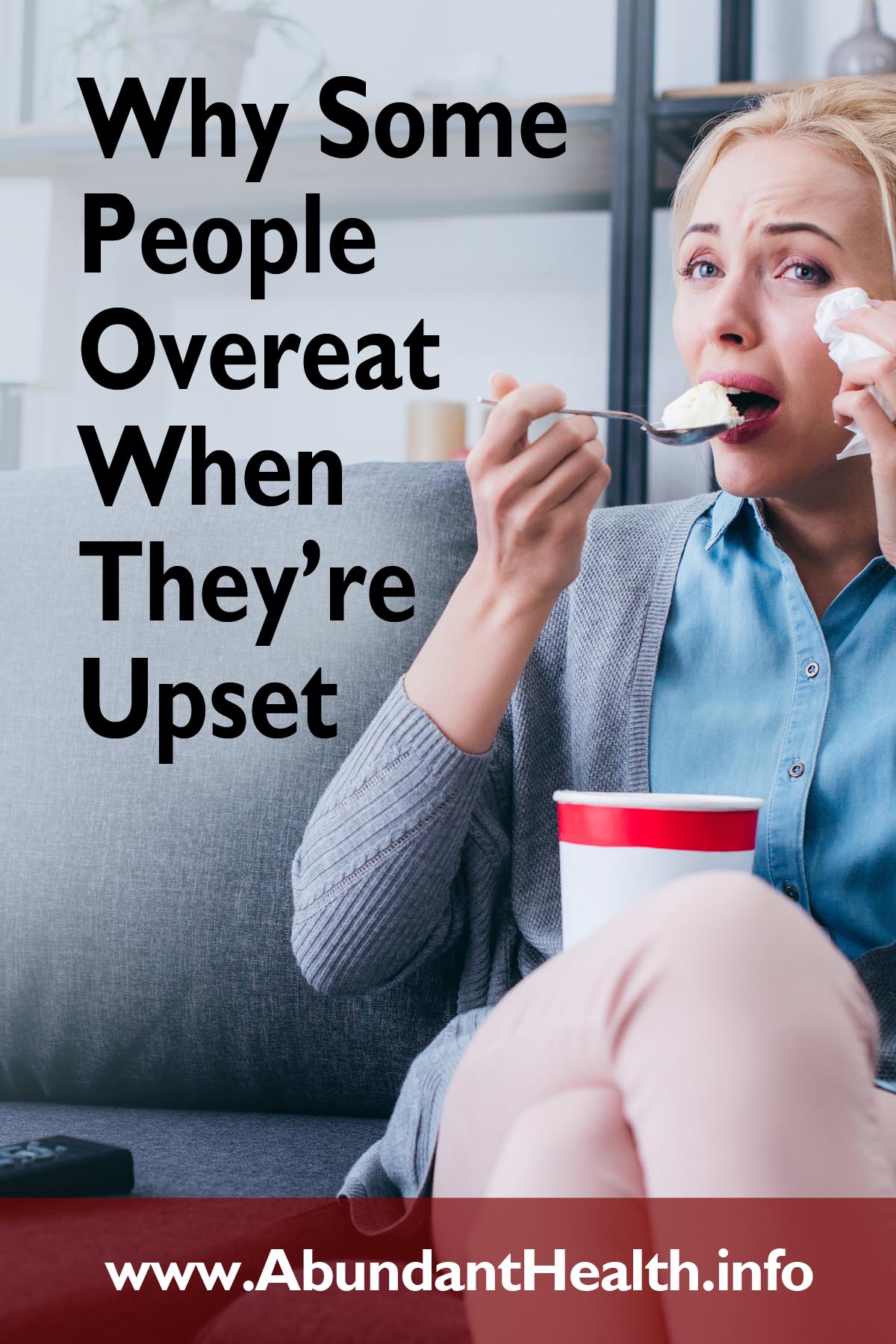
Why Some People Overeat When They’re Upset

August 14, 2022 by Laura Wilkinson - [rt_reading_time label="Reading Time:" postfix="minutes" postfix_singular="minute"]

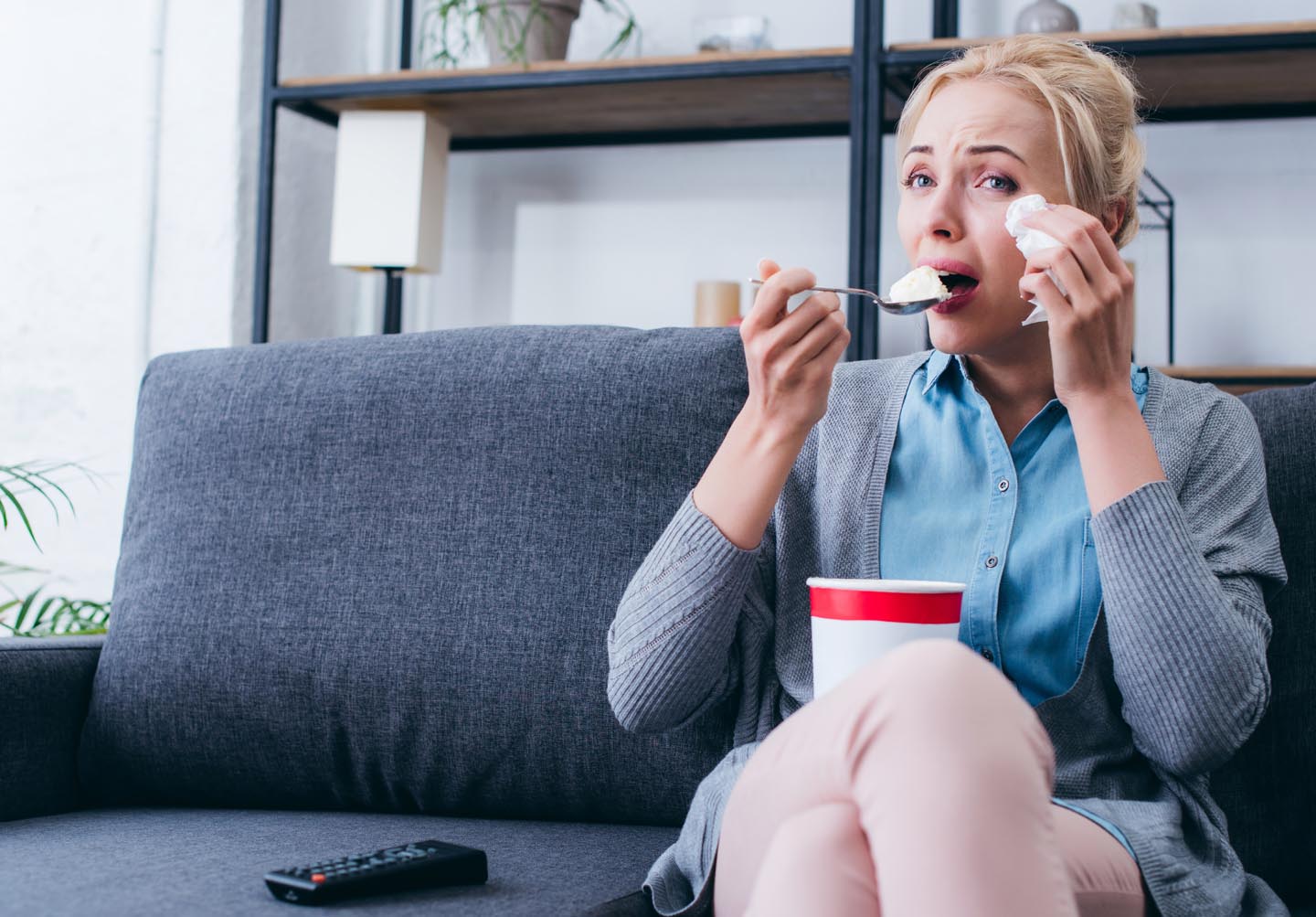
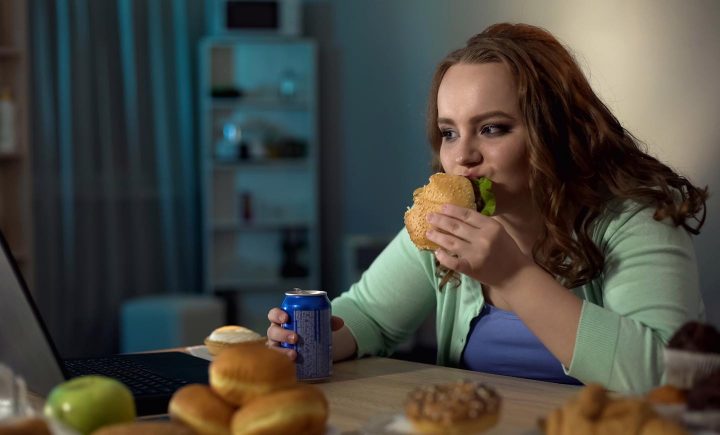
Overeating when upset

The idea of eating a tub of ice cream to cope with being upset has become a bit cliche. Though some might not need a tub of chocolate swirl to help perk themselves up again, there do seem to be systematic differences in the way that people cope with upsetting events, with some more likely to find solace in food than others.((Van Strien T. Causes of Emotional Eating and Matched Treatment of Obesity. Current Diabetes Reports (2018) 18: 35 https://doi.org/10.1007/s11892-018-1000-x))

Why Some People Overeat When They’re Upset

This matters because when eating to cope with negative feelings is part of a broader tendency to overeat, it is likely to be associated with obesity and being overweight.((Bryant E. J. et.al. Disinhibition: its effects on appetite and weight regulation. https://doi.org/10.1111/j.1467-789X.2007.00426.x)) More people than ever are now overweight and obese, with recent estimates suggesting that by 2025, 2.7 billion adults worldwide will be affected by obesity, risking health issues such as cardiovascular disease, type 2 diabetes and cancer.

So why do some people manage their emotions with food while others don’t? One psychological concept that helps to explain this difference is adult attachment orientation.((Lopez, F. G., & Brennan, K. A. (2000). Dynamic processes underlying adult attachment organization: Toward an attachment theoretical perspective on the healthy and effective self. Journal of Counseling Psychology, 47(3), 283–300. https://doi.org/10.1037/0022-0167.47.3.283)) Depending on the extent to which we fear abandonment by those we love, adults fall somewhere on the dimension of “attachment anxiety”. Where we fall on this dimension (high or low) determines a set of expectations about how we and others behave in personal relationships. These are developed as a response to the care we received as an infant and this can characterize your attachment style.

A recent meta-analysis – a study bringing together the results of many other studies – showed that the higher a person’s attachment anxiety, the more they engage in unhealthy eating behaviours, with a knock-on effect on body mass index (BMI).((Faber A. et.al. Attachment and eating: A meta-analytic review of the relevance of attachment for unhealthy and healthy eating behaviors in the general population,
Appetite, Volume 123, 2018, Pages 410-438, https://doi.org/10.1016/j.appet.2017.10.043.
Wilkinson, L., Rowe, A., Bishop, R. et al. Attachment anxiety, disinhibited eating, and body mass index in adulthood. Int J Obes 34, 1442–1445 (2010). https://doi.org/10.1038/ijo.2010.72)) Two other studies have also shown that patients undergoing weight loss surgery are likely to have higher attachment anxiety scores than a comparable lean population, and it is thought that this difference is partly explained by the tendency to overeat.((Nancarrow, A., Hollywood, A., Ogden, J. et al. The Role of Attachment in Body Weight and Weight Loss in Bariatric Patients. OBES SURG 28, 410–414 (2018). https://doi.org/10.1007/s11695-017-2796-1
Wilkinson, L., Rowe, A., Sheldon, C. et al. Disinhibited eating mediates differences in attachment insecurity between bariatric surgery candidates/recipients and lean controls. Int J Obes 41, 1831–1834 (2017). https://doi.org/10.1038/ijo.2017.157))

A woman overeating on junk food

Understanding attachment anxiety

For a long time, we have known that people who are have high attachment anxiety are more likely to both notice upsetting things and find it harder to manage their emotions when upset.((Mikulincer, M. (1998). Adult attachment style and affect regulation: Strategic variations in self-appraisals. Journal of Personality and Social Psychology, 75(2), 420–435. https://doi.org/10.1037/0022-3514.75.2.420)) This is because of how attachment orientations come about in the first place. The dynamics and feelings relating to our most important long-term relationships, including in early life, act as a templates that guide our behavior in subsequent relationships and in stressful situations.

If we receive consistent care from a caregiver, which includes helping us to cope with problems in life, we develop a secure attachment orientation. For people high in security, when a negative life event occurs, they are able to seek support from others or soothe themselves by thinking about the sorts of things that their caregiver or other significant person would say to them in that situation.

A mother with her baby

However, inconsistent care – where the caregiver sometimes responds to another’s needs but at other times does not – leads to attachment anxiety and a fear that our needs won’t be met. When negative life events occur, support from others is sought but perceived as unreliable. People with high attachment anxiety are also less able to self-soothe than people with a secure attachment.

We recently tested whether this poor emotional management could explain why people with attachment anxiety are more likely to overeat. Importantly, we found that for people high in attachment anxiety it was harder to disengage from whatever was upsetting them and to get on with what they were supposed to be doing. These negative emotions were managed with food and this related to a higher BMI.((Laura L. Wilkinson, Angela C. Rowe, Eric Robinson, Charlotte A. Hardman, Explaining the relationship between attachment anxiety, eating behaviour and BMI, Appetite, Volume 127, 2018, Pages 214-222, https://doi.org/10.1016/j.appet.2018.04.029))

It is important to note, however, that this is only one factor among many that can influence overeating and BMI. We cannot say that attachment anxiety causes overeating and weight gain. It might be that overeating and weight gain influences our attachment orientation, or it could be a bit of both.

Managing eating behavior

There are two approaches that appear promising for attachment anxious individuals seeking to manage their eating behavior. These involve targeting the specific attachment orientation itself and/or improving emotion regulation skills in general.

A woman with a positive attitude

To target attachment orientation, one possibility is a psychological technique called “security priming” designed to make people behave like “secures”, who cope well with negative life events.((Omri Gillath, Gery Karantzas, Attachment security priming: a systematic review, Current Opinion in Psychology, Volume 25, 2019,Pages 86-95, https://doi.org/10.1016/j.copsyc.2018.03.001)) It results in beneficial effects more generally, such as engaging in more pro-social behaviors. One study showed that priming is related to snack intake. When people are asked to reflect on secure relationships in their life they eat less in a later snacking episode than when asked to reflect on anxious relationships in their life (though this work is very preliminary and needs replicating and extending).((Wilkinson L. et.al. Eating me up inside: Priming attachment security and anxiety, and their effects on snacking. https://doi.org/10.1177/0265407512468371))

Looking at emotion regulation, a recently published paper highlighted the importance of emotional eaters focusing on skills such as coping with stress rather than calorie restriction, when seeking to lose weight. This study did not look solely at those with attachment anxiety, however, so further work is needed explore this further.((Van Strien T. Causes of Emotional Eating and Matched Treatment of Obesity. Current Diabetes Reports (2018) 18: 35 https://doi.org/10.1007/s11892-018-1000-x))

Of course, in an ideal world everybody would have relationship experiences that helped them to develop high attachment security, and perhaps this is a hidden third approach – facilitating better care-giving and interpersonal relationships for all.

Healthy Fruits

Stay Always Up to Date

Sign up to our newsletter and stay always informed with news and tips around your health.
Sign Up Now!

This article is republished from The Conversation under a Creative Commons license. Read the original article.

The Conversation

Filed Under: Mental Health, Obesity Tagged With: attachment anxiety, eating behavior, overeating, weight control

How to Face Your Anguish

August 7, 2022 by Dr. Cesar Vasconcellos de Souza - [rt_reading_time label="Reading Time:" postfix="minutes" postfix_singular="minute"]

Angustia

Anguish is very common in our society. It is a feeling of intense pain, whether physical or emotional. In the midst of difficulty and anguish it can be difficult to perceive what to do. But anguish does not come from nothing, there is a reason for it to appear. How can we handle anguish?

How to Face Your Anguish

David was a shepherd who became a king in Israel in Old Testament times, but he screwed up a lot. I’ve heard preachers say that even when David committed adultery and murder, he was a man after God’s own heart. The truth is that David became a man after God’s own heart after he deeply regretted his sins, especially adultery and murder. Up to a certain point he tried to stifle his anguish over the mistakes he had made. Let’s think now about what we do with anguish. Do we run away from it, or are we able to face it in the strength of God?

The Bible is a wonderful book because it shows the truth of human history, without putting a lid on anyone. David was carried away by emotion, by sensuality, and abusively he wanted to have the wife of one of his army chiefs, Uriah. He ordered to put Uriah – his faithful soldier – at the head of the battle and to leave him there alone, so he was slain in battle.

It was cowardice on the part of David and his officers who carried out this order. David wanted to stay with Uriah’s wife, Bathsheba. He adulterated and murdered one of their military leaders. He didn’t think about it anymore, he fled into denial, into self-deception. Many do this, they escape into a mental attitude of unconsciousness of guilt, in the cruel, unpleasant, rude way of being. Running away from yourself can be the worst escape to do.

Then the Prophet Nathan, sent by God, went to David and told him a parable that portrayed injustice. When David heard the story of the parable, he immediately said that the unjust character must be punished. Nathan then said that he, David, was the unjust man, for what he had done to Bathsheba and Uriah. Suddenly the penny dropped and David came out of denial and admitted his mistakes, facing his anguish head on.

It seems difficult for certain people to admit their mistakes in behavior. Sometimes they are authoritarian, bossy, boastful, arrogant people. It’s hard to get along with people like that who, like David, are in denial almost all the time, always making an excuse for their abusive behavior.

There are people who do not feel anguish, because they have a strong ego and a good ability to manage their emotions. But a person with an impoverished emotional make-up, or someone alienated, may not complain of anguish.

Another type of person who seems to lack conscious distress is one who lacks self-observation. They can be defensive people, who don’t open up, they think they are powerful because they are more affluent, or with some relevant political, business or social position, or because they are people soaked with emotions, and with that they believe they have the power to love. Mature love involves feeling, but a strong feeling alone is not love.

A politician thinking he has power

Why do some deny having behavioral problems? Why don’t they observe themself and admit it? Maybe because they didn’t want to face their anguish. One way to avoid thinking about your anguish is to criticize, wanting to control others and having an attitude of ordering as if others were your stewards. Nor does one feel anguish who suffers from a decrease in morals. Corrupt people are like that. Some corrupt people may have a personality disorder, because they lack remorse, lack the feeling of guilt, lack true repentance. Those who say they don’t have anguish, may not have symptoms, but the way they live, trampling on ethics, exploiting people, dominated by material greed, aren’t these the symptoms of a character deficiency?

Another way to escape the perception of anguish has to do with psychosomatic illnesses, which are the manifestations of anguish through the body. This is where autoimmune diseases and other symptoms in the body come in, for which there is no diagnosis of some organic clinical disease. Is the absence of perceiving anguish the same as the absence of symptoms? Who doesn’t feel anguish consciously doesn’t have symptoms of emotional suffering?

Some symptoms may not be so evident, that they are expressing the presence of anguish or exaggerated anxiety. For example, stuttering, the presence of a tic, nocturnal enuresis that makes the person wet the bed again, obesity, verbal aggression, consumerism, a sex craving, an addiction to work, among others.

Anguish affects the entire human race. A baby is already born with it. Anguish is a general malaise, an unpleasant feeling of emptiness, of missing something that you don’t know what it is. It feels like a hole in the chest, sometimes a feeling of tightness, oppression in the chest, a lump in the throat, with or without sadness. Sometimes, and perhaps most of the time, anguish comes in disguise, or hides itself in physical symptoms, or even in mental symptoms such as panic attacks, bulimia, self-mutilation, obsessive compulsive disorder, drug addiction, among other problems.

Dealing with anguish is not easy. We all want pleasure, well-being, and that’s a normal desire. But is it possible not to have anguish in this existence? Is there any medication that eliminates the anguish inherent to existing? Any drug, licit or illicit, only promises resolution of anguish, but does not fulfill it, unless temporarily, and depending on the drug in a very fleeting way. The pain comes back.

Psychotropic pills

To better deal with your anguish, it is important to observe what types of thoughts you cultivate the most in your mind. Imagine a car with four wheels. The front wheels are the most important because they get you where you want to go. The rear wheels follow the front ones. The ones at the front are thought, cognition, choice, volition. The ones behind are feelings and physiology; that is, how your body reacts depending on what you think, what you feel and what you do.

To deal with anguish and depression it is important to consider the front wheels: thinking, choice. People who let their thoughts focus on tragedies, pessimism, and personal suffering can develop a variety of mental disorders. Studies of depression reveal that distorted and hopeless thoughts contribute and worsen depression.

The rear wheels are still important. Without them, the front ones can’t handle the path you want to go. Feelings are important for the functioning of the brain and other organs. Most people tend to be either at the extreme of being dominated by feelings – the front wheel of thought comes to the back, and the back wheel of feeling comes to the front – or they repress emotions too much, taking off a rear wheel.

A car steering in a curve

There are not many who manage their thoughts and feelings well. It depends on learning, which I call psychoeducation. That’s where you learn to think better by correcting your distorted thoughts, to focus your attention on what works in your life instead of what doesn’t, to cultivate hope, to strive to be optimistic, to have and express gratitude, to overcome authoritarianism and to cultivate meekness, stop complaining about people, about life, about everything; this is psychoeducation.

When you let thought go to the back wheel and allow the back wheel of emotion to come forward, choices, behavior, your family and social relationships can become problematic. Not because feelings are a mistake, but because common sense, serenity, mental balance, are not produced by feeling; this is not their job. It is cognition, thought, one of the front wheels that is enabled to do this. Taking medication for anguish and depression and not learning to think better is like wanting the back wheel to guide the car of your mind.

Do something to learn how to better deal with your emotions, with your anguish or sadness. Psychotherapy, good reading, lectures, counseling, spiritual retreats, support groups, Bible reading, life can help. Once you learn to control your thoughts, emotions and everything else, you’ll move on more easily.

Healthy Fruits

Stay Always Up to Date

Sign up to our newsletter and stay always informed with news and tips around your health.
Sign Up Now!

Filed Under: Anxiety, Mental Health

Raw Food – How Much Should it Be?

July 31, 2022 by Esther Neumann - [rt_reading_time label="Reading Time:" postfix="minutes" postfix_singular="minute"]

Rohkost-Wie viel?

In summer, the farmers’ markets are a real feast for the eyes, a treasure trove of fresh fruit and vegetables. A large part of the population associates good health with raw fruit and vegetables. In practice, however, things look rather bleak. Most eat far too little raw fruit and vegetables. On the other hand, there are people who advocate an exclusive raw food diet. Others advocate a moderate raw food diet, with a proportion between 70-100%.

Raw Food - How Much Should it Be?

In the last hundred years, numerous raw food diets have been developed. The majority of them come from lay people who had to struggle with health problems and were treating themselves by changing their diet to eating exclusively or partially raw food.

Raw Food Types

The raw food types are often based on idiosyncratic nutritional concepts that are not explained scientifically. Some take a very one-sided approach and simply reject certain foods. That is why it is very difficult to make a general assessment of raw food diets. You have to consider them individually. Most raw food types are named after their “inventors”: Evers diet, Waerland diet, raw food after Walker, Dr. Nolfi, Schnitzer or Wandmaker. But then there are also fantasy names like Rainbow Diet, Hallelujah Diet or “Fit for life”.

The majority of raw food diets are vegetarian. Almost half abstain from meat altogether. Some allow raw or lightly smoked meats. Milk and cereal products usually have a bad reputation. Most people don’t manage to stick very long to a 100% raw food diet. Many give social reasons, such as isolation, for discontinuing the diet. A third cite health reasons: feeling cold, problems with teeth, bloating and weight loss.

Body Weight on a Long-term Raw Food Diet

Being overweight is unknown among raw foodists. Three quarters have a BMI in the normal range. There’s no obesity. On the other hand, there are a number of underweight people on the other end of the weight curve, especially those with a very high proportion of raw food. Weight plays a subordinate role for raw foodists. They care more about their well-being.

The underweight could probably be reduced to a large extent if more nuts and avocados, i.e. high-fat foods, were eaten. However, when the majority of calories are consumed as fat, it takes complicated metabolic reactions to convert that fat into the proper form of energy. This is not ideal for our health.

With most raw foodists, carbohydrates and proteins are neglected, since cereals and legumes can only be consumed raw to a limited extent. Raw grains and legumes contain a number of phytates that cause bloating and prevent the absorption of a number of minerals. These phytates are greatly reduced during cooking.

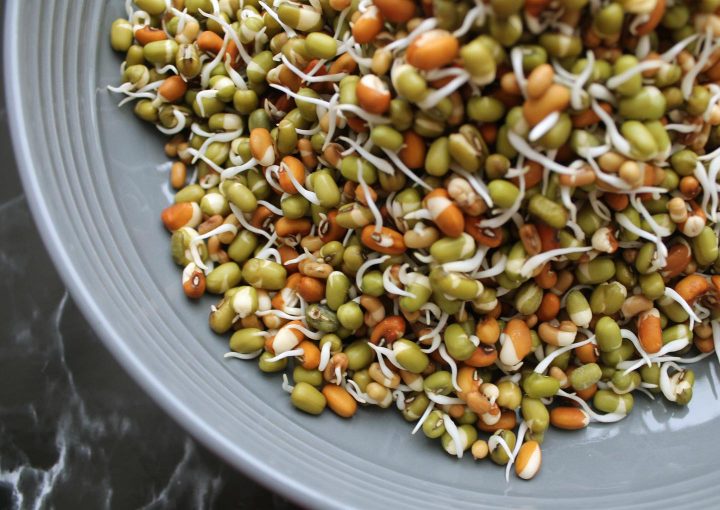
Sprouting is another way of reducing phytates. Grains and legumes are therefore often consumed in sprouted form by raw foodists. When sprouting, the vitamins contained in the grain are potentialized, making sprouted seeds an interesting addition to our diet. However, if they are consumed in large quantities, this can lead to an excess of vitamins.

Sprouted beans

Convictions of Raw Foodists

Most of the time, it is health reasons that proponents of the raw food diet give as to why they chose this alternative diet. For others, ethics play a role or the good taste of the raw food. Two thirds are convinced that cooking leads to a reduction food in value and even to the creation of harmful products. Digestive leukocytosis, enzymes in raw food and the formation of Maillard products are cited very often. These are browning products that result from the combination of sugar types and amino acids when food is heated.

Digestive Leukocytosis

This term describes the temporary increase in the number of white blood cells, the leukocytes, after eating. This is a physiological condition and does not indicate a disease. This increase is repeatedly seen by raw foodists as a reaction to unsuitable foods. Supposedly, cooked foods are considered by the body to be a foreign substance that need to be attacked by the immune system. They claim that there is no increase in leukocytes if you only eat raw food or at least eat something raw before you eat cooked food.

The medical background was provided by the physician Kouchakoff in 1930, who found an increase in leukocytes after ingestion of cooked food, but no increase in uncooked food. Subsequent, more detailed investigations showed that his observation period was much too short and that any food intake caused an increase in leukocytes, especially neutrophilic granulocytes. However, why this increase is happening needs to be researched more closely. Maybe it’s simply a matter of fighting germs that may be smuggled in with food and possibly cause illness.

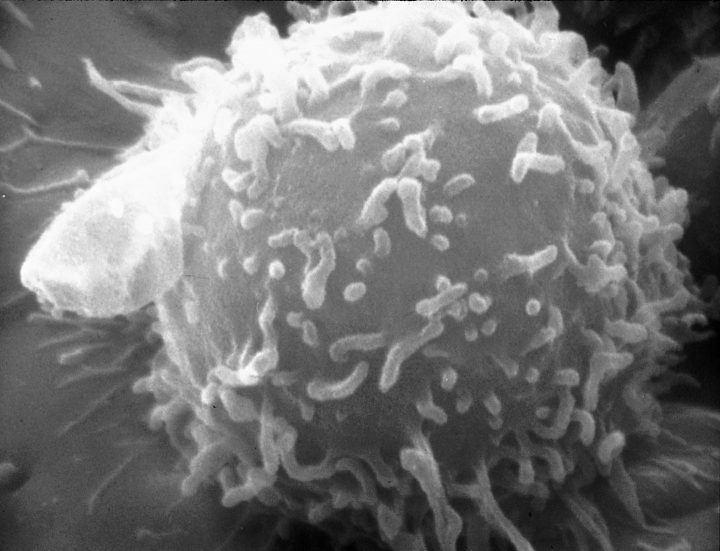
A Lymphocyte, which is a subgroup of leucocytes in the human immune system.

Kouchakoff’s thesis that leukocytosis only occurs when food is cooked has turned out to be wrong. Leukocytes increase by 50-140% after eating, whether the food is cooked or eaten raw. It is interesting, however, that most people have their highest leukocyte count after eating meat.

Enzymes

The enzymes are another reason that raw foodists often cite as a benefit of their diet. The raw food should contain live enzymes that are lost during cooking. Therefore, raw food products are supposed to be living foods, while cooked products are already dead and supposedly have very little nutritional value.

What are enzymes? They are chemical structures that are vital to a variety of metabolic functions in our body. They have important functions in digestion, body metabolism, DNA replication, cell signaling and countless other processes within the body.

So it’s true that raw foods contain a lot of enzymes. Since these enzymes consist largely of proteins, they are broken down into amino acids in the stomach and therefore do not benefit the body. Some people need enzyme supplements to help with digestion. However, these must be packed in specially developed capsules, which are resistant to stomach acid and only release the enzymes in the intestine. Without these protective capsules, the digestive enzymes wouldn’t get to the intestines. The enzymes that the body needs it can usually produce by itself.

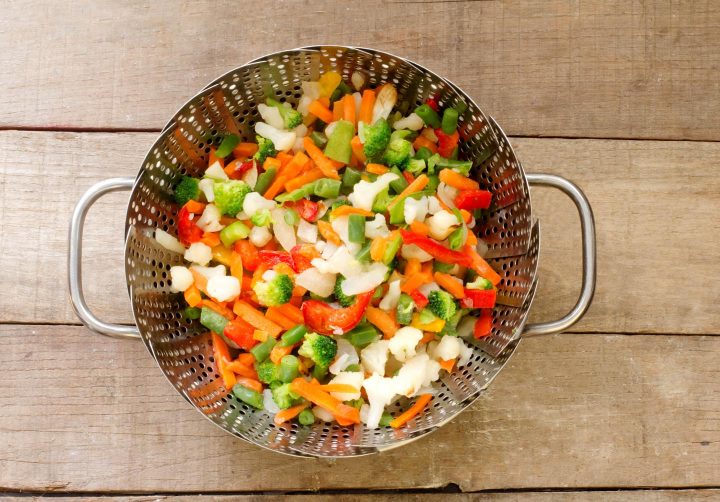
When it comes to vitamins, however, the raw food diet is a step ahead. Vitamins are largely lost upon heating and are normally found in much higher concentrations in raw products. There are, however, exceptions here as well. For example, steamed kale has a higher vitamin C content than raw, and the beta-carotene in carrots is easier to absorb when cooked. If you want to cook vegetables, then careful steaming is usually the gentlest form of preparation.

vegetable inside steam basket for steam cooking

Raw Food as a Treatment

Nutrition is a key factor in the development of chronic diseases and the maintenance of good health. The WHO agrees with that. Of course, lifestyle also plays an important role. In addition to lack of exercise and tobacco consumption, the changed diet is mentioned in first place.

The traditional plant-based diet has been replaced by a calorie-dense, high-fat diet with a high proportion of animal products. Low fruit and vegetable consumption and low fiber go hand in hand. In numerous developing countries, which are adapting their lifestyle and diet to industrialized countries, precisely those diseases that go hand in hand with this lifestyle are increasing: cardiovascular diseases, diabetes, cancer and obesity.

Is it any wonder that alternative doctors are increasingly turning to raw food! When changing from a typical Western diet, success is inevitable. However, the raw food diet must be adjusted individually, because there are a number of contraindications. And in most cases, a well-balanced healthy diet that includes some cooked grains would probably perform better than a restrictive raw food diet.

Raw Food as a Permanent Diet: Yes or No?

As the raw food studies show, it is not easy to eat exclusively raw. It might make sense for a short time, whether it’s to lose weight or regain your health. When it comes to raw food as a permanent form, you should never eat a restrictive diet. One should not arbitrarily avoid some foods that are important for a balanced diet.

Everyone has to decide for themselves how high the proportion of raw food should be in their diet. Eating about half of everything raw, as recommended by Whole Foods Diets, is certainly a good way to go. It is well justified in terms of taste, socially, scientifically and from a health point of view. But cooking makes sense too.

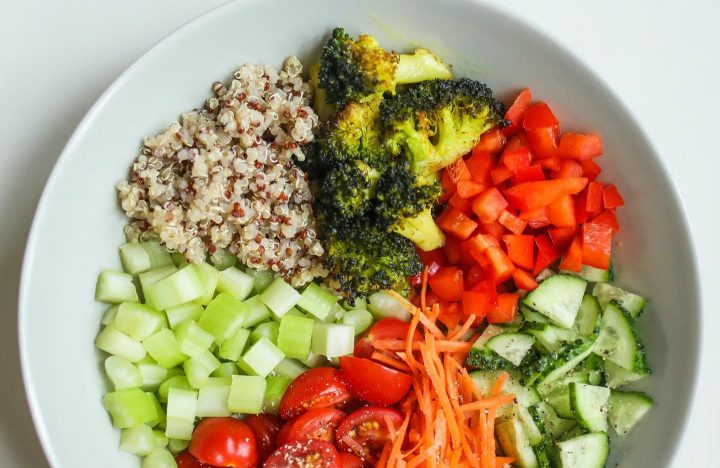
Salad plate with steamed broccolis and cooked quinoa

Why Cooking?

Cooking kills harmful microorganisms, destroys harmful food components, such as in legumes, and increases the absorption of some nutrients, such as beta-carotene. Cooking changes the texture and taste. Cooking, roasting and baking contribute to palatability. Let’s just think about potatoes! Boiling is often increasing durability, helps to preserve food in canning, and adds convenience. We quickly have a meal on the table from pre-prepared menus, supplemented by fresh raw vegetables.

Everyone has to decide for themselves how much raw food is good for them. The fact is, most know they should be eating more of it. If one wants to increase the amount, he should do it gradually, remembering to chew well. Only then can the digestive tract can adapt to the changed circumstances.

Incidentally, there are no scientific findings available – for a better physical and mental performance of the raw food compared to the usual mixed diet. But if someone feels more comfortable with a raw food diet, they should choose a balanced type that also optimally provides them with everything they need for life.

Healthy Fruits

Stay Always Up to Date

Sign up to our newsletter and stay always informed with news and tips around your health.

Sign Up Now!

Filed Under: Nutrition, Obesity, Temperance

What is Causing Stress for Seniors?

July 24, 2022 by Martin Neumann - [rt_reading_time label="Reading Time:" postfix="minutes" postfix_singular="minute"]

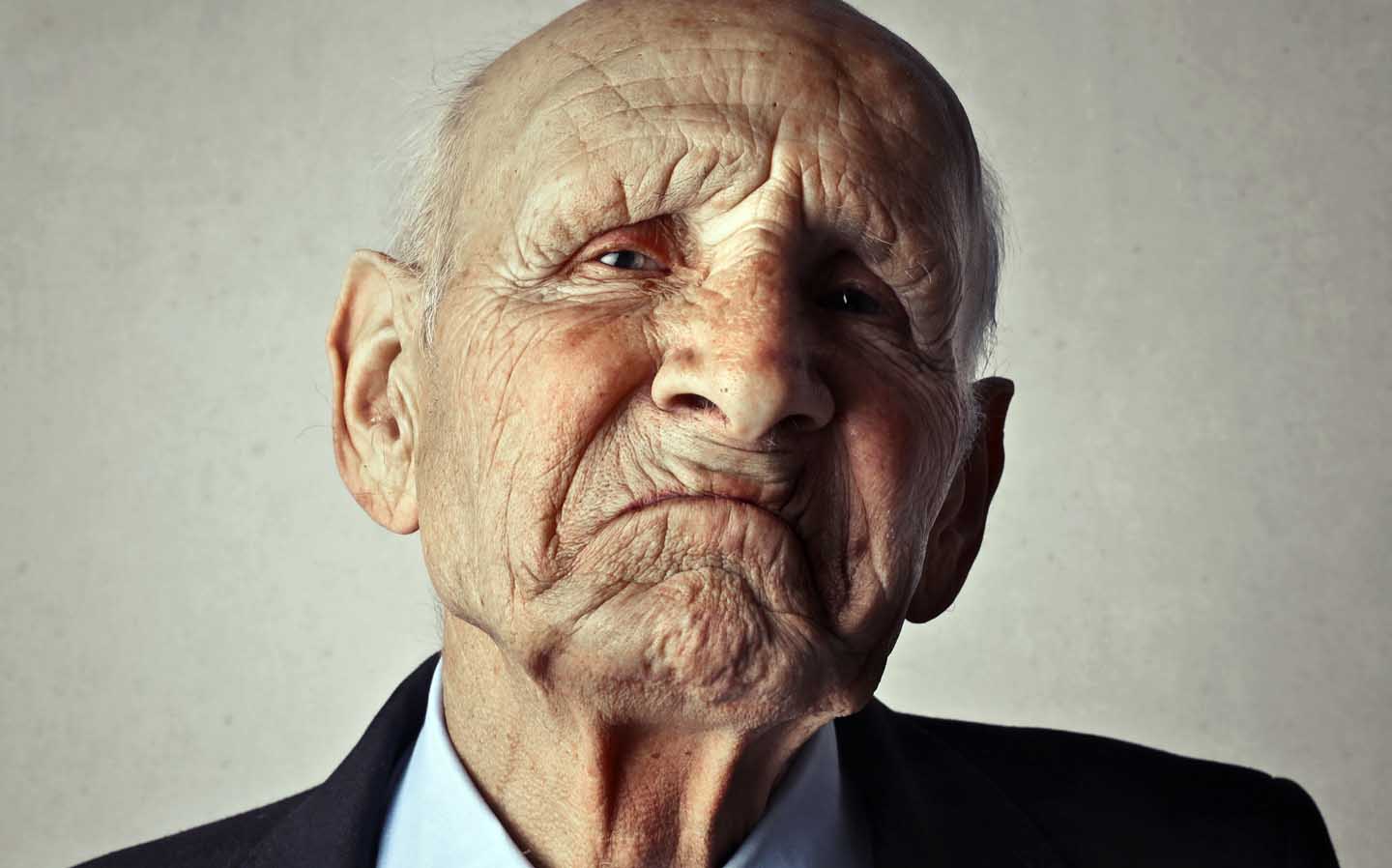
Stress for Seniors

By the time you’ve reached the twilight of your life, you still face a very unique, yet very real set of stresses. The stress that elderly people face is much different from that of any other age group, and as such, many people younger than them don’t know how to help, because they simply can’t relate as they’ve never experienced these things themselves.

What is Causing Stress for Seniors?

Some people are kind of lost when they retire, because work has been their focal point for all their life, and gave them a certain kind of satisfaction. Once they retire, they kind of lose their purpose and do not know what to do all day long. This is such a kind of change that can cause you an existential stress, even though your responsibilities have diminished all of the sudden.

Others want to catch up on all of the things they had no time to do while they were working. So they pack their agenda with all kinds of activities and are eventually busier than somebody who is on his 9 to 5 job.

One of the most prevalent factors of stress at this age is simply death. Most people don’t live past their eighties, with exceptions, of course. Once you start approaching that age, you realize just how little time you have left.

There’s this constant pressure to make your life feel complete by the time you pass away, so there’s this major stress you have to face in trying to do all of these things you always wanted to do.

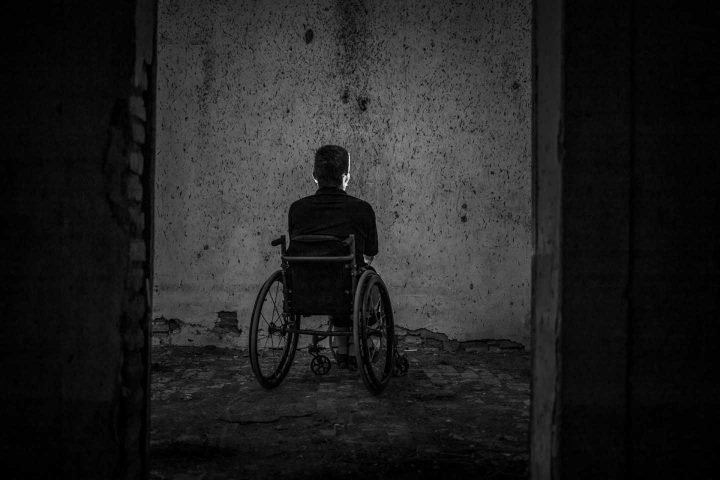
Of course, this isn’t always entirely feasible, because chances are, you wouldn’t be as mobile at this point. Once you really start to climb in age, your mobility just gets worse and worse, and in some cases, you might even be wheelchair bound.

Some elderly people remain mobile their entire lives, while others might end up stuck in a wheelchair or bedridden early on. Along with a variety of other health problems, physical health is something very worrying for people this age.

A senior in his wheelchair

Another cause of stress for people sixty and over is that they often see their circle of family and friends shrinking each year from them passing away. Parents and older siblings may have passed away, or even their spouse.

This can cause an immense feeling of loneliness, with many of the people you once knew no longer being in your life. This also accompanies the first major factor, with people wondering whether or not they’ll be the next one in their circle to pass away.

With that in mind, one of the final causes of stress in older people is that they are often secluded and don’t see much attention. Without the mobility or energy to go out, with so many friends passing away, many older people don’t have a reason to do much – besides sit at home and watch TV or read.

Some are a bit more active, but regardless, it’s very difficult for them to do anything. Some have no form of transportation, even if they did feel like going somewhere. It’s not easy at all to recognize stress in older people, as they typically contain it very well.

They’re often overlooked when it comes to thinking about people who get stressed out, because they don’t necessarily do much. They’re likely retired, and spend most of their time at home watching television.

For many people, that sounds like a great time, but for them, it’s just the only thing they can do for entertainment, since it’s so hard for them to go out and about. One way you can tell that they’re a bit stressed is that they’ll start to eat a lot less.

By ceasing to take good care of themselves, they’ve essentially just given up. This can be dangerous, because if they’re not taken care of, they might end up having some serious health issues, since their bodies aren’t anymore in top physical condition.

Another big sign of stress in older people is that they just kind of stop caring. At some point, when most of the people you once knew were gone, and you will be soon, it’s difficult to find genuine joy in just about anything.

The few things you might have been able to enjoy are often too physically demanding, leaving you with so few options that you’re simply uninterested in anything else. There are some solutions that can make older people’s lives much better.

For example, it’s very important that they continue to be social, even if their old friends aren’t with them any longer. There’s no harm in being social with your kids or grandkids, and it gives you a much needed opportunity to get out of your shell once in awhile.

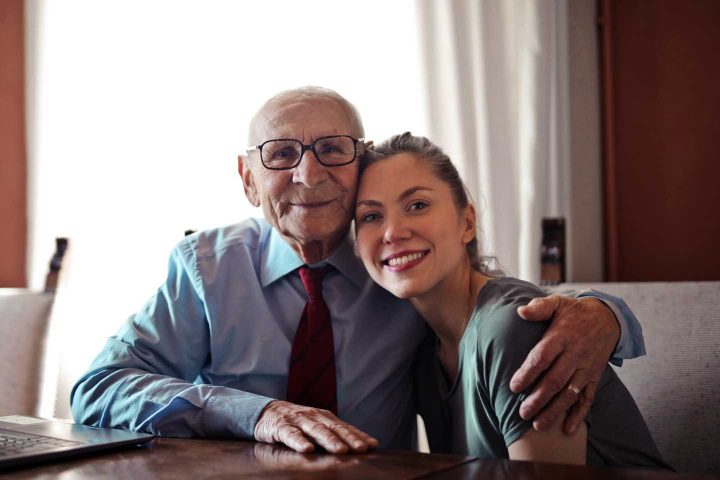
A senior being social with family

It’s not healthy to go from being social your whole life to suddenly being reclusive. You’re just not meant to endure that kind of change. It’s very, very important that you come to terms with the life you’ve lived by this point.

Living the later years of your life full of regret is not good, so just learn to be happy or accepting of the life you’ve had. There’s no sense in worrying about the past since you can’t change it, so you might as well do something more enjoyable than just worrying all day.

It can be good to reminisce about old times, but you shouldn’t spend an excessive amount of time on it. Looking back through an old photo album once in awhile with some family or friends and talking about the past can be a great way to fondly remember exactly what your life was like, but if you dwell on it or obsess over it, you’ll just start to become sad that you’re not there now.

It helps to just change things up a little here and there to break up the monotony. Get food from some place new, perhaps take a tour of a place you’ve never been to. Little things like this can make all the difference, because you’ll be able to essentially scratch something off of your bucket list, leaving you with one less thing to be able to regret.

Elderly woman having fun outside

Stress can be at your side through your entire life. As a toddler, you may have endured a volatile family situation, then gone through bullying in school. You followed that up with bad decisions in college, and financial and career stress as a young adult.

As you aged, you experienced relationship stress, health stress and the looming stress of getting older. Because it’s something that everyone deals with in one form or another, it’s important that you learn to recognize when you, yourself are stressed as well as your loved ones.

Knowing stress is getting out of control can alert you that it’s time to seek out a solution or remedy. Because everyone is different, the treatment that works for one person may not work for another.

You might need professional help, or be able to handle it on your own, naturally. You also may need to experiment with a variety of stress relief solutions and find one or a combination of things that work best to alleviate your concerns and help you enjoy life and remain calm on a consistent basis.

Do you need a guide to help you understand how to cope with Stress in an all inclusive approach? Learn how to combat stress, mentally, physically, emotionally and strategically in your life.

Get Me the Guide

Filed Under: Mental Health, Phases of Life, Seniors, Stress Management

What is Happening with COVID-19? Myths and Facts

July 17, 2022 by Martin Neumann - [rt_reading_time label="Reading Time:" postfix="minutes" postfix_singular="minute"]

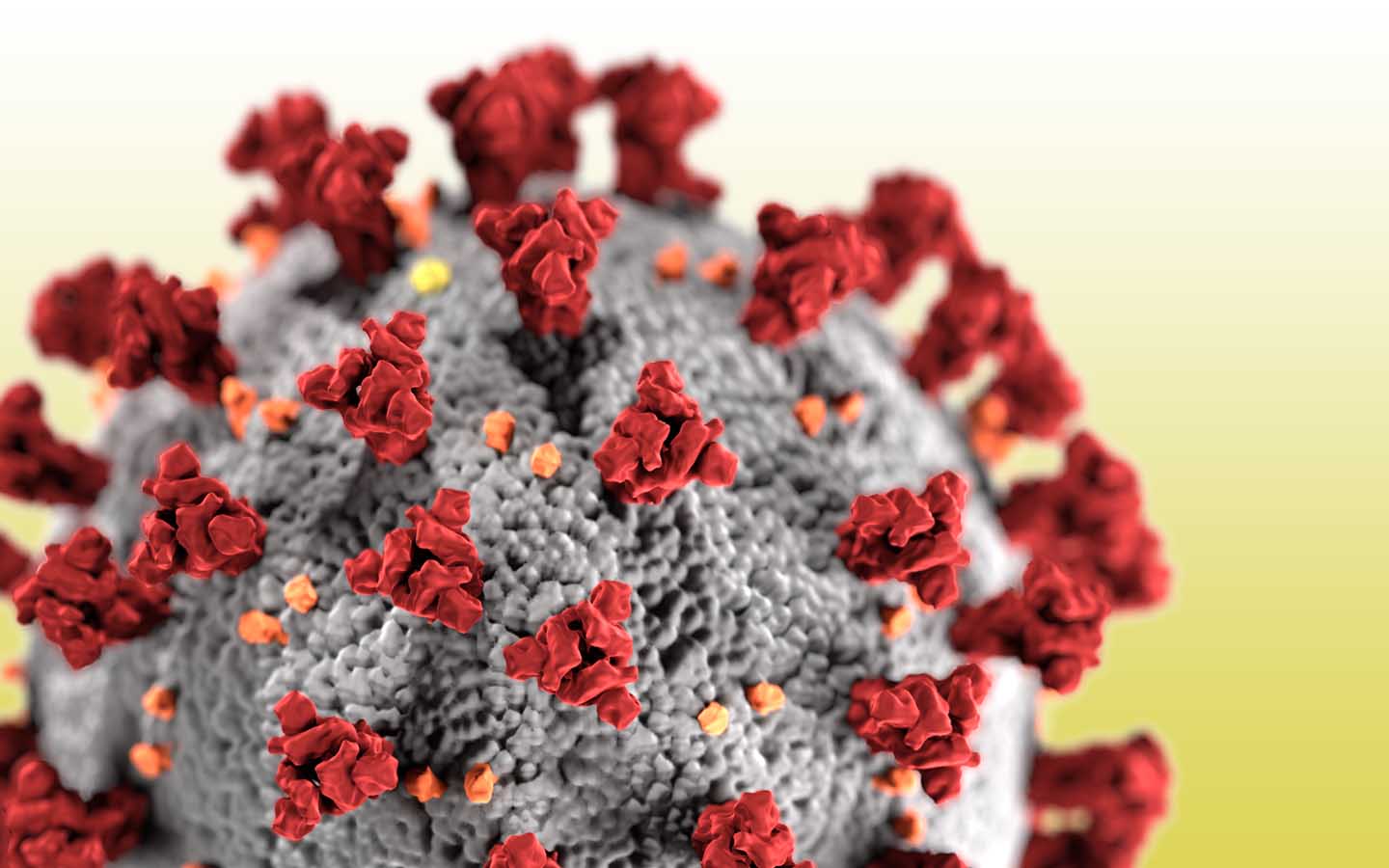
COVID-19 Myths and Facts

The pandemic has affected the life of all of us in very dramatic ways. While dealing with that crisis, we have seen much of conflicting advice, changes in polices, questionable statements, and a counterreaction in the population leading to a widespread distrust and all kinds of conspiracy theories. What are the facts? What are the myths? How can we know?

What is Happening with COVID-19? Myths and Facts

Although it will be difficult to get a final answer to all the questions raised, we want to give a critical look at the evidences and try to discern a little bit on what might be going on behind the scenes.

Is the pandemic already over?

Since mask mandates were lifted for the most part, the impression may arise that the pandemic is coming to an end. Although some countries have seen a significant reduction of infections and deaths, the pandemic is far from being over. On a worldwide scale we are still seeing about 850,000 new infections and 1,500 deaths registered daily. Furthermore, reduced testing is kind of skewing our statistics of real cases. And even in the US, there are still about 100,000 registered cases every day, which is close to the average we have seen during the entire year of 2021. Daily deaths have though declined quite a bit.((Statistics: Worldometers
USA: https://www.worldometers.info/coronavirus/country/us/
Worldwide: https://www.worldometers.info/coronavirus/))

How is the Pandemic going to end?

This is a question that has been on everyone’s mind since the COVID-19 pandemic started. The good news is that it seems to be slowly ending. The bad news is that we don’t really know how it will end. There are several possible scenarios for how the pandemic will end.

At the moment, new variants tended to be more infectious, but less dangerous. If a large number of the population gets infected, it is probable that a large enough number reaches some kind of immunity, the number of new infections decreases and we reach endemic levels. In this scenario, the number of new infections decreases until it reaches a point where there are just enough new cases to sustain the disease. It’s possible that this could happen, but it’s also possible that a new wave will appear after an unexpected new mutation of the virus.

What is complicating the situation is, that constant mutations and dwindling antibodies make it quite unlikely that herd immunity will stop the spread of the virus. We probably have to coexist with this virus for a while, but most likely it is going to be less of a problem as time goes on.

What are the treatments for COVID-19?

A WHO study done pretty early in the pandemic was testing a few promising treatment options in hospital settings, including hydroxychloroquine. Patient in intensive care did not get any improvement from any drug applied, including Remdesvir, an antiviral drug widely applied during the pandemic. This created a widespread belief that hydroxychloroquine is not efficient for COVID-19 treatment. Interestingly Remdesvir was continued to be applied, even showing its inefficiency in intensive care setting.((WHO Solidarity Trial))

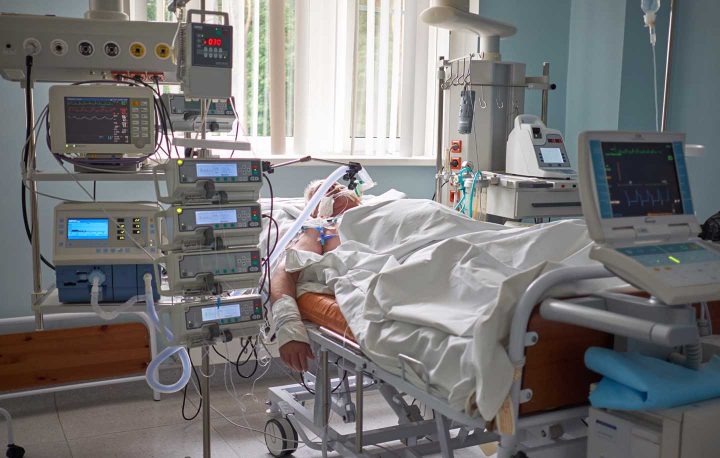
An intubated patient at the Intensive Care Unit

In early treatment, the situation is completely different. For Ivermectin, several independent meta-analyses showed benefits for prevention and treatment alike.((Hill A et.al. Meta-analysis of randomized trials of ivermectin to treat SARS-CoV-2 infection. DOI:10.21203/rs.3.rs-148845/v1
Ivermectin is effective for COVID-19: real-time meta analysis of 49 studies. https://ivmmeta.com/
Lawrie T. Ivermectin reduces the risk of death from COVID-19 – A rapid review and meta-analysis in support of the recommendation of the Front Line COVID-19 Critical Care Alliance. https://www.e-bmc.co.uk/)) But still, Ivermectin continues to be the most praised and most criticized drug of the pandemic and there is still lots of controversy how efficient it really is. Hydroxychloroquine had a similar fate. Even though I am not aware of any solid meta-analysis, some studies showed some slight benefits of its use. It is known that it helps the transport of zinc into the cell, which is essential for immune function, but no study was attempted to test hydroxychoroquine in combination with zinc. It seems that political motives are having a strong influence on science. One motive to downplay those treatment option was probably, that an emergency authorization of vaccines and drugs would not have been possible, if effective treatment options were available.

Going away from drugs, we have studies showing efficiency of Propolis even in hospital settings.((Duarte Silveira M A et. al. Efficacy of propolis as an adjunct treatment for hospitalized COVID-19 patients: a randomized, controlled clinical trial. Doi https://doi.org/10.1101/2021.01.08.20248932)) We know that Vitamin D is highly effective in preventing and treating a COVID-19 infection, and many other supplements and herbs could be just as effective, even no studies are available to prove this. We have an article on COVID-19 treatment going more into details on many of those points.

Are vaccines really protecting against COVID-19?

Well, that is a tricky question, involving many different parameters. First trials of the Pfizer vaccine showed an efficacy of 90% to protect from infections. However, a study from Israel suggests that protection for infection is reduced to 75% after 3 months and it dwindled to 16% after 6 months.((Jeffay N. Israeli, UK data offer mixed signals on vaccine’s potency against Delta strain. The Times of Israel, June 22, 2022)).

How do we explain this difference? We know that antibodies against COVID-19 are dwindling with time. That means, a vaccine will prevent you fairly well from infection in the first 3 months, but after 6 months, the protection against catching the virus is minimal. However, as antibodies are dwindling, memory B Cells are still keeping a memory of the virus, and can quickly produce antibodies during a subsequent infection. For this reason, protection against hospitalization is still around 80% to 90% and will probably stay so for years to come, until the virus mutates too much, turning current vaccines inefficient.(( Jeffay N. Israeli, UK data offer mixed signals on vaccine’s potency against Delta strain. The Times of Israel, June 22, 2022
Craig E. Pfizer’s Covid vaccine efficacy against infection plunges to just 20% after six months – but protection against severe illness barely dips, study concludes. Daily Mail, October 6, 2020))

Do I need a booster shot to be protected?

We basically answered the question by looking on how immunity works. Even if you get a booster shot every 6 months, for half of the time you are still pretty much unprotected against catching the virus. However, the intensity of the infection will be less because of memory B cells kicking in. That will be true with or without a booster shot.

Some studies suggest that booster shots are increasing the protection against variants like Omicron. Looking closer at the data you will see that a booster shot with the Pfizer vaccine gives only 2% improvement in immunity compared to somebody who got the 2 dose vaccine recently. Boosting a Pfizer vaccine with a Moderna shot gave an improvement of 8%. For a completed 2 dose Moderna vaccine, protection for Omicrom was at 74.1% the first 2 weeks after completing the 2 dose regime. After the booster shot it was only 66.3% 2 weeks after the booster. In practical terms, the booster shot can just refresh your antibodies, which are again dwindling over time. Besides that, it does not really provide better protection for the Omicron variant.((Andrews N et. Al. Covid-19 Vaccine Effectiveness against the Omicron (B.1.1.529) Variant. N Engl J Med 2022; 386:1532-1546 DOI: 10.1056/NEJMoa2119451)) Protection against severe disease should be valid again without any booster shot. In Germany, the vaccination commission does not recommend a second booster shot, because it is not going to improve your long term protection.((„Impfung bietet keinen längerfristigen Schutz vor Infektion“, betont Stiko-Chef welt.de, 24.10.2022))

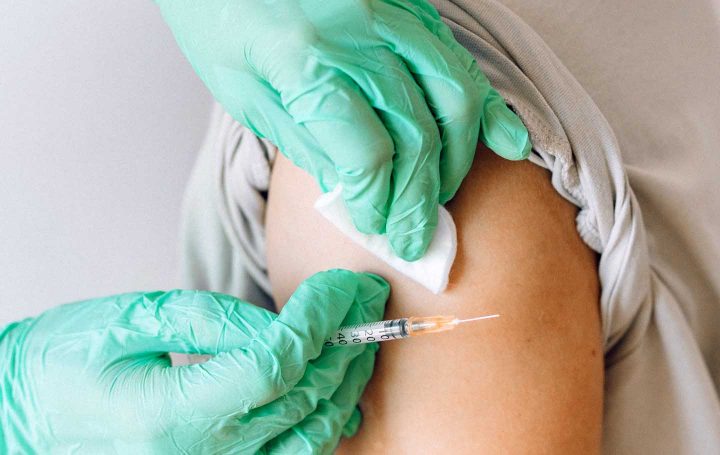
A man getting vaccinated.

If I was infected from COVID-19, do I still need to be vaccinated?

In some countries, being infected is considered to have equal rights as getting the vaccine, for the first 3 to 12 months after the infection. Similar to the vaccine, antibodies will diminish over this time, but memory B cells will give a long-lasting immunity, protecting against severe disease outcome. The immunity aquired by an infection is therefore very much comparable to a vaccine.((Turner, J.S., Kim, W., Kalaidina, E. et al. SARS-CoV-2 infection induces long-lived bone marrow plasma cells in humans. Nature 595, 421–425 (2021). https://doi.org/10.1038/s41586-021-03647-4
Rodda LB, et.al. Functional SARS-CoV-2-specific immune memory persists after mild COVID-19. Res Sq [Preprint]. 2020 Aug 13:rs.3.rs-57112. doi: 10.21203/rs.3.rs-57112/v1.))

Some studies suggest that an infected person can increase the immunity still more by getting the vaccine, concluding that a combination of acquired immunity from the disease and vaccination will give the best form of protection. Nevertheless, the infection by itself is already giving the same immunity then the vaccine by itself, some studies showing even stronger protection than the vaccine. Having been infected will make a vaccination unnecessary. A recommendation to get vaccinated after being infected is based more on politics then on scientific evidence.((Dra. Sheena Meredith. Covid-19: Por que estamos ignorando a imunidade adquirida com a infecção? Medscape, July 14, 2022))

What are the risks of COVID-19 vaccines?

Some vaccines like CoronaVac or Covaxin are using the inactivated virus to create an immune response. The technology involved is not much different than any other vaccine we used during the last few decades. This kind of vaccines should be fairly safe in relation to side effects. CoronaVac was though criticized quite a bit because of limited efficacy to prevent against disease and hospitalization.

At the other hand, mRNA vaccines like Pfizer and Moderna and viral vector vaccines like the AstraZeneca and Johnson&Johnson vaccine are new technologies that include gene-manipulated substances that are instructing body cells to replicate the spike protein. These are technologies that never have been deployed in large scale to the public, since technological problems were still manifold. During the need of the pandemic, approval of this new technologies has been fast-tracked in order to help to resolve the crisis. There is much that is still unknown about long-term side effects of those technologies, and anybody who is concerned about putting GMO foods into their stomach, will be probably concerned about injecting a gene-manipulated substance into the bloodstream as well.

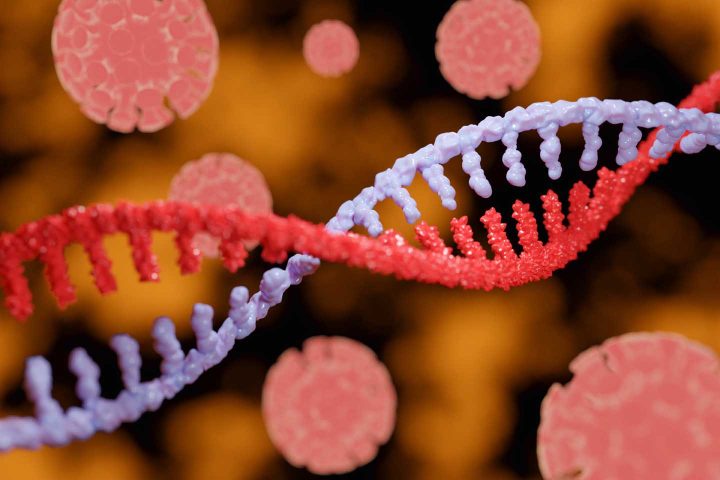
RNA replication

There was much discussion whether those technologies will manipulate the DNA of the human body. For the mRNA vaccines this is quite unlikely, since they are replicating the spike protein through channeling a RNA structure into some of your body cells, and instructing them to replicate the virus. In this technology the substance is not entering the DNA at all. The viral vector vaccines are different, since they are really entering the DNA and instructing that way the cell to produce the spike protein, very similar than many viruses will do. This would be potentially the riskiest among those vaccine technologies involved.

While those questions of the unknown may be a concern for many, let’s focus on something we know to be a problem, and that are the spike proteins. Studies have shown that this spike protein is able to damage cells independently of the virus itself.((Lei Y et.al. SARS-CoV-2 Spike Protein Impairs Endothelial Function via Downregulation of ACE 2. Circulation Research. 2021;128:1323–1326 https://doi.org/10.1161/CIRCRESAHA.121.318902))

Another study showed that spike proteins are able to influence cell signaling and could lead to PAH, a serious lung disease, blood clotting, coronary artery disease, hypertension and stroke.((Suzuki Y et. al. SARS-CoV-2 Spike Protein Elicits Cell Signaling in Human Host Cells: Implications for Possible Consequences of COVID-19 Vaccines. Vaccines (Basel). 2021 Jan; 9(1): 36. doi: 10.3390/vaccines9010036)) The spike protein can also damage the blood brain barrier and cause unpredictable brain damage, that shows up in several symptoms, for the disease and the vaccine alike.((Buzhdygan TP et.al. The SARS-CoV-2 spike protein alters barrier function in 2D static and 3D microfluidic in-vitro models of the human blood-brain barrier. Neurobiol Dis. 2020 Dec;146:105131. DOI: 10.1016/j.nbd.2020.105131))

With an inactivated virus, like used in CoronaVac, the exposure to the spike protein will be quite limited. The newer vaccine technologies instruct though the body cells to produce spike proteins, and literally inundate the entire body with this damage causing substance.

It is important to note that the spike protein of vaccines was modified in order to cleave to cells and not enter into them, so not all findings of the studies may apply equally for the spike protein of the vaccines. It would be interesting to make some studies with both spike proteins to have a clear comparation between the two, but as far as I know this was not done so far.

Now what do we have on real world statistical data? There is a reporting system, that collects potential side effects of any vaccine applied or produced in the US, called VAERS (Vaccine Adverse Effect Reporting System). In normal years there are reported around 150 deaths for all 70 registered vaccines combined. Now for the COVID-19 vaccines we have already close to 16,000 deaths reported in the US alone, during the 1 ½ years that the vaccines were applied.((Original VAERS dataset: https://wonder.cdc.gov/controller/saved/D8/D173F192)) Data from other countries who have a reporting system in place is not much different.

Of course, we know that a reported incident in the system does not prove that it was really caused by the vaccine. There may be some deaths reported, that were randomly happening after the vaccination, but were not directly caused by the event. At the other hand, the reporting system is completely voluntary, and only a small percentage of all incidents are getting really reported. Some estimates will go that the real number would be about 5 times higher. Even though it is very hard to come up with any exact numbers, we can deduce that the COVID-19 vaccines are not quite as safe as your common flu shot.

In order to be fair, we need to put this numbers into perspective. Even if we estimate somewhere around 100,000 deaths by the vaccine, we need to contrast that to about one million deaths by the virus in the US territory. Going with the assumption that the vaccine helped to control the spread of the virus, the vaccine still helped to save lives.

At the other hand, the statistics of side effects and deaths are high enough to be of a serious concern, and should cause a constructive discussion in scientific circles. This discussion though is not happening. In the media, any mention of serious vaccine side effects is actively suppressed. On Facebook, groups reporting vaccine side effects are getting deleted. The government did a simplified reporting system called V-Safe, where anybody could report side effects of the COVID-19 vaccines from their cell phone, but the data is not made publicly available. Censorship prevails at every corner. And it seems that even scientific studies are tweaked in order to support the politically correct narrative. If there is any discussion at all about vaccine safety, it is most likely to be emotionally loaded, with everybody defending their position and no constructive dialogue involved.

Robert Malone is a scientist that was involved in the invention of the mRNA technology. He made on a LinkedIn post the following statement about the current COVID-19 vaccines:

Once again I feel it necessary to make a clear and unambiguous statement. The data strongly indicate that the experimental genetic vaccines, including the mRNA and recombinant adenoviral vaccines, have saved lives. Many lives.

But it is also increasingly clear that there are some risks associated with these vaccines. Various governments have attempted to deny that this is the case. But they are wrong. Vaccination-associated coagulation is a risk. Cardiotoxicity is a risk. Those are proven, and discussed in official USG communications, as well as communications from a variety of other governments.

Based on what I have seen, I believe that other toxicity risks will become more apparent. These include menstrual irregularities, development of thrombocytopenia, cerebrovascular effects, and reactivation of latent viruses such as clinical shingles.

But we do not know how prevalent these are, and the spectrum of severity is unknown and possibly unknowable because the V-Safe database is not being shared outside of CDC, the VAERS systems is deeply flawed, and we just do not have the comprehensive safety data necessary to accurately evaluate risk/benefit for the various cohorts – elderly, healthy normal adults, immunocompromised, pregnancy, adolescents, children, and infants. Particularly the long term safety data necessary to evaluate risks such as autoimmune complications that may manifest months or years post-vaccination. That is just a sciencefact.

Robert Malone

This is just one example of many thinkers in scientific circles who call for an unbiased scientific discussion of vaccine safety, especially in some more vulnerable subgroups.

Are COVID-19 vaccines safe for pregnant women?

There are several studies who tried to evaluate exactly this question. While there is some adequate data for vaccine safety in the second and third trimester, it gets more complicated in the first trimester of pregnancy, which is exactly the most critical phase.

A silhouette of a pregnant woman at a sunset

One study assessing the safety of the vaccine during pregnancy concluded that the abortion rate of women vaccinated in the first trimester would be 12.6% and the published rate for the normal population 10-26%. Looking at this data, they concluded the vaccine was totally safe, even in the first trimester of pregnancy.((The results are in table 4 of this study:
Shimabukuro TT, Kim SY, Myers TR, et al. Preliminary Findings of mRNA Covid-19 Vaccine Safety in Pregnant Persons. N Engl J Med. 2021;384(24):2273-2282. doi:10.1056/NEJMoa2104983
Find the data of the uncorrected chart in this note:
https://www.nejm.org/doi/full/10.1056/NEJMx210016))

A reader of the journal found some faults with that and commented the following:

In table 4, the authors report a rate of spontaneous abortions <20 weeks of 12.5% (104 abortions/827 completed pregnancies). However, this rate should be based on the number of women who were at risk of a spontaneous abortion due to vaccine receipt and should exclude the 700 women who were vaccinated in their third-trimester (104/127 = 82%). We acknowledge this rate will likely decrease as the pregnancies of women who were vaccinated <20 weeks complete, but believe the rate will be higher than 12.5%. However, given the importance of these findings we feel it important to report these rates accurately. Additionally, the authors indicate that the rate of spontaneous abortions in the published literature is between 10% and 26%. However, the upper cited rate includes clinically-unrecognized pregnancies, which does not reflect the clinically-recognized pregnancies of this cohort and should be removed.

Let us analyze this comment a bit closer. The study came up with a 12.5% risk of abortion by dividing the 104 abortions in the first trimester with 827 completed pregnancies. Just the completed pregnancies included women that were vaccinated in the second and third trimester. This is obviously not statistically correct. Like the reader pointed out, only 127 women that were vaccinated in the first trimester completed the pregnancy, since the rest was still pregnant and their outcome was still unknown. The reader concluded that the real rate would be somewhat higher than 12.5%, but definitely below the 82% she was mentioning in this note.

Now the manipulation of the reference values is critical. The study mentioned a first trimester abortion rate of 10% to 26% in the normal population. Just the 26% rate is including clinically unrecognized pregnancies, who aborted without the pregnant women ever realizing that they were pregnant. Obviously, the vaccinated women in the study knew that they were pregnant in order to be included into the study. The correct rate to be applied would be therefore 10%, thus showing an increased risk of abortion even with the statistically wrong calculation of 12.5% risk. That smells very much like deliberate manipulation! This note was sent to the journal but was not getting published.

The story continues. The anti-vaccination defender Steve Kirsch got news about this letter and published in his article that the study has proven an 82% abortion rate within the first trimester.((Steve Kirsch. Should you get vaccinated? Trialsitenews, December 15, 2021)) This is obviously not what the reader said and equally wrong. It is sad to see that distortion of the facts are applied by both parties alike. I wonder when we can come to the point of defending the truth instead of bending it for political reasons, in order to make our viewpoint look better.

The critique had though some effect. Finally, the paper published a correction of the study and removed any definite statistics about first trimester pregnancies. It took them though from June till September to publish this correction, and probably only to avoid the criticism received by the opposition. Interestingly, until today I am not aware of any study that really settles vaccine safety during the first trimester of pregnancy.

Shall I get vaccinated after all?

This is a very individual question that nobody can answer for somebody else. We have seen that there are risks at both sides. You may be inclined to recommend a vaccine to a person in the at-risk group, like the elderly, diabetics, obese, immunocompromised etc. At the other hand, this is exactly the same group that will be more vulnerable for vaccine side effects. I would be very hesitant to recommend a vaccine to a 98-year-old grandma, being diabetic and so weak that she spends most of time in her bed. She may not be able to resist the side effects of the vaccination, and it may be safer to simply protect her from exposure to the virus.

Lets look at another criteria to help in this decision, which is probability of exposure. If you a salesperson that sees so many persons every day, and you do not take good care of your lifestyle in order to strengthen your immunity, then vaccination could be of interest for you. If you are living on a farm, way out in the country, you visit town only once a week and you take good care of your immunity, then you may get by very well without vaccination.

A farmer out in the country

We already said that if you were infected from COVID-19 you already created sufficient immunity and you can safely go without vaccine. As a fact, getting vaccinated within 1-2 month after being infected, can even increase your risk for vaccine side effects. If you want to get vaccinated, you should definitely wait if you got infected recently.

Vaccination of mostly healthy children is something that probably will bring more harm than benefits as well. Some do argue, that children should be vaccinated in order to protect adults, but we have shown already, that protection from infection is not very effective, even with booster shots every 6 months. Nobody protects somebody else by getting vaccinated. Hospitalization and deaths from the virus are quite rare amongst healthy children, and there is no need to expose them to the vaccine.

Booster shots are another thing that is probably causing more harm than benefit. Even without a booster shot, you have adequate protection against hospitalization and death, and every booster is going to expose you anew to a load of spike protein, causing potential damage to your body.

At the end of the day, you should be well informed about the pros and cons and make an informed decision for yourself. Those who are vaccinated do not need to be afraid of the unvaccinated, because the vaccine is protecting yourself, and not the other person. We have clearly stated that a vaccine does not adequately limit the spread of the virus. And whoever is refusing vaccination, should be sure about his decision and not criticizing those who think differently. I hope the day of throwing stones can come to an end and we can simply live out the convictions we have about the subject. And hopefully, one day we can start a constructive discussion of risks and benefits of the vaccine.

What else can I do to be protected?

As a preventive measure, all efforts should be made to strengthen your immune system. A study conducted in Madrid, found that people who did at least 2 times per week a 30-minute exercise session had an 8 times higher COVID-19 survival rate compared to the inactive group.((Salgado-Aranda R et.al. Influence of Baseline Physical Activity as a Modifying Factor on COVID-19 Mortality: A Single-Center, Retrospective Study. Infect Dis Ther (2021). https://doi.org/10.1007/s40121-021-00418-6))

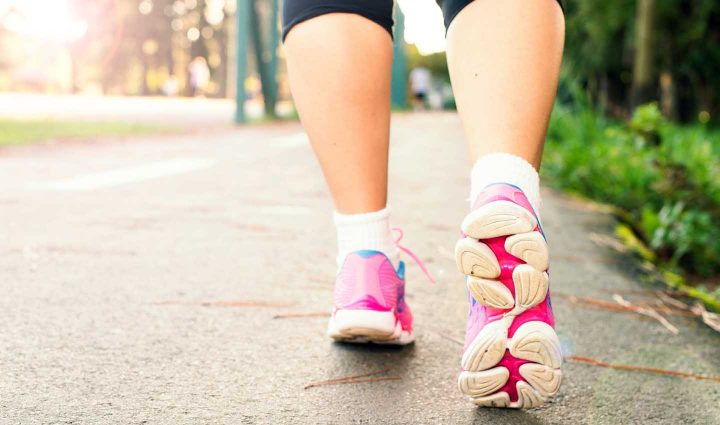
Walking in a park

Nutrition has an equal importance. A study of healthcare workers in 6 countries found, that those who were on a plant-based diet had a 3.7 times better protection against moderate to severe COVID-19 infections. Interestingly, those who were on a low carb diet had a 1.5 times higher risk.(( Kim H, et. al. Plant-based diets, pescatarian diets and COVID-19 severity: a population-based case-control study in six countries. BMJ Nutr Prev Health. 2021 Jun 7;4(1):257-266. doi: 10.1136/bmjnph-2021-000272.))

Even though there are no studies around in relation to COVID-19, there are benefits of good sleep, proper hydration and other healthy habits as well. We know quite a bit of the importance of proper Vitamin D levels for immunity. A study showed that vitamin D deficient individuals had twice as much a risk of hospitalization for COVID-19 compared to normal levels.(( E Merzon et.al. Low plasma 25(OH) vitamin D level is associated with increased risk of COVID-19 infection: an Israeli population-based study. FEBS J. 2020 Sep;287(17):3693-3702. DOI: 10.1111/febs.15495))

If you just practice those 3 lifestyle factors, your immunity is already better than any vaccine can offer for you. And we did not talk yet about reduction of sugar, proper vitamin status and several other things we are able to do as a preventive measure.

I think it is time to think seriously about our lifestyle. If we do the right thing, we are not only so much better protected against COVID-19, but as well against heart disease, cancer, diabetes and other lifestyle diseases that cost many more lives than COVID-19 at this point in time. If you want to learn how to strengthen your immunity with a sensible lifestyle, follow the Coronavirus Immunity Challenge on our website. So stop arguing, and decide to do the right thing!

We have a special opportunity just for you. If you want to receive practical and up to date advice on how to implement an immunity-boosting lifestyle, simply join the Coronavirus Immunity Challenge and prepare yourself to face the pandemic with a bullet-proof immune system.

Sign Up Now

Coronavirus Immunity Challenge

Filed Under: COVID-19, Diseases

« Previous Page
Next Page »

Primary Sidebar

Social Channels

Coronavirus Immunity Challenge

Boost your immune system to be bullet-proof for the pandemic.

I Want to Participate

Recent Posts

  • 5 Habits to Live Longer
  • Better Sleep Can Protect Against Dementia
  • Finding Peace In Your Crazy-Busy World
  • Flaxseed – An Ancient Plant Rediscovered
  • Platelets – Triggers for Life or Death
  • Boderline Personality Disorder
  • In Praise of Almonds and Nuts
  • Are You Stuck in the Clutter Trap?

Categories

  • Body Systems (16)
    • Cell Function (2)
    • Circulatory System (1)
    • Digestive Tract (10)
    • Immune System (4)
  • Diseases (27)
    • Cancer (2)
    • Cold (1)
    • COVID-19 (11)
    • Dementia (1)
    • Diabetes (1)
    • Digestive Diseases (2)
    • Heart Disease (2)
    • Kidneys (1)
    • Metabolic Syndrome (2)
    • Skin (1)
  • Healthy Lifestyle (42)
    • Exercise (11)
    • Gardening (2)
    • Sleep (7)
    • Sunlight (2)
    • Temperance (14)
    • Water (4)
  • Mental Health (87)
    • Addictions (6)
    • Anxiety (7)
    • Burnout (1)
    • Depression (7)
    • Psychosomatic Diseases (6)
    • Stress Management (45)
    • Trust (6)
  • Nutrition (56)
  • Obesity (9)
  • Phases of Life (14)
    • Adults (3)
    • Babies and Infants (1)
    • Children (3)
    • Seniors (5)
    • Teenagers (3)
  • Therapies (7)
    • Herbs (5)
    • Hydrotherapy (1)
  • Uncategorized (3)

Archives

  • January 2025 (1)
  • March 2024 (5)
  • February 2024 (4)
  • January 2024 (4)
  • December 2023 (5)
  • November 2023 (4)
  • October 2023 (5)
  • September 2023 (4)
  • August 2023 (3)
  • July 2023 (2)
  • June 2023 (4)
  • May 2023 (4)
  • April 2023 (5)
  • March 2023 (4)
  • February 2023 (4)
  • January 2023 (4)
  • December 2022 (4)
  • November 2022 (4)
  • October 2022 (5)
  • September 2022 (4)
  • August 2022 (4)
  • July 2022 (5)
  • June 2022 (4)
  • May 2022 (5)
  • April 2022 (4)
  • March 2022 (4)
  • February 2022 (4)
  • January 2022 (5)
  • December 2021 (3)
  • November 2021 (4)
  • October 2021 (6)
  • September 2021 (4)
  • August 2021 (4)
  • July 2021 (5)
  • June 2021 (4)
  • May 2021 (3)
  • April 2021 (5)
  • March 2021 (4)
  • February 2021 (4)
  • January 2021 (5)
  • December 2020 (3)
  • November 2020 (4)
  • October 2020 (5)
  • September 2020 (5)
  • August 2020 (3)
  • July 2020 (1)
  • June 2020 (1)
  • May 2020 (1)
  • April 2020 (1)
  • March 2020 (1)

Copyright © 2026 · Abundant Health - Privacy Policy - Medical Disclaimer