Abundant Health

Up to date health information tailored for you

  • Home
  • Blog
  • Recipes
  • Shop
  • Contact
You are here: Home / Archives for 2022

Archives for 2022

Is salt good for you after all? Checking the Evidence!

July 10, 2022 by Clare Collins - [rt_reading_time label="Reading Time:" postfix="minutes" postfix_singular="minute"]

Is salt good for you after all? Checking the Evidence!

Salt is the most common form of sodium and is added to food during manufacturing, home cooking or at the table to enhance the taste or to extend the shelf life. Most people have heard the advice to cut down on salt. That’s because high sodium intakes are associated with high blood pressure, a major risk factor for cardiovascular disease, heart attacks and strokes.((Graudal NA, Hubeck-Graudal T, Jurgens G. Effects of low sodium diet versus high sodium diet on blood pressure, renin, aldosterone, catecholamines, cholesterol, and triglyceride. Cochrane Database Syst Rev. 2020 Dec 12;12(12):CD004022. doi: 10.1002/14651858.CD004022.pub5.))
Is salt good for you after all? Checking the Evidence!

So the recent headline “Food myths busted: dairy, salt and steak may be good for you after all” was bound to grab-attention.((Food myths busted: dairy, salt and steak may be good for you after all. The Guardian, September 6, 2021))

I'll file this one under good newshttps://t.co/LVKrP2lZfD

— 🌻 Franck (@Franck_chester) September 26, 2021

In the research article this headline is based on, the authors examined whether advice to substantially lower sodium intakes was supported by robust evidence.((Mente A. Sodium Intake and Health: What Should We Recommend Based on the Current Evidence? Nutrients2021, 13(9), 3232; https://doi.org/10.3390/nu13093232))

The article’s premise is that current advice to limit sodium consumption to 2.3 grams a day is unachievable for most people in the long term. And it claims there isn’t good quality evidence to show lower salt intakes reduce the risk of heart attacks and strokes.

The authors suggest that current global sodium intakes, which range from 3-5 grams per day, are associated with the lowest risks for a heart attack, stroke or dying prematurely. And that heart attacks and strokes increase only when sodium intakes are higher or lower than this.
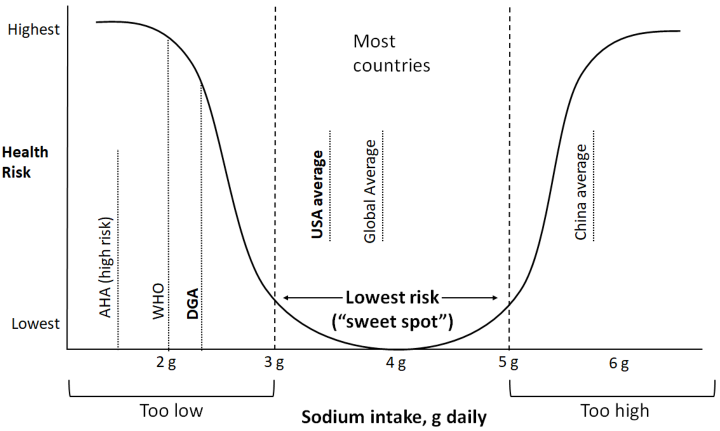
Graph illustrating that supposedly a medium amount of sodium consumption is the healthiest.

The researchers argue there’s a ‘sweet spot’ for salt intake and heart disease risk. We will check the evidence.

But there are a number of controversies about these claims, and the existing advice to limit salt consumption remains. Lets take a closer a look at some of the issues associated with these claims, as well as important research the authors missed.

Most of us could afford to cut down on salt

One teaspoon of salt weighs around 5 grams and contains 2 grams of sodium.

Americans consume about 3.6 grams of sodium per day, equivalent to 9.2 grams (about 2 teaspoons) of table salt.

This is higher than the suggested dietary target of 2 grams of sodium (5 grams of salt) per day and the adequate intake range of 460-920 milligrams (1.3-2.6 grams of salt) a day.((Nutrient Reference Values for Australia and New Zealand: Sodium
Antmann E M et.al. Stakeholder discussion to reduce population-wide sodium intake and decrease sodium in the food supply: a conference report from the American Heart Association Sodium Conference 2013 Planning Group. DOI: 10.1161/CIR.0000000000000051))

Sodium intakes in the US are similar to the rest of the world. Data from 66 countries, accounting for three-quarters of the world’s adult population, reported the average sodium consumption is 3.95 grams per day and ranges from 2.2 to 5.5 grams per day.((Mozaffarian D, et. al. Global Burden of Diseases Nutrition and Chronic Diseases Expert Group. Global sodium consumption and death from cardiovascular causes. N Engl J Med. 2014 Aug 14;371(7):624-34. doi: 10.1056/NEJMoa1304127.))

Yes, it’s possible to cut down on salt

Changing individual behaviour long term is challenging. But it’s possible.

A 2017 systematic review of dietary salt-reduction interventions found individual dietary counselling could reduce a person’s salt consumption by about 2 grams a day (equivalent to 780mg of sodium), over time periods up to five years.((Hyseni L et. al. Systematic review of dietary salt reduction policies: Evidence for an effectiveness hierarchy? PLoS One. 2017 May 18;12(5):e0177535. doi: 10.1371/journal.pone.0177535.))

Population-wide strategies that include reformulating manufactured food with lower levels of salt, improved labelling and mass media education were even more effective in some regions, reducing average salt intakes by around 4 grams a day in Finland and Japan.((Hyseni L, Elliot-Green A, Lloyd-Williams F, Kypridemos C, O’Flaherty M, McGill R, Orton L, Bromley H, Cappuccio FP, Capewell S. Systematic review of dietary salt reduction policies: Evidence for an effectiveness hierarchy? PLoS One. 2017 May 18;12(5):e0177535. doi: 10.1371/journal.pone.0177535.))

Reading food labels in the supermarket.

The authors of the above mentioned paper highlight a lack of studies in the population showing they’ve achieved dietary sodium intakes of less that 2.3 grams per day. But this fails to acknowledge the challenges in conducting such a study to test that, or the importance of reducing your sodium intake relative to what you usually consume.

Cutting salt lowers your risk of heart disease

A recently published randomised trial across 600 villages in rural China shows cutting salt intakes can reduce a person’s risk of cardiovascular disease, heart attack and stroke.((Neal B, et. al. Effect of Salt Substitution on Cardiovascular Events and Death. N Engl J Med. 2021 Sep 16;385(12):1067-1077. doi: 10.1056/NEJMoa2105675.))

The study included more than 20,000 people with high blood pressure who either had a history of stroke or were aged over 60 years. One group was randomly assigned to use a salt substitute to reduce their sodium intake. The second group continued to use regular salt. Both groups were followed up over five years.

The intervention led to a reduction in sodium excreted in the urine (indicating complicance) and a reduction in blood pressure.

The rate of any major cardiovascular event, including heart attack, was 13% lower among those in the salt-substitute group compared to the regular salt group. The rate of strokes was 14% lower.

This trial demonstrates the benefit of reducing dietary sodium intakes, irrespective of a specific daily target.

Is it risky to have too little salt?

Humans need sodium to maintain essential bodily processes such as fluid volume and cell stability. Sodium levels are balanced though a sensitive system of hormones, chemical processes and nerves to ensure that sodium in excess of needs is excreted in the urine.

There is conflicting evidence about heart health when you have very low sodium intakes. Some researchers have suggested there is a J-shaped relationship, where both low and very high intakes increase the risk of poor outcomes (the end of a “J” shape), while the lowest risk is across a broad mid-point of salt intake (the curve in the “J”).
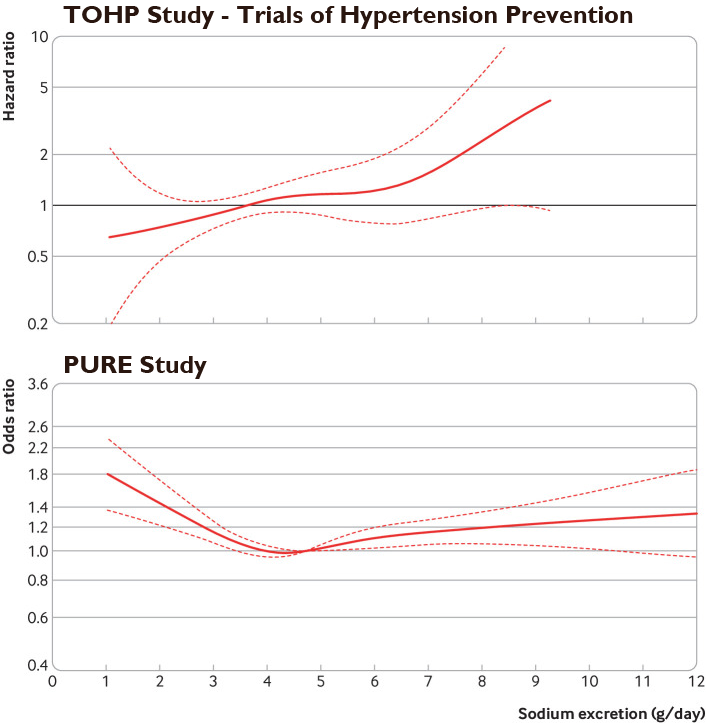
Comparison of TOHP and PURE study, two examples of conflicting evidence about healthy sodium levels.
Association of sodium excretion with cardiovascular disease in the Trials of Hypertension Prevention (top) and PURE study (bottom)

The J-shaped curve in some studies on salt and blood pressure can be explained by issues such as measurement error, random variation, other differences (in age, sex, smoking status or socioeconomic status), existing dietary patterns or other health problems, interactions between a major sodium reduction, and the body’s physiological pathways that regulate blood pressure.((Cook NR, He FJ, MacGregor GA, Graudal N. Sodium and health-concordance and controversy. BMJ. 2020 Jun 26;369:m2440. doi: 10.1136/bmj.m2440.))

Or it could be explained by reverse causation, where the people recruited into the study report low sodium intakes because they have already been advised to follow a low salt diet before enrolling in the trial.

While we wait for more research to explaining discrepancies related to a J-shape curve, the evidence overwhelmingly finds lower sodium intakes, compared to higher intakes, lead to important reductions in blood pressure.((Graudal NA, Hubeck-Graudal T, Jurgens G. Effects of low sodium diet versus high sodium diet on blood pressure, renin, aldosterone, catecholamines, cholesterol, and triglyceride. Cochrane Database Syst Rev. 2020 Dec 12;12(12):CD004022. doi: 10.1002/14651858.CD004022.pub5. ))
Healthy Fruits

Stay Always Up to Date

Sign up to our newsletter and stay always informed with news and tips around your health.

Sign Up Now!

This article is republished from The Conversation under a Creative Commons license. Read the original article.


The Conversation

Filed Under: Nutrition

How Sunlight Can Change Your Mood

July 3, 2022 by Dr. Cesar Vasconcellos de Souza - [rt_reading_time label="Reading Time:" postfix="minutes" postfix_singular="minute"]

Como a Luz Solar Pode Mudar o Seu Humor

Do I need to sunbathe? Vitamin D prevents which diseases? Does sunlight have a good effect on our mood? What are the signs that you may be deficient in Vitamin D?

How Sunlight Can Change Your Mood

We know that sunlight is critical to our health linked to vitamin D. But what about our mood? There is vitamin D2 which is called ergocalciferol, and D3 called cholecalciferol. Vitamin D2 is found in a limited number of foods, while D3 is absorbed by the body when the skin is exposed to sunlight. Both are converted into the active form which is used by the body and stored in the liver and kidneys.

When calcium levels in the body are reduced, the parathyroid glands, located in the neck, release a hormone that stimulates the kidneys to convert vitamin D into its most active form, aiding in the absorption of calcium and phosphorus. Our vitamin D requirement is 5 micrograms per day, this in adults weighing less than 200 lbs (90 kg).

A lack of vitamin D causes osteoporosis, which is a progressive decrease in bone density, with an increased chance of fractures, as bones become more porous and less resistant. Osteoporosis is more common in the elderly. A tip: if you are diagnosed with osteoporosis and have been prescribed to take calcium orally, know that this alone is not enough to resolve it. It is necessary to practice some exercise as well. Taking a lot of calcium and not doing any kind of physical activity is a message that bones interpret as we don’t need to be strong.

And the opposite is true. As you engage in regular physical activity, this will signal your bone cells to absorb calcium, because your message to them through exercise will be this: we need strong bones. So take calcium, but engage in some form of physical activity, at least three times a week.

Walking in the sun

Lack of vitamin D, in addition to osteoporosis, also produces rickets, which is characterized by insufficient mineralization of the bones, affecting children and adolescents. Symptoms are stunted growth, bowed legs, weakness and pain in the spine, pelvis and legs. Studies show that the absence of vitamin D, can facilitate the emergence of certain types of cancer, cardiovascular disease, hypertension or high blood pressure, multiple sclerosis, rheumatoid arthritis, type 1 diabetes among others.

About 90% of the vitamin D in our body is obtained from exposure to sunlight, which is converted from cholesterol in the skin. Normal doses of vitamin D can be obtained with direct exposure to the sun for 10 or 15 minutes daily, through the action of ultraviolet rays, which are also bactericidal. So, if you have a wound on your skin, expose that wound to sunlight as this will help it fight off infections and heal.

Have you ever heard people say, or maybe it happens to you that the cloudy weather with overcast makes you so sad, down and discouraged? There is a type of depression, which is a seasonal depression, whose scientific name is seasonal affective disorder. There are people who have depressive symptoms in autumn or early winter, and there are some who also have summer depression, starting in late spring or early summer. Summer depression is very rare, while winter depression is far more common.

Seasonal depression happens every year, always around the same time. The one that starts in winter is more frequent in countries with less sunlight throughout the year, with darker days and more rigorous winter. It seems that the farther a person lives from the equator, the greater number of people experience this type of suffering. That’s why it’s more common for people in Canada, Norway or Russia to have this type of depression than in tropical countries.

A seasonal depressive person on a rainy window

One theory says this is because sunlight activates brain hormones, which help maintain a happy mood. In a place called Fairbanks, Alaska, on winter days, the time span between sunrise and sunset is a little less than 4 hours. Imagine living a day with only 4 hours of natural light! With this great lack of sunlight, it would be logical to think that a good part of the population would have to have the winter depression. But it turns out that it is actually not that much. One study found that about 9% of Fairbanks residents had seasonal affective disorder, while this type of depression occurs in 1% in tropical countries.

The most common symptoms of seasonal winter depression are: more sleep, that is, the person sleeps more hours a day without feeling rested; increased appetite, desire to eat more carbohydrates, chocolate and fatty foods, difficulty getting out of bed in the morning, loss of energy, feeling of fatigue, impaired concentration, social isolation, irritability, constant sadness, among other symptoms. It affects more women with a share of 60 to 90%, especially between 20 and 40 years of age. In some ways, the behavioral symptoms of summer depression tend to be the opposite of those of winter depression. Summer depressed people can sleep less and lose weight.

A researcher at the National Institute of Mental Health, Tom Wehr, has suggested that seasonal depression may be related to melatonin, which is a hormone produced during the night. When the day gets dark, melatonin increases in the body, and if you can sleep in a dark environment, the peak of melatonin production happens between two and three in the morning. Scientist Tom Wehr commented that during winter animals produce melatonin for more hours, but in less quantity compared to other times of the year. He found that the people who increase production of this substance in the winter are the ones who suffer from these types of depression.

For the treatment of seasonal depression or seasonal affective disorder, medication and psychotherapy are used. Exposure to sunlight, called phototherapy, also helps. However, this does not work equally for everyone. If the problem was only linked to melatonin, perhaps light treatment will solve it in many cases. But there are still other factors that science is studying to understand why some people exhibit this sensitivity to light in a different way than others, to the point of suffering this winter depression.

So take care of your health and get some sun every day!

Healthy Fruits

Stay Always Up to Date

Sign up to our newsletter and stay always informed with news and tips around your health.

Sign Up Now!

Filed Under: Depression, Healthy Lifestyle, Mental Health, Sunlight

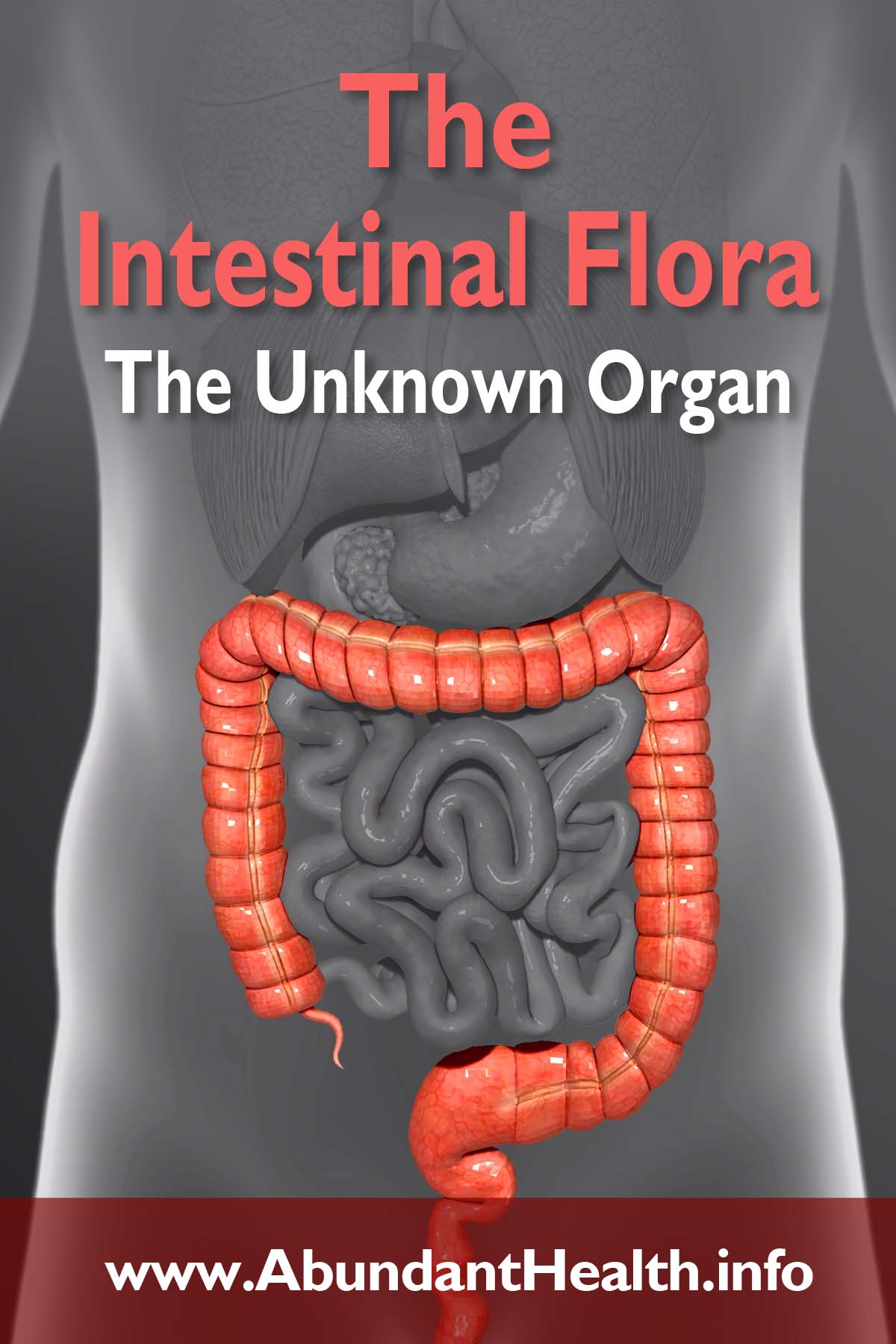
The Intestinal Flora – The Unknown Organ

June 26, 2022 by Esther Neumann - [rt_reading_time label="Reading Time:" postfix="minutes" postfix_singular="minute"]

Darmflora

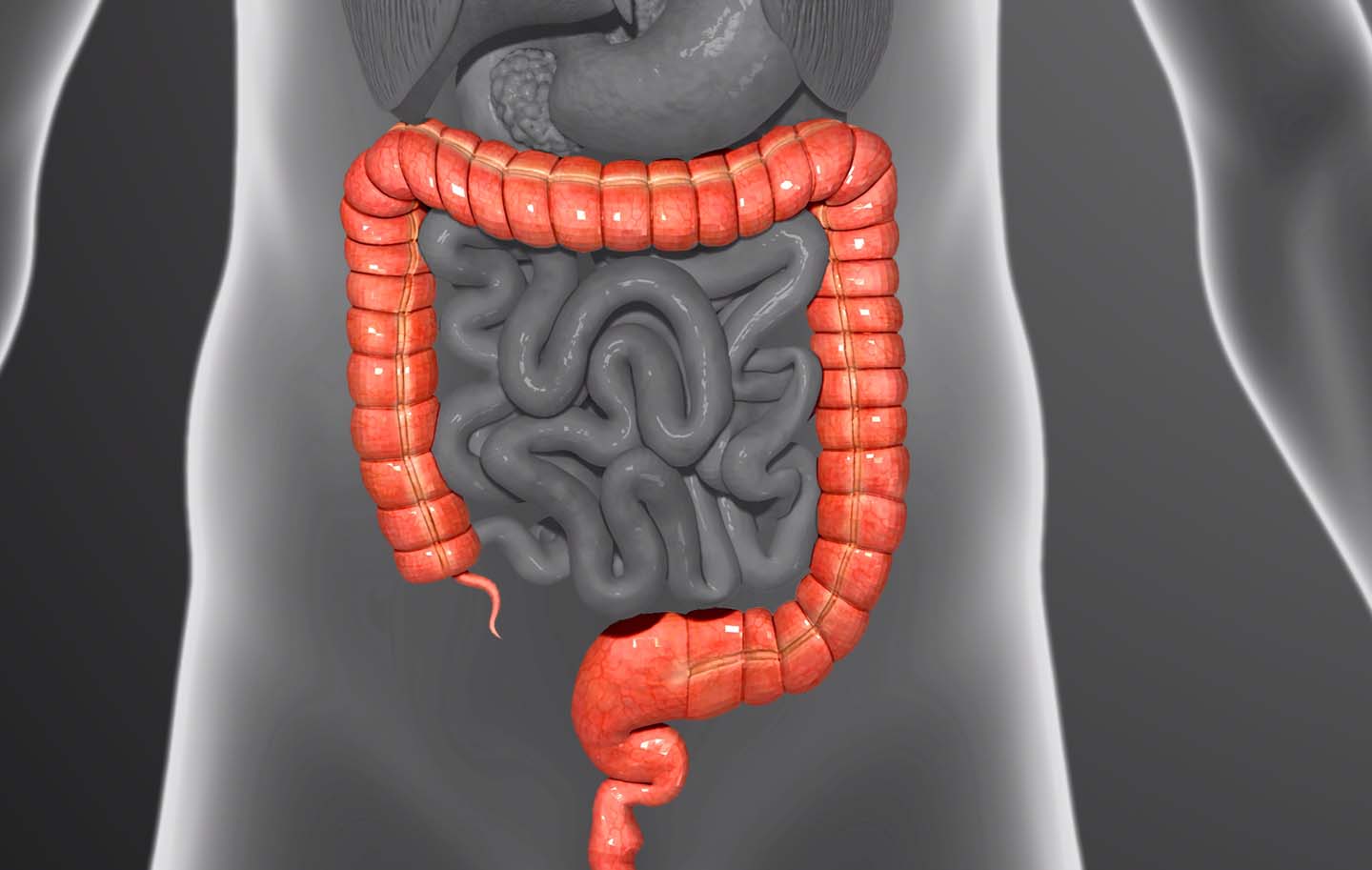
Did you know that our body accommodates about 10 times as many bacteria as body cells? A large part is in the colon and forms the intestinal flora, which handles a wide range of tasks for our body. They help with food absorption, strengthen the immune system and promote peristalsis.

The Intestinal Flora – The Unknown Organ

Cows and humans have one thing in common: they are home to countless other inhabitants, microorganisms and bacteria. Just the time at which these microorganisms do their work is very different in cows and humans.

In the cow, the breakdown of cellulose and other polysaccharides takes place in the forestomach. Short-chain fatty acids are formed in the process. In humans, the bacteria mainly really work in the colon. Again short-chain fatty acids are formed. The work of these microorganisms is extremely important for the health of cows and humans alike.

The 1013 cells of the human body are opposed to 1014 bacteria in the human ecosystem, that means 10 times more bacteria than body cells. There are far more of them living in the large intestine than in the small intestine. Around 1,000 different species and strains make up the intestinal flora, that can vary greatly from person to person. It is still unknown how, once destroyed briefly by antibiotics or during colonoscopy, they manage to rebuild so quickly into a new colony.

Actually, the term “flora” is not quite correct. Flora means plant kingdom. The phrase was coined in the time when bacteria were still considered plants. Today they are divided into a separate group. The bacteria in the gut are not a lifeless mass. They’re doing metabolism. And this huge number is capable to form substances that have an effect on the entire organism. The performance of the intestinal flora can be compared to that of the liver, which is the most versatile metabolic organ. Intestinal bacteria perform many important tasks on our behalf. Not everything has been explored yet.

Diet and Intestinal Flora

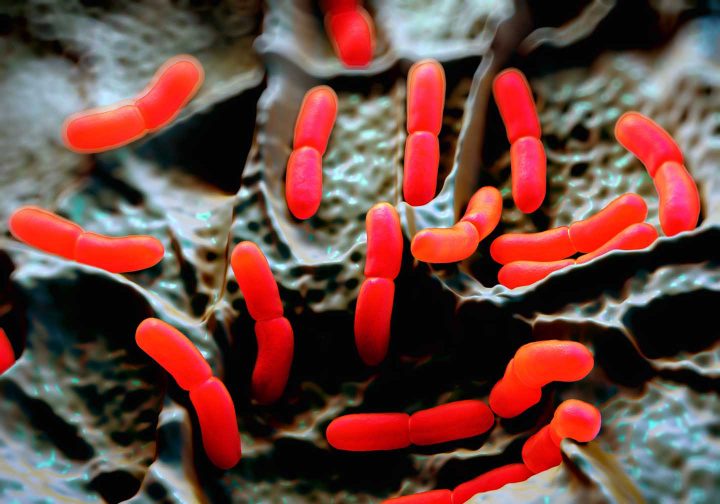
The composition of the intestinal flora changes with the food supply. Deviations in eating habits and dietary changes can affect the balance of the intestinal flora, damage it or conversely promote health. The administration of antibiotics also upsets the balance. If several negative factors are combined, pathogenic microorganisms such as enterococci or clostridia multiply. Health-promoting bacteria such as lactobacilli and bifidobacteria are suppressed. Many diseases are closely related to the intestinal microflora.

Lactobacilli at the intestine
Lactobacilli

Meat eaters have a completely different composition of the intestinal flora than people who only eat plant-based food. A study has shown that the metabolites of the microorganisms found in the stool of meat eaters lead to DNA damage. The result is cancer, especially in the colon. Many substances that are produced during the preparation of meat, especially when grilling over an open fire, also damage the DNA. Damage to the genetic material contributes significantly to the formation of cancer.

Functions of the Intestinal Flora

The intestine, with its huge surface area, represents the largest exchange surface with the environment. Foreign substances, including germs, are constantly passing through. Immune cells are located in the intestinal wall. A significant part of the antibodies is produced by lymphoid tissues in the intestine. They are passed on through the bloodstream and thus reach the mouth, nose and lungs. In this way, other parts of the body are also supplied with protective antibodies.

Healthy intestinal flora plays an important role in the development of the immune system. The harmless germs activate and train the immune cells. The function of the immune system cannot be maintained without a healthy intestinal flora. Of course, our defenses are not infallible and often become weakened, leaving us vulnerable to disease.

The intestinal flora participates in the digestion of dietary fibers. In the past it was believed that these were indigestible because there are no enzymes in the body that can break down fiber. They are therefore passed undigested to the large intestine. But gut bacteria can. They even break down wood. This results in short-chain fatty acids: acetic acid, propionic acid, butyric acid and lactic acid. These degradation products are very rich in energy. They nourish the intestinal mucosa cells and the intestinal flora itself.

High fiber whole grain bread

It has been found that deficiencies in these fatty acids are common in patients with inflammatory bowel disease. Irritable bowel syndrome, diarrhea or constipation can also be a consequence of disturbances in the intestinal flora. Short-chain fatty acids also stimulate intestinal movements. This promotes the mixing of the chyme for nutrient absorption and further transport.

In addition, the intestinal flora produces substances that the body cannot produce itself. This includes, for example, vitamin K, which is so important for blood clotting. It also produces vitamin B12. Unfortunately, this vitamin is no longer absorbed in the lowest section of the intestine. However, the possibility is being discussed that in the healthy intestines of pure plant eaters such vitamin B12-producing microorganisms continue to rise into the small intestine, where absorption is possible. They can also produce vitamin B1 and B2.

If the barrier function of the intestinal wall is impaired, it becomes permeable. This can lead to inflammatory reactions that can contribute to the development of other diseases. These include inflammatory bowel disease, type 2 diabetes, atherosclerosis, heart failure and certain liver diseases.

In order to improve health and quality of life, it makes sense to pay more attention to the intestinal flora. We can take care of them by eating more fiber. We find them in fruits, vegetables, whole grains, seeds and nuts. If we eat little or – even better – no meat at all, we improve the intestinal flora towards a positive colonization. This makes such a difference in our health.

Healthy Fruits

Stay Always Up to Date

Sign up to our newsletter and stay always informed with news and tips around your health.

Sign Up Now!

Filed Under: Body Systems, Digestive Tract, Nutrition

Stressors in the Midlife Crisis

June 19, 2022 by Martin Neumann - [rt_reading_time label="Reading Time:" postfix="minutes" postfix_singular="minute"]

Adults are expected to have it all together. They look back on years of experience that hopefully taught them some important lessons for life. They are dealing with growing responsibilities. This period in one’s life can come with a ton of challenges, both tangible and abstract. These are the years that are typically branded as the midlife crisis years, and for good reason.

Stressors in the Midlife Crisis

At this point, many people realize that the first half of their life is over, and to some extent, they really can’t get back any of their childhood or young adult experiences. Unless they are pretty content with the lives they’ve lived thus far, it is pretty easy for somebody to slitter into that existential crisis of the midlife years.

One of the most dreadful causes of stress that people experience at this age is more philosophical than it is tangible. They start to see things in the bigger picture rather than just small portions of their life.

At this point, many people will start to wonder a lot about what they’ve done for the world. Thoughts such as, “What did I accomplish in my younger years?” and, “What was I put here to do?” are common, because it’s hard to imagine that you’ve already lived roughly half of your life without feeling like you did much. They really just want to have left some kind of reliable legacy, because there’s something scary about the prospect of one day being forgotten.

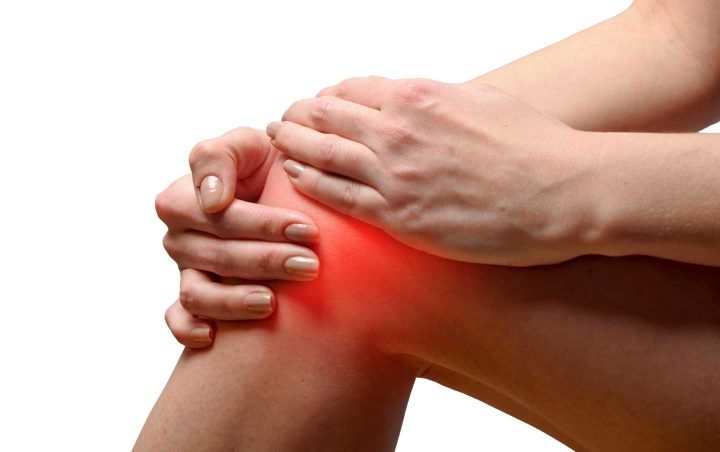
In a much more physical sense, this is when health problems can become really apparent. Joints at this age don’t work quite as well as they used to, leading to things like early stages of arthritis, general joint pain, and more. It might become harder for people this age to do things that they once enjoyed – especially when it comes to things like sports or hiking. By making basic enjoyable tasks painful, these health problems can take away much of their happiness and add on a lot of stress.

A painful knee

One major problem around this age that can cause stress is the sheer amount of responsibilities they have when it comes to family. Around this age, your parents are starting to get much older, and bluntly put, might pass away soon. They’ll have a ton of health problems of their own, so you’ll likely have to make sure they’re taken care of or become a caretaker yourself.

At the same time, your own kids will be a bit older, so you’ll also have to give them a certain amount of care and concern as you ready them to go out in the world as young adults soon.

Trying to balance that alone is bad enough, but you also still have to work and earn money, start thinking about retirement, and you might be experiencing issues with your relationship by this point.

All kinds of problems can arise around this time, making it one of the most stressful times of one’s life. The classic sign of stress around this time is the midlife crisis. A midlife crisis occurs when someone has been going through the same motions for decades now, and is so sick and tired of the monotony, that they do something very out of character in order for them to feel refreshed and reinvigorated.

A midlife crisis can manifest itself in a number of things, varying from person to person. With men, it could be something like buying a new sports car or a motorcycle – something exciting and interesting that they can enjoy.

A sports car

In some more extreme cases, a midlife crisis might culminate in leaving your significant other, especially if you’re not fully happy with the relationship. It doesn’t have to be something specific, either.

Many people experience this crisis just by realizing they’re now older than they want to be. They start taking note of little things like how much the world has changed, how much they’ve changed, and how everything they used to do is now old-fashioned.

This can be really hard on some people, and they’ll show it. One prevalent sign of stress around this age is changes to the body. Many men experience a receding hairline as a result of both age and stress, and by worrying about it, they only make it worse.

Men can also experience a severe drop in testosterone around this time. No matter who you are, you’ll also start to get some gray hairs coming in, which can be stressful if you’re worried about your looks. Both men and women alike will dye their hair in an attempt to keep looking youthful.

A woman dying her hair

There are many, many solutions for stress around this time. The first solution you might try is coming to terms with and accepting your age. Growing older isn’t a bad thing, but it feels bad at the time. In reality, you’re experiencing more and more each day than many other people got to, so you should enjoy the time you have rather than sit there stressing and having regrets.

It’s also important that you deal with your stress in a proper way. Going out to drop tons of money on an expensive car is not healthy, nor is leaving your family or taking up unhealthy habits. Instead, find joy in things that are either productive or make you feel whole. Sure, life is stressful, but if you can escape it for an hour to engage in some kind of hobby, you’ll feel so much better by the end of the day.

One practice that has helped many people become more positive in their lives is to embrace positive thoughts as much as you do negative thoughts, if not more. Each time you think about something negatively, think of a positive aspect to it as well.

For example, if you’re unhappy with your job, it’s fine to think about that, but just also think about the fact that you’re lucky to be employed and to have a stable source of income. Taking time to appreciate all of the little things can really make such a difference in your life. Gratitude can change your outlook to life quite drastically. Be sure you find the best in your years you are living right now, and let the stressful thoughts pass you by.

Do you need a guide to help you understand how to cope with Stress in an all inclusive approach? Learn how to combat stress, mentally, physically, emotionally and strategically in your life.

Get Me the Guide

Filed Under: Adults, Mental Health, Phases of Life, Stress Management

Helping Makes You Happy

June 12, 2022 by Esther Neumann - [rt_reading_time label="Reading Time:" postfix="minutes" postfix_singular="minute"]

Helping makes happy

The wave of refugees is once again rolling through Europe. A lot of people stay there, others are going on somewhere overseas. A lot of volunteers are needed to take care of them. But being able to help is not a one-way street. It makes us happy and is important for our own satisfaction.

Helping Makes You Happy

Helping other people is actually in our blood. Who could walk past a small child who has fallen on the gravel road and is now bawling his eyes out? It sees red, its own blood. That makes the tears flow even more. We set it up, clean it, blow the pain away, comfort and rock it.

An old lady stands wringing her hands at the ticket machine. She doesn’t have a clue how it works. She has to get a ticket. No one is around to explain this machine to her. You pass by and can’t do otherwise than to help her.

In the last few months, tens of thousands of people have got together, organized and joined aid organizations. They have set up platforms to teach the refugees the local language, to organize living quarters for them, to offer them leisure activities and to provide them with the necessities of life. People lend a hand where it is necessary. They do this in their free time. Some even travel abroad, to places where people are fleeing, where the need and desperation are greatest. Doctors take care of the sick. Others cook many meals every day and carry them to the train stations. Aid teams set up tents to protect people and relief supplies from the rain. Many are willing to work to the point of exhaustion. They drive their private cars to transport relief supplies to where they are needed.

Impact

Anyone who helps realizes it’s a win. Satisfaction and joy that you were able to help, come to yourself. You feel a sense of belonging and discover a sense of community. If you look more closely at people, the images of fear in our heads disappear. You no longer believe that you could be exploited or even robbed. Embarking on the adventure of helping allows one to participate in the other culture. Most refugees are proud when given the opportunity to cook one of their national dishes. And we can even broaden our horizons by being interested in their lives, their needs and fears.

An Ukrainian girl with a typical national bakery.

In Spite of Ourselves

It makes us happy when we can live out our Christian values. Many are guided by the text: “Therefore, whatever you want men to do to you, do also to them.” (Matthew 7:12) Some have fears about helping, but they cannot bear to do nothing and are happy afterwards that they did it in spite of themselves. Still others see it as a privilege to live in a safe country and want to give back out of gratitude.

It’s the Need

It’s true, of course: Where many thousands have passed, rubbish and dirt are left behind and not a green blade of grass grows anymore. But can you blame them? For what reason are they fleeing? Did the fear of a new bombing bring them? Or the terrifying fear of witnessing once again how a friend who was walking next to you is torn apart by a shell splinter? Or the fear of being tortured or raped by Russian soldiers? The reasons for fleeing are manifold. Nobody leaves their homeland voluntarily.

Ukrainische Flüchtlinge gehen über die Grenze

A mother of two is driving her car, bringing raincoats and rubber boots to the Austrian border where the refugees are waiting in the cold rain for the buses to take them on. Our helper hands out the raincoats to a father of three who is waiting for the buses with his wife and an uncle. All family members are cold and discouraged. They have an invitation in their pocket to visit one of their father’s brothers in Sweden. But how to get there? And now night is falling again. Our helper has distributed everything and is on her way home. But she has no rest, she always has to think of the waiting, freezing family. She turns around and finds the family in the crowd. She calls her husband and asks him to come to the border with a second car and three child seats. Without further ado, they take the foreign family home with them.

Everyone gets a towel and a warm bath. The own children and the strangers soon play contentedly with each other despite the language barrier. After a satisfying dinner, everyone sits together, chatting heart and soul, laughing a lot and making plans for further help. After two days the time has come. A happy family is put on the train – with Sweden as their destination. The brother there knows that his relatives have been helped and that they will come soon. Another happy family stays behind in Austria. They are satisfied that they were able to help at least a few people. This spurs on and encourages us to continue helping. A drop in the bucket? True, but many drops form a rain that fills the bucket. Anyone can become a drop and get involved. There are no limits to the imagination. And the joy will come back and make you happy!


If you cannot go personally to help, you still have an opportunity to get involved. I think it is time to show our help to those in need, and I am donating to OCI, an institution that has several member projects in the Ukraine and neighboring countries, who know the needs first hand are doing their best to help out in alleviating the pain of those who have the greatest need right now. Find out more what they do and make your donation to make a difference right now:

Donate Now
Healthy Fruits

Stay Always Up to Date

Sign up to our newsletter and stay always informed with news and tips around your health.

Sign Up Now!

Filed Under: Mental Health

This Happens in Your Brain When You Drink Too Little Water

June 5, 2022 by Dr. Cesar Vasconcellos de Souza - [rt_reading_time label="Reading Time:" postfix="minutes" postfix_singular="minute"]

Isso Acontece em Seu Cérebro Quando Você Bebe Pouca Água

Do you think you only need to drink water when you’re thirsty? Did you know that thirst is already an alarm? Drinking water only when you’re thirsty is like putting fuel in your car only when that little alarm light comes on, saying you’re running out of gas. Is water important for the brain?

This Happens in Your Brain When You Drink Too Little Water

Our brain depends on good hydration to function well. Brain cells and neurons require a delicate balance between water and different chemicals to function. When you lose a lot of water, sweating a lot for example, and you do not replace it, this balance is disrupted. Your brain cells lose their efficiency. Scientific studies have shown that when we’re dehydrated, it’s more difficult to keep our attention focused. Dehydration of the brain can produce both short-term and long-term memory impairment. Poor hydration can impair the ability to do mathematical calculations, such as calculating whether you will arrive at work on time, if you put off your alarm clock for another ten minutes.

Normally, the longest period of each day we go without ingesting liquids is the hours of sleep, which last about 6 to 9 hours each day, depending on the person. Despite the fact that sleeping usually doesn’t make us sweat, except in the summer if we have no air condition, it doesn’t mean that we don’t lose water while sleeping. With each breath we expel moisture, and the tendency during this hours of sleep is to dehydrate. That’s why it’s important to drink pure water throughout the day, and especially when you get up in the morning, at least one glass of water on an empty stomach. If you want your body and brain to function well, make a conscious effort to drink water from the moment you wake up, starting with getting out of bed in the morning. Think what a blessing to know that, and to have plenty of water available.

On our planet, millions of people have a shortage of drinking water. About 38,000 children under the age of five die each week because they don’t have clean water to drink; did you know that? Women in some African countries walk hours a week, carrying 5 gallons of water in containers, drawing even from places with unsafe water. What a blessing you have, for having pure water in your house, isn’t it? The brain is 75 percent water. So imagine how important is water for the brain to work well.

An African girl carrying water

It is important to drink at least eight glasses of water a day to be healthy; and in the summer even more. There is a difference in the amount to be ingested, according to the activity performed throughout the day, the person’s weight and the season of the year. Having a glass of water every hour of the day (between meals) is a good habit, some people even recommend it. We usually don’t realize that we are dehydrated. We only remember to drink water when we feel dizzy, or when the skin becomes dry.

You may not notice it, but your brain does! It becomes slow to respond to stimuli if it is not properly hydrated. Water is a great remedy, both outside and inside the body. Water helps the blood flow to the brain and calms it, as well as helping to eliminate toxic substances. Brain cells require twice as much energy as other cells in the body, and water contributes more to brain energy than other substances. Drinking water helps children and adults to prevent attention deficit disorder. The lack of correct hydration affects the brain, producing tiredness in the afternoon, difficulty in focusing thoughts, exhaustion, some types of headache, sleep disturbances and loss of mental clarity.

It is important to ingest pure water throughout the day for proper brain function, as it has no way of storing it. Studies have shown that if you are only 1% dehydrated, you will have a 5% decrease in cognitive function, in reasoning. Prolonged dehydration can cause a decrease in the size and mass of brain cells. This is more common in older people who tend to be chronically dehydrated for years. By hydrating your body well, your brain will benefit from the removal of toxins, improving the exchange of nutrients and leading to better concentration and alertness.

A woman drinking water

Brain inflammation is often associated with various types of injuries. When the brain is not properly hydrated, inflammation gets worse. A study of young women showed that the loss of 1.36% of body fluids after exercise impaired mood and concentration, increasing the frequency of headaches. A similar study of young men showed that losing 1.59% of body fluids resulted in memory impairment increased anxiety and fatigue. It is important to know that 1 to 3% of fluid is equivalent to the loss of 1 to 4,5 lbs (½ kg to 2 kg) of body weight for a person weighing 150 lbs (68 kg). So, after doing physical activities, drink a good amount of pure water.

It’s worth remembering: drinking water throughout the day helps your brain and improves concentration, helping you think more clearly. It also helps balance mood, maintains good memory, increases blood flow and oxygen to the brain, and helps prevent some types of headaches.

Researchers at the University of East London believe that when you quench your thirst, your brain can better focus on the task at hand. They did an experiment with 34 men and women. They were given a first test for them to take after breakfast, which included cereal and protein bar. For a second test, they ate cereal, a protein bar and drank a bottle of water. Those who said they were thirsty improved the test time after drinking the water. Drinking water made their brains work 14% faster than before drinking it.

If you want your brain to do well, drink plain water throughout the day, but not together with your meals. This is important for a number of health benefits, and essential for optimized brain performance. Remember, 75% of our brain is water. We can see how important drinking water is to stay mentally well. Drink water! Peace and Light!

Healthy Fruits

Stay Always Up to Date

Sign up to our newsletter and stay always informed with news and tips around your health.

Sign Up Now!

Filed Under: Healthy Lifestyle, Mental Health, Water

« Previous Page
Next Page »

Primary Sidebar

Social Channels

Coronavirus Immunity Challenge

Boost your immune system to be bullet-proof for the pandemic.

I Want to Participate

Recent Posts

  • 5 Habits to Live Longer
  • Better Sleep Can Protect Against Dementia
  • Finding Peace In Your Crazy-Busy World
  • Flaxseed – An Ancient Plant Rediscovered
  • Platelets – Triggers for Life or Death
  • Boderline Personality Disorder
  • In Praise of Almonds and Nuts
  • Are You Stuck in the Clutter Trap?

Categories

  • Body Systems (16)
    • Cell Function (2)
    • Circulatory System (1)
    • Digestive Tract (10)
    • Immune System (4)
  • Diseases (27)
    • Cancer (2)
    • Cold (1)
    • COVID-19 (11)
    • Dementia (1)
    • Diabetes (1)
    • Digestive Diseases (2)
    • Heart Disease (2)
    • Kidneys (1)
    • Metabolic Syndrome (2)
    • Skin (1)
  • Healthy Lifestyle (42)
    • Exercise (11)
    • Gardening (2)
    • Sleep (7)
    • Sunlight (2)
    • Temperance (14)
    • Water (4)
  • Mental Health (87)
    • Addictions (6)
    • Anxiety (7)
    • Burnout (1)
    • Depression (7)
    • Psychosomatic Diseases (6)
    • Stress Management (45)
    • Trust (6)
  • Nutrition (56)
  • Obesity (9)
  • Phases of Life (14)
    • Adults (3)
    • Babies and Infants (1)
    • Children (3)
    • Seniors (5)
    • Teenagers (3)
  • Therapies (7)
    • Herbs (5)
    • Hydrotherapy (1)
  • Uncategorized (3)

Archives

  • January 2025 (1)
  • March 2024 (5)
  • February 2024 (4)
  • January 2024 (4)
  • December 2023 (5)
  • November 2023 (4)
  • October 2023 (5)
  • September 2023 (4)
  • August 2023 (3)
  • July 2023 (2)
  • June 2023 (4)
  • May 2023 (4)
  • April 2023 (5)
  • March 2023 (4)
  • February 2023 (4)
  • January 2023 (4)
  • December 2022 (4)
  • November 2022 (4)
  • October 2022 (5)
  • September 2022 (4)
  • August 2022 (4)
  • July 2022 (5)
  • June 2022 (4)
  • May 2022 (5)
  • April 2022 (4)
  • March 2022 (4)
  • February 2022 (4)
  • January 2022 (5)
  • December 2021 (3)
  • November 2021 (4)
  • October 2021 (6)
  • September 2021 (4)
  • August 2021 (4)
  • July 2021 (5)
  • June 2021 (4)
  • May 2021 (3)
  • April 2021 (5)
  • March 2021 (4)
  • February 2021 (4)
  • January 2021 (5)
  • December 2020 (3)
  • November 2020 (4)
  • October 2020 (5)
  • September 2020 (5)
  • August 2020 (3)
  • July 2020 (1)
  • June 2020 (1)
  • May 2020 (1)
  • April 2020 (1)
  • March 2020 (1)

Copyright © 2026 · Abundant Health - Privacy Policy - Medical Disclaimer