Abundant Health

Up to date health information tailored for you

  • Home
  • Blog
  • Recipes
  • Shop
  • Contact
You are here: Home / Archives for 2023

Archives for 2023

Does Fibromyalgia Come From Your Mind?

March 26, 2023 by Dr. Cesar Vasconcellos de Souza - [rt_reading_time label="Reading Time:" postfix="minutes" postfix_singular="minute"]

Fibromyalgia

In this article, we are going to analyze the psychological aspects of this disease called fibromyalgia. Fibro comes from fiber, mio means muscle, and algia is pain. Therefore, fibromyalgia is pain in the muscle fibers, in a literal translation, but there are several other symptoms in this complex disease, affecting 2% of the population in the United States.

Does Fibromyalgia Come From Your Mind?

Fibromyalgia is characterized by body pains of at least three months, fatigue, sleep disturbances, which can be insomnia, or non-restorative sleep, tingling in the hands, feet, and middle of the back, intestine sometimes constipated and sometimes with diarrhea, and mood changes including discouragement. About 25% of fibromyalgia patients have depression, that is, one in four people.

Commonly it involves anxiety, difficulty in concentrating and performing common tasks, headache, and swelling in the body. In fibromyalgia, there are some pain points in the body, in the trapezius muscle which is in the shoulder area, on both sides of the neck, in the buttocks, in the region of the joints of arms and legs, and some other places.

The cause of fibromyalgia is still unknown. It is believed to be due to the decrease of a neurotransmitter called serotonin in the brain, the person loses the ability to regulate pain and the impulses are misinterpreted. It is a painful syndrome, without inflammation. It affects twenty women for one man.

It appears at any age, but most commonly between forty and sixty years of age. It is common for women with fibromyalgia to be perfectionists, taking on too much at home and at work. Clinical histories reveal that before they became ill, they were the best at work, they were super mothers, and superwomen at home. With the disease, they feel limited and by ceasing to be the best, it is lowering their self-esteem.

The more they feel inferior, the more symptoms appear. The patients themselves are amazed at the disease because they were very well, they felt super powerful, they did everything, solved everything for everyone, and colleagues and family members are also puzzled, saying that these people are inventing the disease and that they have nothing at all. It is common for people with fibromyalgia to go from doctor to doctor. Some uninformed people may think that the person only has psychological problems and nothing else.

The main specialist to be consulted with symptoms of fibromyalgia is the rheumatologist. It cannot be said that fibromyalgia is curable, but it is controllable. There are no tests that identify the disease, the diagnosis is clinical. The specialist will order tests to evaluate a differential diagnosis, that is, excluding other possible diseases, especially of the thyroid, which can have some symptoms that would mix with the symptoms of fibromyalgia.
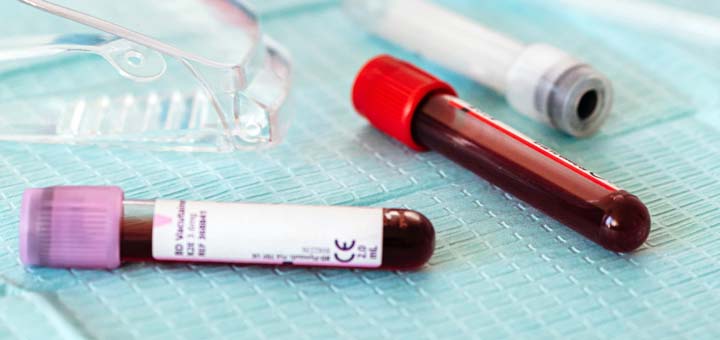
Blood tests

The individual with fibromyalgia can improve by 20% when the well-informed doctor tells him that he is not crazy and that he has such a disease. He can improve another 20% when he finds out that the disease, although painful, does not kill, and for the other 60%, medicine has many limitations to offer a cure.

It is necessary to start a permanent lifestyle change including aerobic exercises, such as daily walking, using more natural foods, pure water, family understanding, looking for relaxation that reduces tension and improves sleep, also reducing the tragic interpretation of events, and learning a strategy of dealing with problems without overloading himself. It may be useful a temporary medication to improve mood, for sleep, and also using an analgesic. It is important that the fibromyalgia patient makes an effort to change their own behavior at the pace they can.

Among those suffering from this disease, some are perfectionists, very demanding, take on burdens that are not theirs, and in this case, you need to learn to set limits, not to take on what is not your responsibility, even if others complain that you have stopped doing what you did before, and learn to disconnect from the problems that they want to throw at you for you to assume, and that does not mean that you have become an irresponsible person.

It is not uncommon in families where someone has fibromyalgia, to see a tendency for some members of that family to omit themselves, and to throw the load on a single person, and this person, accepting this, takes on everyone’s problems, looking for solutions alone, that is, taking on burdens that are not theirs.

But if that person tends to take on everything, the other family members or co-workers settle in and leave the burdens on him, that person will be overworked. So this person ends up carrying other people’s problems, and this can become so suffocating and so heavy, that there comes a time when the body and mind say: We can’t take it anymore!

an overworked student feeling tired

Then symptoms may arise, which may be, for example, those of fibromyalgia. It is possible to be a responsible, productive, helpful person without taking on what is not yours, and not absorbing unfair criticism from those who want to play on the person what they should assume. Fibromyalgia also affects children and adolescents and occurs mainly in girls between nine and fifteen years of age.

This gives rise to symptoms that may be, for example, fibromyalgia. It is possible to be a responsible, productive, helpful person, without taking on what is not yours, and without absorbing unfair criticism from those who want to throw all the responsibility at the person.

Fibromyalgia also affects children and adolescents and occurs mainly in girls between nine and fifteen years of age. The symptoms are similar to those of adults, adding frequent school absences due to illness. Some scientific studies have shown that children and young people with fibromyalgia had an average of 41 days of absence from school per year, while in the general population, the average is 9 days per year.

From a psychological point of view, people with fibromyalgia have a worse quality of life, and have more symptoms of depression and anxiety, generating a greater amount of suffering behaviors. Some studies have shown that young people with fibromyalgia seem to come from families whose members are more disorganized and anxious, and this would influence the way they face life’s problems.

Fibromyalgia treatment involves medications only for the control of symptoms, such as pain, insomnia, excessive anxiety, and depression. Physiotherapy, the practice of physical exercises, preferably outdoors, as well as psychotherapy are needed. It helps a lot to learn coping strategies for everyday problems to help with stress reduction. If that involves the cause of your illness, it will also be the best form of cure.

Healthy Fruits

Stay Always Up to Date

Sign up to our newsletter and stay always informed with news and tips around your health.
Sign Up Now!

Filed Under: Diseases, Mental Health, Psychosomatic Diseases Tagged With: fibromyalgia, overworked, perfectionism

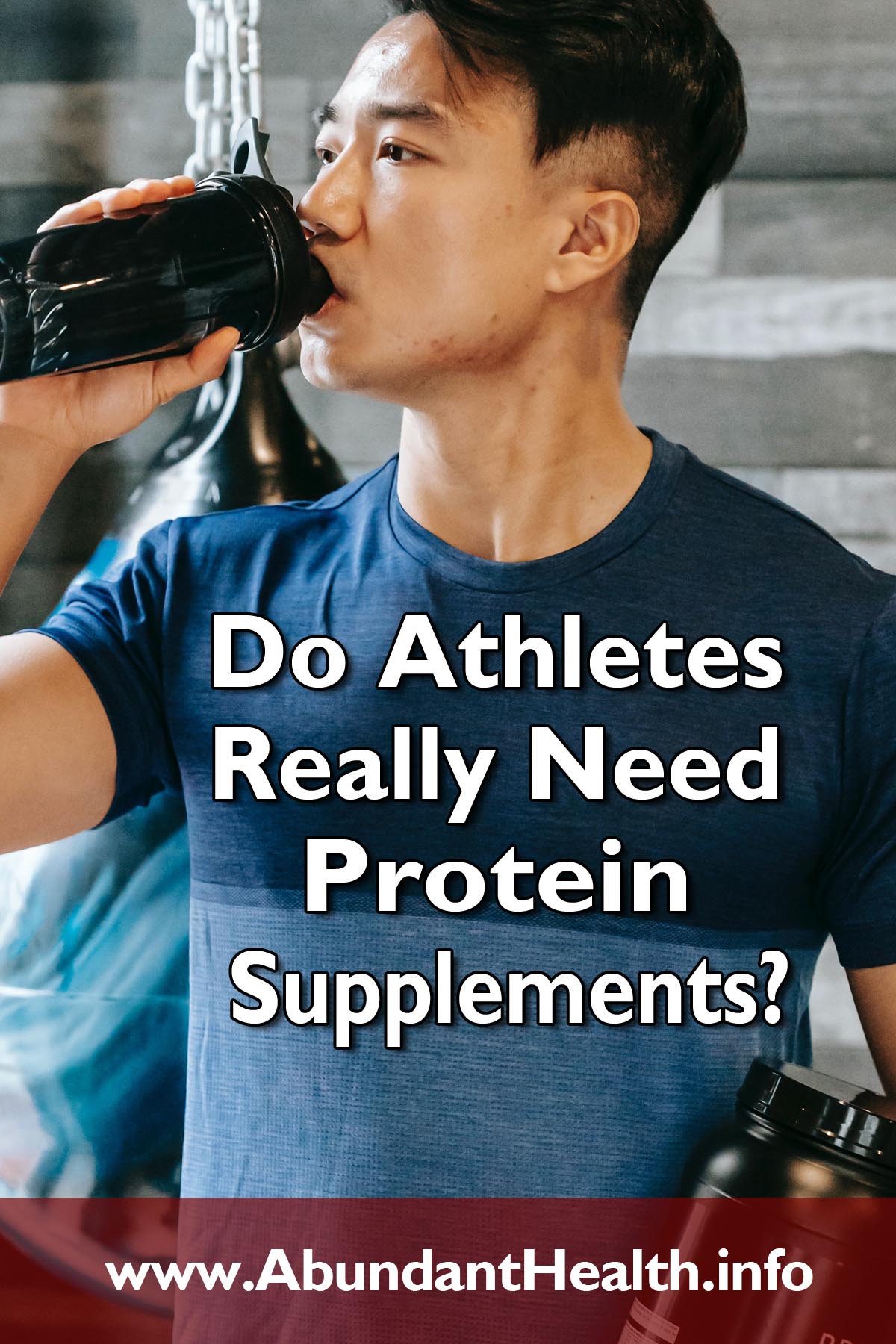
Do Athletes Really Need Protein Supplements?

March 19, 2023 by Evangeline Mantzioris - [rt_reading_time label="Reading Time:" postfix="minutes" postfix_singular="minute"]

Do Athletes Really Need Protein Supplements?

Protein supplements for athletes are literally sold by the bucketful. The marketing that accompanies them persistently promotes the attainment of buff biceps and six-pack abs.

Do Athletes Really Need Protein Supplements?

In 2021 the protein supplement market in the US was valued at 2.1 billion US Dollars, and is predicted to keep growing by about 8% per year.((Protein Supplements Market Size, Share & Trends Analysis Report By Source (Animal-based, Plant-based), By Product (Protein Powder, Protein Bars, RTD), By Application, By Distribution Channel, By Region, And Segment Forecasts, 2022 – 2030, Grand View Research)) But do athletes really need them?

First, let’s consider what protein is and why we need it. Protein is an essential macronutrient in the diet. This means it provides energy to fuel the body but also has structural properties.

Protein is formed by smaller units called amino acids. Amino acids are used by the body to make muscle and other essential body proteins that are used in the immune system, and also to regulate many of the processes in the body.

Protein and amino acids indirectly affect performance by building muscle to improve performance. There is little evidence to suggest consuming extra protein directly aids physical performance in either endurance or resistance exercise.((Jäger, R., Kerksick, C.M., Campbell, B.I. et al. International Society of Sports Nutrition Position Stand: protein and exercise. J Int Soc Sports Nutr 14, 20 (2017). https://doi.org/10.1186/s12970-017-0177-8))

Protein is fairly ubiquitous in the diet – it can come from animal sources (fish, meat, offal, eggs and dairy), and in slightly smaller amounts from vegetable sources (cereals and legumes).

How much protein do we need?

Protein requirements are based on our life stage and gender. The estimated average requirement for an adult aged 19-70 is 1.5g per pound (0.68g per kilo) of body weight for women and 1.65g per pound (0.75g per kilo) of body weight for men. This means a 140 lbs (65kg) woman will need about 45g of protein per day. An 180 lbs (80kg) man will need about 60g a day.((Protein. Nutrient Reference Values for Australia and New Zealand. eatforhealth.gov.au))

Athletes need more protein as they are building and/or repairing muscle as well as connective tissue. Their requirements are two to three times the amount of protein as normal people, or between 3-4.4g per pound (1.4-2g per kilo) of body weight per day.((Jäger, R., Kerksick, C.M., Campbell, B.I. et al. International Society of Sports Nutrition Position Stand: protein and exercise. J Int Soc Sports Nutr 14, 20 (2017). https://doi.org/10.1186/s12970-017-0177-8))

This is a large range, allowing variation for the sort of sport they play. An elite endurance male may be in the lower range, as they have a smaller body frame and less musculature. A power sportsman, such as a footbal player, would require more.

An athletic sprinter on the start line

Are we getting enough?

A 2011-12 survey found most Australians were consuming about double the recommended intake of protein per day. Almost all (99%) Australians met or surpassed the required intake.((Australian Health Survey: Usual Nutrient Intakes. Reference period 2011-12 financial year))

Evidence also indicates most athletes consume enough, and often more, protein than they require.((Burke, L. Clinical sports nutrition. North Ryde, N.S.W., Australia : McGraw-Hill Education (Australia) Pty Ltd, 2015.))

But actually it’s the timing of consuming the protein that is most important to building muscle. After any sort of exercise or performance activity that results in muscle resistance, the muscle has to be rebuilt. For maximal synthesis to occur there needs to be adequate levels of amino acids circulating in the blood. It’s been determined that, to achieve this, around 20-30g of protein must be consumed within 1-4 hours after exercise.

This doesn’t mean you need to down a protein shake as soon as you leave the gym. If you’re having a meal within this time frame, you can consume the 20-30g in that meal (which most people would anyway). This amount of protein from animal sources includes enough of the critical amino acid, leucine, that is needed for muscle resynthesis.

This is the equivalent of 4 oz (120g) of beef or chicken, three whole eggs, 2.4 oz (70g) of reduced fat cheddar cheese or 21 oz (600ml) of skim milk. However if we look at plant-based foods, you would need the equivalent of seven slices of bread, 12 oz (350g) of kidney beans or lentils, or 30 oz (900ml) of soy milk.

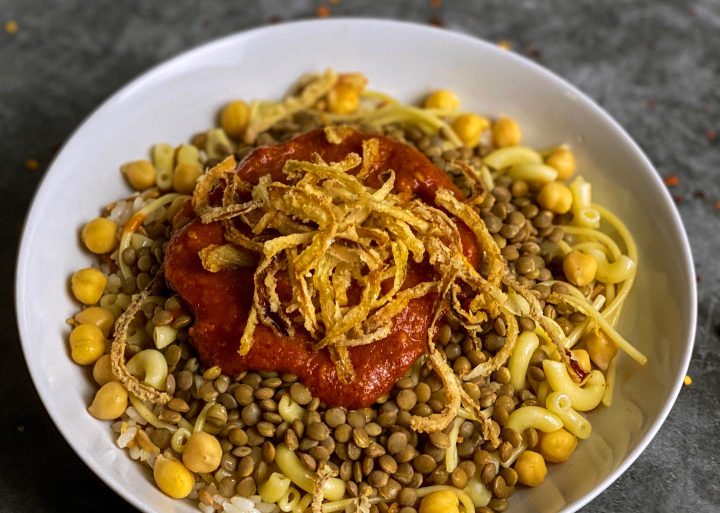
A lentil dish

So does anyone need protein supplements?

There may be situations where an athlete is traveling or can’t access a meal within a few hours of their training session. So they could either snack on one of the foods listed above, or take a protein supplement. Protein supplements will usually be lower in kilojoules, so if an athlete is on a kilojoule-restricted diet they’ll get more bang for their buck from a protein supplement. But of course protein supplements don’t have the other nutrients that natural foods contain.

Additionally, one needs to weigh up the risk of potential contamination with banned substances like anabolic agents, stimulants, and diuretics. This may be intentional by the producer (as their product will appear to be more effective in building muscle) or accidental due to an error in the manufacturing process or using ingredients that may have been contaminated.

Analytical studies have also shown there may be contamination with the heavy metals lead, mercury and arsenic.((Beach C. Heavy metals found in 40 percent of protein powders tested. Food Satefy News, February 28, 2018)) The other consideration for the athlete is the impact on the hip pocket and environment.

Is there any harm in taking extra protein?

The question of “protein overdose” partially depends on exactly how much extra protein is being consumed. We can be reasonably confident levels up to 4-6g per pound (2-3g per kilo) of body weight per day (so around 200g for a 160lbs person) have no major health risk.((Burke, L. Clinical sports nutrition. North Ryde, N.S.W., Australia : McGraw-Hill Education (Australia) Pty Ltd, 2015.)) But there has always been concern higher levels of protein may accelerate underlying kidney disease (particularly if there is a family history) leading to a progressive loss of kidney capacity.

Athletes and weekend warriors should exercise caution if they’re considering intakes of protein beyond 4-6g per pound (2-3g per kilo) of body weight per day. In these situations, athletes should seek advice from an accredited sports dietitian.

Healthy Fruits

Stay Always Up to Date

Sign up to our newsletter and stay always informed with news and tips around your health.
Sign Up Now!

This article is republished from The Conversation under a Creative Commons license. Read the original article.

The Conversation

Filed Under: Exercise, Healthy Lifestyle, Nutrition Tagged With: protein supplements

13 Things You Can Do Tonight to Make Tomorrow Morning Less Stressful

March 12, 2023 by Martin Neumann - [rt_reading_time label="Reading Time:" postfix="minutes" postfix_singular="minute"]

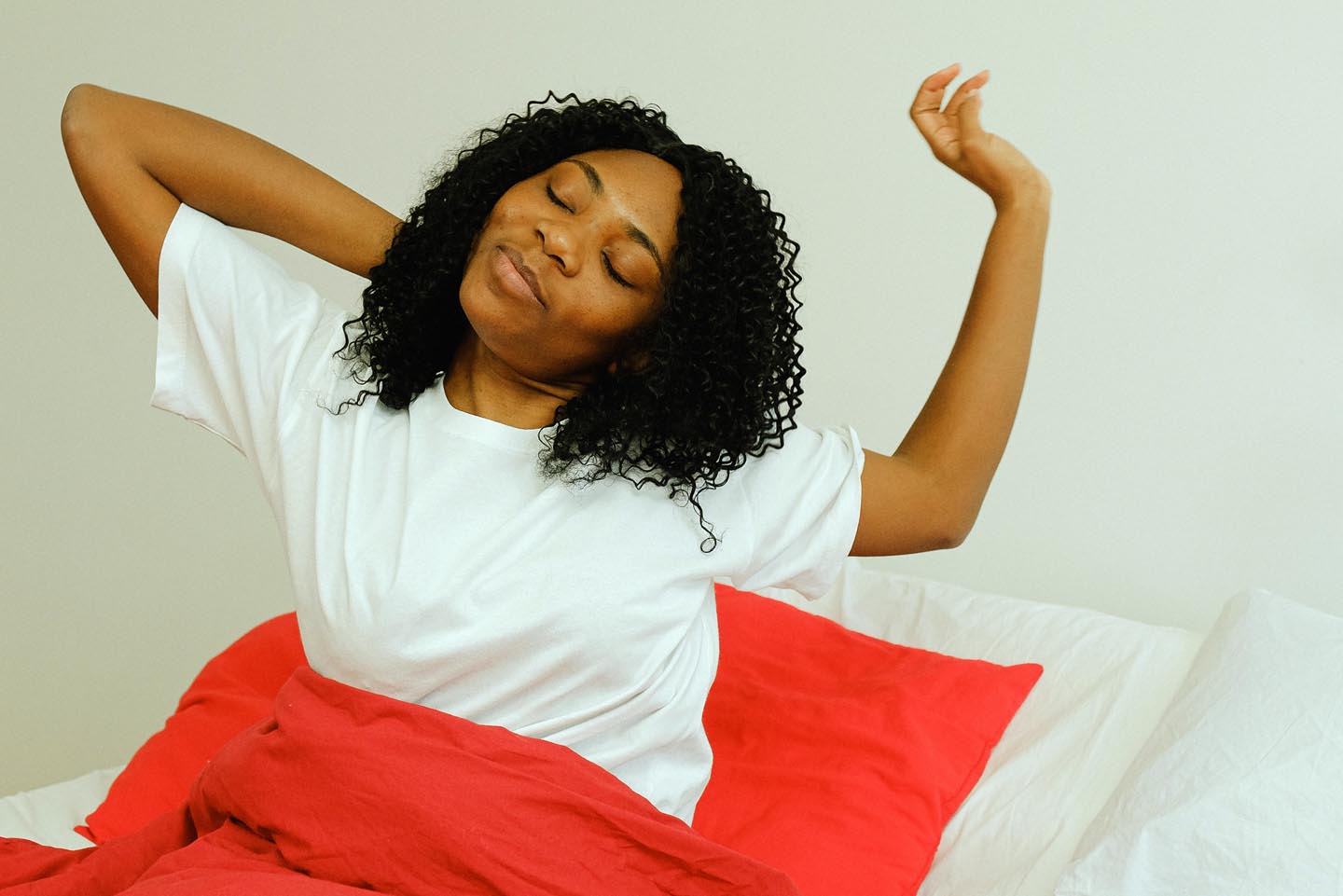
Tips to make tomorrrow morning less stressful

Are mornings a mad rush at your house? By the time you find matching socks for the kids and answer the text messages that piled up overnight, you may feel like you’ve put in a full day before you even reach the office.

13 Things You Can Do Tonight to Make Tomorrow Morning Less Stressful

You can make your mornings run more smoothly. With just a bit of planning, you can have better control over the right start of your day. Take a look at these suggestions for feeling more relaxed as you start each day.

8 Ways to Save Time in the Morning

Staying on schedule is for many the biggest challenge. These time-savers will help you streamline your routine.

  1. Plan your schedule. Maybe you’re trying to cram too much into too little time. Figure out how much time you need for your usual activities. Then, you can calculate when you need to go to bed so you’ll get up in time and still be well rested each day.
  2. Organize your space. Do you know where your umbrella is? Keeping essential items in their habitual place will eliminate searching for car keys or gym bags. No need to search the entire house for each item. Put them always at the same place, and you will find them in an instant.
  3. Check the weather. Rain and snow may change your plans. Take a look at the forecast before you go to bed so you’ll be ready with rain boots or ice scrapers, and the proper clothing for each situation.
  4. Prepare breakfast. Eating breakfast gives you energy now, and makes it easier to resist snacking on junk food later. Assemble your cereal ingredients tonight so you can get going in an instant.
  5. Lay out your clothes. Hang tomorrow’s outfit at the front of your closet or on the back of your bedroom door. You already made up your mind on what you want to wear, so you just need to get dressed and get going.
  6. Simplify your look. How many products do you use in the morning? Design a simpler skin care regimen and browse around for a low-maintenance hairstyle. Saving some time will make you happier on the end of the day.
  7. Write notes. Save your brain power for more important subjects. Jot down reminders to pick up prescriptions or dry cleaning on your way to work. This way you free up your mind and nothing falls through the cracks.
  8. Shorten your commute. Studies show that the length of your commute has a dramatic effect on your health and wellbeing. Moving or changing jobs is a big decision, but you may want to explore your options. If you’re looking for a benchmark, the average one-way commute in the U.S. is 25.5 minutes.
Taking the train to commute to work

5 Ways to Make Mornings More Peaceful

However much you need to do, you can stay calm and focused. It’s a matter of attitude. These tips will help you enjoy mornings more.

  1. Adjust the light. Light has a powerful effect on your brain. Darkening your bedroom at night will help you to sleep better so you wake up feeling refreshed. The opposite holds true for waking up. Exposure to morning sun will banish grogginess.
  2. Skip the snooze button. Try placing your alarm clock across the room if you’re in the habit of hitting the snooze button. Those 10 minute fragments of sleep usually leave you feeling worse than if you get out of bed immediately. If you have troubles on getting out of bed, try a 5 second countdown and just launch yourself out of bed.
  3. Play music. Spend a moment before going to bet to cue up a playlist of your favorite songs. Lively music will give you energy if you’re dragging around. Gentle instrumental music will soothe your nerves if you’re apprehensive about a job interview or business presentation. Having the right music around will get you into proper mood.
  4. Download a podcast. Continue your education during your commute. Find a podcast that will teach you Roman history or the fundamentals of accounting. Or find some inspirational audiobooks. You will make better use of your time and arrive at work with an active mind.
  5. Connect with Your Creator. Take a moment each night to be grateful for your day, reflect on all the things that had happened, and thank God for your day. If there is anything to resolve, do that right at this moment. You will sleep better if you have peace of mind. At the morning when you wake up, take a moment to commit the day into God´s hand. Meditate on a bible verse and you will conduct your day with a different mindset.

A few simple strategies can turn you into an early bird or at least make your initial hours happier and more productive. Starting the morning on a positive note will help you head off stress and feel calmer all day long. It will make quite a difference if you are off for the right start.

Do you need a guide to help you understand how to cope with Stress in an all inclusive approach? Learn how to combat stress, mentally, physically, emotionally and strategically in your life.

Get Me the Guide

Filed Under: Mental Health, Stress Management Tagged With: morning routine

Chronic Pain: Roots and Remedies

March 5, 2023 by Vicki Griffin - [rt_reading_time label="Reading Time:" postfix="minutes" postfix_singular="minute"]

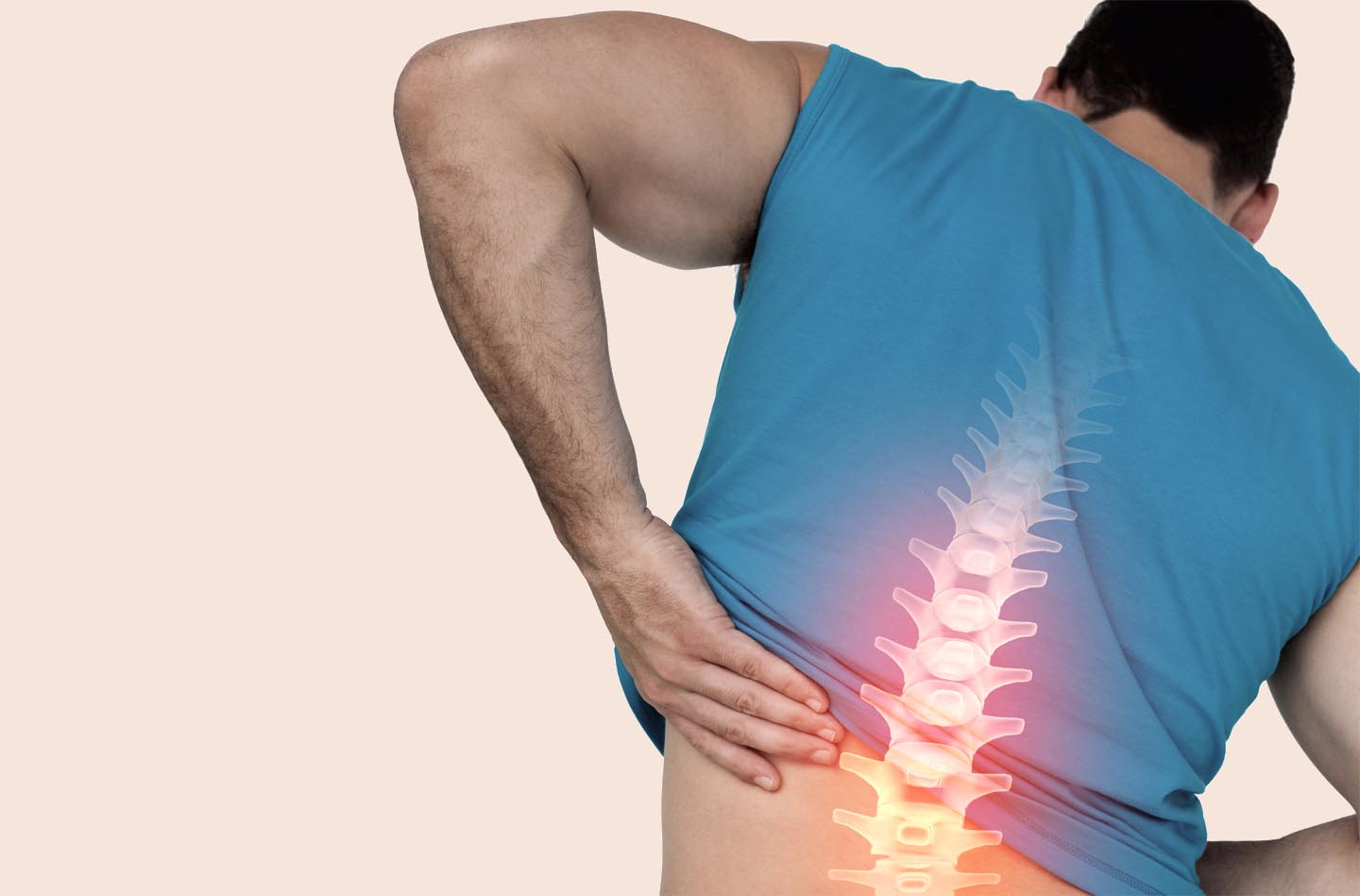
Chronic Pain

It all began with a slip on icy steps, a broken hip, an injured back, and a messy lawsuit. Surgery and medication had not resolved Jim’s pain.

Chronic Pain: Roots and Remedies

“I can’t believe it,” he complained: “Here I am, an executive being reprimanded for poor work. I am taking high doses of pain pills that are affecting my personality and performance, but not touching the pain.”

Jim was constantly stressed and used caffeine and sugary drinks to quench the fatigue and depression that dogged his steps. His anger and depression combined with his preoccupation with his pain affected his marriage; he and his wife were now separated.

He quit exercising and gained weight. His travel fare consisted of fast-food burgers, candy bars, and beer. He developed diabetes and obesity — which exacerbated his pain and depression.

Jim feels alone, but he isn’t. Chronic pain — pain that persists for more than six months — affects around 100 million Americans and is associated with conditions that include physical injury, headache, arthritis, cancer, and diabetes-linked nerve pain.((PNAS Oct 2001; 98 (21): 11845-11846)) Many pain therapies are either inadequate or cause side effects.

Jim’s story shows that chronic pain can involve physical insult combined with emotional, psychological, and social factors that affect the nervous system at the molecular level.

Pain can persist long after an injury is healed, so in one sense chronic pain can become its own self-perpetuating condition. This is particularly true of back, neck, and headache pain. Seven out of ten chronic back-pain patients have no detectible physical basis for their pain.((Deal R. Chronic Pain, 2nd ed. INR, Concord, CA 2009.)) Some patients have physical signs of injury or deterioration, but experience no pain.

For those who suffer, this does not mean their pain is imaginary; it represents telltale changes in neurons that heighten pain sensitivity without cause, somewhat like a faulty smoke detector that shrieks when there is no fire at all or shrieks at the mere strike of a match.

A smoke detector in maintenance

“Pain kindlers” are factors that increase pain, and “pain dampeners” turn down the “volume” on chronic pain. 

Avoiding pain kindlers and increasing pain dampeners can tip the pain scale toward relief — and may even help “reeducate” the nervous system to permanently turn down the “volume” on its own malfunctioning pain system. Here are a few:

Expectation: Anticipating pain can amplify the pain response.((Pain 2008 Apr;135(3):240-50.)) Psychological factors play a large role in pain perception.((Prog Brain Res 2000;122:245-53.)) Patients who expect a shot to hurt will experience more pain than those who do not. A pessimistic attitude increases suffering. Positive expectations and optimism increases mood-elevating chemicals and reduce a sense of helplessness. This leads to faster recovery from wounds, lower pain perception, and better coping abilities, even with severe injuries.((Rehab Psychol 2010 Feb;44(1):12-22.))

Stress and mood: Chronic stress raises a person’s risk of developing a pain disorder.((J Pers April 2004;72:2.)) Catastrophizing, anxiety, depression, guilt, and negativity all heighten the sensitivity and activity of pain circuits, causing the sufferer to attach negative emotional meaning to his or her pain.((J Pers April 2004;72:2.))

Depression is a major factor underlying chronic pain.((Biol Psych 2010 Mar 17, epub.)) Treating depression and expressing gratitude can lessen pain and help you cope with existing pain. Think about the positives in your life and verbalize thankfulness for them each day.

Nutrition: Soda pop, caffeine, refined sweets, fried food, and large amounts of animal fat increase the body’s production of pro-inflammatory chemicals that increase pain sensitivity. They also contribute to obesity and other chronic disorders that enhance pain, arthritis, joint stiffness, and slow recovery from injuries.

Meals rich in fresh fruits, vegetables, whole grains, beans, legumes, olives, avocados, and nuts (especially walnuts), lower inflammation. These foods contain many stress-reducing nutrients, including magnesium. Drinking plenty of fresh water is a great way to eliminate toxins associated with pain and injury. Supplementation with vitamin D3 may also alleviate some types of chronic pain.((http://pain-topics.org/pdf/vitamind-PPM-JulAug2008.pdf)) Have your vitamin D levels checked.

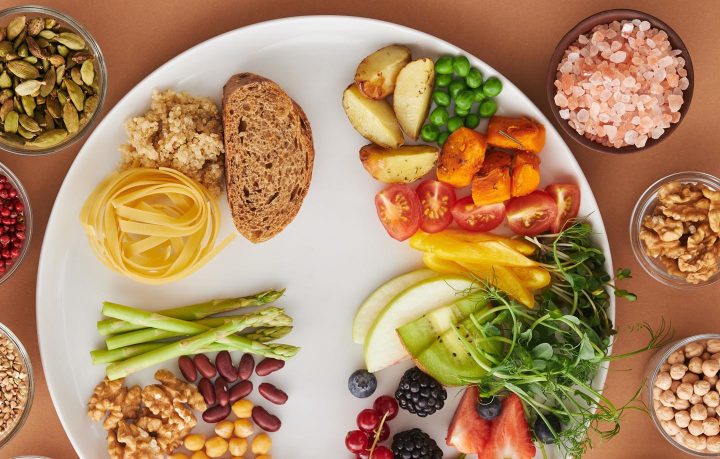
A plate of fruits, vegetables and whole grains

Exercise: Engaging in regular exercise suited to your ability improves mood, reduces anxiety, and increases flexibility, range-of-motion, muscle strength, oxygenation, and circulation. It can reduce pain and improve energy levels in chronic fatigue and fibromyalgia patients. Work with your doctor, but be persistent and consistent, and challenge yourself as you grow stronger! Exercise outdoors to get the sunshine advantage.

Sleep: Sunshine and exercise aid in developing a sound sleep pattern. Deep, regular sleep improves mood and can dampen pain perception. Caffeine, alcohol, and late-night eating can interfere with a good night’s rest.

Connections: Connect with others who are less fortunate than you. This is a great way to put your own challenges in perspective and turn your attention away from your pain. Surround yourself with encouraging people to gain strength during the ups and downs in your healing journey.

Connect with your doctor and other health care practitioners for guidance and available medical technologies.

Connect with God. He promises strength and comfort and has given us strategies for coping with and reducing pain. 

Looking for Answers

So, why do some face a life of chronic pain while others are healed?  We don’t have all the answers. But for all who come to Him for help, God promises “power to the weak, and to those who have no might He increases strength” (Isaiah 40:29). “The Lord will strengthen him on his bed of illness; (He) will sustain him on his sickbed” (Psalm 41:3).

Though your life here may be scarred by suffering, through faith you can look forward to a new life in heaven when Jesus returns. His promise is: “And God will wipe away every tear from their eyes; there shall be no more death, nor sorrow, nor crying. There shall be no more pain, for the former things have passed away” (Revelation 21:4).

No more pain! Guaranteed.

Healthy Fruits

Stay Always Up to Date

Sign up to our newsletter and stay always informed with news and tips around your health.

Sign Up Now!

This article was originally published on the Time to Get Ready website.

Filed Under: Diseases, Healthy Lifestyle Tagged With: chronic pain

How to Treat Anxiety Without Medications

February 26, 2023 by Dr. Cesar Vasconcellos de Souza - [rt_reading_time label="Reading Time:" postfix="minutes" postfix_singular="minute"]

Tratando Ansiedade

Many are wanting to treat their anxiety only with tranquilizers. People are becoming more and more medicalized, and living under the influence of synthetic drugs. Is there a better way?

How to Treat Anxiety Without Medications

Many are wanting to treat their anxiety only with tranquilizers. People are becoming more and more medicalized, and living under the influence of synthetic drugs. Is there a better way?

In fact, it is not just tranquilizers, but drugs in general, because it is easier to take a pill, thinking it will cure everything, instead of working to change our lifestyle, which involves food, exercise, the way you think, how you deal with emoticons, breathing pure air, drinking pure water and getting sunlight.

So there are general principles of lifestyle medicine that really should be applied, practiced in our lives constantly, and thus gradually improving our health, so that those who use medication, whatever it is, can with medical supervision reduce or even eliminate some of that medicine, precisely because they managed to modify the lifestyle so that it favors our body and our brain to function better.

So, the amount of prescriptions for anxiolytics, which are medications to reduce excessive anxiety, is frightening. What can help to prevent abuse of this medication in people who have excessive anxiety?

An anxious man with a huge amount of tranquilizers

Remembering that, this excessive anxiety manifests itself differently for different people. Some people have a lot of anxiety and this leads to a panic attack. Others will have a phobia, simple phobia or social phobia. Others will have some somatization, and their body ends up suffering because they have exaggerated emotional stress of high anxiety. So there are several ways in which excessive anxiety manifests itself in people. It also manifests itself explicitly, purely with anxiety, the person is anxious, nervous, and distressed all the time.

So what can you do to not become dependent on anxiety medication? First, it is important to accept that there may be something in your life that produces excessive anxiety and to understand and accept that there may be conflicts in your life that increase your anxiety. Accepting is not agreeing, accepting is admitting the reality.

The person may have excessive anxiety about some conflicts, and run away from them, not wanting to face and resolve them. But with the guidance of a professional and with God’s help, your choice and determination to understand why that conflict arose, it will certainly resolve itself. Could it be something from your past life that you’ve carried into your adult life, often adding current conflicts there?

You have to stop to think, analyze, and pray about the matter so that your mind is clear. And then you will begin to realize that there may be some things you can do, in the way you think, feel and deal with people, in the expectation of receiving attention and affection from others. Perhaps you will need some adjustment in these behaviors and attitudes so that the anxiety can gradually subside.

It is important to remember that excessive anxiety can be a red light, indicating that there may be some situation in your way of functioning as a person that needs change, adjustment, or repair.

A red warning light on the dashboard of a car

It could also be that you have always been a person with an anxious profile and that you have a tendency to have anxiety in your personality structure. We call this trait anxiety, which is different from state anxiety. State anxiety is when a person is experiencing a somewhat tense situation and their anxiety increases for a while, but after that stressful event passes, anxiety returns to its normal level. Trait anxiety, on the other hand, is when the person has high anxiety almost all the time, perhaps since childhood.

So, the first step is this: if there is a problem in your life that you need to accept, which is a reality, although it is hard to accept, instead of running away, or not thinking about it, admit that this is a reality that you are living. Second, it’s important that you look outside of yourself instead of focusing on the feeling of anxiety you may experience.

Try to think that you are not the anxiety; it’s just something on your mind. Think that you can use the healthy side of your mind to learn how to deal with it. So, don’t freak out. Take a deep breath and think, “I’m overly anxious here. Let me think where that comes from.” You are not anxiety; anxiety is something that is disturbing you excessively, but you can think, you can work, and you can study. So even though your mind has an anxious side, there’s also another healthy side that’s working.

Also, think that everyone has anxiety. Therefore, the aim is not to eliminate anxiety, but to see how it can be diminished if it is exaggerated. If there is, for example, tension in a relationship, what can you do to resolve it? What is depending on you? Exaggerated anxiety can be explicit, that is, appear as restlessness, a feeling of emptiness, or a tightness in the chest, or it can arise through another disorder such as phobia, which is exaggerated fear; obsessive-compulsive disorder, which are obsessive thoughts, that lead to compulsive acts disrupting the proper functioning of the person. Excessive anxiety can appear through a panic attack, which is an overflow of anxiety. But it can manifest itself in other ways as well.

Another thing that helps you work on your life and avoid becoming dependent on tranquilizers is to take action instead of doing nothing to resolve, and freaking out with exaggerated anxiety or distress. For example: Decrease the pace of work, do not despair, and perform your tasks more slowly on that day when you are most anxious. Of course, as far as possible, without demanding from yourself that you have to perform the same as before the anxiety disorder.

Breathing can also help. Very anxious people often breathe poorly. Therefore, throughout the day, breathe deeply and slowly, about five or six times in a row, pulling air through your nose and letting it out through your mouth very slowly. This extra oxygenation helps the brain to function better.

Deep breathing to control anxiety

Also, check how your diet is doing. Caffeinated beverages, for example, can make anxiety worse. Therefore, eliminate these substances, or reduce their consumption as much as possible. In the case of caffeine, it is better to eliminate it. Doing some exercise, especially outdoors, such as hiking, also contributes to the relief of excessive anxiety. Preferably exercise in nature, because you will reach the benefits of fresh air, Sunshine and a calming landscape! Nature calms down.

Finally, examine your thoughts. Think about what you have been thinking about most often. A person with excessive anxiety often exaggerates things and tends to focus on problems that haven’t happened, and probably never will. So, don’t anticipate tragic events that possibly won’t happen. Check whether your most frequent thoughts, which increase anxiety, have a real basis. Are they reasonable? Are they based on truth or an assumption? Do you have proof? Do you have concrete evidence that this thought that comes into your head, which generates anxiety, is true, or is it just produced by an anxious mind that imagines things?

You can keep imagining countless negative, tragic, catastrophic things, which have no basis in reality, and which may never happen. So, analyze the reason for the catastrophic thoughts, your pessimistic thoughts of tragedy. If you cultivate them, it will increase anxiety. Then you can choose what kind of thought you will allow to linger in your mind. We call this psychoeducation, or education of thoughts.

Seek to develop your spiritual life and your faith. Scientific studies show that prayer, meditation on a biblical text, and helping others for free, on a voluntary basis, help us become more serene. Attitudes like this, practiced with perseverance, insisting with patience, with humility and determination, will help to reduce anxiety. The person who practices this may not even need a tranquilizer, or if he does, he may use it for less time and without needing a high dose. As you practice these principles and ask God for help, you can overcome this excessive anxiety.

Healthy Fruits

Stay Always Up to Date

Sign up to our newsletter and stay always informed with news and tips around your health.
Sign Up Now!

Filed Under: Anxiety, Mental Health Tagged With: tranquilizers

How to Restore your Microbiome After You’ve Been on Antibiotics

February 19, 2023 by Clare Collins - [rt_reading_time label="Reading Time:" postfix="minutes" postfix_singular="minute"]

Restoring the Microbiome after Antibiotics

Antibiotics treat infections caused by bacteria. But they can also destroy the good bacteria in your gut. For some people, this results in an upset stomach and diarrhea.

How to Use Probiotics After You’ve Been on Antibiotics

One UK review of the research looked at changes in gut bacteria after antibiotics commonly prescribed for respiratory and urinary tract infections found that after treatment, the numbers and diversity in bacteria types rapidly declines.((Elvers KT, et.al. Antibiotic-induced changes in the human gut microbiota for the most commonly prescribed antibiotics in primary care in the UK: a systematic review. BMJ Open. 2020 Sep 21;10(9):e035677. doi: 10.1136/bmjopen-2019-035677.))

It also found some types of “bad” microorganisms increased while some “good” ones decreased.

For most people, once antibiotic treatment was stopped, the gut bacteria recover to some degree. But other studies suggest some antibiotics can have long-lasting effects on the balance of microorganisms.((Zimmermann P, Curtis N. The effect of antibiotics on the composition of the intestinal microbiota – a systematic review. J Infect. 2019 Dec;79(6):471-489. doi: 10.1016/j.jinf.2019.10.008.))

It’s important to use antibiotics only when needed, and definitely not for viral infections, because antibiotics can’t kill viruses such as the common cold or COVID-19.

So what should you eat after a course of antibiotics? You might have heard of probiotics and prebiotics, but what are they, and what evidence is there to show they’re beneficial?

Probiotics contain ‘good gut bacteria’

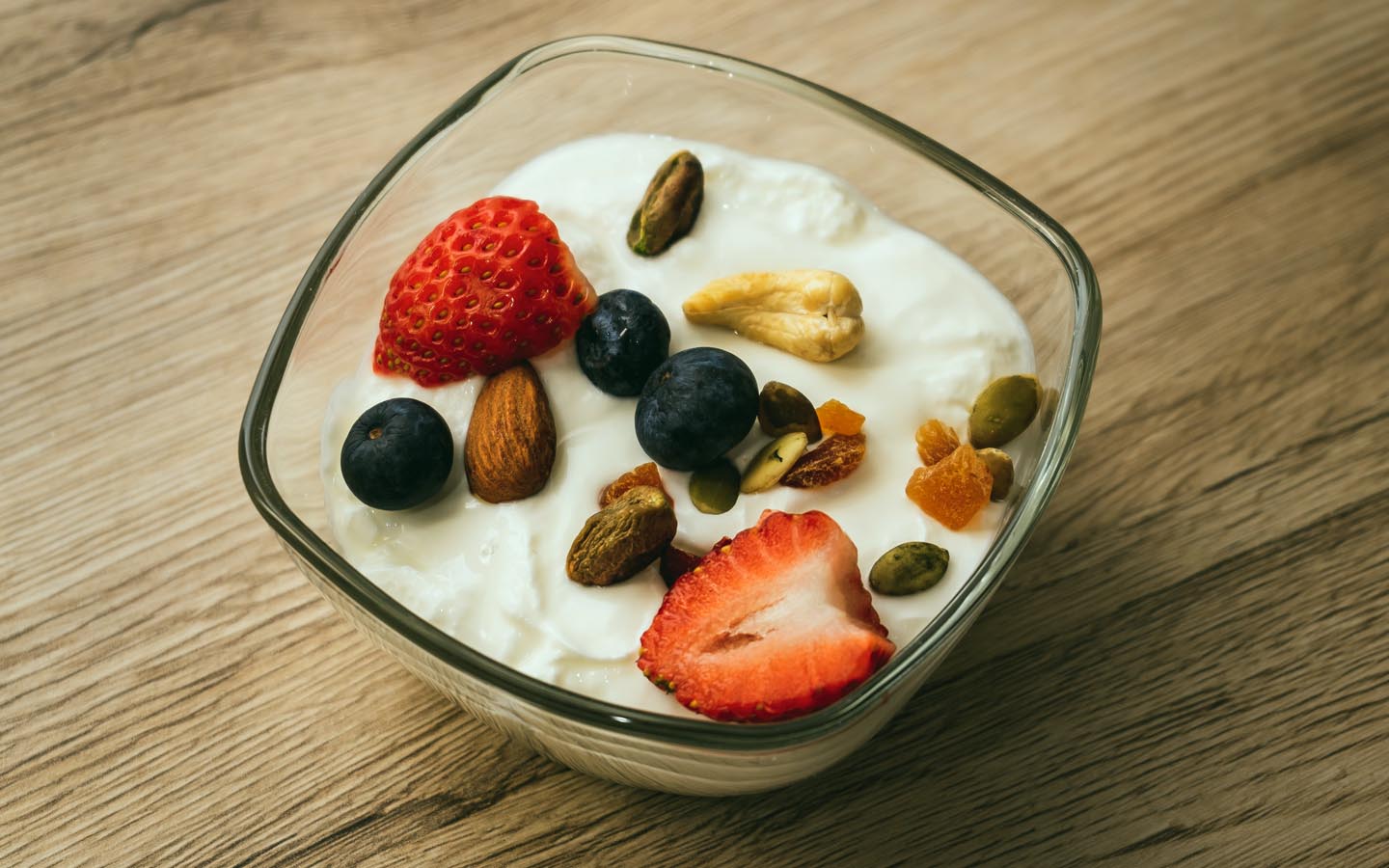
Probiotics are foods, typically yoghurts and yoghurt drinks, that contain “good gut bacteria”: live microorganisms that can recolonize the gut or improve your gut health.

To be called a probiotic, they must be able to resist stomach acid and digestive processes, and then be able adhere to the gut walls and grow, while not causing any issues for the gut wall. They must also be tested for safety and efficacy in controlled trials.((Martinez RC, Bedani R, Saad SM. Scientific evidence for health effects attributed to the consumption of probiotics and prebiotics: an update for current perspectives and future challenges. Br J Nutr. 2015 Dec 28;114(12):1993-2015. doi: 10.1017/S0007114515003864.))

To be called a probiotic, the dose of microorganisms needs to be sufficient to help restore the “good” bacteria, by elbowing out the “bad bacteria”.

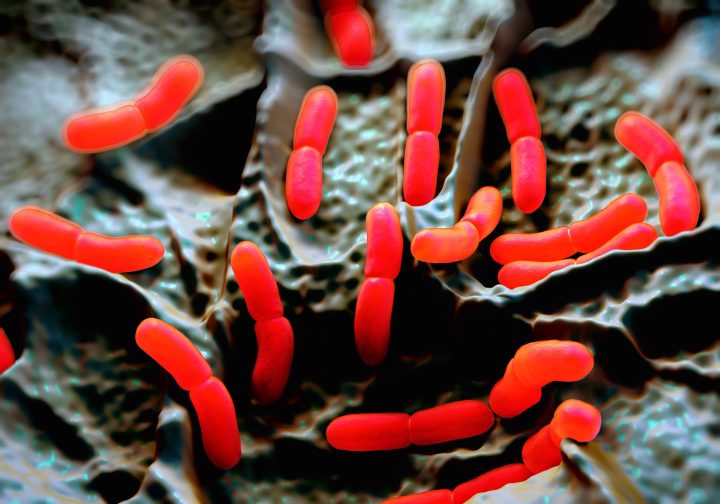
An illustration of gut bacteria

Most yoghurts contain “good bacteria” but not all can survive the acidity of the stomach acid or the bacteria won’t grow in the bowel, so there is no probiotic benefit.

For probiotics to exert these beneficial effects, they not only have to make it to the large bowel, but once there they need the right fuel to help them grow well. That’s where prebiotics come into play – but more on them shortly.

What does the science say about probiotics?

Probiotics are widely promoted as being good for your overall health. The science on that has been mixed, but it does suggest people who are likely to get diarrhea after antibiotics may benefit from consuming them.((Moles L, Otaegui D. The Impact of Diet on Microbiota Evolution and Human Health. Is Diet an Adequate Tool for Microbiota Modulation? Nutrients. 2020 Jun 2;12(6):1654. doi: 10.3390/nu12061654.))

One review of the evidence found probiotics may be useful for those at high risk of antibiotic-associated diarrhea, such as the elderly and people in hospital.((Goldenberg JZ, Yap C, Lytvyn L, Lo CK, Beardsley J, Mertz D, Johnston BC. Probiotics for the prevention of Clostridium difficile-associated diarrhea in adults and children. Cochrane Database Syst Rev. 2017 Dec 19;12(12):CD006095. doi: 10.1002/14651858.CD006095.pub4.))

The review found side effects were common when taking antibiotics and include taste disturbances, nausea, abdominal cramping, soft stools, fever and flatulence. But people taking probiotics reported fewer side effects, suggesting they may be helpful in countering some of the side effects.

So what are prebiotics?

Prebiotics are compounds that help beneficial gut microorganisms grow and survive. Prebiotic foods contain complex carbohydrates that can’t be digested and dietary fibers that resist digestive processes in the stomach and small intestine.((Martinez RC, Bedani R, Saad SM. Scientific evidence for health effects attributed to the consumption of probiotics and prebiotics: an update for current perspectives and future challenges. Br J Nutr. 2015 Dec 28;114(12):1993-2015. doi: 10.1017/S0007114515003864.))

They pass undigested into the large bowel where they are fermented by the healthy “good” bacteria.

To be called a prebiotic, they need to undergo the processes above, and be shown in clinical trials to selectively improve the microorganism composition in the gut.((Martinez RC, Bedani R, Saad SM. Scientific evidence for health effects attributed to the consumption of probiotics and prebiotics: an update for current perspectives and future challenges. Br J Nutr. 2015 Dec 28;114(12):1993-2015. doi: 10.1017/S0007114515003864.))

Not all dietary fibers are prebiotic. Common ones include complex carbohydrates called fructo-oligosaccharides, inulin and resistant starch.((Kaur AP, Bhardwaj S, Dhanjal DS, Nepovimova E, Cruz-Martins N, Kuča K, Chopra C, Singh R, Kumar H, Șen F, Kumar V, Verma R, Kumar D. Plant Prebiotics and Their Role in the Amelioration of Diseases. Biomolecules. 2021 Mar 16;11(3):440. doi: 10.3390/biom11030440.))

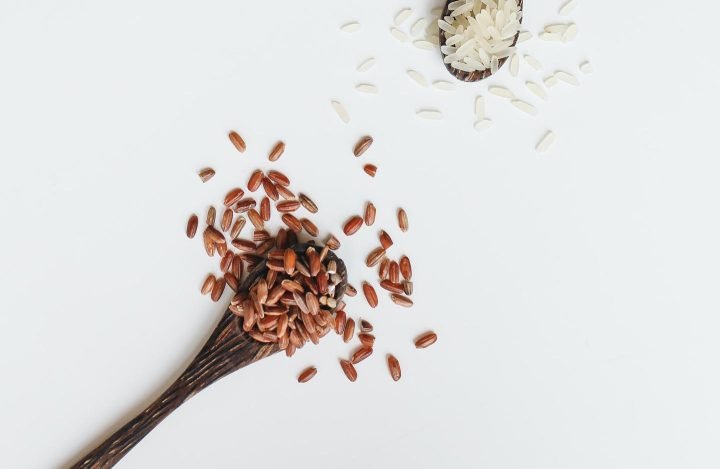
whole wheat and white rice

You can find foods at the supermarket with added prebiotics, but non-digestible carbohydrates occur naturally in many everyday foods, including:((Prebiotic diet – FAQs, Monash University))

  • grains: barley, rye bread, rye crackers, pasta, gnocchi, couscous, wheat bran, wheat bread, oats
  • legumes: chickpeas, lentils, red kidney beans, baked beans, soybeans
  • vegetables: artichokes, asparagus, beetroot, chicory, fennel bulb, garlic, green peas, leek, onion, shallots, spring onion, snow peas, sweetcorn, savoy cabbage
  • fruit: nectarines, white peaches, persimmon, tamarillo, watermelon, rambutan, grapefruit, pomegranate, dates, figs
  • nuts: cashews, pistachios.

Additional sources of resistant starch include under-ripe bananas, cooked and cooled rice, corn flour, cooked and cooled potatoes.

For babies, breast milk is naturally rich in oligosaccharides.

So who should have them?

Prebiotic foods are good for everyone, contain a range of nutrients and help promote a healthy bacterial gut environment.

The benefits of probiotics for a range of health conditions are unclear – they’re likely to be small, and depend on what is being taken and the underlying health issues.

But people at high risk of diarrhea after antibiotics may benefit from consuming probiotic – as well as prebiotic – foods daily.

There is also emerging evidence that combining specific probiotics and prebiotics can increase the beneficial effects of both. Both the pro- and prebiotics could be added to the one food, termed a “symbiotic”, or they could be from separate sources but eaten together.((Martinez RC, Bedani R, Saad SM. Scientific evidence for health effects attributed to the consumption of probiotics and prebiotics: an update for current perspectives and future challenges. Br J Nutr. 2015 Dec 28;114(12):1993-2015. doi: 10.1017/S0007114515003864.))

When it comes to antibiotics, the bottom line is to only take them when prescribed for bacterial infections. Take them according to instructions from the manufacturer, your pharmacist and your doctor.

Healthy Fruits

Stay Always Up to Date

Sign up to our newsletter and stay always informed with news and tips around your health.

Sign Up Now!

This article is republished from The Conversation under a Creative Commons license. Read the original article.

The Conversation

Filed Under: Body Systems, Digestive Tract, Nutrition Tagged With: antibiotics, microbiome, prebiotics, probiotics

« Previous Page
Next Page »

Primary Sidebar

Social Channels

Coronavirus Immunity Challenge

Boost your immune system to be bullet-proof for the pandemic.

I Want to Participate

Recent Posts

  • 5 Habits to Live Longer
  • Better Sleep Can Protect Against Dementia
  • Finding Peace In Your Crazy-Busy World
  • Flaxseed – An Ancient Plant Rediscovered
  • Platelets – Triggers for Life or Death
  • Boderline Personality Disorder
  • In Praise of Almonds and Nuts
  • Are You Stuck in the Clutter Trap?

Categories

  • Body Systems (16)
    • Cell Function (2)
    • Circulatory System (1)
    • Digestive Tract (10)
    • Immune System (4)
  • Diseases (27)
    • Cancer (2)
    • Cold (1)
    • COVID-19 (11)
    • Dementia (1)
    • Diabetes (1)
    • Digestive Diseases (2)
    • Heart Disease (2)
    • Kidneys (1)
    • Metabolic Syndrome (2)
    • Skin (1)
  • Healthy Lifestyle (42)
    • Exercise (11)
    • Gardening (2)
    • Sleep (7)
    • Sunlight (2)
    • Temperance (14)
    • Water (4)
  • Mental Health (87)
    • Addictions (6)
    • Anxiety (7)
    • Burnout (1)
    • Depression (7)
    • Psychosomatic Diseases (6)
    • Stress Management (45)
    • Trust (6)
  • Nutrition (56)
  • Obesity (9)
  • Phases of Life (14)
    • Adults (3)
    • Babies and Infants (1)
    • Children (3)
    • Seniors (5)
    • Teenagers (3)
  • Therapies (7)
    • Herbs (5)
    • Hydrotherapy (1)
  • Uncategorized (3)

Archives

  • January 2025 (1)
  • March 2024 (5)
  • February 2024 (4)
  • January 2024 (4)
  • December 2023 (5)
  • November 2023 (4)
  • October 2023 (5)
  • September 2023 (4)
  • August 2023 (3)
  • July 2023 (2)
  • June 2023 (4)
  • May 2023 (4)
  • April 2023 (5)
  • March 2023 (4)
  • February 2023 (4)
  • January 2023 (4)
  • December 2022 (4)
  • November 2022 (4)
  • October 2022 (5)
  • September 2022 (4)
  • August 2022 (4)
  • July 2022 (5)
  • June 2022 (4)
  • May 2022 (5)
  • April 2022 (4)
  • March 2022 (4)
  • February 2022 (4)
  • January 2022 (5)
  • December 2021 (3)
  • November 2021 (4)
  • October 2021 (6)
  • September 2021 (4)
  • August 2021 (4)
  • July 2021 (5)
  • June 2021 (4)
  • May 2021 (3)
  • April 2021 (5)
  • March 2021 (4)
  • February 2021 (4)
  • January 2021 (5)
  • December 2020 (3)
  • November 2020 (4)
  • October 2020 (5)
  • September 2020 (5)
  • August 2020 (3)
  • July 2020 (1)
  • June 2020 (1)
  • May 2020 (1)
  • April 2020 (1)
  • March 2020 (1)

Copyright © 2026 · Abundant Health - Privacy Policy - Medical Disclaimer