Abundant Health

Up to date health information tailored for you

  • Home
  • Blog
  • Recipes
  • Shop
  • Contact

Blog

Reclaim Control in a Stressful World

January 15, 2023 by Martin Neumann - [rt_reading_time label="Reading Time:" postfix="minutes" postfix_singular="minute"]

Control in a Stressful World

Ask anyone and they’ll probably tell you that their stress levels are at an all-time high. Brought on by global health issues, economic uncertainty, and dozens of personal issues, men, women and children are suffering from emotional turmoil that’s spiraling out of control.
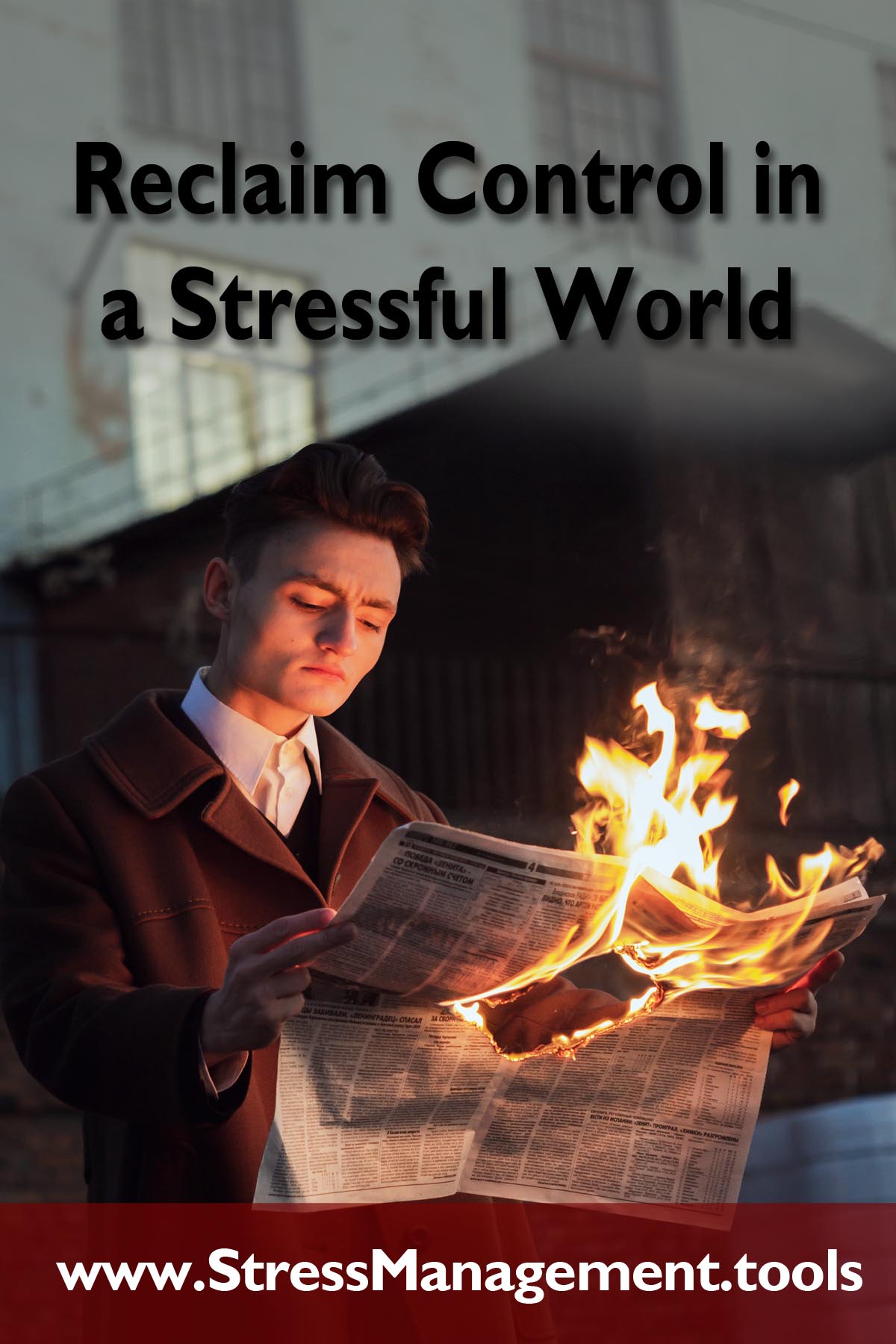
Reclaim Control in a Stressful World

You don’t have to live like that anymore. It’s easy to get caught up in the barrage of stress coming at you from every angle. But if you want to take back control of your mental health and not be victimized by stress overload any longer, you can implement an action plan designed to get your life under control. Whether you’re worried about your finances, relationships, health concerns or other issues, the strategies you’ll find below will free you from the chains that are contributing to your unhappiness.

You Are Not Alone – How Stress Is Weighing Us All Down

Right now, especially since the pandemic hit, stress has negatively affected people in regards to being worried about health issues, the financial impact the pandemic and inflation has caused, and other issues that hit close to home.

Recent polls are showing that stress is on the rise, and it is negatively influencing peoples’ behavior (such as making them snap in anger), causing tension in their body, and resulting in mood swings they don’t know how to manage.

It’s not only what’s happening in the world right now, the uncertainty is also a big stress factor. Nagging questions about how things will turn out are a burden none of us should be carrying, but we are.

As far as what’s causing all this stress, in the past three years, it was the pandemic, as most people reported. But the “future of the country” has also caused great concern. Job stress is a big one, and it’s no wonder with so many changes in the workplace due to the pandemic – not to mention paychecks not going as far as they once did.

Other top stress issues are responsibilities you face as a spouse and parent as well as health issues you might be facing. And while older adults are suffering on a more regular basis, the younger generations are reporting extreme levels of stress.

Women are saying they’re more stressed than men and married women have more stress than single women. Stress is affecting a large part of the population in a negative way, and detracts from our quality of life.

How to Reduce Stress Over Money Issues

Finances are one of the most common stress factors in many individual’s lives, and it is not limited only to the poor. Even the wealthy can be suffering financial stress from poor decisions, the stock market, inflation, job loss and other situations that can wipe out someone’s financial security in an instant.

Your money stress may stem from simply not earning enough to pay your bills or afford groceries. When you pair this with soaring inflation, it can be a recipe for disaster when it comes to your mental health.

It’s natural for financial stress to emerge from time to time. But if you are feeling on edge 24/7 from money woes, you need to dig yourself out of that hole and take care of the situation so that your emotional needs are met.

One thing that will help you reduce stress over your finances is to know exactly where you stand. If you are no longer opening your bills or have not looked at your credit score, it can be worse than if you had the facts laid out in front of you.

Doing accounting to find out the current financial situation

You can start a spreadsheet that tracks exactly what your income is, and also all of your monthly expenses as well as debt that you have incurred. It may be a little unsettling to initially see the numbers in front of you.

But once you know where you are standing, it will be easier for you to create a plan to become financially resilient once again. The best way to ease stress over finances is to start cutting back on careless spending.

You will feel more guilt when you are looking at the money you need if you know you have spent it on things that shouldn’t even be in your budget, like a daily coffee at Starbucks.

Even though something like this isn’t a lot of money, it can add up. Even if you only bought a small coffee every day, that would be almost $100 you would be spending just on a single beverage each month.

The next thing you want to do when it comes to achieving peace of mind with your finances is to reach out and contact those companies that you owe money to and see what arrangements can be made to lessen your burden.

Some companies will waive penalties or change the due date for you if it will help you keep your head above water. You want to make a plan to pay off your highest interest rate debt first.

Then, find ways to earn extra money. You might sell things that you have lying around the house that you no longer use on sites like Facebook Marketplace, Craigslist, or eBay.

Another thing you can do is get a side hustle such as delivering food from restaurants or grocery stores, or using your car for rideshare purposes working for companies like Uber or Lyft.

If you can’t be out of the house after your normal working hours, you can even start a business online as a freelance service provider or as an online entrepreneur who makes money by sharing good advice on a topic of your expertise.

What to If You’re Still Suffering from Pandemic Stress?

There has been a lot of fear mongering that has occurred over the past two to three years. The pandemic led people to spread misinformation from all sides, to attack one another, and to heighten their fears even if they were unfounded.

This was a health issue, but it was turned political in the process, which added even more stress to peoples’ daily lives. The stress wasn’t just about health, even though initially everyone was concerned about whether or not they would get sick or even die if they caught the coronavirus.

In the beginning stages of the pandemic, you couldn’t even get groceries without whipping out a package of disinfecting wipes and carefully cleaning every item in the bags.

Some people were masked up and some were not. Some had vaccines and others did not. Instead of everyone living their life by their own rules, which Americans have always done, you may have had to deal with people who thought differently from you confronting you about your decisions. In fact, this type of behavior still exists in some places. The fear was based on the uncertainty of what impact the unknown virus would have.
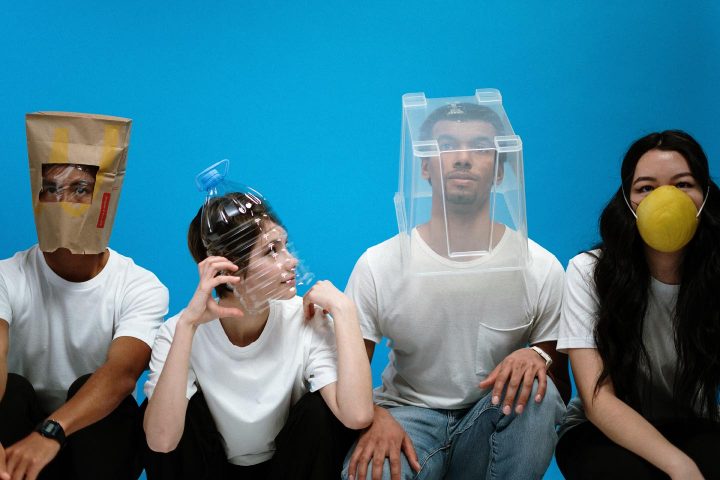
A group of people improvising on masks

However, stress from the pandemic was more than just health related. Many people experienced stress from the isolation that they felt. Whether or not your city or state had a mandatory lockdown, many people stayed home just to be on the safe side.

The isolation and loneliness that many people felt no longer socializing in public took a toll on our society. From school kids who no longer had friends to interact with, to elderly individuals who were left to fend for themselves without family to visit them, there were very few people who were unaffected by these decisions.

Another toll that was due to the pandemic is the job stress that many have to endure. Some companies were able to morph into a telecommuting situation where you were able to work from home and continue earning a paycheck.

Other companies simply had to lay off most of their staff, and you were suddenly without a steady paycheck and had to rely on government assistance. Those that were left on the job, had to work overtime to keep everything afloat. If you were a business owner, you may have lost everything that you have worked for, which is a very stressful and heartbreaking situation.

Most people have either gone back to work or started their own business at this time, but you may still have some lingering social anxiety or health concerns that you would like to manage better.

It may help you to stay informed on ways you can protect yourself. You need to focus only on what you can control for your own life and not stress yourself out about what others are doing or not doing.

It’s one thing to stay informed and another to obsess about the pandemic. You don’t want to let it consume your life on a daily basis. Keep in mind that it’s the media’s job to inflate fear so that you will click through on their links and stay tuned to their channel, so even if the information is accurate that they are reporting, you can’t rely on it to convey the correct level of alarm.

Do World News Keep You on Edge?

News of global catastrophes have never hit us this hard before. Previously, you might hear a segment on the 5 o’clock news or keep up with the world with the Sunday newspaper. But now, global news is being shoved down your throat 24/7 on every channel and website you visit.

It’s no wonder we’re stressed! Never before have you had to hear about every country’s war, famine, crime and political chaos on a daily, if not hourly basis. And the media know that it’s going to get views and clicks if they make it sound as dire as possible.

A man with a startled look examining news on a website

Whether it’s a war brewing in a far off nation or a political climate that’s teetering on the brink of instability, you don’t need to be tuned in to this day in, day out. Unless you are in immediate danger, it isn’t necessary to sabotage your mental health like this.

Drought, political decisions, plants that are shut down – ask yourself if it’s affecting you right now, or if it will be something sabotaging your daily life in the near future. If not, shelve your worry until a later date and see if it gets worked out.

There’s a reason why stress levels tend to decrease as we age. While Gen Z is highly stressed right now, older Americans are less so. Experience tells us that things we used to panic about eventually have a way of working themselves out – and it is of no use to fret about things that likely won’t materialize or can’t be controlled.

Managing the Many Personal Stress Issues in Your Life

Part of your stress might be more personal and less global or newsworthy. Everyone goes through ups and downs in life. You will – at some point – have to weather the storm or become a victim to it.

There may have been relationship woes in your life recently – a breakup with your significant other who you hoped to spend an eternity with. Recently, the pandemic affected these unions in a horrible way – maybe because people were locked down together, experiencing their own stress over money and health, and took it out on each other.

You might want to work on the relationship to see if it can be salvaged now that things are going back to normal. If things can be repaired, it is normally better for everybody involved. 

If your relationship ends, give yourself permission to grieve, but let go of the hatred and stress it brings thinking about what went wrong. You don’t want to keep one foot in the past as you try to move forward and find your own happiness.

Sometimes, you might be dealing with the stress of parenting. Parenting stress never ends. As a new parent, you stress about not knowing what you’re doing. When they’re toddlers, your stress is about everything they get into when you’re not looking for a moment.

A couple taking care of their kids

Later on you’ll have to deal with stress about schoolwork, chores, protecting your child from bullies and heartache – their health and more. Even once they leave the nest, your stress will be about their happiness and if they’re sad, you’ll be sad.

Being a parent is stressful, but in order to give your child the best life possible, you have to teach them how to be resilient in spite of what’s happening around them. The best way to do this is to lead by example.

Another stress you might be experiencing is your job. Maybe you don’t have one and are having trouble finding one. You might have to take the stress away by increasing your skills or taking something temporarily to take the financial pressure off until you find the perfect position.

Or maybe you’re employed, but unhappy at your job. If this is the case, don’t sit around stewing about your situation – make a plan to take action! You might be able to level up within the company to a better position, or find a different company or even career to pursue that will make you happier.

There are times when our personal stress is more heartbreaking. A death in the family can cause grief that’s overwhelming. Only time can ease the pain, but you can choose to focus on appreciation for having had that person in your life.

If you’re a caregiver of a disabled or special needs child or adult, it can put a physical and mental strain on you. Make sure that, in order to stress less, you give yourself some time away from your duties to relax and recharge.

There are home health aids who can step in and provide relief for you so that you can go to the spa or visit the beach and soak up the sun. Don’t feel guilty about this – because what you’re doing will allow you to be your best self for the one you’re taking care of.

Don’t Self-Soothe with Dangerous Vices

When you’re looking for stress relief, you might inadvertently turn to things that can ultimately do more harm than good. Initially, they may take the edge off and make you feel better – but over time, they can have very damaging effects.

For example, regardless of what is at the root of your stress, you might find yourself drinking a little more alcohol than you used to. It might start with one drink after a rare hard day at work, only to evolve into three or more drink on a regular basis.

A drunk man in the couch of his living room

Some people abuse their prescription pills, too. A doctor may have prescribed muscle relaxants or sleeping pills and now the person gets hooked on them just to avoid having to think about all of the stress swirling around in their head.

Non legal drugs might also become an issue. From marijuana to heroin and everything in between, there are some people who get drawn to this lifestyle as a way to escape the pain and stress they are plagued by.

Smoking (or vaping) might be something you start doing on breaks at work or at other times to relax your mind. Then one day you find that nicotine is in control and you no longer have a choice about using it.

Or you might be someone who turns to food to suppress your anxiety. Emotional eating is a big problem for both men and women, and it can turn into something that damages your health over time.

People reported gaining a lot of weight during the lockdown of the pandemic. It was stressful, and instead of going out, they would order food and grocery deliveries and binge eat since they were no longer working or socializing on the go.

Even sitting and binging on videos and shows can harm you if that’s what you choose to use to veg out and forget about your worries. Many people are now suffering from sitting disease, which is a term that describes how many health issues stem from the habit of not moving very much and sitting excessively.

And of course, your vice may not be a habit like food, alcohol or drugs, either. You might get in the habit of taking your pain out on others. You may not mean to at first, but snapping at loved ones or strangers can help you let off steam for a second, but do more harm than good.

There are even people who trauma dump on others – unloading all of their stress on their spouse, friends, family, and even people they don’t know online. Make sure you’re working with a therapist or even using self-taught methods to alleviate your stress without adopting any of these vices that can ruin your reputation and relationships and cause you more mental or physical harm.

Trade in Your Social Media Addiction for Calming Activities

If you poll younger generations, they’ll tell you that they belong to a number of different social networking sites and apps. They’ll also tell you that social media is one of the main sources of their stress.

You might have formed this addiction yourself. It’s tempting to avoid work or other demands to scroll on Facebook or TikTok for a few minutes. But these minutes end up turning into hours each week.

This can be very damaging to your psyche. Now some people will say that there is a lot of positive out social media. This is true. Social media can provide a way for people to socialize without having to get out of the house and there is a lot of positive content to be found on social media.

However, while you are trying to find the nuggets of positivity, you will inevitably encounter negative and harmful content that you are actively exposing yourself to on a daily basis.

Social media can be used to learn new things – like how to cook a certain meal or how to start a garden. But if you just let anything and everything into your feed, you will see all kinds of harmful influences.

You have to make sure you’re weeding out accounts that bring stress into your life. If you train the algorithm of the platforms you are using by engaging in content that lifts you up and hiding the content (or blocking the accounts) that cause you stress, they will provide more of what you want and less of what you don’t.

There are a lot of people trauma dumping on social media, too. And now it’s not just them telling their stories. You might be scrolling on TikTok and see an entire series posted of a woman who secretly recorded her husband being extremely abusive to her.

This is traumatic to witness and can cause your Cortisol to spiral out of control. Instead of gawking at the videos and immersing yourself in other peoples’ problems, take back control and shut that kind of content out so that you’re being lifted up when you use these tools.

You may also want to put some parameters about how often you are using social media. Sometimes, people can get hooked on these sites and platforms and spend hours each day on them.

Teenagers with cell phone addiction - Photo by cottonbro from Pexels

You want to be living life in the real world, and if it takes a digital detox to help you wean off of these sites and apps, you might want to take that approach so that you are able to find joy with those around you and in your home and work life.

Build a Stress-Relieving Routine You Can Rely On

One thing you can do to reclaim your life from stress is develop a routine that ensures you are getting stress relieving properties every single day. From the time you wake up until the time your head hits the pillow each night, you want to be engaging in self-care.

If you are the kind of person who spends all morning rushing around in a panic to get out the door, get yourself on a better sleep schedule so that you have plenty of time to wake up relaxed, eat a nutritious breakfast, and start your day off on a positive note.

There are physical things that you can do to alleviate stress. For example, you can engage in deep breathing techniques anywhere at any time to instantly calm your nerves.

In the evening after work, you may want to put on a soothing face mask and take a nice warm bath with some Epsom salts and a candle lit nearby with your favorite scent emanating from it.

A woman taking a relaxing bath

A routine that includes exercise is always beneficial in helping alleviate stress and empowering you throughout your day. Not only does this contribute to your physical health, but it also gives you a boost of endorphins that can benefit you emotionally, too.

If you have trouble sleeping at night, make sure you are setting yourself up on a proper sleep hygiene routine. This can include dimming the lights a bit and reading before bed rather than being on your phone or iPad.

If you have the opportunity, timewise, you may want to also integrate some of your favorite activities into your routine. These may not be daily, but you may be able to do things like volunteer with animals, play golf or go to the spa once or twice per month.

Another part of your stress relieving routine will be to make sure you are spending time with people who bring joy to your life. That may simply be your spouse and children or it may extend beyond that and include friends and additional family members.

Prevent Future Stress by Preparing Early and Being Aware

Sometimes, there are situations where the stress is unavoidable. You know it’s bound to happen, and instead of preparing for it, you simply brace yourself for the unknown. Instead of walking on eggshells or living your life in a heightened state of anxiety, you can alleviate a lot of that stress simply by being prepared and staying aware.

For example, if the news is something that frequently causes you concern because you are watching stories about a broken supply chain or threats of war being waged against your country, you can begin a sensible survival prepping plan that gives you peace of mind that you will be okay in a worst case scenario.

You can do this with anything that brings you stress. For example, if you know you will be stressed out at the beginning of school trying to get your kids back in a routine, start a couple of weeks early and have everything planned so that they can assist you with making their lunches and choosing their clothes the night before.

You have to walk a fine line between staying informed and becoming obsessed. It’s never a good idea to stick your head in the sand and ignore everything that’s going on in the world.

However, it’s also not smart to take the opposite approach and stay glued to mainstream media 24/7 so that they can feed you a diet of fear and anxiety. You are in control of what you allow yourself to be exposed to and how you react to it.

The key is to sit with yourself each night or at least once a week and ask yourself what it is that is causing you stress and see if it can be mitigated so that it doesn’t have power over you from that point on.

Stress has become a pandemic of its own in this world. Many people will succumb to it and live a life of depression and anxiety. You don’t have to be chained to an overload of stress if you’re willing to take steps to prevent and manage it in your life.

Do you need a guide to help you understand how to cope with Stress in an all inclusive approach? Learn how to combat stress, mentally, physically, emotionally and strategically in your life.


Get Me the Guide

Filed Under: Mental Health, Stress Management

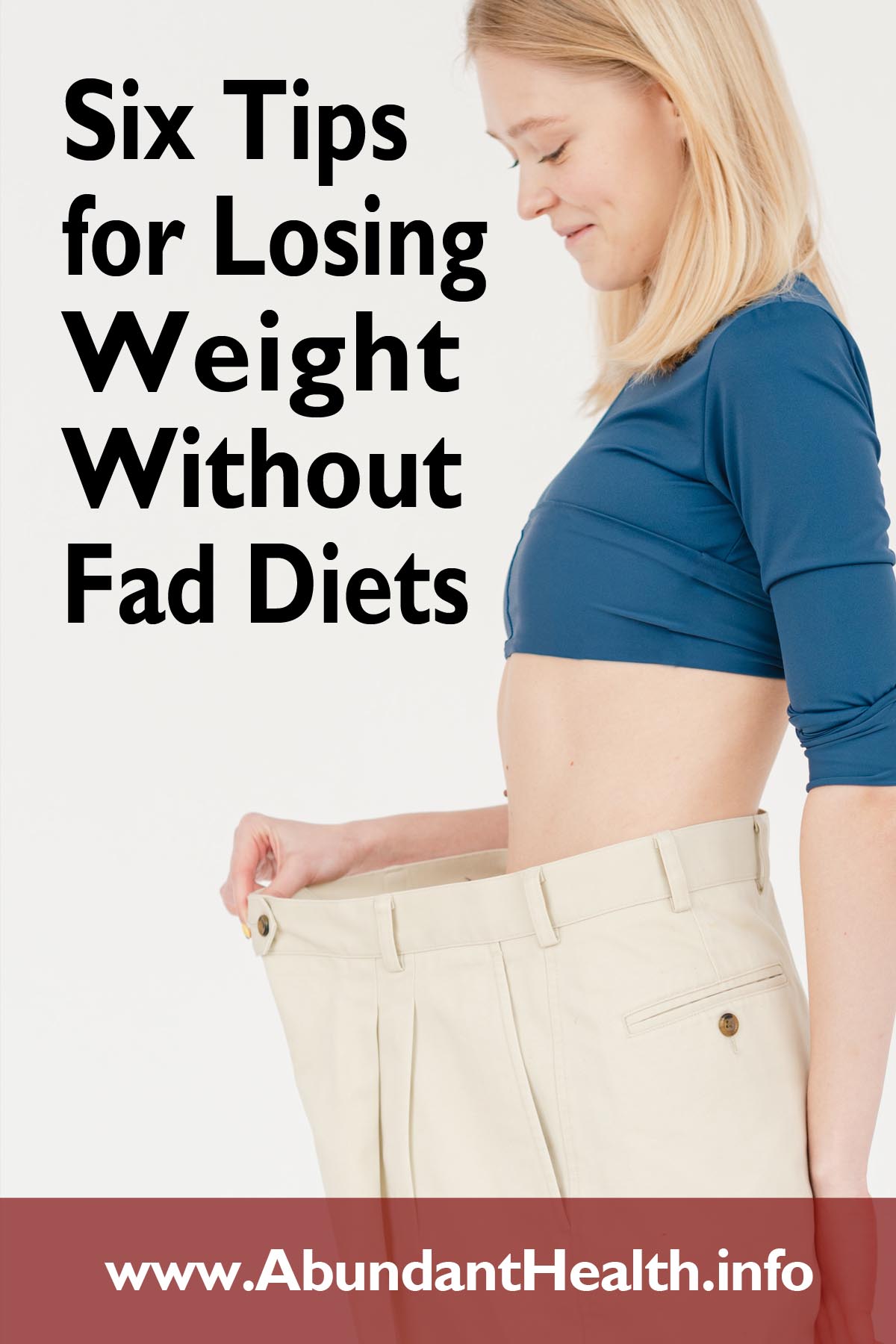
Six Tips for Losing Weight Without Fad Diets

January 8, 2023 by Clare Collins - [rt_reading_time label="Reading Time:" postfix="minutes" postfix_singular="minute"]

weight control

Monday – start diet. Tuesday – break diet! Wednesday – plan to start again next Monday. If this is you, it’s probably time to get off the diet roller coaster and make some bigger changes to the way you eat, drink and think about food.

Six Tips for Losing Weight Without Fad Diets

Here are six tips to help you get started.

1. Improve your diet quality score

When trying to lose weight, it might be tempting to quit carbs or another food group altogether.

But to stay healthy, you need to meet your requirements for important nutrients like iron, zinc, calcium, vitamins B and C, folate and fiber. These nutrients are essential for metabolism, growth, repair and fighting disease.

Our review of diet quality indexes used to rate the healthiness of eating habits found that eating nutritious foods was associated with((Aljadani, H., Patterson, A., Sibbritt, D. et al. Diet Quality and Weight Change in Adults Over Time: A Systematic Review of Cohort Studies. Curr Nutr Rep 4, 88–101 (2015). https://doi.org/10.1007/s13668-014-0115-1)) lower weight gain over time.((Fung TT, Pan A, Hou T, Chiuve SE, Tobias DK, Mozaffarian D, Willett WC, Hu FB. Long-Term Change in Diet Quality Is Associated with Body Weight Change in Men and Women. J Nutr. 2015 Aug;145(8):1850-6. doi: 10.3945/jn.114.208785.))

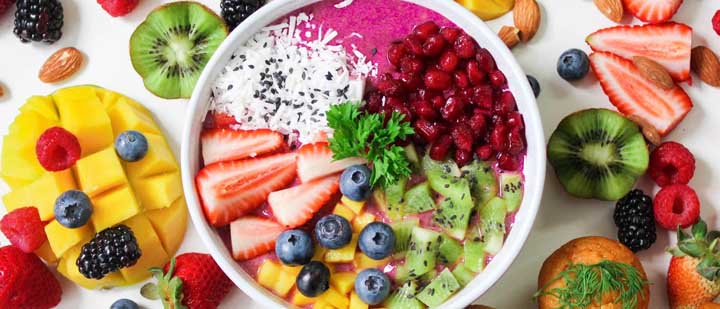
Improving your diet quality means eating more fruit and vegetables, tofu, nuts and seeds, legumes, dried beans, and whole grains.

2. Mum was right – eat your veggies

Fruit and veg are high in fiber, vitamins and phytonutrients, but low in total calories. So eating more can help you manage your weight.

A study of more than 130,000 adults found that those who increased their intake of fruit and vegetables over four years lost weight. For each extra daily serve of vegetables, there was a weight loss of 110 grams over the four years. It was 240 grams for fruit. Small, but it all adds up.((Bertoia M. et.al. Changes in Intake of Fruits and Vegetables and Weight Change in United States Men and Women Followed for Up to 24 Years: Analysis from Three Prospective Cohort Studies. https://doi.org/10.1371/journal.pmed.1001878))

Farmers Market - Photo by Michigan Municipal League on Pexels, CC2.0 license 
https://www.flickr.com/photos/michigancommunities/15168955986/

Drilling down to specific fruit and veg gets interesting. Increasing cauliflower intake was associated with a four-year weight reduction of about 620 grams, with smaller reductions for capsicum (350g), green leafy vegetables (230g) and carrots (180g). The reduction was 620g for blueberries and 500g for apple or pears.

It was not good news all round, though. Corn was associated with a weight gain of 920g, peas 510g and mashed, baked or boiled potatoes 330g.

3. Limit your portion size

If you are served larger portions of food and drinks, you eat more and consume more calories. That sounds obvious, yet everybody gets caught out when offered big portions – even when you’re determined to stop when you’re full.((Rolls BJ. What is the role of portion control in weight management? Int J Obes (Lond). 2014 Jul;38 Suppl 1(Suppl 1):S1-8. doi: 10.1038/ijo.2014.82.))

Research shows offering larger portions leads adults and children to consume an extra 600 to 950 kilojoules (150-230 calories). This is enough to account for a weight gain of more than seven kilograms a year, if the calories aren’t compensated for by doing more exercise or eating less later.((Hollands GJ, Shemilt I, Marteau TM, Jebb SA, Lewis HB, Wei Y, Higgins JP, Ogilvie D. Portion, package or tableware size for changing selection and consumption of food, alcohol and tobacco. Cochrane Database Syst Rev. 2015 Sep 14;2015(9):CD011045. doi: 10.1002/14651858.CD011045.pub2.))

4. Watch what you drink

A can of soft drink contains about 600 kilojoules (150 calories). It takes 30-45 minutes to walk those calories off, depending on your size and speed. Children and adolescents who usually drink a lot sugary drinks are 55% more likely to be overweight.((Hu FB. Resolved: there is sufficient scientific evidence that decreasing sugar-sweetened beverage consumption will reduce the prevalence of obesity and obesity-related diseases. Obes Rev. 2013 Aug;14(8):606-19. doi: 10.1111/obr.12040.))

Switch to lower sugar versions, water or diet drinks. A meta-analysis of intervention studies (ranging from ten weeks to eight months) found that adults who switched had a weight reduction of about 800 grams.((Morenga L T et.al. Dietary sugars and body weight: systematic review and meta-analyses of randomised controlled trials and cohort studies. https://www.ncbi.nlm.nih.gov/books/NBK116814/))

5. Cue food

Our world constantly cues us to eat and drink. Think food ads, vending machines and chocolate bars when trying to pay for petrol or groceries. Food cues trigger cravings, prompt eating, predict weight gain and are hard to resist.((Boswell RG, Kober H. Food cue reactivity and craving predict eating and weight gain: a meta-analytic review. Obes Rev. 2016 Feb;17(2):159-77. doi: 10.1111/obr.12354.)) They can make you feel hungry even if you are not.((Jansen A, Houben K, Roefs A. A Cognitive Profile of Obesity and Its Translation into New Interventions. Front Psychol. 2015 Nov 27;6:1807. doi: 10.3389/fpsyg.2015.01807.))

A lady snacking on popcorn inside a cinema - Photo by rpb1001 on Flickr https://www.flickr.com/photos/rpb1001/257368762/

Try to minimize the time you spend in highly cued food environments. Avoid food courts, take a list when you go to the supermarket and take your own snacks to places where highly palatable food is advertised, like the movies. This will reduce autopilot eating, which sabotages your willpower.

6. Resist temptation

A treatment for food cue reactivity is called exposure therapy.((Schyns G, Roefs A, Mulkens S, Jansen A. Expectancy violation, reduction of food cue reactivity and less eating in the absence of hunger after one food cue exposure session for overweight and obese women. Behav Res Ther. 2016 Jan;76:57-64. doi: 10.1016/j.brat.2015.11.007.)) With the help of a psychologist or health professional, you expose yourself to the sight and smell of favorite foods in locations that commonly trigger overeating, like eating chocolate when watching TV. But, rather than eat the chocolate, you only have a taste without eating it.((Jansen A, Houben K, Roefs A. A Cognitive Profile of Obesity and Its Translation into New Interventions. Front Psychol. 2015 Nov 27;6:1807. doi: 10.3389/fpsyg.2015.01807.))

Over time, and with persistence, cravings for chocolate reduce, even when cues such as TV ads or people eating chocolate in front of you are present.

You can also draw on your brain’s own self-management skills to resist temptation, but it takes conscious practice. Try this food cue acronym, RROAR (remind, resist, organized alternative, remember and/or reward), to train your brain to resist temptation on autopilot.

When you feel yourself pulled by cues to eat or drink:

  • Remind yourself that you are the boss of you, not a food cue.
  • Resist the tempting food or drink initially by turning your back on the cue. (This gives you time to think about next steps.)
  • Have a pre- Organized Alternative behavior to use against food cues. Grab a drink of water, walk around the block, check your phone messages, read, take a walk in the opposite direction. Diversion works.((van Dillen LF, Andrade J. Derailing the streetcar named desire. Cognitive distractions reduce individual differences in cravings and unhealthy snacking in response to palatable food. Appetite. 2016 Jan 1;96:102-110. doi: 10.1016/j.appet.2015.09.013.))
  • Remember what your big-picture goal is. Do you want to eat better to help you feel better, reduce medications, lower blood pressure, improve diabetes control or manage your weight?

You can add another R for Reward. Financial incentives help change behavior. Each time you complete your organized alternative behavior put $1 in a jar. When it builds up, spend it on something you really want.

You need a plan

The journey off the diet roller coaster needs a cunning plan. Here’s how you can put it all together.

  1. Start by assessing your diet quality using the Healthy Eating Quiz.
  2. Next, plan weekly meals, drinks and snacks. Write a grocery list and buy extra fruit and vegetables.
  3. Swap to small plates, cups and serving utensils. You’ll serve and eat less without thinking.
  4. Aim for half your plate covered with vegetables and salad, one-quarter protein (legumes, if meat, then lean) and one-quarter grains or starchy vegetables (potato, peas, corn).
  5. Change your food environment to avoid constant prompts to eat.
  6. Minimize the places you allow yourself to eat and drink to reduce food cue exposure (not in front of TV or computer, at a desk, or in the car).
  7. Keep food out of sight (unless it is fruit and vegetables). Store in opaque containers.
  8. Remove workplace food displays, such as food fundraisers.
  9. Plan driving and walking routes that do not take you past fast-food outlets or vending machines.
  10. Prerecord TV shows and fast-forward food ads.
Healthy Fruits

Stay Always Up to Date

Sign up to our newsletter and stay always informed with news and tips around your health.

Sign Up Now!

This article was republished from The Conversation under a Creative Commons license. Read the original article.

The Conversation

Filed Under: Obesity Tagged With: Fad Diets, weight control

The True Meaning of Christmas

December 25, 2022 by Dr. Cesar Vasconcellos de Souza - [rt_reading_time label="Reading Time:" postfix="minutes" postfix_singular="minute"]

The true meaning of Christmas

Christmas has a very special meaning for some people, while not so much for others. But what does Christmas mean to you? At Christmas we celebrate the birth of Jesus, Son of God, Creator of the Universe, humble Lord, Deliverer, Truth, Peace, Light, Way and Life. The essence of Christmas is the Messiah.

The True Meaning of Christmas

We have gone through some difficult years of the pandemic, but we are still alive. That’s wonderful, isn’t it? God, the Creator of the Universe, keeping our lives until this moment. And if you had COVID-19, with or without complications, He has preserved you and that’s why you’re still here, alive. Cultivate gratitude for this. Gratitude is important to our health, isn’t it? So it may be that you have lost some loved one in your family or a friend this year for whatever reason. But God has preserved your life.

You are here and certainly, the kind Lord has given you strength to deal with the losses that have occurred this year in your life, whether it be financial, emotional or loss of someone important to you. The Bible says that God does not let anyone go through trials beyond what one can endure.

Secondly, it also reveals that the difficulties we have to face can be God’s instruments to mature us. Yes, there is a spiritual war going on in this universe, a war between good and evil. This war is as much out there in society, as it is inside our minds.

But this text gives us comfort and confidence if we are connected with Jesus, who is the essence of Christmas:

Even the power of demons is under the control of our Savior, and the working of evil is overruled for good.

White, E.G. The Desire of Ages, p. 340

This is coming from one of the best books on the life of Jesus. You can get this book for free on this site: whiteestate.org

See also this other quote that talks about the sovereignty of God and his kind, protective and restorative character:

All earthly powers are under the control of the Infinite One. To the mightiest ruler, to the most cruel oppressor, He says, “Hitherto shalt thou come, but no further.” Job 38:11. God’s power is constantly exercised to counteract the agencies of evil; He is ever at work among men, not for their destruction, but for their correction and preservation.

White, E.G. Patriarchs and Prophets, 694

Have you noticed how this text ends? I will repeat: “He (God, the creator of the universe) is always at work among human beings, not to destroy them, but to correct and preserve.” So I think this: God is always working in your life, not to destroy, but to correct something bad that hurts you and to preserve your physical, mental, and spiritual health. Nothing is by chance. Christmas means: to be born for health, to be born for fraternity, to be born for compassion. Remember that we are all human beings, we are brothers by creation, we are in the same boat, that is, we will die and we need a God to give us eternal life, the eternal Christmas.

A Christmas gift

Philosophers use the expression, ” We are a being destined for death.” Yes, we are going to death, the one the Bible calls the first death. It speaks of a second death, which will be eternal after the Final Judgment. So Christmas is to be alive and to be able to acquire eternal life, having victory over the second death, by the grace of the Lord Jesus and by the salvation he has provided for us on the cross.

To be alive is wonderful! Usually, when I open my eyes in the morning, I do this almost every day, I say to God the Creator: ” Thank you, Lord, for continuing to be alive! ” This is wonderful! You are alive!  So, there is still the chance for change, to get further, to greater personal growth. If you want a proof that the Creator of the universe still has something to tell you, to mend your character defects, or to use you to help other people, and that He still has something for your life, the proof is that you are alive, right? While you´re alive, there is hope.

So Christmas is spirituality. It is submitting to the Creator, to the Lord Jesus Christ. It means humbling oneself before the reality of human, personal or technological impotence.  Medical technology, for example, is wonderful indeed, but it can’t generate life. Being spiritual means submission to the truth, to the light, that comes to all, though not everyone wants it. Being spiritual has to do with perceiving reality beyond the ordinarily observable. Being spiritual is something extraordinary, beyond the ordinary, beyond the conventional.

Going to church on weekends is something ordinary. You can do this for decades and still not be a spiritual person. Why is that?  You can become dependent on what the leader of your religious community says and preaches, and you do not research for yourself what the truth is. Maybe you want to stay in the humanistic comfort zone, or because the attractions of the world can blind and trap you, or because you go to church in a well-conditioned, half-decorated way, without any deep sense attached to it.

The most spiritual person who has ever passed through this earth in my view, Jesus Christ, came in poverty and humility to be our example and our Redeemer. If He had appeared in royal pomp, how could he have taught humility, right? How could He have presented the truths so incisively, like those of the Sermon on the Mount?  Where would the hope of the materially poor of life be, if Jesus had come to dwell as the king among men? Jesus was even courteous to his persecutors, even those individuals who had fallen morally lower in society. They were treated with respect by Jesus, who saw each person through the eyes of divine compassion. How wonderful is that! What a Christmas!

The feet of Jesus walking in the desert sand

In this difficult time, it is important that you exercise compassion for people, for anyone, by helping, supporting, forgiving, protecting, and exercising self-control over your aggressive and selfish impulses, to protect people from yourself, in case you are, perhaps, somewhat rude in your words.

You know, Jesus can change that character flaw in you, as he has changed the apostle Peter. Peter was impulsive and bold, and how did Jesus change John and James, right? They are even called by the Master the sons of Thunder, because they were explosive before learning meekness from Jesus. Seek for yourself the presence of the Messiah, Jesus Christ. Christmas! Listen with respect to the leaders of your religious community, but go personally, individually, in the quest for light, truth, doctrine, which, being Christian, is in the Bible.

If Nathaniel, one of Christ’s earliest disciples, had relied on the direction of the rabbis, who were the leaders of the Jewish church of the time, he would never have found Jesus. It was seeing and judging for himself that he became a disciple. So, in this sincere, persistent, daily search, your spirituality will gradually emerge.

Years ago, I read a book by a professor from the University of São Paulo. He is a retired psychiatrist and psychoanalyst. He wrote in his book: “Psychotherapy Religion”, that the mature man, the mature woman is spiritualized.

Christmas is spirituality. People can fight or challenge our logic. They can resist our appeals. But the selfless life of love is an argument that cannot be resisted. A coherent life, characterized by the meekness of Christ, is a force in the world. It is Christmas that should be, in fact, one day at a time and every day. Solomon is saying the following:

And he who waters will also be watered himself.

Proverbs 11:25 (New King James Version)

In other words, you give and receive, if you give from all the heart. Christmas is about giving, and I believe that the best gift you can give and receive is the one that feeds your spirituality. Everything else ends, passes, wears out, gets old, breaks, goes out of style, but Christmas remains. Jesus Christ, Christmas, the personification of spirituality. We are a family with you, who may be going through difficulties, but we are with you, and Jesus Christ is there looking to help you. Accept his help. Accept our embrace. Merry Christmas!

Connect to the True Meaning of Christmas

The Desire of Ages

Download The Desire of Ages

A Violin

Listen to Inspiring Christian Music

Filed Under: Mental Health

Natural Treatments for Long COVID

December 18, 2022 by Martin Neumann - [rt_reading_time label="Reading Time:" postfix="minutes" postfix_singular="minute"]

Long COVID

Long COVID involves a wide range of symptoms and conditions that can last for weeks, months or even longer. In many cases it can have some quite debilitating effects. In this article we will look into some possible mechanisms where long COVID could come from, and what we can do to treat naturally the multiplicity of symptoms it can cause in our body.

Natural Treatments for Long COVID

A symptom is considered to be Long COVID if it lasts for more than 4 weeks after the illness has passed. Long COVID is more common among those who had a severe COVID-19 infection, but it can occur even among those who had an asymptomatic infection. The risk seems to increase also with age, and is less common in children and adolescents than in adults. Symptoms seem to be more common in women as well. There are more than 200 different symptoms listed in various studies. The more common ones include:

  • extreme fatigue or tiredness that interferes with daily life
  • shortness of breath, heart palpitations, chest pain or tightness
  • cough
  • hoarse voice
  • difficulties with memory and concentration (brain fog)
  • changes to taste and smell
  • joint and muscle pain
  • problems sleeping
  • numbness or pins and needles
  • changes in mood (anxiety, depression or stress)
  • heart pounding or racing or heart palpitations
  • joint pain
  • muscle pain
  • headache
  • rash
  • low-grade fever
  • nausea and vomiting
  • hair loss and skin changes
  • reduced appetite and weight loss
  • dizziness when standing up (lightheadedness)((Understanding post-COVID-19 symptoms and long COVID https://www.healthdirect.gov.au/covid-19/post-covid-symptoms-long-covid
    Long COVID or Post-COVID Conditions https://www.cdc.gov/coronavirus/2019-ncov/long-term-effects/index.html ))

Fatigue is the most common post COVID symptom. Some studies show the close parallel between long COVID and chronic fatigue symptom, which is getting triggered by some kind of viral infections. This symptom is being studied for a while, but not much advance was made in viable treatment options. Because of the similarities, research in this condition called myalgic encephalomyelitis/chronic fatigue syndrome, or shortened as ME/CFS is giving some clues about possible mechanisms and treatment options of long COVID.

There is still much uncertainty what is causing long COVID. Some aspects can be explained by the damage of the proper virus. We know that even the isolated spike protein of the virus can cause organ damage. Others think that the infection is putting the immune system in overdrive, meaning that it attacks not only the virus, but the proper organs of the body. One study found unusually low cortisol levels and unusual activities of the immune system, that could point to a resurging dormant infection, for example Epstein Barr virus.((Klein J. et.al. Distinguishing features of Long COVID identified through immune profiling https://doi.org/10.1101/2022.08.09.22278592 ))

Brain fog

There is also no clearcut data of the prevalence of long Covid. One study showed 50.2% of positive COVID-19 cases to develop long COVID symptoms.((Miranda D. et.al. Long COVID-19 syndrome: a 14-months longitudinal study during the two first epidemic peaks in Southeast Brazil. Transactions of The Royal Society of Tropical Medicine and Hygiene, Volume 116, Issue 11, November 2022, Pages 1007–1014, https://doi.org/10.1093/trstmh/trac030)) That applied though to the first wave of the original virus and among patients that were sick enough to look for care at the emergency room of the hospital. In the US about 16 million people in the working age have some form of long COVID, and 2 to 4 million of those are estimated to be unable to work because of long COVID symptoms.((Bach K. New data shows long Covid is keeping as many as 4 million people out of work. https://www.brookings.edu/research/new-data-shows-long-covid-is-keeping-as-many-as-4-million-people-out-of-work/ )) In the UK it is estimated that 2.1 million people, which is 3.2% of the population, has developed some form of long COVID symptoms.(( Prevalence of ongoing symptoms following coronavirus (COVID-19) infection in the UK: 3 November 2022 https://www.ons.gov.uk/peoplepopulationandcommunity/healthandsocialcare/conditionsanddiseases/bulletins/prevalenceofongoingsymptomsfollowingcoronaviruscovid19infectionintheuk/3november2022 ))

It is possible to develop the same kind of symptoms from the vaccine.((So hoch ist Ihr Long-Covid-Risiko, wenn Sie sich jetzt infizieren Focus 31.10.2022)) Considering that the vaccine produces a large number of spike proteins, and the immune system may overreact in some way, post vaccine effects are totally explainable. Symptoms are as diverse as for long COVID and can appear hours after vaccination, or take some days or weeks to develop. There are no statistics about the prevalence of those effects, (and probably won’t be for a while for political reasons) but most likely there are less prevalent then post COVID symptoms.

Possible Long COVID Mechanisms

The exact mechanisms of the long COVID are still not fully understood. There are several theories, but clear proofs are still missing.

One theory considers the possibility of the virus lingering in various tissues of the body. We know that the virus infects various organs in the entire body and can continue its activity long after respiratory symptoms have cleared. A study showed that 12% of COVID-19 patients were still showing up viral DNA in fecal PCR tests even 4 months after infection, and some 4% even after 7 months.((Natarajan A, et.al. Gastrointestinal symptoms and fecal shedding of SARS-CoV-2 RNA suggest prolonged gastrointestinal infection. Med (N Y). 2022 Jun 10;3(6):371-387.e9. doi: 10.1016/j.medj.2022.04.001. ))

In order to prove the existence of live virus, tissue samples of the organs need to be drawn, which is a complicated invasive procedure and makes this theory hard to prove. For that reason, we still have no clear evidence whether the symptoms are caused by an inflammatory response after the disease, by organ damage that the virus has caused or by a still active virus in certain organ tissues. It may be even a combination of several factors, we just have no definite answers to that.

One argument in favor of the active virus theory are some isolated cases of patients that improved after being prescribed a series of antiviral medications, but there would be a need of randomized controlled trials to be able to generalize the efficacy of such therapy.

Inflammation seems to be another major component of the equation. COVID-19 uses the ACE-2 enzyme to enter the cell, an enzyme that is important to regulate inflammation. Lack of ACE-2 will increase inflammation, compromise the mitochondria, which is responsible for energy production and cause a number of other problems. The great number of ACE-2 receptors in the intestine are able to trigger gut dysbiosis.((Mo Perry. How to Treat Long-Haul COVID. Experience Life))

An overreactive immune system will also increase cytokine levels, which are the particles that the immune system uses to create inflammation and fight the virus. The SARS-Cov2 virus is able to damage the blood brain barrier, and cytokines will enter the brain, where they will affect major regulatory centers. They can affect the hypothalamus, responsible for hormone production (including for appetite and sleep control) and the autonomous nervous system, responsible for regulating heart rate, blood pressure and other important parameters. Obviously, this will affect fatigue in a significant way.

Inflammation caused by an immune system reaction to the remainders of the virus is also causing blood clotting to occur. This can limit blood flow to the muscles and be a possible cause for fatigue, pain and brain fog, among other symptoms. Inflammatory blood markers like D-Dimers among others can give a clue about inflammation going on after a viral infection.((Shaffer L. Lots of long COVID treatment leads, but few are proven. https://doi.org/10.1073/pnas.2213524119 ))

According to Etheresia Pretorius, a professor at Stellenbosch University in South Africa, the blood clotting is due to the spike protein of the virus. In a small trial she used a combination of 3 medications to control inflammation and normalize platelet activities, which resolved symptoms of fatigue and brain fog.((E Pretorius , Combined triple treatment of fibrin amyloid microclots and platelet pathology in individuals with Long COVID/Post-Acute Sequelae of COVID-19 (PASC) can resolve their persistent symptoms. https://doi.org/10.21203/rs.3.rs-1205453/v1))

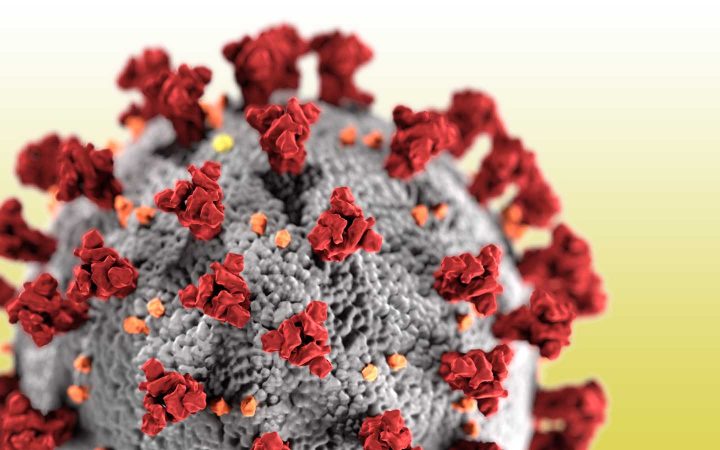
Sars-Cov2 Virus

Mast cells are regulating cells of the immune system that have a variety of different functions. They are commonly found beneath the skin, in the lungs and the digestive tract, and are constantly watching for invaders. In contact with certain allergens, they can overreact and cause inflammation, which is a major component of many allergic reactions. This mechanism possibly kicks in at Long COVID as well.

There is a disease called mast cell activation syndrome, when the allergic reaction is activated by a number of different triggers and difficult to control. A study showed that Long COVID had very similar symptoms to the mast cell activation syndrome, which could be another possible cause of Long COVID symptoms.((Weinstock LB, et.al. Mast cell activation symptoms are prevalent in Long-COVID. Int J Infect Dis. 2021 Nov;112:217-226 doi: 10.1016/j.ijid.2021.09.043)) High levels of tryptase, histamine, or prostaglandins in the blood may be an indicator of overreacting mast cells. Besides mast cell activation, other autoimmune mechanisms are considered as a possible cause.

In addition to circulatory problems, oxygen reaching a cell may not be able to produce sufficient energy due to compromised function of the mitochondria. It was observed that the SARS-CoV-2 virus can hijack the cell mitochondria, which are responsible for energy production. In the closely related chronic fatigue syndrome, compromised mitochondria are observed as well. We will discuss several supplements that can be useful in treating this condition.((Astin R. et.al. Long COVID: mechanisms, risk factors and recovery. https://doi.org/10.1113/EP090802 ))

3D Rendering of a Mitochondria

 Several researchers are looking how Long COVID is affecting the vagus nerve and causing a dysregulation of the sympathetic and parasympathetic nervous system. This can lead to fatigue, dizziness, heart palpitations and digestive problems. Noninvasive vagus nerve stimulation helped to decrease fatigue.

There are therefore a number of mechanisms that may be involved in producing Long COVID symptoms. Many of them are still hypothetical, but probably several of them are involved in producing the variety of symptoms classified as Long COVID. There may be even different mechanisms involved in every patient, which makes treatment still a lot of a trial-and-error endeavor. What works for one, may not work equally in another case.

Long COVID Treatment Options

Although all the mechanisms are not fully understood, a Long COVID treatment protocol should include:

  1. Reducing the inflammatory response and the resulting blood clotting.
  2. Strengthening the immune system and using substances with antiviral properties to eliminate possible remaining viral pockets.
  3. Assist the body in the process of mitochondria and cell repair.
  4. Give support to the nervous system.

Anti-inflammatory Diet

A healthy diet can go a long way to reduce inflammation, strengthen the immune system, nourish the cells and support the mind. A whole food plant-based diet will create the ideal conditions for that. Even if you are not willing to make a radical step to go vegan, you should consider to drastically reduce the quantity of animal products you consume, which tend to be high in cholesterol, saturated fats, arachidonic acid which promotes inflammation, unfavorable amino acid patterns, and a number of contaminants, causing a number of problems in the body, especially in the case of long COVID.

Omega 3 is a fatty acid with powerful anti-inflammatory properties. Doctors and Nutritionists often recommend fish as an Omega 3 source. Just, the beneficial effect of omega 3 is anilliated by saturated fats, cholesterol, mercury and other contaminants. Fish will fare well compared to red meat, but if you want to do something really good for your health, you should opt for plant sources of omega 3.

Good omega 3 sources are flaxseed, chia, hemp seed, walnuts, pumpkin seeds, Brussel sprouts as well as other cruciferous vegetables. All plant sources of omega 3 contain ALA, which needs to be transformed into the active forms DHA and EPA. EPA is known for its anti-inflammatory properties and benefiting the circulation, and DHA has some added benefits for the brain and the immune system. Under normal conditions, the body is able to transform sufficient ALA into its active forms, but in some conditions like long COVID, additional supplementation of the active forms may be warranted.

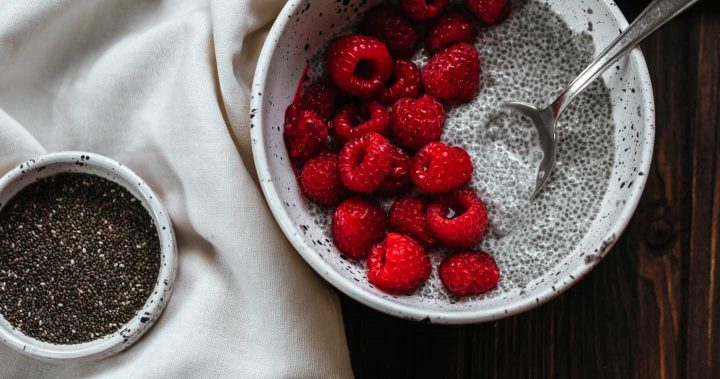
Chia seeds

The most common source of DHA and EPA is fish oil. Again, we have the problem with contaminants. If you opt for fish oil, you should choose a brand that has IFOS certification, which includes testing for acceptable contaminant levels. The safer option would be to use vegan omega 3 supplements based on algae, which have much less contamination problems. After all, fish is getting their omega 3 from eating algae. A good dose for Long COVID treatment would be 4,000 mg daily of DHA & EPA combined.

While Omega 3 is quite essential, and the often abundant Omega 6 cause inflammation and needs to be reduced, care should be taken about the overall fat content. Excessive fat can influence negatively the microbiome of the intestine, which is having a negative impact on the immune system. Excessive fat can also contribute to obesity, which can increase inflammation and has a negative impact on immunity.

The same care should be taken to avoid any form of concentrated sugar in your diet. Sugar is very detrimental to the immune system, and on top of that is causing inflammation and increasing the perception of pain. Make a try if you can benefit from a complete elimination of all forms of concentrated sugar, including brown sugar, molasses, agave and maple syrup. Avoid artificial sweetener as well. Permitted are 1-2 tablespoons of honey a day and a moderate amount of dried fruits.

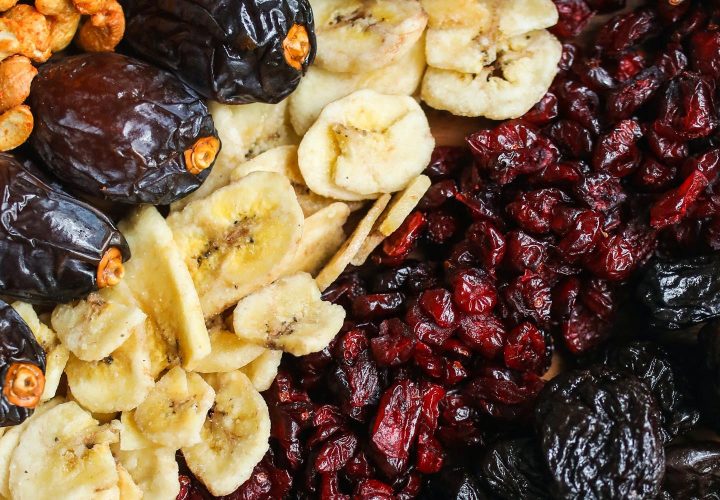
An assortment of dried fruits

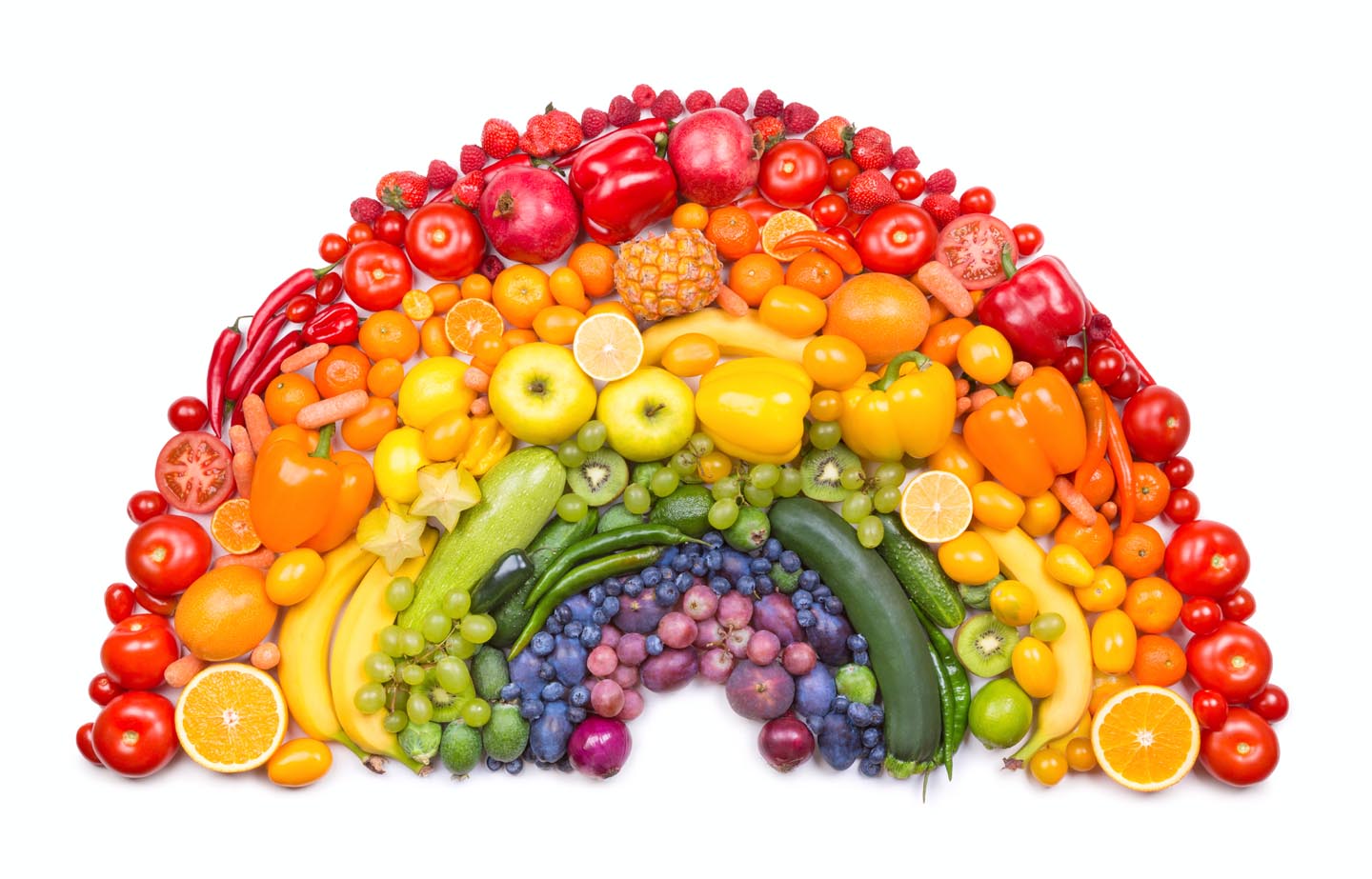
Another important component of an anti-inflammatory diet are antioxidants. They are constantly working to hold free radicals in check, and by avoiding the cell damage that free radicals would cause, they are reducing inflammation inside the body. The most popular ones are vitamin C, vitamin E, beta carotene together with minerals like selenium and manganese. The list goes on with innumerous other substances like glutathione, coenzyme Q10, flavonoids, polyphenols, phytoestrogens and many more. To get a good variety, it is recommended to eat a rainbow of fruits and vegetables every week. Antioxidants will help you quite a bit in treating brain fog, as well as increasing your energy levels.

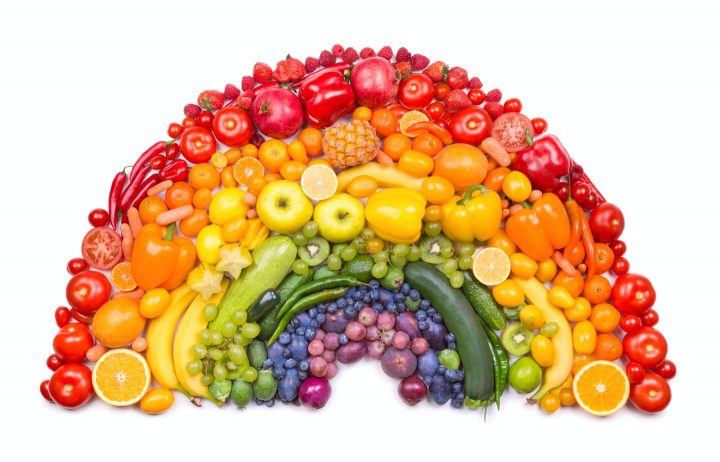
Eating a rainbow of fruits and vegetables

Tumeric is a commonly used spice containing curcumin as an important anti-inflammatory active ingredient. It can inhibit the pro-inflammatory cytokines and has shown to have antiviral properties. You should make frequent use of this spice to benefit from its antioxidant properties.

There are a number of food items that will increase inflammation and should be avoided as much as possible. Those include:

  • Sugar in all of its forms (including brown sugar)
  • Extracted Oils high in omega 6
  • Fried foods
  • Saturated fat
  • Cured meats
  • Alcohol
  • Caffeine

Supplements

It may be beneficial to supplement certain specific substances to help with recuperating long COVID. When supplementing, we need though proceed with caution. Not always are higher doses of a good thing providing a better result. Observing the right dosage is essential. And even so, often we have limited proof of its efficacy. Large scale randomized controlled trials would be needed to prove the efficacy of any kind of supplementation, and especially for long COVID we do not have such kind of studies available.

There are many cases that a natural fruit that is high in antioxidants is far superior to an isolated supplement. Inside of natural food sources, we have an intricate interplay between different phytochemicals, that we still not fully understand in all its complexity. An isolated substance rarely gives the same kind of benefits. If you opt for supplementing, you should wherever possible combine the supplement with natural food sources in order to maximize its benefits. Certain supplements are even produced out of dried fruits and vegetables and can often show superior results compared to synthetically produced supplements.

Even though we have very little data specifically to long COVID, there is one small scale study that prescribed a daily supplement of Vitamin C, acetyl L-carnitine, olive poliphenols, thiamine, vitamin B6, folic acid, vitamin D and vitamin B12. They reported a doubling of energy during the 2-week study period. This preliminary findings are very positive.((Naureen Z et.al. Proposal of a food supplement for the management of post-COVID syndrome. European Review for Medical and Pharmacological Sciences, 2021; 25 (1 Suppl): 67-73))

N-Acetyl-L-Cysteine (NAC) is an amino acid that can help in the production of glutathione, which in turn is a powerful antioxidant, especially protecting the mitochondria. It is also helping to strengthen the immune system. Avocado, okra, spinach, squash, melons, peaches and cruciferous vegetables (broccoli, cauliflower, cabbage and kale) can all help to increase glutathione levels. In case of Long COVID, NAC can give a very helpful boost for glutathione activity. Try to supplement with 600-1500 mg/day.

Resveratrol is an antioxidant found in red grapes, the skin of peanuts and some berries. It has specific protective function in case of COVID-19 infection and the resulting inflammation. Long COVID patients can benefit by supplementing with 200mg to 500mg of Resveratrol twice daily.((Moriya J, Chen R, Yamakawa J, Sasaki K, Ishigaki Y, Takahashi T. Resveratrol improves hippocampal atrophy in chronic fatigue mice by enhancing neurogenesis and inhibiting apoptosis of granular cells. Biol Pharm Bull. 2011;34(3):354-9. DOI: 10.1248/bpb.34.354
Mo Perry. How to Treat Long-Haul COVID. Experience Life)) Resveratrol has often limited bioavailability.((Walle T. Bioavailability of resveratrol. Ann N Y Acad Sci. 2011 Jan;1215:9-15. DOI: 10.1111/j.1749-6632.2010.05842.x )) You should therefore consider supplements of trans Resveratrol extracted from Japanese Knotwood.

Quercetin is a flavonoid that can be found in broccoli, buckwheat, onions, apples, plums, cherries and berries. Quercetin seems to be able to bind to the spike protein, reduces inflammation, inhibits clotting and has antiviral properties. It also helps to inhibit monoamine oxidase, and thus increasing neurotransmitters like serotonin, noradrenaline and dopamine, which helps a lot for your mood. It should be mentioned that high doses of quercetin are able to deplete glutathione levels, which could result in a pro inflammatory effect, so be cautious about proper dosage.((Chirumbolo S. The role of quercetin, flavonols and flavones in modulating inflammatory cell function. Inflamm Allergy Drug Targets. 2010 Sep;9(4):263-85. DOI: 10.2174/187152810793358741
Hermel M, Sweeney M, Ni YM, Bonakdar R, Triffon D, Suhar C, Mehta S, Dalhoumi S, Gray J. Natural Supplements for COVID19-Background, Rationale, and Clinical Trials. J Evid Based Integr Med. 2021 Jan-Dec;26:2515690X211036875. doi: 10.1177/2515690X211036875)) For Long COVID patients it is recommended to supplement 250mg of quercetin daily, together with ingesting the natural sources to maximize the benefits.

Luteolin is acting in about the same lines and is supposed to penetrate better in the brain than quercetin. It was studied already in Alzheimers disease and reduces neuroinflammation and cognitive disfunction. Both quercetin and luteolin are difficult to absorb, but are better available when combined with olive pomace oil.((Theoharides TC, Cholevas C, Polyzoidis K, Politis A. Long-COVID syndrome-associated brain fog and chemofog: Luteolin to the rescue. Biofactors. 2021 Mar;47(2):232-241. doi: 10.1002/biof.1726)) Dietary sources of luteolin include celery, broccoli, green pepper, carrots, olive oil, parsley, thyme, peppermint and oregano.

Vitamin C has many benefits for the immune system. It can regulate the overproduction of histamine by the mast cells. You can supplement with 1,000 mg of vitamin C 2 to 3 times daily. Prolonged high doses can though provoke the development of kidney stones, and should be limited to a few weeks.

Coenzyme Q10 will help to improve mitochondrial function. In patients having chronic fatigue syndrome it was shown that Coenzyme Q10 as well as NADH was low. In a study it was shown that supplementing with 200mg of Coenzyme Q10 and 20mg NADH daily, a substantial improvement in fatigue and the corresponding biomarkers of the energy cycle could be achieved.((Castro-Marrero J, et.al. Does oral coenzyme Q10 plus NADH supplementation improve fatigue and biochemical parameters in chronic fatigue syndrome? Antioxid Redox Signal. 2015 Mar 10;22(8):679-85 doi: 10.1089/ars.2014.6181))

L-Carnitine is an enzyme that helps the body to transform fat into energy. It is important for heart and brain function, muscle movement and many other body processes. Supplementing with 300mg of L-Carnitine daily may help with overcoming fatigue.

A mitochondrial energy optimizer formula, including pyrroloquinoline quinone (PQQ) can be used to strengthen the mitochondria and increase energy levels.

COVID-19 can wreak havoc on your microbiome, which is essential for proper immune function. A study showed that a number of important gut bacteria remained low after a SARS-Cov2 infection for the entire 30 day period of the study.((Yeoh YK, Zuo T, Lui GC, et al. Gut microbiota composition reflects disease severity and dysfunctional immune responses in patients with COVID-19. Gut 2021;70:698-706. http://doi.org/10.1136/gutjnl-2020-323020)) Eating yoghurt (can be plant based), sauerkraut, kefir and other fermented products can help to improve the microbiome, and a high fiber diet helps to nourish your microbiome, but in many cases a prebiotic and probiotic regimen would be indicated to restore proper gut health.

Melatonin is a hormone produced by our body to regulate the sleep/wake cycle. It has also anti-inflammatory and antioxidant properties and supports the gut lining, thus strengthening the immune system. To help regulate the sleep/wake cycle, a supplementation of 1mg at bedtime would be sufficient. If you want to maximize the other benefits, you can gradually increase dosage as tolerated without interfering with sleep, until you reach the maximum dosage of 8mg per day, and preferably a slow-release supplementation should be used.

Vitamin D is essential for proper immune function. Besides strengthening immunity, it also regulates many immune functions in case of allergic overreactions. We did already an article about the importance of Vitamin D to protect and treat COVID-19. Be sure to make regular blood tests and try to maintain a level of 60 to 80 ng/mL in your blood. The FLCCC Alliance has a table which dosage should be used if levels are low. For a maintenance you should supplement with about 5.000 IU per day for normal weight persons, and 10,000 to 25,000 IU depending on obesity levels.

Hydrotherapy

Application of hot and cold water in the form of hydrotherapy treatment is a powerful way to improve circulation. Especially effective will be treatments where hot and cold water are used alternately. They have also a strong immune boosting effect, that can be beneficial in long COVID treatment. There are two options that can be very helpful for improving microcirculation in relation to long COVID.

Contrast Foot Bath

In this treatment, the feet are immersed alternately in a bucket of hot and cold water. The feet have a much higher circulation than other body parts, and are capable in modulating the circulation in the rest of the body.

Start out with the hot water bucket for 3 minutes, then change to the cold water bucket with ice cubes for 1 minute. During this time, have a helper add some hot water to the other bucket in order to increase the temperature gradually, as much as tolerated. Return to the hot water, doing some 5 to 6 cycles, always finishing with cold.

Diabetics and people with impaired sensibility or impaired circulation need to be avoid extremes in temperature in order to avoid burning. Dry off the feet, use some slippers in order to avoid touching the cold floor, and rest for about 30 minutes to potentialize the effect of the treatment.

Contrast Shower

With this treatment you will try to expose the maximum possible area of your skin to the hot to cold change. Start out with 3 minutes of a hot shower, as hot as you can easily tolerate. Then make a brisk switch to cold for 30 seconds to 1 minute. Make 3 cycles, finishing off again with the cold. Dry off and rest for about 40 minutes to potentialize the effect of the treatment.

Contrast shower

Herbs

There are plenty of herbs that can give some support in a long COVID treatment protocol. They will have different functions and should be used on an individual basis as needed, but we will mention a few possible options. If you take medications, be sure to check with your doctor about possible interactions.

Astragalus and Chinese skullcap (Scutellaria baicalensis) can aid ACE-2 in some of its functions. We have already said that ACE-2 is inhibited by the SARS-Cov2 virus.

Siberian Ginseng can help to stimulate immunity and reduce inflammation. By enhancing mitochondrial activity, it will be a powerful ally to combat fatigue. It also helps to increase focus and enhance deep sleep.

Ginger and Boswellia have inflammatory balancing actions.

Baical Scullcap (Scutellaria baicalensis) may help also to support ACE-2 in its function. It is an excellent herb for stabilizing mast cells, thus balancing the immune system. The anti-inflammatory effect may lower the risk for clots.

Ginkgo Biloba and Bilberry (Vaccinium myrtillus) have a tonic effect and are beneficial in treating fatigue. Ginkgo has also anti-inflammatory properties and can improve microvascular circulation. It reduces the inflammatory cytokine Interleukin 6, which seems to play an important factor in developing long COVID.((Kappelmann N, Dantzer R, Khandaker GM. Interleukin-6 as potential mediator of long-term neuropsychiatric symptoms of COVID-19. Psychoneuroendocrinology. 2021 Sep;131:105295. DOI: 10.1016/j.psyneuen.2021.105295 ))

Hawthorn (Crataegus monogyna) can help to repair damage to the inner layer of the blood vessels called endothelium. It can help also to improve cognitive function and regulate the autonomic nervous system for example in case of palpitations (of course after seeing your heart specialist to rule out another cause). Hawthorn may help also with mitochondrial energy production.

There are of course many options of herbs that can find use in long COVID treatment, but this is a selection of some interesting options to choose from.((Hentschel N. Natural treatments for long covid. Your Remedy Naturopathy, June 30, 2022))

Important Lifestyle Measures

Intermittent fasting can help to stimulate phagocytosis, which eliminates damaged cells and makes room for new cells. It helps also to stimulate mitophagy, which is the selective degradation of damaged mitochondria. This is probably one of the best ways to deal with mitochondrial damage caused by COVID-19 in order to recuperate from fatigue. My preferred way to implement intermittent fasting is to skip supper. Read more about the subject in our article about autophagy.

Intermittent Fasting Concept

Spermidine and resveratrol are two substances that can still augment the efficacy of autophagy in intermittent fasting. Natural sources of spermidine are wheatgerm, mushrooms, grapefruit, apples and mango. Especially wheatgerm supplements can provide a good spermidine dose. We already spoke about resveratrol supplementation, which should be definitely considered in combination with intermittent fasting.

Proper hydration is essential for many reasons. Considering that about 70% of the body is made out of water, it is easy to understand that dehydration can quickly lead to fatigue and headaches. It is essential for good circulation and even helps your immune system. Quite obviously, good hydration is primordial in the recovery from long COVID. And as a saying goes, you need 5 glasses a day to survive, 8 glasses to do well and 10 glasses to thrive!

Quality sleep is essential for body repair and proper mental functioning. It can contribute much to a better recovery. Unfortunately, many who are suffering from long COVID also struggle to get quality sleep. It is important to go to bed at regular times, ideally somewhere around 9PM and allow at least for 8 hours of sleep. A tranquil environment and a warm bath may help to prepare the mind for a good night´s sleep. Avoid alcohol and caffeine in any form, including green tea. If needed, some herbs like valerian or passion flower can help to fall asleep easier. Melatonin can also be helpful and has the above mentioned additional benefits. Getting at least 30 minutes of sunshine during the day is essential for optimal melatonin levels as well.

A woman sleeping

If you are suffering from severe fatigue, you may need some extra resting periods during the day. You will probably do better on frequent short rest periods than on fewer longer ones. Break up your tasks into smaller chunks, so that you can motivate you to do another chunk and get a short rest afterwards. Consider the best time for certain activities based on your energy levels.

In case of chronic fatigue, proper pacing is essential. You need to consider that any physical or mental activity will need a certain amount of energy, which you need to manage very carefully. You need to get a feeling every morning how are your energy levels this day, and plan your activity accordingly. Short activities combined with proper rest will help you for better recovery. Try to vary between physical and mental activities, and get your family on board to give you support whenever needed.((Shepherd C. LONG COVID AND ME/CFS. ME Association, April 2021))

Exercise can be an important tool to build up your strength, but you need to be very cautious to not over-exert yourself. Exhaustion can worsen your symptoms and set you back in your recovery. Some people have an alternating pattern of good days and worse days. Doing too much activity on a good day may lead to exacerbation of fatigue and other symptoms on the following day.

Having said that, you should include appropriate exercise in your recovery routine. Start with a short walk and increase the exercise time slowly, as long as you avoid over exertion. If you are improving well, you can start including swimming in a warm pool, slow jogging or gentle cycling. Be sure to monitor your heart rate during those activities and stay below 110 beats per minute, until you show clear signs of improvement.

It is clear that stress can be quite detrimental when you are suffering from severe fatigue, brain fog or any similar symptoms. It is something that upsets our system, robs us energy and can still add to the many symptoms we may already feel. Be sure to do proper planning to avoid stress whenever you can. Cut down some of your responsibilities and give yourself time to recover, before you go back to taking on your full plate of commitments again. If you need some tips on how to control your stress, check out the 10 Minute Guide for Stress Management in order to understand how to deal with stress with an all-inclusive approach.

And last but not least, be sure to be grateful. The habit of gratefulness can do so much to improve your outlook on life and speed up recovery from whatever condition you are facing. After having done what you can, be grateful for the little improvements you are feeling day by day, week by week. Be grateful for everything you have, and be grateful for every day of life that your Creator is giving to you.

We have a special opportunity just for you. If you want to receive practical and up to date advice on how to implement an immunity-boosting lifestyle, simply join the Coronavirus Immunity Challenge and prepare yourself to face the pandemic with a bullet-proof immune system.

Sign Up Now

Coronavirus Immunity Challenge

Shop for Supplements

If you purchase through one of these links, companies will pay us a commission, which helps us to continue providing quality content for free.

N-Acetyl-Cysteine (NAC)

Resveratrol

Coenzyme Q10

Magnesium

L-Carnitine

Melatonin

Recommended Probiotic

Other Probiotics

Vitamin C

Vitamin D

Healthy Fruits

Stay Always Up to Date

Sign up to our newsletter and stay always informed with news and tips around your health.

Sign Up Now!

Filed Under: COVID-19, Diseases Tagged With: Long COVID

Plea for a Simpler Life – Less is More

December 11, 2022 by Esther Neumann - [rt_reading_time label="Reading Time:" postfix="minutes" postfix_singular="minute"]

If my grandfather, born in 1890, were to come into my house, he would not find his way around, neither in my household nor in my office. Our present generation has so many more opportunities to shape our working world and our private lives. But life has also gotten more complicated. We need to be familiar with so many modern communication tools. So many machines and gadgets with complex procedures that we can’t figure out, do the heavy, tedious work for us. Actually, these modern technical achievements are supposed to give us more time for ourselves.

Plea for a Simpler Life – Less is More

When I’ve finished writing this article, I won’t have to write it clean on paper, put it in an envelope and take it to the post office for my editor-in-chief. I remain seated in my office chair and send it via the Internet. If the editor wants to, he can open and read it on his computer a few minutes later.

What do I do with the time I’ve saved? Am I going to fold my arms, be happy about the successful article, and reflect on the essentials? I have to watch over my time, my health, my thoughts. I don’t want to plunge into the next activity like the fast swimmer with a head dive into the cold water.

I want to take the liberty – and fortunately I can afford it – to structure my working hours for myself. Instead of getting dragged by the daily grind, I want to consciously take responsibility for my everyday life. After a few hours at the computer, it’s time to do some gardening or kitchen work. Every now and then a nature walk is allowed. During this time, I come up with all sorts of things.

Sowing seeds in the garden

Most people live outside of their “assets”. It’s not just about money, about consumption, but also about time, about food, about relaxation. It’s not about asceticism, but about simply doing without the superfluous, which we find difficult to deal with anyway.

Too many pounds make me short of breath. Why did I eat so much again? I have been wanting to lose a few pounds for a long time! Yes, I can afford a pumpkin pie with whipped cream every now and then. Tomorrow, however, there will be an apple for dessert – and I’ll simply enjoy it! Actually, a fruit day every now and then is good for my health. Or should I try just drinking tea for a whole day? That’s definitely good for me and I’m happy when I’ve grown beyond myself and my appetite.

While I’m tidying up, I can go through my closet. What has accumulated there, such an abundance! I haven’t worn this lovely piece in a year. That’s why my friend recently said to me: “I always see you in the same sweater.” Both pieces are still in good condition: so wash one of them and off it goes to the thrift store. There’s still enough in the closet.

A man struggles with a pile of clothes

What else can I get rid of in order to live a simpler life? How was it last night before falling asleep? I was worried and anxious about the future. The car is getting in his years, the roof of the house would need some repairs. The winter is still long and the wood supplies are running out. All this costs money. Where does it come from? How am I going to do this? Then even the past came into play. Do you still remember the mistake you made back then? You really weren’t fair to your child. Hopefully it hasn’t been hurt and is getting over that.

Fears and worries about the future, lingering in the past are robbing me the strength and time to simply live in the now. And I can only live in the now. Have I ever experienced anything in the past or done anything in the future? The answer is simple: I live in the now. I can cope with today, this attitude gives me strength, but today I don´t get what I need for tomorrow.

So I can also simplify my thoughts, I can remove the superfluous. Simply by not brooding too much over things I can’t change; but also, simply by looking forward to the new day every morning, to the sun that will rise again, even if the weather should remain cloudy, it’s still there. For me, every new day is an invitation to simply live – or live simply – simply in both senses.

It’s up to me to shape my day to be simpler, to find joy in the simple things of everyday life, in the opening of a flower, in the laughter of a child, in the surprised expression on my work colleague’s face when I have greeted him with enthusiasm and wished him a very good day.

An opening flower

No amount of possessions can buy me the joy of life. Proverbs 13:7 says, “There is one who makes himself rich, yet has nothing; And one who makes himself poor, yet has great riches.” If I give in to every wish and fulfill it, then I cannot be happy in the long run. Neither money nor confirmation, not even success can still my longing for a fulfilling life. True joy comes from living a simple life, enjoying nature, being accepted by my circle of friends and feeling safe with my God, Creator and Sustainer.

Healthy Fruits

Stay Always Up to Date

Sign up to our newsletter and stay always informed with news and tips around your health.

Sign Up Now!

Filed Under: Healthy Lifestyle, Mental Health, Stress Management, Temperance Tagged With: Minimalistic lifestyle, Simplifying

Why you Should Eat a Rainbow of Fruits and Vegetables

December 4, 2022 by Evangeline Mantzioris - [rt_reading_time label="Reading Time:" postfix="minutes" postfix_singular="minute"]

Eating a rainbow of fruits and vegetables

Nutritionists will tell you to eat a rainbow of fruits and vegetables. This isn’t just because it looks nice on the plate. Each color signifies different nutrients our body needs.((Minich DM. A Review of the Science of Colorful, Plant-Based Food and Practical Strategies for “Eating the Rainbow”. J Nutr Metab. 2019 Jun 2;2019:2125070. DOI: 10.1155/2019/2125070))


Why you Should Eat a Rainbow of Fruits and Vegetables

The nutrients found in plant foods are broadly referred to as phytonutrients. There are at least 5,000 known phytonutrients, and probably many more.((Liu RH. Health-promoting components of fruits and vegetables in the diet. Adv Nutr. 2013 May 1;4(3):384S-92S. doi: 10.3945/an.112.003517))

So what does each color do for our body and our overall health?

Red

Assortment of red fruits and vegetables including tomatoes, radishes, strawberries, litchis, apple, pear and bell pepper.

Red fruits and vegetables are colored by a type of phytonutrient called “carotenoids” (including ones named lycopene, flavones and quercetin – but the names aren’t as important as what they do). These carotenoids are found in tomatoes, apples, cherries, watermelon, red grapes, strawberries and capsicum.

These carotenoids are known as antioxidants.((Lobo V, Patil A, Phatak A, Chandra N. Free radicals, antioxidants and functional foods: Impact on human health. Pharmacogn Rev. 2010 Jul;4(8):118-26. doi: 10.4103/0973-7847.70902)) You will have heard this name before, but you might not remember what it means. It has something to do with “free radicals”, which you’ve also probably heard of before.

Free radicals are formed naturally in our body as a byproduct of all our usual bodily processes such as breathing and moving, but they also come from UV light exposure, smoking, air-pollutants and industrial chemicals.((Lobo V, Patil A, Phatak A, Chandra N. Free radicals, antioxidants and functional foods: Impact on human health. Pharmacogn Rev. 2010 Jul;4(8):118-26. doi: 10.4103/0973-7847.70902))

Free radicals are unstable molecules that can damage proteins, cell membranes and DNA in our body. This natural but damaging process is known as oxidation or oxidative stress. This contributes to ageing, inflammation and diseases including cancer and heart disease.

Importantly, antioxidants “mop up” the free radicals that form in our body. They stabilize the free radicals so they no longer cause damage.

Increasing antioxidants in your diet lowers oxidative stress and reduces the risk of many diseases including arthritis, type 2 diabetes, heart disease, stroke and cancer.((Minich DM. A Review of the Science of Colorful, Plant-Based Food and Practical Strategies for “Eating the Rainbow”. J Nutr Metab. 2019 Jun 2;2019:2125070. doi: 10.1155/2019/2125070))

Orange

Assortment of orange fruits and vegetables including, pumpkin, cantaloupe, orange, carrots, mangoes and bell pepper.

Orange fruits and vegetables also contain carotenoids, but slightly different ones to red veggies (including alpha and beta-carotene, curcuminoids, and others). These are found in carrots, pumpkins, apricots, mandarins, oranges and turmeric.

Alpha and beta-carotene are converted to vitamin A in our bodies, which is important for healthy eyes and good eyesight. Vitamin A is also an antioxidant that can target the parts of your body made of lipids (or fats) such as cell membranes.

The vitamin A targets the free radicals building up around our cell membranes and other areas made of lipids, reducing the risk of cancers and heart disease.((Minich DM. A Review of the Science of Colorful, Plant-Based Food and Practical Strategies for “Eating the Rainbow”. J Nutr Metab. 2019 Jun 2;2019:2125070. doi: 10.1155/2019/2125070))

Yellow

An assortment of yellow fruits and vegetables including zucchini, apple, pear, pineapple, bell pepper, bananas, lemons, star fruit and sweet corn.

Yellow fruit and vegetables also contain carotenoids, but they also contain other phytonutrients including lutein, zeaxanthin, meso-zeaxanthin, viola-xanthin and others. These are found in apples, pears, bananas, lemons and pineapple.

Lutein, meso-zeaxanthin and zeaxanthin have been shown to be particularly important for eye health and can reduce the risk of age-related macular degeneration, which leads to blurring of your central vision.((Kamal S, et.al. Eye Sight and Carotenoids, in Carotenoids: Structure and Function in the Human Body, pp 609-647, Springer Nature, 2021))

These phytonutrients can also absorb UV light in your eyes, acting like a sunscreen for the eyes and protecting them from sun damage.((Richard L. Roberts, Justin Green, Brandon Lewis, Lutein and zeaxanthin in eye and skin health, Clinics in Dermatology, Volume 27, Issue 2, 2009, Pages 195-201 https://doi.org/10.1016/j.clindermatol.2008.01.011))

Green

An assortment of green fruits and vegetables including zucchini, cucumber, lettuce, cabbage, broccolis, string beans, bell pepper, avocado, kiwi and grapes.

Green fruits and vegetables contain many phytonutrients including chlorophyll (which you probably remember from high school biology), catechins, epigallocatechin gallate, phytosterols, nitrates and also an important nutrient known as folate (or vitamin B9). These are found in avocados, Brussels sprouts, apples, pears and leafy vegetables.

These also act as antioxidants and therefore have the benefits as described above for red veggies. But this group also provides important benefits in keeping your blood vessels healthy, by promoting something called “vasodilation”.

These phytonutrients help make our blood vessels more elastic and flexible allowing them to widen or dilate. This improves blood circulation and reduces blood pressure, reducing our risk of heart and other vessel complications and disease.((Minich DM. A Review of the Science of Colorful, Plant-Based Food and Practical Strategies for “Eating the Rainbow”. J Nutr Metab. 2019 Jun 2;2019:2125070. doi: 10.1155/2019/2125070))

Folate is recommended before pregnancy because it helps reduce the risk of neural tube defects (such as spina bifida) in babies. Folate helps the development of the fetal nervous system during the first few weeks of pregnancy, as it has been shown to promote healthy cell division and DNA synthesis.((Darya Gaysina. Folic acid in pregnancy – MTHFR gene explains why the benefits may differ. The Conversation, May 2, 2018))

Blue and purple

Arrangement of blue and purple fruits and vegetables including grapes, plums, berries, red onions and red cabbage

Blue and purple produce contain other types of phytonutrients including anthocyanins, resveratrol, tannins and others. They are found in blackberries, blueberries, figs, prunes and purple grapes.

Anthocyanins also have antioxidant properties and so provide benefits in reducing the risk of cancer, heart disease and stroke, as explained under red fruit and veg.

More recent evidence has indicated they may also provide improvements in memory.((Katherine Kent, et.al. Anthocyanin intake is associated with improved memory in older adults with mild cognitive impairment. Nutrition Research, Volume 104, 2022, Pages 36-43 https://doi.org/10.1016/j.nutres.2022.04.003)) It is thought this occurs by improving signaling between brain cells and making it easier for the brain to change and adapt to new information (known as brain plasticity((Duncan Banks. What is brain plasticity and why is it so important? The Conversation, April 4, 2016)) ).

Brown and white

Arrangement of brown and white vegetables, including potato, cauliflower, onion, garlic, celery, champignons and roots.

Brown and white fruits and vegetables are colored by a group of phytonutrients known as “flavones”, this includes apigenin, luteolin, isoetin and others. These are found in foods such as garlic, potatoes and bananas.

Another phytonutrient found in this color of vegetables, particularly in garlic, is allicin. Allicin has been shown to have anti-bacterial and anti-viral properties.((Anna Marchese, et.al. Antifungal and antibacterial activities of allicin: A review. Trends in Food Science & Technology, Volume 52, 2016, Pages 49-56 https://doi.org/10.1016/j.tifs.2016.03.010))

Most of this research is still at the lab-bench and not many clinical trials have been done in humans, but lab-based studies have found it reduces microorganisms when grown under laboratory conditions.

Allicin has also been found in systematic reviews to normalise high blood pressure by promoting dilation of the blood vessels.((Bergamin A, Mantzioris E, Cross G, Deo P, Garg S, Hill AM. Nutraceuticals: Reviewing their Role in Chronic Disease Prevention and Management. Pharmaceut Med. 2019 Aug;33(4):291-309. DOI: 10.1007/s40290-019-00289-w))

How can I get more veggies in my diet?

Colored fruit and vegetables, and also herbs, spices, legumes and nuts provide us with a plethora of phytonutrients. Promoting a rainbow of fruit and vegetables is a simple strategy to maximize health benefits across all age groups.

However most of us don’t get the recommended amount of fruit and vegetables each day.((Dietary behaviour. Australian Buerau of Statistics. Reference period 2020-21))

Here are some tips to improve your intake:

1. When doing your fruit and vegetable shopping, include a rainbow of colors in your shopping basket (frozen varieties are absolutely fine).

2. Try some new fruit and vegetables you haven’t had before. The internet has tips on many different ways to cook veggies.

3. Buy different colors of the fruit and vegetables you normally eat like apples, grapes, onions and lettuces.

4. Eat the skins, as the phytonutrients may be present in the skin in higher amounts.

5. Don’t forget herbs and spices also contain phytonutrients, add them to your cooking as well (they also make vegetables more appealing!)

Healthy Fruits

Stay Always Up to Date

Sign up to our newsletter and stay always informed with news and tips around your health.

Sign Up Now!

This article is republished from The Conversation under a Creative Commons license. Read the original article.

The Conversation

Filed Under: Nutrition Tagged With: Phytochemicals, Rainbow diet

« Previous Page
Next Page »

Primary Sidebar

Social Channels

Coronavirus Immunity Challenge

Boost your immune system to be bullet-proof for the pandemic.

I Want to Participate

Recent Posts

  • 5 Habits to Live Longer
  • Better Sleep Can Protect Against Dementia
  • Finding Peace In Your Crazy-Busy World
  • Flaxseed – An Ancient Plant Rediscovered
  • Platelets – Triggers for Life or Death
  • Boderline Personality Disorder
  • In Praise of Almonds and Nuts
  • Are You Stuck in the Clutter Trap?

Categories

  • Body Systems (16)
    • Cell Function (2)
    • Circulatory System (1)
    • Digestive Tract (10)
    • Immune System (4)
  • Diseases (27)
    • Cancer (2)
    • Cold (1)
    • COVID-19 (11)
    • Dementia (1)
    • Diabetes (1)
    • Digestive Diseases (2)
    • Heart Disease (2)
    • Kidneys (1)
    • Metabolic Syndrome (2)
    • Skin (1)
  • Healthy Lifestyle (42)
    • Exercise (11)
    • Gardening (2)
    • Sleep (7)
    • Sunlight (2)
    • Temperance (14)
    • Water (4)
  • Mental Health (87)
    • Addictions (6)
    • Anxiety (7)
    • Burnout (1)
    • Depression (7)
    • Psychosomatic Diseases (6)
    • Stress Management (45)
    • Trust (6)
  • Nutrition (56)
  • Obesity (9)
  • Phases of Life (14)
    • Adults (3)
    • Babies and Infants (1)
    • Children (3)
    • Seniors (5)
    • Teenagers (3)
  • Therapies (7)
    • Herbs (5)
    • Hydrotherapy (1)
  • Uncategorized (3)

Archives

  • January 2025 (1)
  • March 2024 (5)
  • February 2024 (4)
  • January 2024 (4)
  • December 2023 (5)
  • November 2023 (4)
  • October 2023 (5)
  • September 2023 (4)
  • August 2023 (3)
  • July 2023 (2)
  • June 2023 (4)
  • May 2023 (4)
  • April 2023 (5)
  • March 2023 (4)
  • February 2023 (4)
  • January 2023 (4)
  • December 2022 (4)
  • November 2022 (4)
  • October 2022 (5)
  • September 2022 (4)
  • August 2022 (4)
  • July 2022 (5)
  • June 2022 (4)
  • May 2022 (5)
  • April 2022 (4)
  • March 2022 (4)
  • February 2022 (4)
  • January 2022 (5)
  • December 2021 (3)
  • November 2021 (4)
  • October 2021 (6)
  • September 2021 (4)
  • August 2021 (4)
  • July 2021 (5)
  • June 2021 (4)
  • May 2021 (3)
  • April 2021 (5)
  • March 2021 (4)
  • February 2021 (4)
  • January 2021 (5)
  • December 2020 (3)
  • November 2020 (4)
  • October 2020 (5)
  • September 2020 (5)
  • August 2020 (3)
  • July 2020 (1)
  • June 2020 (1)
  • May 2020 (1)
  • April 2020 (1)
  • March 2020 (1)

Copyright © 2026 · Abundant Health - Privacy Policy - Medical Disclaimer