Abundant Health

Up to date health information tailored for you

  • Home
  • Blog
  • Recipes
  • Shop
  • Contact
You are here: Home / Archives for Mental Health

Mental Health

How Sunlight Can Change Your Mood

July 3, 2022 by Dr. Cesar Vasconcellos de Souza - [rt_reading_time label="Reading Time:" postfix="minutes" postfix_singular="minute"]

Como a Luz Solar Pode Mudar o Seu Humor

Do I need to sunbathe? Vitamin D prevents which diseases? Does sunlight have a good effect on our mood? What are the signs that you may be deficient in Vitamin D?

How Sunlight Can Change Your Mood

We know that sunlight is critical to our health linked to vitamin D. But what about our mood? There is vitamin D2 which is called ergocalciferol, and D3 called cholecalciferol. Vitamin D2 is found in a limited number of foods, while D3 is absorbed by the body when the skin is exposed to sunlight. Both are converted into the active form which is used by the body and stored in the liver and kidneys.

When calcium levels in the body are reduced, the parathyroid glands, located in the neck, release a hormone that stimulates the kidneys to convert vitamin D into its most active form, aiding in the absorption of calcium and phosphorus. Our vitamin D requirement is 5 micrograms per day, this in adults weighing less than 200 lbs (90 kg).

A lack of vitamin D causes osteoporosis, which is a progressive decrease in bone density, with an increased chance of fractures, as bones become more porous and less resistant. Osteoporosis is more common in the elderly. A tip: if you are diagnosed with osteoporosis and have been prescribed to take calcium orally, know that this alone is not enough to resolve it. It is necessary to practice some exercise as well. Taking a lot of calcium and not doing any kind of physical activity is a message that bones interpret as we don’t need to be strong.

And the opposite is true. As you engage in regular physical activity, this will signal your bone cells to absorb calcium, because your message to them through exercise will be this: we need strong bones. So take calcium, but engage in some form of physical activity, at least three times a week.

Walking in the sun

Lack of vitamin D, in addition to osteoporosis, also produces rickets, which is characterized by insufficient mineralization of the bones, affecting children and adolescents. Symptoms are stunted growth, bowed legs, weakness and pain in the spine, pelvis and legs. Studies show that the absence of vitamin D, can facilitate the emergence of certain types of cancer, cardiovascular disease, hypertension or high blood pressure, multiple sclerosis, rheumatoid arthritis, type 1 diabetes among others.

About 90% of the vitamin D in our body is obtained from exposure to sunlight, which is converted from cholesterol in the skin. Normal doses of vitamin D can be obtained with direct exposure to the sun for 10 or 15 minutes daily, through the action of ultraviolet rays, which are also bactericidal. So, if you have a wound on your skin, expose that wound to sunlight as this will help it fight off infections and heal.

Have you ever heard people say, or maybe it happens to you that the cloudy weather with overcast makes you so sad, down and discouraged? There is a type of depression, which is a seasonal depression, whose scientific name is seasonal affective disorder. There are people who have depressive symptoms in autumn or early winter, and there are some who also have summer depression, starting in late spring or early summer. Summer depression is very rare, while winter depression is far more common.

Seasonal depression happens every year, always around the same time. The one that starts in winter is more frequent in countries with less sunlight throughout the year, with darker days and more rigorous winter. It seems that the farther a person lives from the equator, the greater number of people experience this type of suffering. That’s why it’s more common for people in Canada, Norway or Russia to have this type of depression than in tropical countries.

A seasonal depressive person on a rainy window

One theory says this is because sunlight activates brain hormones, which help maintain a happy mood. In a place called Fairbanks, Alaska, on winter days, the time span between sunrise and sunset is a little less than 4 hours. Imagine living a day with only 4 hours of natural light! With this great lack of sunlight, it would be logical to think that a good part of the population would have to have the winter depression. But it turns out that it is actually not that much. One study found that about 9% of Fairbanks residents had seasonal affective disorder, while this type of depression occurs in 1% in tropical countries.

The most common symptoms of seasonal winter depression are: more sleep, that is, the person sleeps more hours a day without feeling rested; increased appetite, desire to eat more carbohydrates, chocolate and fatty foods, difficulty getting out of bed in the morning, loss of energy, feeling of fatigue, impaired concentration, social isolation, irritability, constant sadness, among other symptoms. It affects more women with a share of 60 to 90%, especially between 20 and 40 years of age. In some ways, the behavioral symptoms of summer depression tend to be the opposite of those of winter depression. Summer depressed people can sleep less and lose weight.

A researcher at the National Institute of Mental Health, Tom Wehr, has suggested that seasonal depression may be related to melatonin, which is a hormone produced during the night. When the day gets dark, melatonin increases in the body, and if you can sleep in a dark environment, the peak of melatonin production happens between two and three in the morning. Scientist Tom Wehr commented that during winter animals produce melatonin for more hours, but in less quantity compared to other times of the year. He found that the people who increase production of this substance in the winter are the ones who suffer from these types of depression.

For the treatment of seasonal depression or seasonal affective disorder, medication and psychotherapy are used. Exposure to sunlight, called phototherapy, also helps. However, this does not work equally for everyone. If the problem was only linked to melatonin, perhaps light treatment will solve it in many cases. But there are still other factors that science is studying to understand why some people exhibit this sensitivity to light in a different way than others, to the point of suffering this winter depression.

So take care of your health and get some sun every day!

Healthy Fruits

Stay Always Up to Date

Sign up to our newsletter and stay always informed with news and tips around your health.

Sign Up Now!

Filed Under: Depression, Healthy Lifestyle, Mental Health, Sunlight

Stressors in the Midlife Crisis

June 19, 2022 by Martin Neumann - [rt_reading_time label="Reading Time:" postfix="minutes" postfix_singular="minute"]

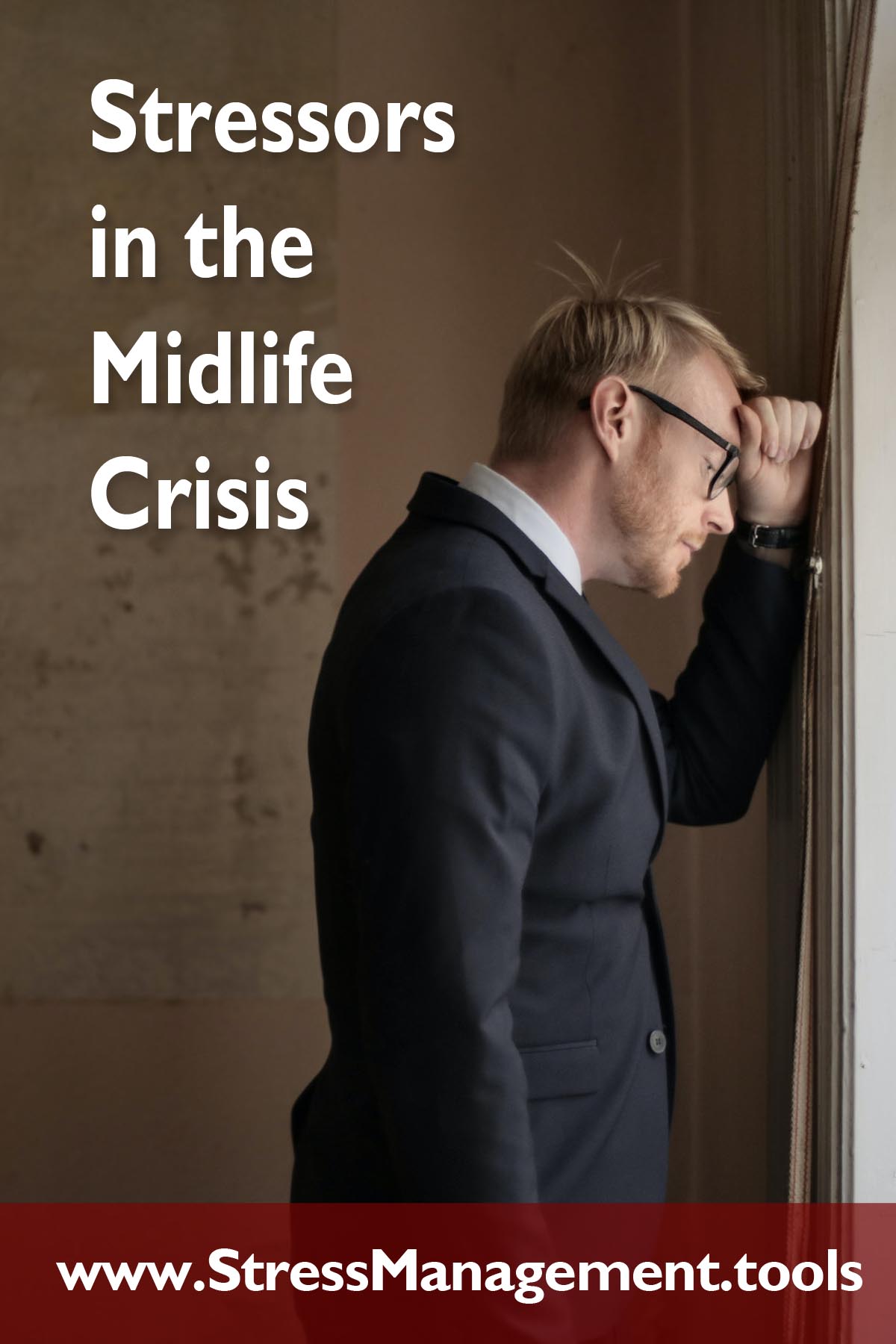
Adults are expected to have it all together. They look back on years of experience that hopefully taught them some important lessons for life. They are dealing with growing responsibilities. This period in one’s life can come with a ton of challenges, both tangible and abstract. These are the years that are typically branded as the midlife crisis years, and for good reason.

Stressors in the Midlife Crisis

At this point, many people realize that the first half of their life is over, and to some extent, they really can’t get back any of their childhood or young adult experiences. Unless they are pretty content with the lives they’ve lived thus far, it is pretty easy for somebody to slitter into that existential crisis of the midlife years.

One of the most dreadful causes of stress that people experience at this age is more philosophical than it is tangible. They start to see things in the bigger picture rather than just small portions of their life.

At this point, many people will start to wonder a lot about what they’ve done for the world. Thoughts such as, “What did I accomplish in my younger years?” and, “What was I put here to do?” are common, because it’s hard to imagine that you’ve already lived roughly half of your life without feeling like you did much. They really just want to have left some kind of reliable legacy, because there’s something scary about the prospect of one day being forgotten.

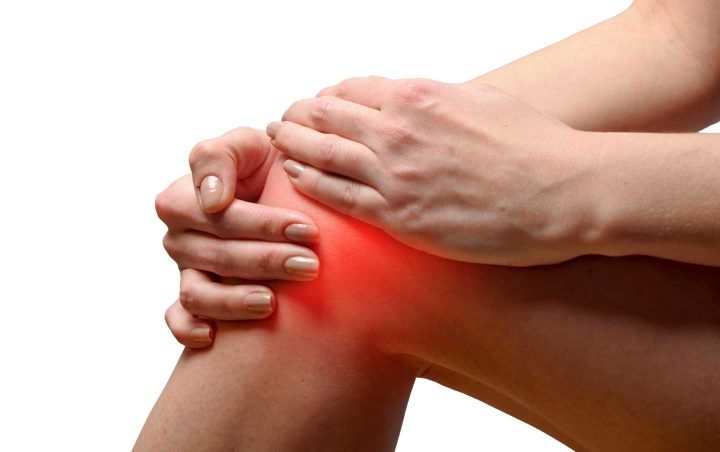
In a much more physical sense, this is when health problems can become really apparent. Joints at this age don’t work quite as well as they used to, leading to things like early stages of arthritis, general joint pain, and more. It might become harder for people this age to do things that they once enjoyed – especially when it comes to things like sports or hiking. By making basic enjoyable tasks painful, these health problems can take away much of their happiness and add on a lot of stress.

A painful knee

One major problem around this age that can cause stress is the sheer amount of responsibilities they have when it comes to family. Around this age, your parents are starting to get much older, and bluntly put, might pass away soon. They’ll have a ton of health problems of their own, so you’ll likely have to make sure they’re taken care of or become a caretaker yourself.

At the same time, your own kids will be a bit older, so you’ll also have to give them a certain amount of care and concern as you ready them to go out in the world as young adults soon.

Trying to balance that alone is bad enough, but you also still have to work and earn money, start thinking about retirement, and you might be experiencing issues with your relationship by this point.

All kinds of problems can arise around this time, making it one of the most stressful times of one’s life. The classic sign of stress around this time is the midlife crisis. A midlife crisis occurs when someone has been going through the same motions for decades now, and is so sick and tired of the monotony, that they do something very out of character in order for them to feel refreshed and reinvigorated.

A midlife crisis can manifest itself in a number of things, varying from person to person. With men, it could be something like buying a new sports car or a motorcycle – something exciting and interesting that they can enjoy.

A sports car

In some more extreme cases, a midlife crisis might culminate in leaving your significant other, especially if you’re not fully happy with the relationship. It doesn’t have to be something specific, either.

Many people experience this crisis just by realizing they’re now older than they want to be. They start taking note of little things like how much the world has changed, how much they’ve changed, and how everything they used to do is now old-fashioned.

This can be really hard on some people, and they’ll show it. One prevalent sign of stress around this age is changes to the body. Many men experience a receding hairline as a result of both age and stress, and by worrying about it, they only make it worse.

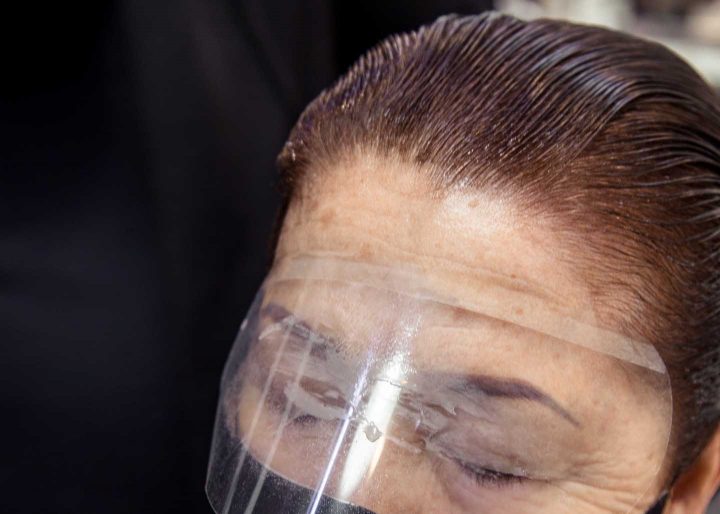
Men can also experience a severe drop in testosterone around this time. No matter who you are, you’ll also start to get some gray hairs coming in, which can be stressful if you’re worried about your looks. Both men and women alike will dye their hair in an attempt to keep looking youthful.

A woman dying her hair

There are many, many solutions for stress around this time. The first solution you might try is coming to terms with and accepting your age. Growing older isn’t a bad thing, but it feels bad at the time. In reality, you’re experiencing more and more each day than many other people got to, so you should enjoy the time you have rather than sit there stressing and having regrets.

It’s also important that you deal with your stress in a proper way. Going out to drop tons of money on an expensive car is not healthy, nor is leaving your family or taking up unhealthy habits. Instead, find joy in things that are either productive or make you feel whole. Sure, life is stressful, but if you can escape it for an hour to engage in some kind of hobby, you’ll feel so much better by the end of the day.

One practice that has helped many people become more positive in their lives is to embrace positive thoughts as much as you do negative thoughts, if not more. Each time you think about something negatively, think of a positive aspect to it as well.

For example, if you’re unhappy with your job, it’s fine to think about that, but just also think about the fact that you’re lucky to be employed and to have a stable source of income. Taking time to appreciate all of the little things can really make such a difference in your life. Gratitude can change your outlook to life quite drastically. Be sure you find the best in your years you are living right now, and let the stressful thoughts pass you by.

Do you need a guide to help you understand how to cope with Stress in an all inclusive approach? Learn how to combat stress, mentally, physically, emotionally and strategically in your life.

Get Me the Guide

Filed Under: Adults, Mental Health, Phases of Life, Stress Management

Helping Makes You Happy

June 12, 2022 by Esther Neumann - [rt_reading_time label="Reading Time:" postfix="minutes" postfix_singular="minute"]

Helping makes happy

The wave of refugees is once again rolling through Europe. A lot of people stay there, others are going on somewhere overseas. A lot of volunteers are needed to take care of them. But being able to help is not a one-way street. It makes us happy and is important for our own satisfaction.

Helping Makes You Happy

Helping other people is actually in our blood. Who could walk past a small child who has fallen on the gravel road and is now bawling his eyes out? It sees red, its own blood. That makes the tears flow even more. We set it up, clean it, blow the pain away, comfort and rock it.

An old lady stands wringing her hands at the ticket machine. She doesn’t have a clue how it works. She has to get a ticket. No one is around to explain this machine to her. You pass by and can’t do otherwise than to help her.

In the last few months, tens of thousands of people have got together, organized and joined aid organizations. They have set up platforms to teach the refugees the local language, to organize living quarters for them, to offer them leisure activities and to provide them with the necessities of life. People lend a hand where it is necessary. They do this in their free time. Some even travel abroad, to places where people are fleeing, where the need and desperation are greatest. Doctors take care of the sick. Others cook many meals every day and carry them to the train stations. Aid teams set up tents to protect people and relief supplies from the rain. Many are willing to work to the point of exhaustion. They drive their private cars to transport relief supplies to where they are needed.

Impact

Anyone who helps realizes it’s a win. Satisfaction and joy that you were able to help, come to yourself. You feel a sense of belonging and discover a sense of community. If you look more closely at people, the images of fear in our heads disappear. You no longer believe that you could be exploited or even robbed. Embarking on the adventure of helping allows one to participate in the other culture. Most refugees are proud when given the opportunity to cook one of their national dishes. And we can even broaden our horizons by being interested in their lives, their needs and fears.

An Ukrainian girl with a typical national bakery.

In Spite of Ourselves

It makes us happy when we can live out our Christian values. Many are guided by the text: “Therefore, whatever you want men to do to you, do also to them.” (Matthew 7:12) Some have fears about helping, but they cannot bear to do nothing and are happy afterwards that they did it in spite of themselves. Still others see it as a privilege to live in a safe country and want to give back out of gratitude.

It’s the Need

It’s true, of course: Where many thousands have passed, rubbish and dirt are left behind and not a green blade of grass grows anymore. But can you blame them? For what reason are they fleeing? Did the fear of a new bombing bring them? Or the terrifying fear of witnessing once again how a friend who was walking next to you is torn apart by a shell splinter? Or the fear of being tortured or raped by Russian soldiers? The reasons for fleeing are manifold. Nobody leaves their homeland voluntarily.

Ukrainische Flüchtlinge gehen über die Grenze

A mother of two is driving her car, bringing raincoats and rubber boots to the Austrian border where the refugees are waiting in the cold rain for the buses to take them on. Our helper hands out the raincoats to a father of three who is waiting for the buses with his wife and an uncle. All family members are cold and discouraged. They have an invitation in their pocket to visit one of their father’s brothers in Sweden. But how to get there? And now night is falling again. Our helper has distributed everything and is on her way home. But she has no rest, she always has to think of the waiting, freezing family. She turns around and finds the family in the crowd. She calls her husband and asks him to come to the border with a second car and three child seats. Without further ado, they take the foreign family home with them.

Everyone gets a towel and a warm bath. The own children and the strangers soon play contentedly with each other despite the language barrier. After a satisfying dinner, everyone sits together, chatting heart and soul, laughing a lot and making plans for further help. After two days the time has come. A happy family is put on the train – with Sweden as their destination. The brother there knows that his relatives have been helped and that they will come soon. Another happy family stays behind in Austria. They are satisfied that they were able to help at least a few people. This spurs on and encourages us to continue helping. A drop in the bucket? True, but many drops form a rain that fills the bucket. Anyone can become a drop and get involved. There are no limits to the imagination. And the joy will come back and make you happy!


If you cannot go personally to help, you still have an opportunity to get involved. I think it is time to show our help to those in need, and I am donating to OCI, an institution that has several member projects in the Ukraine and neighboring countries, who know the needs first hand are doing their best to help out in alleviating the pain of those who have the greatest need right now. Find out more what they do and make your donation to make a difference right now:

Donate Now
Healthy Fruits

Stay Always Up to Date

Sign up to our newsletter and stay always informed with news and tips around your health.
Sign Up Now!

Filed Under: Mental Health

This Happens in Your Brain When You Drink Too Little Water

June 5, 2022 by Dr. Cesar Vasconcellos de Souza - [rt_reading_time label="Reading Time:" postfix="minutes" postfix_singular="minute"]

Isso Acontece em Seu Cérebro Quando Você Bebe Pouca Água

Do you think you only need to drink water when you’re thirsty? Did you know that thirst is already an alarm? Drinking water only when you’re thirsty is like putting fuel in your car only when that little alarm light comes on, saying you’re running out of gas. Is water important for the brain?

This Happens in Your Brain When You Drink Too Little Water

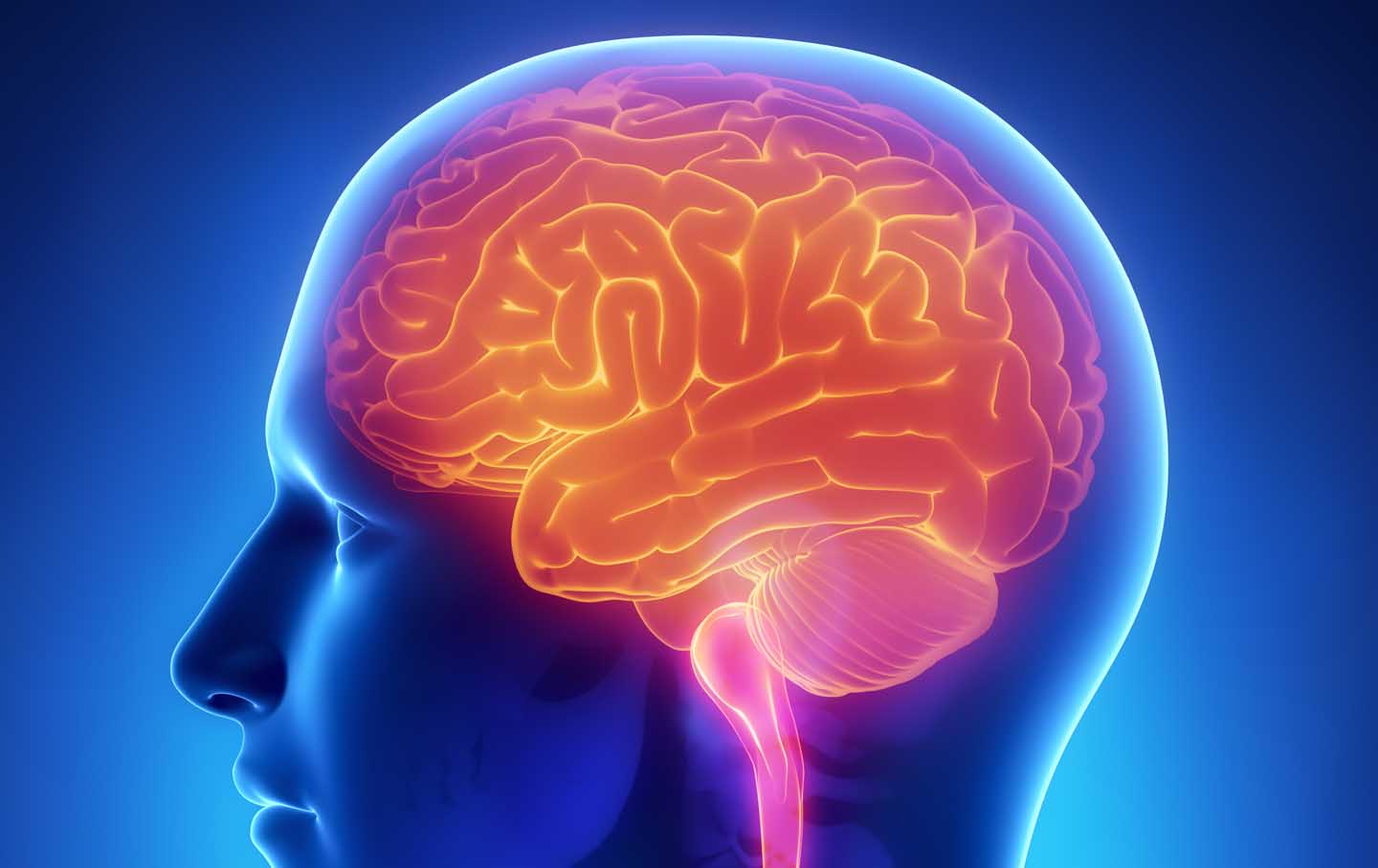
Our brain depends on good hydration to function well. Brain cells and neurons require a delicate balance between water and different chemicals to function. When you lose a lot of water, sweating a lot for example, and you do not replace it, this balance is disrupted. Your brain cells lose their efficiency. Scientific studies have shown that when we’re dehydrated, it’s more difficult to keep our attention focused. Dehydration of the brain can produce both short-term and long-term memory impairment. Poor hydration can impair the ability to do mathematical calculations, such as calculating whether you will arrive at work on time, if you put off your alarm clock for another ten minutes.

Normally, the longest period of each day we go without ingesting liquids is the hours of sleep, which last about 6 to 9 hours each day, depending on the person. Despite the fact that sleeping usually doesn’t make us sweat, except in the summer if we have no air condition, it doesn’t mean that we don’t lose water while sleeping. With each breath we expel moisture, and the tendency during this hours of sleep is to dehydrate. That’s why it’s important to drink pure water throughout the day, and especially when you get up in the morning, at least one glass of water on an empty stomach. If you want your body and brain to function well, make a conscious effort to drink water from the moment you wake up, starting with getting out of bed in the morning. Think what a blessing to know that, and to have plenty of water available.

On our planet, millions of people have a shortage of drinking water. About 38,000 children under the age of five die each week because they don’t have clean water to drink; did you know that? Women in some African countries walk hours a week, carrying 5 gallons of water in containers, drawing even from places with unsafe water. What a blessing you have, for having pure water in your house, isn’t it? The brain is 75 percent water. So imagine how important is water for the brain to work well.

An African girl carrying water

It is important to drink at least eight glasses of water a day to be healthy; and in the summer even more. There is a difference in the amount to be ingested, according to the activity performed throughout the day, the person’s weight and the season of the year. Having a glass of water every hour of the day (between meals) is a good habit, some people even recommend it. We usually don’t realize that we are dehydrated. We only remember to drink water when we feel dizzy, or when the skin becomes dry.

You may not notice it, but your brain does! It becomes slow to respond to stimuli if it is not properly hydrated. Water is a great remedy, both outside and inside the body. Water helps the blood flow to the brain and calms it, as well as helping to eliminate toxic substances. Brain cells require twice as much energy as other cells in the body, and water contributes more to brain energy than other substances. Drinking water helps children and adults to prevent attention deficit disorder. The lack of correct hydration affects the brain, producing tiredness in the afternoon, difficulty in focusing thoughts, exhaustion, some types of headache, sleep disturbances and loss of mental clarity.

It is important to ingest pure water throughout the day for proper brain function, as it has no way of storing it. Studies have shown that if you are only 1% dehydrated, you will have a 5% decrease in cognitive function, in reasoning. Prolonged dehydration can cause a decrease in the size and mass of brain cells. This is more common in older people who tend to be chronically dehydrated for years. By hydrating your body well, your brain will benefit from the removal of toxins, improving the exchange of nutrients and leading to better concentration and alertness.

A woman drinking water

Brain inflammation is often associated with various types of injuries. When the brain is not properly hydrated, inflammation gets worse. A study of young women showed that the loss of 1.36% of body fluids after exercise impaired mood and concentration, increasing the frequency of headaches. A similar study of young men showed that losing 1.59% of body fluids resulted in memory impairment increased anxiety and fatigue. It is important to know that 1 to 3% of fluid is equivalent to the loss of 1 to 4,5 lbs (½ kg to 2 kg) of body weight for a person weighing 150 lbs (68 kg). So, after doing physical activities, drink a good amount of pure water.

It’s worth remembering: drinking water throughout the day helps your brain and improves concentration, helping you think more clearly. It also helps balance mood, maintains good memory, increases blood flow and oxygen to the brain, and helps prevent some types of headaches.

Researchers at the University of East London believe that when you quench your thirst, your brain can better focus on the task at hand. They did an experiment with 34 men and women. They were given a first test for them to take after breakfast, which included cereal and protein bar. For a second test, they ate cereal, a protein bar and drank a bottle of water. Those who said they were thirsty improved the test time after drinking the water. Drinking water made their brains work 14% faster than before drinking it.

If you want your brain to do well, drink plain water throughout the day, but not together with your meals. This is important for a number of health benefits, and essential for optimized brain performance. Remember, 75% of our brain is water. We can see how important drinking water is to stay mentally well. Drink water! Peace and Light!

Healthy Fruits

Stay Always Up to Date

Sign up to our newsletter and stay always informed with news and tips around your health.
Sign Up Now!

Filed Under: Healthy Lifestyle, Mental Health, Water

Dealing with Stress as a Young Adult

May 22, 2022 by Martin Neumann - [rt_reading_time label="Reading Time:" postfix="minutes" postfix_singular="minute"]

Dealing with Stress as a Young Adult

After you’ve settled into a career, you face a whole new type of stress in your late twenties and thirties. You’re well past the point now where you have to worry about stresses from school such as bullying or grades, but now you’re in a whole new situation: your job, your family, and to a greater extent, you’re now really on your own.

Dealing with Stress as a Young Adult

This stage in your life is full of figuring things out and having to put up with a lot of stuff that can be stressful. Most stresses around this age come from your job and finances. This can vary greatly depending on what job or career you’re in by this point, but let’s take the average office job for instance.

Chances are the work is a bit tedious and repetitive, meaning that after a few years, you’ll want a change so badly that you’ll start to worry that you’ve gone into the wrong field for your career.

These regretful kinds of stresses are the worst ones by far, because you feel as though you’re trapped and powerless to undo the path you’re on. You might feel stuck where you are.

For many people around this age, they start feeling as if they’re actually getting old for once. They’re no longer in school, no more being just silly in college, but just living a full adult life.

This can come as a sudden and bizarre revelation, but the concept of feeling old can stress some people out. Some might feel as though the best of their days have blown by, and now they have to be serious for the rest of their life.

A young adult being stressed working on a computer

Another factor that comes with getting a little older is that some people will start to feel as though their bodies aren’t as active as they used to be. As most people go into adulthood, they miss the unending activity and abundant energy they had in school.

But this process doesn’t happen all at once. It can start as early as your late twenties with simple things such as soreness and perhaps some back pain from moving around a certain way. This can take a serious toll on someone’s confidence and can be a major cause of stress.

One of the most serious stress factors around this age can come from having a family. By this time, most people are making decisions about a partner. Perhaps they’re married, and they might even have one or more kids. Parenting alone can cause immense amounts of stress for someone who’s just learning how to go about it, and this goes for all ages of kids.

A young couple struggling to control their kids

People around this age might be a lot more open about what they’re stressed out about than other age groups are, and in fact might be the most clear about it. They’ll often complain about their problems to close friends and family, whether they’re unhappy with their job or worried about feeling older and the responsibilities that go along with it.

Usually you can find out what’s wrong with them by listening to what they choose to complain about. Something many people might start to do around this age is make rash decisions for the sole purpose of breaking up the monotony.

Essentially, by doing something very different from what they’re used to, they feel “alive” again, and are just happy to be doing something different for once. This can vary between getting a new car, going on a vacation, or taking up some kind of strange obsession or hobby.Just something that they can enjoy and ignore work or the stresses of life for a little bit.

One unfortunate sign of stress from people in this age group is that they cease to do things that they used to do for fun. Getting rid of certain hobbies just because they either don’t have the time or money for it anymore is a sign that they’re not having a good time going through this stage in life. For example, if someone used to enjoy doing things with friends every weekend, but now never comes out, chances are they’re going through a lot and want to seclude themselves as a result.

This can lead to additional feelings of loneliness on the part of the person secluding themselves, which can in turn cause even worse stress. One of the best solutions for a lot of stressful problems at this age is to simply have some downtime.

It doesn’t have to be a lot, and it doesn’t have to be expensive, but just having an hour or so to do what you like each day to help decompress can turn someone’s life around really quickly.

If you can take some time to just do nothing for a bit, or something that really gives you joy, then you’ll be a whole lot happier as the day goes on. This can also come in the form of short breaks throughout work, just to revitalize.

Many people get stressed out at this stage over mindset issues, and having a change of attitude can mean the world to them. Switching their outlook from a negative one to a positive one can make things like work, parenting, and aging a whole lot more likable than just sitting there moping and looking on the bad side of everything. Everyone knows there are many drawbacks to those things, but there are also positive aspects that you have to embrace.

When it comes to helping with stress related to body issues, getting into a consistent workout schedule can help immensely. People start to experience things like aches and pains because they aren’t using their bodies as much as they should be – especially if they’re sitting in office chairs all day. By getting into a good workout routine, you’ll be in better shape and you’ll be a lot more mobile.

Stress will happen in every phase of your life, just the nature of the stressors will change over time. Make it a habit early in life to develop healthy coping skills for your stress, and you will be better off for the rest of your life.

Do you need a guide to help you understand how to cope with Stress in an all inclusive approach? Learn how to combat stress, mentally, physically, emotionally and strategically in your life.

Get Me the Guide

Filed Under: Adults, Mental Health, Phases of Life, Stress Management

Dealing with Bipolar Disorder: Causes, Symptoms and Treatments

May 8, 2022 by Dr. Cesar Vasconcellos de Souza - [rt_reading_time label="Reading Time:" postfix="minutes" postfix_singular="minute"]

Transtorno Bipolar

Do you suffer from bipolar disorder? Do you have anyone in your family who is bipolar? We need to know how to deal with it. Let’s review a few concepts about bipolar affective disorder.

Dealing with Bipolar Disorder: Causes, Symptoms and Treatments

About 1% of the general population suffers from bipolar disorder. It occurs more frequently among first-degree relatives, when one of them has had or is experiencing this suffering. Bipolar disorder generally begins between the ages of 18 and 20, affecting men and women equally. Bipolar disease is as the name says: bi-polar, that is, it has two poles. At one moment the person has euphoria, and at another moment, depression. Euphoria is at one pole and depression is at the opposite pole. A bipolar individual can be euphoric for a few months, agitated if left untreated, and then go into a depressive situation, with or without the normal interval between one phase and another.

There is bipolar type 1 and type 2. The main difference between one type and the other has to do with the severity of the episodes or crises. Bipolar type 1 has a severe euphoric phase, while type 2 has a milder euphoria. When a person is in the euphoria pole of bipolar disorder type 1, they often experience complications at work, school, and relationships. In some cases internment may be necessary. Bipolar type 1 people have periods of deep and long-lasting depression, which alternate with periods of very high, irritable mood, which we call mania or euphoria. The main symptoms of bipolar in the euphoric phase are: irritability, mood exaltation, euphoria, decreased need for sleep, talking too much or running over, great distraction, flight of ideas, that is, the person keeps talking about many exaggerated plans and changing ideas constantly. There is also a demand for compulsive pleasure activities, such as spending more money than you have. The bipolar in the euphoric phase also has a grandiosity, that is, he has an exalted posture, as if he were a king or a god who can do everything.

An euphoric woman in a shopping spree

In order to be diagnosed as bipolar in the manic or euphoric phase, this high mood must not be the result of substance use, or any medical illness.

In the depressive phase, the person with bipolar disorder presents five or more of the symptoms, one of which has to do with depressed mood or loss of pleasure, or interest in that person they liked, in which they were involved. So the symptoms are in the depressive phase: sleeping too much, or having insomnia, loss of energy, weight loss or gain due to appetite change, feeling of worthlessness, excessive guilt, decreased ability to concentrate, marked indecision and preoccupation with death, with suicide. In severe depressive episodes, the patient may contemplate suicide, or has already attempted suicide.

The euphoric or bipolar phase oversteps the boundaries of social life and disrupts relationships, and the agitation can turn into physical aggression. That’s why it’s important to consult a psychiatrist to prescribe medication that controls this. Often family members and medical staff are the targets of this aggression. The treatment of bipolar disorder should be done with a psychiatrist or psychologist, with the family being oriented on what to do to help. In euphoric crises, it’s no use talking, nor taking to the psychologist or psychotherapist. Medication is the priority treatment to try to get the person out of the symptoms of agitation, which prevents a productive dialogue. However in the depressive phase, in addition to medication, psychotherapy helps to improve.

A woman wearing two shirts of different color, symbolizing the bipolar disorder

There is no single theory about the causes of bipolar disorder. Some claim that the conscious area and the unconscious area can conflict, causing behavior changes. Failure to resolve these conflicts would actually be the cause of various mental illnesses. In the case of depression, there are theories that say that the person develops depressive symptoms as a manifestation of anger against himself.

One of these theories explains that parents with unhealthy behavior, who are inconsistent, that is, sometimes happy, sometimes angry and nervous with their children, without a good expression of affection towards them, who are driven by their selfish needs, create an unpredictable and hostile environment throughout childhood. As a result, the child feels alone, confused and helpless, and ultimately angry. But the child knows that his parents are his only means of survival. So out of fear, love and guilt, the child represses the anger towards the parents, who act badly towards him, thus turning the anger against himself and the thought of being despised arises in his mind, and he then starts to believe that he is an unlovable and bad person.

And at the same time, the child strives to present perfect behavior, acceptable to parents, as a way of compensating for the weaknesses that he perceives, and which becomes unacceptable to demanding and neurotic parents. So the child feels caught between the child he finds unacceptable and the one who needs to act perfectly to get his parents’ love. As a result of this conflict, the child becomes “neurotic,” or prone to experiencing exaggerated feelings of anxiety and depression. A constant feeling develops in the child’s mind that he is not good enough, no matter how hard he tries to get it right. This neurotic need to please, accompanied by a failure to do so, can spread throughout the child’s life, so that he or she may begin to feel an unhealthy need to be loved by everyone, peers, family, co-workers, and others.

A man with a rose pointed at his head like a gun, symbolizing the conflict of acceptance.

So, the goal of psychological treatment, which is psychotherapy in the psychodynamic approach, can help the child, now an adult, and suffering from depression or symptom, to obtain information about the mistaken foundations of his belief in his own badness and inadequacy, so that the need to punish himself and to be perfect diminishes. It is interesting that, for example, the husband who had a childhood in which his parents were too critical of him, who belittled him, did not show praise and affection, this boy grows up, becomes an adult, and marries a woman who repeats the role of his parents, belittling him, not valuing anything about him. A wife with a selfish, attention-sucking posture favors the emergence of depression in her husband.

In adult life, the person who had an emotionally painful childhood, having suffered due to the bad behavior of the parents, will have difficulties in their relationships with other people, besides their own spouse. For example, he may have a colleague or boss at work who repeats the derogatory role of parents, causing sadness in the sensitive individual. So imagine for a moment how painful it is for the individual who had a childhood lived with parents who did not know how to value him, and who in adult life interacts with a group that devalues him, criticizes more than praises, and on top of that still lives in a work environment with a similar situation, of being devalued. Difficult, isn’t it? So we can say that in depression, whether it’s bipolar disorder or not, there is an ongoing struggle that depressed people face in trying to maintain emotional contact with the important people in their life.

Some depressed people suffer because they feel dependent on relationships with others, and they grieve over the threatened or actual loss of that relationship. As a healthy affective bond between their parents and them was not formed in childhood, feelings of helplessness and weakness arose. These people experience intense fears of abandonment, and they struggle hard to maintain direct physical contact with the gratifying object of need.

So if you have a bipolar family member who is in the euphoric phase, you need medication to control this difficult attitude. If you are in the depressive phase, psychotherapy is very important along with medication, depending on the degree of depression.

Healthy Fruits

Stay Always Up to Date

Sign up to our newsletter and stay always informed with news and tips around your health.

Sign Up Now!

Filed Under: Depression, Mental Health Tagged With: Bipolar disorder

« Previous Page
Next Page »

Primary Sidebar

Social Channels

Coronavirus Immunity Challenge

Boost your immune system to be bullet-proof for the pandemic.

I Want to Participate

Recent Posts

  • 5 Habits to Live Longer
  • Better Sleep Can Protect Against Dementia
  • Finding Peace In Your Crazy-Busy World
  • Flaxseed – An Ancient Plant Rediscovered
  • Platelets – Triggers for Life or Death
  • Boderline Personality Disorder
  • In Praise of Almonds and Nuts
  • Are You Stuck in the Clutter Trap?

Categories

  • Body Systems (16)
    • Cell Function (2)
    • Circulatory System (1)
    • Digestive Tract (10)
    • Immune System (4)
  • Diseases (27)
    • Cancer (2)
    • Cold (1)
    • COVID-19 (11)
    • Dementia (1)
    • Diabetes (1)
    • Digestive Diseases (2)
    • Heart Disease (2)
    • Kidneys (1)
    • Metabolic Syndrome (2)
    • Skin (1)
  • Healthy Lifestyle (42)
    • Exercise (11)
    • Gardening (2)
    • Sleep (7)
    • Sunlight (2)
    • Temperance (14)
    • Water (4)
  • Mental Health (87)
    • Addictions (6)
    • Anxiety (7)
    • Burnout (1)
    • Depression (7)
    • Psychosomatic Diseases (6)
    • Stress Management (45)
    • Trust (6)
  • Nutrition (56)
  • Obesity (9)
  • Phases of Life (14)
    • Adults (3)
    • Babies and Infants (1)
    • Children (3)
    • Seniors (5)
    • Teenagers (3)
  • Therapies (7)
    • Herbs (5)
    • Hydrotherapy (1)
  • Uncategorized (3)

Archives

  • January 2025 (1)
  • March 2024 (5)
  • February 2024 (4)
  • January 2024 (4)
  • December 2023 (5)
  • November 2023 (4)
  • October 2023 (5)
  • September 2023 (4)
  • August 2023 (3)
  • July 2023 (2)
  • June 2023 (4)
  • May 2023 (4)
  • April 2023 (5)
  • March 2023 (4)
  • February 2023 (4)
  • January 2023 (4)
  • December 2022 (4)
  • November 2022 (4)
  • October 2022 (5)
  • September 2022 (4)
  • August 2022 (4)
  • July 2022 (5)
  • June 2022 (4)
  • May 2022 (5)
  • April 2022 (4)
  • March 2022 (4)
  • February 2022 (4)
  • January 2022 (5)
  • December 2021 (3)
  • November 2021 (4)
  • October 2021 (6)
  • September 2021 (4)
  • August 2021 (4)
  • July 2021 (5)
  • June 2021 (4)
  • May 2021 (3)
  • April 2021 (5)
  • March 2021 (4)
  • February 2021 (4)
  • January 2021 (5)
  • December 2020 (3)
  • November 2020 (4)
  • October 2020 (5)
  • September 2020 (5)
  • August 2020 (3)
  • July 2020 (1)
  • June 2020 (1)
  • May 2020 (1)
  • April 2020 (1)
  • March 2020 (1)

Copyright © 2026 · Abundant Health - Privacy Policy - Medical Disclaimer