Abundant Health

Up to date health information tailored for you

  • Home
  • Blog
  • Recipes
  • Shop
  • Contact
You are here: Home / Archives for Mental Health

Mental Health

The Critical Step to Develop a New Habit

September 4, 2022 by Dr. Cesar Vasconcellos de Souza - [rt_reading_time label="Reading Time:" postfix="minutes" postfix_singular="minute"]

Have you ever wondered how a habit is formed? Do you find it hard to change your customs? You are not alone. Let’s look at the right way to change your habits in a lasting way.
The Critical Step to Develop a New Habit

Our mind works with thoughts, feelings and actions: attitudes and choices. We think, feel and do something. By repeating the same actions day after day, month after month, year after year, we create a habit. With the repetition of habits, be it food, clothing or the way you think and relate to yourself and others, character is built. So, repeated actions form our character. The sequence is:

  • thoughts lead to feelings
  • feelings lead to actions
  • actions produce habits
  • habits generate character

Remember when you took your first driving lessons? For a while, even after you had your driver’s license in hand, your mind needed to think about what pedal you use to accelerate and which one is the break, when to signal that you take a turn and that you need to put into park position when you stop. But over time, with habit, all of that was starting to happen in autopilot without you needing to think about that. A habit, a conditioning, emerged.

To create a new habit, effort, perseverance and self-control are necessary. Look at this text:

The power of self-restraint strengthens by exercise. That which at first seems difficult, by constant repetition grows easy, until right thoughts and actions become habitual.

E.G.White, Mind, Character and Personality Vol, 1, p. 285.

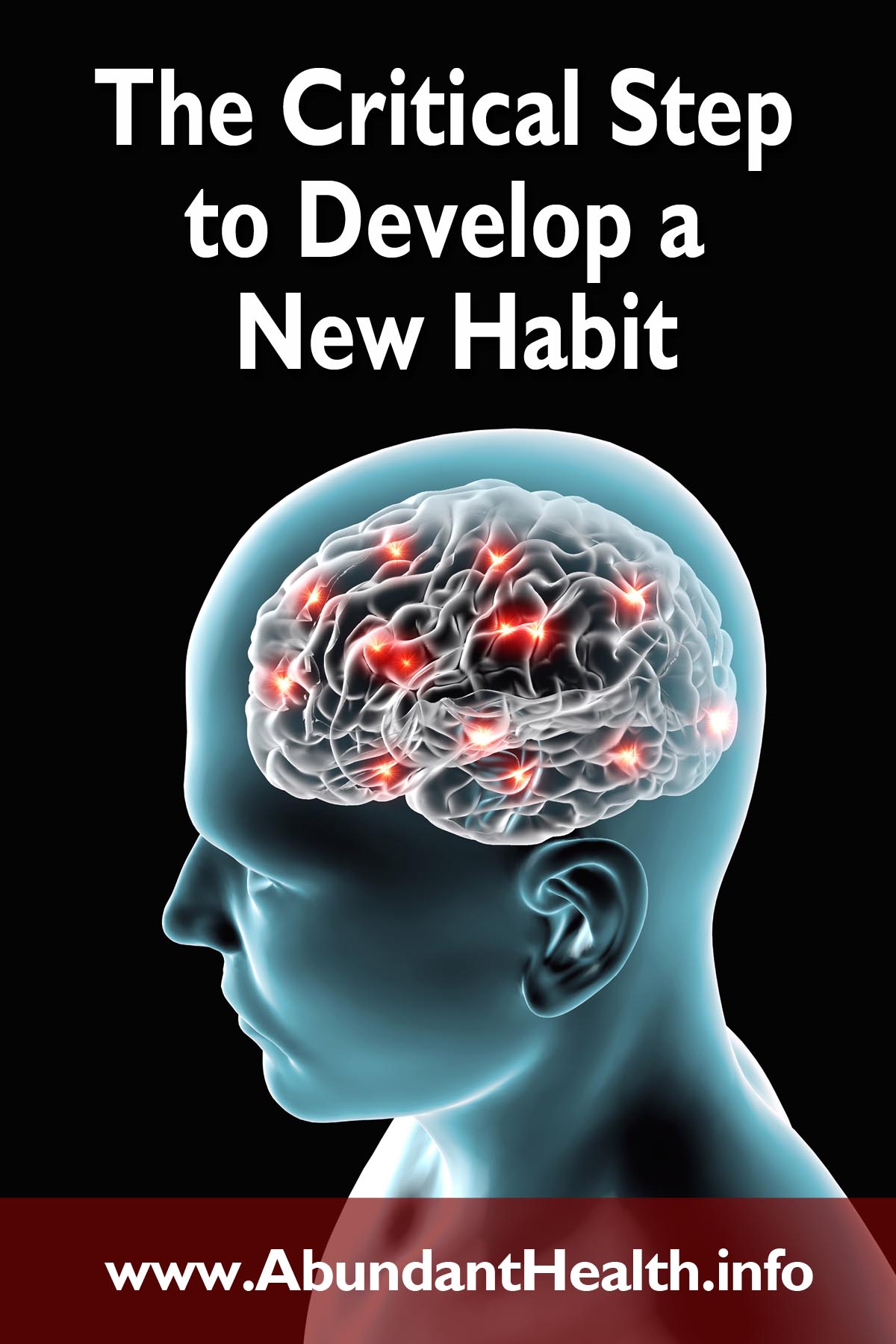
Brain cells, neurons, form an electrochemical circuit in the brain, a network with billions of neurons that communicate with each other. When you habitually think the same way about some subject, that thought becomes an ingrained belief in your psyche. Your habitual way of thinking then becomes a strong influence in your life, affecting your relationships, your work, and your social life. We become what we think about most. Brain circuits are working in such a way that it repeats functions that have been conditioned over time; and this is called habit.
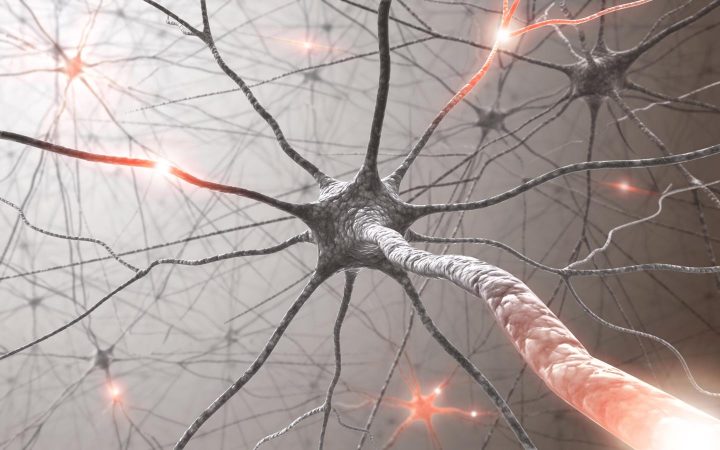
Neurons forming a neural pathway in the brain.

People who are used to looking at the negative side of things, who tend to focus their minds on tragic matters, who always think pessimistically, favor the brain to function in unhealthy conditioning. Positive psychology studies show that cultivating thoughts of gratitude and hope helps with physical health as well. But when a person harbors negative thoughts and ideas, their immune system is affected in a way that can make infections easier to develop.

For example, researchers at the University of Arizona, studying stress, found that people who lost hope due to loss in life had not only more frequent infections, but also infections that took longer to resolve. This is because sadness seems to weaken immunity, making defenses such as T lymphocytes and B lymphocytes less effective in fighting viruses and bacteria, that is: the mental attitude affects the body, which can generate psychosomatic diseases and clinical situations, such as a weakened immune system.

So individuals who cultivate bad habits of thinking may experience more physical ailments throughout life. And the opposite is also true: good physical habits, a positive, optimistic, hopeful mental attitude and trust in God, make it easier for our bodies to respond to illness in a better and more protective way. The good news is that there is a mechanism in our brain called neurogenesis, which has to do with brain flexibility, neuroplasticity; a type of biological resilience. In other words, a possibility of change.

In other words: brain cells that have become accustomed to functioning in a certain neural pathway, which produces addiction, can return to normal functioning in the adult state, making it possible to create a new habit. Some studies suggest that a new habit can be built in three weeks, or 21 days. Other studies have shown that it takes 40 days to create a different habit. The important thing is that this is possible.

Freed from a handcuffing habit

But it is true that in many cases change is not coming easy. Some negative habits may need something more than physical and psychological resources to disappear, or come under control. There are habits that are so ingrained in the person, that have been in the individual’s life for so many years and that produce unhealthy pleasure, with a strong feeling of satisfaction, that willpower alone is not enough to break them. Hence the need to believe in a higher power, which I call God the Creator, to give us the strength to overcome that bad habit.

Do you want to change a bad habit in your life? Take the first step. Place a target. Something like: Just for today I’m not going to practice this bad habit. In other words, the fight is today! What tomorrow will be like, leave it for tomorrow. You may have to struggle with splitting the day, in the sense of deciding to avoid the bad habit at least in the morning. Make the decision by saying to yourself: this morning I will not practice…. . Mention the addiction you don’t want to practice that day. If you feel the force of a bad habit taking hold of you, turn to spiritual resources, as members of Alcoholics Anonymous do:

  1. Admitting your powerlessness in the face of you bad habit.
  2. Believing that a power greater than yourself, the God of the Universe can help you.
  3. Deciding to turn the will of your life over to the care of this Creator God.

So start believing. Believe that it is possible to change a bad habit, because it will be worth reaping the results of your right choices.

Healthy Fruits

Stay Always Up to Date

Sign up to our newsletter and stay always informed with news and tips around your health.

Sign Up Now!

Filed Under: Addictions, Healthy Lifestyle, Mental Health, Temperance Tagged With: breaking addictions, creating habits

Ten Natural Remedies to Overcome Anxiety

August 28, 2022 by Elizabeth Hall - [rt_reading_time label="Reading Time:" postfix="minutes" postfix_singular="minute"]

Natural Remedies for Anxiety

Do you suffer from anxiety? Are there certain things that cause you to be anxious? For many fear and anxiety are a problem. They are the most common mental illnesses in the United States, affecting 40 million adults age 18 and older. Did you ever think that there were some simple remedies that can help you a lot to deal with anxiety more effectively?

Ten Natural Remedies to Overcome Anxiety

Get a Good Medical Evaluation

Physical problems like overactive thyroid activity, other hormonal imbalances, chronic obstructive pulmonary disease, heart failure, heart valve prolapse, vitamin B12 deficiency, withdrawal of certain drugs, and other problems could be the source of anxiety and should be ruled out by a competent physician and appropriate testing.

View Only the Positive, the True, and the Noble on Television or Internet

Much of what is shown on TV stimulates the adrenal glands to release stress hormones that aggravate and perpetuate anxiety. We deliberately choose to lower our threshold to anxiety by watching violent programs or movies causing us to live the action vicariously.

Limit Exposure to Media

Overall and night-time specific social media use along with emotional investment were related to poorer sleep quality, lower self-esteem, as well as higher anxiety and depression levels in teenagers.((British Psychological Society. “Pressure to be available 24/7 on social media causes teen anxiety, depression: The need to be constantly available, respond 24/7 on social media accounts can cause depression, anxiety.” ScienceDaily. 11 September 2015.www.sciencedaily.com/releases/2015/09/150911094917.htm)) Using multiple forms of media at the same time — such as playing a computer game while watching TV — is linked to symptoms of anxiety and depression.((Michigan State University. “Multiple media use tied to depression, anxiety.” ScienceDaily. ScienceDaily, 4 December 2012.www.sciencedaily.com/releases/2012/12/121204145557.htm))

Eliminate Caffeine

Caffeine magnifies the effects of adrenal stress hormones and messes up an important brain chemical, GABA (gamma-amino-butyric-acid). This chemical helps us to focus and remain calm during stress. Caffeine can be a contributing factor in post-traumatic stress syndrome. It lowers the threshold to anger and decreases the level of contentment. Caffeine is bad news indeed for anxiety control.((Spiller, G., Caffeine. CRC Press, New York, 1998, pp. 264-272.))

A cup of coffee

Physical Exercise Helps

Twenty minutes of continuous walking (done daily for 10 weeks) improves anxiety.((Nieman, D., The Exercise-Health Connection. Appalachian State University, 1998, pp. 249-262.)) Physical exercise is linked to good health. Physical fitness can buffer against the harmful effects of mental stress. In the elderly, exercise improves the quality of sleep and the perception of personal control and self-efficacy. It helps control an inherited tendency to anxiety and also increases contentment. Regular, moderate exercise also helps to reduce pro-inflammatory chemicals in the body which are commonly elevated in anxiety. Additionally, some studies suggest that exercise may play an important role in helping people to endure life’s daily anxieties and stressors better. Regular exercise helps to buffer the effects of emotional exposure. If you exercise, you’ll not only reduce your anxiety, but you’ll be better able to maintain that reduced anxiety when confronted with emotional events.((University of Maryland. “Exercise may protect against future emotional stress, study shows.” ScienceDaily. ScienceDaily, 13 September 2012.www.sciencedaily.com/releases/2012/09/120913123629.htm))

In contrast, low-energy activities that involve sitting down are associated with an increased risk of anxiety, according to new research. These activities, which include watching TV, working at a computer, or playing electronic games, are called sedentary behavior.((Megan Teychenne, Sarah A Costigan, Kate Parker. The association between sedentary behaviour and risk of anxiety: a systematic review. BMC Public Health, 2015; 15 (1) DOI: 1186/s12889-015-1843-x.))

Enjoy an Anti-Inflammatory Diet

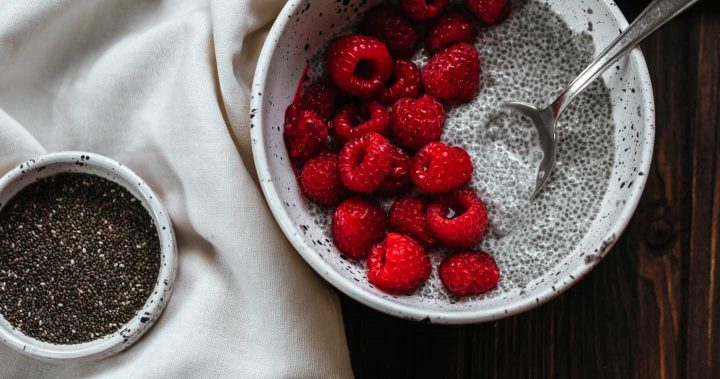
Since anxiety fuels inflammation (and inflammation fuels chronic conditions), adopt an anti-inflammatory plant-based diet which includes leafy green vegetables, whole grains, legumes, nuts, and omega-3 fats. Avoid the liberal use of refined oils and sugar as this fuels inflammation. Plant foods are rich in fiber. Fiber helps to populate the stomach and gut with friendly bacteria. Mounting evidence links unfriendly bacteria to mental disorders, including anxiety.((Office of Naval Research. “Gut feeling: Research examines link between stomach bacteria, PTSD.” ScienceDaily. ScienceDaily, 25 April 2016.www.sciencedaily.com/releases/2016/04/160425161324.htm)) Omega-3 fats reduce anxiety and inflammation in healthy students.((Ohio State University. “Omega-3 reduces anxiety and inflammation in healthy students, study suggests.” ScienceDaily. ScienceDaily, 1 August 2011.www.sciencedaily.com/releases/2011/07/110713121313.htm)) Chia seeds, flaxseed, organic soybeans, and walnuts are good vegetarian sources of omega-3 fat.

Hydrated chia seeds

Boost Antioxidant Intake

Culinary herbs like turmeric, ginger, rosemary, thyme, and oregano can help to boost your antioxidant levels. Consider a modest plant-based vitamin supplement. Why? Individuals with generalized anxiety disorder can have low levels of antioxidants in the blood.((Medhavi Gautam. Role of antioxidants in generalised anxiety disorder and depression. Indian J Psychiatry. 2012 Jul-Sep; 54(3): 244–247.)) Low levels of antioxidants might help to contribute to anxiety in some cases.((Krolow R, Oxidative Imbalance and Anxiety Disorders. Curr Neuropharmacol. 2014 Mar; 12(2): 193–204.)) It would be a good idea to have your vitamin B-12 and vitamin D levels checked too.

Don’t Microwave Plastic and Limit Drinking from Plastic Containers

Researchers at North Carolina State University show that exposure to the chemical bisphenol early in life results in high levels of anxiety by causing significant gene expression changes in a specific region of the brain called the amygdala. The researchers also found that a soy-rich diet can mitigate this effect.((North Carolina State University. “Exposure to bisphenol A (BPA) early in life results in high levels of anxiety; Soy mitigates effects, study shows.” ScienceDaily. ScienceDaily, 7 September 2012.www.sciencedaily.com/releases/2012/09/120907131638.htm))

Avoid Alcohol

After chronic alcohol exposure, mice are unable to control a learned fear response, shedding light on the link between alcoholism and anxiety problems like post-traumatic stress disorder. In other words, persistent drinking rewires the brain and lowers the threshold for anxiety.((University of North Carolina School of Medicine. “Heavy drinking rewires brain, increasing susceptibility to anxiety problems.” ScienceDaily. ScienceDaily, 2 September 2012.www.sciencedaily.com/releases/2012/09/120902143143.htm))

Enjoy a Neutral Tub Bath

This hydrotherapy treatment relaxes the body while sedating the nervous system. Be sure the room is warm. The water temperature should be maintained between 94-97°F (34-36°C). The bath should last between 15 minutes to an hour. Place an air pillow under the head for comfort if needed, and cover any exposed area with a light towel.

Healthy Fruits

Stay Always Up to Date

Sign up to our newsletter and stay always informed with news and tips around your health.
Sign Up Now!

This article was originally posted on the Wildwood Institute website and is used by permission.

Filed Under: Anxiety, Mental Health Tagged With: Anxiety treatment, Overcoming Anxiety

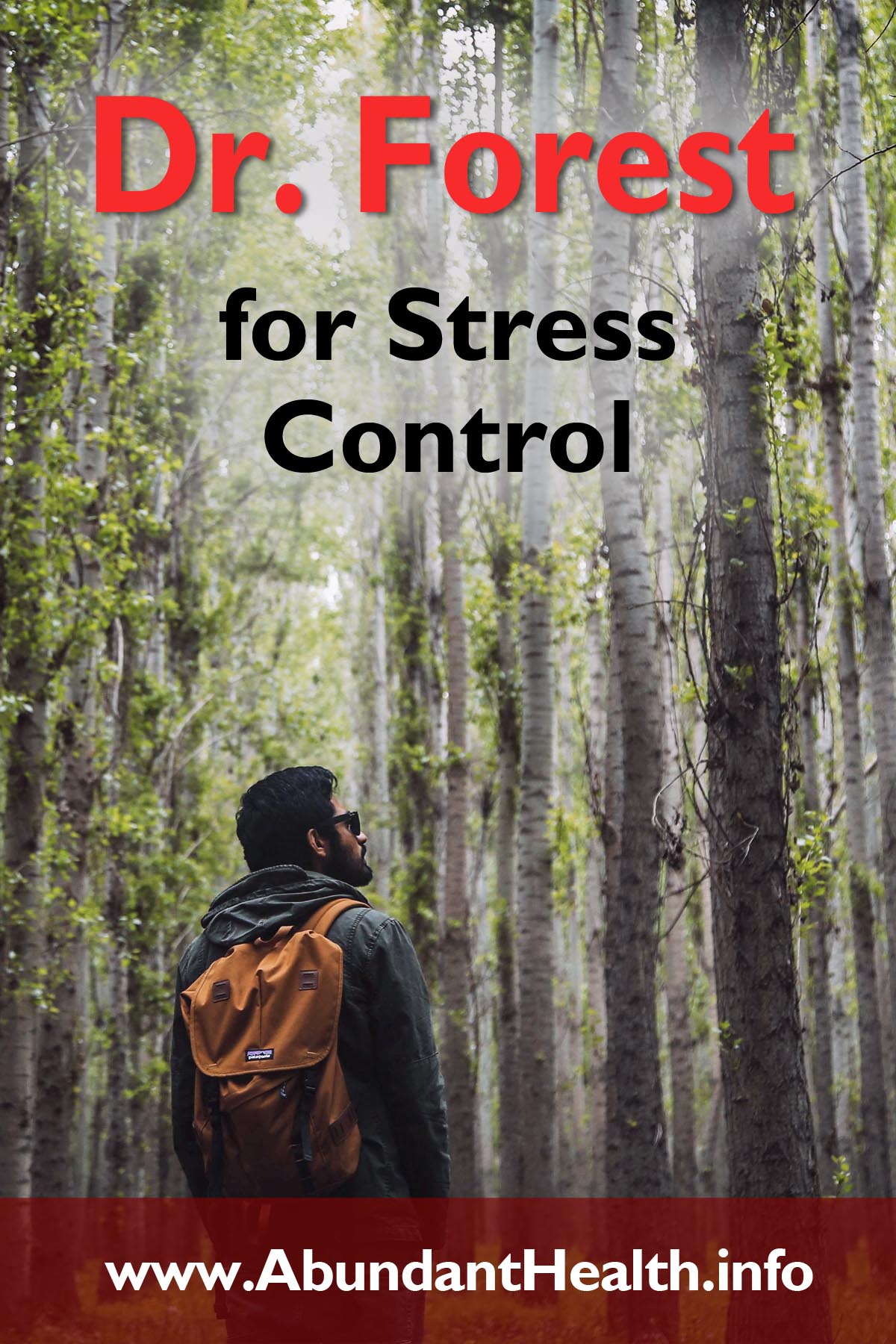
Dr. Forest for Stress Control

August 21, 2022 by Esther Neumann - [rt_reading_time label="Reading Time:" postfix="minutes" postfix_singular="minute"]

Dr. Forest

Are you suffering from stress? Maybe it is time to clear your head and calm down. While the forest is essential for our entire ecosystem, it also does wonders to relax our mind and calm us down. Let us discuss some of the benefits of walking in the forest for a healthier mind, body and soul!

Dr. Forest for Stress Control

For all of Your Senses

More than a third of the US territory is covered by forest. In Canada it is around 40% and can reach 80% in some regions. A walk through the forest is a special experience. All senses are stimulated. If you listen closely, it rustles, swishes, chirps, cracks and twitters everywhere. If you draw the air deep into your lungs, the smells are also extremely diverse. They vary greatly depending on the type of forest. Forests with fir trees smell very different than those with broadleaf trees. And if a mushroom is nearby, experienced noses can also smell it.

Then comes the touch! Who recognizes the trees by feeling the bark with closed eyes? A young birch feels very different from an old oak. Opening the eyes again, we see a lot of green, which makes the mood rise and the pulse drop. On average, hospital patients who are allowed to look out into the countryside from their bed need much less care and painkillers than their fellow sufferers who only see bare walls in front of them.

And when you have hiked uphill through a forest and your eyes can wander unhindered above the tree line from mountaintop to mountaintop, the third dimension, the depth of space, is experienced in a breathtaking manner. Isn’t that a wonderful way to relax after staring for so long at the TV and computer screens?

A hiker in the mountains looks at the forest below the tree line

The modern world of work and leisure primarily demands our senses of hearing and sight. A walk through the forest stimulates all other senses as well. When walking on leaves and moss you can almost smell the carpet you are walking on. You can feel the wind on your face and sense the fresh coolness of a spring. This stimulus to the senses is not felt to be unpleasant like the sensory stimuli of civilization with their loud and hectic excesses.

Hiking also stimulates our sense of movement. An entire network of nerve sensors controls and monitors our movement and orientation behavior. And what is used will be strengthened. Gradually, the joy of movement increases and demands more. This is particularly important for our children. In order to compensate the many sedentary activities, you absolutely need to find a balance when hiking in nature. A lot of children have lost interest in nature. Walks in the woods in particular are great for arousing children’s curiosity about the wonders of nature. However, this requires some preparation on the part of the adult companions. Who knows more than five wild herbs, birds, flowers or trees?

Space for Encounter

Basic social needs are also met when hiking. Most people go hiking with a companion. Wonderful conversations then arise quite casually. There is an openness that breaks down barriers in casual conversation, in an environment that is beneficial to health. Friendships are formed or strengthened along the way. Positive encounters with others activate our messenger substances so much that dopamine, oxytocin and endogenous opiates are increasingly released. All of these messenger substances help us to lead a happier and more satisfied life.

Two hikers in a conversation

Furthermore, if someone can say: “The forest is my church”, the divine dimension is added. Experiences in nature bring us closer to our Creator. After all, HE gave us the task of preserving and using nature. If we strike up a happy song while hiking, we can even infect other hikers with our happy nature. I especially appreciate on the hiking experience the leaving, but also the arriving. When I leave, I free myself from everyday worries and obligations. I can empty my head, discover new perspectives in life, cast off role constraints, find experiences. Investing in experiences brings happiness, not investing in stuff.

Refueled!

And then arriving: the warm shower that washes away the sweat, stretching out comfortably on the sofa, the thought that you have now earned all this makes everyday life seem more attractive again. I have arrived back home or in the security of a shelter.

The forest offers something special in every season. In summer it is a blessing to hike in the forest. It protects us from the scorching summer sun. We experience an intense interplay of light and shadow. In autumn, it enchants our senses with a firework of colors. In winter we can read tracks in the snow and observe wildlife.

Trees that have shed their leaves have a special charm. They reveal their growth to us. We can almost read what experiences the tree has behind it. And in spring he promises us a new beginning, a new start, new growth and life.

If we look at the forest and hiking from the listed perspectives, we can give the forest a very special title: Doctor Forest. It virtually helps us to regain our health. Let us use it in this sense in the coming days and weeks! Happy hiking!

Healthy Fruits

Stay Always Up to Date

Sign up to our newsletter and stay always informed with news and tips around your health.

Sign Up Now!

Filed Under: Exercise, Healthy Lifestyle, Mental Health, Stress Management Tagged With: Forest, hiking, nature, Stress Control

Why Some People Overeat When They’re Upset

August 14, 2022 by Laura Wilkinson - [rt_reading_time label="Reading Time:" postfix="minutes" postfix_singular="minute"]

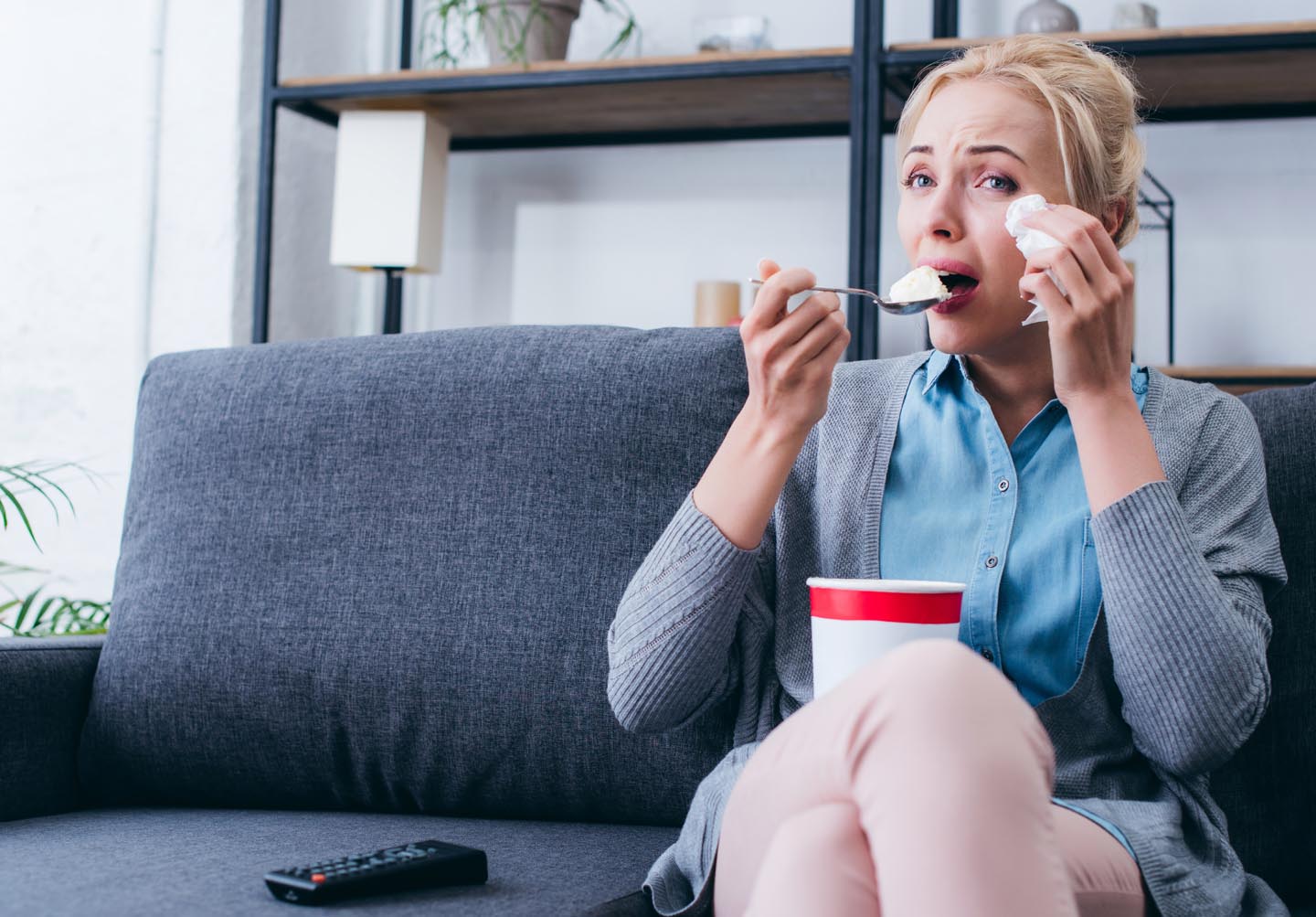
Overeating when upset

The idea of eating a tub of ice cream to cope with being upset has become a bit cliche. Though some might not need a tub of chocolate swirl to help perk themselves up again, there do seem to be systematic differences in the way that people cope with upsetting events, with some more likely to find solace in food than others.((Van Strien T. Causes of Emotional Eating and Matched Treatment of Obesity. Current Diabetes Reports (2018) 18: 35 https://doi.org/10.1007/s11892-018-1000-x))

Why Some People Overeat When They’re Upset

This matters because when eating to cope with negative feelings is part of a broader tendency to overeat, it is likely to be associated with obesity and being overweight.((Bryant E. J. et.al. Disinhibition: its effects on appetite and weight regulation. https://doi.org/10.1111/j.1467-789X.2007.00426.x)) More people than ever are now overweight and obese, with recent estimates suggesting that by 2025, 2.7 billion adults worldwide will be affected by obesity, risking health issues such as cardiovascular disease, type 2 diabetes and cancer.

So why do some people manage their emotions with food while others don’t? One psychological concept that helps to explain this difference is adult attachment orientation.((Lopez, F. G., & Brennan, K. A. (2000). Dynamic processes underlying adult attachment organization: Toward an attachment theoretical perspective on the healthy and effective self. Journal of Counseling Psychology, 47(3), 283–300. https://doi.org/10.1037/0022-0167.47.3.283)) Depending on the extent to which we fear abandonment by those we love, adults fall somewhere on the dimension of “attachment anxiety”. Where we fall on this dimension (high or low) determines a set of expectations about how we and others behave in personal relationships. These are developed as a response to the care we received as an infant and this can characterize your attachment style.

A recent meta-analysis – a study bringing together the results of many other studies – showed that the higher a person’s attachment anxiety, the more they engage in unhealthy eating behaviours, with a knock-on effect on body mass index (BMI).((Faber A. et.al. Attachment and eating: A meta-analytic review of the relevance of attachment for unhealthy and healthy eating behaviors in the general population,
Appetite, Volume 123, 2018, Pages 410-438, https://doi.org/10.1016/j.appet.2017.10.043.
Wilkinson, L., Rowe, A., Bishop, R. et al. Attachment anxiety, disinhibited eating, and body mass index in adulthood. Int J Obes 34, 1442–1445 (2010). https://doi.org/10.1038/ijo.2010.72)) Two other studies have also shown that patients undergoing weight loss surgery are likely to have higher attachment anxiety scores than a comparable lean population, and it is thought that this difference is partly explained by the tendency to overeat.((Nancarrow, A., Hollywood, A., Ogden, J. et al. The Role of Attachment in Body Weight and Weight Loss in Bariatric Patients. OBES SURG 28, 410–414 (2018). https://doi.org/10.1007/s11695-017-2796-1
Wilkinson, L., Rowe, A., Sheldon, C. et al. Disinhibited eating mediates differences in attachment insecurity between bariatric surgery candidates/recipients and lean controls. Int J Obes 41, 1831–1834 (2017). https://doi.org/10.1038/ijo.2017.157))

A woman overeating on junk food

Understanding attachment anxiety

For a long time, we have known that people who are have high attachment anxiety are more likely to both notice upsetting things and find it harder to manage their emotions when upset.((Mikulincer, M. (1998). Adult attachment style and affect regulation: Strategic variations in self-appraisals. Journal of Personality and Social Psychology, 75(2), 420–435. https://doi.org/10.1037/0022-3514.75.2.420)) This is because of how attachment orientations come about in the first place. The dynamics and feelings relating to our most important long-term relationships, including in early life, act as a templates that guide our behavior in subsequent relationships and in stressful situations.

If we receive consistent care from a caregiver, which includes helping us to cope with problems in life, we develop a secure attachment orientation. For people high in security, when a negative life event occurs, they are able to seek support from others or soothe themselves by thinking about the sorts of things that their caregiver or other significant person would say to them in that situation.

A mother with her baby

However, inconsistent care – where the caregiver sometimes responds to another’s needs but at other times does not – leads to attachment anxiety and a fear that our needs won’t be met. When negative life events occur, support from others is sought but perceived as unreliable. People with high attachment anxiety are also less able to self-soothe than people with a secure attachment.

We recently tested whether this poor emotional management could explain why people with attachment anxiety are more likely to overeat. Importantly, we found that for people high in attachment anxiety it was harder to disengage from whatever was upsetting them and to get on with what they were supposed to be doing. These negative emotions were managed with food and this related to a higher BMI.((Laura L. Wilkinson, Angela C. Rowe, Eric Robinson, Charlotte A. Hardman, Explaining the relationship between attachment anxiety, eating behaviour and BMI, Appetite, Volume 127, 2018, Pages 214-222, https://doi.org/10.1016/j.appet.2018.04.029))

It is important to note, however, that this is only one factor among many that can influence overeating and BMI. We cannot say that attachment anxiety causes overeating and weight gain. It might be that overeating and weight gain influences our attachment orientation, or it could be a bit of both.

Managing eating behavior

There are two approaches that appear promising for attachment anxious individuals seeking to manage their eating behavior. These involve targeting the specific attachment orientation itself and/or improving emotion regulation skills in general.

A woman with a positive attitude

To target attachment orientation, one possibility is a psychological technique called “security priming” designed to make people behave like “secures”, who cope well with negative life events.((Omri Gillath, Gery Karantzas, Attachment security priming: a systematic review, Current Opinion in Psychology, Volume 25, 2019,Pages 86-95, https://doi.org/10.1016/j.copsyc.2018.03.001)) It results in beneficial effects more generally, such as engaging in more pro-social behaviors. One study showed that priming is related to snack intake. When people are asked to reflect on secure relationships in their life they eat less in a later snacking episode than when asked to reflect on anxious relationships in their life (though this work is very preliminary and needs replicating and extending).((Wilkinson L. et.al. Eating me up inside: Priming attachment security and anxiety, and their effects on snacking. https://doi.org/10.1177/0265407512468371))

Looking at emotion regulation, a recently published paper highlighted the importance of emotional eaters focusing on skills such as coping with stress rather than calorie restriction, when seeking to lose weight. This study did not look solely at those with attachment anxiety, however, so further work is needed explore this further.((Van Strien T. Causes of Emotional Eating and Matched Treatment of Obesity. Current Diabetes Reports (2018) 18: 35 https://doi.org/10.1007/s11892-018-1000-x))

Of course, in an ideal world everybody would have relationship experiences that helped them to develop high attachment security, and perhaps this is a hidden third approach – facilitating better care-giving and interpersonal relationships for all.

Healthy Fruits

Stay Always Up to Date

Sign up to our newsletter and stay always informed with news and tips around your health.
Sign Up Now!

This article is republished from The Conversation under a Creative Commons license. Read the original article.

The Conversation

Filed Under: Mental Health, Obesity Tagged With: attachment anxiety, eating behavior, overeating, weight control

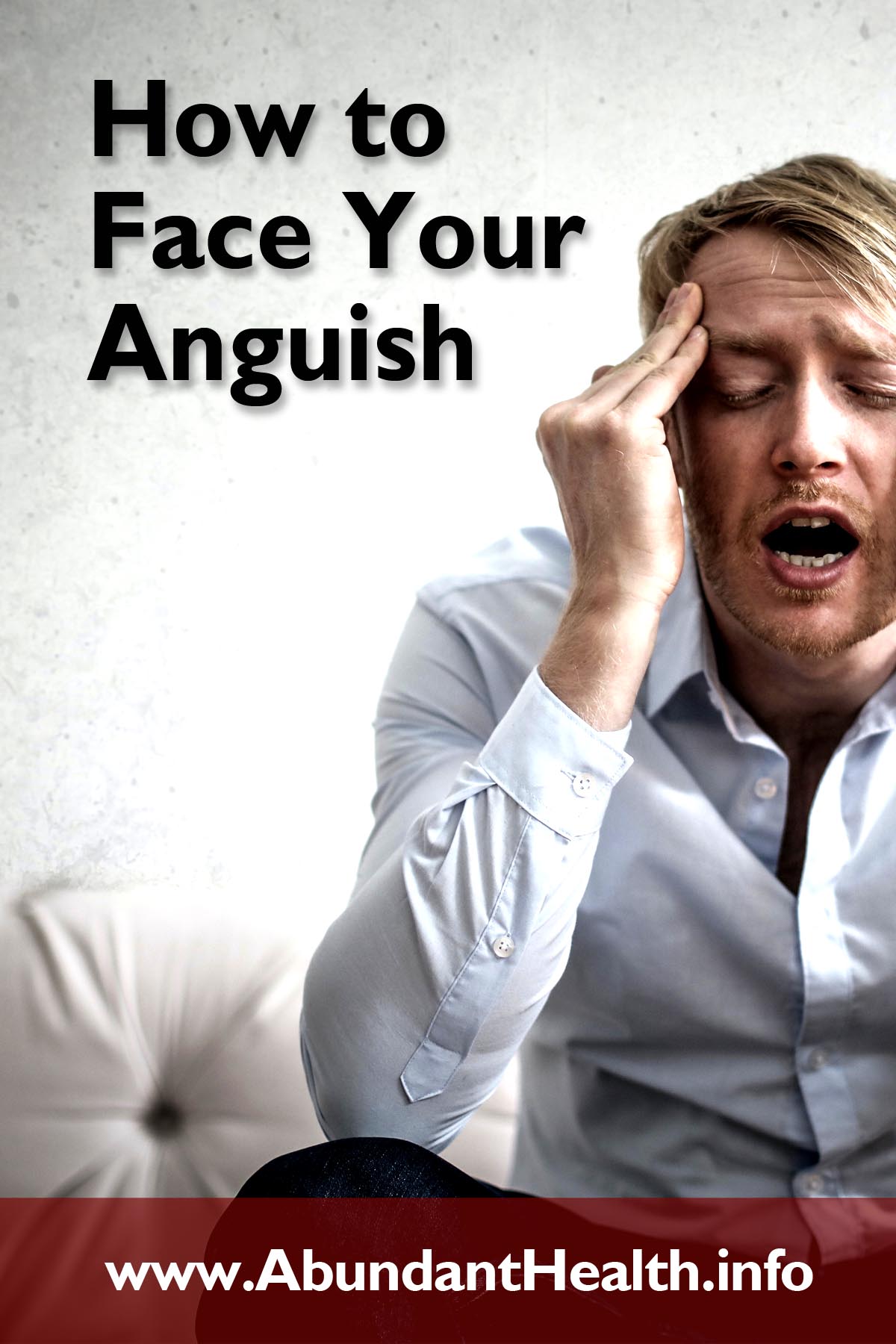
How to Face Your Anguish

August 7, 2022 by Dr. Cesar Vasconcellos de Souza - [rt_reading_time label="Reading Time:" postfix="minutes" postfix_singular="minute"]

Angustia

Anguish is very common in our society. It is a feeling of intense pain, whether physical or emotional. In the midst of difficulty and anguish it can be difficult to perceive what to do. But anguish does not come from nothing, there is a reason for it to appear. How can we handle anguish?

How to Face Your Anguish

David was a shepherd who became a king in Israel in Old Testament times, but he screwed up a lot. I’ve heard preachers say that even when David committed adultery and murder, he was a man after God’s own heart. The truth is that David became a man after God’s own heart after he deeply regretted his sins, especially adultery and murder. Up to a certain point he tried to stifle his anguish over the mistakes he had made. Let’s think now about what we do with anguish. Do we run away from it, or are we able to face it in the strength of God?

The Bible is a wonderful book because it shows the truth of human history, without putting a lid on anyone. David was carried away by emotion, by sensuality, and abusively he wanted to have the wife of one of his army chiefs, Uriah. He ordered to put Uriah – his faithful soldier – at the head of the battle and to leave him there alone, so he was slain in battle.

It was cowardice on the part of David and his officers who carried out this order. David wanted to stay with Uriah’s wife, Bathsheba. He adulterated and murdered one of their military leaders. He didn’t think about it anymore, he fled into denial, into self-deception. Many do this, they escape into a mental attitude of unconsciousness of guilt, in the cruel, unpleasant, rude way of being. Running away from yourself can be the worst escape to do.

Then the Prophet Nathan, sent by God, went to David and told him a parable that portrayed injustice. When David heard the story of the parable, he immediately said that the unjust character must be punished. Nathan then said that he, David, was the unjust man, for what he had done to Bathsheba and Uriah. Suddenly the penny dropped and David came out of denial and admitted his mistakes, facing his anguish head on.

It seems difficult for certain people to admit their mistakes in behavior. Sometimes they are authoritarian, bossy, boastful, arrogant people. It’s hard to get along with people like that who, like David, are in denial almost all the time, always making an excuse for their abusive behavior.

There are people who do not feel anguish, because they have a strong ego and a good ability to manage their emotions. But a person with an impoverished emotional make-up, or someone alienated, may not complain of anguish.

Another type of person who seems to lack conscious distress is one who lacks self-observation. They can be defensive people, who don’t open up, they think they are powerful because they are more affluent, or with some relevant political, business or social position, or because they are people soaked with emotions, and with that they believe they have the power to love. Mature love involves feeling, but a strong feeling alone is not love.

A politician thinking he has power

Why do some deny having behavioral problems? Why don’t they observe themself and admit it? Maybe because they didn’t want to face their anguish. One way to avoid thinking about your anguish is to criticize, wanting to control others and having an attitude of ordering as if others were your stewards. Nor does one feel anguish who suffers from a decrease in morals. Corrupt people are like that. Some corrupt people may have a personality disorder, because they lack remorse, lack the feeling of guilt, lack true repentance. Those who say they don’t have anguish, may not have symptoms, but the way they live, trampling on ethics, exploiting people, dominated by material greed, aren’t these the symptoms of a character deficiency?

Another way to escape the perception of anguish has to do with psychosomatic illnesses, which are the manifestations of anguish through the body. This is where autoimmune diseases and other symptoms in the body come in, for which there is no diagnosis of some organic clinical disease. Is the absence of perceiving anguish the same as the absence of symptoms? Who doesn’t feel anguish consciously doesn’t have symptoms of emotional suffering?

Some symptoms may not be so evident, that they are expressing the presence of anguish or exaggerated anxiety. For example, stuttering, the presence of a tic, nocturnal enuresis that makes the person wet the bed again, obesity, verbal aggression, consumerism, a sex craving, an addiction to work, among others.

Anguish affects the entire human race. A baby is already born with it. Anguish is a general malaise, an unpleasant feeling of emptiness, of missing something that you don’t know what it is. It feels like a hole in the chest, sometimes a feeling of tightness, oppression in the chest, a lump in the throat, with or without sadness. Sometimes, and perhaps most of the time, anguish comes in disguise, or hides itself in physical symptoms, or even in mental symptoms such as panic attacks, bulimia, self-mutilation, obsessive compulsive disorder, drug addiction, among other problems.

Dealing with anguish is not easy. We all want pleasure, well-being, and that’s a normal desire. But is it possible not to have anguish in this existence? Is there any medication that eliminates the anguish inherent to existing? Any drug, licit or illicit, only promises resolution of anguish, but does not fulfill it, unless temporarily, and depending on the drug in a very fleeting way. The pain comes back.

Psychotropic pills

To better deal with your anguish, it is important to observe what types of thoughts you cultivate the most in your mind. Imagine a car with four wheels. The front wheels are the most important because they get you where you want to go. The rear wheels follow the front ones. The ones at the front are thought, cognition, choice, volition. The ones behind are feelings and physiology; that is, how your body reacts depending on what you think, what you feel and what you do.

To deal with anguish and depression it is important to consider the front wheels: thinking, choice. People who let their thoughts focus on tragedies, pessimism, and personal suffering can develop a variety of mental disorders. Studies of depression reveal that distorted and hopeless thoughts contribute and worsen depression.

The rear wheels are still important. Without them, the front ones can’t handle the path you want to go. Feelings are important for the functioning of the brain and other organs. Most people tend to be either at the extreme of being dominated by feelings – the front wheel of thought comes to the back, and the back wheel of feeling comes to the front – or they repress emotions too much, taking off a rear wheel.

A car steering in a curve

There are not many who manage their thoughts and feelings well. It depends on learning, which I call psychoeducation. That’s where you learn to think better by correcting your distorted thoughts, to focus your attention on what works in your life instead of what doesn’t, to cultivate hope, to strive to be optimistic, to have and express gratitude, to overcome authoritarianism and to cultivate meekness, stop complaining about people, about life, about everything; this is psychoeducation.

When you let thought go to the back wheel and allow the back wheel of emotion to come forward, choices, behavior, your family and social relationships can become problematic. Not because feelings are a mistake, but because common sense, serenity, mental balance, are not produced by feeling; this is not their job. It is cognition, thought, one of the front wheels that is enabled to do this. Taking medication for anguish and depression and not learning to think better is like wanting the back wheel to guide the car of your mind.

Do something to learn how to better deal with your emotions, with your anguish or sadness. Psychotherapy, good reading, lectures, counseling, spiritual retreats, support groups, Bible reading, life can help. Once you learn to control your thoughts, emotions and everything else, you’ll move on more easily.

Healthy Fruits

Stay Always Up to Date

Sign up to our newsletter and stay always informed with news and tips around your health.

Sign Up Now!

Filed Under: Anxiety, Mental Health

What is Causing Stress for Seniors?

July 24, 2022 by Martin Neumann - [rt_reading_time label="Reading Time:" postfix="minutes" postfix_singular="minute"]

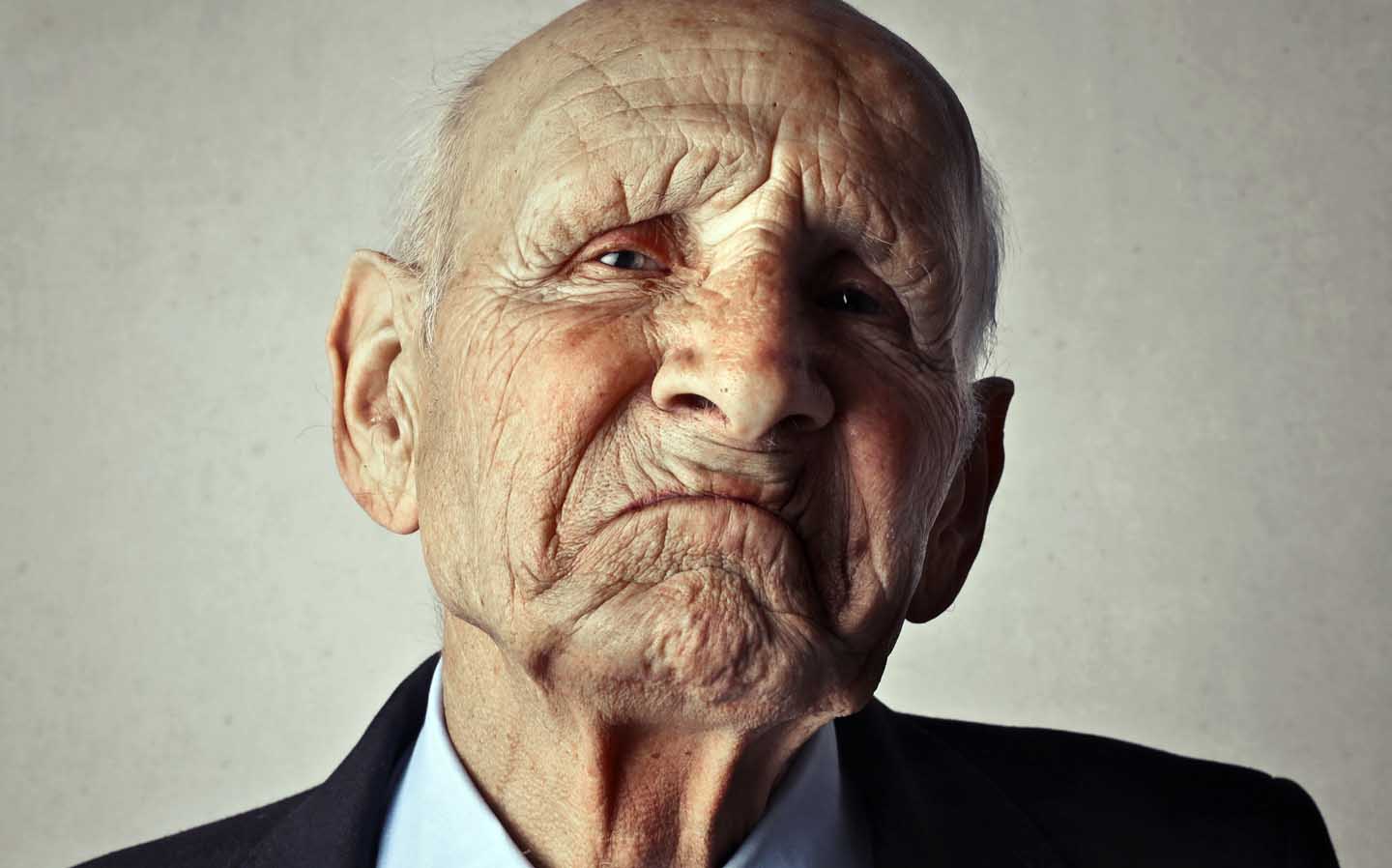
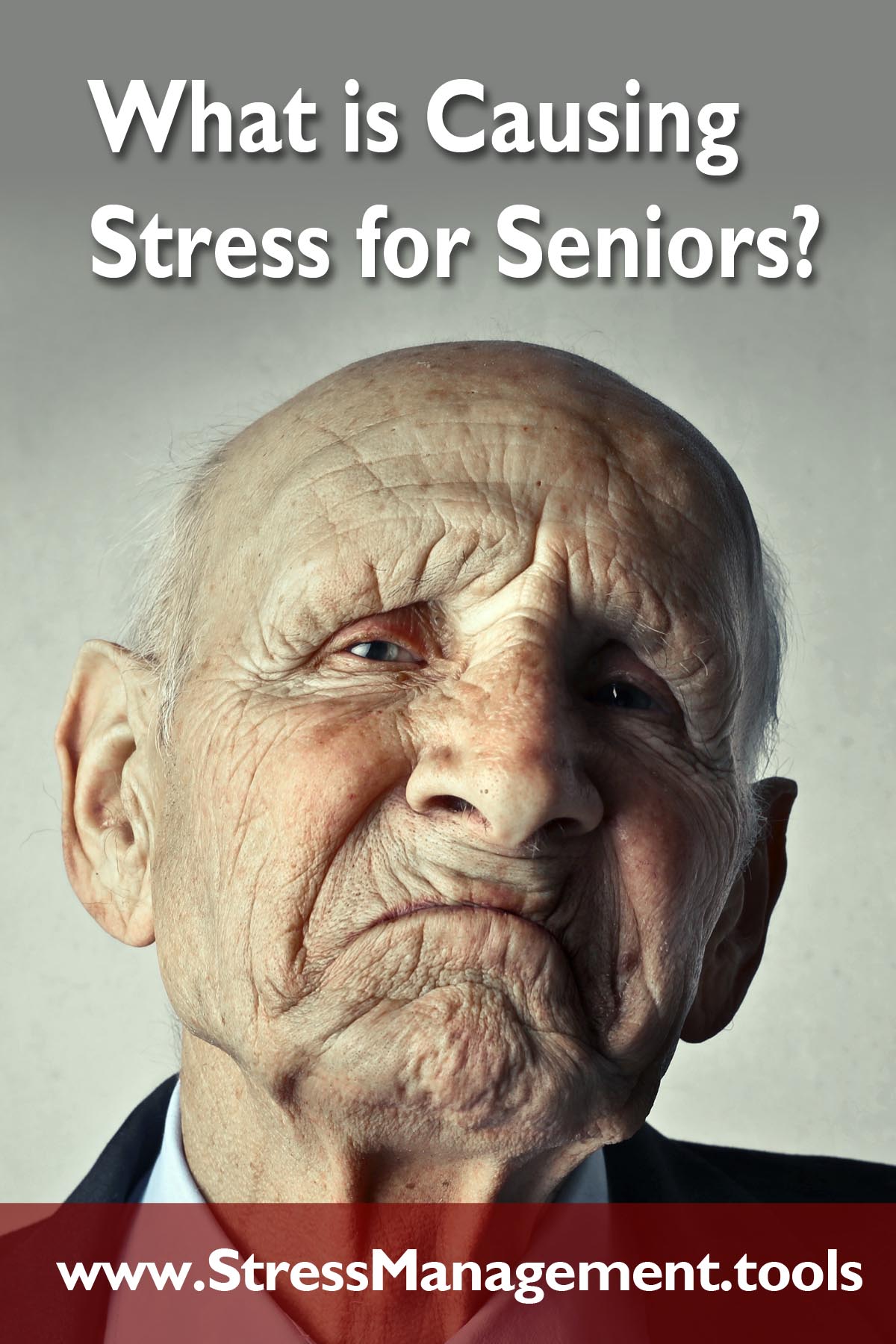
Stress for Seniors

By the time you’ve reached the twilight of your life, you still face a very unique, yet very real set of stresses. The stress that elderly people face is much different from that of any other age group, and as such, many people younger than them don’t know how to help, because they simply can’t relate as they’ve never experienced these things themselves.

What is Causing Stress for Seniors?

Some people are kind of lost when they retire, because work has been their focal point for all their life, and gave them a certain kind of satisfaction. Once they retire, they kind of lose their purpose and do not know what to do all day long. This is such a kind of change that can cause you an existential stress, even though your responsibilities have diminished all of the sudden.

Others want to catch up on all of the things they had no time to do while they were working. So they pack their agenda with all kinds of activities and are eventually busier than somebody who is on his 9 to 5 job.

One of the most prevalent factors of stress at this age is simply death. Most people don’t live past their eighties, with exceptions, of course. Once you start approaching that age, you realize just how little time you have left.

There’s this constant pressure to make your life feel complete by the time you pass away, so there’s this major stress you have to face in trying to do all of these things you always wanted to do.

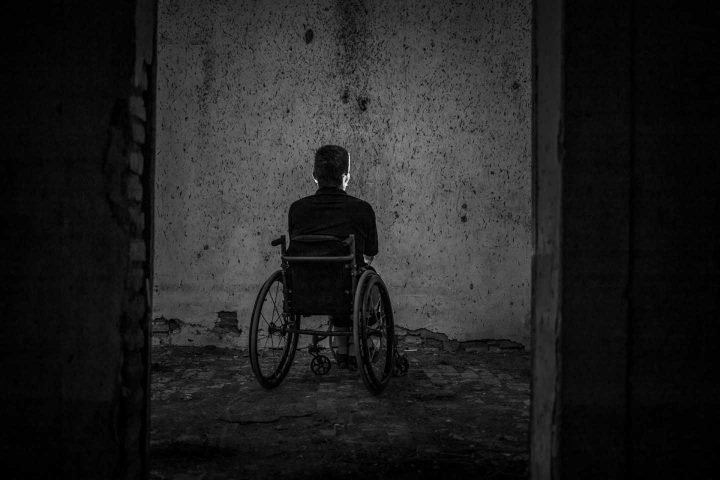
Of course, this isn’t always entirely feasible, because chances are, you wouldn’t be as mobile at this point. Once you really start to climb in age, your mobility just gets worse and worse, and in some cases, you might even be wheelchair bound.

Some elderly people remain mobile their entire lives, while others might end up stuck in a wheelchair or bedridden early on. Along with a variety of other health problems, physical health is something very worrying for people this age.

A senior in his wheelchair

Another cause of stress for people sixty and over is that they often see their circle of family and friends shrinking each year from them passing away. Parents and older siblings may have passed away, or even their spouse.

This can cause an immense feeling of loneliness, with many of the people you once knew no longer being in your life. This also accompanies the first major factor, with people wondering whether or not they’ll be the next one in their circle to pass away.

With that in mind, one of the final causes of stress in older people is that they are often secluded and don’t see much attention. Without the mobility or energy to go out, with so many friends passing away, many older people don’t have a reason to do much – besides sit at home and watch TV or read.

Some are a bit more active, but regardless, it’s very difficult for them to do anything. Some have no form of transportation, even if they did feel like going somewhere. It’s not easy at all to recognize stress in older people, as they typically contain it very well.

They’re often overlooked when it comes to thinking about people who get stressed out, because they don’t necessarily do much. They’re likely retired, and spend most of their time at home watching television.

For many people, that sounds like a great time, but for them, it’s just the only thing they can do for entertainment, since it’s so hard for them to go out and about. One way you can tell that they’re a bit stressed is that they’ll start to eat a lot less.

By ceasing to take good care of themselves, they’ve essentially just given up. This can be dangerous, because if they’re not taken care of, they might end up having some serious health issues, since their bodies aren’t anymore in top physical condition.

Another big sign of stress in older people is that they just kind of stop caring. At some point, when most of the people you once knew were gone, and you will be soon, it’s difficult to find genuine joy in just about anything.

The few things you might have been able to enjoy are often too physically demanding, leaving you with so few options that you’re simply uninterested in anything else. There are some solutions that can make older people’s lives much better.

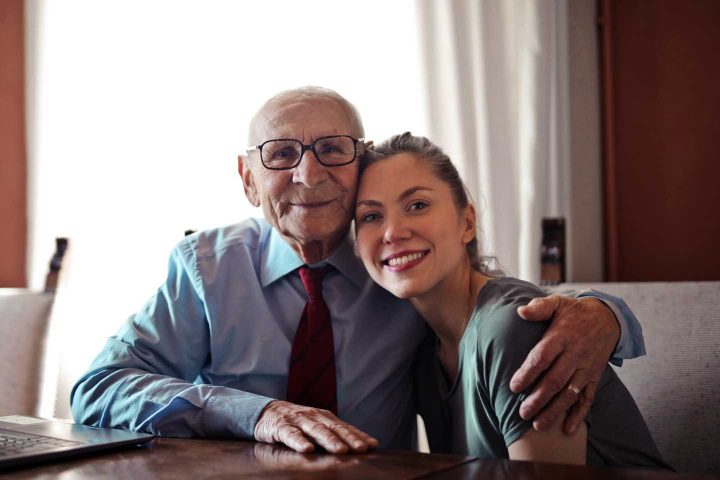
For example, it’s very important that they continue to be social, even if their old friends aren’t with them any longer. There’s no harm in being social with your kids or grandkids, and it gives you a much needed opportunity to get out of your shell once in awhile.

A senior being social with family

It’s not healthy to go from being social your whole life to suddenly being reclusive. You’re just not meant to endure that kind of change. It’s very, very important that you come to terms with the life you’ve lived by this point.

Living the later years of your life full of regret is not good, so just learn to be happy or accepting of the life you’ve had. There’s no sense in worrying about the past since you can’t change it, so you might as well do something more enjoyable than just worrying all day.

It can be good to reminisce about old times, but you shouldn’t spend an excessive amount of time on it. Looking back through an old photo album once in awhile with some family or friends and talking about the past can be a great way to fondly remember exactly what your life was like, but if you dwell on it or obsess over it, you’ll just start to become sad that you’re not there now.

It helps to just change things up a little here and there to break up the monotony. Get food from some place new, perhaps take a tour of a place you’ve never been to. Little things like this can make all the difference, because you’ll be able to essentially scratch something off of your bucket list, leaving you with one less thing to be able to regret.

Elderly woman having fun outside

Stress can be at your side through your entire life. As a toddler, you may have endured a volatile family situation, then gone through bullying in school. You followed that up with bad decisions in college, and financial and career stress as a young adult.

As you aged, you experienced relationship stress, health stress and the looming stress of getting older. Because it’s something that everyone deals with in one form or another, it’s important that you learn to recognize when you, yourself are stressed as well as your loved ones.

Knowing stress is getting out of control can alert you that it’s time to seek out a solution or remedy. Because everyone is different, the treatment that works for one person may not work for another.

You might need professional help, or be able to handle it on your own, naturally. You also may need to experiment with a variety of stress relief solutions and find one or a combination of things that work best to alleviate your concerns and help you enjoy life and remain calm on a consistent basis.

Do you need a guide to help you understand how to cope with Stress in an all inclusive approach? Learn how to combat stress, mentally, physically, emotionally and strategically in your life.

Get Me the Guide

Filed Under: Mental Health, Phases of Life, Seniors, Stress Management

« Previous Page
Next Page »

Primary Sidebar

Social Channels

Coronavirus Immunity Challenge

Boost your immune system to be bullet-proof for the pandemic.

I Want to Participate

Recent Posts

  • 5 Habits to Live Longer
  • Better Sleep Can Protect Against Dementia
  • Finding Peace In Your Crazy-Busy World
  • Flaxseed – An Ancient Plant Rediscovered
  • Platelets – Triggers for Life or Death
  • Boderline Personality Disorder
  • In Praise of Almonds and Nuts
  • Are You Stuck in the Clutter Trap?

Categories

  • Body Systems (16)
    • Cell Function (2)
    • Circulatory System (1)
    • Digestive Tract (10)
    • Immune System (4)
  • Diseases (27)
    • Cancer (2)
    • Cold (1)
    • COVID-19 (11)
    • Dementia (1)
    • Diabetes (1)
    • Digestive Diseases (2)
    • Heart Disease (2)
    • Kidneys (1)
    • Metabolic Syndrome (2)
    • Skin (1)
  • Healthy Lifestyle (42)
    • Exercise (11)
    • Gardening (2)
    • Sleep (7)
    • Sunlight (2)
    • Temperance (14)
    • Water (4)
  • Mental Health (87)
    • Addictions (6)
    • Anxiety (7)
    • Burnout (1)
    • Depression (7)
    • Psychosomatic Diseases (6)
    • Stress Management (45)
    • Trust (6)
  • Nutrition (56)
  • Obesity (9)
  • Phases of Life (14)
    • Adults (3)
    • Babies and Infants (1)
    • Children (3)
    • Seniors (5)
    • Teenagers (3)
  • Therapies (7)
    • Herbs (5)
    • Hydrotherapy (1)
  • Uncategorized (3)

Archives

  • January 2025 (1)
  • March 2024 (5)
  • February 2024 (4)
  • January 2024 (4)
  • December 2023 (5)
  • November 2023 (4)
  • October 2023 (5)
  • September 2023 (4)
  • August 2023 (3)
  • July 2023 (2)
  • June 2023 (4)
  • May 2023 (4)
  • April 2023 (5)
  • March 2023 (4)
  • February 2023 (4)
  • January 2023 (4)
  • December 2022 (4)
  • November 2022 (4)
  • October 2022 (5)
  • September 2022 (4)
  • August 2022 (4)
  • July 2022 (5)
  • June 2022 (4)
  • May 2022 (5)
  • April 2022 (4)
  • March 2022 (4)
  • February 2022 (4)
  • January 2022 (5)
  • December 2021 (3)
  • November 2021 (4)
  • October 2021 (6)
  • September 2021 (4)
  • August 2021 (4)
  • July 2021 (5)
  • June 2021 (4)
  • May 2021 (3)
  • April 2021 (5)
  • March 2021 (4)
  • February 2021 (4)
  • January 2021 (5)
  • December 2020 (3)
  • November 2020 (4)
  • October 2020 (5)
  • September 2020 (5)
  • August 2020 (3)
  • July 2020 (1)
  • June 2020 (1)
  • May 2020 (1)
  • April 2020 (1)
  • March 2020 (1)

Copyright © 2026 · Abundant Health - Privacy Policy - Medical Disclaimer