Abundant Health

Up to date health information tailored for you

  • Home
  • Blog
  • Recipes
  • Shop
  • Contact

Blog

A Secret for Boosting Your Self Esteem

May 21, 2023 by Dr. Cesar Vasconcellos de Souza - [rt_reading_time label="Reading Time:" postfix="minutes" postfix_singular="minute"]

Self Esteem

Do you like yourself? Is it possible to like ourselves, even if we have character defects, as we all do? Is there any difference between how society conceptualizes self-esteem and how God our creator defines it?
A Secret for Boosting Your Self Esteem

I came across a good article by the journalist Emanuelle Sales, entitled: The Different Way God Treats Self-Esteem.

In addition to being a journalist, she is the creator of a blog and author of books such as: “Mirror, Mirror, Now the Mirror is God”, as well as the book “Image and Likeness” and “Daughter of the King”. I now bring you insights from her text and my own thoughts on the subject of self-esteem. Between 2005 and 2007 I studied and worked in a Lifestyle Center in Wildwood, GA, when I changed my concept of self-esteem, living with a couple of scientists, Dr. Bernell Baldwin, Ph.D. in Neurophysiology from George Washington University, and his wife, author Marjorie Baldwin, a physician specializing in the digestive tract and nutrition. Both had been professors at Loma Linda University School of Medicine in California.

I often had lunch with them in the cafeteria of that institution, where I learned, among other things, a new concept about self-esteem. As Christian scientists, they based their ideas about self-esteem on biblical teachings. And one of them commented to me about how he can have self-esteem if we look at our spiritual contamination.

I kept thinking about this as I began to understand that I would need to change my concept of self-esteem. But what is self-esteem anyways? One of the definitions may be: Self-esteem means a value we give to ourselves and has to do with our ability to love ourselves. Self-esteem relates to self-respect, self-acceptance, and self-knowledge.

A person can have good or bad self-esteem. You can have high, low or normal self-esteem. When you keep putting yourself down, disrespecting yourself, and rejecting yourself, then your self-esteem is low. On the other hand, exalting oneself is not synonymous with good self-esteem. It can be the result of insecurity, pride, or arrogance.

A man with an arrogant look

Part of developing good self-esteem is self-understanding. When we improve our self-awareness, we can become more humble, because we see that we have strengths and weaknesses and that we are not better than anyone else. Emanuelle cites in her article a survey conducted by photographers Viola Gaskell and Alisson Luntz, who asked the following question: What makes you feel beautiful? They asked the question to people passing through the streets of Seattle and New York. The survey was part of a project called: What Makes Me Feel Beautiful? created for Ebay’s fashion and style blog.

The two photographers heard testimonials such as people saying: The only thing that makes me feel beautiful is my body and my heels. A girl always feels beautiful with her curves and high heels. Another person said: my smile, my skin. Those are some of my favorite things about myself.

One person commented on what makes her feel beautiful, saying: Getting all dressed up like I am now! I’m just going out for a walk with some friends, so I put on this dress and this jewelry, which I love. It definitely makes me feel beautiful.

An interesting comment came from someone else who said, in a more spiritual way: I think your beauty is your posture, you know? A person can be very beautiful, but when he opens his mouth he can kill all his beauty.

One person commented: My self-esteem is much better when I’m painted and made up, I feel prettier with well-designed makeup and beautiful high heels.

A woman with a face mask, hair treatment and sunglasses, trying to lift her self esteem

It’s funny how people generally link self-esteem solely to what they can see in the mirror. And when you grow old? And the skin is not silky anymore, what now? And the age wrinkles appear? Will plastic surgery fix everything? If you build your self-esteem based solely on your image, this parallels what Jesus said about the danger and imprudence of building a castle on sand.

The journalist Emmanuelle went on to write that a woman is likely to feel more powerful and confident, standing in beautiful high heels, using careful make-up, wearing expensive designer clothes, and exhaling the smell of an imported perfume. And a man is likely to feel confident, wearing a suit custom-made by an elite tailor, wearing a gold watch, putting on designer shoes, and having spent some good money to trim his beard.

But what do you feel for yourself? When you get back home, you take off your makeup, throw your expensive dress on the bed, take off your imported suit, take a shower, and stay in your natural body, without paint, without makeup, without jewelry, without perfume. Do you like what you see or not?

The Bible advises us not to build our self-esteem on external things, because they pass and will not sustain us forever. She recommends that we build the notion of value as people, in things that moth and rust do not destroy and where thieves do not break in to steal. The physician Dr. Luke narrated these words of Jesus in his Gospel like this:

Life is more than food, and the body is more than clothing.

Luke 12:23

Our self-respect, our self-esteem must be based on what God sees in us if we are to submit to his help through his power called grace.

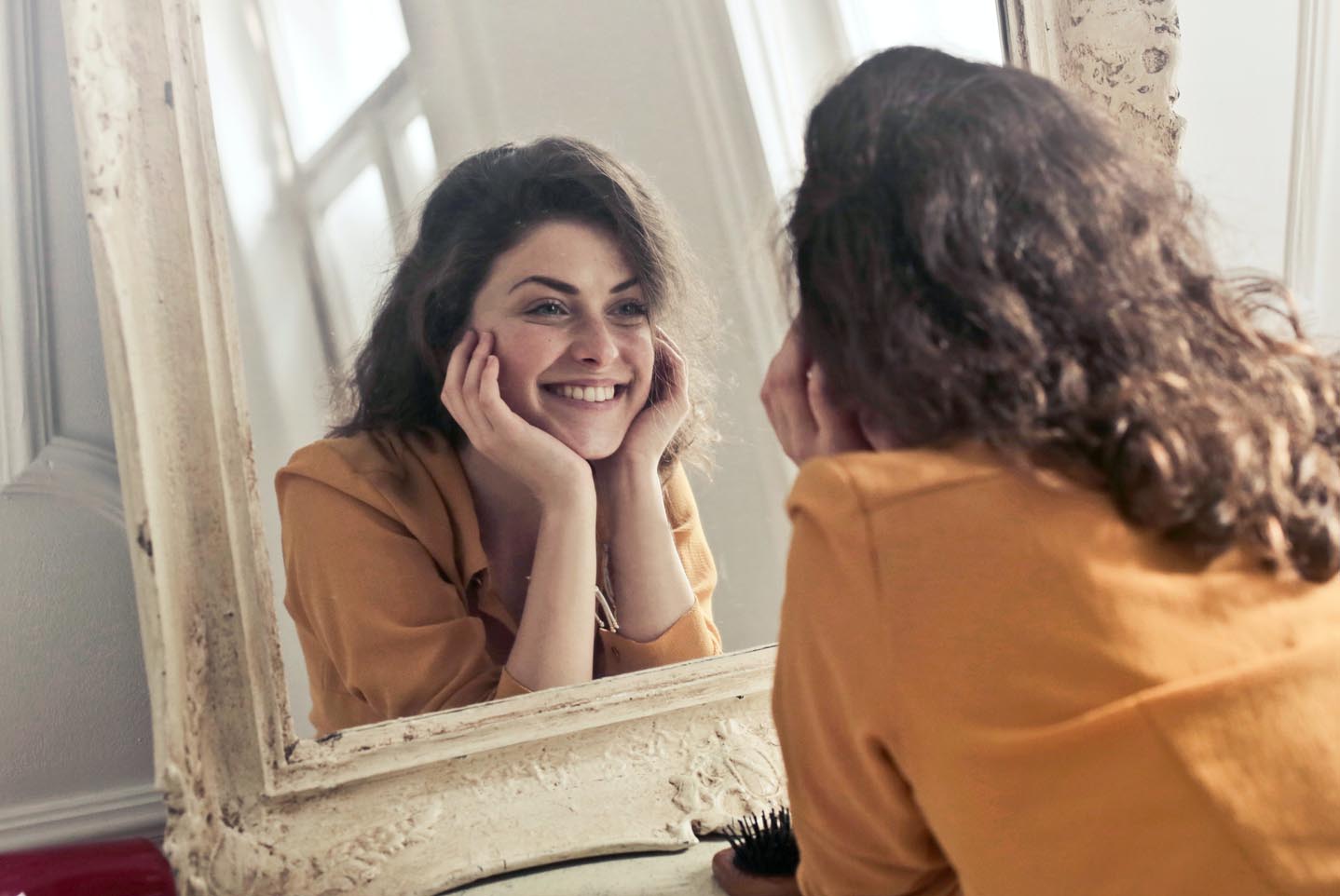
A radiant woman demonstrating a healthy self esteem

Whenever Jesus was meeting a person, no matter how bad his behavior was, he looked and dealt with that person, thinking about what he could become if he surrendered to him and followed him by practicing the master’s instructions. Emmanuelle commented in her article that self-help books and self-love gurus, raise banners that collaborate to inflate the ego in search of the applause of crowds and a feeling of power. But our creator looks at us and says:

“All flesh is grass, and all its loveliness is like the flower of the field. The grass withers, the flower fades, because the breath of the Lord blows upon it; surely the people are grass. The grass withers, the flower fades, but the word of our God stands forever.”

Isaiah 40:6-8

In other words, we are small, mortal, limited, and we die. This comment in Isaiah is not a depreciation of life and the human person, but a statement of our limitation, smallness, and finitude. God so loved and loves people, his creatures, that God himself, Jesus Christ comes into the world to lift us up, heal us, save us, and restore our self-esteem. Your value as a person and your self-esteem needs to be based on the value that the creator gives you, and not on your outward appearance, because that will change. Think it through deeply.

We can respect ourselves, even being imperfect as we are. Along with the bad characteristics of our personality, God sees that there are potential virtues that he can develop if we want to, if we let him act in our life, and if we surrender to him and follow the beauty and simplicity of the Master Jesus Christ, as described in the Gospels.

Proper self-esteem depends on what God establishes in our character. Think about it. Leave aside this idea of constructing only your exterior. Of course, you are not going to be a relaxed person, wear poorly ironed clothes, or not have proper personal hygiene. It’s okay for you to take care of your body aesthetics, that’s healthy. It just can’t become an obsessive thing. It’s not good for your mental health if you put that external view, what you see in the mirror, as the only source of satisfaction, the only source of self-worth. Think about it, God will give you a wonderful self-esteem.

Healthy Fruits

Stay Always Up to Date

Sign up to our newsletter and stay always informed with news and tips around your health.
Sign Up Now!

Filed Under: Mental Health, Trust Tagged With: Self esteem

Caffeine Makes You Borrow Energy, But You Pay The Bill

May 14, 2023 by Emma Beckett - [rt_reading_time label="Reading Time:" postfix="minutes" postfix_singular="minute"]

Caffeine Makes You Borrow Energy, But You Pay The Bill

Many of us want (or should I say need?) our morning coffee to give us our “get up and go”. Altogether, the people of the world drink more than two billion cups of coffee each day.((Surma, S., Oparil, S. Coffee and Arterial Hypertension. Curr Hypertens Rep 23, 38 (2021). https://doi.org/10.1007/s11906-021-01156-3)) You might think coffee gives you the energy to get through the morning or the day – but coffee might not be giving you as much as you think.

Caffeine Makes You Borrow Energy, But You Pay The Bill

The main stimulant in coffee is the caffeine. And the main way caffeine works is by changing the way the cells in our brain interact with a compound called adenosine.((Timothy Roehrs, Thomas Roth, Caffeine: Sleep and daytime sleepiness, Sleep Medicine Reviews, Volume 12, Issue 2, 2008, Pages 153-162, https://doi.org/10.1016/j.smrv.2007.07.004.))

Getting busy, getting tired

Adenosine is part of the system that regulates our sleep and wake cycle and part of why high levels of activity lead to tiredness.((Tarja Porkka-Heiskanen, Lauri Alanko, Anna Kalinchuk, Dag Stenberg, Adenosine and sleep, Sleep Medicine Reviews, Volume 6, Issue 4, 2002, Pages 321-332, ISSN 1087-0792, https://doi.org/10.1053/smrv.2001.0201.)) As we go about our days and do things, levels of adenosine rise because it is released as a by-product as energy is used in our cells.((Huang Z et.al. The Role of Adenosine in the Regulation of Sleep. https://doi.org/10.2174/156802611795347654))

Eventually adenosine binds to its receptor (parts of cells that receive signals) which tells the cells to slow down, making us feel drowsy and sleepy. This is why you feel tired after a big day of activity. While we are sleeping, energy use drops lowering adenosine levels as it gets shuffled back into other forms.((Bjorness T et.al. Adenosine and Sleep. https://doi.org/10.2174/157015909789152182)) You wake up in the morning feeling refreshed. Well, if you get enough sleep that is.

If you are still feeling drowsy when you wake up caffeine can help, for a while. It works by binding to the adenosine receptor, which it can do because it is a similar shape.((Fredholm B. Adenosine, Adenosine Receptors and the Actions of Caffeine. https://doi.org/10.1111/j.1600-0773.1995.tb00111.x)) But it is not so similar that it triggers the drowsy slow-down signal like adenosine does. Instead it just fills the spots and stops the adenosine from binding there. This is what staves off the drowsy feeling.

No free ride

But there is a catch. While it feels energising, this little caffeine intervention is more a loan of the awake feeling, rather than a creation of any new energy.

This is because the caffeine won’t bind forever, and the adenosine that it blocks doesn’t go away. So eventually the caffeine breaks down, lets go of the receptors and all that adenosine that has been waiting and building up latches on and the drowsy feeling comes back – sometimes all at once.

So, the debt you owe the caffeine always eventually needs to be repaid, and the only real way to repay it is to sleep.

A woman sleeping

Timing is everything

How much free adenosine is in your system, that hasn’t attached to receptors yet, and how drowsy you are as a consequence will impact how much the caffeine you drink wakes you up. So, the coffee you drink later in the day, when you have more drowsy signals your system may feel more powerful.((Smith A. P. The effects of caffeine, impulsivity and time of day on performance, mood and cardiovascular function. https://doi.org/10.1177/026988119100500205))

If it’s too late in the day, caffeine can make it hard to fall asleep at bedtime. The “half life” of caffeine (how long it takes to break down half of it) is about five hours.((Caffeine for the Sustainment of Mental Task Performance. Formulations for Military Operations. Chapter 2. National Academies, 2001)) That said, we all metabolise caffeine differently, so for some of us the effects wear off more quickly.((Nehlig A. Interindividual Differences in Caffeine Metabolism and Factors Driving Caffeine Consumption. Pharmacol Rev. 2018 Apr;70(2):384-411. doi: 10.1124/pr.117.014407)) Regular coffee drinkers might feel less of a caffeine “punch”, with tolerance to the stimulant building up over time.((Ammon HP. Biochemical mechanism of caffeine tolerance. Arch Pharm (Weinheim). 1991 May;324(5):261-7. doi: 10.1002/ardp.19913240502.))

Caffeine can also raise levels of cortisol, a stress hormone that can make you feel more alert.((Lovallo WR, Whitsett TL, al’Absi M, Sung BH, Vincent AS, Wilson MF. Caffeine stimulation of cortisol secretion across the waking hours in relation to caffeine intake levels. Psychosom Med. 2005 Sep-Oct;67(5):734-9. doi: 10.1097/01.psy.0000181270.20036.06.)) This might mean caffeine feels more effective later in the morning, because you already have a natural rise in cortisol when you wake up. The impact of a coffee right out of bed might not seem as powerful for this reason.

If your caffeinated beverage of choice is also a sugary one, this can exacerbate the peak and crash feeling. Because while sugar does create actual energy in the body, the free sugars in your drink can cause a spike in blood sugar, which can then make you feel tired when the dip comes afterwards.

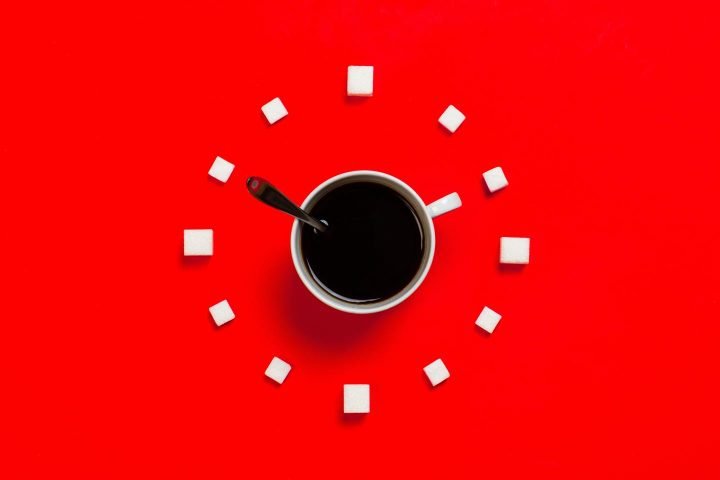
A clock symbolized by a coffee cup and sugarcubes.

While there is no proven harm of drinking coffee on an empty stomach, coffee with or after a meal might hit you more slowly. This is because the food might slow down the rate at which the caffeine is absorbed.((Caffeine. The Nutrition Source. Harvard School of Public Health))

What about a strong tea or fizzy cola?

Coffee, of course, isn’t the only caffeinated beverage that can loan you some energy.

The caffeine in tea, energy drinks and other beverages still impacts the body in the same way. But, since the ingredients mostly come from plants, each caffeinated beverage has its own profile of additional compounds which can have their own stimulant effect, or can interact with caffeine to change its impacts.((Barbara Penolazzi, Vincenzo Natale, Luigi Leone, Paolo Maria Russo, Individual differences affecting caffeine intake. Analysis of consumption behaviours for different times of day and caffeine sources, Appetite, Volume 58, Issue 3, 2012, Pages 971-977, ISSN 0195-6663, https://doi.org/10.1016/j.appet.2012.02.001.))

Caffeine isn’t magic. To create energy and re-energise our bodies we need enough food, water and sleep.


For more information on the negative impacts of caffeine, continue with this article:
What Caffeine is doing to You and Your Child?

Healthy Fruits

Stay Always Up to Date

Sign up to our newsletter and stay always informed with news and tips around your health.
Sign Up Now!

This article is republished from The Conversation under a Creative Commons license. Read the original article.

The Conversation

Filed Under: Healthy Lifestyle, Temperance

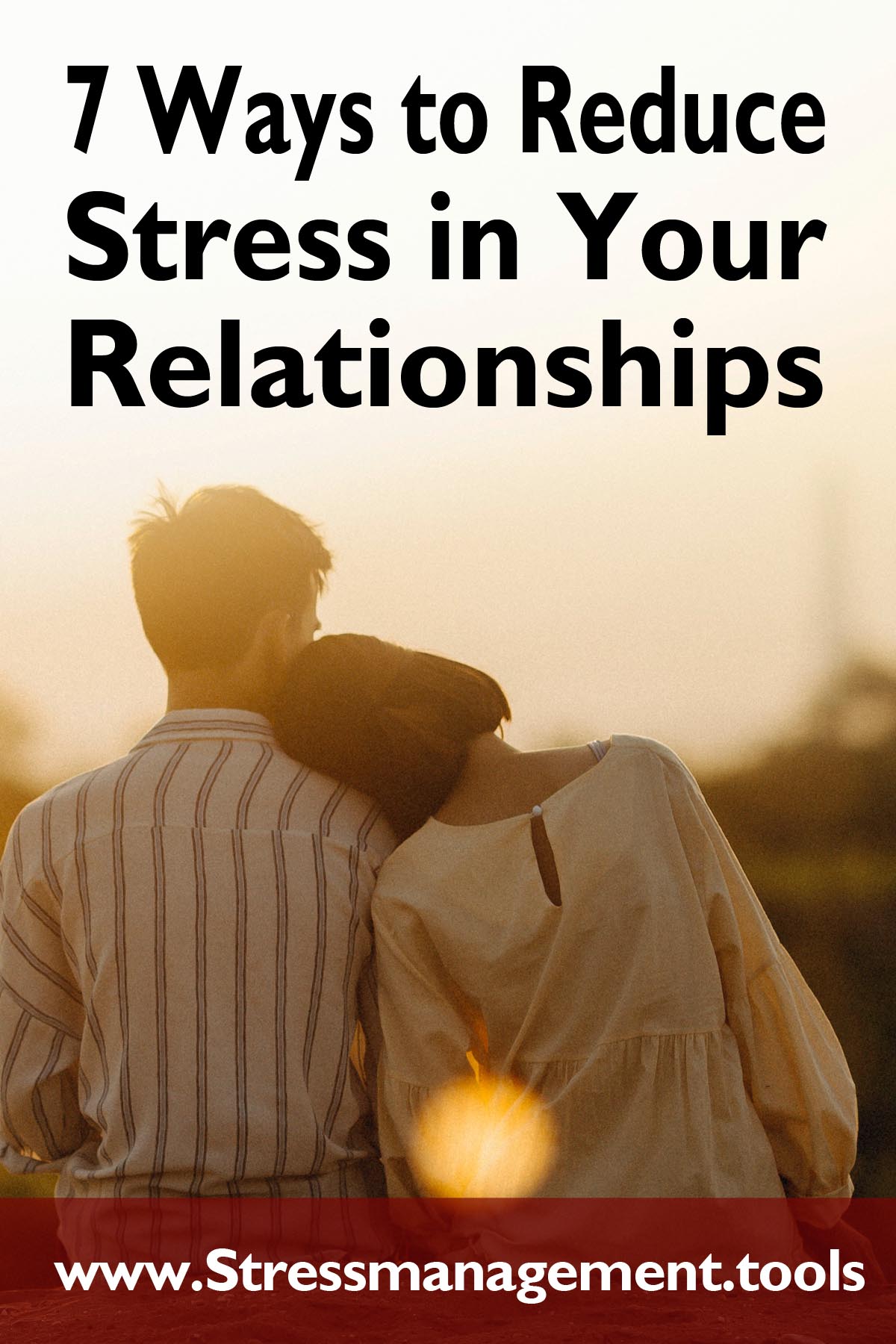
7 Ways to Reduce Stress in Your Relationships

May 7, 2023 by Martin Neumann - [rt_reading_time label="Reading Time:" postfix="minutes" postfix_singular="minute"]

Decreasing stress in relationships

Relationships can be a wonderful thing. They’re a chance to connect with someone on a deeper, more emotional level, and even discover new things about yourself. However, when you’re sharing your life with someone else, things can sometimes be stressful too.

7 Ways to Reduce Stress in Your Relationships

The unfortunate truth is that everyone will feel stress connected to their relationship at one time or another. You might be worried about approaching a complex topic with your partner, or you could be facing a challenge together, like an unpaid bill.

The key to success is ensuring that you don’t allow stress to take over your relationship. Instead, figure out how to work things out together, and you could make your relationship stronger than ever.

Here are some of the best ways to reduce stress in your relationship.

1. Listen

Lack of effective communication is one of the most common issues that many people encounter in their relationships. Either they don’t know how to approach their other half when they want to talk, or they don’t know how to listen when their partner comes to them.

The most important way to minimize stress and strengthen your relationship at the same time is to listen to each other. Recognize the symptoms of stress in your partner, such as moodiness, restlessness, or agitation, and ask them if they want to talk about it.

If your partner wants to talk to you about their stress, the important thing to remember is that you don’t necessarily need to fix their problem.

Most of the time, when your partner is stressed, they know you can’t handle everything for them. Instead, they just want an opportunity to vent and get some basic reassurance. Sit, listen, and only offer advice if asked for it.

A couple talking to each other

2. Always Be Yourself

Relationships only work when people are honest with each other.

When you’re attracted to someone, and a relationship is just starting out, it’s tempting to try and build an image of yourself that matches what you think the other person wants. However, the reality is that it’s impossible to keep up with this charade long-term.

You’ll end up causing yourself a lot of additional stress if you attempt to be someone who you’re not.

At the same time, your other half is going to get the sense that something isn’t right. This causes stress for them because their mind will try to help them figure out what’s going on.

Ultimately, being honest will save you both a lot of stress and tension. If your partner doesn’t love the real you, it likely wouldn’t have worked out anyway.

3. Practice Self Care

Sometimes, the best way to care for a relationship is to look after yourself.

Stress is contagious. If your other half notices that you’re constantly stressed, they’re going to start picking up on that feeling too. Sometimes, this can lead to your partner becoming self-conscious, or feeling nervous that they’re doing something wrong. Even if you explain, self-doubt can linger.

Try to take care of yourself to avoid a buildup of stress in your life. Be sure to get enough sleep, do some daily exercise, and work on a healthy diet. Try to get your partner on board with that plan whenever you can.

A couple walking

4. Be Open in Your Communication

Communication and honesty are the pillars of a great relationship.

Most of the time, stress and arguments come from us trying to guess the thoughts of the other. For instance, if you notice that your partner is a little withdrawn one night, you might find yourself wondering whether it’s because you didn’t make their favorite meal.

Even if your partner tells you that’s not the case, if they don’t give an explanation of their state, the thought will grow larger in your head, causing feelings of resentment, anger, and upset. You start getting defensive, and that’s where arguments begin.

If you’re honest about why you’re acting a certain way, and explain your feelings to your partner frequently, there’s less room for assumptions to cause problems.

5. Use More I Instead of You in Communicating

Often we tend to enter the blame game by pointing fingers and accusing our partner. We can take off a lot of the pressure if we learn to speak more about how I am feeling about the situation instead of the mistakes that you are making. This is an important step to get out of that blame game, and it will help us a lot to get more cooperation from our partner.

For example, instead of blaming your partner: “You are coming home late again, and you do not even bother to give me a call!”, maybe you can reword that and say: “I am frustrated if I prepare supper for you and the food is getting cold. Can you call me next time when you come home late?” Instead of focusing on the mistake of the other, you are focusing on your own feeling about the situation, and you offer a solution, how your partner can help you in the future. Do you see how that can change instantly the climate of your communication? 

6. Express Gratitude

Take some time to express gratitude and tell your partner what you appreciate about them. If you keep a positive mindset, it will remove a lot of tension and stress.

It is so easy to get wrapped up in negative thoughts and feelings, and more than often it is not more than our perspective of life around us. If you just take some time and express what you like about the other, and acknowledge their little acts of kindness, it can quickly change the atmosphere you are experiencing at home.

A couple being grateful for each other

7. Stop Being Harsh to Each Other

Finally, if there’s one thing you can do to reduce stress and arguments in your relationships, it’s to give each other a break.

When we fall in love, it’s easy to place another person on a pedestal. We see them as perfect and believe they can do no wrong. Unfortunately, that’s not the case. Eventually, you’ll begin to notice your partner making mistakes.

The important thing at this time is to let your partner know that, while you might be disappointed by the mistakes they made, you can get through it together.

Giving each other a break and forgiving your loved one for the things they do wrong is essential to reducing stress. Remember, you’re both only human.

Keep these ideas in mind. They can help you to reduce relationship stress on a daily basis and make your lives more fun and fulfilling.

Do you need a guide to help you understand how to cope with Stress in an all inclusive approach? Learn how to combat stress, mentally, physically, emotionally and strategically in your life.

Get Me the Guide

Filed Under: Adults, Mental Health, Stress Management Tagged With: Communication, Relationship Stress

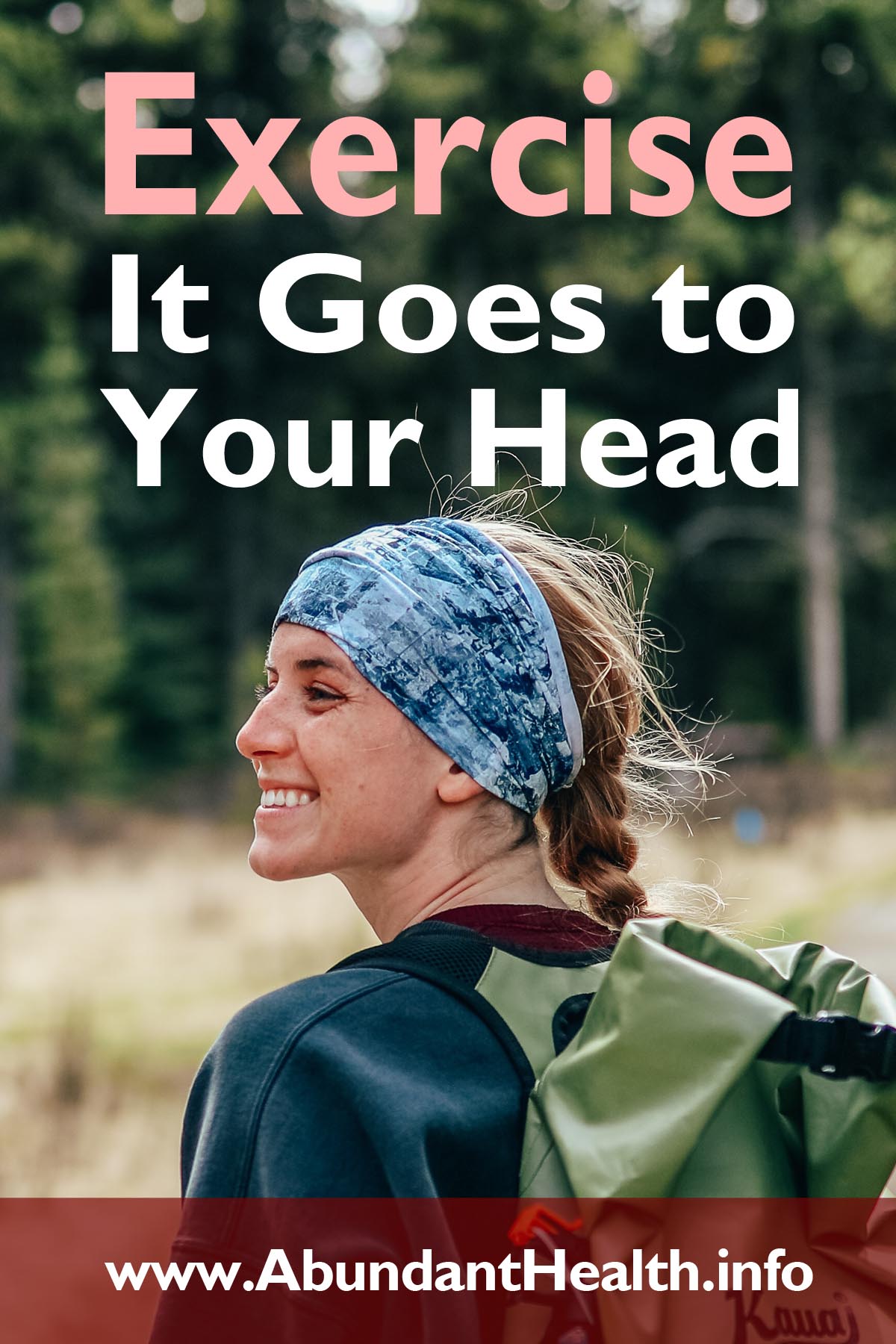
Exercise: It Goes to Your Head

April 30, 2023 by Vicki Griffin - [rt_reading_time label="Reading Time:" postfix="minutes" postfix_singular="minute"]

Exercise - It goes to your head

Hulda was depressed, overweight, sickly, and constantly fatigued. In her 60’s and suffering from the loss of her husband, her poor health aggravated her depression. Born in 1896 and reared on a Canadian farm, her diet was rich in meat, milk, cream, butter, eggs, and candy. She began walking to relieve her sadness — and set some new records in the process!

Exercise: It Goes to Your Head

Between the ages of 65 and 91, Hulda Crooks scaled 14,505-foot Mount Whitney 23 times, won eight world athletic records for women over the age of 80, and climbed 86 different Southern California peaks — all over 5,000 feet!  Affectionately known as “Grandma Whitney”, Crooks Peak near Mount Whitney was named in her honor in 1990.

Hulda described a typical day in her life at age 80: “Early to bed and early to rise. Out jogging about 5:30 a.m. Jog a mile and walk it back briskly. It takes me 12 minutes to jog the mile and 15 minutes to walk it. Do some upper trunk exercises, work in the yard, walk to the market, and work.”((Vibrant Life, Jan 1, 1989. Two Women with Zest and Vitality after Age 80.”))

At 91 she became the oldest woman to climb Mount Fuji in Japan. She hiked the entire 212-mile John Muir Trail in the High Sierras. She died at 101 — without depression.

Hulda Crooks climbing mount Fuji

A healthful diet, exercise, faith in God, and a positive mind-set proved a winning combination for Hulda.  She wrote: “I have an abundance of fresh raw fruits and vegetables as well as the cooked kind. . . .You need both a good diet and sufficient exercise. The exercise is absolutely essential in keeping up a good circulation. If we don’t exercise, the circulation is sluggish and that affects the entire body, the mental as well as the rest of the body.” She found that being in nature was a tranquilizer for her emotions. She called nature “the picture book of the Bible.”

Hulda believed that “mental attitude has so much to do with every function of the body. If we can develop an attitude of gratitude for the blessings that we have, we will be much better off.”

What if she didn’t feel like exercising? Hulda replied: “Usually I do it anyway. . . . If the brain is on top, it should be in charge and tell the rest of the body what to do. And so that’s what I do.”

Grandma Whitney “showed the world that mental, physical, and spiritual health is attainable at any age.”((Hulda Crooks passes away at 101. Loma Linda University news release, 1997.)) Hulda climbed more than mountains; she climbed out of poor health habits and depression into a positive, balanced lifestyle.

Do you need to climb mountains in order to obtain the exercise advantage? Actually, a daily regimen of modest exercise has a powerful effect on the mind as well as the body. When you feel better, you think better. Motion balances emotion. Exercise promotes physical health by reducing the risk and progression of heart disease, stroke, diabetes, and cancer. It also:

Improves Mood

  • Students who exercise show lower levels of anxiety, shyness, loneliness, and hopelessness than less active peers.((Adolescence 1994 Spring:29(113)183-91))
  • Moderate, regular exercise improves mood, vigor, psychological well-being, creativity, and self-esteem in all age groups.((J Cardiopulm Rehabil 1994:14:35-42.
    Obes Res 1998 May:6(3)208-18.
    Percept Mot Skills 2002 Jun:94(3 Pt 1)732-4.
    Percept Mot Skills 2001 Aug:93(1)311-6.))
  • Regular exercise can reduce symptoms of depression, and even alleviate major depression.((Psychosom Med 2000 Sep-Oct:62(5)633-8.
    J Clin Psychol 2001 Nov:57(11)1289-300.))

Reduces Stress

  • A single bout of exercise can be a valuable short-term therapy for reducing tension, depression, anger, and confusion.((J Psychosom Res 1996 Feb:40(2)123-41.
    Percept Mot Skills 1991 Jun:72(3 Pt 2)1203-9.))
  • A ten-minute brisk walk will yield one hour of increased energy and reduced tension, whereas a sugary snack can result in fatigue and tension.((Percept Mot Skills 1991 Jun:72(3 Pt 2)1203-9.
    J Pers Soc Psychol 1987 Jan:52(1)119-25.))
  • Moderate-intensity exercise is more beneficial than high-intensity exercise for anxiety reduction.((Med Sci Sports Exerc 1999 Mar:31(3)456-63.; Med Sci Sports Exerc 2000 Feb:32(2)549.))
  • Regular exercise increases the ability to handle stress by lowering stress hormones.((Am J Physiol Regul Integr Comp Physiol 2003 Feb:284(2)R520-30.))
A family walking in a park

Boosts Brain Power

  • Exercise stimulates neuronal growth and blood flow in the brain, and increases neurotransmitter availability and efficiency.((Sports Med 1995 Feb:19(2)81-5.))
  • Aerobic exercise improves mental fitness, particularly the ability to plan, coordinate, and filter out distracting information.((Nature 1999 Jul 29:400(6743)418-9.))
  • Physical activity enhances learning and memory.((Neuroscience 2003:117(4)1037-46.
    Neurobiol Aging 2002 Sep-Oct:23(5)941-55.))
  • Exercising children learn better.((Healy J. Endangered Minds: Why Our Children Don’t Think and What We Can Do About It (New York, NY: Simon and Schuster, 1991).))
  • Brisk walking for 45 minutes 3 times a week can improve mental processing abilities that normally decline with age.((Psychol Sci 2003 Mar:14(2)125-30.))

What is the best form of exercise? It’s the one you are willing to stick with! Have a plan for every season. Enjoy brisk walking, hiking, jogging, bicycling, swimming, golfing, skiing, or canoeing. Chores such as splitting wood, raking, and gardening provide many health benefits. Keep your gym bag packed and in the car to remind you to go to the gym as part of your work or school day. Work with your healthcare provider or educator to adopt a plan that will work for you.

Call to Action

“Blessed are those that keep My ways…For by Me your days will be multiplied, and years of life will be added to you” (Proverbs 8:32; 9:11). From the beginning, God linked exercise with lifestyle and nutrition. God blessed man with exercise as an antidote to many mental and physical maladies, and He will help both improve—as you get up and move! Movement creates positive changes in physical, mental, and emotional states. So when you feel down, get up and get moving.

What exercise are you going to enjoy today?

Healthy Fruits

Stay Always Up to Date

Sign up to our newsletter and stay always informed with news and tips around your health.

Sign Up Now!

This article was originally published on the Time to Get Ready website.

Visit LifestyleMatters.com for more resources.

Filed Under: Exercise, Healthy Lifestyle

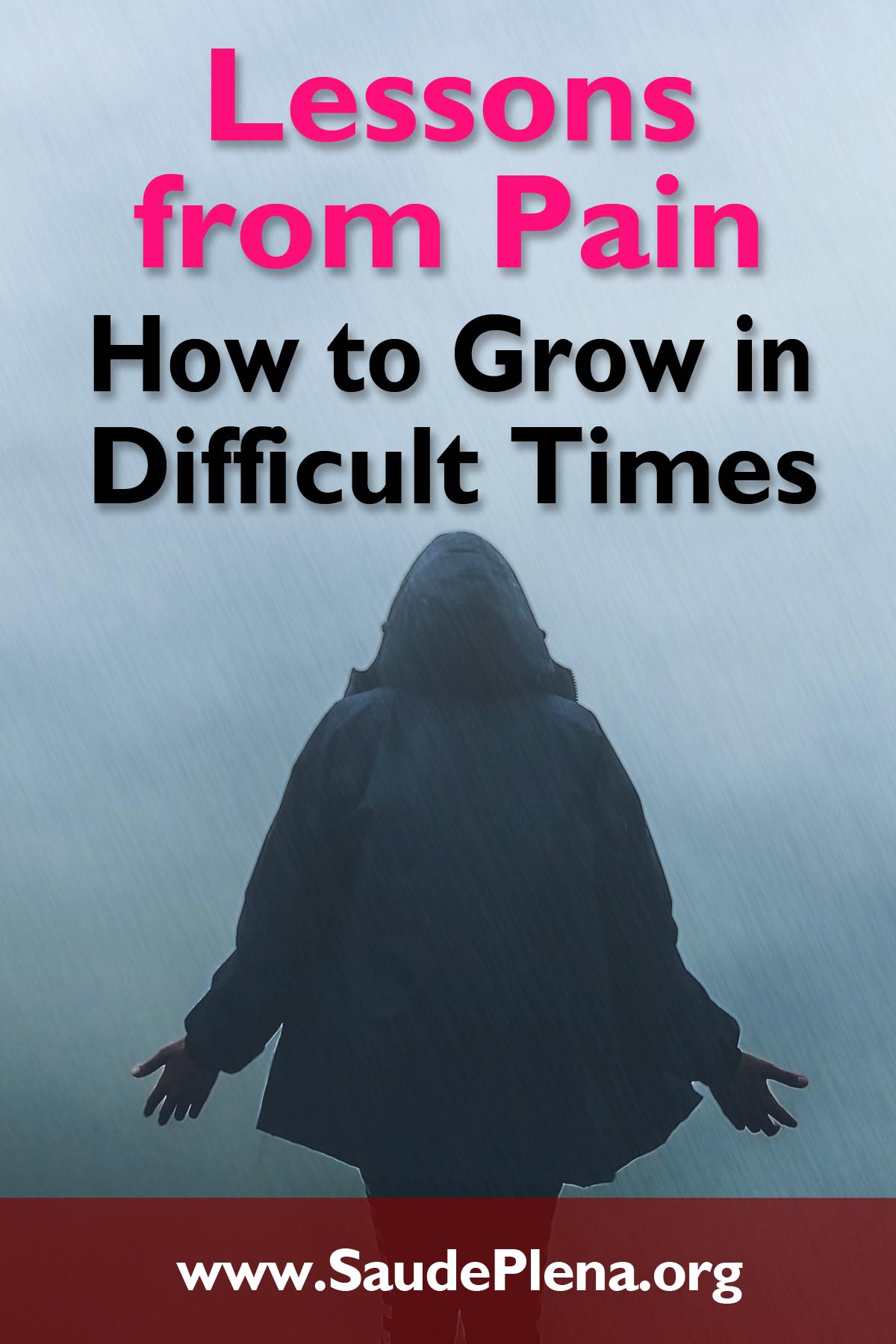
Lessons from Pain – How to Grow in Difficult Times

April 23, 2023 by Dr. Cesar Vasconcellos de Souza - [rt_reading_time label="Reading Time:" postfix="minutes" postfix_singular="minute"]

Lessons from Pain

We all suffer in this life. Some more, others less, but no one escapes. What do you do with suffering? Let’s think together about this subject and how you can start to see your pains in a different light.

Lessons from Pain - How to Grow in Difficult Times

In this life, we all have struggles, disappointments, and suffering. I’ve never met anyone who hasn’t gone through, or who isn’t currently experiencing some kind of struggle, be it financial, family, personal, emotional, physical, or even spiritual. Of course, and unfortunately, we have trials, but thankfully, Jesus promised to set an end to our trials when he will return in his glory.

Mental health does not mean having an absolute absence of emotional pain, such as sadness, anxiety, or fear. A person with good mental health has some moments of sadness, suffers anguish, and experiences some fears within the context of situations that provoke these painful feelings. Even the most successful people, famous or not, went through or are going through trials.

When we look at most famous people, we often look at their appearance or the outside, and wonder if they suffer too, since what they report in the media, on TV shows, radio, and social media suggests that they live a wonderful life, filled with goodies. But behind the scenes of their show, there are struggles, depression, excessive anxiety, divorces, drug involvement, unhealthy sexual practices, and a lot of pain.

In the face of emotional suffering, there is a danger of using medication to deal with unpleasant feelings instead of reflecting on their meaning and understanding where they come from. A good part of the population is being medicated with psychiatric drugs.

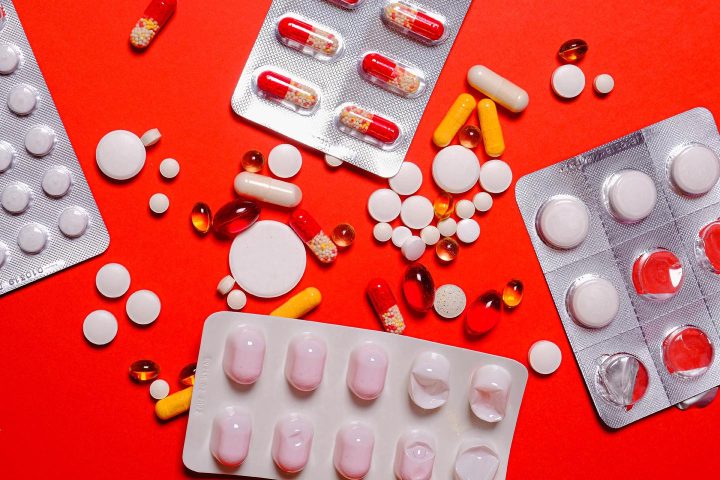
Various psychiatric medications

This happens because there seems to be a lack of conscious elaboration of suffering, that is, the person avoids thinking about their pain, trying to understand: “Where does it come from? What does it mean?” and prefers taking a pill without thinking about anything else. I’m not saying you should never use psychiatric medications. However, many who want to function well in life, at work, and with their family, resort to pills, prioritizing the search for an emotional improvement, placing exaggerated and perhaps mistaken hope for a cure in pills.

They do this because they need to move on with life, as they still do not know how to deal with pain in a functional and effective way through psychoeducation, which means learning to deal with emotions, especially the painful or unpleasant ones that produce and cause pain.

If you pay attention, you’ll see that some trials come to destroy your life, it’s true, but you can learn to face them as an opportunity to mature. It will help a lot to change the way you handle painful situations in your life if you change the question from “Why is this happening to me” to “What can I learn from this painful situation”?

Of course, in pain you experience sadness, anger, guilt, anxiety, and fear, because that is part of the loss, the conflict, and the approval. But as soon as possible, it’s important to change the question and start reflecting on what this difficult situation you’re going through can teach you. What can you learn from this?

I like a text written by Ellen White:

God’s power is constantly exercised to counteract the agencies of evil; He is ever at work among men, not for their destruction, but for their correction and preservation.

Ellen White, Patriarcs and Prophets, p. 694

She is saying what throughout biblical history is revealed about God’s dealing with humanity, which is a combination of justice and mercy, always predominating mercy.

Traumatic experiences, be it a traffic accident, a financial loss, a divorce, complicated marital conflicts, the death of a loved one, disappointment with someone, marital infidelity, job loss, or harassment at work, all of that we can use to strengthen us. It depends on how we look at these traumas, it depends on the support network to deal with them, on the conscious intention to learn from suffering, and on the strength to face all that can come from God, the creator of the universe.

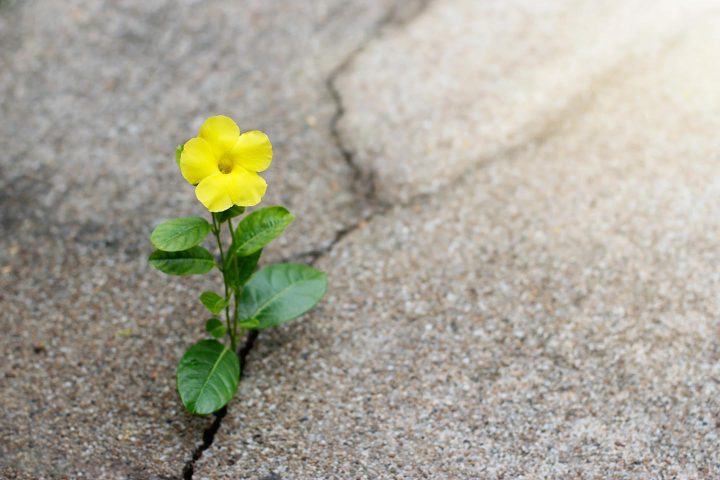
A resilient flower growing in the crack of the street.

Trials come to everyone at different times in life; some more devastating, some less. But in all of them, we can see there is strength to face them, even if you have to temporarily go through depression or excessive anxiety in any clinical manifestation.

Life is not easy. Religions that promise an easy life, full of material prosperity and the absence of suffering, are preaching falsehood. The head of Christianity, Jesus Christ, told those who were following him and those who would follow them in the future:

These things I have spoken to you, that in Me you may have peace. In the world you will have tribulation; but be of good cheer, I have overcome the world.

John 16:33

Jesus said that it would be possible not to get discouraged by clinging to Him, who has overcome all the trials we have experienced or will still experience. Taking a general look at the biblical text, seeing the experiences of those characters who went through many and severe trials and surrendered themselves to God, it is neither fair nor true to say that following Jesus guarantees financial success and the absence of problems.

There are no easy answers to the problem of suffering in humanity, a topic studied by thinkers, philosophers, and psychologists. We know that there is a conflict between good and evil that affects all dimensions of society and also affects us. Suffering exists even for people who are more consecrated and who practice good spirituality.

The sufferings of today may serve to prepare us, to strengthen us for the trials that lie ahead; and they will come. The world will speak of peace and prosperity, but God says in His Word that in this end time that we are living in, there will be anguish, such as never was before, and much destruction of good morals, peace, and freedom, which is what we have already begun to see and experience.

Regardless of this, and despite this, it is possible to have peace and even inner personal joy, as long as you are not thinking and focusing on the difficulties, but changing your eyes to the promises of help that God has made in His word, clinging to Him through faith. It is possible to develop serenity in the face of conflicts, if we turn to prayer to the Lord, as long as it is sincere, persevering, conscious, thoughtful, and believing that God is listening to us and helping us.

Finding peace in the midst of conflict depends on where you place your hope. It depends on your concept of the meaning of this existence and a good understanding of the spiritual war between good and evil. It depends on what you do with your pain or what you allow it to do to you. It depends on personal psychological and spiritual resources that, if they are weak or insufficient, God will strengthen them. It depends on the family and social support you have, and especially on faith that your Creator is kind to you, who is attentive to your suffering and doing his best to preserve your mental and spiritual sanity and your physical life.

Believe that God is not distracted to be unaware of your suffering. Believe that he is even now providing solutions for you, even if it is inner peace, despite the conflicts. Reflect on that. Believe in a kind God, surrender to Him, and pray to Him. That way you can face your pain in a more positive way.

Healthy Fruits

Stay Always Up to Date

Sign up to our newsletter and stay always informed with news and tips around your health.
Sign Up Now!

Filed Under: Mental Health, Trust Tagged With: pain, resilience

You Can Get Chronic Disease Because Your Gut Microbiome is Hungry

April 16, 2023 by Christopher Damman - [rt_reading_time label="Reading Time:" postfix="minutes" postfix_singular="minute"]

Microbiome

Diet-related chronic diseases have reached a critical juncture in the U.S.((EXECUTIVE SUMMARY: Biden-⁠Harris Administration National Strategy on Hunger, Nutrition, and Health. The White House, September 27, 2022)) Nearly half the population has prediabetes or diabetes.((National Diabetes Statistics Report. Center of Disease Control)) Over 40% are overweight or obese.((Adult Obesity Facts. Center of Disease Control)) One in nine people over the age of 65 has Alzheimer’s disease,((2023: ALZHEIMER’S DISEASE – FACTS AND FIGURES. Alzheimer’s Association)) the development of which researchers are exploring the potential role of diet.((Kellar D. Brain insulin resistance in Alzheimer’s disease and related disorders: mechanisms and therapeutic approaches. https://doi.org/10.1016/S1474-4422(20)30231-3)) Poor diet is also linked to poor mental health,((Penny M Kris-Etherton, Kristina S Petersen, Joseph R Hibbeln, Daniel Hurley, Valerie Kolick, Sevetra Peoples, Nancy Rodriguez, Gail Woodward-Lopez, Nutrition and behavioral health disorders: depression and anxiety, Nutrition Reviews, Volume 79, Issue 3, March 2021, Pages 247–260, https://doi.org/10.1093/nutrit/nuaa025)) cardiovascular disease((Lichtenstein A et.al. 2021 Dietary Guidance to Improve Cardiovascular Health: A Scientific Statement From the American Heart Association. https://doi.org/10.1161/CIR.0000000000001031)) and cancer.((Diet. National Cancer Institute)) Diet was responsible for nearly 1 in 5 deaths in the U.S.((Why Good Nutrition is Important. Center for Science in the Public Interest. https://www.cspinet.org/eating-healthy/why-good-nutrition-important)) and accounted for over US$140 billion in U.S. health care spending in 2016.((Bolnick H et.al. Health-care spending attributable to modifiable risk factors in the USA: an economic attribution analysis. https://doi.org/10.1016/S2468-2667(20)30203-6))

You Can Get Chronic Disease Because Your Gut Microbiome is Hungry

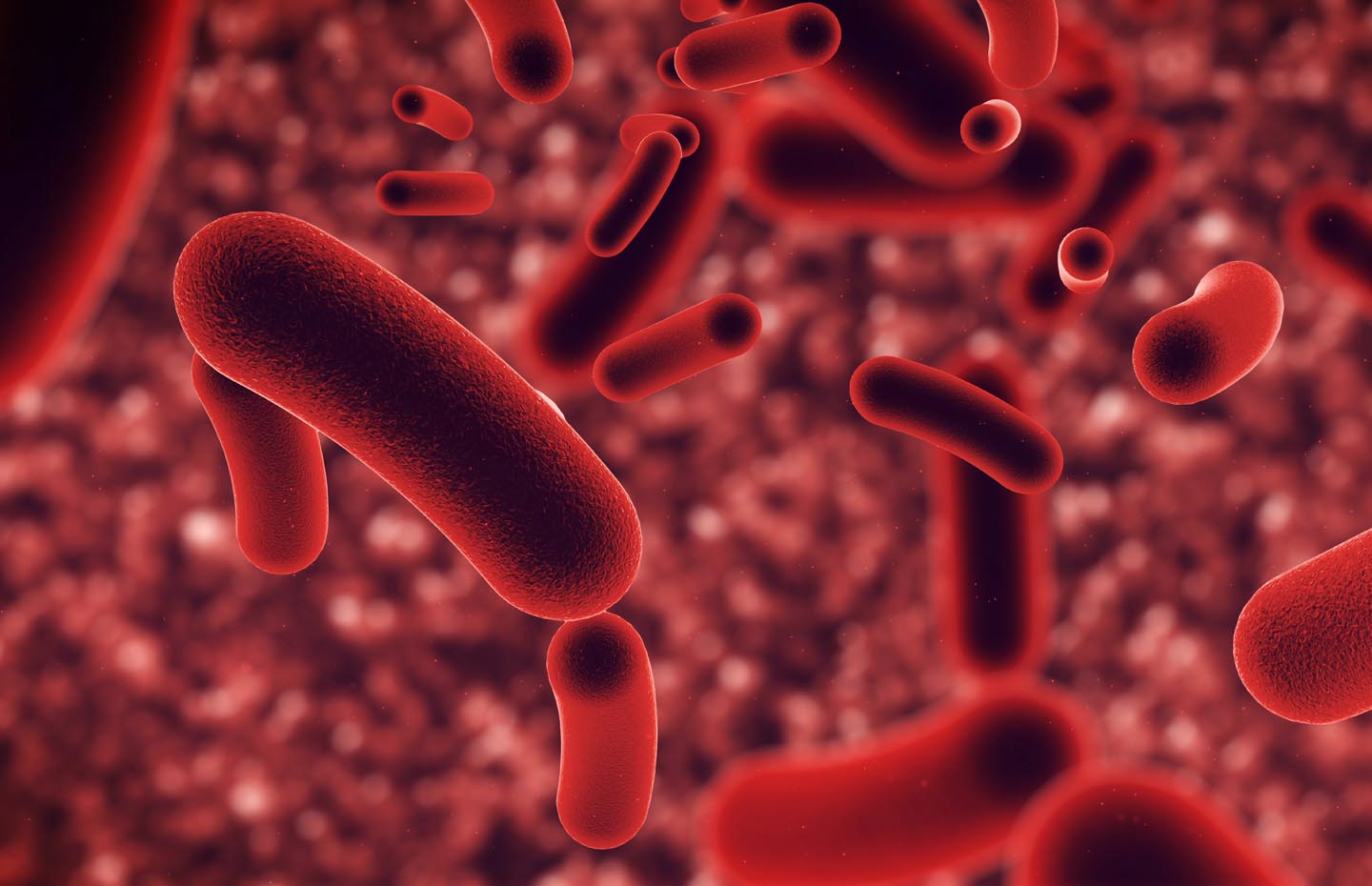
Though American waists are getting bigger, research is showing that the gut microbiome – the bacteria living in our digestive tracts – and the energy-producing compartments of cells, the mitochondria, remain hungry for nutrients missing in the American diet.

I am a physician scientist and gastroenterologist who has spent over 20 years studying how food can affect the gut microbiome and whole body health. The ultraprocessed food that makes up an increasing part the American diet((Filippa Juul, Niyati Parekh, Euridice Martinez-Steele, Carlos Augusto Monteiro, Virginia W Chang, Ultra-processed food consumption among US adults from 2001 to 2018, The American Journal of Clinical Nutrition, Volume 115, Issue 1, 2022, Pages 211-221, https://doi.org/10.1093/ajcn/nqab305.)) has removed vital nutrients from food. Adding those nutrients back may be important for health in part by feeding the microbiome and mitochondria that turn food into fuel.

Your health is what you eat

Research has consistently shown that the Mediterranean diet and other whole food diets are associated with better health and longer lives,((Hui Duan, Jiani Pan, Min Guo, Jinwei Li, Leilei Yu, Liuping Fan, Dietary strategies with anti-aging potential: Dietary patterns and supplements, Food Research International, Volume 158, 2022, 111501, https://doi.org/10.1016/j.foodres.2022.111501.)) and ultraprocessed foods and drinks like soda, chips and fast food, among others, are linked with poor health outcomes such as diabetes, cardiovascular disease, cancer and other diseases.((Zhang Y, Giovannucci E. Ultra-processed foods and health: a comprehensive review. https://doi.org/10.1080/10408398.2022.2084359))

But improving the diet of an individual, let alone a population, is challenging. Whole foods are sometimes less convenient and less tasty for modern lifestyles and preferences. Furthermore, food processing can be beneficial by preventing spoilage and extending shelf life.((Processed Foods and Health. Harvard School of Public Health)) Whole grain processing in particular extends shelf life by removing the germ and bran that otherwise rapidly spoil. Long-term storage of affordable calories has helped address food insecurity, a primary challenge in public health.

Much of the public health conversation around diet has focused on what to avoid: added sugars and refined carbs, some fats, salt and additives. But modern food processing, while increasing the concentration of some nutrients, has removed other key nutrients, producing potential long-term health costs.((Mozaffarian, D. Dietary and policy priorities to reduce the global crises of obesity and diabetes. Nat Food 1, 38–50 (2020). https://doi.org/10.1038/s43016-019-0013-1)) Equally important is what to add back into diets: fibers, phytonutrients, micronutrients, missing fats and fermented foods.((Serrano JCE, Cassanye A, Martín-Gari M, Granado-Serrano AB, Portero-Otín M. Effect of Dietary Bioactive Compounds on Mitochondrial and Metabolic Flexibility. Diseases. 2016; 4(1):14. https://doi.org/10.3390/diseases4010014))

Only 5% of the U.S. population gets sufficient fiber, a prebiotic nutrient linked to metabolic, immune and neurologic health.((Quagliani D, Felt-Gunderson P. Closing America’s Fiber Intake Gap: Communication Strategies From a Food and Fiber Summit. American Journal of Lifestyle Medicine. 2017;11(1):80-85. doi:10.1177/1559827615588079)) Americans are likely also deficient in phytonutrients, potassium and certain healthy fats linked to lower rates of cardiovascular disease and cancer.

Fermentation is nature’s version of processing, creating foods with natural preservatives, flavors and vitamins. Recent research suggests fermented foods can improve gut microbiome diversity and dampen systemic inflammation.((Wastyk, Hannah C. et al. Gut-microbiota-targeted diets modulate human immune status. https://doi.org/10.1016/j.cell.2021.06.019))

Sauerkraut

Figuring out which bioactive nutrients contribute to disease can help both individuals and institutions develop diets and foods that are personalized to different health conditions, economic constraints and taste preferences. It can also help maximize nutrients in a way that is convenient, affordable and familiar to the modern palate.

Of microbiomes and mitochondria

Understanding how nutrients affect the gut microbiome and mitochondria could help determine which ingredients to add to the diet and which to temper.

In your lower gut, bacteria transform undigested bioactive nutrients into biochemical signals that stimulate gut hormones to slow down digestion.((Zhang, Lin et al. Butyrate in Energy Metabolism: There Is Still More to Learn. Trends in Endocrinology & Metabolism, Volume 32, Issue 3, 159 – 169. https://doi.org/10.1016/j.tem.2020.12.003)) These signals also regulate the immune system, controlling how much of the body’s energy goes toward inflammation and fighting infection, and cognition,((Zhy Y et al. Interactions Between Intestinal Microbiota and Neural Mitochondria: A New Perspective on Communicating Pathway From Gut to Brain. https://doi.org/10.3389/fmicb.2022.798917)) influencing appetite and even mood.((Philippe C, Szabo de Edelenyi F, Naudon L, Druesne-Pecollo N, Hercberg S, Kesse-Guyot E, Latino-Martel P, Galan P, Rabot S. Relation between Mood and the Host-Microbiome Co-Metabolite 3-Indoxylsulfate: Results from the Observational Prospective NutriNet-Santé Study. Microorganisms. 2021; 9(4):716. https://doi.org/10.3390/microorganisms9040716))

The microbiome’s biochemical signals also regulate the growth and function of energy-producing mitochondria across many cell types, including those in fat, muscles, heart and the brain.((Chartoumpekis D et al. Microbiota and mitochondria: Impact on cell signaling, physiology, and disease. https://doi.org/10.3389/fmicb.2022.1056499)) When these cues are missing in ultraprocessed diets, mitochondria function less well,((Serrano JCE, Cassanye A, Martín-Gari M, Granado-Serrano AB, Portero-Otín M. Effect of Dietary Bioactive Compounds on Mitochondrial and Metabolic Flexibility. Diseases. 2016; 4(1):14. https://doi.org/10.3390/diseases4010014)) and their dysregulation has been linked to obesity,((Cunarro J et al. Hypothalamic Mitochondrial Dysfunction as a Target in Obesity and Metabolic Disease. https://doi.org/10.3389/fendo.2018.00283)) diabetes,((Domenico S et al. Mitochondrial (Dys)function and Insulin Resistance: From Pathophysiological Molecular Mechanisms to the Impact of Diet. https://doi.org/10.3389/fphys.2019.00532)) Alzheimer’s disease,((Wang, W., Zhao, F., Ma, X. et al. Mitochondria dysfunction in the pathogenesis of Alzheimer’s disease: recent advances. Mol Neurodegeneration 15, 30 (2020). https://doi.org/10.1186/s13024-020-00376-6)) mood disorders((Giménez-Palomo A et al. The Role of Mitochondria in Mood Disorders: From Physiology to Pathophysiology and to Treatment. https://doi.org/10.3389/fpsyt.2021.546801)) and cancer.((Zong, Wei-Xing et al. Mitochondria and Cancer. https://doi.org/10.1016/j.molcel.2016.02.011)) A better understanding of how diet could improve the function of the microbiome-mitochondria axis could help provide a way to reduce the burden of chronic disease.((Damman C. Perspective: Nutrition’s Next Chapter – Bioactive Gaps & the Microbiome-Mitochondria Axis. https://doi.org/10.1016/j.advnut.2023.03.016))

The Greek physician Hippocrates, regarded as the father of medicine, supposedly once said “Let food be thy medicine,” and a growing body research suggests that, yes, food can be medicine. I believe that shining a light on the connection between diet, health and the microbiome and mitochondria could help societies reach a bright future in which unhealthy aging isn’t an inevitability of growing older.

Healthy Fruits

Stay Always Up to Date

Sign up to our newsletter and stay always informed with news and tips around your health.

Sign Up Now!

This article is republished from The Conversation under a Creative Commons license. Read the original article.

The Conversation

Filed Under: Body Systems, Digestive Tract, Nutrition Tagged With: chronic disease, microbiome

« Previous Page
Next Page »

Primary Sidebar

Social Channels

Coronavirus Immunity Challenge

Boost your immune system to be bullet-proof for the pandemic.

I Want to Participate

Recent Posts

  • 5 Habits to Live Longer
  • Better Sleep Can Protect Against Dementia
  • Finding Peace In Your Crazy-Busy World
  • Flaxseed – An Ancient Plant Rediscovered
  • Platelets – Triggers for Life or Death
  • Boderline Personality Disorder
  • In Praise of Almonds and Nuts
  • Are You Stuck in the Clutter Trap?

Categories

  • Body Systems (16)
    • Cell Function (2)
    • Circulatory System (1)
    • Digestive Tract (10)
    • Immune System (4)
  • Diseases (27)
    • Cancer (2)
    • Cold (1)
    • COVID-19 (11)
    • Dementia (1)
    • Diabetes (1)
    • Digestive Diseases (2)
    • Heart Disease (2)
    • Kidneys (1)
    • Metabolic Syndrome (2)
    • Skin (1)
  • Healthy Lifestyle (42)
    • Exercise (11)
    • Gardening (2)
    • Sleep (7)
    • Sunlight (2)
    • Temperance (14)
    • Water (4)
  • Mental Health (87)
    • Addictions (6)
    • Anxiety (7)
    • Burnout (1)
    • Depression (7)
    • Psychosomatic Diseases (6)
    • Stress Management (45)
    • Trust (6)
  • Nutrition (56)
  • Obesity (9)
  • Phases of Life (14)
    • Adults (3)
    • Babies and Infants (1)
    • Children (3)
    • Seniors (5)
    • Teenagers (3)
  • Therapies (7)
    • Herbs (5)
    • Hydrotherapy (1)
  • Uncategorized (3)

Archives

  • January 2025 (1)
  • March 2024 (5)
  • February 2024 (4)
  • January 2024 (4)
  • December 2023 (5)
  • November 2023 (4)
  • October 2023 (5)
  • September 2023 (4)
  • August 2023 (3)
  • July 2023 (2)
  • June 2023 (4)
  • May 2023 (4)
  • April 2023 (5)
  • March 2023 (4)
  • February 2023 (4)
  • January 2023 (4)
  • December 2022 (4)
  • November 2022 (4)
  • October 2022 (5)
  • September 2022 (4)
  • August 2022 (4)
  • July 2022 (5)
  • June 2022 (4)
  • May 2022 (5)
  • April 2022 (4)
  • March 2022 (4)
  • February 2022 (4)
  • January 2022 (5)
  • December 2021 (3)
  • November 2021 (4)
  • October 2021 (6)
  • September 2021 (4)
  • August 2021 (4)
  • July 2021 (5)
  • June 2021 (4)
  • May 2021 (3)
  • April 2021 (5)
  • March 2021 (4)
  • February 2021 (4)
  • January 2021 (5)
  • December 2020 (3)
  • November 2020 (4)
  • October 2020 (5)
  • September 2020 (5)
  • August 2020 (3)
  • July 2020 (1)
  • June 2020 (1)
  • May 2020 (1)
  • April 2020 (1)
  • March 2020 (1)

Copyright © 2026 · Abundant Health - Privacy Policy - Medical Disclaimer