Abundant Health

Up to date health information tailored for you

  • Home
  • Blog
  • Recipes
  • Shop
  • Contact
You are here: Home / Archives for 2023

Archives for 2023

How to Avoid 5 Thoughts That Can Lead to Depression

June 18, 2023 by Dr. Cesar Vasconcellos de Souza - [rt_reading_time label="Reading Time:" postfix="minutes" postfix_singular="minute"]

How to Avoid 5 Thoughts That Can Lead to Depression

Depression is a very common mental illness in today’s reality. An estimated 21 million adults in the U.S. had at least one episode of depression in their lives. That represents 8.4% of all U.S. adults. Among women, that number was rising to 10.5%, and the age range of 18-25 years had a 17% prevalence of depression. We need to know how to deal with this disease more appropriately.
How to Avoid 5 Thoughts That Can Lead to Depression

A person experiencing sadness and decreased interest or loss of pleasure in day-to-day activities, which has been going on for at least two weeks straight, also having changes in appetite, sleep disturbances, lack of energy, difficulty making decisions, suicidal thoughts and feelings of guilt, indicates the presence of depression. The most important mental factor for someone depressed being at risk for suicide is hopelessness. That is, the person sees no way out of their suffering, so they start thinking about killing themselves to end the pain.

Before thinking that someone is depressed, if there are physical diseases, such as thyroid problems, chronic infections, tumors, and encephalitis, among others, it is necessary to treat them, because these diseases can produce depressive symptoms. In addition, it is common for people to have comorbidities, where they present more than one disease at the same time.

For example, it seems that about 50% of people diagnosed with depression also suffer from excessive anxiety. Some may have exaggerated anxiety, depression, and alcoholism, for example. A person may begin to become depressed because of already being a socially withdrawn person for years, as well as depression contributes to the individual withdrawing himself from social life.

Other people experiencing pressure at work, going into burnout syndrome, or suffering moral abuse in the company, can also become depressed. When a person has gone through a depression and the depressive state has produced important losses in his life, he may have been left with a negative signal in his mind, and when some triggering factor happens years later, he may go back into depression.

For example, if a person became depressed because he suffered from moral abuse in the company and when he could no longer bear this suffering at work, he ended up quitting, even though it was causing economic turmoil, it is a situation that could trigger a depression. By coming out of the situation that was causing the suffering and receiving effective treatment, he became well. But if after some time he has the feeling that some kind of abuse against him may occur again, the depressive state may begin to return. Therefore, it is important to be aware of the triggering factors that can trigger painful thoughts and feelings in the person’s mind.

A man being bullied at work

There are different types of depressive states, such as clinical depression, in contrast to dysthymia, which is a type of chronic depression, only milder. There is also bipolar affective disorder, in which the person, in addition to euphoric episodes, suffers from depressive periods. Another type of depression is seasonal, which occurs more in regions of long winter, with a long time without sunlight. Still another is postpartum depression which happens shortly after the baby is born. Some suffer from psychotic depression, which includes delusions, hallucinations, and important changes in the perception of reality.

One of the psychological factors that favors the onset of depression is the tendency to cultivate thoughts of complaint, pessimism, defeat, personal contempt, and hopelessness. Some are hard on themselves, blame themselves too much for failures that have occurred in life, and also attack themselves when they perceive flaws or mistakes in their behavior. In these cases, these individuals need to cultivate self-compassion instead of self-deprecation and learn to forgive themselves instead of blaming themselves all the time.

One factor that produces depression is the very sociable person, but who places too much emphasis on their self-worth in relationships. Thus, when problems arise, such as a financial loss or a divorce, he may fall into depression precisely because he had based his self-worth on something outside himself, on another person, or on some external acquisition. In these cases, the individual can be helped not to fall into depression, correcting this attitude in life of centering their self-respect and self-worth on objects, acquisitions, and external relationships.

It is well known that traumatic experiences throughout childhood greatly increase the risk of depression later in life. This includes the child being a victim of abuse, having suffered illnesses that required hospitalization, divorce from the parents, and death of one of the parents, especially the one with whom the child had more attachment, all happening until the third year of life. In addition, children of depressed mothers have a higher risk of depression in adulthood.

A young girl with marks of abuse

In therapy, it is common for a person to say that he started to have depression since, for example, he discovered that his son was using illicit drugs. But the truth is that this fact may be one of many problems that the person has been experiencing over the years and would then be the triggering factor of depression, but not the only cause of it. It may have been the last straw for him to become depressed.

He may have suffered from the death of loved ones in recent years before the depression hit, he may have been fired, he may live in a place of violence, he may have marital difficulties and all this may have accumulated and ended up bursting into depression.

Factors that can prevent going into depression are having good social support, having friends and relatives who give a helping hand, a healthy lifestyle with regular exercise, a healthy diet, the elimination of toxic substances from the brain, adequate water intake, sun exposure, the practice of faith and a purpose for life.

For the treatment of depression, it is important to understand that lifestyle change needs to be made, rather than just using medications. This includes personal work on the thought patterns the person nurtures most, battling tragic, dysfunctional and hopeless thoughts, and cultivating a mindset of gratitude, hope and meaning in life.

Some want to know which antidepressant works best. There is not one remedy that works best for everyone who suffers from depression. The same drugs produce different results for different people. Many depressed may improve with any antidepressant, while others do not improve long-term with any of them.

Some studies show that depressed people who have undergone psychotherapy with cognitive behavioral therapy may be less likely to have depression again than those who have only used antidepressants without psychotherapy. A challenge for us psychiatrists when treating a patient with depression who has, for example, a lot of insomnia and anxiety, is that by prescribing a tranquilizer, as it is a central nervous system depressant, the depressed person may sleep better and have their anxiety decreased, but may become more lethargic or sluggish.

Finally, if a person with depression says that they prefer psychotherapeutic treatment without medication, it is important to respect this and see how they will evolve when undergoing psychotherapy only.

A psycotherapy session

If you have always cultivated thoughts and negative beliefs about yourself, about your life, about trusting others, predominating in your mind the lack of hope and solutions, you are more likely to have a depressive state than the individual who is optimistic, who cultivates healthy thoughts, trust and hope.

Individuals who are emotionally dependent find themselves inadequate in almost everything, and so they feel they need to have someone to cling to in order to live. These people have a higher risk of developing depression. And when the person to whom you attach yourself in an exaggerated way, fails, leaves, cheats, or dies, this can be enough to trigger depression.

With this, we learn that, from an early age, the child needs to be taught to have some independence, rather than being raised too attached to the father, mother, or other caregiver. We need to release our children to life, otherwise they won’t believe they can face reality by themselves. So, whenever possible, encourage your children to do things that feed them the thought that they are smart, capable, and autonomous.

Of course, we educate children well, helping them not to go into depression later in life when we combine tasks for them, which they can solve on their own with other tasks that require the help of others to complete. And when it comes to activities in which it is normal to ask others for help, we pass them the idea that it is all right to ask for help and praise them for those they have done alone.

A good number of people develop depression because having failed to obtain love and acceptance from important people in their lives, they come to feel that they are full of flaws and unworthy of receiving love. This can become a pattern of thinking, which maintains the depressive state.

Some become very hung up on attention. This can be a trap that favors the depressive state because not everyone can pay attention all the time, and not receiving this, they depreciate themselves and become depressed, instead of looking at reality and thinking that the people around them are not responsible for what they lacked in childhood, and even the present people in their life cannot offer everything all the time, what they want in terms of affection.

In these cases, this person who consciously or unconsciously nurtures the idea that he needs attention from others all the time so as not to fall into depression, if he wants to get improve, he will need to change this psychological belief, understanding that he must be liked by some, but that it is not possible to receive from them a perfect love.

You need to lower your expectations of receiving attention, affection, and care from others. When the depressed person begins to think that in his mind there are negative beliefs such as wanting the attention of others all the time to feel good, it is his responsibility to fight against it instead of not wanting to think about these things, and thinking that the remedy, the medication will fix everything.

The depressed can learn to have new and better thoughts without having to stick with the old ways of thinking that push them into depression. Managing to change negative psychological core beliefs can be difficult without professional help, but it’s not impossible.

Changing thought patterns

If psychological treatment is needed, it will be useful in helping the depressed person to perceive his pessimistic or faulty way of thinking, encouraging him to resist it, and cultivating thoughts of gratitude, realistic optimism, compassion and forgiveness. This is important in the treatment of depression because the way a person interprets what happens to him is more important than what actually happens. When events are interpreted negatively, pessimistically with hopelessness, this produces anxious and depressive feelings and makes everything worse.

Of course, when there is a real painful loss, it is normal for negative thoughts of sadness, anger, and pain to arise, but this is different from keeping distorted thoughts in the mind by assessing reality in an unhealthy way. If you are a family member of the depressed and need to deal with that individual’s depression, it is important to understand that even if they say things that seem like they are strong to overcome the depressive state, talking is different from having the strength to do so. Some depressed people push themselves to please others by saying things that give the idea that they will know how to get out of depression, but that’s not always the truth.

In these cases, the family member, and of course, the professional who attends to the depressed, can teach some social or personal skills for the depressed to improve, and not only listen to what he says. Some depressed people are even experiencing very difficult situations, which do not seem to have a short-term solution. In these cases, there is no distortion of reality, but a real difficulty that can lead to hopelessness.

Then the person himself or someone else can help by remembering situations from their past, which seemed insoluble, but that solutions emerged, or remembering that those that did not have a good solution were faced and the person survived. Depressed people usually focus their attention on their feelings, which can be sadness, anger, fear, guilt, or shame. But it is important to force the mind to think about the kind of thinking that is causing the feeling.

A smilie inside a box, representing a positive change in emotions

Understanding thought is fundamental to the solution of what one feels because it all begins in the thoughts. What we think produces what we feel, and feelings lead to actions. If the thought has been distorted, then it needs to be corrected because it influences the feeling that the person will experience.

Taking medicine to improve the painful feeling without changing negative and tragic pessimistic thinking does not solve the underlying problem. Distortions of thoughts are based on exaggerated or unrealistic ways of reasoning. People can’t always find the thought that is behind what they feel, it’s true.

In these cases, he needs to better analyze what is going on in his mind to find the thought that produced that emotion, because it is there in the mind. Too bad a good part doesn’t want to think. You can reason like this: But what thought can be behind this feeling? Or you can think: Did something happen to me today that made me think something bad, and with that, I was left feeling bad? Could it be that I’ve been cultivating a way of thinking that is always negative and makes me depressed?

A problem that can harm the person and cause him not to improve from depression is that he may have become so accustomed to thinking in a bad, negative and pessimistic way, that on one hand, he says he wants to get better, but on the other hand, he feels it is difficult to change his way of thinking.

Incredible as it may seem, we can get used to suffering, and find it difficult to take action to get out of it. This happens even with people undergoing psychiatric and psychological treatment, which is when they sabotage the improvement they could have. Several times I gave the person tasks to do at home, and I put in writing what was to be done until the next appointment. In the next consultation, when I asked about what he had managed to do with that list I had given, some patients said that they had lost the list or forgotten about the tasks. Improving depression and other mental illnesses does not depend on the professional alone. The person needs to be committed to the treatment. And changing thoughts is often already half the way to healing.

Healthy Fruits

Stay Always Up to Date

Sign up to our newsletter and stay always informed with news and tips around your health.
Sign Up Now!

Filed Under: Depression, Mental Health Tagged With: Thought Patterns

The Relation Between COVID, Long COVID and Your Gut Microbiome

June 11, 2023 by Dr. Samuel White - [rt_reading_time label="Reading Time:" postfix="minutes" postfix_singular="minute"]

The Relation Between COVID, Long COVID and Your Gut Microbiome

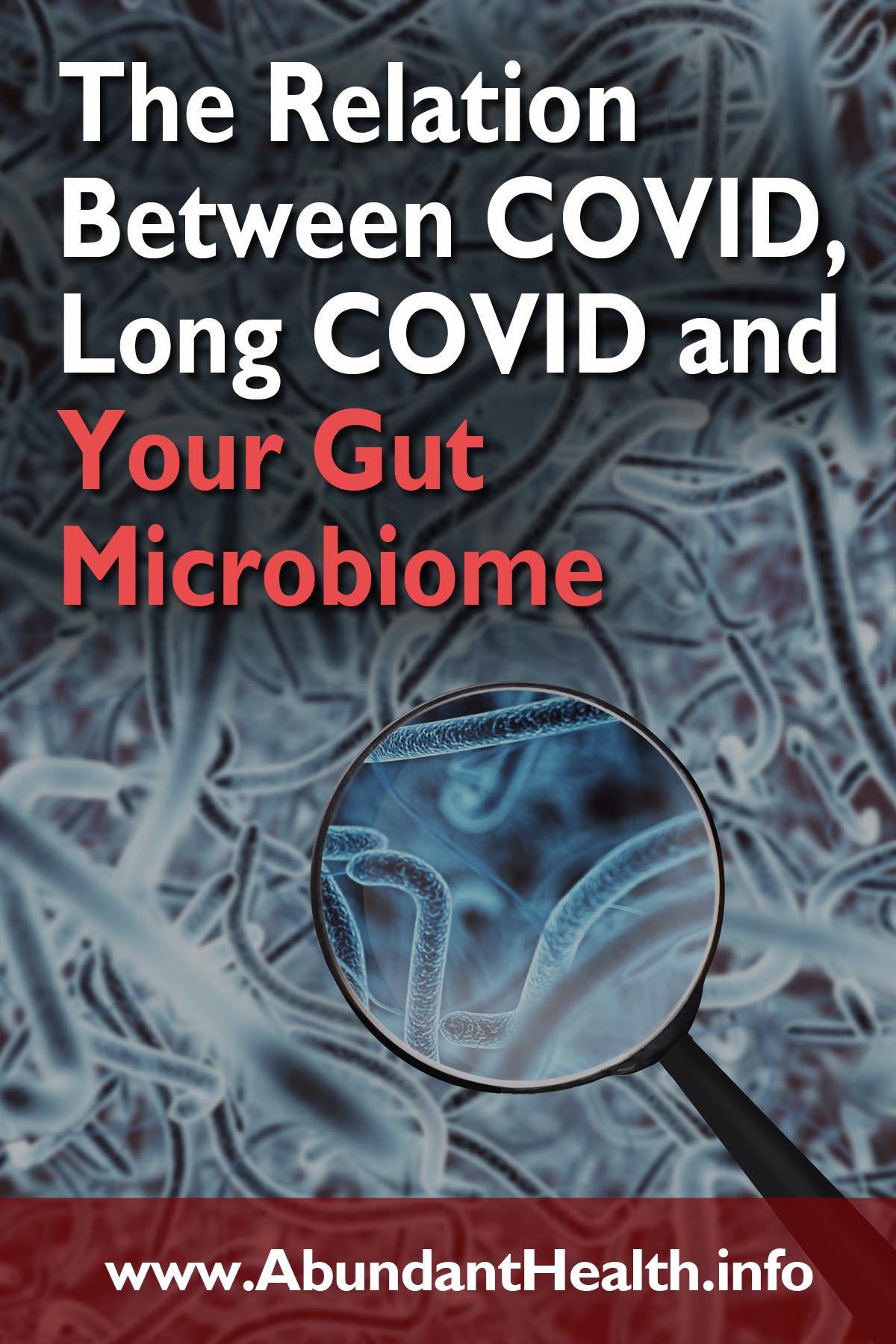
A vast combination of microorganisms live in our gut, including bacteria, fungi and viruses. Collectively, we refer to this as the microbiome. Despite their tiny size, these microbes have significant effects on our health and wellbeing. In fact, the microbiome is often referred to as the “second brain” due to the extensive relationship it has with the body’s organs and systems.

The Relation Between COVID, Long COVID and Your Gut Microbiome

One role in particular the microbes in our gut play is supporting immune function. They help to control local and systemic inflammation, the process by which the immune system protects us from harmful pathogens.((Zheng, D et. al. Interaction between microbiota and immunity in health and disease. https://doi.org/10.1038/s41422-020-0332-7))

So it’s not entirely surprising that research has shown the make-up of bacteria in the gut may influence the severity of a COVID infection.((Kageyama, Y et.al. Lactobacillus plantarum induces innate cytokine responses that potentially provide a protective benefit against COVID‑19: A single‑arm, double‑blind, prospective trial combined with an in vitro cytokine response assay. Experimental and Therapeutic Medicine, 23, 20. https://doi.org/10.3892/etm.2021.10942)) At the same time, evidence is beginning to suggest a COVID infection could affect the balance of bacteria in the gut, which might go some way to explaining why some people have persistent symptoms after a COVID infection.((Bernard-Raichon, L et.al. Gut microbiome dysbiosis in antibiotic-treated COVID-19 patients is associated with microbial translocation and bacteremia. https://doi.org/10.1038/s41467-022-33395-6))

The microbes in our gut provide essential signals for our immune responses across the body, including in the lungs. A “healthy” gut microbiome comprises a broad range of bacteria, though is not identical in every person. Studies have previously shown that a healthy gut microbiome can improve the immune response to respiratory infections by regulating immune cells and messages.((Shanahan F et. al. The Healthy Microbiome—What Is the Definition of a Healthy Gut Microbiome? https://doi.org/10.1053/j.gastro.2020.09.057))

On the flip side, evidence shows a poorer composition of gut bacteria increases susceptibility to influenza infections in the lungs,((Looft T, Allen H. Collateral effects of antibiotics on mammalian gut microbiomes, Gut Microbes, 3:5, 463-467, https://doi.org/10.4161/gmic.21288)) and leads to reduced clearance of germs from the lungs in mice.((Fagundes C et. al. Transient TLR Activation Restores Inflammatory Response and Ability To Control Pulmonary Bacterial Infection in Germfree Mice. J Immunol 1 February 2012; 188 (3): 1411–1420. https://doi.org/10.4049/jimmunol.1101682))

With COVID, it similarly appears that the make-up of the gut microbiome can influence the course of disease. Research has shown an association between the microbiome profile and levels of inflammatory markers in patients with COVID, where patients with a poorer combination of gut bacteria show signs of too much inflammation. This suggests the microbiome influences the severity of a COVID infection via effects on the immune response.((Yeoh YK, Zuo T, Lui GC, et al. Gut microbiota composition reflects disease severity and dysfunctional immune responses in patients with COVID-19. Gut 2021;70:698-706. https://gut.bmj.com/content/70/4/698))

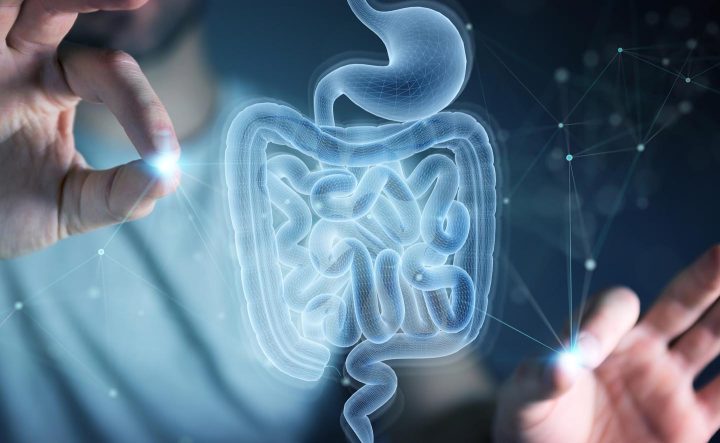
A wire model of a digestive system in the hand of a therapist.

Unbalancing the microbiome

Just as the composition of our gut bacteria appears to influence how we fare with COVID, the reverse might also be true – a COVID infection could affect the make up of our gut bacteria. Specifically, it seems COVID might throw off the balance between “good” and “bad” microbes in a person’s microbiome.

Studies have shown a significant difference in the gut microbiome between COVID patients and healthy people.((Zuo T, Liu Q, Zhang F, et al. Depicting SARS-CoV-2 faecal viral activity in association with gut microbiota composition in patients with COVID-19. Gut 2021;70:276-284. https://gut.bmj.com/content/70/2/276)) We see a reduction in bacterial diversity in the gut in COVID patients – so a smaller range of species, as well as substantial differences in the species of bacteria present.((Bernard-Raichon, L., Venzon, M., Klein, J. et al. Gut microbiome dysbiosis in antibiotic-treated COVID-19 patients is associated with microbial translocation and bacteremia. Nat Commun 13, 5926 (2022). https://doi.org/10.1038/s41467-022-33395-6))

Notably, scientists have observed a reduction in a group known as commensal bacteria in COVID patients, which act on the immune system to help prevent invasion by pathogens.((Yeoh YK, Zuo T, Lui GC, et al. Gut microbiota composition reflects disease severity and dysfunctional immune responses in patients with COVID-19. Gut 2021;70:698-706. https://gut.bmj.com/content/70/4/698)) This may increase our risk of other infections after COVID. Simultaneously, there appears to be an increase in a variety of opportunistic pathogenic bacteria that are known to cause infections.

This “imbalance” is called dysbiosis, and these changes have been shown to still be present in patients 30 days post-infection.((Yeoh YK, Zuo T, Lui GC, et al. Gut microbiota composition reflects disease severity and dysfunctional immune responses in patients with COVID-19. Gut 2021;70:698-706. https://gut.bmj.com/content/70/4/698))

Recent studies have suggested gut dysbiosis is linked to the movement of gut bacteria into the blood during a COVID infection.((Bernard-Raichon, L., Venzon, M., Klein, J. et al. Gut microbiome dysbiosis in antibiotic-treated COVID-19 patients is associated with microbial translocation and bacteremia. Nat Commun 13, 5926 (2022). https://doi.org/10.1038/s41467-022-33395-6)) In mice, COVID caused changes in a variety of parameters associated with gut barrier permeability, meaning things can theoretically move more easily through the gut wall.

In 20% of human COVID patients in this same study, certain bacteria from the gut had migrated into the bloodstream. This group was at higher risk of developing a secondary infection in the blood.

Research is now also showing that dysbiosis following COVID may contribute to long COVID,((Lantinga MA, Mönkemüller K. COVID-19 in gastroenterology and hepatology: Where will we be? United European Gastroenterol J. 2021 Sep;9(7):743-744. https://doi.org/10.1002%2Fueg2.12121)) with gut dysbiosis more prevalent in patients presenting with long-term COVID symptoms.((Giannos, P. and Prokopidis, K. (2022), Gut dysbiosis and long COVID-19: Feeling gutted. J Med Virol, 94: 2917-2918. https://doi.org/10.1002/jmv.27684)) This makes sense because dysbiosis seems to put the body in a heightened and constant state of inflammation – something that’s associated with chronic COVID symptoms.((Yeoh YK, Zuo T, Lui GC, et al. Gut microbiota composition reflects disease severity and dysfunctional immune responses in patients with COVID-19. Gut 2021;70:698-706. https://gut.bmj.com/content/70/4/698))

Supporting your immunity

As we continue to develop a more comprehensive understanding of gut microbes and their role in inflammation, how can you help keep your immune system healthy to protect yourself against COVID and other infections?

Certain nutrients, including vitamins A, C, D and E as well as iron, zinc and omega-3 fatty acids, all have positive effects on immune responses against viral infection.((Zhang, L, Liu, Y. Potential interventions for novel coronavirus in China: A systematic review. J Med Virol. 2020; 92: 479– 490. https://doi.org/10.1002/jmv.25707))

A Mediterranean diet, which is rich in vitamins, minerals and dietary fiber, has an anti-inflammatory effect in the gut.((Ganesan, K.; Chung, S.K.; Vanamala, J.; Xu, B. Causal Relationship between Diet-Induced Gut Microbiota Changes and Diabetes: A Novel Strategy to Transplant Faecalibacterium prausnitzii in Preventing Diabetes. Int. J. Mol. Sci. 2018, 19, 3720. https://doi.org/10.3390/ijms19123720)) Interestingly, a strain of bacteria known as Faecalibacterium prausnitzii is key to immune regulation.((Nagpal R, Shively CA, Register TC, Craft S, Yadav H. Gut microbiome-Mediterranean diet interactions in improving host health. F1000Res. 2019 May 21;8:699. https://doi.org/10.12688%2Ff1000research.18992.1)) It’s frequently low in the western diet, but abundant in the Mediterranean diet.

A typical salad of a mediterranean diet

Ideally you should avoid too many refined cereals, sugars and animal fats, which can all heighten inflammation in the body.((Trompette, A., Gollwitzer, E., Yadava, K. et al. Gut microbiota metabolism of dietary fiber influences allergic airway disease and hematopoiesis. Nat Med 20, 159–166 (2014). https://doi.org/10.1038/nm.3444))

Probiotics, supplementary blends of live bacteria, may also have benefits. A blend of bacterial strains Lactiplantibacillus plantarum and Pediococcus acidilactici was shown to reduce the quantity of virus detected in the nasal passage and lungs, as well as the duration of symptoms in COVID patients.((Gutiérrez-Castrellón P et. al. Probiotic improves symptomatic and viral clearance in Covid19 outpatients: a randomized, quadruple-blinded, placebo-controlled trial, Gut Microbes,14:1,DOI: 10.1080/19490976.2021.2018899))

This combination also significantly increased the production of COVID-specific antibodies, suggesting probiotics act directly by interacting with the immune system, rather than solely changing the composition of the gut microbiome.

Finally, moderate exercise can also help support the immune system to fight COVID.((da Silveira MP et. al. Physical exercise as a tool to help the immune system against COVID-19: an integrative review of the current literature. Clin Exp Med. 2021 Feb;21(1):15-28. https://doi.org/10.1007%2Fs10238-020-00650-3))

Healthy Fruits

Stay Always Up to Date

Sign up to our newsletter and stay always informed with news and tips around your health.
Sign Up Now!

This article is republished from The Conversation under a Creative Commons license. Read the original article.

The Conversation

Filed Under: Body Systems, COVID-19, Digestive Tract, Diseases, Immune System Tagged With: microbiome

7 Top Tips To Reduce Stress at Home

June 4, 2023 by Martin Neumann - [rt_reading_time label="Reading Time:" postfix="minutes" postfix_singular="minute"]

7 Top Tips To Reduce Stress at Home

Are you feeling the pressure at home? Do you find it hard to unwind? Stress affects us all in different ways and can be damaging to our health.

7 Top Tips To Reduce Stress at Home

Fortunately, there are several steps we can take to manage stress, especially in the home. This is important as we spend a vast amount of our time at home, and identifying how to reduce stress in our home life can make other areas of our lives more productive.

The small steps we take can make a big difference. A significant factor in beating stress is to have a plan of action and not let it overwhelm you.

Consider these top tips to reduce stress at home:

Clean, tidy rooms make a difference

When you are trying to reduce stress, having a clean, organized environment can be crucial. Whether you clean once a week or spend some time each day putting things together, keeping your space free from clutter and dirt will positively impact your mood.

  • Having a specific space for your essential items and ensuring they’re within easy reach can enhance productivity and reduce stress.
  • Having a calm, clean space to relax and entertain can keep anxieties at bay and provide you with a safe, calming haven to retreat to.

Write down your thoughts

Sometimes our thoughts race and our minds become jumbled. Write down your most pressing worries in a journal. You could write about relationship concerns, money, or construct a to-do list for the next day.

  • Writing your thoughts down is a brilliant way to release your worries and organize your mind, so you can see things more clearly.
  • You’ll find your thoughts are less cluttered and you have more time to enjoy the present moment.

Eat properly

When we are out on the go, we can neglect our stomachs, grabbing a quick pick-me-up here and there and not paying attention to our nutritional needs.

  • Whatever your schedule looks like, take time in the home to cook meals. Plan nutritious meals rich in fruits, vegetables, whole grains, and nuts.
  • The act of cooking alone can de-stress you, as you can have fun and focus all of your energies entirely on creating a delicious dish at that moment.
  • Cook with friends, your partner, children, or visitors you have for the weekend! If you take time out at home to fuel your body, you will fuel your mind.
Fruits - Photo by Karolina Grabowska from Pexels

Get a garden

You may think that you have already enough on your plate and do not need to add any to your workload. But getting out into the garden and having a workout digging at your soil can be very relaxing. And if you have no backyard, even putting some pots on your balcony or your windowsill can be a good start.

  • Spending time in nature can be very relaxing. Even if it is just a few minutes a day, find a moment to get out and take care of your plants. Watch like your tomatoes are growing, flowering, and getting fruits.
  • Enjoy the moment of being outside and involved in a different activity. Forget about the worries of the day and be present in the moment when you unleash your creativity in developing your gardening space. Notice the scents, colors, textures, and sounds around you and the calming effect they have on your soul.
  • Feel the satisfaction and accomplishment of harvesting some fresh and organic food that you have grown with your own hands. Start slow and with easy to care varieties and step up as your experience grows.

Create a relaxing sleep environment

Getting proper sleep is so important in controlling your stress. It gives your body and mind an opportunity to rest and rejuvenate.  It regulates your hormones and improves your mood. Good sleep is extremely crucial for stress control.

  • Set up your bedroom to be a relaxing, peaceful environment. Get rid of any distracting clutter and distractions like TV. Your bedroom should be reserved for relaxation.
  • Create an environment conducive to sleep. During the night the room should be completely dark and silent, have a comfortable bed, and a temperature slightly cooler than the rest of the house. If needed, consider using eye shades and earplugs, in case you cannot create the environment you need to relax.
  • Limit your screen time before going to bed. The blue light emitted by screens can interfere with the production of melatonin. Avoid using electronic devices like Computers, TVs, tablets, and cell phones for an hour before bedtime and engage in screen-free activities that help you to relax.
  • Develop a relaxing bedtime routine. Involve in activities that are relaxing and signal your body to wind down. That can include a warm bath, relaxing music with candlelight, reading a book, having a chat with your partner, or drinking a calming tea.
  • Be sure to sort out your thoughts before hitting the bed, like resolving a conflict with your partner or paying an unpaid bill. If you are worried, pray to God and ask Him to give you peace and calmness.
A woman sleeping

Decorate your space

Get your creative mind in gear and turn your home into a tranquil paradise. Buy matching furnishings with the colors you love. Fill the room with plants and a few accessories that represent you. Even a few tweaks in decorating your space can make a huge impact.

  • We can’t always control how our workspaces look or the dull, joyless spaces we sometimes find ourselves in. We can, however, control how our abode looks, and this calming project can help you feel in control as you spruce up your space!

Separate work and home spaces

In a world where we’re increasingly working from home, one way to banish stress is to have a section in your home dedicated to work and separate areas dedicated to relaxing.

  • Avoid taking your laptop to bed with you or eating in the same space you associate with work. Keep them separate to keep your mind clutter-free.
  • Have set time for your work and know to switch off when you are in your free time.

There are so many effective ways to manage stress at home. When your professional life is stressful, create a safe, supportive home life where you can banish stress, unwind, and make memories that you want to remember for many days to come.

Do you need a guide to help you understand how to cope with Stress in an all inclusive approach? Learn how to combat stress, mentally, physically, emotionally and strategically in your life.

Get Me the Guide

Filed Under: Mental Health, Stress Management

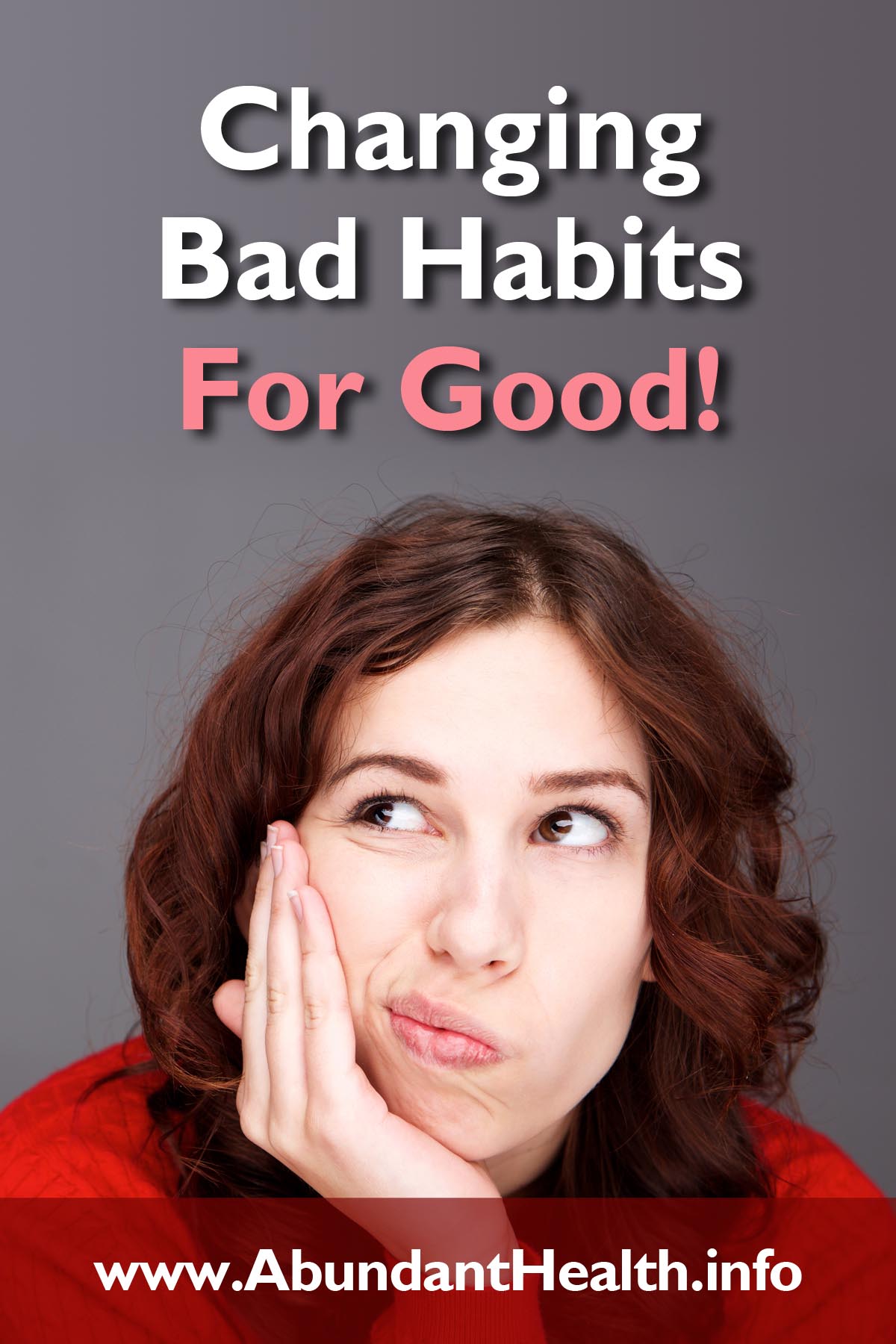
Changing Bad Habits — for Good!

May 28, 2023 by Vicki Griffin - [rt_reading_time label="Reading Time:" postfix="minutes" postfix_singular="minute"]

Changing Bad Habits

Habits — we all have them.  American author Elbert Hubbard said: “Habit is the great economizer of energy.” He was exactly right.  Habits are our friends — when they’re good ones. Habits are routines that help us repeat safe and effective behaviors and build consistency and security into our lives. 

Changing Bad Habits — for Good!

But bad habits can become addictions. In the past, the term addiction was used only to refer to problems with substances such as drugs, alcohol, or nicotine. But addictions can include many behaviors and activities including gambling, shopping, overwork, sex, internet abuse, and food.”((Substance Use Misuse 1997:32(11)1573.))

Brain on a Binge.  A hallmark of addiction is continued self-destructive behavior despite adverse consequences. When an addiction develops, what is happening in the brain? For one thing, the pleasure circuits in the brain become “hijacked” by the addictive substance or behavior, producing intense cravings. 

The Tangled Roots of Addiction. Addictions have many possible roots, including emotional, spiritual, physical, environmental, and genetic. Addictions are strong — but the weapons available to win the war against addiction are even stronger.  In any war, it is important to have a plan in order to achieve a decided victory.

If you think you have an addiction, work closely with a health care professional, and especially if the addiction includes drugs or alcohol.

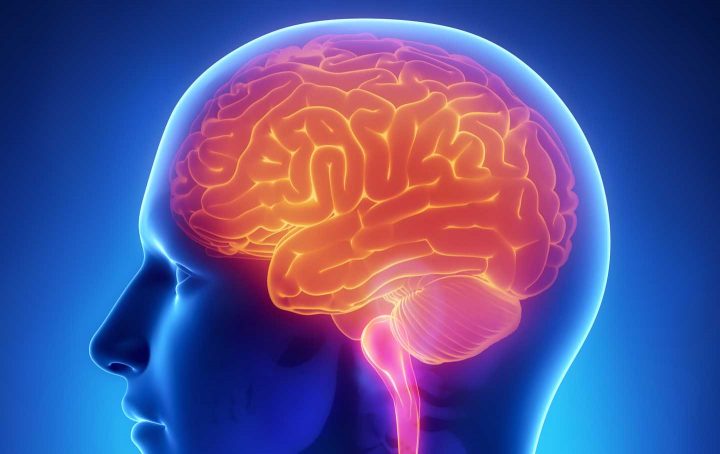
The Learning Brain. Can bad habits be broken? God has designed the human brain — even in adulthood — with a powerful capacity to reshape itself according to what it learns and even grow new connections, or neurons.  Psychiatrist John Ratey explains:  “Experiences, thoughts, actions, and emotions actually change the structure of our brains. By viewing the brain as a muscle that can be weakened or strengthened, we can exercise our ability to determine who we become. Indeed, once we understand how the brain develops, we can train our brains for health, vibrancy, and longevity.”((Ratey J. User’s Guide to the Brain (New York, NY: Vintage Books, 2002) p. 17))

Illustration of the brain

Good habits can become just as strong as bad ones! Creating good habits works the same way as creating bad habits. Doing the same thing over and over sets a pattern in the brain that creates a habit.

Freedom Keys.  Potent, powerful, and protective weapons are available to help you make and maintain permanent change over time. They include:

Creating an Environment — Internally and Externally.  Pay attention to your internal environment — your thoughts.  Cultivate thankfulness in place of negativity. What you make up your mind to be, you will be. “As man thinks in his heart, so is he.” Proverbs 23:7. John Ratey states it this way: “We can actually change our brains. By altering the external environment or the internal environment of our bodies, we can take better advantage of our strengths and amend our weaknesses…One necessary precursor to change, though, is often a change in attitude.”((Ratey J. User’s Guide to the Brain (New York, NY: Vintage Books, 2002) p. 356))

Pay attention to your external environment — the things that surround you. Make sure your surroundings are helping you, not hurting you. Create an environment where it is easier to make the positive choice. Remove temptation. Practice new behaviors. For example, place a bowl of fresh fruit on the counter to replace the candy dish or ashtray. Keep your walking shoes by the door. Have your gym bag in the car for ready access.

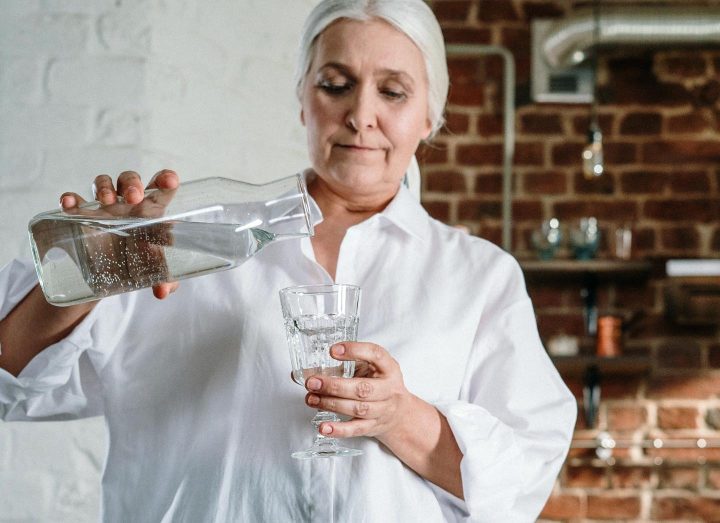
Creating a Lifestyle. Positive lifestyle choices protect the brain and body, making it easier to cope with stress and enjoy new things to do in life. Daily exercise improves learning, increases energy, and lowers anxiety.  Eating plenty of fresh fruits, vegetables, and whole grains, beans, and nuts — builds mental strength and eases stress. Regular rest and plenty of water refresh the body and mind and prepare it for new challenges.

A senior woman getting a glass of water

Creating Connections.  Get connected with friends who will encourage you in your new choices.  Personal growth takes place as we interact with others. Connecting with church and community resources makes our world bigger than our circumstances.

It creates opportunities for giving, receiving, and learning communication skills, and building meaningful experiences. Connections can provide support and accountability that increase long-term success. 

Establish or strengthen your connection with God.  This will give you power to make positive choices and stick with them over time. God will help you discover your true value and purpose in life.  

Practice on Purpose!  We have all heard the expression “practice makes perfect.” Purposeful repetition builds good habits. The more times a positive thought or action is repeated, the more it is cemented in the brain. Successful people are not mistake-free — they just refuse to give up. Adopting healthful habits of living and thinking requires determination.  But knowing that the brain can recover from addictions and move forward provides hope.

Call to Action

“Trust in the Lord with all your heart, and do not rely on your own insight. In all your ways acknowledge Him, and He will direct your path.” Proverbs 3:5-6. You can trust your Redeemer who died to create a new heart in you; new desires, new motives, new strength.

“Don’t you be afraid, for I am with you. Don’t be dismayed, for I am your God. I will strengthen you. Yes, I will help you. Yes, I will uphold you with the right hand of my righteousness” (Isaiah 41:10 WEB). God sees your potential. You are here for a reason. Jesus is reaching out to you.  Will you take His hand right now and say, “Yes, Lord, I believe.  Help my unbelief.  Strengthen me and guide me in your way.”

Healthy Fruits

Stay Always Up to Date

Sign up to our newsletter and stay always informed with news and tips around your health.
Sign Up Now!

This article was originally published on the Time to Get Ready website.

This information is adapted from the book Living Free: Finding Freedom from Habits that Hurt.  Visit us at LifestyleMatters.com or call 1-866-624-5433 for your resources to build a better brain, body, and lifestyle.

Filed Under: Addictions, Healthy Lifestyle, Mental Health, Temperance

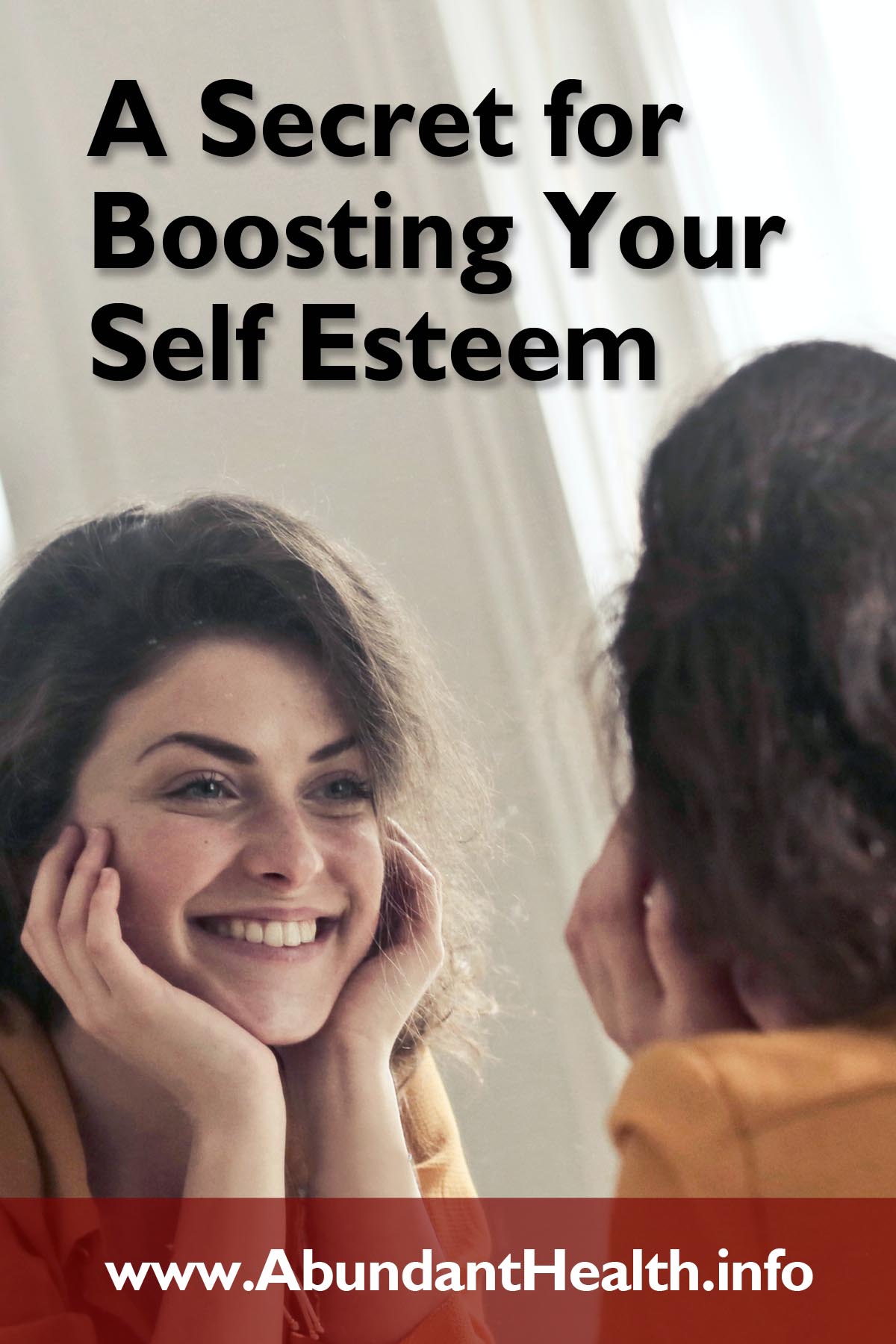
A Secret for Boosting Your Self Esteem

May 21, 2023 by Dr. Cesar Vasconcellos de Souza - [rt_reading_time label="Reading Time:" postfix="minutes" postfix_singular="minute"]

Self Esteem

Do you like yourself? Is it possible to like ourselves, even if we have character defects, as we all do? Is there any difference between how society conceptualizes self-esteem and how God our creator defines it?

A Secret for Boosting Your Self Esteem

I came across a good article by the journalist Emanuelle Sales, entitled: The Different Way God Treats Self-Esteem.

In addition to being a journalist, she is the creator of a blog and author of books such as: “Mirror, Mirror, Now the Mirror is God”, as well as the book “Image and Likeness” and “Daughter of the King”. I now bring you insights from her text and my own thoughts on the subject of self-esteem. Between 2005 and 2007 I studied and worked in a Lifestyle Center in Wildwood, GA, when I changed my concept of self-esteem, living with a couple of scientists, Dr. Bernell Baldwin, Ph.D. in Neurophysiology from George Washington University, and his wife, author Marjorie Baldwin, a physician specializing in the digestive tract and nutrition. Both had been professors at Loma Linda University School of Medicine in California.

I often had lunch with them in the cafeteria of that institution, where I learned, among other things, a new concept about self-esteem. As Christian scientists, they based their ideas about self-esteem on biblical teachings. And one of them commented to me about how he can have self-esteem if we look at our spiritual contamination.

I kept thinking about this as I began to understand that I would need to change my concept of self-esteem. But what is self-esteem anyways? One of the definitions may be: Self-esteem means a value we give to ourselves and has to do with our ability to love ourselves. Self-esteem relates to self-respect, self-acceptance, and self-knowledge.

A person can have good or bad self-esteem. You can have high, low or normal self-esteem. When you keep putting yourself down, disrespecting yourself, and rejecting yourself, then your self-esteem is low. On the other hand, exalting oneself is not synonymous with good self-esteem. It can be the result of insecurity, pride, or arrogance.

A man with an arrogant look

Part of developing good self-esteem is self-understanding. When we improve our self-awareness, we can become more humble, because we see that we have strengths and weaknesses and that we are not better than anyone else. Emanuelle cites in her article a survey conducted by photographers Viola Gaskell and Alisson Luntz, who asked the following question: What makes you feel beautiful? They asked the question to people passing through the streets of Seattle and New York. The survey was part of a project called: What Makes Me Feel Beautiful? created for Ebay’s fashion and style blog.

The two photographers heard testimonials such as people saying: The only thing that makes me feel beautiful is my body and my heels. A girl always feels beautiful with her curves and high heels. Another person said: my smile, my skin. Those are some of my favorite things about myself.

One person commented on what makes her feel beautiful, saying: Getting all dressed up like I am now! I’m just going out for a walk with some friends, so I put on this dress and this jewelry, which I love. It definitely makes me feel beautiful.

An interesting comment came from someone else who said, in a more spiritual way: I think your beauty is your posture, you know? A person can be very beautiful, but when he opens his mouth he can kill all his beauty.

One person commented: My self-esteem is much better when I’m painted and made up, I feel prettier with well-designed makeup and beautiful high heels.

A woman with a face mask, hair treatment and sunglasses, trying to lift her self esteem

It’s funny how people generally link self-esteem solely to what they can see in the mirror. And when you grow old? And the skin is not silky anymore, what now? And the age wrinkles appear? Will plastic surgery fix everything? If you build your self-esteem based solely on your image, this parallels what Jesus said about the danger and imprudence of building a castle on sand.

The journalist Emmanuelle went on to write that a woman is likely to feel more powerful and confident, standing in beautiful high heels, using careful make-up, wearing expensive designer clothes, and exhaling the smell of an imported perfume. And a man is likely to feel confident, wearing a suit custom-made by an elite tailor, wearing a gold watch, putting on designer shoes, and having spent some good money to trim his beard.

But what do you feel for yourself? When you get back home, you take off your makeup, throw your expensive dress on the bed, take off your imported suit, take a shower, and stay in your natural body, without paint, without makeup, without jewelry, without perfume. Do you like what you see or not?

The Bible advises us not to build our self-esteem on external things, because they pass and will not sustain us forever. She recommends that we build the notion of value as people, in things that moth and rust do not destroy and where thieves do not break in to steal. The physician Dr. Luke narrated these words of Jesus in his Gospel like this:

Life is more than food, and the body is more than clothing.

Luke 12:23

Our self-respect, our self-esteem must be based on what God sees in us if we are to submit to his help through his power called grace.

A radiant woman demonstrating a healthy self esteem

Whenever Jesus was meeting a person, no matter how bad his behavior was, he looked and dealt with that person, thinking about what he could become if he surrendered to him and followed him by practicing the master’s instructions. Emmanuelle commented in her article that self-help books and self-love gurus, raise banners that collaborate to inflate the ego in search of the applause of crowds and a feeling of power. But our creator looks at us and says:

“All flesh is grass, and all its loveliness is like the flower of the field. The grass withers, the flower fades, because the breath of the Lord blows upon it; surely the people are grass. The grass withers, the flower fades, but the word of our God stands forever.”

Isaiah 40:6-8

In other words, we are small, mortal, limited, and we die. This comment in Isaiah is not a depreciation of life and the human person, but a statement of our limitation, smallness, and finitude. God so loved and loves people, his creatures, that God himself, Jesus Christ comes into the world to lift us up, heal us, save us, and restore our self-esteem. Your value as a person and your self-esteem needs to be based on the value that the creator gives you, and not on your outward appearance, because that will change. Think it through deeply.

We can respect ourselves, even being imperfect as we are. Along with the bad characteristics of our personality, God sees that there are potential virtues that he can develop if we want to, if we let him act in our life, and if we surrender to him and follow the beauty and simplicity of the Master Jesus Christ, as described in the Gospels.

Proper self-esteem depends on what God establishes in our character. Think about it. Leave aside this idea of constructing only your exterior. Of course, you are not going to be a relaxed person, wear poorly ironed clothes, or not have proper personal hygiene. It’s okay for you to take care of your body aesthetics, that’s healthy. It just can’t become an obsessive thing. It’s not good for your mental health if you put that external view, what you see in the mirror, as the only source of satisfaction, the only source of self-worth. Think about it, God will give you a wonderful self-esteem.

Healthy Fruits

Stay Always Up to Date

Sign up to our newsletter and stay always informed with news and tips around your health.

Sign Up Now!

Filed Under: Mental Health, Trust Tagged With: Self esteem

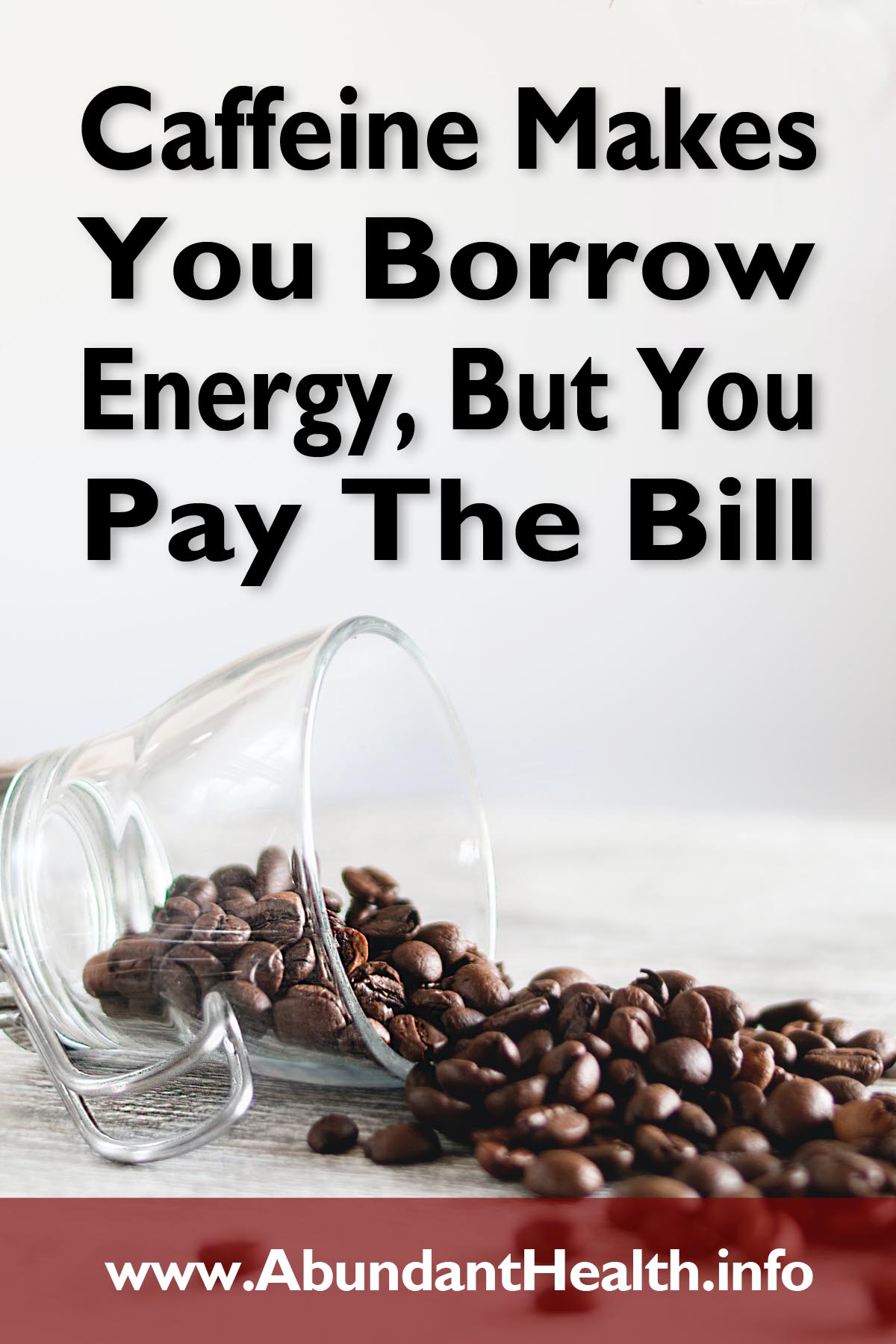
Caffeine Makes You Borrow Energy, But You Pay The Bill

May 14, 2023 by Emma Beckett - [rt_reading_time label="Reading Time:" postfix="minutes" postfix_singular="minute"]

Caffeine Makes You Borrow Energy, But You Pay The Bill

Many of us want (or should I say need?) our morning coffee to give us our “get up and go”. Altogether, the people of the world drink more than two billion cups of coffee each day.((Surma, S., Oparil, S. Coffee and Arterial Hypertension. Curr Hypertens Rep 23, 38 (2021). https://doi.org/10.1007/s11906-021-01156-3)) You might think coffee gives you the energy to get through the morning or the day – but coffee might not be giving you as much as you think.

Caffeine Makes You Borrow Energy, But You Pay The Bill

The main stimulant in coffee is the caffeine. And the main way caffeine works is by changing the way the cells in our brain interact with a compound called adenosine.((Timothy Roehrs, Thomas Roth, Caffeine: Sleep and daytime sleepiness, Sleep Medicine Reviews, Volume 12, Issue 2, 2008, Pages 153-162, https://doi.org/10.1016/j.smrv.2007.07.004.))

Getting busy, getting tired

Adenosine is part of the system that regulates our sleep and wake cycle and part of why high levels of activity lead to tiredness.((Tarja Porkka-Heiskanen, Lauri Alanko, Anna Kalinchuk, Dag Stenberg, Adenosine and sleep, Sleep Medicine Reviews, Volume 6, Issue 4, 2002, Pages 321-332, ISSN 1087-0792, https://doi.org/10.1053/smrv.2001.0201.)) As we go about our days and do things, levels of adenosine rise because it is released as a by-product as energy is used in our cells.((Huang Z et.al. The Role of Adenosine in the Regulation of Sleep. https://doi.org/10.2174/156802611795347654))

Eventually adenosine binds to its receptor (parts of cells that receive signals) which tells the cells to slow down, making us feel drowsy and sleepy. This is why you feel tired after a big day of activity. While we are sleeping, energy use drops lowering adenosine levels as it gets shuffled back into other forms.((Bjorness T et.al. Adenosine and Sleep. https://doi.org/10.2174/157015909789152182)) You wake up in the morning feeling refreshed. Well, if you get enough sleep that is.

If you are still feeling drowsy when you wake up caffeine can help, for a while. It works by binding to the adenosine receptor, which it can do because it is a similar shape.((Fredholm B. Adenosine, Adenosine Receptors and the Actions of Caffeine. https://doi.org/10.1111/j.1600-0773.1995.tb00111.x)) But it is not so similar that it triggers the drowsy slow-down signal like adenosine does. Instead it just fills the spots and stops the adenosine from binding there. This is what staves off the drowsy feeling.

No free ride

But there is a catch. While it feels energising, this little caffeine intervention is more a loan of the awake feeling, rather than a creation of any new energy.

This is because the caffeine won’t bind forever, and the adenosine that it blocks doesn’t go away. So eventually the caffeine breaks down, lets go of the receptors and all that adenosine that has been waiting and building up latches on and the drowsy feeling comes back – sometimes all at once.

So, the debt you owe the caffeine always eventually needs to be repaid, and the only real way to repay it is to sleep.

A woman sleeping

Timing is everything

How much free adenosine is in your system, that hasn’t attached to receptors yet, and how drowsy you are as a consequence will impact how much the caffeine you drink wakes you up. So, the coffee you drink later in the day, when you have more drowsy signals your system may feel more powerful.((Smith A. P. The effects of caffeine, impulsivity and time of day on performance, mood and cardiovascular function. https://doi.org/10.1177/026988119100500205))

If it’s too late in the day, caffeine can make it hard to fall asleep at bedtime. The “half life” of caffeine (how long it takes to break down half of it) is about five hours.((Caffeine for the Sustainment of Mental Task Performance. Formulations for Military Operations. Chapter 2. National Academies, 2001)) That said, we all metabolise caffeine differently, so for some of us the effects wear off more quickly.((Nehlig A. Interindividual Differences in Caffeine Metabolism and Factors Driving Caffeine Consumption. Pharmacol Rev. 2018 Apr;70(2):384-411. doi: 10.1124/pr.117.014407)) Regular coffee drinkers might feel less of a caffeine “punch”, with tolerance to the stimulant building up over time.((Ammon HP. Biochemical mechanism of caffeine tolerance. Arch Pharm (Weinheim). 1991 May;324(5):261-7. doi: 10.1002/ardp.19913240502.))

Caffeine can also raise levels of cortisol, a stress hormone that can make you feel more alert.((Lovallo WR, Whitsett TL, al’Absi M, Sung BH, Vincent AS, Wilson MF. Caffeine stimulation of cortisol secretion across the waking hours in relation to caffeine intake levels. Psychosom Med. 2005 Sep-Oct;67(5):734-9. doi: 10.1097/01.psy.0000181270.20036.06.)) This might mean caffeine feels more effective later in the morning, because you already have a natural rise in cortisol when you wake up. The impact of a coffee right out of bed might not seem as powerful for this reason.

If your caffeinated beverage of choice is also a sugary one, this can exacerbate the peak and crash feeling. Because while sugar does create actual energy in the body, the free sugars in your drink can cause a spike in blood sugar, which can then make you feel tired when the dip comes afterwards.

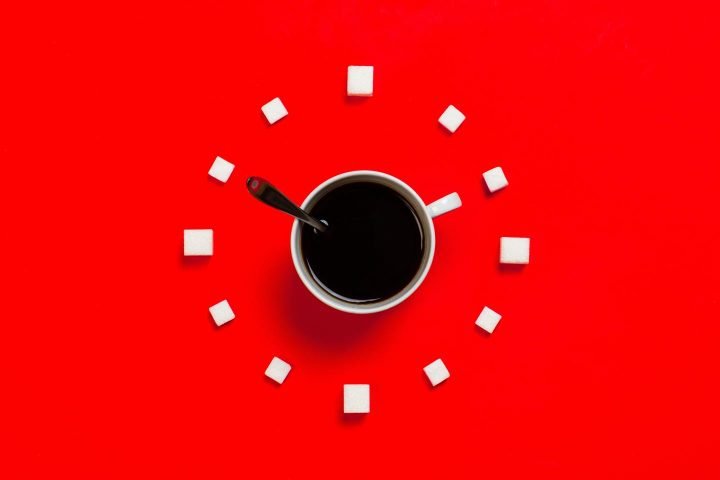
A clock symbolized by a coffee cup and sugarcubes.

While there is no proven harm of drinking coffee on an empty stomach, coffee with or after a meal might hit you more slowly. This is because the food might slow down the rate at which the caffeine is absorbed.((Caffeine. The Nutrition Source. Harvard School of Public Health))

What about a strong tea or fizzy cola?

Coffee, of course, isn’t the only caffeinated beverage that can loan you some energy.

The caffeine in tea, energy drinks and other beverages still impacts the body in the same way. But, since the ingredients mostly come from plants, each caffeinated beverage has its own profile of additional compounds which can have their own stimulant effect, or can interact with caffeine to change its impacts.((Barbara Penolazzi, Vincenzo Natale, Luigi Leone, Paolo Maria Russo, Individual differences affecting caffeine intake. Analysis of consumption behaviours for different times of day and caffeine sources, Appetite, Volume 58, Issue 3, 2012, Pages 971-977, ISSN 0195-6663, https://doi.org/10.1016/j.appet.2012.02.001.))

Caffeine isn’t magic. To create energy and re-energise our bodies we need enough food, water and sleep.


For more information on the negative impacts of caffeine, continue with this article:
What Caffeine is doing to You and Your Child?

Healthy Fruits

Stay Always Up to Date

Sign up to our newsletter and stay always informed with news and tips around your health.

Sign Up Now!

This article is republished from The Conversation under a Creative Commons license. Read the original article.

The Conversation

Filed Under: Healthy Lifestyle, Temperance

« Previous Page
Next Page »

Primary Sidebar

Social Channels

Coronavirus Immunity Challenge

Boost your immune system to be bullet-proof for the pandemic.

I Want to Participate

Recent Posts

  • 5 Habits to Live Longer
  • Better Sleep Can Protect Against Dementia
  • Finding Peace In Your Crazy-Busy World
  • Flaxseed – An Ancient Plant Rediscovered
  • Platelets – Triggers for Life or Death
  • Boderline Personality Disorder
  • In Praise of Almonds and Nuts
  • Are You Stuck in the Clutter Trap?

Categories

  • Body Systems (16)
    • Cell Function (2)
    • Circulatory System (1)
    • Digestive Tract (10)
    • Immune System (4)
  • Diseases (27)
    • Cancer (2)
    • Cold (1)
    • COVID-19 (11)
    • Dementia (1)
    • Diabetes (1)
    • Digestive Diseases (2)
    • Heart Disease (2)
    • Kidneys (1)
    • Metabolic Syndrome (2)
    • Skin (1)
  • Healthy Lifestyle (42)
    • Exercise (11)
    • Gardening (2)
    • Sleep (7)
    • Sunlight (2)
    • Temperance (14)
    • Water (4)
  • Mental Health (87)
    • Addictions (6)
    • Anxiety (7)
    • Burnout (1)
    • Depression (7)
    • Psychosomatic Diseases (6)
    • Stress Management (45)
    • Trust (6)
  • Nutrition (56)
  • Obesity (9)
  • Phases of Life (14)
    • Adults (3)
    • Babies and Infants (1)
    • Children (3)
    • Seniors (5)
    • Teenagers (3)
  • Therapies (7)
    • Herbs (5)
    • Hydrotherapy (1)
  • Uncategorized (3)

Archives

  • January 2025 (1)
  • March 2024 (5)
  • February 2024 (4)
  • January 2024 (4)
  • December 2023 (5)
  • November 2023 (4)
  • October 2023 (5)
  • September 2023 (4)
  • August 2023 (3)
  • July 2023 (2)
  • June 2023 (4)
  • May 2023 (4)
  • April 2023 (5)
  • March 2023 (4)
  • February 2023 (4)
  • January 2023 (4)
  • December 2022 (4)
  • November 2022 (4)
  • October 2022 (5)
  • September 2022 (4)
  • August 2022 (4)
  • July 2022 (5)
  • June 2022 (4)
  • May 2022 (5)
  • April 2022 (4)
  • March 2022 (4)
  • February 2022 (4)
  • January 2022 (5)
  • December 2021 (3)
  • November 2021 (4)
  • October 2021 (6)
  • September 2021 (4)
  • August 2021 (4)
  • July 2021 (5)
  • June 2021 (4)
  • May 2021 (3)
  • April 2021 (5)
  • March 2021 (4)
  • February 2021 (4)
  • January 2021 (5)
  • December 2020 (3)
  • November 2020 (4)
  • October 2020 (5)
  • September 2020 (5)
  • August 2020 (3)
  • July 2020 (1)
  • June 2020 (1)
  • May 2020 (1)
  • April 2020 (1)
  • March 2020 (1)

Copyright © 2026 · Abundant Health - Privacy Policy - Medical Disclaimer